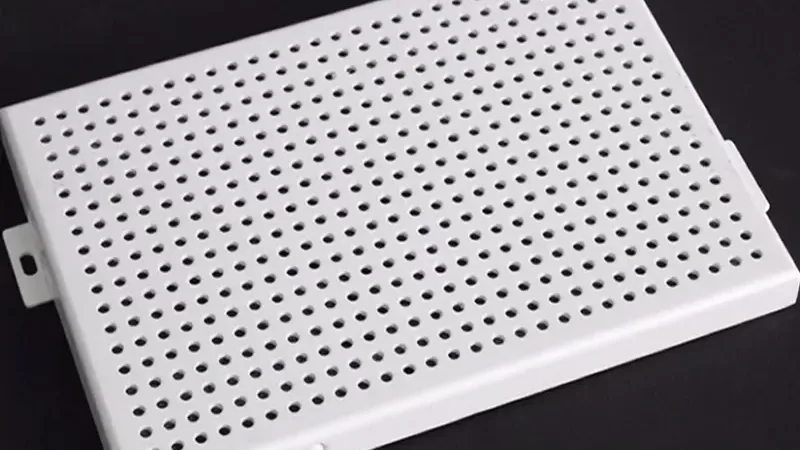
Aluminum veneer stands out as a remarkably versatile and popular choice. Often seen adorning the facades of modern buildings, enhancing interior spaces, and contributing to innovative designs, aluminum veneer offers a unique blend of strength, lightweight properties, and design flexibility.
If you’ve ever wondered about the sleek, metallic surfaces that define many modern structures, chances are you’ve encountered aluminum veneer.
Key Features and Benefits of Aluminum Veneer
Choosing aluminum veneer for a project offers a wide range of advantages that appeal to architects, builders, and property owners alike. Its inherent properties make it an excellent choice for modern construction.
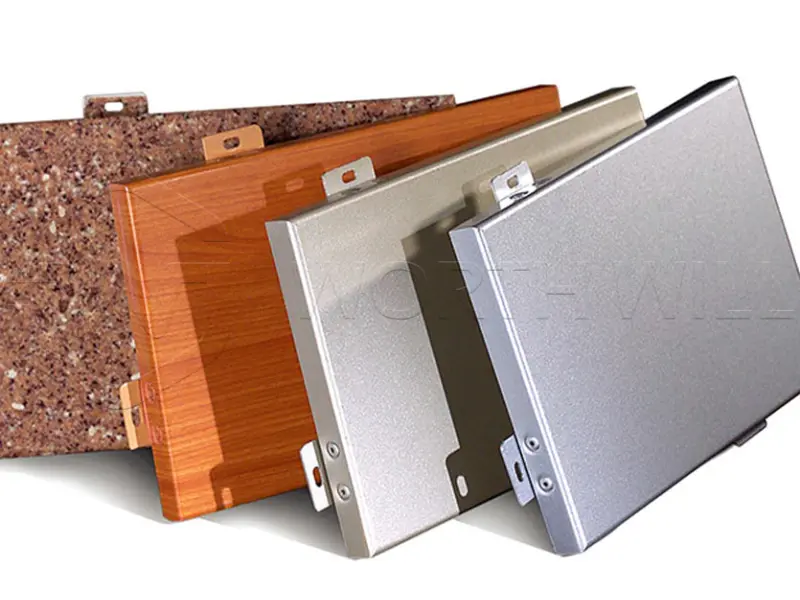
| Feature | Benefit |
|---|---|
| Lightweight Durability | Easy handling, reduced structural load, cost savings. |
| Exceptional Weather Resistance | Resists corrosion, rust, UV, rain, and extreme temperatures; long lifespan. |
| Superior Fire Resistance | Non-combustible, significantly enhances building fire safety. |
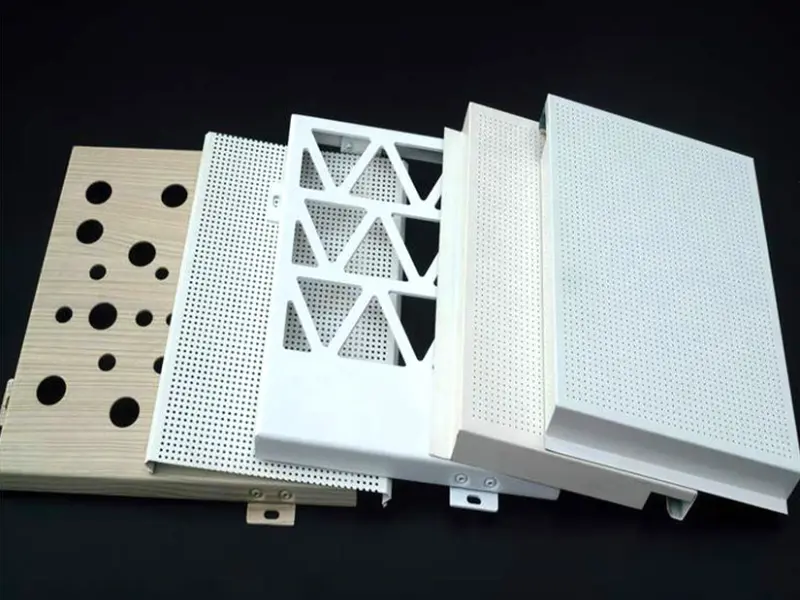
| Design Flexibility | Easily shaped into curves, custom forms, and perforations. |
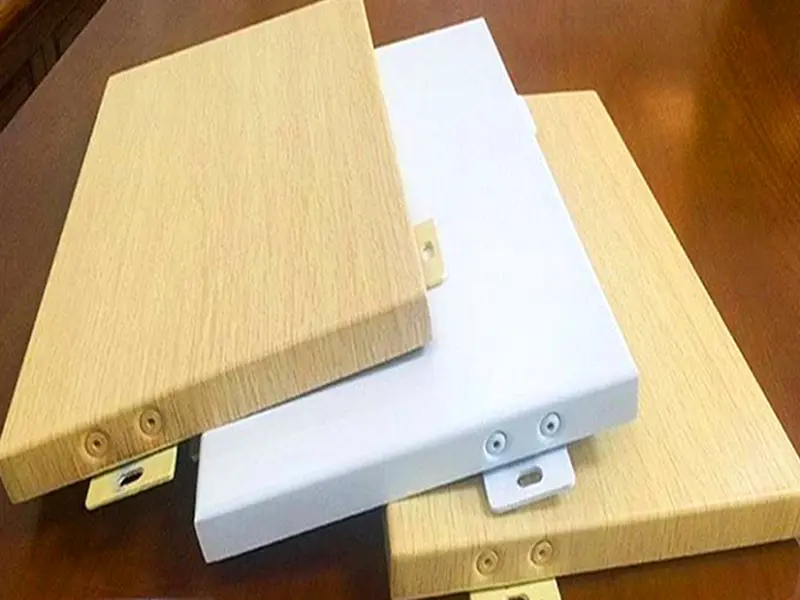
| Wide Range of Finishes | Extensive colors and textures (PVDF, powder coating) for perfect aesthetics. |
| Easy Maintenance | Smooth, coated surface is simple to clean, retains appearance. |
| Sustainable & Recyclable | 100% recyclable, an environmentally friendly building material. |
| Impact Resistance | Offers good protection against minor impacts. |
Applications of Aluminum Veneer
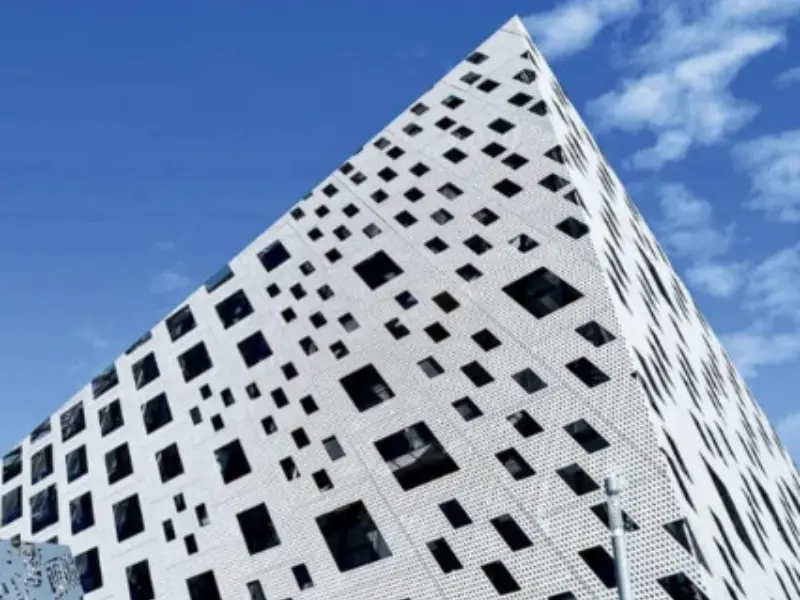
The versatility and performance characteristics of aluminum veneer make it suitable for a broad spectrum of architectural and design applications. Its use is prevalent in both new constructions and renovation projects.
- Building Facades & Exterior Wall Cladding: Modern, sleek finish for various building types.
- Column Covers: Encasing structural columns for protection and aesthetic appeal.
- Ceilings & Soffits: Lightweight and attractive for large overhead areas.
- Canopies & Awnings: Weather-resistant for outdoor protective structures.
- Decorative Interior Walls: Contemporary and durable finishes in lobbies, corridors.
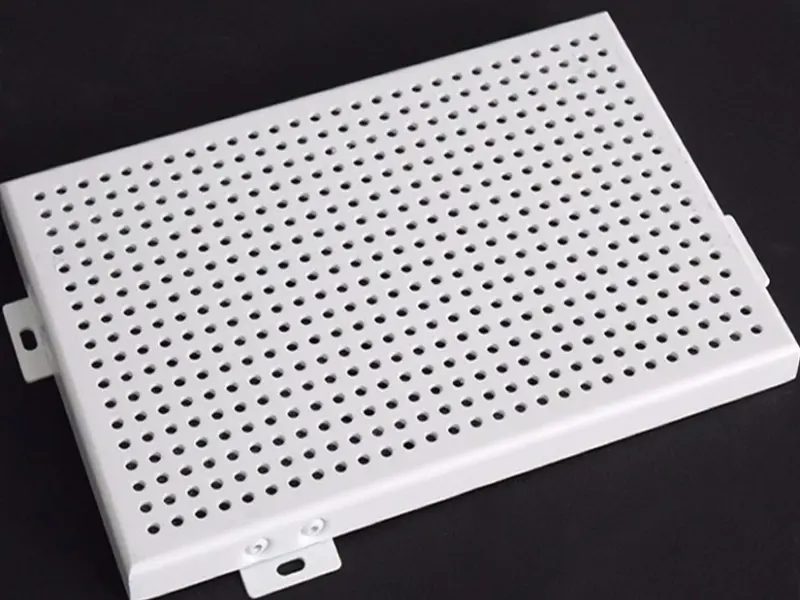
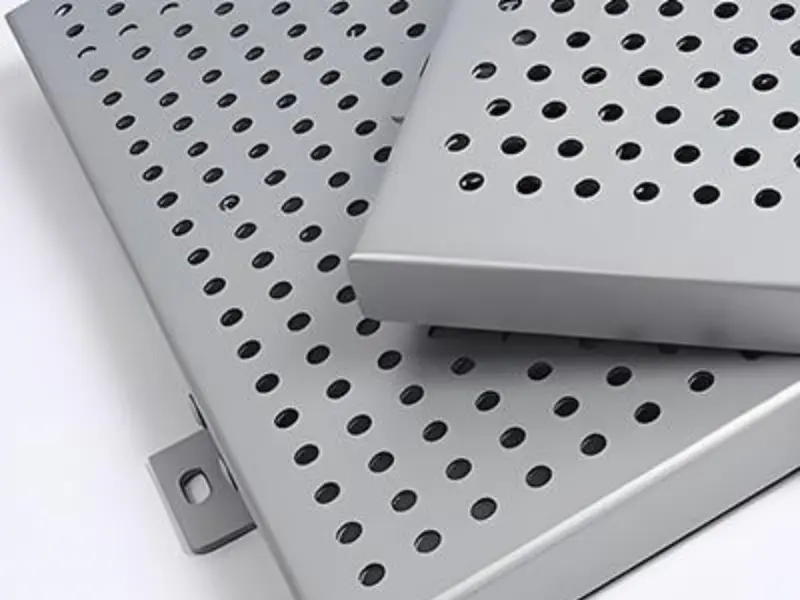
- Perforated Panels: Artistic patterns, ventilation, light diffusion elements.
- Balustrades & Railings: Combining safety with modern design.
- Signage Backings: Durable base for outdoor and indoor signs.
- Specialty Architectural Features: Unique elements requiring custom metal finishes.
Types and Specifications of Aluminum Veneer
Aluminum veneer panels come in various forms and can be customized extensively to meet project-specific demands. Here’s a breakdown of common types and specifications:
Material Alloys
The choice of alloy impacts the panel’s strength and workability.
| Alloy Series | Primary Composition | Key Characteristics | Common Use Case |
|---|---|---|---|
| 1100 Series | Pure Aluminum | Good workability, excellent corrosion resistance. | Interior, simpler forms |
| 3003 Series | Aluminum-Manganese | Stronger than 1100, better corrosion resistance. | Most common for exterior facades |
Panel Thickness Options
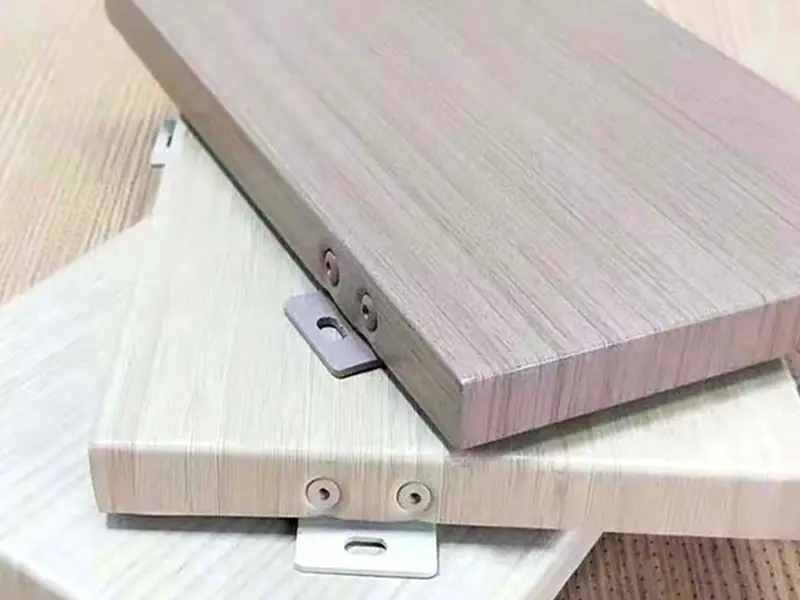
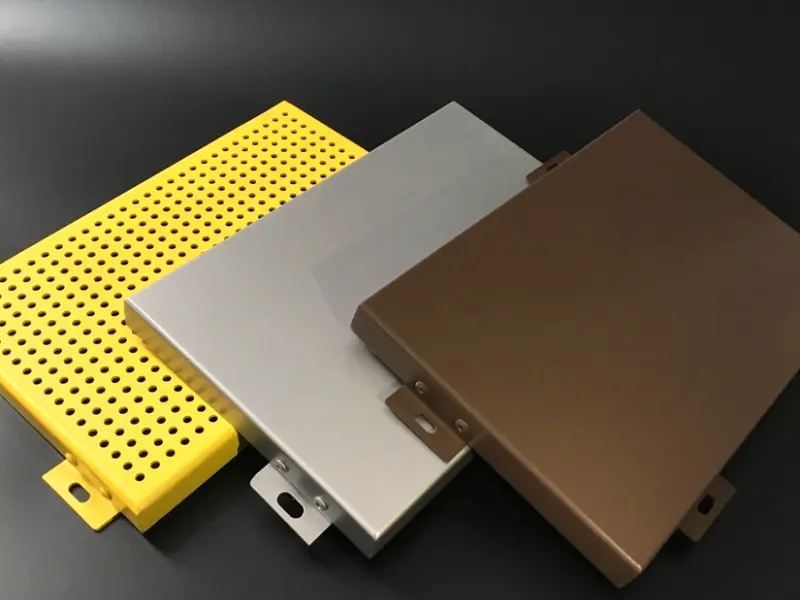
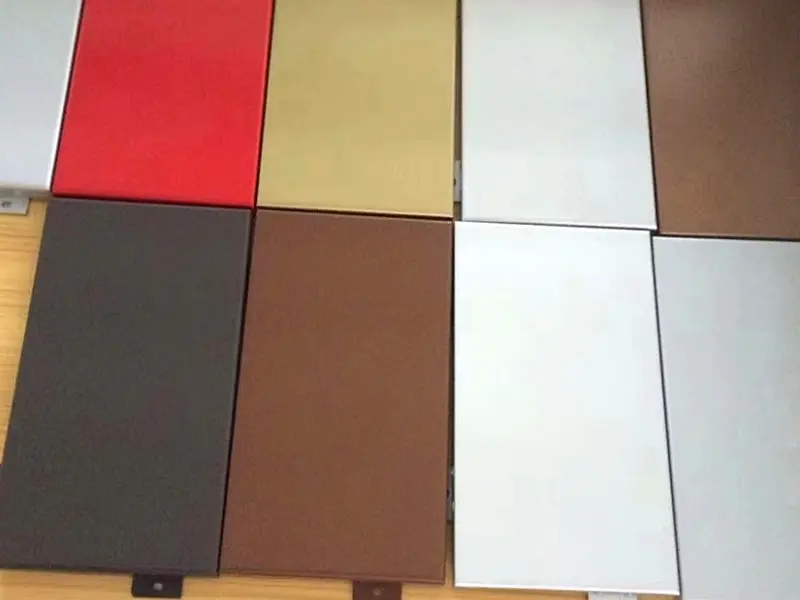
Thickness is crucial for rigidity, durability, and load-bearing capacity.
| Thickness (mm) | Thickness (in) | Rigidity Level | Common Applications |
|---|---|---|---|
| 1.5 | 0.06 | Standard | Interior, small exterior features |
| 2.0 | 0.08 | Good | Common for exterior facades, medium panels |
| 2.5 | 0.10 | Enhanced | Larger panels, areas with higher wind loads |
| 3.0 | 0.12 | Maximum | Heaviest duty, complex shapes, high wind/impact zones |
Common Surface Coating Types
The coating provides color, texture, and protection.
| Coating Type | Key Performance | Aesthetic |
|---|---|---|
| PVDF (Fluorocarbon) | Excellent weather, UV, corrosion resistance; long-lasting. | Wide range of colors, metallic, high-performance. |
| Powder Coating | Durable, good scratch resistance, wide color selection. | Uniform solid colors, often more economical. |
| Anodizing | Hard, protective oxide layer, abrasion resistance. | Translucent metallic hues, natural aluminum look. |
Typical Panel Forms & Customization
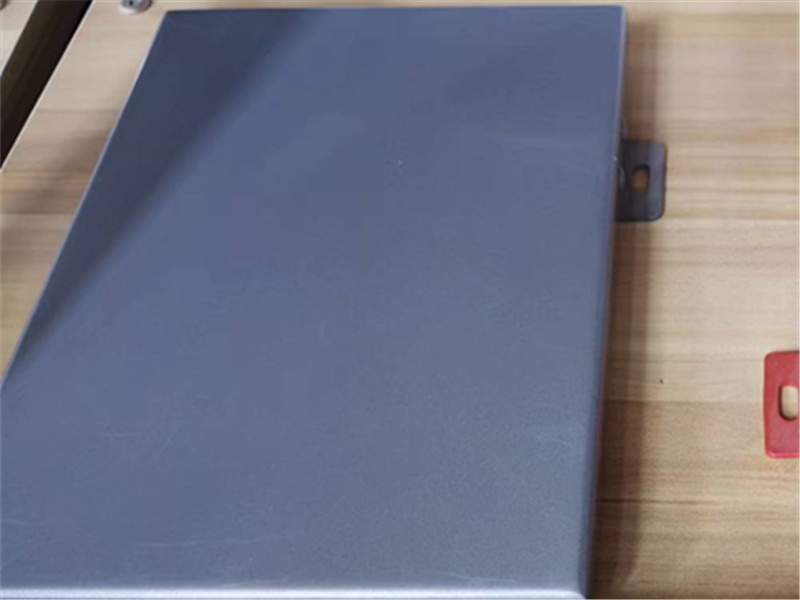
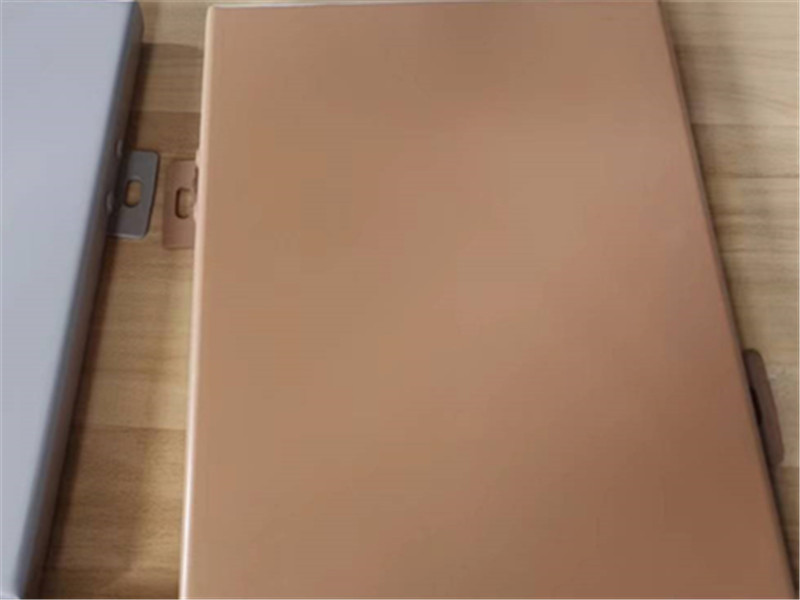
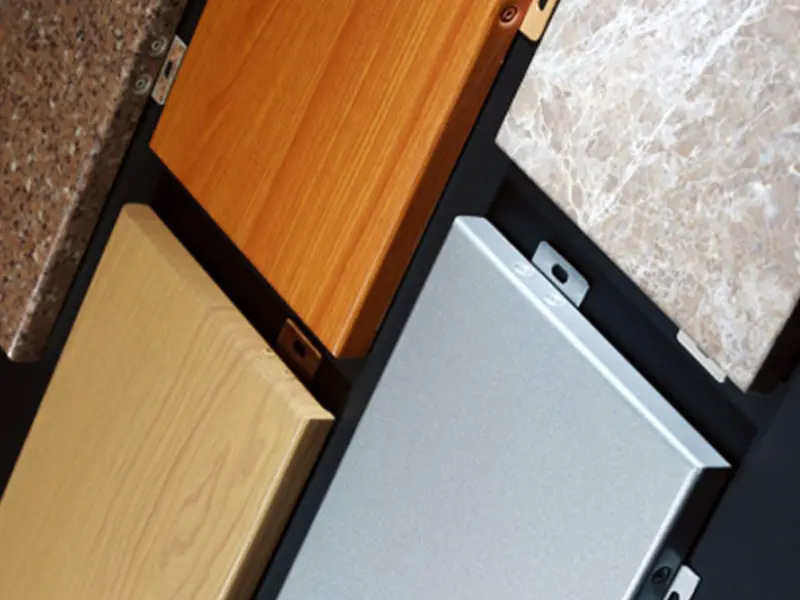
Aluminum veneer can be fabricated into diverse shapes.
| Panel Form | Description | Customization Capability |
|---|---|---|
| Flat Panels | Simple, planar sheets. | Any desired rectangular/square dimensions. |
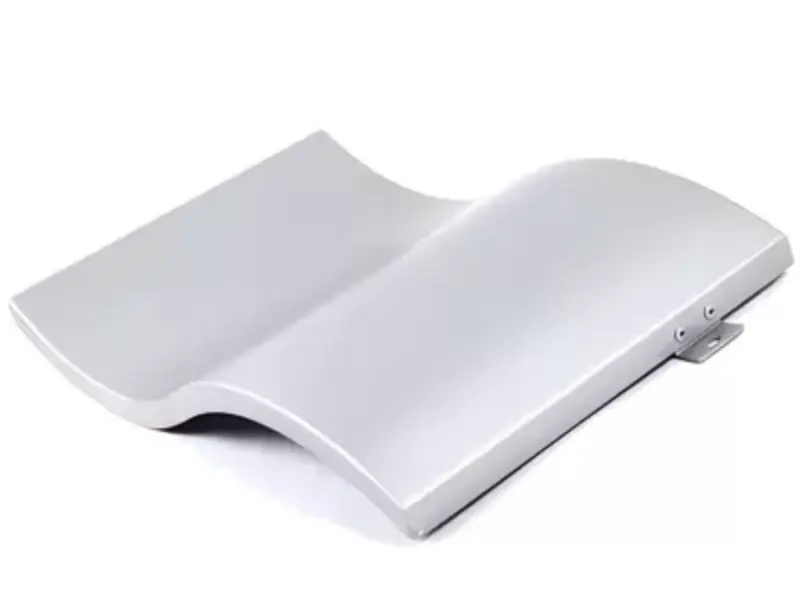
| Curved Panels | Formed with specific radii. | Custom radii and arcs for unique architectural curves. |
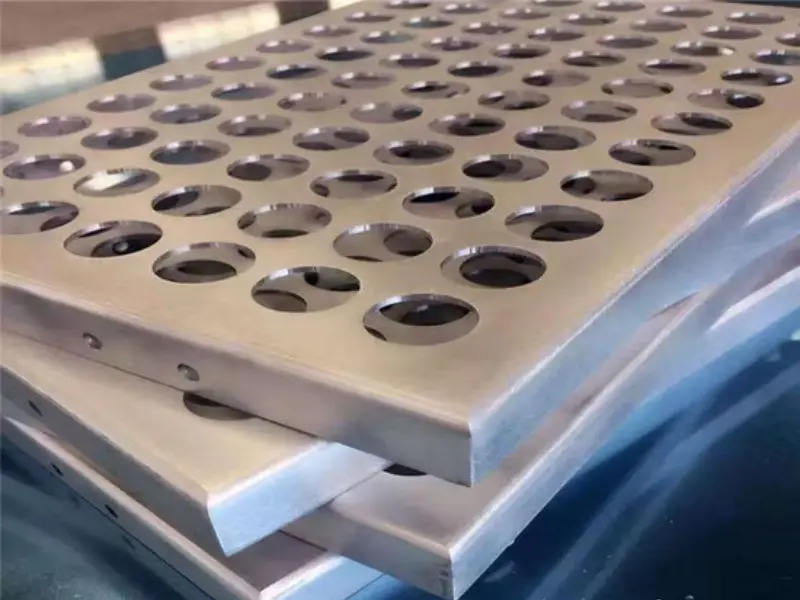
| Perforated Panels | Sheets with precision-cut holes in patterns. | Custom hole sizes, shapes, and patterns (CNC). |
| Column Covers | Semi-circular or multi-faceted to wrap columns. | Matched precisely to column diameter and height. |
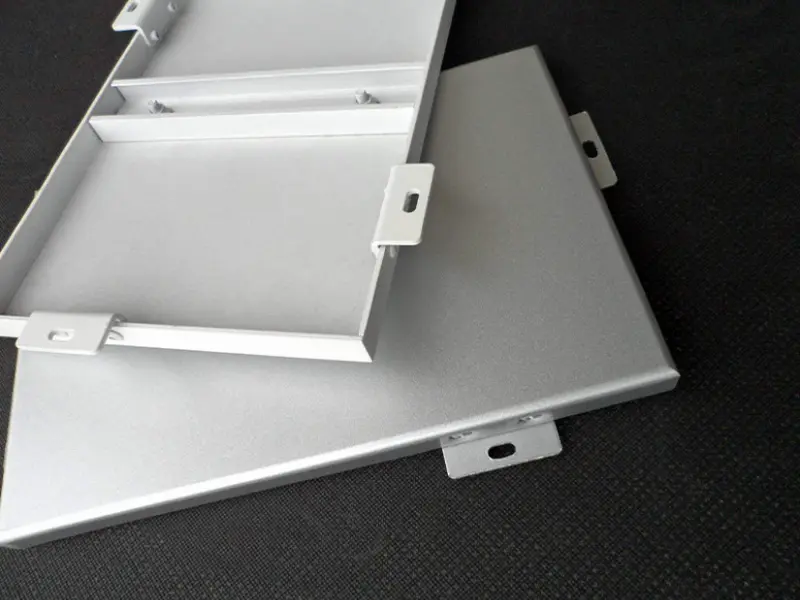
| Cassette Panels | Panels with folded edges designed for interlocking systems. | Custom dimensions for specific facade grid systems. |
PVDF Coating Specifications (Example for High Performance)
PVDF is highly valued for its long-term exterior performance.
| PVDF Layer Count | Coating Thickness (µm) | Key Benefit | Estimated Durability |
|---|---|---|---|
| 2-Coat | ≥25 | Good weather resistance, color retention. | 10-15 years |
| 3-Coat | ≥35 | Excellent UV, weather, and corrosion resistance. | 15-20 years |
| 4-Coat | ≥45 | Superior protection for extreme environments. | 20+ years |
Why Choose Aluminum Veneer for Your Next Project?
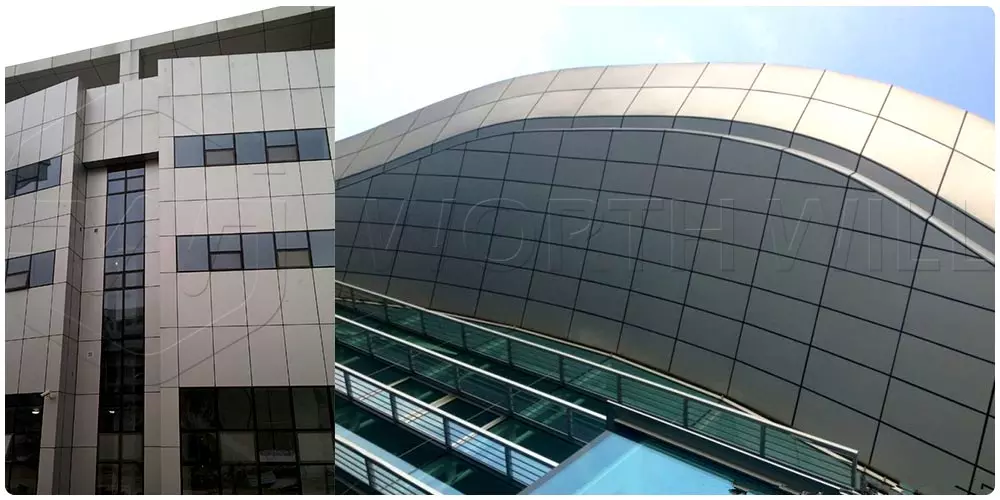
The decision to use aluminum veneer is often driven by its compelling combination of aesthetic appeal, functional performance, and long-term value.
For architects, it offers boundless creative freedom. For developers, it means a durable, low-maintenance, and attractive finish.
By the environment, it represents a sustainable choice. Its inherent strength-to-weight ratio, fire safety, and ability to withstand the elements make it a smart investment for any building envelope or interior feature. As a versatile architectural aluminum solution, it provides both stunning visual impact and lasting integrity.
What Exactly is Aluminum Veneer?
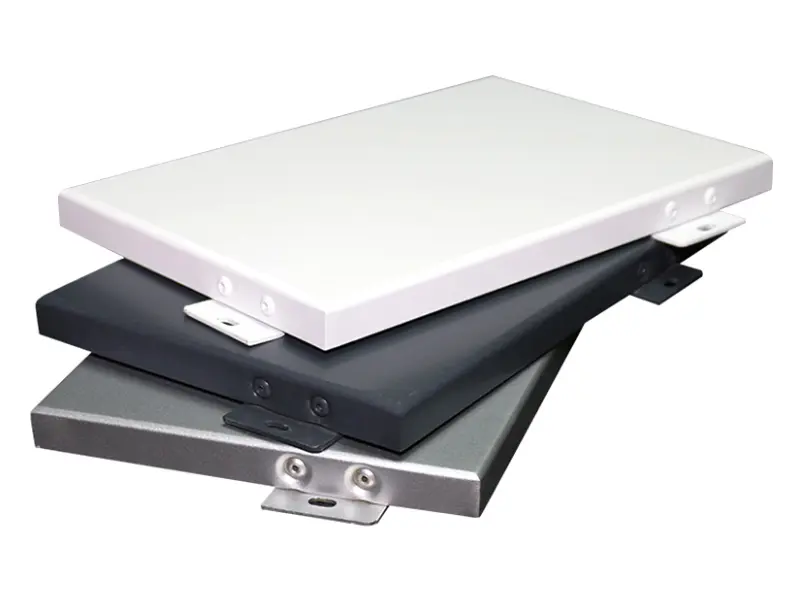
At its core, aluminum veneer is a high-grade aluminium alloy sheet that has been processed to create a finished panel, typically used for cladding, decoration, and architectural applications.
It’s not a composite material (like aluminum composite panel – ACP) but a solid piece of aluminum, making it a robust and single-layer solution.
The term “veneer” refers to its application as an outer layer or facing, giving a structure its visual appeal and a layer of protection. These panels are precisely cut, bent, welded, and surface-treated (often with painting or powder coating) to meet specific design requirements.
The result is a lightweight, durable, and aesthetically pleasing panel that can dramatically transform the look and performance of a building.
What is Aluminum Veneer?
Aluminium veneer is a thin layer of aluminium used to cover building surfaces. It combines durability with modern aesthetics. The material comes in various finishes, colors, and thicknesses to meet different architectural needs.
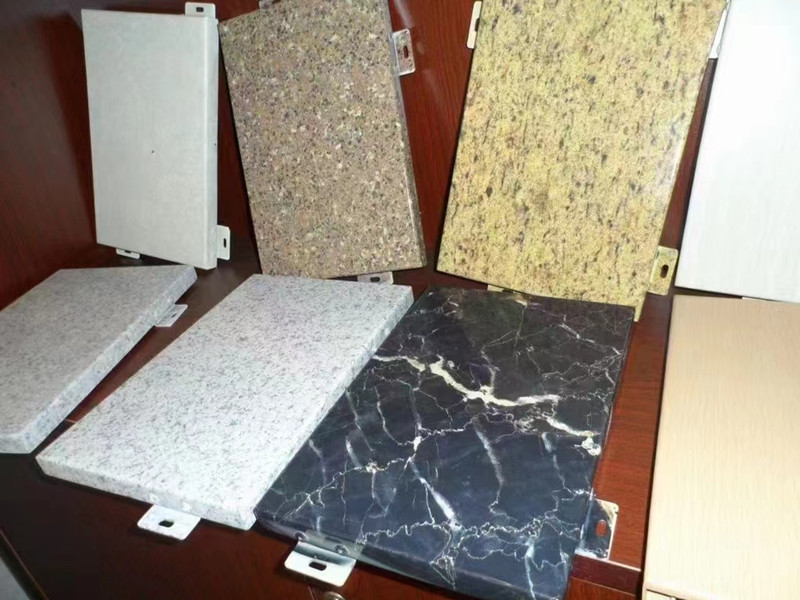
Aluminum veneer panels attach to building facades, interior walls, and ceilings.
They protect structures while creating striking visual effects. Many architects choose aluminum veneer for its longevity, low maintenance, and design flexibility.
Understanding Aluminum Veneer Basics
Aluminum veneer is made from aluminum alloy sheets. The thickness typically ranges from 2mm to 6mm. Manufacturers coat these sheets with protective layers and apply various finishes.
The material serves both functional and decorative purposes. It weatherproofs buildings and enhances their appearance simultaneously.
What Makes Aluminum Veneer Different
Aluminum veneer differs from solid aluminum cladding in several ways. Veneer is lighter and thinner. Installation costs less because less material is needed. The backing structure carries structural loads, not the veneer itself.
Key Properties of Aluminum Veneer
Aluminum veneer resists corrosion naturally. The metal forms a protective oxide layer on its surface. This oxide prevents rust and extends the material’s life.
The material is recyclable. At end of life, aluminum veneer can be melted and reformed. This sustainability factor appeals to environmentally conscious builders.
Aluminum Alloy Types Used in Veneer
Not all aluminum alloys perform equally in veneer applications. The choice of alloy affects strength, corrosion resistance, and cost.
Common Aluminum Alloys
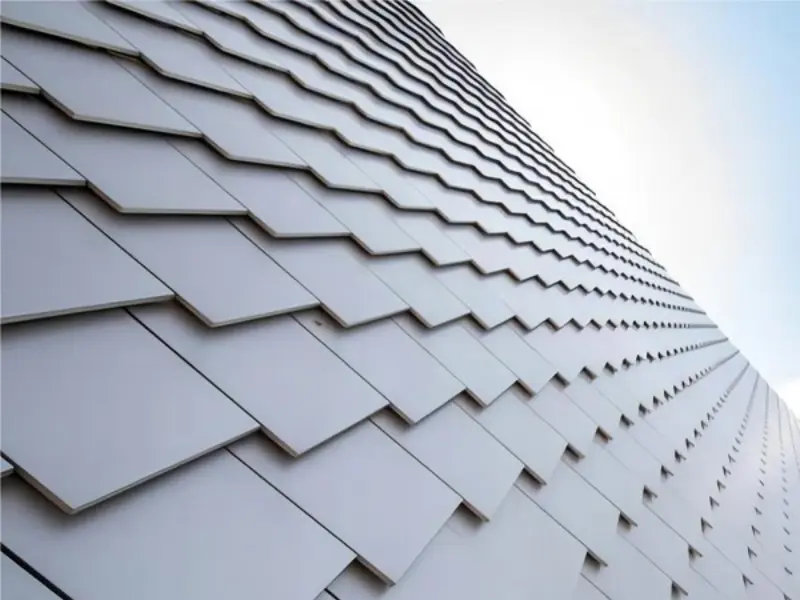
The 3000 series alloys are standard for veneer work. Aluminum 3003 is popular because it combines workability with corrosion resistance. Manganese in this alloy improves strength without sacrificing flexibility.
The 5000 series alloys offer better corrosion resistance. Aluminum 5052 works well in marine environments. Magnesium in these alloys provides additional strength.
The 6000 series includes aluminum 6061, chosen for its balanced properties. This alloy machines cleanly and accepts coatings uniformly.
| Alloy | Main Addition | Strength | Corrosion Resistance | Best Use |
|---|---|---|---|---|
| 3003 | Manganese | Medium | Good | General building use |
| 5052 | Magnesium | Medium-high | Excellent | Coastal areas |
| 6061 | Magnesium, Silicon | High | Good | Structural applications |
| 1100 | None (99% pure) | Low | Excellent | Decorative only |
Why Alloy Selection Matters
The wrong alloy fails prematurely. A 1100 alloy veneer in a humid climate corrodes quickly. Spending slightly more on 5052 alloy ensures decades of protection.
Alloy thickness and hardness state also affect performance. Different applications require different tempers of the same alloy.
Thickness and Specifications
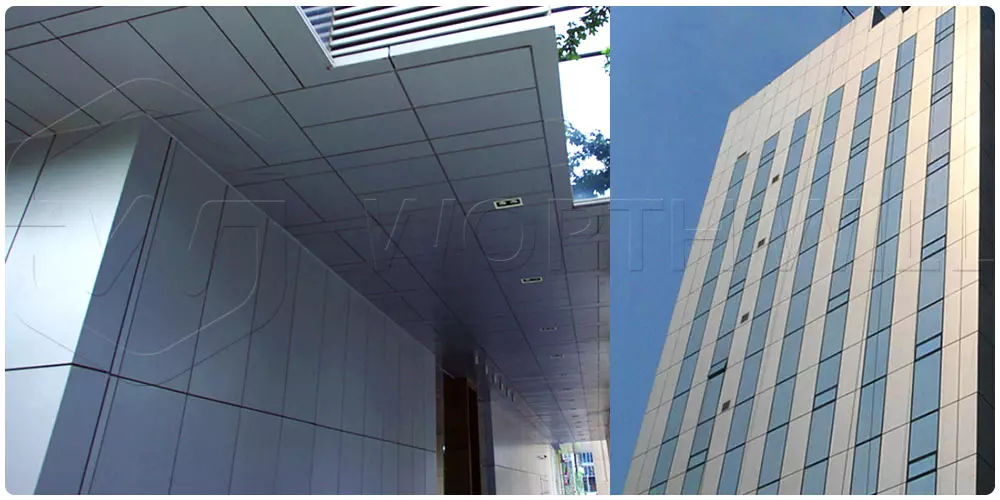
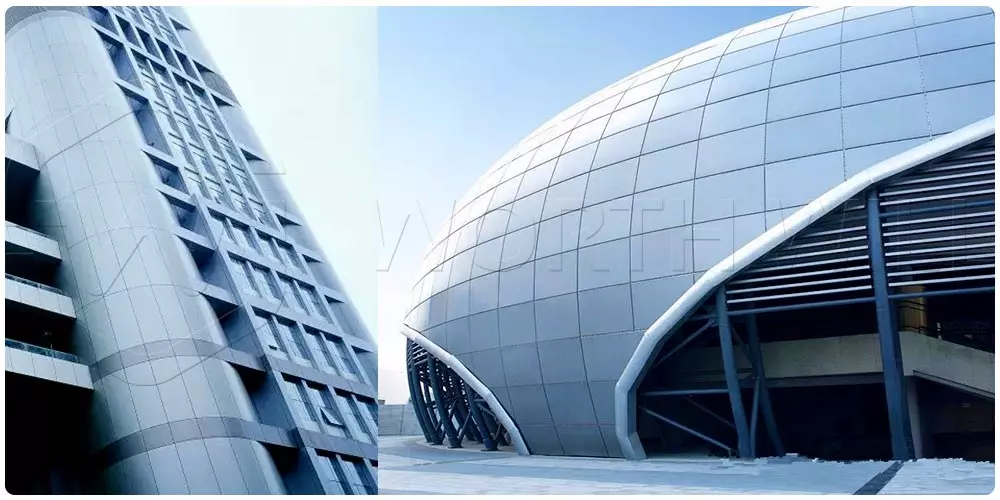
Aluminum veneer thickness determines durability and installation method. Thicker panels resist wind loads better and dent more easily. Thinner panels weigh less and cost less but have limited applications.
Standard Thickness Ranges
| Thickness | Gauge | Weight per m² | Applications |
|---|---|---|---|
| 2.0 mm | 12 | 5.4 kg | Interior walls, ceilings |
| 2.5 mm | 11 | 6.8 kg | Mixed use, small exterior |
| 3.0 mm | 10 | 8.1 kg | Standard exterior panels |
| 4.0 mm | 8 | 10.8 kg | High-wind areas, large spans |
| 5.0 mm | 6 | 13.5 kg | Structural backup, heavy duty |
| 6.0 mm | 5 | 16.2 kg | Maximum durability, specialty |
Choosing Thickness
Interior applications rarely exceed 2.5mm. Lighter panels reduce structural demands. Cost savings are significant with thin veneer.
Exterior facades typically use 3.0mm to 4.0mm. Wind loads require adequate thickness. Coastal or mountainous regions may warrant 4.0mm or thicker.
Heavy-duty industrial settings use 5mm or 6mm panels. These resist impact and environmental stresses better than thinner options.
Surface Finishes Available
The finish applied to aluminum veneer affects appearance, durability, and maintenance requirements.
Mill Finish
Mill finish is the raw, uncoated aluminum surface. It has a dull, silvery gray appearance. This finish requires eventual painting or coating.
Mill finish aluminum shows fingerprints and marks easily. It oxidizes and develops a whitish patina over time. Mill finish is the most economical option initially.
Anodized Finish
Anodizing creates a protective oxide layer on the aluminum surface. This layer is harder than natural oxide. Colors can be added during the anodizing process.
Anodized finishes are durable and require minimal maintenance. Anodized veneer resists staining and weathering. Clear anodize preserves the aluminum’s natural look. Colored anodize offers bronze, gold, black, or custom hues.
Powder Coated Finish
Powder coating applies a thick, colored layer to the aluminum. The coating is baked on at high temperature. This process creates a uniform, durable surface.
Powder coated veneer offers unlimited color options. The finish resists fading and weathering. Maintenance is easier than mill or anodized finishes.
| Finish Type | Durability | Color Options | Maintenance | Cost |
|---|---|---|---|---|
| Mill | Low | One | High | Lowest |
| Anodized | High | Limited | Low | Medium |
| Powder coat | Very high | Unlimited | Very low | Higher |
| PVDF paint | Extreme | Many | Very low | Highest |
PVDF Paint Coating
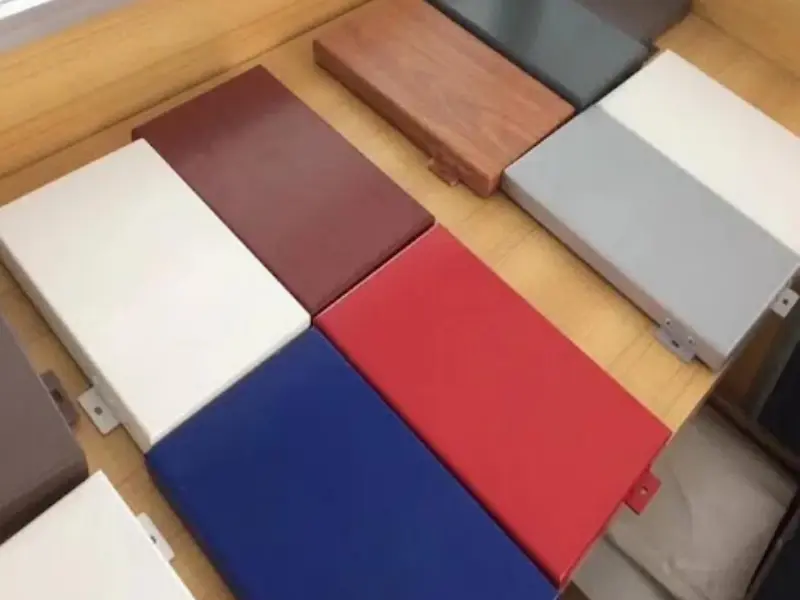
PVDF (polyvinylidene fluoride) paint is the premium finish. It protects against UV damage and harsh chemicals. PVDF coatings last 20+ years in marine environments.
PVDF finishes come in a vast range of colors and textures. These coatings are ideal for high-end architectural projects.
Panel Sizes and Design Options
Aluminum veneer panels come in standard and custom sizes. The right size reduces installation time and waste.
Standard Panel Dimensions
| Width | Height | Area m² | Typical Applications |
|---|---|---|---|
| 1.0 m | 2.0 m | 2.0 | Interior walls |
| 1.0 m | 3.0 m | 3.0 | Standard exterior |
| 1.5 m | 3.0 m | 4.5 | Large surfaces |
| 1.0 m | 4.0 m | 4.0 | Multi-story exterior |
| 1.5 m | 4.0 m | 6.0 | Expansive facades |
Custom Sizing
Many manufacturers offer custom panel sizes. Custom sizing minimizes seams and waste. Large continuous panels create seamless visual effects.
Custom sizes cost more per unit than standard panels. However, installation labor savings often offset the material cost increase.
Surface Textures and Patterns
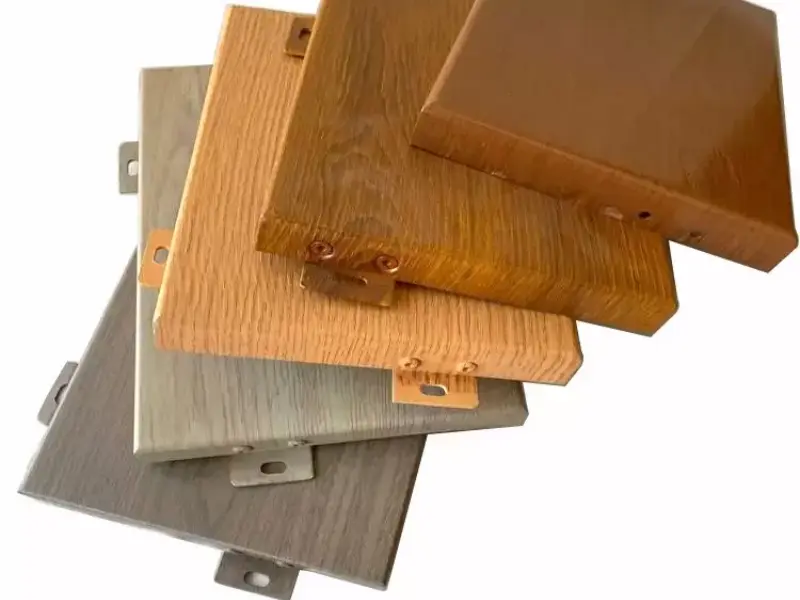
Aluminum veneer can be embossed with patterns. Textures add visual interest and hide dirt. Common textures include wood grain, brushed metal, and geometric patterns.
Perforated aluminum veneer is popular for acoustic control. Holes allow sound to pass through to absorber materials behind.
Installation Methods and Systems
How aluminum veneer attaches to buildings varies by project type.
Wet Curtain Wall System
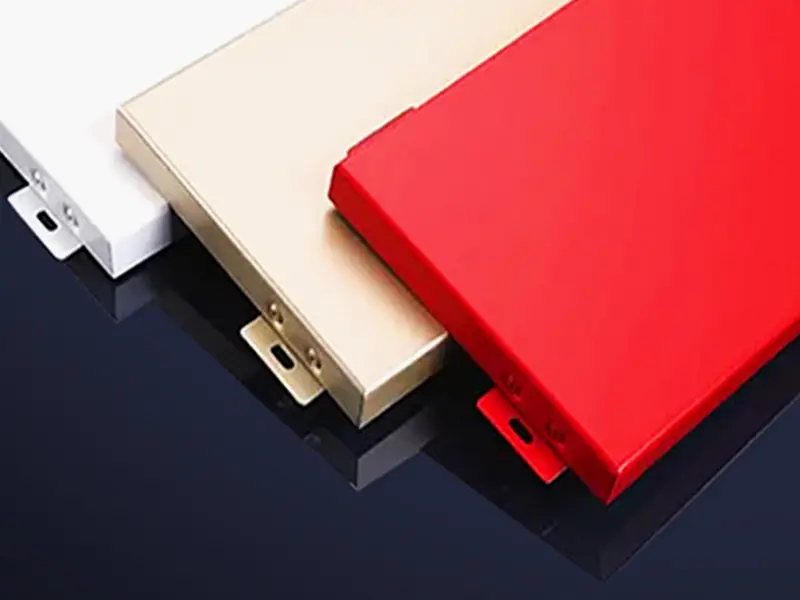
Wet systems use sealants to prevent water penetration. These systems are simpler and lower cost. Installation is faster than dry systems.
Wet systems require frequent maintenance of sealants. Sealant failure can lead to water damage. These systems suit interior and mild climates.
Dry Curtain Wall System
Dry systems use gaskets and pressure equalization. No sealants expose joints to weather. These systems offer superior waterproofing.
Dry systems cost more upfront. Installation is more complex and requires precision. Long-term maintenance is minimal.
Riveted and Bolted Attachment
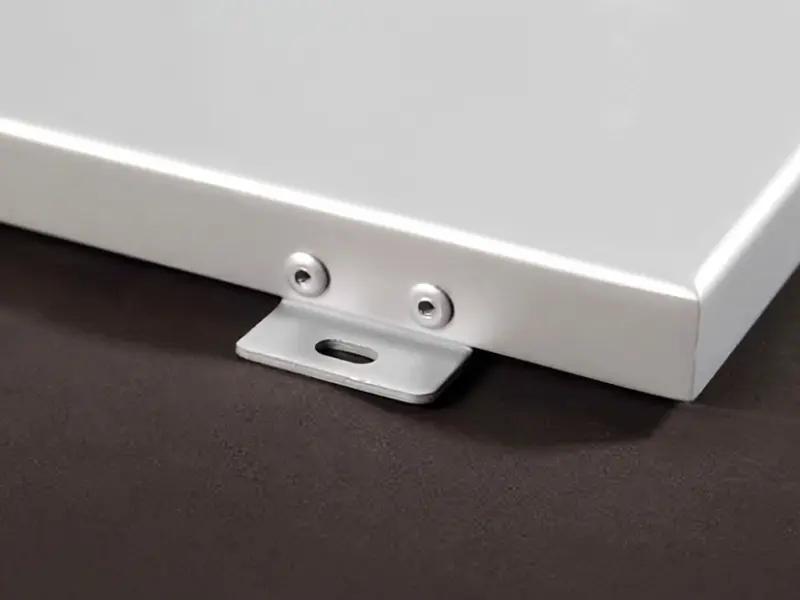
Some veneer systems use rivets or bolts to secure panels. These mechanical fasteners provide permanent attachment. This method works for solid backing structures.
Mechanical fasteners show on the exterior unless hidden by the design. This method suits industrial and contemporary aesthetics.
Adhesive Bonding
Construction adhesive can bond veneer to smooth backing. This method leaves no visible fasteners. The result is seamless appearance.
Adhesive bonding requires controlled temperature and humidity during installation. Removing bonded panels is difficult.
Applications of Aluminum Veneer
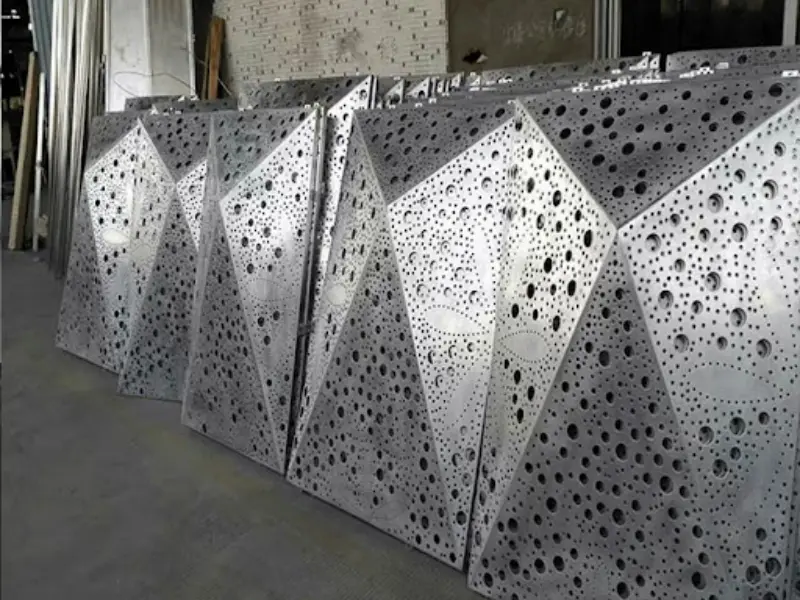
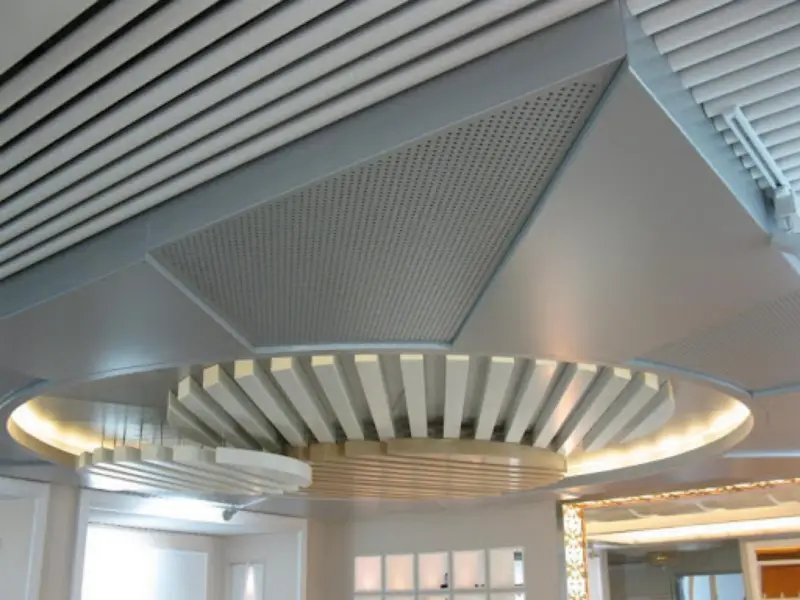
Aluminum veneer appears in diverse building types and settings.
Commercial and Office Buildings
Office buildings use aluminum veneer for modern, professional appearance. Veneer withstands urban pollution and weathering. Neutral colors suit corporate branding.
Aluminum veneer helps meet energy efficiency standards. Ventilated facade systems improve thermal performance.
Residential Projects
Apartment buildings and houses use aluminum veneer for durability. Residential designs often incorporate wood-grain or subtle textures. Colored veneer adds personality to the facade.
Single-family homes increasingly use accent panels of aluminum veneer. Cost-effective alternatives to traditional cladding.
Retail and Hospitality
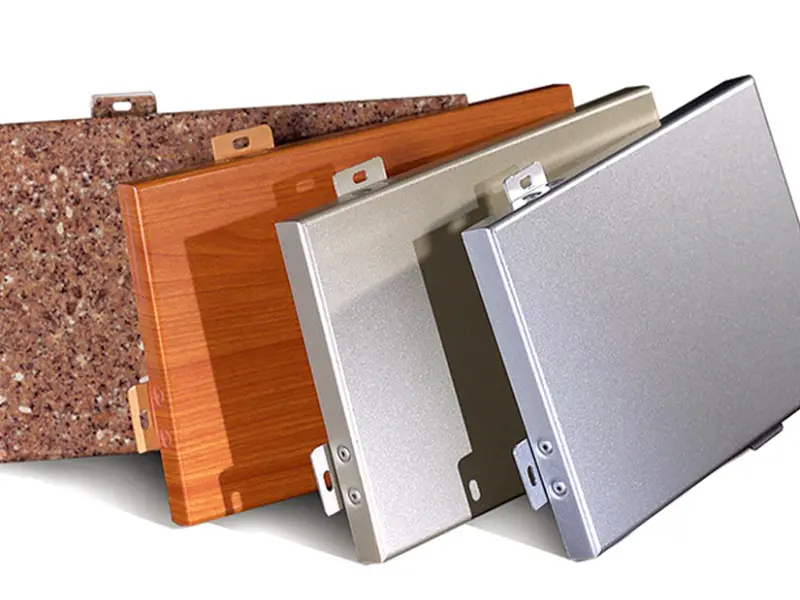
Shopping centers and hotels use striking aluminum veneer designs. Large color variations attract customer attention. Perforated panels create interesting shadow effects.
Aluminum veneer suits high-traffic areas where durability matters. Logo panels and branding elements integrate easily.
Industrial Facilities
Factories and warehouses choose aluminum veneer for practical reasons. The material resists chemicals and industrial pollution. Low maintenance reduces operational costs.
Industrial designs prioritize function over aesthetics. Raw or anodized finishes provide adequate durability.
Transportation Infrastructure
Airport terminals use expansive aluminum veneer facades. Train stations and bus terminals benefit from durability. Maintenance is minimal despite heavy public use.
Transportation buildings demand fire-rated materials. Some aluminum veneer systems meet these safety codes.
Interior Applications
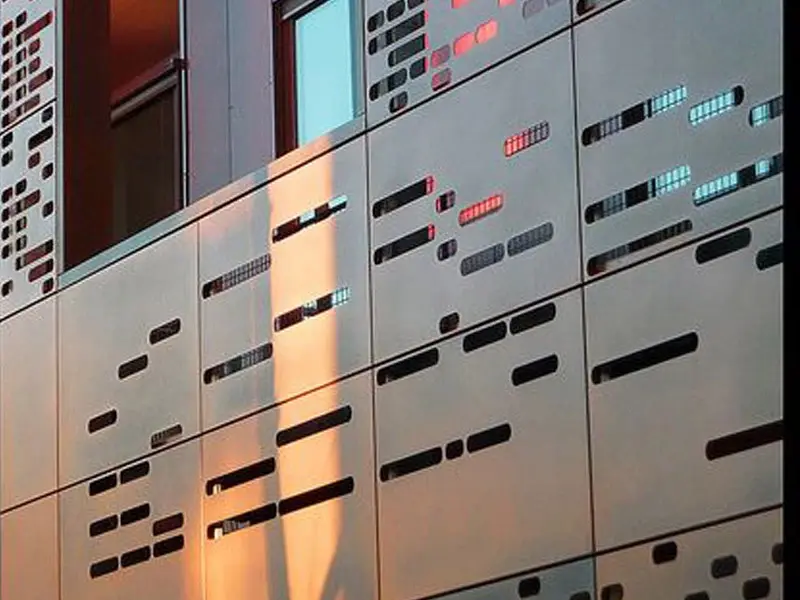
Interior aluminum veneer creates modern office environments. Drop ceilings with aluminum veneer panels reduce noise. Wall cladding adds visual interest to reception areas.
Aluminum veneer accepts various finishes matching interior design schemes. Easy to clean and maintain.
Aluminum Veneer vs Other Cladding Materials
Different cladding options suit different projects. Understanding the differences helps architects and builders choose wisely.
Aluminum Veneer vs Fiber Cement Board
Fiber cement is heavier than aluminum veneer. Aluminum weighs approximately 2.7 times less. Lighter veneer reduces structural demands.
Aluminum offers more design flexibility with colors and finishes. Fiber cement is limited to painted finishes. Aluminum is more expensive initially but costs less over time due to low maintenance.
| Material | Weight | Durability | Maintenance | Cost |
|---|---|---|---|---|
| Aluminum veneer | Light | 30+ years | Low | Medium |
| Fiber cement | Heavy | 25+ years | Medium | Lower |
| Brick veneer | Very heavy | 50+ years | High | Higher |
| Stone veneer | Very heavy | 50+ years | Very high | Highest |
Aluminum Veneer vs Brick Veneer
Brick veneer offers traditional aesthetics. Aluminum veneer provides modern appearance. Brick requires periodic repointing. Aluminum needs minimal maintenance.
Brick is heavier, requiring stronger structural support. Aluminum veneer makes tall buildings more feasible. Brick costs less per unit but labor is higher.
Aluminum Veneer vs Vinyl Siding
Vinyl siding is common in residential construction. Aluminum veneer costs more but lasts longer. Vinyl degrades under UV exposure. Aluminum resists fading far better.
Vinyl dents and cracks from impact. Aluminum veneer handles weather and accidents better. Aluminum suits commercial and residential applications. Vinyl is primarily residential.
Aluminum Veneer vs Metal Cladding
Metal cladding includes steel, copper, and titanium alternatives. Steel cladding is heavier and requires rust protection. Aluminum does not rust.
Copper cladding develops attractive patina but costs significantly more. Titanium cladding offers premium appearance at premium prices. Aluminum offers best value for modern durability.
Thermal and Acoustic Performance
Aluminum veneer affects building performance beyond appearance.
Thermal Properties
Aluminum conducts heat efficiently. Bare aluminum veneer transfers heat readily. Thermal breaks reduce heat transfer through metal attachments.
Ventilated facades create air gaps behind veneer. These gaps provide insulation similar to building insulation levels. Thermal performance improves significantly with proper design.
Acoustic Properties
Solid aluminum veneer reflects sound. Hard surfaces create echo and noise problems. Perforated aluminum veneer with absorbers improves acoustics.
Cavity space behind veneer can house acoustic insulation. These layers absorb sound waves rather than reflecting them.
Fire Performance
Aluminum is non-combustible. Veneer contributes to fire safety ratings. Paint and sealants used with veneer may be combustible.
Fire-rated systems use specific combinations of materials. Aluminum veneer can be part of fire-safe facade systems.
Weather Resistance and Longevity
Aluminium veneer protects buildings from harsh weather.
UV and Sun Exposure
Anodized finishes resist fading for 10-20 years. PVDF paint systems last 20+ years. Raw aluminum develops patina over time.
Colored veneer maintains appearance longer than unpainted aluminium. Lighter colors resist heat absorption.
Wind and Impact Resistance
Thicker panels resist deformation from wind pressure. Proper fastening prevents panel failure. Wind loads dictate minimum thickness requirements.
Impact resistance improves with thicker material. Thin veneer dents easily from objects or people bumping it.
Salt Spray and Coastal Environments
Coastal areas demand corrosion-resistant materials. Marine-grade aluminum alloys (5000 series) resist salt spray. Anodized or PVDF finishes provide additional protection.
Bare aluminium veneer in coastal areas develops white corrosion quickly. Protective coatings are essential for seaside buildings.
Temperature Extremes
Aluminum expands and contracts with temperature changes. Proper fastening systems accommodate this movement. Rigid attachment can cause panel warping or cracking.
Design gaps and expansion joints prevent buckling in extreme heat. Cold climates require materials that remain flexible.
Cost Analysis and Value Proposition
Understanding aluminium veneer costs helps in project budgeting.
Material Costs
Aluminium veneer costs $50-150 per square meter depending on specifications. Thicker material costs more. Premium finishes add to the price.
PVDF paint coating adds 30-50% to material costs. Anodized finishes add 20-30%. Custom colors and textures increase costs further.
Quantity discounts apply for large orders. Small custom projects pay premium prices per unit.
Installation Labor
Installation labor typically costs $30-80 per square meter. Complex designs require more time. Simple straight installations cost less.
Wet systems install faster than dry systems. Experienced crews reduce labor costs. Height and site accessibility affect labor expenses.
Lifecycle Cost Comparison
Over 30 years, maintenance costs vary significantly. Aluminium veneer needs minimal maintenance. Paint touch-ups occur every 5-10 years.
Brick and stone require periodic repointing and cleaning. Total lifecycle cost favors aluminium veneer in most cases.
| Material | Material Cost/m² | Installation/m² | 30-Year Maintenance |
|---|---|---|---|
| Aluminum veneer | $80 | $50 | $2,000 |
| Fiber cement | $60 | $45 | $4,000 |
| Brick veneer | $90 | $70 | $8,000 |
| Stone veneer | $150 | $100 | $10,000 |
Design Flexibility and Aesthetics
Aluminium veneer offers architects creative freedom.
Color Options
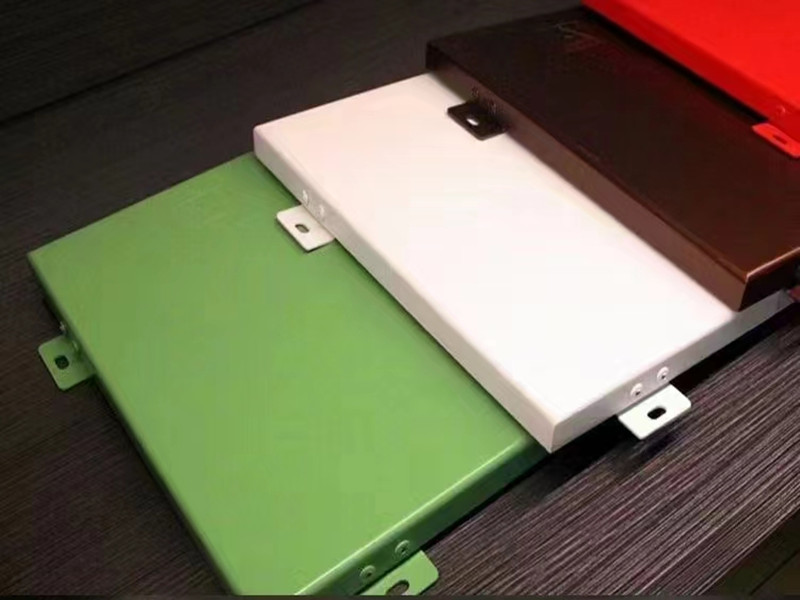
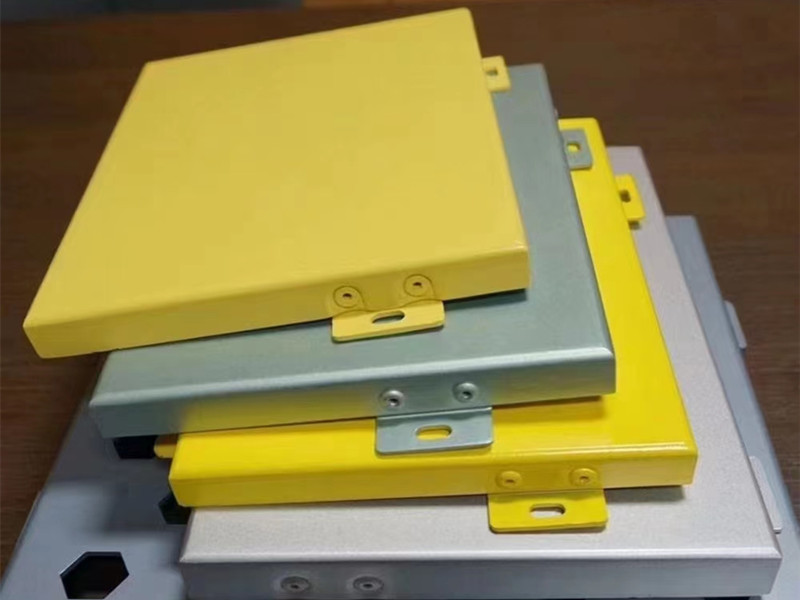
Anodized finishes provide limited color range. Bronze, gold, black, and silver are standard. Clear anodize shows natural aluminum silver.
Powder coat and PVDF finishes offer thousands of colors. Custom color matching is possible. Designer brands often have proprietary color palettes.
Texture and Pattern Options
Embossed textures mimic wood, stone, or metal. Wood-grain finishes look like natural materials at fraction of the cost. Geometric patterns create visual interest.
Perforated panels hide mechanical systems while allowing visibility. Ventilation grilles integrate into facade design.
Special Design Features
Curved aluminium veneer creates sculptural building forms. Angled panels create dynamic shadow effects. Layered panels add depth and complexity.
LED lighting integration creates nighttime effects. Ventilated panels change appearance with wind and light angles.
Sustainability and Environmental Considerations
Environmental responsibility increasingly matters in construction.
Material Recyclability
Aluminum is infinitely recyclable without property loss. Recycled aluminum requires only 5% of energy needed to produce new aluminum. Recycling rates for construction aluminum exceed 85% in developed countries.
End-of-life aluminium veneer can be melted and reformed. This circularity reduces environmental impact.
Energy Efficiency
Aluminum production is energy-intensive. However, durability and low maintenance offset this initial impact. A 30-year lifespan amortizes production energy.
Ventilated aluminum facades improve building energy efficiency. Thermal performance can match or exceed other cladding systems.
Production Standards
Responsible manufacturers source bauxite sustainably. Mining practices vary in environmental impact. Certified aluminum programs ensure responsible production.
Manufacturing facilities increasingly use renewable energy. Water recycling in anodizing reduces environmental impact.
Common Questions and Concerns


How long does aluminum veneer last outdoors?
Properly installed aluminium veneer lasts 30+ years. With PVDF coating, lifespan exceeds 40 years. Raw or anodized finishes last 20-30 years before recoating.
Does aluminum veneer require maintenance?
Minimal maintenance is needed. Annual inspection checks for damage. Cleaning with mild soap and water keeps appearance fresh. Sealants and expansion joints may need recaulking after 10-15 years.
Is aluminum veneer suitable for earthquake zones?
Yes, aluminium veneer works in seismic areas. Lightweight material reduces seismic loads. Proper connection details allow panel movement. Dry curtain wall systems accommodate building sway.
Can aluminum veneer be repaired if damaged?
Minor dents are cosmetic only. Damaged panels can be replaced individually. Repair costs are reasonable for localized damage.
How does aluminum veneer perform in extreme climates?
Aluminum performs well in both hot and cold climates. Thermal movement is accommodated by expansion joints. Coastal areas require marine-grade alloys. Extreme winds require thicker panels.
Is aluminum veneer fire-safe?
Aluminum is non-combustible. Paint and sealants may be combustible. Fire-rated systems combine aluminum veneer with appropriate backings and barriers.
What colors and finishes are available?
Thousands of color options exist through powder coat and PVDF. Anodized offers classic metallics. Custom colors match brand requirements or architect specifications.
How is aluminium veneer installed on curved surfaces?
Special aluminum profiles bend to specified curves. Installation takes longer on curved surfaces. Design complexity increases cost and labor.