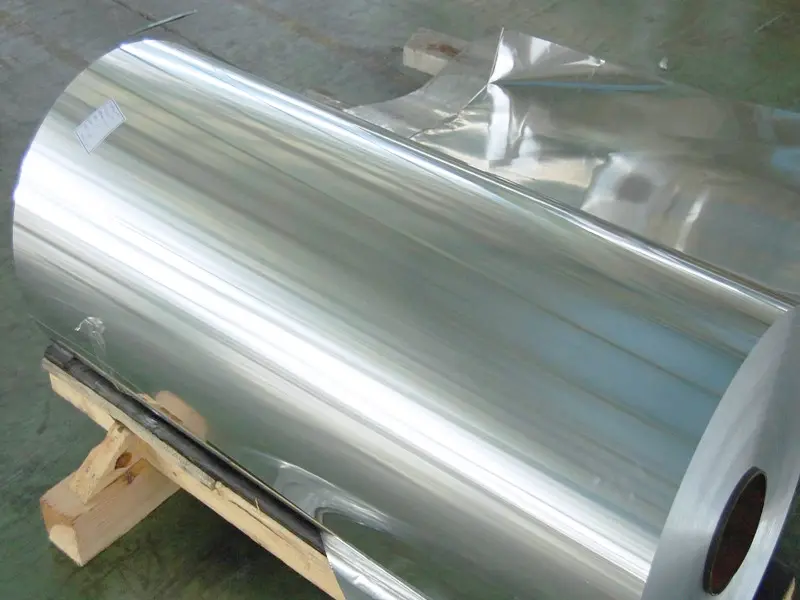
Plain aluminium foil is a versatile material used in food packaging, household products, insulation, pharmaceutical packaging, and industrial manufacturing. It has a smooth metallic surface and does not have an added decorative coating or printed finish. Depending on the product specification, it has supplied in narrow rolls, jumbo rolls, slit coils, or sheets.
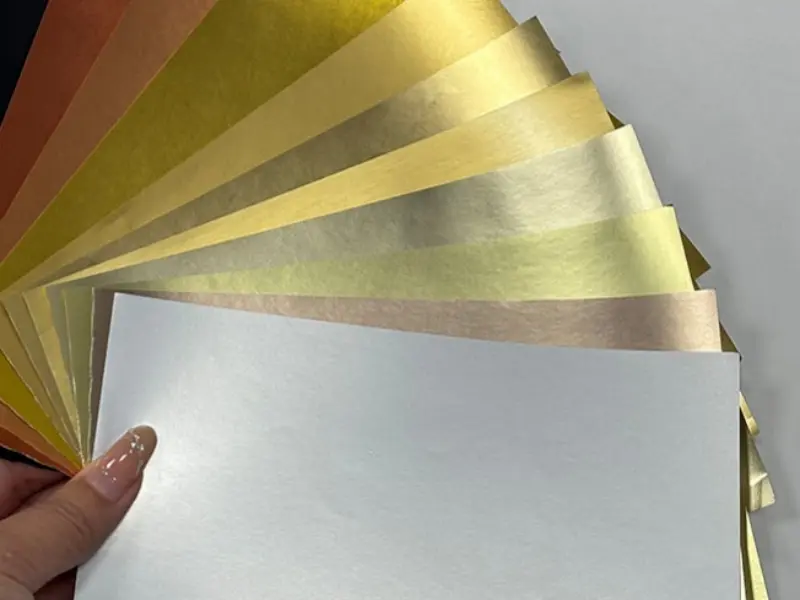
Buyers choose plain aluminium foil for its low weight, flexibility, barrier properties, and ease of processing. It has laminated, coated, printed, embossed, or converted into different products when the application requires additional functions.
However, plain aluminium foil is not a single standard product. Thickness, alloy, temper, width, surface quality, and roll dimensions can vary considerably. A thin foil for flexible packaging has different requirements from a thicker foil used for insulation or industrial conversion.
What Is Plain Aluminium Foil?
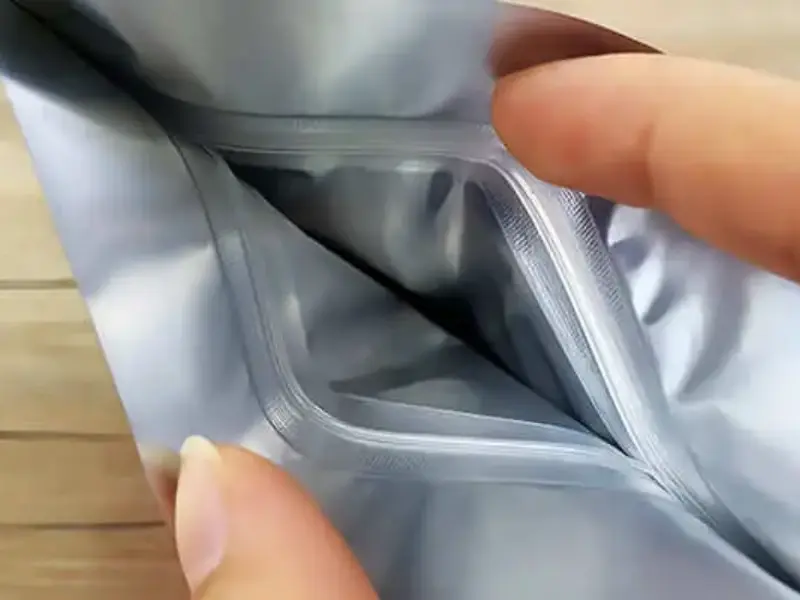
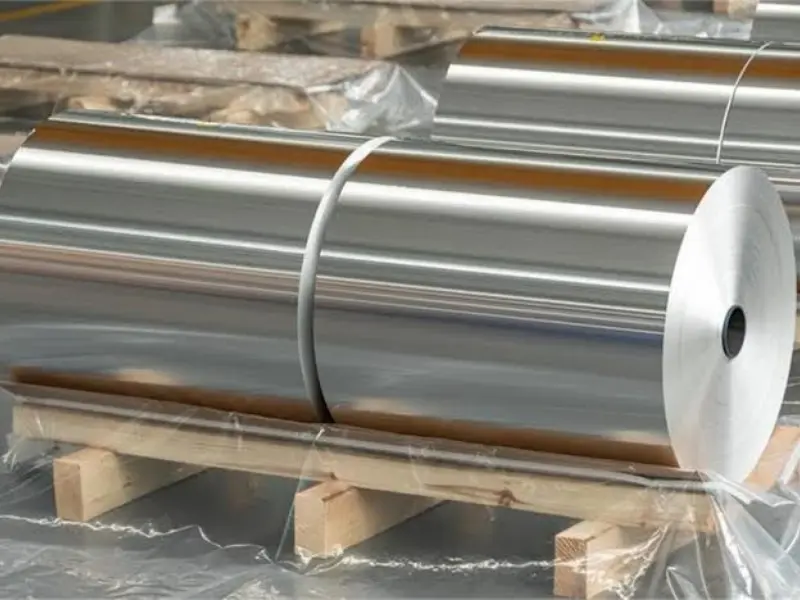
Plain aluminium foil is a thin, rolled aluminium product with a natural metallic surface. It has generally supplied without an additional decorative coating or printed design.
The surface may have different appearances depending on the rolling process. One side has brighter than the other, especially in thin foil that is double-rolled during production. This does not automatically mean the foil has a coating or that one side is unsuitable for use.
Plain aluminium foil has widely used as a base material for further processing. Manufacturers can combine it with paper, plastic film, adhesive, or other materials to produce packaging and insulation products.
Main Characteristics of Plain Aluminium Foil
- Lightweight: Thin aluminium uses relatively little material while providing useful barrier performance.
- Flexible: It has folded, wrapped, slit, and converted into different formats.
- Barrier performance: Aluminium foil can provide a strong barrier against light, moisture, and gases when its thickness and integrity are suitable for the application.
- Heat transfer: Aluminium conducts heat well, which is useful in many thermal applications.
- Formability: Suitable foil grades have shaped and processed into different products.
- Recyclability: Aluminium has recycled where collection and processing facilities accept the material.
- Surface versatility: Plain foil can serve as a base for printing, lamination, coating, or embossing.
The final performance depends on thickness, alloy, temper, pinholes, handling, and the design of the finished product.
Types of Plain Aluminium Foil by Thickness
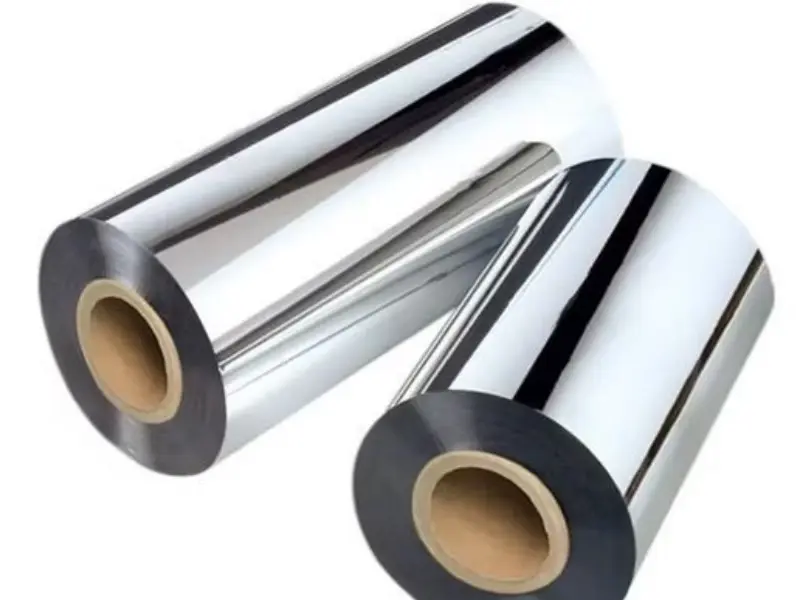
Thickness is one of the first specifications buyers should consider. A thicker foil generally uses more aluminium and may offer greater resistance to handling damage. A thinner foil can be more economical and easier to fold.
The following ranges are illustrative examples for product planning. Actual availability and application suitability depend on the manufacturer and the final product design.
Thin Plain Aluminium Foil
Thin aluminium foil has commonly used in flexible packaging and applications where low material weight is important.
| Approximate thickness | Equivalent thickness | Possible applications |
|---|---|---|
| 6 microns | 0.006 mm | Selected flexible packaging laminates |
| 7 microns | 0.007 mm | Thin packaging structures |
| 8 microns | 0.008 mm | Flexible packaging conversion |
| 9 microns | 0.009 mm | Packaging and lamination |
| 10 microns | 0.010 mm | Flexible packaging and selected household products |
For thin foil has often combined with other materials to improve strength and handling performance. Buyers should confirm the pinhole requirements, tensile properties, and converting conditions for the intended application.
Medium-Thickness Plain Aluminium Foil
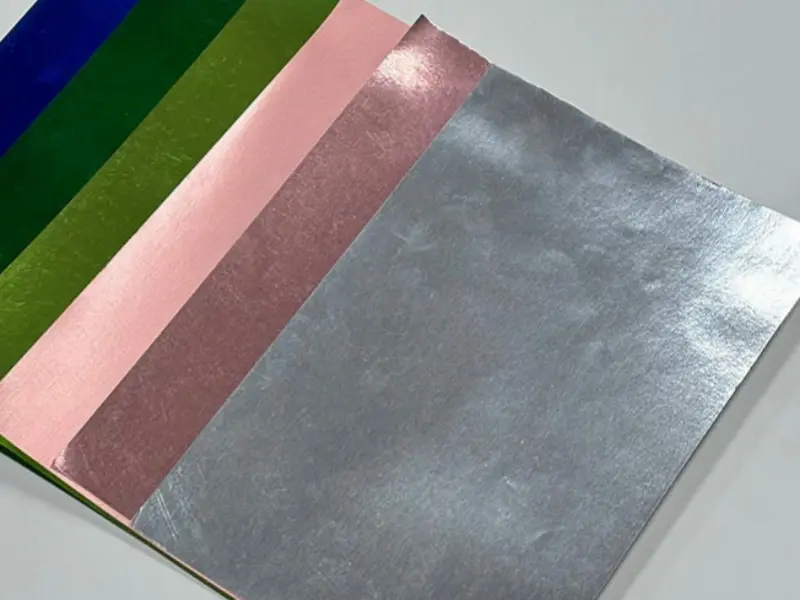
Medium-thickness foil offers a balance between flexibility, material use, and handling strength.
| Approximate thickness | Equivalent thickness | Potential applications |
|---|---|---|
| 12 microns | 0.012 mm | Packaging laminates |
| 15 microns | 0.015 mm | Flexible packaging and converting |
| 16 microns | 0.016 mm | Selected packaging applications |
| 18 microns | 0.018 mm | Household and industrial conversion |
| 20 microns | 0.020 mm | Packaging and selected insulation products |
| 25 microns | 0.025 mm | More demanding conversion processes |
This range may be suitable for buyers who need a foil that can withstand more handling than very thin grades. The best specification depends on whether the foil will be used alone or as part of a laminated structure.
Thick Plain Aluminium Foil
Thicker aluminium foil has uses when additional material strength, rigidity, or durability is required.
| Approximate thickness | Equivalent thickness | Possible applications |
|---|---|---|
| 30 microns | 0.030 mm | Industrial conversion |
| 40 microns | 0.040 mm | Selected insulation and packaging applications |
| 50 microns | 0.050 mm | Technical foil products |
| 80 microns | 0.080 mm | Specialized industrial uses |
| 100 microns | 0.100 mm | Heavy foil applications and conversion |
These thicknesses has described as foil or thin aluminium sheet depending on the supplier, market, and product standard. Buyers should specify the exact thickness instead of relying only on the product name.
Plain Aluminium Foil Products by Format
Plain aluminium foil has supplied in several formats. The right format depends on the buyer’s equipment, order volume, and production process.
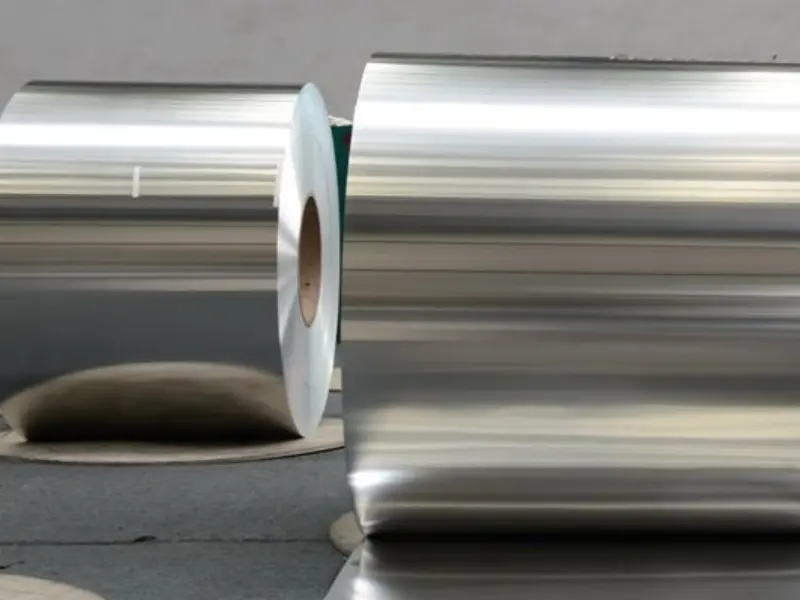
Jumbo Aluminium Foil Rolls
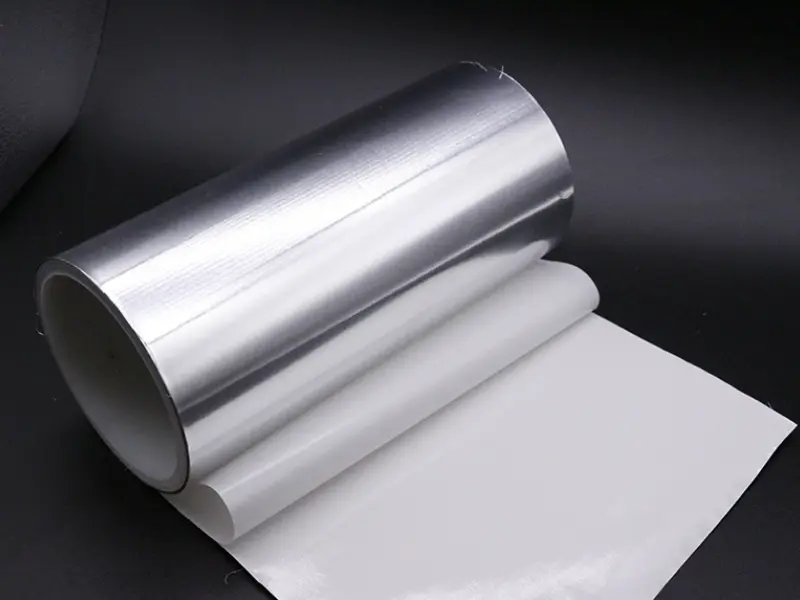
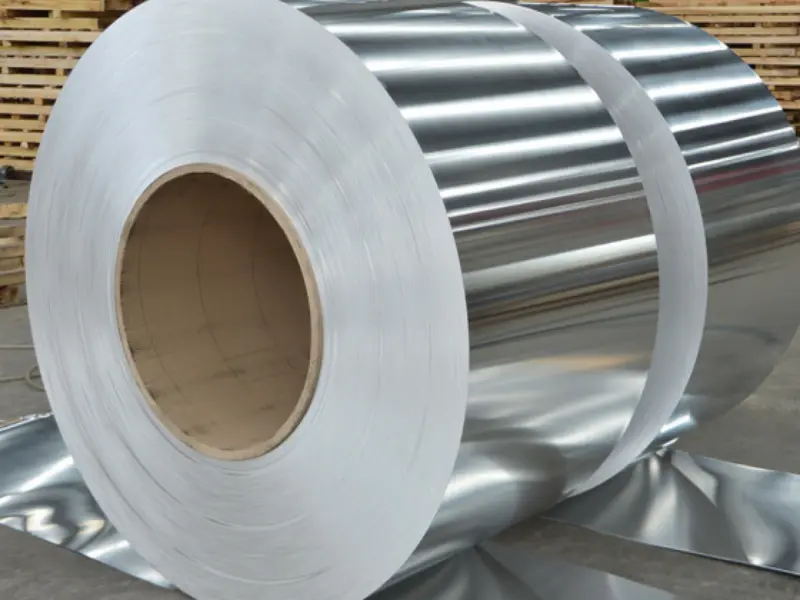
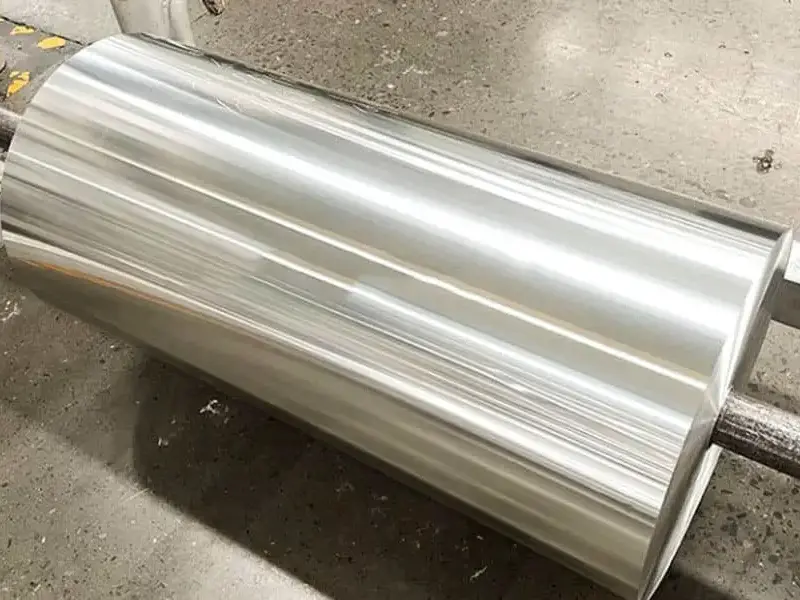
Jumbo rolls are large parent rolls supplied for further processing. Converters use them to slit, rewind, laminate, coat, or cut the material into smaller products.
Typical buyers include packaging manufacturers, foil converters, insulation producers, and distributors.
When purchasing jumbo rolls, confirm the alloy, temper, thickness, width, outside diameter, core dimensions, net weight, and winding direction.
Slit Aluminium Foil Rolls
Slit rolls have cut from wider parent rolls to meet a specific width requirement. They are useful for manufacturers whose equipment accepts narrow rolls.
Applications may include:
- Flexible packaging production.
- Cable and industrial wrapping.
- Insulation conversion.
- Lamination.
- Specialized packaging processes.
The width tolerance and edge quality are important because poor slitting can cause breaks or feeding problems during production.
Household-Size Plain Aluminium Foil Rolls
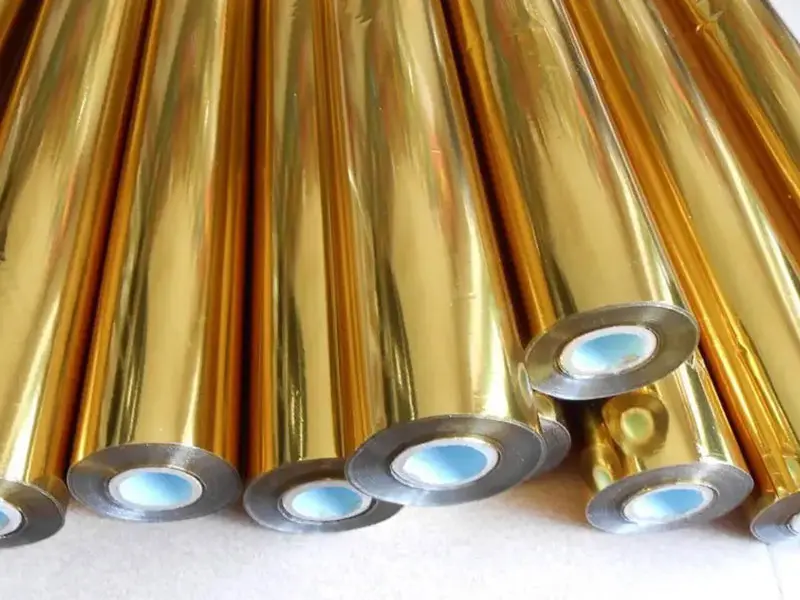
Household-size rolls have designed for retail or direct use. They have supplied in different widths and lengths, depending on the target market.
Some products have sold in individual cartons, while others packed in multipacks or bulk cases. Retail buyers should compare net foil weight and actual roll length, not only the carton size.
Aluminium Foil Sheets
Plain aluminium foil has cut into sheets. This format is suitable for operations that need individual pieces rather than continuous rolls.
Possible applications include food preparation, laboratory processes, industrial wrapping, and selected manufacturing tasks. Food-contact suitability has confirmed when the sheets have intended to touch food.
Laminating-Grade Plain Aluminium Foil
Laminating-grade foil has selected for use as a layer in a composite material. It has bonded with paper, plastic film, or other substrates.
The foil must meet the converter’s requirements for surface condition, thickness consistency, pinholes, and adhesion compatibility. Plain foil is not the same as a finished laminate; additional materials and processing are needed to create the final product.
Aluminium Foil Alloys: 1050, 1060, 1100, 1200, 8011, and 8079
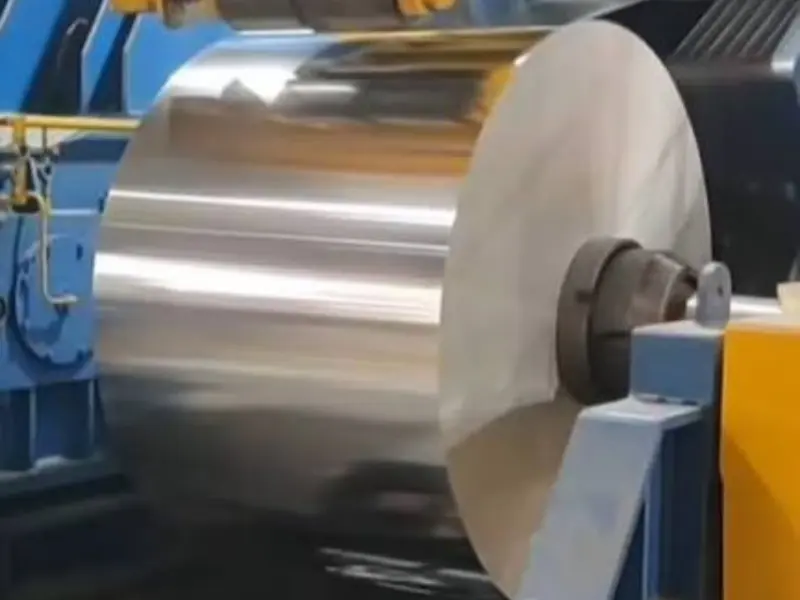
Alloy selection affects the foil’s mechanical properties, formability, and suitability for conversion. Different applications may require different alloy compositions.
The following table gives general guidance. It is not a guarantee that every alloy is available at every thickness or temper.
| Alloy | General characteristics | Potential applications |
|---|---|---|
| 1050 | High aluminium content and good formability | Selected foil and thin-sheet products |
| 1060 | High aluminium content and good corrosion resistance in suitable conditions | Technical foil and conversion products |
| 1100 | Commercially pure aluminium with good workability | Selected industrial and packaging products |
| 1200 | High aluminium content | Specific foil and conversion applications |
| 8011 | Widely used in packaging foil products | Household and flexible packaging foil |
| 8079 | Used in selected thin-foil applications | Flexible packaging and laminated structures |
Plain Aluminium Foil 8011
Alloy 8011 has commonly used for aluminium packaging foil. It is available in product-specific tempers and thicknesses.
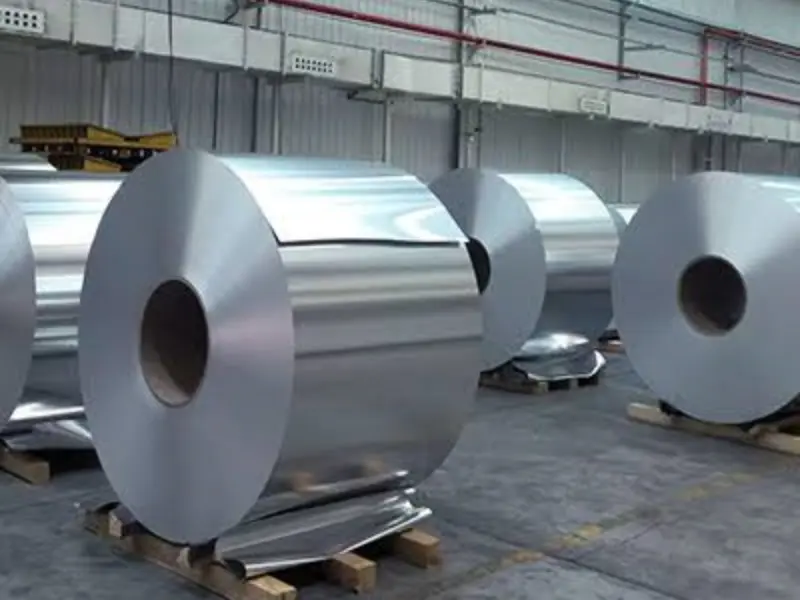
It may be suitable for household foil, packaging conversion, and other applications where the manufacturer can meet the required mechanical and surface specifications.
For commercial orders, confirm the intended application and relevant food-contact requirements rather than assuming all 8011 foil is suitable for every use.
Plain Aluminium Foil 8079
Alloy 8079 has applications in selected thin-foil and flexible packaging products. It has considered when the required foil properties and converting process match the alloy’s available specifications.
Buyers should compare technical data and processing performance with other suitable alloys before making a final decision.
Should You Choose 1050 or 8011 Aluminium Foil?
The choice depends on the product’s purpose. High-purity alloys such as 1050 have associated with good formability and selected technical uses, while 8011 has commonly used in packaging foil.
For a specific order, compare:
- Required thickness and tolerance.
- Tensile and elongation requirements.
- Pinholes and surface quality.
- Slitting and winding performance.
- Food-contact or other compliance requirements.
- Total cost and material availability.
The alloy number alone does not determine whether a product is suitable. The finished specification and actual application are more important.
Aluminium Foil Temper and Material Condition
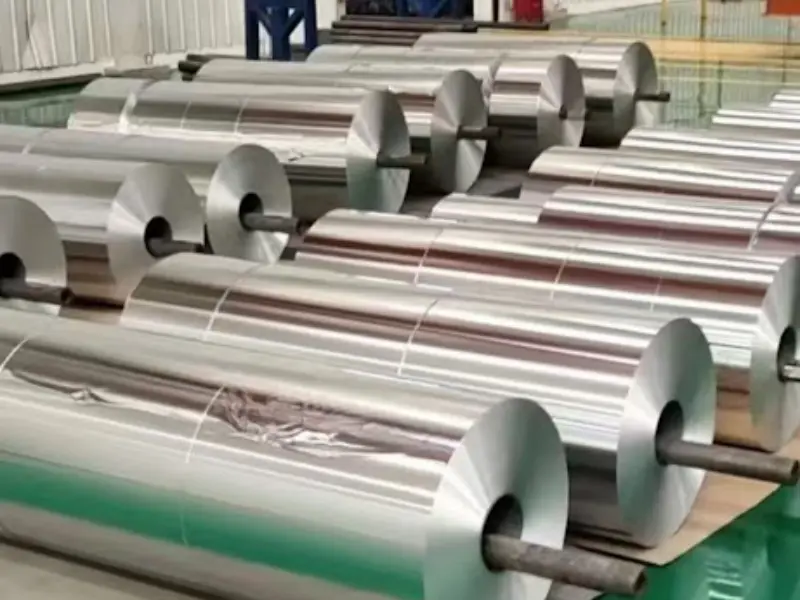
Temper describes the condition of aluminium after processing. It affects hardness, flexibility, strength, and forming behavior.
Plain aluminium foil has supplied in different conditions depending on its alloy, thickness, and application.
| Temper or condition | General description | Purchasing notes |
|---|---|---|
| O | Annealed condition | Generally soft and highly formable |
| H18 | Hard condition produced through strain hardening | Offers different stiffness and handling characteristics |
| Other H tempers | Different levels of strain hardening | Confirm exact properties and availability |
Not every alloy has offered in every temper. Thin packaging foil may have application-specific mechanical requirements that cannot be determined from the temper designation alone.
When requesting a quotation, specify the alloy and temper if known. If you are unsure, explain the application and ask the manufacturer to recommend a suitable condition.
Applications of Plain Aluminium Foil Across Industries

Plain aluminium foil is not limited to household use. It serves as a material for packaging, insulation, industrial conversion, and specialized manufacturing.
Flexible Food Packaging
Aluminium foil has applications in selected food packaging structures because it can provide a strong barrier against light, moisture, and gases.
Common applications include:
- Flexible packaging laminates.
- Selected food pouches.
- Packaging for dry products.
- Foil-based lidding structures.
- Wrapping materials designed for specific food products.
The finished packaging has designed for the food type, storage conditions, sealing method, and applicable regulations. Plain foil alone does not automatically provide a complete, sealable package.
Household and Catering Products
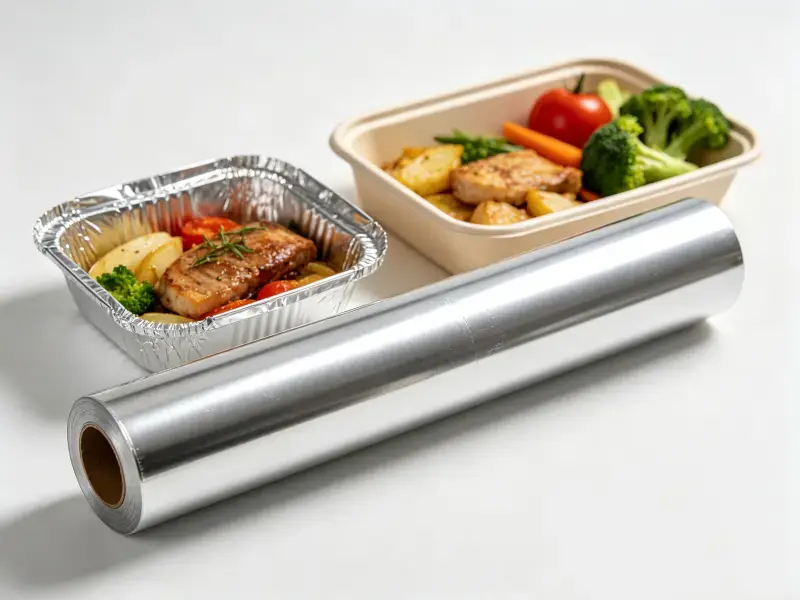
Plain aluminium foil has converted into household rolls, pre-cut sheets, and catering products.
Common uses include:
- Wrapping suitable food products.
- Covering containers.
- Preparing selected cooking packets.
- Supporting food-service operations.
- Converting into retail-size rolls.
For direct food contact, buyers should confirm that the material and finished product meet the applicable requirements in the target market.
Thermal Insulation
Aluminium foil is used as a reflective facing in some insulation systems. It may be laminated to paper, foam, bubble materials, or other substrates.
Applications include:
- Building insulation facings.
- HVAC insulation systems.
- Duct insulation products.
- Reflective insulation assemblies.
- Industrial thermal insulation.
The thermal performance of an insulation system depends on the complete construction. A plain foil surface alone does not provide the same insulation performance as a properly designed multilayer system.
Cable and Industrial Wrapping
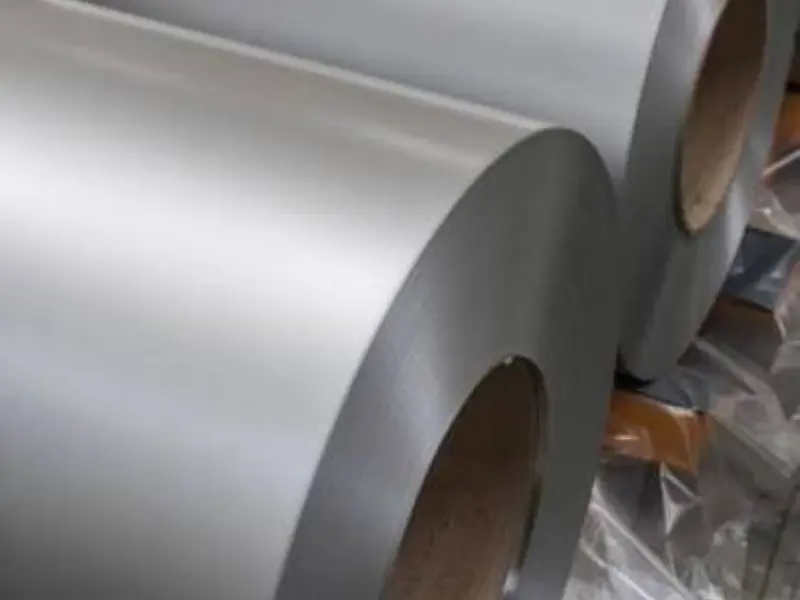
Selected aluminium foil products have applications in industrial wrapping and cable-related constructions. Depending on the design, foil may serve as a barrier, conductive layer, or component of a composite structure.
The required foil properties can include controlled thickness, consistent width, suitable tensile behavior, and reliable winding quality.
Industrial buyers should provide the end-use requirements so that the supplier can recommend a suitable alloy and condition.
Pharmaceutical and Healthcare Packaging

Aluminium foil has applications in certain pharmaceutical packaging structures, including foil-based laminates and lidding materials.
These applications often require strict controls over material quality and manufacturing consistency. Plain aluminium foil may be only one layer in the finished packaging structure.
Buyers should specify the applicable packaging standard, coating or lacquer requirements, sealing process, and documentation needs. Do not assume that ordinary plain foil is automatically suitable for pharmaceutical packaging.
Industrial Lamination and Conversion
Plain foil has uses as a base material for further processing. It has laminated, coated, embossed, printed, or slit to meet a customer’s requirements.
Typical users include:
- Packaging converters.
- Insulation manufacturers.
- Flexible packaging producers.
- Industrial material suppliers.
- Specialized product manufacturers.
For these buyers, consistent roll quality and processing performance can be as important as the price per kilogram.
Plain Aluminium Foil vs. Coated Aluminium Foil
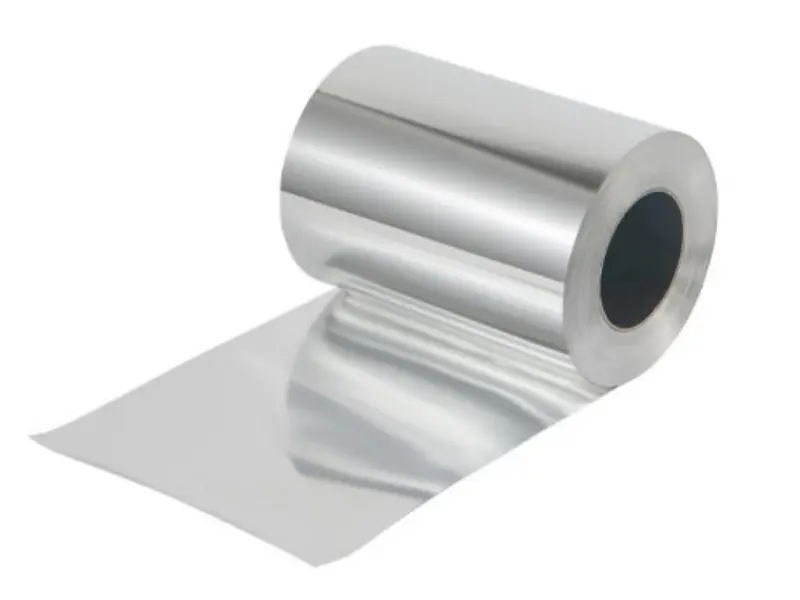
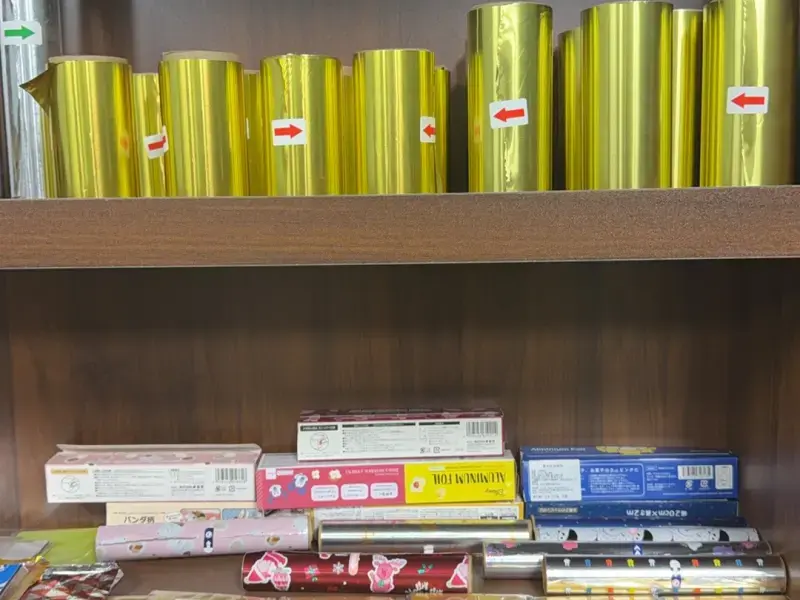
Plain foil and coated foil differ in their surface treatment and intended use.
| Feature | Plain aluminium foil | Coated aluminium foil |
|---|---|---|
| Surface | Natural metallic surface | Has an additional coating |
| Appearance | Metallic, depending on rolling | Depends on coating type |
| Printing | Usually requires suitable surface preparation or a compatible process | Depends on coating and printing system |
| Additional protection | Mainly from the aluminium itself | May provide added properties depending on the coating |
| Further processing | Can be coated or laminated | Already has a specified surface treatment |
| Typical use | Base material and general conversion | Applications needing specific surface functions |
The plain foil has often chosen when a converter needs a flexible base material. Coated foil is selected when a particular surface property is required.
Before purchasing coated foil, identify the coating type and its compatibility with the intended food, adhesive, ink, or process.
Plain Aluminium Foil vs. Aluminium Sheet
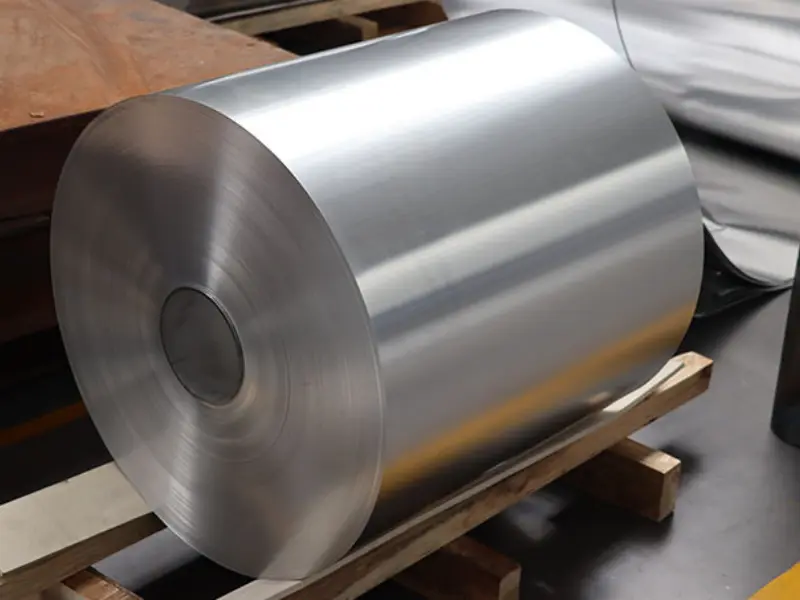
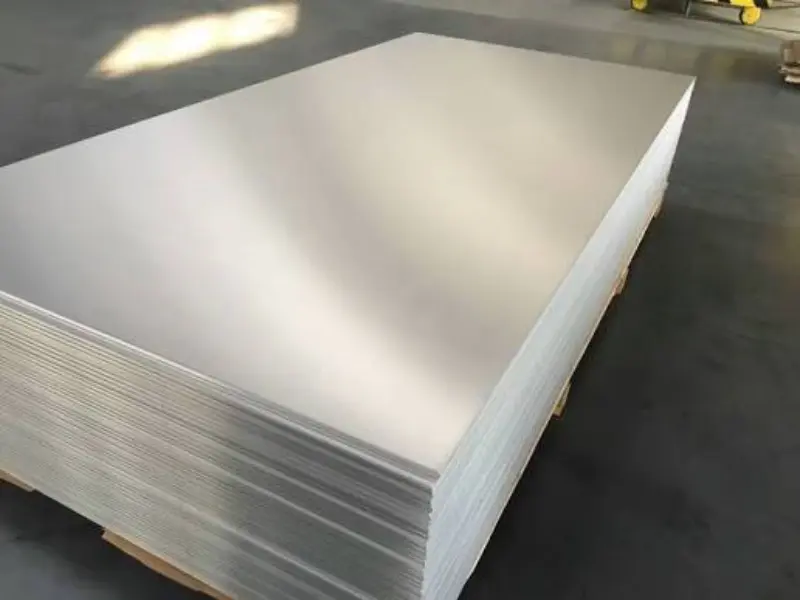
Although both products are made from aluminium, foil and sheet are not interchangeable in many applications.
| Comparison | Aluminium foil | Aluminium sheet |
|---|---|---|
| Thickness | Generally very thin | Generally thicker |
| Flexibility | High for many foil grades | Depends on thickness and alloy |
| Main applications | Packaging, wrapping, lamination | Panels, fabrication, components |
| Supply format | Rolls and thin sheets | Sheets, plates, and coils |
| Processing | Slitting, rewinding, lamination | Cutting, bending, machining, forming |
The boundary between foil and thin sheet varies by industry and standard. When ordering, state the required thickness in millimeters or microns and explain how the material will be used.
Plain Aluminium Foil vs. Aluminium Foil Laminate

A plain aluminium foil product contains an aluminium layer without an additional bonded substrate. A foil laminate combines aluminium with other materials.
| Feature | Plain foil | Foil laminate |
|---|---|---|
| Structure | Aluminium layer | Aluminium plus one or more other layers |
| Flexibility | Depends on foil thickness | Depends on the complete structure |
| Sealing | Requires a suitable system or additional material where needed | May be designed for specific sealing processes |
| Barrier performance | Depends on foil integrity and thickness | Depends on all layers and the finished structure |
| Customization | Can be processed further | Structure is designed for a defined use |
Laminated products can provide functions that plain foil does not provide by itself. The correct option depends on the packaging design and performance requirements.
Surface Quality and Technical Requirements
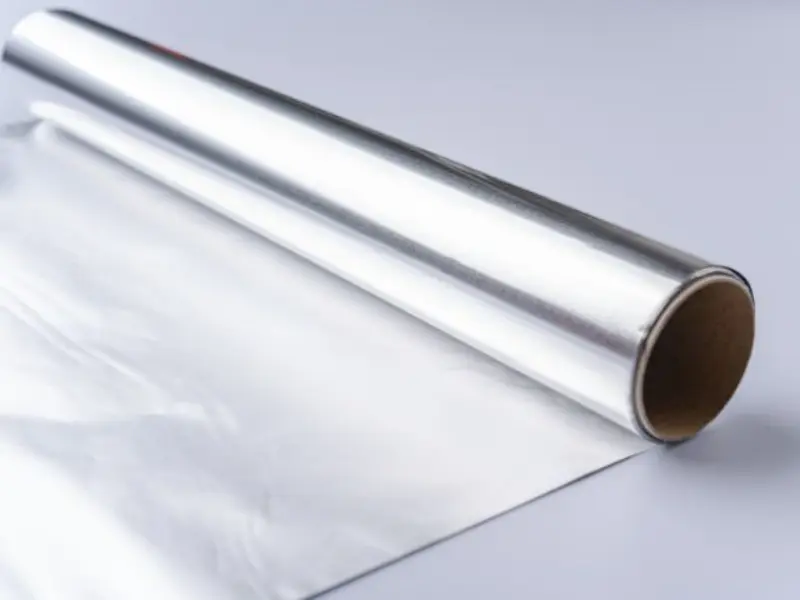
Surface quality matters when foil is used in high-speed converting, lamination, printing, or other industrial processes.
Thickness Tolerance
A consistent thickness helps maintain predictable material performance. Buyers should agree on the permitted tolerance and the measurement method with the supplier.
Pinholes
Pinholes can affect the barrier performance of thin foil. The acceptable level depends on the thickness and application.
Packaging applications with strict barrier requirements may need specific inspection criteria. Buyers should communicate these requirements before production.
Surface Appearance
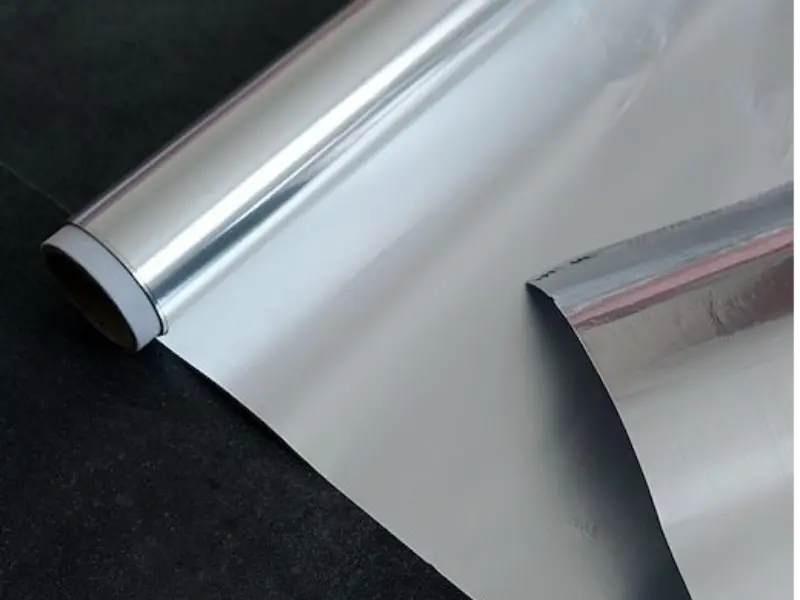
Plain foil may have a bright side and a dull side, depending on the rolling process. Surface appearance alone does not necessarily indicate a defect.
If the material will be printed, coated, or laminated, confirm which surface characteristics are required for the next processing stage.
Slitting and Winding Quality
Poorly slit edges, uneven winding, telescoping rolls, or damaged cores can cause problems during conversion.
For industrial orders, specify the required roll width, core size, winding direction, edge quality, and packaging method.
How to Choose a Plain Aluminium Foil Supplier
A suitable supplier should be able to provide clear specifications, consistent quality, and packaging that protects the foil during transport.
Confirm the Product Specification
Before requesting a quotation, prepare the following information:
| Specification | Information to provide |
|---|---|
| Alloy | 1050, 1060, 8011, 8079, or another specified grade |
| Temper | O, H18, another specified temper, or supplier recommendation |
| Thickness | Exact value in microns or millimeters |
| Width | Required roll width |
| Roll weight | Required net weight or target range |
| Core | Core diameter and material |
| Application | Packaging, insulation, lamination, or other use |
| Surface | Plain metallic surface or other specified condition |
| Quantity | Order volume |
| Destination | Delivery country and location |
If you do not know the alloy or temper, provide the intended application and required performance. The supplier can then propose a suitable specification for evaluation.
Request Samples and Technical Data
For a new supplier, ask for a sample roll or sample material where practical. Check thickness, surface appearance, winding quality, and performance on your equipment.
Technical documents should match the actual product being offered. If food contact or another regulated application has involved, request the relevant supporting documentation for the destination market.
Compare Price and Total Cost
The price of plain aluminium foil is affected by several factors:
- Aluminium alloy and material cost.
- Thickness and width.
- Roll weight and dimensions.
- Order quantity.
- Slitting and rewinding requirements.
- Quality inspection requirements.
- Packaging and shipping.
- Applicable documentation.
A lower price per kilogram may not result in a lower production cost if the foil causes more breaks, waste, or machine downtime.
Check Packaging and Delivery
Plain aluminium foil should be protected from moisture, dust, deformation, and edge damage during transport.

Confirm the packaging method, pallet requirements, core protection, shipping marks, and estimated lead time. For repeat orders, agree on the specifications and acceptance criteria in writing.
Frequently Asked Questions About Plain Aluminium Foil
What is plain aluminium foil?
Plain aluminium foil is a thin rolled aluminium product with a natural metallic surface and no additional decorative coating or printed finish. It has uses directly in suitable applications or processed further.
What is plain aluminium foil used for?
Common applications include flexible packaging, household foil products, insulation facings, industrial wrapping, lamination, and specialized packaging conversion.
Which alloy is commonly used for plain aluminium foil?
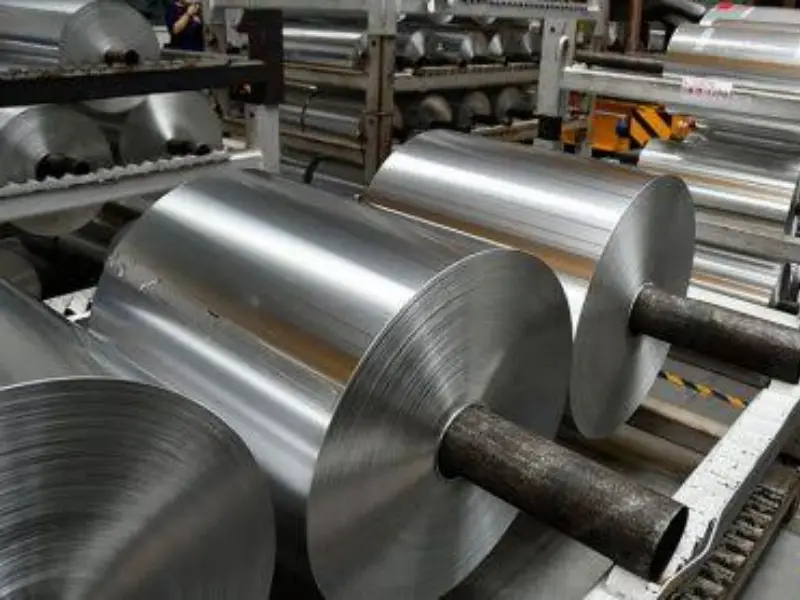
Alloy 8011 has commonly used in packaging foil. Other alloys, such as 1050, 1060, 1100, 1200, and 8079, have used for specific products. The appropriate alloy depends on the application and manufacturer specification.
What thicknesses are available for plain aluminium foil?
Thickness varies by product and supplier. Thin foil may start at several microns, while thicker products can reach tens of microns or more. Always specify the required thickness in microns or millimeters.
What is the difference between plain foil and coated foil?
Plain foil has a natural metallic surface without an added coating. Coated foil has an additional surface layer designed to provide specific properties, such as improved printability or compatibility with a particular process.
Is plain aluminium foil suitable for food packaging?
It may be suitable for certain food packaging applications, but the alloy, product quality, manufacturing process, and applicable food-contact requirements checked. Not every foil product is suitable for every food or use condition.
What is the difference between aluminium foil and aluminium foil laminate?
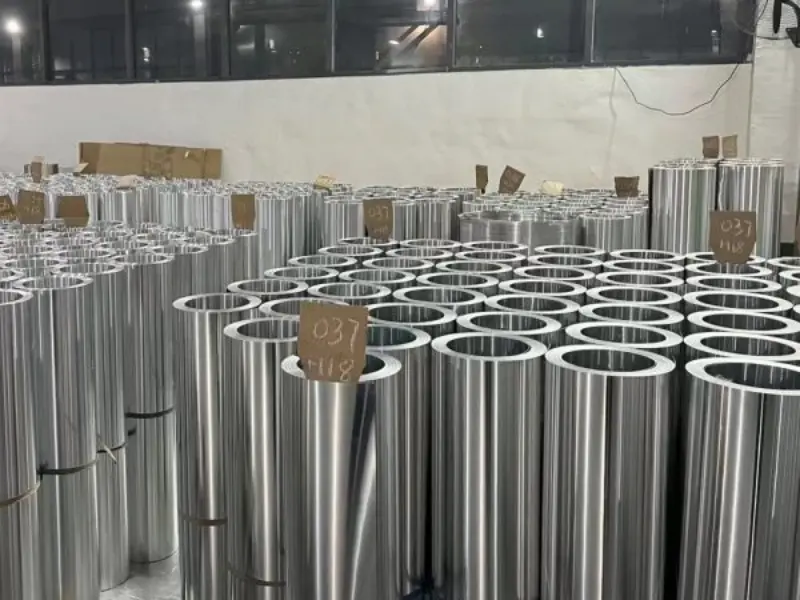
Plain foil is an aluminium layer by itself. A foil laminate combines aluminium with other materials, such as plastic film or paper, to achieve specific packaging or performance requirements.
Can plain aluminium foil be printed?
Printing may be possible with a suitable surface preparation, ink system, or additional treatment. The correct method depends on the foil surface and the printing process.
Can plain aluminium foil be used for insulation?
Yes. Plain foil can serve as a facing or component in certain insulation products. The overall thermal performance depends on the complete insulation assembly, not only the foil layer.
What does O temper mean for aluminium foil?
O temper generally refers to an annealed condition. It has usually associated with a soft and formable material, although actual properties depend on the alloy and product specification.
How should buyers compare plain aluminium foil quotations?
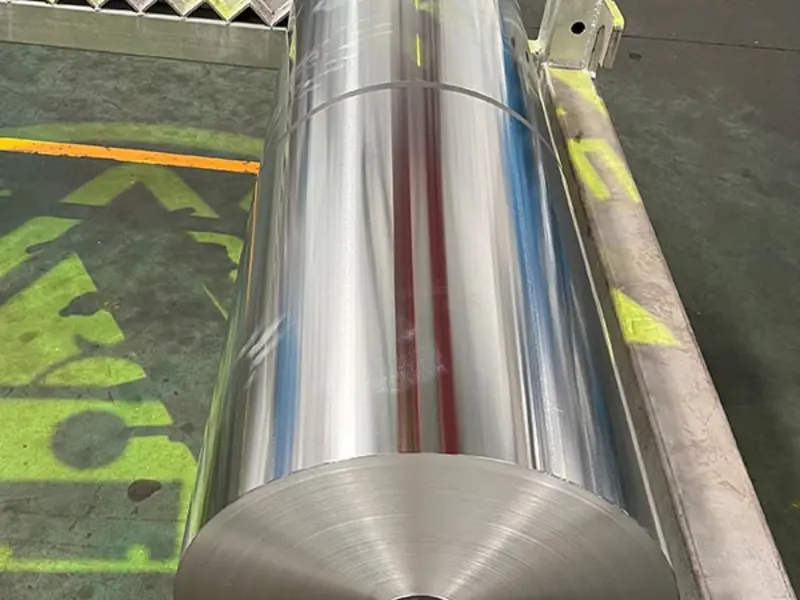
Compare the alloy, temper, thickness, width, roll weight, core dimensions, tolerances, surface quality, packaging, and delivery terms. A quotation should clearly state the product specifications.
Can plain aluminium foil be customized?
Many manufacturers can supply different widths, thicknesses, roll weights, and slit-roll formats. Customization depends on the production equipment, minimum order quantity, and required tolerances.
Find the Right Plain Aluminium Foil for Your Application
Plain aluminium foil is a useful base material for packaging, insulation, lamination, household products, and industrial conversion. Different thicknesses, alloys, tempers, and roll formats allow manufacturers to match the material to specific production needs.
The best product is not always the thinnest or the cheapest. Buyers should consider the end use, required barrier performance, surface quality, processing conditions, and total cost.
Before placing a bulk order, confirm the technical specification, request samples when practical, and agree on inspection and packaging requirements. Clear communication with the supplier helps reduce production problems and supports more consistent repeat orders.
Error: Contact form not found.