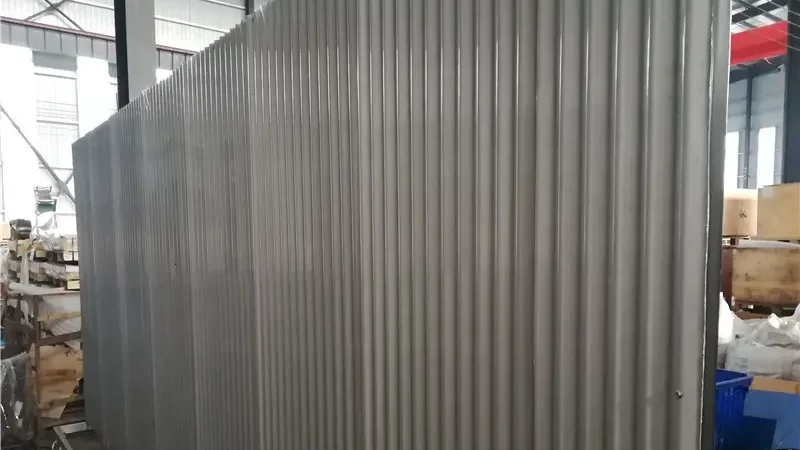
24 gauge corrugated metal roofing is a popular option for building projects that need a durable metal roof with a traditional corrugated profile. It is used for agricultural buildings, workshops, warehouses, garages, commercial structures, and other roofing applications.
The term “24 gauge” describes the nominal gauge of the metal sheet. However, gauge does not always mean the same thickness for every metal. Steel and aluminum use different gauge systems. Buyers should confirm the actual thickness in inches or millimeters before placing an order.
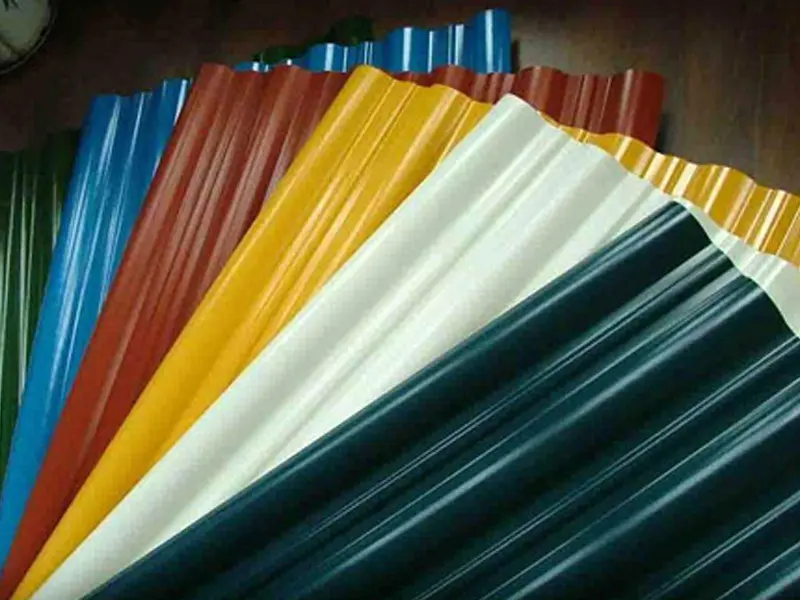
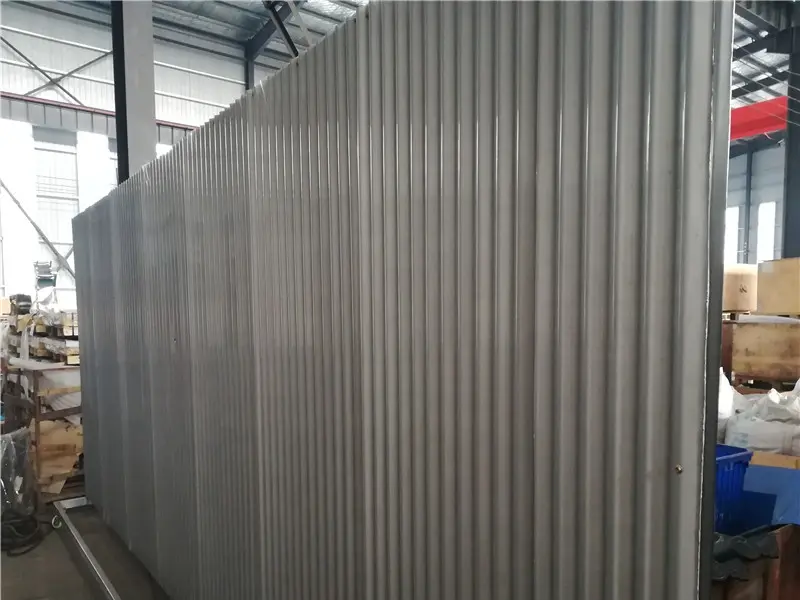
Corrugated metal roofing is available in different materials, coatings, colors, and profile designs. These options affect the roof’s weight, appearance, corrosion resistance, installation method, and cost.
For contractors, distributors, and building material suppliers, choosing the right 24 gauge corrugated roofing sheet starts with the material, actual thickness, profile, and project requirements.
What Is 24 Gauge Corrugated Metal Roofing?
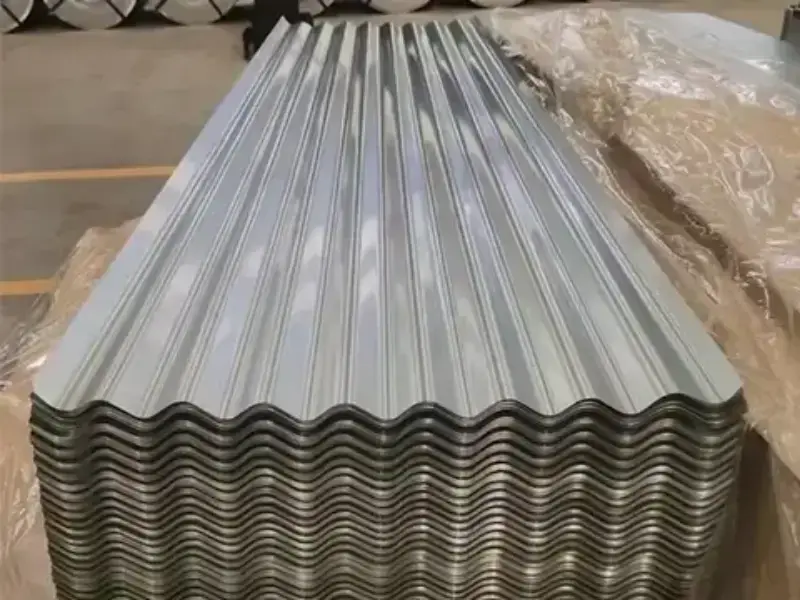
24 gauge corrugated metal roofing is a formed metal sheet with repeating ridges and valleys. These waves give the sheet its recognizable corrugated appearance.
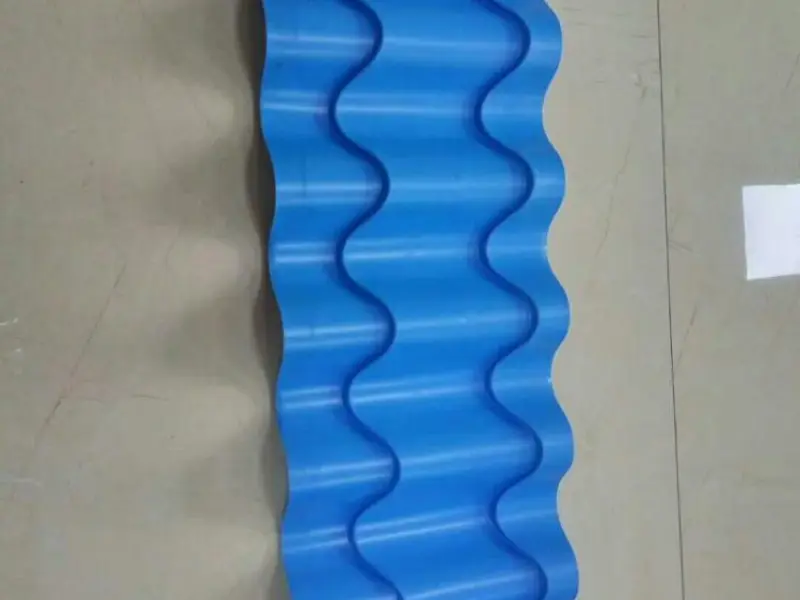
The corrugated profile helps the sheet resist bending compared with a flat sheet of the same material and thickness. Its actual load capacity still depends on the metal, profile dimensions, support spacing, fastening method, and design requirements.
The roofing panel has supplied with a bare metal finish, a metallic coating, or a painted surface. Some products also have special protective coatings for particular environments.
Main Product Features
| Feature | Description |
|---|---|
| Product type | Corrugated metal roofing sheet |
| Nominal gauge | 24 gauge |
| Base materials | Commonly steel; aluminum is also available in suitable specifications |
| Surface options | Bare, metallic-coated, or painted |
| Profile | Repeating ridges and valleys |
| Panel shape | Usually long rectangular sheets |
| Colors | Natural metallic finishes and multiple painted colors |
| Processing | Roll forming, cutting, and optional custom fabrication |
| Common markets | Residential, agricultural, commercial, and industrial buildings |
The exact specifications depend on the manufacturer’s product range. Always check the technical data sheet for the selected panel.
Why Is Corrugated Metal Used for Roofing?
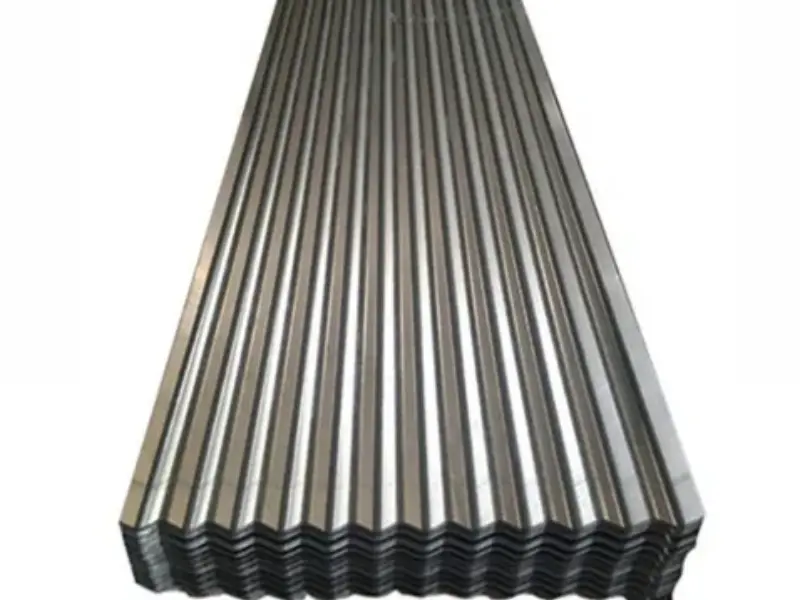
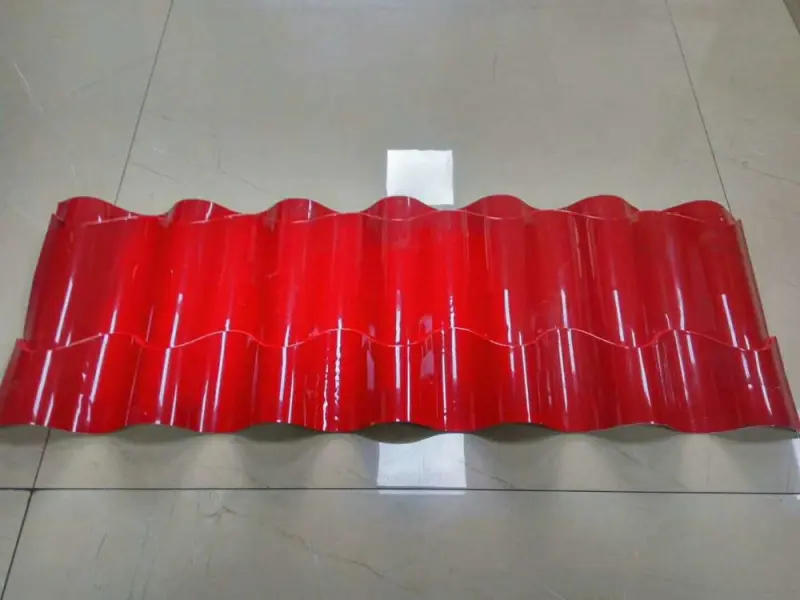
Corrugated metal roofing offers several practical benefits.
- Recognizable profile: The wave pattern gives roofs a traditional industrial or agricultural appearance.
- Efficient panel coverage: Long sheets can cover large roof areas with fewer transverse joints.
- Relatively low weight: Metal roofing can be lighter than many traditional roofing materials, although the exact weight depends on material and thickness.
- Multiple finish options: Buyers can select metallic, painted, or other approved finishes.
- Flexible fabrication: Panels can be supplied in different lengths and selected widths.
- Suitable for many building types: Corrugated sheets can be used for garages, workshops, barns, and other structures when properly designed.
These benefits do not replace the need for correct roof design. Wind uplift, snow loads, drainage, fastening, and local building codes must be considered.
How Thick Is 24 Gauge Corrugated Metal Roofing?
One of the most important purchasing questions is the actual thickness of 24 gauge metal roofing.
Gauge is a traditional sizing system. It is not a universal metric measurement. The relationship between gauge and thickness varies by metal and specification.
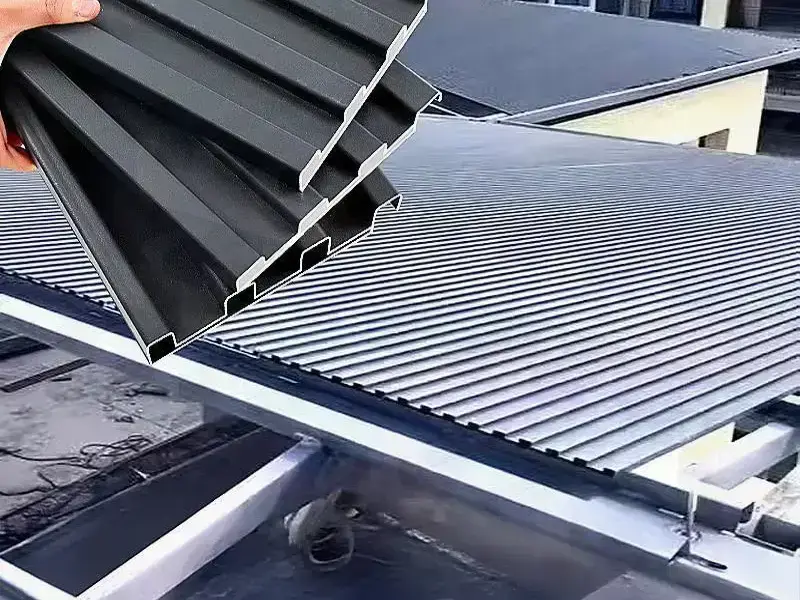
For example, 24 gauge steel is often associated with a nominal thickness near 0.024 inch under commonly used steel gauge references. That is approximately 0.61 mm. However, product standards, coating allowances, and manufacturer specifications can affect the stated value.
Aluminum uses a different gauge-to-thickness relationship. A 24 gauge aluminum sheet should not automatically be assumed to have the same thickness as 24 gauge steel.
Example Thickness Reference
| Material | Gauge | Approximate Reference Thickness | Important Note |
|---|---|---|---|
| Steel | 24 gauge | Around 0.024 in / 0.61 mm | Confirm the applicable gauge standard |
| Aluminum | 24 gauge | May differ from steel | Check the supplier’s actual thickness specification |
| Galvanized steel | 24 gauge | Depends on base steel specification | Confirm whether the stated thickness includes coating |
| Prepainted steel | 24 gauge | Depends on substrate and coating specification | Confirm base-metal thickness and coating details |
This table is a reference, not a universal specification. The actual thickness must be confirmed with the supplier before purchase.
Gauge vs. Actual Thickness
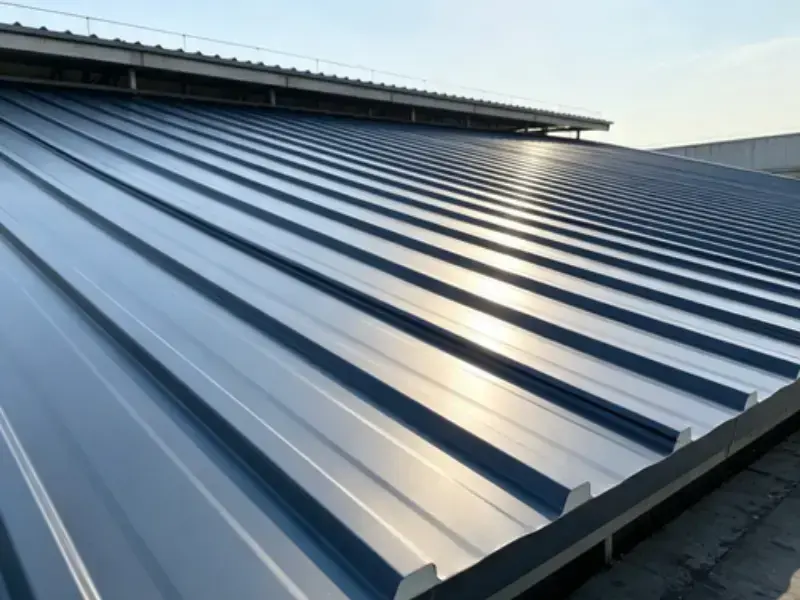
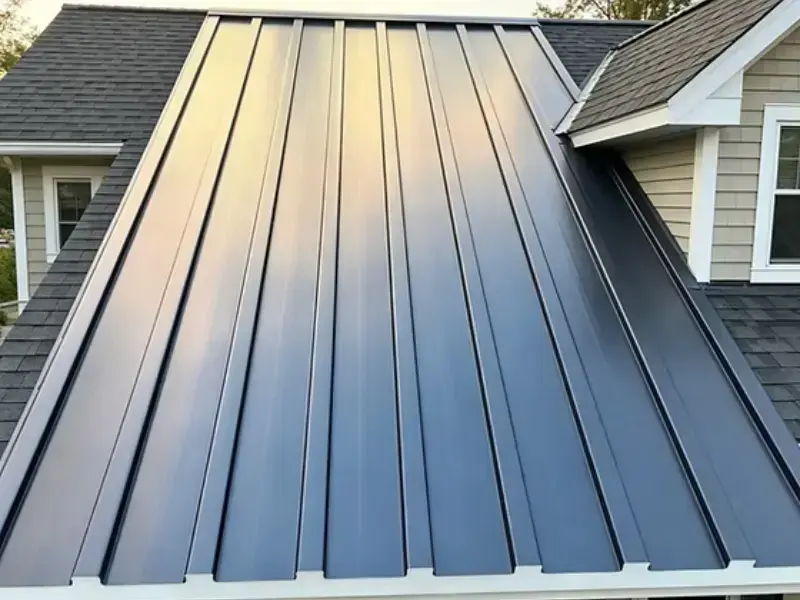
Gauge and thickness are related, but they are not interchangeable in every specification.
For a commercial roofing order, ask the supplier to provide:
- Nominal gauge
- Actual base-metal thickness
- Thickness tolerance
- Coating type and coating mass, where applicable
- Panel profile dimensions
- Effective cover width
- Recommended support spacing
For engineering calculations, use the specified material thickness and the manufacturer’s verified product data rather than relying on the gauge number alone.
24 Gauge Steel Roofing vs. 24 Gauge Aluminum Roofing
Steel and aluminum are both used for corrugated roofing, but they have different material properties.
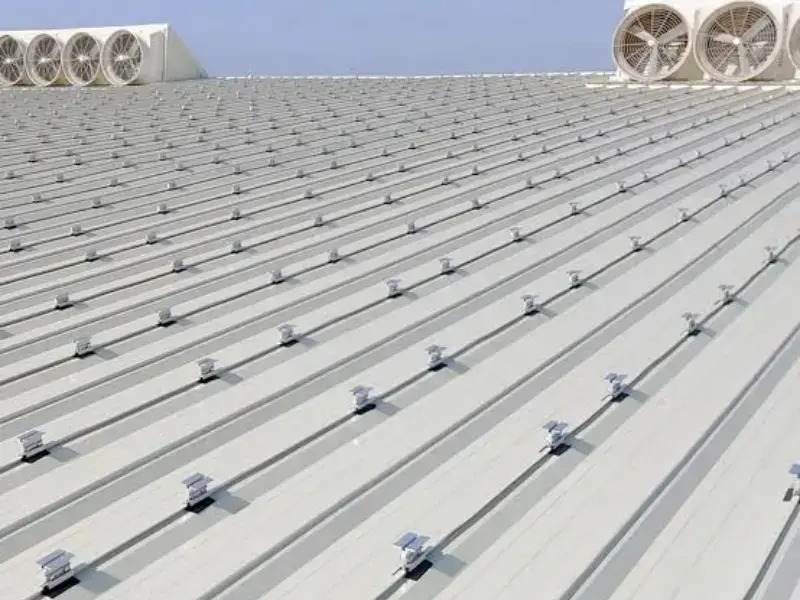
Steel is commonly selected for its strength and broad range of roofing products. Aluminum is lighter and naturally forms a protective oxide layer, making it useful for selected environments where low weight and corrosion resistance are important.
The right material depends on the roof design, exposure conditions, budget, and required service life.
Material Comparison
| Factor | 24 Gauge Steel Roofing | 24 Gauge Aluminum Roofing |
|---|---|---|
| Base material | Steel | Aluminum |
| Gauge conversion | Steel-specific reference | Aluminum-specific reference |
| Weight | Generally heavier at comparable sheet dimensions and gauge labels | Generally lighter, but actual thickness must be compared |
| Strength | Depends on steel grade and profile | Depends on aluminum alloy, temper, thickness, and profile |
| Corrosion behavior | Often protected by metallic or painted coatings | Naturally forms an oxide layer; coatings may also be used |
| Surface options | Galvanized, Galvalume-type, painted, and other systems | Mill finish, painted, and other suitable coatings |
| Common uses | Residential, agricultural, and commercial roofing | Selected residential, coastal, agricultural, and commercial applications |
| Main selection factor | Strength, coating, profile, and cost | Weight, corrosion conditions, alloy, profile, and cost |
This comparison is general. Actual performance depends on the specific product and environment.
When Should You Choose Steel Corrugated Roofing?
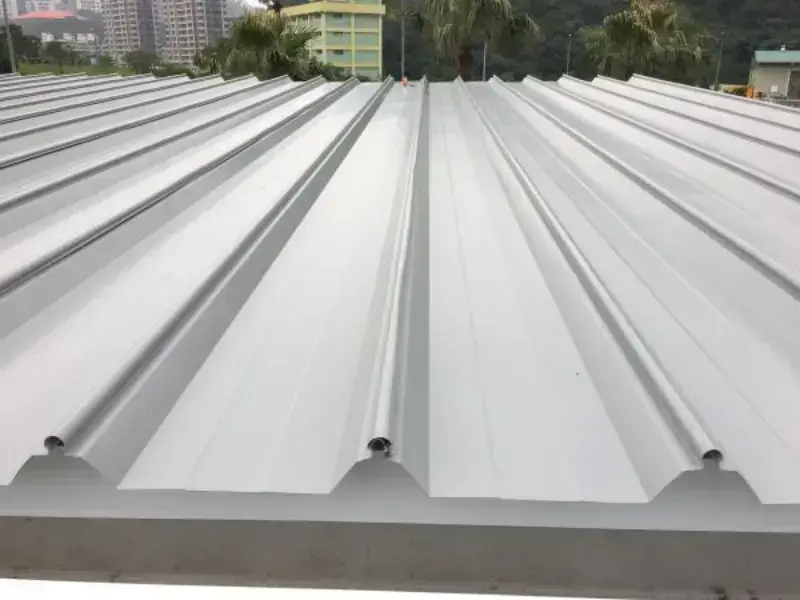
Steel corrugated roofing may be suitable when a project requires a widely available roofing material with a broad selection of profiles and finishes.
Typical applications include:
- Warehouses
- Workshops
- Agricultural buildings
- Garages
- Commercial roofs
- Storage buildings
- Industrial facilities
Steel roofing should be selected with the correct protective coating for the expected environment.
When Is Aluminum Corrugated Roofing Worth Considering?
Aluminum corrugated roofing can be a useful option when low weight and corrosion resistance are important.
Potential applications include:
- Buildings in coastal regions
- Lightweight roofing systems
- Agricultural structures
- Selected industrial buildings
- Canopies and shelters
- Roofing projects with weight restrictions
Aluminum roofing still requires suitable alloy selection, fastening, drainage design, and coating specifications. It is not immune to corrosion under all conditions.
Common Materials Used for Corrugated Metal Roofing
The base material is one of the most important choices for a roofing project. Different materials offer different combinations of strength, weight, corrosion resistance, and cost.
Galvanized Steel Corrugated Roofing
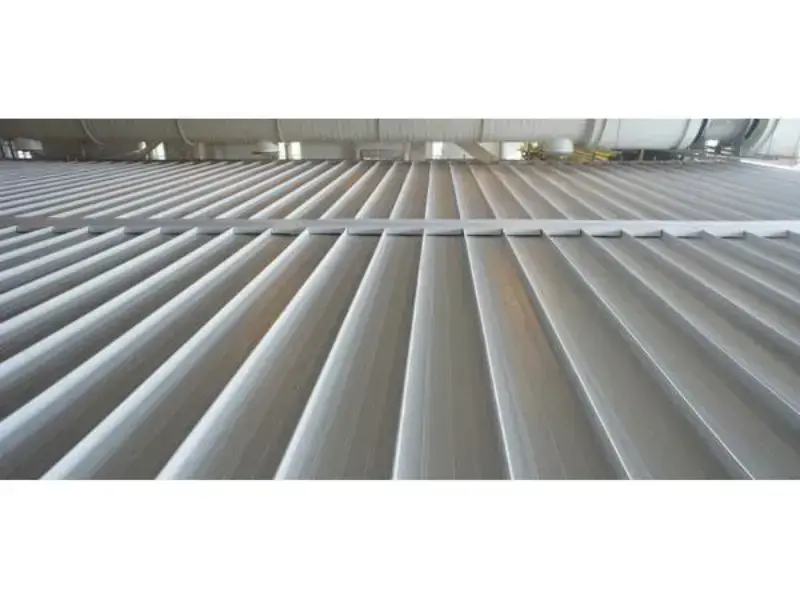
Galvanized steel has a zinc coating that helps protect the underlying steel from corrosion.
It has widely used in practical roofing applications because it combines a steel base with a protective metallic layer.
Common applications include:
- Barns and agricultural buildings
- Workshops
- Garages
- Storage sheds
- Industrial roofs
- Utility buildings
The performance of galvanized roofing depends on the coating specification, cut-edge exposure, installation details, and environmental conditions.
Galvalume-Type Steel Roofing
Galvalume-type roofing uses a metallic coating containing aluminum and zinc, with the exact composition depending on the specified product system.
It has used in many building applications where corrosion protection and roofing performance are important.
Possible applications include:
- Commercial buildings
- Industrial facilities
- Agricultural structures
- Storage buildings
- Selected residential roofs
Buyers should confirm the coating standard, substrate thickness, and warranty conditions rather than relying only on the product name.
Painted Steel Corrugated Roofing
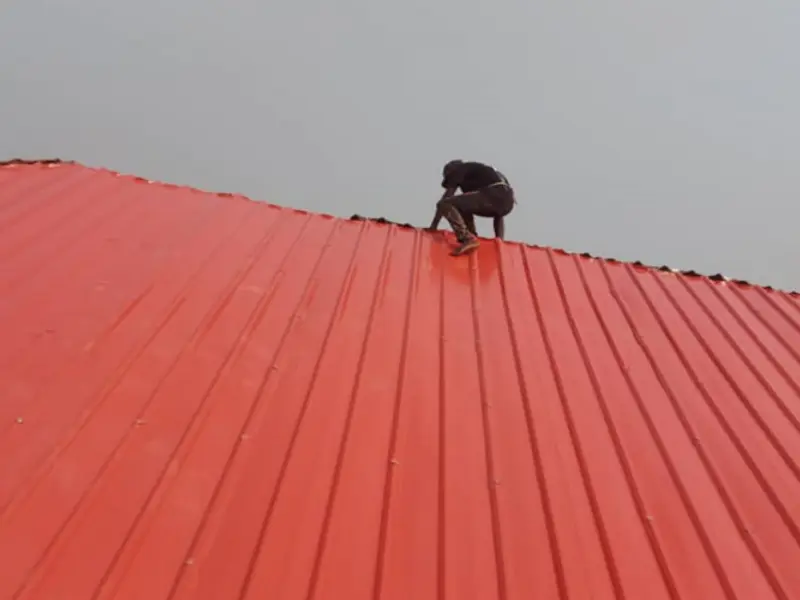
Painted steel roofing combines a steel substrate with a protective coating system and a colored topcoat.
It is available in a range of colors to match building designs.
Common options include:
- White
- Gray
- Black
- Brown
- Green
- Red
- Blue
Actual color availability depends on the supplier. Buyers should also confirm the paint system, coating thickness, gloss level, and suitability for outdoor exposure.
Aluminum Corrugated Roofing
Aluminum corrugated roofing uses an aluminum base sheet formed into a wave profile.
The alloy and temper affect strength, formability, and manufacturing performance. Different products may use different aluminum grades according to the intended application.
Potential applications include:
- Lightweight roofs
- Coastal buildings
- Agricultural structures
- Canopies
- Equipment shelters
- Selected commercial roofing systems
For aluminum roofing, specify the alloy, temper, actual thickness, coating, and profile dimensions.
Corrugated Roofing Profiles and Panel Designs
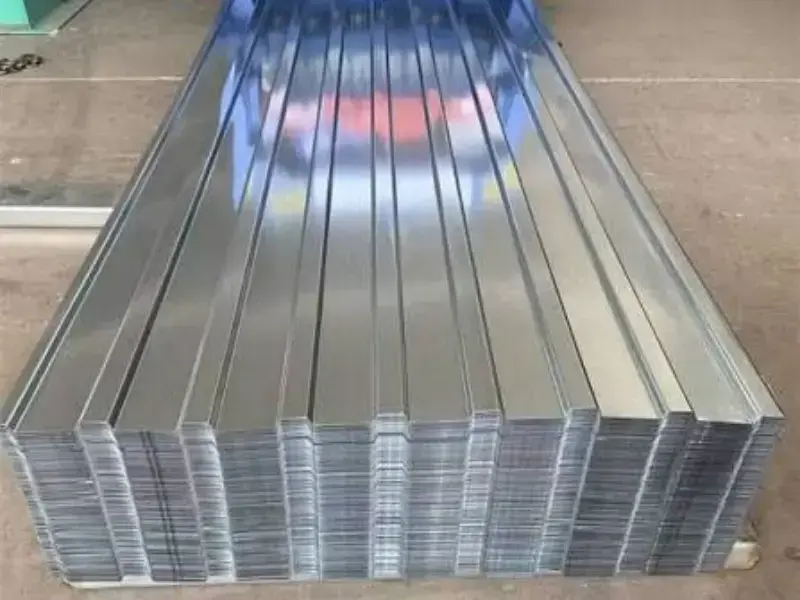
Corrugated metal roofing is available in different profile sizes. The profile affects appearance, stiffness, water drainage, and the way the panels overlap.
A panel’s profile should be compatible with the roof design and installation system.
Standard Round-Wave Corrugated Panels
Standard corrugated panels have repeating rounded ridges and valleys. They are often selected for traditional agricultural and industrial buildings.
Typical features include:
- Repeating wave pattern
- Side-lap installation
- Metallic or painted finishes
- Custom cut lengths
- Use on suitable roof structures and wall cladding
The exact wave height, pitch, and effective cover width vary by manufacturer.
Deep Corrugated Metal Roofing
Deep corrugated panels have more pronounced ridges. Their geometry can provide greater profile depth than shallow corrugated sheets.
Potential applications include:
- Agricultural buildings
- Industrial sheds
- Selected commercial structures
- Exterior wall cladding
A deeper profile does not automatically guarantee a higher load capacity. Structural performance has confirmed using manufacturer data for the specific panel.
Narrow-Wave Corrugated Panels
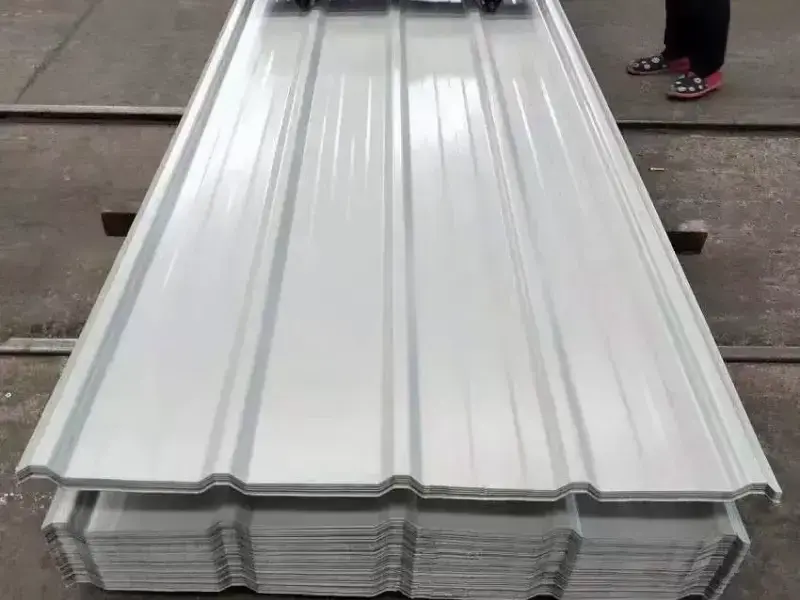
Narrow-wave panels have a smaller repeating pattern. They have selected for decorative applications or buildings where a finer corrugated appearance is preferred.
Possible applications include:
- Sheds
- Garden structures
- Decorative wall panels
- Small commercial buildings
- Selected renovation projects
Check the profile dimensions and installation requirements before combining panels from different manufacturers.
Corrugated Roofing vs. Standing Seam Roofing
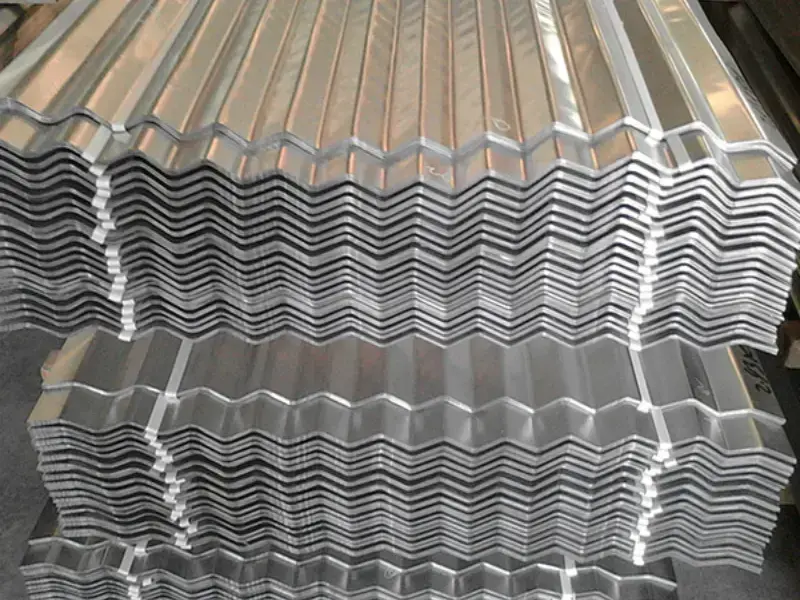
Corrugated panels and standing seam panels have different designs and fastening systems.
| Factor | Corrugated Roofing | Standing Seam Roofing |
|---|---|---|
| Surface profile | Repeating waves | Raised seams |
| Visual style | Traditional or industrial | Modern and clean |
| Panel connection | Usually side laps with specified fasteners | Interlocking or mechanically seamed systems |
| Installation | Depends on panel and fastening design | Depends on the seam system |
| Common applications | Agricultural, industrial, and general buildings | Residential, commercial, and architectural roofs |
| Material options | Steel and aluminum | Steel, aluminum, and other specified metals |
Neither profile is best for every project. The choice depends on design, budget, installation requirements, and local conditions.
Surface Coatings and Colors for 24 Gauge Corrugated Roofing
The coating system can affect corrosion resistance, appearance, cleaning, and long-term maintenance.
The correct coating depends on the base metal and the expected environment.
Metallic Coatings
Metallic coatings have commonly used to protect steel roofing.
Common systems include:
- Zinc-coated steel
- Aluminum-zinc-coated steel
- Other specified metallic coating systems
The coating type and coating mass has confirmed in the product specification.
Painted and Prepainted Finishes
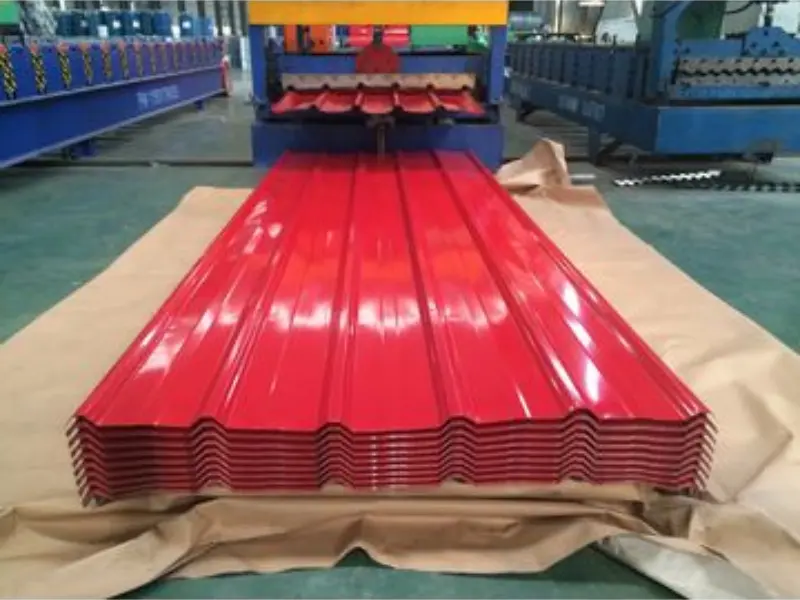
Painted corrugated roofing is available in different colors and surface appearances.
Possible finish options include:
- Gloss finish
- Low-gloss finish
- Matte appearance
- Standard solid colors
- Custom colors, subject to order requirements
Color alone does not indicate durability. Buyers should confirm the coating system and its intended exposure conditions.
Bare Aluminum Finish
Some aluminum roofing products have supplied without a decorative paint layer. The natural metallic appearance may suit industrial and utility structures.
The suitability of a bare finish depends on the environment, appearance requirements, and maintenance expectations.
How to Choose a Roofing Coating
Consider the following factors:
- Local rainfall and humidity
- Distance from the coast
- Industrial pollution
- Exposure to chemicals
- Expected service conditions
- Color and appearance requirements
- Maintenance access
- Compatibility with fasteners and other building materials
For coastal or industrial projects, ask the supplier for product-specific guidance. Coating selection should be based on the actual exposure conditions.
Applications of 24 Gauge Corrugated Metal Roofing
Corrugated metal roofing used across many building sectors. The suitable panel depends on the roof structure, profile, material, coating, and local building requirements.
Agricultural Buildings
Corrugated roofing has widely considered for agricultural structures because long panels can cover large areas efficiently.
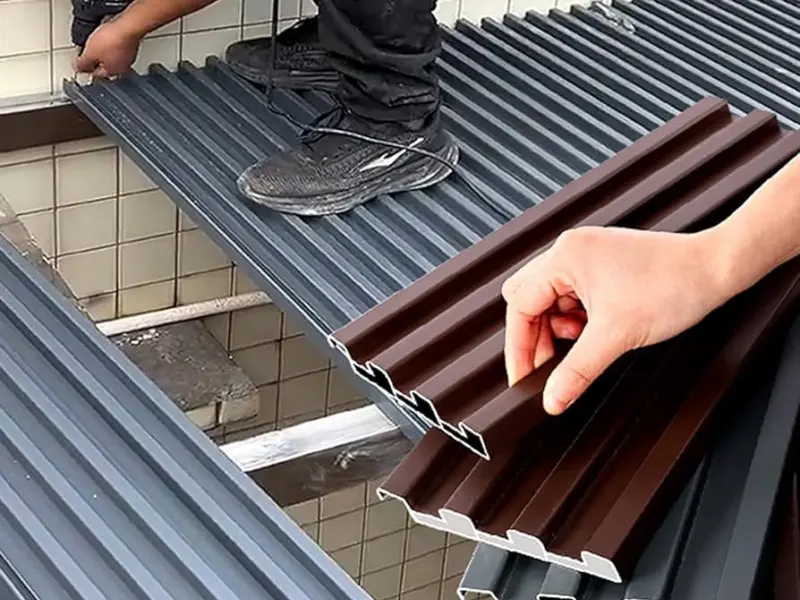
Typical applications include:
- Barns
- Equipment storage buildings
- Farm workshops
- Machinery shelters
- Utility sheds
- Selected livestock buildings
For livestock buildings, consider moisture, ventilation, cleaning requirements, and the effects of the internal environment on the roofing material.
Warehouses and Industrial Buildings
Industrial buildings often need practical roofing panels that can be supplied in suitable lengths and finishes.
Applications include:
- Warehouses
- Factories
- Workshops
- Storage facilities
- Loading-area shelters
- Equipment buildings
Large roofs require careful planning for panel lengths, side laps, drainage, thermal movement, and wind uplift.
Garages and Residential Outbuildings
Corrugated metal roofing has used for garages and other outbuildings when the selected panel meets local requirements.
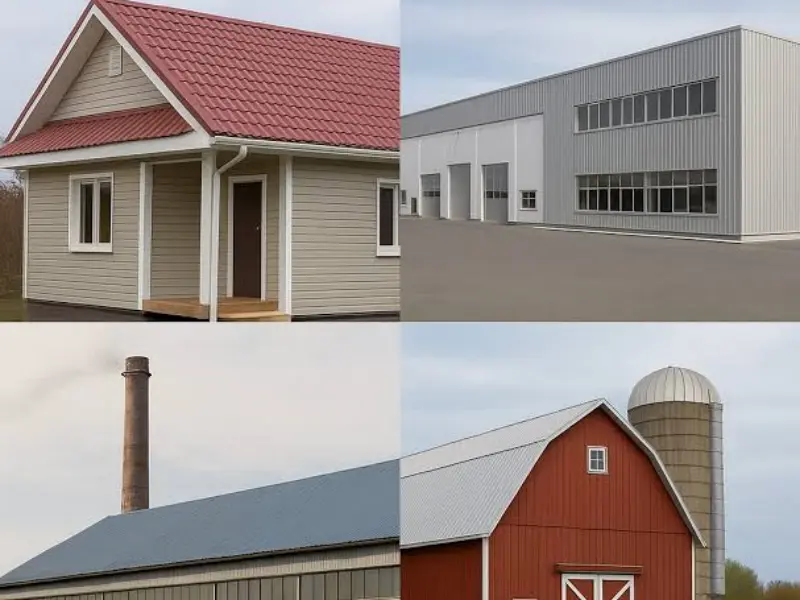
Typical projects include:
- Detached garages
- Garden sheds
- Carports
- Workshops
- Storage sheds
- Utility structures
For residential projects, consider appearance, noise control, condensation, insulation, and the installation system.
Commercial Buildings
Corrugated metal panels have used for selected commercial structures and utility buildings.
Possible applications include:
- Retail storage buildings
- Service facilities
- Small commercial warehouses
- Canopies
- Workshops
- Covered loading areas
Commercial projects may have specific requirements for fire performance, wind resistance, insulation, and drainage. Confirm these requirements before choosing the panel.
Roof and Wall Cladding
Corrugated sheets have used for both roofs and exterior walls when the product is designed for the intended installation.
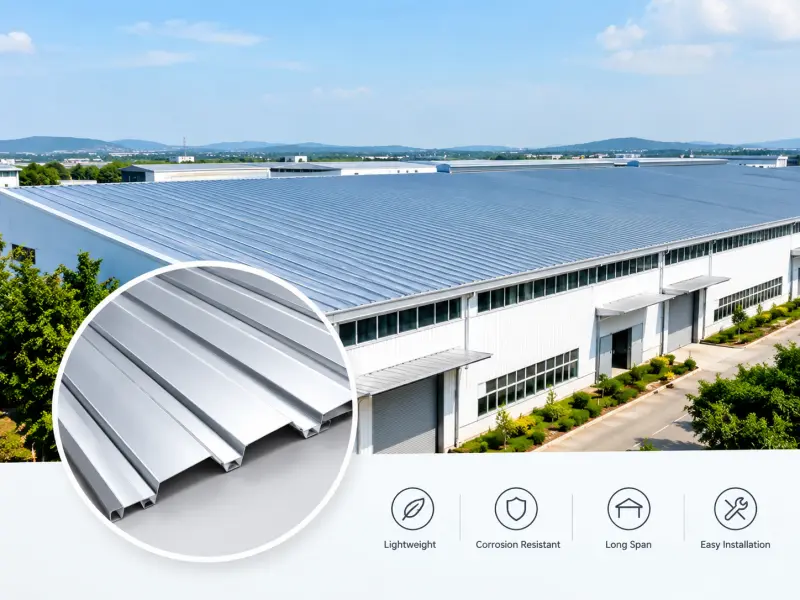
Potential applications include:
- Exterior wall cladding
- Agricultural wall panels
- Industrial partitions
- Equipment enclosures
- Utility building exteriors
Roofing and wall cladding have different drainage and load requirements. Confirm that the selected profile has approved for the intended use.
How to Select the Right Thickness and Panel Size
The correct roofing specification depends on the roof span, support spacing, design loads, profile geometry, and fastening system.
Gauge alone cannot determine whether a panel is suitable for a particular building.
Important Dimensions to Confirm
| Specification | Why It Matters |
|---|---|
| Nominal gauge | Identifies the stated gauge category |
| Actual base-metal thickness | Helps determine material properties |
| Panel width | Affects coverage and layout |
| Effective cover width | Determines the number of panels required |
| Panel length | Affects transverse joints and handling |
| Profile height | Influences geometry and structural behavior |
| Ridge spacing | Defines the repeating corrugated pattern |
| Side-lap requirement | Helps maintain the intended panel connection |
| Thickness tolerance | Defines permitted dimensional variation |
The supplier’s technical drawing should show the actual profile dimensions and effective cover width.
Choosing Panel Length
Panel length should match the roof layout and transport limitations.
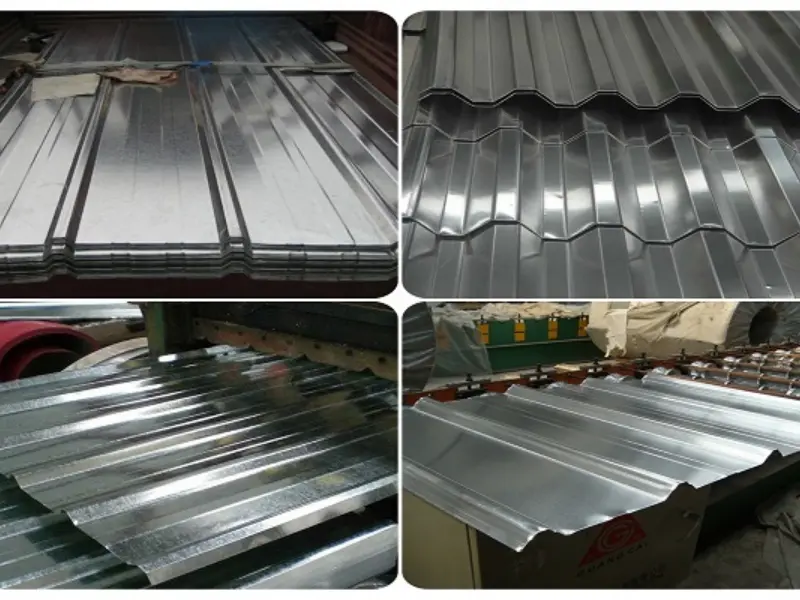
Long panels can reduce the number of transverse joints, but they may be harder to handle and transport. Thermal movement and installation methods have considered.
Before ordering, confirm:
- Roof slope and dimensions
- Required panel lengths
- Transportation restrictions
- Lifting and handling arrangements
- Drainage direction
- Transverse-joint requirements
Estimating the Number of Roofing Sheets
The number of panels depends on the roof width and the effective cover width of each sheet.
A basic estimate is:
Number of panels = Roof width ÷ Effective cover width
Round the result up to a whole panel. The estimate should also allow for roof geometry, side laps, eaves, ridges, valleys, openings, and cutting waste.
For example, if a roof is 30 feet wide and the effective cover width of a panel is 2.5 feet:
30 ÷ 2.5 = 12 panels
This is a simplified example. Always use the actual cover width stated by the manufacturer.
Installation Considerations for Corrugated Metal Roofing
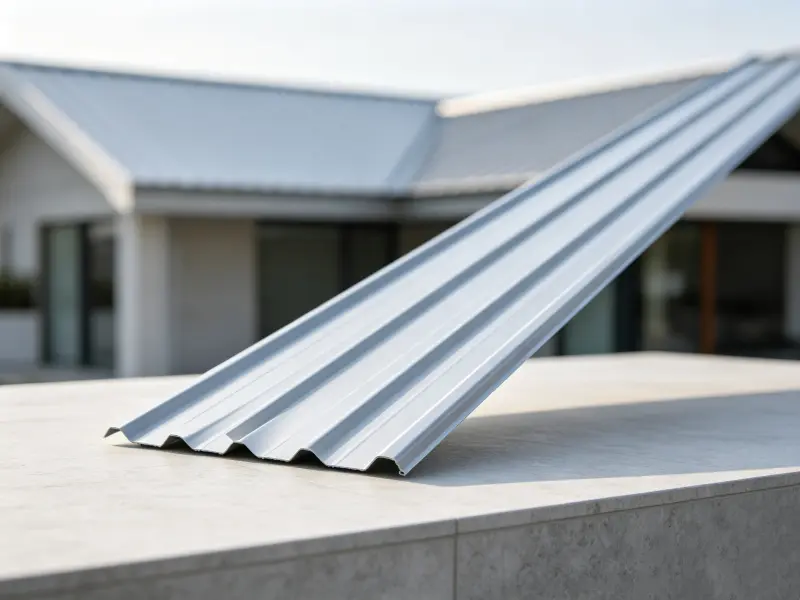
Correct installation helps the roofing system manage rainwater, wind loads, and normal thermal movement.
The installation method depends on the panel profile, substrate, roof slope, fasteners, and local building requirements.
Prepare the Roof Structure
Before installation, check:
- Roof framing and support spacing
- Roof slope
- Structural load requirements
- Surface alignment
- Drainage design
- Compatibility of the selected roofing panel
Do not assume that every corrugated profile can be installed at the same support spacing or roof pitch.
Select Suitable Fasteners
Fasteners should be compatible with the roofing material and the supporting structure.
Consider:
- Fastener material
- Corrosion resistance
- Washer type
- Fastener length
- Attachment method
- Manufacturer’s installation instructions
Incompatible metals can cause galvanic corrosion under certain conditions. The fastener system has selected for the actual roofing material and environment.
Manage Overlaps and Water Drainage
The side-lap and end-lap design must follow the panel manufacturer’s instructions.
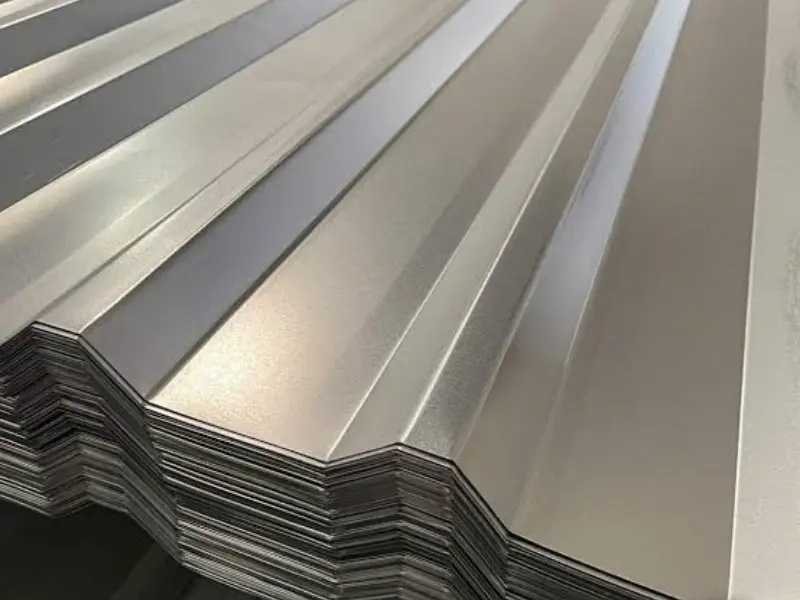
Correct installation should address:
- Water flow direction
- Side laps
- End laps
- Ridge and eave details
- Flashings
- Roof penetrations
- Sealing requirements, where specified
Poorly designed laps or flashings can cause leaks even when the metal sheet itself is suitable.
Consider Condensation and Insulation
Metal roofing can experience condensation when warm, moist air contacts a sufficiently cold surface.
Depending on the building, the roof system may need ventilation, insulation, a vapor-control layer, or an approved anti-condensation solution.
The correct approach depends on the building’s use, climate, and internal moisture levels.
What Affects the Price of 24 Gauge Corrugated Metal Roofing?
The cost depends on the material, actual thickness, profile, coating, dimensions, order quantity, and delivery location.
| Cost Factor | Effect on the Quotation |
|---|---|
| Base material | Steel and aluminum have different material costs |
| Actual thickness | Affects material consumption and weight |
| Coating system | Different coatings have different costs |
| Color | Standard and custom colors may be priced differently |
| Profile | Special profiles may require different tooling |
| Panel length | Affects production, handling, and transport |
| Order quantity | May affect production efficiency |
| Cutting requirements | Custom lengths and processing can affect cost |
| Packaging | May add protection and handling costs |
| Freight | Depends on dimensions, weight, destination, and shipping method |
To compare suppliers accurately, request quotations based on the same material, actual thickness, profile, coating, panel length, and quantity.
A low price per sheet does not always mean a lower total project cost. Effective cover width, installation accessories, coating requirements, and transport should also be considered.
How to Choose a Corrugated Metal Roofing Supplier
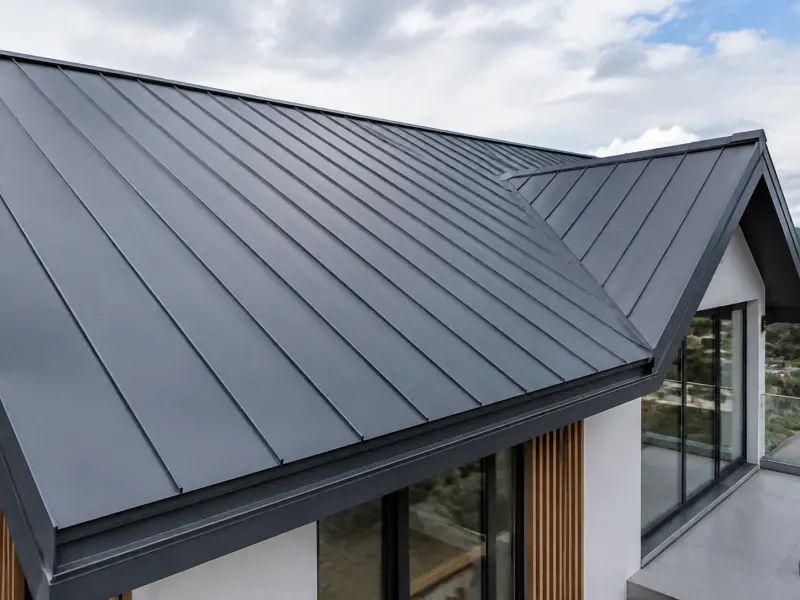
A reliable supplier should provide clear product specifications and help buyers confirm whether the panel is suitable for the intended project.
Questions to Ask Before Ordering
- Is the product steel or aluminum?
- What is the actual base-metal thickness?
- Which gauge standard is being used?
- What are the profile height and effective cover width?
- What coating system is available?
- Can panels be cut to custom lengths?
- What colors and finishes are offered?
- What is the minimum order quantity?
- Can technical drawings and product data be provided?
- What packaging is used for export shipments?
- What is the expected production lead time?
Information Needed for a Quotation
| Order Detail | Example |
|---|---|
| Product | 24 gauge corrugated metal roofing |
| Base material | Steel or aluminum |
| Actual thickness | Specify in inches or millimeters |
| Profile | Specify the required corrugated profile |
| Panel width | Required overall width |
| Effective cover width | Confirm with supplier |
| Panel length | Custom length or standard size |
| Surface finish | Galvanized, metallic-coated, or painted |
| Color | Selected standard or custom color |
| Quantity | Number of sheets or total area |
| Accessories | Fasteners, flashings, or related items |
| Delivery destination | City, country, or port |
Providing these details helps the supplier prepare an accurate quotation and reduces specification errors.
Frequently Asked Questions
What Is 24 Gauge Corrugated Metal Roofing?
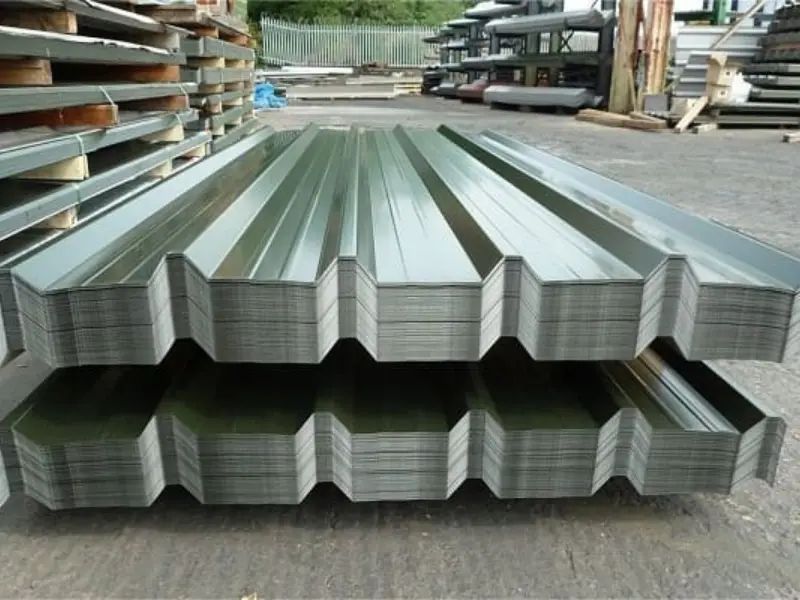
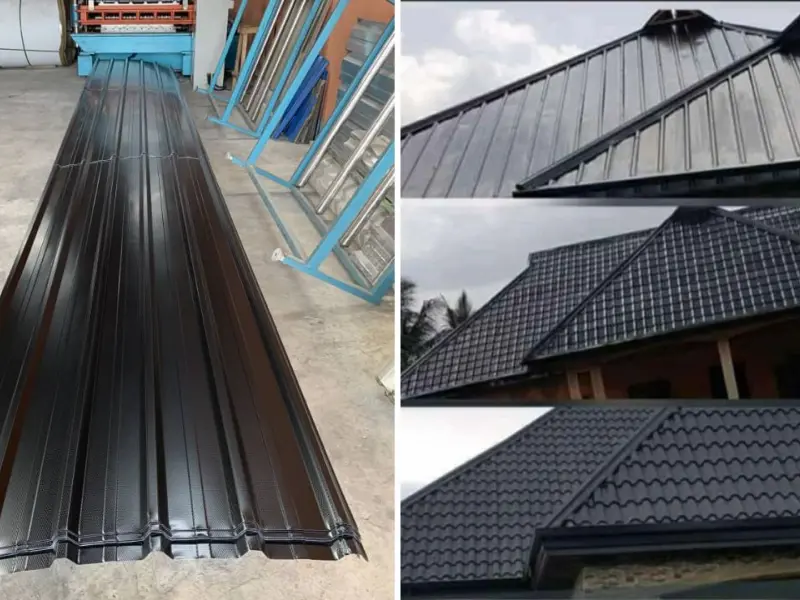
It has corrugated roofing made from metal sheet identified as 24 gauge. The sheet has a repeating wave profile. The actual thickness depends on the base metal and the gauge standard used.
How Thick Is 24 Gauge Corrugated Steel Roofing?
A common reference for 24 gauge steel is around 0.024 inch, or approximately 0.61 mm. However, the actual product specification and applicable standard must be checked before ordering.
Is 24 Gauge Aluminum the Same Thickness as 24 Gauge Steel?
No. Gauge-to-thickness conversions differ between steel and aluminum. Always specify the actual thickness in inches or millimeters and confirm the material.
Is 24 Gauge Metal Roofing Suitable for a Garage?

It may be suitable for a garage if the selected panel meets the structural, weather, and building-code requirements. The correct choice depends on the panel profile, support spacing, fastening system, roof slope, and local design loads.
Is Corrugated Metal Roofing Better Than Standing Seam Roofing?
Neither option is best for every project. Corrugated roofing has a traditional wave profile and is often used for agricultural and industrial buildings. Standing seam roofing uses raised seams and may suit architectural projects. Cost, appearance, installation, and performance requirements should guide the decision.
Can Corrugated Metal Roofing Be Used on Walls?
Some corrugated panels have used for both roofing and wall cladding. However, the product must be suitable for the intended installation. Confirm the manufacturer’s technical specifications before using a roofing panel on a wall or vice versa.
What Is the Difference Between Galvanized and Painted Corrugated Roofing?

Galvanized roofing uses a zinc coating to protect steel. Painted roofing has a colored coating system over the substrate, which may also include a metallic protective coating. Confirm the full coating specification rather than relying only on the surface color.
Does Corrugated Metal Roofing Need Maintenance?
Maintenance depends on the material, coating, environment, and installation quality. Periodic inspection can help identify damaged coatings, loose fasteners, blocked drainage paths, or other problems.
Can I Order Custom-Length Corrugated Roofing Sheets?
Many manufacturers offer custom panel lengths. Availability depends on production equipment, transport limitations, panel profile, and order quantity.
How Do I Calculate the Number of Roofing Sheets Required?
Divide the roof width by the effective cover width of one panel, then round up. Add allowances for the roof layout, overlaps, cutting, and waste. Use the manufacturer’s stated cover width for the calculation.
Is Aluminum Corrugated Roofing Suitable for Coastal Areas?
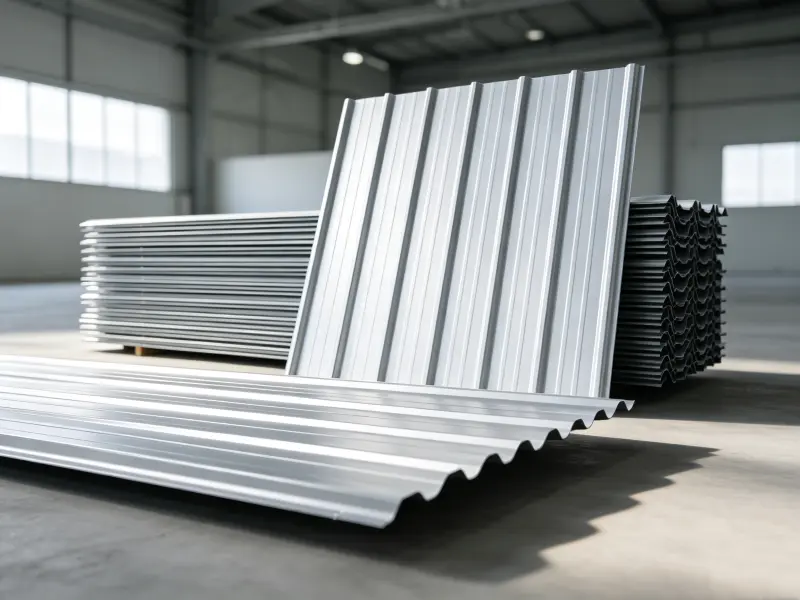
Aluminum can be a suitable option for some coastal projects because of its corrosion behavior and relatively low weight.
However, alloy, coating, fasteners, salt exposure, and installation details must be evaluated together.
What Information Should I Provide When Requesting a Quote?
Provide the material, actual thickness, gauge standard, panel profile, effective cover width, length, coating, color, quantity, and delivery destination. Drawings or photos of the required profile can help confirm the specification.
Request a Quote for 24 Gauge Corrugated Metal Roofing
If you are sourcing corrugated metal roofing for a warehouse, garage, workshop, agricultural building, or commercial project, confirm the material and dimensions before ordering.
The right product specification helps ensure that the roofing panels match the project design and installation requirements.
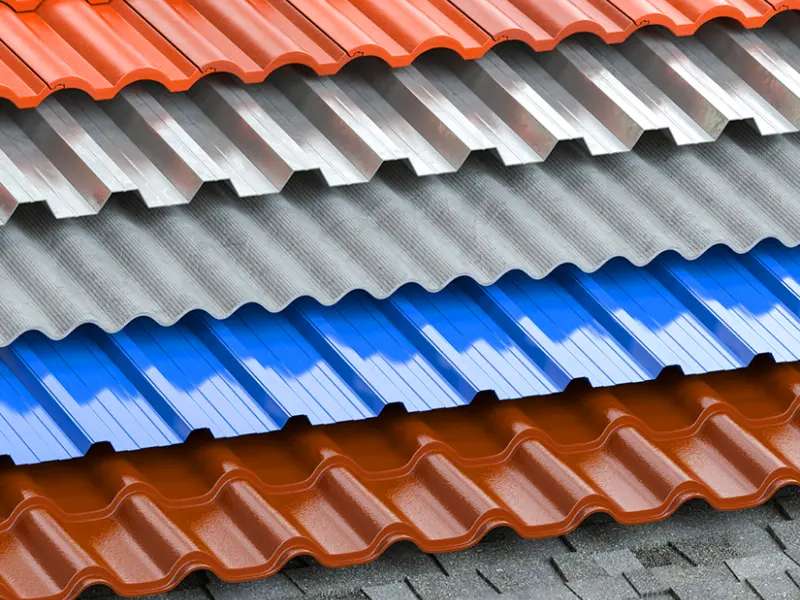
For a quotation, provide the base metal, actual thickness, profile, panel length, coating, color, order quantity, and delivery location. If you have a drawing or sample profile, include it with your inquiry.
A supplier can then check product availability, confirm technical details, and provide a quotation based on the required specification.
Error: Contact form not found.