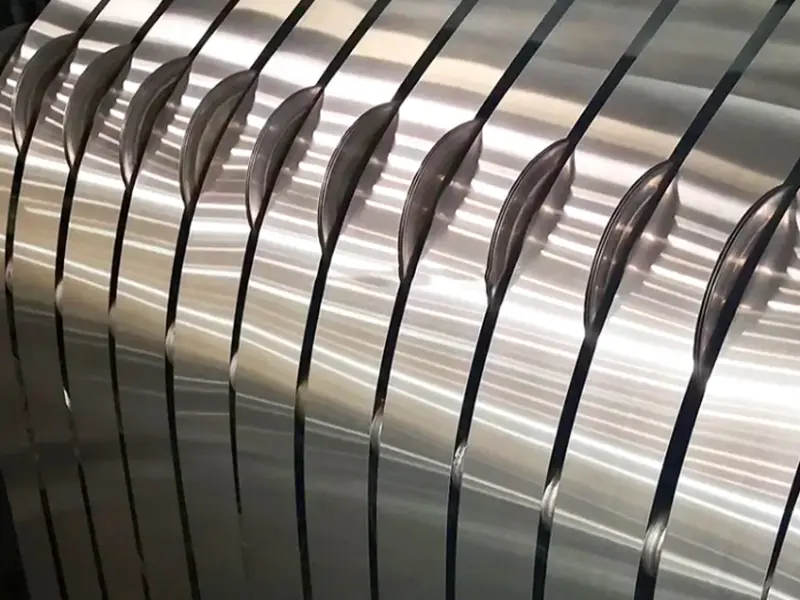
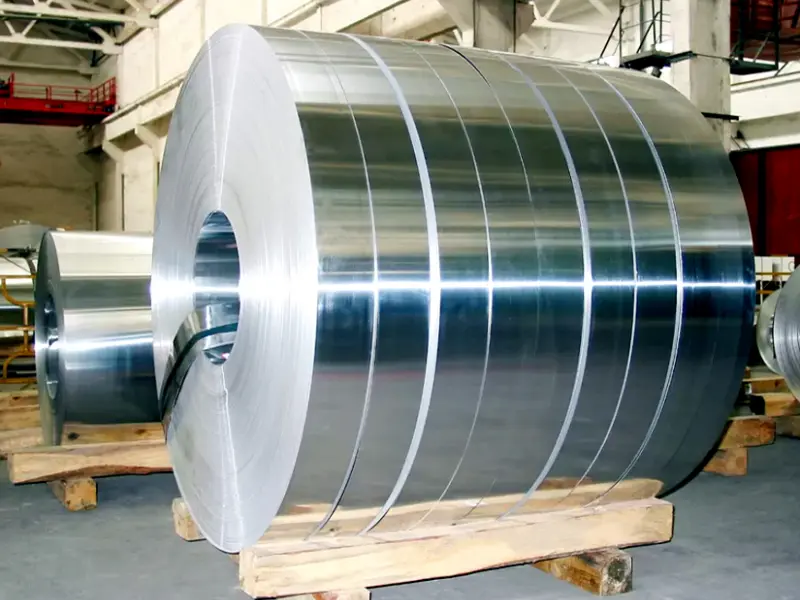
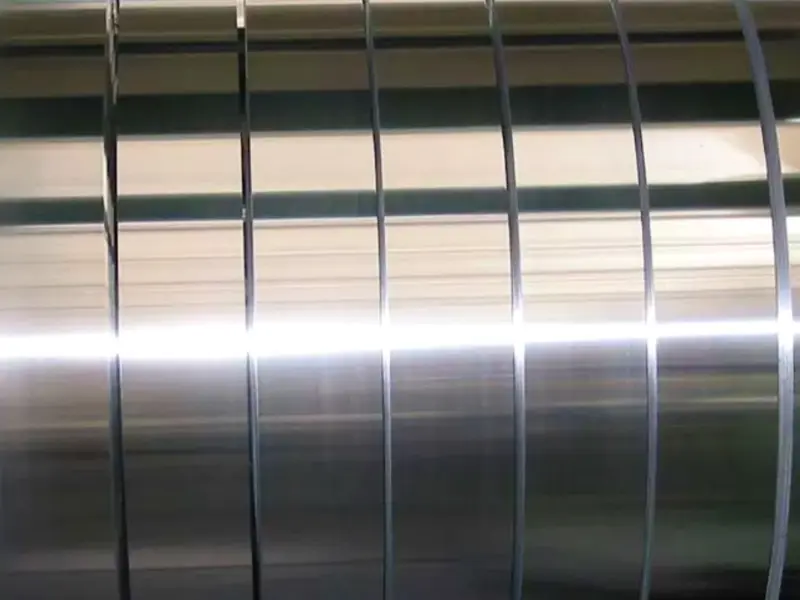
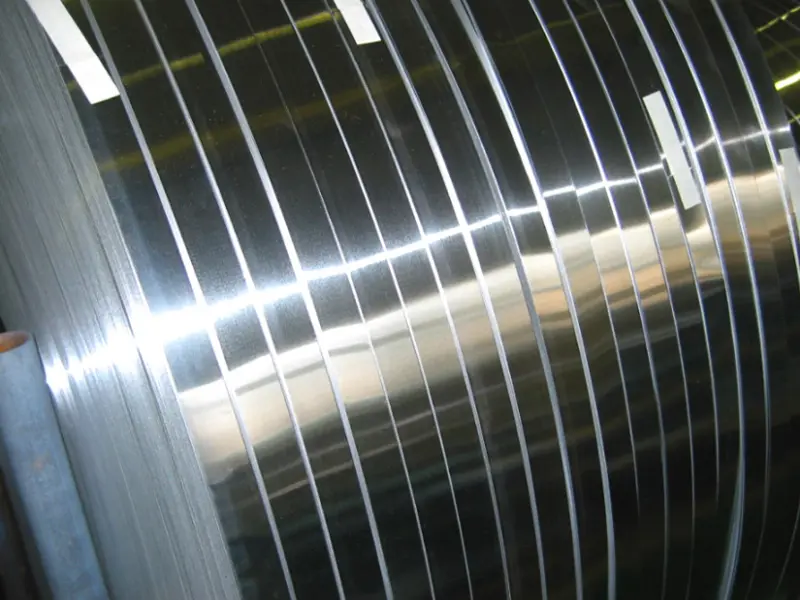
Aluminum strip for motor applications is widely used in transformers, motors, generators, and electrical equipment. It offers excellent conductivity, lightweight performance, and stable mechanical strength. This lightweight material helps build efficient motors that save energy and boost performance. Made from high-quality aluminum alloys, it offers strength without added weight.
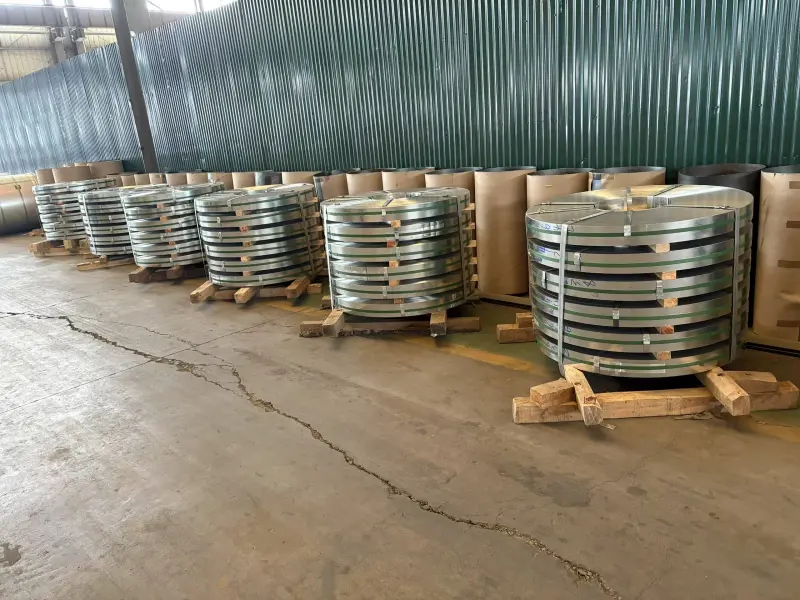
Key Benefits
Choosing aluminum strip for motor brings several advantages. First, its low weight reduces the overall mass of motors, leading to better fuel efficiency in vehicles and smoother operation in machines.
Second, it conducts electricity well, which is crucial for motor windings. This property minimizes energy loss and heat buildup. Third, aluminum strip resists rust, extending the life of motors in harsh environments like factories or outdoor equipment.
Finally, it’s recyclable, supporting green manufacturing. Industries love how it cuts costs while maintaining high performance.
Types
Aluminum strip comes in various types based on alloy, thickness, and temper. These specs ensure the material meets exact needs for motor applications. Below, we’ll break it down in simple tables for easy reading.
Common Alloys for Aluminum Strip for Motor
Aluminum strips are made from specific alloys to handle motor demands like conductivity and strength.
| Alloy Type | Key Features | Typical Use in Motors |
|---|---|---|
| AA1350 | High conductivity, soft temper | Electrical windings and coils |
| AA5052 | Good strength, corrosion-resistant | Motor casings and frames |
| AA1145 | Lightweight, easy to form | Insulation layers and shields |
| AA5154 | High tensile strength | High-stress motor components |
These alloys are chosen for their balance of properties, making aluminum strip versatile.
Thickness and Width Specifications
Thickness affects flexibility and efficiency in motors. Thinner strips work well for compact designs, while thicker ones add durability.
| Thickness (mm) | Width Range (mm) | Ideal Motor Application |
|---|---|---|
| 0.05 – 0.2 | 10 – 50 | Fine windings in small DC motors |
| 0.2 – 0.5 | 50 – 100 | AC motor laminations |
| 0.5 – 1.0 | 100 – 200 | Industrial motor housings |
| 1.0 – 2.0 | 200 – 500 | Heavy-duty EV motor parts |
Widths are customizable, often supplied in coils up to 890 mm. Tolerances are tight, like ±0.5 mm, to fit precise motor builds.
Mechanical Properties Table
To ensure reliability, aluminum strip must meet strength standards. Here’s a quick look at tensile strength and elongation for popular tempers.
| Alloy & Temper | Tensile Strength (MPa) | Elongation (%) | Notes for Motor Use |
|---|---|---|---|
| AA1350-H18 | 172 – 215 | 1.0 min | Excellent for high-speed rotors |
| AA5052-H24 | 240 – 270 | 5.0 min | Balances flexibility and toughness |
| AA1145-O | 65 – 80 | 28.0 min | Soft for easy bending in coils |
| AA5154-H24 | 276 – 303 | 5.0 min | Strong against vibrations |
These specs come from industry standards, helping engineers select the right aluminum strip for motor without guesswork.
What Is Aluminum Strip for Motor?
Aluminum strip for motor refers to thin, flat sheets of aluminum designed specifically for motor components. These strips are rolled to precise thicknesses, making them ideal for windings, casings, and insulation in electric motors. Unlike heavier metals like steel, aluminum strip is corrosion-resistant and easy to shape.
Producers use alloys such as AA1350 or AA5052 to ensure durability. The strips come in coils or cut lengths, fitting seamlessly into motor assembly lines. This material supports high-efficiency designs in everything from household appliances to automotive systems.
Applications
Aluminum strip for motor finds use in many fields. Its lightweight nature and electrical properties make it a go-to material. Here are key areas, listed for clarity:
- Electric Vehicles (EVs): Used in motor windings to extend battery range. The light weight improves acceleration and efficiency.
- Industrial Machinery: Forms casings for pumps and fans, reducing energy use in factories.
- Household Appliances: In blender and vacuum motors, it ensures quiet, reliable operation.
- Renewable Energy: Powers wind turbine generators with durable, weather-resistant strips.
- Aerospace: Lightweight strips in aircraft motors help save fuel on long flights.
- Consumer Electronics: Fits into small drone and gadget motors for better portability.
These applications show how aluminum strip drives innovation across sectors. From cutting CO2 emissions in cars to powering smart homes, it’s everywhere.
Why Choose Aluminum Strip for Motor Over Other Materials?
When building motors, why pick aluminum strip? Steel is strong but heavy, adding unwanted weight. Copper conducts better but costs more and is denser. Aluminum strip for motor strikes a perfect balance—affordable, light, and effective.
In electric motors, it reduces eddy currents, saving up to 20% on energy. For manufacturers, it’s easy to process with standard rolling machines. Plus, its recyclability appeals to eco-conscious brands.
Consider a typical EV motor: Using aluminum strip cuts weight by 40% compared to steel, boosting range without sacrificing power. This makes it essential for modern designs.
Manufacturing and Quality Standards
Producing aluminum strip for motor involves advanced rolling and annealing processes. Factories heat-treat coils to achieve uniform properties, ensuring no weak spots in motors.
Quality checks include tensile tests and conductivity measurements. Certifications like ISO 9001 guarantee reliability. When sourcing, look for suppliers offering custom tempers for your motor needs.
Future Trends in Aluminum Strip for Motor
As EVs and smart tech grow, demand for aluminum strip for motor rises. New alloys promise even higher efficiency, like reduced heat in high-speed motors. Recycling tech will make it greener.
By 2030, experts predict a 30% increase in aluminum use in motors worldwide. Staying ahead means embracing this material now.
Aluminium strip for motor For Sale
Aluminum strip for motor is more than just a component—it’s the backbone of efficient, lightweight designs. From its versatile types and specs to wide applications, it delivers real value. If you’re in manufacturing or engineering, explore how aluminum strip for motor can enhance your projects. Contact suppliers for samples and see the difference yourself.
Why Choose Our Factory for Aluminum Strip for Motor
We are a professional manufacturer with many years of experience supplying aluminum strip to global electrical equipment companies.
Strong Production Capability
- Precision slitting lines
- High-purity aluminum melting and rolling equipment
- Stable supply for large-volume orders
- Fast production and delivery
Strict Quality Control
- Burr-free edges
- Uniform thickness tolerance
- Stable conductivity
- 100% inspection before shipment
Competitive Pricing
Compared with other suppliers, we offer:
- More favorable bulk prices
- Long-term cost stability
- Direct factory supply with no intermediary fees
Reliable B2B Supplier
- Long-term cooperation with manufacturers in the USA, Mexico, Brazil, Europe, and Asia
- Customized sizes and packaging
- Support for OEM and project orders
Packaging and Shipping
We provide safe export packaging to protect the aluminum strip during transport.
| Packaging Method | Details |
|---|---|
| Inner Packaging | Protective film + moisture-proof paper |
| Outer Packaging | Wooden case or wooden pallet |
| Coil Protection | Edge guards + steel straps |
| Optional | Customized labels, pallet height control |
FAQ – Aluminum Strip for Motor
Is aluminum strip suitable for high-temperature motors?
Yes. Coated aluminum strip offers strong heat resistance for motor winding.
Can you customize thickness and width?
Yes. We supply tailored specifications according to customer drawings.
Which alloy has the best conductivity?
Alloy 1070 and 1350 provide the highest conductivity for electrical applications.
Do you offer small trial orders?
Yes. We support small sample orders and quick delivery.