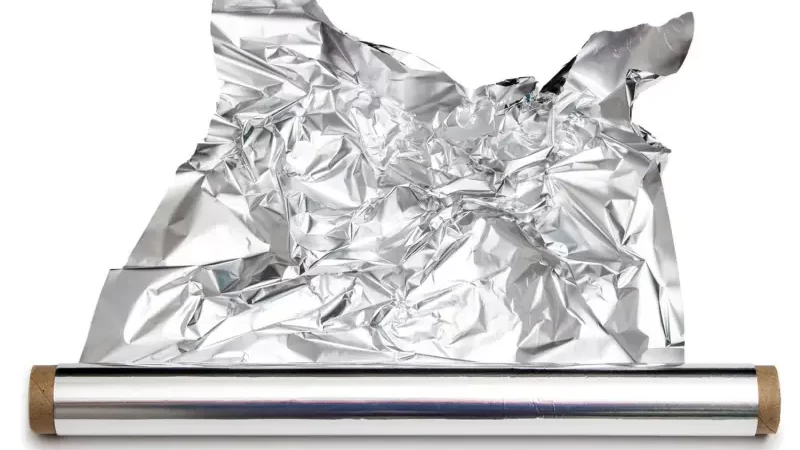
Aluminium Foil Alloys: 1050 1060 1100 and 8011 are used in food packaging, pharmaceutical packs, insulation, household products, and many industrial applications. However, not all aluminium foil alloys have the same properties. Alloy selection affects formability, strength, corrosion resistance, surface quality, and production cost.
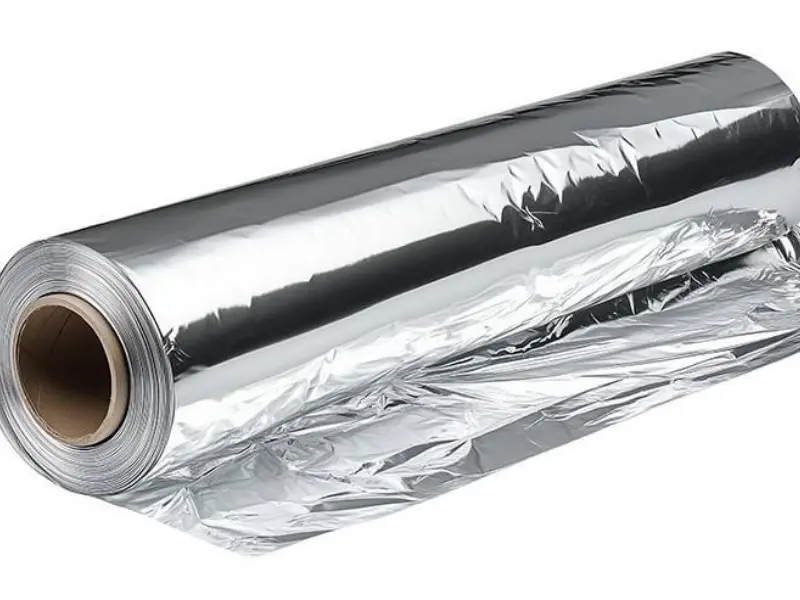
Four common options are 1050, 1060, 1100, and 8011 aluminium foil. The first three belong to the commercially pure aluminium family, while 8011 is an aluminium alloy widely used for packaging and other foil products.
Choosing the right grade helps manufacturers improve product performance and control material costs.
Aluminium Foil Alloys at a Glance
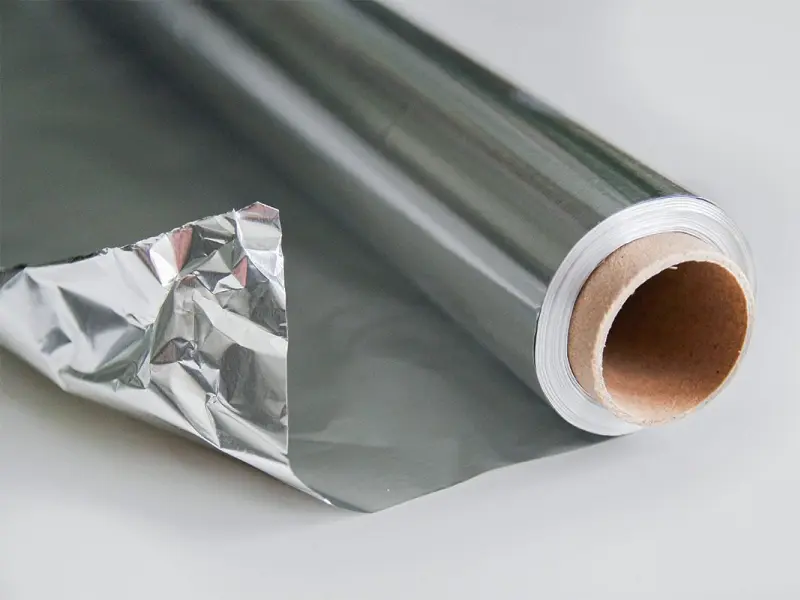
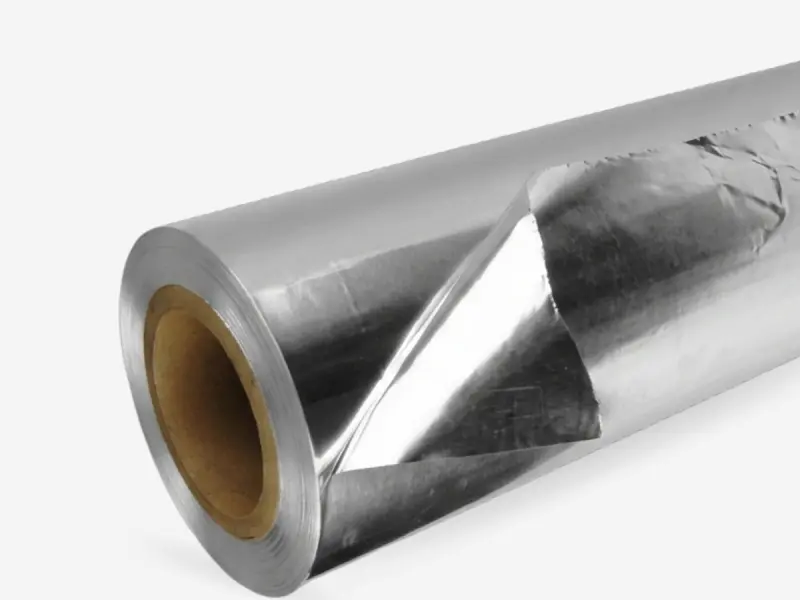
The best alloy depends on the final product. Thin foil for flexible packaging may need different properties from foil used for industrial insulation or pharmaceutical packaging.
| Alloy | Main feature | Common applications |
|---|---|---|
| 1050 aluminium foil | High aluminium content and good formability | General packaging, electrical applications, insulation |
| 1060 aluminium foil | High purity and good electrical conductivity | Electrical insulation, capacitors, industrial foil |
| 1100 aluminium foil | Good corrosion resistance and workability | Food packaging, containers, heat exchangers |
| 8011 aluminium foil | Good strength and processing performance | Pharmaceutical packs, food packaging, container foil |
These are general application guides, not strict limits. The final choice should consider foil thickness, temper, coating, forming process, and the requirements of the finished product.
What Is the Difference Between 1050, 1060, 1100 and 8011 Aluminium Foil?
Although these alloys can look similar, their chemical composition and mechanical properties differ. A suitable grade can improve production efficiency and reduce problems such as cracking, pinholes, or poor forming performance.
1050 Aluminium Foil: A Practical Choice for General Use
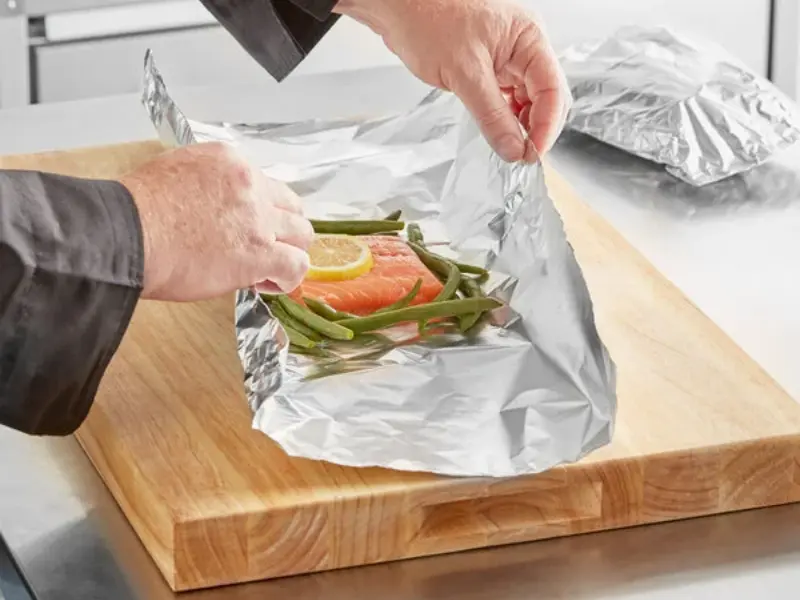
1050 aluminium foil contains at least 99.5% aluminium under commonly used alloy standards. It offers good corrosion resistance, high ductility in soft temper, and good thermal and electrical conductivity.
It is suitable for products that need a clean surface and easy forming. In the O temper, the foil is soft and flexible. Harder tempers can be selected when the product needs more stiffness.
Typical applications include:
- General-purpose flexible packaging
- Industrial insulation
- Electrical insulation components
- Decorative foil products
- Foil laminates and coated materials
1050 is worth considering when formability and aluminium purity are more important than high strength.
1060 Aluminium Foil: High Purity and Electrical Performance
1060 aluminium foil contains at least 99.6% aluminium under commonly used alloy standards. Its high aluminium content supports good electrical and thermal conductivity.
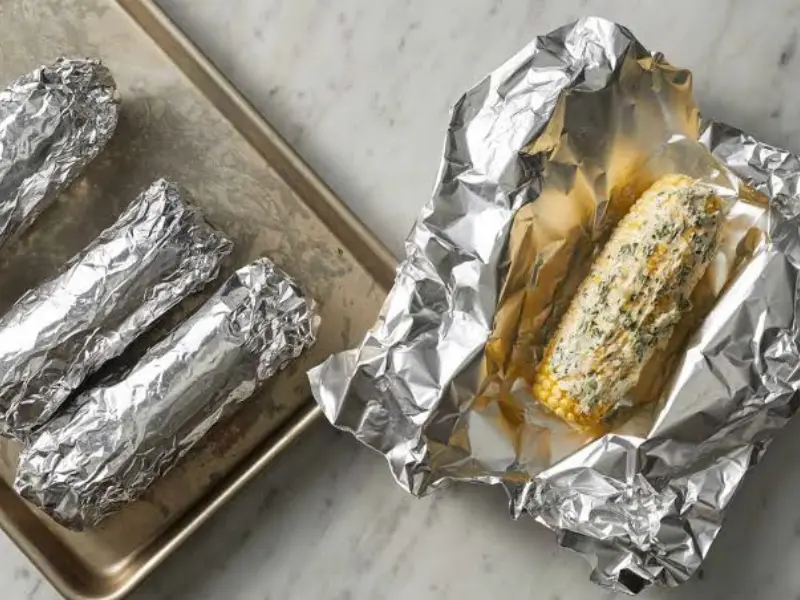
It is often considered for electrical and industrial uses where conductivity, surface quality, and stable processing are important. However, the final electrical performance depends on the foil’s condition, thickness, and manufacturing quality.
Typical applications include:
- Electrical insulation components
- Capacitor-related materials, where the product specification permits
- Heat transfer components
- Industrial insulation
- General-purpose foil products
For electrical applications, buyers should confirm conductivity requirements and applicable product standards before ordering.
1100 Aluminium Foil: Good Workability and Corrosion Resistance
1100 aluminium foil is a commercially pure aluminium alloy with a small amount of other elements. It offers good corrosion resistance and excellent workability.
It is suitable for many products that require bending, forming, or shaping. Depending on the temper and thickness, it has processed into foil products with different levels of flexibility and stiffness.
Typical applications include:
- Food packaging and household foil
- Heat exchanger components
- Industrial packaging
- Chemical equipment-related materials
- Formed foil products and containers
1100 may be a good option when forming performance and corrosion resistance are key concerns. For food-contact products, the coating, lubricant, and complete packaging structure must also meet the relevant regulations.
8011 Aluminium Foil: Designed for Many Packaging Uses

8011 aluminium foil is an aluminium-iron-silicon alloy commonly used in packaging. Its properties make it suitable for many converting processes, including rolling, coating, laminating, and forming.
Compared with commercially pure grades, 8011 can offer a useful balance of strength and processing performance. The actual result depends on the temper, thickness, and foil production process.
Typical applications include:
- Pharmaceutical blister packaging
- Medicine strip packaging
- Food packaging laminates
- Household foil
- Container foil and lids
- Flexible packaging materials
- Industrial packaging
8011 is often a practical choice for packaging manufacturers that need consistent production performance. For deep-drawn containers or specialized packaging, the alloy and temper should be tested against the actual forming process.
Aluminium Foil Alloy Comparison Table
The following table provides a quick guide for purchasing and product development.
| Property | 1050 | 1060 | 1100 | 8011 |
|---|---|---|---|---|
| Alloy family | Commercially pure Al | Commercially pure Al | Commercially pure Al | Al-Fe-Si alloy |
| Aluminium content | Min. 99.5% | Min. 99.6% | Typically min. 99.0% | Lower than pure aluminium grades |
| Electrical conductivity | High | Generally very high | High | Depends on composition and condition |
| Thermal conductivity | High | Generally very high | High | Depends on composition and condition |
| Corrosion resistance | Good | Good | Good | Good for many packaging uses |
| Formability | Good | Good | Good | Good for many foil converting processes |
| Common market focus | General and industrial foil | Electrical and industrial foil | Formed products and packaging | Packaging and container foil |
Note: Exact chemical limits and mechanical properties depend on the applicable standard. Conductivity and strength should be checked against the supplier’s technical data for the ordered product.
Common Aluminium Foil Thicknesses and Product Types
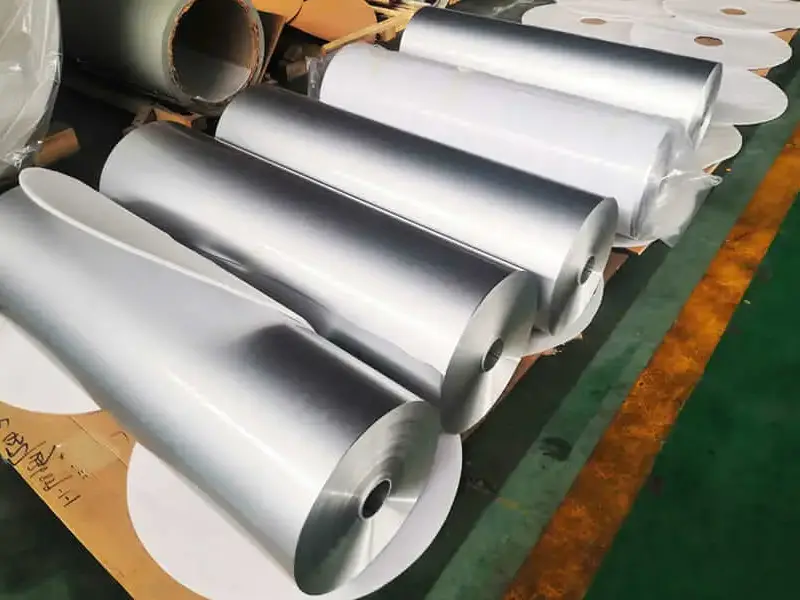
Aluminium foil is available in different thicknesses for packaging, insulation, electrical, and household uses.
The correct thickness depends on the barrier requirements, forming method, mechanical strength, and whether the foil will be laminated or coated.
The ranges below are examples of common product categories, not a guarantee that every alloy is available in every size.
Thin Aluminium Foil for Flexible Packaging
Thin foil has used where low weight and barrier performance are important. It has combined with paper, plastic film, or other materials to make a flexible packaging structure.
| Product type | Example thickness | Possible alloys | Typical use |
|---|---|---|---|
| Extra-thin packaging foil | 0.006–0.009 mm | 8011, other specified grades | Flexible packaging laminates |
| Thin packaging foil | 0.010–0.015 mm | 8011, 1050, 1100 | Food and household packaging |
| Standard flexible packaging foil | 0.016–0.025 mm | 8011, 1050, 1100 | Laminated packaging |
| Heavy-duty household foil | 0.020–0.030 mm | 8011, 1100, other suitable grades | Food preparation and wrapping |
Very thin foil requires careful control of pinholes, surface cleanliness, and thickness tolerance. Buyers should also confirm whether the foil is supplied as bare material or as part of a finished laminate.
Medium-Thickness Aluminium Foil for Industrial Use
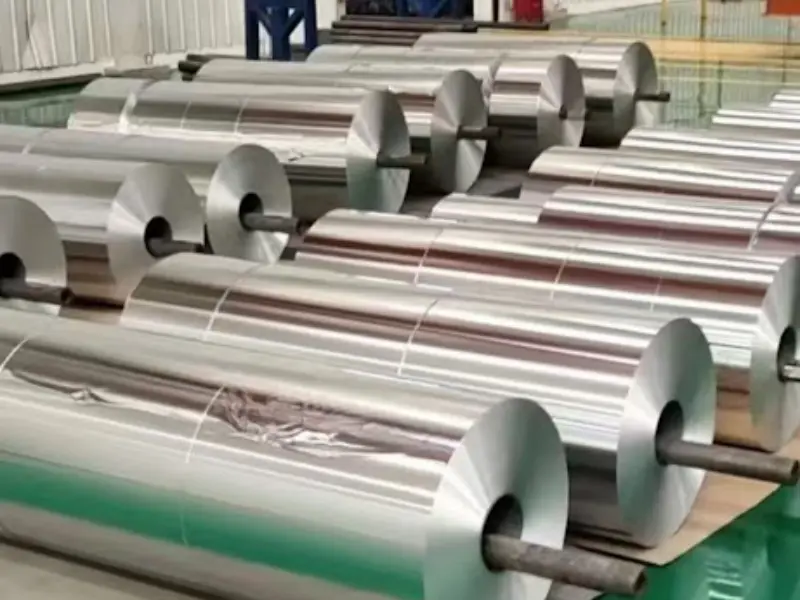
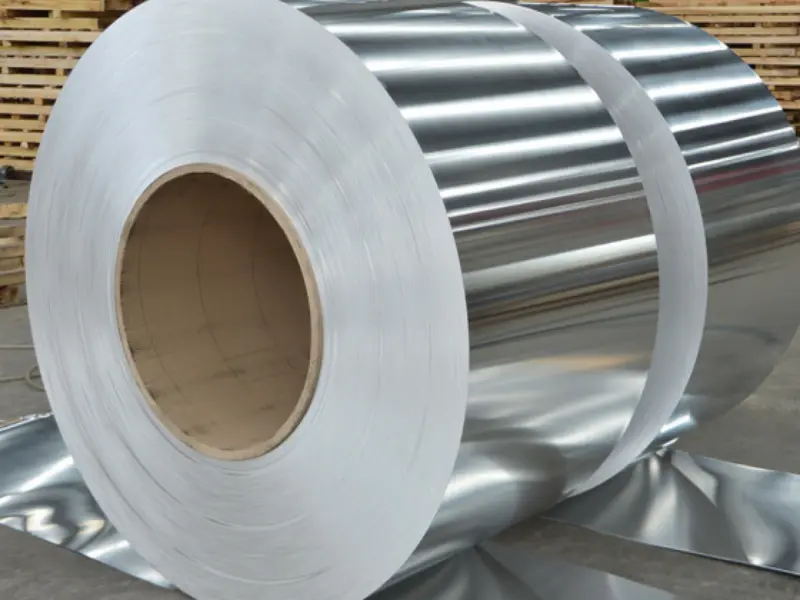
Medium-thickness foil offers a balance between flexibility and handling strength. It can be used for insulation facings, technical laminates, and some formed products.
| Product type | Example thickness | Possible alloys | Typical use |
|---|---|---|---|
| Insulation facing foil | 0.025–0.050 mm | 1050, 1060, 1100 | Building and HVAC insulation |
| Industrial laminated foil | 0.030–0.080 mm | 1050, 1100, 8011 | Protective and technical laminates |
| Electrical-use foil | 0.020–0.100 mm | 1060 or specified grade | Electrical components, subject to design requirements |
| General-purpose industrial foil | 0.050–0.150 mm | 1050, 1100, 8011 | Industrial wrapping and fabrication |
Electrical foil must meet the customer’s requirements for conductivity, surface condition, and thickness. Do not select an alloy by name alone when the product is part of a critical electrical design.
Thicker Foil and Thin Aluminium Strip
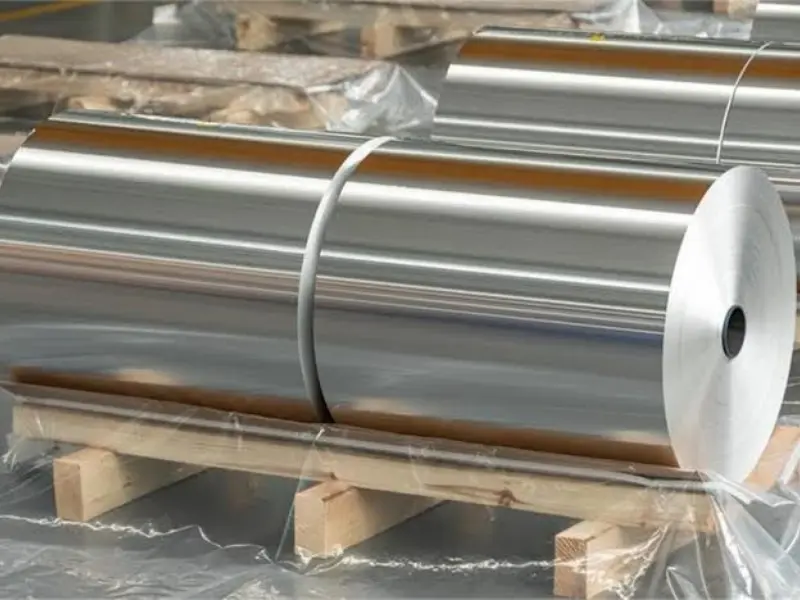
Some suppliers distinguish thicker foil from thin aluminium strip based on product thickness and the relevant industry specification. These materials have supplied in coils for slitting, stamping, or further processing.
| Product type | Example thickness | Possible alloys | Typical use |
|---|---|---|---|
| Heavy aluminium foil | 0.080–0.200 mm | 1050, 1100, 8011 | Industrial wrapping and formed parts |
| Thin aluminium strip | 0.150–0.300 mm | 1050, 1060, 1100 | Electrical and industrial components |
| Precision aluminium strip | 0.200–0.500 mm | Grade selected by design | Stamping and precision fabrication |
Confirm the product classification, tolerance, and standard with the manufacturer. A material described as aluminium strip may be subject to different dimensional and mechanical requirements from thin foil.
Aluminium Foil Tempers: O, H14, H18 and Other Conditions
Temper describes the condition of the aluminium after processing. It affects softness, strength, elongation, and forming performance.
O Temper Aluminium Foil
O temper is annealed and generally soft. It is suitable for products that need high flexibility or significant forming.
Common uses include:
- Household foil
- Flexible packaging
- Deep-forming applications where the specification permits
- Insulation facings
- Laminated foil products
O temper can be a good starting point when bending or forming is more important than stiffness. However, the required forming depth and final shape should be confirmed before production.
H14 and H24 Aluminium Foil
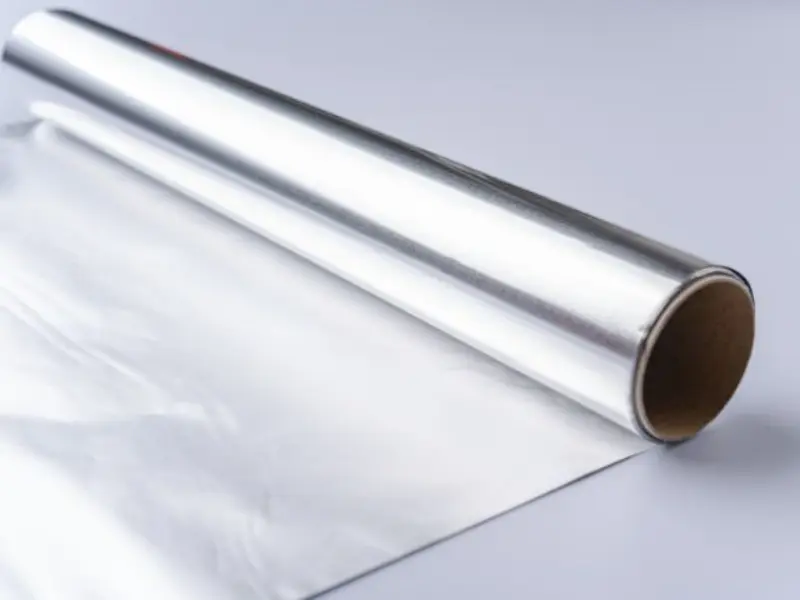
H14 and H24 are strain-hardened tempers with different processing histories. Their exact properties depend on the alloy and applicable standard.
| Temper | General condition | Selection consideration |
|---|---|---|
| O | Annealed | High flexibility and formability |
| H12 | Strain-hardened, lower strength level | Moderate stiffness with useful formability |
| H14 | Strain-hardened | General-purpose semi-hard condition |
| H18 | Fully strain-hardened condition in the relevant temper system | Higher strength, lower formability than soft temper |
| H22 | Strain-hardened and partially annealed | Balance of strength and forming ability |
| H24 | Strain-hardened and partially annealed | Useful balance for selected formed products |
Not every alloy and thickness is available in every temper. Some foil products use specialized temper designations. Buyers should request the exact designation and mechanical properties rather than relying only on a general label such as soft or hard foil.
Aluminium Foil Applications by Industry
The same alloy may serve different markets when its thickness, temper, coating, and processing method change. The following examples help buyers connect material specifications with the finished product.
Food Packaging and Household Products
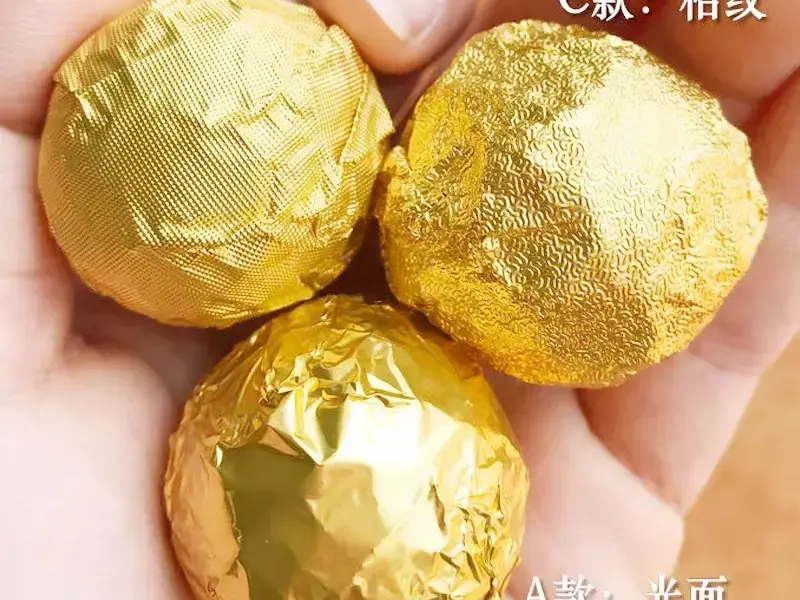
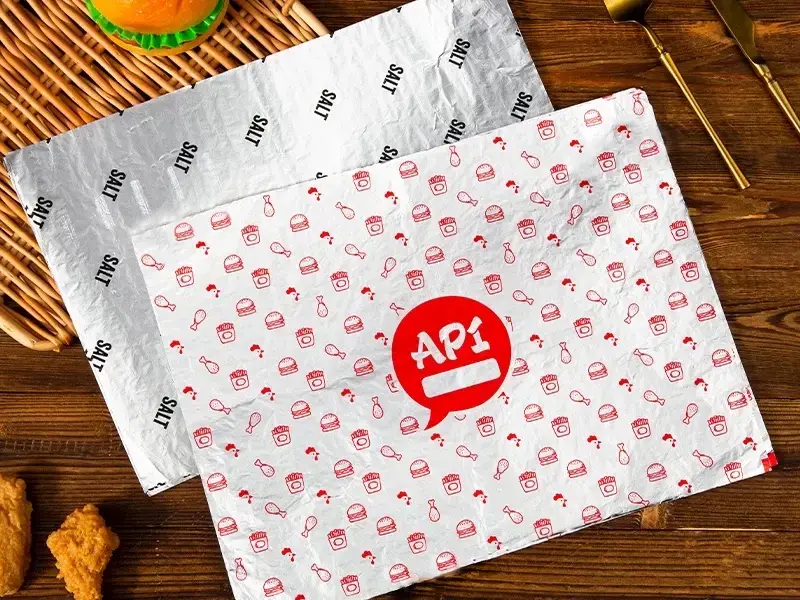
Food packaging needs suitable barrier performance, clean surfaces, and reliable converting behavior. Aluminium foil has used alone or combined with other materials.
Common products include:
- Household cooking and wrapping foil
- Food pouch laminates
- Dairy and food container lids
- Chocolate and confectionery wrapping
- Flexible packaging for dry foods
- Takeaway container materials
8011 has widely used in packaging applications. 1100 and other suitable grades may also be selected for specific products. For food contact, the full packaging system must meet the applicable local requirements.
Pharmaceutical Packaging
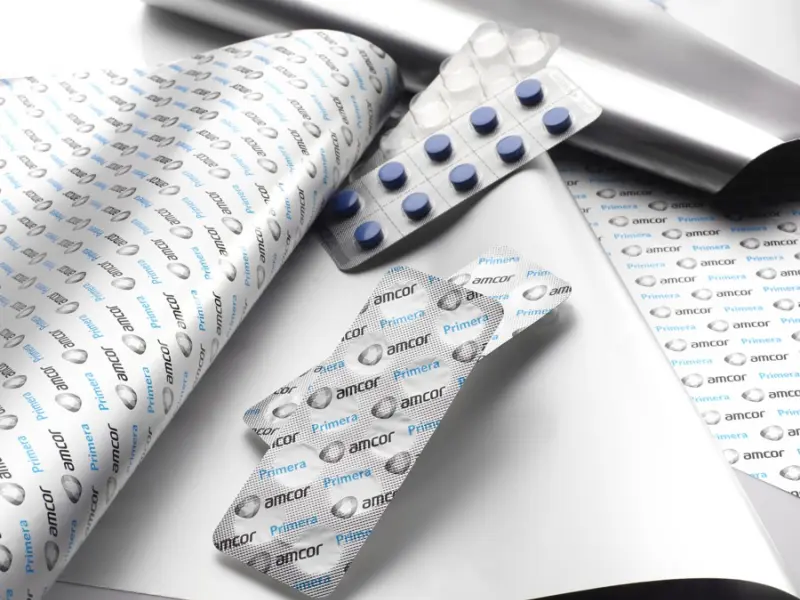
Pharmaceutical packaging must protect products from moisture, light, and other environmental factors. The correct structure depends on the medicine and packaging design.
Typical applications include:
- Blister packaging
- Cold-form blister structures, where the specified material is suitable
- Strip packs
- Medicine sachet laminates
- Pharmaceutical lidding foil
8011 has commonly used in pharmaceutical foil products. However, not every 8011 foil is suitable for every pharmaceutical structure. Buyers should specify whether they need bare foil, printed foil, lacquered foil, or foil for lamination.
Electrical and Electronic Applications
Electrical products may require aluminium foil with controlled conductivity, surface quality, and thickness.
Potential uses include:
- Electrical shielding components
- Selected capacitor-related materials
- Cable and wire shielding structures
- Electrical insulation laminates
- Heat management components
1060 and other high-purity grades may be considered when conductivity is important. The correct material depends on the electrical design and manufacturing process. For specialized capacitor foil, buyers should state the exact application because surface treatment and processing requirements can be highly specific.
Building and HVAC Insulation
Aluminium foil has used as a facing or reflective layer in insulation systems. It may be laminated to foam, mineral wool facings, paper, or other substrates.
Typical applications include:
- Duct insulation
- Pipe insulation
- Roof and wall insulation facings
- Reflective insulation laminates
- Industrial thermal insulation
- HVAC protective layers
1050, 1060, 1100, and other suitable grades have considered depending on the thickness and laminate structure. The final system’s fire performance, vapor control, and installation requirements must be assessed separately from the foil alloy.
Industrial and Manufacturing Uses
Industrial buyers often need foil or thin strip that has slit, stamped, coated, or laminated.
Possible applications include:
- Heat transfer components
- Protective wrapping
- Technical laminates
- Stamped foil parts
- Industrial insulation
- Decorative and surface-treated products
For these uses, dimensional consistency and edge quality can be as important as the alloy. A sample trial can help confirm whether the material runs well on the customer’s production line.
Bare Aluminium Foil vs Coated and Laminated Foil
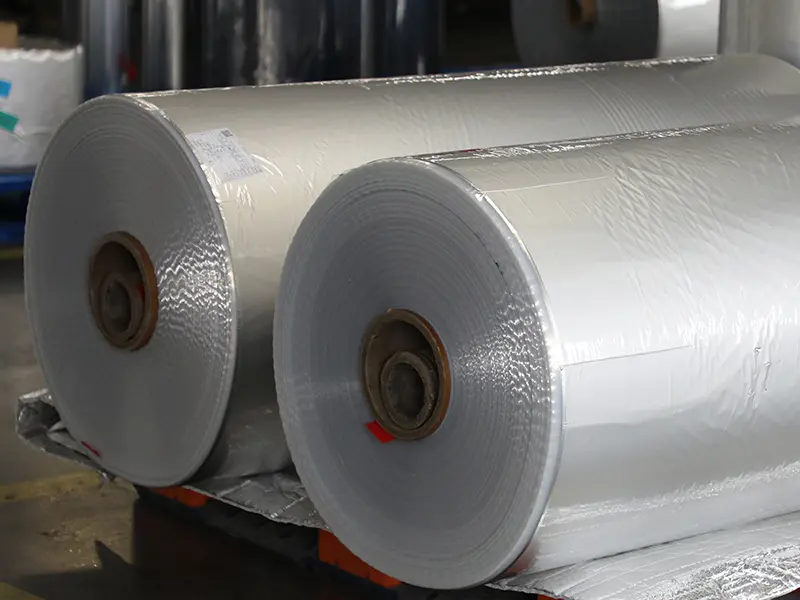
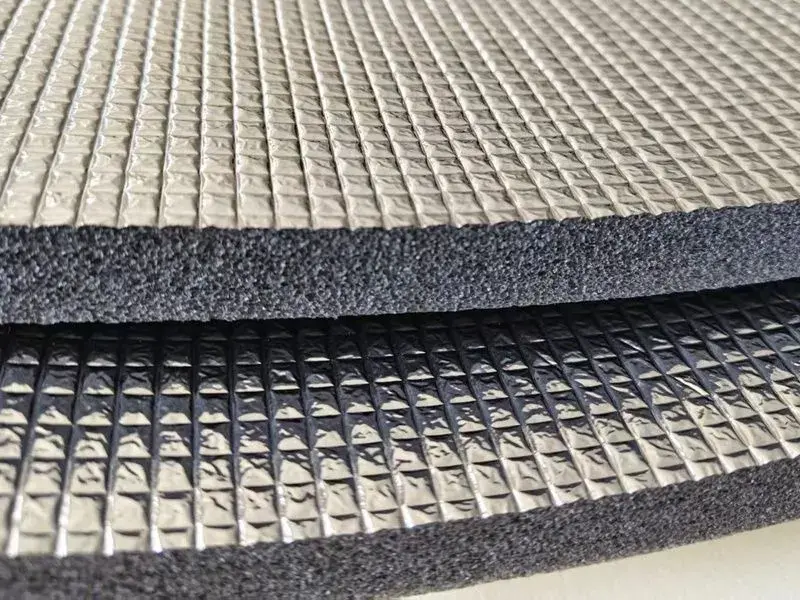
Aluminium foil can be supplied in different surface conditions. The right finish depends on the final product and whether the foil needs to bond with another material.
| Product type | Description | Common applications |
|---|---|---|
| Bare aluminium foil | No added coating specified | General foil processing and laminating |
| Lacquered foil | Surface has a specified lacquer coating | Packaging and selected lidding applications |
| Printed foil | Printed surface for product information or branding | Food and pharmaceutical packaging |
| Paper-laminated foil | Aluminium foil bonded to paper | Packaging and insulation facings |
| Plastic-film-laminated foil | Foil bonded to a polymer film | Flexible packaging |
| Embossed foil | Surface has a patterned texture | Decorative or specialized products |
A coating or laminate can change sealing performance, surface protection, appearance, and recyclability. Buyers should state the coating type, coating side, color, and performance requirements in the purchase specification.
How to Choose the Right Aluminium Foil Alloy
Selecting a grade becomes easier when the application and processing method are clear. A lower material price does not always mean a lower production cost.
The wrong alloy or temper can cause more scrap, slower production, or poor forming results.
Choose by Final Application
Start with the finished product rather than the alloy name.
| Main requirement | Grades to evaluate | What to confirm |
|---|---|---|
| General-purpose foil | 1050, 1100 | Formability, surface and thickness |
| High-purity electrical use | 1060 or another specified grade | Conductivity, temper and applicable standard |
| Pharmaceutical packaging | 8011 or specified packaging grade | Barrier structure, pinholes, coating and sealing |
| Household foil | 8011, 1100 or suitable alternative | Flexibility, tear behavior and thickness |
| Insulation facing | 1050, 1060, 1100 or other suitable grade | Lamination, surface and thermal system requirements |
| Formed industrial parts | Alloy selected for the forming process | Elongation, strength and cracking risk |
These are starting points only. The final choice has checked against the customer’s technical specification and end-use requirements.
Choose by Thickness and Temper
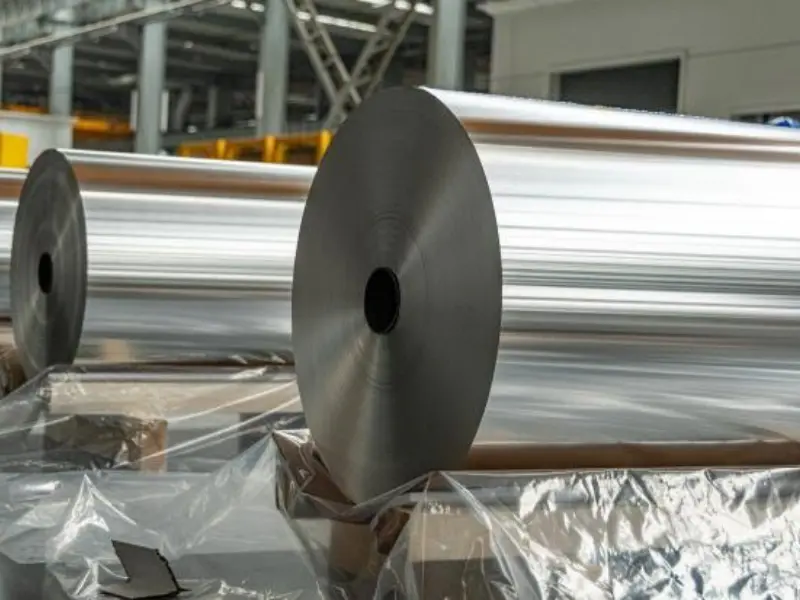
Thickness and temper work together. Thin foil is lightweight and flexible, while thicker material is generally easier to handle. A hard temper can improve stiffness but may reduce formability.
Before ordering, confirm:
- Nominal thickness and tolerance
- Coil width and width tolerance
- Required temper
- Minimum elongation or strength, if applicable
- Surface condition and permitted defects
- Whether the foil will be bent, stamped, laminated, or deep-formed
For high-speed converting lines, stable dimensions and consistent mechanical properties can help reduce downtime.
Choose by Surface Quality
Surface quality matters for both appearance and production. Packaging foil may need clean surfaces for coating or lamination. Electrical products may have additional requirements for cleanliness and surface condition.
Ask the supplier about:
- Pinholes and inspection criteria
- Oil residue and surface cleanliness
- Scratches, dents, and edge damage
- Surface brightness or finish
- Coating adhesion, where applicable
- Slitting burrs and edge condition
For very thin foil, the acceptable pinhole level has agreed before production. Different end uses have different quality requirements.
Common Aluminium Foil Specifications
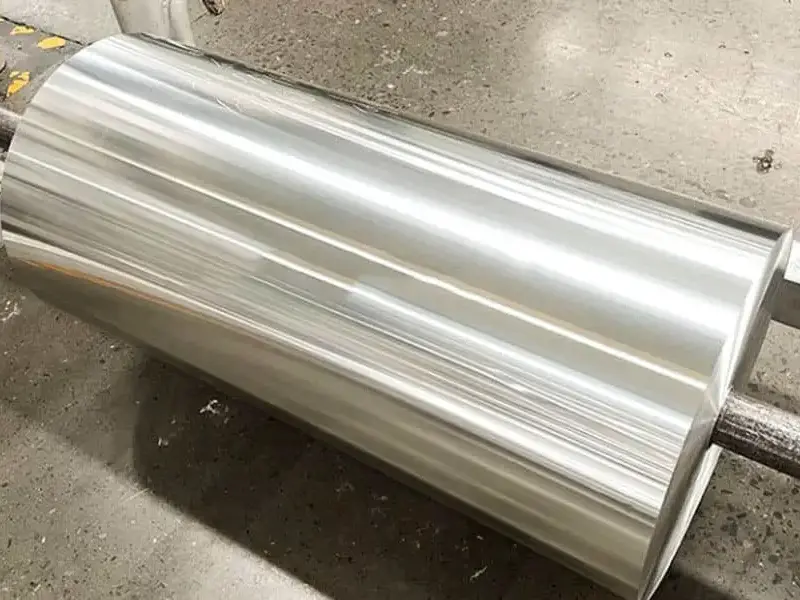
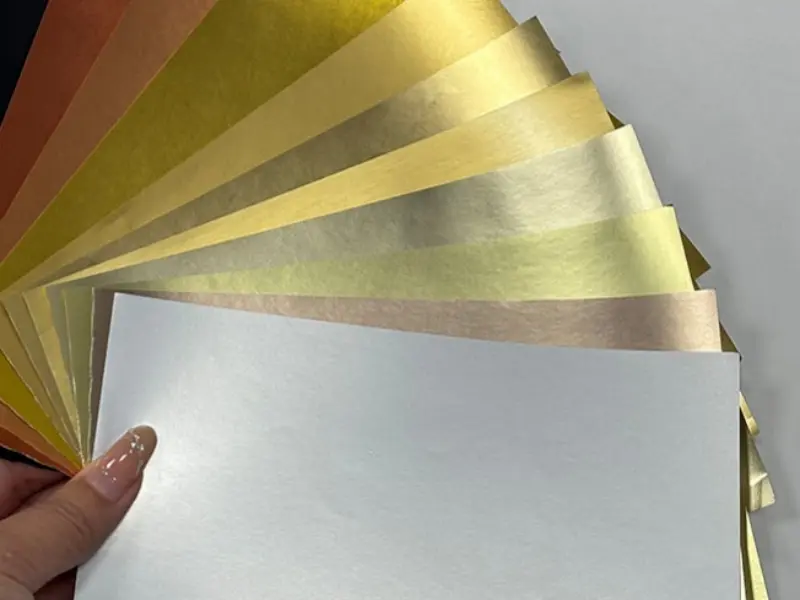
The table below shows an example inquiry format for bulk buyers. Values are indicative and should be confirmed with the supplier.
| Specification | Example options |
|---|---|
| Alloy | 1050, 1060, 1100, 8011 |
| Temper | O, H12, H14, H18, H22, H24, subject to alloy availability |
| Thickness | 0.006–0.200 mm for many foil categories |
| Width | 100–1,600 mm, depending on equipment and product |
| Coil inner diameter | 75, 150, 200, or 300 mm, subject to product |
| Surface | Mill finish, bright, coated, lacquered, embossed |
| Processing | Slitting, rewinding, coating, laminating |
| Packaging | Moisture-resistant wrapping and export packing |
| Standards | Confirm the applicable standard for the alloy and product |
The actual available range depends on the alloy, thickness, temper, rolling equipment, and order quantity. For precision foil, request a technical data sheet with tolerances rather than using a general product range.
What Affects Aluminium Foil Price?
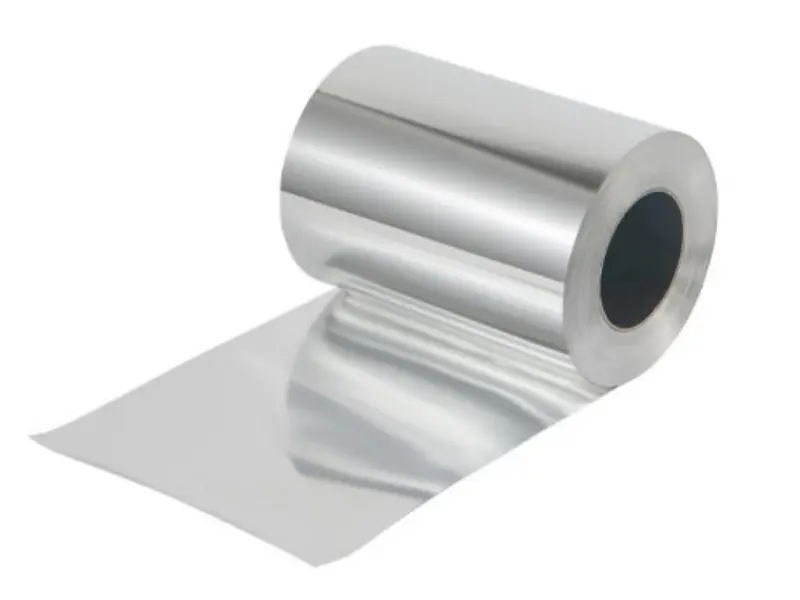
The price of aluminium foil depends on more than the alloy name. Two products made from the same alloy may have different prices because of thickness, surface treatment, order size, or processing requirements.
Key cost factors include:
- Alloy: Different grades may have different material and processing costs.
- Thickness: Very thin foil requires close rolling and quality control.
- Temper: Annealing and additional processing can affect cost.
- Width and coil size: Custom widths and special coil dimensions may increase processing costs.
- Surface treatment: Coating, printing, embossing, and lamination add production steps.
- Quality requirements: Tight tolerances and stricter inspection may affect the price.
- Order quantity: Larger orders may improve production efficiency.
- Packaging and freight: Export packing, destination, and shipping method affect the delivered cost.
When requesting a quote, provide the alloy, temper, thickness, width, quantity, surface requirements, core size, and destination. This helps the supplier offer a more accurate price.
How to Store and Handle Aluminium Foil
Aluminium foil is thin and can be damaged by moisture, dirt, or rough handling. Correct storage helps protect the surface and reduce waste.
Recommended practices include:
- Store coils in a dry, clean indoor area.
- Keep the original packaging intact until use.
- Avoid sudden temperature changes that may cause condensation.
- Protect the edges from impact and crushing.
- Use clean gloves when handling sensitive surfaces.
- Keep foil away from corrosive chemicals.
- Follow the supplier’s instructions for storage and unwrapping.
If cold foil has moved into a warm area, allow it to reach room temperature before opening the package. This can reduce the risk of condensation on the surface.
Why Work with an Aluminium Foil Supplier?
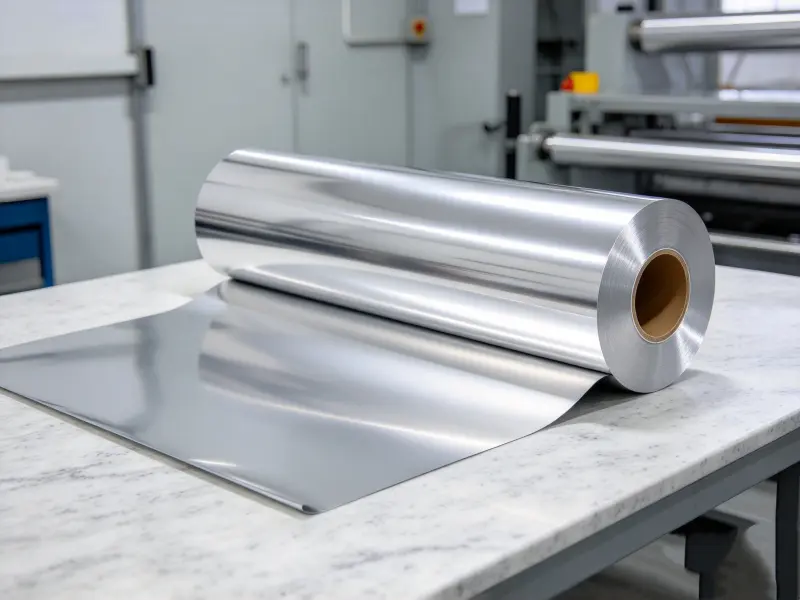
A suitable supplier should do more than provide a price. Buyers need consistent material, reliable delivery, and clear communication about technical requirements.
When comparing suppliers, consider:
- Experience with the required alloy and application
- Available thicknesses, widths, and tempers
- Ability to slit and rewind coils to size
- Surface inspection and quality documentation
- Sample availability for production trials
- Export packaging and shipping experience
- Clear lead times and order confirmation
- Support with technical questions
For repeat orders, agree on a written specification and keep an approved sample when possible. This helps reduce differences between batches.
Frequently Asked Questions About Aluminium Foil Alloys
What is the main difference between 1050 and 1060 aluminium foil?
Both are commercially pure aluminium grades. 1060 has a higher minimum aluminium content than 1050 under common standards and has often considered for applications that need high conductivity. The best choice still depends on the required properties and product specification.
Is 1100 aluminium foil suitable for food packaging?
It may be suitable for certain food packaging applications when the alloy, coating, and finished packaging structure meet the relevant requirements. Confirm the intended food-contact use with the supplier before ordering.
Why is 8011 aluminium foil widely used in packaging?
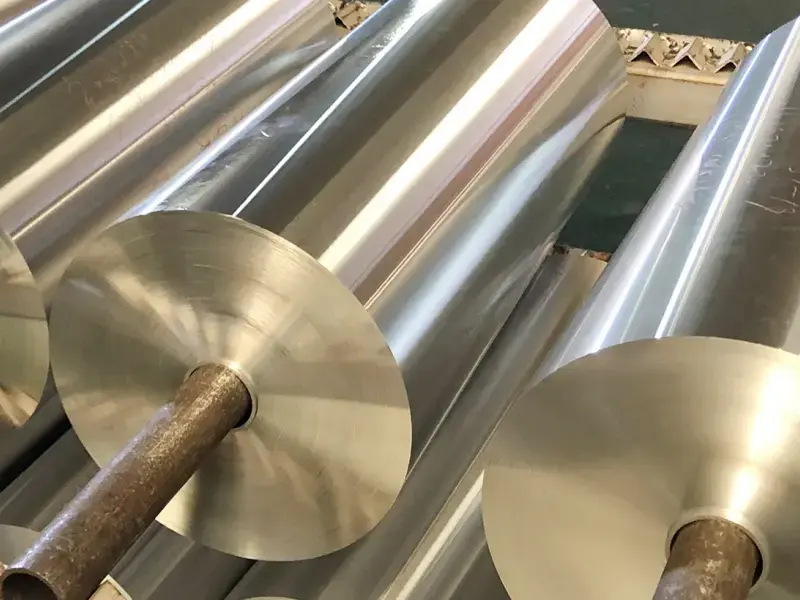
8011 offers a useful balance of strength and processing performance for many packaging applications.
It has applications in products such as household foil, pharmaceutical packaging, and container materials, depending on the temper and product design.
Which aluminium foil alloy has the highest electrical conductivity?
High-purity grades such as 1060 have often considered for conductivity-focused applications. Actual performance depends on chemical composition, temper, processing, and thickness. Ask for certified or measured conductivity data when it is a critical requirement.
What is the common thickness of aluminium foil?
Packaging foil may be only a few micrometers thick, while industrial foil and thin strip can be much thicker. The correct thickness depends on barrier needs, forming, strength, and the final product structure.
What does O temper mean in aluminium foil?
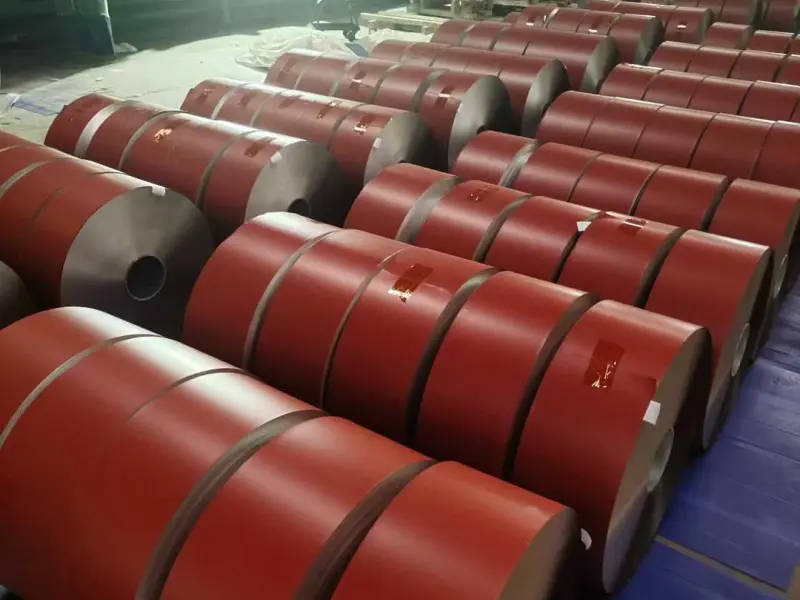
O temper generally means the material has been annealed and is soft. It has commonly selected when flexibility and formability are important.
Can aluminium foil be coated or laminated?
Yes. Aluminium foil has lacquered, printed, embossed, or laminated with paper and plastic film. The suitable treatment depends on the packaging or industrial application.
How do I choose between 1050, 1060, 1100 and 8011?
Start with the end use. Evaluate 1050 and 1100 for general-purpose and formed products, 1060 when high purity or conductivity is important, and 8011 for many packaging applications. Then confirm thickness, temper, surface condition, and applicable standards.
Can I order custom-width aluminium foil coils?
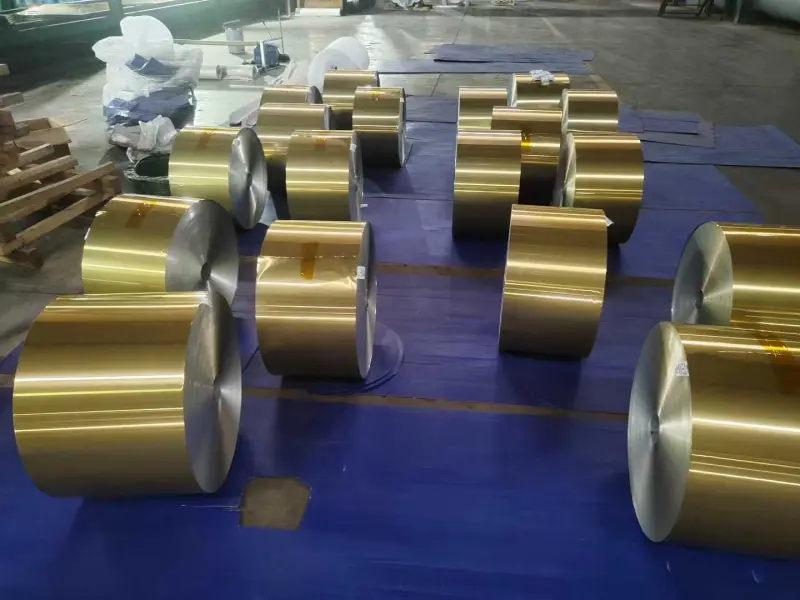
Many suppliers offer slitting and rewinding to customer requirements. Availability depends on the production line, alloy, thickness, and order quantity. Provide the required width, inner diameter, outer diameter, and quantity when requesting a quotation.
What information should I provide for an aluminium foil quotation?
Include the alloy, temper, thickness, width, quantity, surface finish, coating or lamination requirements, coil dimensions, packaging needs, and delivery destination. If the foil is for a specific finished product, explain the application so the supplier can recommend a suitable specification.
Request a Quote for Aluminium Foil
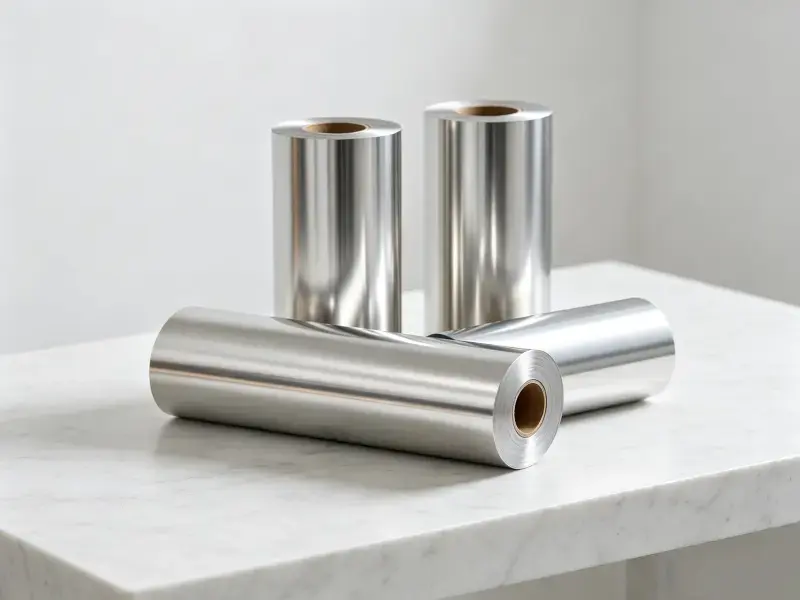
Looking for 1050, 1060, 1100, or 8011 aluminium foil? Send your required specifications to an aluminium foil supplier for a suitable product recommendation and quotation.
| Information needed | Example |
|---|---|
| Alloy | 8011 |
| Temper | O |
| Thickness | 0.012 mm |
| Width | 500 mm |
| Surface | Bare or lacquered |
| Coil inner diameter | 76 mm or another required size |
| Quantity | Required order volume |
| Application | Food packaging, pharmaceutical packaging, insulation, or industrial use |
| Destination | Country and port |
Providing complete specifications helps reduce quotation delays and makes it easier to compare offers from different suppliers.