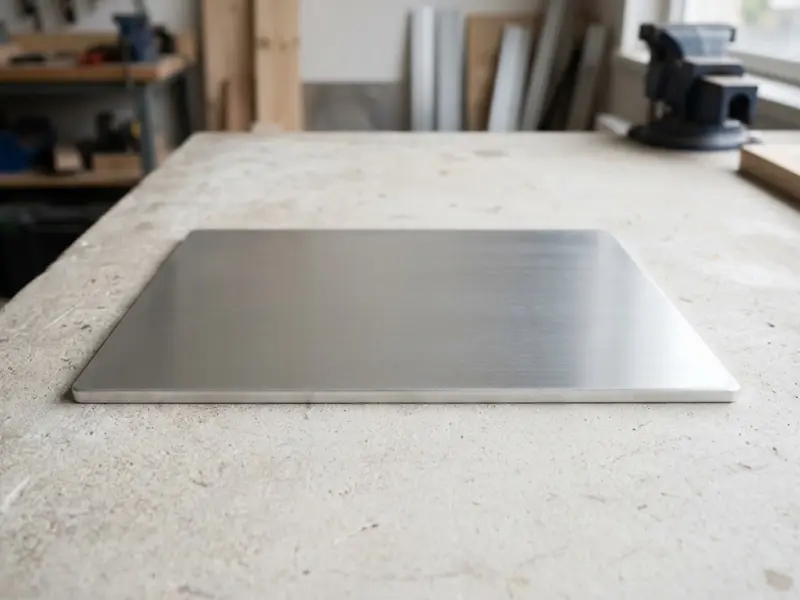
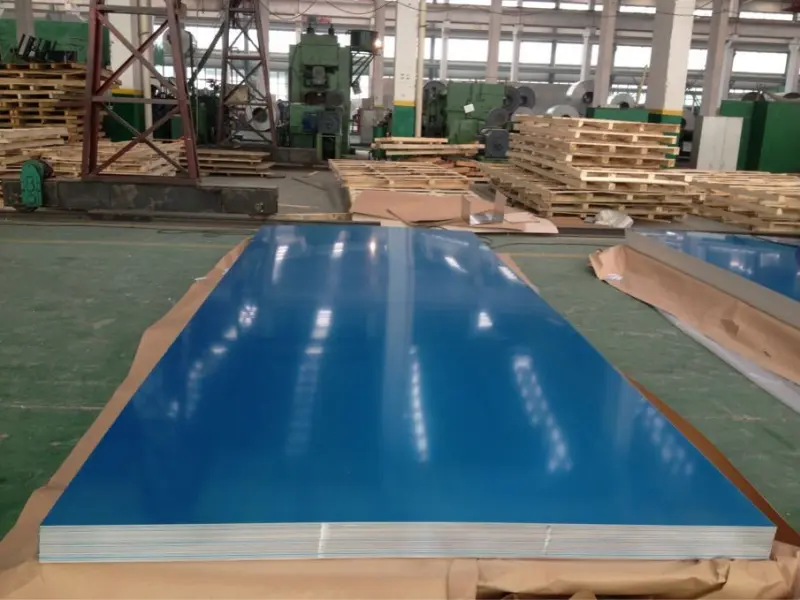
A flat aluminum plate is a solid aluminum product with a smooth and even surface. It has uses in fabrication, transportation, construction, machinery, industrial equipment, marine projects, and many other fields.
Compared with thin aluminum sheet, aluminum plate is usually selected when a project needs more thickness, stiffness, or load support. It can be cut, drilled, bent, machined, welded, or fabricated into different parts.
Flat aluminum plates are available in many alloys, tempers, thicknesses, widths, lengths, and surface finishes. Common choices include 5052, 5083, 6061, 6063, 3003, and 7075. Each grade has a different balance of strength, corrosion resistance, machinability, and formability.
For buyers, choosing the right material is more important than simply choosing the lowest price. The alloy, temper, thickness, dimensions, surface condition, and final application should all be considered before placing an order.
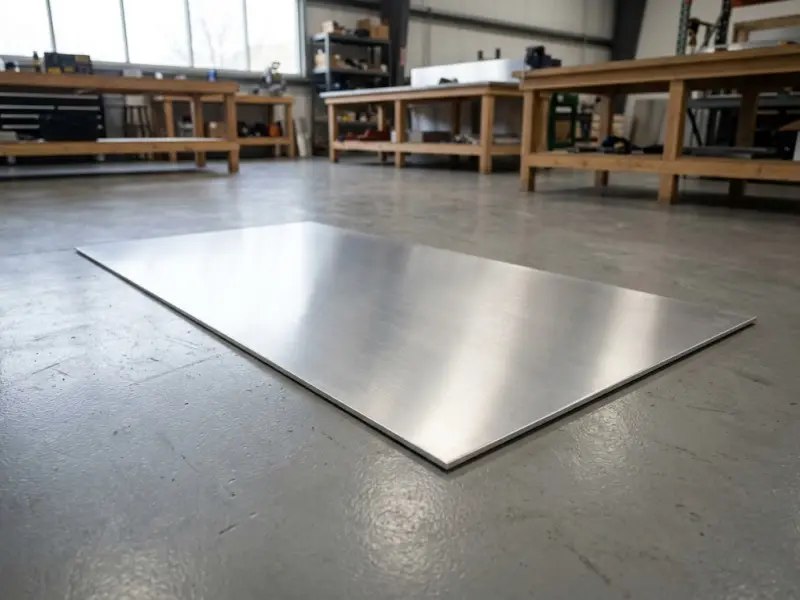
A flat aluminum plate is a flat, solid piece of aluminum with a relatively smooth surface and a defined thickness.
The material has uses in standard sizes or cut to customer requirements.
What Is a Flat Aluminum Plate?
A typical supply process looks like this:
Aluminum ingot → Rolling → Heat treatment → Leveling → Cutting → Surface inspection → Packing
The final product can be used as a finished component or as raw material for further fabrication.
Unlike patterned aluminum products, a plain plate does not have a raised surface pattern. This makes it suitable for machining, fabrication, welding, painting, coating, and other processes.
Common Aluminum Alloys for Flat Plates
Different projects need different alloys.
5052 Aluminum Plate
5052 is a popular choice for applications that need good corrosion resistance and good forming performance.
It is often considered for:
- Truck and trailer components
- Marine equipment
- Fuel tanks
- Industrial panels
- Storage equipment
- Architectural fabrication
- General fabrication
5052 is not normally selected only for maximum strength. Its balance of corrosion resistance and formability makes it useful for many fabricated products.
6061 Aluminum Plate
6061 is one of the most widely used structural aluminum alloys.
It offers a useful combination of strength, machinability, and corrosion resistance.
Common applications include:
- Machine parts
- Frames
- Structural components
- Automotive parts
- Trailer components
- Platforms
- Equipment bases
- CNC machined parts
6061-T6 is especially common when higher mechanical strength is required.
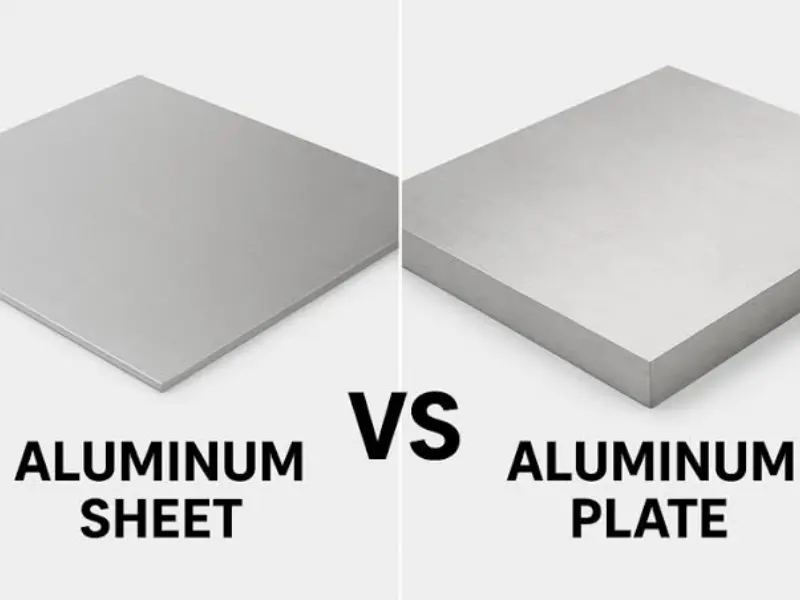
Flat Plate vs Aluminum Sheet
The terms sheet and plate are sometimes used differently by suppliers and markets. Thickness is usually the main factor used to separate them.
| Product | Typical characteristic | Common use |
|---|---|---|
| Aluminum sheet | Thin and easy to form | Roofing, panels, signs |
| Aluminum plate | Thicker and more rigid | Machinery, trailers, structures |
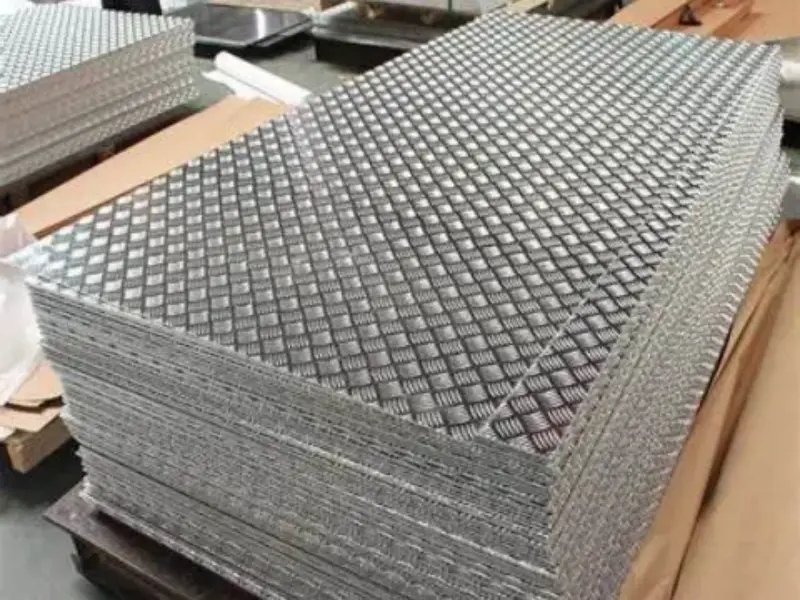
| Aluminum tread plate | Raised pattern | Floors, steps, platforms |
| Aluminum checker plate | Anti-slip pattern | Trucks, ramps, industrial floors |
| Aluminum tooling plate | High flatness | CNC and tooling |
| Aluminum clad plate | Multiple aluminum layers | Special industrial uses |
The exact definition of sheet and plate can vary by standard, supplier, and market. Buyers should specify the actual thickness rather than relying only on the product name.
5083 Aluminum Plate
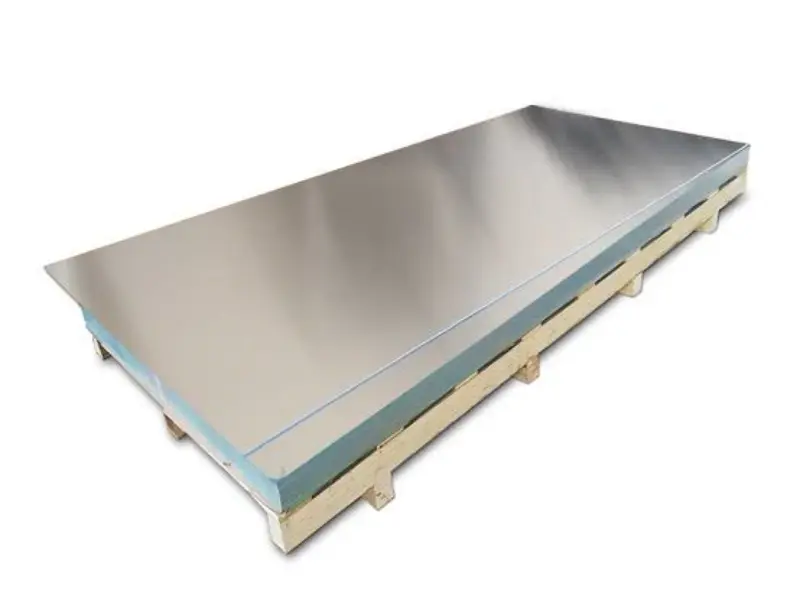
5083 is well popular for its corrosion resistance and performance in demanding environments.
- Marine structures
- Shipbuilding
- Pressure-related fabrication
- Transportation equipment
- Industrial tanks
- Heavy fabrication
- Offshore equipment
It is particularly useful where corrosion resistance and weldability are important.
3003 Aluminum Plate
3003 offers good formability and moderate strength.
- General fabrication
- Industrial equipment
- Decorative structures
- Heat-related equipment
- Storage products
- Architectural components
It is a practical option when extreme structural strength is not required.
7075 Aluminum Plate
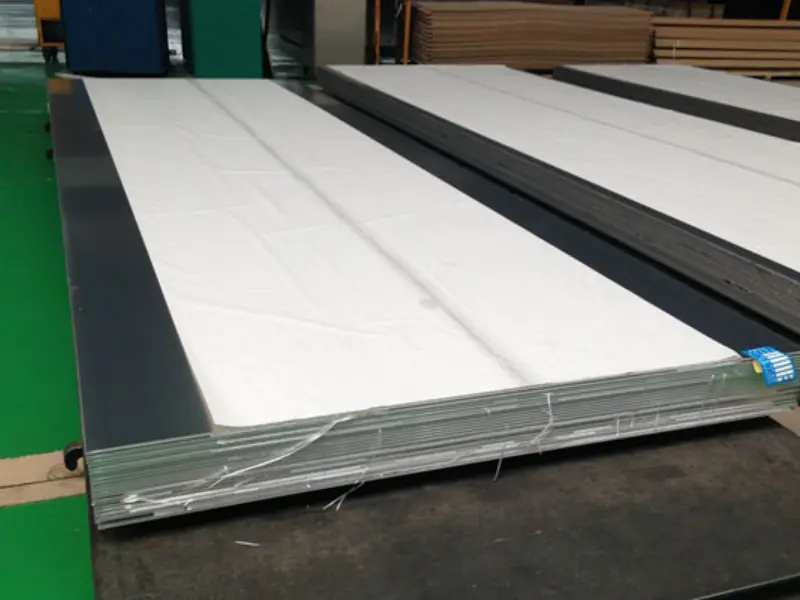
7075 is a high-strength aluminum alloy.
It has uses for applications where weight reduction and high strength are important.
Possible uses include:
- Aerospace components
- High-performance machinery
- Precision parts
- Automotive components
- Sports equipment
- High-strength structural parts
7075 is generally more expensive than common grades such as 5052 or 6061.
Alloy Comparison for Different Projects
| Alloy | Strength | Formability | Corrosion Resistance | Machinability |
|---|---|---|---|---|
| 3003 | Medium-low | Excellent | Good | Good |
| 5052 | Medium | Very good | Very good | Good |
| 5083 | High | Good | Excellent | Good |
| 6061 | High | Good | Good | Excellent |
| 7075 | Very high | Moderate | Moderate | Excellent |
The strongest alloy is not always the best choice.
For example, a decorative wall panel may not need 7075. Using a high-strength alloy in such an application could increase material cost without providing a useful advantage.
Aluminum Plate Temper Options
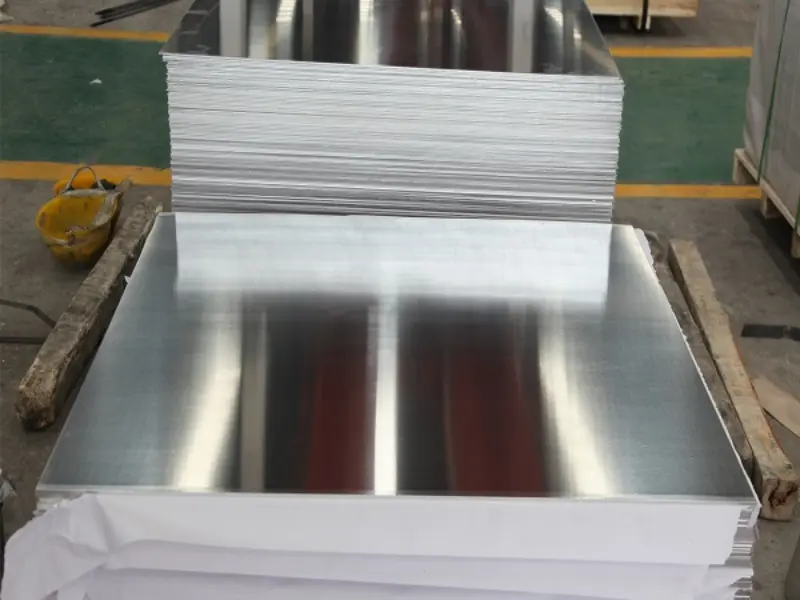
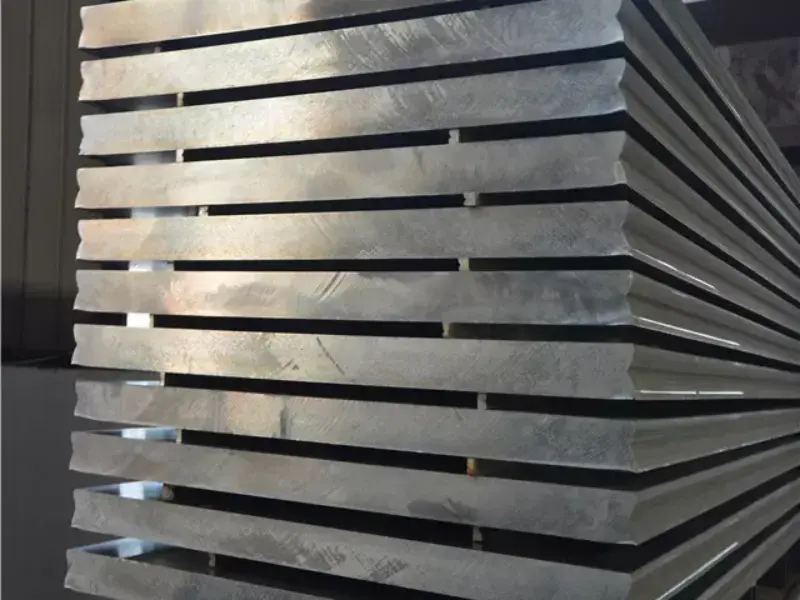
The temper describes the condition of the aluminum after processing.
Common tempers include:
| Temper | General characteristic |
|---|---|
| O | Soft and highly formable |
| H14 | Strain hardened |
| H24 | Strain hardened and partially annealed |
| H32 | Strain hardened and stabilized |
| T5 | Artificially aged |
| T6 | Solution heat treated and artificially aged |
For example, 5052-H32 has uses in fabricated products where strength and forming performance both matter.
6061-T6 is a common choice for structural and machined components.
The correct temper depends on the fabrication process and required mechanical properties.
Thickness Options
Thickness is one of the most important buying specifications.
| Thickness | Possible use |
|---|---|
| 1.0 mm | Light fabrication |
| 1.5 mm | Panels and covers |
| 2.0 mm | General fabrication |
| 3.0 mm | Equipment and structures |
| 4.0 mm | Industrial components |
| 5.0 mm | Structural fabrication |
| 6.0 mm | Heavy-duty parts |
| 8.0 mm | Machinery and platforms |
| 10 mm | Structural components |
| 12 mm | Heavy fabrication |
| 15 mm+ | Machined and industrial parts |
The required thickness should be based on load, span, support structure, forming method, and safety requirements.
A thicker plate is not automatically better. It also increases weight and material cost.
Thin Aluminum Plate
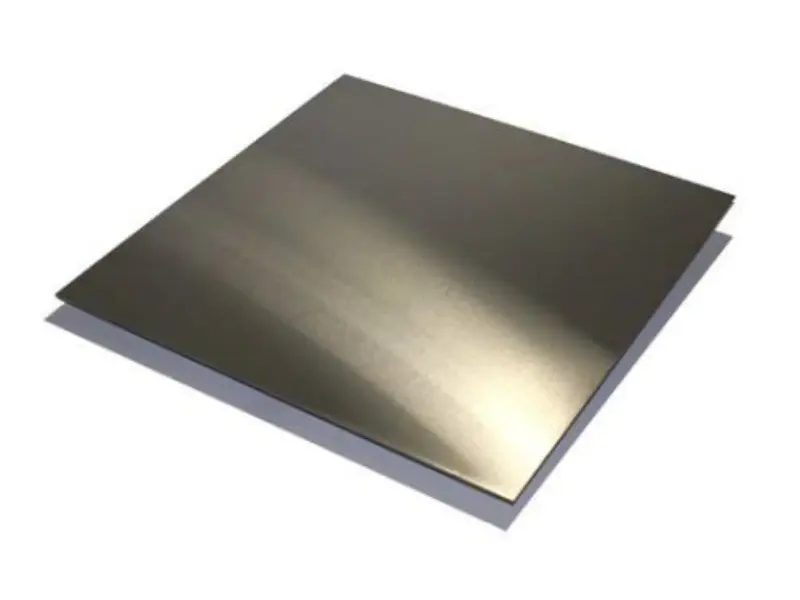
Thin plate products are useful when a project needs a balance between low weight and reasonable rigidity.
They can be used for:
- Equipment covers
- Enclosures
- Panels
- Automotive parts
- Decorative components
- General fabrication
Thin aluminum is also easier to cut and transport.
For applications requiring a large flat surface, however, the support structure should be considered carefully to avoid bending or deformation.
Heavy Aluminum Plate
Thicker products are used when stiffness and strength are more important.
Typical applications include:
- Machine bases
- Industrial platforms
- Structural parts
- Trailer components
- Heavy equipment
- Mold and tooling work
- CNC machined components
For large plates, buyers may also specify flatness requirements because thickness alone does not determine whether the material is suitable for precision work.
Standard Aluminum Plate Sizes
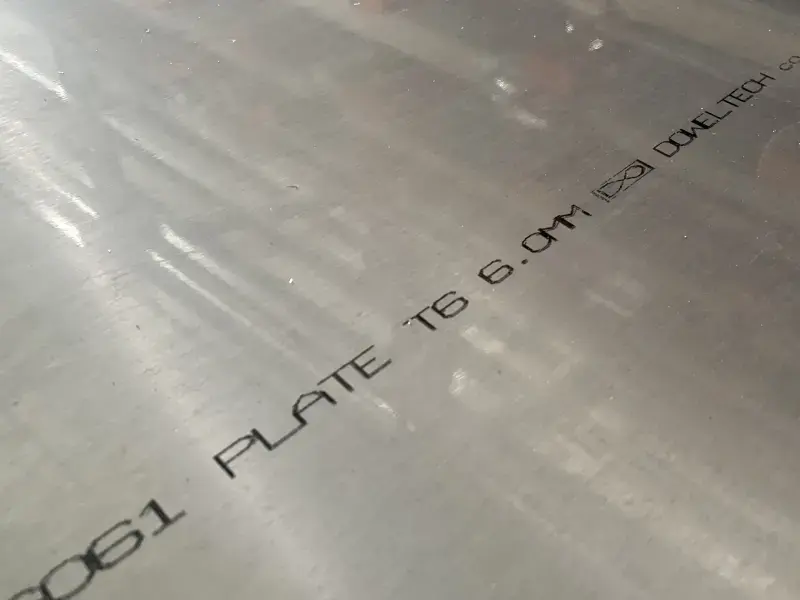
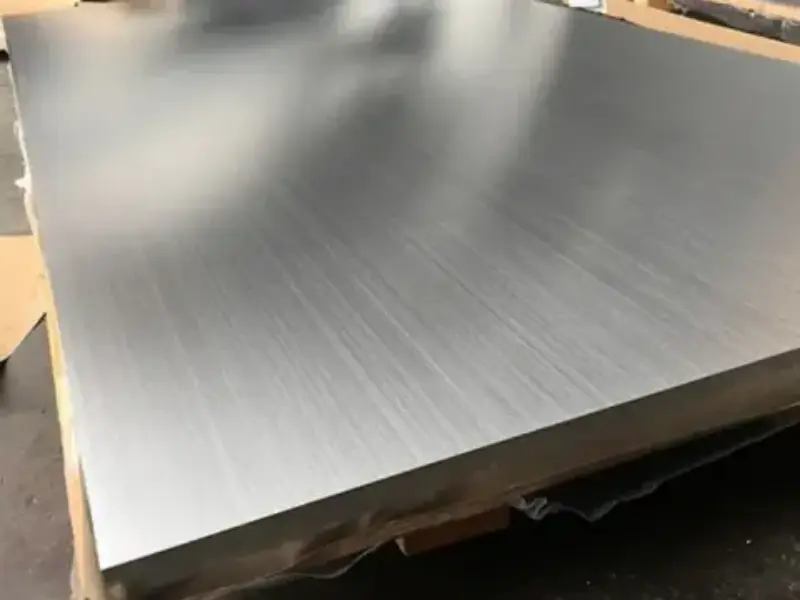
Common dimensions vary between countries and suppliers.
| Width | Length | Typical market use |
|---|---|---|
| 1000 mm | 2000 mm | Small fabrication |
| 1220 mm | 2440 mm | General projects |
| 1250 mm | 2500 mm | Construction |
| 1500 mm | 3000 mm | Large panels |
| 1500 mm | 4000 mm | Industrial projects |
| 2000 mm | 4000 mm | Large fabrication |
| Custom | Custom | Special projects |
The familiar 4×8 aluminum plate is approximately 1220 × 2440 mm.
Standard sizes are often easier to source. Custom sizes may help reduce cutting waste for large production orders.
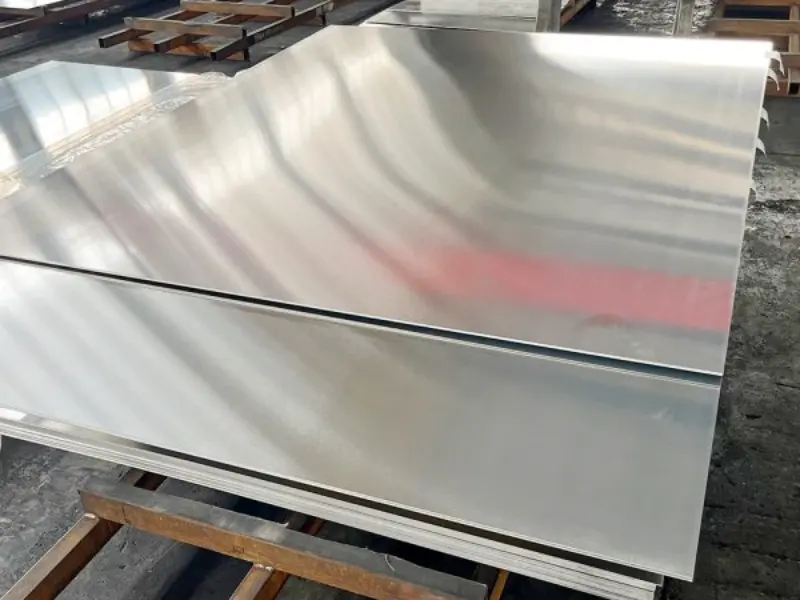
Mill Finish Aluminum Plate
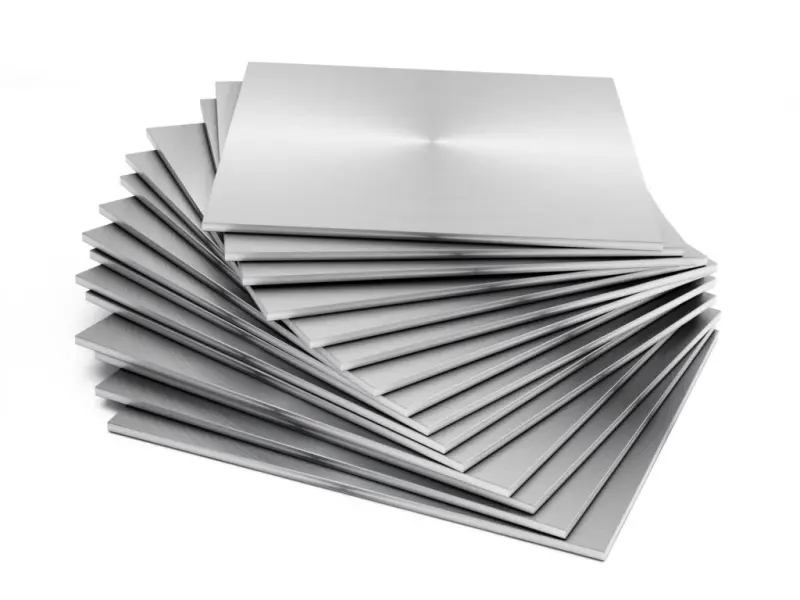
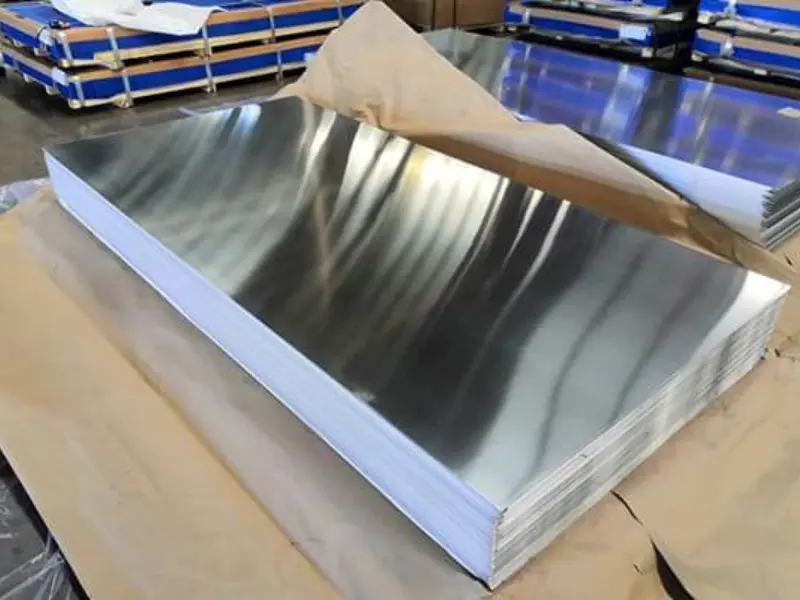
Mill finish is the basic aluminum surface produced after rolling.
It has a natural metallic appearance.
This option is often selected when:
- The surface will be machined
- The plate will be painted later
- A natural aluminum appearance is acceptable
- Surface appearance is not the main requirement
- Cost control is important
Mill finish can also be further processed into other surface treatments.
Brushed Aluminum Plate
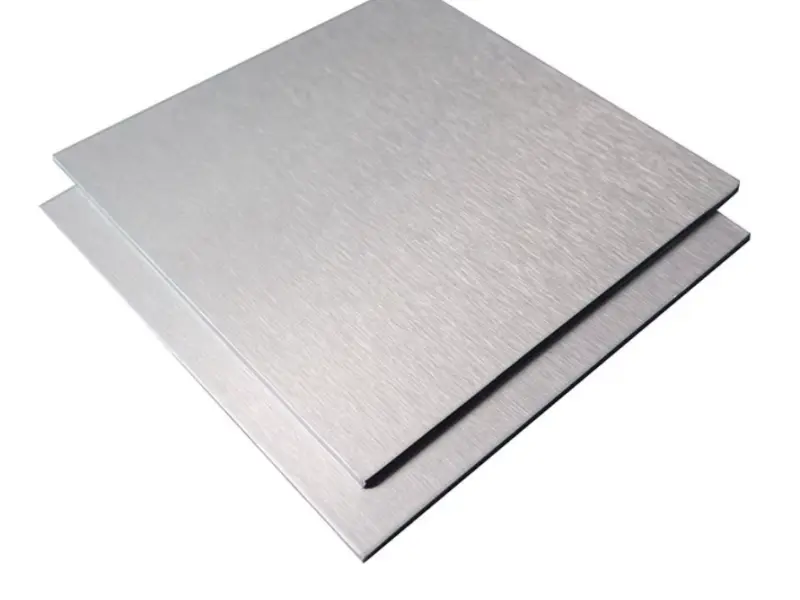
Brushed aluminum has fine directional lines on the surface.
It is commonly used for decorative and architectural projects.
Possible applications include:
→ Interior walls
→ Elevator panels
→ Furniture
→ Retail displays
→ Signage
→ Decorative equipment
A protective film can be added when the surface must remain clean during transportation and installation.
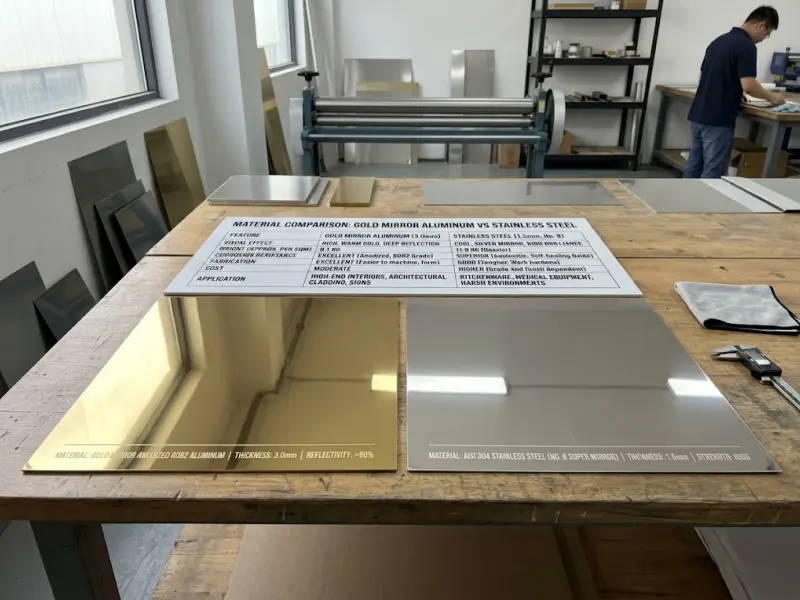
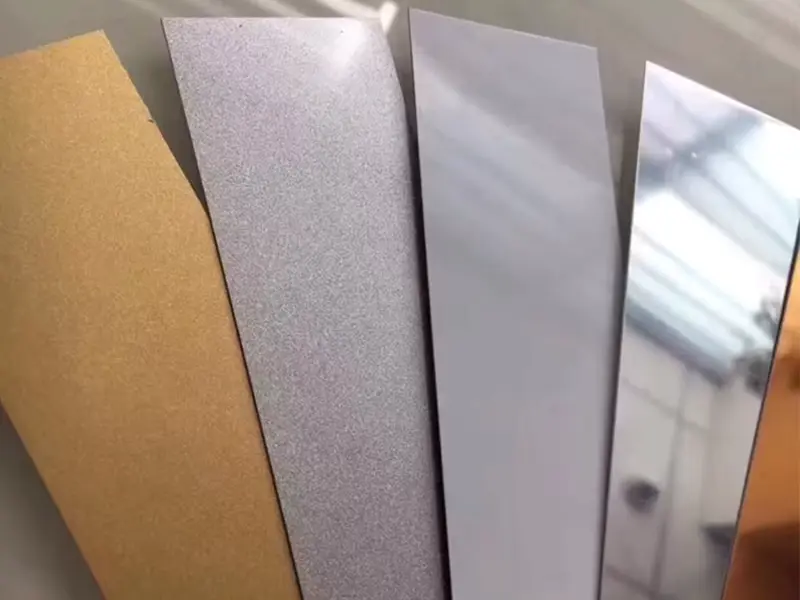
Anodized Aluminum Plate
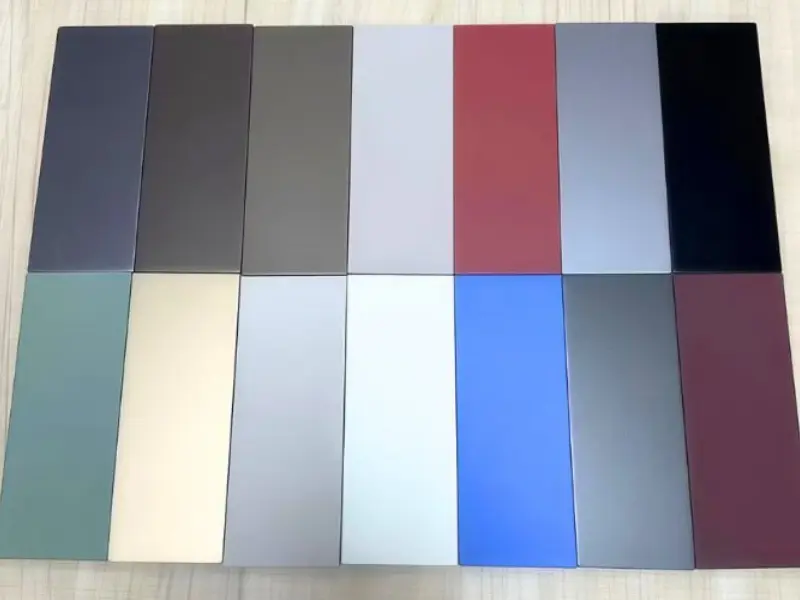
Anodizing creates a controlled oxide layer on the aluminum surface.
It can improve surface appearance and provide a durable decorative finish.
Common colors include:
- Silver
- Black
- Bronze
- Champagne
- Gold
Anodized products have uses in architectural and interior projects.
Painted Aluminum Plate
Painted products provide more color options.
The aluminum has uses in colors selected from a standard color system or according to a project requirement.
- Building panels
- Wall cladding
- Signage
- Interior decoration
- Commercial buildings
- Transportation equipment
The coating system should be selected according to indoor or outdoor exposure.
Flat Aluminum Plate for Trailers
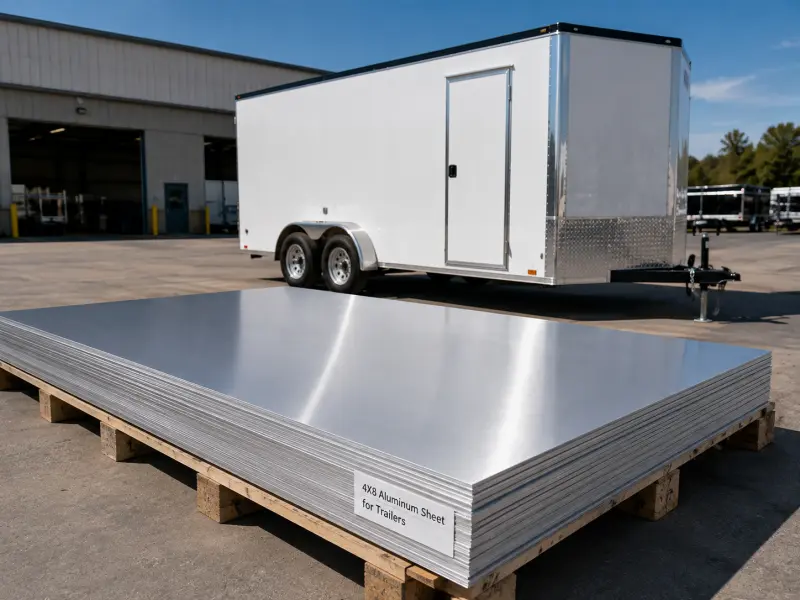
Aluminum has uses in transportation because it provides a lower-density alternative to steel.
A suitable grade can be used for:
- Trailer walls
- Trailer floors
- Trailer doors
- Side panels
- Interior panels
- Ramps
- Equipment compartments
5052 and 6061 have uses for different trailer components depending on forming and strength requirements.
The correct alloy has applications on the actual part rather than using one grade for the entire trailer.
Aluminum Plate for Truck Bodies

Truck manufacturers and fabricators use aluminum in many areas where weight reduction matters.
Applications may include:
- Side panels
- Floor components
- Tool boxes
- Storage compartments
- Ramps
- Protective panels
- Structural components
A lighter body can help reduce the empty weight of a vehicle.
However, the design still needs sufficient stiffness and strength.
Aluminum Plate for Machinery
Flat stock is useful for machine fabrication because it can be cut and machined into many shapes.
Common uses include:
- Machine bases
- Mounting plates
- Brackets
- Covers
- Frames
- Guards
- Support plates
- CNC components
6061 is often considered for machined parts because of its useful balance of strength and machinability.
Aluminum Plate for Marine Projects
Marine environments can expose materials to moisture and salt.
For this reason, alloy selection is important.
5083 and 5052 are commonly considered for marine-related fabrication.
Potential applications include:
- Boat components
- Marine tanks
- Deck structures
- Brackets
- Marine panels
- Ship components
The entire construction should be designed for the actual marine environment. Alloy selection alone does not determine corrosion performance.
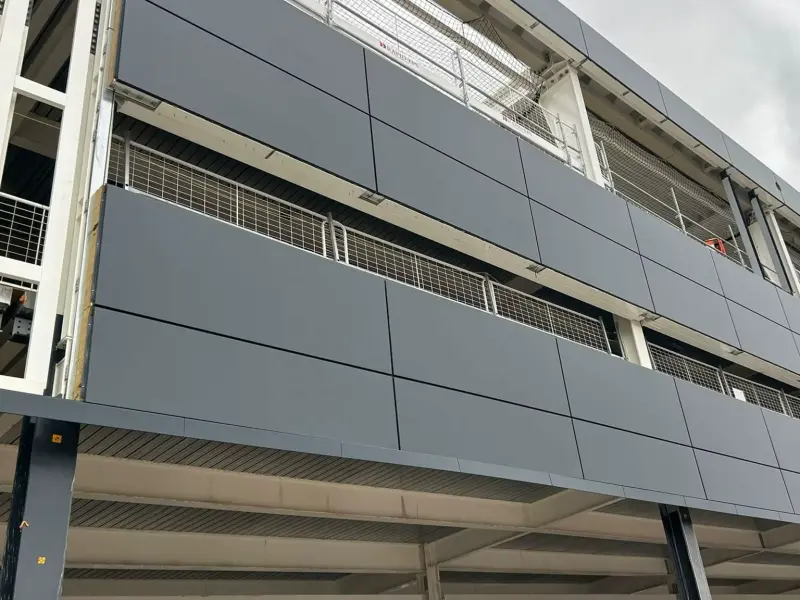
Aluminum Plate for Construction
Construction projects use flat aluminum products in many forms.
Applications may include:
- Wall panels
- Facade components
- Roofing components
- Ceiling systems
- Interior panels
- Architectural structures
- Protective covers
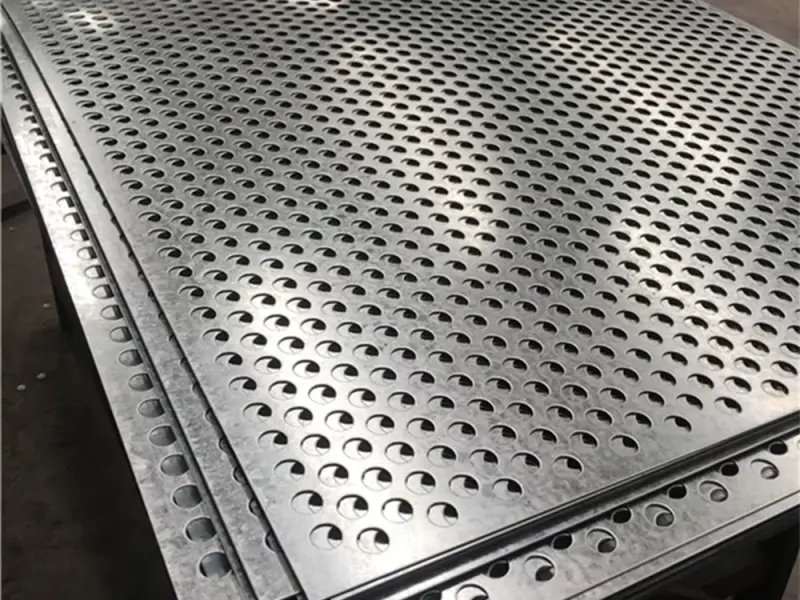
The material has applications for plain, painted, anodized, brushed, perforated, or formed.
Plain Plate vs Tread Plate
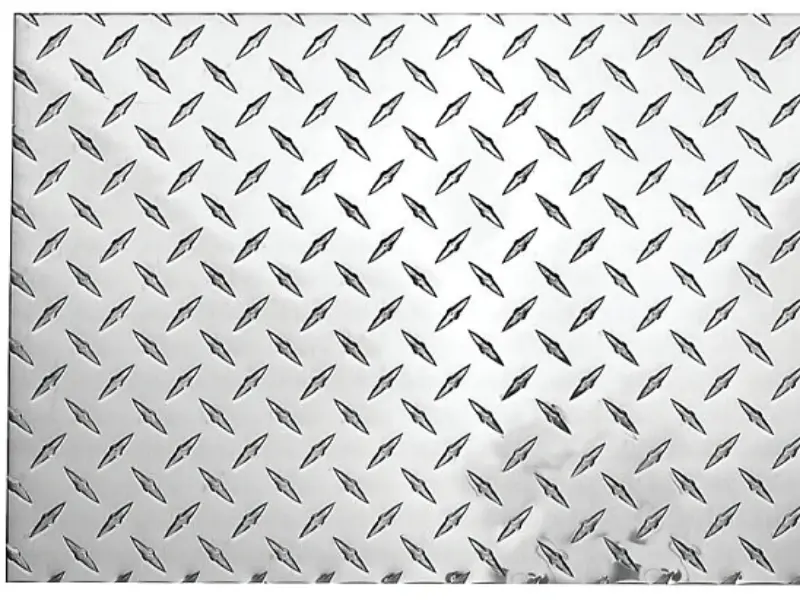
Plain and patterned surfaces are selected for different reasons.
| Feature | Plain Plate | Tread Plate |
|---|---|---|
| Surface | Flat | Raised pattern |
| Appearance | Clean and simple | Industrial |
| Cleaning | Easier | More complex |
| Anti-slip effect | Limited | Better |
| Machining | Easy | Pattern affects processing |
| Typical use | Panels and machinery | Floors, steps, ramps |
A plain surface is often preferred when machining, painting, or a clean appearance is important.
Tread plate is more suitable when surface grip is part of the design.
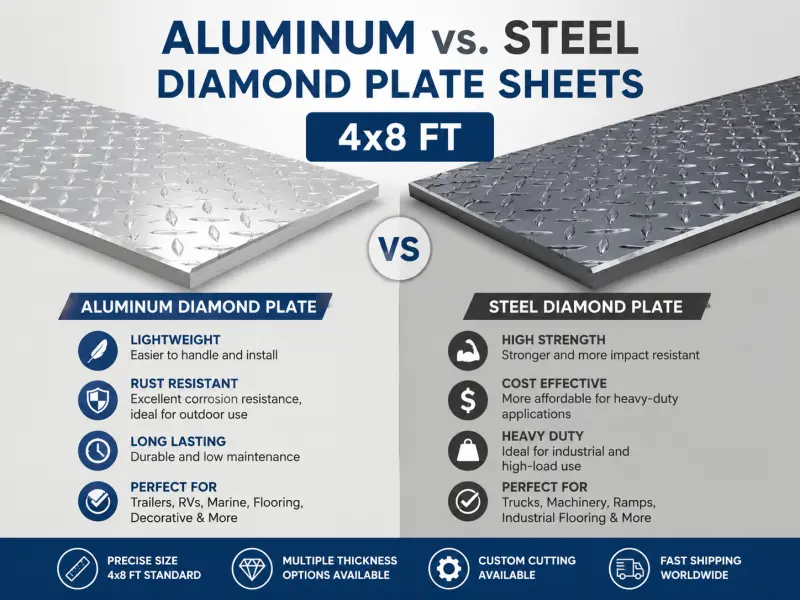
Aluminum Plate vs Steel Plate
| Property | Aluminum | Steel |
|---|---|---|
| Density | Lower | Higher |
| Weight | Lower | Higher |
| Corrosion resistance | Generally good | Often needs protection |
| Machining | Good | Good |
| Welding | Alloy dependent | Common |
| Transportation | Easy to handle | Heavier |
| Surface treatment | Many options | Many options |
Aluminum has choosen when weight reduction and corrosion resistance are important.
Steel has uses when very high strength, lower initial material cost, or specific structural requirements are more important.
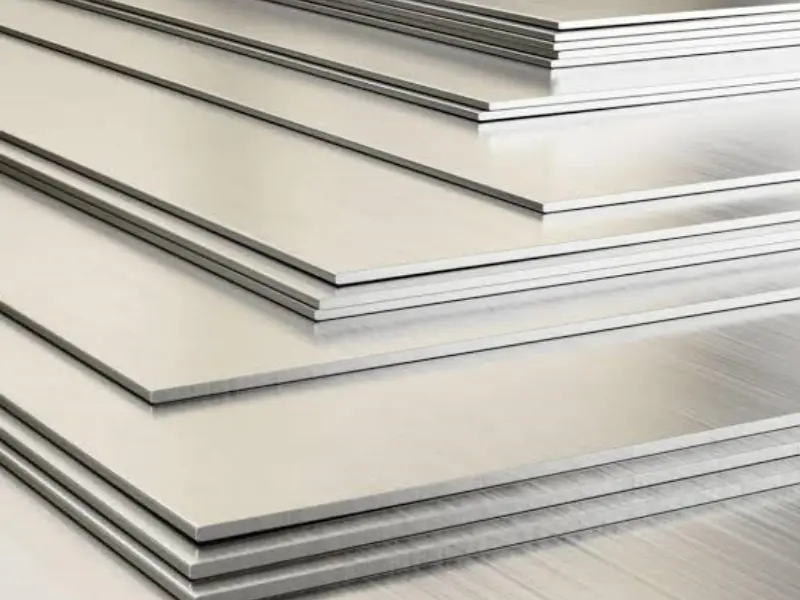
Aluminum Plate vs Aluminum Sheet
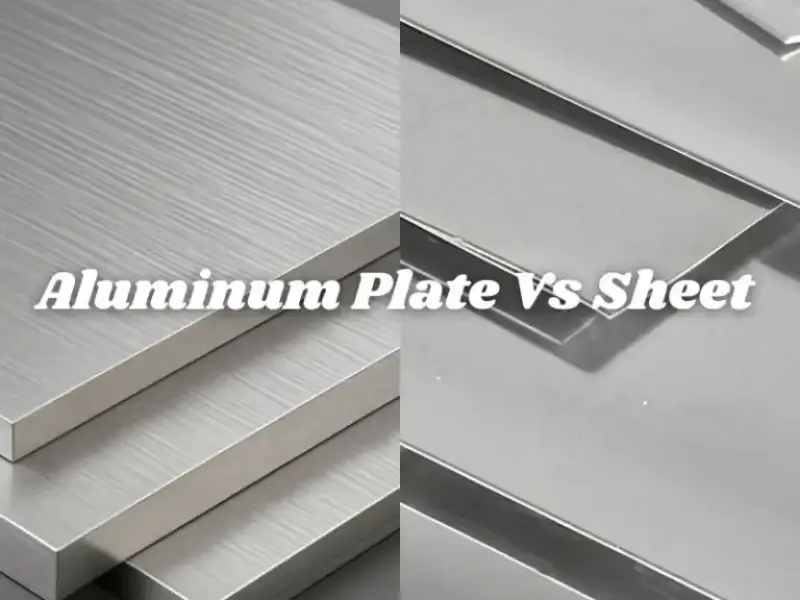
The choice is mainly related to thickness and application.
Need a light cover → aluminum sheet
Need a rigid fabricated part → aluminum plate
For need a structural component → thicker plate
Need a decorative surface → sheet or plate depending on design
The actual thickness should always be confirmed in the purchase specification.
Cutting and Fabrication Options
Flat aluminum stock can be processed using different methods.
Saw Cutting
Suitable for straight cuts and common production work.
Laser Cutting
Useful for detailed shapes and high-volume fabrication.
CNC Machining
Suitable for precision components.
Waterjet Cutting
Useful for thick material and complex shapes.
Drilling
Common for mounting holes and fabricated structures.
Bending
Possible with suitable alloys and tempers.
The alloy and temper should be checked before forming. Some high-strength grades are less suitable for tight bends.
Surface Quality for Industrial Buyers
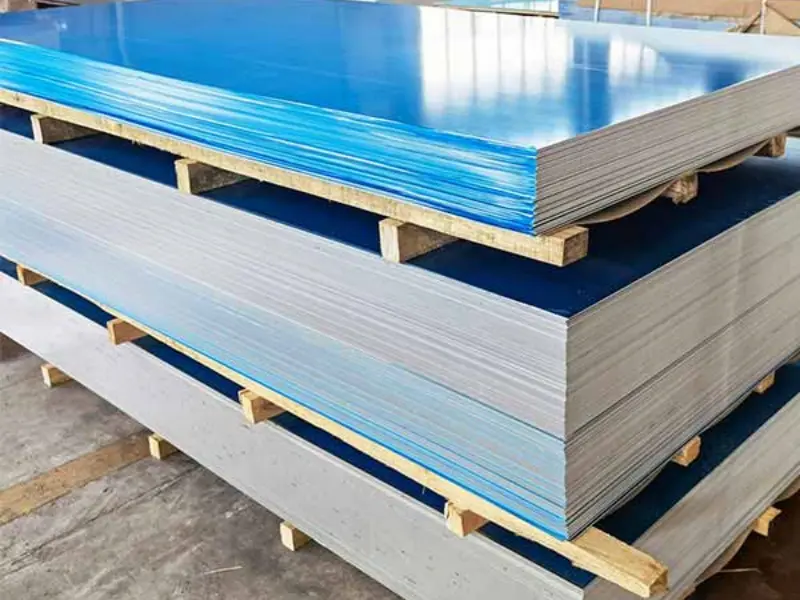
For commercial orders, surface quality can be as important as alloy and thickness.
Buyers may specify:
- Flatness
- Surface smoothness
- Color consistency
- Oxidation condition
- Scratches
- Oil stains
- Edge quality
- Thickness tolerance
- Width tolerance
- Length tolerance
For precision applications, the buyer should provide clear tolerance requirements before production.
How to Choose the Right Material
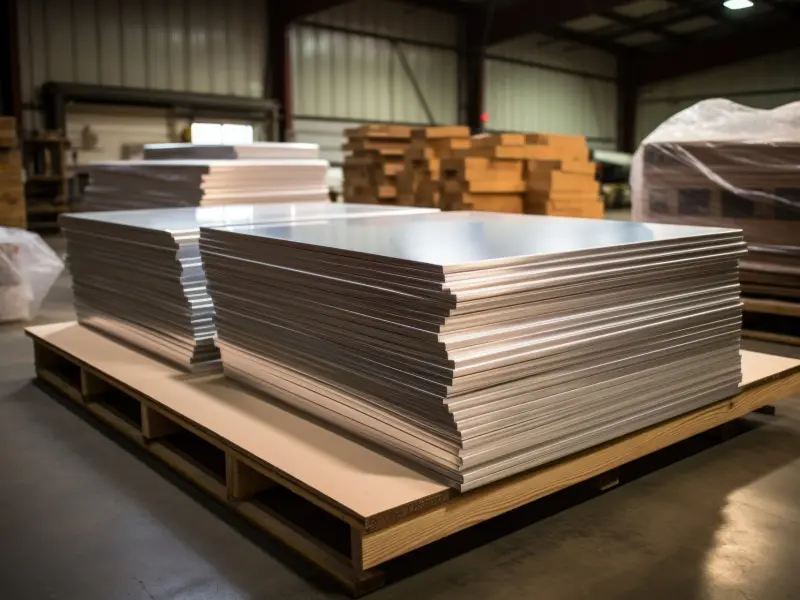
Final application
↓
Required strength
↓
Required corrosion resistance
↓
Forming or machining method
↓
Alloy
↓
Temper
↓
Thickness
↓
Size
↓
Surface finish
↓
Quantity
This approach is more reliable than selecting a product only by price.
Buying Guide for Aluminum Plate
A professional inquiry should include the main specifications.
| Item | Example |
|---|---|
| Product | Flat aluminum plate |
| Alloy | 6061 |
| Temper | T6 |
| Thickness | 6 mm |
| Width | 1500 mm |
| Length | 3000 mm |
| Surface | Mill finish |
| Quantity | 5 tons |
| Cutting | Full size |
| Application | Machine fabrication |
| Packaging | Export wooden pallet |
For custom fabrication, a drawing or CAD file can also be provided.
This allows the manufacturer to confirm whether the selected alloy and thickness are suitable.
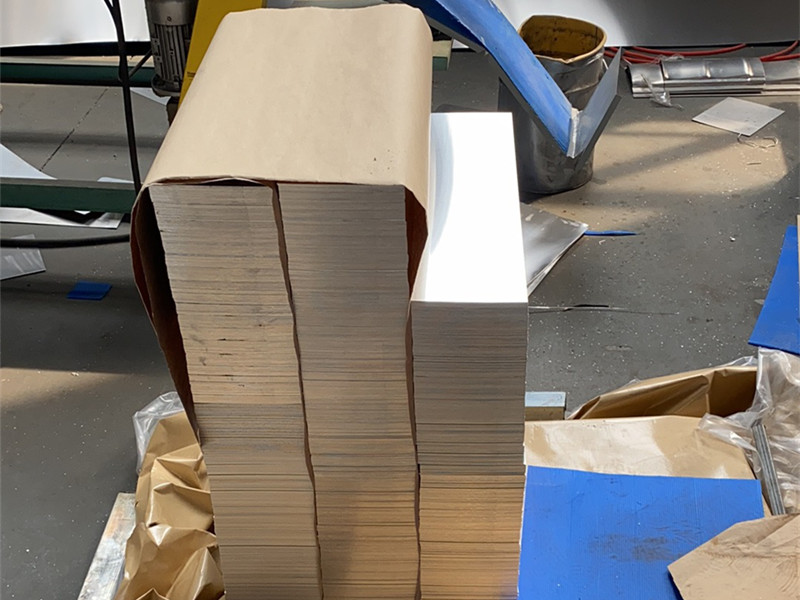
Packaging and Transportation
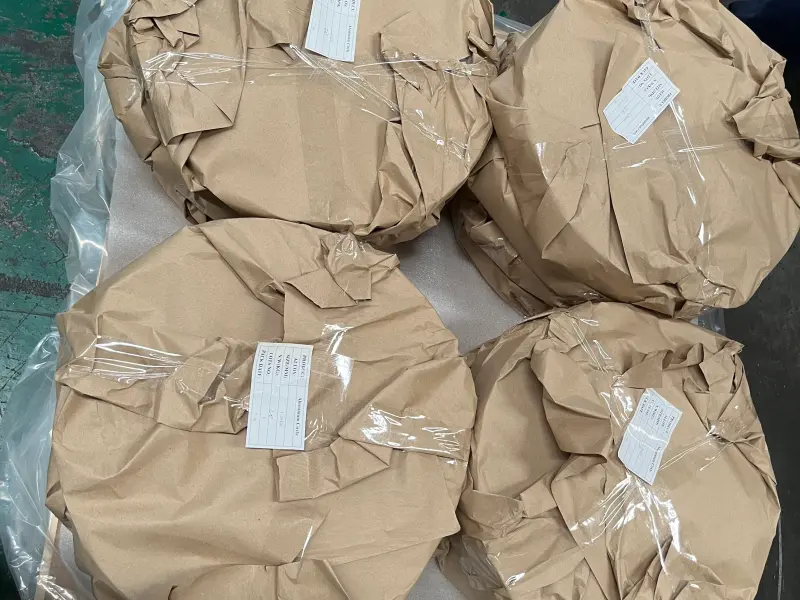
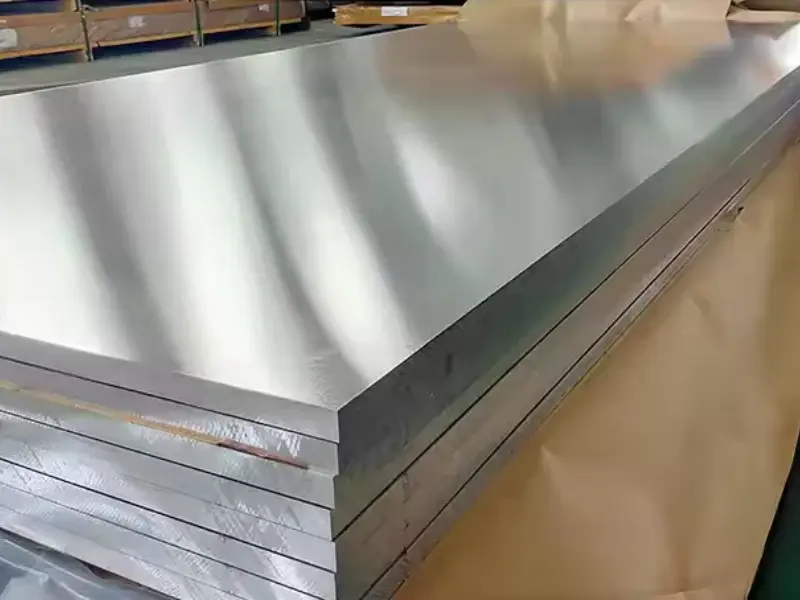
Aluminum plates need proper protection during storage and shipping.
Common packaging materials include:
- Kraft paper
- Plastic film
- Protective film
- Wooden pallets
- Wooden cases
- Edge protection
- Steel or plastic straps
For export orders, the packaging should be suitable for container transportation.
Thicker plates are heavy, so lifting and loading methods should also be considered.
What Affects the Price?
The price of aluminum plate depends on several factors.
| Factor | Price impact |
|---|---|
| Alloy | Different alloy costs |
| Thickness | More aluminum per square meter |
| Size | Affects material consumption |
| Temper | Heat treatment may increase processing |
| Surface | Special finishes cost more |
| Cutting | Custom cutting adds processing |
| Quantity | Large orders may offer better unit prices |
| Packaging | Export packing adds cost |
| Freight | Depends on destination and weight |
For an accurate quotation, buyers should provide the full specification instead of asking only for the price per kilogram.
Custom Aluminum Plate Supply
Manufacturers can often provide customized products based on project requirements.
Possible options include:
→ Alloy selection
→ Temper selection
→ Thickness
→ Width
→ Length
→ Surface finish
→ Cutting
→ Protective film
→ Packaging
→ Custom tolerances
For repeated production, a fixed specification can help maintain consistent quality between batches.
Quality Checks Before Shipment
A reliable inspection process may include:
- Chemical composition
- Mechanical properties
- Thickness
- Width
- Length
- Flatness
- Surface condition
- Edge condition
- Coating quality
- Packaging condition
For larger projects, buyers can request a material certificate or inspection report according to the agreed purchasing standard.
Common Applications
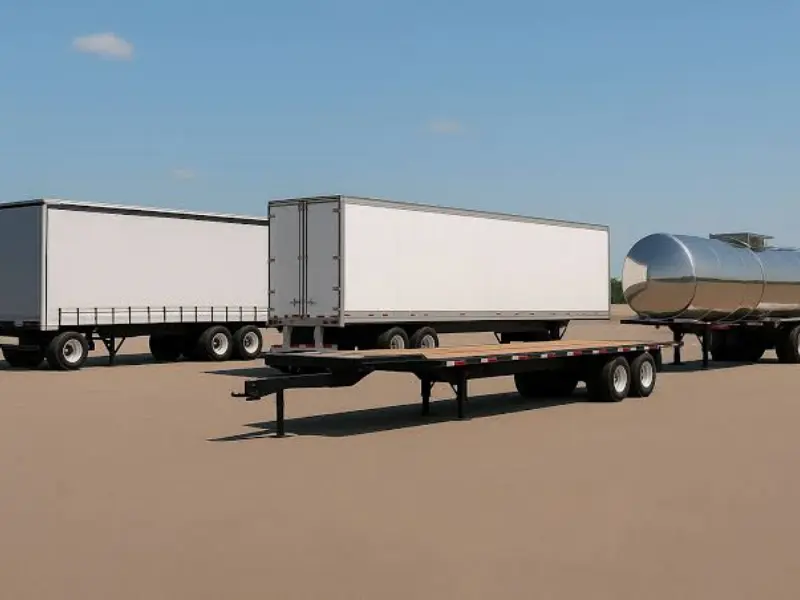
Transportation
- Trailers
- Trucks
- Vehicle bodies
- Ramps
- Storage compartments
- Transportation equipment
Industrial Equipment
- Machine bases
- Equipment panels
- Mounting plates
- Guards
- Frames
- Brackets
Construction
- Wall panels
- Architectural parts
- Roofing components
- Ceiling systems
- Building structures
Marine
- Boat components
- Deck structures
- Tanks
- Marine panels
- Shipbuilding parts
Manufacturing
- CNC parts
- Fabricated components
- Machinery parts
- Fixtures
- Tooling components
Commercial and Architectural
- Signage
- Decorative panels
- Interior walls
- Elevator panels
- Retail displays
Frequently Asked Questions
What is a flat aluminum plate used for?
It has uses for machinery, trailers, transportation equipment, construction, marine structures, architectural panels, CNC parts, platforms, and general fabrication.
What is the most common aluminum plate alloy?
6061 is one of the most has uses grades for structural and machined parts. 5052 is also popular where corrosion resistance and forming are important.
Is 6061 aluminum plate stronger than 5052?
6061-T6 generally provides higher strength than 5052-H32. However, 5052 often offers better forming performance and has uses in applications exposed to moisture.
Is 5052 aluminum good for fabrication?
Yes. 5052 offers good corrosion resistance and good formability, making it suitable for many fabricated components.
What is 6061-T6 aluminum used for?
6061-T6 has uses for machine parts, structural components, frames, brackets, transportation components, and CNC-machined parts.
What thickness should I choose?
It depends on the load, panel size, support structure, fabrication method, and required rigidity. Common commercial thicknesses range from around 1 mm to more than 12 mm.
Can aluminum plate be welded?
Many aluminum alloys can be welded, but welding performance varies by alloy and temper. The welding process should be selected according to the specific grade.
Can aluminum plate be bent?
Yes, but bendability depends on alloy, temper, thickness, and bend radius. Softer tempers are generally easier to form.
Can aluminum plate be CNC machined?
Yes. 6061 is particularly popular for CNC machining because it offers a useful balance of strength and machinability.
What is the difference between plain aluminum plate and tread plate?
Plain plate has a flat surface. Tread plate has a raised pattern that can provide additional surface grip. The best option depends on the application.
What is a 4×8 aluminum plate?
A 4×8 aluminum plate is approximately 4 × 8 feet, or about 1220 × 2440 mm. It is a common size for construction and fabrication.
Can aluminum plate be supplied in custom sizes?
Yes. Many suppliers can provide custom widths, lengths, thicknesses, and cut-to-size products according to the order requirements.
How can I get a quotation?
Provide the alloy, temper, thickness, width, length, surface finish, quantity, application, and delivery destination. A technical drawing can be added for customized parts.