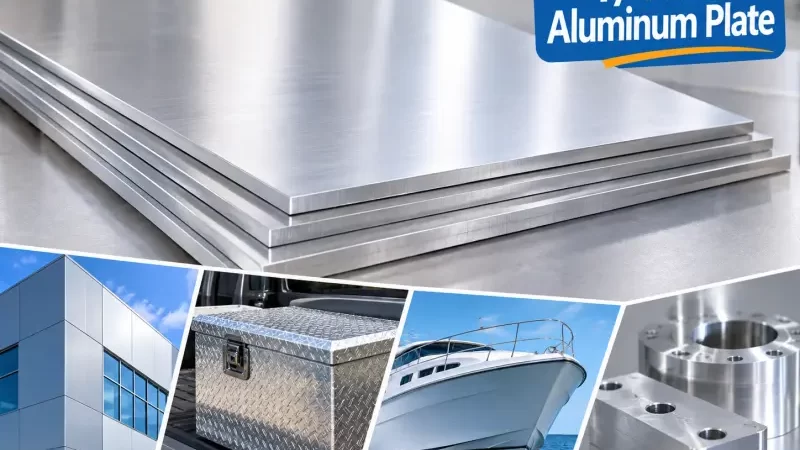
When you search for 1/4 inch aluminum plate near me, you may need a strong, lightweight metal plate for a construction project, machine part, trailer, workbench, or industrial application. The main goal is often simple: find the right thickness, choose a suitable aluminum alloy, and get the material at a reasonable price.
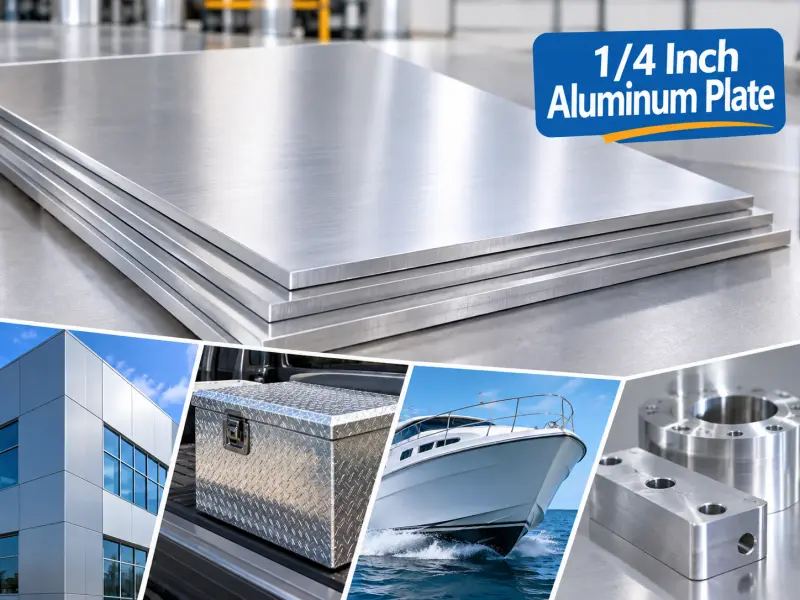
A 1/4 inch aluminum plate has a nominal thickness of 0.250 inches, or 6.35 mm. It offers a useful balance of strength, weight, corrosion resistance, and workability.
However, not every aluminum plate has the same properties. Alloy, temper, surface finish, plate size, and manufacturing method can all affect its performance.
Local metal suppliers may offer standard sizes and cutting services. For larger orders or special specifications, buying directly from an aluminum plate manufacturer can also be a practical option.
What Is 1/4 Inch Aluminum Plate?
A 1/4 inch aluminum plate is a flat aluminum product with a nominal thickness of 0.250 inches. It is commonly used for structural parts, equipment panels, machine bases, trailer components, and general metal fabrication.
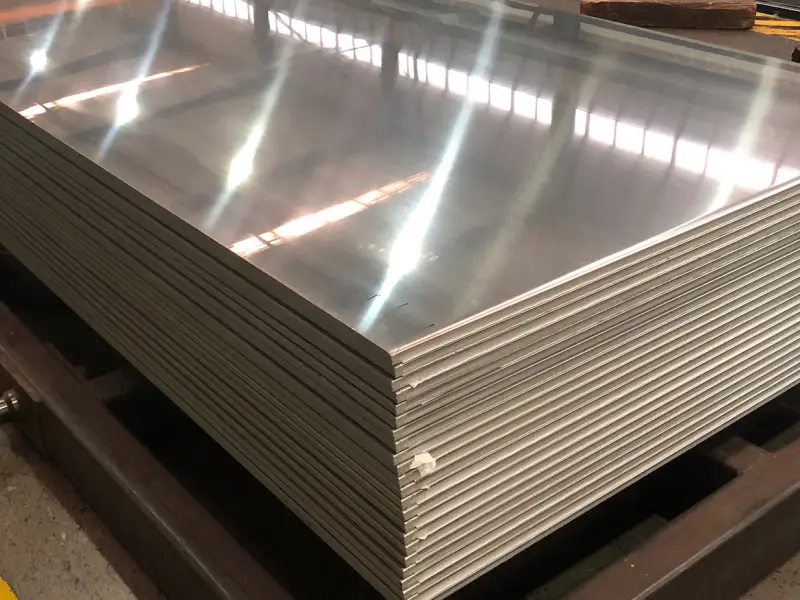
The term “aluminum plate” often describes thicker aluminum products, while thinner flat products are commonly called aluminum sheets. Industry terminology can vary by supplier, product standard, and market.
Basic Specifications of 1/4 Inch Aluminum Plate
| Specification | Common Value or Option |
|---|---|
| Nominal thickness | 1/4 inch |
| Thickness in millimeters | 6.35 mm |
| Product form | Flat aluminum plate |
| Common alloys | 5052, 5083, 6061, 6063, 3003 |
| Common tempers | O, H32, H116, H321, T6 |
| Surface finish | Mill finish, brushed, polished, anodized |
| Standard sheet sizes | 4 × 8 ft, 5 × 10 ft, and other options |
| Cutting options | Saw cutting, CNC cutting, waterjet cutting |
| Typical supply form | Full plate, cut-to-size plate, custom parts |
Not every alloy is available in every temper or size. Confirm the actual product specification with your supplier before ordering.
Is 1/4 Inch Aluminum Plate the Same as 6 mm Aluminum Plate?
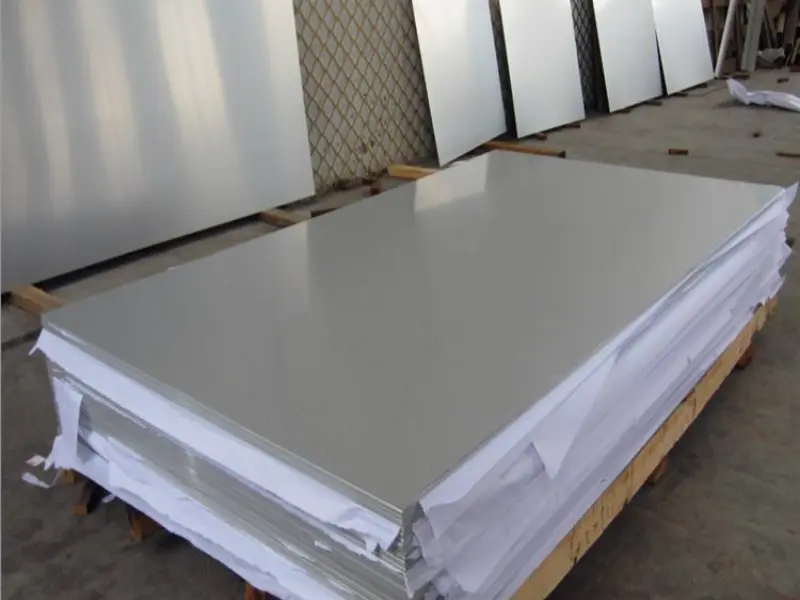
No. They are close in size, but they are not exactly the same.
| Product Description | Nominal Thickness |
|---|---|
| 1/4 inch aluminum plate | 6.35 mm |
| 6 mm aluminum plate | 6.00 mm |
| Difference | 0.35 mm |
If your drawing specifies 1/4 inch aluminum plate, do not automatically replace it with 6 mm plate. The difference may matter for machining, assembly, hole placement, or final dimensions.
For precision applications, check the required thickness tolerance and the supplier’s measurement standard.
Where Can You Buy 1/4 Inch Aluminum Plate Near Me?
The best place to buy aluminum plate depends on your order quantity, required alloy, cutting needs, and delivery schedule.
Local Metal Supply Stores
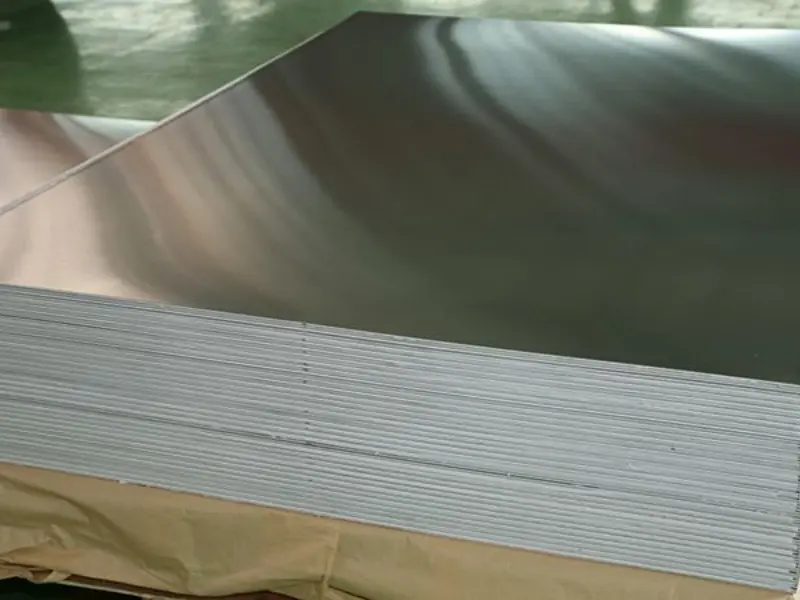
Local metal supply stores are often a convenient choice for small projects. Some carry 1/4 inch aluminum plate in standard sizes and may offer cutting services.
They can be useful when you need material quickly or want to inspect the product before buying.
Before visiting a store, ask about:
- Available alloys and tempers
- Actual plate thickness
- Full-sheet and cut-piece availability
- Cutting fees
- Minimum purchase quantity
- Pickup and delivery options
Metal Fabrication Shops
A metal fabrication shop may be a good choice if you need more than a flat plate. Some shops can cut holes, trim edges, machine surfaces, or produce parts from your drawings.
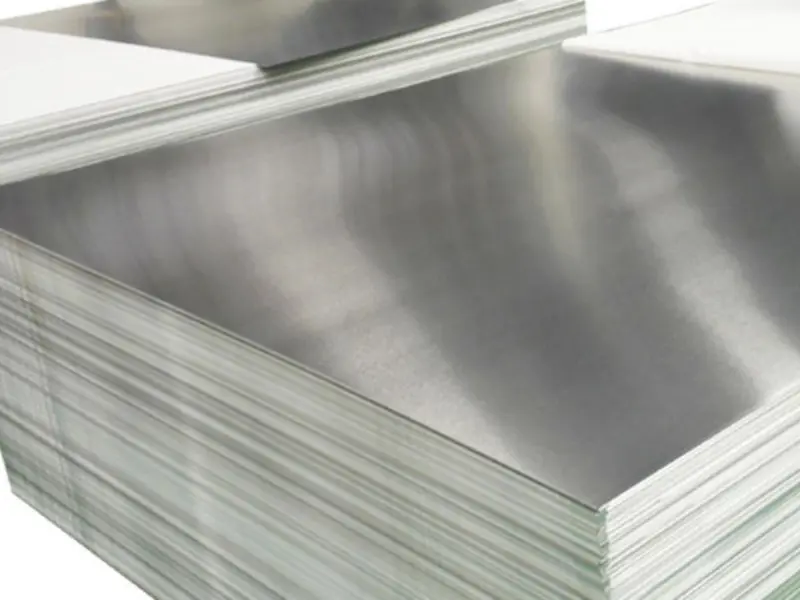
For example, you may need a 1/4 inch aluminum plate with four mounting holes and rounded corners. A fabrication shop may be able to supply the finished part instead of only the raw material.
Aluminum Plate Manufacturers
Direct manufacturers are worth considering for larger orders, repeat purchases, and custom specifications.
They may offer different alloys, tempers, dimensions, surface finishes, and packaging options. Availability depends on the manufacturer’s production range and current stock.
Buying directly from a manufacturer may also make it easier to request material documentation and consistent specifications for repeat orders.
Local Supplier vs. Direct Manufacturer
| Buying Factor | Local Supplier | Direct Manufacturer |
|---|---|---|
| Small orders | Often suitable | Depends on MOQ |
| Immediate pickup | Possible if in stock | Usually depends on location |
| Custom sizes | May be available | Often available by agreement |
| Alloy selection | Depends on inventory | Depends on production range |
| Large-volume orders | May cost more | Worth comparing |
| Material documentation | Ask before ordering | Can often be requested |
| International shipping | Less common | May be available |
| Special finishes | Depends on stock | May offer custom production |
Buying tip: If you need only one small piece, start by checking local inventory. If you need multiple plates, unusual dimensions, or repeat shipments, request quotations from both local suppliers and manufacturers.
Popular Types of 1/4 Inch Aluminum Plate
Different aluminum alloys serve different purposes. Choosing the right alloy is more important than choosing a plate based on thickness alone.
5052 Aluminum Plate: A Good Choice for Corrosion Resistance
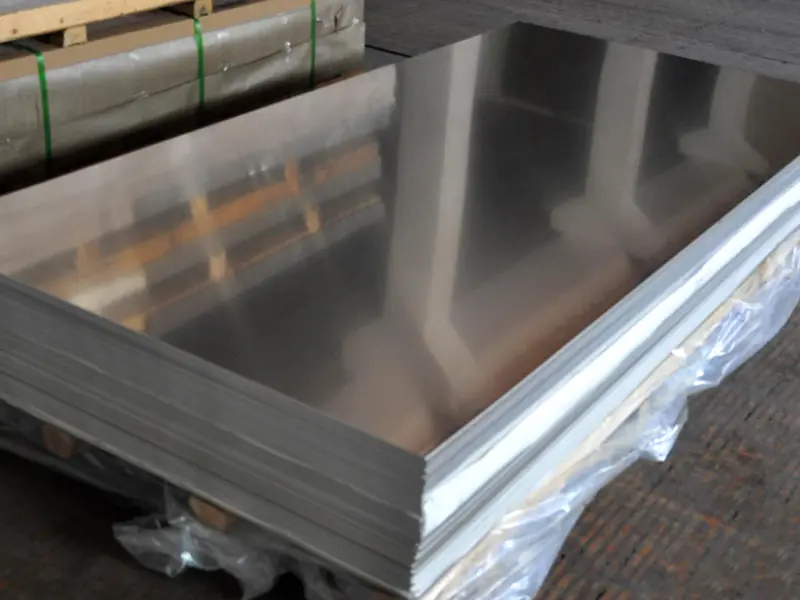
5052 aluminum plate is widely used in sheet-metal fabrication, enclosures, marine-related components, and equipment panels.
It is a non-heat-treatable alloy. Its strength depends partly on its temper and processing condition.
5052-H32 is a common option for applications that require a combination of corrosion resistance, formability, and moderate strength.
Typical applications include:
- Marine equipment panels
- Fuel and fluid tank components, subject to design requirements
- Industrial enclosures
- Vehicle body panels
- Equipment covers
- General fabricated parts
If the plate will be exposed to moisture or a mildly corrosive environment, 5052 may be worth considering. For seawater exposure or demanding marine structures, confirm the exact alloy, temper, and applicable requirements with a qualified supplier.
6061 Aluminum Plate: For Machining and Structural Parts

6061 aluminum plate is popular for machine components, brackets, fixtures, and structural fabrication.
6061-T6 is a common temper. It provides good strength and machinability for many engineering applications.
However, 6061-T6 may not be the best option for every project. Welding can affect the properties of the heat-affected area, and corrosion requirements may favor another alloy in some environments.
Common applications include:
- Machine bases
- Mounting plates
- CNC-machined parts
- Industrial brackets
- Tooling fixtures
- Equipment support components
Choose 6061 when strength, machining, and dimensional stability are important. For a welded assembly, discuss the design and required properties with your engineer or material supplier.
5083 Aluminum Plate: For Demanding Marine Applications

5083 aluminum plate is known for its corrosion resistance and strength in suitable marine applications. It is a non-heat-treatable alloy.
Depending on the product specification, 5083 may be supplied in tempers such as H116 or H321 for applications that require particular marine-related properties.
Typical applications include:
- Marine structures
- Boat components
- Shipbuilding parts
- Industrial equipment
- Transportation components
- Corrosion-resistant fabricated structures
For demanding marine projects, do not select an alloy based on a general description alone. Check the relevant standard, certification requirements, thickness range, and intended service conditions.
3003 Aluminum Plate: For General Fabrication
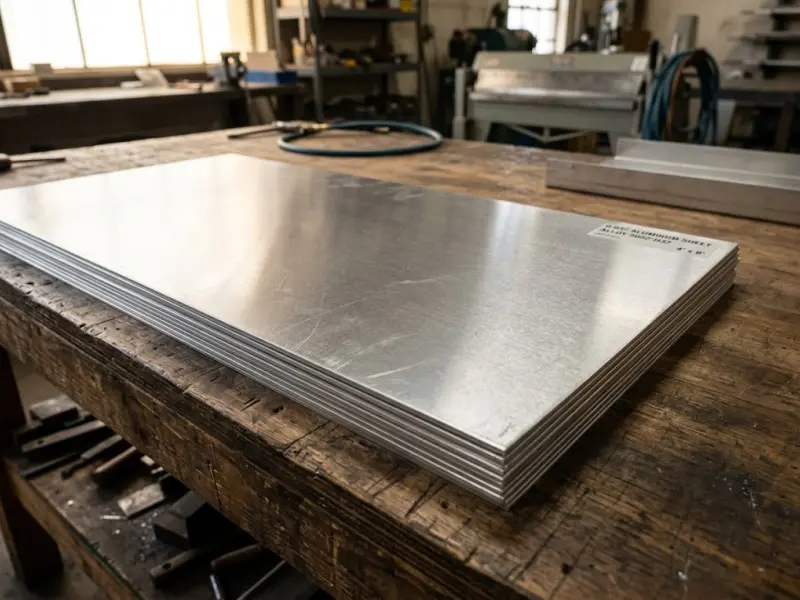
3003 aluminum is a common choice for general-purpose fabrication. It offers good corrosion resistance and formability.
It is not usually selected when the highest structural strength is the main requirement.
Possible applications include:
- Equipment panels
- Decorative components
- General-purpose covers
- Enclosures
- Fabricated housings
- Non-critical industrial parts
Confirm whether the supplier can provide 1/4 inch plate in the required 3003 temper. Stock availability can differ from thinner sheet products.
6063 Aluminum Plate: Check Product Availability
6063 aluminum is commonly associated with extruded profiles and architectural products. It can be useful in certain fabricated applications, but it is not as universally stocked as plate-oriented alloys such as 5052 or 6061.
If your design specifies 6063 flat plate, confirm that the product form and mechanical properties match your requirements. An extruded profile and a flat plate should not be treated as interchangeable products.
1/4 Inch Aluminum Plate Alloy Comparison
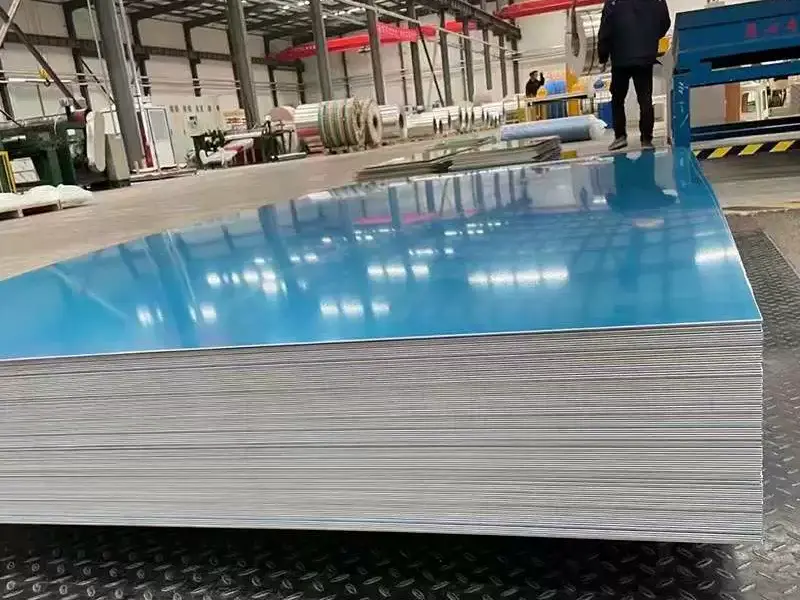
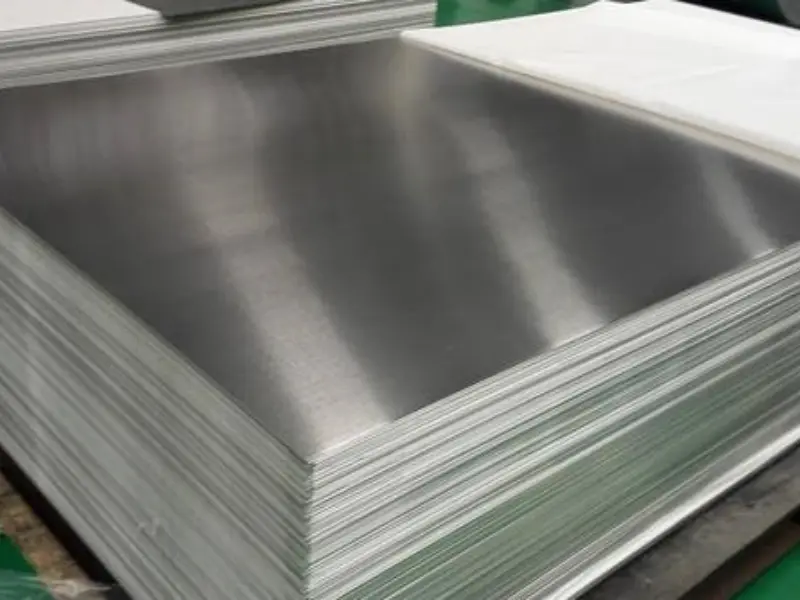
Use the following table as a starting point for material selection.
| Alloy | Common Temper Examples | Main Advantage | Typical Uses |
|---|---|---|---|
| 3003 | O, H14, H24 | Formability and corrosion resistance | General fabrication |
| 5052 | O, H32, H34 | Corrosion resistance and formability | Enclosures, marine-related parts |
| 5083 | O, H116, H321 | Strength and marine corrosion resistance | Marine structures |
| 6061 | T6, T651 | Strength and machinability | Machine parts, fixtures |
| 6063 | Depends on product form | Often used in architectural products | Applications requiring a suitable certified product |
These are examples, not a guarantee that every alloy and temper is available in 1/4 inch plate. Mechanical properties vary with temper, thickness, product form, and applicable standards.
1/4 Inch Aluminum Plate Sizes and Weight
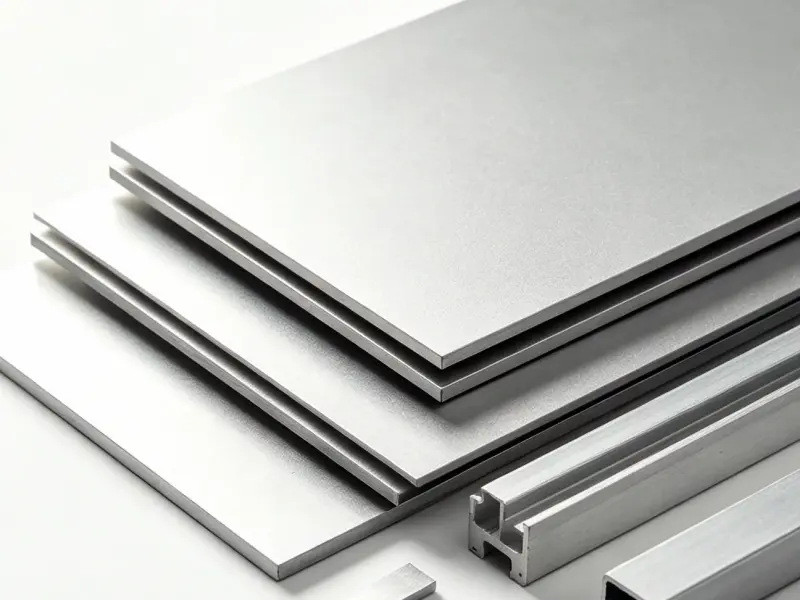
When searching for 1/4 inch aluminum plate near you, check the plate dimensions as well as the alloy.
A supplier may have the right material but not the size you need. A standard plate can sometimes be cut to your required dimensions.
Common Plate Dimensions
| Nominal Plate Size | Approximate Area |
|---|---|
| 12 × 12 inches | 1 sq ft |
| 12 × 24 inches | 2 sq ft |
| 24 × 24 inches | 4 sq ft |
| 24 × 48 inches | 8 sq ft |
| 4 × 8 feet | 32 sq ft |
| 5 × 10 feet | 50 sq ft |
These are example sizes. Actual availability depends on the supplier and alloy.
How Much Does 1/4 Inch Aluminum Plate Weigh?
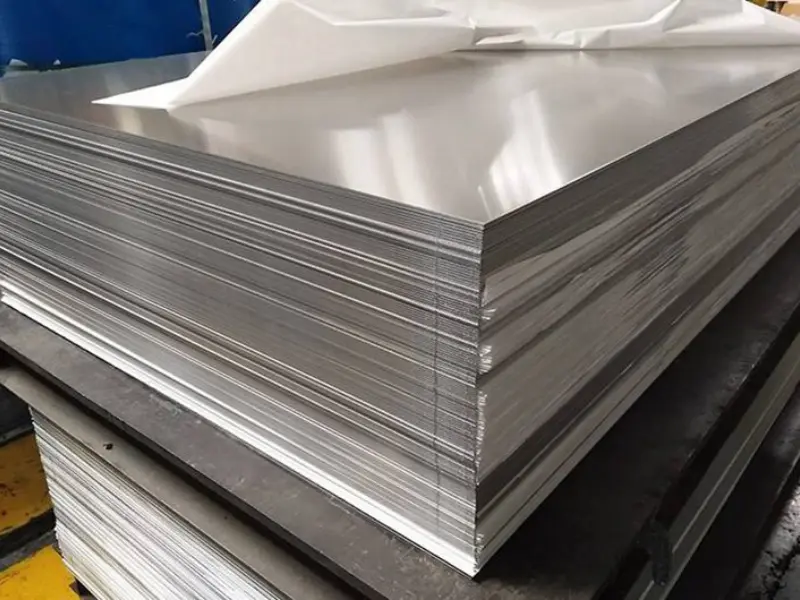
Aluminum is much lighter than steel of the same dimensions. The exact weight depends on the alloy, actual thickness, and plate size.
For a quick estimate, assume an aluminum density of approximately 2.70 g/cm³ and a nominal thickness of 6.35 mm.
| Plate Size | Approximate Weight |
|---|---|
| 12 × 12 inches | 4.4 lb |
| 12 × 24 inches | 8.9 lb |
| 24 × 24 inches | 17.7 lb |
| 24 × 48 inches | 35.4 lb |
| 4 × 8 feet | 141.7 lb |
| 5 × 10 feet | 221.4 lb |
These figures are estimates for planning and shipping. Actual weights can vary due to alloy density, thickness tolerance, and cutting dimensions.
For a large order, ask the supplier to confirm the theoretical or measured weight used for quotation and freight calculation.
Different Surface Finishes for 1/4 Inch Aluminum Plate
Surface finish affects appearance, cleaning, and the suitability of a plate for certain applications.
Mill Finish Aluminum Plate
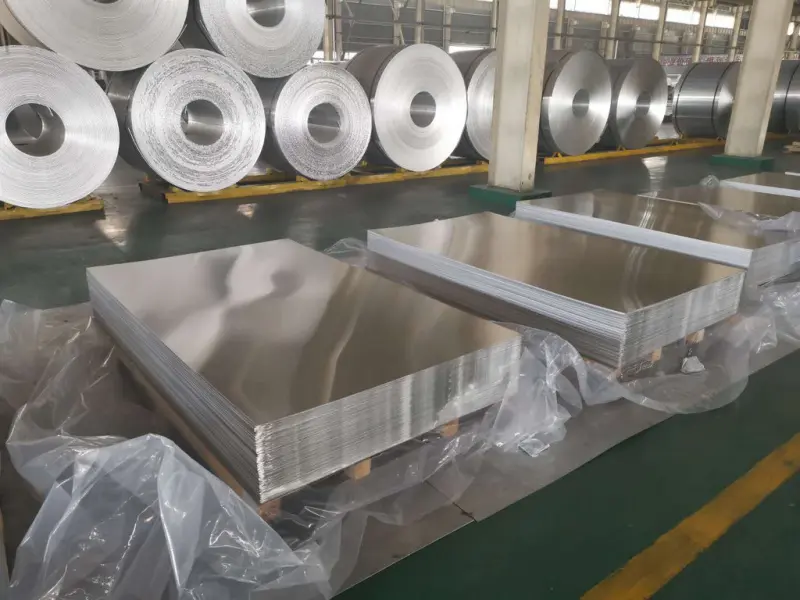
Mill finish aluminum plate has a standard surface from the rolling or production process. It is commonly used for parts that will be machined, fabricated, or covered later.
Applications include:
- Machine bases
- Industrial brackets
- Structural components
- General fabrication
- Parts that require additional finishing
This option is often practical when appearance is not the main concern.
Brushed Aluminum Plate
Brushed aluminum has a directional surface pattern. It is often selected for visible panels and decorative components.
Potential applications include:
- Interior panels
- Equipment covers
- Display structures
- Decorative metalwork
Not every supplier offers brushed finishing on 1/4 inch plate. Ask whether the finish is applied before or after cutting.
Anodized Aluminum Plate
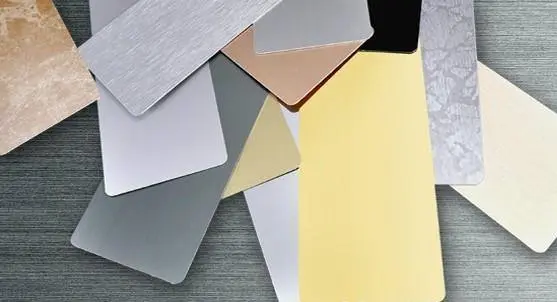
Anodizing creates a controlled oxide layer on the aluminum surface. It can improve surface durability and appearance when properly specified.
Anodized plate may be suitable for decorative panels and some equipment components. However, the availability of anodized 1/4 inch plate depends on the product, processing route, and required dimensions.
If the plate will be machined after anodizing, remember that cutting can expose untreated metal at the edges.
Polished Aluminum Plate
Polished aluminum has a smoother, more reflective appearance than a standard mill finish.
It may be used for decorative parts, display panels, or equipment components where appearance matters. A polished finish should be specified clearly because different suppliers may use different polishing methods and quality levels.
Flat Plate vs. Aluminum Tread Plate
One common purchasing question is whether to buy a flat 1/4 inch aluminum plate or a tread plate.
They are designed for different surface requirements.
Flat 1/4 Inch Aluminum Plate
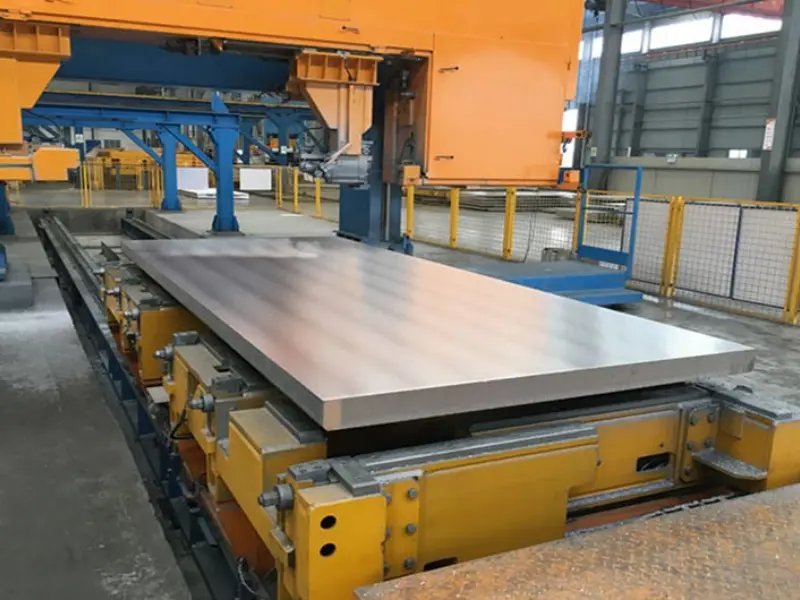
Flat plate has a relatively smooth surface. It is useful when a component needs a consistent flat face for machining, mounting, or fabrication.
Typical applications include:
- Machine mounting plates
- Equipment bases
- Structural brackets
- Custom-cut industrial parts
- CNC-machined components
1/4 Inch Aluminum Tread Plate
Aluminum tread plate has a raised surface pattern. The pattern may help provide traction in suitable walking or working environments.
Common applications include:
- Vehicle steps
- Toolboxes
- Service platforms
- Equipment flooring
- Protective covers
- Utility vehicle components
Tread plate thickness descriptions can refer to the base metal thickness or another measurement convention. The raised pattern may also affect overall thickness.
When ordering 1/4 inch aluminum tread plate, ask whether the quoted 0.250 inch thickness refers to the base plate or the overall thickness including the pattern.
Applications of 1/4 Inch Aluminum Plate
A 1/4 inch aluminum plate can be used in many industries. The best alloy depends on the required strength, exposure conditions, fabrication method, and budget.
Industrial Equipment and Machinery

Aluminum plate is used for equipment parts that need a combination of low weight and useful mechanical properties.
Examples include:
- Machine mounting plates
- Motor brackets
- Protective guards
- Equipment bases
- Support panels
- Custom fixtures
6061 aluminum is often considered for machined parts. Other alloys may be more suitable when corrosion resistance or forming requirements are more important.
Trailer and Transportation Components
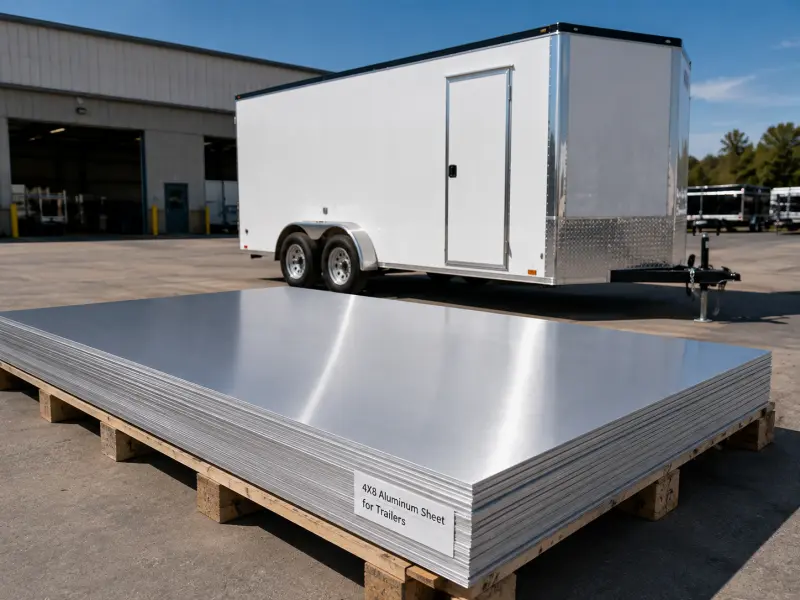
Aluminum plate is used in many vehicle and trailer applications because it weighs less than steel of similar dimensions.
Possible uses include:
- Trailer components
- Storage compartments
- Mounting brackets
- Utility vehicle panels
- Equipment supports
- Custom repair parts
The correct thickness depends on loading, support spacing, vibration, and the way the plate is attached. Do not assume that a 1/4 inch plate is automatically suitable for every load-bearing application.
Marine and Outdoor Equipment
Some aluminum alloys are suitable for outdoor and marine-related applications.
Potential uses include:
- Equipment mounting panels
- Boat components
- Storage structures
- Marine hardware supports
- Outdoor enclosures
For saltwater environments, select an alloy and temper designed for the intended service. Fasteners, joints, coatings, and contact with other metals can also affect corrosion performance.
Construction and Architectural Fabrication
Aluminum plate may be used in custom building components and fabricated structures.

Examples include:
- Equipment access panels
- Decorative plates
- Mounting components
- Protective covers
- Custom brackets
- Architectural metalwork
For building structures, confirm the applicable design code, loading requirements, material grade, and connection details.
DIY Projects and Workshops
For home workshops, aluminum plate is useful when a project requires a relatively thick, flat metal piece.
Common projects include:
- Workbench components
- Machine mounting surfaces
- Small equipment bases
- Custom brackets
- Repair plates
- Hobby machinery parts
If you only need a small piece, ask local suppliers about offcuts or cut-to-size service. These options may reduce waste and shipping costs.
1/4 Inch Aluminum Plate vs. Steel Plate
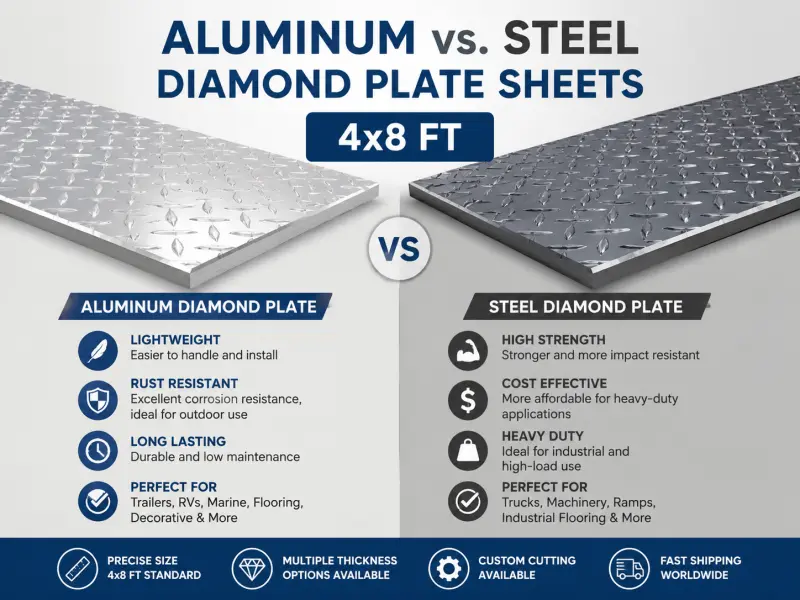
Aluminum and steel have different properties. The right material depends on the job rather than thickness alone.
| Comparison | Aluminum Plate | Steel Plate |
|---|---|---|
| Weight | Lower | Higher |
| Corrosion resistance | Good for suitable alloys and environments | Depends on grade and protection |
| Strength | Depends on alloy and temper | Depends on steel grade |
| Machining | Often convenient with suitable tools | Depends on grade and process |
| Welding | Requires suitable procedures | Depends on steel type and process |
| Surface protection | May use anodizing or coating | May use paint, plating, or other protection |
| Typical selection reason | Lower weight and corrosion resistance | High strength, stiffness, or cost considerations |
A 1/4 inch aluminum plate is not a direct structural replacement for a 1/4 inch steel plate. Their strength, stiffness, and load behavior differ.
For load-bearing parts, select the material based on engineering calculations and applicable requirements.
1/4 Inch Aluminum Plate vs. 3/8 Inch and 1/2 Inch Plate
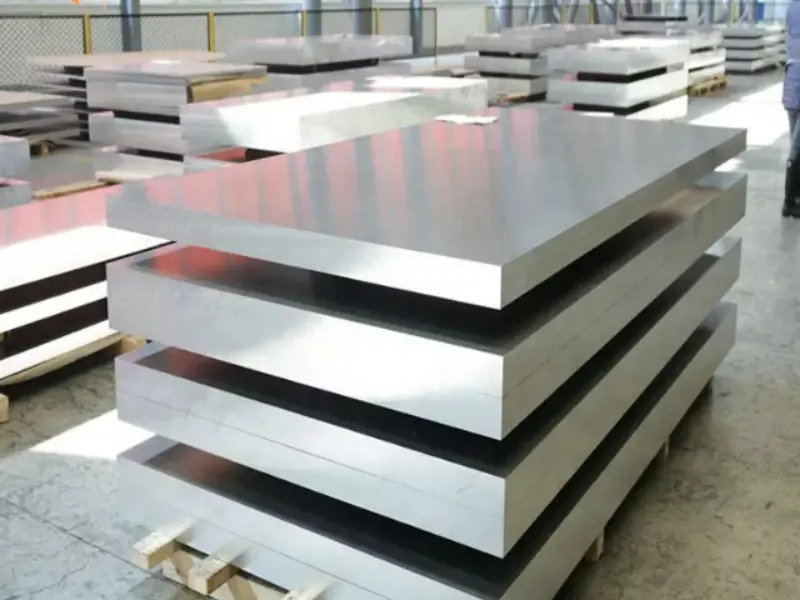
Thickness affects weight, stiffness, material cost, and machining requirements.
| Nominal Thickness | Metric Equivalent | General Consideration |
|---|---|---|
| 1/4 inch | 6.35 mm | Moderate thickness for many fabricated parts |
| 3/8 inch | 9.525 mm | Greater thickness and weight |
| 1/2 inch | 12.70 mm | Heavier plate for applications needing more section thickness |
A thicker plate is not always the best choice. It may add unnecessary weight and cost.
A 1/4 inch plate may work well for one mounting plate but be unsuitable for another component with a long unsupported span. Consider the applied load, plate dimensions, mounting method, and allowable deflection.
What Affects the Price of 1/4 Inch Aluminum Plate?
The price of aluminum plate varies by market, alloy, size, supplier, and processing requirements. There is no single price that applies to every order.
Alloy and Temper
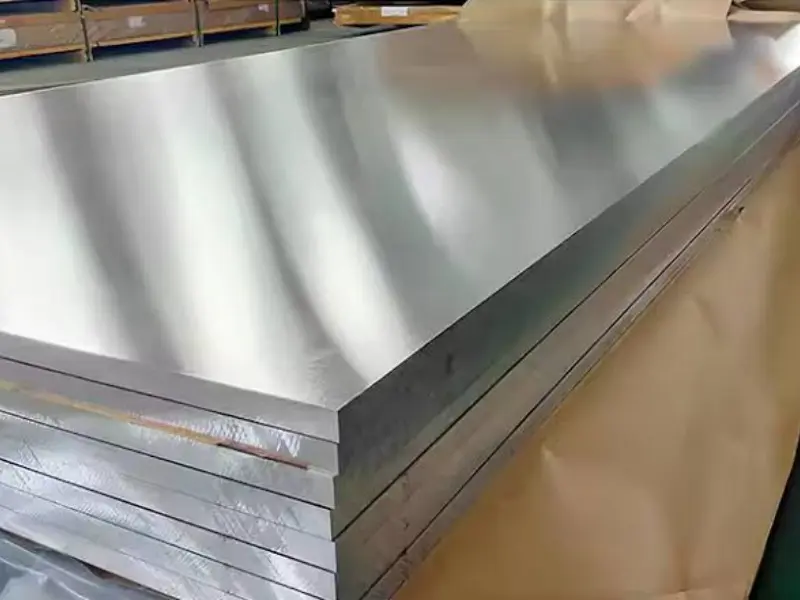
Different alloys and tempers have different material and processing requirements. A 6061-T6 plate and a 5052-H32 plate may not have the same price or availability.
Plate Size and Order Quantity
Larger plates require more material. However, larger orders may qualify for different pricing depending on production, stock, and logistics.
For cut pieces, suppliers may also charge for cutting, handling, and material waste.
Surface Finish and Cutting
A standard mill finish is different from a polished or anodized finish. CNC machining, drilling, edge finishing, and custom cutting can increase the final price.
Shipping and Handling
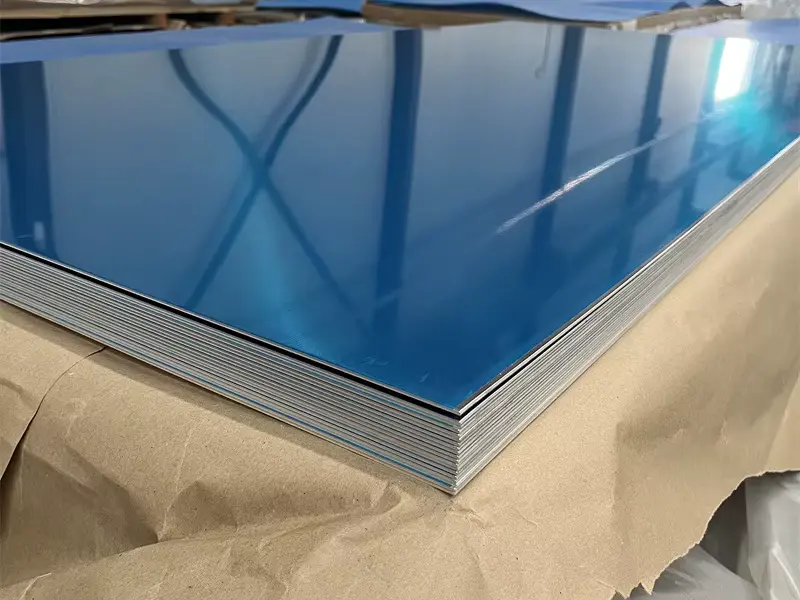
Aluminum plate is relatively light compared with steel, but large plates still require suitable packaging and transportation.
When comparing quotations, review the full delivered cost rather than the material price alone.
| Cost Factor | Questions to Ask |
|---|---|
| Material | Which alloy and temper are included? |
| Thickness | Is the thickness nominal or a specified tolerance? |
| Dimensions | Are the quoted dimensions exact? |
| Cutting | Is cutting included in the price? |
| Finish | Is the surface finish included? |
| Quantity | Is there a minimum order quantity? |
| Freight | Is delivery included or quoted separately? |
| Documentation | Are inspection documents available if required? |
How to Choose a Reliable Aluminum Plate Supplier
A good supplier should understand your application and provide clear product information.
Before placing an order, consider the following points.
- Confirm the alloy: Make sure the alloy matches the mechanical and corrosion requirements of your project.
- Check the temper: Temper affects strength, formability, and other properties.
- Verify dimensions: Confirm thickness, width, length, and applicable tolerances.
- Ask about stock: Do not assume that a product listed online is available for immediate shipment.
- Review cutting capability: Check whether the supplier can provide the required finished dimensions.
- Request documentation: For engineering or regulated applications, ask about mill test certificates, inspection reports, and traceability.
- Compare the delivered price: Include cutting, packaging, freight, and other charges.
- Check repeat-order consistency: For ongoing production, confirm that the supplier can meet your specifications over time.
For international orders, also confirm packaging, export documentation, payment terms, lead time, and the agreed shipping terms.
Request a Quote for 1/4 Inch Aluminum Plate
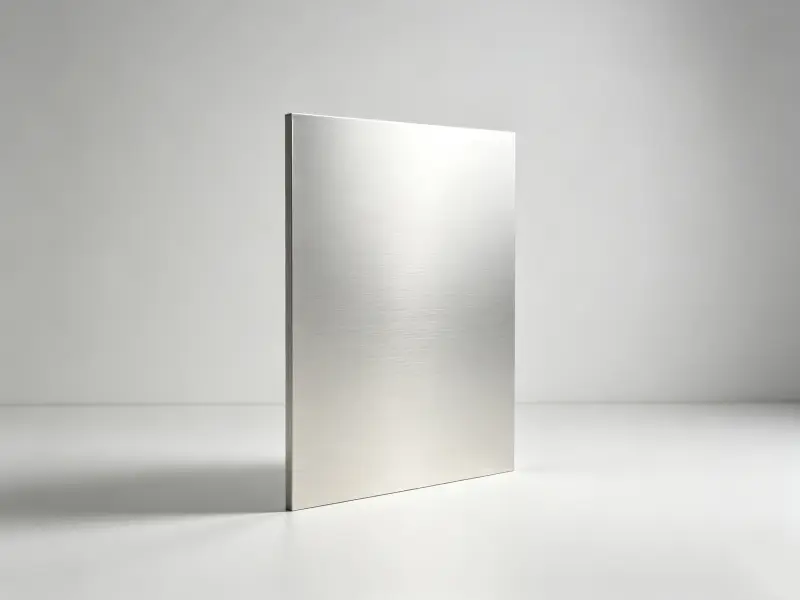
If you cannot find the required plate locally, you can also request a quotation from an aluminum plate manufacturer or exporter.
Providing clear specifications helps the supplier recommend a suitable product and prepare an accurate offer.
| Information Needed | Example |
|---|---|
| Product | Aluminum plate |
| Thickness | 1/4 inch / 6.35 mm |
| Alloy | 5052 or 6061 |
| Temper | H32 or T6, as applicable |
| Plate size | 24 × 48 inches |
| Surface finish | Mill finish |
| Quantity | 10 pieces |
| Cutting | Cut to size |
| Application | Machine parts |
| Destination | City, state, or country |
The values above are examples only. Select the alloy, temper, and dimensions that match your actual requirements.
If you are not sure which alloy to choose, describe the working environment, expected load, fabrication method, and final use. A qualified supplier can help you compare suitable options.
Frequently Asked Questions About 1/4 Inch Aluminum Plate Near Me


How thick is 1/4 inch aluminum plate?
A nominal 1/4 inch aluminum plate is 0.250 inches thick, equal to 6.35 mm. The actual supplied thickness depends on the applicable product specification and tolerance.
Where can I buy 1/4 inch aluminum plate near me?
You can check local metal supply stores, aluminum distributors, and metal fabrication shops. Contact them before visiting to confirm the alloy, size, quantity, and cutting services available.
Can I order 1/4 inch aluminum plate cut to size?
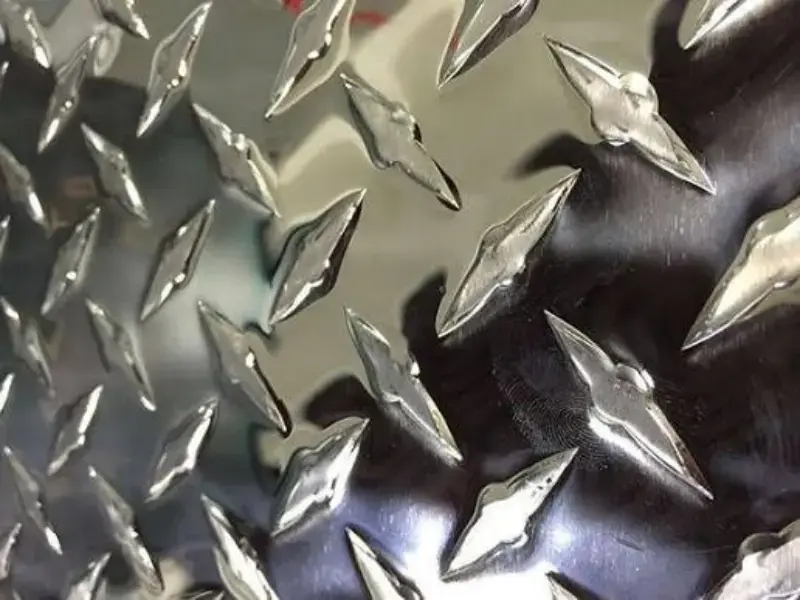
Many metal suppliers offer cut-to-size services. Available methods may include saw cutting, waterjet cutting, and CNC machining. Ask about dimensional tolerances and additional charges.
Which alloy is best for 1/4 inch aluminum plate?
There is no single best alloy for every application. 5052 is often considered for corrosion resistance and fabrication, while 6061-T6 is commonly used for machined parts and many structural components. Marine applications may require a suitable alloy such as 5083. The final choice depends on design requirements.
Is 1/4 inch aluminum plate strong enough for a machine base?
It depends on the machine weight, load distribution, plate dimensions, support spacing, and mounting method. The alloy and temper also matter. Check the design requirements before selecting the plate thickness.
Is 1/4 inch aluminum plate suitable for outdoor use?
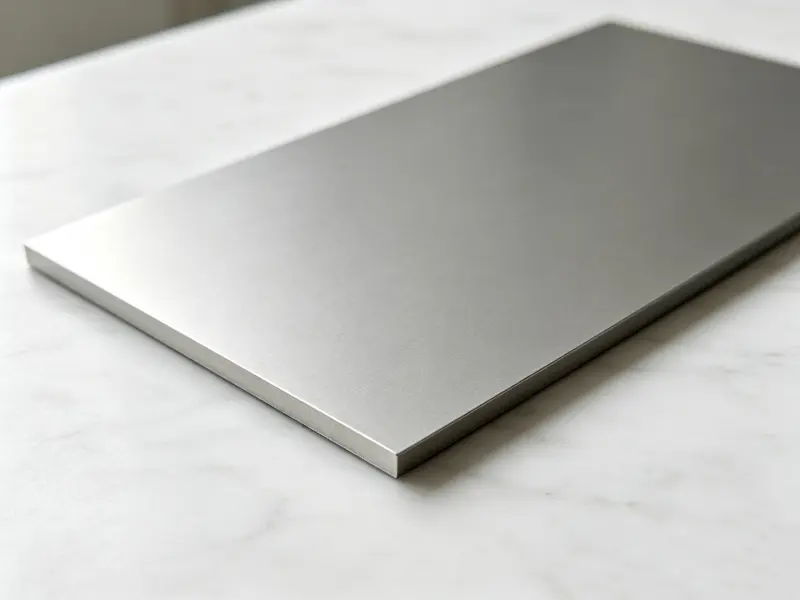
Some aluminum alloys perform well outdoors, but suitability depends on the environment and application. Consider moisture, salt exposure, dissimilar-metal contact, surface treatment, and maintenance requirements.
What is the difference between aluminum plate and aluminum tread plate?
Flat aluminum plate has a relatively smooth surface. Tread plate has a raised pattern that may provide additional traction. Confirm the base-metal thickness when ordering tread plate because the raised pattern affects overall thickness.
How much does a 4 × 8 sheet of 1/4 inch aluminum weigh?
Using a nominal thickness of 0.250 inches and an assumed aluminum density of 2.70 g/cm³, a 4 × 8 foot plate weighs approximately 141.7 pounds. The actual weight can vary with alloy, thickness tolerance, and dimensions.
Can 6 mm aluminum plate replace 1/4 inch aluminum plate?

Not automatically. Six millimeters is 0.35 mm thinner than 1/4 inch. The replacement must meet the project’s dimensional, strength, and design requirements.
Is it cheaper to buy locally or directly from a manufacturer?
Local suppliers may be convenient for small quantities and immediate pickup. Manufacturers may be worth comparing for larger orders, custom specifications, and repeat purchases. Compare the total delivered cost, including cutting, packaging, and freight.
What information should I provide when requesting a quotation?
Provide the thickness, alloy, temper, dimensions, quantity, surface finish, cutting requirements, and delivery location. If the plate will be used for a specific engineering application, include the relevant drawing or material standard.
Find the Right 1/4 Inch Aluminum Plate for Your Project
Choosing the right 1/4 inch aluminum plate starts with the correct thickness, alloy, temper, and dimensions. A local metal supplier may be the best option for a small project, while a manufacturer may offer more flexibility for larger or repeat orders.
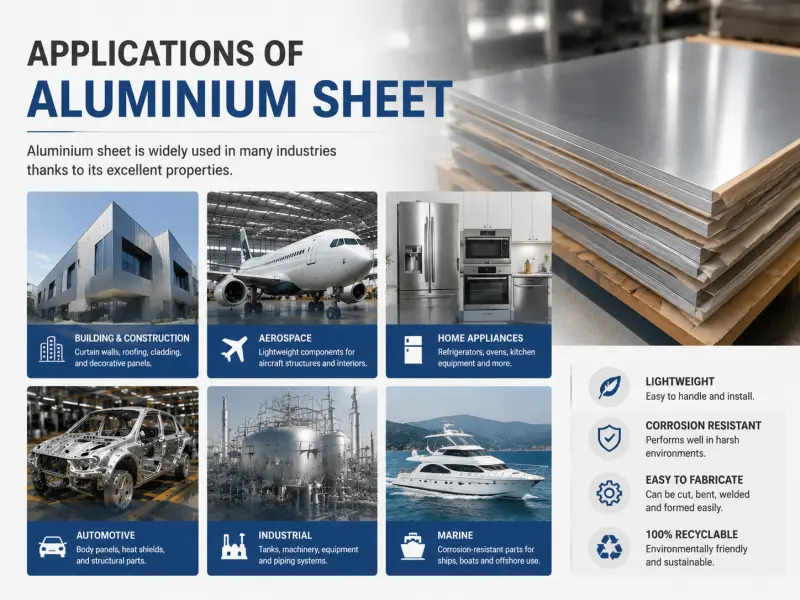
Before purchasing, confirm the actual thickness, surface condition, available sizes, and delivery time. If the plate will carry a load or form part of a machine or structure, verify that the selected material meets the engineering requirements.
Need 1/4 inch aluminum plate in a custom size? Prepare your required alloy, temper, dimensions, quantity, and delivery location. These details will help a supplier provide a more accurate quotation and recommend a suitable product.
Error: Contact form not found.