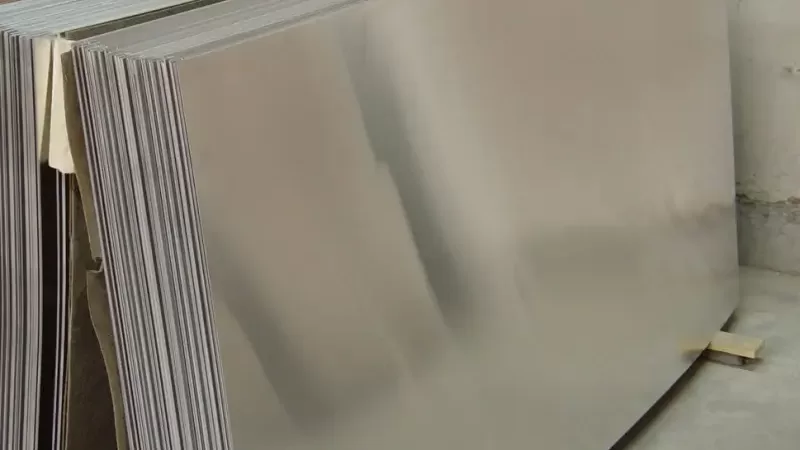
When searching for aluminium sheet price per sq ft, many buyers want clear details about thickness, alloy types, and packaging options. Aluminium sheets are widely used in construction, decoration, automotive, and industrial projects because of their light weight, corrosion resistance, and cost-effectiveness. The price per square foot usually depends on alloy grade, thickness, surface finish, and market conditions.
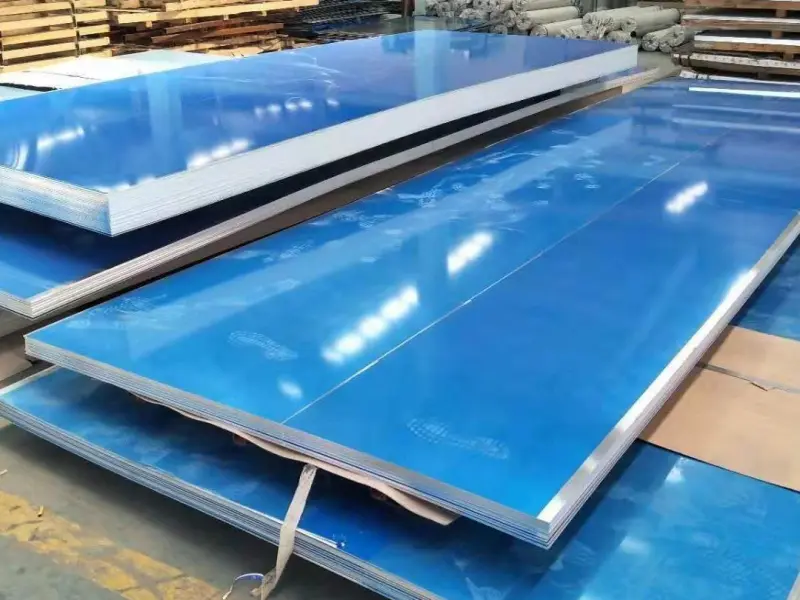
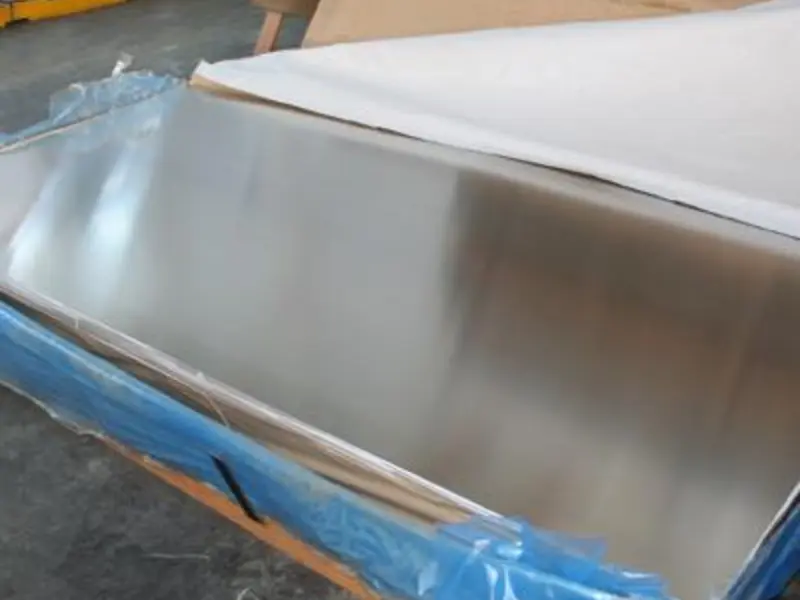
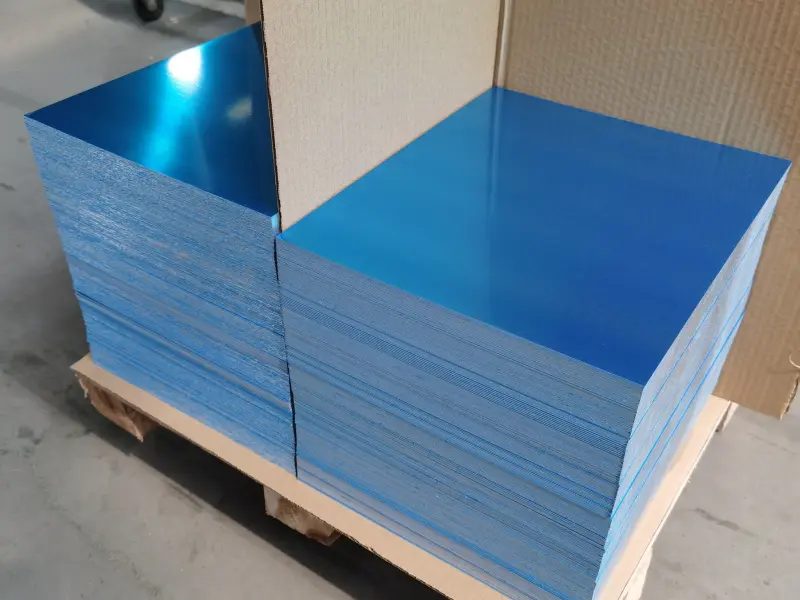
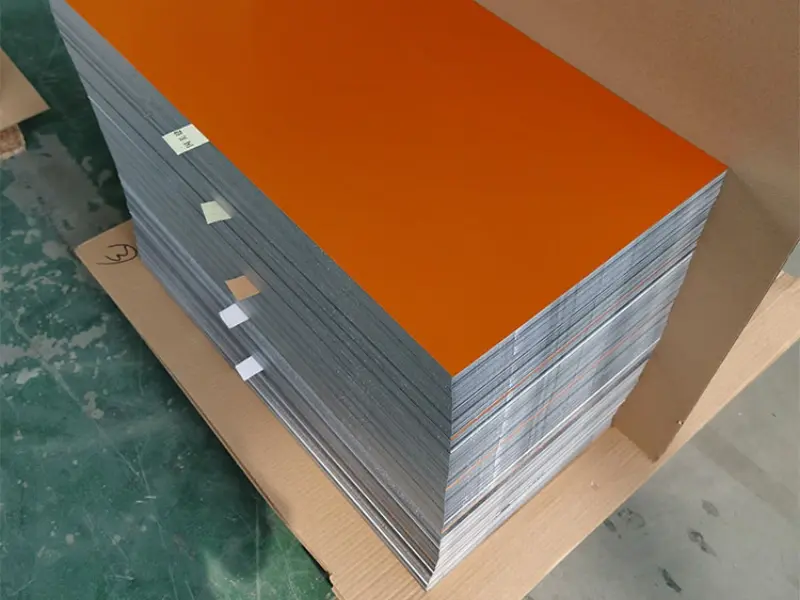
Classification of Aluminium Sheets
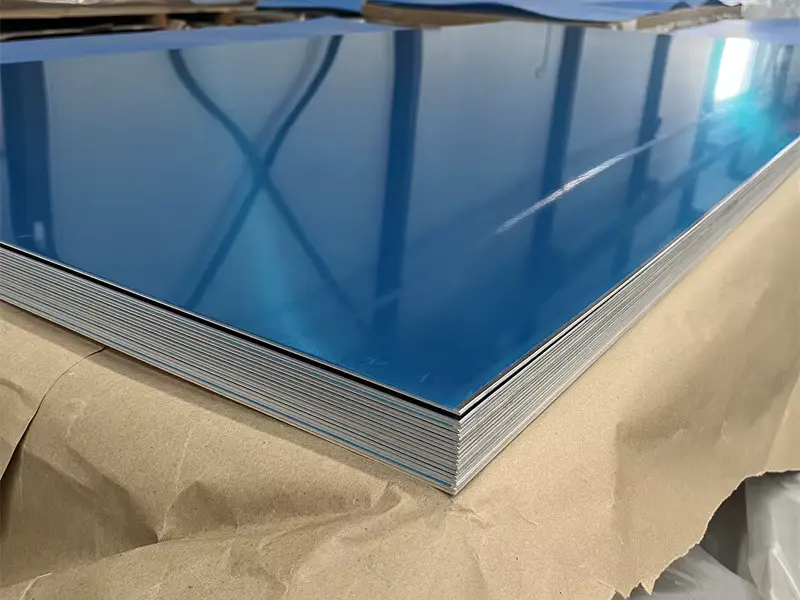
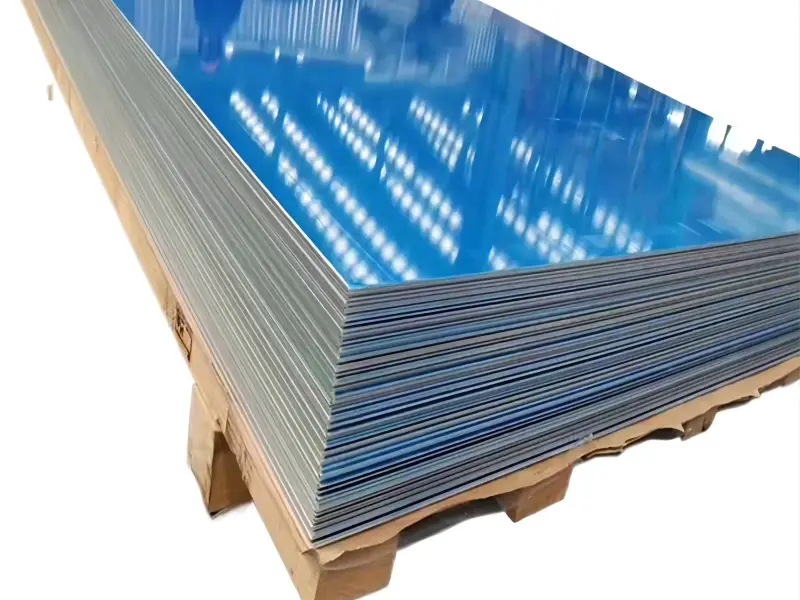
| Classification | Description | Common Use Cases |
|---|---|---|
| Plain Aluminium Sheet | Smooth surface, easy to cut and bend | Roofing, wall panels, cladding |
| Anodized Sheet | Surface treated, anti-corrosion finish | Decorative panels, signage, kitchen use |
| Embossed Sheet | Textured pattern for anti-slip | Flooring, wall protection, insulation |
| Coated Sheet | Painted or color-coated surface | Advertising boards, interior decoration |
Thickness Options
| Thickness (mm) | Price Impact | Suggested Applications |
|---|---|---|
| 0.5 – 1.0 mm | Lower price per sq ft | Signage, cladding, lightweight panels |
| 1.0 – 2.0 mm | Medium price | Roofing, automotive, building panels |
| 2.0 – 3.0 mm | Higher price | Industrial flooring, kitchen equipment |
| 3.0 – 6.0 mm | Premium price | Heavy-duty structures, aerospace use |
Note: The price per sq ft increases as thickness goes up.
Common Alloys for Aluminium Sheets
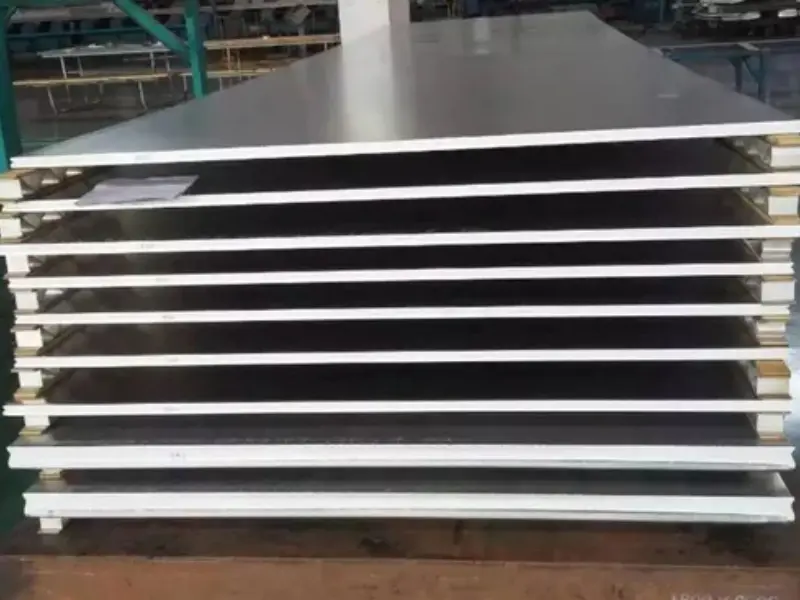
| Alloy | Features | Typical Applications |
|---|---|---|
| 1100 | Excellent corrosion resistance, soft metal | Roofing, siding, utensils |
| 3003 | Better strength, anti-rust, workable | Construction, kitchen panels |
| 5052 | High corrosion resistance, marine-grade | Boat panels, tanks, marine equipment |
| 6061 | Strong, heat-treatable, durable | Aerospace, automotive, structural use |
Packaging of Aluminium Sheets
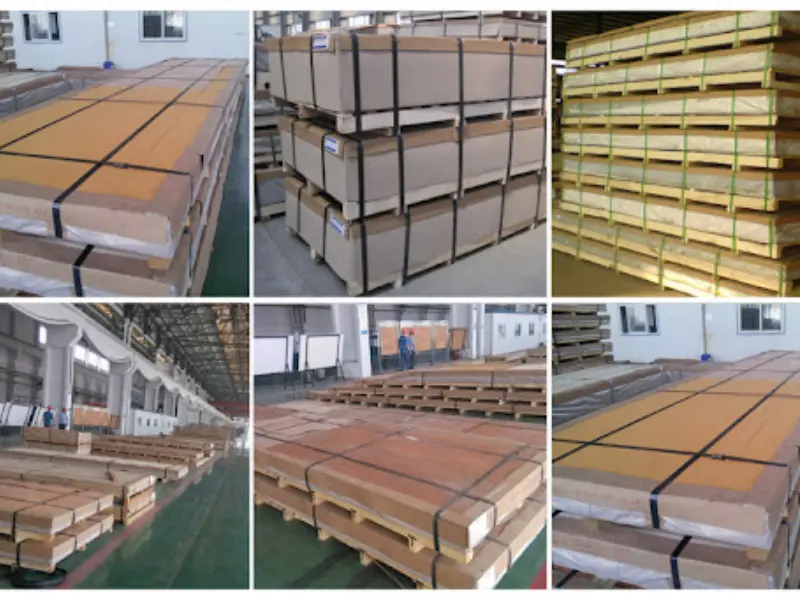
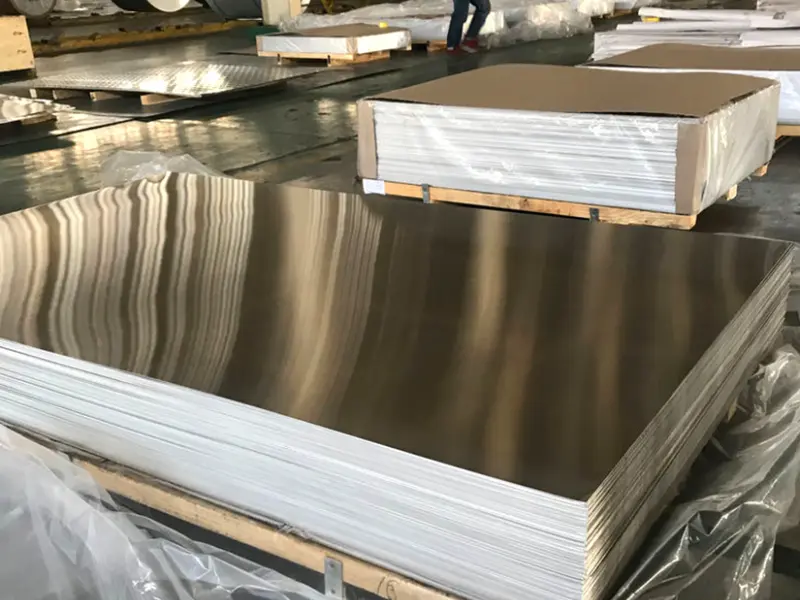
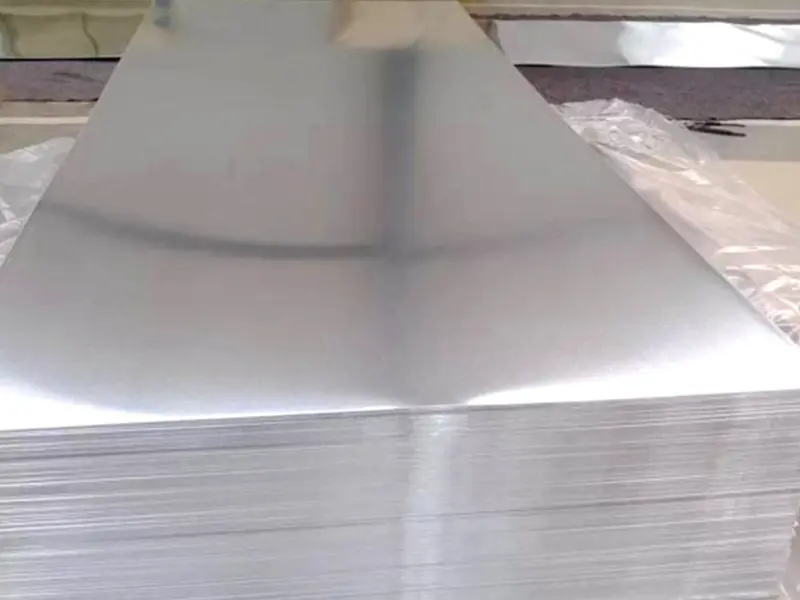
To maintain quality during transport and storage, aluminium sheets are usually packed as follows:
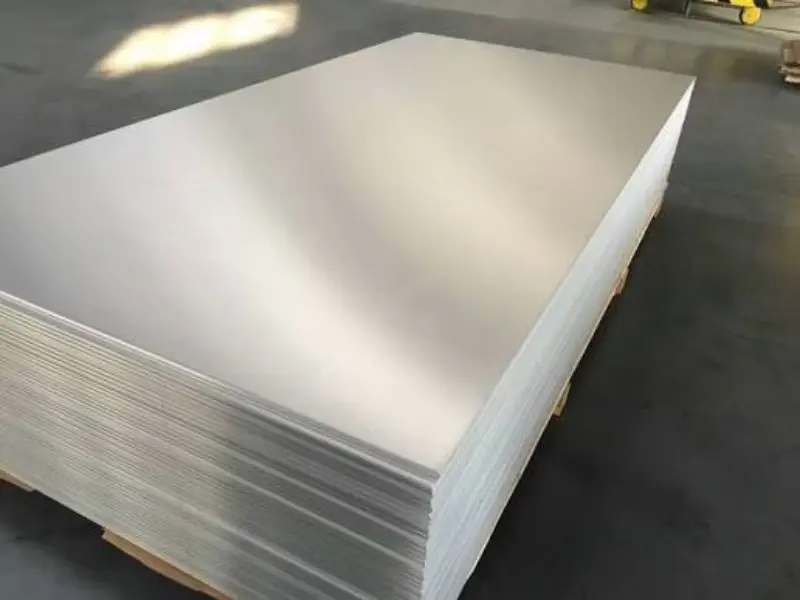
- Protective film on the sheet surface to avoid scratches
- Kraft paper or waterproof paper between sheets
- Wooden pallets or wooden cases for export packaging
- Straps and steel bands for secure handling
- Customized packaging available on request
Factors Affecting Aluminium Sheet Price per Sq Ft
Several key factors influence the price per square foot:
- Alloy type (higher grades like 6061 cost more than 1100)
- Thickness and size (thicker sheets = higher price per sq ft)
- Surface treatment (anodized or coated sheets cost more)
- Market demand and supply (aluminium ingot price trends)
- Order quantity (bulk orders may lower unit price)
Applications of Aluminium Sheets
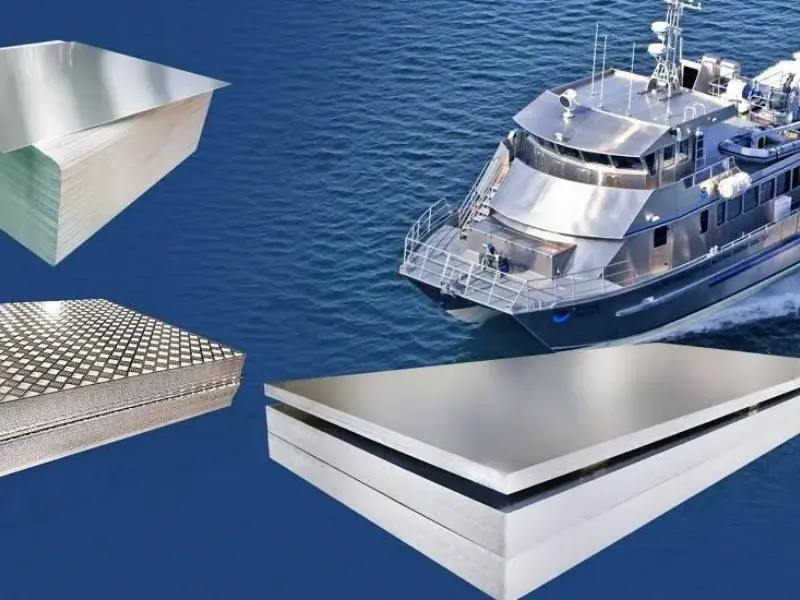
Aluminium sheets are used across multiple industries thanks to their lightweight and durability.
- Construction & Architecture
- Roofing sheets
- Wall cladding
- Ceilings and decorative panels
- Transportation
- Automotive body panels
- Truck trailer flooring
- Aerospace structural parts
- Industrial & Manufacturing
- Machinery parts
- Storage tanks
- Packaging industry
- Household & Commercial Use
- Kitchen utensils
- Appliances
- Signage and advertisement boards
Sample Aluminium Sheet Price per Sq Ft (Reference Only)
| Thickness (mm) | Alloy | Estimated Price per Sq Ft (USD) |
|---|---|---|
| 0.8 mm | 1100 | $1.50 – $2.00 |
| 1.5 mm | 3003 | $2.20 – $2.80 |
| 2.0 mm | 5052 | $3.50 – $4.20 |
| 3.0 mm | 6061 | $4.80 – $6.00 |
Note: Prices vary by region, supplier, and market.
Price by Alloy Type (per sq ft for 1.0mm thickness)
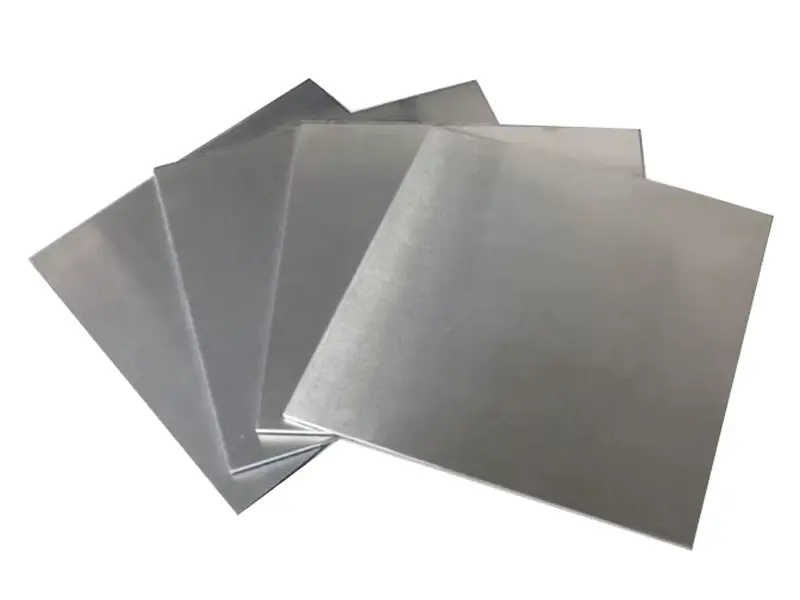
| Alloy | Characteristics | Price Range ($/sq ft) |
|---|---|---|
| 1100 | Pure aluminium, soft | $2.00 – $3.00 |
| 3003 | Manganese added, general purpose | $2.50 – $3.50 |
| 5052 | Magnesium added, marine grade | $3.00 – $4.50 |
| 6061 | Structural, heat-treatable | $3.50 – $5.00 |
| 7075 | Aerospace grade, very strong | $6.00 – $9.00 |
Advantages of Buying Aluminium Sheets
- Lightweight but strong
- Rust-proof and weather-resistant
- Easy to cut, bend, and weld
- Long service life
- 100% recyclable and eco-friendly
Tips for Buying Aluminium Sheets
To get the best value for your money:
- Compare quotes from multiple suppliers.
- Consider buying in bulk to reduce the price per sq ft.
- Choose the right alloy and thickness for your project to avoid over- or under-specifying.
- Check for supplier certifications (e.g., ISO) to ensure quality.
Aluminium Sheet Price per Sq Ft
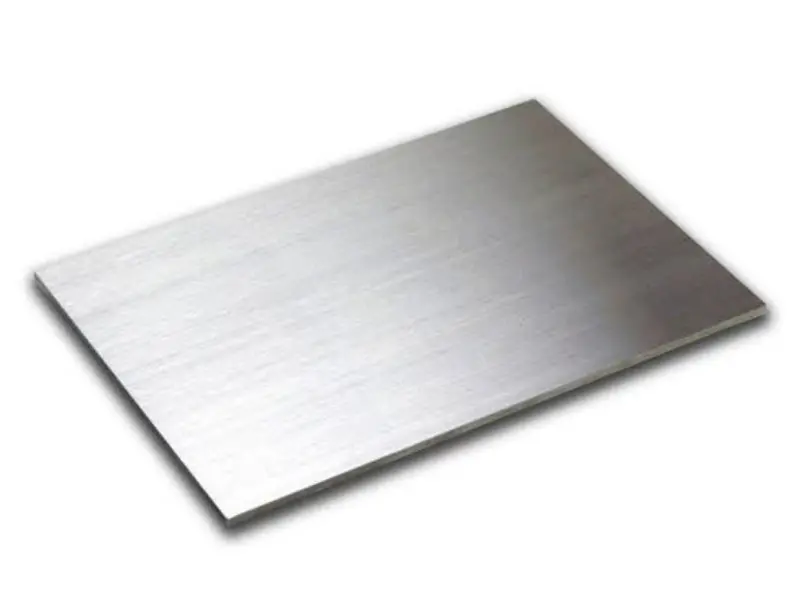
The price of aluminium sheet per sq ft depends on several factors. These include alloy, thickness, temper, surface finish, order quantity, and supplier location. A thin aluminium sheet for decoration usually costs less per square foot than a thick plate used for industrial machining.
Buyers also need to consider the difference between the raw material price and the final delivered cost. Cutting, protective film, surface treatment, packaging, and shipping can increase the total order value.
If you are comparing aluminium sheet prices per square foot, start by identifying the alloy, thickness, size, and intended application. This makes supplier quotations easier to compare.
How Much Does Aluminium Sheet Cost per Sq Ft?
There is no single price for every aluminium sheet. The cost changes with market conditions, material specifications, order size, and processing requirements.
For example, a standard mill-finish 1050 aluminium sheet may have a different price from a 5052-H32 sheet or a coated 3003 aluminium sheet. A custom-cut sheet may also cost more per square foot than standard stock.
Main Factors That Affect Aluminium Sheet Price
| Pricing factor | How it affects cost |
|---|---|
| Alloy | Different alloys have different material and production costs |
| Thickness | Thicker sheets use more aluminium per square foot |
| Temper | Heat treatment or work hardening can affect processing cost |
| Surface finish | Anodizing, coating, polishing, and brushing may add cost |
| Sheet dimensions | Custom sizes may require additional cutting |
| Order quantity | Larger orders may receive better unit pricing |
| Packaging | Protective film and export packaging can add cost |
| Delivery location | Freight, handling, and import charges affect the final cost |
Why Prices Differ Between Suppliers
Two suppliers may quote different prices for products described as aluminium sheet. Their products may have different thickness tolerances, alloys, tempers, surface conditions, or quality requirements.
Before comparing prices, check that both quotations cover the same specification.
A useful quotation should identify:
- Aluminium alloy and temper
- Nominal thickness
- Width and length
- Surface finish
- Quantity
- Applicable material standard
- Cutting and packaging requirements
- Delivery terms and destination
Tip: Compare the total cost for the same usable area, not just the price of one sheet or one kilogram of aluminium.
Aluminium Sheet Price per Square Foot by Thickness
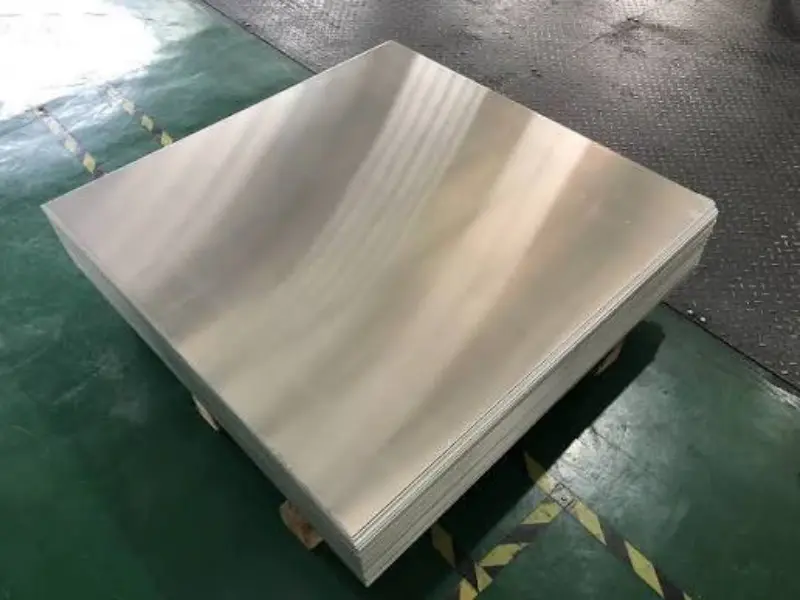
Thickness is one of the main factors affecting the price per square foot. A thicker sheet contains more aluminium in the same area.
The table below shows common thicknesses and their approximate weights per square foot. These figures use an assumed aluminium density of 2.70 g/cm³.
| Thickness | Approx. thickness in inches | Approx. weight per sq ft |
|---|---|---|
| 0.3 mm | 0.012 in | 0.18 lb |
| 0.5 mm | 0.020 in | 0.30 lb |
| 0.8 mm | 0.031 in | 0.48 lb |
| 1.0 mm | 0.039 in | 0.60 lb |
| 1.2 mm | 0.047 in | 0.72 lb |
| 1.5 mm | 0.059 in | 0.90 lb |
| 2.0 mm | 0.079 in | 1.19 lb |
| 3.0 mm | 0.118 in | 1.79 lb |
| 4.0 mm | 0.157 in | 2.39 lb |
| 6.0 mm | 0.236 in | 3.58 lb |
| 8.0 mm | 0.315 in | 4.78 lb |
| 10 mm | 0.394 in | 5.97 lb |
Actual weight varies slightly with alloy, thickness tolerance, and sheet dimensions.
How Thickness Changes Material Cost
If the price per kilogram remains the same, the material cost per square foot rises approximately in proportion to thickness.
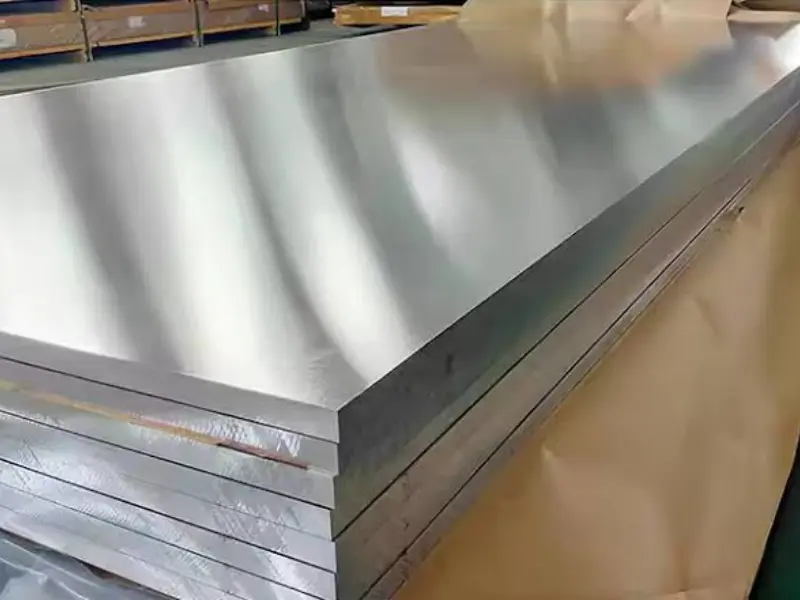
For example, a 2 mm aluminium sheet weighs about twice as much per square foot as a 1 mm sheet. The final selling price may not be exactly double because processing, cutting, packaging, and order quantity can also affect the quotation.
When selecting thickness, consider the load, stiffness, forming requirements, and installation method. Choosing a thicker sheet than necessary can increase both material cost and shipping weight.
How to Calculate Aluminium Sheet Price per Sq Ft
You can estimate the cost per square foot from the price per kilogram, the sheet thickness, and the processing charges.
For a flat aluminium sheet, a useful estimate is:
Weight per sq ft (lb) ≈ Thickness (mm) × 0.597
Then:
Material cost per sq ft = Weight per sq ft × Price per lb
If the supplier quotes in kilograms, convert the unit price before calculating. One kilogram is approximately 2.20462 pounds.
Example of Aluminium Sheet Cost Calculation
Suppose a supplier offers 2 mm aluminium sheet at $3.00 per pound. This is an example for calculation only, not a current market quotation.
| Item | Calculation | Result |
|---|---|---|
| Thickness | Given | 2 mm |
| Approx. weight per sq ft | 2 × 0.597 | 1.194 lb |
| Example price per lb | Given | $3.00 |
| Material cost per sq ft | 1.194 × $3.00 | $3.58 |
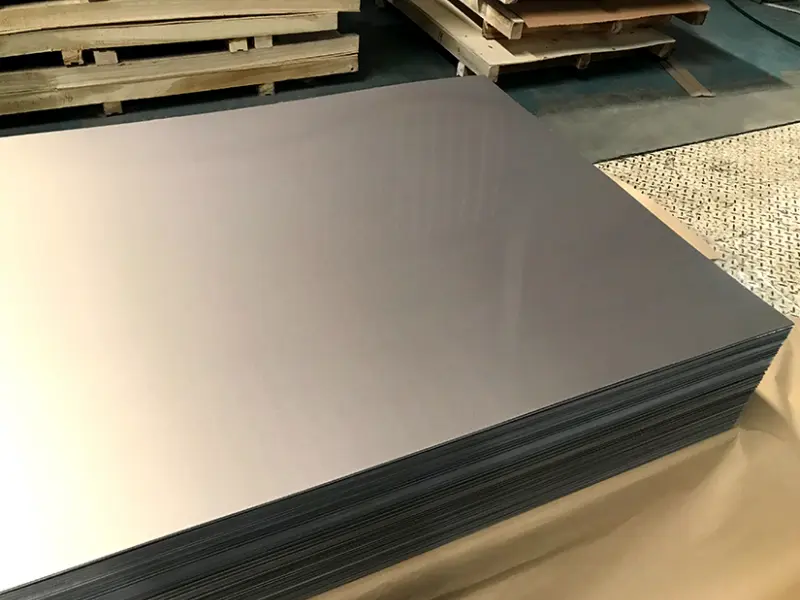
If cutting, packaging, and other charges add $0.50 per square foot, the estimated total becomes $4.08 per square foot before applicable freight, taxes, or import charges.
Actual supplier pricing may be higher or lower. Always request a current quotation for the required alloy, temper, and quantity.
Converting Price per Kilogram to Price per Square Foot
Use this formula when a supplier quotes aluminium sheet by weight:
Material cost per sq ft = Weight per sq ft (kg) × Price per kg
For aluminium with a density of about 2.70 g/cm³:
Weight per sq ft (kg) ≈ Thickness (mm) × 0.2787
For example, a 3 mm sheet weighs approximately 0.836 kg per square foot.
If the quoted material price is $5.00 per kilogram, the estimated raw material cost is:
0.836 × $5.00 = about $4.18 per sq ft
This estimate excludes processing, packaging, freight, taxes, and other charges.
Aluminium Sheet Price per Sq Ft by Alloy
Aluminium alloys are designed for different uses. Some are chosen for formability, while others offer higher strength or better corrosion resistance.
The alloy can affect the price, but the final cost also depends on thickness, temper, finish, and availability.
1050 and 1060 Aluminium Sheet
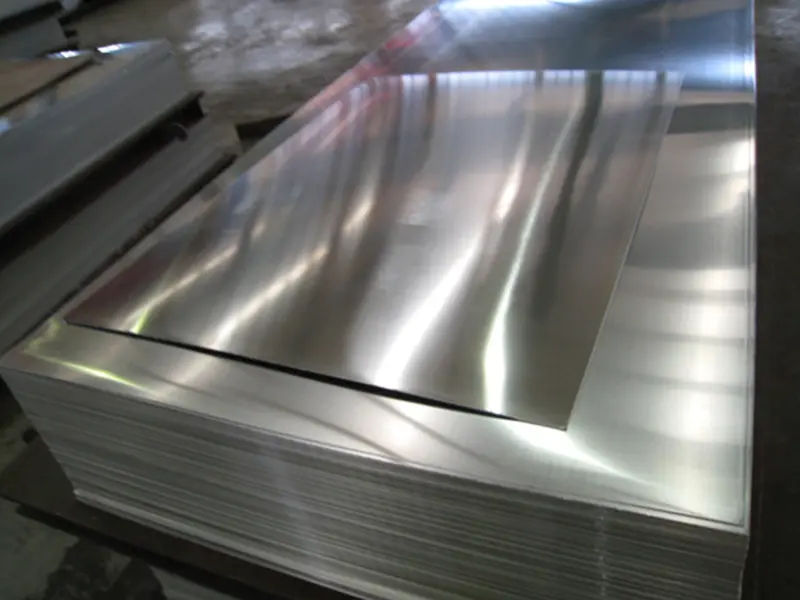
1050 and 1060 are commercially pure aluminium grades with high aluminium content. They offer good formability and electrical or thermal conductivity for suitable applications.
They are commonly available in softer and work-hardened tempers, depending on the product.
Typical applications include:
- General-purpose sheet fabrication
- Reflective panels
- Electrical components
- Heat-transfer parts
- Decorative products
- Selected chemical and industrial equipment
For buyers who need a straightforward aluminium sheet for forming or general use, 1050 and 1060 are useful grades to compare.
1100 Aluminium Sheet
1100 aluminium sheet is another commercially pure grade. It offers good formability and corrosion resistance in many environments.
Common uses include:
- General sheet-metal work
- Equipment covers
- Reflectors
- Decorative components
- Heat exchangers
- Industrial panels
When comparing the price of 1100 sheet with 1050 or 1060, check the required standard and mechanical properties rather than assuming the grades are interchangeable.
3003 Aluminium Sheet
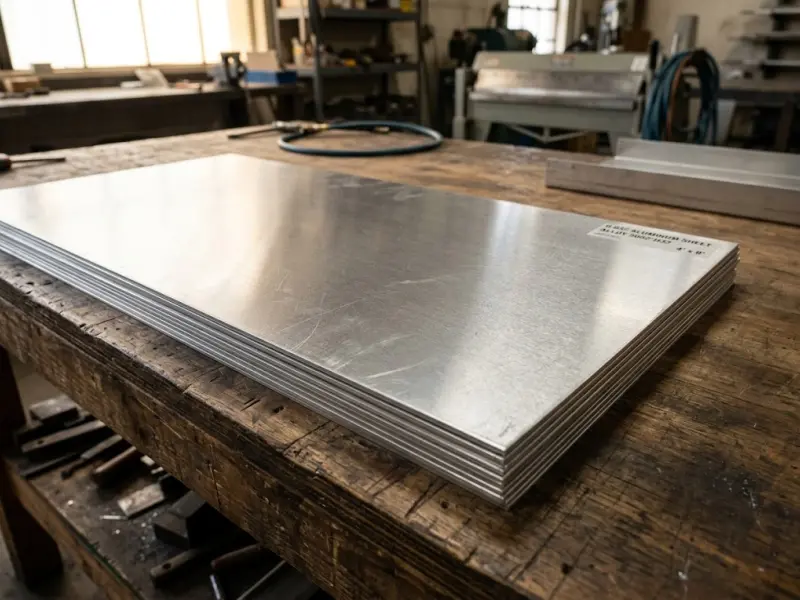
3003 aluminium contains manganese and is commonly used for general fabrication. It offers better strength than commercially pure grades in many product conditions while retaining good formability.
Applications include:
- Roofing and cladding
- General industrial panels
- HVAC components
- Tanks and containers
- Kitchen equipment
- Embossed and decorative sheet products
3003 aluminium sheet is worth considering when the project needs a practical balance of strength, formability, and corrosion resistance.
5052 Aluminium Sheet
5052 aluminium is a magnesium-alloyed grade known for good corrosion resistance and formability. It is often selected for applications exposed to moisture or demanding service environments.
Typical uses include:
- Marine panels
- Vehicle body components
- Fuel tanks and containers
- Industrial enclosures
- Equipment covers
- Fabricated sheet-metal parts
The price per square foot depends on temper and thickness. Compare 5052-H32 with the same product specification when evaluating supplier quotations.
6061 Aluminium Plate and Sheet
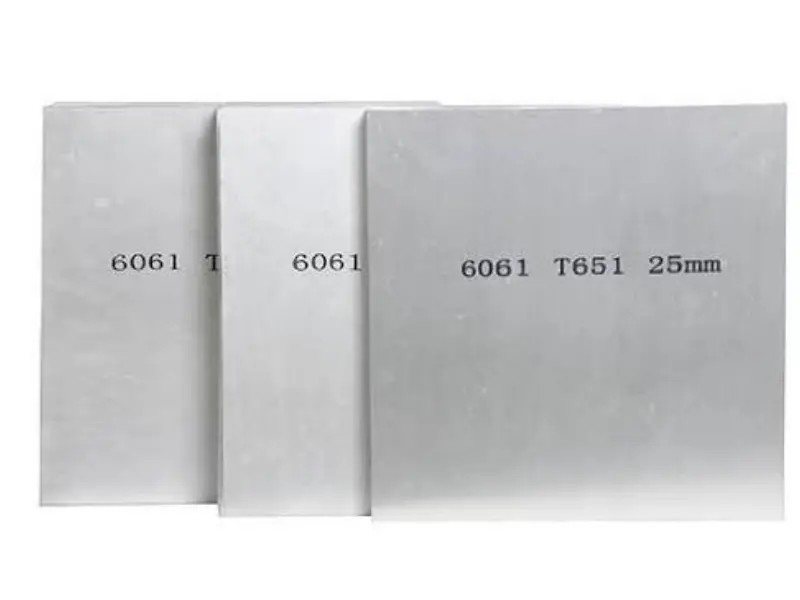
6061 aluminium contains magnesium and silicon. It is heat-treatable and offers a useful balance of strength, machinability, and corrosion resistance.
It is often supplied in plate form for machining and structural components.
Applications include:
- CNC-machined parts
- Machine fixtures
- Structural brackets
- Equipment supports
- Transportation components
- Tooling plates
For thicker 6061 products, check whether the supplier classifies the product as sheet or plate under the relevant standard.
Alloy Comparison Table
| Alloy | Main advantage | Common applications |
|---|---|---|
| 1050 | High purity and formability | Reflectors and general sheet work |
| 1060 | High aluminium content | Electrical and thermal components |
| 1100 | Good formability | Industrial and decorative sheet products |
| 3003 | Practical strength and formability | Roofing, HVAC, tanks, and panels |
| 5052 | Good corrosion resistance | Marine, transport, and enclosures |
| 6061 | Strength and machinability | Structural parts and machining |
No alloy is the cheapest or best in every situation. Choose according to the application and compare prices for equivalent specifications.
Aluminium Sheet Price by Temper
Temper describes the material’s condition after processing. It affects strength, hardness, forming behavior, and other properties.
Common temper designations include O, H14, H24, H32, T4, and T6. Availability depends on the alloy.
| Temper | General description | Typical use |
|---|---|---|
| O | Annealed, relatively soft | Forming and deep drawing for suitable grades |
| H14 | Strain-hardened and partially annealed | General fabrication |
| H24 | Strain-hardened and partially annealed | Panels and fabricated products |
| H32 | Strain-hardened and stabilized | Selected 5xxx alloy applications |
| T4 | Solution heat-treated and naturally aged | Selected heat-treatable alloy applications |
| T6 | Solution heat-treated and artificially aged | Higher-strength applications |
These tempers are not interchangeable across all alloys. For example, 5052-H32 and 6061-T6 have different processing routes and properties.
When requesting a quotation, specify the full alloy and temper, such as 3003-H14, 5052-H32, or 6061-T6.
Aluminium Sheet Price by Surface Finish
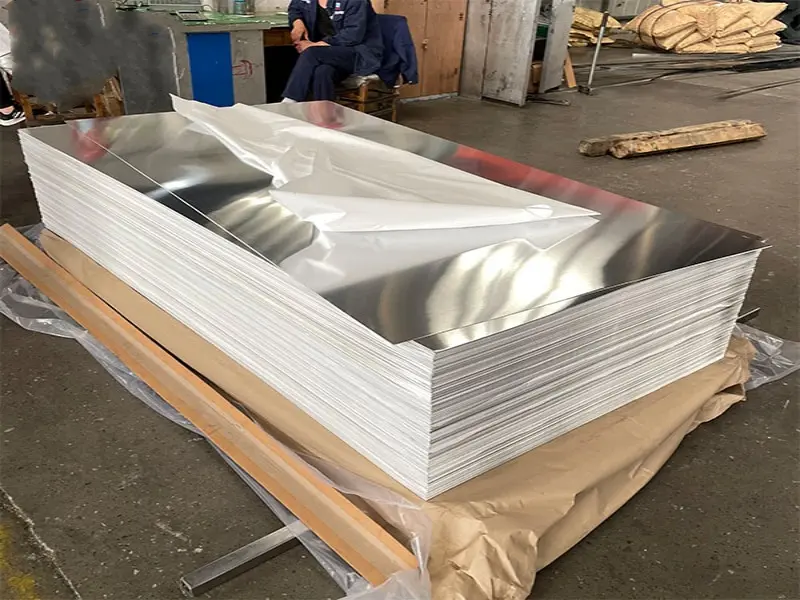
The surface finish can affect both appearance and price. Standard mill finish is often a practical option for industrial use, while decorative or protective finishes may require extra processing.
Mill-Finish Aluminium Sheet
Mill-finish sheet has the standard surface condition from rolling. It is often used where appearance is less important than material performance and fabrication.
Typical applications include:
- Industrial equipment
- General fabrication
- Machine components
- Hidden structural panels
- Parts that will receive further processing
Anodized Aluminium Sheet
Anodizing creates a controlled oxide layer on the aluminium surface. It can improve surface durability and provide decorative options, depending on the process.
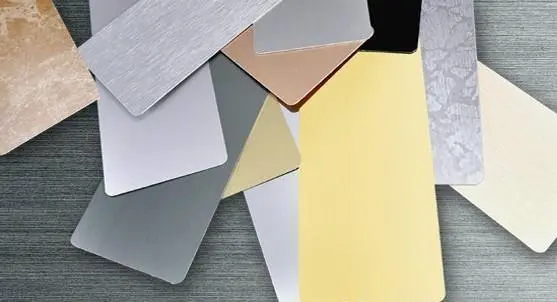
Applications include:
- Architectural panels
- Decorative components
- Equipment covers
- Signage
- Interior design products
Anodized products may cost more than comparable mill-finish sheet because of the additional treatment.
Painted or Coated Aluminium Sheet
Painted aluminium sheet may use polyester or PVDF coating systems, depending on the application and supplier.
Common uses include:
- Building cladding
- Roofing and siding
- Signage
- Decorative panels
- Equipment housings
The coating system, colour, thickness, and production method can all affect price.
Brushed and Polished Aluminium Sheet
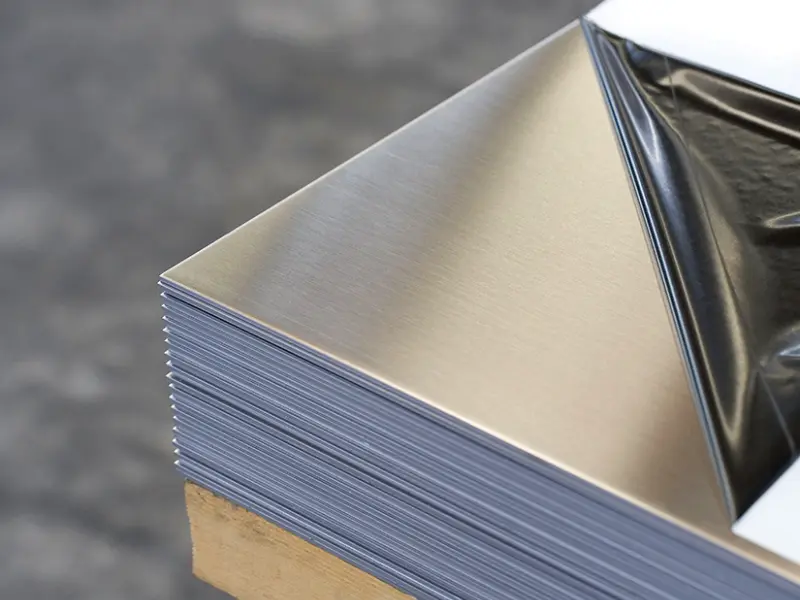
Brushed and polished finishes are often chosen for appearance. They may require additional surface preparation and careful packaging.
Applications include:
- Decorative interiors
- Furniture components
- Display panels
- Equipment covers
- Retail fixtures
Ask whether the quotation includes protective film and whether the finish is suitable for the final environment.
Aluminium Sheet Price per Sq Ft for Different Applications
The most suitable sheet depends on how it will be used. A low-cost material may not be the best option if it cannot meet the required strength, forming, or corrosion requirements.
Roofing and Building Cladding
Aluminium sheet is used in roofing, wall cladding, soffits, and architectural details. Common choices include 3003 and 3105, depending on the product design and market.
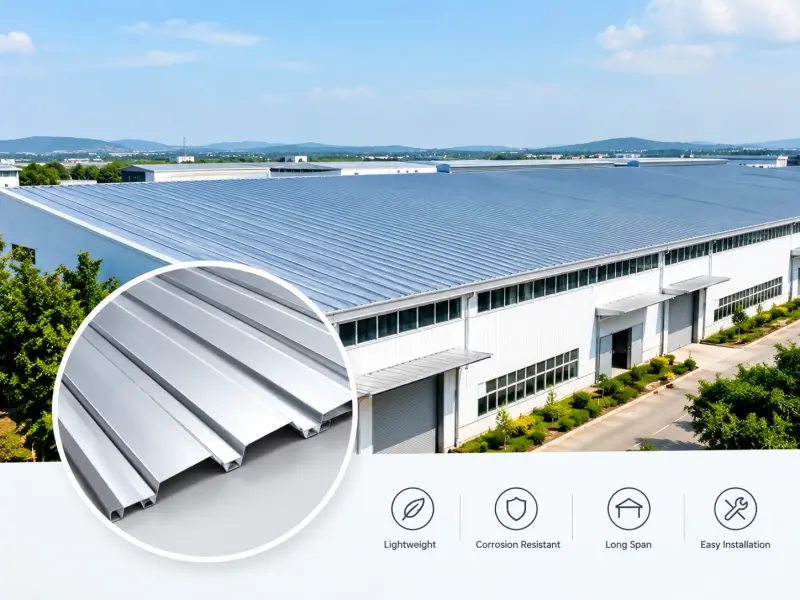
Applications include:
- Residential roofing
- Commercial building panels
- Wall cladding
- Gutters and flashing
- Canopies and awnings
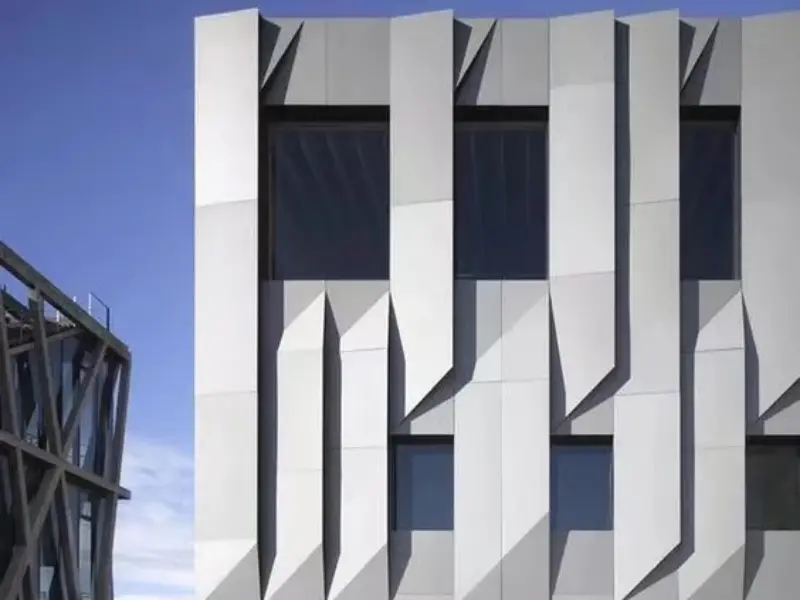
- Decorative facade components
For roofing, compare the alloy, temper, thickness, coating system, and profile. The cheapest sheet per square foot may not provide the best service life.
Transportation and Vehicle Manufacturing
Aluminium sheet can reduce weight in transportation products. The required alloy depends on forming, strength, and corrosion needs.
Applications include:
- Vehicle panels
- Trailer components
- Interior panels
- Equipment enclosures
- Transport containers
- Selected body and structural parts
For vehicle applications, material specifications should match the forming and structural requirements.
HVAC and Industrial Equipment
Aluminium sheet is used in many heating, ventilation, air-conditioning, and industrial systems.
Applications include:
- Duct components
- Equipment covers
- Heat-transfer parts
- Ventilation panels
- Insulation cladding
- Machine guards
1050, 1100, and 3003 may suit different applications. Check the required strength, formability, and surface condition.
Marine and Outdoor Equipment
For outdoor or marine applications, corrosion resistance is an important purchasing factor.
Applications include:
- Boat equipment panels
- Marine enclosures
- Outdoor equipment covers
- Storage components
- Selected transport parts
5052 or 5083 may be suitable for some marine requirements. The correct grade depends on exposure, design loads, fabrication, and applicable specifications.
Signage and Decorative Panels
Aluminium sheet is used for indoor and outdoor signs because it is lightweight and easy to fabricate.
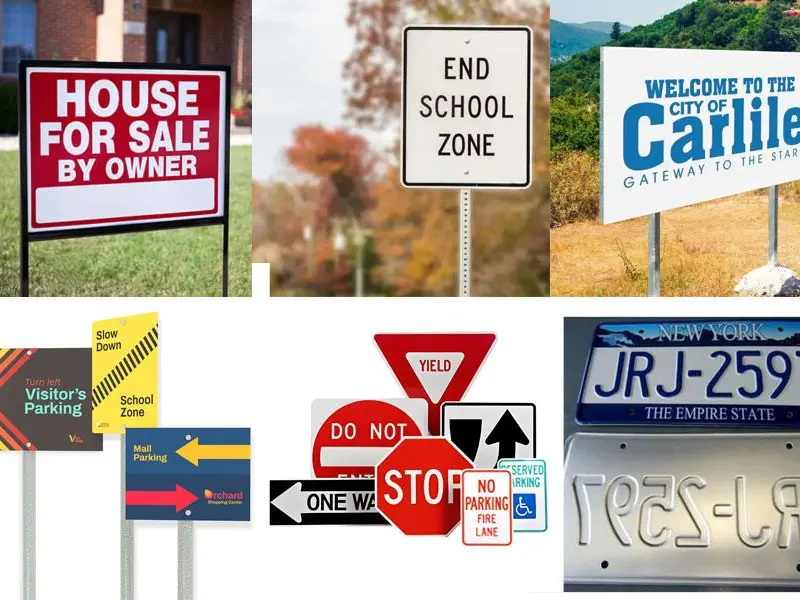
Applications include:
- Road signs
- Commercial signs
- Directional panels
- Advertising boards
- Display panels
- Decorative wall panels
The final cost may include coating, reflective film, cutting, drilling, or printing preparation. Compare the finished-product requirements, not only the raw sheet price.
Aluminium Sheet vs. Aluminium Plate: Price and Uses
The terms sheet and plate usually refer to different thickness ranges. The exact boundary depends on the applicable standard and industry.
| Feature | Aluminium Sheet | Aluminium Plate |
|---|---|---|
| Thickness | Generally thinner | Generally thicker |
| Weight per square foot | Lower at thinner gauges | Higher at greater thickness |
| Processing | Cutting, bending, and forming | Machining and heavier cutting |
| Typical uses | Panels, covers, roofing | Tooling, machine parts, structural components |
| Main pricing factor | Thickness, finish, and area | Thickness, alloy, machining needs |
If your project requires a thin panel, sheet may be more economical. If it needs a rigid, thick component, plate may be more appropriate.
Aluminium Sheet Price per Sq Ft vs. Price per Kg
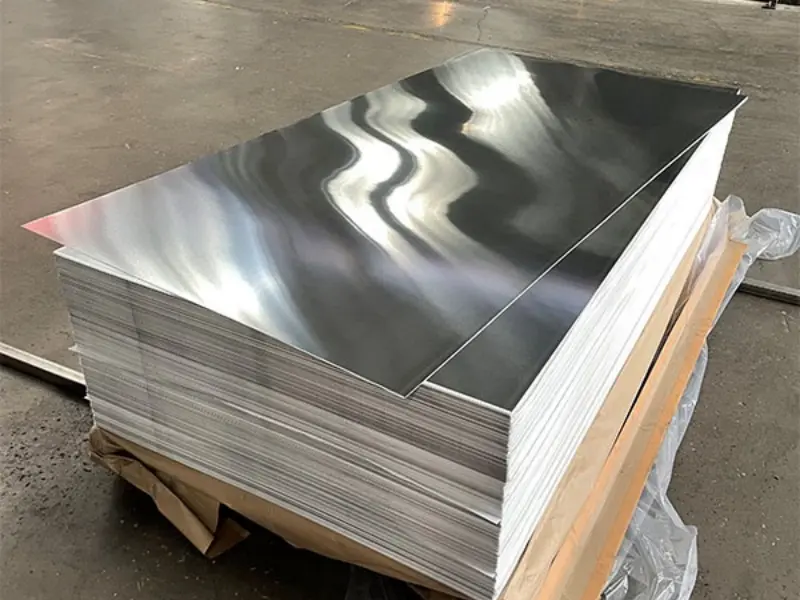
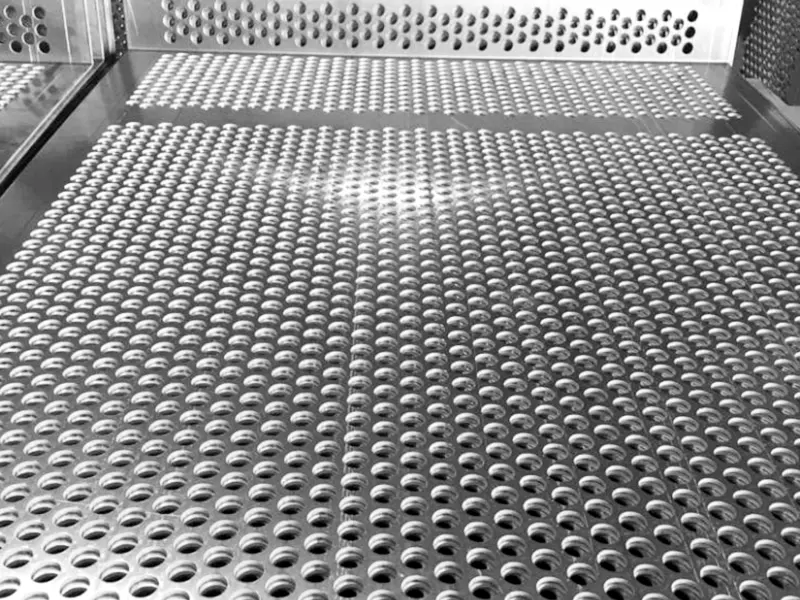
Suppliers may quote aluminium sheet by square foot, square metre, kilogram, or individual sheet. These pricing methods can be compared once the dimensions and thickness are known.
Converting Square Metres to Square Feet
- 1 square metre = approximately 10.764 square feet
- 1 square foot = approximately 0.0929 square metres
To convert a price per square metre to a price per square foot:
Price per sq ft = Price per sq m ÷ 10.764
For example, if a supplier quotes $20 per square metre, the equivalent is about $1.86 per square foot. This example is for unit conversion only.
Converting a Full Sheet Price to Price per Square Foot
First calculate the sheet area:
Area (sq ft) = Length (ft) × Width (ft)
Then calculate:
Price per sq ft = Total sheet price ÷ Sheet area
For example, a 4 ft × 8 ft sheet has an area of 32 square feet. If the sheet costs $160, the equivalent price is $5.00 per square foot.
This method is useful when comparing standard sheet sizes and custom-cut products.
How to Reduce Aluminium Sheet Purchasing Costs
You do not always need to select the lowest-priced product to reduce total project cost. Better specification and purchasing planning can also help.
Choose the Correct Alloy and Thickness
Avoid paying for a higher-strength grade when the application does not need it. At the same time, do not choose a lower grade only because it is cheaper.
Match the material to the load, environment, forming process, and expected service life.
Use Standard Sizes Where Possible
Standard sheet dimensions may reduce cutting waste and processing costs. If your design permits standard sizes, ask the supplier to compare standard stock with custom-cut options.
Consolidate Orders
Larger orders may reduce unit processing, packaging, and freight costs. If you purchase several thicknesses or alloys, ask whether they can be combined in one shipment.
Compare Complete Quotations
Review the full quotation, including:
- Material cost
- Cutting charges
- Surface treatment
- Protective film
- Packaging
- Freight
- Taxes and import charges, where applicable
A low material price may not result in the lowest delivered cost.
What to Include in an Aluminium Sheet Price Request
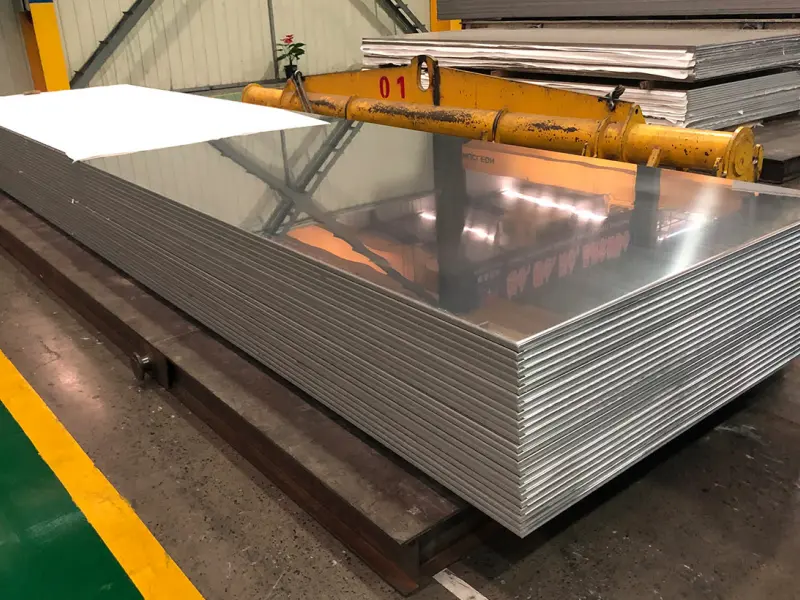
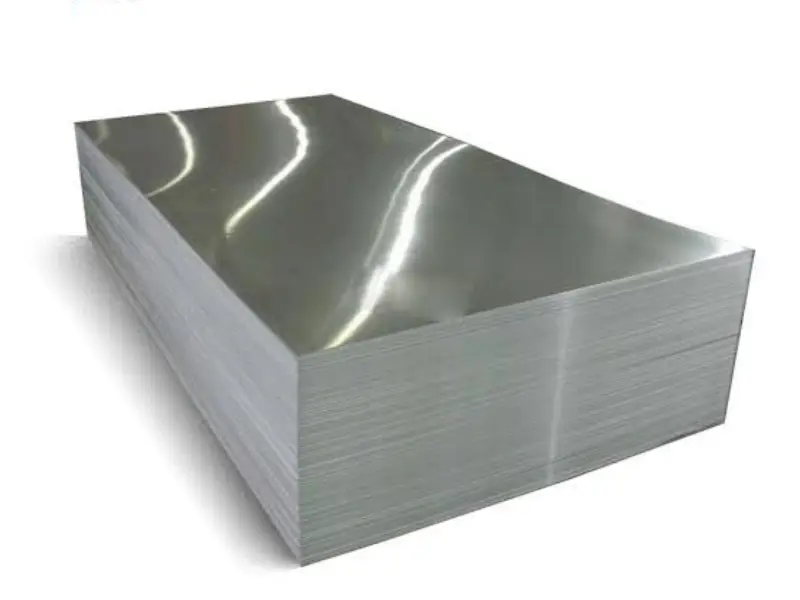
A clear request for quotation helps the supplier provide accurate pricing.
| Information | Example |
|---|---|
| Alloy | 3003 or 5052 |
| Temper | H14 or H32 |
| Thickness | 1.0 mm |
| Sheet size | 1,219 × 2,438 mm |
| Surface finish | Mill finish or coated |
| Quantity | Number of sheets or total weight |
| Cutting | Standard or custom dimensions |
| Standard | Required material specification |
| Destination | Delivery city and country |
If the product will be used in a regulated or safety-critical application, state the required certification and inspection conditions.
Frequently Asked Questions About Aluminium Sheet Price per Sq Ft
How much does aluminium sheet cost per square foot?
The price depends on alloy, thickness, temper, surface finish, quantity, and delivery location. For an accurate price, provide the full product specification and request a current quotation. Any general price range should be checked against current market conditions.
Why does aluminium sheet price increase with thickness?
Thicker sheet contains more aluminium per square foot. This increases the raw material weight and usually raises the material cost. Processing and order conditions can also affect the final price.
Which aluminium sheet alloy is the most economical?
The answer depends on the application and market quotation. Commercially pure grades such as 1050 or 1060 may be suitable for some general uses, while 3003, 5052, or 6061 may be more suitable when additional strength or other properties are required.
Is 5052 aluminium sheet more expensive than 3003?
It can be, but the difference depends on thickness, temper, dimensions, and current supplier pricing. Compare products with the same size, finish, and quantity to understand the actual difference.
Is aluminium sheet sold by square foot or by kilogram?
Both methods are common. Some suppliers quote by area, while others quote by weight or by sheet. You can convert between them if the dimensions and thickness are known.
How do I calculate the weight of aluminium sheet per square foot?
For a quick estimate, multiply thickness in millimetres by approximately 0.597 to get weight in pounds per square foot. For kilograms per square foot, multiply thickness in millimetres by approximately 0.2787. These estimates assume a density near 2.70 g/cm³.
Does surface finish affect aluminium sheet price?
Yes. Anodizing, painting, coating, brushing, polishing, and protective film can add processing costs. The amount depends on the finish, specifications, and order size.
Is mill-finish aluminium sheet cheaper?
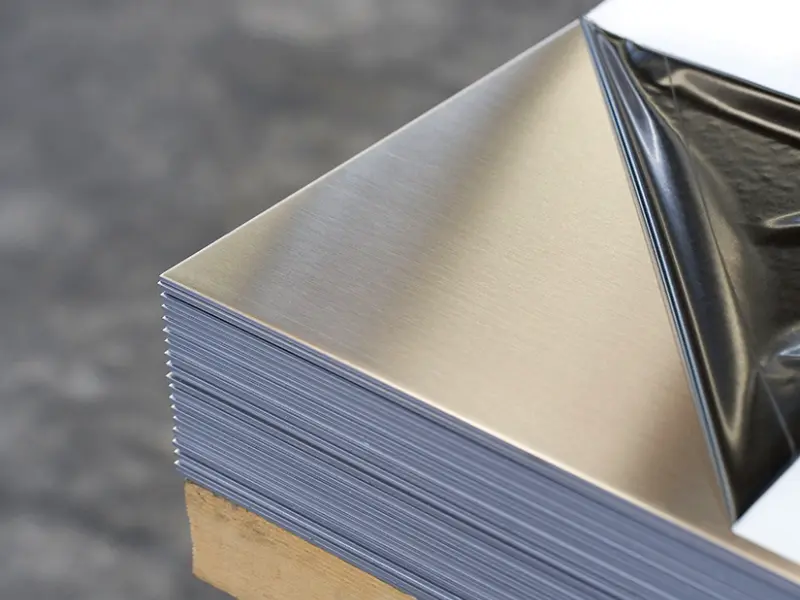
Mill-finish sheet is often less expensive than a comparable product requiring extra surface treatment. However, alloy, thickness, temper, and quantity still influence the price.
Can I buy aluminium sheet cut to size?
Many suppliers offer custom cutting, subject to their equipment and stock availability. Provide the required length, width, thickness, tolerance, and quantity when requesting a quotation.
How can I compare prices from different aluminium sheet suppliers?
Make sure each quotation uses the same alloy, temper, thickness, dimensions, surface finish, quantity, packaging, and delivery terms. Also check material certification and dimensional tolerances where needed.
What is the cheapest thickness of aluminium sheet?
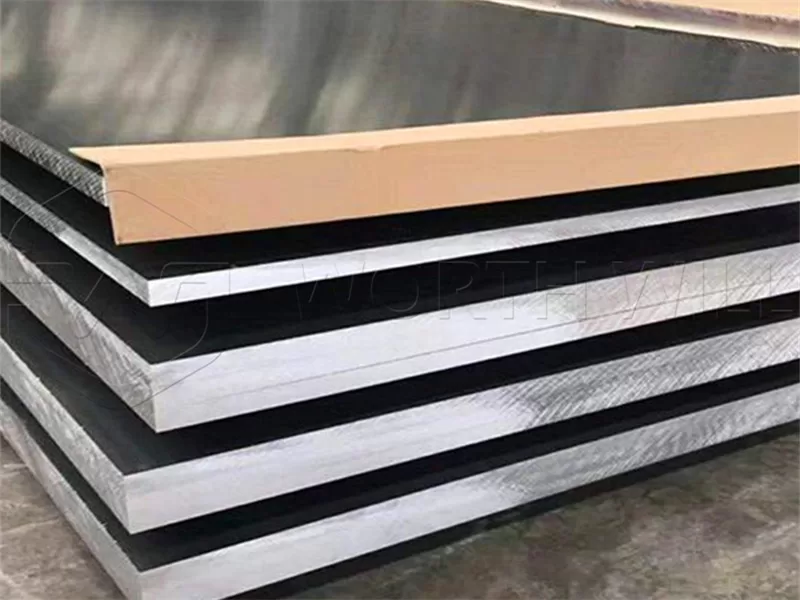
Thinner sheet usually has a lower raw material cost per square foot because it contains less aluminium. However, the best thickness should be selected according to the application’s strength, stiffness, forming, and service requirements.
Does aluminium sheet price include shipping?
Not always. Some quotations cover only the material, while others include packaging or delivery. Ask the supplier to state the delivery terms clearly and identify any additional charges.
Get a Quotation for Aluminium Sheet
The best aluminium sheet price per square foot is the price for a material that meets your actual requirements without unnecessary processing or waste.
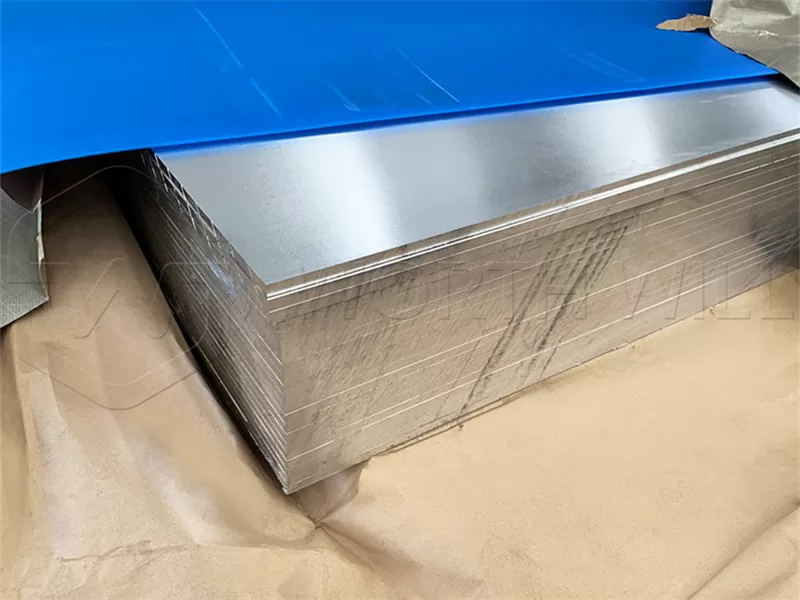
When requesting a quotation, specify the alloy, temper, thickness, dimensions, surface finish, quantity, and delivery destination. This helps suppliers provide comparable prices and reduces the risk of ordering the wrong product.
For wholesale and custom orders, ask about standard sizes, cut-to-size service, surface options, packaging, and material certification. Comparing the complete delivered cost is the most reliable way to choose a supplier.