Aluminum Honeycomb vs Foam Core: Side by Side
Buyers often ask whether to use honeycomb or foam inside a sandwich panel. Both are light. Both separate the face sheets. But they behave very differently.
Foam core is cheaper and easier to shape. You can cut it with a knife. It insulates against heat and sound. But foam crushes permanently. Once it dents, it stays dented. It also absorbs water if the skin is breached.
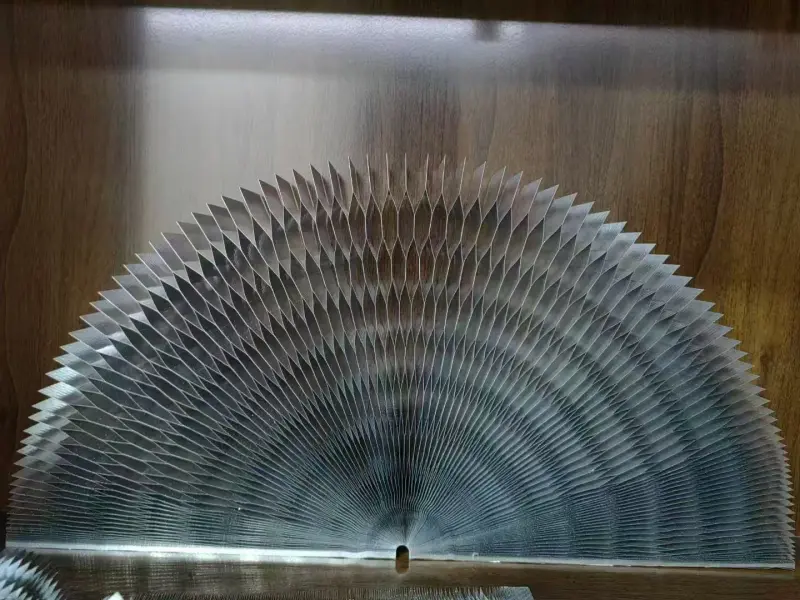
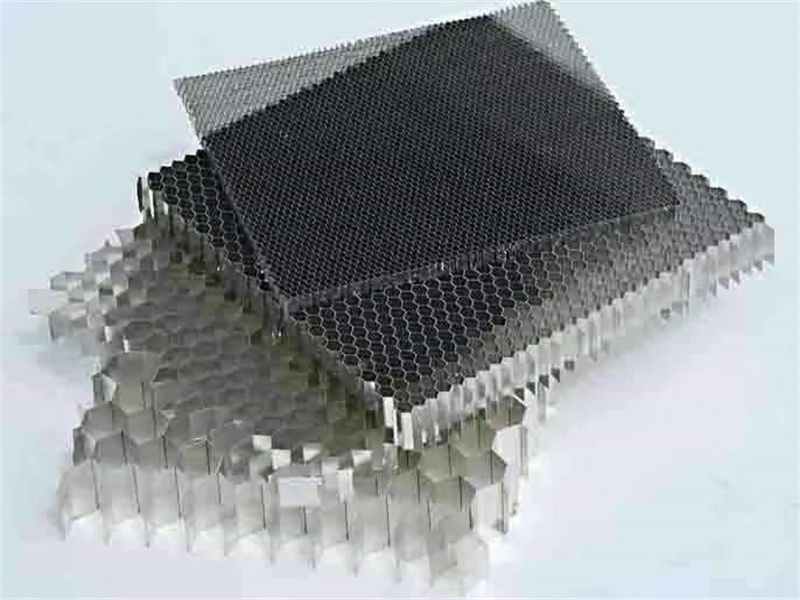
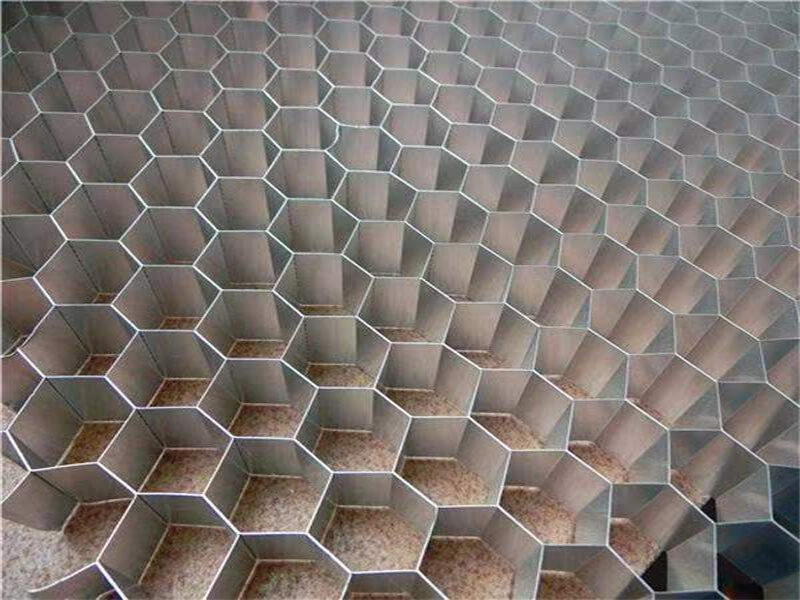
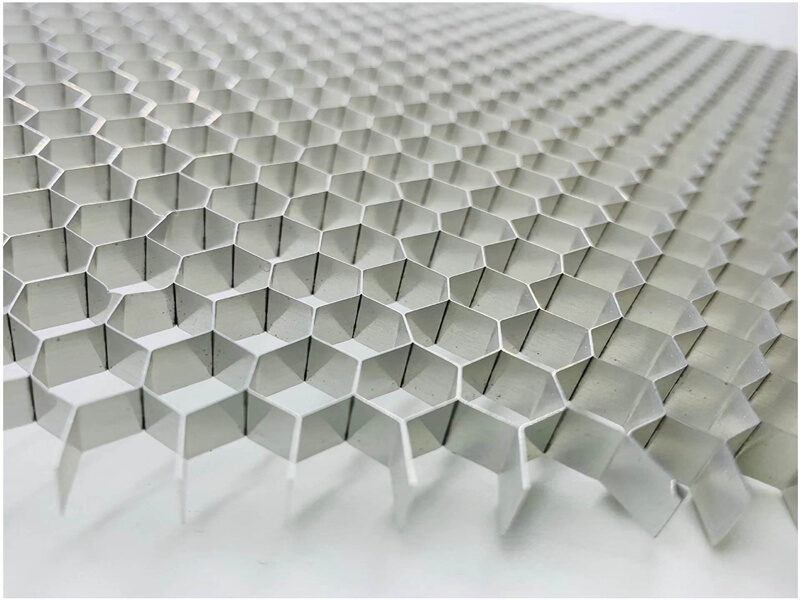
Aluminum honeycomb core does not absorb water. It springs back from minor impacts. It conducts heat across the panel, which is good for some jobs and bad for others. It costs more than foam. It is also harder to machine because the metal walls tear cutters.
| Factor | Aluminum Honeycomb Core | Foam Core |
|---|---|---|
| Weight for same thickness | Similar | Similar |
| Cost | Higher | Lower |
| Impact resistance | Excellent, springs back | Poor, permanent dents |
| Water absorption | None | High if skin leaks |
| Fire resistance | Excellent, non-combustible | Varies, often poor |
| Thermal insulation | Low | High |
| Sound insulation | Low | High |
| Machining ease | Hard on tools | Easy, knife-cut |
| Peel strength with skins | Very high | Moderate |
| Best use | Structural, high load | Insulation, budget, complex curves |
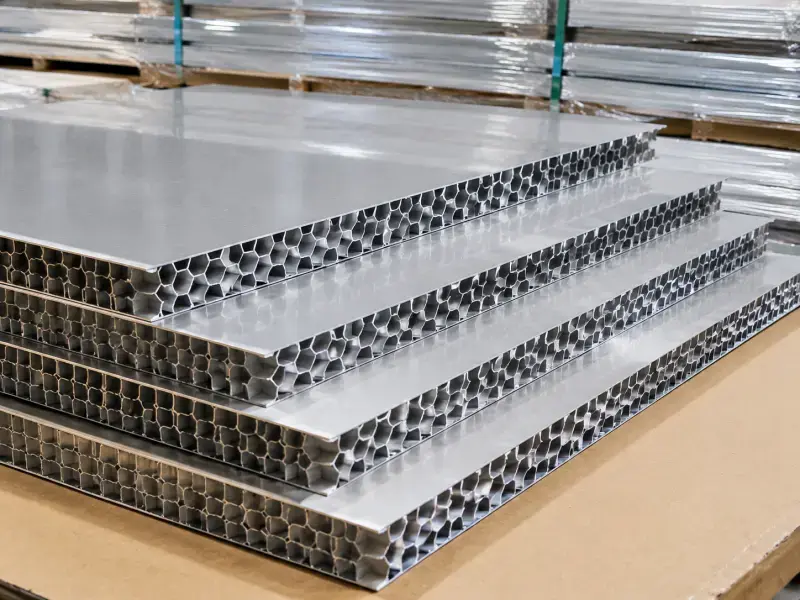
Aluminum Honeycomb vs. Other Core Materials
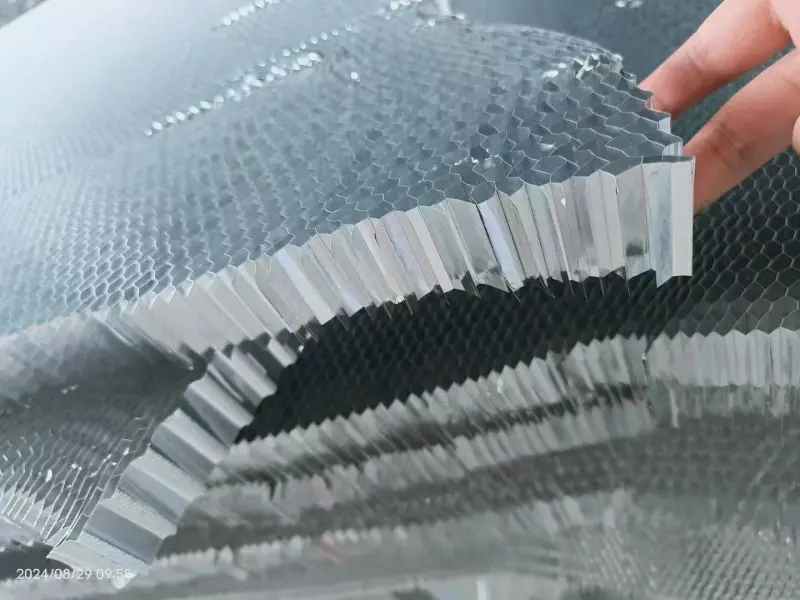
Buyers often compare honeycomb to foam, balsa wood, or corrugated cores. Each has a place, but the trade-offs are clear.
| Property | Aluminum Honeycomb | PVC Foam Core | Balsa Wood Core | Corrugated Aluminum |
|---|---|---|---|---|
| Weight | Very light | Light | Medium | Light |
| Compression strength | Excellent | Good | Good | Moderate |
| Shear strength | Excellent | Moderate | Moderate | Low |
| Fire resistance | Non-combustible | Varies (some toxic smoke) | Burns | Non-combustible |
| Moisture resistance | Excellent | Good | Poor (absorbs water) | Excellent |
| Impact resistance | Good | Moderate | Low | Moderate |
| Cost per m² | Higher | Medium | Low | Low |
| Tooling wear on cutters | Moderate | Low | Low | Low |
| Best use | Structural panels, floors, aerospace | Boat hulls, small craft | Boat decks, wind blades | Packaging, non-structural walls |
Foam cores are cheaper and easier to shape with a router. Balsa offers good stiffness for the price but rots if water enters. Corrugated aluminum is fine for walls and signs but fails in shear loads. Aluminum honeycomb wins when the panel must carry real weight, survive impact, and last decades without maintenance.
Sustainability and Recyclability
Aluminum honeycomb core is one of the greener choices in composite construction. The core itself is 100% aluminum. At the end of a panel’s life, the aluminum can be recovered and remelted. The energy needed to recycle aluminum is only about 5% of what is required to produce new metal from ore.
、
| Test | What It Measures | Common Standard |
|---|---|---|
| Compression strength | How much load the core takes before crushing | ASTM C365 |
| Shear strength | Resistance to sliding forces | ASTM C273 |
| Peel strength | Bond between core and face skin | ASTM D1781 |
| Density | Weight per unit volume | ASTM C271 |
| Corrosion resistance | Salt spray performance | ASTM B117 |
| Flammability | Fire spread and smoke | FAR 25.853, ASTM E84 |
Always request a mill test report (MTR) or certificate of conformance (COC) for structural jobs. The report should list alloy, temper, cell size, foil thickness, density, and the test results that match your specification.
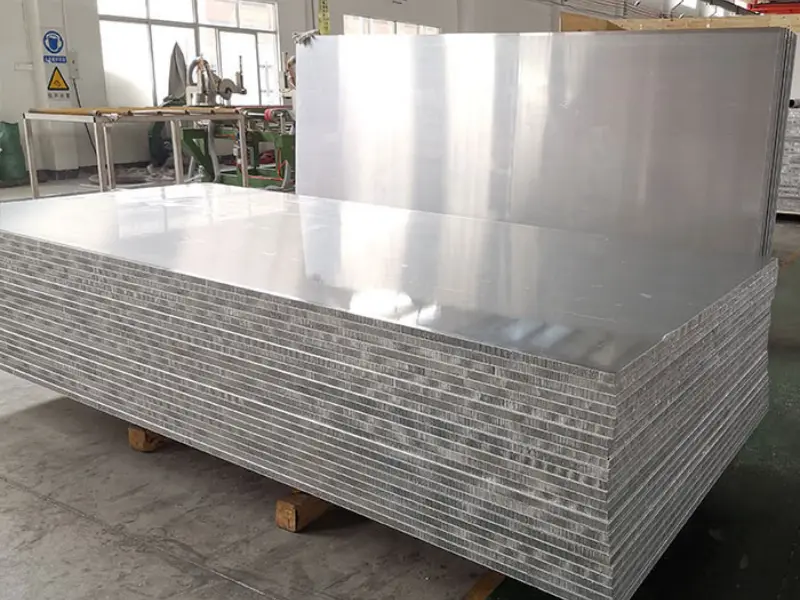
Long-Term Cost Analysis
Aluminum honeycomb costs more at purchase than foam or plywood cores. But the total cost over the life of the project often tells a different story.
Table
| Cost Factor | Aluminum Honeycomb | Foam Core | Plywood Core |
|---|---|---|---|
| Initial material cost | High | Medium | Low |
| Labor to finish and seal | Low (ready to bond) | Medium (needs profiling) | High (needs sealing against moisture) |
| Maintenance over 15 years | Minimal | Moderate (possible delamination) | High (rot, warping, replacement) |
| Resale value of asset | Higher | Medium | Low |
| Replacement frequency | Rare | Occasional | Frequent in wet environments |
For a bus interior panel or a ship wall, the labor to remove and replace a failed panel often costs more than the panel itself. Paying more upfront for honeycomb can save two or three replacement cycles later.
Storage, Handling, and Cutting Tips
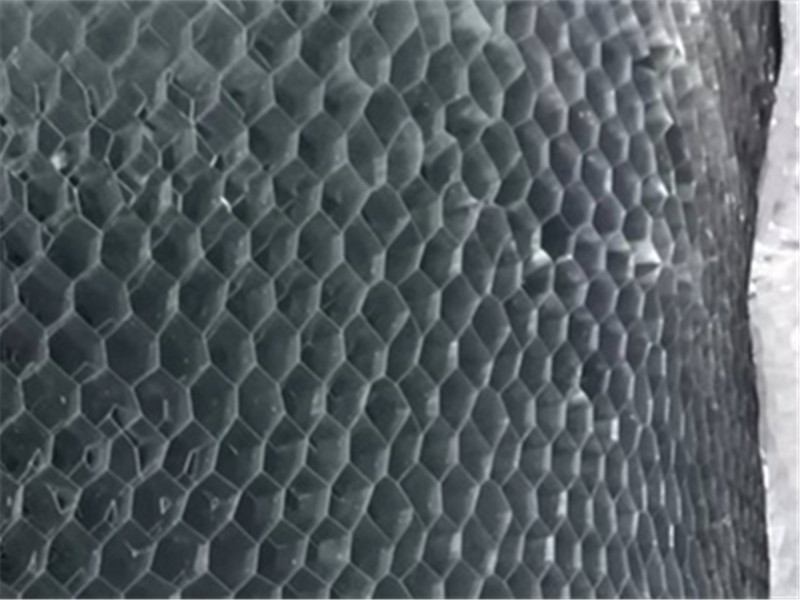
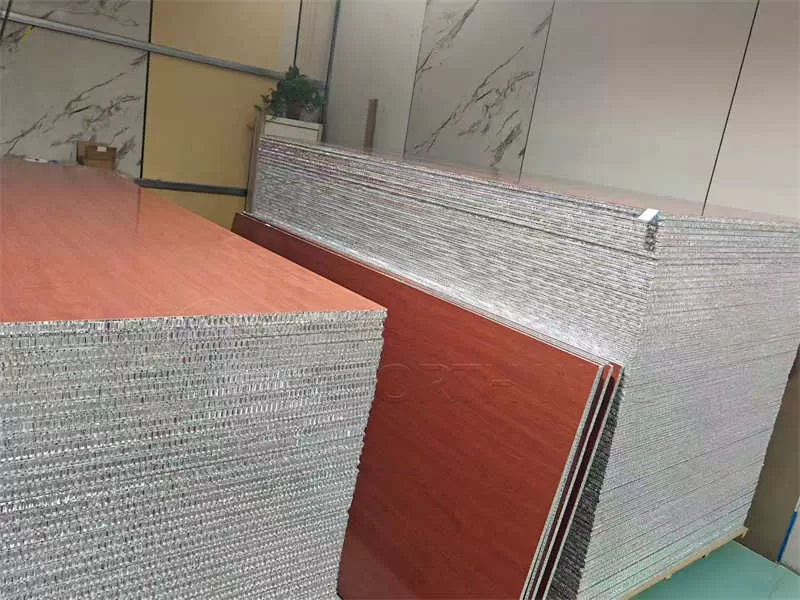
Honeycomb core is strong in its final panel form. But the raw core sheets are fragile until they are bonded to face skins. Handle them with care.
Storage Rules
- Keep cores flat on a level rack. Do not lean them against a wall. They will sag or crush at the bottom edge.
- Store indoors in a dry space. Humidity will not hurt aluminum, but it can affect the adhesive you use later.
- Do not stack heavy objects on top. The open cells crush easily under point loads.
- Keep the protective paper or film on until bonding day. It prevents dust and oil from contaminating the bonding surface.
Cutting and Machining
| Tool | Best For | Tip |
|---|---|---|
| Band saw with fine tooth blade | Straight cuts, thick blocks | Cut slowly to avoid tearing cell walls |
| CNC router with carbide bit | Complex shapes, curved panels | Use vacuum hold-down to prevent crushing |
| Water jet | Precision, no heat distortion | Excellent for aerospace parts |
| Die cutter | High-volume small parts | Fast but requires custom tooling |
When you cut honeycomb, the open edges expose the foil. For marine or outdoor use, seal these edges with a compatible epoxy or edge filler. This stops moisture from wicking into the panel through capillary action.
Customization Options Available from Suppliers
Most honeycomb core is sold in standard sheets. But many suppliers offer custom work that saves you labor on the shop floor.
| Custom Option | What You Get | Typical Lead Time |
|---|---|---|
| Perforated cells | Tiny holes in foil for venting or acoustic control | 2 – 3 weeks |
| Pre-sliced slices | Very thin sheets (3 mm – 10 mm) for tight spaces | 1 – 2 weeks |
| Formed or curved blocks | Pre-shaped to your mold radius | 3 – 4 weeks |
| Corrosion-resistant treatment | Chromate-free conversion coating | 1 week |
| Bonded face skins | Complete sandwich panel, ready to install | 2 – 4 weeks |
| Specific alloy request | 5052 instead of 3003 for marine use | 2 – 3 weeks |
If your project needs thousands of identical parts, ask about expanded block slicing. The supplier can slice one large block into hundreds of identical thin cores. This keeps cell geometry consistent and reduces your material waste.
Load Performance at a Glance
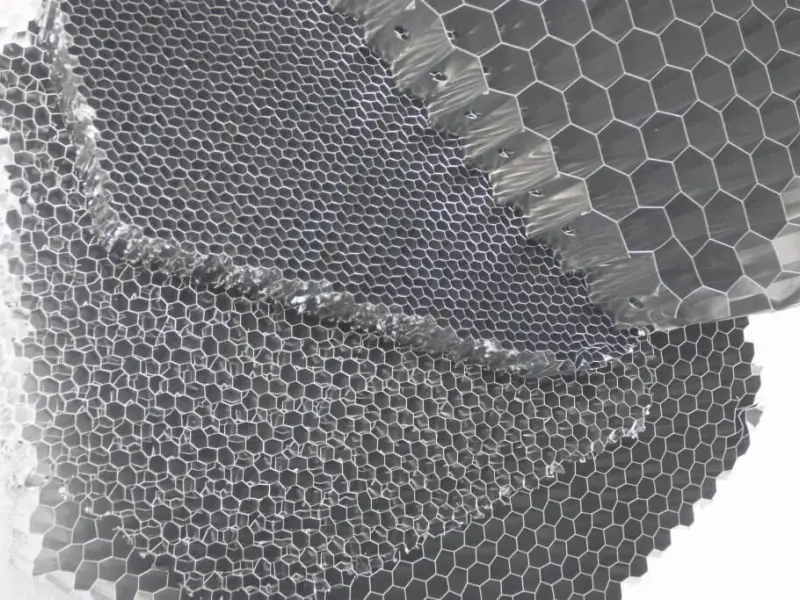
Here is how a standard 3003 alloy honeycomb core performs under real numbers. Use this table for quick specification checks.
Table
| Core Type | Density (kg/m³) | Compression Strength (MPa) | Shear Strength L (MPa) | Shear Strength W (MPa) |
|---|---|---|---|---|
| 3.2 mm cell, 0.05 mm foil | 128 | 4.8 | 2.5 | 1.4 |
| 6.4 mm cell, 0.04 mm foil | 83 | 2.4 | 1.5 | 0.9 |
| 9.5 mm cell, 0.04 mm foil | 52 | 1.4 | 1.0 | 0.6 |
| 12.7 mm cell, 0.04 mm foil | 40 | 0.9 | 0.7 | 0.4 |
L = direction parallel to ribbon; W = direction perpendicular to ribbon.
Designers should note that honeycomb is stronger in the L direction than the W direction. Always align the ribbon direction with the primary load path in your panel.
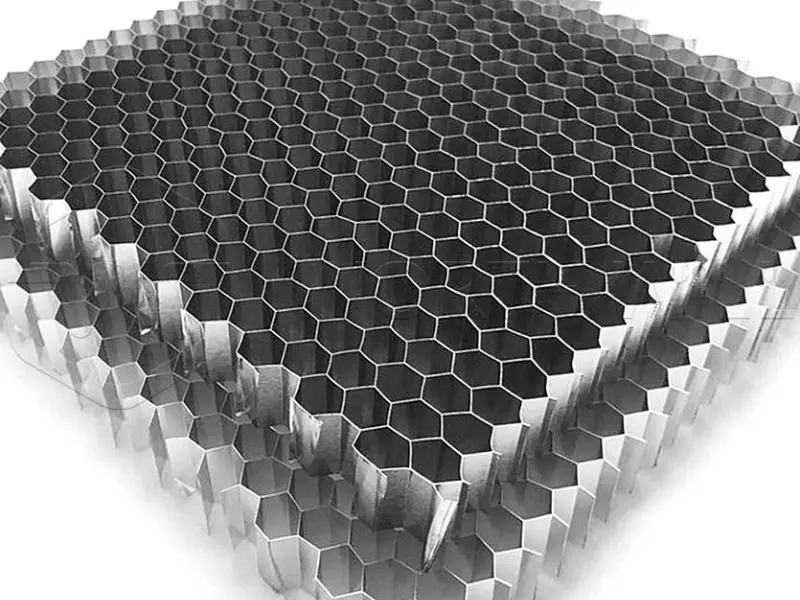
How Aluminum Honeycomb Core Is Made
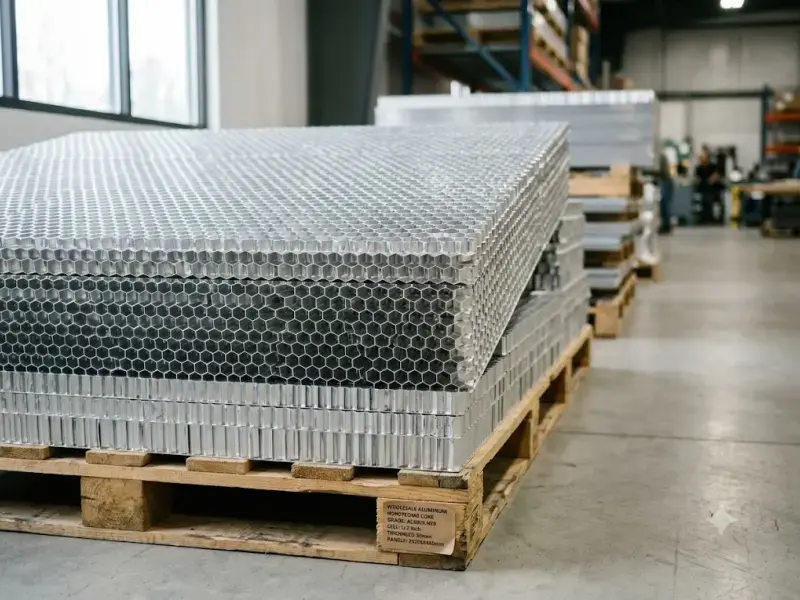
The process starts with thin aluminum foil. Most producers use 3003 or 5052 alloy in H18 or H19 temper. The foil passes through a series of glue lines or is welded at specific points. Then machines stack and press the layers together. When workers pull the stacked block apart, it opens into a honeycomb shape.
Key Production Steps
| Step | What Happens | Why It Matters |
|---|---|---|
| Foil prep | Aluminum rolls are cleaned and cut to width | Removes oils that weaken bond lines |
| Adhesive or welding | Glue lines or laser welds are applied in precise strips | Determines cell shape and final strength |
| Stacking | Multiple foil sheets are layered and pressed | Creates the solid block before expansion |
| Expansion | The block is pulled apart to form hexagonal cells | Sets the cell size and core density |
| Cutting and sizing | Saws slice the expanded block into sheets or panels | Delivers the exact thickness you ordered |
| Finishing | Some cores receive anti-corrosion treatments or perforations | Prepares the core |
