Lid foil is an important material in modern food packaging. It is widely used for yogurt cups, foil trays, blister packs, takeaway containers, cake pans, and aluminum food packaging.
Lid foil aluminum provides strong sealing performance, food safety, and moisture protection. It helps keep food fresh and prevents leakage during transportation.
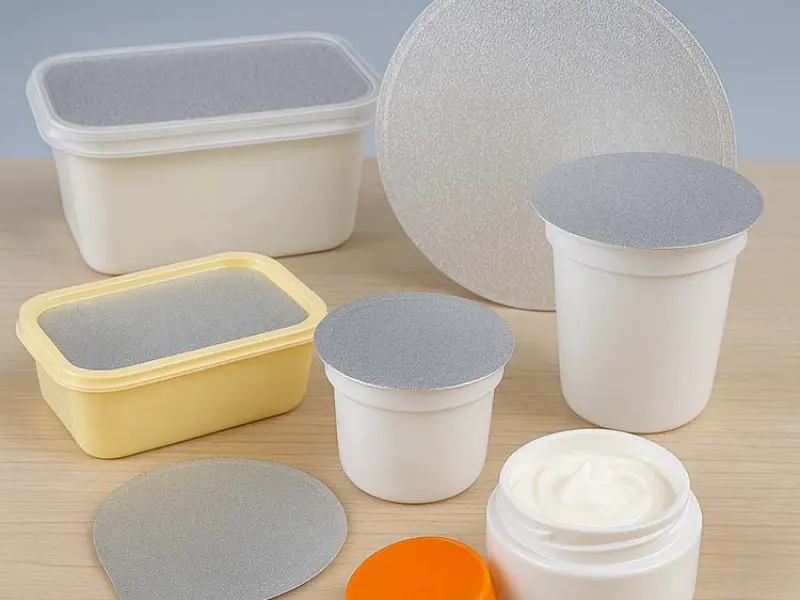
Today, aluminium lid foil is used in:
- Dairy packaging
- Pharmaceutical blister packs
- Food containers
- Foil trays
- Bakery packaging
- Ready meal packaging
Main Types
Yogurt Foil
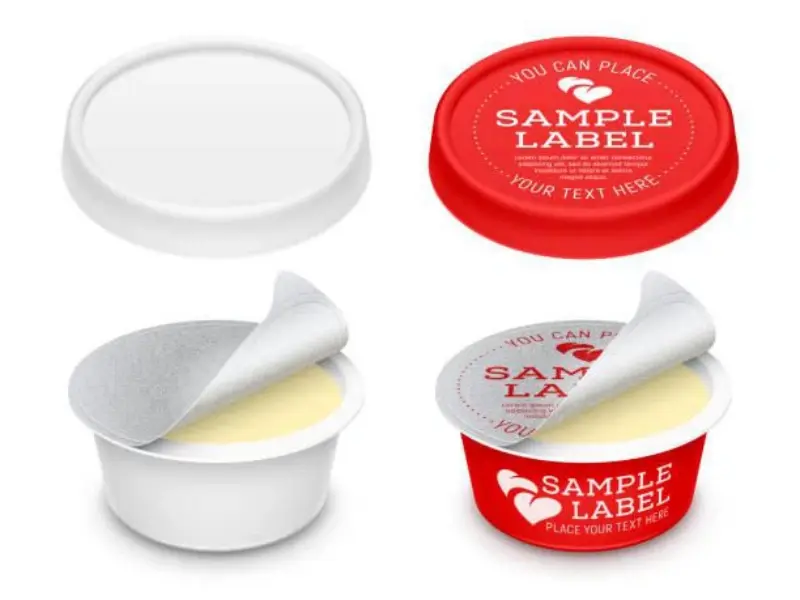
Yogurt lid foil is used for dairy cup sealing.
Features
- Food-grade coating
- Easy peel opening
- Good sealing strength
- Excellent printing surface
Common Applications
- Yogurt cups
- Milk packaging
- Butter containers
Blister Lid Foil
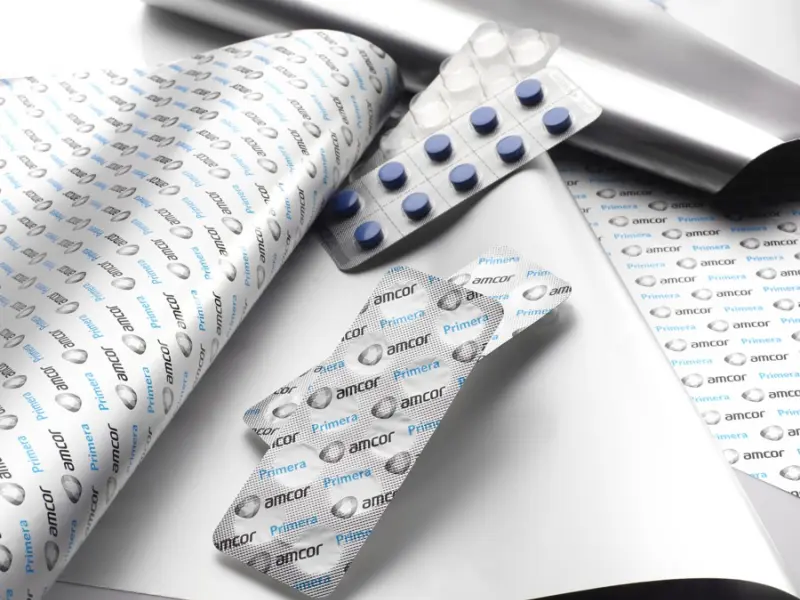
Blister foil is used in pharmaceutical packaging.
Advantages
- Moisture barrier
- Light protection
- High sealing performance
- Medicine safety
Popular Uses
- Tablet packaging
- Capsule packaging
- Medical blister packs
Aluminum Foil Tray Lid
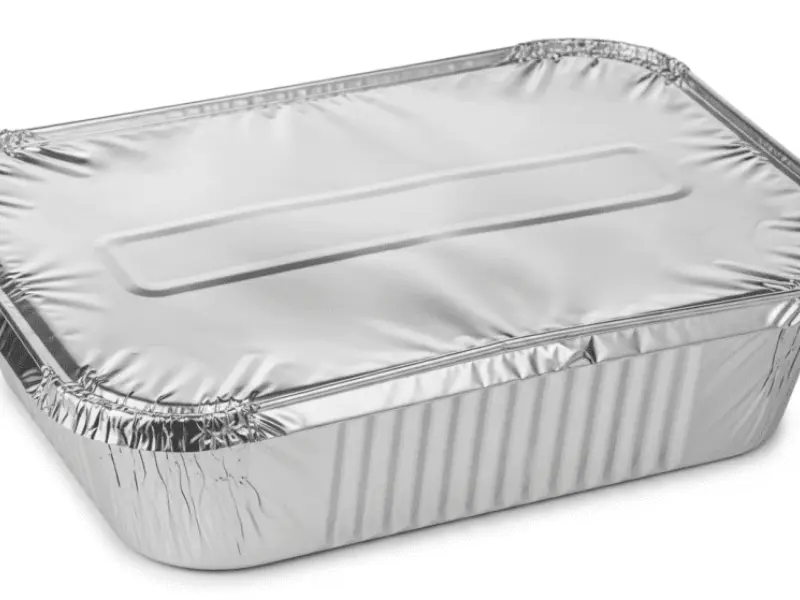
Lids for foil trays are widely used in takeaway food packaging.
Features
- Heat resistance
- Leak prevention
- Disposable use
- Easy sealing
Applications include:
- Airline meals
- Ready food
- BBQ trays
- Frozen food
Flat Lid Foil Coffin
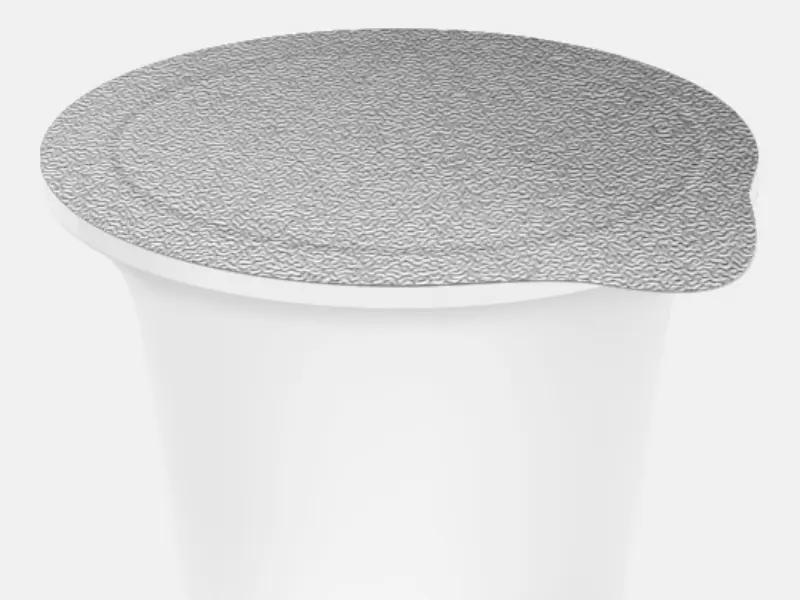
Flat foil coffin products are commonly used for food trays and catering packaging.
Characteristics
- Flat structure
- Strong sealing
- Easy transportation
Container with Lid Foil

Aluminum containers with lid foil are suitable for:
- Fast food
- Bakery products
- Frozen meals
- Catering packaging
Popular Aluminum Alloys for Lid Foil
8011 Aluminum Foil
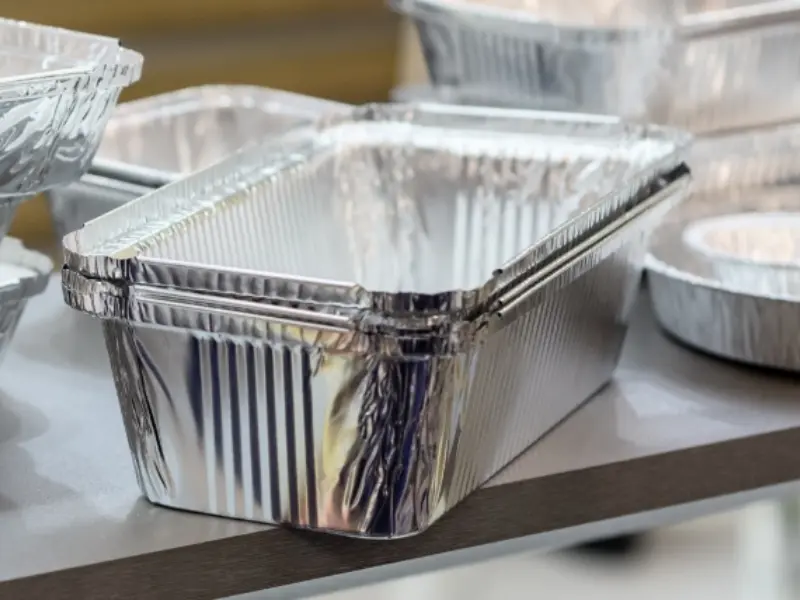
8011 is the most common alloy for lidding foil.
| Property | Performance |
|---|---|
| Food Safety | Excellent |
| Flexibility | Good |
| Barrier Property | Excellent |
Suitable for:
- Yogurt lids
- Food trays
- Pharmaceutical foil
8021 Aluminum Foil
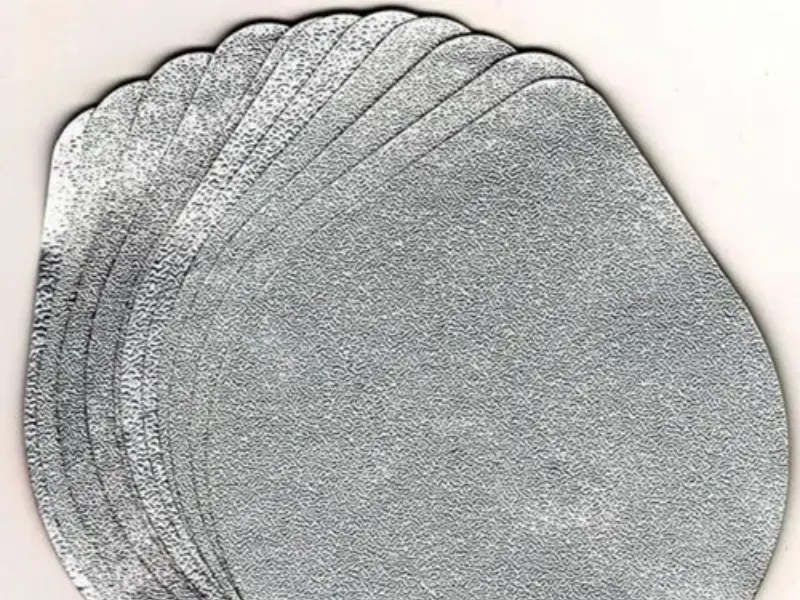
8021 alloy offers higher barrier performance.
Advantages
- Better moisture resistance
- High strength
- Deep drawing capability
Used for:
- Pharmaceutical packaging
- High barrier packaging
1235 Aluminum Foil
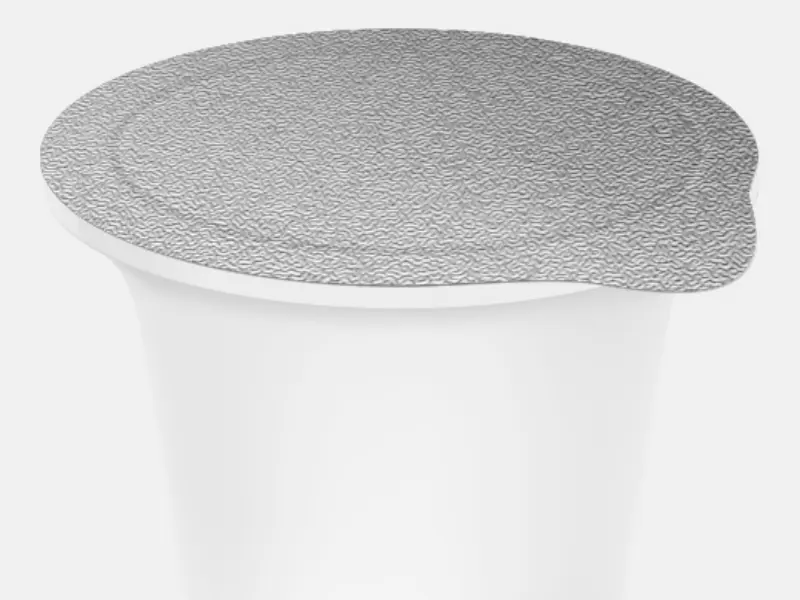
1235 aluminum foil has high aluminum purity.
| Feature | Value |
|---|---|
| Aluminum Content | ≥99.35% |
| Softness | Excellent |
| Formability | Very good |
Often used for laminated foil products.
Common Tempers of Lid Foil Aluminum
| Temper | Features |
|---|---|
| O Temper | Soft condition |
| H18 | Hard surface |
| H22 | Medium hardness |
Soft temper foil is commonly used for sealing applications.
Standard Thickness of Aluminium Lid Foil
Popular Thickness Range
| Thickness | Application |
|---|---|
| 0.02mm | Yogurt lids |
| 0.03mm | Blister foil |
| 0.04mm | Food tray lids |
| 0.06mm | Heavy-duty packaging |
| 0.08mm | Industrial packaging |
Surface Types of Lidding Foil
Plain Aluminum Lid Foil
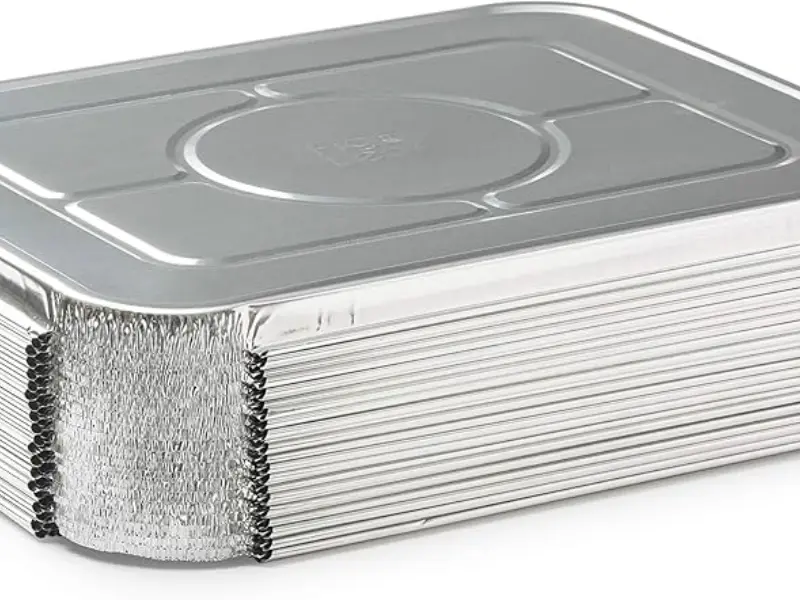
Used for basic packaging applications.
Printed Lid Foil
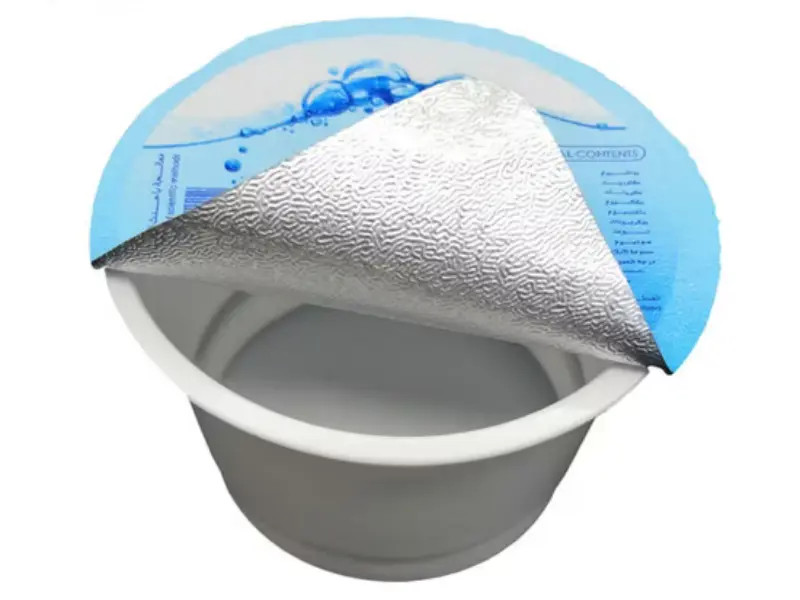
Supports logo and brand printing.
Suitable for:
- Dairy brands
- Beverage packaging
- Retail products
Embossed Lid Foil
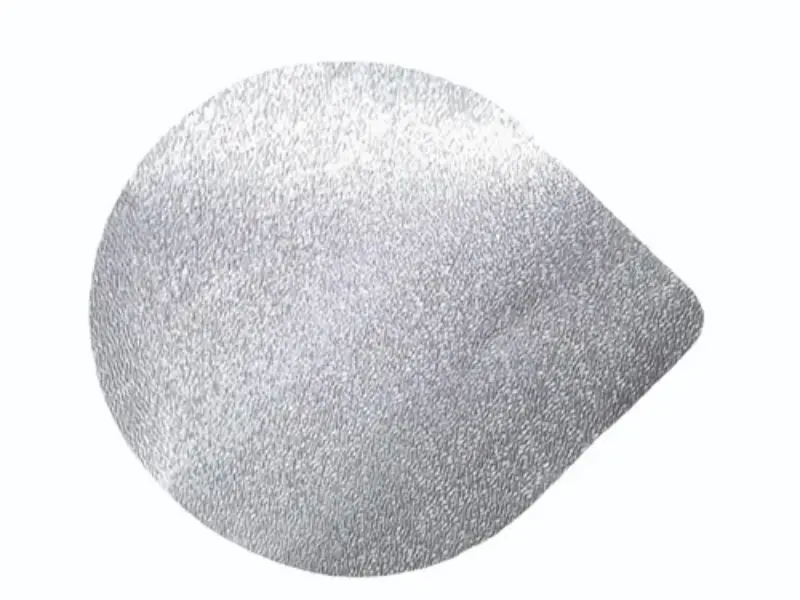
Embossed surface improves appearance and sealing performance.
Lacquered Lid Foil
Coated with heat sealing lacquer.
Used for:
- PP containers
- PS cups
- PET trays
Lid Foil and Base Foil
The foil and base foil work together in packaging systems.
| Part | Function |
|---|---|
| Lid Foil | Sealing top layer |
| Base Foil | Container body support |
This combination is common in:
- Pharmaceutical blister packs
- Dairy packaging
- Food trays
Pan and Lid Foil Applications
Cake Pan with Foil
Used for bakery packaging.
Benefits
- Heat resistance
- Freshness protection
- Easy transportation
Loaf Pan with Foil
Popular for bread and baking packaging.
Suitable for:
- Bakery stores
- Supermarkets
- Frozen bread products
Aluminum Foil BBQ Trays
Used for outdoor cooking and takeaway food.
Lidding Foil for Pharmaceutical Packaging
Pharmaceutical blister foil must meet high standards.
Requirements
- High barrier protection
- Strong sealing
- Printing compatibility
- Hygiene safety
Heat Sealing Performance
Common Sealing Materials
| Container Material | Compatible Foil |
|---|---|
| PP | Heat seal foil |
| PET | Lacquered foil |
| PS | Coated foil |
| PE | Laminated foil |
Comparison Between Aluminum Lid Foil and Plastic Lid
Aluminum Lid vs Plastic Lid
| Item | Aluminum Foil | Plastic Lid |
|---|---|---|
| Heat Resistance | Excellent | Medium |
| Barrier Protection | Better | Lower |
| Recyclable | Yes | Limited |
| Appearance | Premium | Standard |
| Cost | Medium | Lower |
Food Packaging Applications
Dairy Packaging
Used for:
- Yogurt cups
- Cheese containers
- Milk cups
Bakery Packaging
Suitable for:
- Cake pans
- Bread trays
- Dessert containers
Ready Meal Packaging
Used in:
- Airline food
- Microwave meals
- Frozen food trays
Beverage Packaging
Aluminium foil is used for:
- Juice cups
- Coffee capsules
- Instant drink containers
Printing on Lid Foil
Modern foil supports:
- Flexographic printing
- Gravure printing
- Color logo printing
This improves product branding and packaging appearance.
Lid Foil Aluminum For Seal Containers
Lid foil is a thin aluminum foil material used to seal containers, cups, trays, and blister packs.
It is often combined with heat sealing lacquer or laminated film.
The main purpose of lidding foil is to:
- Protect food
- Prevent contamination
- Extend shelf life
- Improve packaging appearance
What Is Lidding Foil Meaning?
Lidding foil means aluminum foil used as a sealing lid for packaging containers.
It is commonly used for:
- Yogurt cups
- Coffee capsules
- Pharmaceutical packaging
- Aluminum food trays
The foil creates an airtight barrier against moisture, oxygen, and light.
Is a Lid the Same as Foil?
No. A lid and foil are different.
| Item | Lid | Foil |
|---|---|---|
| Main Function | Cover container | Seal or wrap |
| Material | Plastic, paper, metal | Aluminum |
| Reusable | Sometimes | Usually disposable |
| Heat Resistance | Depends on material | Excellent |
However, lid foil combines both functions. It acts as a sealing layer and a protective cover.
Can Foil Be Used as a Lid?
Yes. Aluminum foil can be used as a lid for many packaging applications.
Common examples include:
- Tray with lid foil
- Pan and lid foil
- Container with lid foil
- Cake pan with lid foil
- Loaf pan with lid foil
Foil lids are lightweight, hygienic, and heat resistant.
Why Is Tin Foil No Longer Used?
In the past, people used tin foil for food wrapping.
Today, aluminum foil replaces tin foil because aluminum is:
- Lighter
- Cheaper
- Safer for food packaging
- More flexible
- Better for mass production
Modern products called “tin foil” are usually aluminum foil.
Advantages of Aluminium Lid Foil
Key Benefits
- Excellent barrier property
- Good sealing performance
- Lightweight material
- Food safety
- Corrosion resistance
- Recyclable
Popular Product Types
Easy Peel Foil
Easy opening for consumers.
High Barrier Foil
Suitable for pharmaceutical and dairy products.
Die Cut Foil
Custom shape foil for cups and containers.
Roll Type Foil
Used in automatic packaging machines.
To start, what is lid foil? It is a thin sheet of aluminum alloy designed to seal containers. The foil meaning refers to the top layer of a packaging system. It usually has a heat-seal lacquer on one side. This allows the foil to stick to plastic or metal containers when heat is applied.
Is a lid the same as foil?
Not exactly. A “lid” can be made of plastic, glass, or metal. However, in flexible packaging, the is often made of foil. Can foil be used as a lid? Yes. It provides a better barrier than plastic alone. It is also easier to print on and easier to recycle.
Technical Specifications
Different products need different foils. We use specific alloys like 8011 or 8021 to ensure the foil is strong but easy to peel.
Digital Specifications Table
| Property | Value / Range |
|---|---|
| Alloy | 1235,8011,8079,8021 |
| Temper | O (Soft) or H18 (Hard) |
| Thickness | 0.02 mm to 0.05 mm |
| Width | 50 mm to 600 mm |
| Heat Seal Strength | ≥7 N/15mm |
| Surface | One side bright, one side dull |
Alloy and Temper Comparison
| Alloy | Temper | Best Use |
|---|---|---|
| 8011 | O | Yogurt foil, soft food containers |
| 8011 | H18 | Blister foil (Push-through) |
| 8021 | O | Lid foil and base foil for cold-forming |
| 1235 | O | Simple foil for milk |
Different Product Types and Shapes
The foil comes in many forms. Some are flat, while others come with specific pans or trays.
1. Blister Foil
This is used for medicines. It is usually a “hard” foil (H18 temper). This allows you to push the pill through the foil easily. It works together with base foil (the plastic or aluminum bubble) to protect the medicine.
2. Yogurt Foil
This is the most common aluminium foil. It is soft and usually embossed with a pattern. It must seal perfectly to plastic cups to prevent the yogurt from spoiling.
3. Flat Foil Coffin and Industrial Shapes
In some industrial or specialized storage cases, we use a flat lid foil coffin shape. This refers to a rectangular, flat-sealing foil used for deep trays. It provides a very tight seal for long-term storage or specific chemical products.
4. Pan and Lid Foil Sets
These are popular in the food service industry.
- Loaf pan with foil: Perfect for baking bread and keeping it moist.
- Cake pan with foil: Used for transporting cakes safely.
- Container with foil: General-purpose takeaway boxes for hot food.
Lid Foils and Base Foils: The Perfect Pair
In many packaging systems, you need two parts: foil and base foil.
- The Base Foil: This is the bottom part that holds the product. It can be a “cold-formed” aluminum base or a plastic tray.
- The Foil: This is the top seal.
When you use a tray with foil, you create a vacuum-tight environment. This is why food in a tray with foil stays fresh much longer than food in a simple plastic bag.
The Importance of Quality Lidding
Choosing the right foil is essential for product safety. From a loaf pan with foil to advanced blister foil, the material must be perfect. Aluminum provides the best barrier against the world. It keeps our food tasty and our medicine effective.
If you are looking for high-quality aluminium foil, focus on the alloy and thickness. Whether you are comparing foil price for your kitchen or buying jumbo rolls for a factory, quality matters. Protect your products with the best solutions available today.
Household and Retail Foil
Many consumers look for foil at local stores. You might see searches for fois, tin foils, or kitchen foils. While industrial lidding is for factories, retail foil like aluminium foil is for home use.
Retail Product Examples
- foil trays: Disposable pans used for roasting meats.
- kitchen foil price: Usually very affordable for daily cooking.
- Kids for foil trays: Often sold as a set at stores like for leftovers.
While foil price is low, industrial foil is sold in large jumbo rolls. Factories then cut it to make specific foil for brands.
Why Use Aluminum Instead of Tin?
A common question is: Why is tin foil no longer used?
In the past, people used actual tin to make foil. However, tin was expensive and gave food a metallic taste. Today, we use aluminum.
- Aluminium foil is cheaper.
- It is more flexible.
- It does not react with food.
- Even though people still say “tin foil,” it is almost always aluminum today.
Key Applications of Lidding Foil
Where do we see these products in daily life? Here is a list of core application areas:
Food and Beverage
- Dairy: Covers for yogurt, cream, and butter.
- Drinks: Seals for water cups or juice bottles.
- Baking: Using a loaf pan with foil to bake and ship goods.
- Catering: Tray with foil for airline meals or hotel food delivery.
Medical and Pharmaceutical
- Pill Packs: Using blister foil to keep tablets sterile.
- Creams: Foil seals under the plastic cap of medicine tubes.
Cosmetics and Personal Care
- Face Creams: The small foil seal you peel off a new jar.
- Toothpaste: Ensuring the product is fresh before the first use.
Comparing Different Lid Foil Formats
If you are a manufacturer, you must choose between a flat foil or a pre-cut lid.
| Format | Features | Best For |
|---|---|---|
| Die-cut Lids | Pre-cut to the exact size of the cup. | Yogurt, Water cups |
| Roll Stock | Continuous foil on a roll. | High-speed production lines |
| Embossed Foil | Has a texture (like small dots). | Premium dairy products |
| Smooth Foil | Very shiny and flat. | High-quality printing/logos |
Packaging and Supply
foil aluminum is usually supplied in:
- Jumbo rolls
- Small rolls
- Die-cut lids
- Printed foil sheets
Export packaging includes:
- Plastic film
- Wooden pallets
- Moisture protection
Why Many Buyers Choose WORTHWILL ALUMINUM
WORTHWILL ALUMINUM supplies different aluminum foil products for food and pharmaceutical packaging.
Main products include:
- Yogurt foil
- Blister foil
- Aluminum trayfoil
- Pharmaceutical foil
- Printed lid rolls
The factory supports custom alloy, thickness, printing, and coating production.
Frequently Asked Questions
What is lid foil used for?
Lid foil is used for sealing food containers, yogurt cups, trays, and blister packs.
What alloy is used for aluminium lid foil?
8011, 8021, and 1235 aluminum alloys are widely used.
Can aluminum foil be printed?
Yes. foil supports logo and color printing.
Is aluminum lid foil recyclable?
Yes. Aluminum foil is recyclable and environmentally friendly.
What thickness is common for yogurt lid foil?
0.02mm to 0.04mm thickness is commonly used.
Can I use regular kitchen foil as a lid?
Yes, you can. However, it will not create a “heat seal.” For a permanent, leak-proof seal, you need industrial lidding foil with a lacquer coating.
What is the best thickness for a yogurt lid?
Most yogurt foil is between 0.03 mm and 0.04 mm. This thickness is strong enough to resist tearing but thin enough to peel easily.
Is aluminium foil recyclable?
Yes. Aluminum is one of the most recycled materials in the world. Once you peel off the lid, you can wash it and put it in the recycling bin.
Why does my foil have a plastic smell?
High-quality foil should have no smell. If it smells like plastic, the heat-seal lacquer might be low quality. Always choose food-grade materials.
Aluminum Foil for Food Packaging and Container Sealing
The foil aluminum is an important material in food and pharmaceutical packaging industries.
Aluminium foil offers:
- Excellent sealing performance
- Strong barrier protection
- Food safety
- Lightweight packaging
- Good printing capability
Different alloys, thicknesses, coatings, and sealing structures are suitable for different packaging applications.
From yogurt foil to blister lidding foil and tray sealing foil, aluminum foil remains one of the most reliable packaging materials today.