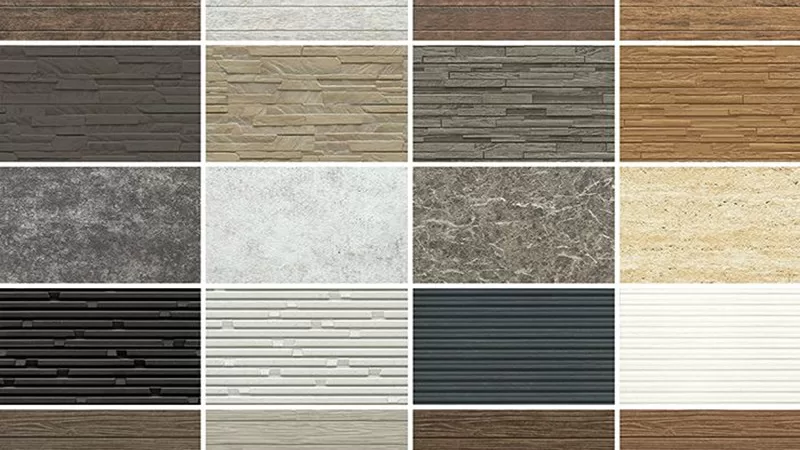
Wood aluminum, a composite material that combines the elegance of wood with the durability of aluminum. From rustic charm to sleek modernity, wood aluminum blends seamlessly into various architectural styles.
It is a popular choice for interior and exterior applications.
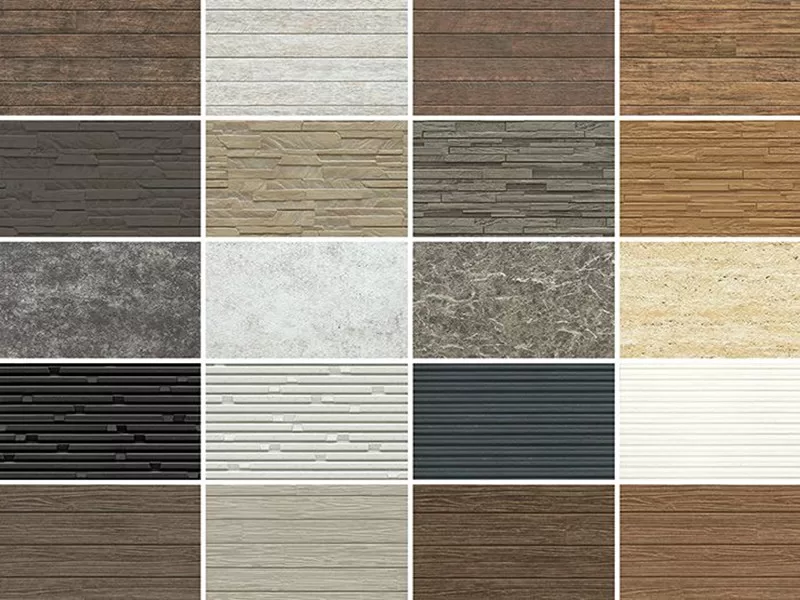
Different Types of Design Characteristics
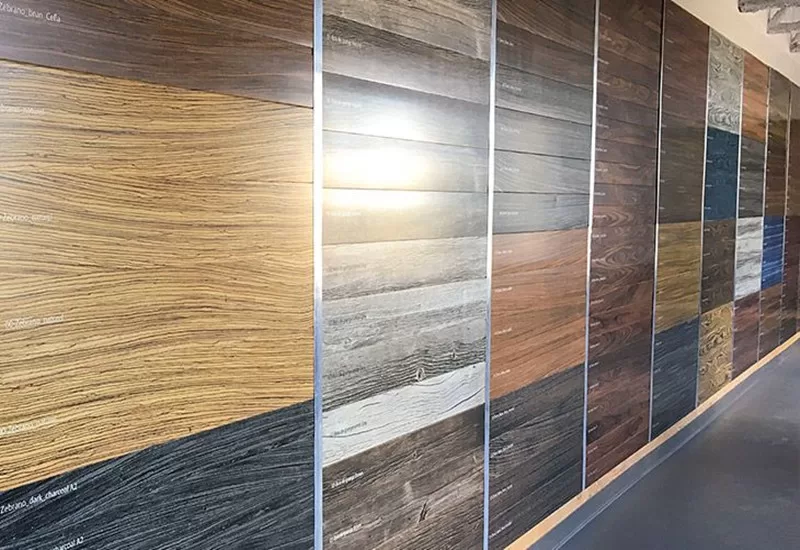
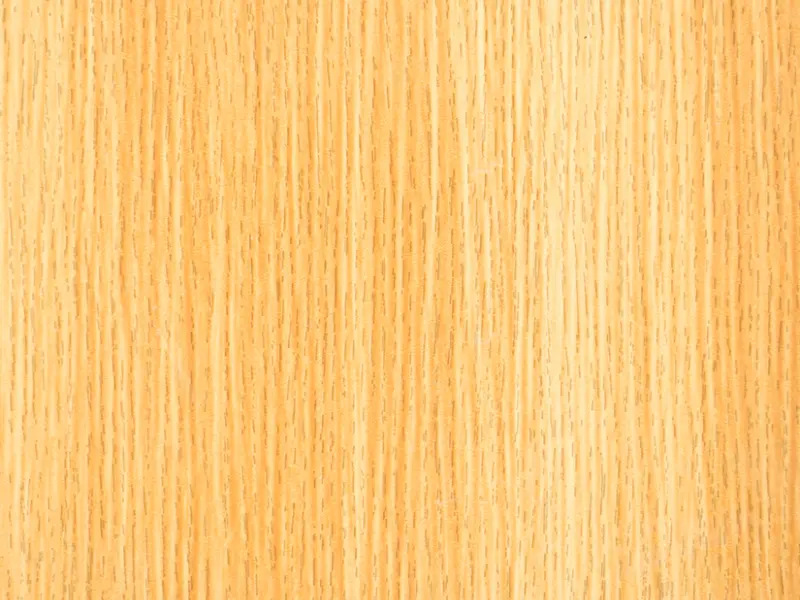
1. Oak Wood Aluminum:
- Oak wood aluminum combines the timeless beauty of oak wood with the strength and resilience of aluminum.
- The rich grain patterns and warm tones of oak bring a sense of sophistication to any space. It is ideal for both traditional and contemporary designs.
- Oak wood aluminum has different applications in flooring, wall cladding, and furniture, adding a touch of natural elegance to interiors.
2. Teak Wood Aluminum:
- Teak wood aluminum is prized for its durability and resistance to moisture. It is suitable for outdoor applications.
- The golden-brown hue and natural oils of teak wood give it a luxurious appearance that ages gracefully over time, developing a beautiful patina.
- Commonly used for decking, outdoor furniture, and architectural elements, teak wood aluminum adds a touch of refinement to outdoor spaces.
3. Walnut Wood Aluminum:
- Walnut wood aluminum exudes warmth and sophistication with its deep brown color and distinctive grain patterns.
- Known for its strength and stability, walnut wood aluminum is often used for cabinetry, paneling, and decorative accents in interior design.
- The rich tones of walnut create a sense of coziness and luxury. It is a popular choice for upscale residential and commercial projects.
4. Cedar Wood Aluminum:
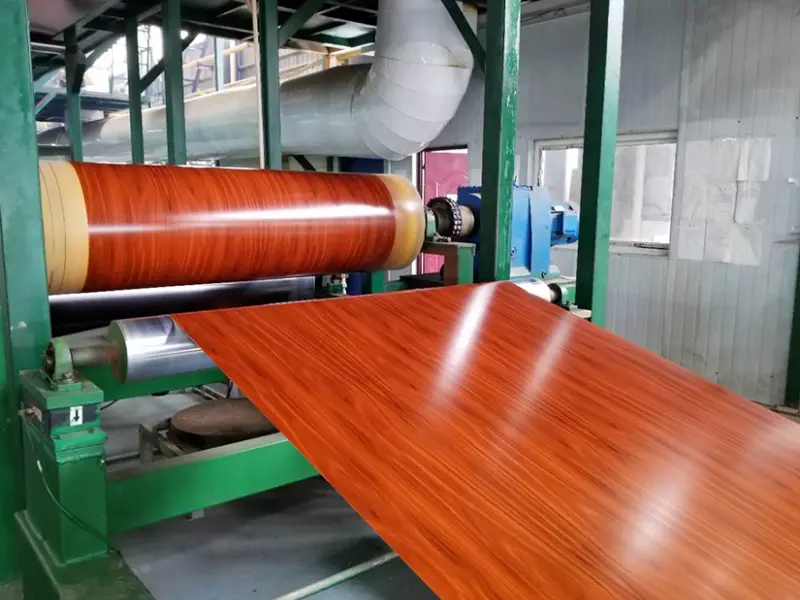
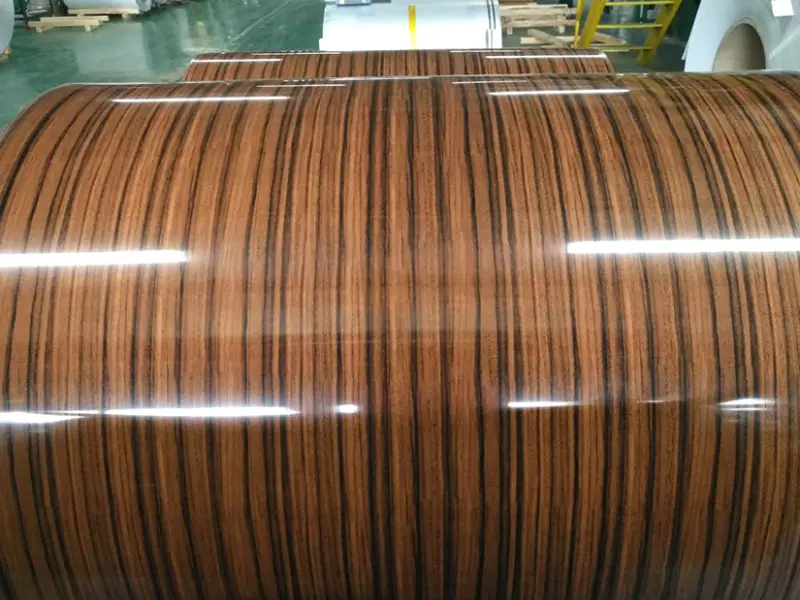
- Cedar wood aluminum offers a natural, rustic charm with its light reddish-brown hue and aromatic scent.
- With for its natural resistance to decay and insects, cedar wood aluminum has uses for exterior siding, pergolas, and outdoor structures.
- The warm tones and organic texture of cedar wood aluminum create a welcoming ambiance, perfect for cottages, lodges, and rustic-inspired homes.
5. Maple Wood Aluminum:
- Maple wood aluminum boasts a light, creamy color with subtle grain patterns, lending it a clean and contemporary aesthetic.
- prized for its durability and versatility, maple wood aluminum is often used for furniture, cabinetry, and architectural millwork.
- The neutral tones of maple complement a wide range of design styles, from minimalist interiors to transitional spaces, adding a touch of understated elegance.
6. Mahogany Wood Aluminum:
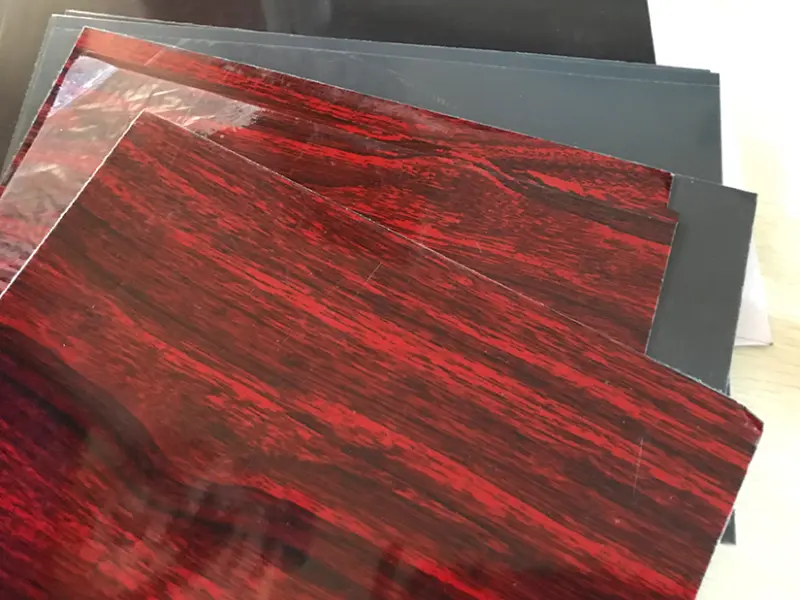
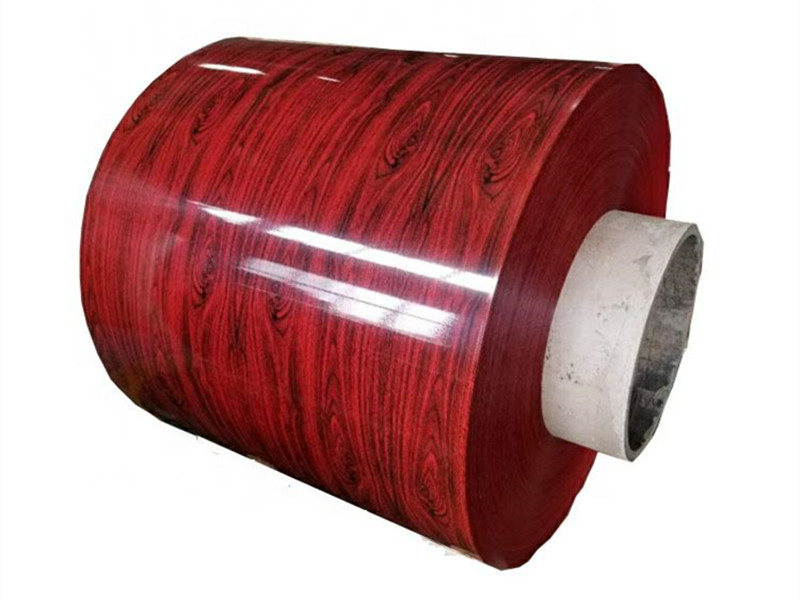
- Mahogany wood aluminum exudes richness and sophistication with its deep reddish-brown color and smooth, lustrous finish.
- For its durability and fine grain, mahogany wood aluminum has uses in high-end furniture, doors, and decorative trim.
- The luxurious appearance of mahogany adds a sense of opulence to interiors, making it a favored choice for luxury residences, hotels, and commercial spaces.
Wood aluminum offers a versatile and aesthetically pleasing solution for architectural and interior design projects.
Whether you prefer the classic elegance of oak or the rustic charm of cedar, there’s a wood aluminum option to suit every style and application.
With its blend of natural beauty and modern functionality, wood aluminum continues to captivate designers and homeowners alike, elevating spaces with its timeless appeal.
Various Types of Wood Aluminum
Wood aluminum is aluminum with a wood-look surface. It combines the clean structure of aluminum with the warm appearance of natural wood.
This type of material is used in architecture, interior decoration, doors, windows, wall cladding, ceilings, furniture, outdoor structures, and commercial displays.
Unlike real wood, aluminum does not have problems such as termites, cracking, or water absorption. It is also lighter than many traditional construction materials.
Today, wood-look aluminum is available in many colors, grain patterns, thicknesses, alloys, and product forms.
The right choice depends on the application.
Application → Product Type → Alloy → Temper → Thickness → Wood Pattern → Finish → Size
What Is Wood Aluminum?
Wood aluminum usually refers to an aluminum product with a wood-grain or wood-effect finish.
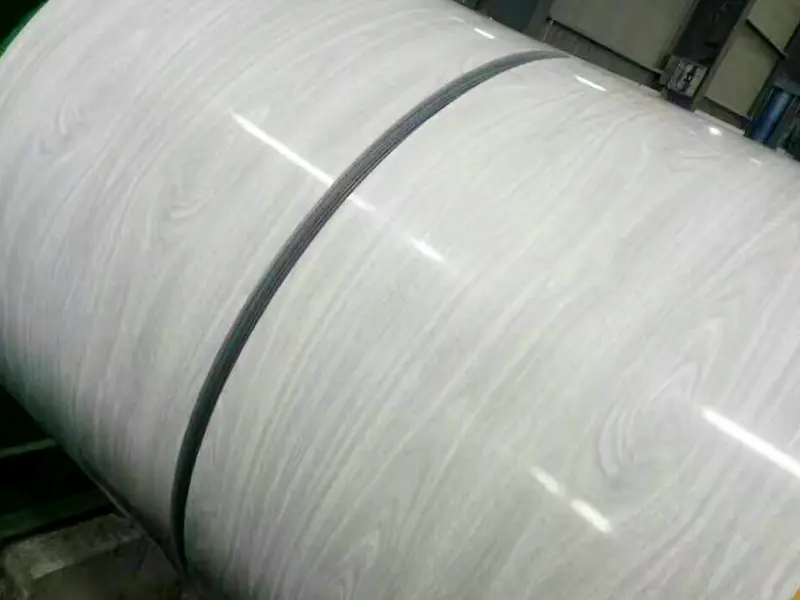
The aluminum can be supplied as:
- Aluminum sheet
- Aluminum coil
- Aluminum panel
- Aluminum profile
- Aluminum composite panel
- Aluminum strip
- Aluminum roofing sheet
- Aluminum wall cladding
- Aluminum ceiling panel
The wood appearance can be created through different finishing methods.
Common methods include:
- Wood grain sublimation
- Heat transfer printing
- Powder coating with wood effect
- PVDF coating
- Decorative film
- Printed surface treatment
The base aluminum remains strong and lightweight, while the surface provides a natural wood appearance.
Why Use Aluminum With a Wood Finish?
Wood-effect aluminum is often selected when the customer wants a wood appearance but needs the properties of metal.
| Feature | Wood Aluminum | Natural Wood |
|---|---|---|
| Weight | Relatively light | Usually heavier |
| Water resistance | Good | Depends on wood type |
| Termite resistance | Excellent | Can require treatment |
| Maintenance | Low | Often higher |
| Shape options | Many | Depends on processing |
| Color consistency | High | Natural variation |
| Fire behavior | Metal base | Depends on wood |
| Outdoor use | Suitable with proper finish | Requires protection |
The final performance depends on the alloy, coating system, thickness, installation method, and environment.
Main Types of Wood Aluminum
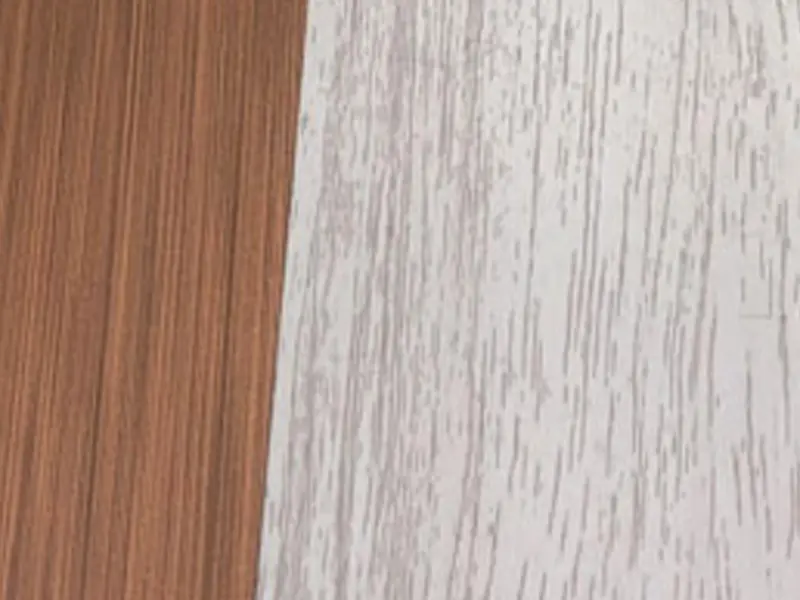
There is no single type of wood aluminum.
Different products are made for different applications.
Wood Grain Aluminum Sheet
Wood grain aluminum sheet is a flat aluminum sheet with a wood-look finish.
It can be used for:
- Wall decoration
- Interior panels
- Ceiling systems
- Doors
- Furniture
- Signage
- Decorative panels
Common thicknesses may range from 0.5 mm to 3.0 mm, depending on the application.
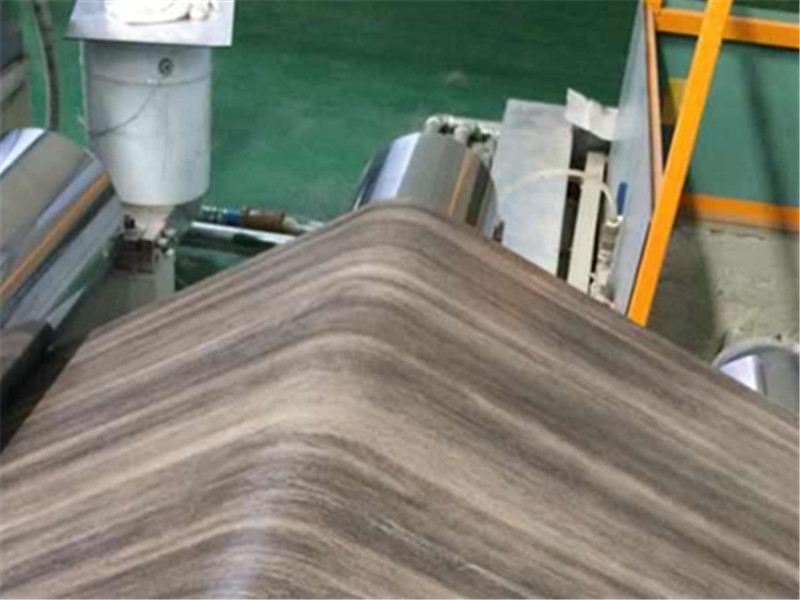
Wood Grain Aluminum Coil
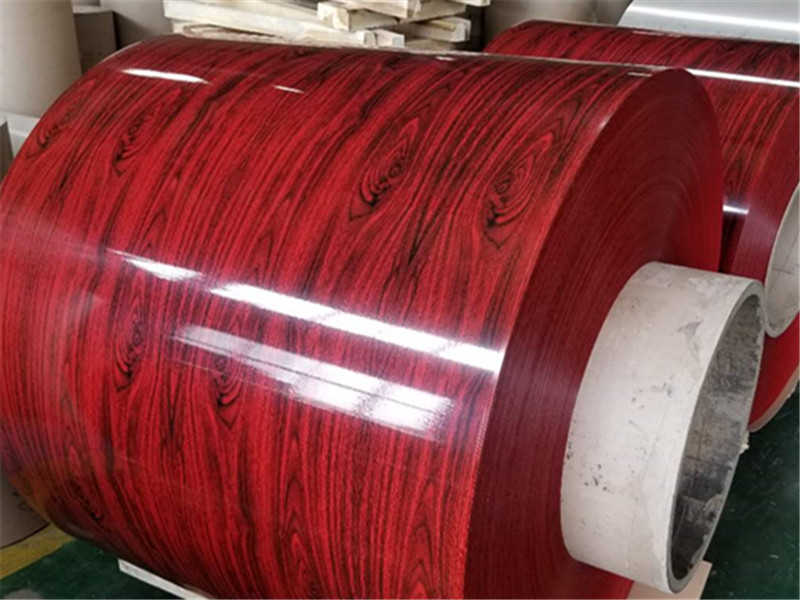
Wood-effect aluminum coil is supplied in roll form.
It is useful for manufacturers that need to cut, bend, roll-form, or fabricate the material themselves.
Typical applications include:
- Roofing
- Wall panels
- Door panels
- Window components
- Decorative strips
- Roll-formed profiles
Coil width and thickness can be customized according to the production line.
Wood Look Aluminum Panel
Wood-look panels are often used directly as architectural cladding.
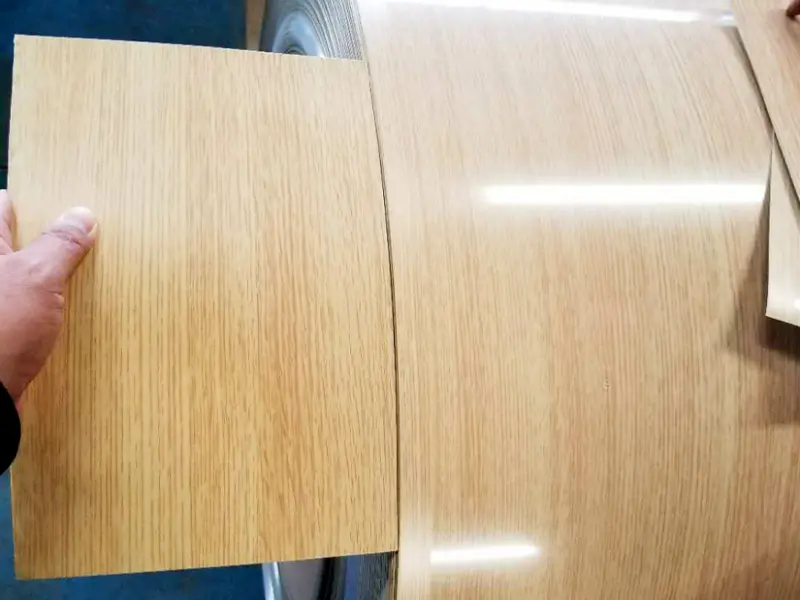
They can be produced in fixed sizes or custom dimensions.
A panel may have:
Aluminum substrate → Surface treatment → Wood grain finish → Protective coating
This structure provides a decorative surface while keeping the panel lightweight.
Different Wood Grain Patterns
The visual effect is one of the most important parts of the product.
Popular patterns include:
- Oak
- Walnut
- Teak
- Cherry
- Pine
- Ash
- Maple
- Mahogany
- Cedar
- Wenge
- Dark wood
- Light wood
- Red wood
- Golden wood
Each pattern creates a different architectural style.
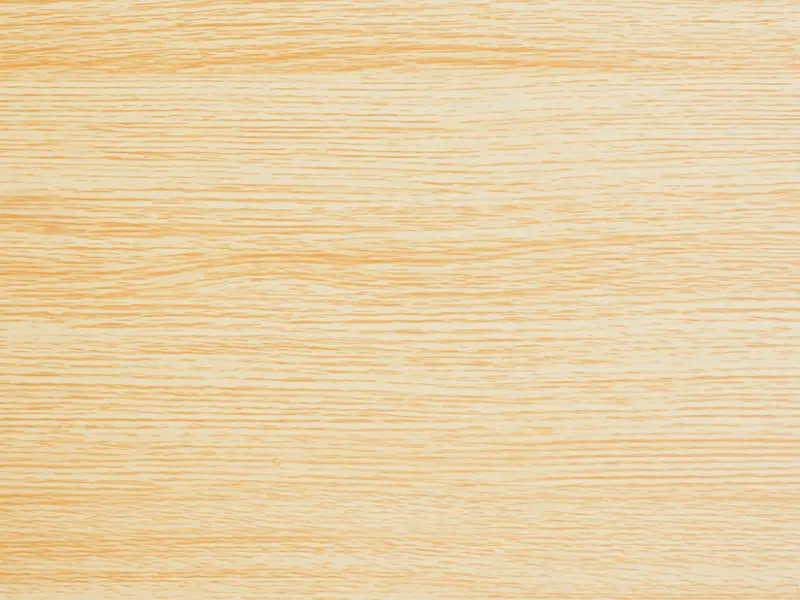
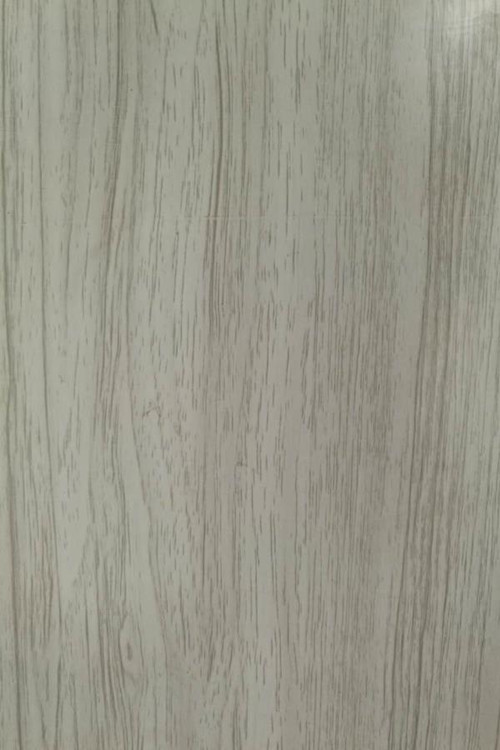
Light Oak Aluminum
Light oak has a bright and natural appearance.
It can work well in modern interiors.
Typical applications include:
- Interior walls
- Ceilings
- Office decoration
- Retail stores
- Residential interiors
Walnut Wood Aluminum
Walnut patterns are darker and more decorative.
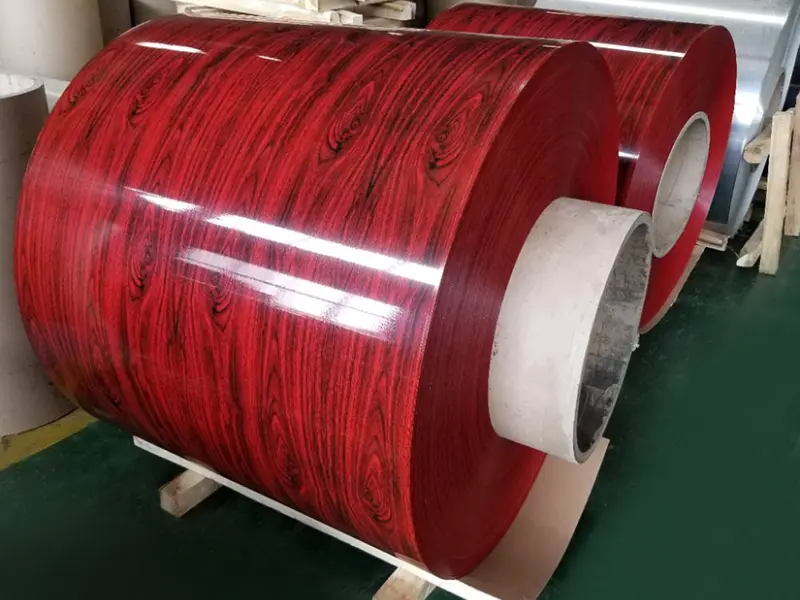
They are often used for premium-looking interiors.
Possible applications include:
Reception areas
Hotel interiors
Office walls
Furniture
Doors
Teak Effect Aluminum
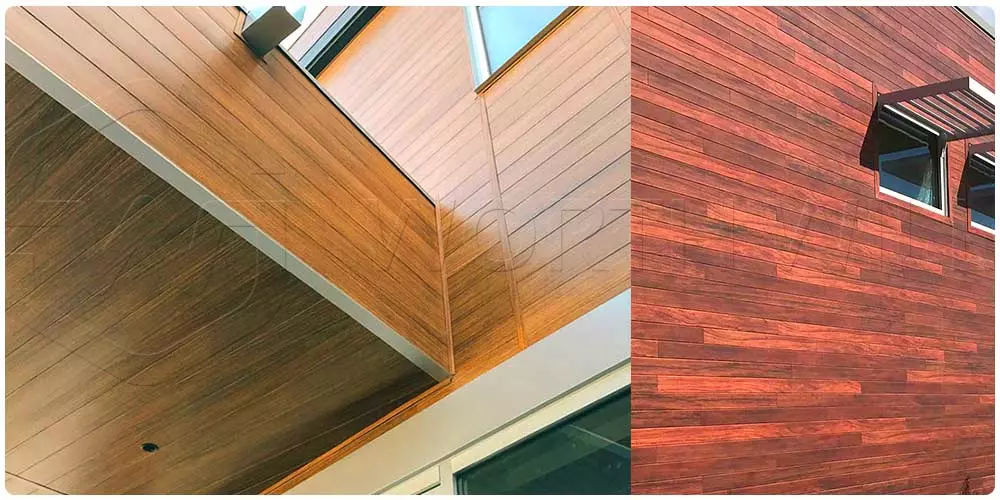
Teak-style finishes have a warm brown appearance.
They can be used for both interior and exterior decorative applications when the coating system is suitable.
Dark Wood Aluminum
Dark wood patterns can create a strong contrast with glass, stone, and metal.
They are often selected for:
- Commercial buildings
- Hotel façades
- Storefronts
- Office interiors
- Feature walls
Wood Aluminum by Product Form
Different forms are suitable for different manufacturing processes.
| Product form | Typical application |
|---|---|
| Sheet | Panels and decoration |
| Coil | Roll forming and fabrication |
| Strip | Narrow decorative parts |
| Profile | Doors, windows, frames |
| Panel | Walls and ceilings |
| Composite panel | Large architectural surfaces |
| Corrugated sheet | Roofing and walls |
| Perforated panel | Decorative façades |
Choosing the correct product form can reduce processing costs.
Aluminum Alloys Used for Wood Finish Products
The alloy affects strength, formability, and processing performance.
1050 Aluminum
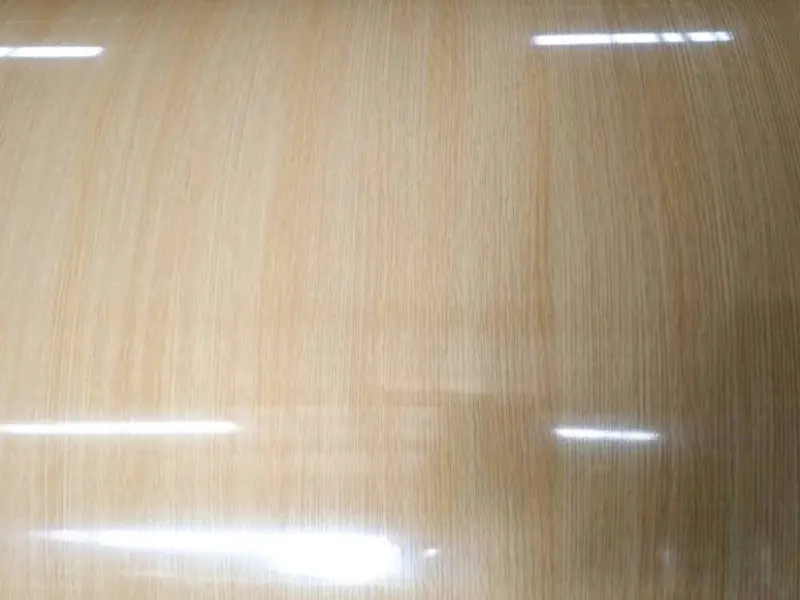
1050 aluminum has high aluminum content and good formability.
It can be considered for decorative products where high strength is not the main requirement.
1060 Aluminum
1060 is another high-purity aluminum option.
It offers good formability and corrosion resistance.
It may be used for decorative sheets and some formed products.
3003 Aluminum
3003 provides a balance between strength and formability.
It is useful for products that need more strength than typical 1xxx series aluminum.
3105 Aluminum
3105 is widely used in building-related aluminum products.
It can be considered for roofing, panels, and other construction applications.
5005 Aluminum
5005 is often selected for architectural applications.
It can provide a good surface appearance and suitable forming performance.
5052 Aluminum
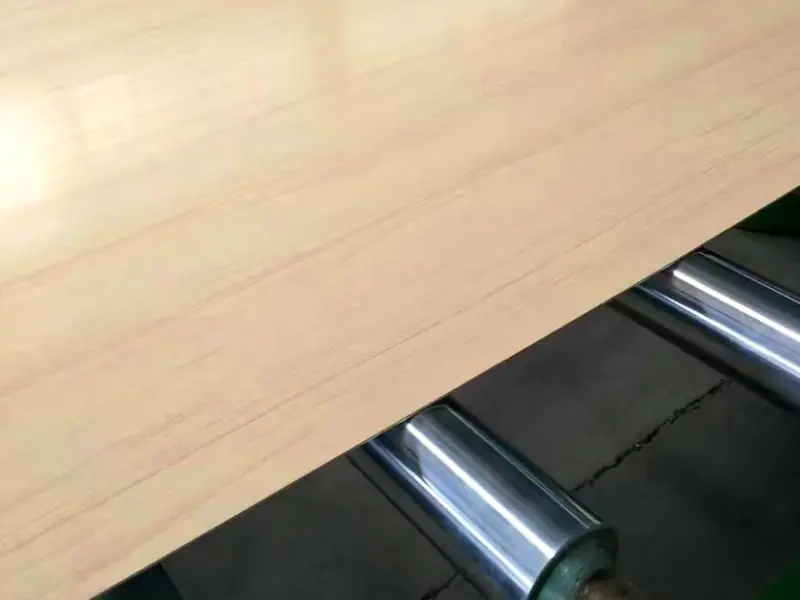
5052 offers higher strength than many 1xxx series alloys.
It can be considered for stronger panels, outdoor applications, and products that receive more handling.
| Alloy | Main characteristic | Possible use |
|---|---|---|
| 1050 | High purity | Decorative sheets |
| 1060 | Good formability | Interior panels |
| 3003 | Balanced properties | General building products |
| 3105 | Building applications | Roofing and cladding |
| 5005 | Architectural appearance | Decorative panels |
| 5052 | Higher strength | Outdoor and heavy-use panels |
The final alloy should be selected based on the forming process and application.
Aluminum Temper Options
The temper indicates the condition of the aluminum.
Common options include:
- O
- H12
- H14
- H16
- H18
- H24
- H32
Soft O temper provides good formability.
H tempers provide higher strength.
For products that need bending or roll forming, temper selection becomes more important.
A typical specification could be:
3003 H14 + 0.8 mm + Wood Grain Finish
or:
5052 H32 + 1.2 mm + Teak Wood Effect
Thickness Options
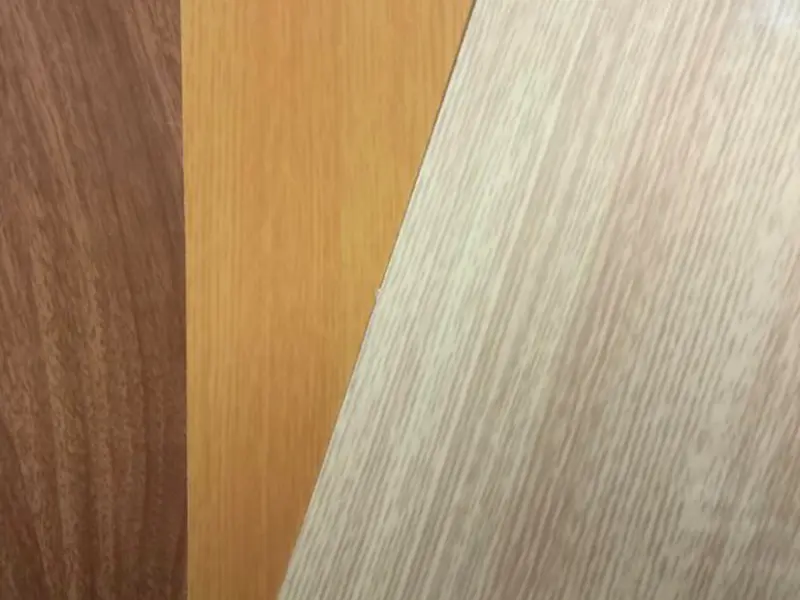
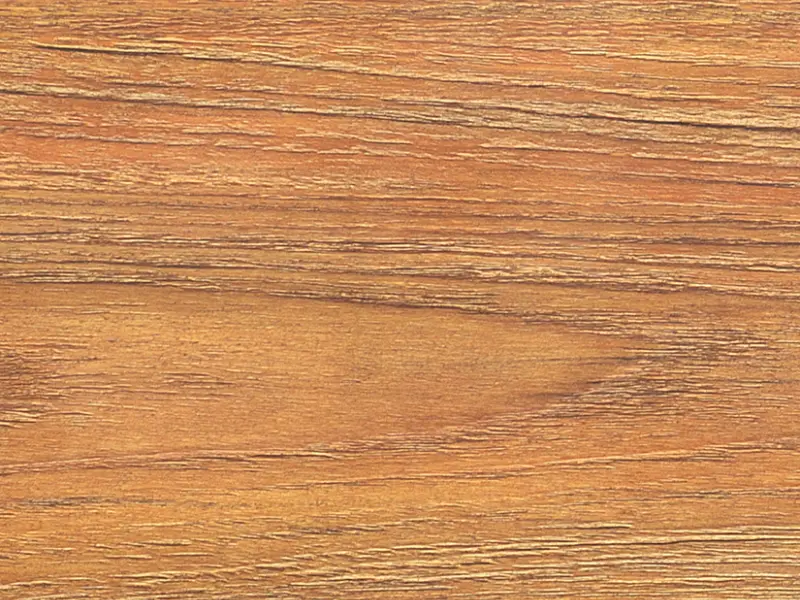
Thickness should match the application.
| Thickness | Possible application |
|---|---|
| 0.40 mm | Lightweight decorative parts |
| 0.50 mm | Interior panels |
| 0.60 mm | Wall and ceiling products |
| 0.70 mm | General architectural use |
| 0.80 mm | Cladding and formed panels |
| 1.00 mm | Rigid decorative panels |
| 1.20 mm | Exterior applications |
| 1.50 mm | Stronger panels |
| 2.00 mm | Heavy decorative panels |
| 3.00 mm | Custom architectural products |
A thicker sheet normally provides greater rigidity but also increases material weight and cost.
The required thickness should also consider panel size and support spacing.
Wood Aluminum Coil Thickness
For coil products, thickness is often selected according to the customer’s forming equipment.
For example:
0.5 mm → lightweight roll forming
0.7 mm → general architectural products
0.8 mm → stronger formed panels
1.0 mm → rigid applications
1.2 mm+ → special projects
The correct choice depends on the profile and bending radius.
Wood Grain Aluminum for Exterior Use
Exterior products face sunlight, rain, humidity, temperature changes, and wind.
The coating system is therefore important.
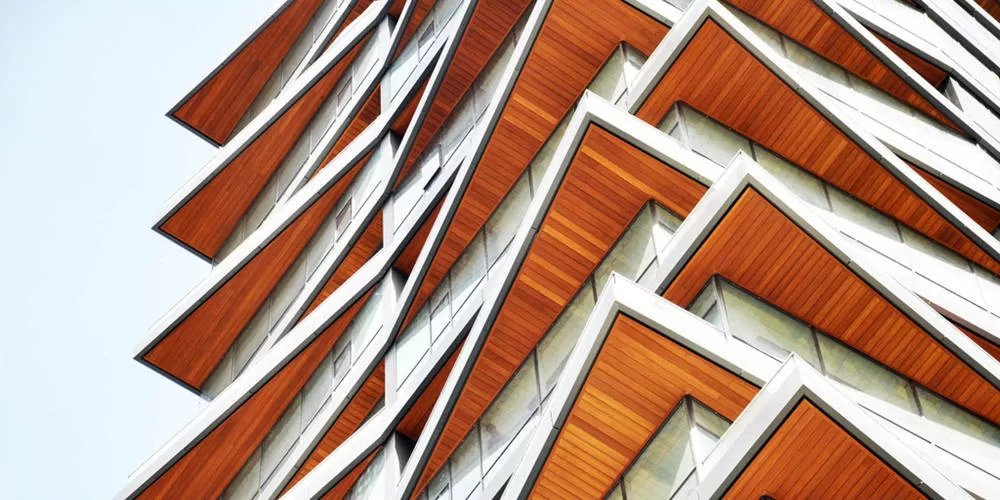
For exterior architectural applications, buyers should check:
- Coating type
- UV resistance
- Color stability
- Adhesion
- Surface protection
- Corrosion resistance
- Thickness
- Edge treatment
A wood appearance alone does not determine outdoor durability.
The complete material system should be considered.
Wood Aluminum for Interior Decoration
Interior applications normally have different requirements.
Common products include:
- Wall panels
- Ceiling panels
- Decorative columns
- Door panels
- Furniture panels
- Reception walls
- Retail displays
Interior projects often focus more on color matching, texture, surface quality, and visual consistency.
Wood Aluminum for Doors and Windows
Wood-look aluminum profiles can provide a traditional appearance while maintaining the structure of aluminum.
Common products include:
- Window frames
- Door frames
- Sliding doors
- Folding doors
- Balcony doors
- Decorative trims
Wood-effect finishes can help aluminum products match wooden floors, furniture, and interior decoration.
Wood Grain Aluminum for Wall Cladding
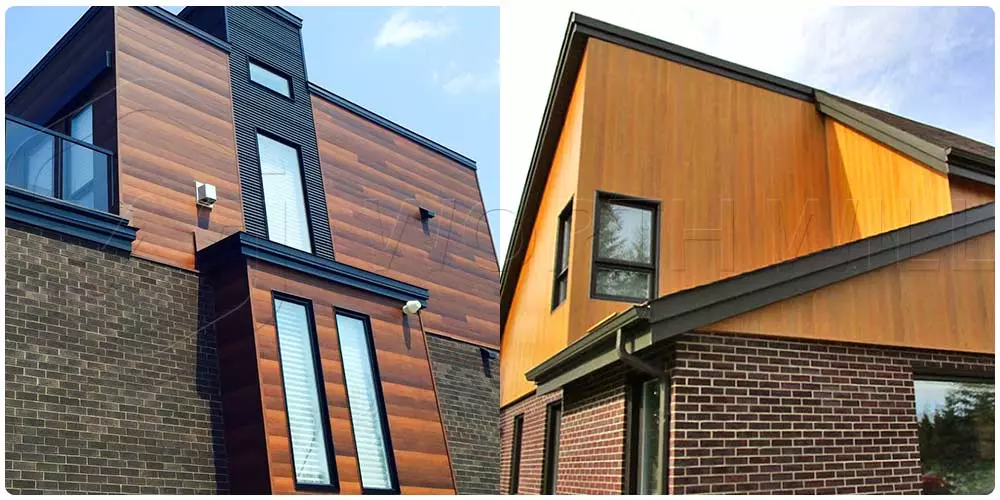
Wood-look cladding is popular in modern architecture.
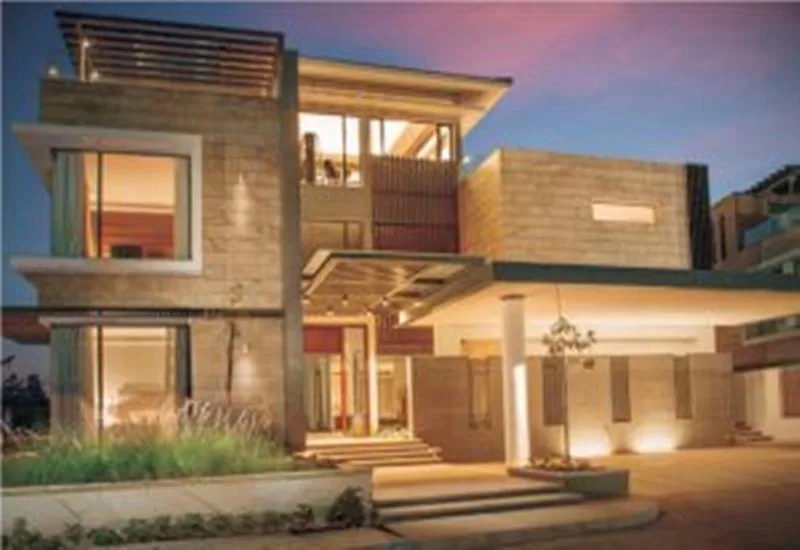
It can be installed as:
- Exterior wall cladding
- Interior wall panels
- Feature walls
- Building entrances
- Commercial façades
- Hotel façades
The panel size and fixing system should be selected according to the building design.
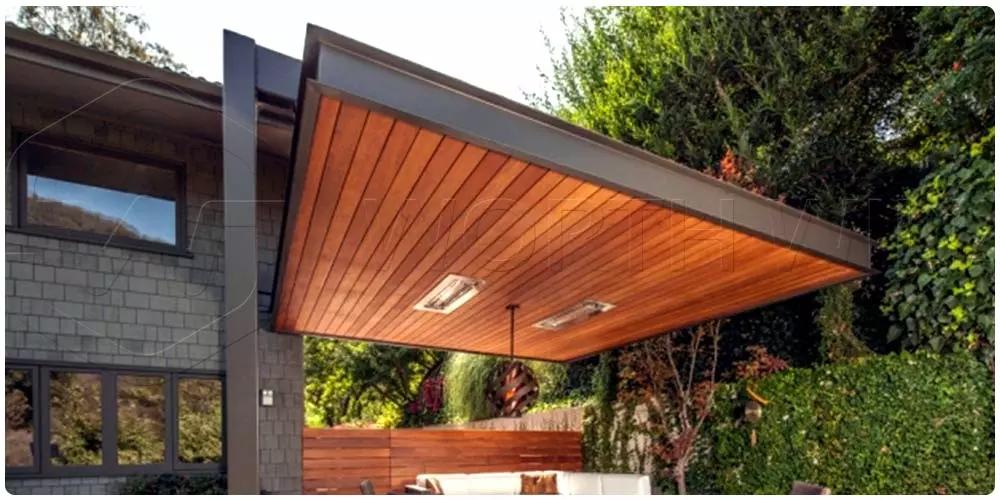
Wood Aluminum Ceiling Panels
Wood-look aluminum ceilings can create a warm appearance without using real timber.
Products can be supplied as:
- Flat panels
- Strip panels
- Baffle ceilings
- Clip-in panels
- Linear ceilings
- Perforated panels
The finish can be matched with wall cladding or other interior materials.
Wood Aluminum for Furniture
Aluminum with a wood appearance can also be used in furniture production.
Possible applications include:
- Cabinet panels
- Table components
- Shelves
- Decorative frames
- Office furniture
- Display furniture
- Outdoor furniture
Aluminum is useful when the manufacturer wants a metal structure with a warmer visual finish.
Wood Grain Aluminum for Commercial Buildings
Commercial buildings often require materials that look attractive but are easy to maintain.
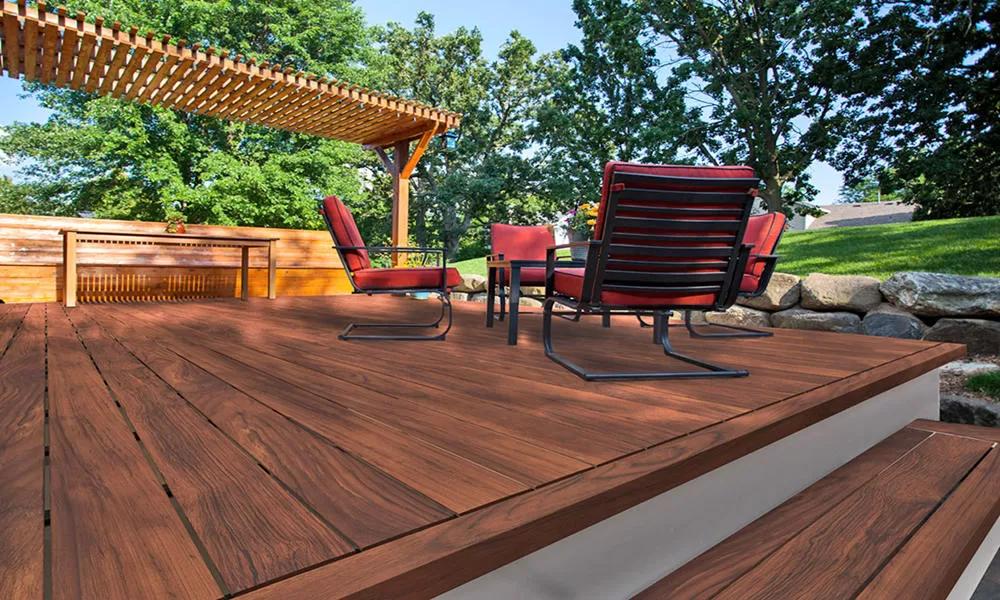
Applications include:
- Shopping centers
- Hotels
- Restaurants
- Office buildings
- Retail stores
- Exhibition halls
- Airports
- Public buildings
Wood-look aluminum can be combined with glass, stone, concrete, and stainless steel.
Wood Aluminum for Outdoor Structures
With a suitable coating and design, wood-effect aluminum can be used for outdoor structures.
- Garden structures
- Pergolas
- Balconies
- Fences
- Gates
- Outdoor screens
- Sunshade systems
- Canopies
- Exterior decoration
For outdoor use, the coating and alloy should be selected according to the local climate.
Wood Aluminum vs Real Wood
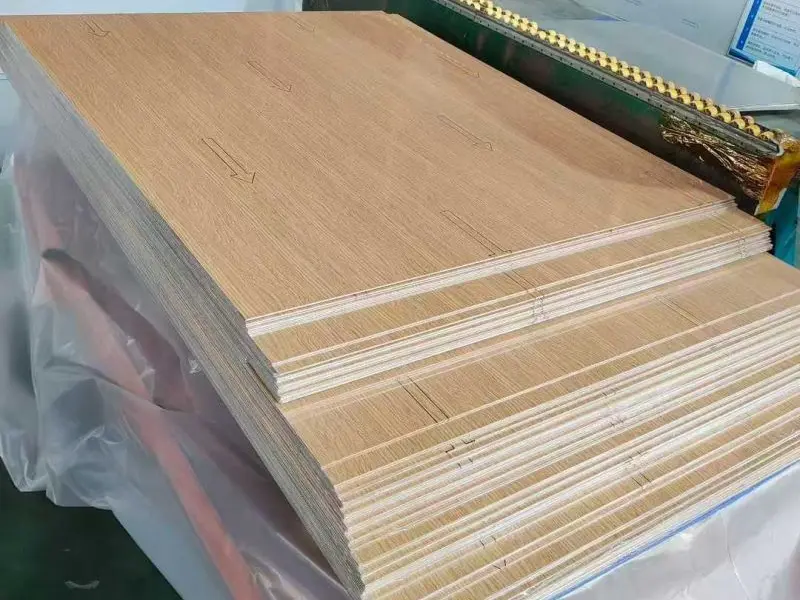
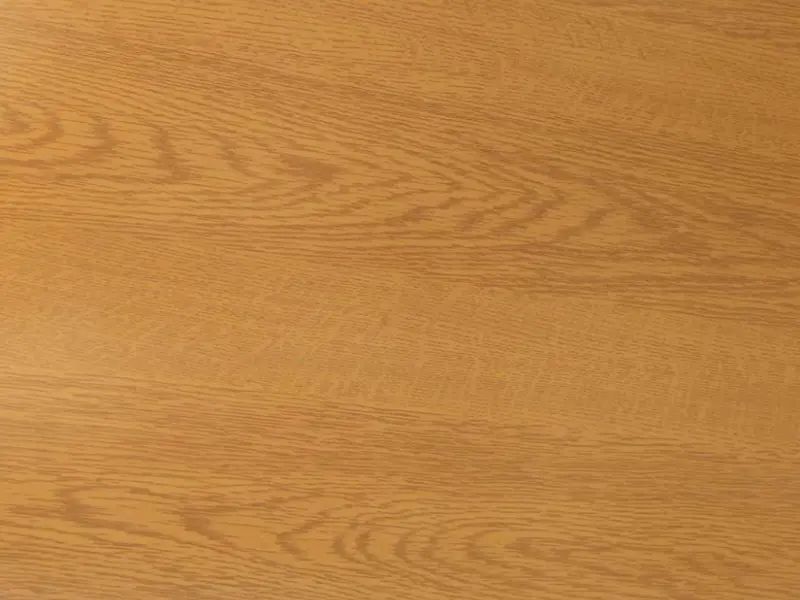
This is one of the main reasons customers consider the product.
| Factor | Wood Aluminum | Real Wood |
|---|---|---|
| Appearance | Wood-like | Natural wood |
| Maintenance | Low | Usually higher |
| Water resistance | Good with proper finish | Depends on treatment |
| Insect resistance | Excellent | Depends on wood |
| Weight | Light | Depends on wood |
| Color consistency | High | Natural variation |
| Processing | Cutting, bending, forming | Cutting, milling |
| Long-term appearance | Depends on coating | Depends on wood and maintenance |
Wood aluminum does not completely replace natural wood in every application.
The choice depends on the required appearance, environment, maintenance, and budget.
Wood Aluminum vs Powder Coated Aluminum
Both products use aluminum as the base material.
The main difference is the appearance.
| Feature | Wood Grain Finish | Standard Powder Coating |
|---|---|---|
| Wood appearance | Yes | Usually no |
| Color options | Many wood patterns | Many solid colors |
| Texture | Wood-like | Smooth or textured |
| Architectural style | Natural / warm | Modern / simple |
| Custom pattern | Possible | Less wood-like |
Wood-effect finishes are useful when a project needs the appearance of timber.
Wood Grain Aluminum vs PVDF Aluminum
PVDF aluminum is widely used in architectural applications.
A wood-effect product can also use an architectural coating system depending on the manufacturing process.
| Feature | Wood Effect | Standard PVDF Color |
|---|---|---|
| Appearance | Wood pattern | Solid color |
| Texture | Wood grain | Usually smooth |
| Design | Natural | Modern |
| Pattern options | Many | Mostly color based |
| Typical use | Decorative architecture | Façades and cladding |
The exact coating system should be confirmed with the supplier.
Wood Aluminum Sheet vs Wood Aluminum Profile
Sheet products are flat.
Profile products have a fixed cross-sectional shape.
| Product | Main use |
|---|---|
| Flat sheet | Panels and decoration |
| Coil | Manufacturing |
| Strip | Trims |
| Extruded profile | Frames |
| Formed profile | Cladding systems |
| Panel | Walls and ceilings |
A customer should choose based on the manufacturing process rather than appearance alone.
Wood Grain Aluminum by Color
Wood-look aluminum is available in many shades.
Light Colors
Examples include:
- Light oak
- Natural maple
- Pine
- Light ash
These colors can make an interior look brighter.
Medium Colors
Examples include:
- Natural oak
- Teak
- Walnut
- Cedar
These colors provide a balanced wood appearance.
Dark Colors
Examples include:
- Dark walnut
- Mahogany
- Wenge
- Dark oak
Dark wood patterns can create stronger visual contrast.
Gloss and Surface Options
The same wood pattern can look different depending on the surface finish.
Possible options include:
- Matte
- Semi-matte
- Low gloss
- Satin
- Textured
For architectural applications, matte or low-gloss finishes can reduce strong reflections.
Wood Grain Direction
Wood grain direction should not be ignored.
The grain may run:
- Along the long side
- Along the short side
- Horizontally
- Vertically
- Diagonally
- According to a custom design
For large wall projects, consistent grain direction can create a more natural appearance.
Custom Wood Grain Aluminum
Some projects need a special wood pattern.
Custom production may include:
- Custom wood color
- Custom grain
- Custom gloss
- Custom thickness
- Custom width
- Custom length
- Custom alloy
- Custom temper
- Custom cutting
- Custom perforation
For large orders, customers can provide a wood sample or reference image.
The supplier can then check whether a similar finish is available.
Standard Size vs Custom Size
Standard sizes can be easier to purchase and may have shorter production times.
Custom sizes can reduce cutting waste.
| Option | Advantage |
|---|---|
| Standard sheet | Simple purchasing |
| Standard coil | Easy production planning |
| Custom sheet | Less cutting |
| Custom coil width | Better material use |
| Custom panel | Ready for installation |
For a large project, custom dimensions can sometimes reduce total processing work.
Wood Aluminum for Roofing
Wood-effect aluminum can also be produced for roofing applications.
Possible forms include:
- Corrugated roofing
- Standing seam panels
- Flat roofing panels
- Decorative roof panels
For roofing, the material should be selected based on:
Roof type → Profile → Alloy → Thickness → Coating → Climate
Roofing products require different performance considerations from interior decorative panels.
Wood Aluminum for Fences and Gates
Wood-look aluminum is increasingly useful for decorative fences and gates.
It can provide the appearance of wood while maintaining an aluminum structure.
Applications include:
- Garden fences
- Residential gates
- Balcony screens
- Privacy panels
- Commercial boundaries
- Decorative partitions
The thickness and profile should be selected according to panel size and wind exposure.
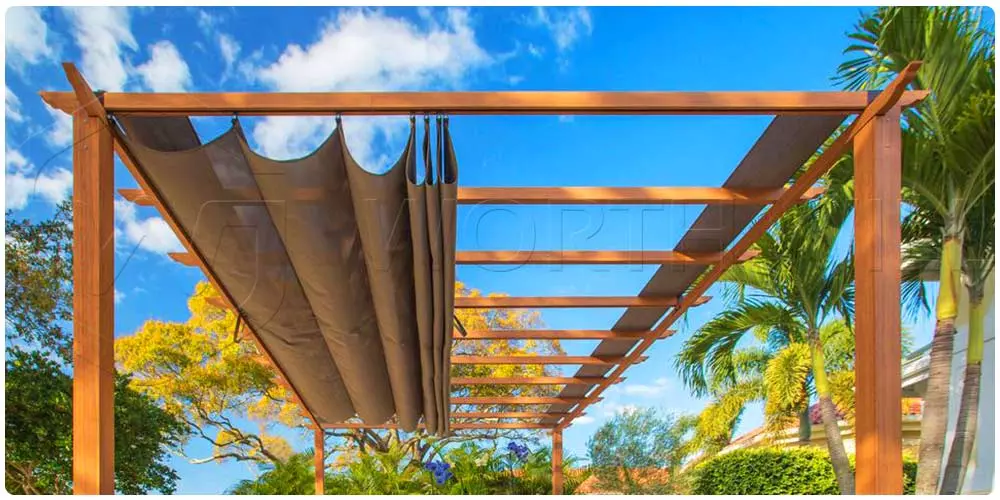
Wood Aluminum for Pergolas
Pergola systems can combine aluminum profiles with wood-look finishes.
The result gives the structure a warm appearance while keeping the aluminum frame.
Typical products include:
- Main beams
- Support posts
- Roof louvers
- Decorative strips
- Side screens
A wood-effect finish can help the pergola match outdoor furniture and landscaping.
Wood Aluminum Applications
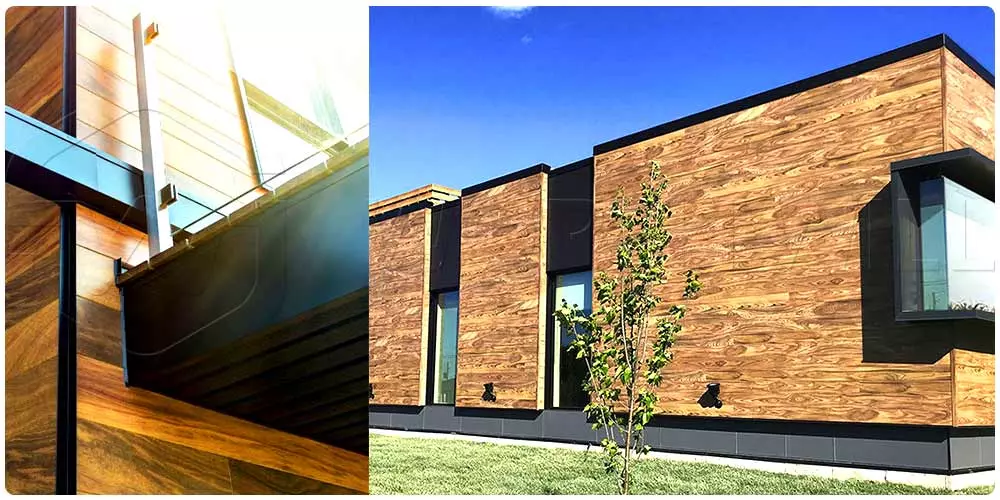
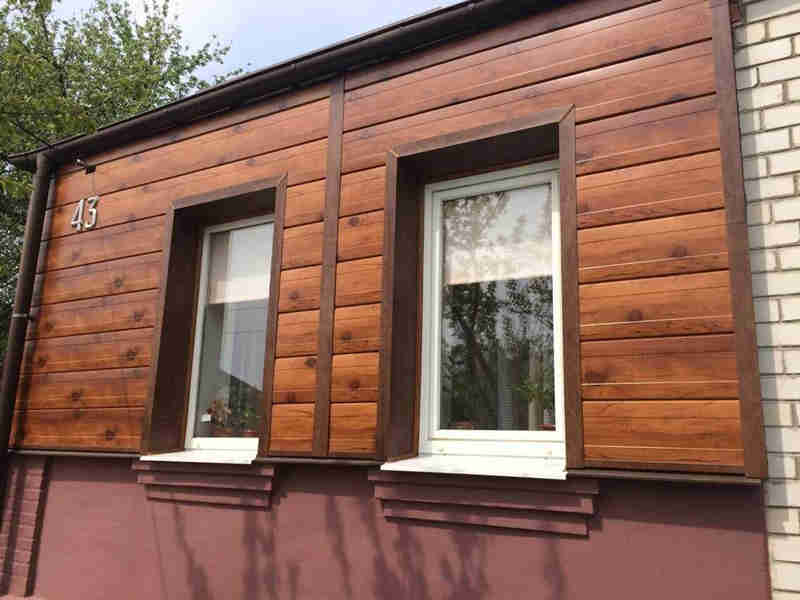
Wood-look aluminum can be used in many industries and projects:
- Residential buildings
- Commercial buildings
- Hotels
- Restaurants
- Shopping centers
- Office buildings
- Schools
- Public buildings
- Interior design
- Furniture
- Doors and windows
- Wall cladding
- Ceiling systems
- Fences
- Gates
- Pergolas
- Balconies
- Roofing
- Signage
- Exhibition displays
- Retail decoration
How to Select the Right Wood Aluminum
A simple selection process is:
Application → Indoor/Outdoor → Product Form → Alloy → Temper → Thickness → Wood Pattern → Finish → Size
For interior decoration, surface appearance may be the main concern.
By exterior cladding, coating durability becomes more important.
For roll forming, temper and thickness should match the production equipment.
For doors and windows, profile design is more important than sheet thickness alone.
A Practical Product Selection Example
A hotel wall project may use:
3003 H14 → 0.8 mm → Walnut Grain → Matte Finish → Custom Panel
A decorative ceiling may use:
3003 H14 → 0.7 mm → Light Oak → Low Gloss
A fence project may require:
5052 H32 → 1.2 mm → Dark Wood → Outdoor Coating
A roll-forming factory may purchase:
3105 H14 → 0.8 mm → Wood Grain Coil → Custom Width
These are examples only. The actual specification should be based on the project.
Quality Control for Wood Aluminum
Surface appearance is especially important for this product.
Quality checks may include:
- Alloy
- Temper
- Thickness
- Width
- Length
- Flatness
- Color
- Grain direction
- Grain consistency
- Coating adhesion
- Surface defects
- Scratches
- Edge quality
- Packaging
For large architectural projects, sample approval is recommended before mass production.
Packaging and Shipping
Wood-effect aluminum should be protected during transportation.
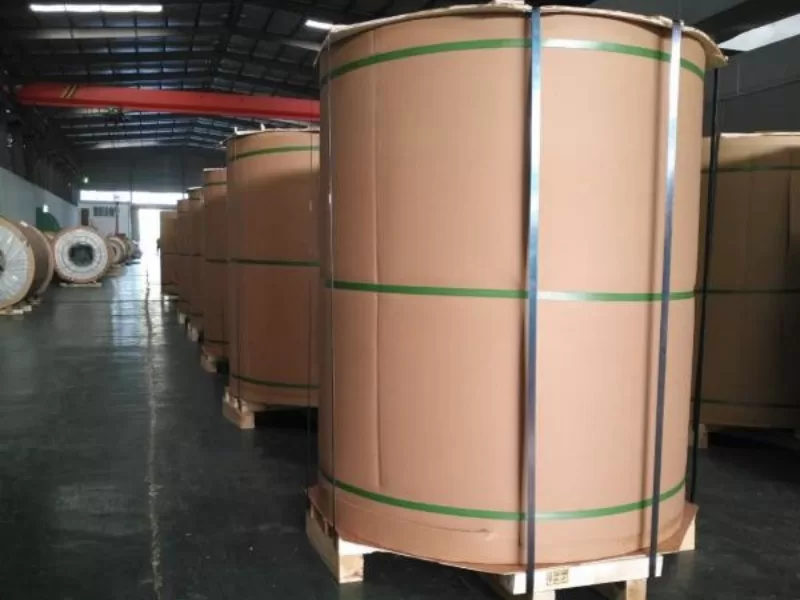
Common packaging includes:
- Protective film
- PE film
- Waterproof paper
- Cartons
- Pallets
- Wooden cases
- Edge protection
- Steel straps
Protective film can help reduce scratches during handling.
For export orders, packaging should be designed for the shipping method and destination.
What Affects the Price?
The price is influenced by more than aluminum weight.
Important factors include:
- Aluminum alloy
- Aluminum thickness
- Coil or sheet format
- Wood pattern
- Surface treatment
- Coating type
- Custom color
- Width
- Length
- Quantity
- Cutting
- Packaging
- Shipping
A custom wood pattern may have a different cost from a standard pattern.
Large production quantities may also reduce the processing cost per square meter.
Buying Wood Aluminum in Bulk
For wholesale orders, buyers should provide complete information.
A useful inquiry format is:
Product → Alloy → Temper → Thickness → Width → Length → Wood Pattern → Finish → Quantity → Destination
For example:
| Item | Requirement |
|---|---|
| Product | Wood grain aluminum sheet |
| Alloy | 3003 |
| Temper | H14 |
| Thickness | 0.8 mm |
| Width | 1220 mm |
| Length | 2440 mm |
| Pattern | Natural Oak |
| Finish | Matte |
| Quantity | 2,000 sheets |
| Packaging | Export packaging |
This information allows the supplier to prepare a more accurate quotation.
Frequently Asked Questions
What is wood aluminum?
Wood aluminum is aluminum with a wood-look surface. It provides the appearance of natural wood while maintaining the basic characteristics of aluminum.
What is wood grain aluminum used for?
It can be used for wall cladding, ceilings, doors, windows, furniture, fences, gates, pergolas, roofing, signs, and interior decoration.
What alloys are available for wood-look aluminum?
Common options include 1050, 1060, 3003, 3105, 5005, and 5052. The best alloy depends on the application and forming process.
What thickness is available?
Common thicknesses range from about 0.4 mm to 3.0 mm, with other custom thicknesses possible depending on the product and order quantity.
Can wood aluminum be used outdoors?
Yes, some wood-effect aluminum products have designed for outdoor use. The coating, alloy, thickness, and installation system should be selected according to the environment.
What is the difference between wood aluminum and real wood?
Wood aluminum provides a wood-like appearance with an aluminum base. It can offer lower maintenance and good resistance to moisture and insects compared with many untreated wood products.
Can I order wood grain aluminum coil?
Yes. Coil is useful for manufacturers that use roll forming, cutting, bending, or other continuous processing methods.
Can the wood pattern be customized?
Custom patterns may be possible for larger orders. Buyers can provide a reference image or wood sample for discussion.
Can I choose the wood color?
Yes. Common choices include oak, walnut, teak, cherry, maple, mahogany, and other wood colors.
Can wood aluminum be bent?
The answer depends on the alloy, temper, thickness, and finishing process. Softer tempers generally provide better formability.
Is 5052 aluminum suitable for wood grain panels?
5052 can be considered when higher strength is needed. The final choice should also consider forming requirements and the surface treatment.
Can wood-look aluminum be used for doors and windows?
Yes. It has applications on aluminum profiles and panels for doors, windows, frames, and related architectural products.
Can wood aluminum be used for fences?
Yes. Wood-effect aluminum sheets and profiles have applications for fences, gates, privacy screens, and outdoor partitions.
Can I order custom sizes?
Yes. Custom sheet sizes, coil widths, panel dimensions, and cut shapes may be available.
What information is needed for a quotation?
Provide the product type, alloy, temper, thickness, size, wood pattern, finish, quantity, and destination.
Quick Selection Table
| Project | Suggested product |
|---|---|
| Interior wall | 0.6–1.0 mm wood grain sheet |
| Ceiling | 0.6–0.8 mm panel |
| Door panel | 0.8–1.2 mm |
| Window profile | Wood-look aluminum profile |
| Exterior wall | 0.8–1.5 mm, suitable coating |
| Fence | 1.0–1.5 mm |
| Pergola | Aluminum profiles |
| Roofing | Corrugated or standing seam aluminum |
| Furniture | 0.5–1.2 mm |
| Large façade | Custom panel system |
These ranges are general examples. Final specifications have confirmed according to the product design and installation conditions.
Why Product Type Matters More Than One Keyword
“Wood aluminum” can describe many different products.
A buyer looking for a wood grain aluminum coil has different needs from a buyer looking for wood-effect wall panels.
A door manufacturer may need a profile.
A roofing company may need a coated coil.
An interior designer may need decorative sheets.
A building contractor may need large cladding panels.
For this reason, the best purchasing method is to start with the application and then select the product form.
Application → Product → Material → Finish → Size → Quantity
This approach makes the specification clearer and can also reduce unnecessary processing.
Final Guide to Different Types of Wood Aluminum
Wood-look aluminum is not limited to one sheet or one finish.
It can be supplied as:
Wood Grain Sheet → Wood Grain Coil → Wood Aluminum Panel → Wood-Look Profile → Wood Cladding → Wood Ceiling Panel → Wood Roofing → Wood Fence Panel → Wood Decorative Strip
Different alloys, tempers, thicknesses, patterns, and finishes can then be combined with each product type.
For example:
1060 O → 0.5 mm → Fine Oak → Interior Panel
3003 H14 → 0.8 mm → Walnut → Wall Cladding
3105 H14 → 0.8 mm → Wood Grain Coil → Roll Forming
5052 H32 → 1.2 mm → Dark Wood → Outdoor Fence
This makes wood aluminum suitable for a wide range of commercial and architectural applications.
When requesting a quotation, the most useful information is:
Product Type → Alloy → Temper → Thickness → Size → Wood Pattern → Finish → Quantity → Application
A complete specification helps the supplier recommend a suitable material and prepare a more accurate quotation.
Error: Contact form not found.