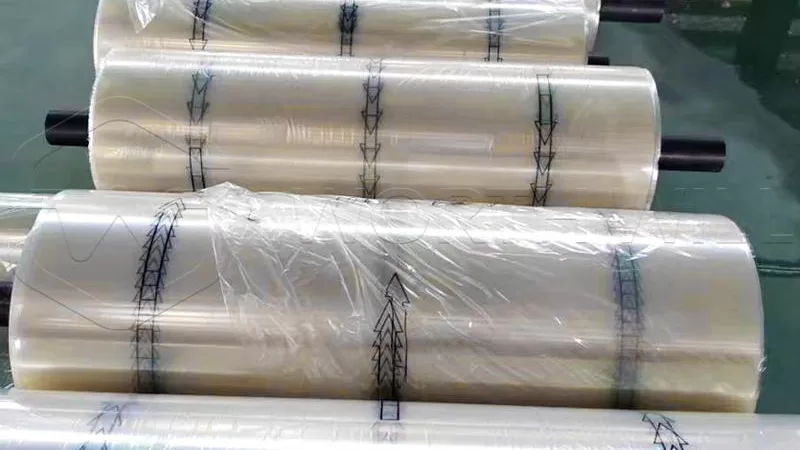
In the realm of packaging and product protection, two common solutions often stand at the forefront: Protective Film and Stretch Film. While they may seem similar, each serves distinct purposes, catering to different needs and scenarios.
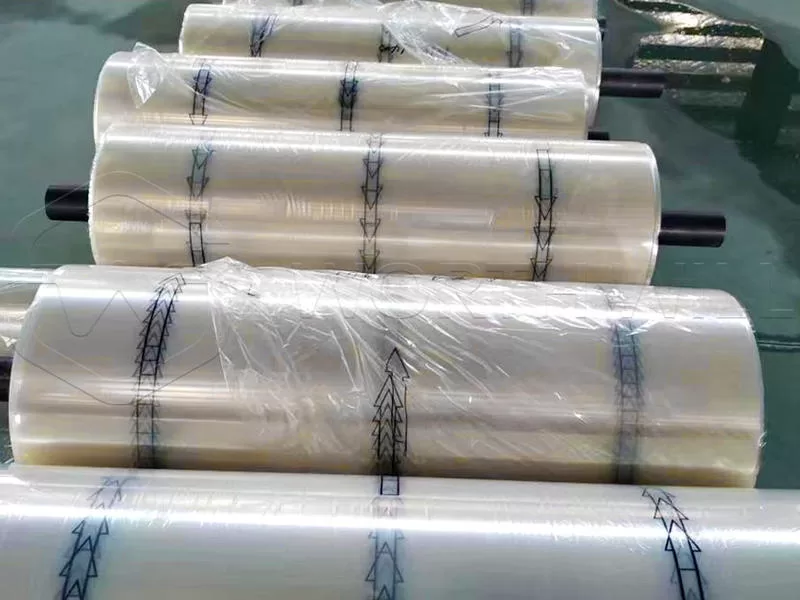
Protective Film: Safeguarding Surfaces with Precision
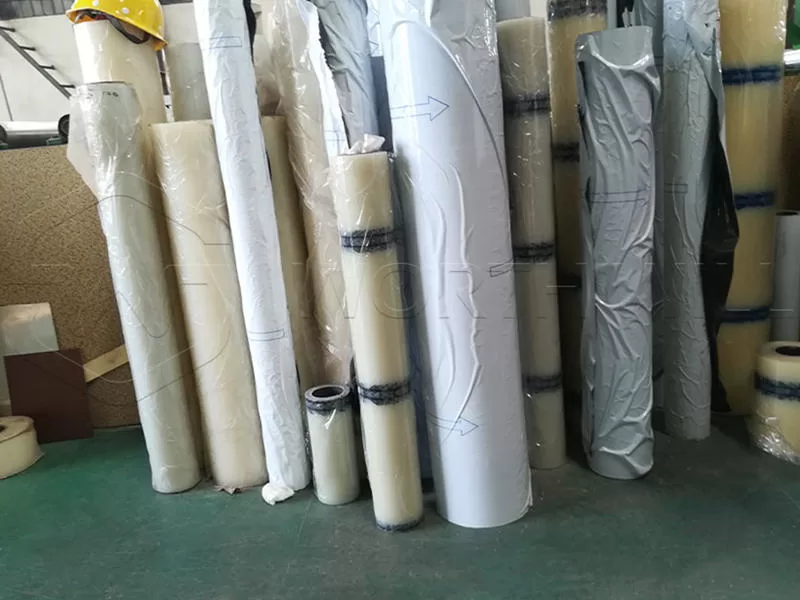
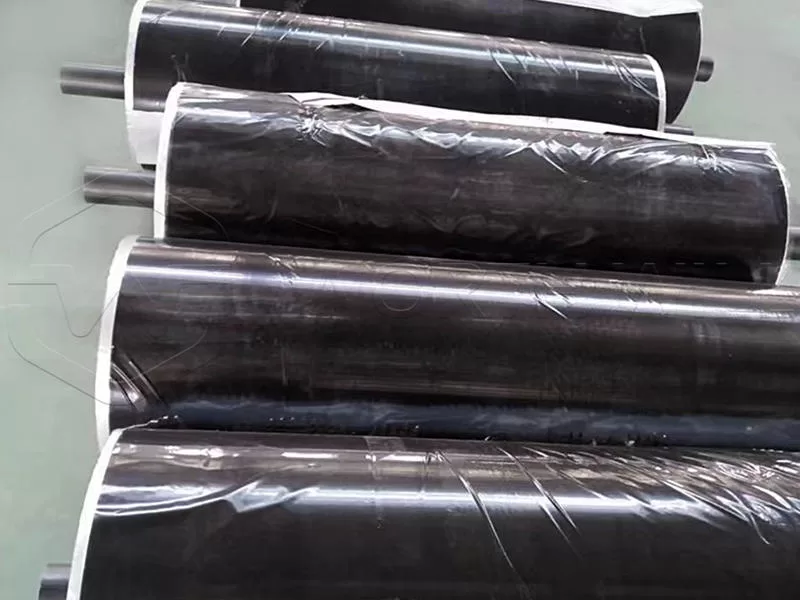
Protective Film, also known as surface protection film or temporary protective film. It is engineered to shield surfaces. From scratches, abrasions, dust, and other damage during transportation, storage, or installation. Here’s what sets it apart:
- Material Composition: Typically made from polyethylene or polypropylene, protective films boast excellent adhesion properties without leaving behind residue upon removal.
- Surface Applications: Protective films are ideal for delicate surfaces such as glass, stainless steel, aluminum, plastics, and painted surfaces. They provide a temporary barrier against scratches, scuffs, and other forms of damage, preserving the integrity and aesthetics of the underlying material.
- Customization Options: Protective films come in various thicknesses, adhesion levels, and tack strengths to accommodate diverse surface types and application requirements. They can be tailored to fit specific dimensions and shapes. It ensures precise coverage and protection.
- Ease of Removal: Unlike permanent coatings or adhesives, protective films can easily peel off. Without leaving adhesive residue or damaging the surface. This makes them ideal for use during manufacturing, shipping, or construction processes, where temporary protection is paramount.
Stretch Film: Flexible Wrapping for Secure Containment
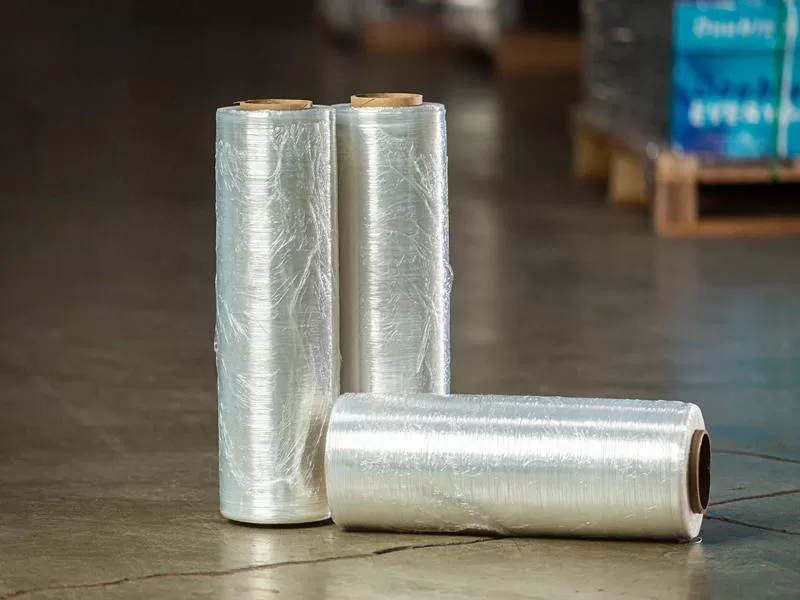
Stretch Film, also referred to as stretch wrap or pallet wrap, is a versatile packaging material designed to secure and stabilize loads during transit or storage. Here’s what distinguishes it:
- Material Composition: Typically composed of linear low-density polyethylene (LLDPE), stretch film offers excellent stretchability and tear resistance, ensuring reliable containment of various loads.
- Application Method: Stretch film is applied by hand. Or with the aid of a stretch wrapping machine. It allows for efficient and uniform wrapping around palletized goods, boxes, or other items. It conforms tightly to the contours of the load, providing optimal protection against shifting, tampering, and moisture.
- Load Stability: By evenly distributing tension across the wrapped load, stretch film minimizes the risk of product damage or loss during handling and transportation. It enhances load stability, reducing the likelihood of shifting, toppling, or damage in transit.
- Versatility: Stretch film is suitable for a wide range of applications across industries, including logistics, warehousing, manufacturing, and retail. It comes in various widths, thicknesses, and formulations to accommodate different load sizes, weights, and environmental conditions.
While Protective Film safeguards surfaces with precision against scratches and damage. Stretch Film provides flexible wrapping solutions for secure containment and stability during transit or storage.
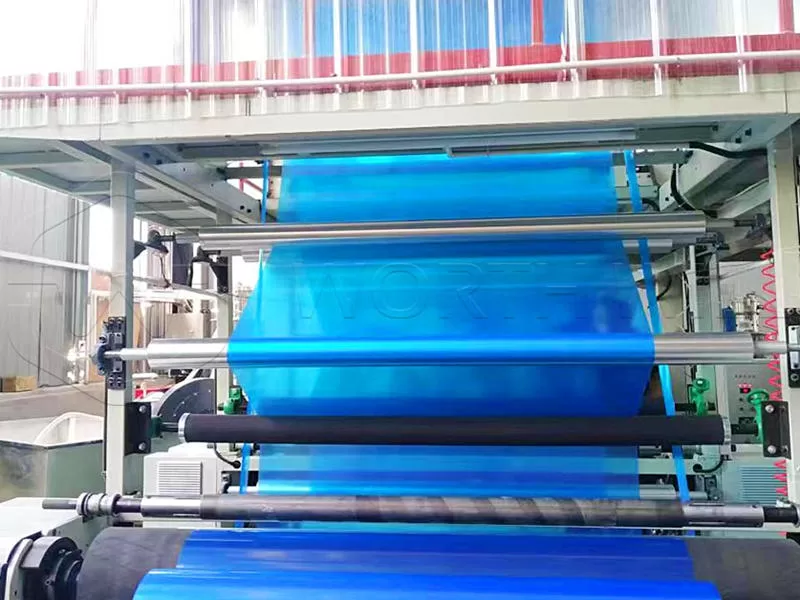
Understanding the differences between these two packaging materials empowers businesses to make informed decisions. Based on their specific needs and requirements.
Whether protecting delicate surfaces or securing palletized loads, the right choice ensures optimal product integrity and performance throughout the supply chain.
The Difference of Protective Film and Stretch Film: Which One Do You Need?
Protective film and stretch film look alike. Both are thin plastic. Both are sold on rolls. But they do very different jobs.
Protective film guards a surface from scratches and dirt. Stretch film holds loads together on a pallet. If you use the wrong one, you may waste money or damage your goods.
→ One film protects the surface
→ One film secures the load
→ Both can work together in the same shipment
The Short Answer: Surface vs Load
Here is the main idea in one table.
| Point | Protective Film | Stretch Film |
|---|---|---|
| Main job | Protects the surface | Holds goods in place |
| Where it goes | Directly on the product | Around the whole load |
| Stickiness | Low tack, peels off clean | Cling or light tack, self sticks |
| Stretch | Very little | Very high |
| Typical thickness | 0.03–0.12 mm | 0.012–0.03 mm |
| Removed by | The final user | The receiver at unloading |
| Typical goods | Aluminum sheet, glass, plastic | Pallets, boxes, coils |
A Simple Way to Remember
- Protective film is a skin for the product.
- Stretch film is a coat for the pallet.
What Is Protective Film?

Protective film is a thin plastic layer with a light adhesive. You apply it to a clean surface. It stops scratches, dust, oil, and small dents during handling.
The film can be peeled off later. A good film leaves no glue marks on the surface.
Common Materials
| Material | Features | Typical Use |
|---|---|---|
| PE (polyethylene) | Soft, low cost, good adhesion | Aluminum, stainless steel, plastic |
| PET | Strong, clear, heat stable | Screens, glass, special metal |
| PVC | Flexible, good grip | Some decorative surfaces |
| PP | Stiff, clear | Light protection |
| Paper based | Easy to print, heat tolerant | Special processing |
Typical Thickness
| Thickness | Level | Common Use |
|---|---|---|
| 0.03–0.05 mm | Light | Indoor storage, short shipping |
| 0.05–0.07 mm | Medium | Standard sheet protection |
| 0.07–0.10 mm | Heavy | Stamping and bending |
| 0.10–0.12 mm | Extra heavy | Rough handling |
What Is Stretch Film?
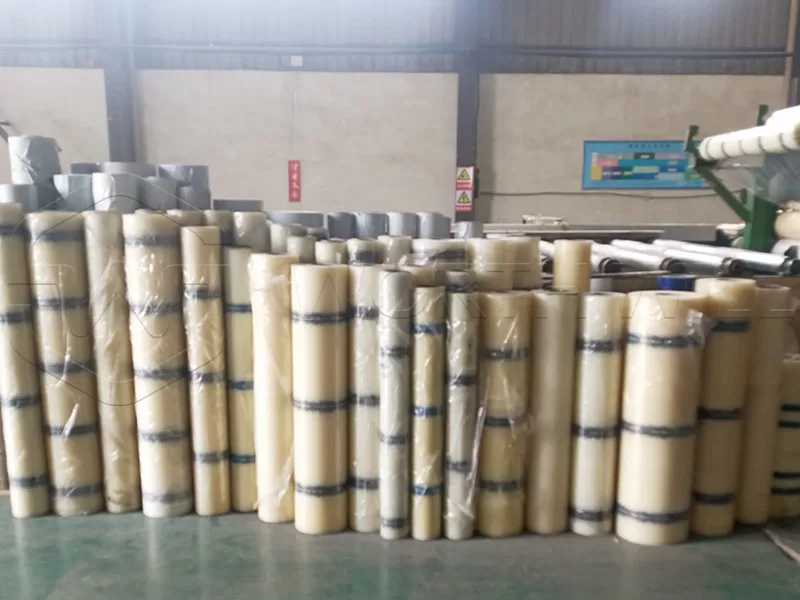
Stretch film is a very thin plastic wrap. It is pulled tight around a load. For it sticks to itself and holds boxes, bags, or coils together.
It is the most common pallet wrap in the world. Warehouses, factories, and shipping companies use it every day.
Common Types
| Type | Features | Typical Use |
|---|---|---|
| Hand stretch film | Light, easy to pull by hand | Small and mixed loads |
| Machine stretch film | Strong, high stretch | Pallet wrapping machines |
| Pre-stretched film | Already stretched at the mill | Saves material |
| Colored stretch film | Black, blue, or green | Marking and privacy |
| UV stretch film | Resists sun | Outdoor storage |
| Vented stretch film | Holes for air | Fresh goods |
Typical Thickness
| Thickness | Type | Use |
|---|---|---|
| 12–15 micron | Light machine film | Light cartons |
| 17–20 micron | Standard film | Normal pallets |
| 23–25 micron | Heavy film | Heavy goods |
| 30 micron or more | Extra heavy | Sharp or heavy loads |
Side by Side: A Full Comparison
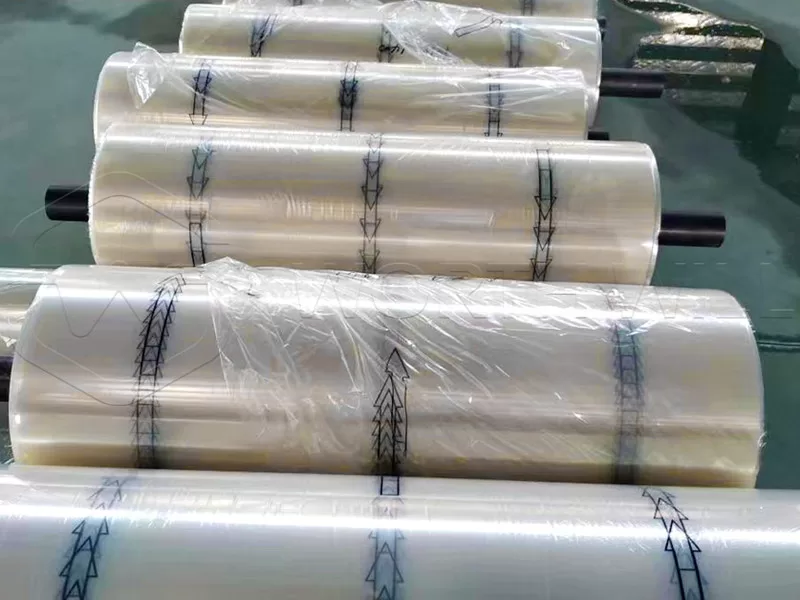
This table covers the points buyers ask about most.
| Feature | Protective Film | Stretch Film |
|---|---|---|
| Purpose | Surface protection | Load stability |
| Contact with product | Direct, on the surface | Outside the package |
| Adhesive | Yes, low tack | No glue, cling effect |
| Peel after use | Yes, clean | Cut and discard |
| Stretch rate | 0–5% | 100–300% |
| Width | 20–1,600 mm | 100–750 mm |
| Roll weight | Light to medium | Medium to heavy |
| Printing | Often printed with logo | Rarely printed |
| Cost per square meter | Higher | Lower |
Where People Mix Them Up
Some buyers use stretch film on a bare aluminum sheet. This can leave marks. The film rubs the surface when the load shifts. Other buyers use protective film around pallets. It does not hold the load well.
Protective Film Types by Adhesion Level
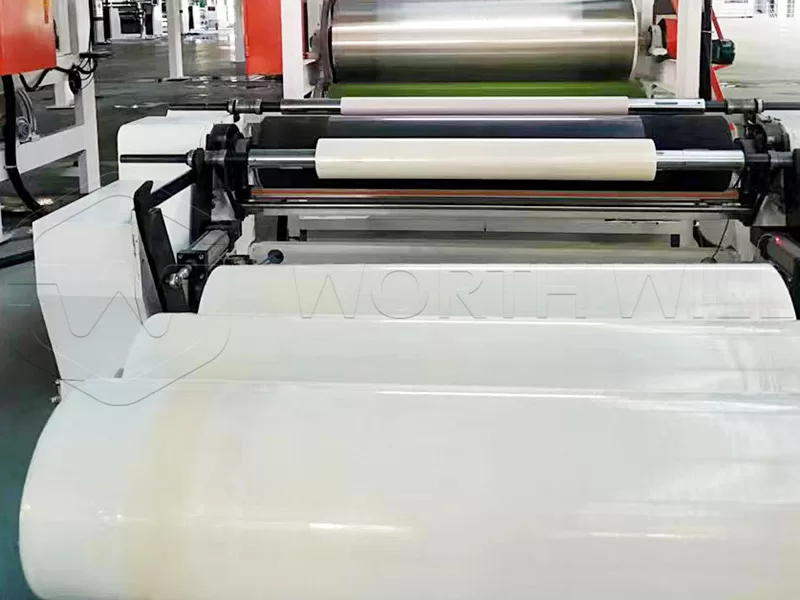
Adhesion decides how strongly the film sticks. Too little, and the film falls off. Too much, and it leaves glue.
| Level | Peel Strength | Best For |
|---|---|---|
| Super low | Very light | Mirror and polished surfaces |
| Low | Light | Brushed aluminum, acrylic |
| Medium | Moderate | Standard mill finish sheet |
| High | Strong | Textured or embossed surfaces |
| Extra high | Very strong | Rough or curved surfaces |
How to Choose
- Smooth, shiny surface: pick low adhesion.
- Brushed surface: pick low or medium adhesion.
- Embossed or rough surface: pick high adhesion.
- Long storage: pick film made for long storage.
Protective Film Options for Metal
Metal buyers often need film for sheet and coil. Here are the main options.
Clear Protective Film
Clear film lets you see the surface. It is good for inspection. It is a common choice for aluminum sheet.
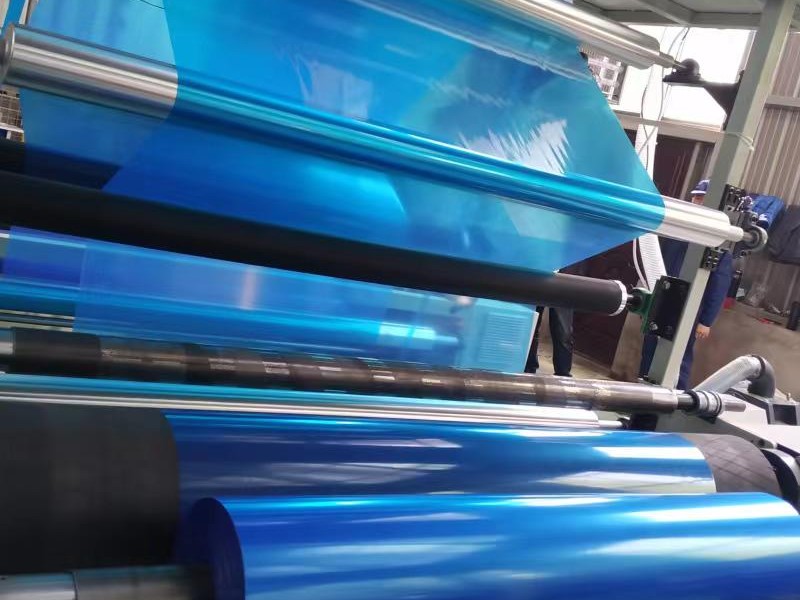
Blue or Colored Protective Film

Color helps tell products apart. It is also easy to see after peeling.
Black and White Protective Film
This film blocks light. It can help protect against sun during outdoor storage.
Laser Cutting Film
This film is made to survive laser cutting. It stays stuck at the cut edge and protects the surface.
Heat Resistant Film
It can stand higher heat from processes like stamping or forming. It peels clean after heating.
Printed Protective Film
The film carries a brand name, logo, or handling note. It adds a professional touch.
| Type | Typical Use |
|---|---|
| Clear PE | General sheet |
| Blue PE | Brand color or sorting |
| Black and white | Outdoor storage |
| Laser film | Laser cutting shops |
| Heat resistant | Forming and stamping |
| Printed | Retail and branding |
Stretch Film Options for Pallets
Stretch film has its own set of options.
Standard Machine Film

This is the common choice. It wraps pallets with a machine. It gives good load hold at a low cost.
Pre-Stretched Film
The film is already stretched. It is thinner but strong. It uses less plastic per pallet.
Heavy Duty Film
Thicker and stronger. It suits metal loads with sharp corners.
Black Film
It hides the load. It blocks sun and helps keep goods private.
Colored Film
Different colors help sort goods in a warehouse.
| Type | Pallet Load | Notes |
|---|---|---|
| Light hand film | Up to 500 kg | Easy to use |
| Standard machine film | 500–1,000 kg | Good for most loads |
| Heavy film | 1,000–2,000 kg | Good for metal |
| Pre-stretched film | 500–1,500 kg | Saves plastic |
Using Both Films on Aluminum Shipments


Many shipments use both films together. Each film does its own job.
A Typical Wrapping Plan for Aluminum Sheets
→ Step 1: Apply protective film to the sheet surface.
→ Step 2: Stack sheets with paper between layers if needed.
→ Step 3: Place the stack on a wood pallet.
→ Step 4: Add edge protectors on corners.
→ Step 5: Wrap the whole pallet with stretch film.
→ Step 6: Strap the pallet for heavy loads.
A Typical Plan for Aluminum Coils
→ Wrap the coil in paper or film.
→ Place on a wood pallet, eye to the sky or eye to the wall.
→ Wrap with heavy stretch film.
→ Add steel or PET strapping.
Where Each Film Is Used
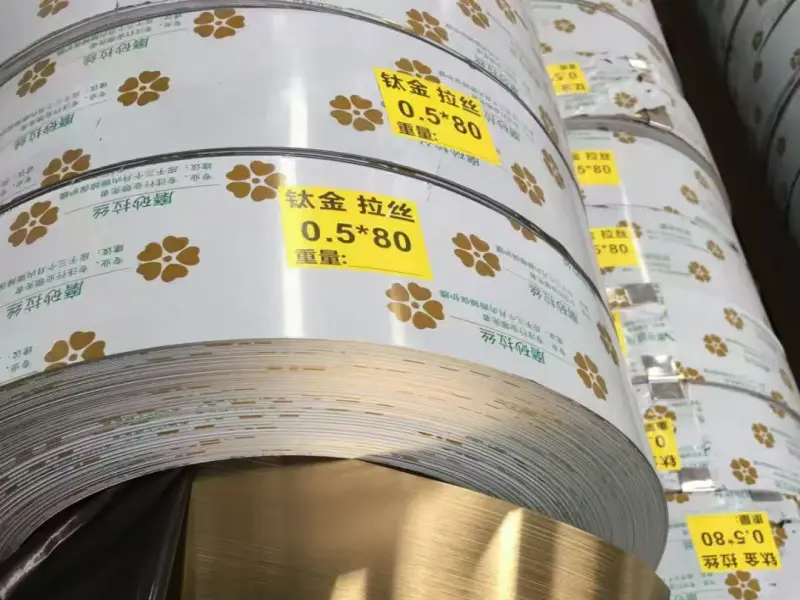

Protective Film Applications
- Aluminum sheet and coil
- Stainless steel panels
- Glass and mirror
- Plastic and acrylic sheets
- Home appliance panels
- Furniture and cabinet doors
- Car interior parts
- Elevator panels
- Solar panel frames
- Electronic housings
Stretch Film Applications
- Pallet wrapping in warehouses
- Export shipping
- Food and drink boxes
- Building materials
- Furniture packs
- Aluminum coils and bundles
- Retail goods
- Moving and storage
Industry Quick Table
| Industry | Protective Film | Stretch Film |
|---|---|---|
| Aluminum and metal | Yes, on sheet surface | Yes, on pallet |
| Glass | Yes | Yes |
| Furniture | Yes, on panels | Yes, on packs |
| Food | Rare | Yes |
| Electronics | Yes, on screens | Yes |
| Construction | Yes, on panels | Yes |
| Logistics | Rare | Very common |
Protective Film on Aluminum: Details That Matter

Aluminum has many surfaces. Each one needs the right film.
Film Choice by Aluminum Surface
| Aluminum Surface | Suggested Film | Adhesion |
|---|---|---|
| Mill finish | PE film, 0.05–0.07 mm | Medium |
| Brushed | PE film, 0.04–0.06 mm | Low to medium |
| Mirror | PE film, 0.05 mm | Low |
| Anodized | PE film, 0.05–0.07 mm | Low |
| Color coated | PE film, 0.05–0.08 mm | Low to medium |
| Embossed or tread | PE film, 0.07–0.10 mm | High |
| Perforated | Special film | Medium |
Common Aluminum Alloys That Use Film
| Alloy | Typical Use | Film Note |
|---|---|---|
| 1060 | Reflectors, decoration | Use low adhesion |
| 3003 | Cookware, panels | Use medium adhesion |
| 5052 | Marine, vehicles | Use medium adhesion |
| 6061 | Structure, machining | Use film before machining |
| 5754 | Vehicle parts | Use medium adhesion |
Storage Time

| Storage | Film Advice |
|---|---|
| Under 3 months | Standard film works |
| 3–6 months | Choose film with UV resistance |
| Over 6 months | Ask for a long storage grade |
Do not leave film in direct sun. Heat can make the glue harden. Then the film is hard to peel and may leave marks.
Common Problems and Simple Fixes
Protective Film Problems
| Problem | Likely Cause | Fix |
|---|---|---|
| Glue left on the surface | Film too sticky or too old | Use lower adhesion, use film in time |
| Film peels off early | Adhesion too low | Pick a higher grade |
| Bubbles under film | Dirt or poor pressing | Clean the surface and roll evenly |
| Wrinkles | Uneven tension | Apply with a laminator |
| Hard to peel | Heat or sun | Store out of direct sun |
Stretch Film Problems

| Problem | Likely Cause | Fix |
|---|---|---|
| Film tears | Sharp corners | Add edge protectors |
| Load shifts | Too few wraps | Add more layers |
| Film loosens | Wrong tension | Adjust the wrapping machine |
| Too much waste | Film too thick | Try pre-stretched film |
| Cuts on corners | Rough load | Use thicker film |
How to Choose the Right Film
Answer these questions first.
Questions for Protective Film
- What is the surface? Mirror, brushed, or mill finish?
- How long will the product be stored?
- Will the sheet be cut, bent, or stamped?
- Is the product outdoors?
- Do you need printing?
Questions for Stretch Film
- How heavy is the pallet?
- Do the goods have sharp corners?
- Do you wrap by hand or by machine?
- Is the pallet outdoors?
- Do you need to hide the load?
Quick Selection Table
| Need | Pick |
|---|---|
| Keep a mirror sheet scratch free | Low adhesion PE protective film |
| Protect a brushed panel in transit | Medium adhesion PE film |
| Secure a 1,000 kg pallet | Standard machine stretch film |
| Wrap a heavy metal bundle | Heavy duty stretch film |
| Cut sheets by laser | Laser protective film |
| Outdoor pallet storage | UV stretch film |
Cost and Value: A Simple View


Cost depends on the type, thickness, and order size.
| Item | Cost Level | Value |
|---|---|---|
| Light protective film | Low | Good for short transit |
| Heavy protective film | Medium | Good for long storage |
| Printed protective film | Medium to high | Brand benefit |
| Hand stretch film | Low | Small jobs |
| Machine stretch film | Low per pallet | Fast wrapping |
| Pre-stretched film | Medium | Saves plastic |
A small cost for the right film can save a large claim. One scratched sheet can cost more than a roll of film.
Eco Notes: Reducing Waste
Both films are plastic. Good habits reduce waste.
- Use the thinnest film that does the job.
- Choose pre-stretched film for pallets.
- Collect clean scrap film for recycling.
- Peel protective film in one piece.
- Do not leave film on products for too long.
Many films are made from PE. PE can be recycled in many areas, if it is clean.
Buying Tips for Business Customers

What to Ask a Supplier
| Question | Why It Matters |
|---|---|
| What is the film material? | Sets feel and recycling options |
| What is the thickness and tolerance? | Controls strength |
| What is the peel strength? | Prevents glue marks |
| What is the roll length and core size? | Fits your machine |
| Is the film UV resistant? | Matters for outdoor storage |
| Can you print my logo? | Adds brand value |
| Can you send samples? | Lets you test first |
Basic Order Details
| Item | Common Range |
|---|---|
| Minimum order | One pallet or one carton |
| Lead time | 7–25 days |
| Packing | Cartons or pallets |
| Custom width | Yes, on request |
Always test a sample on your own product. A small test avoids a big mistake.
Frequently Asked Questions


Basic Questions
What is the main difference between protective film and stretch film?
Protective film guards the surface of a product. Stretch film holds a load together. They are used in different places.
Can I use stretch film as protective film?
It is not a good idea. Stretch film has no light adhesive. It can slide and rub the surface. It also leaves no easy peel.
Can I use protective film to wrap a pallet?
No. It does not stretch enough. It will not hold the load firmly.
Protective Film Questions
How thick should protective film be for aluminum sheet?

Most aluminum sheet uses 0.05 to 0.07 mm. Stamping and bending may need 0.07 to 0.10 mm.
How long can protective film stay on aluminum?
Standard film can stay for a few months in good storage. For long storage, ask for a special grade.
Will protective film leave glue marks?
A good film will not. Glue marks usually come from heat, sun, or old film.
Can protective film be printed?
Yes. Many factories print logos and handling notes on the film.
Stretch Film Questions
How thick should stretch film be?
For most pallets, 17 to 23 micron is common. Heavy or sharp loads need 25 micron or more.
What is the difference between hand and machine stretch film?
Hand film is lighter and easier to pull by hand. Machine film is stronger and made to run on wrapping machines.
What is pre-stretched film?
It is film that is stretched at the mill. It is thin but strong. For it saves plastic and cost.
Metal Packing Questions
Do aluminum sheets need both films?
Many shipments use both. Protective film guards the surface. Stretch film holds the pallet together.
How should aluminum coils be wrapped?
Wrap the coil with paper or film, place it on a pallet, then wrap with heavy stretch film. Add strapping for extra safety.
Can you supply aluminum with protective film already applied?
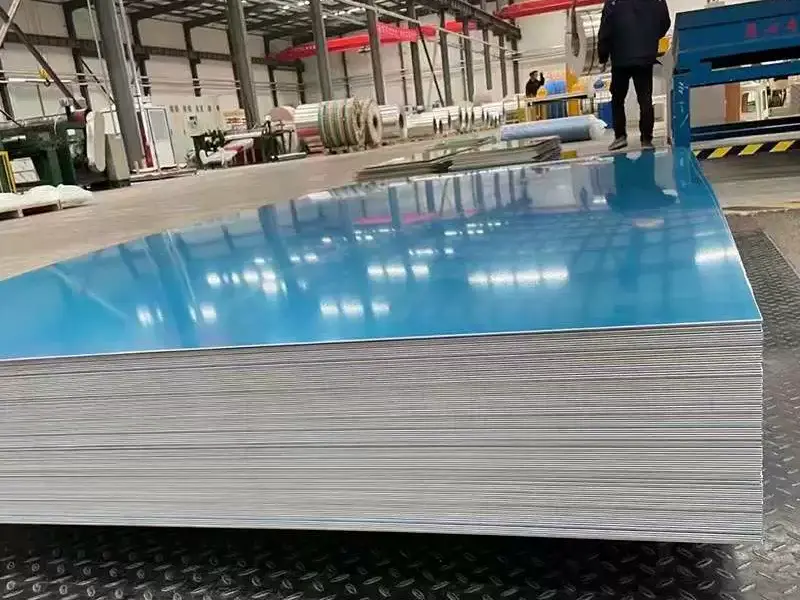
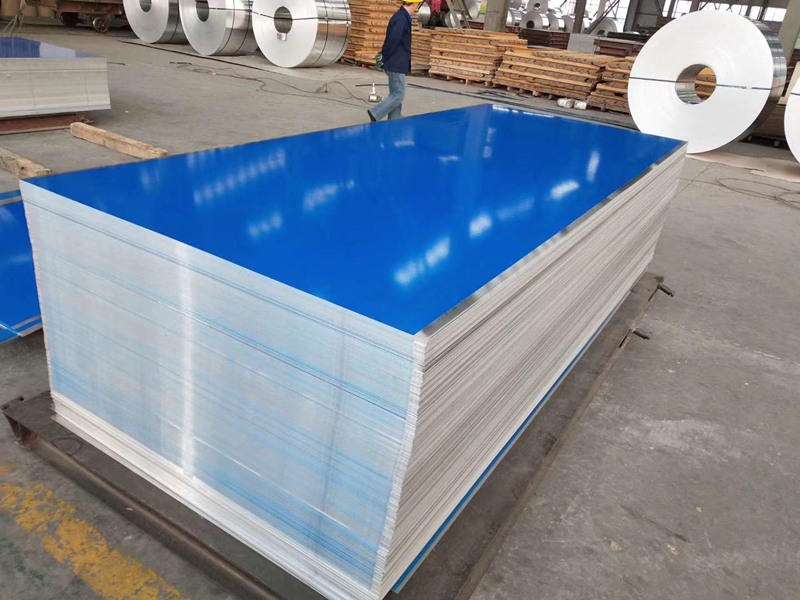
Yes. Aluminum sheet and coil can be supplied with film. Tell us the surface, thickness, and film type you need.
Final Thoughts
Protective film and stretch film are both useful. They solve different problems. Use protective film for the surface. Use stretch film for the load.
If you buy aluminum sheet, coil, or strips, ask for the right film from the start. It helps your goods arrive clean and safe.
Send us your product type, surface finish, and shipping method. We will help you choose the best protection.
Henan Worthwill Industry Co., Ltd is a professional aluminum manufacturer and supplier in China. We supply aluminum sheets, coils, strips, circles, and foil, packed with the protection your market needs.
Error: Contact form not found.