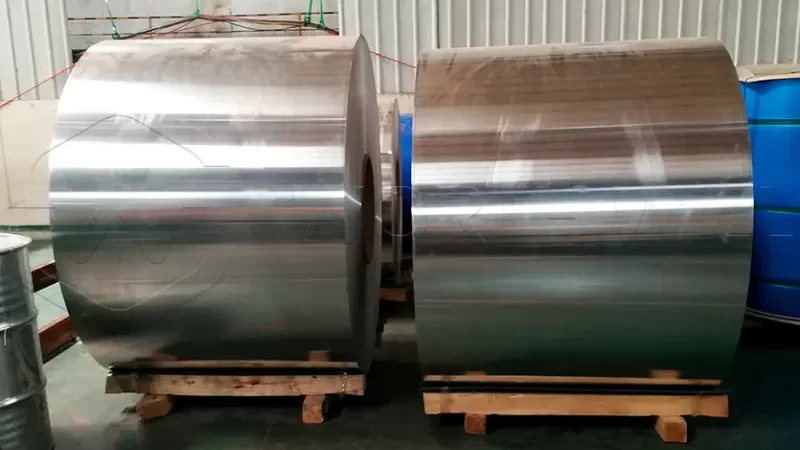
Choosing the right aluminum coil is crucial for your project.
3003 aluminum and 5052 aluminum are two of the most popular alloys used in roofing, siding, HVAC, marine, and industrial applications.
Understanding the differences in properties, strength, corrosion resistance, cost, and processing will help you select the correct material for your needs.
Our factory produces 3003 aluminum coil, 5052 aluminum coil, and custom aluminum sheets to meet various industrial and architectural demands.
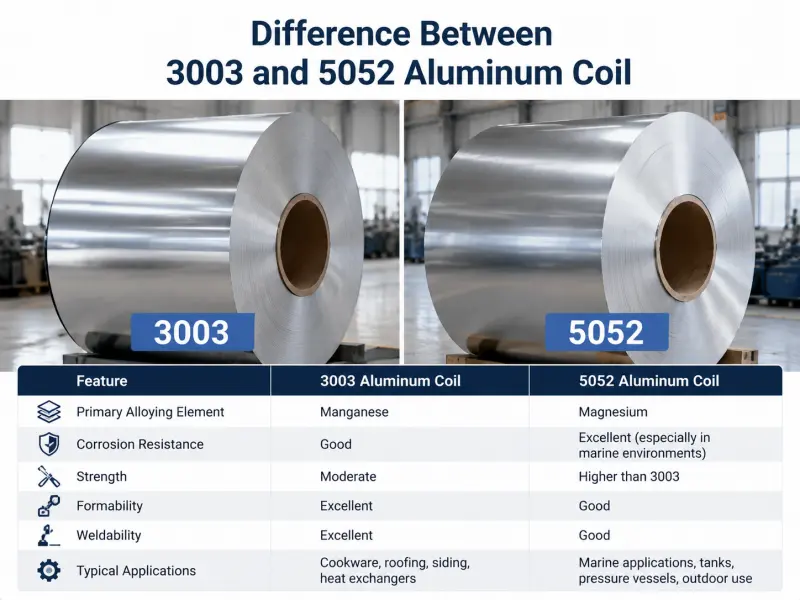
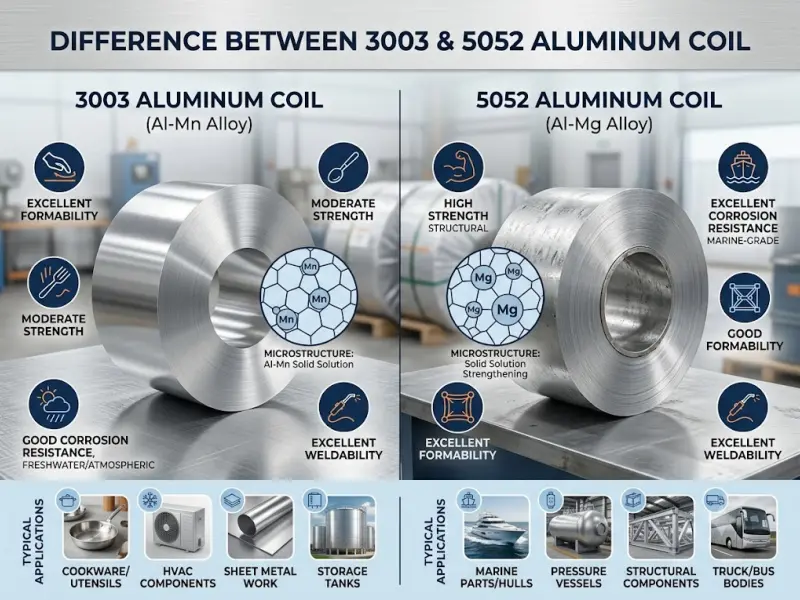
Overview of 3003 and 5052 Aluminum Coils
Aluminum alloys are classified based on their composition and mechanical properties. Both 3003 and 5052 are part of the 3xxx and 5xxx series alloys, but they differ in strength, corrosion resistance, and formability.
| Alloy | Main Composition | Series | Strength | Corrosion Resistance | Common Applications |
|---|---|---|---|---|---|
| 3003 | Aluminum + 1.2% Mn | 3xxx | Medium | Good | Roofing, siding, decorative panels |
| 5052 | Aluminum + 2.5% Mg | 5xxx | High | Excellent | Marine, chemical tanks, HVAC panels |
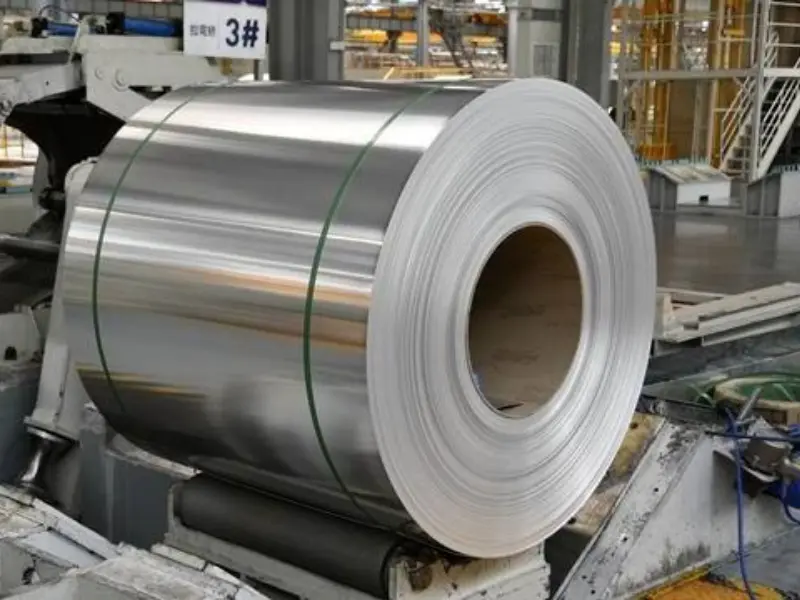
3003 vs 5052 Aluminum Properties
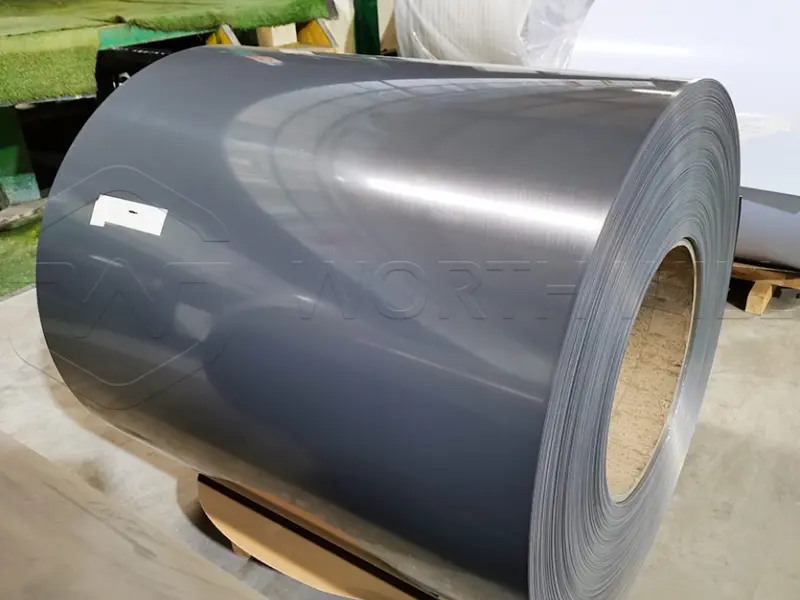
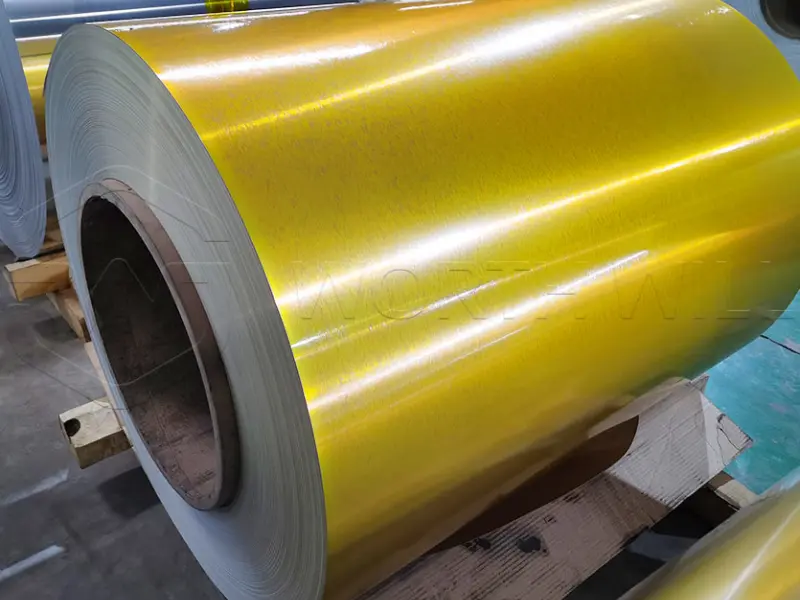
Mechanical Properties
| Property | 3003 H14 | 5052 H32 |
|---|---|---|
| Tensile Strength | 130 MPa | 228 MPa |
| Yield Strength | 95 MPa | 193 MPa |
| Elongation | 12% | 12% |
| Hardness | 40 HB | 60 HB |
Corrosion Resistance
- 3003: Good corrosion resistance in atmospheric conditions.
- 5052: Excellent corrosion resistance in marine and chemical environments.
Formability
Both alloys are easy to form and bend, but 3003 is slightly easier to shape for decorative applications.
3003 Aluminum vs 5052 Aluminum Cost
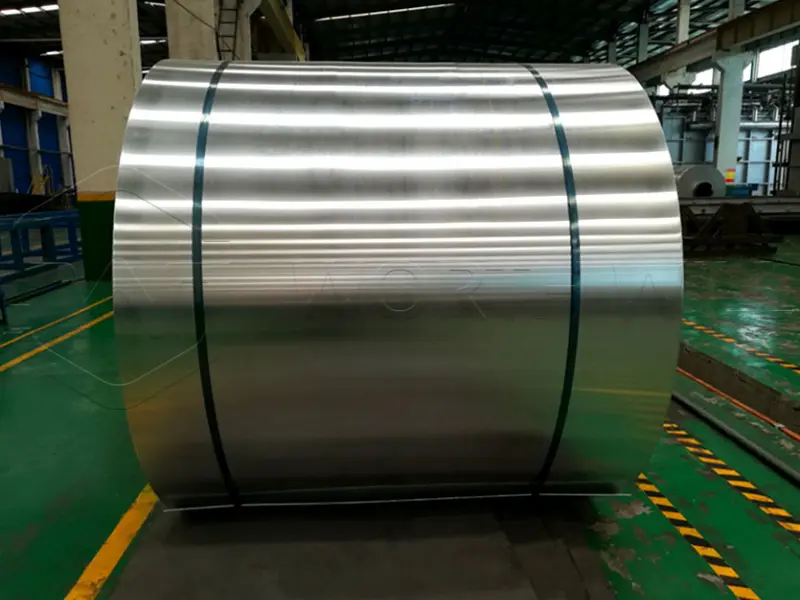
Cost is a key factor in selecting the aluminum coil.
| Alloy | Approximate Price | Reason |
|---|---|---|
| 3003 | Lower | Less Mg content, easier processing |
| 5052 | Higher | Higher Mg content, better corrosion resistance |
3003 aluminum is often chosen for economical projects, while 5052 aluminum is selected when corrosion resistance is critical.
3003 H14 vs 5052 H32
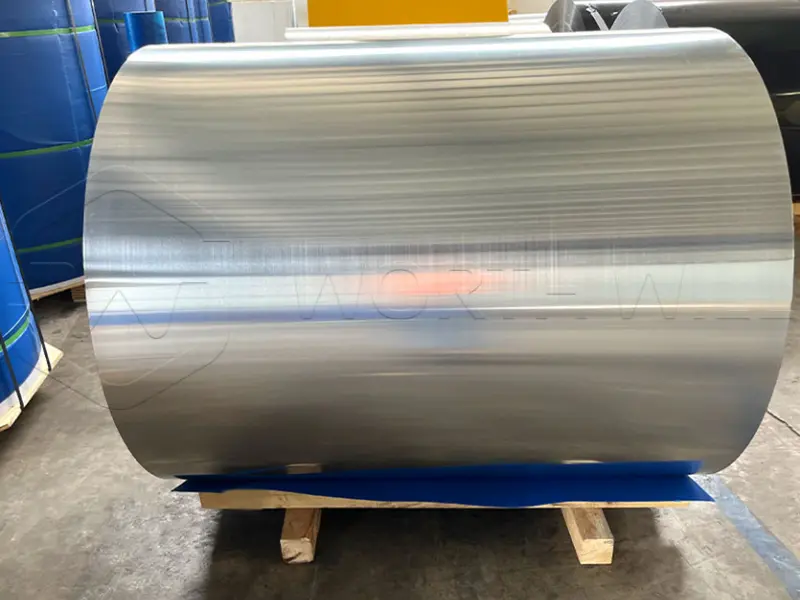
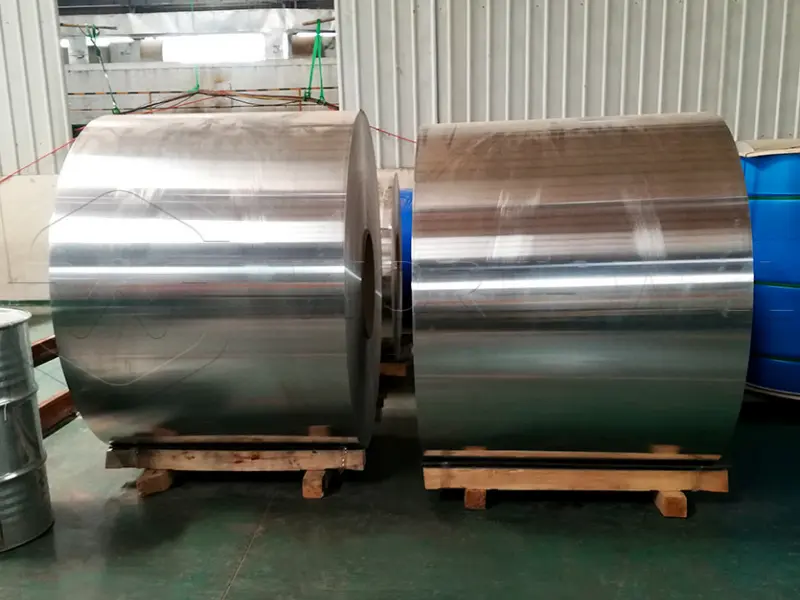
The temper affects the mechanical properties of aluminum sheets and coils.
| Alloy | Temper | Description |
|---|---|---|
| 3003 H14 | H14 | Cold worked, good strength, moderate hardness |
| 5052 H32 | H32 | Work hardened, stronger and harder than H14 |
Selecting the correct temper ensures the coil meets strength and flexibility requirements.
5052 vs 6061 Aluminum
For some applications, 6061 aluminum may also be considered.
| Alloy | Series | Strength | Corrosion Resistance | Typical Use |
|---|---|---|---|---|
| 5052 | 5xxx | Medium | Excellent | Marine, roofing, chemical tanks |
| 6061 | 6xxx | High | Good | Structural parts, automotive panels |
5052 is better for environments requiring high corrosion resistance, while 6061 is better for structural strength.
3003 Aluminum vs 6061
| Alloy | Key Feature | Applications |
|---|---|---|
| 3003 | Easy forming, good corrosion | Roofing, siding, decorative panels |
| 6061 | Strong and heat-treatable | Aerospace, automotive, structural frames |
3003 aluminum coil is easier to bend and process for thin sheets and large panels.
Difference Between 3003 and 5052 Aluminum Sheet
| Feature | 3003 Aluminum | 5052 Aluminum |
|---|---|---|
| Strength | Medium | Higher |
| Corrosion Resistance | Good | Excellent |
| Cost | Lower | Higher |
| Applications | Roofing, decorative panels | Marine, chemical, industrial |
Our factory supplies both 3003 and 5052 aluminum sheets in a variety of thicknesses and widths.
3003 vs 5052 Aluminum Sheet Specifications
| Alloy | Thickness (mm) | Width (mm) | Length (mm) | Coil Type |
|---|---|---|---|---|
| 3003 | 0.5 – 6.0 | 600 – 2000 | Custom | Aluminum coil |
| 5052 | 0.5 – 6.0 | 600 – 2000 | Custom | Aluminum coil |
These coils are used in roofing, siding, industrial panels, HVAC, and marine applications.
Types of 3003 and 5052 Aluminum Coils
3003 Aluminum Coil
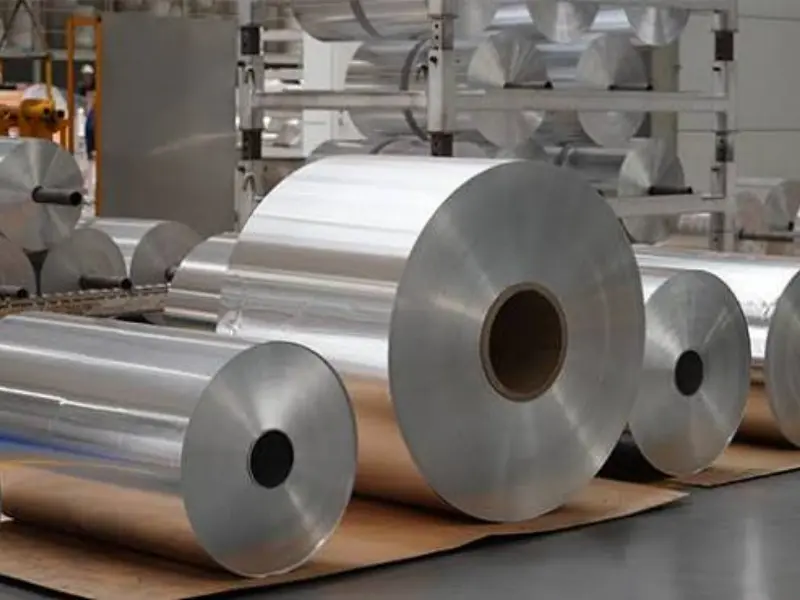
- Mill finish, smooth surface
- Easy to form and bend
- Suitable for decorative panels, roofing, and wall cladding
5052 Aluminum Coil
- Brushed or coated finishes available
- Stronger and more corrosion-resistant
- Ideal for marine, chemical tanks, and outdoor applications
5052 vs 3003 Aluminum Coil Comparison Table
| Feature | 3003 Coil | 5052 Coil |
|---|---|---|
| Strength | Medium | High |
| Corrosion Resistance | Good | Excellent |
| Formability | Very good | Good |
| Cost | Lower | Higher |
| Typical Use | Roofs, decorative panels | Marine, chemical, industrial |
Applications of 3003 and 5052 Aluminum
Architectural and Construction
- Roofing sheets
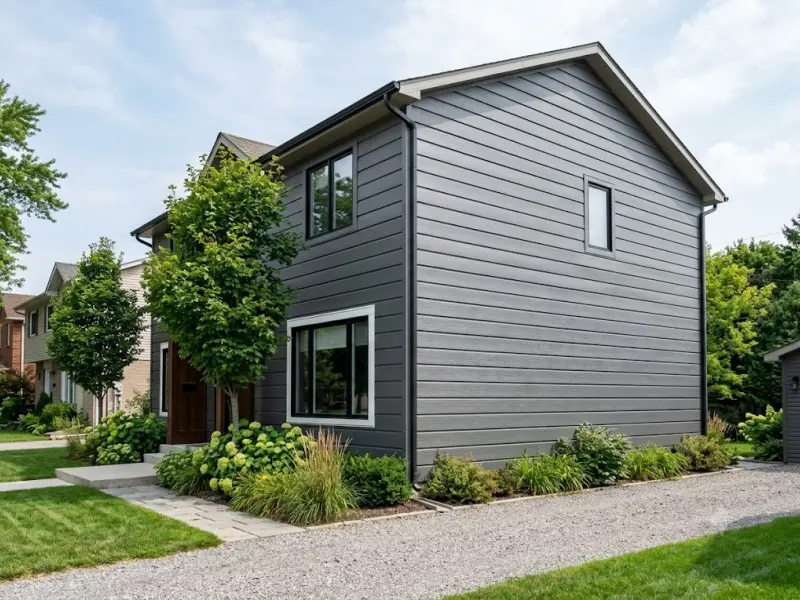
- Siding panels
- Curtain wall panels
- Decorative interior walls
Industrial Applications
- HVAC panels and ducting
- Chemical tanks
- Equipment covers
- Marine panels
Automotive and Transportation
- Vehicle body panels
- Trailer walls
- Railway interiors
General Manufacturing
Decorative panels
Signage
Fabricated parts
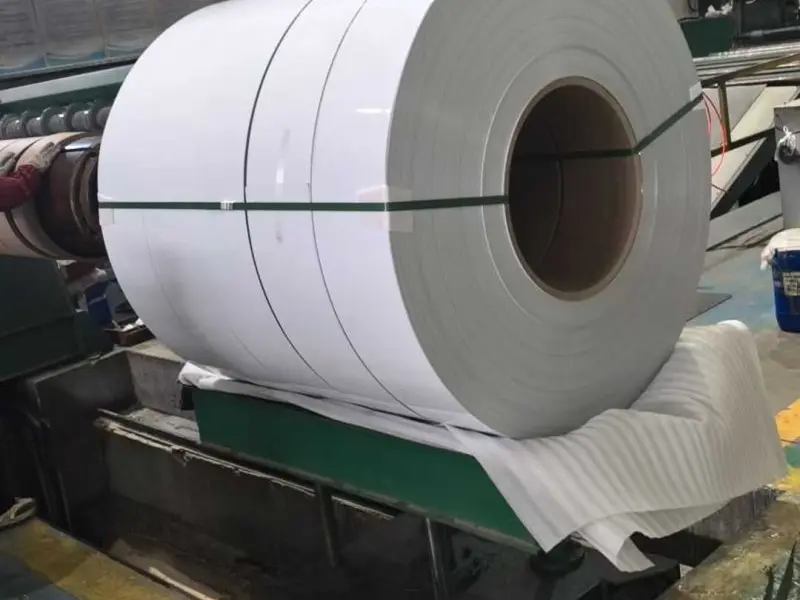
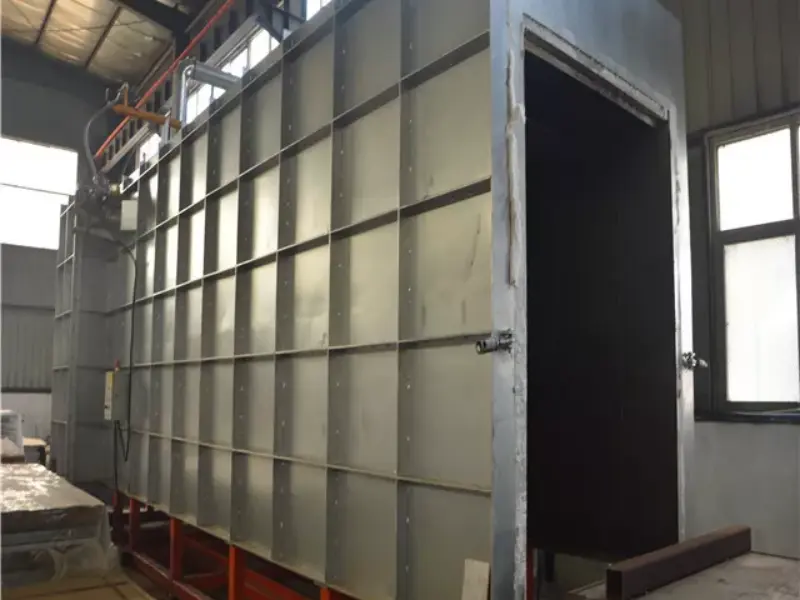
Factory Production Options
| Parameter | Available Range |
|---|---|
| Thickness | 0.5 – 6.0 mm |
| Width | 600 – 2000 mm |
| Coil Weight | 1 – 10 tons per coil |
| Alloy | 3003, 5052 |
| Surface | Mill, brushed, coated, anodized |
With these capabilities, we can meet both small and large project demands worldwide.
Difference Between 3003 and 5052 Aluminum Coil
The difference between 3003 and 5052 aluminum coil is mainly in:
- Strength – 5052 is stronger
- Corrosion resistance – 5052 is better in marine and chemical environments
- Cost – 3003 is more economical
- Applications – 3003 for decorative and roofing, 5052 for industrial and marine use
Selecting the correct alloy, thickness, temper, and surface finish ensures your aluminum coil project is durable, cost-effective, and high-quality.
Our factory can supply 3003 and 5052 aluminum coils, sheets, and custom panels for any industrial, architectural, or decorative project.
Difference Between 3003 and 5052 Aluminum Coil
Buyers face a common choice. They need aluminum in coil form, but the alloy number changes everything. Two of the most popular options are 3003 aluminum coil and 5052 aluminum coil. One is a workhorse for general sheet metal. The other adds strength for tougher jobs.
Breaking Down the Basics
Before the numbers, know the simple story. 3003 aluminum coil is made from manganese alloy. It is affordable, easy to bend, and fights rust in normal air. 5052 aluminum coil adds magnesium. That extra ingredient makes it stronger, harder, and better against salt water. Both come in rolls, but they serve different masters.
Aluminum Coil Thickness Options
| Alloy | Standard Thickness | Notes |
|---|---|---|
| 3003 | 0.5 – 6 mm | Suitable for medium-duty panels |
| 5052 | 0.5 – 6 mm | Preferred for high corrosion environments |
Our factory can produce custom thickness and widths based on project requirements.
How Our Factory Supports Projects
We provide a wide range of 3003 and 5052 aluminum coils with multiple options:
Export-quality packaging and quality control
Custom thickness and width
Different tempers: H14, H32
Surface finishes: mill, brushed, coated, anodized
OEM production for large projects

What Is Inside the Metal
Alloys are like recipes. Change one ingredient and the meal changes.
3003 Aluminum Coil Composition
| Element | Percentage | Role |
|---|---|---|
| Aluminum | 98.6% | Base metal |
| Manganese | 1.0 – 1.5% | Adds strength, improves workability |
| Copper | 0.05 – 0.20% | Slight strength boost |
| Iron | 0.7% max | Trace impurity |
5052 Aluminum Coil Composition
| Element | Percentage | Role |
|---|---|---|
| Aluminum | 96.9% | Base metal |
| Magnesium | 2.2 – 2.8% | Major strength and corrosion boost |
| Chromium | 0.15 – 0.35% | Controls grain, stops cracking |
| Iron | 0.4% max | Trace impurity |
The big difference is manganese versus magnesium. 3003 aluminum coil relies on manganese for a modest strength bump. 5052 aluminum coil uses magnesium for a serious jump in toughness.
Strength Numbers That Matter
Engineers care about yield strength. That is the point where metal bends and stays bent. They also care about tensile strength, the point where it breaks.
| Property | 3003 Aluminum | 5052 Aluminum | Winner |
|---|---|---|---|
| Yield strength | 125 – 185 MPa | 193 – 255 MPa | 5052 |
| Tensile strength | 140 – 200 MPa | 228 – 305 MPa | 5052 |
| Elongation | 20 – 30% | 12 – 20% | 3003 |
| Hardness (Brinell) | 28 – 40 HB | 47 – 65 HB | 5052 |
5052 aluminum coil is roughly forty to fifty percent stronger than 3003 aluminum coil. If your part must carry load or take impact, 5052 is the safer bet. If you need deep bends without cracking, 3003 stretches farther before it tears.
Temper States and What They Mean
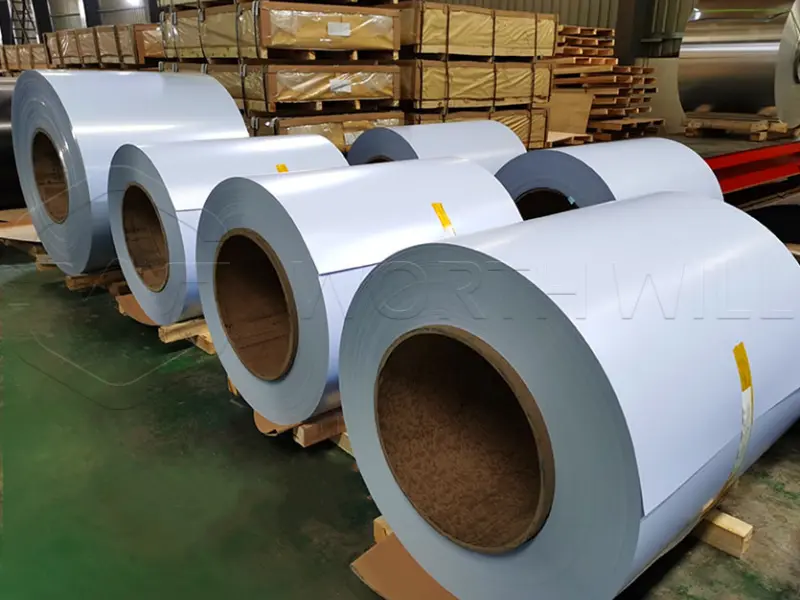
Mills sell coil in different tempers. The temper code tells you how hard the metal is and how it was treated after rolling.
3003 Common Tempers
| Temper | Name | Strength | Best Use |
|---|---|---|---|
| O | Annealed | Very soft | Deep drawing, complex shapes |
| H12 | Quarter hard | Low | General forming |
| H14 | Half hard | Medium | Roof panels, trim |
| H16 | Three-quarter hard | Higher | Rigid panels |
| H18 | Full hard | Highest | Flat sheets, minimal forming |
5052 Common Tempers
| Temper | Name | Strength | Best Use |
|---|---|---|---|
| O | Annealed | Soft | Deep forming, marine tanks |
| H32 | Quarter hard, stabilized | Medium | Sheet metal work, vehicles |
| H34 | Half hard, stabilized | Higher | Structural panels |
| H36 | Three-quarter hard | High | Stiff components |
| H38 | Full hard | Very high | Springs, rigid plates |
Notice that 5052 uses “H3x” tempers. The “3” means the metal was stabilized after strain hardening. That keeps it from slowly softening over time. 3003 H14 aluminum coil is the most common stock item for general fabrication. 5052 H32 aluminum coil is the standard choice for marine and truck jobs.
Thickness Ranges and Coil Dimensions
Both alloys roll out thin or thick, but stock levels differ by supplier.
| Spec | 3003 Aluminum Coil | 5052 Aluminum Coil |
|---|---|---|
| Typical thin end | 0.2 mm | 0.2 mm |
| Common stock thickness | 0.3 mm – 3.0 mm | 0.3 mm – 6.0 mm |
| Heavy plate coil | Up to 6.0 mm | Up to 12.0 mm |
| Standard width | 1000 mm, 1219 mm, 1500 mm | 1000 mm, 1219 mm, 1500 mm |
| Inner core | 406 mm, 505 mm, 610 mm | 406 mm, 505 mm, 610 mm |
| Max coil weight | 5 – 8 metric tons | 5 – 10 metric tons |
If you need very thick aluminum coil for structural work, 5052 is easier to find in heavy gauges. For thin flashing and trim, both alloys are widely stocked.
Formability and Workability
Bending and punching are daily tasks in a sheet metal shop. How do these coils behave?
3003 Formability
- Bends to tight radii without cracking
- Deep draws into pots, pans, and tanks
- Punches cleanly in standard presses
- Works well in brake presses and roll formers
5052 Formability
- Bends well but needs a larger radius than 3003
- Deep draws successfully in O temper
- Requires sharper tooling because it is harder
- Springback is stronger; account for extra angle
Rule of thumb: if the part has sharp ninety-degree bends and no load, 3003 aluminum coil is easier on the shop floor. If the part sees vibration or load but still needs some shape, 5052 aluminum coil can do it; just allow for a slightly bigger bend radius.
Corrosion Resistance Face-Off
Aluminum naturally forms a skin of oxide. That skin stops rust. But some alloys protect better than others.
3003 in Normal Air and Water
- Good resistance to atmospheric corrosion
- Handles fresh water and neutral pH cleaners
- Struggles in salt spray compared to 5000 series
- Can pit if left wet with road salt for long periods
5052 in Harsh Environments
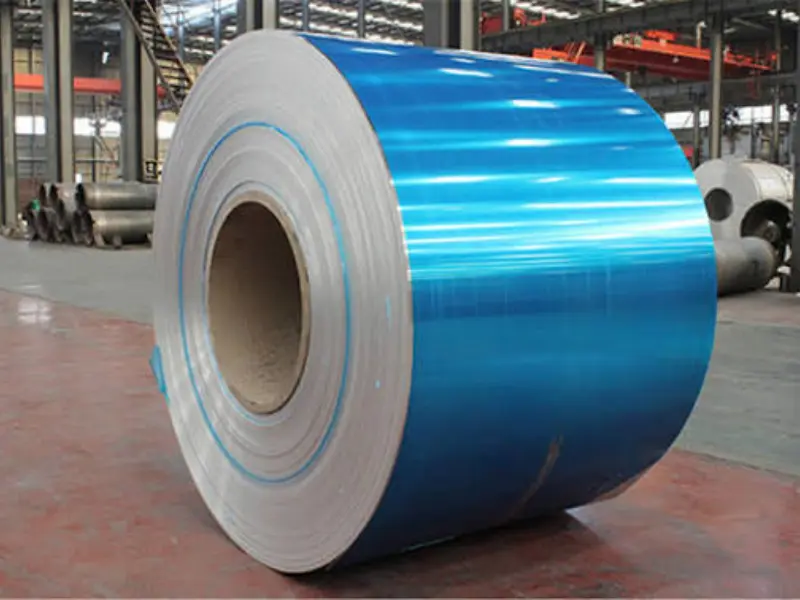
- Excellent resistance to salt water
- Holds up in marine atmospheres
- Resists alkaline and some chemical exposures better than 3003
- Preferred for coastal construction and boat hulls
If your coil will sit near the ocean or on a salt-covered highway, 5052 aluminum coil pays for itself in longevity. For indoor ductwork or a warehouse roof in a dry climate, 3003 aluminum coil handles the job fine.
Welding and Joining
Both alloys join by MIG and TIG welding. The results are not identical.
| Factor | 3003 Aluminum Coil | 5052 Aluminum Coil |
|---|---|---|
| Weldability | Excellent | Very good |
| Filler wire | 1100 or 4043 | 5356 or 5556 |
| Cracking risk | Very low | Low |
| Post-weld strength | Near base metal | Near base metal |
| Heat affected zone | Softens slightly | Softens slightly |
3003 is often called one of the easiest aluminum alloys to weld. 5052 is also friendly, but you must use the correct filler. Using 4043 filler on 5052 can cause brittle joints. Always match filler to the alloy chart.
Price Gap: What You Pay Per Ton
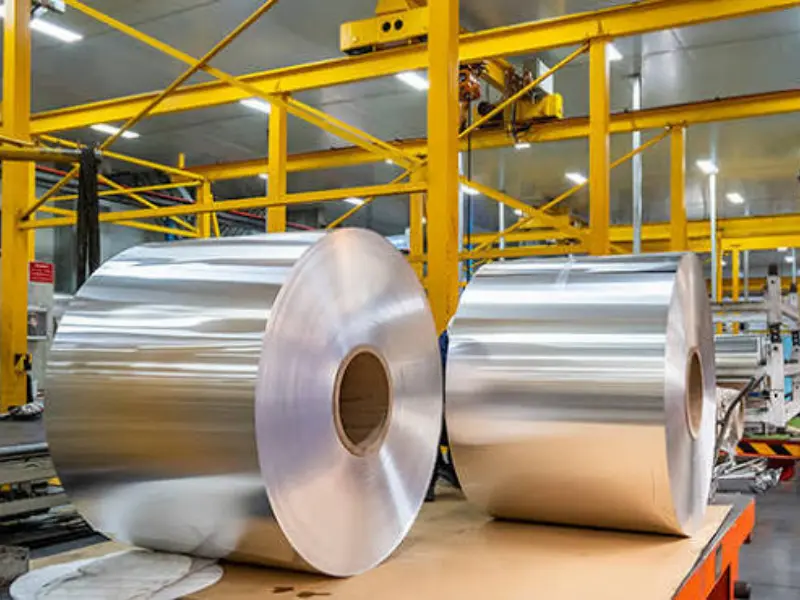
Budget drives many decisions. 3003 aluminum coil price is lower than 5052 aluminum coil price across almost every market.
| Cost Factor | 3003 | 5052 |
|---|---|---|
| Raw alloy cost | Lower | Higher |
| Manganese price | Cheap | N/A |
| Magnesium price | N/A | More volatile |
| Processing energy | Less | Slightly more |
| Typical market premium | Base | 15 – 25% above 3003 |
If your project is price-sensitive and the loads are light, 3003 saves money. If failure would be expensive, the extra cost of 5052 is cheap insurance.
Where 3003 Aluminum Coil Wins
This alloy is the utility player. It shows up everywhere strength demands are modest.
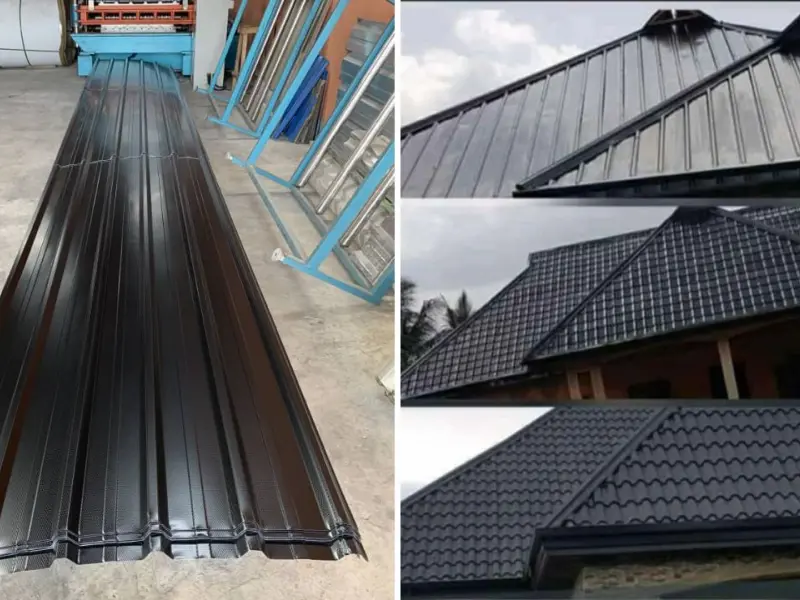
→ Roofing and gutters – forms easily, resists rain
→ Insulation jacketing – wraps pipes, reflects heat
→ Food and chemical containers – non-toxic, easy to clean
→ Heat exchangers – conducts thermal energy well
→ General sheet metal work – signs, panels, trim
→ Fuel tanks – works in non-salt environments
→ Cookware – deep draws into pots and lids
→ Storage tanks – indoor water and chemical holding
→ HVAC ductwork – lightweight, easy to fabricate
→ Appliance bodies – washing machine drums, dryer cases
Where 5052 Aluminum Coil Shines
When the job gets tough, this alloy steps up.
→ Boat hulls and decks – fights salt water all day
→ Truck and trailer bodies – takes road abuse
→ Aircraft fuel tanks – resists vibration and corrosion
→ Pressure vessels – holds higher internal loads
→ Marine hardware – cleats, brackets, hatch covers
→ Traffic signs – survives impact and weather
→ Electronic chassis – strong, non-magnetic
→ Weapon and military parts – high strength-to-weight
→ Architectural facades near coasts – lasts in sea air
→ Automotive panels – hoods, doors, structural supports
Product Types You Can Order
Mills do not just ship bare metal. You can choose finishes and treatments.
Plain Mill Finish Coils
Raw silver surface. Lowest cost. Good for painting later or hidden parts.
Painted and Color-Coated Coils
- Polyester paint for indoor use
- PVDF coating for 20-year outdoor color life
- PE coating for budget signage
Stucco Embossed Coils
A textured diamond pattern rolled into the surface. Hides scratches and improves stiffness. Popular for insulation cladding and roofing.
Anodized Coils
An electro-chemical layer thickens the natural oxide. Gives a hard, colored surface. Common in decorative trim and consumer electronics.
Checkerplate and Tread Coils
Raised diamond or five-bar patterns. Adds grip. 5052 is more common for tread plate because it holds the pattern under foot traffic.
Head-to-Side Comparison Matrix
| Feature | 3003 Aluminum Coil | 5052 Aluminum Coil |
|---|---|---|
| Main alloy element | Manganese | Magnesium + Chromium |
| Strength level | Medium | High |
| Formability | Excellent | Good |
| Corrosion in fresh water | Good | Excellent |
| Corrosion in salt water | Fair | Excellent |
| Weldability | Excellent | Very good |
| Machinability | Good | Fair |
| Typical temper | H14 | H32 |
| Common thickness | 0.3 – 3.0 mm | 0.3 – 6.0 mm |
| Price level | Lower | Higher |
| Best environment | Dry, indoor, mild outdoor | Marine, coastal, industrial |
| Deep drawing | Excellent | Good in O temper |
| Brake forming | Very easy | Moderate |
| Food safe | Yes | Yes |
| Anodizing quality | Good | Very good |
How to Pick the Right Coil for Your Job
Use this simple decision tree.
| Your Need | Suggested Alloy | Suggested Temper | Reason |
|---|---|---|---|
| Roof flashing, dry climate | 3003 | H14 | Low cost, easy bends |
| Coastal building facade | 5052 | H32 | Salt resistance, strength |
| Deep drawn cooking pot | 3003 | O | Stretches without tearing |
| Boat fuel tank | 5052 | O or H32 | Welds tight, fights corrosion |
| Truck trailer side panel | 5052 | H32 | Survives dents and vibration |
| HVAC duct in office | 3003 | H14 | Light, cheap, easy to form |
| Chemical tank indoors | 3003 | H14 | Resists neutral chemicals |
| Offshore platform panel | 5052 | H112 or H32 | Tough, salt-proof |
| Sign blank, highway | 5052 | H34 | Impact resistant |
| Decorative ceiling tile | 3003 | H14 or painted | Easy to punch and coat |
Common Questions Buyers Ask
Which is stronger, 3003 or 5052?
5052 aluminum coil is stronger in every measure. Its yield strength is roughly fifty percent higher than 3003. If the part must hold weight or resist denting, 5052 wins.
Can I use 3003 instead of 5052 for marine work?
You can, but it is not wise. 3003 will corrode faster in salt spray. It is also softer, so it dents more easily. For boats and docks, pay the extra for 5052.
What is the difference between H14 and H32 temper?
H14 is a 3003 temper. It means half-hard, strain-hardened only. H32 is a 5052 temper. It means quarter-hard and stabilized. Stabilization stops the metal from slowly softening after forming. H32 is stronger than H14.
Is 3003 aluminum coil cheaper than 5052?
Yes. The manganese in 3003 costs less than the magnesium in 5052. Processing is also easier. Expect 3003 aluminum coil price to sit fifteen to twenty-five percent below 5052 in most markets.
Which alloy welds better?
Both weld well, but 3003 is slightly more forgiving. It works with common 1100 or 4043 filler. 5052 needs 5356 or 5556 filler to avoid brittle welds. A good welder handles both, but 3003 is the beginner-friendly choice.
Can both alloys be anodized?
Yes. 5052 anodizes to a clearer, more attractive finish because its magnesium content helps the oxide layer grow evenly. 3003 anodizes too, but the finish can look slightly mottled because of the manganese. For bright decorative parts, 5052 looks better.
What thickness range is stock for each alloy?
Most suppliers stock 3003 aluminum coil from 0.2 mm up to 3.0 mm in common widths. 5052 aluminum coil is stocked from 0.2 mm up to 6.0 mm. For plate over 6 mm, 5052 is far easier to source.
Which coil is better for food contact?
Both are safe. 3003 is widely used in cookware and food containers because it is soft and easy to stamp. 5052 is used in larger food processing tanks where strength matters. Either alloy meets food-grade standards.
Do suppliers stock both alloys in the same widths?
Yes. Standard widths like 1000 mm, 1219 mm, and 1500 mm are common for both. However, painted and coated stock may favor 3003 for indoor color coils, while 5052 dominates mill-finish marine stock.
Is 5052 worth the extra cost over 3003?
It depends on the risk. If a failed part means a leak, a dent, or a structural crack, then yes. The extra cost of 5052 aluminum coil is small compared to repair or replacement. If the part is a decorative trim in a dry office, 3003 is the smarter spend.
End of Guide