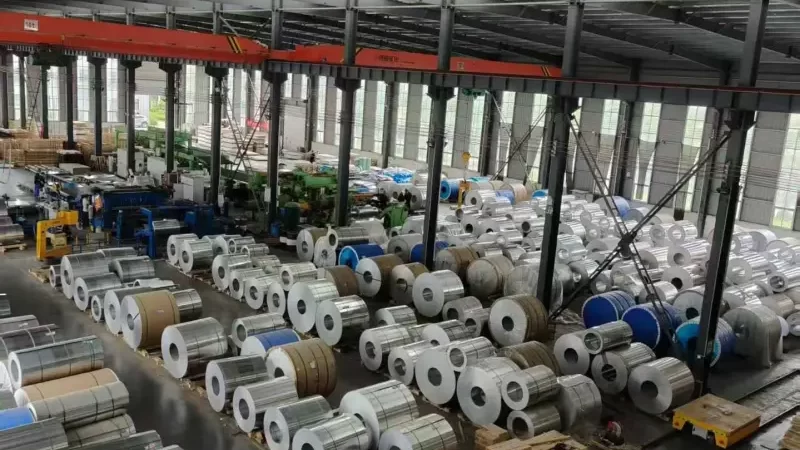
Choosing the right aluminum coil is essential for your construction, manufacturing, or industrial projects.
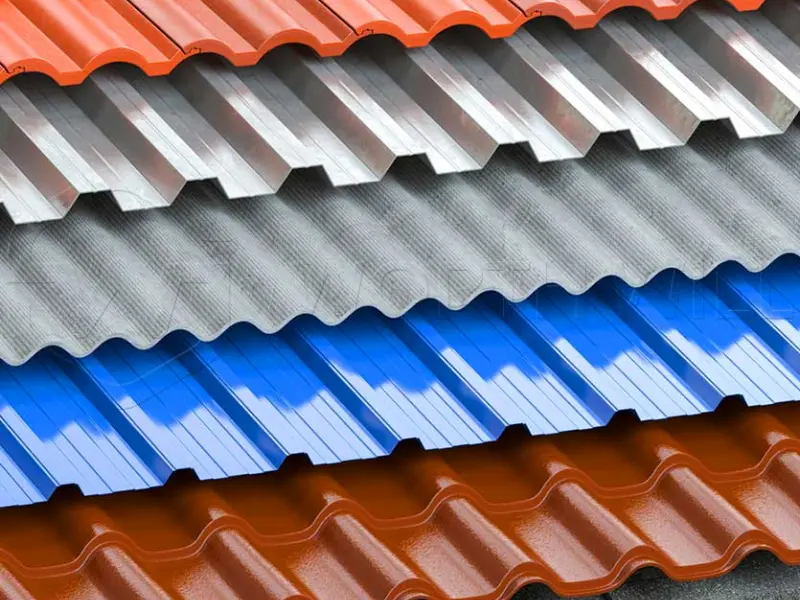
Aluminum coils are versatile materials used for roofing, siding, automotive parts, HVAC systems, and industrial applications. Selecting the correct aluminum coil thickness, alloy, and processing type ensures durability, performance, and aesthetics.
Our factory produces a wide range of aluminum coils, customized alloys, and coated coils to meet different project requirements.
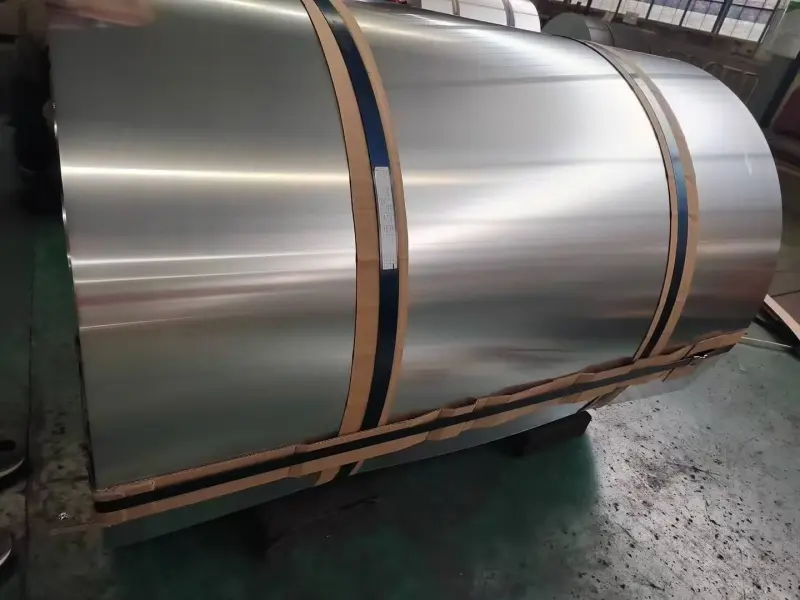
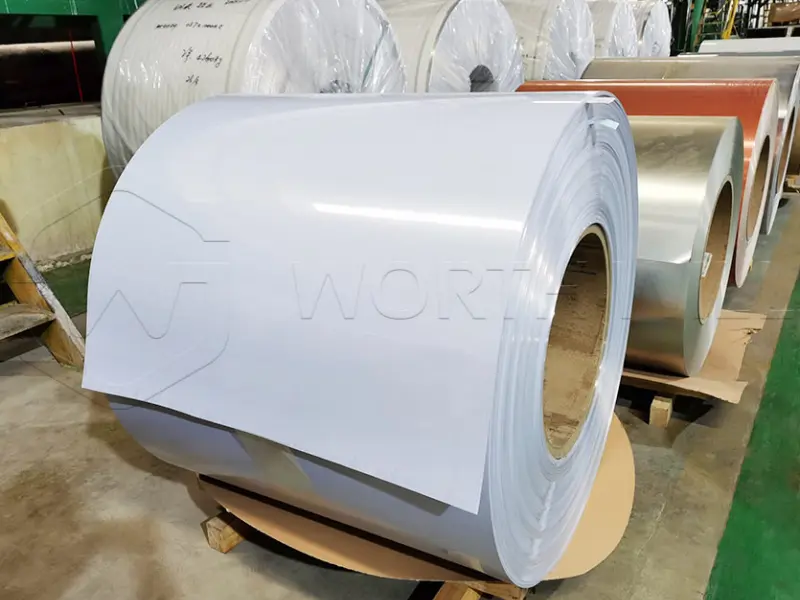
What Is an Aluminum Coil?
Basic Characteristics
| Feature | Description |
|---|---|
| Material | Aluminum alloy sheets |
| Form | Rolled coil |
| Thickness | 0.2 mm – 6 mm |
| Width | 600 mm – 2000 mm |
| Length | Custom per project |
| Surface | Mill finish, brushed, coated, anodized |
| Weight | Depends on thickness and width |
Aluminum coils are lightweight, corrosion-resistant, and easy to process, making them ideal for roofing, siding, industrial panels, and decorative products.
Aluminum Coil Thickness
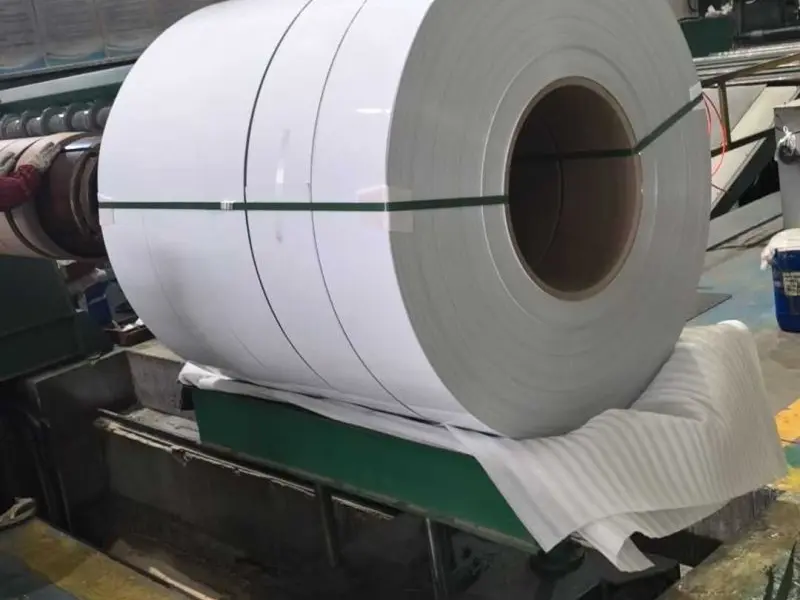
The thickness of an aluminum coil is a critical factor that affects strength, flexibility, and durability. Thicker coils are stronger but heavier, while thinner coils are lighter and easier to bend.
Standard Thickness Options
| Thickness (mm) | Common Applications |
|---|---|
| 0.2 – 0.5 | Decorative panels, signage, small parts |
| 0.6 – 1.0 | HVAC panels, interior walls, automotive panels |
| 1.2 – 2.0 | Roofing sheets, siding panels, industrial sheets |
| 2.5 – 6.0 | Structural applications, heavy-duty panels |
How to Choose Aluminum Alloy
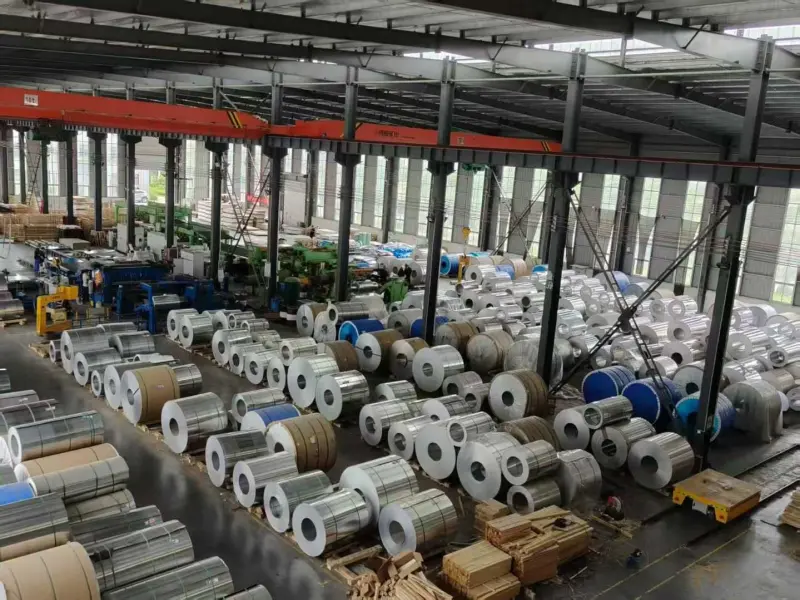
Different aluminum alloys provide different mechanical properties and corrosion resistance. The choice depends on the application.
Common Aluminum Alloys for Coils
| Alloy | Features | Applications |
|---|---|---|
| 1100 | Excellent corrosion resistance, soft | Roofing, siding, decorative panels |
| 3003 | Good corrosion resistance, moderate strength | Roofing, HVAC, architectural panels |
| 5052 | High corrosion resistance, good forming | Marine, chemical industry, roofing |
| 6061 | Strong, heat-treatable | Automotive, structural components |
Selecting the right alloy ensures your aluminum coil will perform well under environmental conditions.
How to Choose the Right Color Metal Roof
If your aluminum coil is for roofing, color selection is important. Aluminum coil coatings protect the metal and enhance appearance.
Popular Coating Types
- PVDF coating – long-lasting color, UV resistance
- PE coating – economical, good for indoor or moderate use
- Anodized finish – durable metallic look
Common Color Choices
| Color | Typical Use |
|---|---|
| Silver / Mill finish | Modern industrial, contemporary roofs |
| Red / Brown / Green | Residential or decorative roofing |
| Custom colors | Branding, commercial buildings |
Choosing the right color also depends on climate, building style, and local regulations.
Aluminum Coil Processing
Aluminum coils undergo different processing methods to achieve specific surfaces and performance.
Processing Methods
| Method | Description | Applications |
|---|---|---|
| Mill finish | Smooth, untreated surface | Construction, industrial panels |
| Brushed | Linear texture for aesthetics | Decorative panels, elevators |
| Coated | Color coated or PVDF | Roofing, siding, facade panels |
| Anodized | Protective oxide layer | Outdoor architectural panels |
| Embossed | Patterned surface | Interior decoration, signage |
Aluminum Coil Manufacturing Process
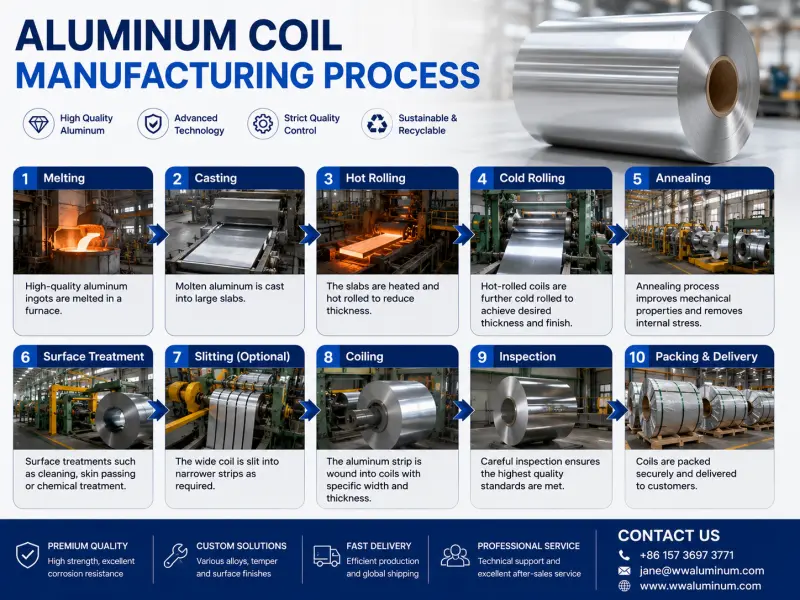
The manufacturing process of aluminum coils involves several steps:
- Casting – Aluminum ingots are cast into slabs.
- Hot rolling – Slabs are rolled at high temperature to reduce thickness.
- Cold rolling – Further rolling at room temperature for precision thickness.
- Surface treatment – Mill finish, brushing, coating, or anodizing.
- Coiling – Aluminum sheets are wound into coils for shipment.
This process ensures consistent thickness, smooth surface, and mechanical strength.
Aluminum Coil Repair
Sometimes aluminum coils need repair or restoration due to scratches, dents, or oxidation.
Common Repair Methods
- Surface cleaning and polishing – for minor scratches
- Recoating or painting – restores color and protection
- Anodizing – rebuilds protective oxide layer
- Edge trimming – removes damaged edges for safe processing
Proper repair ensures the coil performs as intended and maintains appearance.
Aluminum Coil Prices
The price of aluminum coils depends on factors such as alloy type, thickness, width, processing, and order quantity.
Typical Price Influences
- Material cost (aluminum ingot price)
- Coil thickness and width
- Surface treatment (coating or anodizing)
- Custom sizes or alloys
- Shipping and handling
Our factory offers competitive aluminum coil prices while maintaining high quality.
Types of Aluminum Coils
Aluminum coils come in various forms to suit different applications.
Applications of Aluminum Coils
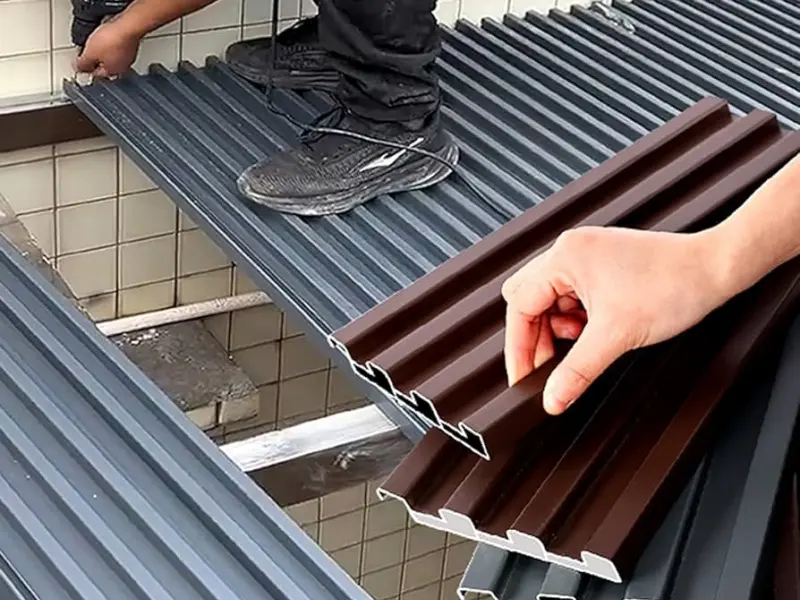
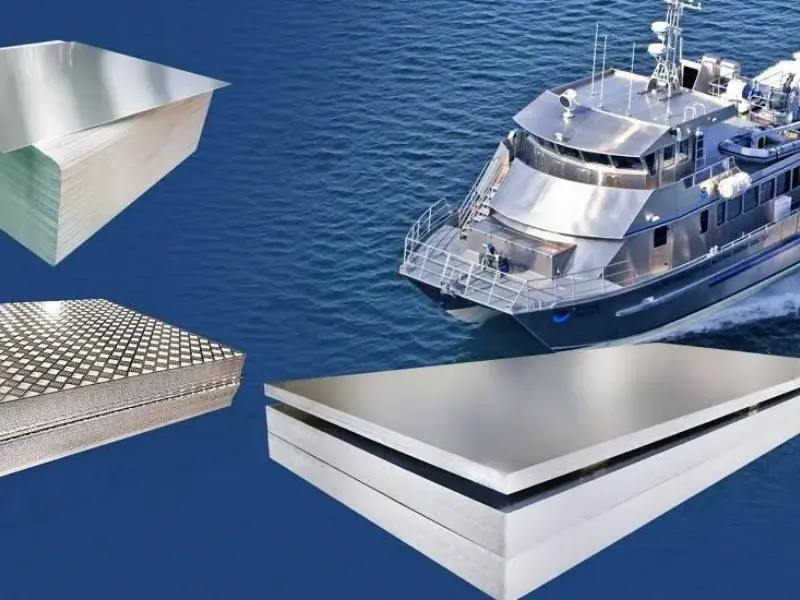
Aluminum coils are versatile materials used in multiple industries.
Roofing and Siding
- Metal roofs
- Wall panels
- Gutter systems
Industrial Panels
- Machinery covers
- HVAC systems
- Electrical enclosures
Decorative Panels
- Elevator interiors
- Wall cladding
- Signage and displays
Automotive and Transportation
- Vehicle panels
- Trailers and container walls
- Train or bus interiors
Different Types of Aluminum Alloys
Aluminum is mixed with other metals to make it stronger. These mixtures are called alloys. Each alloy has a four-digit name.
1000 Series: Pure Aluminum
These coils contain more than 99% aluminum. They are very soft and easy to shape.
| Alloy Type | Aluminum Content | Main Feature |
|---|---|---|
| 1050 | 99.5% | High purity, best for chemical tools. |
| 1060 | 99.6% | Great electrical conductivity. |
| 1100 | 99.0% | Excellent for deep drawing and food trays. |
3000 Series: Manganese Alloys
Manganese makes these coils stronger than the 1000 series. They are very common in construction.
| Alloy Type | Main Elements | Common Uses |
|---|---|---|
| 3003 | Aluminum + Manganese | Kitchenware, fuel tanks, roofing. |
| 3004 | Al + Mn + Mg | Beverage cans, lamp parts. |
| 3105 | Al + Mn + Mg | Mobile homes, siding, rain gutters. |
5000 Series: Magnesium Alloys
These are “Marine Grade” coils. They handle saltwater very well and are much stronger.
| Alloy Type | Magnesium Content | Strength Level |
|---|---|---|
| 5005 | Low | Medium strength, great for decoration. |
| 5052 | Medium | High fatigue strength, good for boats. |
| 5754 | High | Very strong, used for floor plates. |
6000 Series: Magnesium and Silicon
These alloys can be heat-treated to become very hard. They are used for structural parts.
| Alloy Type | Key Benefit | Industry |
|---|---|---|
| 6061 | Very strong, weldable | Transport, trucks, frames. |
| 6063 | Good surface finish | Doors, windows, furniture. |
Comparing Aluminum Coil Tempers
The “Temper” tells you how hard the metal is. It is usually a letter and a number after the alloy name, like 5052−H32.
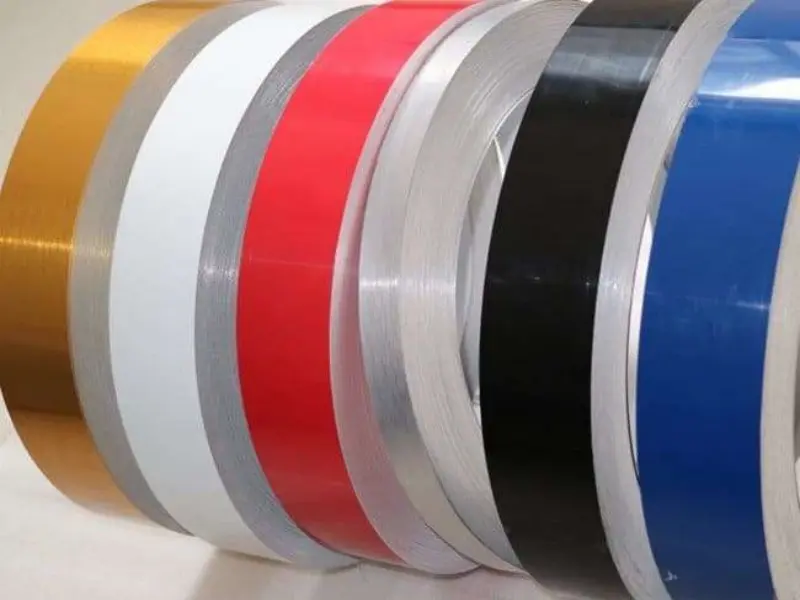
Common Temper States
T (Heat Treated): This makes the metal very strong using heat.
O (Annealed): This is the softest state. It is very easy to bend.
H (Strain Hardened): The metal is made harder by cold working.
Comparison Table: Hardness Levels
| Temper Code | State | Hardness Level | Best Use |
|---|---|---|---|
| O | Soft | Very Low | Complex bending. |
| H14 | Half Hard | Medium | General fabrication. |
| H18 | Fully Hard | High | High-strength panels. |
| H32 | Stabilized | Medium | Marine parts. |
| T6 | Hardened | Very High | Structural frames. |
Technical Specifications and Sizes
You must choose the right thickness and width for your machine.
Standard Thickness Ranges
| Product Type | Thickness (mm) | Standard Width (mm) |
|---|---|---|
| Thin Foil Coil | 0.01 to 0.2 | 200 to 1500 |
| Standard Coil | 0.2 to 3.0 | 1000, 1250, 1500 |
| Thick Sheet Coil | 3.0 to 6.0 | Up to 2000 |
Surface Finish Options
- Mill Finish: Natural look, may have some scratches.
- Color Coated: Painted with PE or PVDF for decoration.
- Embossed: Patterned surface (like orange peel).
- Brushed/Mirror: Shiny or textured for high-end design.
How Our Factory Can Help
Our factory can produce a wide range of aluminum coils to meet project demands. We offer:
- Custom thickness and width
- Various alloys including 1100, 3003, 5052, 6061
- Surface finishes: mill, brushed, coated, anodized, embossed
- Custom colors for roofing or decorative use
- OEM and large project production
Custom Options
| Parameter | Available Range |
|---|---|
| Thickness | 0.2 mm – 6 mm |
| Width | 600 mm – 2000 mm |
| Coil weight | 1 ton – 10 tons per coil |
| Coating | PVDF, PE, anodized, embossed |
| Color | Standard and custom |
Our professional team ensures high-quality aluminum coils suitable for both commercial and industrial projects.
aluminum coil Alloy with coating price
Choosing the right aluminum coil is crucial for project performance, durability, and appearance. Key considerations include:
- Correct thickness for strength and flexibility
- Suitable alloy for corrosion resistance and mechanical properties
- Appropriate surface finish for aesthetics and protection
- Color and coating for roofing or decorative applications
- Competitive price and reliable factory supply
With our factory’s production capabilities, we can supply aluminum coils for any industrial, construction, or decorative project.
How to Select the Best Coil for Your Project
Follow these simple steps to make the right choice:
Check the Environment
If your project is near the sea, choose the 5000 series. If it is for indoor use, the 1000 series is cheaper and works well.
Consider the Shape
Do you need to bend the coil sharply? Choose the O temper or H14. If you need it to stay flat and resist pressure, choose H18 or T6.
Look at the Surface
Does it need to look pretty? Color coated aluminum coils are best for signs. For industrial tools, a mill finish is fine.
Compare Costs
- Lowest Price: 1000 series.
- Medium Price: 3000 series.
- Highest Price: 5000 and 6000 series.
Quality Comparison: Alloy vs. Application
| Alloy | Strength | Corrosion Resistance | Formability |
|---|---|---|---|
| 1100 | Low | Excellent | Excellent |
| 3003 | Medium | Good | Very Good |
| 5052 | High | Excellent | Good |
| 6061 | Very High | Good | Fair |
Frequently Asked Questions (FAQ)
What is the difference between 3003 and 5052 aluminum coils?
3003 is cheaper and easier to form. It is great for basic jobs. 5052 is stronger and lasts longer in wet or salty conditions.
Can I paint the aluminum coil myself?
Yes, but it is better to buy Pre-painted Aluminum Coils. Factory painting lasts much longer and does not peel easily.
How do I store aluminum coils?
Keep them in a dry, cool place. Do not let water touch the surface between layers. This prevents white rust.
What is the most common thickness for roofing?
Most roofing projects use coils between 0.5 mm and 0.8 mm thick.
Is aluminum coil better than galvanized steel?
Aluminum does not rust, even if it gets scratched. Steel can rust if the coating is damaged. Aluminum is also lighter.