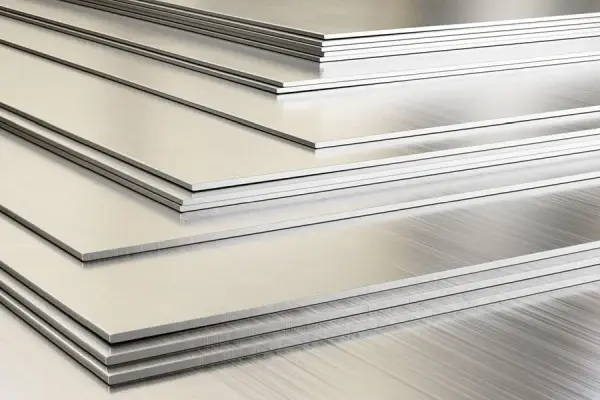
Aluminum Panel vs. Aluminum Sheet vs. Aluminum Plate are widely used in construction, transportation, machinery, decoration, and industrial manufacturing. They may look similar, but they are not always the same product.
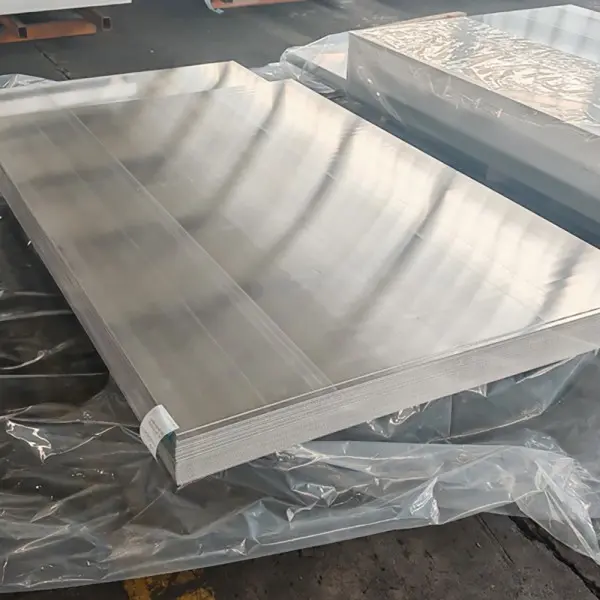
The main differences are related to thickness, strength, processing methods, and final applications. An aluminum panel is often selected for building facades, decorative surfaces, and architectural systems.
Aluminum sheet is commonly used for general fabrication, roofing, signage, and equipment covers. Aluminum plate is usually thicker and is preferred for heavy-duty parts, structural components, and machining.
Choosing the right material can reduce production costs and improve product performance.
Alloy, temper, thickness, width, surface finish, and fabrication requirements should all be considered before purchasing.
What Is the Difference Between Aluminum Panel, Sheet, and Plate?
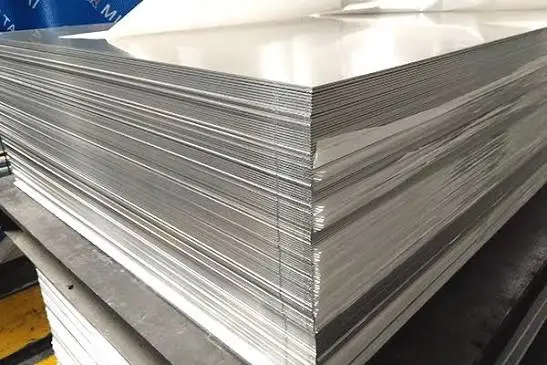
The terms aluminum panel, aluminum sheet, and aluminum plate are sometimes used interchangeably in the market. However, they can refer to different product forms.
In general, aluminum sheet and plate are classified mainly by thickness. Aluminum panel is a broader term. It often describes a finished or semi-finished flat product used in architectural, decorative, or industrial applications.
Basic Comparison at a Glance
| Comparison | Aluminum Panel | Aluminum Sheet | Aluminum Plate |
|---|---|---|---|
| Main meaning | Flat panel product, often for a specific application | Flat rolled aluminum product | Thicker flat aluminum product |
| Typical thickness | 0.5–6.0 mm for many panel products | 0.2–6.0 mm | 6.0 mm and above |
| Main use | Facades, ceilings, decoration | Roofing, signage, fabrication | Machinery, structures, heavy-duty parts |
| Surface | Plain, coated, perforated, embossed | Mill finish, coated, brushed, anodized | Mill finish, machined, anodized |
| Processing | Bending, cutting, punching, forming | Cutting, bending, stamping, welding | Milling, drilling, machining, welding |
| Strength requirement | Depends on panel design | Depends on alloy and temper | Often selected for higher section strength |
These thickness ranges are practical product categories, not universal definitions. Standards and supplier classifications may use different limits.
Aluminum Panel: A Product for Building and Decorative Projects
An aluminum panel is usually a flat aluminum product designed for a particular installation or application. It may be supplied as a plain sheet or as a finished panel with coating, perforation, bending, or other processing.
Common aluminum panel products include:
- Solid aluminum facade panels.
- Aluminum ceiling panels.
- Perforated aluminum panels.
- Aluminum wall cladding panels.
- Aluminum decorative panels.
- Aluminum composite panels (ACP).
- Aluminum honeycomb panels.
Aluminum panels are popular in architecture because they are lightweight, easy to shape, and available in different colors and surface finishes.
Aluminum Sheet: A Versatile Material for General Fabrication
The luminum sheet is a flat rolled product supplied in sheets or coils. It is used in many industries because it offers a good balance of weight, strength, corrosion resistance, and processing performance.
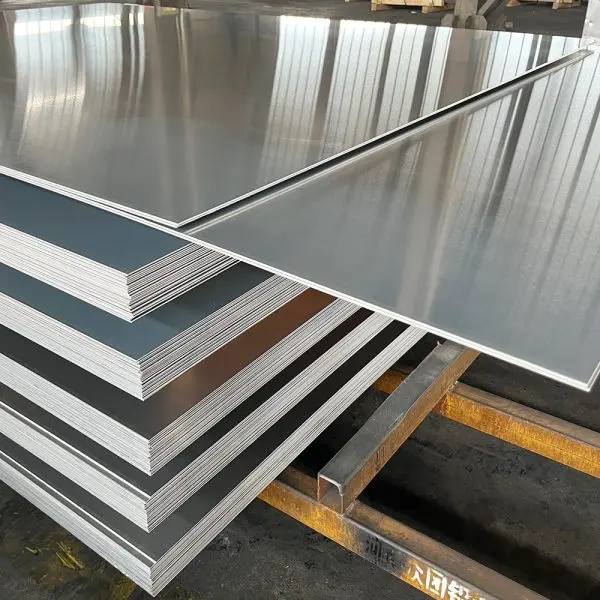
Common applications include:
- Roofing sheets.
- Road sign sheets.
- Equipment covers.
- Kitchen equipment.
- Automotive components.
- Electrical enclosures.
- General fabrication.
- Decorative metal products.
Aluminum sheet is available in different alloys and tempers. Buyers can choose the material according to bending, stamping, welding, or coating requirements.
Aluminum Plate: A Thicker Material for Heavy-Duty Uses
Aluminum plate is generally thicker than standard aluminum sheet. It is often used when a project needs greater section thickness, machining allowance, or structural strength.
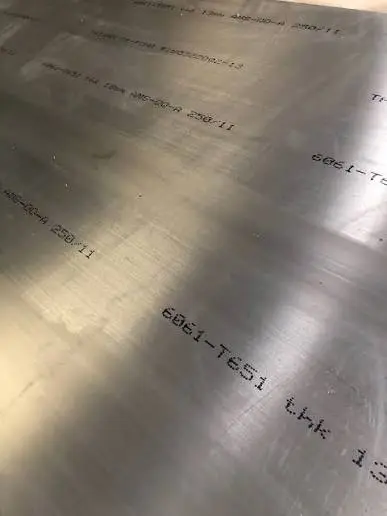
Common applications include:
- Machine bases.
- Industrial equipment.
- Mold plates.
- Marine components.
- Transportation structures.
- Heavy-duty brackets.
- Structural supports.
- CNC-machined parts.
Aluminum plate is available in different thicknesses and alloy grades. The correct choice depends on load, machining, corrosion exposure, and operating conditions.
Aluminum Panel vs. Aluminum Sheet vs. Aluminum Plate: Thickness Comparison
Thickness is one of the most important factors when choosing between these products. It affects weight, stiffness, strength, forming performance, and price.
Common Thickness Ranges
| Product Type | Example Thickness | Typical Applications |
|---|---|---|
| Thin aluminum panel | 0.5–1.0 mm | Decorative surfaces and ceilings |
| Standard aluminum panel | 1.0–2.0 mm | Wall cladding and signage |
| Heavy aluminum panel | 2.0–6.0 mm | Facades and industrial panels |
| Thin aluminum sheet | 0.2–0.5 mm | Roofing, insulation, and light covers |
| Medium aluminum sheet | 0.5–2.0 mm | Signage, enclosures, and fabrication |
| Thick aluminum sheet | 2.0–6.0 mm | Equipment parts and structural fabrication |
| Aluminum plate | 6.0–10 mm | Machinery and structural components |
| Heavy aluminum plate | 10–50 mm | CNC machining and industrial equipment |
| Extra-thick aluminum plate | 50–200 mm or more | Special engineering and tooling applications |
The exact classification may vary by supplier and standard. Always confirm the product category and thickness tolerance when ordering.
How Does Thickness Affect Product Performance?
A thicker aluminum product usually provides greater stiffness and more material for machining. However, thickness alone does not determine the strength of the product.
Other important factors include:
- Alloy composition.
- Temper condition.
- Panel shape and reinforcement.
- Support spacing.
- Manufacturing process.
- Load direction and installation method.
For example, a formed aluminum facade panel may provide good stiffness because of its folded edges and supporting structure. A flat sheet with the same thickness may behave differently.
Different Aluminum Panel Types for Building and Industrial Use
Aluminum panel is not limited to one product. Different surface treatments and structures are available for different projects.
Solid Aluminum Panel
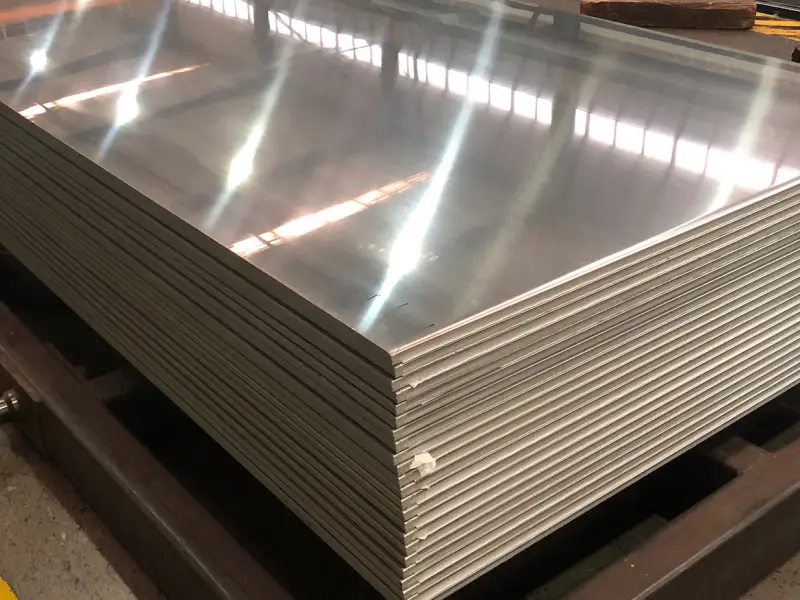
A solid aluminum panel is made from a single layer of aluminum. It can be cut, bent, punched, welded, or coated according to project requirements.
Common specifications:
| Item | Available Options |
|---|---|
| Alloy | 3003, 5005, 5052 |
| Temper | H14, H16, H24, H32 |
| Thickness | 1.0–6.0 mm |
| Width | 600–2,000 mm |
| Surface | Mill finish, PE, PVDF, anodized |
| Processing | Cutting, bending, punching |
Applications include building facades, wall cladding, ceilings, column covers, and decorative structures.
Perforated Aluminum Panel
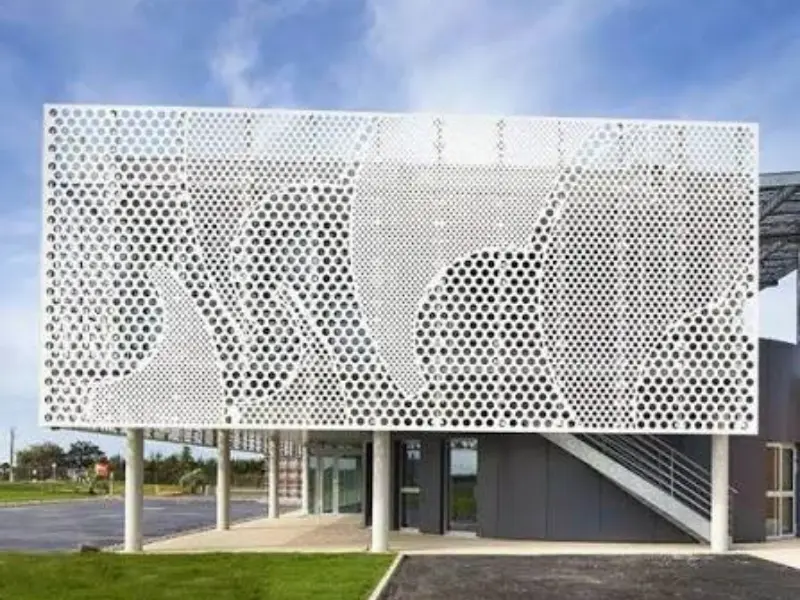
Perforated aluminum panels have holes in different shapes and patterns. They allow air and light to pass through while providing a decorative appearance.
Available hole designs include:
- Round holes.
- Square holes.
- Slotted holes.
- Hexagonal holes.
- Decorative patterns.
- Custom laser-cut designs.
| Parameter | Example Options |
|---|---|
| Alloy | 1050, 3003, 5052 |
| Temper | O, H14, H24 |
| Thickness | 0.5–4.0 mm |
| Hole diameter | 1–20 mm |
| Open area | 10–60%, depending on design |
| Surface | Mill finish, powder coating, PVDF |
Applications include building screens, ventilation panels, sunshades, ceilings, machine guards, and decorative facades.
Prepainted Aluminum Panel
Prepainted aluminum panels have a colored coating applied to the aluminum surface. They are available in different colors, gloss levels, and coating systems.
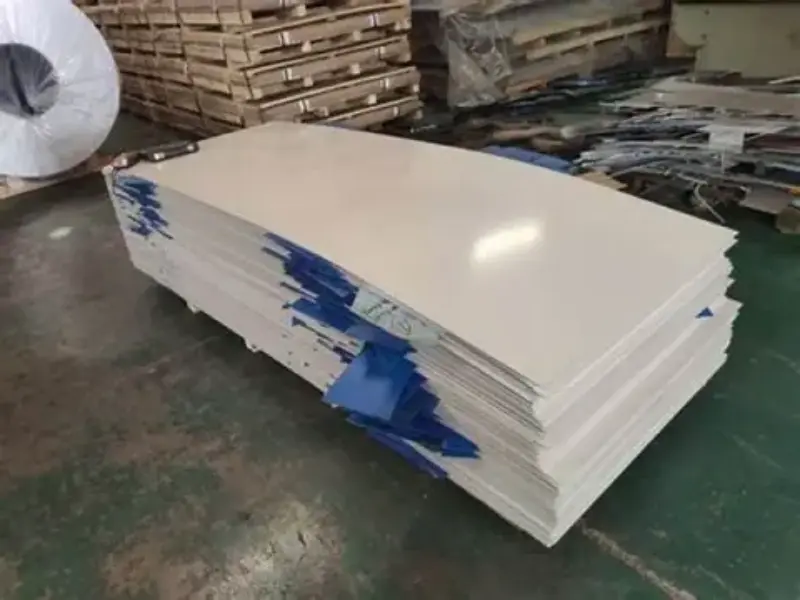
Common coating options:
- PE coating for general indoor and outdoor applications.
- PVDF coating for projects requiring better weather resistance.
- HDPE coating for selected decorative applications.
- Custom colors based on project requirements.
Typical specifications include 0.5–3.0 mm thickness and alloys such as 3003, 3105, and 5005.
Applications include wall cladding, roofing, ceilings, signage, and decorative panels.
Anodized Aluminum Panel
Anodized aluminum panels have an oxide layer formed through an electrochemical process. The surface can offer improved wear resistance and a clean metallic appearance.
Common options include:
- Natural silver anodized.
- Champagne anodized.
- Bronze anodized.
- Black anodized.
- Brushed anodized.
- Custom colors.
They are often used for interior decoration, elevator panels, wall systems, furniture, and architectural details.
Aluminum Composite Panel (ACP)
An aluminum composite panel consists of two aluminum skins bonded to a core material. It is different from a solid aluminum panel.
Typical structures include:
| Layer | Material |
|---|---|
| Front skin | Coated aluminum sheet |
| Core | PE or mineral-filled core |
| Back skin | Aluminum sheet with protective coating |
Common overall thicknesses include 3 mm, 4 mm, and 5 mm. Aluminum skin thickness is selected according to the project and applicable fire requirements.
Applications include building decoration, signage, commercial interiors, and facade systems.
Aluminum Honeycomb Panel
An aluminum honeycomb panel uses two aluminum skins with a honeycomb core between them. This structure provides a high stiffness-to-weight ratio.
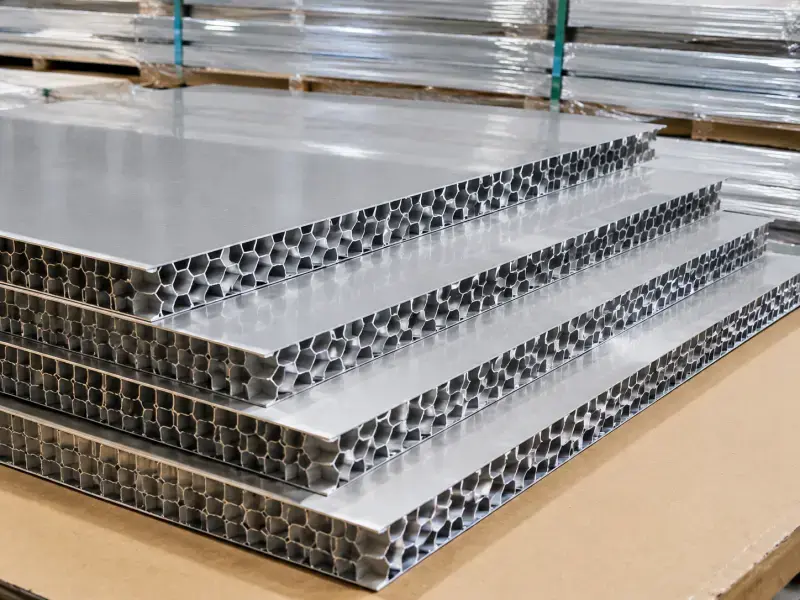
Typical product options:
- Panel thickness: 7–25 mm.
- Panel size: 1,220 × 2,440 mm and customized dimensions.
- Core alloy: 3003, 5052, or 5056.
- Skin material: selected aluminum alloys and finishes.
Applications include transportation interiors, building facades, ceilings, partitions, and lightweight structural panels.
Popular Aluminum Sheet Types and Their Applications
Aluminum sheet is available in many grades and surface finishes. The best product depends on the required strength, corrosion resistance, forming ability, and appearance.
Plain Aluminum Sheet
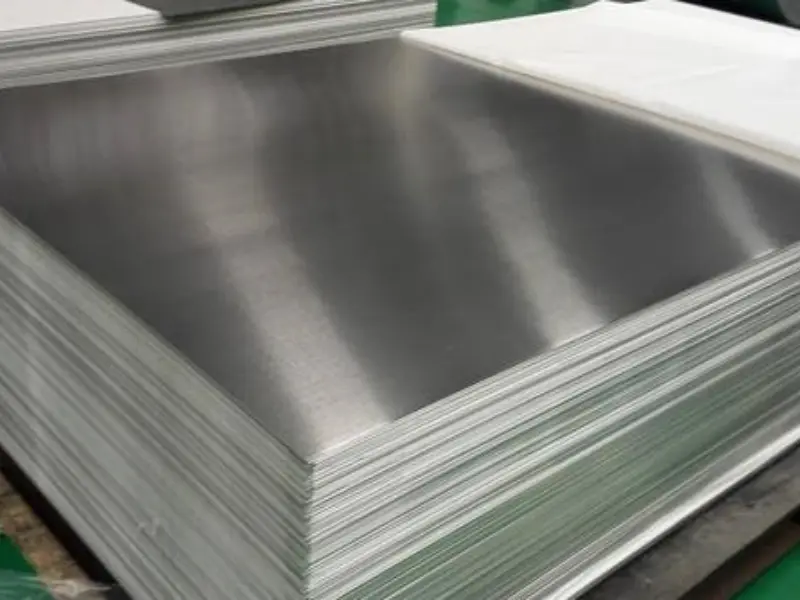
Plain aluminum sheet has a natural mill finish. It is suitable for general fabrication and can be further coated, painted, polished, or anodized.
Typical specifications:
| Item | Options |
|---|---|
| Alloy | 1050, 1060, 1100, 3003, 5052 |
| Temper | O, H12, H14, H16, H18, H24 |
| Thickness | 0.2–6.0 mm |
| Width | 100–2,500 mm |
| Length | 500–12,000 mm |
| Finish | Mill finish |
Applications include equipment covers, signage, roofing, kitchen products, and industrial fabrication.
Aluminum Roofing Sheet
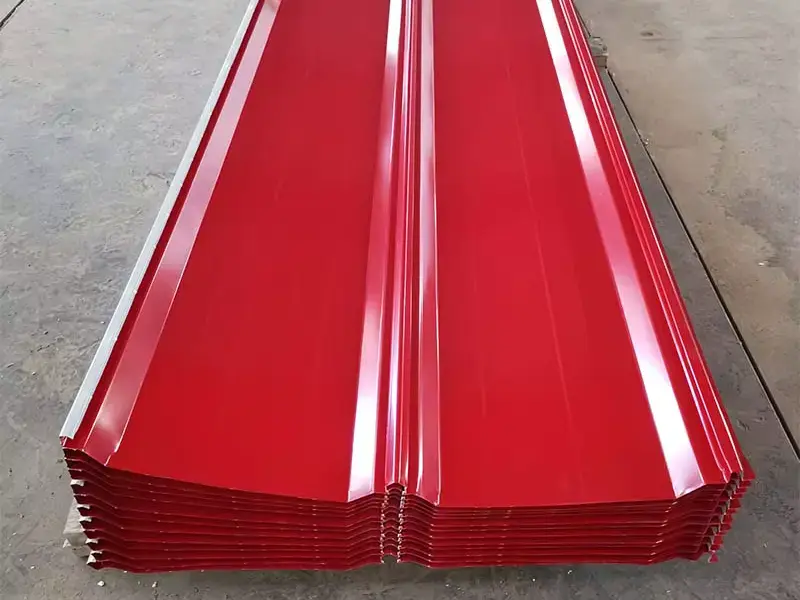
Aluminum roofing sheet is designed for roof covering and building applications. It can be supplied as flat sheet, corrugated sheet, or formed roofing panels.
Common alloys include 3003, 3105, and 5052. Typical thicknesses range from 0.3–1.5 mm, depending on the roofing design.
Applications include:
- Commercial buildings.
- Industrial roofs.
- Agricultural buildings.
- Warehouses.
- Residential roofing.
- Roof flashing and trim.
Aluminum Sheet for Signage
Signage aluminum sheet is used for traffic signs, advertising boards, road signs, and information panels.
Common alloys include 1050, 1060, 1100, and 3003. Typical thicknesses range from 0.5–3.0 mm.
Different shapes can be produced:
- Rectangular signs.
- Square signs.
- Triangular signs.
- Octagonal signs.
- Shield-shaped signs.
- Custom traffic signs.
The surface may be mill finish, anodized, coated, or prepared for reflective sheeting.
Aluminum Tread Plate
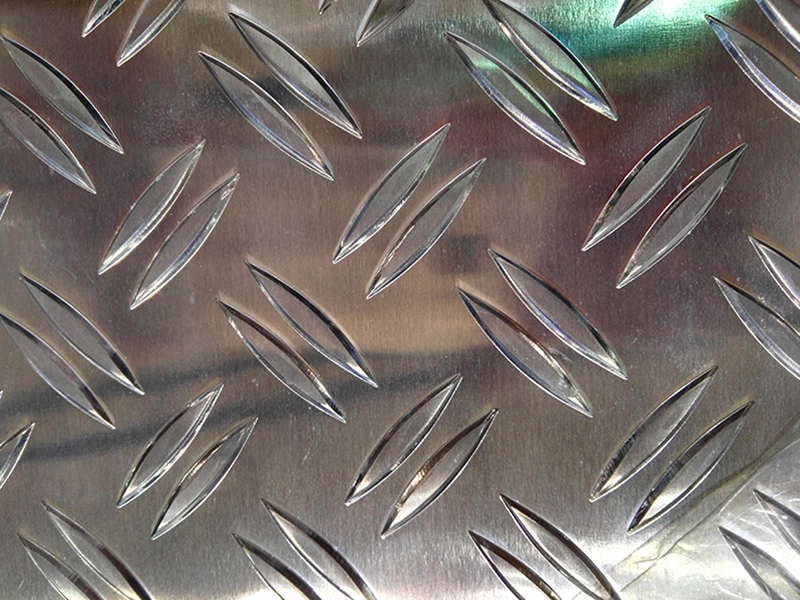
Aluminum tread plate has raised patterns on one side. It provides a textured surface for applications that need additional grip.
Common patterns include:
- One-bar.
- Two-bar.
- Three-bar.
- Five-bar.
- Diamond pattern.
| Item | Typical Options |
|---|---|
| Alloy | 1050, 3003, 5052, 6061 |
| Temper | H14, H22, H24, H32, T6 |
| Thickness | 1.0–8.0 mm |
| Width | 100–2,500 mm |
| Length | 500–12,000 mm |
| Pattern height | 0.5–1.5 mm |
Applications include truck floors, stairs, platforms, vehicle interiors, walkways, and industrial flooring.
Aluminum Sheet for Marine Applications
Marine aluminum sheet is selected for corrosion resistance, strength, and fabrication performance.
Alloy 5083 and 5052 are common choices for different marine applications.
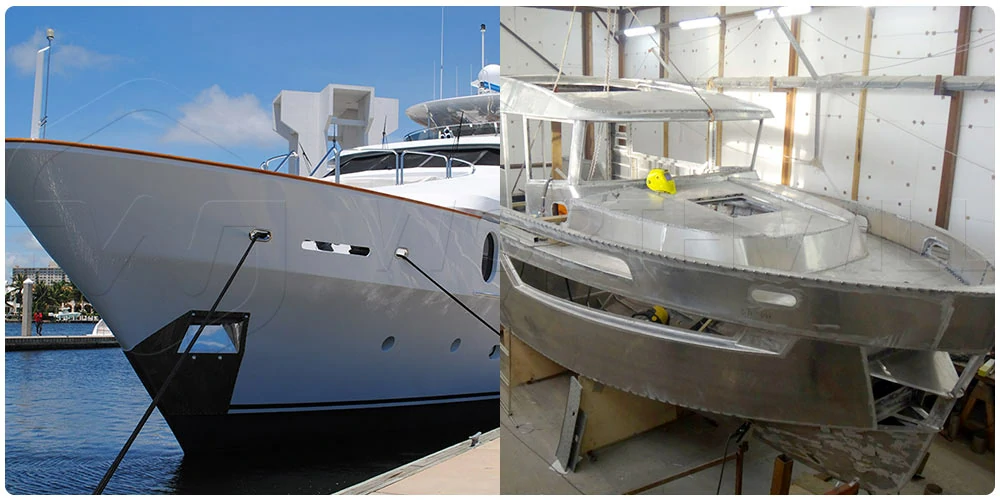
Applications include:
- Boat hulls.
- Deck structures.
- Marine equipment.
- Ship components.
- Offshore structures.
- Storage tanks.
The final alloy and temper should be selected according to the design, welding requirements, and marine environment.
Aluminum Plate Types for Heavy-Duty Applications
Aluminum plate is often selected for applications where a thicker material is required. Different alloys provide different levels of strength, machinability, and corrosion resistance.
5052 Aluminum Plate
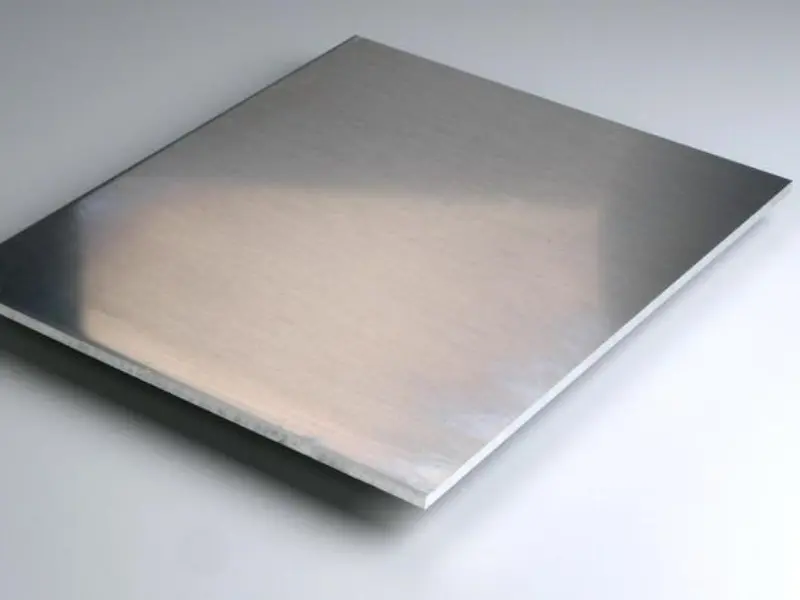
5052 aluminum plate offers good corrosion resistance and forming performance. It is often used in marine and general industrial applications.
Typical specifications:
| Item | Options |
|---|---|
| Alloy | 5052 |
| Temper | O, H32, H34 |
| Thickness | 6–100 mm |
| Width | 500–2,500 mm |
| Length | Customized |
Applications include marine equipment, tanks, vehicle parts, and industrial enclosures.
5083 Aluminum Plate
5083 aluminum plate is a common choice for marine structures and welded components. It offers good corrosion resistance and strength.
Applications include:
- Shipbuilding.
- Boat structures.
- Offshore equipment.
- Pressure-related components designed to applicable standards.
- Transportation structures.
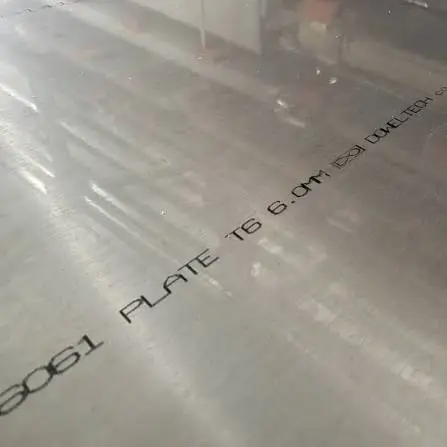
6061 Aluminum Plate
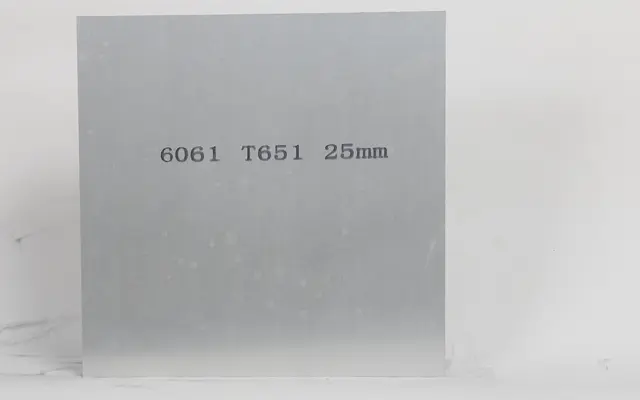
6061 aluminum plate is a heat-treatable alloy with good strength and machinability. It has widely used in CNC machining and structural manufacturing.
Typical tempers include O, T4, T6, and T651.
Applications include:
- Machine bases.
- CNC-machined components.
- Fixtures and tooling.
- Structural brackets.
- Automotive parts.
- Industrial equipment.
6082 Aluminum Plate
6082 aluminum plate is a structural alloy with good strength and machinability. It has uses in engineering, transportation, and industrial structures.
Applications include:
- Structural frames.
- Machinery components.
- Bridges and supports.
- Transportation parts.
- Industrial platforms.
7075 Aluminum Plate
7075 aluminum plate is a high-strength aluminum alloy. It has selected for applications that require a high strength-to-weight ratio.
Typical tempers include T6 and T651.
Applications include:
- Aerospace components.
- High-strength fixtures.
- Precision machining.
- Performance equipment.
- Specialized engineering parts.
It is not the first choice for every environment because corrosion resistance and welding requirements must also be considered.
Aluminum Panel vs. Sheet vs. Plate: Alloy and Temper Comparison
The same alloy may be available in different product forms. However, not every alloy and temper is suitable for every thickness or manufacturing process.
Common Alloy Comparison
| Alloy | Main Characteristics | Common Product Forms |
|---|---|---|
| 1050 | High aluminum content, good conductivity | Sheet, thin panel |
| 1060 | Good conductivity and formability | Sheet, coil |
| 1100 | Good corrosion resistance and formability | Sheet, panel |
| 3003 | Good formability and moderate strength | Sheet, panel, plate |
| 3105 | Good formability and coating performance | Roofing sheet, coil, panel |
| 5052 | Good corrosion resistance and strength | Sheet, plate, panel |
| 5083 | High strength and marine corrosion resistance | Plate, sheet |
| 6061 | Heat-treatable and machinable | Plate, sheet, structural parts |
| 6082 | Good structural strength | Plate, sheet |
| 7075 | High strength | Plate and machined components |
Which Temper Should You Choose?
| Temper | General Properties | Typical Uses |
|---|---|---|
| O | Soft and easy to form | Deep drawing and bending |
| H12 | Low work-hardening level | Formed sheet products |
| H14 | Half hard | General fabrication |
| H16 | Higher hardness than H14 | Components needing more strength |
| H18 | Fully hard | Products needing greater rigidity |
| H24 | Strain hardened and partially annealed | Roofing and panels |
| H32 | Stabilized strain-hardened condition | Marine and industrial sheet |
| T6 | Solution heat treated and artificially aged | Structural and machined components |
| T651 | Stress relieved after stretching and aged | Precision plate machining |
The correct temper depends on the alloy, thickness, forming process, and final performance requirements.
Aluminum Panel vs. Aluminum Sheet vs. Aluminum Plate: Application Comparison
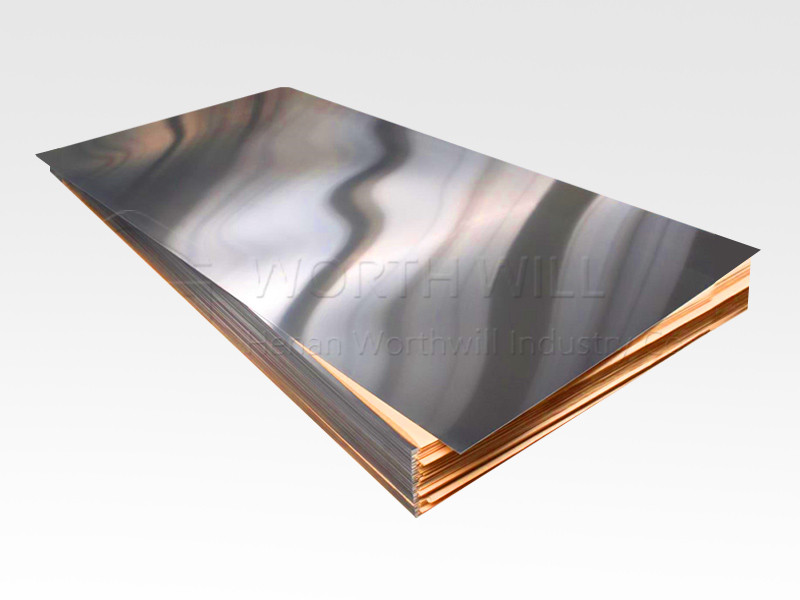
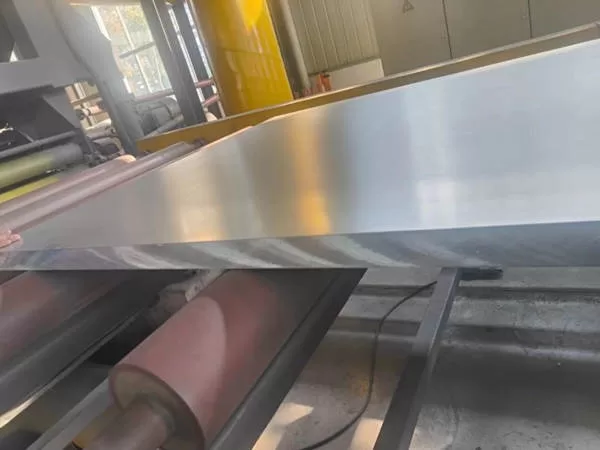
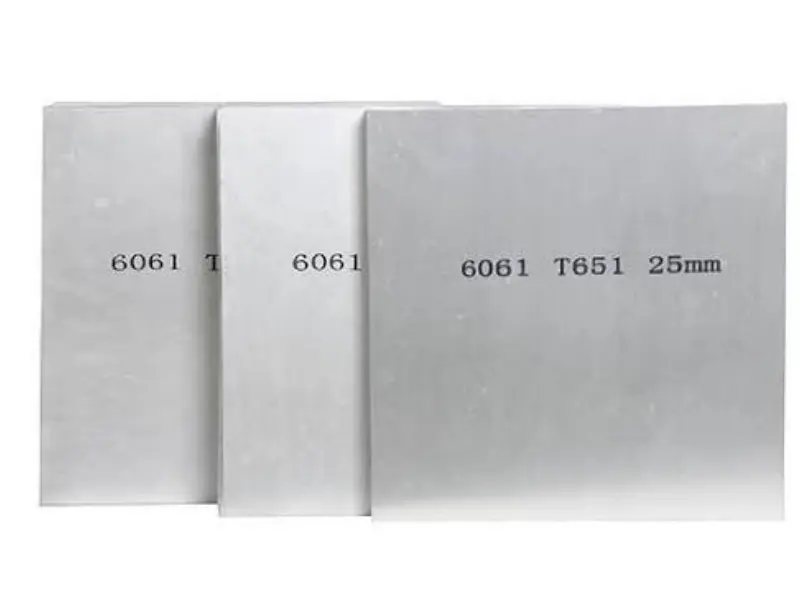
The best material is not always the thickest one. It should match the actual job.
| Application | Recommended Product | Common Alloy Options |
|---|---|---|
| Building facade | Aluminum panel | 3003, 5005, 5052 |
| Interior ceiling | Aluminum panel | 3003, 3105 |
| Advertising sign | Aluminum sheet | 1050, 1060, 3003 |
| Roofing | Aluminum sheet or panel | 3003, 3105, 5052 |
| Traffic sign | Aluminum sheet | 1050, 1100, 3003 |
| Truck flooring | Aluminum tread plate | 3003, 5052 |
| Marine structure | Aluminum plate | 5052, 5083 |
| CNC machining | Aluminum plate | 6061, 6082, 7075 |
| Machine base | Aluminum plate | 6061, 6082 |
| Decorative wall | Aluminum panel | 3003, 5005 |
| Equipment cover | Aluminum sheet | 1050, 3003, 5052 |
| Heat exchanger | Aluminum sheet or coil | 1050, 3003 |
How to Choose the Right Aluminum Product
A clear specification helps buyers avoid ordering the wrong material. Before requesting a quotation, consider the following points.
Start with the Final Application
Ask what the material needs to do.
- For facade decoration, consider solid aluminum panels or ACP.
- For general bending and fabrication, consider aluminum sheet.
- For CNC machining, consider aluminum plate.
- For roofing, consider coated or formed aluminum sheet.
- For marine use, consider 5052 or 5083.
- For high-strength machined components, consider 6061 or 7075.
Consider Thickness and Weight
Thickness affects the weight and cost of the product. A thicker plate uses more aluminum and may need different cutting and machining equipment.
For reference, the theoretical weight per square meter estimated using:
Weight (kg/m²) = Thickness (mm) × Density (kg/m³) ÷ 1,000
For standard aluminum, a density of approximately 2,700 kg/m³ has often used for preliminary calculations.
| Thickness | Approximate Weight |
|---|---|
| 0.5 mm | 1.35 kg/m² |
| 1.0 mm | 2.70 kg/m² |
| 1.5 mm | 4.05 kg/m² |
| 2.0 mm | 5.40 kg/m² |
| 3.0 mm | 8.10 kg/m² |
| 5.0 mm | 13.50 kg/m² |
| 6.0 mm | 16.20 kg/m² |
| 10 mm | 27.00 kg/m² |
| 20 mm | 54.00 kg/m² |
Actual weight may vary due to thickness tolerance and alloy density.
Check the Surface Finish
Different projects need different surface finishes.
| Finish | Main Feature | Application |
|---|---|---|
| Mill finish | Natural aluminum surface | General fabrication |
| PE coating | Decorative color coating | General building decoration |
| PVDF coating | Weather-resistant coating system | Architectural facades |
| Anodized | Protective oxide layer | Decoration and architecture |
| Brushed | Directional surface texture | Interior decoration |
| Mirror | High reflectivity | Decorative panels |
| Embossed | Raised surface pattern | Refrigeration and insulation |
| Perforated | Holes or patterns | Screens and ventilation |
Confirm Processing Requirements
The product should match the next manufacturing step.
Common processing methods include:
- Cutting and shearing.
- Bending and folding.
- Stamping.
- Punching.
- Laser cutting.
- Welding.
- Milling and drilling.
- Anodizing and painting.
- Laminating and coating.
For example, a panel designed for bending needs suitable alloy and temper combinations. A plate for CNC machining should also have appropriate flatness and thickness tolerance.
What Affects the Price of Aluminum Panel, Sheet, and Plate?
The price depends on material cost, product specifications, processing, and order quantity.
| Price Factor | How It Affects Cost |
|---|---|
| Alloy | Different alloys have different material costs |
| Temper | Processing and mechanical requirements may vary |
| Thickness | Greater thickness means more aluminum per square meter |
| Size | Special widths and lengths may increase cutting costs |
| Surface finish | Coating, anodizing, and polishing add processing costs |
| Flatness | Special flatness requirements may need additional control |
| Processing | Punching, bending, machining, and cutting affect the price |
| Quantity | Larger orders may improve production efficiency |
| Packaging | Export packaging and protection add costs |
| Delivery | Shipping distance and destination affect the final price |
Information Needed for an Accurate Quotation
When contacting an aluminum supplier, prepare the following details:
- Product type: panel, sheet, or plate.
- Alloy and temper.
- Thickness.
- Width and length.
- Surface finish.
- Flatness or tolerance requirements.
- Processing requirements.
- Order quantity.
- Packaging and delivery destination.
Providing a drawing or sample is also helpful for customized aluminum panels and machined plates.
Frequently Asked Questions
Is Aluminum Panel the Same as Aluminum Sheet?
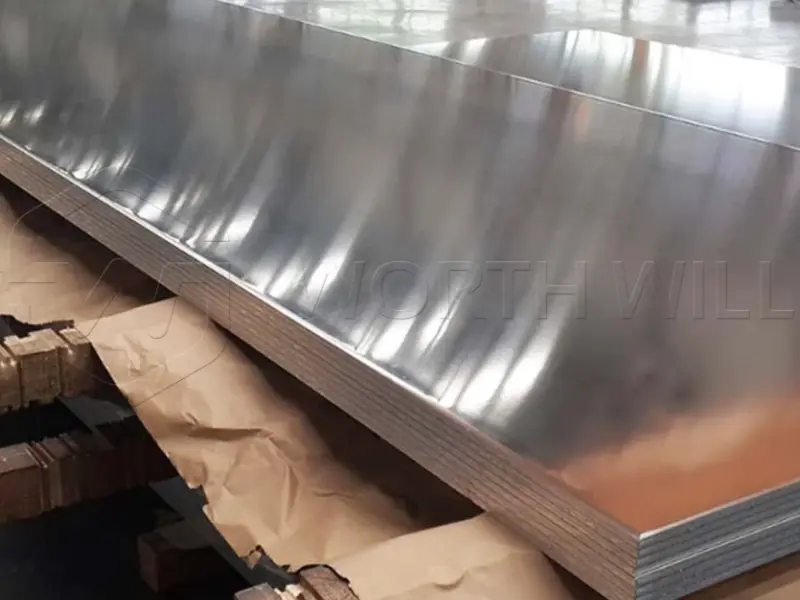
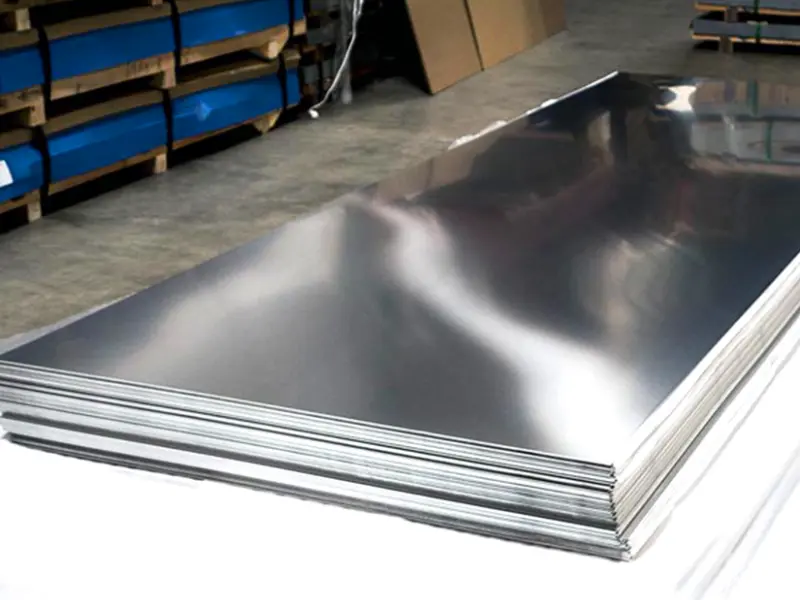
Not always. Aluminum sheet usually refers to a flat rolled product classified by thickness. Aluminum panel often describes a product designed for a particular use, such as a facade, ceiling, or decorative system. A panel may be made from aluminum sheet and then processed into a finished product.
What Is the Main Difference Between Aluminum Sheet and Aluminum Plate?
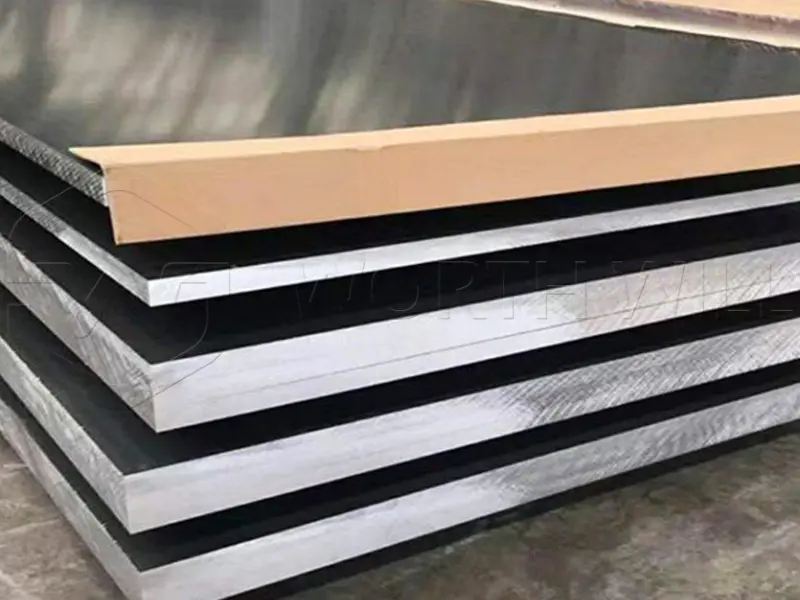
The main difference is thickness. Aluminum plate is generally thicker than aluminum sheet. However, the exact dividing thickness depends on the relevant standard, market, and supplier.
Which Is Stronger: Aluminum Panel, Sheet, or Plate?
There is no single answer. Strength depends on alloy, temper, thickness, shape, and support design. A formed panel with folded edges may be stiffer than a flat sheet of similar thickness. A thick aluminum plate usually provides more section thickness for heavy-duty machining and structural applications.
What Thickness Is Best for Aluminum Panels?
Many solid aluminum panels use thicknesses from 1.0 to 4.0 mm. Some architectural and industrial products may use thinner or thicker material. The correct thickness depends on panel size, support spacing, wind load, and installation design.
What Alloy Is Best for Aluminum Sheets?
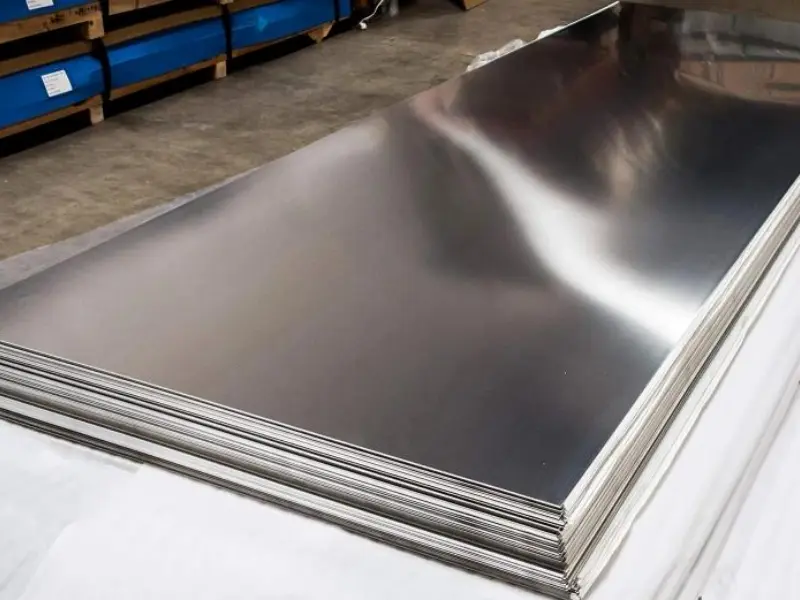
It depends on the application. 1050 and 1060 are useful for applications requiring good conductivity.
3003 is common for general forming. 5052 offers good corrosion resistance and strength. 3105 is often used for coated building products.
Which Aluminum Plate Is Best for CNC Machining?
6061-T6 and 6061-T651 are common choices for CNC machining. 6082 is another option for structural and machined components. 7075 has selected when higher strength is needed, subject to the project requirements.
Is 5052 Aluminum Sheet Suitable for Outdoor Use?
5052 offers good corrosion resistance and has used in many outdoor and marine-related applications. The final suitability depends on the environment, surface finish, thickness, and installation conditions.
Can Aluminum Sheet Be Used for Building Facades?
Yes. Aluminum sheet has processed into solid facade panels, decorative cladding, and other architectural products. The panel design, thickness, alloy, coating, and fixing system should meet project requirements.
Is Aluminum Composite Panel the Same as Solid Aluminum Panel?
No. A solid aluminum panel is made from a single aluminum sheet. An aluminum composite panel has two aluminum skins bonded to a core material. They have different structures, properties, and installation requirements.
Can Aluminum Panels Be Perforated?
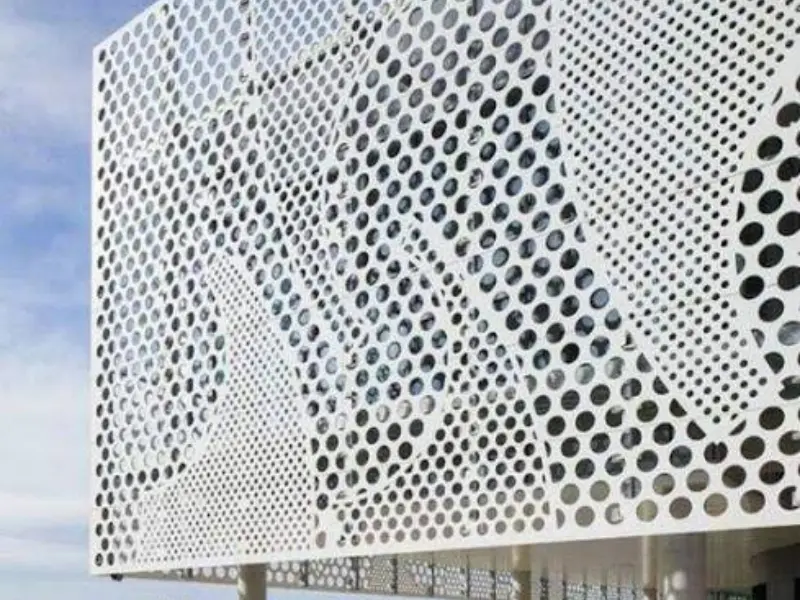
Yes. Aluminum panels have punched or laser cut with round holes, square holes, slots, and custom patterns. The hole size, spacing, and open area have designed for ventilation and decoration.
What Surface Finishes Are Available?
Common options include mill finish, PE coating, PVDF coating, anodizing, brushing, mirror finish, and embossed finish. The right finish depends on appearance, weather exposure, and processing requirements.
Can Aluminum Sheet and Plate Be Customized?
Yes. Thickness, width, length, alloy, temper, surface finish, and packaging have customized according to production capability and order requirements.
How Do I Choose Between Aluminum Panel, Sheet, and Plate?
Start with the final application. Choose aluminum panel for architectural and decorative systems, aluminum sheet for general fabrication and forming, and aluminum plate for thicker or machining-intensive applications. Then confirm alloy, temper, thickness, size, and surface requirements.
Find the Right Aluminum Panel, Sheet, or Plate for Your Project
Aluminum panel, aluminum sheet, and aluminum plate each have their own advantages. The right choice depends on the application, material properties, processing method, and project budget.
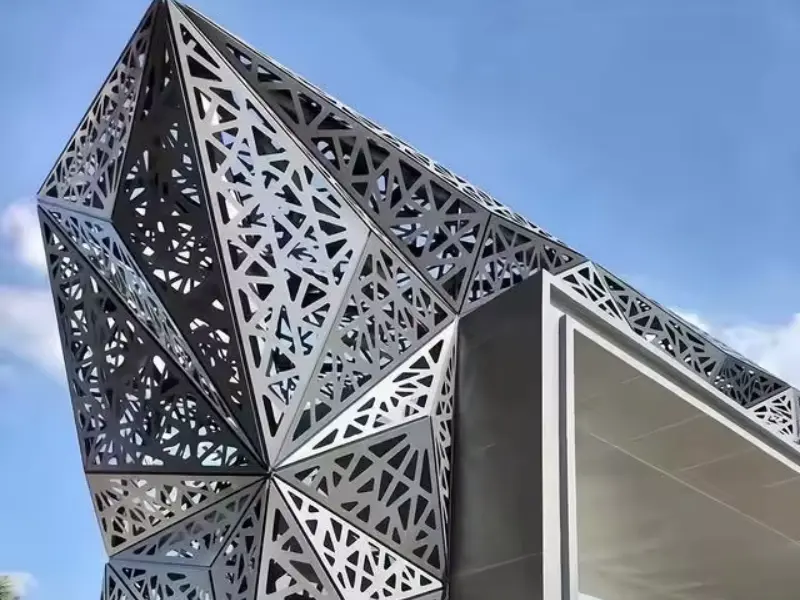
We supply different aluminum products for construction, signage, transportation, machinery, decoration, and industrial manufacturing.
Available product options include:
- Aluminum sheet in 1050, 1060, 1100, 3003, 3105, and 5052.
- Aluminum plate in 5052, 5083, 6061, 6082, and other grades.
- Solid aluminum panels and perforated aluminum panels.
- PE and PVDF coated aluminum panels.
- Brushed, anodized, mirror, and embossed surfaces.
- Customized thickness, width, length, and processing.
Send us your required alloy, temper, thickness, dimensions, surface finish, and application. Our team can help you select a suitable aluminum product and prepare a quotation for your project.