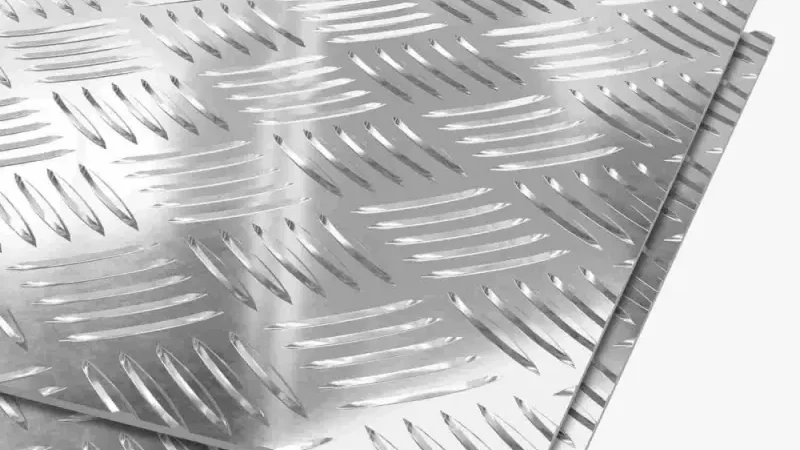
Aluminum checkered plate, also widely known as aluminum tread plate or diamond plate, is a highly versatile material known for its distinctive raised pattern. This pattern provides excellent grip, making it a popular choice for safety flooring and decorative purposes. From industrial settings to modern architecture, the demand for high-quality aluminum checkered plate continues to grow.
Finding the right aluminum checkered plate manufacturer is crucial for ensuring product quality, reliability, and cost-effectiveness for your specific project needs.
What Is Aluminum Checkered Plate and Why Factories Make It
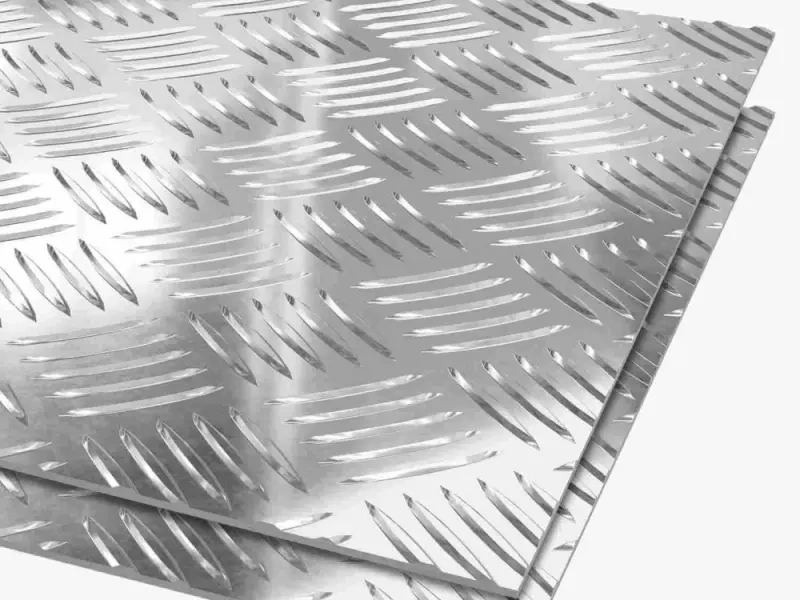
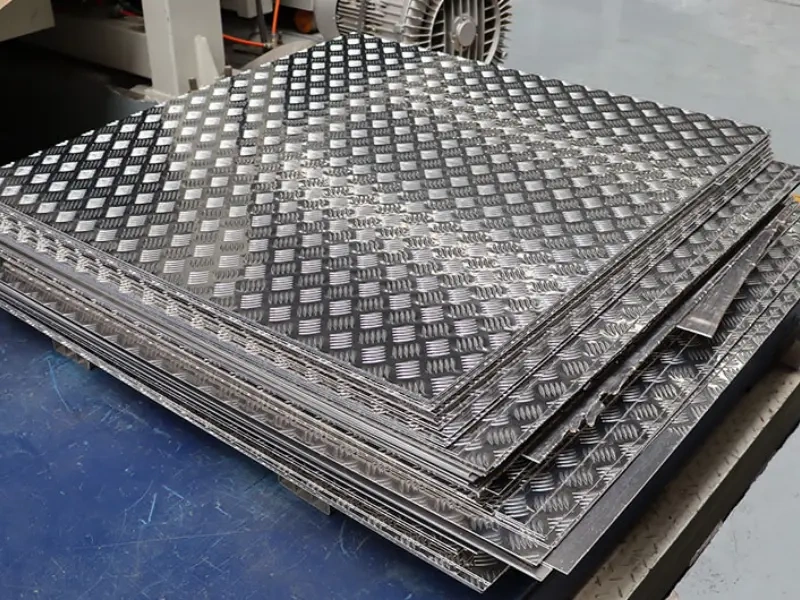
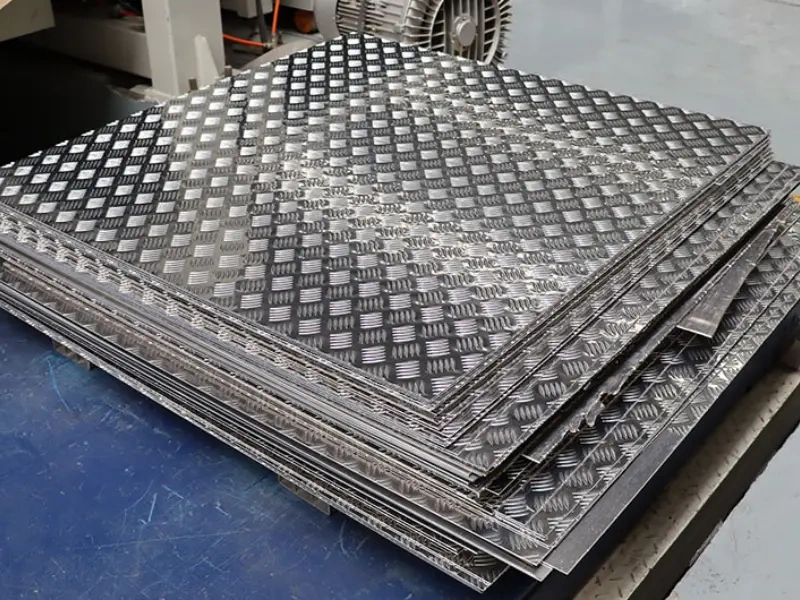
Aluminum checkered plate is a flat sheet of metal with raised lines or diamonds pressed into one side. The pattern adds grip. It also adds stiffness without adding weight. Factories make this product by passing smooth aluminum sheet through heavy rollers that emboss the design. The base metal stays the same thickness. Only the surface changes.
Manufacturers produce checkered plate because it solves real problems. Truck beds need slip-resistant floors. Stair treads need grip in the rain. Work platforms need texture so workers do not fall. Aluminum does all of this while staying light enough for one person to carry. It also never rusts. That is why aluminum checkered plate manufacturers ship this product to construction sites, vehicle factories, and marine yards all over the world.
Alloy Breakdown: What Manufacturers Use
Not every checkered plate uses the same metal recipe. The alloy changes strength, corrosion resistance, and how the plate behaves underfoot.
1000 Series: Pure and Soft
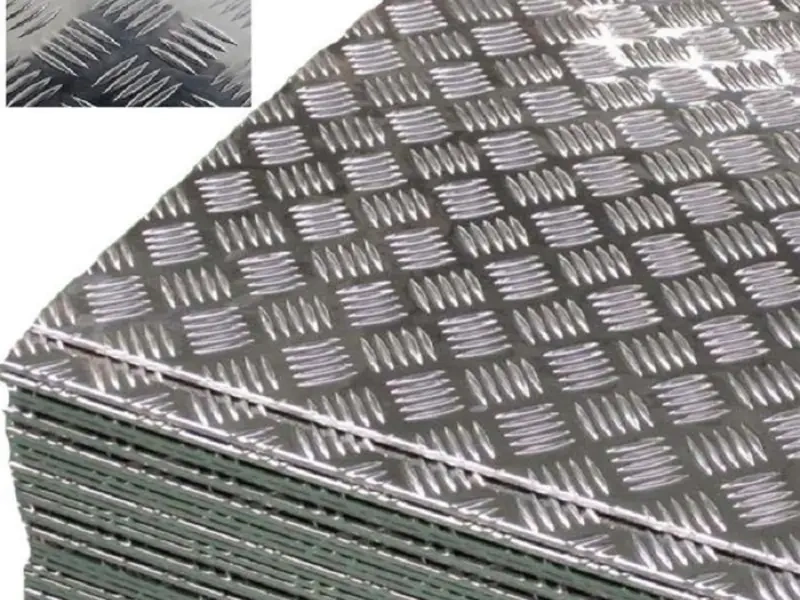
Alloys 1060 and 1100 contain 99% or more pure aluminum. They are the cheapest option. They form easily and resist corrosion in normal air.
The downside is low strength. A 1060 checkered plate will dent if you drop a heavy wrench on it. Manufacturers sell this grade for decorative panels, interior trim, and light-duty covers.
3000 Series: The All-Rounder
Alloy 3003 and its close cousin 3005 contain manganese.
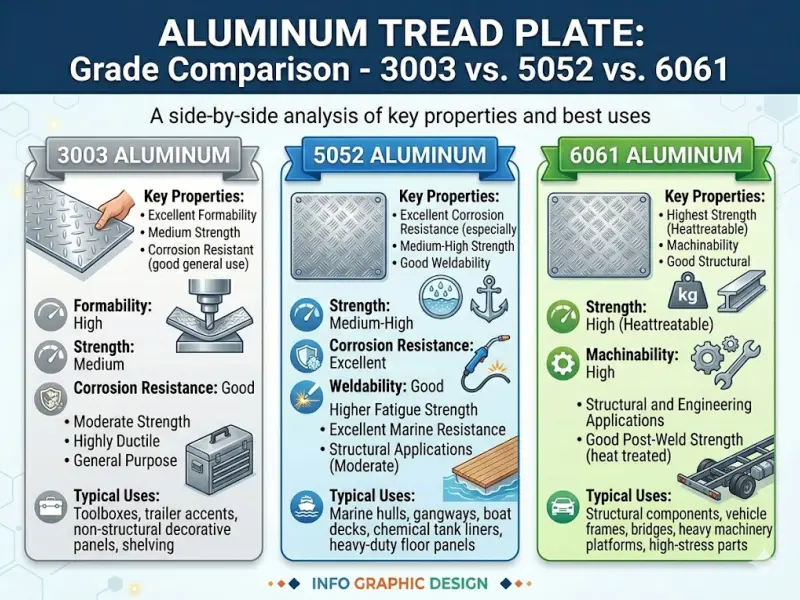
They are about 20% stronger than pure aluminum. They still bend and weld without trouble. This is the most common alloy that aluminum checkered plate manufacturers use for general industrial work. It is strong enough for walkways and truck beds but cheap enough for large orders.
5000 Series: Marine Grade
Alloys 5052 and 5083 add magnesium. They offer the highest strength of the three groups. They also resist saltwater corrosion far better than 3003.
Manufacturers specify 5052 for boat decks, dock planks, and offshore platforms. It costs more and needs more force to cut, but it lasts decades near the ocean.
6000 Series: Structural Muscle
Alloy 6061 contains magnesium and silicon. It is heat-treatable to very high strength. It is harder to form than 3003 or 5052. You see it in heavy equipment steps, loading ramps, and armor-style covers.
Manufacturers usually sell 6061 checkered plate in thicker gauges where rigidity matters more than bendability.
| Alloy Series | Common Grades | Strength | Formability | Corrosion Resistance | Typical Pattern Use |
|---|---|---|---|---|---|
| 1000 | 1060, 1100 | Low | Excellent | Very good | Decorative walls, light covers |
| 3000 | 3003, 3005 | Medium | Very good | Very good | Walkways, truck beds, stairs |
| 5000 | 5052, 5083 | High | Good | Excellent | Marine decks, docks, chemical plants |
| 6000 | 6061 | Very high | Moderate | Good | Heavy ramps, equipment guards |
Temper States: Soft Plate vs Hard Plate
The temper tells you how the metal was treated after rolling. This affects hardness and whether the plate arrives flat or springy.
H14: The Budget Standard
H14 is half hard. It is stiff enough to hold its shape but soft enough to shear and drill. Many aluminum checkered plate manufacturers stock 3003 H14 as their default because it balances cost and workability.
H22 and H24: Stabilized for Forming
H22 is quarter hard and stabilized. H24 is half hard and stabilized. The stabilization bake removes internal stress. After you bend or cut the plate, it stays flat. H24 is popular for tread plate that must be rolled into cylinders or fitted around curved frames.
H32 and H34: Marine Tempers
These tempers apply to 5000 series alloys like 5052. H32 is quarter hard and stabilized. H34 is half hard. Both give you extra stiffness for wide deck panels. They resist oil canning better than H14 or H24.
T6: For 6061 Only
T6 means solution heat treated and artificially aged. It is very hard. You cannot cold bend 6061 T6 checkered plate on a standard brake without risk of cracking. Manufacturers sell it for flat applications or pre-formed shapes.
| Temper | Hardness | Bendability | Best Use | Common Alloy |
|---|---|---|---|---|
| H14 | Half hard | Good | General stock, cut-to-size orders | 3003 |
| H22 | Quarter hard, stabilized | Very good | Curved panels, rolled shapes | 3003 |
| H24 | Half hard, stabilized | Good | Wide panels, less springback | 3003 |
| H32 | Quarter hard, stabilized | Good | Marine decks, salt air | 5052 |
| H34 | Half hard, stabilized | Moderate | Heavy marine, wide spans | 5052 |
| T6 | Very hard | Poor | Flat heavy-duty covers | 6061 |
Pattern Types: One Bar, Five Bar, and More
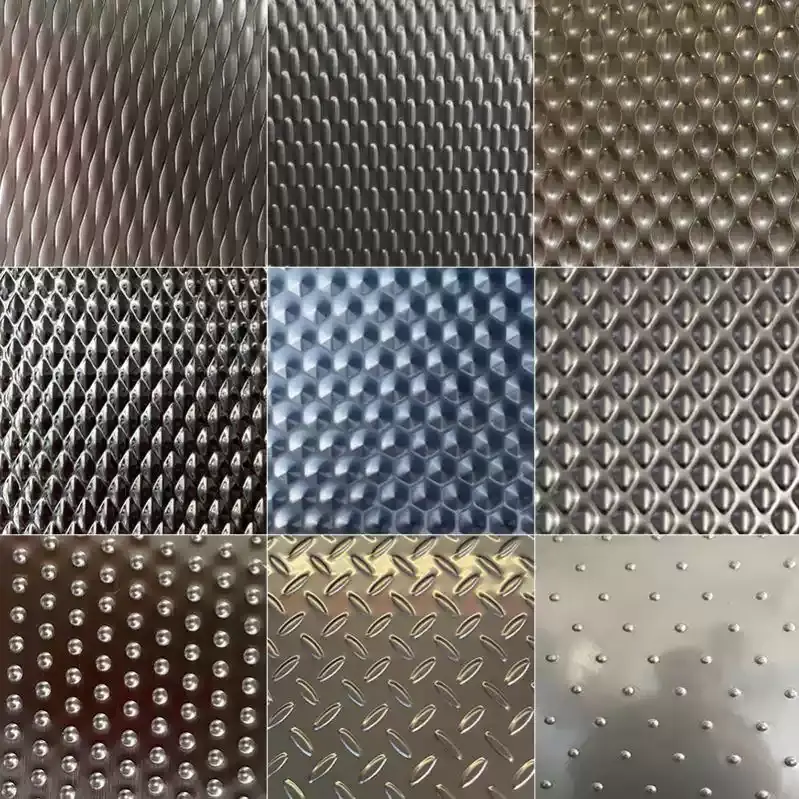
The raised pattern is not just for looks. Different patterns give different grip levels and stiffness.
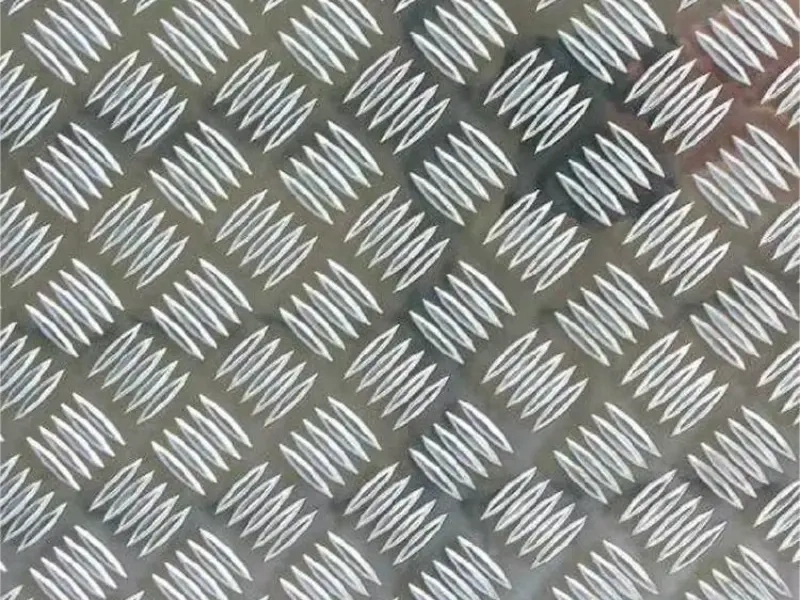
Five-Bar Pattern
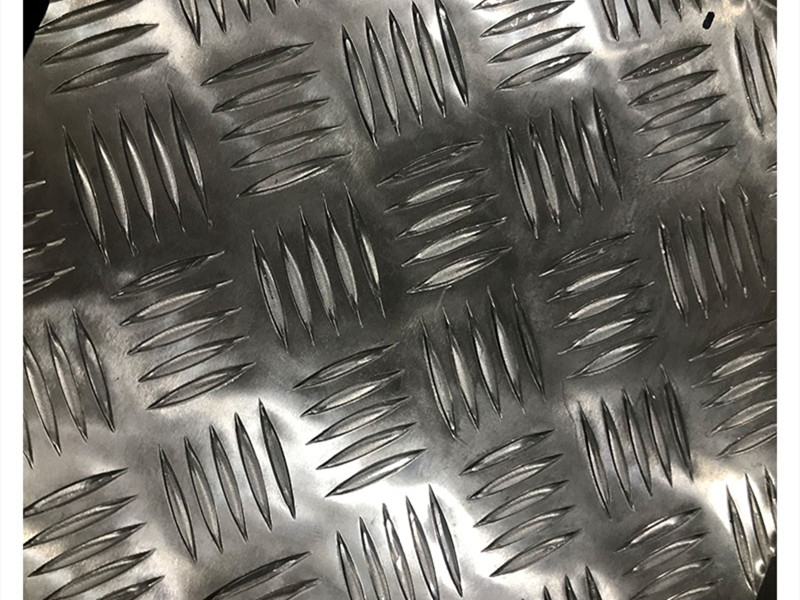
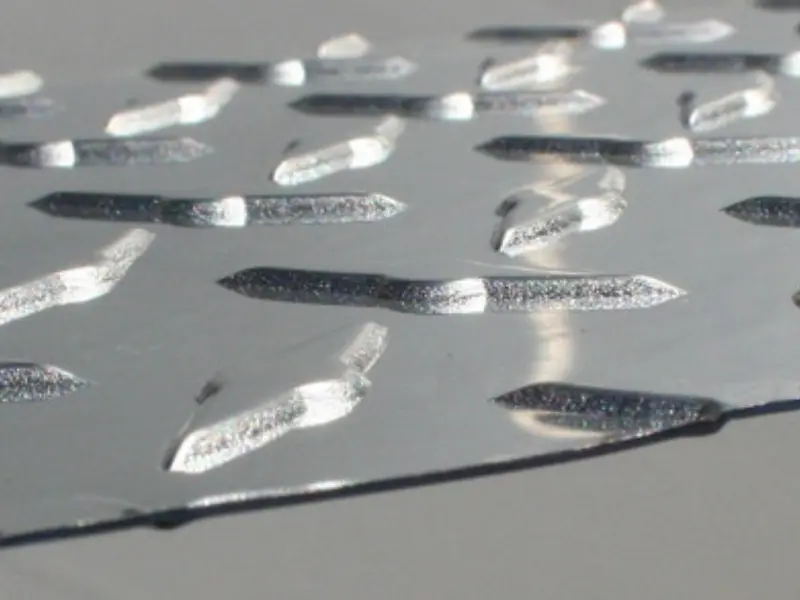
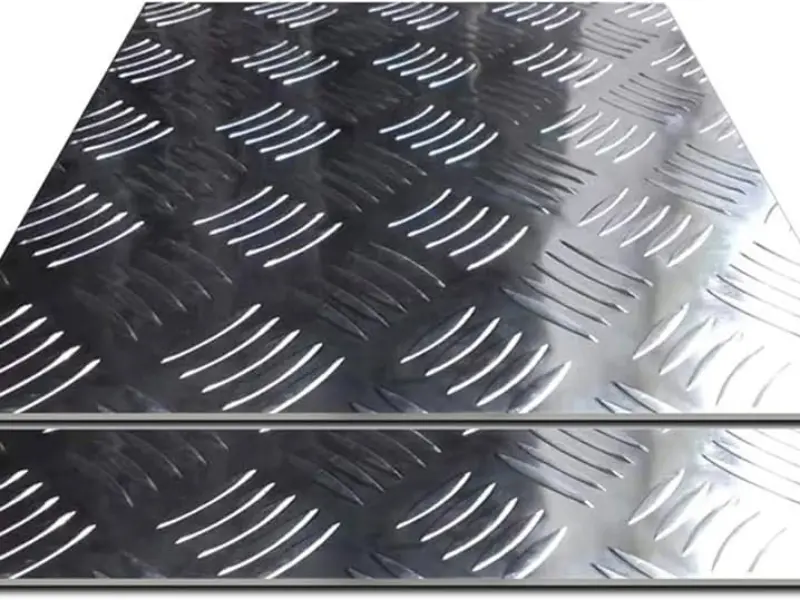
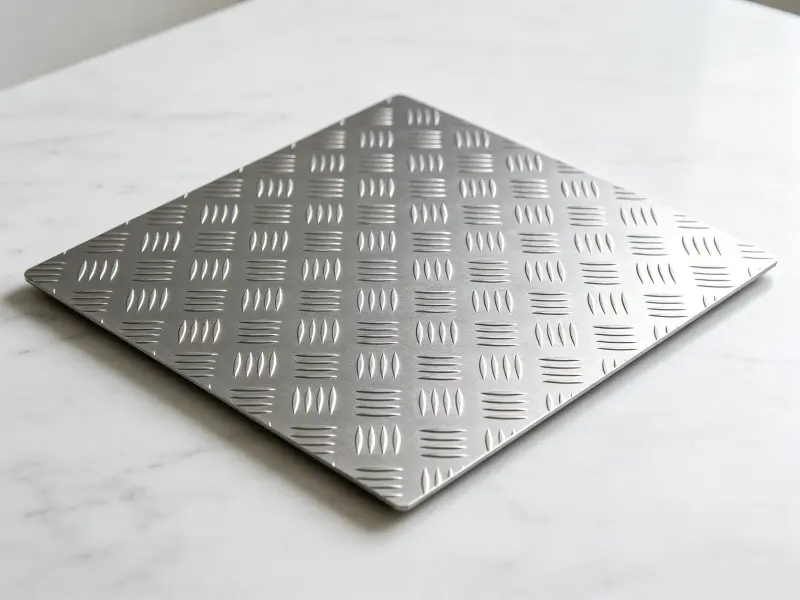
This is the most common design. Five parallel raised lines run across the surface in a staggered layout. The pattern repeats every few inches. Five-bar aluminum checkered plate offers excellent slip resistance in all directions. It is the default choice for ramps, stairs, and vehicle floors.
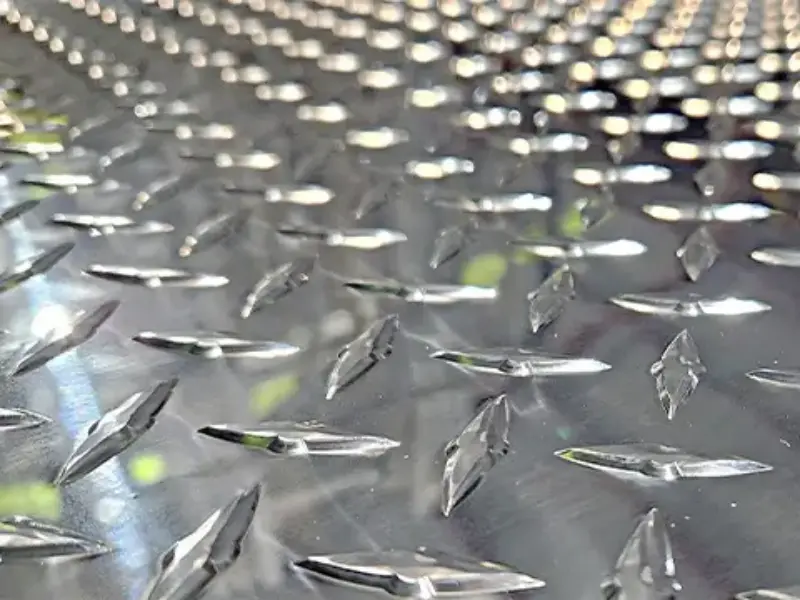
One-Bar Pattern
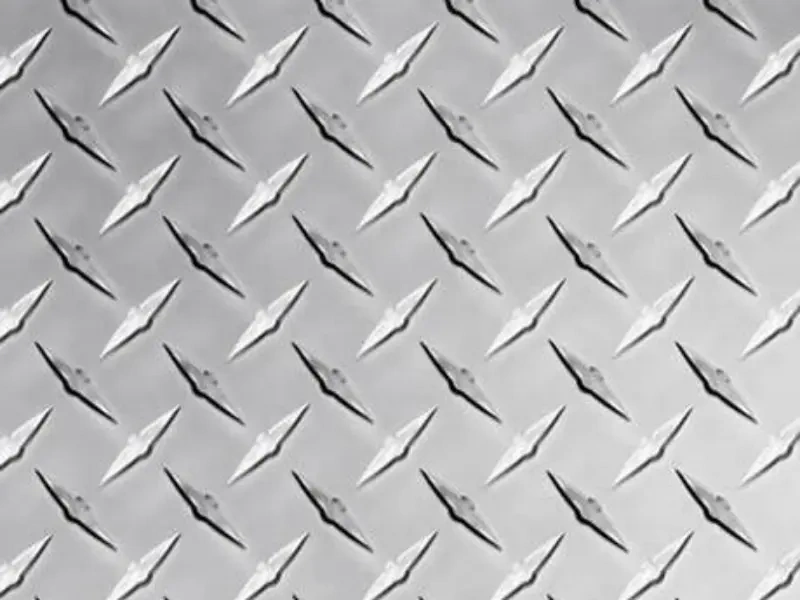
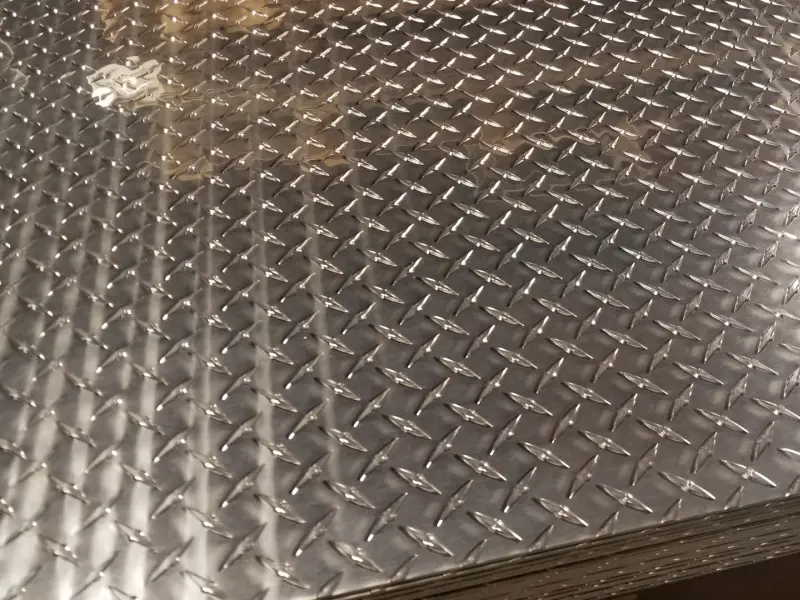
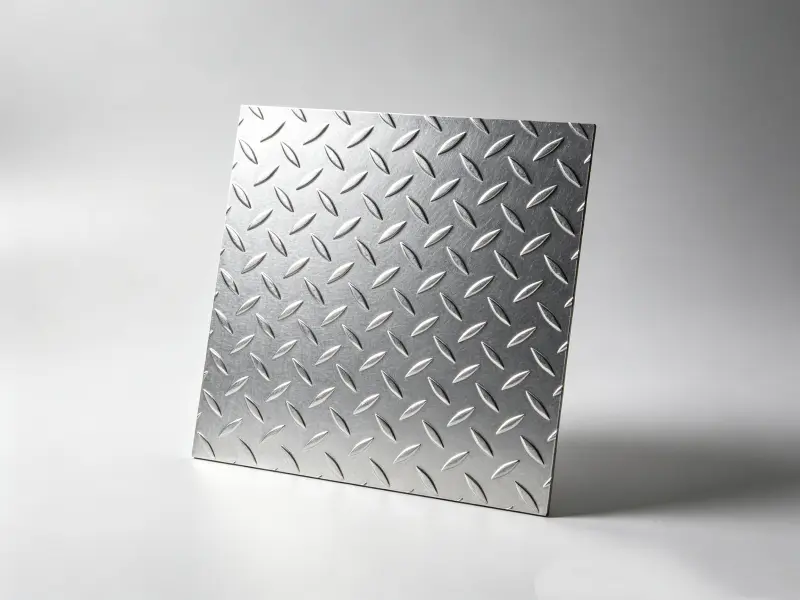
Also called a diamond or lozenge pattern. A single raised diamond sits in the center of each cell. One-bar plate looks cleaner and more geometric. It is popular for decorative wall panels, toolboxes, and architectural features. The grip is good but slightly less aggressive than five-bar.
Two-Bar Pattern
Two parallel lines run across the sheet. This pattern is common in European markets. It offers a middle ground between the bold look of five-bar and the clean look of one-bar. Some manufacturers call this “compass” or “pointer” pattern.
Three-Bar Pattern
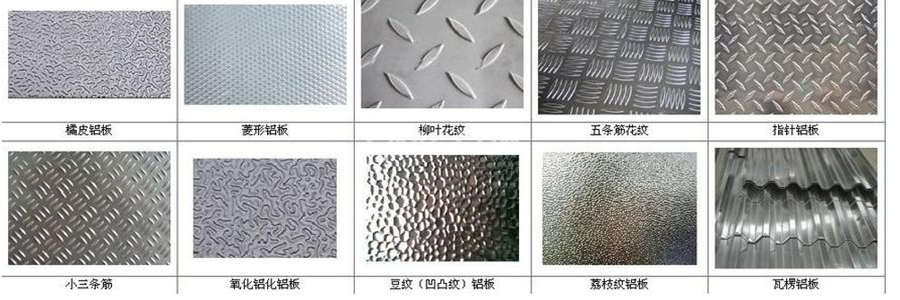
Three raised lines per group. This is less common but shows up in specialty vehicle floors and custom industrial platforms. It drains water well and hides dirt between the bars.
Stucco or Orange Peel
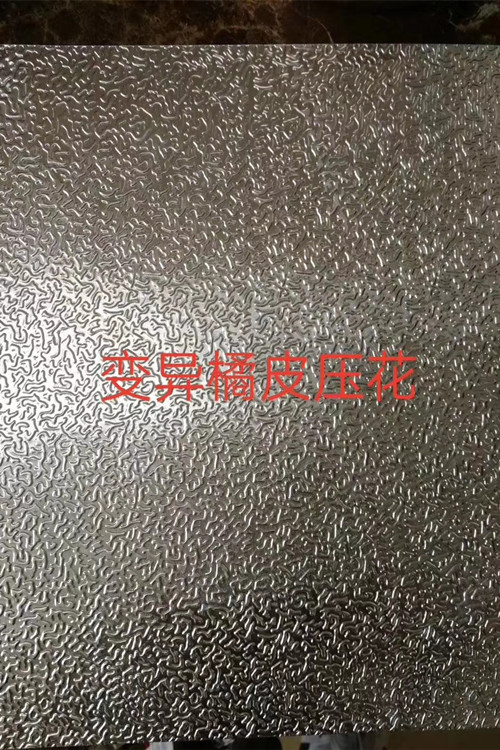
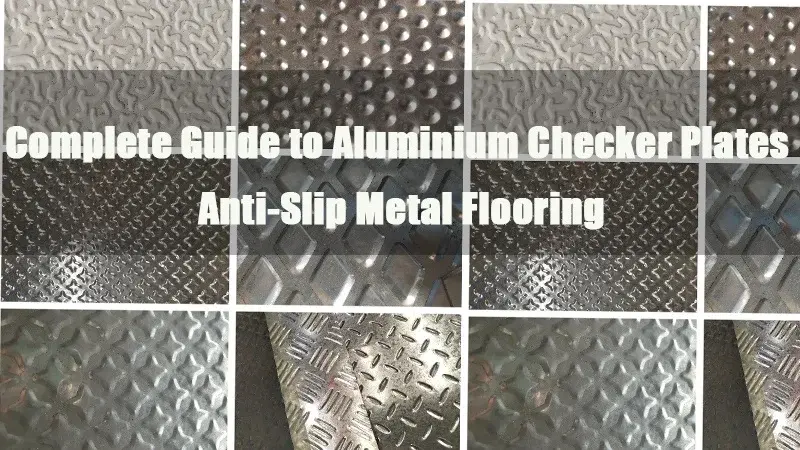
Technically not a checkered pattern, but some manufacturers offer it alongside tread plate. Small rounded dimples cover the surface. It adds stiffness and hides scratches. It is used for insulation jacketing and decorative trim, not for walking surfaces.
| Pattern | Grip Level | Look | Best Application |
|---|---|---|---|
| Five bar | Excellent | Industrial, bold | Ramps, stairs, truck beds, docks |
| One bar / diamond | Good | Clean, geometric | Toolboxes, decorative walls, trim |
| Two bar | Good | Moderate, linear | European vehicle floors, platforms |
| Three bar | Very good | Aggressive | Specialty industrial flooring |
| Stucco / orange peel | None | Textured, matte | Insulation, decoration, non-slip not needed |
Thickness Guide: From Thin Sheets to Heavy Plate
Thickness changes how the plate feels underfoot and how much weight it can carry.
| Thickness (mm) | Thickness (inch) | Weight per sq meter | Load Rating | Typical Use |
|---|---|---|---|---|
| 1.0 | 0.039 | ~2.9 kg | Very light | Decorative panels, wall covers |
| 1.5 | 0.059 | ~4.3 kg | Light | Toolboxes, trailer trim |
| 2.0 | 0.079 | ~5.8 kg | Light-medium | Light truck beds, steps |
| 2.5 | 0.098 | ~7.2 kg | Medium | Standard walkways, stairs |
| 3.0 | 0.118 | ~8.6 kg | Medium-heavy | Heavy truck floors, platforms |
| 4.0 | 0.157 | ~11.5 kg | Heavy | Industrial ramps, dock boards |
| 5.0 | 0.197 | ~14.4 kg | Very heavy | Loading docks, heavy equipment |
| 6.0 | 0.236 | ~17.3 kg | Extreme | Armor plate, structural flooring |
Most aluminum checkered plate manufacturers stock 1.5 mm to 4.0 mm as their standard range. Thicker plates are made to order. Thinner sheets below 1.5 mm are usually sold as decorative stock rather than true tread plate.
Standard Sizes Mills Keep in Stock
Manufacturers produce checkered plate in standard widths and lengths. Custom sizes are available but cost more and take longer.
| Width (mm) | Width (inch) | Standard Lengths (mm) | Standard Lengths (inch) | Common Markets |
|---|---|---|---|---|
| 1000 | 39.4 | 2000, 2500, 3000 | 79, 98, 118 | Asia, Middle East |
| 1200 | 47.2 | 2400, 3000 | 94, 118 | Europe, Australia |
| 1220 | 48.0 | 2440, 3050 | 96, 120 | North America |
| 1250 | 49.2 | 2500, 3000 | 98, 118 | Global standard |
| 1500 | 59.1 | 3000, 6000 | 118, 236 | Wide industrial panels |
The 1220 by 2440 mm size is the most common for export. It fits standard shipping containers with minimal waste. Some manufacturers also produce coils up to 1500 mm wide for continuous roll forming.
Coated vs Mill Finish: What Buyers Can Order
Not all checkered plate ships bare. Manufacturers offer several surface treatments.
Mill Finish
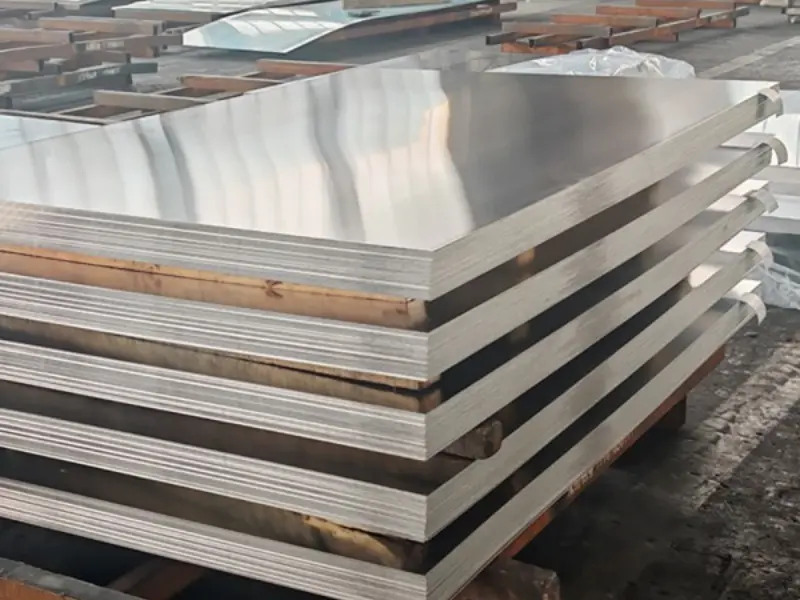
This is bare aluminum with a dull silver look. It is the cheapest option. Mill finish checkered plate works for hidden parts, paint-ready panels, and industrial floors where looks do not matter. It will oxidize slightly over time but never rusts.
Color-Coated
Factories apply PE or PVDF paint over the raised pattern. The paint follows the hills and valleys. Common colors include black, gray, red, and safety yellow. Painted checkered plate is popular for stair nosings, platform edges, and branded vehicle interiors.
Anodized
Anodizing grows a hard oxide layer. Clear anodizing keeps the metallic look. Color anodizing adds bronze or black tones. The raised pattern still shows through. Anodized checkered plate is used for decorative architectural features and high-end toolboxes.
| Finish | Appearance | Cost | Best For |
|---|---|---|---|
| Mill finish | Dull silver | Lowest | Industrial floors, hidden parts |
| PE painted | Bright color | Medium | Budget architectural, safety marking |
| PVDF painted | Durable color | High | Exterior, coastal, long life |
| Clear anodized | Metallic sheen | High | Decorative trim, toolboxes |
| Color anodized | Bronze, black | Very high | Premium architectural accents |
Top Applications: Where Checkered Plate Shows Up
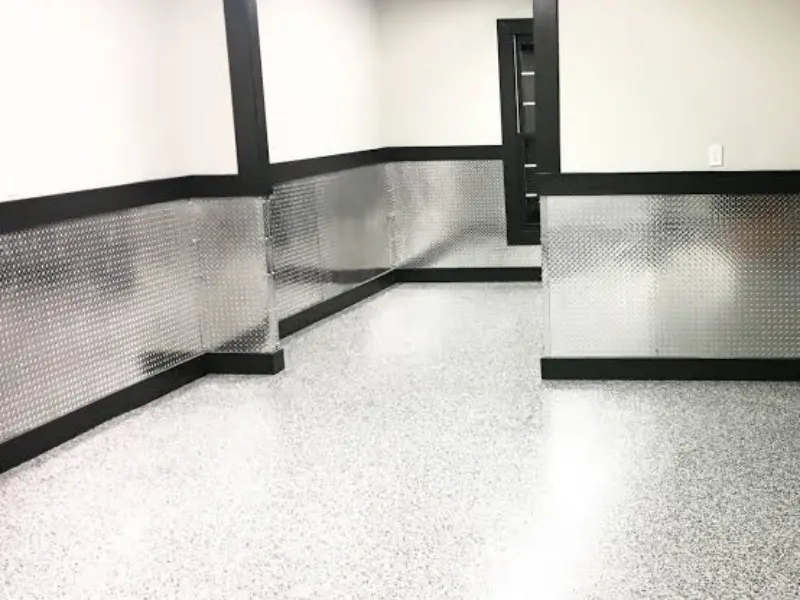
Aluminum checkered plate manufacturers sell to a wide range of industries. Here are the main places their product works:
- Truck and trailer floors – light weight adds payload capacity
- Loading ramps – grip prevents forklift slippage
- Stair treads and platforms – safe walking in wet or oily conditions
- Boat decks and docks – 5052 alloy resists saltwater
- Vehicle running boards – decorative and functional
- Toolboxes and storage chests – diamond plate looks tough
- Industrial walkways and catwalks – OSHA-friendly slip resistance
- Elevator floors and thresholds – durable, easy to clean
- Recreational vehicle interiors – light weight for fuel economy
- Architectural wall panels – one-bar pattern for modern facades
- Cold storage floors – aluminum stays non-slip at low temps
- Chemical plant platforms – resists corrosion from spills
- Military and tactical vehicles – armor-style tread plate protection
- Scaffolding planks – lighter than steel, strong enough for workers
Choosing a Manufacturer: What Buyers Should Check
Not every aluminum checkered plate manufacturer delivers the same quality. Here is what to look for before you place an order.
Mill Certifications
Ask for a mill test certificate. This document proves the alloy, temper, and mechanical properties match your spec. Reputable manufacturers hold ISO 9001 and produce to ASTM B209 or EN 485 standards.
Pattern Consistency
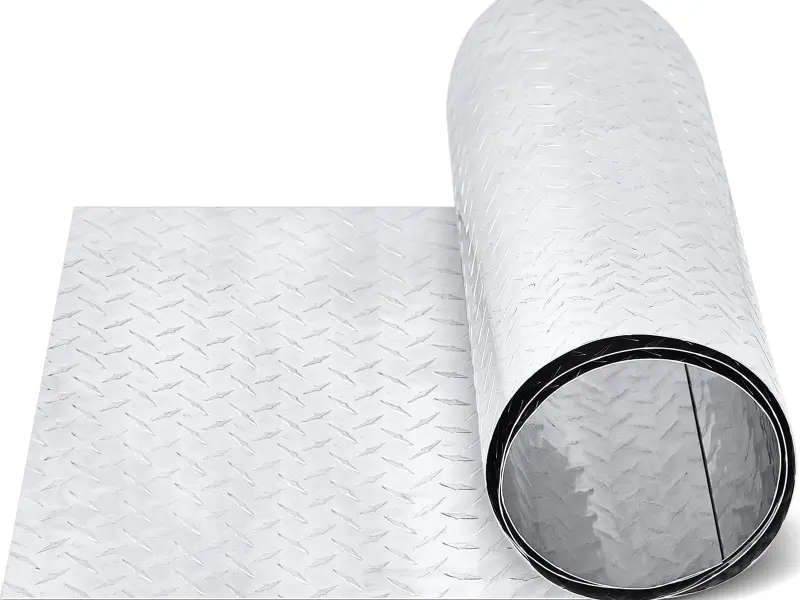
Check that the raised bars are uniform in height and spacing. Poor-quality plate has uneven bars that wear down fast or create trip hazards. Ask for a sample before a large order.
Flatness
Lay the plate on a flat surface. It should sit still without rocking. Warped plate is hard to weld and looks bad on walls. Good manufacturers control flatness to within a few millimeters per meter.
Edge Quality
The edges should be clean-cut. Burrs and sharp slivers are a safety risk. If you order custom sizes, confirm whether the manufacturer deburrs the edges or leaves them raw.
Packaging
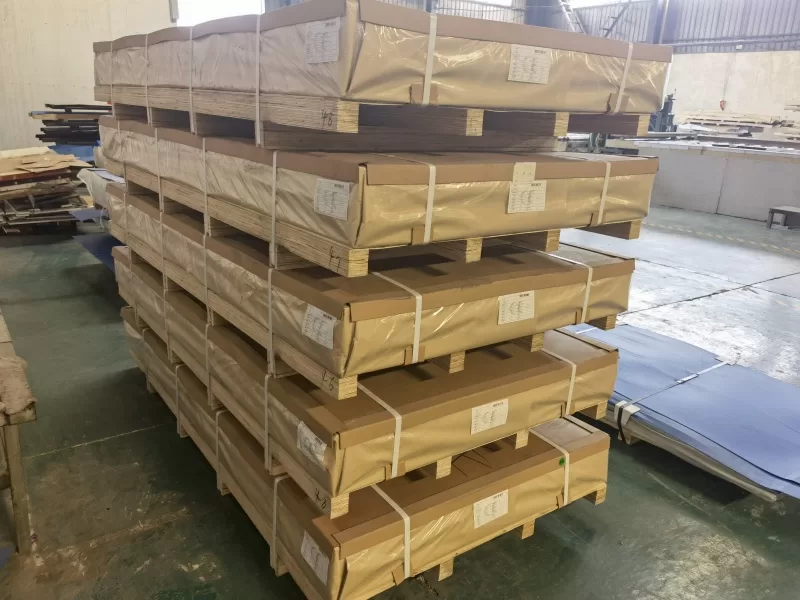
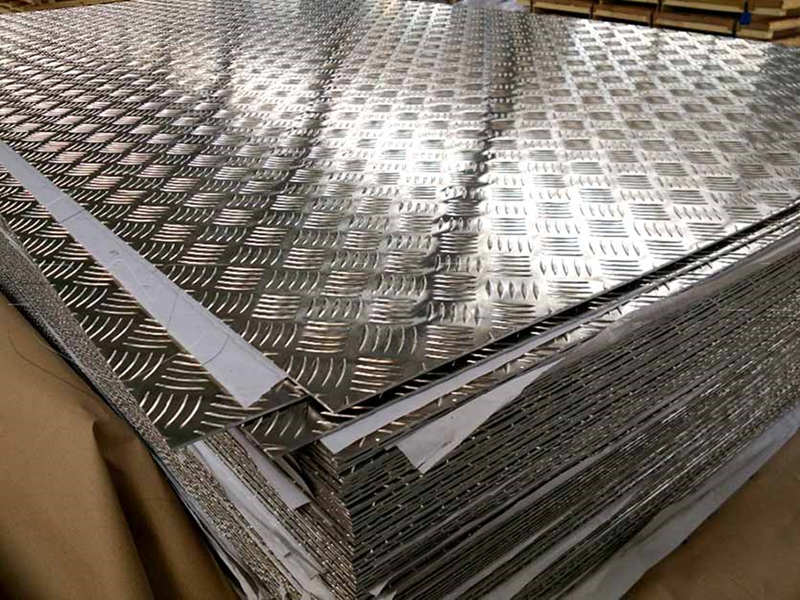
Checkered plate should ship on wooden pallets with edge protection. Paper interleaving prevents surface rubbing. For painted or anodized stock, a plastic film is essential to stop scratches.
| Check | Good Manufacturer | Poor Manufacturer |
|---|---|---|
| Mill certificate | Provided on request | Vague or missing |
| Pattern height | Uniform ±0.1 mm | Uneven, wavy |
| Flatness | Sits flat on table | Rocks or bows |
| Edge condition | Clean, deburred | Sharp burrs, rough cuts |
| Packaging | Palletized, protected | Loose stack, no film |
Aluminum Checkered Plate vs Steel Tread Plate
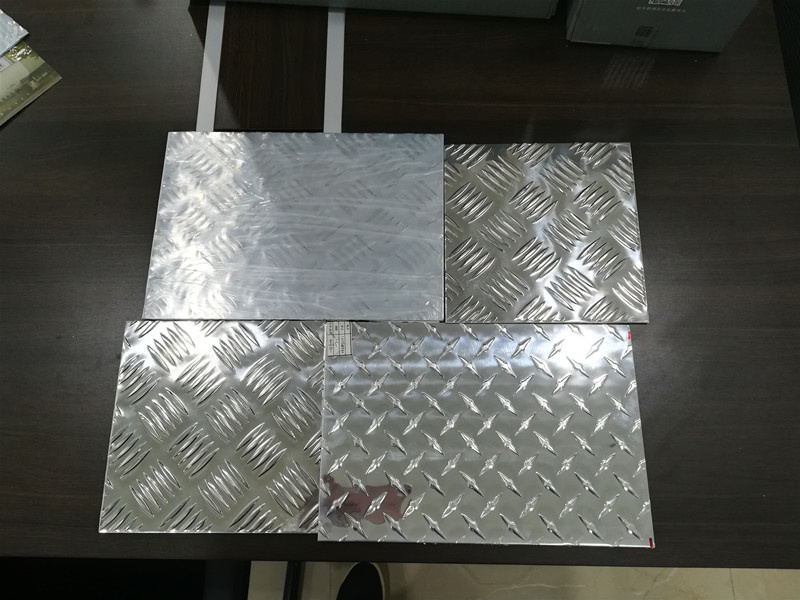
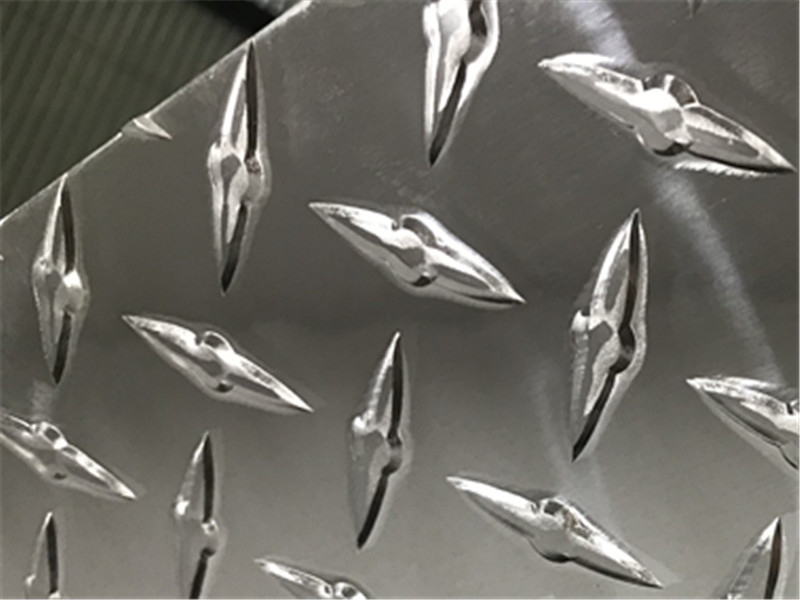
Buyers often compare the two. Here is how they stack up.
| Factor | Aluminum Checkered Plate | Steel Tread Plate |
|---|---|---|
| Weight per sq meter (3 mm) | ~8.6 kg | ~23.6 kg |
| Rust resistance | Excellent | Poor without coating |
| Saltwater life | 20+ years (5052) | 3–5 years without paint |
| Slip resistance | Excellent | Excellent |
| Cost per kg | Higher | Lower |
| Total installed cost | Often lower | Higher due to weight |
| Cutting ease | Cuts with hand tools | Needs power shears |
| Welding ease | Easy with MIG/TIG | Requires more heat |
| Magnetic | No | Yes |
| Thermal conductivity | High | Low |
For mobile applications like trucks and trailers, aluminum wins because every kilogram saved is a kilogram of extra payload. For static structures where weight does not matter and cost is tight, steel is still common.
Cost Factors: What Moves the Price
The price from aluminum checkered plate manufacturers changes based on several variables.
Alloy – 1060 is cheapest. 3003 is moderate. 5052 and 6061 cost more. 5083 is the premium marine grade.
Thickness – Thicker plate uses more metal. A 5 mm plate costs roughly 2.5 times more per square meter than a 2 mm plate.
Pattern – Five-bar is standard. Custom patterns may require special rollers and carry a setup fee.
Finish – Mill finish is baseline. Paint or anodizing adds 20 to 50 percent.
Quantity – Full truckloads earn the best price per ton. Small orders of one or two pallets pay a premium.
| Cost Driver | Low Cost | High Cost | Price Impact |
|---|---|---|---|
| Alloy | 1060 | 5083 | +50–100% |
| Thickness | 1.5 mm | 6.0 mm | +300% |
| Pattern | Five bar standard | Custom emboss | +10–20% setup |
| Finish | Mill finish | PVDF + anodized | +40–70% |
| Quantity | Truckload | One pallet | +15–25% |
Global Standards and Certifications
Quality manufacturers test their plate before it leaves the factory. Here are the standards that matter.
| Standard | Region | What It Covers |
|---|---|---|
| ASTM B209 | USA | Alloy, temper, mechanical properties, tolerances |
| EN 485-2 | Europe | Tensile strength, thickness tolerance |
| GB/T 3618 | China | Embossed aluminum sheet specs |
| JIS H4000 | Japan | Sheet and plate quality |
| ISO 9001 | Global | Factory quality management |
Always ask for a coating test report if you buy painted or anodized plate. The report should show adhesion, hardness, and salt spray results.
1. What Makes Aluminum Checkered Plate a Preferred Material?
The unique properties of aluminum checkered plate contribute to its widespread use across various industries. Understanding these benefits is key to appreciating its value.
1.1 Key Advantages of Aluminum Tread Plate
- Lightweight and Strong: Aluminum is significantly lighter than steel, which simplifies handling and installation. Despite its low weight, it offers excellent strength-to-weight ratio, ensuring structural integrity in many applications. This feature also helps reduce fuel consumption in transportation applications.
- Corrosion Resistance: One of aluminum’s standout features is its natural resistance to corrosion. When exposed to air, aluminum forms a thin, protective oxide layer that prevents further rust and degradation. This makes aluminum checkered plate ideal for outdoor, marine, and high-humidity environments without requiring constant maintenance.
- Non-Slip Surface: The raised pattern on aluminum checker plate provides superior traction, drastically reducing the risk of slips and falls. This critical safety feature is invaluable in industrial walkways, ramps, stairs, and vehicle steps.
- Durability and Longevity: Thanks to its inherent properties and robust design, aluminum tread plate can withstand heavy use, impacts, and harsh conditions, leading to a long service life and reduced replacement costs.
- Aesthetic Appeal: Beyond functionality, the bright, reflective surface of aluminum checkered plate offers a modern and clean look. It can be used for decorative purposes or left in its natural state, adding a contemporary touch to various designs.
- Easy to Fabricate: Aluminum is relatively easy to cut, drill, bend, and weld, allowing for flexible fabrication and customization to meet diverse project requirements.
2. Key Considerations When Selecting an Aluminum Checkered Plate Manufacturer
Choosing the best aluminum checkered plate manufacturer is vital for the success of your project. Here are the main factors to evaluate:
2.1 Quality Standards and Certifications
A reputable aluminum checkered plate manufacturer will adhere to strict quality control measures and international standards (e.g., ISO 9001). Look for suppliers that provide material test certificates, ensuring their products meet specific alloy compositions, mechanical properties, and dimensional tolerances. This guarantees the consistency and performance of the aluminum tread plate.
2.2 Production Capabilities and Technology
Assess the manufacturer’s capacity to produce the volume and specific types of aluminum checkered plate you need. Modern manufacturing facilities with advanced cutting, forming, and finishing equipment often indicate higher quality and efficiency. Inquire about their ability to handle custom sizes or unique patterns.
2.3 Product Range and Customization Options
A good aluminum plate supplier should offer a wide selection of alloys, patterns, thicknesses, and sizes. The ability to provide custom cuts, special alloys (like marine-grade aluminum), or specific surface finishes can be a significant advantage, especially for specialized applications.
2.4 Customer Service and Support
Excellent communication, responsive technical support, and strong after-sales service are indicators of a reliable aluminum checkered plate manufacturer. They should be able to assist with product selection, technical queries, and logistics.
2.5 Pricing and Lead Times
While cost is always a factor, it should be balanced with quality and delivery reliability. Compare quotes from several aluminum tread plate suppliers, considering their lead times and ability to meet your project deadlines. A lower price might not always be the best value if it compromises quality or causes delays.
3. Understanding Aluminum Checkered Plate Types and Specifications
Aluminum checkered plate comes in various forms, differentiated by alloy, pattern, and dimensions. Here’s a breakdown of common types and their digitalized specifications:
3.1 Common Aluminum Alloys Used
| Alloy Series | Key Characteristics | Typical Applications |
|---|---|---|
| 1xxx (e.g., 1050, 1060) | Pure aluminum, excellent corrosion resistance, good workability, lower strength. | General purpose, chemical equipment, decorative. |
| 3xxx (e.g., 3003, 3105) | Aluminum-manganese alloy, good formability, moderate strength, excellent corrosion resistance. | Flooring, decorative panels, general fabrication. |
| 5xxx (e.g., 5052, 5083, 5754) | Aluminum-magnesium alloys, high strength, excellent marine corrosion resistance, good weldability. | Marine applications, vehicles, heavy-duty flooring. |
| 6xxx (e.g., 6061) | Aluminum-magnesium-silicon alloy, good strength, weldability, heat-treatable. | Structural components, frames. |
3.2 Common Tread Patterns
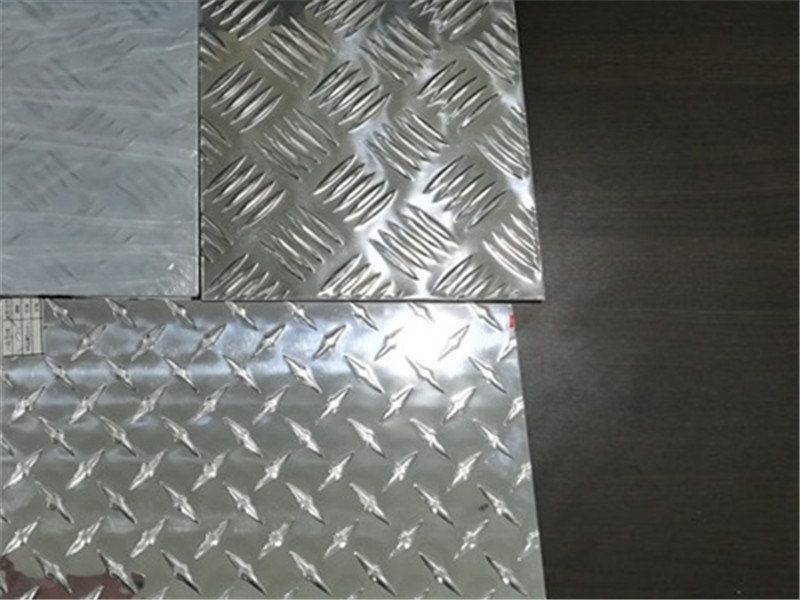
The pattern is crucial for anti-slip properties and aesthetics.
| Pattern Type | Description | Primary Use |
|---|---|---|
| One Bar (Diamond Plate) | Single, elongated raised lines. | Light-duty flooring, decorative. |
| Two Bar | Two parallel raised bars. | Moderate grip applications. |
| Three Bar | Three parallel raised bars. | Industrial flooring, steps, higher grip needs. |
| Five Bar (Propeller Pattern) | Five parallel raised bars, most common. | Excellent anti-slip, heavy-duty industrial, transport. |
3.3 Digitalized Specifications (Typical Ranges)
When ordering aluminum checkered plate, specific dimensions are critical. Here are typical ranges:
| Specification | Metric Range (mm) | Imperial Range (inches) |
|---|---|---|
| Thickness | 1.0 – 10.0 | 0.039 – 0.394 |
| Width | 1000 – 2000 | 39.37 – 78.74 |
| Length | 2000 – 6000 (or custom) | 78.74 – 236.22 (or custom) |
| Temper | H114, H22, H24, H32, H34, O | (Industry standards) |
4. Diverse Applications of Aluminum Checkered Plate
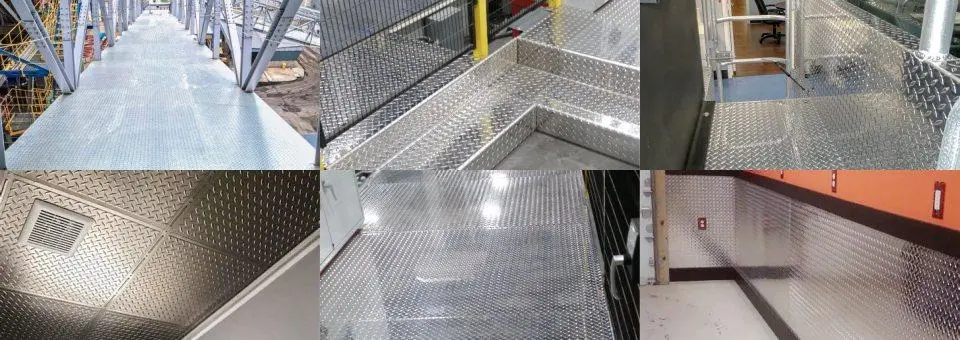
The robust features of aluminum checkered plate make it suitable for a vast array of applications across numerous sectors:
- Transportation Industry:
- Truck and trailer beds, toolboxes
- Bus and train steps, flooring
- Ambulance and fire truck platforms
- Marine vessel decking, gangways, and ship interiors
- Industrial Environments:
- Factory flooring, walkways, ramps, and stair treads
- Machine platforms and workbenches
- Mezzanine flooring and anti-slip surfaces in warehouses
- Kick plates and protective coverings
- Architectural and Decorative Uses:
- Wall cladding, column covers
- Decorative panels and interior design elements
- Exhibition booth construction and display stands
- Commercial and Retail Settings:
- Non-slip ramps for wheelchairs and entryways
- Flooring in high-traffic areas
- Checkout and service counter surfaces
- Automotive Aftermarket:
- Custom car and truck accessories
- Protective panels and interior trim
- Construction:
- Temporary walkways and scaffolding platforms
- Trench covers and structural elements
- Aerospace:
- Lightweight internal flooring and structural components.
5. Finding the Right Aluminum Tread Plate Supplier
To locate the ideal aluminum checkered plate manufacturer, consider these strategies:
- Online Research and Industry Directories: Utilize search engines with terms like “best aluminum checkered plate manufacturers,” “aluminum tread plate suppliers,” or “custom aluminum checker plate.” Check B2B platforms and metal industry directories.
- Industry Trade Shows and Exhibitions: Attending these events allows you to meet manufacturers directly, see their products, and discuss your specific needs. It’s an excellent way to network and assess potential suppliers.
- Request for Quotation (RFQ) Process: Prepare a detailed RFQ specifying your required alloy, pattern, dimensions, quantity, and delivery timeline. Send it to a shortlist of potential aluminum plate suppliers to compare their offers accurately..
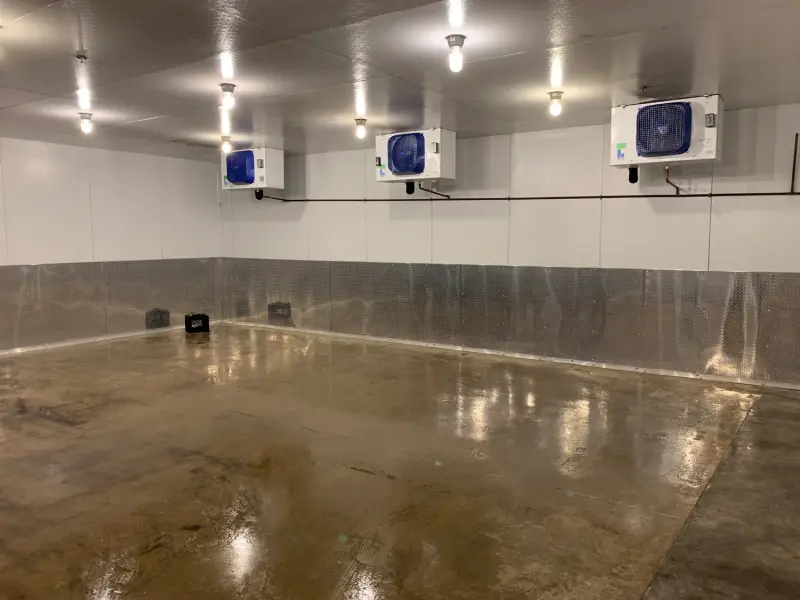
- Sample Requests: For critical applications, always request product samples. This allows you to evaluate the quality, finish, and pattern of the aluminum checkered plate firsthand before placing a large order.
- Check References and Case Studies: A reliable aluminum checkered plate manufacturer should be able to provide customer references or demonstrate their capabilities through case studies of successful projects.
- Facility Visits: If feasible for a significant order, visiting the manufacturer’s facility can provide valuable insight into their production processes, quality control measures, and overall operational professionalism
Frequently Asked Questions
What alloy do most manufacturers use for standard tread plate?
Alloy 3003 in H14 or H24 temper is the most common. It offers good strength at a moderate price. For marine jobs, manufacturers switch to 5052 H32.
How thick should a truck floor be?
For light pickup trucks, 2.0 mm to 2.5 mm is standard. For heavy commercial trucks and trailers, 3.0 mm to 4.0 mm is better. It resists denting from dropped cargo.
Can checkered plate be welded?
Yes. 3003 welds easily with 4043 or 1100 filler. 5052 needs 5356 filler. 6061 uses 5356 or 4043. The raised pattern does not affect weld quality.
Is aluminum checkered plate slippery when wet?
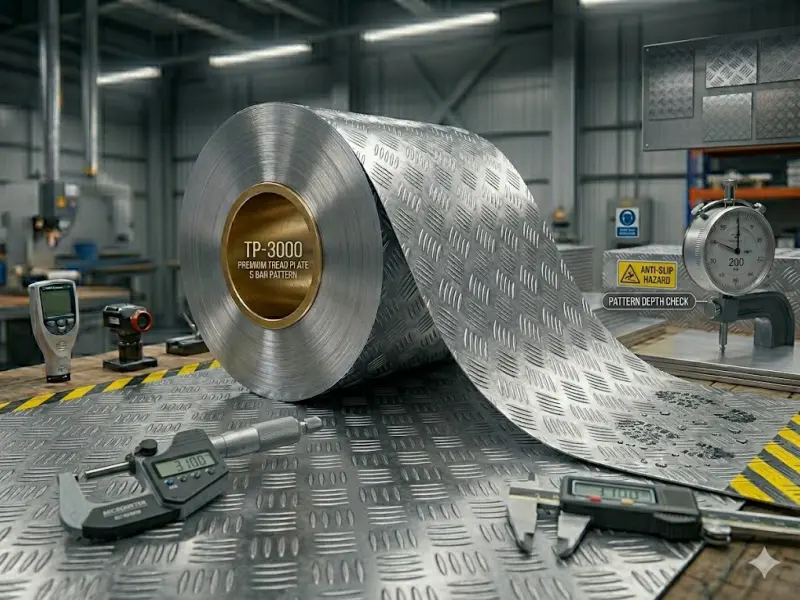
No. The raised bars create grip even in rain or oil. Five-bar pattern is the safest for wet conditions. For extra safety, some manufacturers apply an anti-slip coating over the pattern.
What is the difference between five bar and diamond plate?
Five bar has five parallel raised lines per group. Diamond plate has one raised diamond per cell. Five bar is more aggressive for industrial floors. Diamond plate looks cleaner for toolboxes and walls.
Can I order custom colors?
Yes. Most manufacturers offer PE or PVDF painting in standard RAL colors. Custom colors need a minimum order, usually 3 to 5 tons per shade.
How do I clean checkered plate?
Use a stiff brush and soapy water. For oil and grease, use a degreaser safe for aluminum. Do not use steel wool. It leaves iron particles that can rust and stain the surface.
Does the pattern reduce the strength of the plate?
No. The pattern actually adds stiffness. A 2.5 mm checkered plate can feel as rigid as a 3.0 mm flat sheet because the raised bars act like tiny beams.
What is the largest size manufacturers can produce?
Standard stock widths go up to 1500 mm. Lengths up to 6000 mm are common. Wider or longer sizes can be made by special order but may need custom tooling.
Is checkered plate recyclable?
Yes. Aluminum is 100% recyclable. The pattern does not affect recycling value. At end of life, the plate can be melted and reused without quality loss.