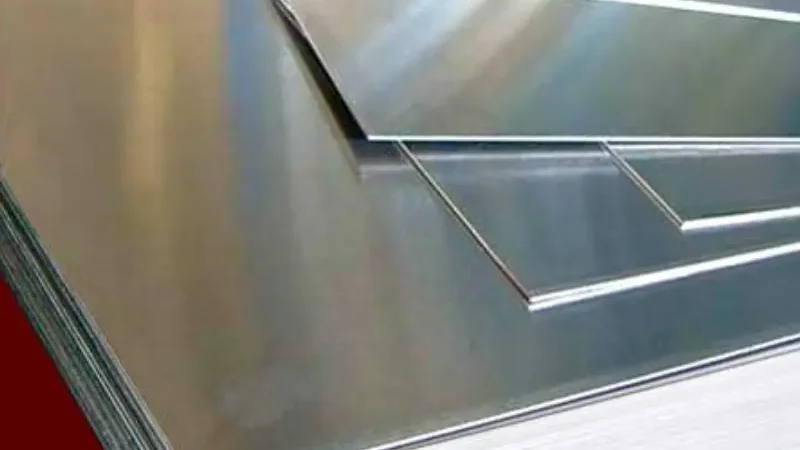
The 1 2 aluminum plate (1/2 inch) is a high-strength, corrosion-resistant, and lightweight material ideal for industrial, marine, and architectural applications.
With options like 3003, 5052, and 6061 alloys, it provides excellent performance and cost-efficiency.
Whether you need machined parts, boat panels, or structural components, 1/2 inch aluminum plates deliver durability, versatility, and long service life—a perfect choice for modern engineering.
What Is a 1 2 Aluminum Plate?
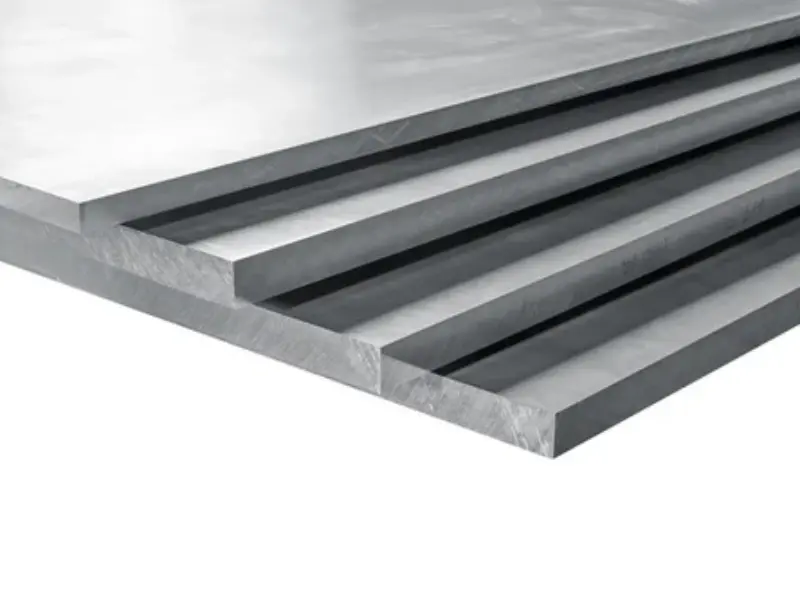
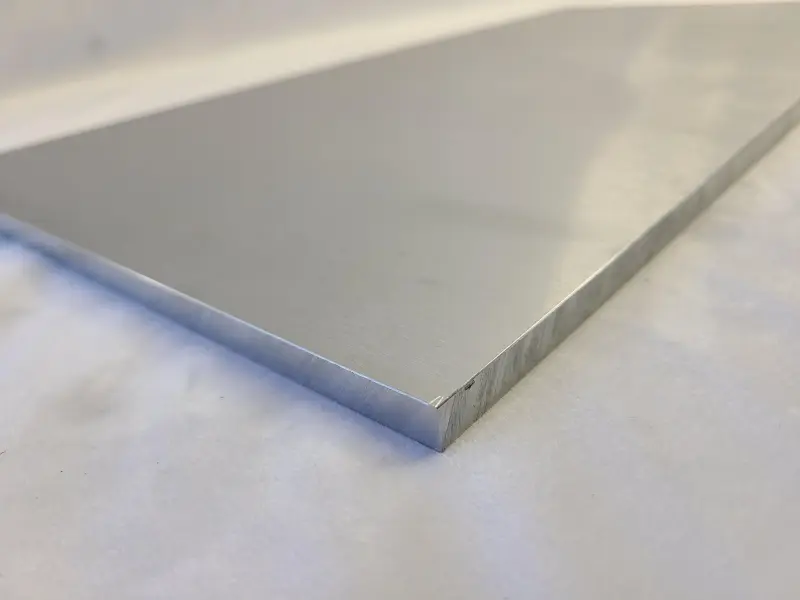
A 1 2 aluminium plate, also known as 1/2 inch aluminum plate, refers to a sheet of aluminum metal with a thickness of 0.5 inch (12.7mm).
It is widely used in construction, machinery, marine, and aerospace because of its strength, corrosion resistance, and lightweight performance.
Common standards include 3003, 5052, and 6061 aluminum alloys, which provide different levels of hardness and formability.
Specifications
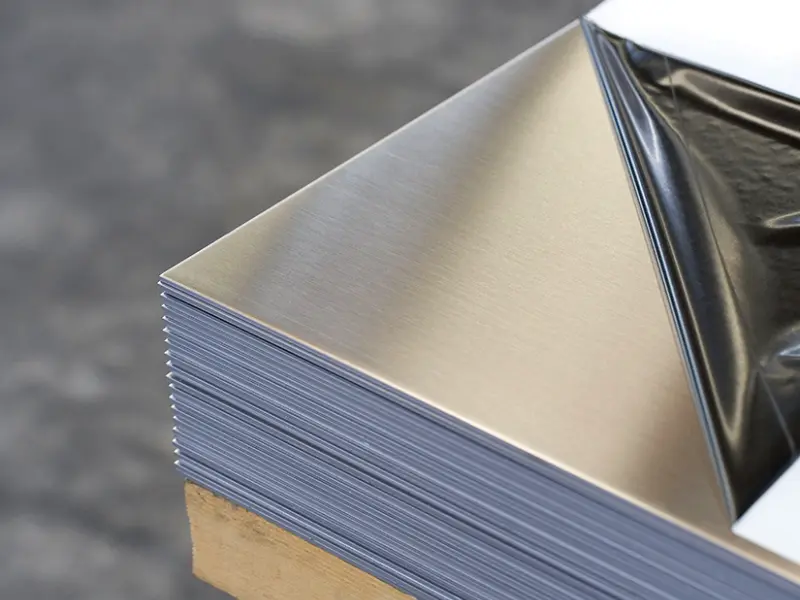
| Parameter | Specification |
|---|---|
| Thickness | 0.5 inch (12.7 mm) |
| Width Range | 1000mm – 2000mm |
| Length Range | 2000mm – 6000mm |
| Common Alloys | 3003, 5052, 6061, 7075 |
| Temper | H14, H32, T6 |
| Surface Finish | Mill finish, brushed, anodized |
| Standard | ASTM B209 / EN573 / GB/T3880 |
1/2 Inch Aluminum Plate Types and Properties
| Alloy Type | Key Features | Typical Uses |
|---|---|---|
| 3003 Aluminum Plate | Excellent corrosion resistance, good formability | Roofing, panels, tanks |
| 5052 Aluminum Plate | Marine-grade, strong, corrosion-resistant | Shipbuilding, trailers, signage |
| 6061 Aluminum Plate | High strength, good machinability, weldable | Aerospace, tooling, frames |
| 7075 Aluminum Plate | Very strong, less formable | Aircraft parts, molds |
Mechanical Properties of Common 1/2 Inch Aluminum Plates
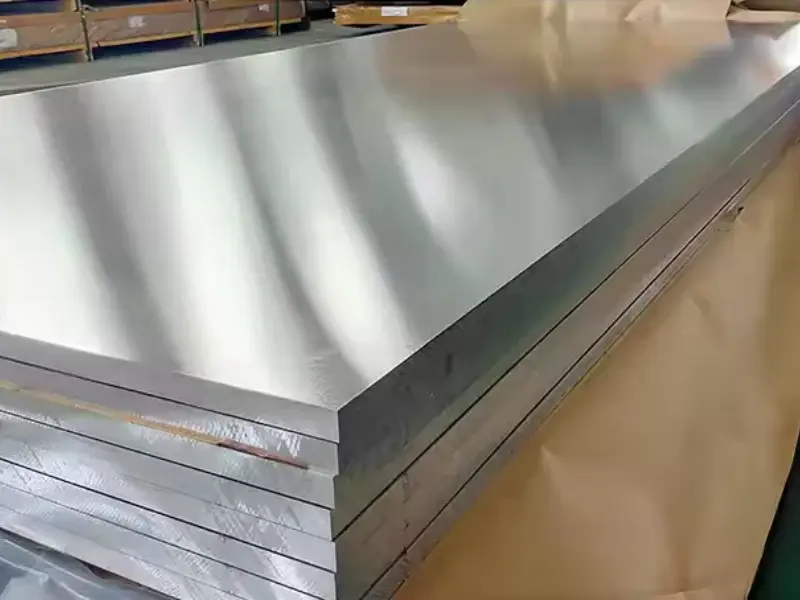
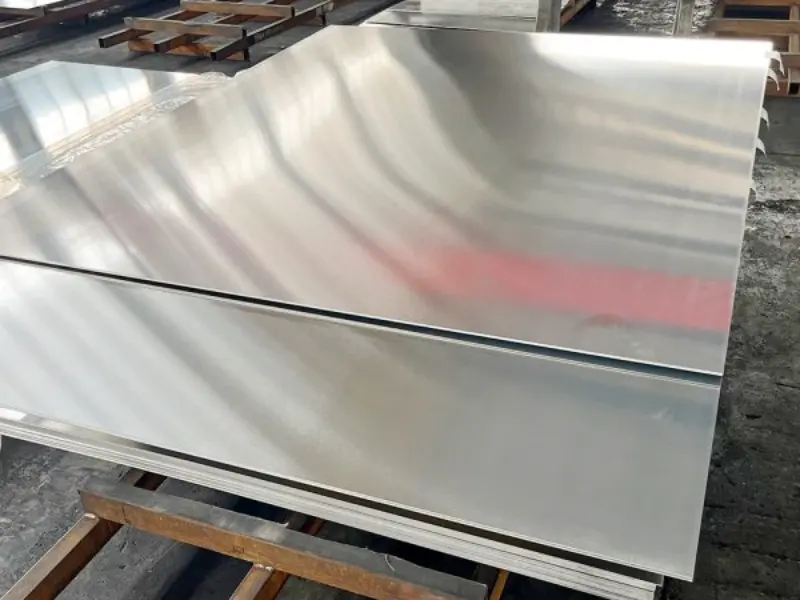
| Alloy | Tensile Strength (MPa) | Yield Strength (MPa) | Elongation (%) |
|---|---|---|---|
| 3003-H14 | 130 | 115 | 10 |
| 5052-H32 | 215 | 160 | 12 |
| 6061-T6 | 310 | 275 | 8 |
| 7075-T6 | 560 | 480 | 11 |
Why Choose 1 2 Aluminum Plate?
1/2 inch aluminium plates offer several key advantages for both industrial and commercial projects:
- High strength-to-weight ratio – lighter than steel but equally strong
- Excellent corrosion resistance – ideal for marine and outdoor use
- Easy to machine and weld – suitable for custom fabrication
- Durable and long-lasting – resistant to rust, impact, and wear
- Recyclable and eco-friendly – supports sustainable projects
Applications
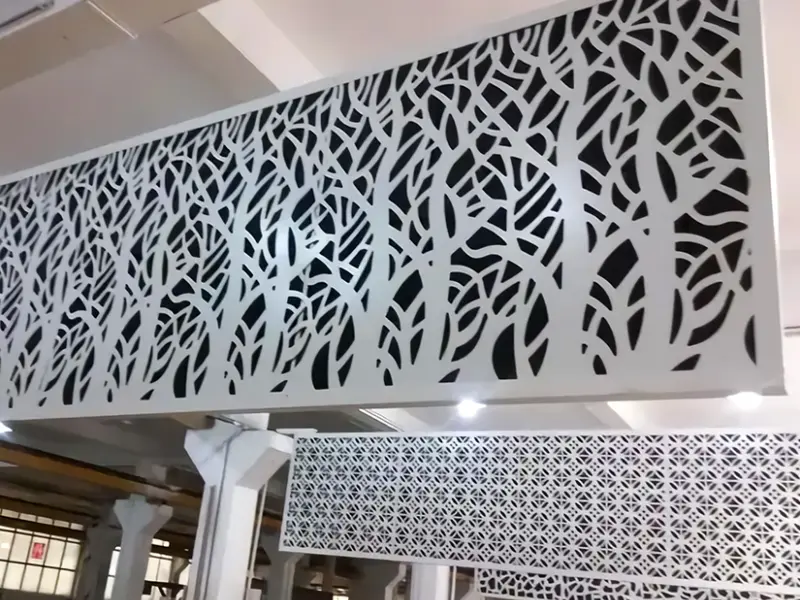
Construction and architecture – wall panels, columns, and structural parts
Marine industry – boat hulls, decks, and fuel tanks
Aerospace – aircraft panels, support frames, and tooling
Transportation – truck bodies, trailers, and flooring
Machinery – molds, jigs, and fixtures
Signage and decoration – high-quality display boards and sign bases
1 2 Aluminum Plate vs. Steel Plate
| Material | Density (g/cm³) | Weight (kg/m²) | Corrosion Resistance | Cost (Relative) |
|---|---|---|---|---|
| Aluminum Plate (1/2″) | 2.7 | ~13.5 | Excellent | Moderate |
| Steel Plate (1/2″) | 7.8 | ~39 | Poor (needs coating) | Lower initial, higher maintenance
|
How to Choose the Right Aluminum Alloy
When selecting your 1/2 inch aluminium plate, consider the following:
| Requirement | Recommended Alloy |
|---|---|
| High strength | 6061-T6 or 7075-T6 |
| Marine or outdoor use | 5052-H32 |
| Formability and general purpose | 3003-H14 |
| High wear resistance | 6061-T6 |
Factory Production and Quality Control

Our factory ensures accurate thickness tolerance, clean surface finish, and uniform mechanical properties through advanced rolling and heat-treatment lines.
Key manufacturing features:
10+ years of export experience serving worldwide customers
Precision rolling equipment with digital control
Strict quality inspection (tensile, hardness, thickness tests)
On-time delivery and global logistics service
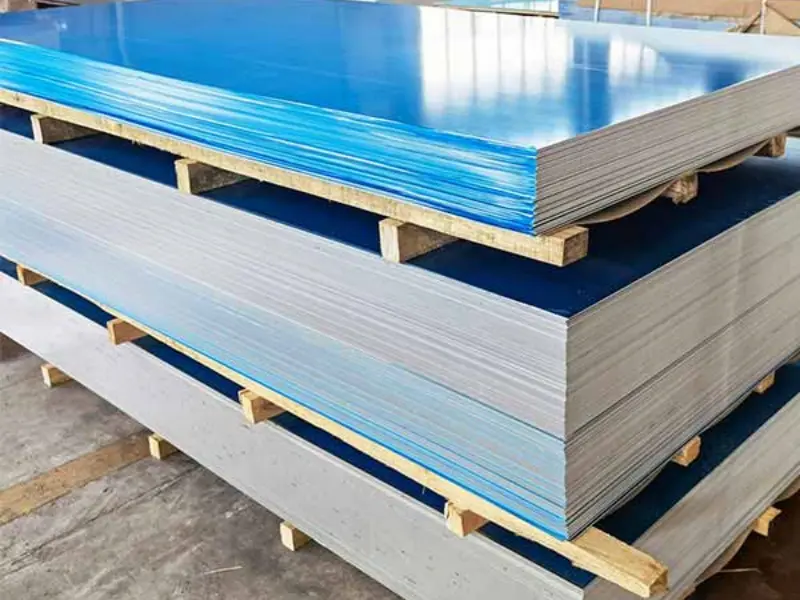
Packaging and Delivery
| Packaging Type | Description |
|---|---|
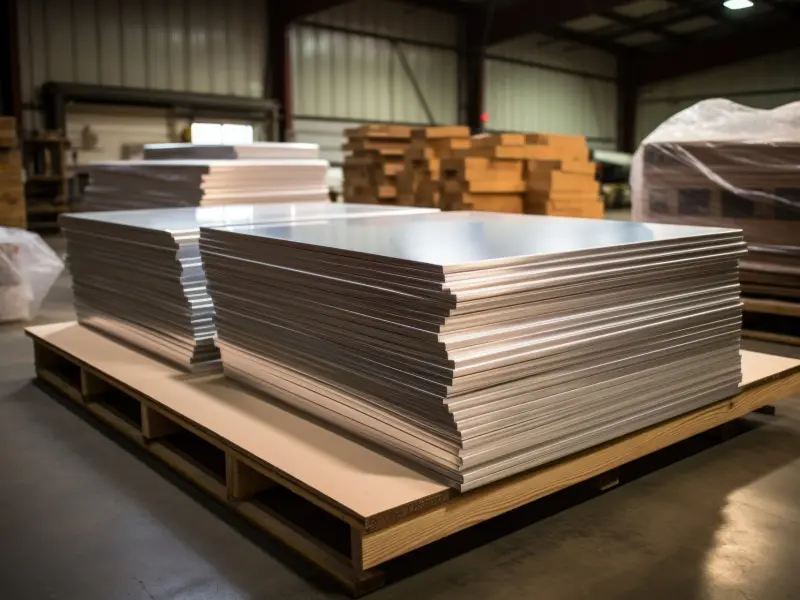
| Wooden Pallet | Suitable for international export |
| Protective Film | Prevents scratches during transport |
| Plastic Wrap | Moisture-proof sealing |
| Custom Crate | Optional for high-value shipments |
Lead Time: Usually 7–15 working days depending on order size.
MOQ: Flexible – available for both small and bulk orders.
What Is 1/2 Aluminum Plate?
1/2 aluminum plate refers to an aluminum plate with a nominal thickness of 0.500 inch, or about 12.7 mm. It is a common choice for projects that need a good balance between strength, weight, corrosion resistance, and machinability.
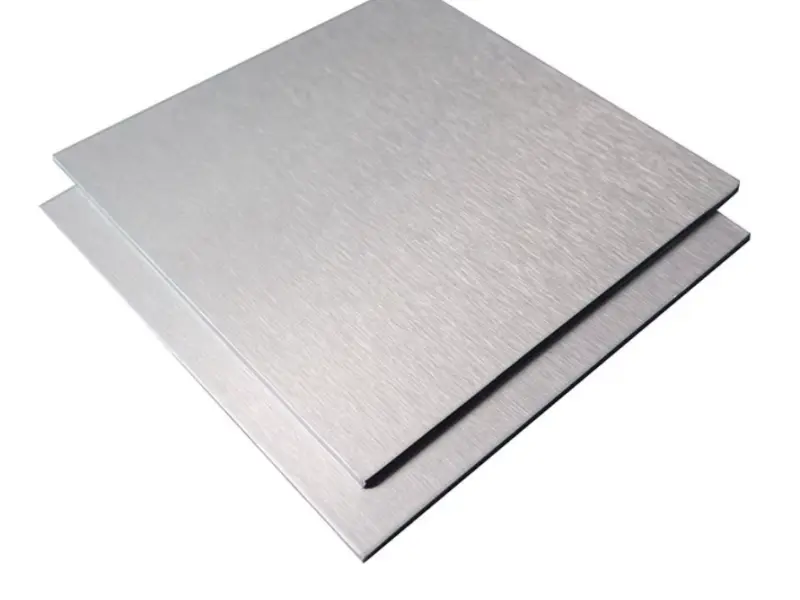
Compared with thin aluminum sheet, this material offers more rigidity. It can be used for structural parts, machinery, transportation equipment, marine components, molds, frames, and other fabricated products.
The final performance depends on more than thickness. Alloy, temper, surface condition, plate size, and processing method also affect the result.
For this reason, buyers should select the material based on the complete project requirement rather than thickness alone.
1/2 Inch Aluminum Plate Size Guide
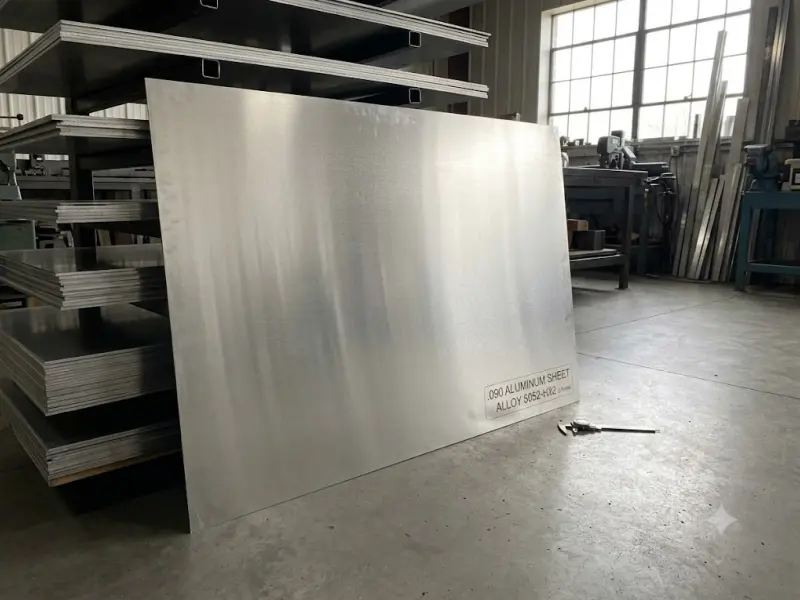
The material is available in many standard and custom sizes. Common dimensions include 4 × 8 ft and 5 × 10 ft, while larger plates can be supplied for industrial fabrication.
| Thickness | Metric Equivalent | Common Use |
|---|---|---|
| 1/4 inch | 6.35 mm | General fabrication |
| 3/8 inch | 9.53 mm | Medium-duty parts |
| 1/2 inch | 12.70 mm | Structural and industrial parts |
| 5/8 inch | 15.88 mm | Heavy-duty fabrication |
| 3/4 inch | 19.05 mm | Machine and structural components |
| 1 inch | 25.40 mm | Heavy plate applications |
The actual thickness tolerance depends on the applicable product standard and manufacturing process.
Common 1/2 Aluminum Plate Sizes
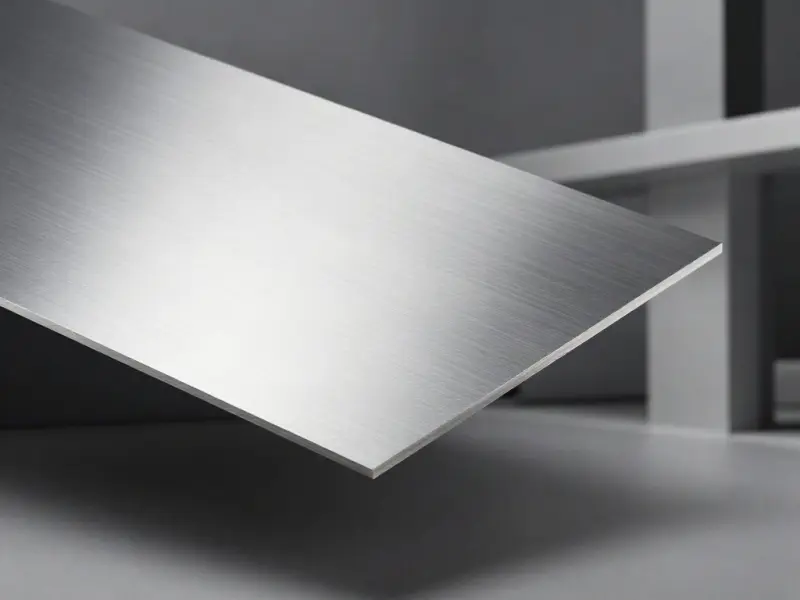
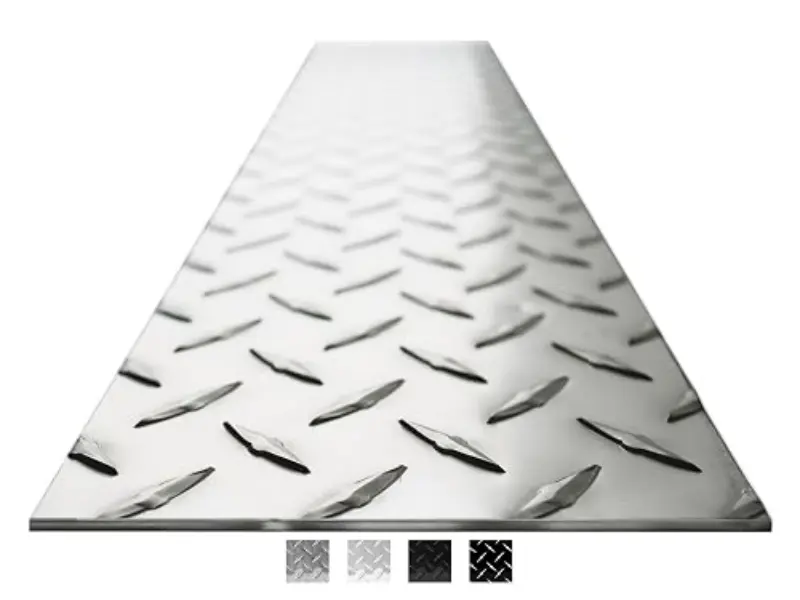
Different projects require different plate dimensions.
| Width | Length | Typical Market Use |
|---|---|---|
| 48 in | 96 in | General fabrication |
| 48 in | 120 in | Large panels |
| 60 in | 120 in | Industrial projects |
| 60 in | 144 in | Large components |
| Custom | Custom | CNC and project fabrication |
Custom dimensions can help reduce cutting waste.
For large orders, buyers can also discuss cutting, packaging, and loading requirements with the supplier.
Popular Aluminum Alloys for 1/2 Inch Plate
The alloy is one of the most important factors when selecting this thickness.
Different aluminum grades provide different combinations of strength, corrosion resistance, weldability, and machinability.
| Alloy | Main Feature | Common Application |
|---|---|---|
| 5052 | Excellent corrosion resistance | Marine and fabricated parts |
| 5083 | High strength and marine resistance | Marine structures |
| 5086 | Good strength and corrosion resistance | Marine equipment |
| 6061 | Strength and machinability | Machinery and structural parts |
| 6082 | Good structural strength | Engineering applications |
| 7075 | Very high strength | Aerospace and high-load parts |
| 3003 | Good formability | General fabrication |
| 1050 | High purity and conductivity | Industrial applications |
The best alloy depends on the final use.
6061 Aluminum Plate at 1/2 Inch Thickness
6061 is one of the most widely used aluminum alloys for machining and structural fabrication.
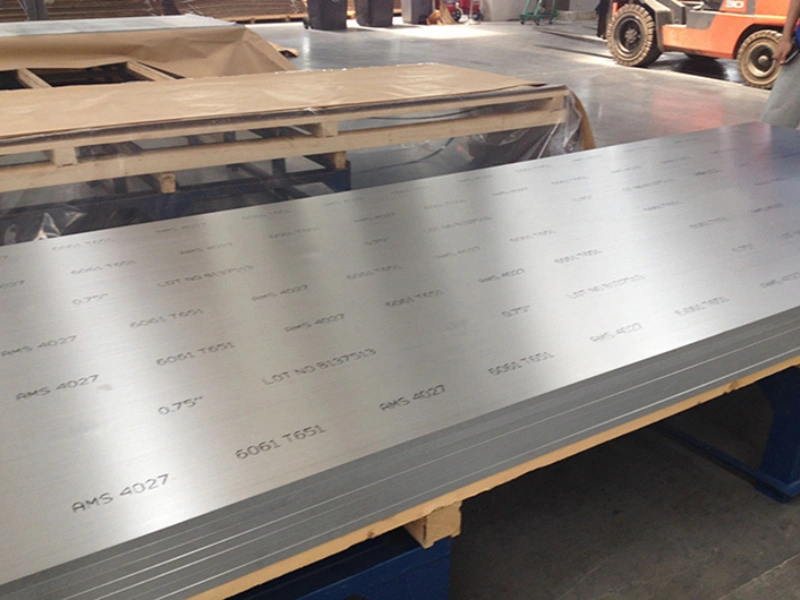
It provides a useful combination of strength, corrosion resistance, weldability, and machinability.
Common applications include:
- Machine components
- Frames
- Brackets
- Base plates
- Structural supports
- Automotive parts
- Transportation equipment
- CNC machined components
6061-T6 is especially popular when higher strength is required.
5052 Aluminum Plate at 1/2 Inch Thickness
5052 is popular for its corrosion resistance and good forming characteristics.
It is often considered when the material will be exposed to moisture or outdoor conditions.
Typical uses include:
- Marine components
- Fuel tanks
- Enclosures
- Transportation parts
- Industrial panels
- Equipment housings
- Fabricated structures
Compared with 6061, 5052 is often selected when forming and corrosion resistance are more important than high machinability.
5083 and 5086 for Heavy-Duty Applications
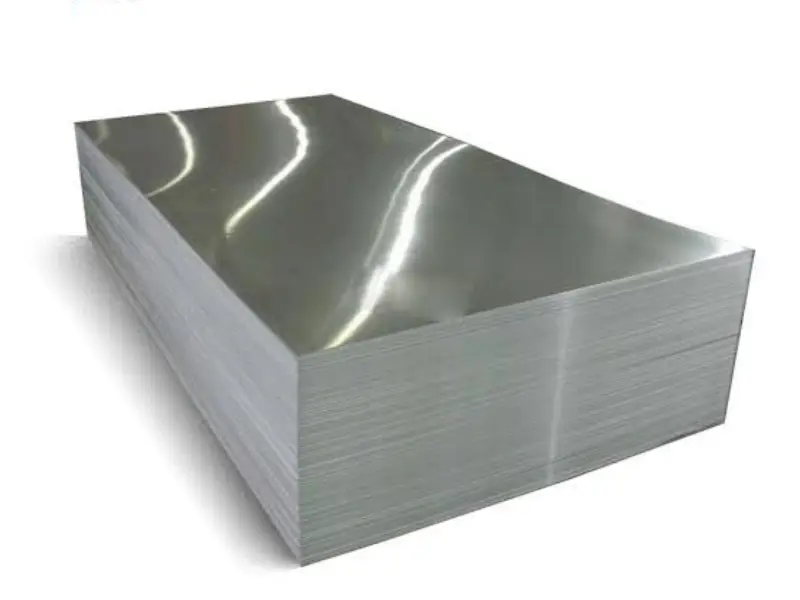
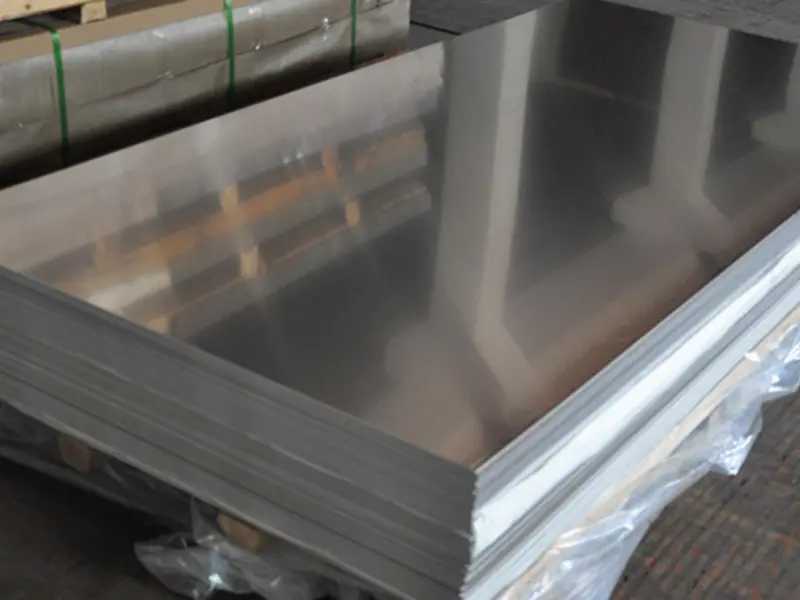
5083 and 5086 are common choices for marine and demanding industrial environments.
They offer good corrosion resistance and relatively high strength.
| Alloy | Strength | Corrosion Resistance | Marine Use |
|---|---|---|---|
| 5052 | Medium | Excellent | Good |
| 5083 | High | Excellent | Excellent |
| 5086 | High | Excellent | Excellent |
| 6061 | High | Good | Good |
For boats, marine structures, tanks, and welded components, 5xxx series alloys are often considered first.
7075 Aluminum Plate
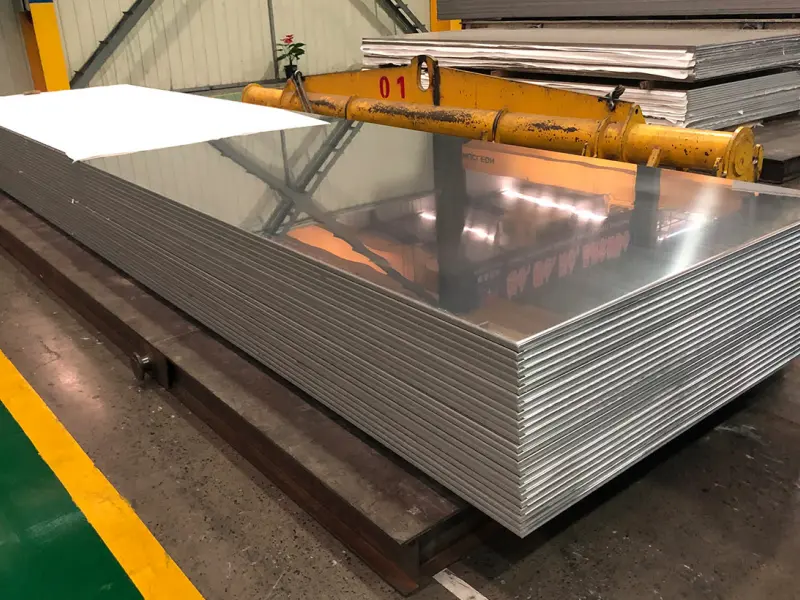
7075 is designed for applications where high strength is a major requirement.
It has uses in aerospace, high-performance equipment, and highly loaded components.
However, it is not always the best choice for welding or general fabrication.
When selecting 7075, buyers should consider strength, machinability, corrosion requirements, and the planned manufacturing process.
Aluminum Plate Temper Options
The temper describes the condition of the aluminum after processing.
Common conditions include:
| Temper | General Description |
|---|---|
| O | Annealed |
| H32 | Strain hardened and stabilized |
| H34 | Higher hardness than H32 |
| T4 | Solution heat treated and naturally aged |
| T6 | Solution heat treated and artificially aged |
| T651 | T6 condition with stress relief |
The available temper depends on the alloy.
For example, 6061-T6 and 6061-T651 are common choices for machined and structural components.
1/2 Aluminum Plate: Alloy vs. Temper
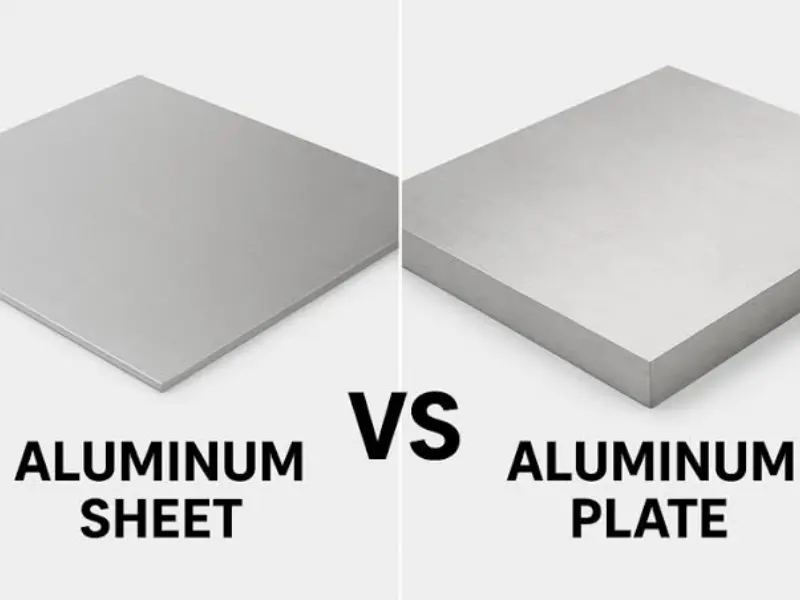
Alloy and temper should not be confused.
Alloy determines the basic chemical composition.
Temper describes the condition of the material.
For example:
6061 + T6 = 6061-T6
This identifies both the alloy and its heat-treated condition.
A complete purchase specification should normally include:
Alloy → Temper → Thickness → Width → Length → Surface → Quantity
This makes the order easier to confirm.
1/2 Aluminum Plate Weight
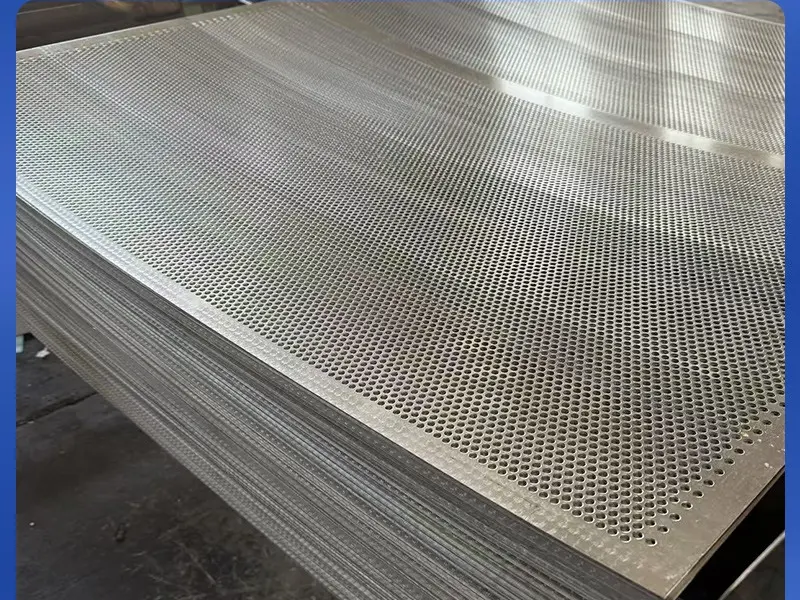
Aluminum is much lighter than steel. However, a 1/2 inch plate is still relatively heavy because of its thickness.
The approximate density of common aluminum alloys is around 2.7 g/cm³.
For a simple estimate:
Weight = Length × Width × Thickness × Density
For example, a 4 × 8 ft plate with a thickness of 1/2 inch can weigh roughly 117 lb, depending on the alloy and actual dimensions.
| Plate Size | Thickness | Approx. Weight |
|---|---|---|
| 4 × 8 ft | 1/2 in | ~117 lb |
| 4 × 10 ft | 1/2 in | ~146 lb |
| 5 × 10 ft | 1/2 in | ~183 lb |
| 5 × 12 ft | 1/2 in | ~220 lb |
These figures are estimates. Actual shipping weight can vary with alloy, tolerance, and final dimensions.
Why Weight Matters When Buying
For large projects, weight affects more than transportation.
It can influence:
- Handling
- Installation
- Crane requirements
- Packaging
- Shipping cost
- Storage
- Structural load
Aluminum can reduce the weight of a finished structure compared with steel.
This is one reason aluminum plate has uses in transportation and mobile equipment.
1/2 Aluminum Plate vs. 1/4 Aluminum Plate
Thickness changes stiffness, weight, cost, and fabrication requirements.
| Feature | 1/4 Inch | 1/2 Inch |
|---|---|---|
| Thickness | 6.35 mm | 12.70 mm |
| Weight | Lower | Higher |
| Rigidity | Lower | Higher |
| Material Cost | Lower | Higher |
| Machining | Easier | More demanding |
| Structural Use | Moderate | More suitable |
If the application needs greater rigidity, the thicker option may be more appropriate.
If weight and cost are the main concerns, a thinner plate may be enough.
1/2 Aluminum Plate vs. 3/4 Aluminum Plate
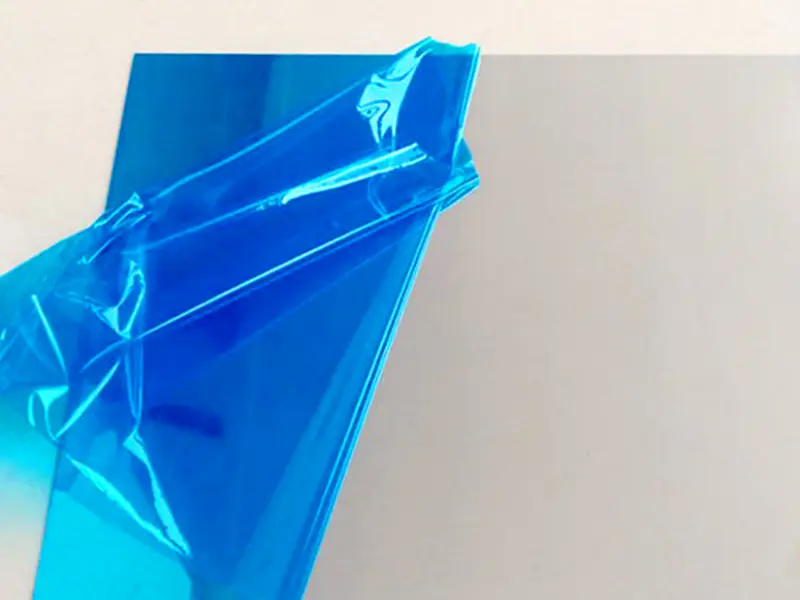
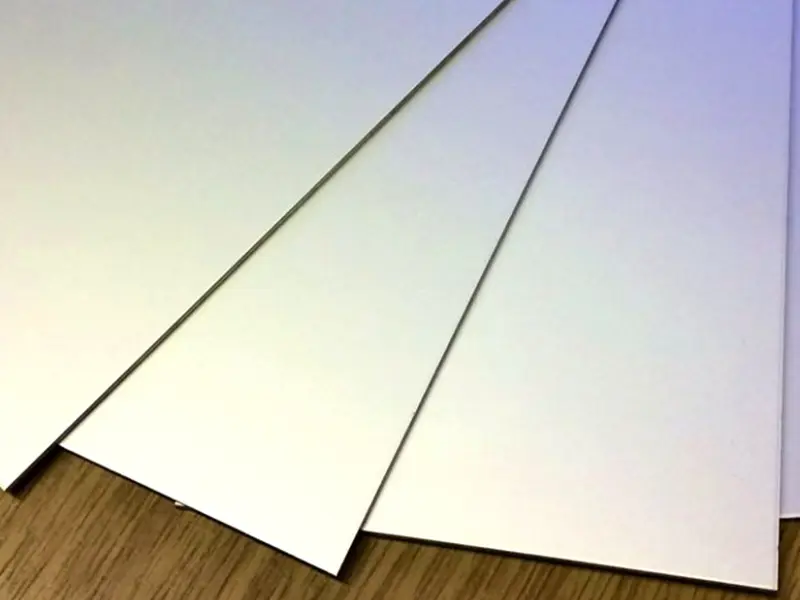
A 3/4 inch plate provides more material thickness but also adds considerable weight.
| Factor | 1/2 Inch | 3/4 Inch |
|---|---|---|
| Thickness | 12.7 mm | 19.05 mm |
| Weight | Medium | Higher |
| Rigidity | High | Very high |
| Material Cost | Medium | Higher |
| Handling | Easier | More difficult |
| Typical Use | General structural | Heavy-duty parts |
The thicker option has uses only when the project actually needs it.
Aluminum Plate vs. Steel Plate
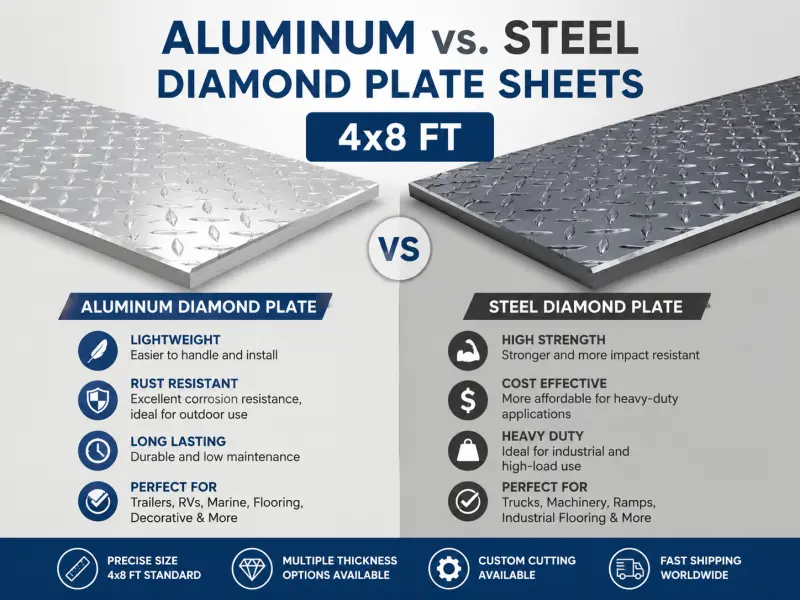
One common reason for choosing aluminum is weight reduction.
| Property | Aluminum | Steel |
|---|---|---|
| Density | Lower | Higher |
| Weight | Light | Heavy |
| Corrosion Resistance | Good to excellent | Depends on grade/coating |
| Machining | Generally good | Generally good |
| Welding | Alloy dependent | Generally good |
| Strength | Alloy dependent | Often higher |
| Appearance | Metallic | Metallic |
The right choice depends on the load, environment, fabrication process, and total project cost.
Aluminum Plate vs. Stainless Steel
Stainless steel offers excellent corrosion resistance and high strength, but it is much heavier.
Aluminum can be a better option when weight reduction is important.
| Requirement | Aluminum | Stainless Steel |
|---|---|---|
| Low weight | ★★★★★ | ★★ |
| Corrosion resistance | ★★★★ | ★★★★★ |
| Machining | ★★★★ | ★★★ |
| Strength | Alloy dependent | High |
| Transportation | Advantage | Heavier |
For marine and transportation projects, aluminum can provide a useful balance between weight and performance.
Machining 1/2 Aluminum Plate
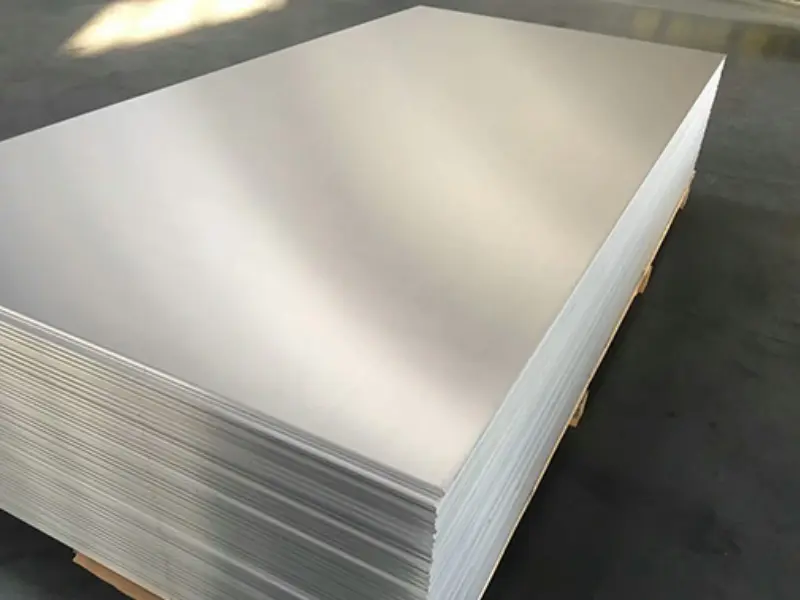
A 12.7 mm plate can be processed using common metalworking methods.
Depending on the alloy and project, it can be:
- CNC milled
- CNC drilled
- Saw cut
- Waterjet cut
- Laser cut
- Routed
- Tapped
- Turned after cutting
- Machined into complex components
6061 is particularly popular for CNC machining.
Cutting parameters should be adjusted according to the alloy, temper, tool, and machine.
CNC Machining Considerations
When a 1/2 inch plate will be CNC machined, buyers should consider the final part size rather than only the raw plate size.
A larger raw plate may be required when:
→ Multiple parts are nested together
Extra material is needed for clamping
Machining allowance is required
→ The finished part has complex edges
→ The surface requires finishing
Providing a technical drawing can make material selection easier.
Welding Considerations
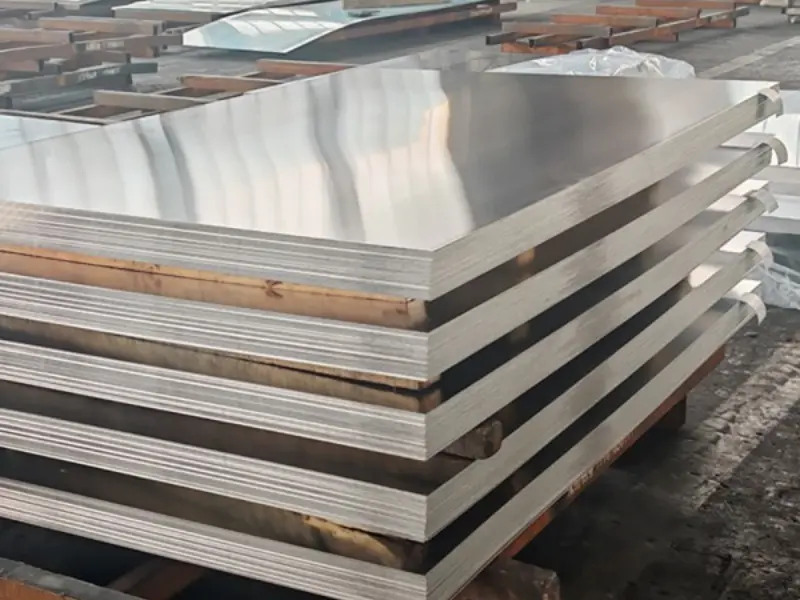
Not every aluminum alloy behaves the same during welding.
5xxx series alloys are widely used in welded marine and fabrication applications.
6061 is also commonly welded, but the heat-affected zone can reduce the strength of the T6 temper.
For this reason, welding procedures should be considered before selecting the alloy and temper.
Surface Options
The surface can be supplied in different conditions depending on the application.
Common options include:
| Surface | Description |
|---|---|
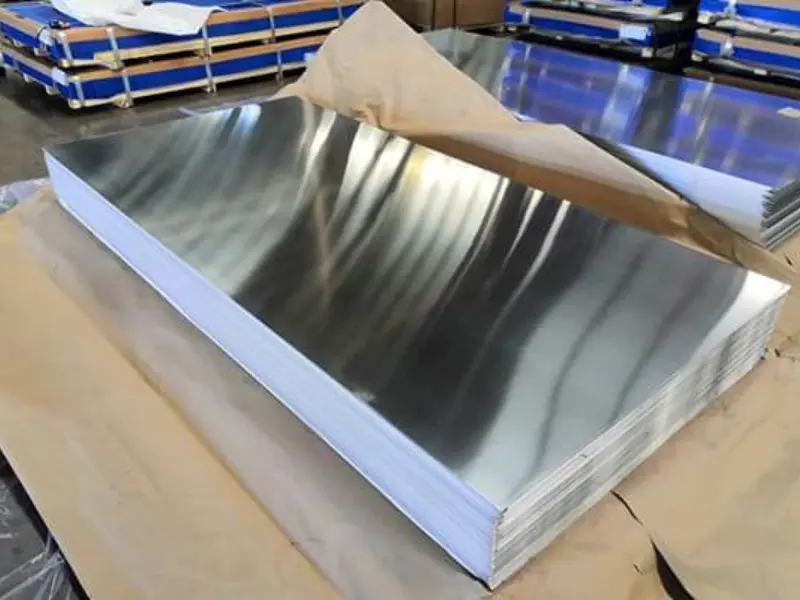
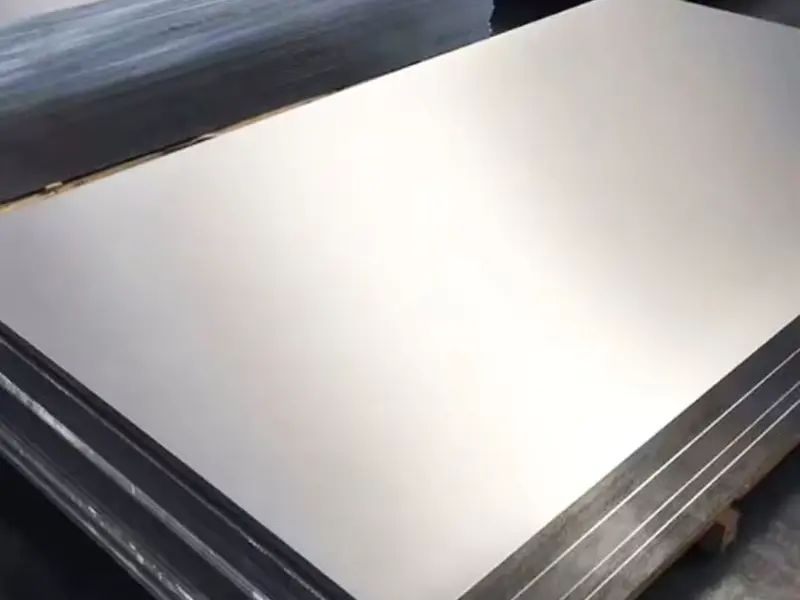
| Mill Finish | Standard unfinished aluminum surface |
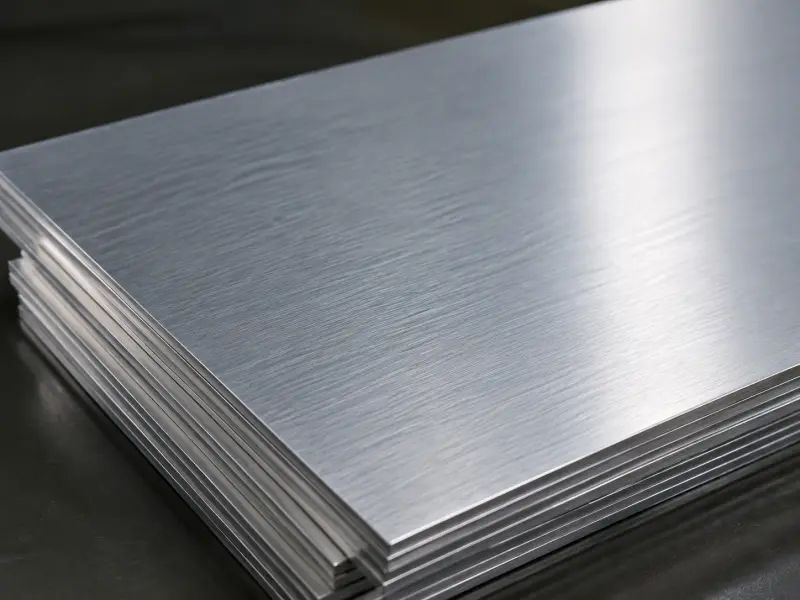
| Brushed | Directional decorative finish |
| Anodized | Protective oxide layer |
| Painted | Color coating |
| Polished | Smooth reflective appearance |
| Embossed | Textured surface |
For structural and CNC parts, mill finish is often sufficient.
For architectural projects, surface appearance may be more important.
Flatness and Surface Quality
For many fabrication projects, flatness matters.
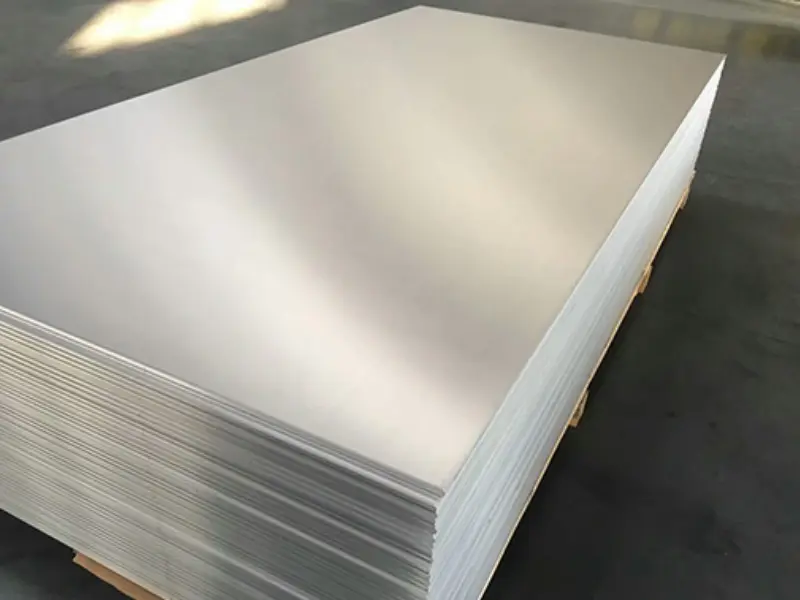
A plate may need to be cut, machined, drilled, or assembled with other components.
Important quality points include:
- Thickness
- Flatness
- Width
- Length
- Edge condition
- Surface appearance
- Dimensional tolerance
The required tolerance should be confirmed before production.
1/2 Aluminum Plate for Transportation
Aluminum has uses in transportation because it can provide strength without the same weight as steel.
Possible applications include:
- Truck bodies
- Trailer components
- Vehicle floors
- Ramps
- Chassis components
- Equipment platforms
- Transport containers
- Utility vehicle parts
The alloy should be selected according to load, forming, welding, and environmental conditions.
1/2 Aluminum Plate for Trailers
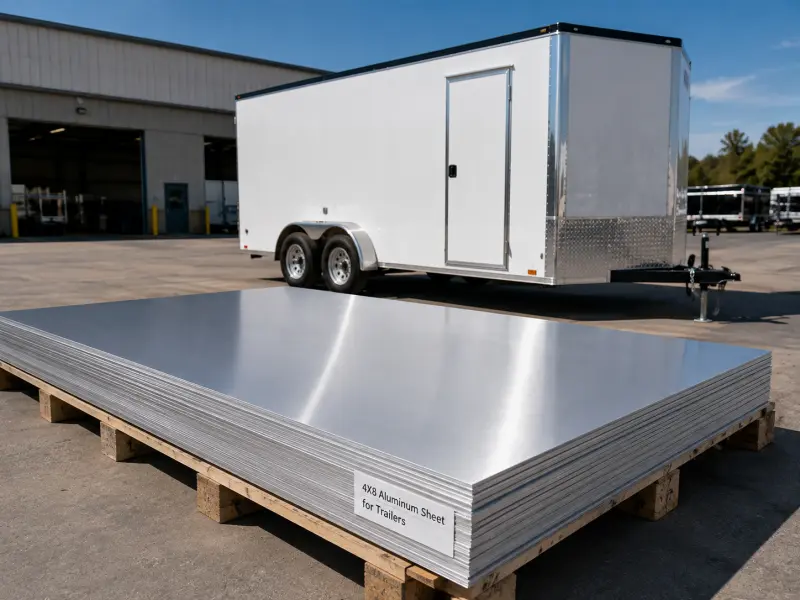
Trailer manufacturers may use thicker aluminum plate for areas that need greater durability.
Potential applications include:
- Floor structures
- Ramps
- Side components
- Reinforcement parts
- Mounting plates
- Equipment supports
For trailer manufacturing, weight reduction can be valuable because a lighter trailer may allow more useful payload capacity.
The final design must still meet the required structural and safety specifications.
1/2 Aluminum Plate for Marine Use
Marine applications require careful alloy selection.
Salt water and moisture can create demanding conditions for metal materials.
Common considerations include:
Corrosion resistance
Weldability
Strength
Plate thickness
Weight
5083 and 5086 are often considered for marine structures because of their corrosion resistance and strength.
1/2 Aluminum Plate for Machinery
Machinery components often require dimensional accuracy and good machinability.

6061-T6 or 6061-T651 can be suitable for many machined parts.
Typical components include:
- Base plates
- Machine frames
- Mounting plates
- Brackets
- Fixtures
- Supports
- Covers
- CNC parts
The final alloy should match the load and machining requirements.
1/2 Aluminum Plate for Industrial Fabrication
Industrial fabricators may choose this thickness for parts that need more rigidity than standard sheet products can provide.
Possible uses include:
- Equipment frames
- Industrial platforms
- Machine bases
- Protective panels
- Structural supports
- Fabricated housings
- Industrial brackets
- Heavy-duty covers
The material has applications as standard plates or cut to specific dimensions.
When Should You Choose 1/2 Inch Thickness?
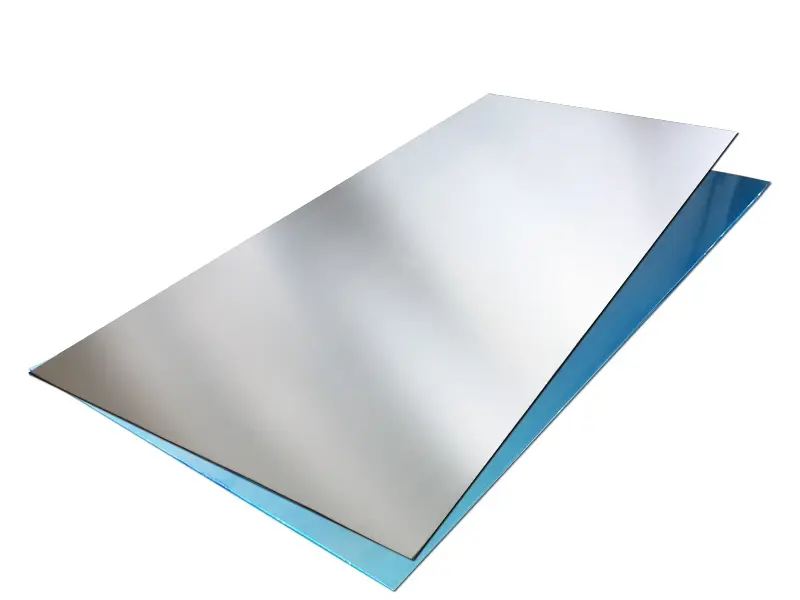
This thickness can be a good choice when the project needs a stronger and more rigid material than thin aluminum sheet.
Consider it when:
The part must resist bending
→ A thicker machining blank is needed
→ A structural component needs more rigidity
The application requires a durable plate
→ Weight must remain lower than steel
→ The part will be CNC machined
It may not be necessary for simple covers or lightweight decorative panels.
When Is 1/2 Inch Too Thick?
A thicker plate is not automatically better.
For lightweight panels, signs, decorative covers, and simple enclosures, a thinner sheet may reduce material cost and weight.
A good selection process asks:
Does the part need the additional rigidity?
If not, using a thinner material may be more efficient.
How to Select the Right Grade

A simple selection guide can help buyers start with the right alloy.
Choose 5052 When
Corrosion resistance and forming are important.
Choose 5083 When
Marine service and high strength are major concerns.
Choose 5086 When
Marine fabrication and welding are required.
Choose 6061 When
Machining and general structural performance are important.
Choose 6082 When
A structural aluminum grade is needed for engineering applications.
Choose 7075 When
Very high strength is the primary requirement.
The final selection should be confirmed against the project’s technical requirements.
Custom Cut 1/2 Aluminum Plate
Not every buyer needs a full 4 × 8 ft plate.
Custom cutting can be useful for smaller components.
Possible services include:
- Straight cutting
- CNC cutting
- Waterjet cutting
- Drilling
- Machining
- Edge preparation
- Custom dimensions
For large projects, pre-cut material can reduce labor and material waste.
Ordering Guide for Buyers
Before requesting a quotation, prepare the following information:
| Required Information | Example |
|---|---|
| Alloy | 6061 |
| Temper | T6 |
| Thickness | 1/2 inch |
| Width | 48 inch |
| Length | 96 inch |
| Surface | Mill finish |
| Quantity | 20 pcs |
| Cutting | Optional |
| Application | Machine components |
| Destination | Port or city |
A clear specification helps the supplier provide a more accurate quotation.
What Can Affect the Purchase Price?

The price is not based on thickness alone.
Main factors include:
- Aluminum alloy
- Temper
- Raw aluminum market price
- Plate dimensions
- Quantity
- Surface finish
- Cutting requirements
- Packaging
- Shipping distance
- Delivery terms
A 6061-T6 plate and a 5052 plate of the same size may have different prices.
For this reason, buyers should compare complete specifications.
Buying Full Plates or Cut Pieces
Both options can make sense.
| Buying Method | Advantage |
|---|---|
| Full plate | More flexibility for fabrication |
| Cut plate | Less cutting work |
| CNC cut | Good for complex shapes |
| Small pieces | Useful for prototypes |
| Large quantity | Better for production planning |
The best option depends on the production process and required quantity.
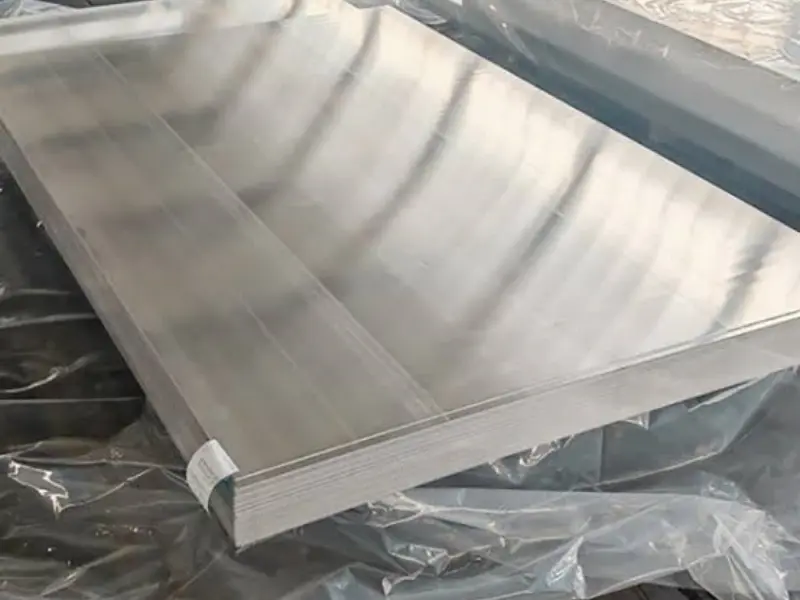
Packaging and Transportation
A 1/2 inch plate is heavier than thin sheet, so packaging and handling should be planned carefully.
Export packaging may include:
- Wooden pallets
- Wooden cases
- Edge protection
- Waterproof wrapping
- Protective film when required
- Secure strapping
For international orders, packaging should be suitable for the planned transportation method.
Quality Checks Before Shipment
For industrial orders, buyers may request inspection of:
Material grade
Temper
Thickness
Dimensions
Flatness
Surface quality
Quantity
Packaging
Material certificates can also be requested when required by the project.
A Simple Selection Formula
For a practical purchasing decision, think about the material in this order:
Application
↓
Required strength
↓
Environment
↓
Fabrication method
↓
Alloy
↓
Temper
↓
Thickness
↓
Size
↓
Surface
↓
Quantity
This approach is often more useful than selecting a plate based only on price.
1/2 Aluminum Plate for Different Projects
| Project | Suggested Starting Point |
|---|---|
| CNC components | 6061-T6/T651 |
| Marine structures | 5083 or 5086 |
| General fabrication | 6061 or 5052 |
| Formed components | 5052 |
| High-strength parts | 7075 |
| Transportation | 5052, 5083, 6061 |
| Machine bases | 6061 |
| Heavy-duty brackets | 6061 or suitable high-strength alloy |
These are starting points, not universal specifications.
Correct temper
✓ Required plate dimensions
✓ Surface condition
Dimensional tolerance
✓ Cutting requirements
✓ Quantity
Packaging
✓ Delivery terms
A complete specification makes it easier to compare suppliers and avoid ordering the wrong material.
Final Buying Checklist
Before placing an order, check:
✓ 1/2 inch / 12.7 mm thickness
✓ Correct aluminum alloy
Related Aluminum Plate Topics
For customers researching this product, related topics can include:
- 6061 Aluminum Plate
- 6061-T6 Aluminum Plate
- 6061-T651 Aluminum Plate
- 5052 Aluminum Plate
- 5083 Aluminum Plate
- 5086 Aluminum Plate
- 7075 Aluminum Plate
- 1/4 Aluminum Plate
- 3/8 Aluminum Plate
- 5/8 Aluminum Plate
- 3/4 Aluminum Plate
- 4 × 8 Aluminum Plate
- Aluminum Plate Weight Chart
- Aluminum Plate Price
- Aluminum Plate for CNC Machining
- Aluminum Plate for Marine Use
- Aluminum Plate for Trailers
- Aluminum Plate for Industrial Applications
These related pages can be connected with internal links to build a stronger aluminum plate topic cluster.
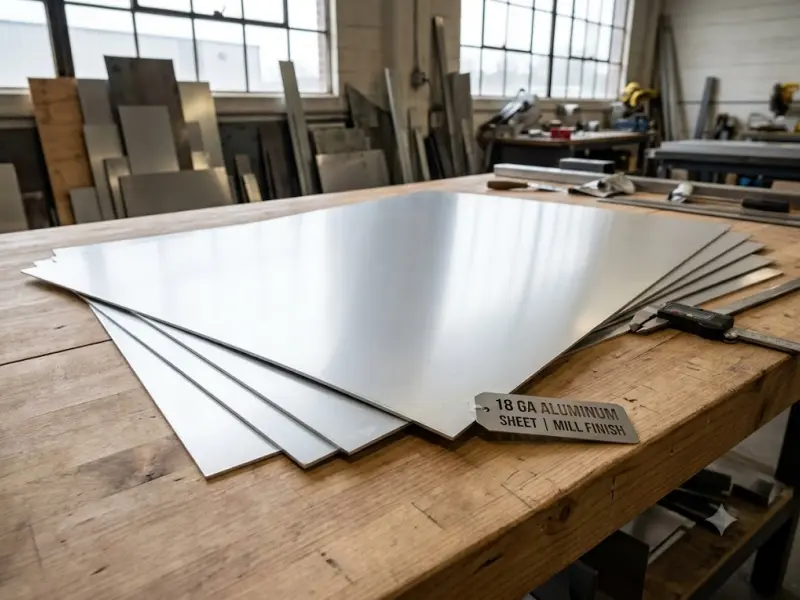
Why Buyers Choose Aluminum Plate
The main attraction is the combination of several properties.
Lightweight
Aluminum weighs much less than steel.
Corrosion resistance
Many aluminum alloys perform well in outdoor and wet environments.
Machinability
Several grades are suitable for drilling, milling, and CNC processing.
Fabrication
Many alloys can be cut, formed, and welded using suitable processes.
Recyclability
Aluminum can be recycled and reused.
These characteristics make it useful across many industries.
Frequently Asked Questions– 1/2 Inch Aluminum Plate
Q1: What is the weight of a 1 2 aluminium plate?
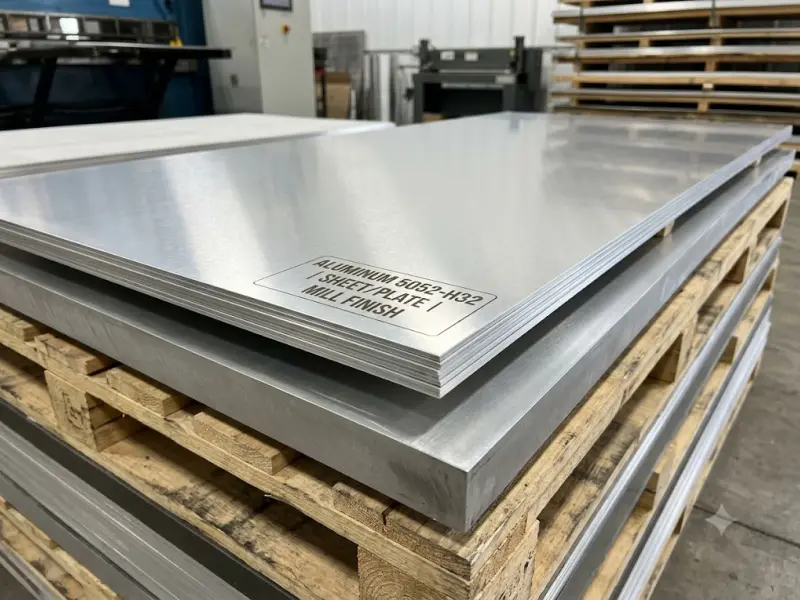
A 1/2-inch (12.7mm) aluminium plate weighs about 13.5 kg per square meter, depending on alloy.
Q2: Can it be welded or cut easily?
Yes. 6061 and 5052 aluminium can be easily cut, drilled, and welded using standard methods.
Q3: What finishes are available?
Mill finish, brushed, anodized, and painted finishes are commonly available.
Q4: Can you supply custom sizes?
Yes, aluminum plates can be cut to custom dimensions for your project needs.
Is 1/2 aluminum plate the same as 0.500 inch aluminum plate?
Yes. In common purchasing language, 1/2 inch means a nominal thickness of 0.500 inch, which is approximately 12.7 mm.
How thick is 1/2 aluminum plate in mm?
The nominal thickness is 12.7 mm.
How much does a 4 × 8 sheet of 1/2 aluminum plate weigh?
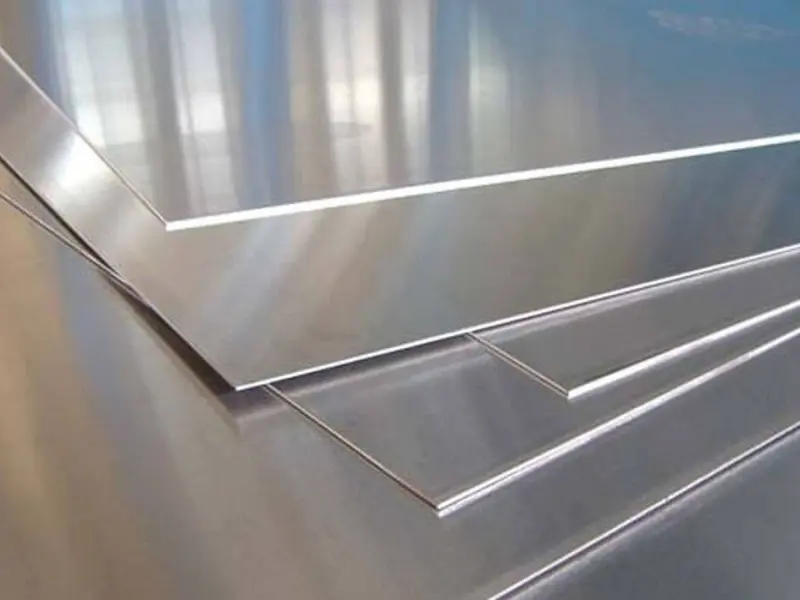
A 4 × 8 ft plate weighs roughly 117 lb based on typical aluminum density. The actual weight can vary with alloy and dimensional tolerance.
What is the best alloy for 1/2 aluminum plate?
There is no single best alloy. 6061 is popular for machining and structural parts, while 5052, 5083, and 5086 are often selected for corrosion resistance and marine applications.
Is 6061-T6 available in 1/2 inch thickness?
Yes. 1/2 inch 6061-T6 plate is a common industrial material.
Can 1/2 aluminum plate be welded?
Yes, many aluminum alloys can be welded. However, welding can affect the mechanical properties of some heat-treated alloys, so the alloy and temper should be considered before fabrication.
Can this thickness be CNC machined?
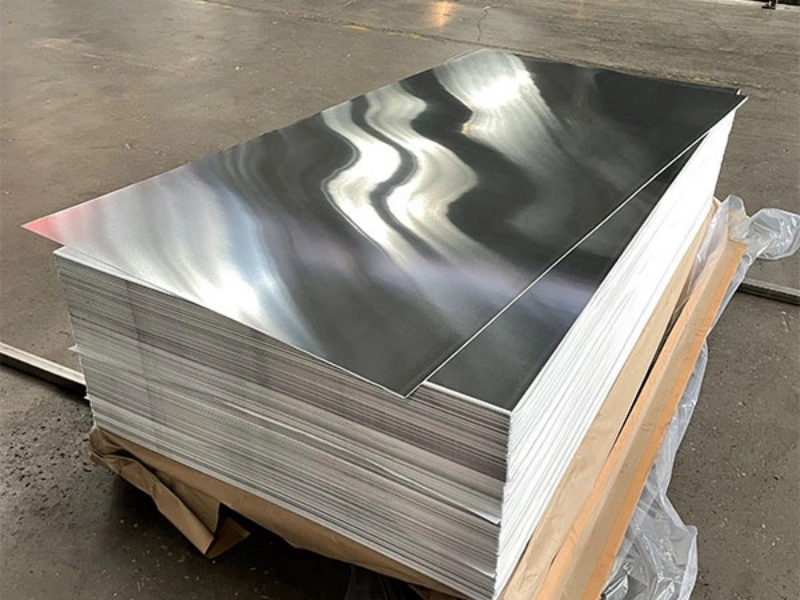
Yes. 1/2 inch aluminum plate has uses as a CNC machining blank. 6061 is especially popular for this purpose.
Is 1/2 aluminum plate suitable for trailers?
It can be used for selected trailer components. The correct thickness and alloy depend on the load, design, welding method, and structural requirements.
Is 1/2 aluminum plate good for marine applications?
It can be, but alloy selection is important. 5083 and 5086 are common options for demanding marine applications because of their corrosion resistance and strength.
Can I order custom sizes?
Yes. Depending on production capability, custom width, length, cutting, and machining can be discussed.
What information should I provide for a quotation?
Provide the alloy, temper, thickness, width, length, surface condition, quantity, application, and destination. A drawing is helpful for custom parts.