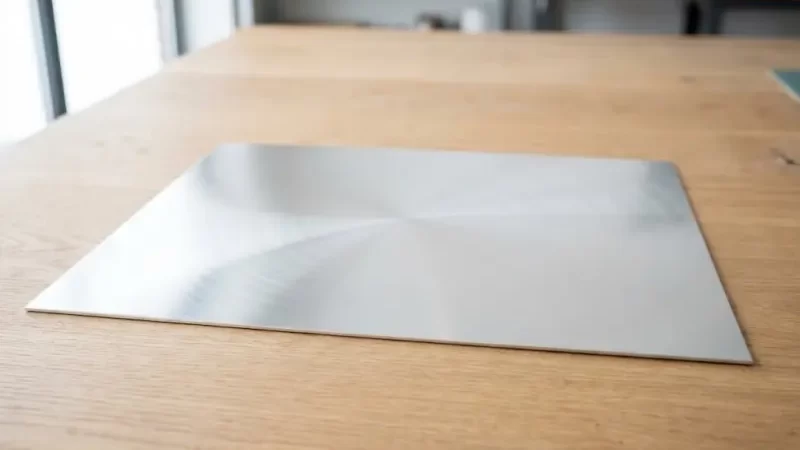
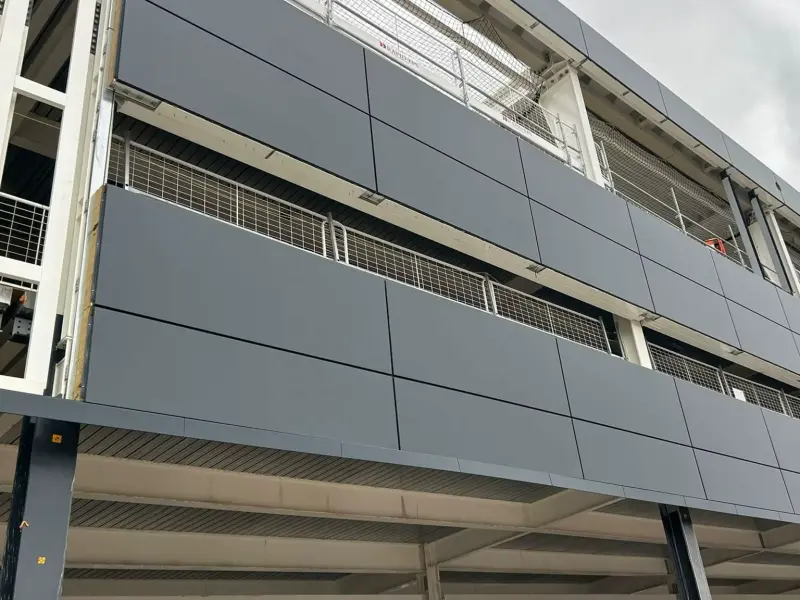
Aluminium sheet for wall is a practical material for modern buildings, commercial spaces, industrial facilities, and interior projects. It has uses as wall cladding, wall panels, decorative panels, protective wall coverings, and exterior building finishes.
Aluminium is light, easy to process, and resistant to corrosion. It can also be supplied in many surface finishes and colors. This gives architects, contractors, fabricators, and building owners more choices.
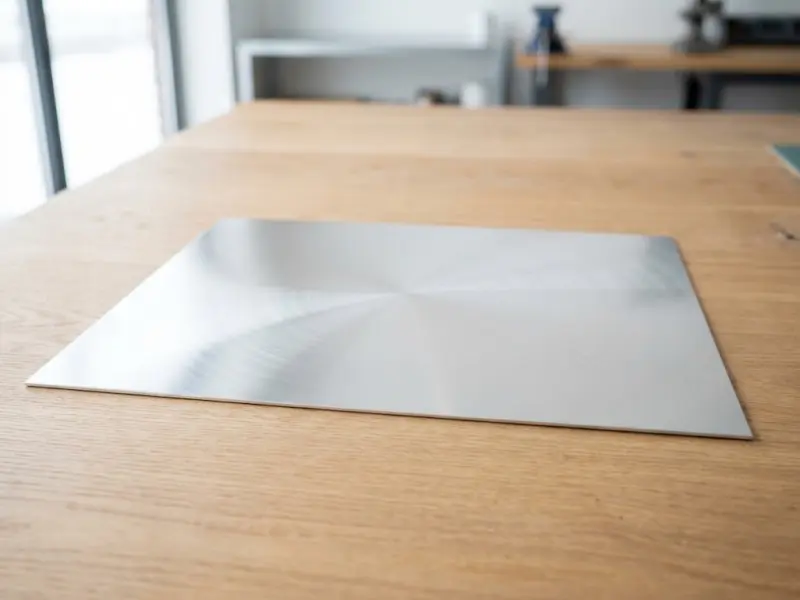
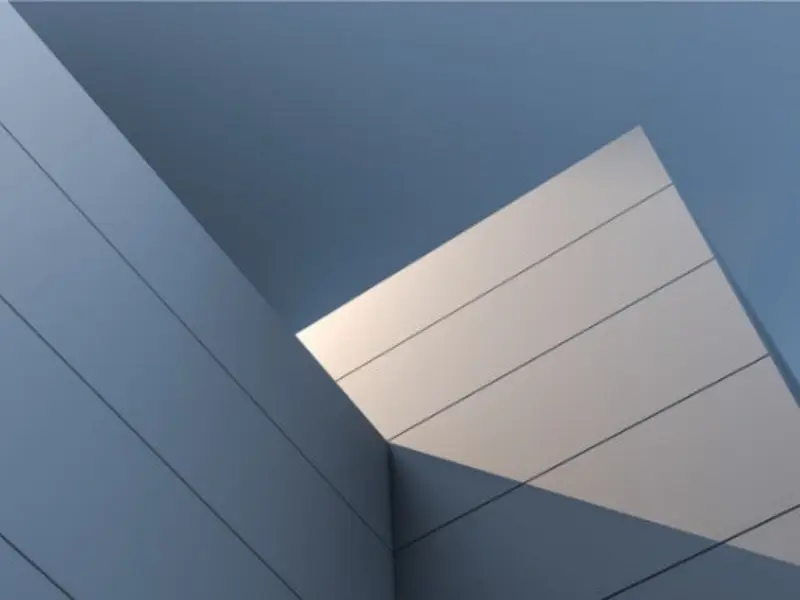
Wall aluminium sheets are available in different alloys, tempers, thicknesses, sizes, and finishes. The right specification depends on whether the sheet has uses indoors or outdoors, as well as the required strength, appearance, forming method, and installation system.
For large projects, buyers usually compare not only the aluminum grade but also coating type, sheet thickness, flatness, color, surface quality, and delivery options.
What Is Aluminium Sheet for Wall?
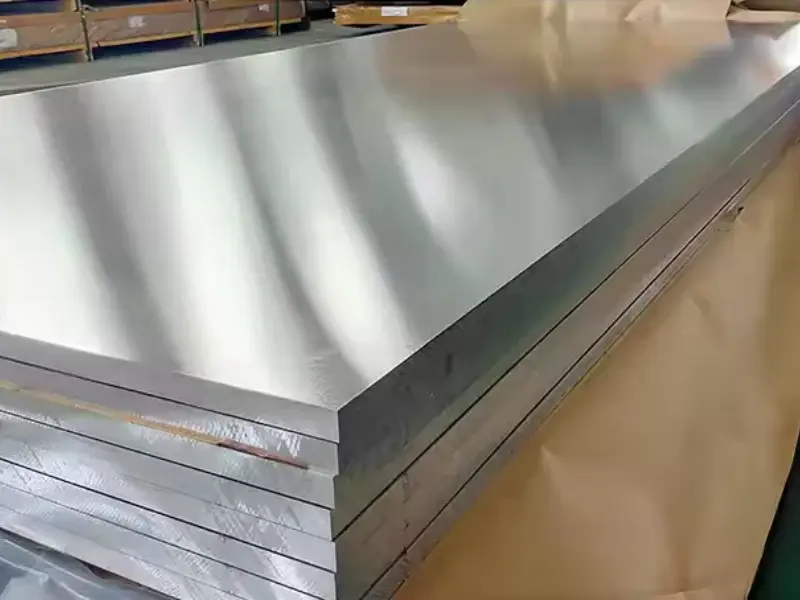
Aluminium sheet for wall is a flat aluminum product designed for use on walls or as part of a wall cladding system.
It can be installed directly on a prepared surface or fabricated into panels before installation.
A typical wall system can be arranged as:
Building wall → Support frame → Fixing system → Aluminium sheet → Finished surface
The sheet may remain flat or be folded, bent, perforated, embossed, or fabricated into a special panel shape.
For exterior walls, the surface is often coated to provide color and additional protection. For interior walls, mill finish, anodized, brushed, mirror, or decorative surfaces may be selected.
Why Use Aluminium Sheet on Walls?
Aluminum offers a useful balance between weight, durability, appearance, and processing.
| Feature | Why It Matters |
|---|---|
| Light weight | Easier handling and installation |
| Corrosion resistance | Suitable for many outdoor environments |
| Easy fabrication | Can be cut, bent, punched, and formed |
| Surface options | Supports many architectural designs |
| Recyclability | Suitable for sustainable building projects |
| Low maintenance | Easy to clean in many applications |
| Color options | Useful for commercial and decorative walls |
| Custom sizes | Can reduce cutting work on site |
The material is especially useful when a project needs a metal wall surface without the higher weight of many steel products.
Common Aluminium Alloys for Wall Sheets
Different alloys offer different levels of strength, formability, corrosion resistance, and workability.
3003 Aluminium Sheet
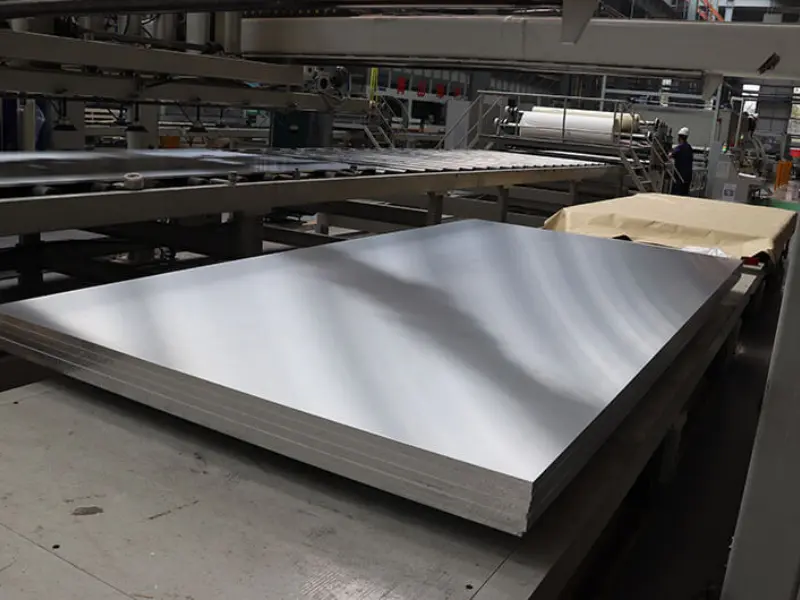
3003 has uses where good formability and moderate strength are needed.
- Wall cladding
- Decorative wall panels
- Interior wall coverings
- Building panels
- Fabricated architectural components
It is a practical choice for many general wall projects.
5052 Aluminium Sheet
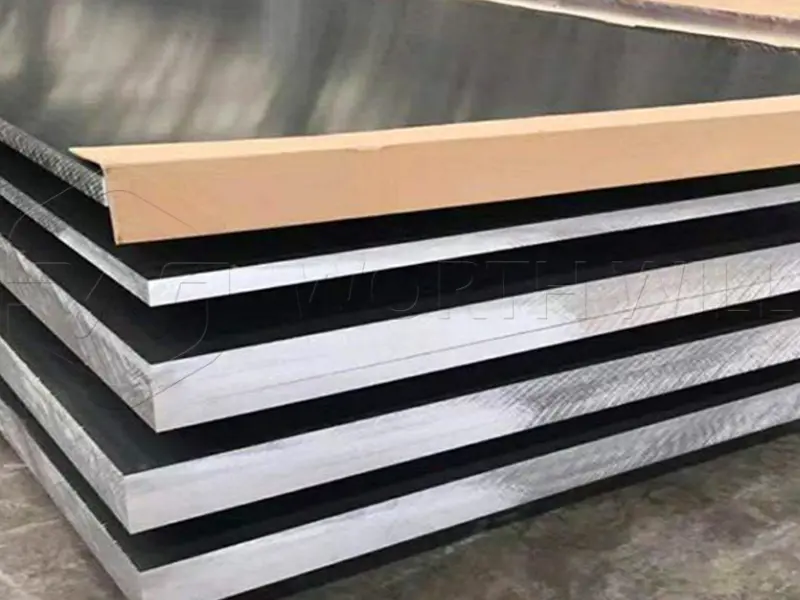
5052 provides higher strength than common 1xxx and 3xxx series aluminum.
It also has good corrosion resistance and forming performance.
- Exterior wall cladding
- Industrial buildings
- Commercial buildings
- Marine-related environments
- Heavy-duty wall panels
- Architectural fabrication
It is a useful choice when the wall panel needs a stronger aluminum substrate.
5005 Aluminium Sheet
5005 has for architectural applications where appearance and anodizing performance are important.
- Decorative wall panels
- Interior wall surfaces
- Architectural cladding
- Anodized wall panels
- Building decoration
1050 and 1060 Aluminium Sheet
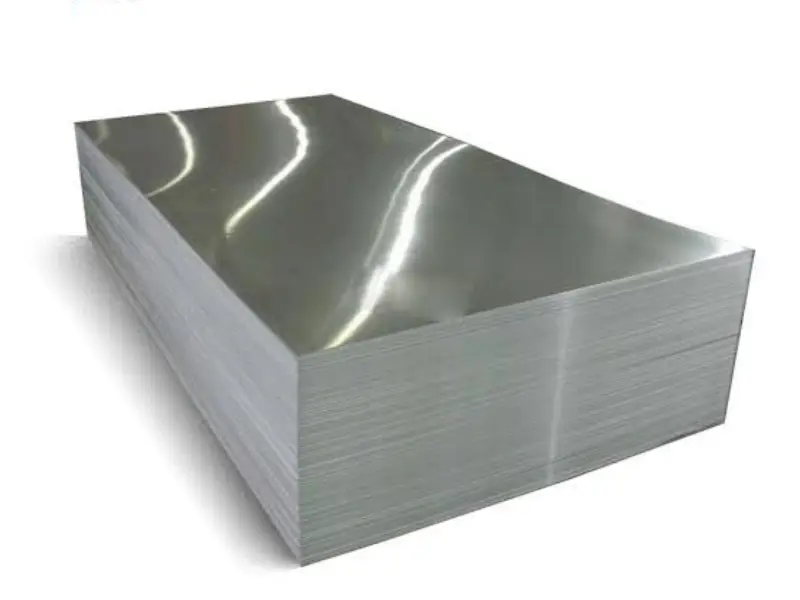
1050 and 1060 are high-purity aluminum grades.
They provide good formability and corrosion resistance.
They have uses for certain interior panels, decorative applications, and products where high strength is not the main requirement.
Aluminium Wall Sheet Alloy Comparison
| Alloy | Strength | Formability | Typical Use |
|---|---|---|---|
| 1050 | Low | Excellent | Interior and decorative use |
| 1060 | Low | Excellent | Decorative panels |
| 3003 | Medium | Very good | General wall cladding |
| 5005 | Medium | Very good | Architectural finishes |
| 5052 | Higher | Very good | Exterior and industrial walls |
There is no single best alloy for every wall project.
For simple decorative walls, a softer alloy may be enough. For exposed exterior walls or fabricated panels, 3003, 5005, or 5052 may be considered depending on the design.
Aluminium Sheet Thickness for Walls
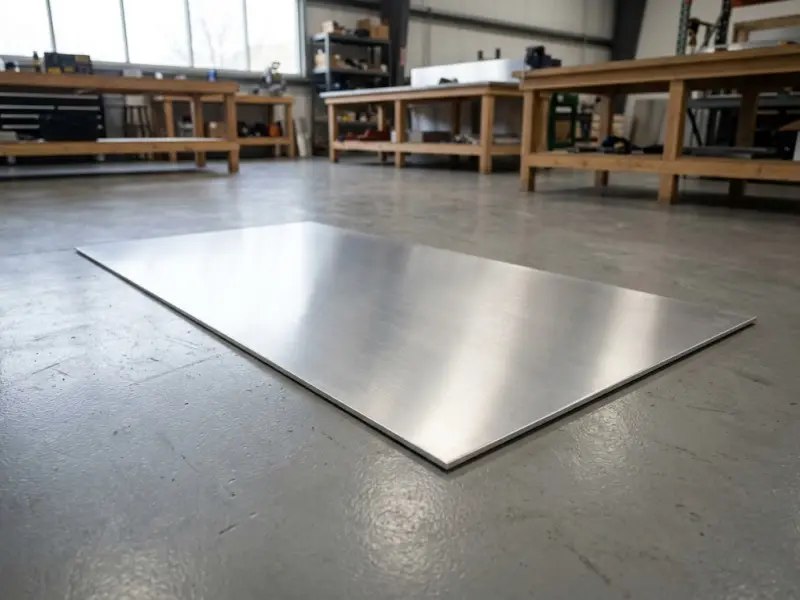
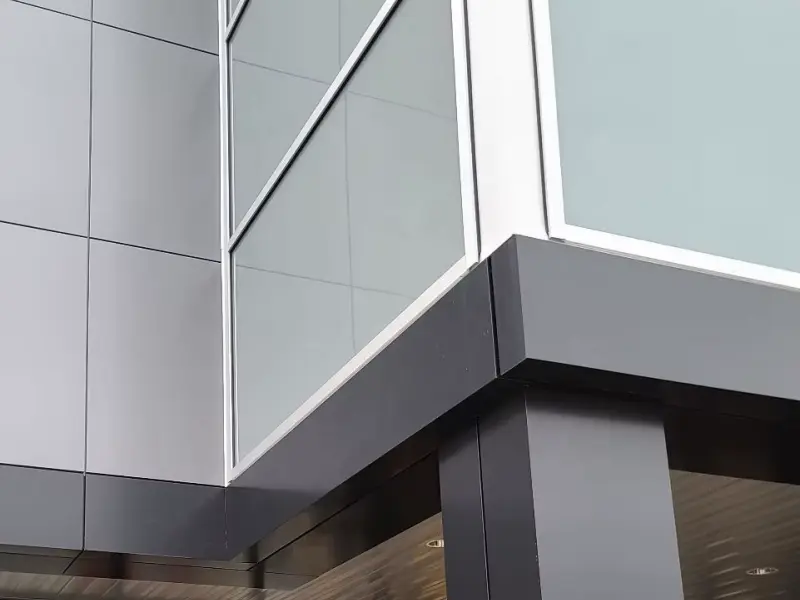
Thickness is one of the first specifications buyers normally check.
| Thickness | Typical Direction |
|---|---|
| 0.5 mm | Light decorative use |
| 0.6 mm | Interior wall applications |
| 0.8 mm | Light wall cladding |
| 1.0 mm | General wall panels |
| 1.2 mm | Stronger wall applications |
| 1.5 mm | Exterior and fabricated panels |
| 2.0 mm | Heavy-duty panels |
| 2.5 mm | Industrial applications |
| 3.0 mm | Rigid wall panels |
| 4.0 mm+ | Special architectural or structural applications |
The actual thickness should be selected according to the support system, panel size, wind load, installation method, and local building requirements.
A larger panel may need a thicker sheet or additional reinforcement.
Thin Aluminium Sheet for Interior Walls
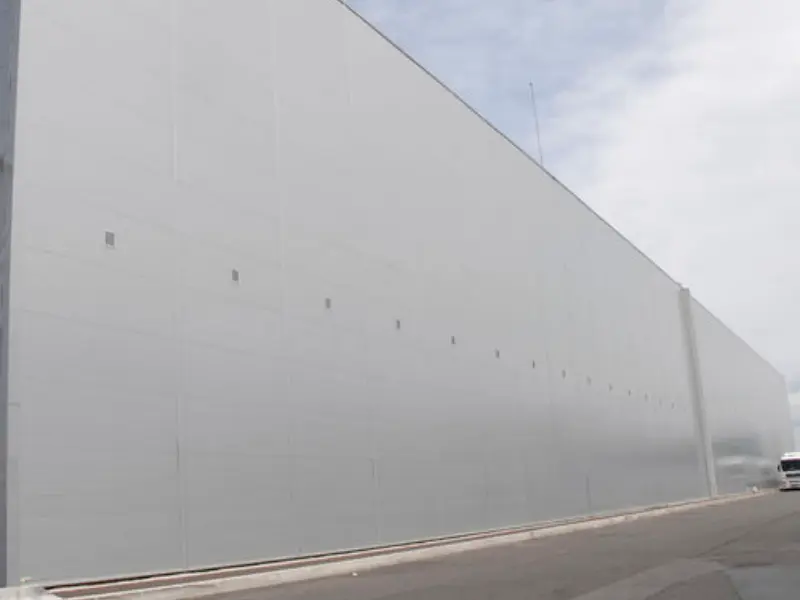
Thin sheets can be useful for interior applications where the wall does not face severe weather conditions.
Typical uses include:
- Office walls
- Retail interiors
- Exhibition areas
- Restaurant interiors
- Ceiling and wall decoration
- Decorative partitions
- Indoor column covers
A thinner sheet is easier to cut and handle.
However, very thin aluminum may need a backing structure to maintain flatness.
Thick Aluminium Sheet for Exterior Walls
Exterior wall panels are exposed to wind, rain, temperature changes, and other environmental conditions.
A thicker sheet can provide greater rigidity.
For these projects, buyers often consider:
Thickness + Alloy + Panel Size + Support System + Coating
For example, 5052 aluminum in a suitable thickness may be considered when higher strength is needed.
The correct specification should be checked against the project’s engineering requirements.
Aluminium Wall Cladding Sheets
Aluminium wall cladding is one of the most common architectural uses.
The sheet can be cut into panels and fixed to a support structure.
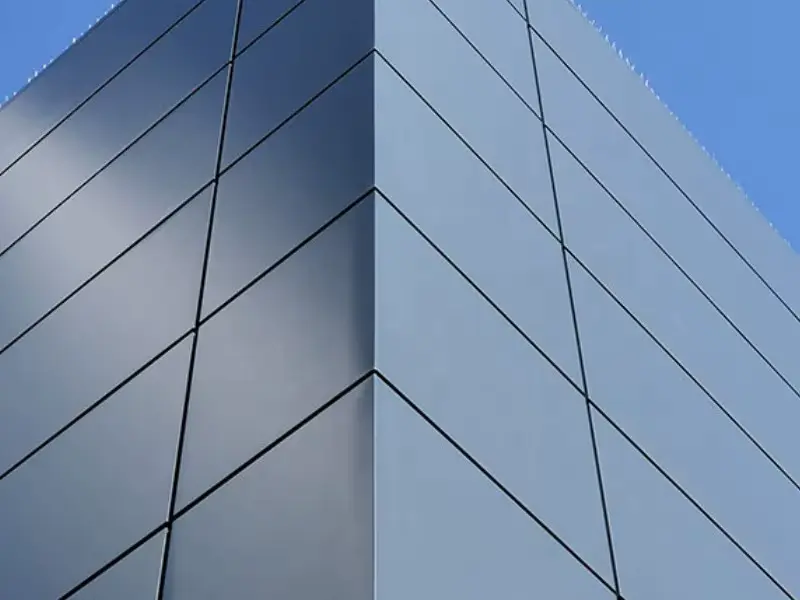
The basic process is:
Aluminium coil or sheet
↓
Cutting
↓
Bending / Folding
↓
Panel fabrication
↓
Surface coating
↓
Installation
Cladding panels can be flat, folded, curved, perforated, or formed into special profiles.
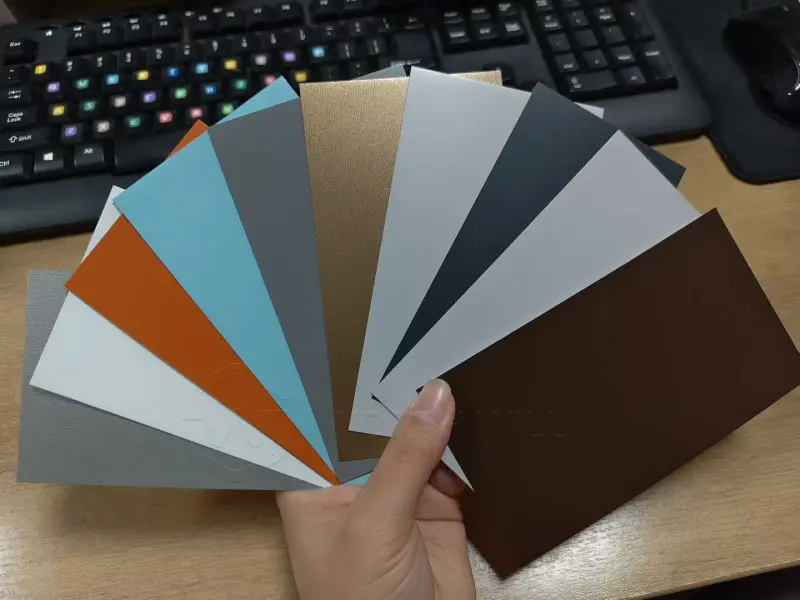
Coated Aluminium Sheet for Exterior Walls
Coated aluminum is popular for exterior architectural projects.
The aluminum substrate can receive a coating before or after fabrication, depending on the product system.
Common coating choices include:
| Coating | Main Feature |
|---|---|
| PE | General architectural use |
| PVDF | Higher weather resistance |
| Powder coating | Wide color selection |
| Anodizing | Metallic and durable finish |
PVDF coated aluminum is often considered for projects that require long-term exterior color performance.
Powder coating can provide many colors and surface effects.
The coating should be selected according to exposure, project life, appearance, and budget.
PVDF vs PE Coated Aluminium
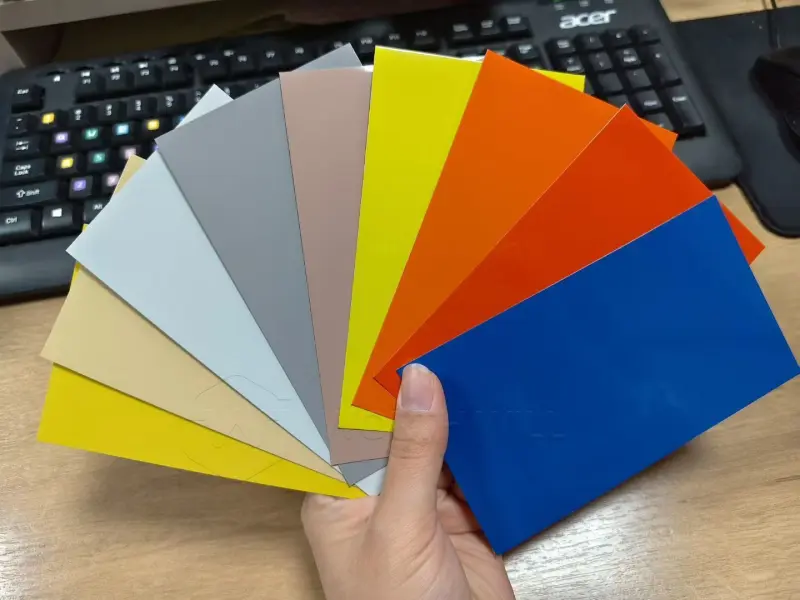
| Item | PVDF | PE |
|---|---|---|
| Weather resistance | High | Moderate |
| Exterior use | Excellent | Good |
| Color retention | Very good | Good |
| Cost | Higher | Lower |
| Typical project | Premium exterior | General projects |
For a high-rise building or long-term exterior project, PVDF may be preferred.
For a cost-sensitive project with moderate exposure, PE coating may be suitable.
Anodized Aluminium Sheet for Walls
Anodized aluminum has a controlled oxide layer on the surface.
It provides a clean metallic appearance.
Common colors include:
- Silver
- Champagne
- Bronze
- Black
- Gold
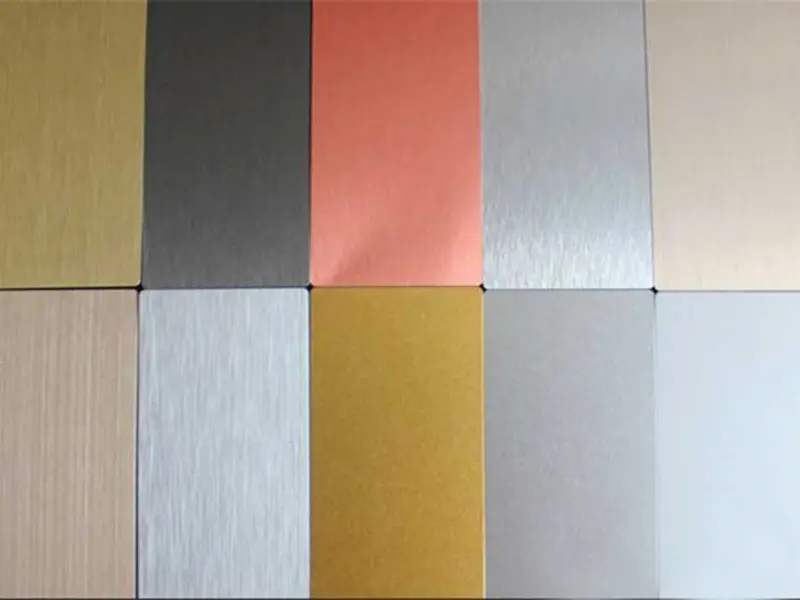
Anodized wall sheets are popular in architectural projects because the natural metal appearance can match modern building designs.
→ Interior walls
→ Exterior walls
→ Column covers
→ Lobby decoration
→ Commercial buildings
→ Decorative panels
Brushed Aluminium Wall Sheet
Brushed aluminum has fine directional lines on the surface.
It creates a modern industrial appearance.
- Hotel interiors
- Elevator areas
- Restaurant walls
- Office decoration
- Retail stores
- Feature walls
A protective film can be added to reduce scratches during transportation and installation.
Mirror Aluminium Wall Sheet
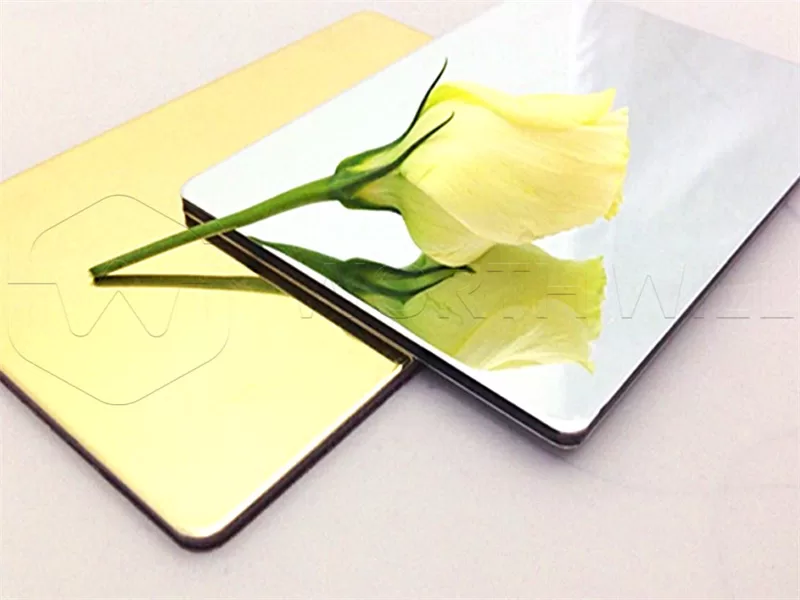
Mirror aluminum has a highly reflective surface.
It can create a bright and modern appearance.
Possible uses include:
- Interior feature walls
- Retail decoration
- Commercial interiors
- Display areas
- Decorative panels
Mirror surfaces require careful packaging because scratches can affect the final appearance.
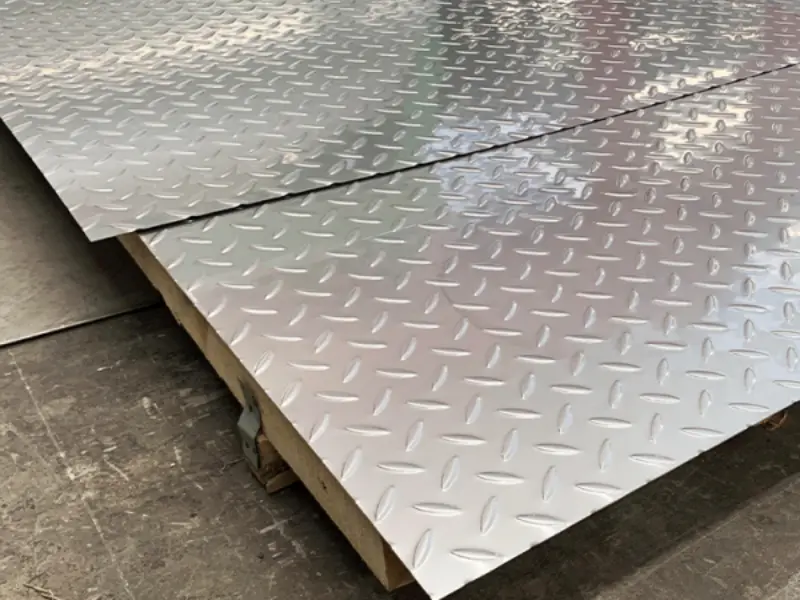
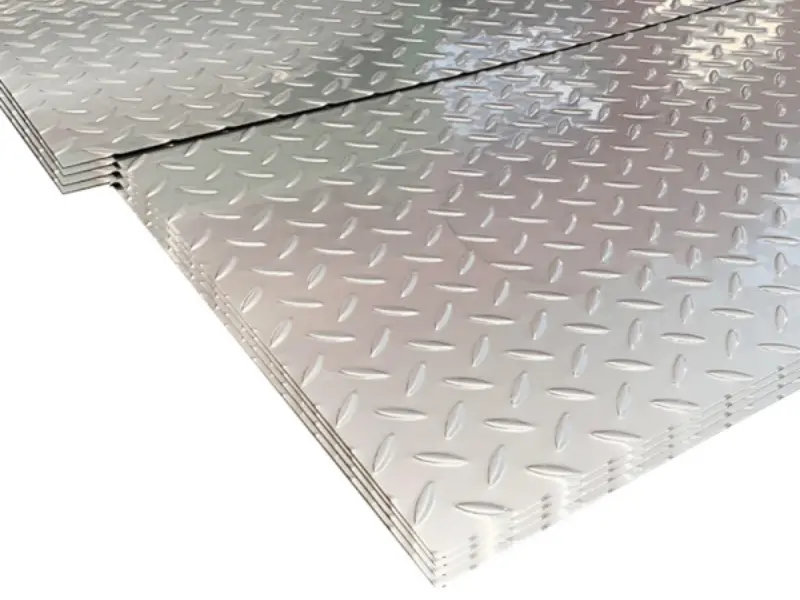
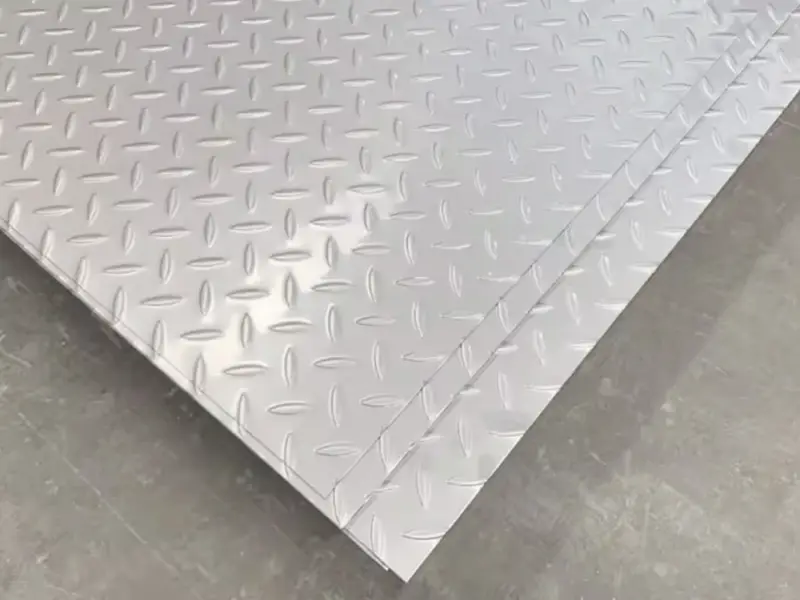
Stucco Embossed Aluminium Sheet for Walls
Stucco embossed aluminum has a textured surface.
The pattern can help hide minor surface marks and gives the wall a different visual effect.
- Industrial interiors
- Utility rooms
- Decorative wall coverings
- Equipment areas
- Commercial spaces
The embossed surface also creates a distinctive architectural texture.
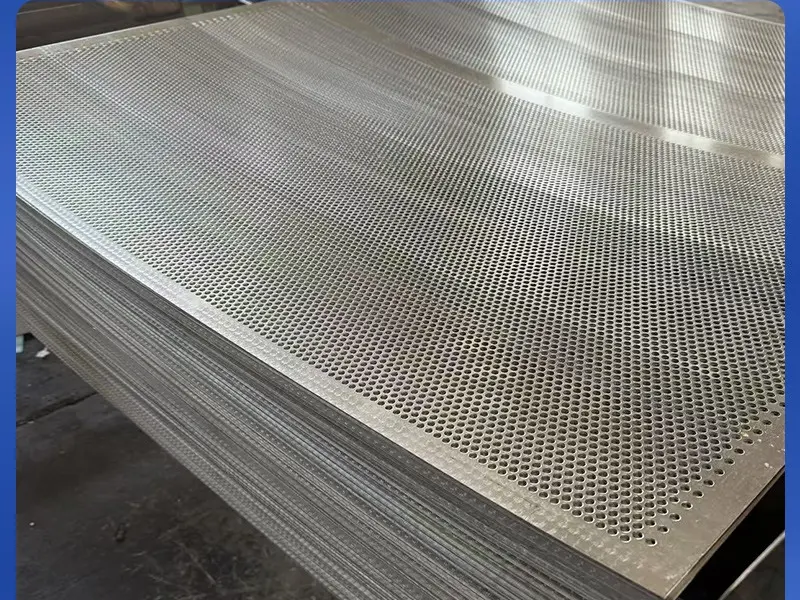
Perforated Aluminium Sheet for Walls
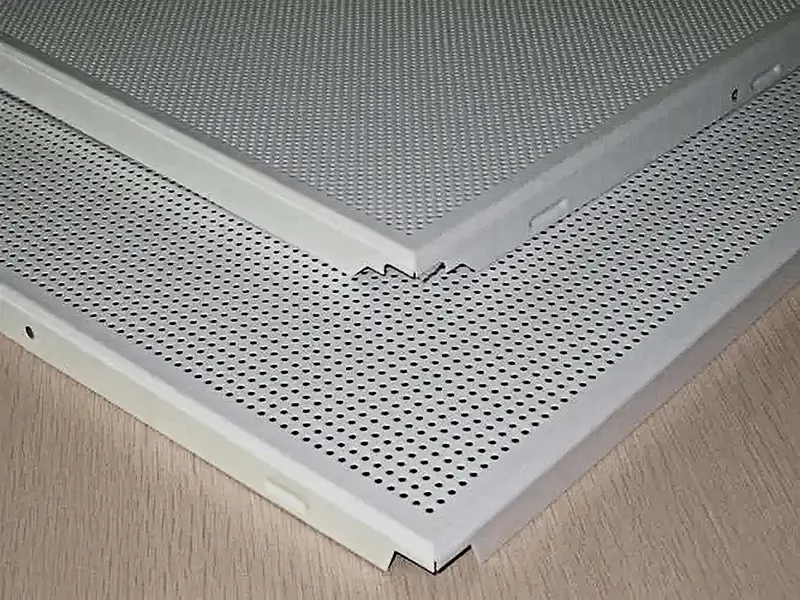
Perforated aluminum has regular holes across the sheet.
It has uses where both appearance and airflow are important.
Common uses include:
- Decorative screens
- Ventilated wall systems
- Building facades
- Interior partitions
- Acoustic design elements
- Sun-shading systems
Hole diameter, pitch, open area, and pattern can be customized.
Corrugated Aluminium Sheet for Walls
Corrugated aluminum has a formed profile that increases rigidity.
It has in industrial and architectural projects.
| Profile | Possible Use |
|---|---|
| Small corrugation | Interior decoration |
| Medium corrugation | Wall cladding |
| Large corrugation | Industrial buildings |
| Custom profile | Special architectural projects |
The profile can also create a strong visual effect on large walls.
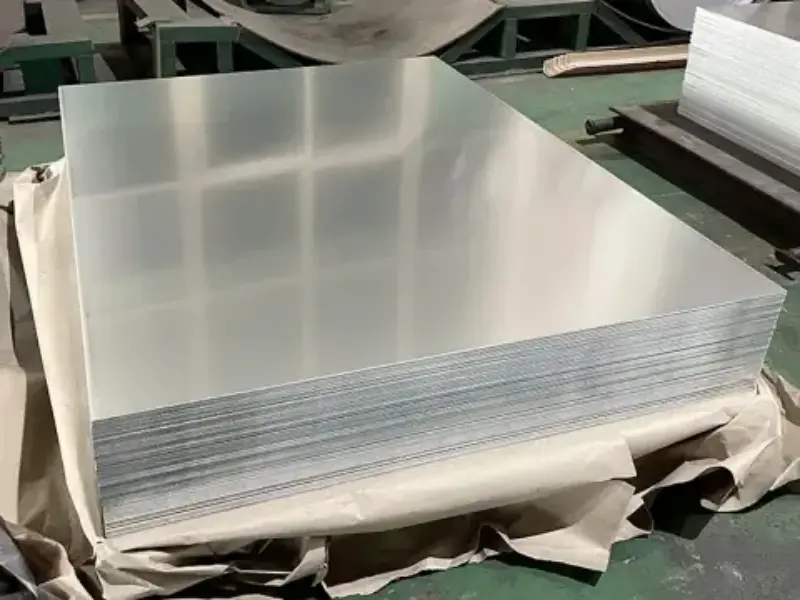
Flat Aluminium Sheet vs Aluminium Composite Panel
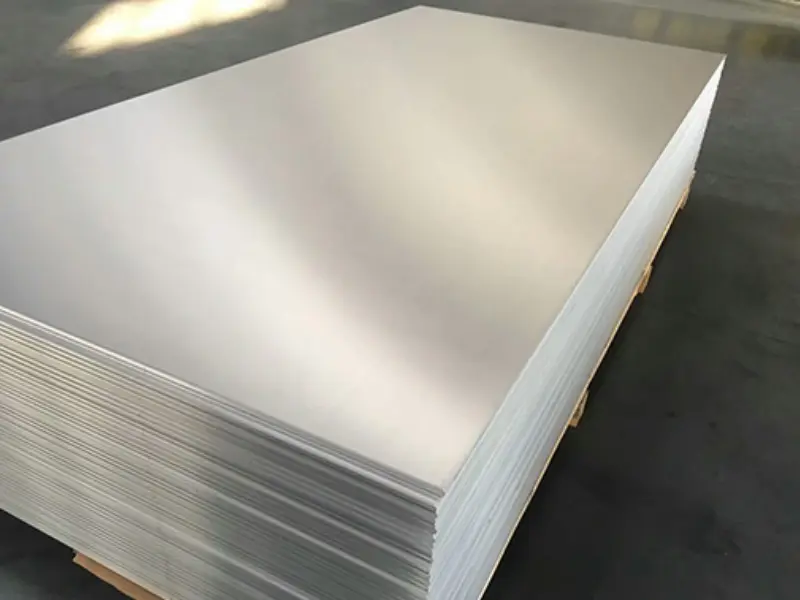
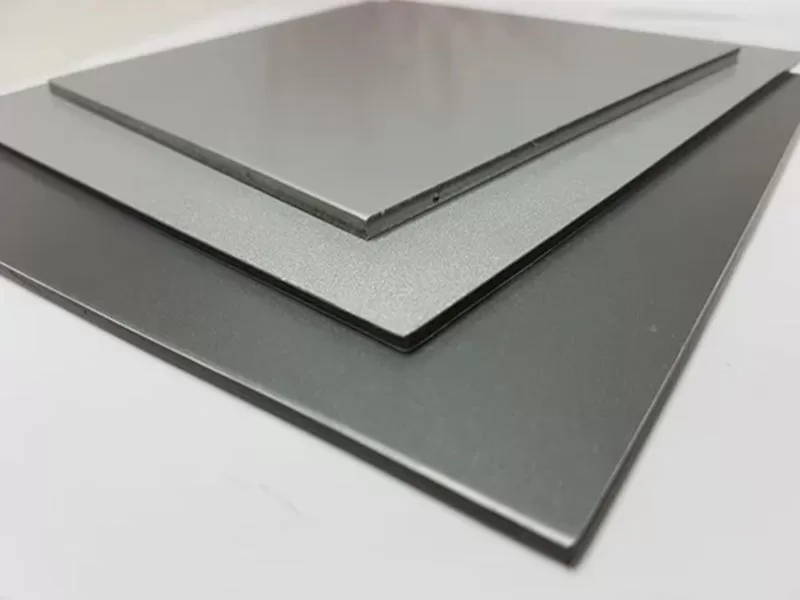
These two materials are often considered for wall applications.
| Feature | Aluminium Sheet | Aluminium Composite Panel |
|---|---|---|
| Structure | Solid aluminum | Aluminum skins + core |
| Processing | Easy | Easy |
| Weight | Depends on thickness | Often lighter for similar panel size |
| Strength | Depends on thickness | Depends on panel structure |
| Fabrication | Cutting and bending | Routing and folding |
| Recycling | Simple metal structure | Depends on panel construction |
| Custom thickness | Flexible | Product-specific |
Solid aluminum sheet can be a good option when the buyer wants a single-metal material.
Composite panels may be considered when low weight and panel stiffness are important.
Aluminium Sheet vs Steel Sheet for Walls
| Feature | Aluminium | Steel |
|---|---|---|
| Weight | Lower | Higher |
| Corrosion resistance | Very good | Requires protection |
| Handling | Easier | Heavier |
| Processing | Easy | Strong but heavier |
| Surface options | Many | Many |
| Typical architectural use | Very common | Common |
The best material depends on the building design, budget, local climate, and engineering requirements.
Interior Aluminium Wall Panels
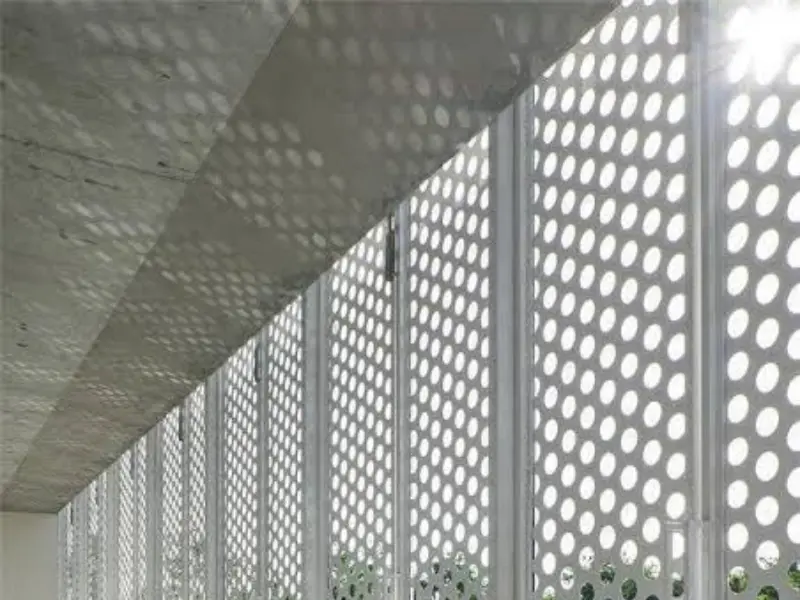
Interior wall panels can create a clean and modern appearance.
- Offices
- Hotels
- Airports
- Shopping centers
- Restaurants
- Hospitals
- Schools
- Retail stores
- Exhibition halls
For interior applications usually focus on appearance, easy cleaning, impact resistance, and installation.
Different finishes can create very different styles without changing the basic aluminum material.
Exterior Aluminium Wall Panels
Exterior wall panels need to deal with weather conditions.
Important points include:
Weather exposure → Coating → Thickness → Alloy → Panel size → Fixing system
For exterior projects, buyers should also check the complete wall system rather than selecting the sheet only.
The sheet, coating, frame, fasteners, joints, and drainage design all affect the finished wall.
Aluminium Sheet for Commercial Buildings
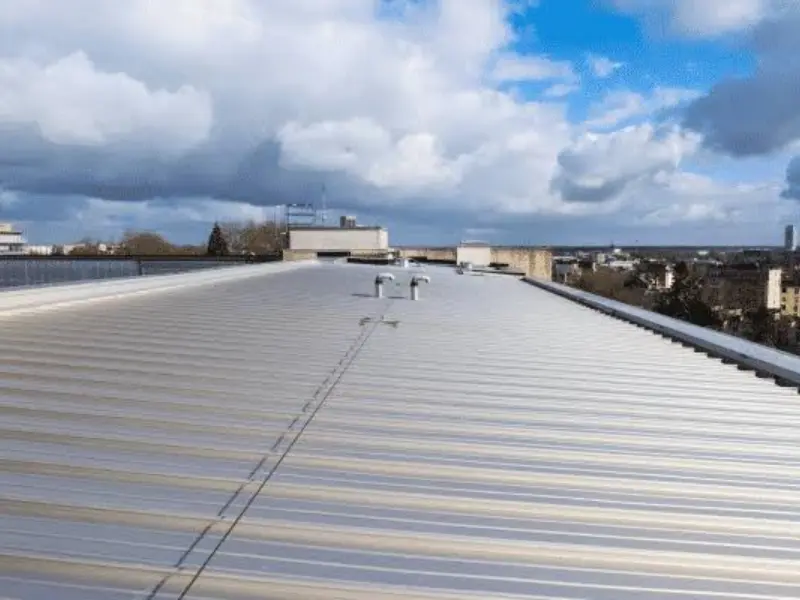
Commercial buildings often use aluminum wall materials because they combine a clean appearance with relatively easy fabrication.
Applications include:
- Shopping centers
- Office buildings
- Hotels
- Banks
- Retail stores
- Restaurants
- Showrooms
Colored aluminum sheets can be matched with brand colors or architectural designs.
Aluminium Sheet for Industrial Buildings
Industrial wall applications often have different priorities.
They may focus more on:
- Durability
- Easy cleaning
- Corrosion resistance
- Impact resistance
- Low maintenance
- Simple installation
Common locations include factories, workshops, warehouses, equipment rooms, and processing facilities.
Decorative Aluminium Wall Sheets
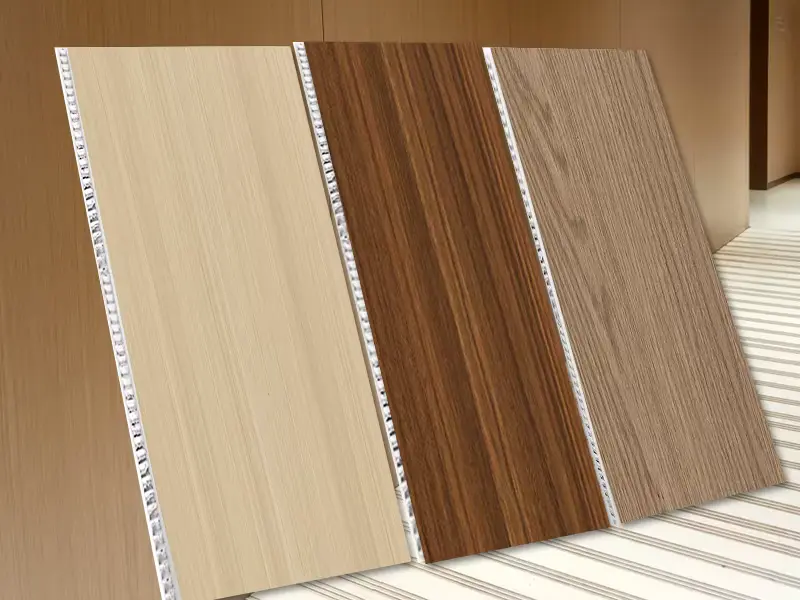
Decorative sheets provide more design choices than plain mill finish sheets.
Available options can include:
→ Solid colors
→ Metallic colors
→ Wood-look finishes
→ Stone-look finishes
→ Brushed surfaces
→ Mirror surfaces
→ Embossed patterns
→ Perforated patterns
This makes aluminum suitable for both functional and decorative wall projects.
Common Aluminium Wall Sheet Sizes
Standard sizes vary by manufacturer and market.
| Width | Length | Possible Use |
|---|---|---|
| 1000 mm | 2000 mm | Small panels |
| 1220 mm | 2440 mm | Common sheet projects |
| 1250 mm | 2500 mm | Building panels |
| 1500 mm | 3000 mm | Large wall areas |
| 1500 mm | 4000 mm | Large panels |
| Custom | Custom | Project orders |
The well-known 4×8 aluminum sheet size is approximately 1220 × 2440 mm.
Custom dimensions can help reduce cutting waste for large wall projects.
How to Choose Aluminium Sheet for a Wall
Start with the final application.
For Interior Walls
Consider:
Appearance → Thickness → Surface → Cleaning → Installation
For indoor decorative walls, 1050, 1060, 3003, or 5005 may be considered depending on the required properties.
For Exterior Walls
Consider:
Weather → Alloy → Thickness → Coating → Panel size → Fixing system
PVDF coating can be considered when long-term outdoor exposure is important.
For Industrial Walls
Consider:
Corrosion → Strength → Thickness → Surface → Maintenance
5052 may be considered where higher strength and corrosion resistance are required.
What Buyers Should Check Before Ordering
A professional inquiry should include clear product information.
| Item | Example |
|---|---|
| Product | Aluminium wall sheet |
| Alloy | 3003 / 5052 |
| Temper | H14 / H24 |
| Thickness | 1.5 mm |
| Width | 1220 mm |
| Length | 2440 mm |
| Surface | Mill Finish / PVDF |
| Color | RAL color |
| Quantity | 5 tons |
| Application | Exterior wall cladding |
| Packing | Export wooden pallet |
The more complete the specification, the easier it is for a manufacturer to provide an accurate quotation.
Aluminium Wall Sheet Manufacturing
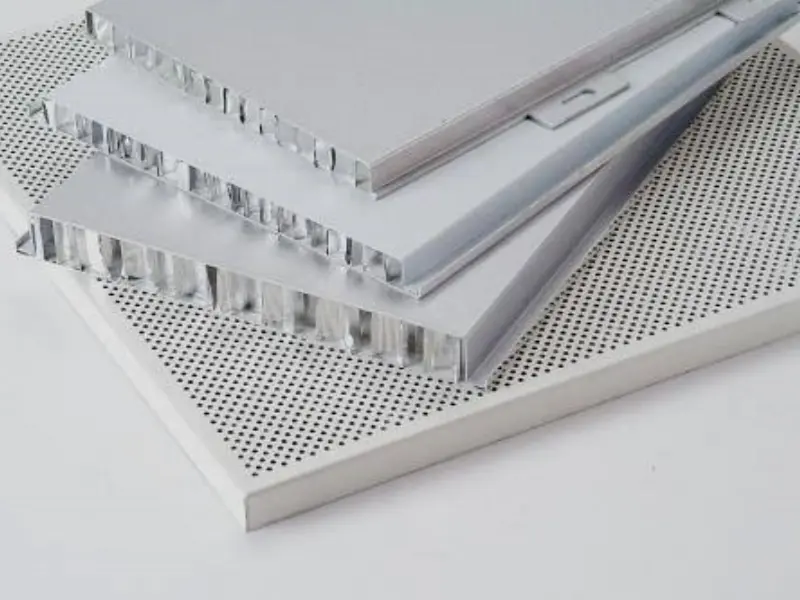
A typical production route can include:
Aluminium coil
↓
Surface preparation
↓
Rolling
↓
Cutting
↓
Leveling
↓
Coating or finishing
↓
Quality inspection
↓
Packing
For coated products, the coating line may include cleaning, pretreatment, primer, topcoat, curing, and final inspection.
The exact process depends on the product type.
Surface Quality Matters
For architectural wall products, appearance is important.
Buyers may check:
- Color consistency
- Surface smoothness
- Coating adhesion
- Gloss level
- Scratches
- Oil marks
- Oxidation
- Edge quality
- Flatness
For large building projects, color consistency between different production batches should also be considered.
Aluminium Wall Sheet for Custom Projects
Customization may include:
→ Alloy
→ Temper
→ Thickness
→ Width
→ Length
→ Color
→ Coating
→ Embossing
→ Perforation
→ Bending
→ Surface finish
→ Protective film
For complicated panels, a CAD drawing or technical specification can help the manufacturer understand the final design.
Packaging and Delivery
Aluminium wall sheets should be protected from scratches, moisture, and impact during transportation.
Common packaging includes:
- Kraft paper
- Plastic film
- Protective film
- Wooden pallets
- Wooden cases
- Edge protection
- Steel or plastic straps
For international shipping, the packaging should be suitable for container transport.
Large panels need additional protection because their size makes them more sensitive to bending and handling damage.
Aluminium Wall Sheet Cost Factors
| Factor | Effect on Cost |
|---|---|
| Alloy | Different alloy prices |
| Thickness | More aluminum means higher material cost |
| Size | Larger sheets use more material |
| Coating | Special coatings add processing cost |
| Color | Custom colors may affect cost |
| Surface | Special finishes increase processing |
| Quantity | Large orders can improve unit cost |
| Packaging | Export packaging adds cost |
| Delivery | Depends on destination and weight |
For an accurate quote, buyers should provide alloy, thickness, size, surface, color, quantity, and destination.
A Practical Selection Guide
A simple selection path is:
Wall location
↓
Interior or exterior
↓
Required appearance
↓
Alloy
↓
Thickness
↓
Surface treatment
↓
Panel size
↓
Installation method
↓
Quantity
For a decorative interior wall, appearance may be the first priority.
With an exterior wall, coating and weather resistance become more important.
For an industrial wall, strength, corrosion resistance, and maintenance may have greater importance.
Common Wall Applications
Residential Buildings
- Exterior wall decoration
- Balcony areas
- Entrance walls
- Interior feature walls
- Column covers
- Decorative partitions
Commercial Buildings
Common applications include:
- Storefronts
- Shopping centers
- Office buildings
- Hotels
- Restaurants
- Showrooms
- Banks
Industrial Facilities
Possible uses include:
- Factories
- Warehouses
- Workshops
- Equipment rooms
- Processing facilities
- Utility areas
Public Buildings
- Airports
- Schools
- Hospitals
- Exhibition centers
- Transportation buildings
- Public service buildings
Frequently Asked Questions
What is the best aluminium sheet for walls?
There is no single grade for every project. 3003, 5005, and 5052 are common choices for different wall applications. The best option depends on strength, forming, environment, surface finish, and budget.
What thickness of aluminium sheet is used for walls?
Common thicknesses range from about 0.5 mm to 3.0 mm, with thicker material available for special applications. The final choice depends on panel size, support structure, wind load, and installation method.
Is aluminium good for exterior walls?
Yes. Aluminum has good corrosion resistance and low weight. For exterior use, the coating and complete wall system should be selected for the expected weather conditions.
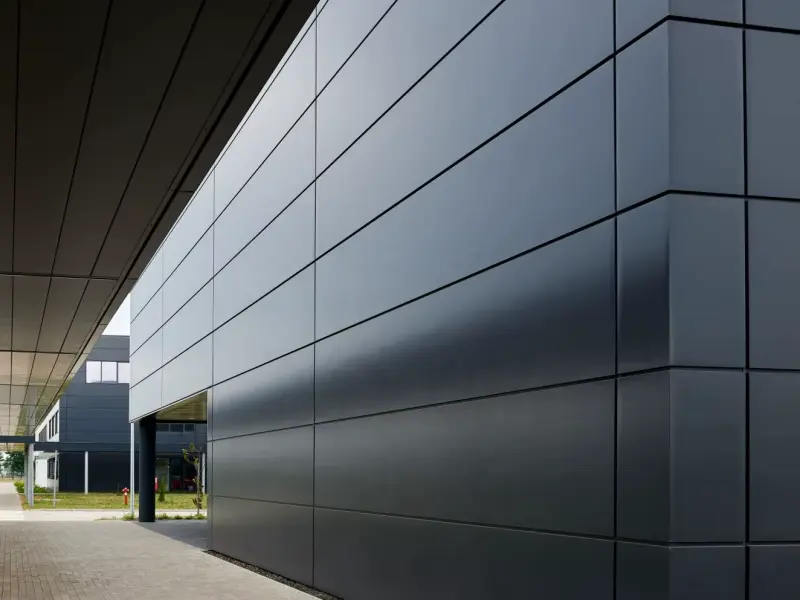
Is 5052 aluminium suitable for wall cladding?
5052 can be suitable for wall cladding where higher strength and good corrosion resistance are required. The exact grade and temper should be selected according to the project design.
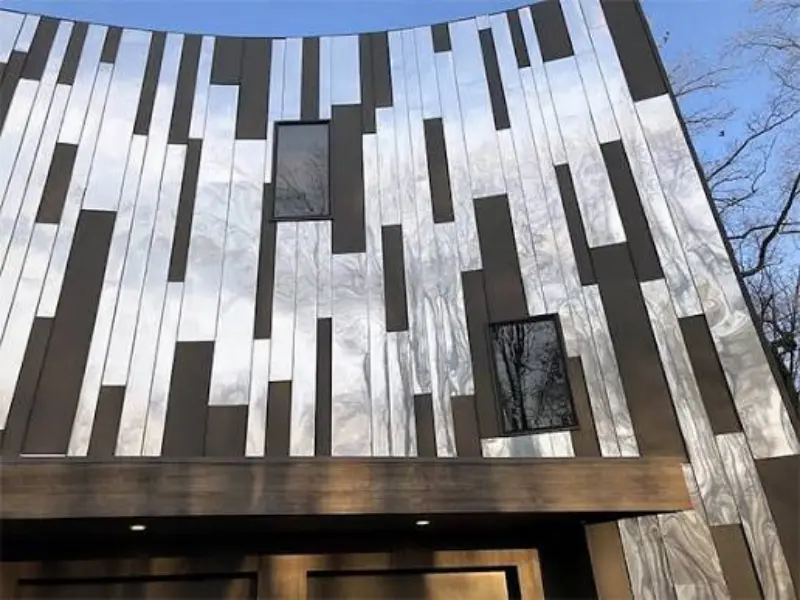
Can aluminium wall sheets be customized?
Yes. Manufacturers can often customize alloy, temper, thickness, dimensions, color, coating, surface finish, perforation, embossing, and fabrication.
Can aluminium sheet be bent for wall panels?
Yes. Aluminum can be cut, bent, folded, punched, and formed. The suitable alloy and temper should be selected based on the forming process.
What size aluminium sheet is suitable for wall cladding?
1220 × 2440 mm is a common sheet size, but larger or custom sizes can also be produced. The best size depends on the wall design and installation system.
How can I reduce the cost of aluminium wall sheets?
Use a standard alloy, standard thickness, standard size, and common surface finish when possible. Ordering larger quantities can also help reduce the average processing cost.
How do I request a quotation?
Provide the alloy, temper, thickness, width, length, surface finish, color, quantity, application, and delivery destination. A drawing is useful for custom wall panels.
Is 3003 aluminium good for wall panels?
3003 is a practical option for many general wall panels because it offers good formability and moderate strength.
What is the difference between PVDF and PE coated aluminium?
PVDF generally provides better long-term weather and color performance and is often selected for demanding exterior projects. PE is usually a more economical choice for general applications.
Can aluminium sheets be used for interior walls?
Yes. They can be used for offices, hotels, restaurants, retail stores, exhibition areas, and other interior spaces.