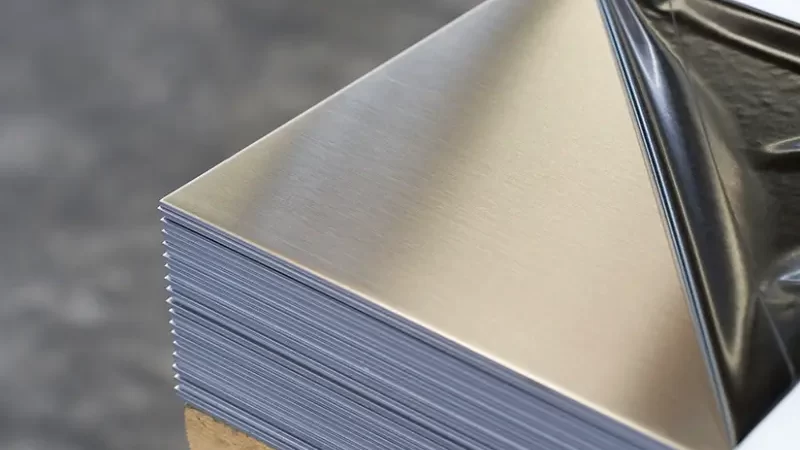
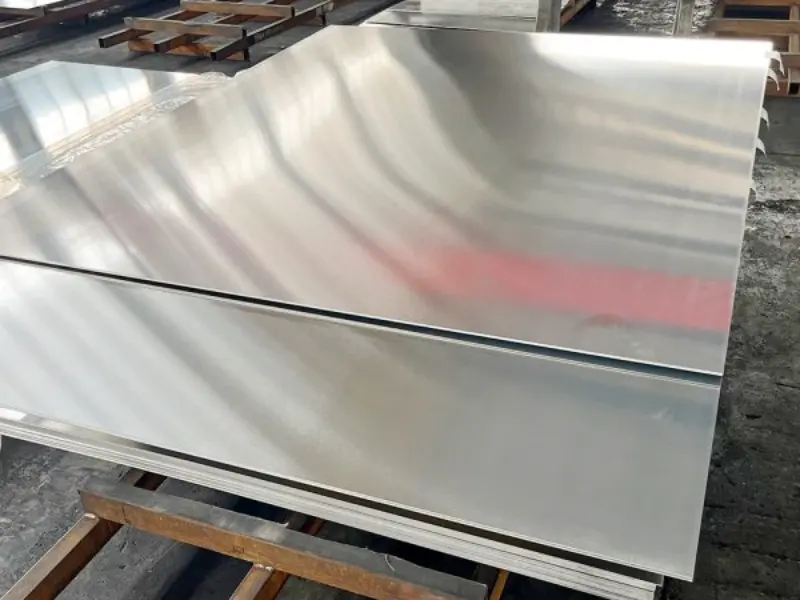
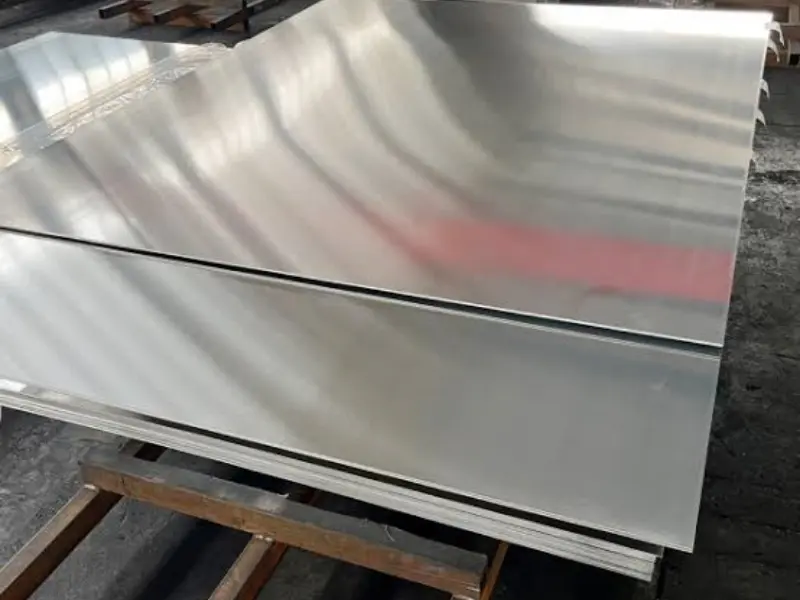
14 gauge aluminum sheet is a popular choice for projects that need a balance of strength, weight, corrosion resistance, and easy fabrication. It is thicker than many light-gauge aluminum sheets, but it is still much easier to handle than many steel products.
The term “14 gauge” is a thickness reference. For aluminum, gauge charts can vary slightly by industry and supplier, so buyers should always confirm the actual thickness in inches or millimeters before ordering.
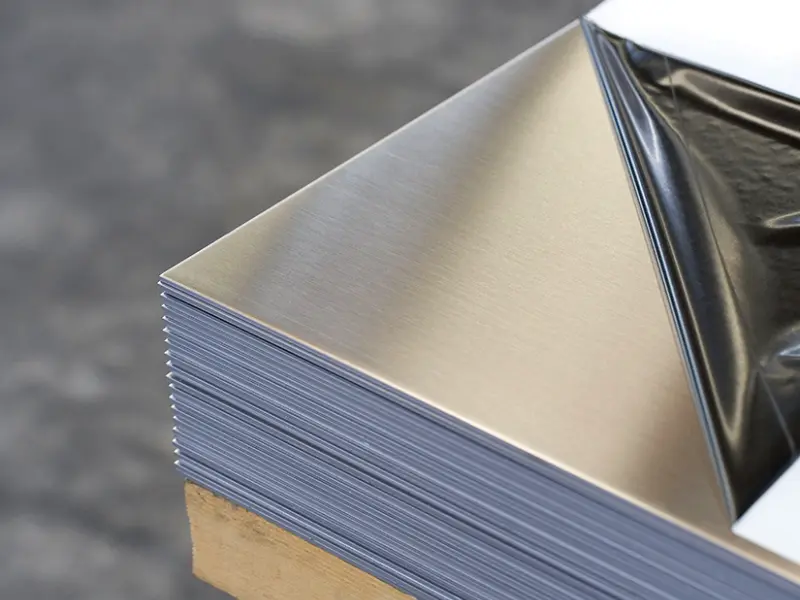
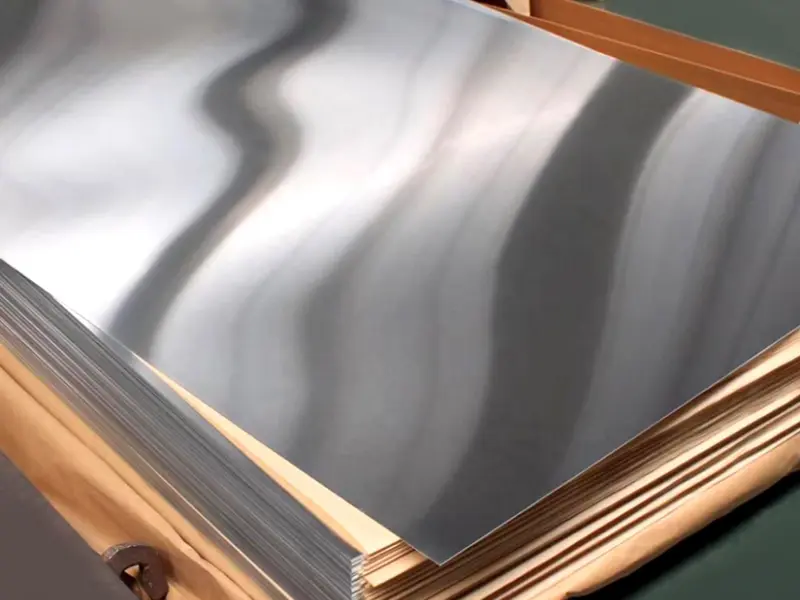
A typical 14 gauge aluminum sheet is around 0.064 inches, or about 1.63 mm, although the exact specification should be confirmed with the supplier.
This thickness is suitable for many commercial, industrial, transportation, construction, and fabrication projects.
The material can be supplied in different aluminum alloys, tempers, surface finishes, sizes, and forms. The right combination depends on the final application.
What Is a 14 Gauge Aluminum Sheet?

A 14 gauge aluminum sheet is a flat aluminum product made to a thickness close to 0.064 inches.
Unlike steel gauge numbers, aluminum gauge specifications can vary between suppliers and standards. This is why a professional quotation should list the actual thickness.
| Specification | Typical Value |
|---|---|
| Gauge | 14 gauge |
| Approx. thickness | 0.064 in |
| Approx. metric thickness | 1.63 mm |
| Product form | Flat sheet |
| Material | Aluminum |
| Surface | Mill finish, coated, brushed, anodized, etc. |
| Shape | Rectangular or custom |
| Cutting | Shearing, CNC, laser, saw cutting |
| Common alloys | 3003, 5052, 6061 |
| Common tempers | H14, H22, H32, H34, T6 |
The exact alloy and temper can change the strength, formability, and working performance of the sheet.
For this reason, “14 gauge” describes the thickness, not the complete material specification.
14 Gauge Aluminum Thickness in Inches and Millimeters
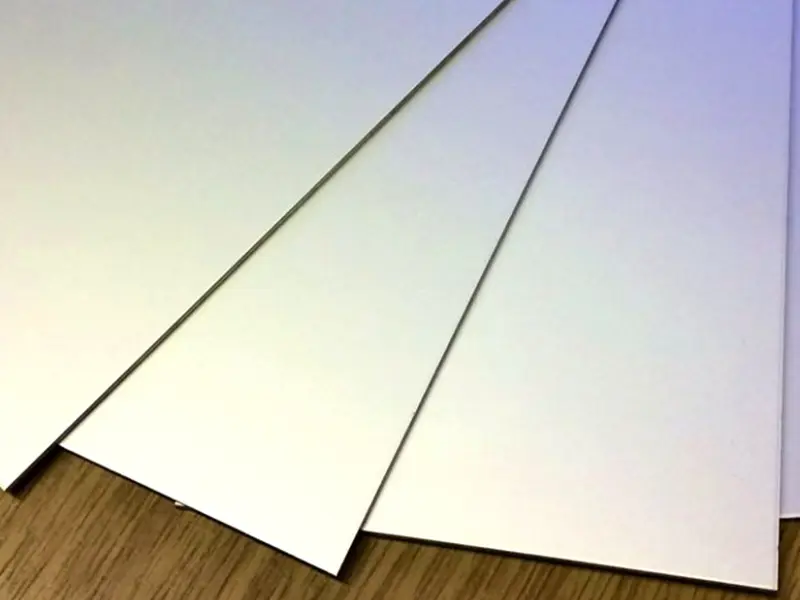
Thickness is one of the most important details when purchasing aluminum.
A sheet listed only as “14 gauge” may not provide enough information for a technical purchase. It is better to confirm the thickness directly.
| Measurement | Approximate Value |
|---|---|
| Inches | 0.064 in |
| Millimeters | 1.63 mm |
| Micrometers | 1,630 μm |
| Fraction of an inch | Approximately 1/16 in |
Actual commercial thickness can vary according to the applicable gauge system and manufacturing tolerance.
For fabrication drawings, the millimeter or inch measurement should normally be used as the controlling specification.
How Thick Is 14 Gauge Aluminum?
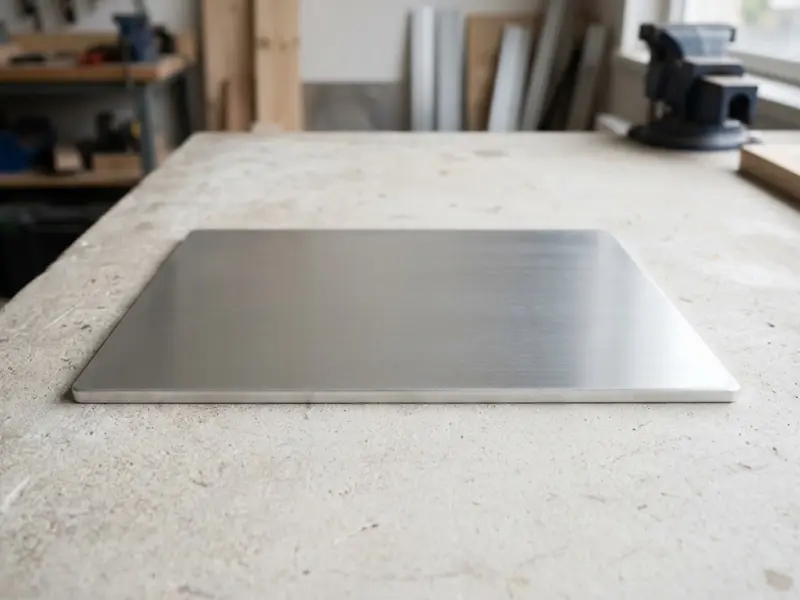
The thickness is approximately 1.6 mm.
This gives the sheet more rigidity than thinner products such as 0.032 inch or 0.040 inch aluminum.
At the same time, it remains relatively lightweight compared with steel of similar thickness.
This combination makes it useful for panels, covers, enclosures, transportation parts, signs, equipment components, and architectural products.
A thicker sheet is not automatically better for every application.
The best thickness depends on:
- Panel size
- Required rigidity
- Weight limit
- Bending requirements
- Cutting method
- Mounting method
- Outdoor exposure
- Load requirements
- Project budget
Popular Aluminum Alloys for This Thickness
The alloy should be selected according to the final use.
Three common choices are 3003, 5052, and 6061.
| Alloy | Main Feature | Typical Use |
|---|---|---|
| 3003 | Good formability | General fabrication |
| 5052 | Good corrosion resistance and strength | Marine, tanks, transportation |
| 6061 | Higher strength | Structural and machined parts |
| 1050 | High purity and easy forming | General and decorative uses |
| 1060 | Good conductivity and formability | Electrical and general products |
Not every alloy is available in every temper and finish.
For custom projects, buyers should provide the alloy, temper, thickness, size, and quantity together.
3003 Aluminum Sheet
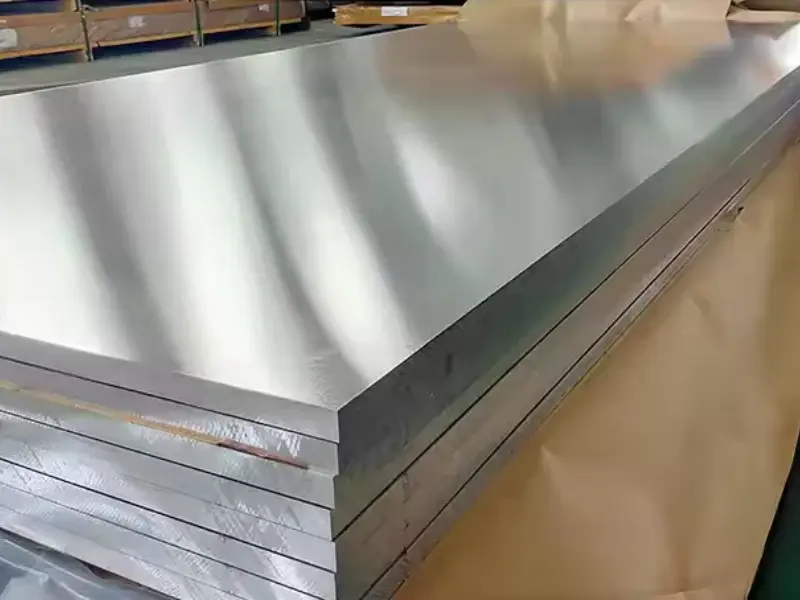
3003 aluminum contains manganese and is widely used for general fabrication.
It has good formability and corrosion resistance.
A 14 gauge 3003 sheet can be used for:
- Equipment panels
- Covers
- Kitchen equipment
- HVAC components
- Decorative panels
- General fabrication
- Light industrial parts
It is a good choice when easy forming is important.
5052 Aluminum Sheet
5052 aluminum is a popular choice when better corrosion resistance and strength are needed.
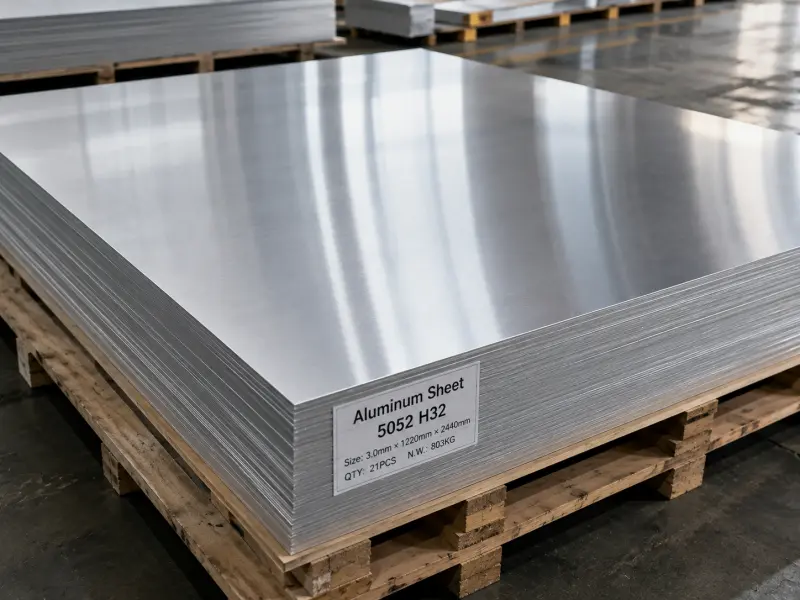
It is commonly used in transportation and industrial applications.
Possible uses include:
- Truck and trailer components
- Marine panels
- Fuel tanks
- Equipment enclosures
- Architectural panels
- Industrial containers
- Machinery components
5052 H32 is especially common for fabricated aluminum parts.
6061 Aluminum Sheet
6061 is known for its higher strength and good machinability.
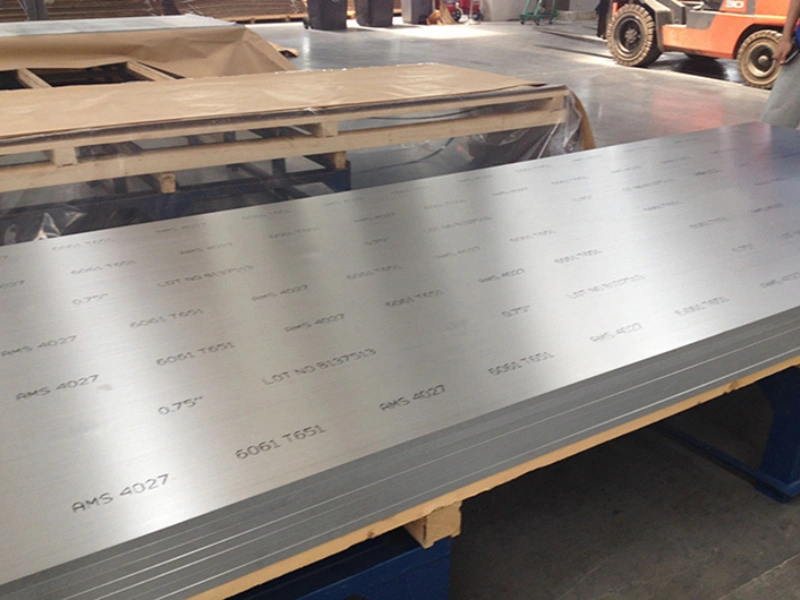
It is often selected for parts that need more mechanical strength.
Typical applications include:
- Machine components
- Structural panels
- Equipment parts
- Industrial frames
- Transportation components
- Fabricated assemblies
6061-T6 provides a different performance profile from 3003-H14 or 5052-H32.
Therefore, buyers should not compare alloys based on thickness alone.
Common Aluminum Tempers
Temper describes the condition of the aluminum after processing.
| Temper | General Characteristic |
|---|---|
| O | Soft and highly formable |
| H14 | Half hard |
| H24 | Strain hardened and partially annealed |
| H32 | Stabilized, good balance |
| H34 | Higher hardness |
| T6 | Solution heat treated and artificially aged |
For bending work, a softer temper can be easier to form.
For applications where strength is more important, a harder temper may be preferred.
The correct temper depends on the alloy.
14 Gauge Aluminum Sheet Size Options
Standard sheet sizes can make material handling and fabrication easier.
| Size | Approx. Metric Size |
|---|---|
| 24 × 48 in | 610 × 1,219 mm |
| 36 × 48 in | 914 × 1,219 mm |
| 36 × 96 in | 914 × 2,438 mm |
| 48 × 96 in | 1,219 × 2,438 mm |
| 48 × 120 in | 1,219 × 3,048 mm |
| 60 × 120 in | 1,524 × 3,048 mm |
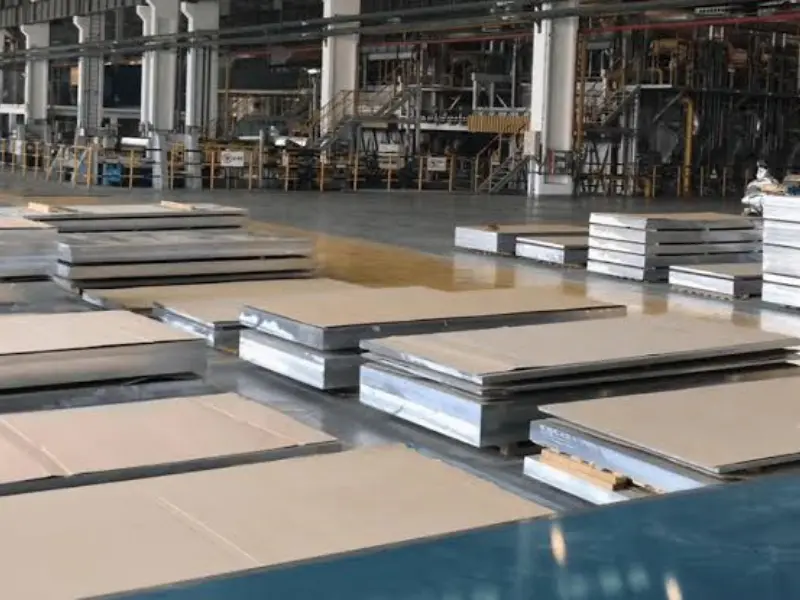
The 4 × 8 foot format is one of the most practical sizes for many fabrication projects.
Larger sheets can reduce the number of joints in large panels.
Custom sizes are also available when standard dimensions create too much waste.
4×8 14 Gauge Aluminum Sheet
A 4×8 aluminum sheet measures 48 × 96 inches.
It is widely used because it works with common cutting and fabrication equipment.
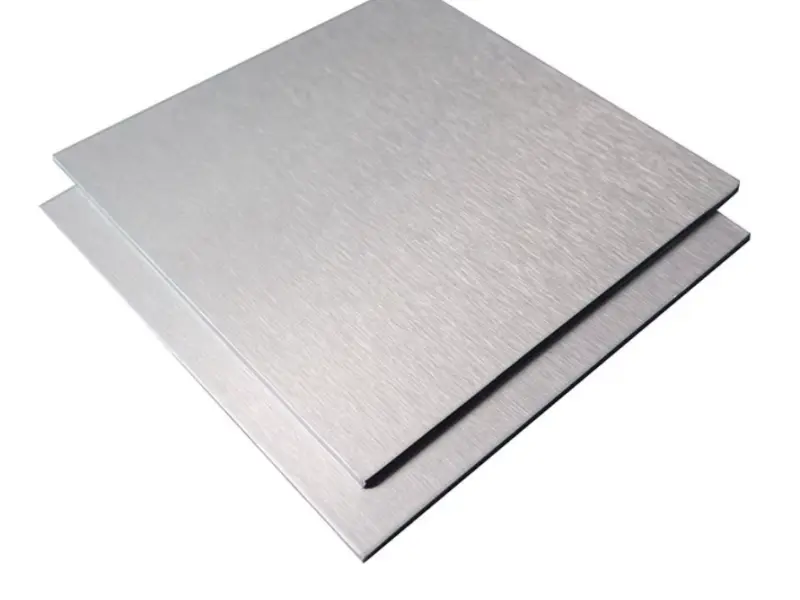
A 4×8 sheet can be used for:
→ Wall panels
→ Trailer parts
Machine covers
→ Equipment panels
→ Sign blanks
Enclosures
→ Interior panels
→ Fabricated components
Before ordering, check whether the project requires a full 4×8 sheet or cut-to-size pieces.
Cut-to-size service can reduce material waste and save fabrication time.
Other Sheet Sizes for Custom Projects
Not every project needs a standard sheet.
A supplier may provide:
- 12 × 24 in
- 24 × 36 in
- 24 × 48 in
- 36 × 72 in
- 48 × 96 in
- 48 × 120 in
- Custom rectangular pieces
- CNC-cut shapes
For large orders, custom dimensions can be produced according to drawings.
This is useful for manufacturers that need repeatable parts.
Surface Finishes Available
The surface finish changes the appearance and sometimes the performance of the sheet.
| Finish | Appearance | Typical Use |
|---|---|---|
| Mill finish | Natural aluminum | Industrial fabrication |
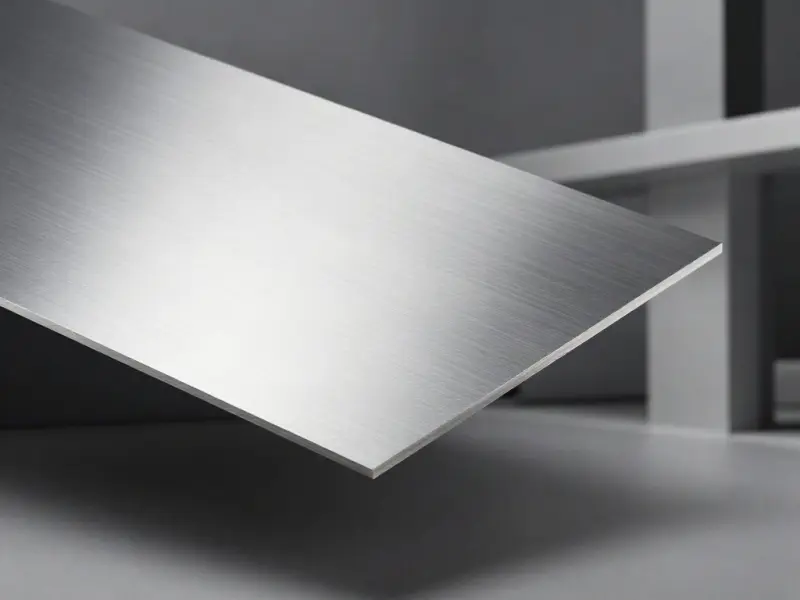
| Brushed | Linear texture | Interior and decorative panels |
| Anodized | Hard decorative surface | Architecture |
| Painted | Colored surface | Building panels |
| PVDF coated | Durable architectural coating | Exterior cladding |
| Powder coated | Strong decorative finish | Equipment and architectural work |
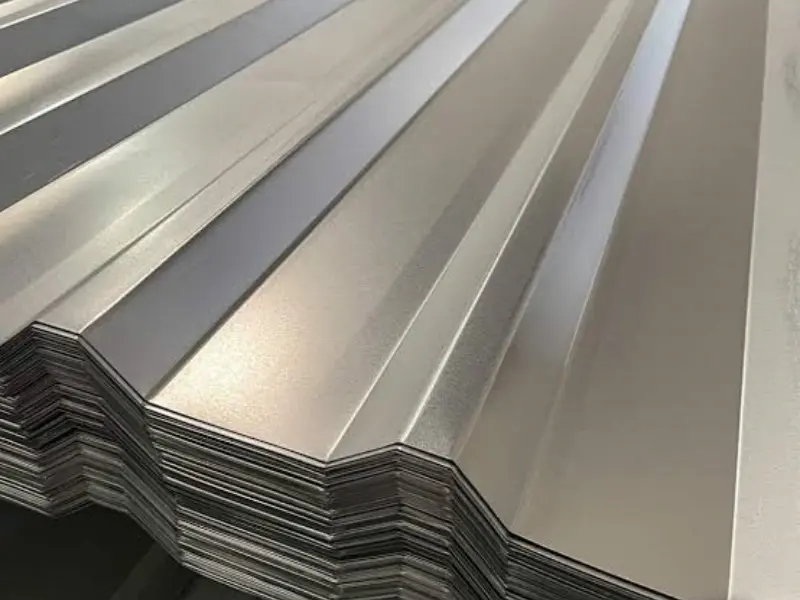
| Embossed | Raised pattern | Roofing and cladding |
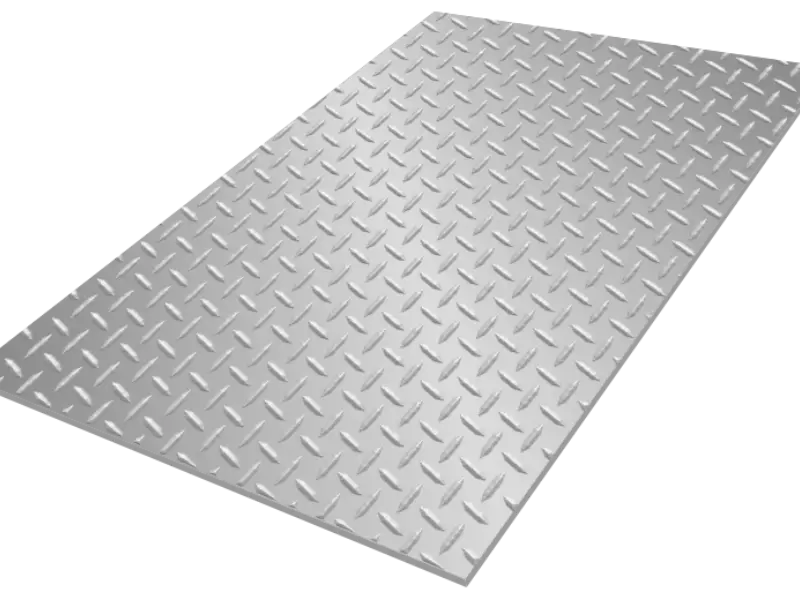
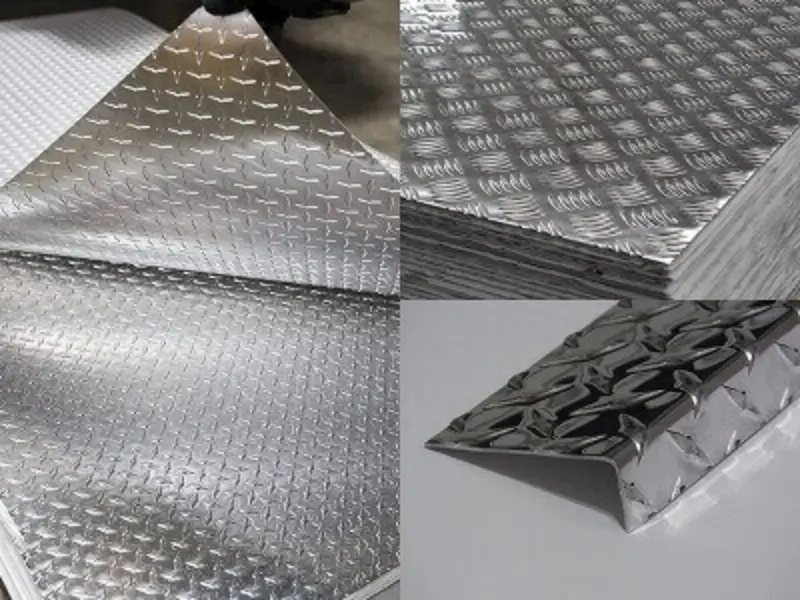
| Diamond tread | Raised diamond pattern | Floors and steps |
The finish should be selected based on both appearance and environment.
Flat Aluminum Sheet vs Tread Plate
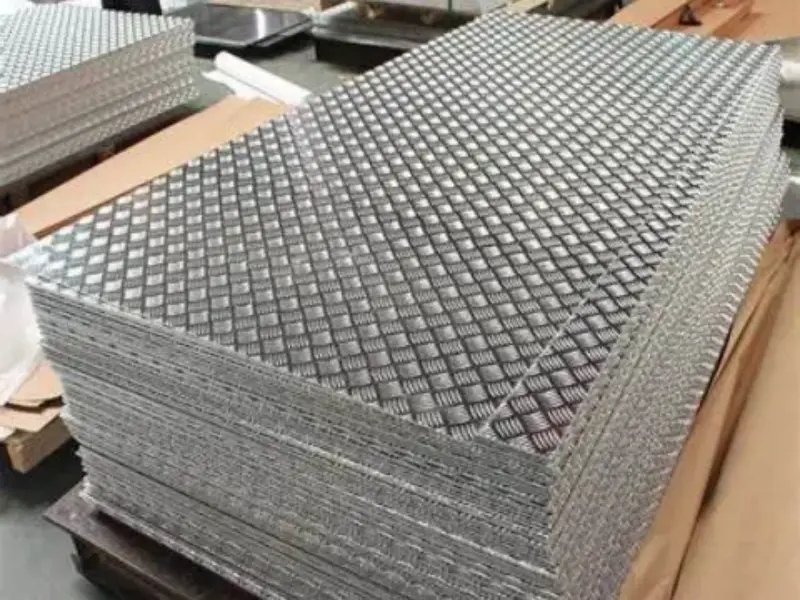
A flat sheet has a smooth surface.
A tread plate has a raised pattern that can improve grip.
| Feature | Flat Sheet | Tread Plate |
|---|---|---|
| Surface | Smooth | Raised pattern |
| Appearance | Clean and simple | Industrial |
| Walking surface | Limited grip | Better grip |
| Cleaning | Easier | More difficult |
| Common use | Panels and fabrication | Floors and steps |
| Weight | Depends on thickness | Pattern adds material |
For flat wall panels or equipment covers, a smooth sheet may be preferable.
For flooring, stairs, ramps, and platforms, tread plate may be a better choice.
Mill Finish Aluminum
Mill finish is the natural surface produced during aluminum processing.
It does not have a decorative coating.
It is commonly selected for:
- Industrial parts
- Fabrication
- Equipment panels
- Welding projects
- CNC cutting
- Further coating
- Further anodizing
Mill finish is often a practical option when the final product will receive another surface treatment.
Coated Aluminum Sheet
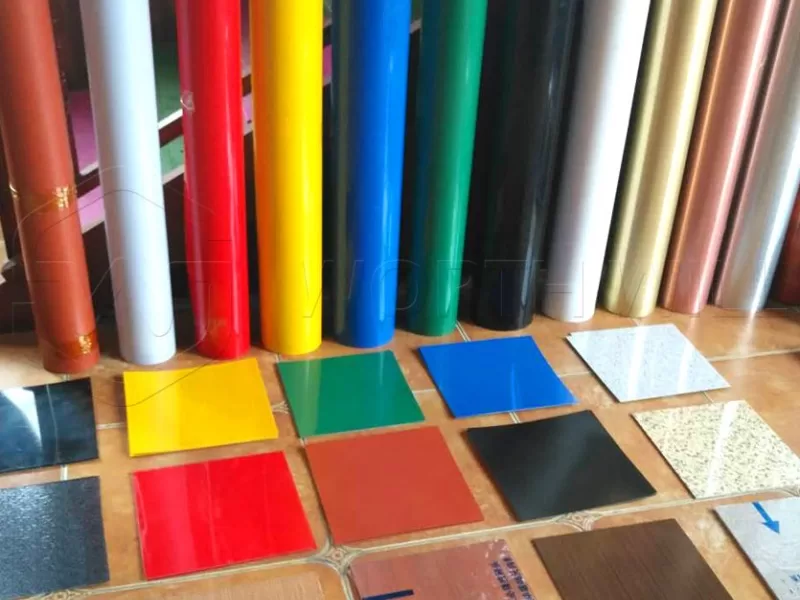
Painted or coated aluminum can provide a finished appearance without additional painting after fabrication.
Popular coating options include:
- PE coating
- PVDF coating
- Powder coating
- Custom color coating
Coated material is commonly used in architecture, signage, wall panels, roofing, and decorative applications.
The coating system should match the expected indoor or outdoor environment.
Brushed and Anodized Aluminum
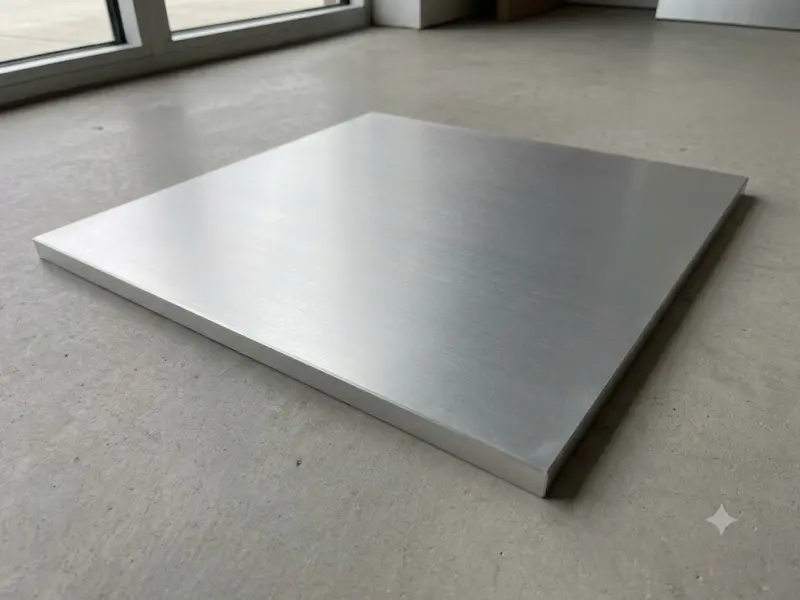
Brushed aluminum has a directional texture.
- Interior walls
- Elevator panels
- Store decoration
- Furniture
- Equipment covers
- Decorative signs
Anodized aluminum has an electrochemically treated surface.
It can provide a durable decorative finish and has uses in architectural products.
Applications in Construction
A sheet around 1.6 mm thick can be useful for many building components.
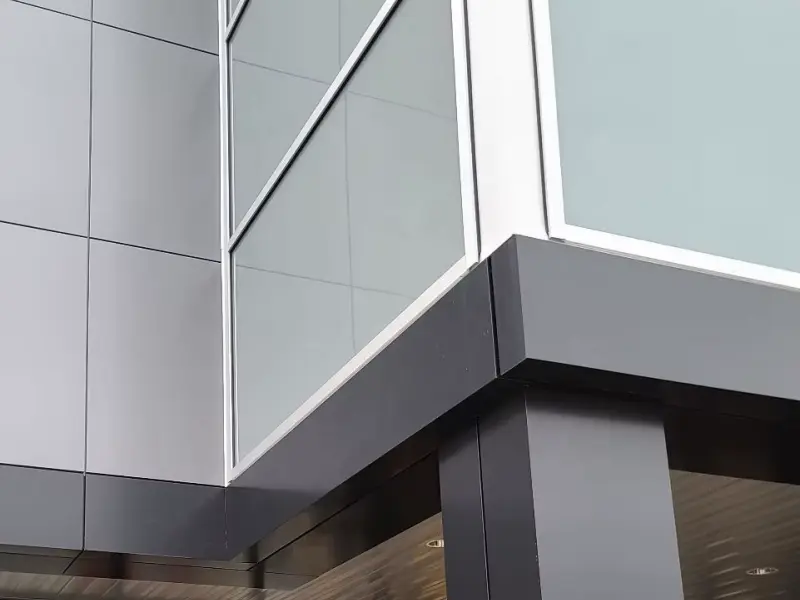
Common areas include:
- Wall panels
- Ceiling panels
- Interior cladding
- Exterior decorative panels
- Column covers
- Door panels
- Window components
- Roof details
- Flashing
- Architectural fabrication
For load-bearing structural work, engineers should select the alloy and thickness based on the actual design load.
Applications in Transportation
Aluminum is attractive for transportation because of its low density.
Potential uses include:
- Trailer panels
- Truck body components
- Vehicle interiors
- Utility bodies
- Equipment trailers
- RV components
- Marine components
- Transportation enclosures
5052 is often considered for applications that need good corrosion resistance and forming performance.
6061 may be preferred where higher strength is required.
Applications in Industrial Equipment
Industrial equipment often requires panels that are light but rigid.

Possible applications include:
- Machine covers
- Protective guards
- Electrical enclosures
- Control cabinets
- Equipment panels
- HVAC components
- Conveyor parts
- Industrial cabinets
- Machinery housings
The sheet can be cut, drilled, formed, welded, or machined depending on the alloy and temper.
Applications in Signage
Aluminum has use for signs because it is lightweight and resistant to corrosion.
A 14 gauge sheet can be processed into:
- Business signs
- Direction signs
- Parking signs
- Property signs
- Industrial signs
- Custom sign panels
- Outdoor display panels
For printed signs, surface preparation and coating selection are important.
Applications in Marine Environments

Aluminum is naturally resistant to atmospheric corrosion.
Certain alloys, such as 5052, are often considered for marine-related fabrication.
Possible products include:
- Marine panels
- Boat components
- Covers
- Storage compartments
- Deck components
- Equipment housings
The alloy, temper, welding process, fasteners, and exposure conditions should all be considered.
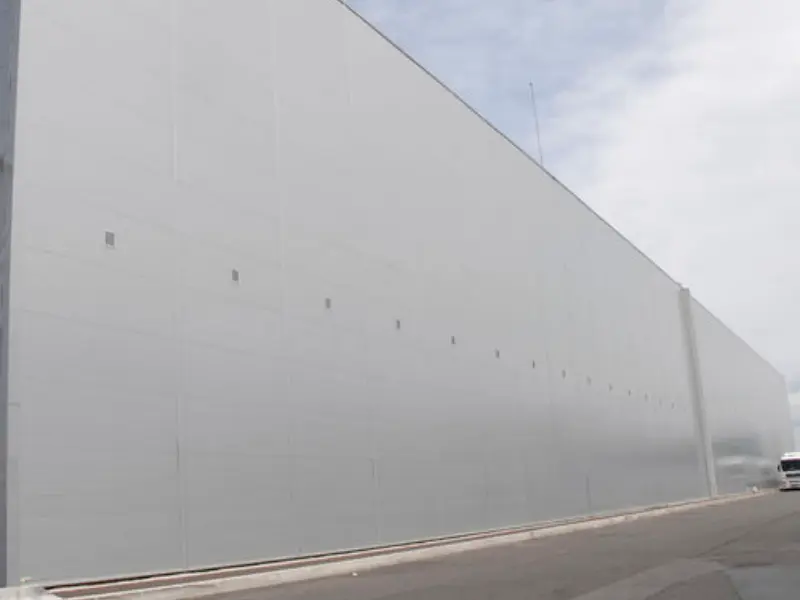
14 Gauge Aluminum for Trailers
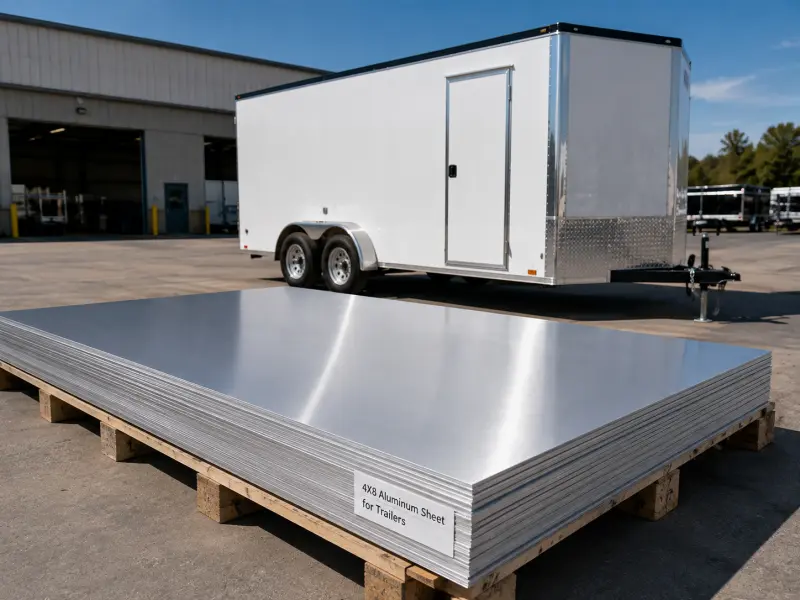
Trailer manufacturers often look for a material that provides reasonable rigidity without adding unnecessary weight.
A sheet around 0.064 inch
- Trailer siding
- Interior panels
- Tool compartments
- Door panels
- Utility trailer components
- Equipment trailer panels
The exact alloy depends on whether the panel needs bending, welding, strength, or a decorative finish.
Aluminum vs Steel at Similar Thickness
Aluminum and steel have very different densities.
| Feature | Aluminum | Steel |
|---|---|---|
| Weight | Lower | Higher |
| Corrosion resistance | Good | Depends on coating |
| Machining | Generally easy | Generally easy |
| Welding | Requires suitable process | Widely used |
| Appearance | Metallic and clean | Industrial |
| Transportation | Useful for weight saving | Useful for high strength |
For Aluminum has choosen when weight reduction is important.
Steel may be preferred when very high strength and lower material cost are the main priorities.
14 Gauge Aluminum vs 16 Gauge Aluminum
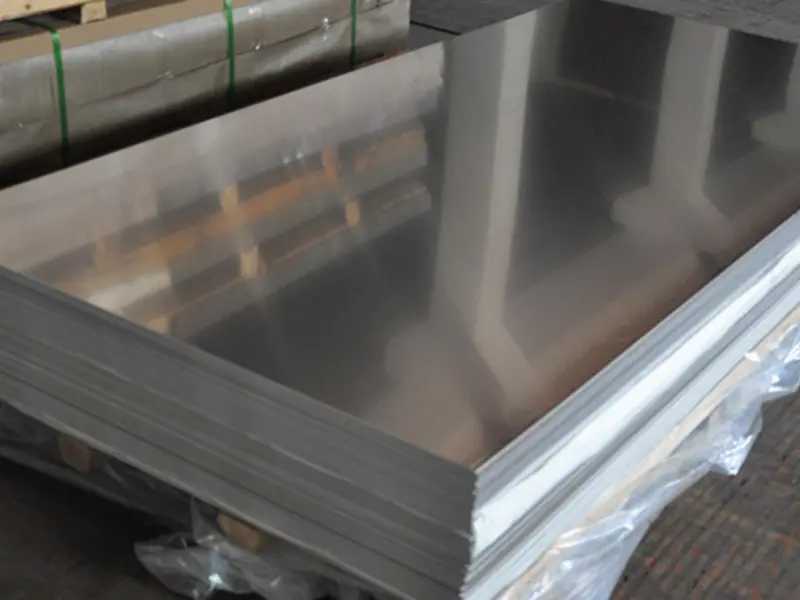
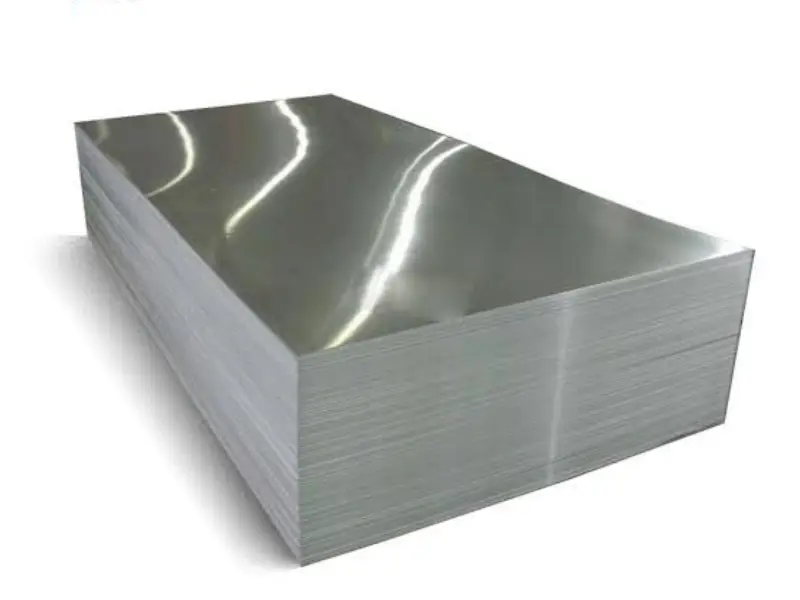
Gauge numbers can be confusing because a higher gauge usually indicates a thinner sheet.
| Approx. Thickness | Relative Thickness | Typical Character |
|---|---|---|
| 14 gauge | Thicker | More rigid |
| 16 gauge | Thinner | Lighter |
| 18 gauge | Much thinner | Easier to handle |
For a large unsupported panel, the thicker option may reduce flexing.
For a small cover or decorative panel, a thinner material may be sufficient.
Always compare the actual thickness rather than relying only on gauge terminology.
14 Gauge vs 0.050 Inch Aluminum
0.050 inch aluminum is thinner than a typical 14 gauge specification of about 0.064 inch.
| Item | 14 Gauge | 0.050 in |
|---|---|---|
| Approx. thickness | 0.064 in | 0.050 in |
| Approx. metric | 1.63 mm | 1.27 mm |
| Rigidity | Higher | Lower |
| Weight | Higher | Lower |
| Material cost | Usually higher | Usually lower |
| Handling | Moderate | Easier |
The choice depends on the required rigidity and weight.
14 Gauge vs 1/16 Inch Aluminum
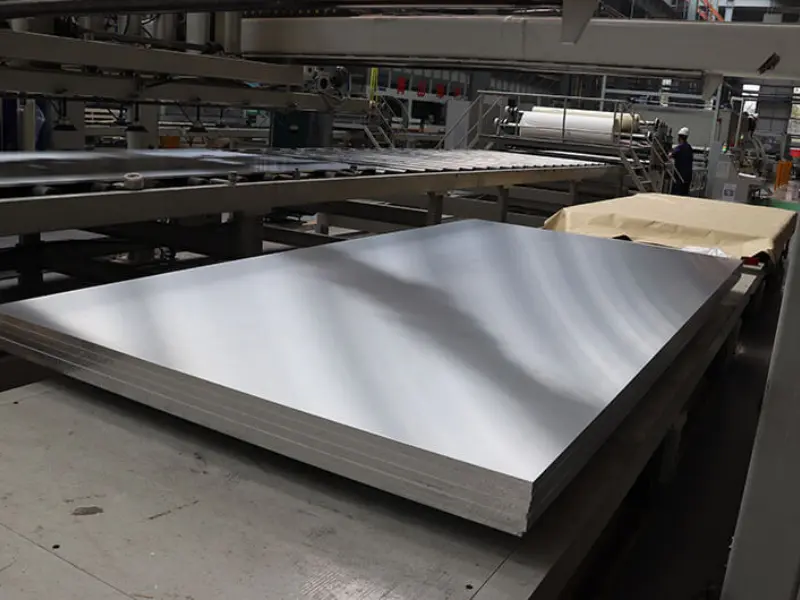
1/16 inch equals 0.0625 inch.
This is very close to a typical 14 gauge aluminum thickness of approximately 0.064 inch.
| Measurement | Value |
|---|---|
| 1/16 inch | 0.0625 in |
| 14 gauge reference | About 0.064 in |
| Difference | Very small |
Even when two specifications look similar, the supplier should confirm the actual thickness and tolerance.
Weight of 14 Gauge Aluminum Sheet
Aluminum has a density of approximately 2.70 g/cm³.
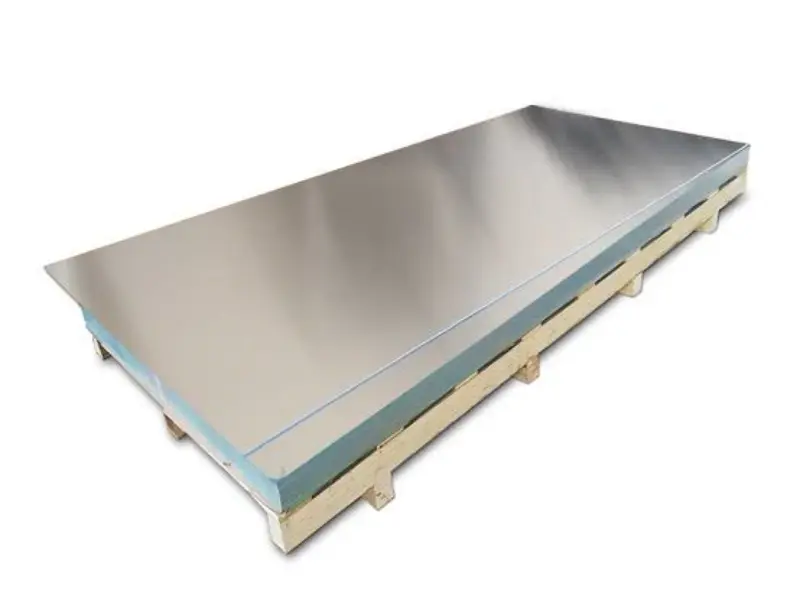
The weight of a sheet depends on its exact alloy, thickness, width, and length.
For purchasing and shipping, a supplier can calculate the theoretical weight from the actual dimensions.
For example:
Weight = Length × Width × Thickness × Material Density
Metric calculations normally use dimensions in meters and density in kg/m³.
The actual shipment weight may be different because of cutting tolerance, packaging, pallets, and protective materials.
Cutting Options
A 14 gauge sheet can be processed using different cutting methods.
Shearing
Shearing is efficient for straight cuts.
It is suitable for rectangular pieces and production orders.
Laser Cutting
Laser cutting is useful for complex shapes and detailed patterns.
It can produce repeatable parts when the machine is properly set up.
CNC Routing
CNC routing has uses for signs, panels, and custom shapes.
Saw Cutting
Saw cutting has uses for straight cuts and smaller production requirements.
The best cutting method depends on alloy, quantity, shape, tolerance, and production speed.
Forming and Bending
Not all aluminum alloys bend in the same way.
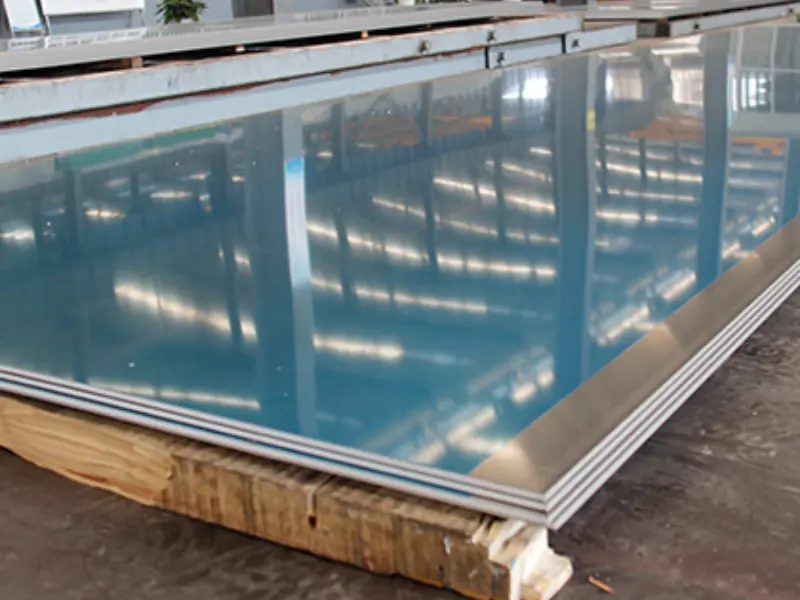
Softer tempers generally allow easier forming.
Harder tempers may provide higher strength but require more attention during bending.
When ordering material for bending, provide:
- Alloy
- Temper
- Thickness
- Bend angle
- Inside radius
- Bend direction
- Quantity
This information helps the supplier recommend an appropriate material.
Welding Considerations
Common processes include:
- MIG welding
- TIG welding
- Specialized automated welding
Alloy selection matters because different aluminum alloys have different welding characteristics.
For welded structures, the base material, filler metal, joint design, heat input, and post-weld requirements should be considered together.
How to Order 14 Gauge Aluminum Sheet
A clear purchase specification can reduce mistakes.
A typical inquiry can include:
| Item | Example |
|---|---|
| Product | Aluminum sheet |
| Thickness | 0.064 in / 1.63 mm |
| Alloy | 5052 |
| Temper | H32 |
| Size | 48 × 96 in |
| Surface | Mill finish |
| Edge | Mill edge |
| Cutting | Full sheet |
| Quantity | 500 sheets |
| Application | Trailer panels |
| Packaging | Export packing |
For custom fabrication, drawings can also be provided.
Bulk Purchasing Considerations
Large buyers should look beyond the unit price.
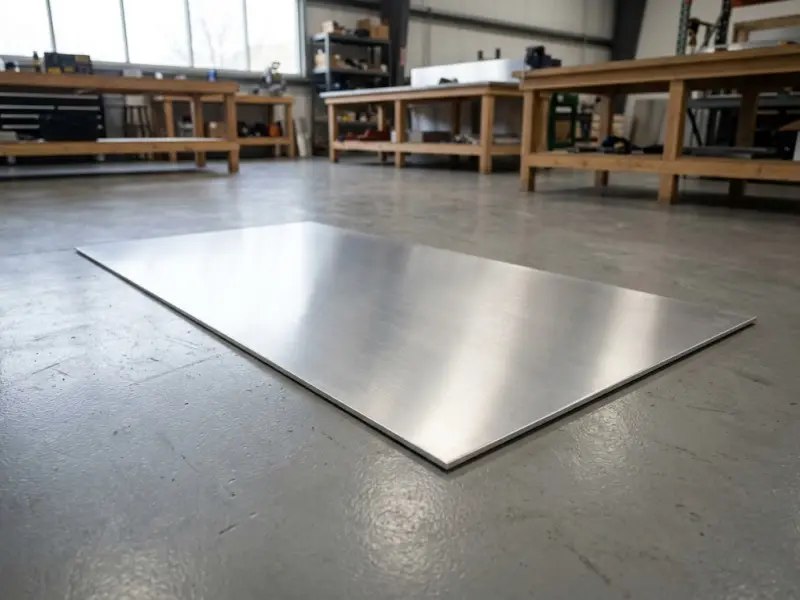
Important points include:
→ Material consistency
→ Thickness tolerance
Alloy certification
→ Surface quality
→ Flatness
Cutting tolerance
→ Packaging
→ Production capacity
Lead time
→ Shipping method
→ Sample availability
After-sales support
A lower price is not always the lowest total cost.
If the material has poor flatness or inconsistent thickness, additional processing may be required.
How to Compare Suppliers
When comparing quotations, use the same specification.
For example:
0.064 in × 48 × 96 in × 5052-H32 × mill finish
is much easier to compare than simply asking for “14 gauge aluminum.”
The quotation should ideally show:
- Alloy
- Temper
- Actual thickness
- Dimensions
- Tolerance
- Surface finish
- Quantity
- Packaging
- Delivery terms
This makes supplier comparison more accurate.
Custom 14 Gauge Aluminum Products
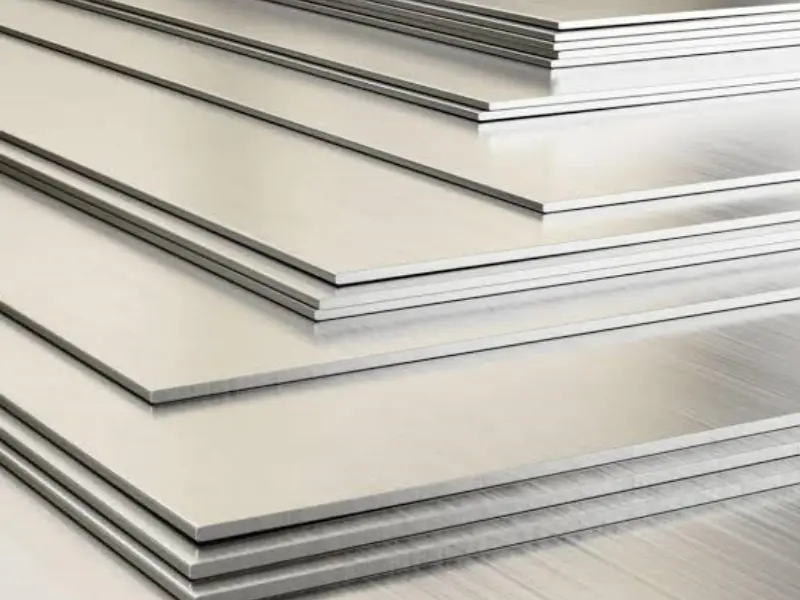
Possible custom products include:
- Cut-to-size sheets
- CNC-cut panels
- Bent panels
- Perforated sheets
- Drilled panels
- Sign blanks
- Equipment covers
- Custom enclosures
- Fabricated components
For repeat production, a supplier may manufacture according to CAD drawings or samples.
Choosing the Right Specification
The simplest way to choose the material is to start with the finished product.
Final application
↓
Required strength
↓
Required thickness
↓
Alloy selection
↓
Temper selection
↓
Surface finish
↓
Sheet size
↓
Cutting or forming
↓
Quantity
↓
Packaging and delivery
This approach helps avoid selecting a material based only on gauge.
A Practical Buying Guide
For a simple industrial panel:
0.064 in → 3003-H14 → Mill Finish → 4 × 8 ft
For a corrosion-resistant fabricated part:
0.064 in → 5052-H32 → Mill Finish → Custom Size
For a stronger machined component:
0.064 in → 6061-T6 → Mill Finish → CNC Cut
For an architectural panel:
0.064 in → Suitable architectural alloy → PVDF or anodized finish → Custom Size
The final specification should always be checked against the engineering requirements.
Final Thoughts
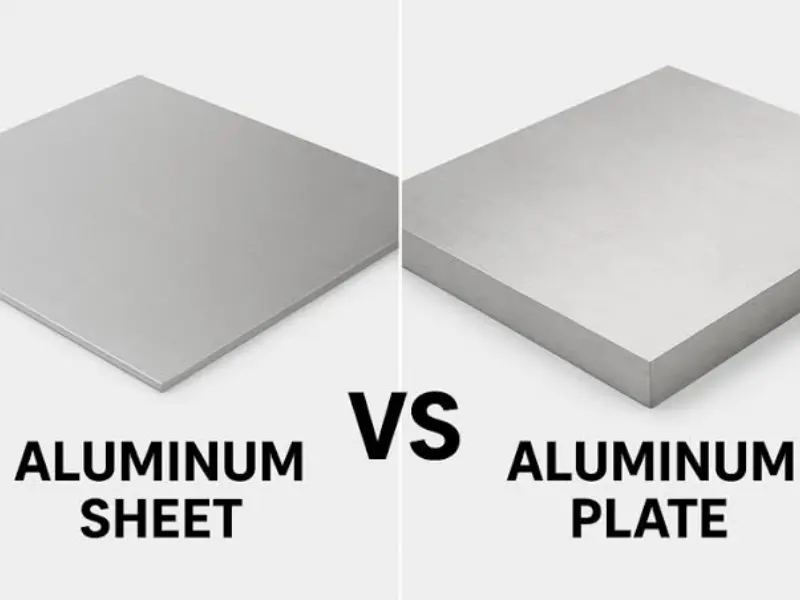
14 gauge aluminum sheet offers a practical middle ground between thin aluminum sheet and heavier plate. Its approximate thickness of 0.064 inch or 1.63 mm provides useful rigidity while keeping the weight relatively low.
The most important point is that gauge alone does not define the material.
A complete specification should include the actual thickness, alloy, temper, size, surface finish, and processing requirements.
For general fabrication, 3003 can be a useful choice. For corrosion-resistant formed parts, 5052 is widely considered. With higher-strength applications, 6061 may be more appropriate.
The right product is the one that matches the final application, not simply the thickest or lowest-priced option.
Frequently Asked Questions
Is 14 gauge aluminum the same as 1.6 mm?
It is very close. A common reference for 14 gauge aluminum is approximately 0.064 inch, or about 1.63 mm. Always confirm the supplier’s actual thickness standard.
How thick is 14 gauge aluminum?
A typical reference is about 0.064 inch, equivalent to approximately 1.63 mm.
Is a 4×8 sheet available?
Yes. 48 × 96 inch sheets are commonly requested for aluminum fabrication.
Is it suitable for trailers?
It can be used for trailer panels and components. 5052 is one option for applications that need corrosion resistance and good forming performance.
Is 14 gauge aluminum strong?
Its strength depends mainly on the alloy and temper. For example, 5052-H32 and 6061-T6 have different mechanical properties even at the same thickness.
Can the sheet be cut to size?
Yes. Many suppliers can provide sheared, saw-cut, laser-cut, or CNC-cut pieces.
Can I order custom sizes?
Yes. Custom sizes can be produced according to project requirements and production capability.
What is the difference between 14 gauge and 16 gauge aluminum?
14 gauge is typically thicker than 16 gauge. The exact values should be confirmed using the actual thickness in inches or millimeters.
Is 14 gauge aluminum suitable for outdoor use?
It can be used outdoors when the selected alloy, finish, coating, and design are appropriate for the environment.
What alloy is best for 14 gauge aluminum sheet?
There is no single best alloy. 3003 is useful for forming, 5052 is popular for corrosion resistance and fabrication, and 6061 is often selected for higher-strength applications.
Can 14 gauge aluminum be bent?
Yes. The bending performance depends on the alloy and temper. Softer tempers are generally easier to form.
Can it be welded?
Yes. Aluminum has using suitable processes and filler materials. The exact welding method depends on the alloy and application.

Does 14 gauge aluminum resist rust?
Aluminum does not form iron rust like carbon steel. It naturally forms a protective oxide layer, which contributes to its corrosion resistance.
What surface finishes are available?
Common choices include mill finish, brushed, anodized, painted, PVDF coated, powder coated, embossed, and tread patterns.
How do I get an accurate quotation?
Provide the alloy, temper, actual thickness, sheet size, surface finish, quantity, cutting requirements, application, and destination.