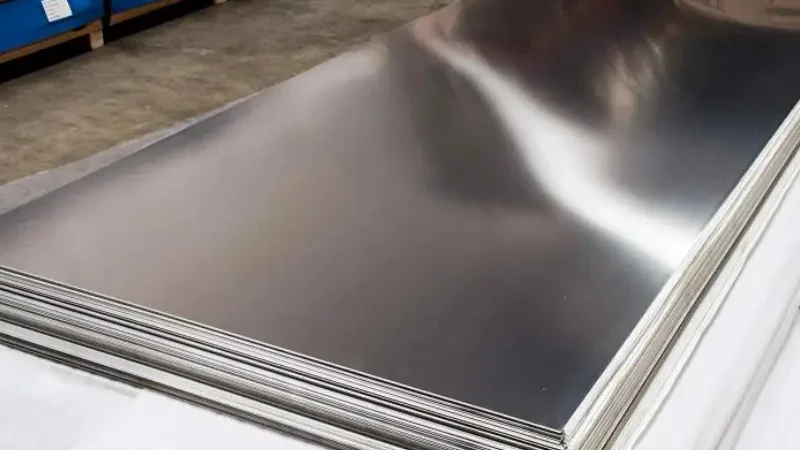
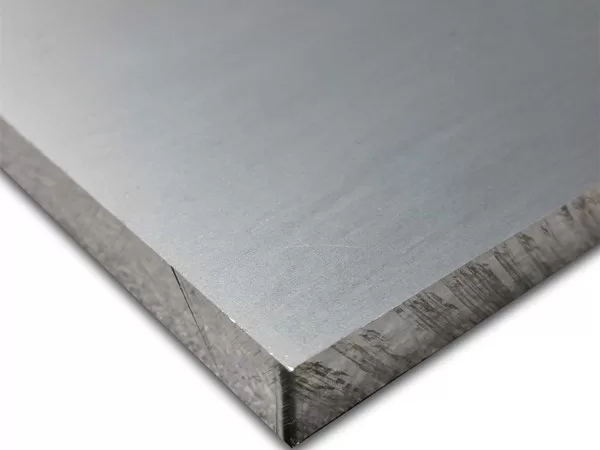
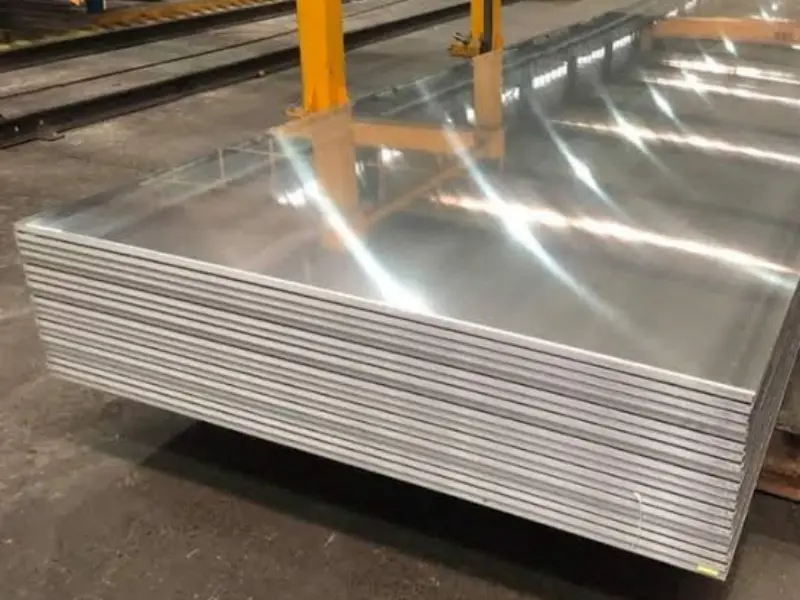
A 1/4 aluminum plate (also written as one quarter inch aluminum plate) is a strong, lightweight, and corrosion-resistant material widely used in construction, machinery, vehicles, and marine industries.
Its balance of strength and formability makes it suitable for both structural and decorative applications.
Aluminum plates at this thickness (6.35mm) are available in different alloys such as 5052, 6061, and 3003, each providing unique mechanical and corrosion-resistant properties.
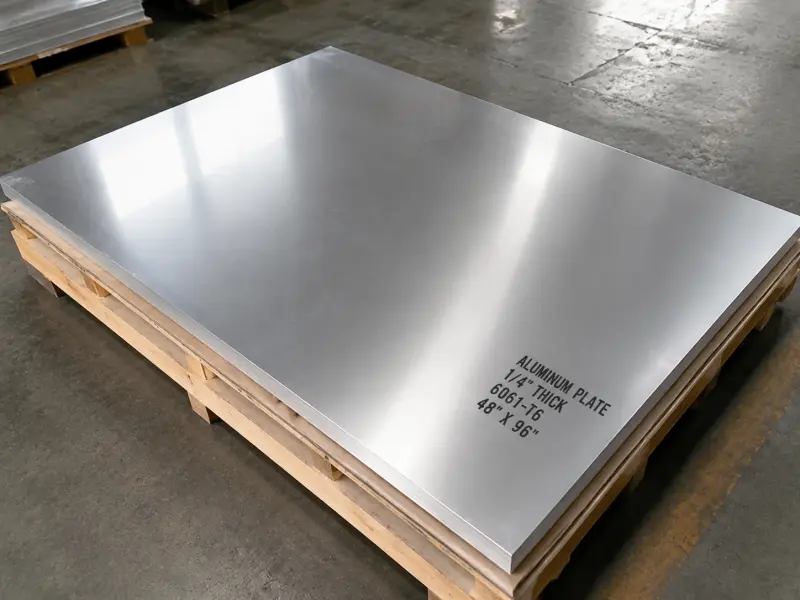
Common Specifications of 1/4 Aluminum Plate
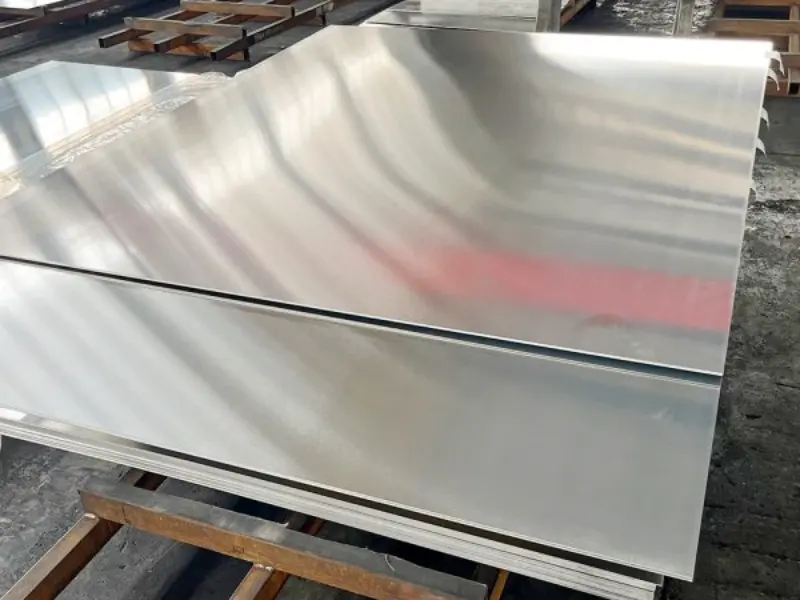
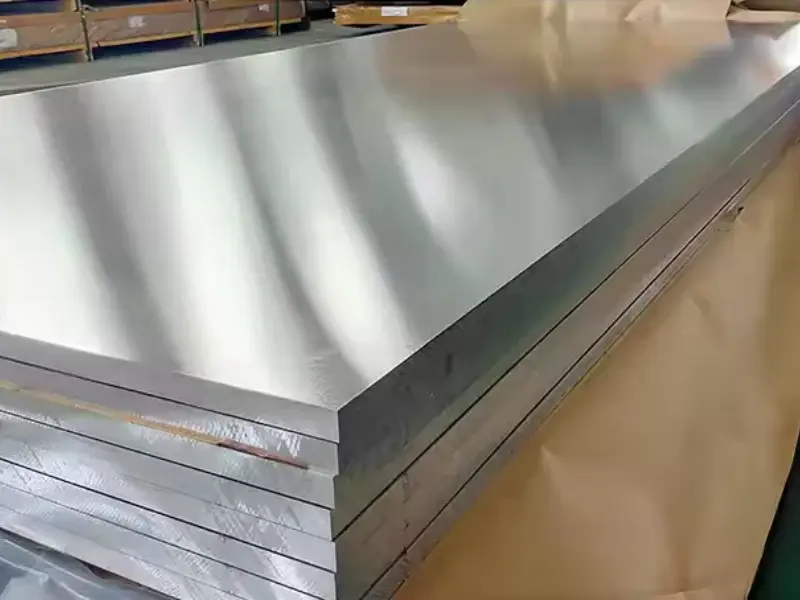
| Specification | Details |
|---|---|
| Thickness | 1/4 inch (6.35 mm) |
| Width | 1000–2000 mm |
| Length | 2000–6000 mm |
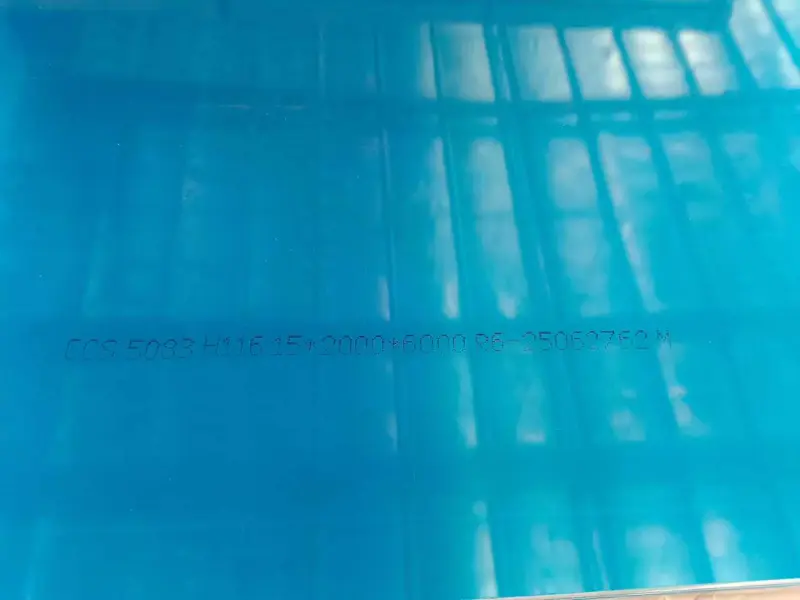
| Common Alloys | 3003, 5052, 6061, 5083 |
| Surface Finish | Mill finish, brushed, anodized, or painted |
| Temper | H32, H34, H38, T6 |
| Density | 2.7 g/cm³ |
| Standard | ASTM B209 / GB/T 3880 |
Available Types and Alloys
| Alloy | Characteristics | Typical Use |
|---|---|---|
| 3003 Aluminum Plate | Good corrosion resistance, medium strength | Kitchen equipment, decorative panels |
| 5052 Aluminum Plate | Excellent corrosion resistance, weldable | Marine and automotive parts |
| 6061 Aluminum Plate | High strength, good machinability | Structural and aerospace uses |
| 5083 Aluminum Plate | Superior seawater resistance | Shipbuilding, pressure vessels |
Key Features
- High strength-to-weight ratio
- Corrosion and rust resistant
- Easy to cut, bend, or weld
- Long service life
- Recyclable and environmentally friendly
- Smooth surface for coatings or painting
Applications

1/4 aluminum plate is used across a variety of industries and projects due to its durability and versatility:
- Construction: wall panels, support brackets, and building facades
- Transportation: truck bodies, trailers, and marine hulls
- Industrial Equipment: machinery bases, enclosures, and platforms
- Aerospace: lightweight aircraft parts
- DIY Projects: metal tables, signs, or protective covers
Comparison Table: 1/4 Aluminum Plate vs Other Thicknesses
| Thickness | Approx. Weight (kg/m²) | Common Use |
|---|---|---|
| 1/8 inch (3.18mm) | 8.6 | Light panels, crafts |
| 1/4 inch (6.35mm) | 17.1 | Structural and heavy-duty use |
| 3/8 inch (9.5mm) | 25.6 | Machine components, industrial bases |
| 1/2 inch (12.7mm) | 34.2 | Heavy marine or aerospace parts |
Weight values are approximate and vary with alloy type.
How to Choose the Right 1/4 Aluminum Plate
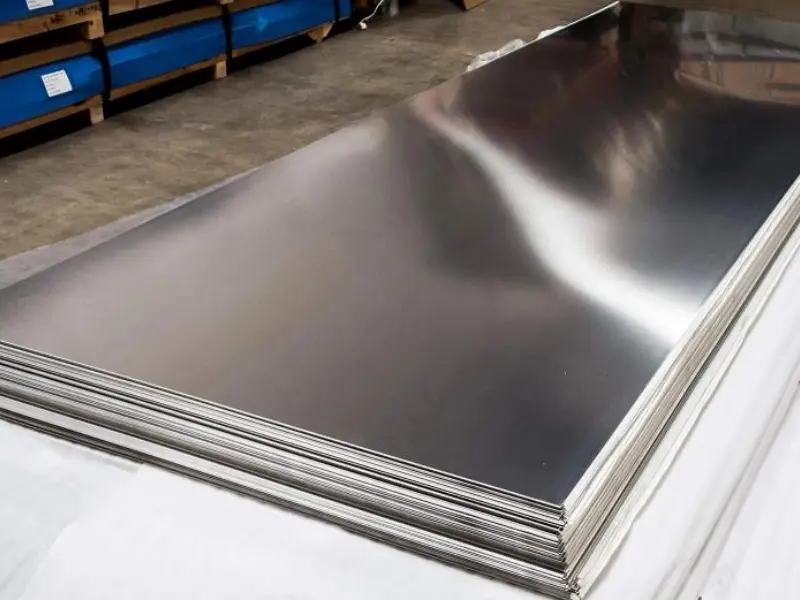
When selecting a 1/4 inch aluminum plate, consider:
- Alloy: Choose 6061-T6 for strength, or 5052 for corrosion resistance.
- Finish: Mill finish for general use, anodized for decoration, painted for outdoor applications.
- Size: Standard 4×8 feet or custom cut sizes available.
- Quantity: Bulk orders often have better pricing per kg.
Typical Price Range
| Alloy | Price per Kg (USD) | Price per Sheet (4×8 ft) |
|---|---|---|
| 3003 | $2.20–$2.50 | $170–$190 |
| 5052 | $2.80–$3.10 | $200–$230 |
| 6061 | $3.20–$3.60 | $240–$270 |
| 5083 | $3.40–$3.90 | $260–$300 |
Prices may vary based on market aluminum ingot prices and order volume.
Processing and Customization
Worthwill Aluminum provides multiple processing services for 1/4 aluminium plate:
- CNC cutting and bending
- Laser cutting and drilling
- Anodizing and powder coating
- Custom packaging and size options
Why Choose Worthwill Aluminum
- Factory-direct supply and stable quality
- ISO-certified production line
- Custom thickness and alloy options
- Fast delivery and global export capability
- Technical support for industrial projects
1/4 Aluminum Plates for sale From Manufacturer
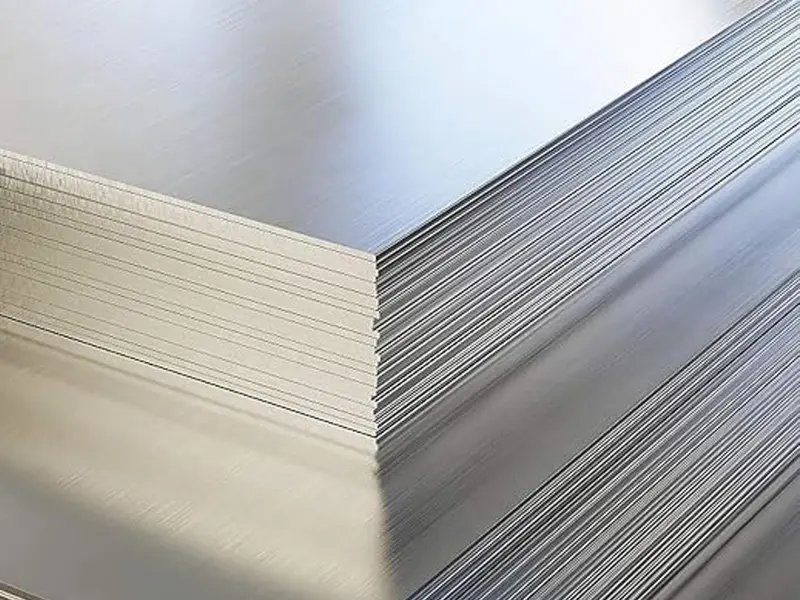
A 1/4 aluminum plate is one of the most versatile and durable materials in the aluminum family. With excellent strength, corrosion resistance, and formability, it’s perfect for construction, marine, and industrial applications.
If you’re looking for high-quality 1/4 inch aluminum plates at a competitive price, contact Worthwill Aluminum — your reliable manufacturer and supplier of premium aluminum materials.
1/4 Aluminum Plate for Industrial and DIY Projects
When you need metal that carries real load without weighing down your project, a 1/4 aluminum plate hits the sweet spot.
It sits right at the boundary where sheet metal ends and structural plate begins. Shops, builders, and hobbyists all reach for this thickness because it offers genuine strength while staying light enough to move around a workshop without a crane.
What Is 1/4 Aluminum Plate?
The Basics You Need to Know
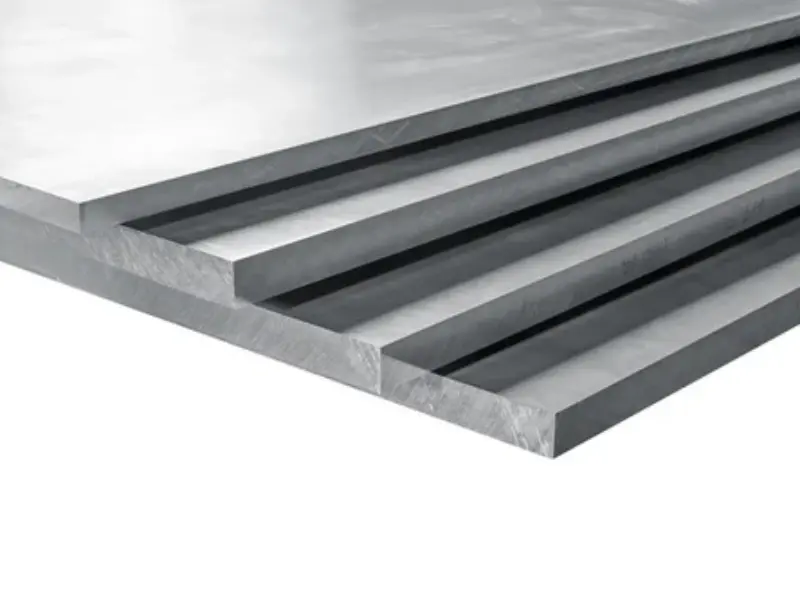
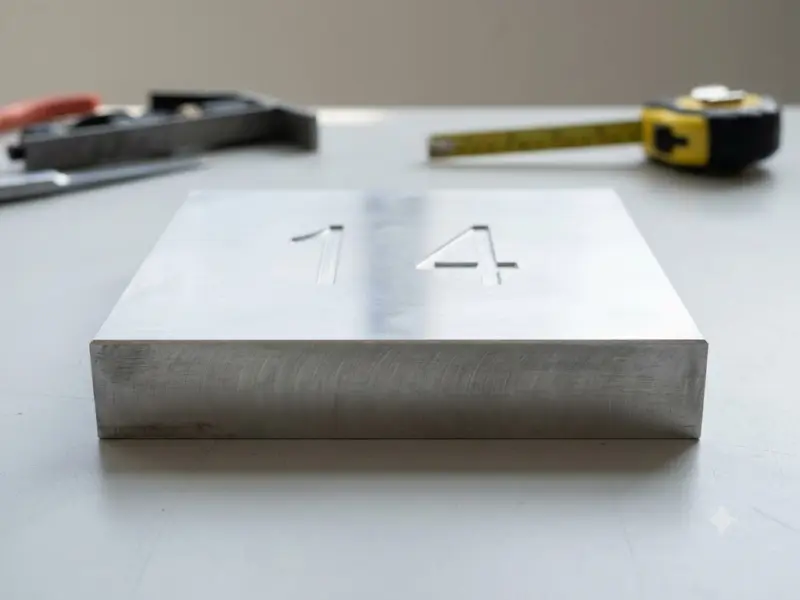
A 1/4 aluminum plate is flat aluminum stock that measures exactly 0.250 inches thick. In metric terms, that is 6.35 millimeters.
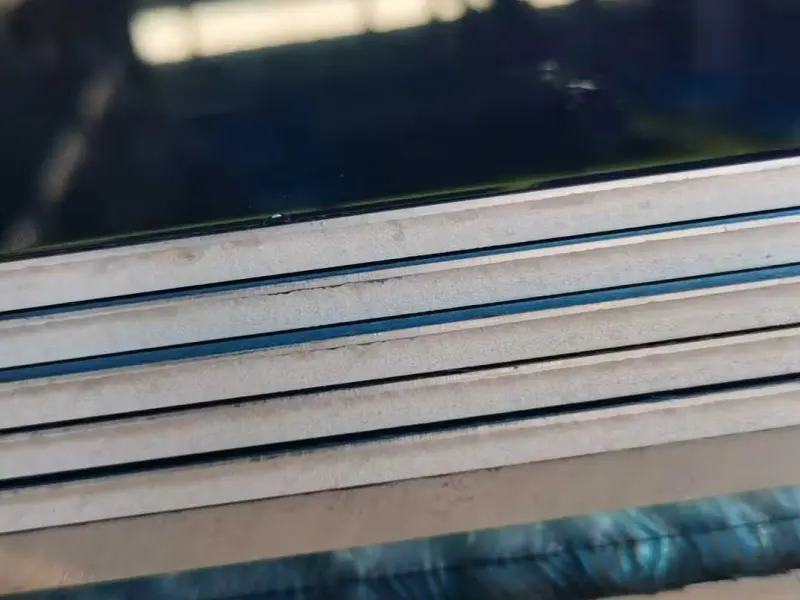
The aluminum industry draws a clear line between sheet and plate at this thickness. Anything thinner than 1/4 inch is called sheet. At 1/4 inch and above, the product enters the plate category. That distinction matters because plate carries different tolerances, strength expectations, and pricing than sheet.
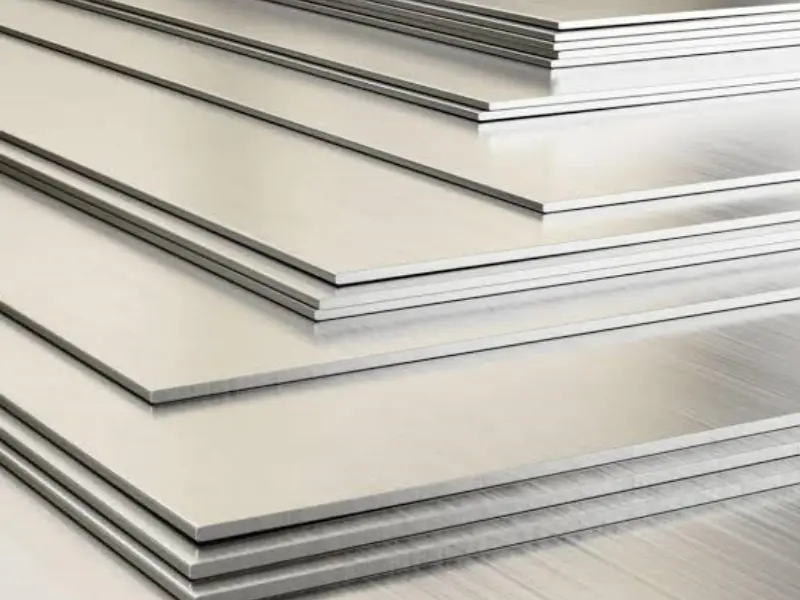
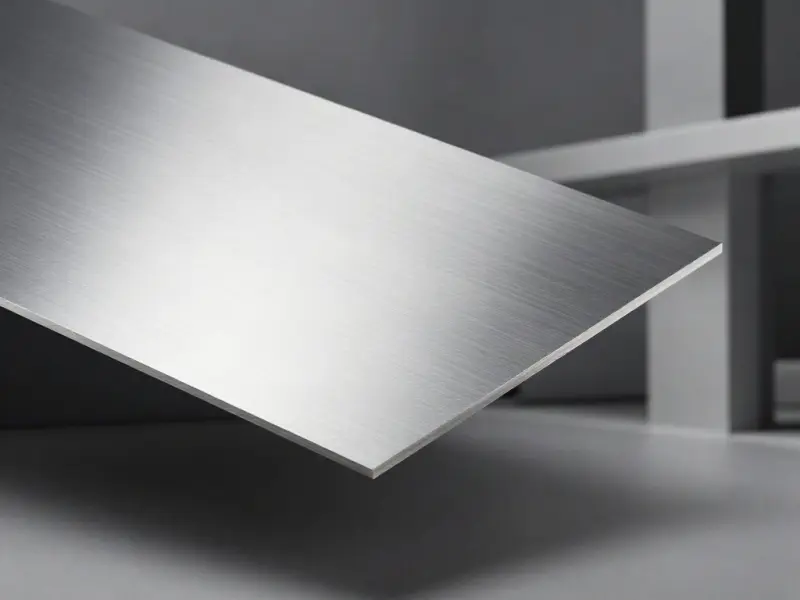
Most 1/4 aluminum plate arrives in standard mill finish. That means the surface is smooth but not mirror-polished. Some buyers order brushed finish, anodized coating, or diamond plate texture depending on the final use.
Plate vs Sheet: Where Is the Line?
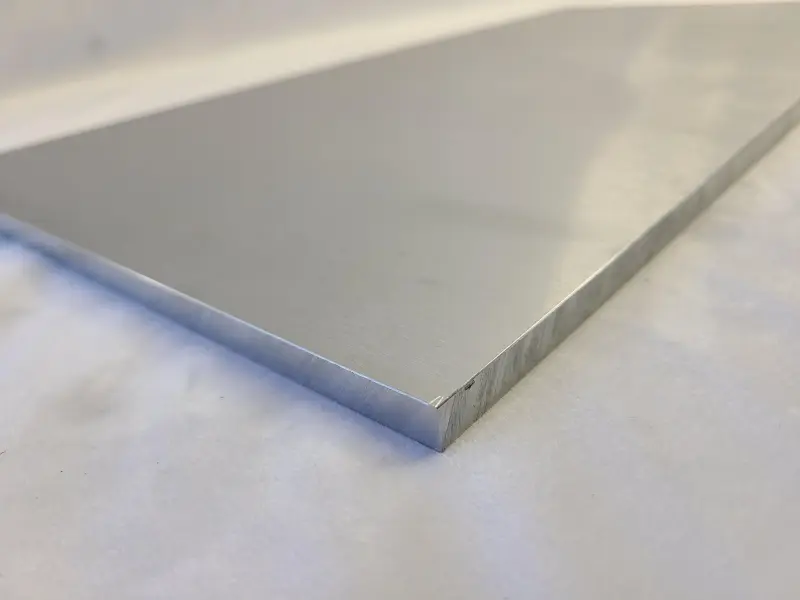
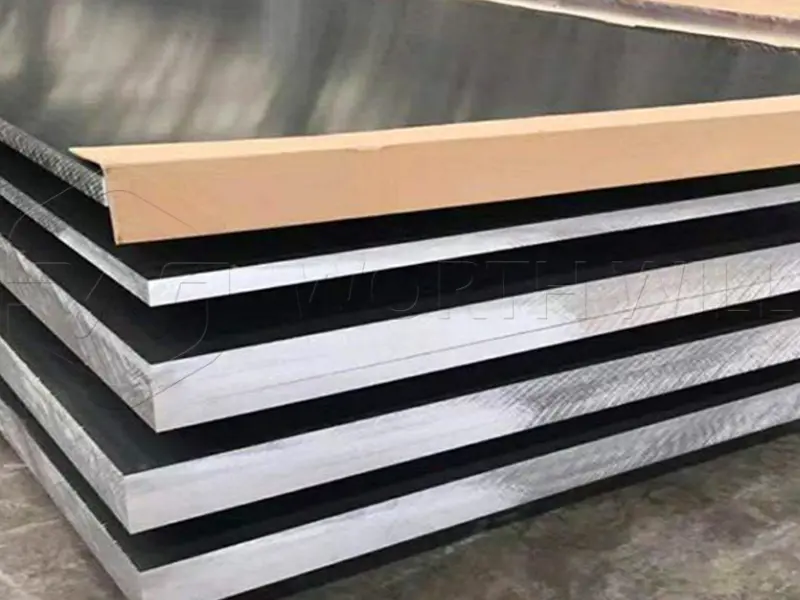
Sheet metal usually tops out at 0.249 inches. Once you hit 0.250 inches, you are working with plate. Plate offers better flatness over large areas and holds tighter dimensional tolerances.
It also handles machining, welding, and heavy forming better than thin sheet. If your project involves structural brackets, machine bases, or trailer components, plate is the right category to shop in.
How Thick Is 1/4 Aluminum Plate?
Decimal and Metric Conversions
The fraction 1/4 inch translates to 0.250 inches exactly. In millimeters, that equals 6.35 mm. Some mills hold a thickness tolerance of plus or minus 0.005 inches on 1/4 plate. That means your piece could measure 0.245 to 0.255 inches and still meet ASTM B209 standards.
| Unit | Value |
|---|---|
| Fraction | 1/4 inch |
| Decimal | 0.250 in |
| Metric | 6.35 mm |
| Typical Tolerance | ±0.005 in |
How It Compares to Gauge Sizes
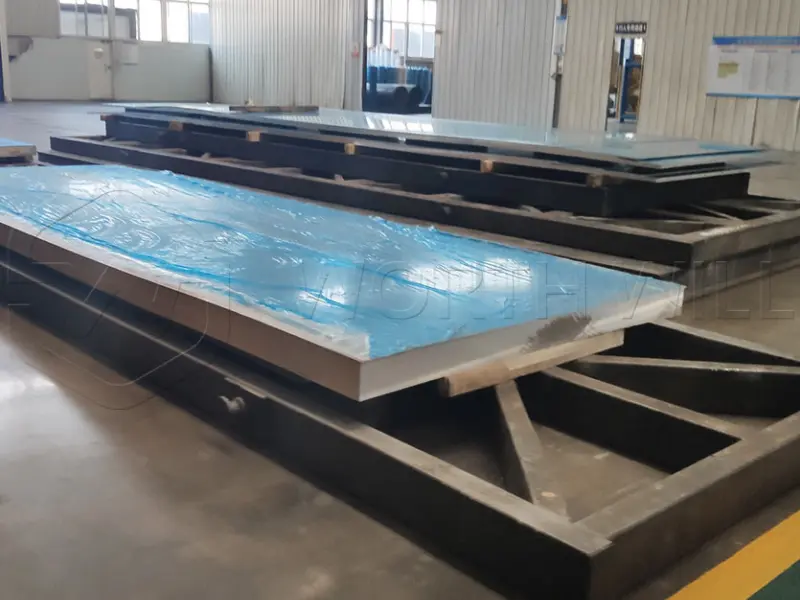
Many buyers confuse gauge numbers with fractional sizes.
Gauge works backward: higher numbers mean thinner metal. A 14 gauge aluminum plate measures only 0.0641 inches. That is roughly one-quarter the thickness of 1/4 inch plate.
If you are upgrading from 14 gauge to 1/4 inch, you are jumping from light-duty sheet to serious structural plate.
| Material | Thickness (inches) | Thickness (mm) |
|---|---|---|
| 14 gauge aluminum | 0.0641 | 1.63 |
| 1/8 inch aluminum plate | 0.125 | 3.18 |
| 3/16 inch aluminum plate | 0.188 | 4.76 |
| 1/4 inch aluminum plate | 0.250 | 6.35 |
| 3/8 inch aluminum plate | 0.375 | 9.53 |
| 1/2 inch aluminum plate | 0.500 | 12.70 |
1/4 Aluminum Plate Weight: Numbers That Matter
Weight Per Square Foot
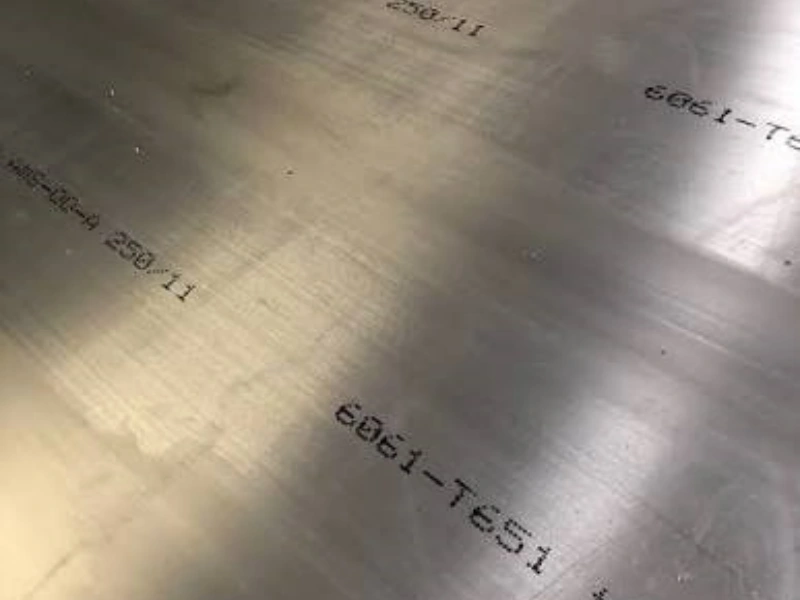
Aluminum weighs about 0.098 pounds per cubic inch.
At 1/4 inch thick, one square foot of plate weighs roughly 3.53 pounds. You can estimate any piece by multiplying its area in square feet by 3.53.
This number assumes standard alloy density. Actual weight shifts slightly if you choose a high-zinc alloy like 7075, which runs a little heavier than 6061.
Common Size Weight Chart
Use this chart to plan lifting, shipping, and material handling before your order arrives.
| Plate Size | Square Feet | Approximate Weight |
|---|---|---|
| 12 x 12 inches | 1.0 | 3.5 lbs |
| 12 x 24 inches | 2.0 | 7.1 lbs |
| 18 x 18 inches | 2.25 | 7.9 lbs |
| 24 x 24 inches | 4.0 | 14.1 lbs |
| 24 x 36 inches | 6.0 | 21.2 lbs |
| 48 x 48 inches (4×4) | 16.0 | 56.5 lbs |
| 48 x 96 inches (4×8) | 32.0 | 113.0 lbs |
| 48 x 120 inches (4×10) | 40.0 | 141.2 lbs |
A full 4×8 sheet of 1/4 inch aluminum weighs about 112 to 113 pounds. Two people can move it with care, but a sheet cart or forklift makes the job safer.
Why Weight Affects Shipping and Handling
Freight carriers charge by weight and dimensional volume. A 4×8 sheet of 1/4 inch aluminum plate falls into a manageable freight class, but stacking ten sheets pushes the load past 1,100 pounds. If you only need a small bracket, ordering a cut-to-size blank saves both shipping cost and shop space.

Standard Sizes and Stock Dimensions
The Popular 4×8 Sheet
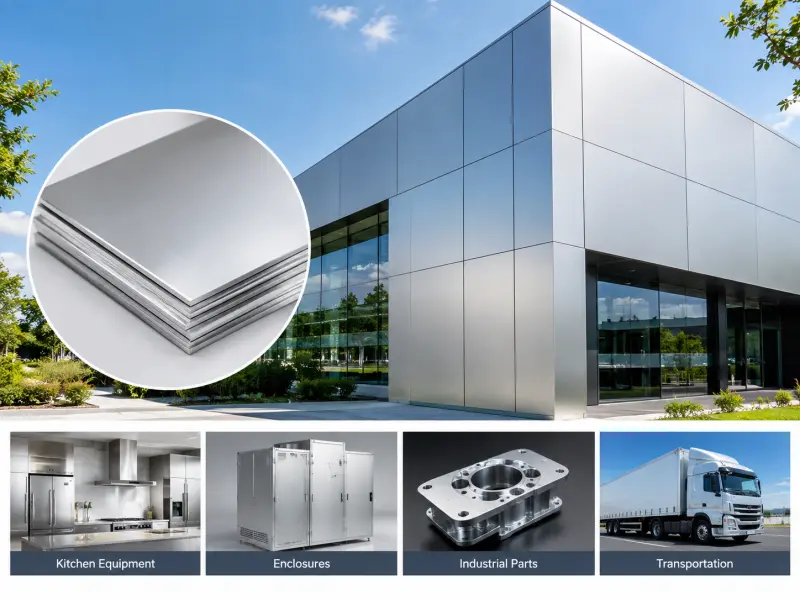
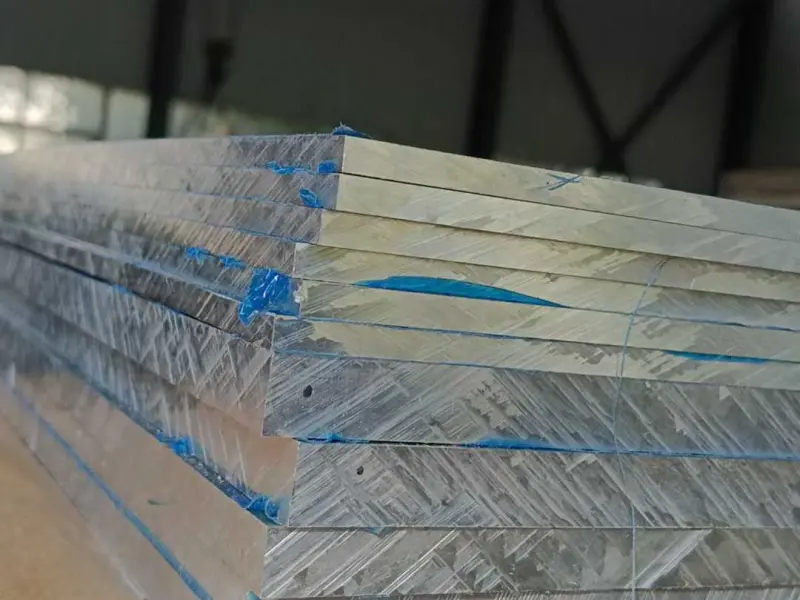
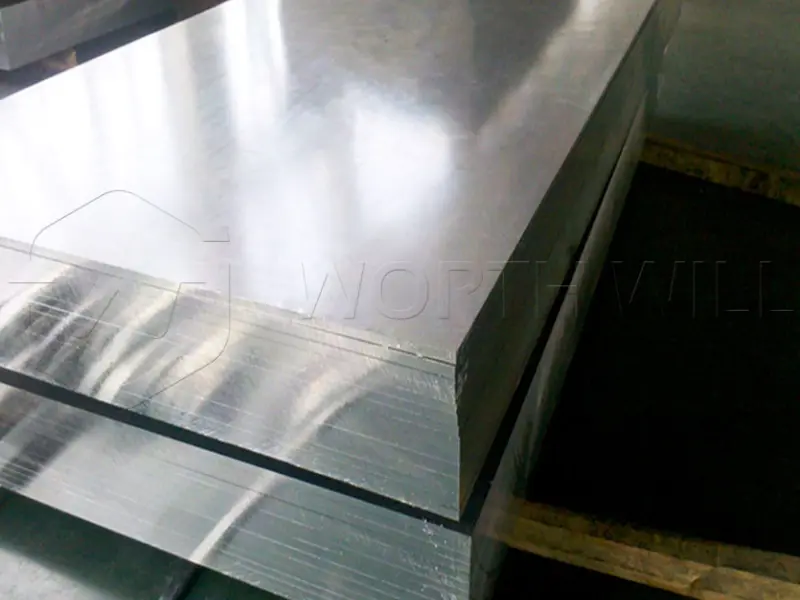
The 4×8 aluminum sheet 1/4 foot size dominates the market. It matches standard plywood dimensions, which makes it easy to plan projects around. Most distributors stock 4×8 sheets in 6061-T6 and 5052-H32. You can also find 4×10 and 5×10 sheets if your job requires fewer seams or wider coverage.
Cut-to-size service usually adds a per-cut fee. However, the savings in waste and handling time often outweigh the extra cost.
Cut-to-Size Options
Not every project needs a full sheet. Many suppliers offer waterjet cutting, plasma cutting, or shear cutting to custom sizes. Common cut blanks include:
- 12 x 12 inches
- 12 x 24 inches
- 18 x 18 inches
- 24 x 24 inches
- 24 x 48 inches
Where to Buy: Local vs Online
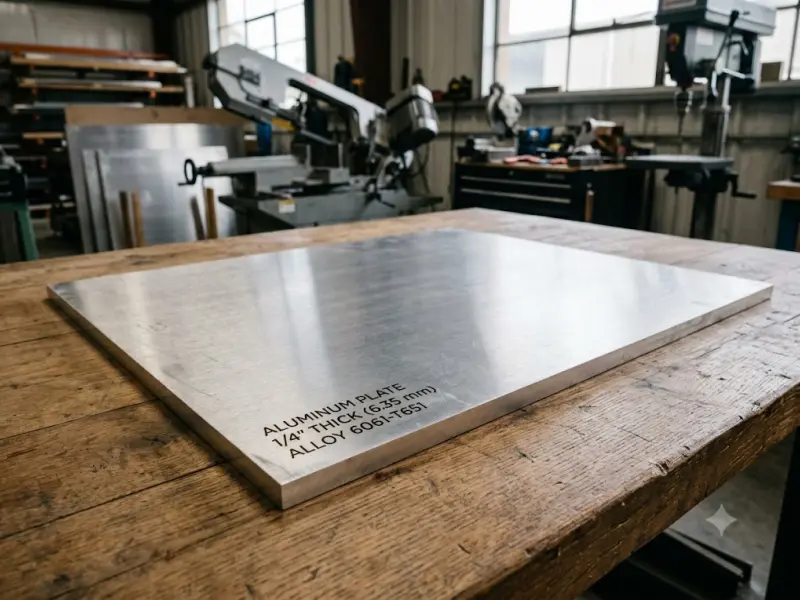
You can find small pieces of 1/4 aluminum plate near me at hardware stores like Home Depot or Lowe’s. These stores stock limited alloys and sizes, often in pre-cut squares. For full sheets, certified mill test reports, or specialty alloys like 7075, a dedicated metal distributor or online supplier gives you more choices and better per-pound pricing.
Alloy Comparison Table
| Alloy | Temper | Yield Strength (psi) | UTS (psi) | Weldability | Machinability | Best For |
|---|---|---|---|---|---|---|
| 3003 | H14 | 21,000 | 22,000 | Excellent | Fair | Signs, trim, light panels |
| 5052 | H32 | 28,000 | 33,000 | Excellent | Fair | Marine, tanks, bending |
| 6061 | T6 | 40,000 | 45,000 | Good | Excellent | Structural, machined parts |
| 7075 | T6 | 73,000 | 83,000 | Poor | Excellent | Aerospace, high-stress |
Alloy Breakdown: Picking the Right Metal
The alloy number tells you what elements were mixed with the aluminum. That mixture changes strength, corrosion resistance, weldability, and price.
6061-T6: The All-Rounder
6061 is the most common aluminum alloy in North America. It contains magnesium and silicon, which give it good strength and excellent machinability. In T6 temper, 6061 reaches an ultimate tensile strength around 45,000 psi and a yield strength near 40,000 psi. It welds well, machines cleanly, and resists corrosion in most environments. If you are not sure which alloy to pick, 6061-T6 is the safest default.
5052-H32: Forming and Marine Work
5052 contains more magnesium than 6061. That extra magnesium boosts corrosion resistance, especially in saltwater. 5052-H32 forms and bends more easily than 6061-T6. It is the go-to alloy for marine panels, fuel tanks, and any part that needs tight bends without cracking.
The trade-off is lower strength. 5052-H32 yields around 28,000 psi, which is fine for many jobs but not enough for high-load brackets.
7075-T6: Maximum Strength
7075 adds zinc as the primary alloying element. This alloy delivers the highest strength of any common aluminum grade.
In T6 temper, 7075 yields around 73,000 psi and approaches the strength of some steels. The downside is poor weldability and higher cost. Aircraft builders and race teams use 7075 when every ounce of weight matters and loads run extreme.
3003-H14: Budget-Friendly Option
3003 is a general-purpose alloy with manganese. It costs less than 6061 or 5052 but offers lower strength.
You will see 3003 in decorative trim, signage, and light-duty panels. It is not heat-treatable, so its strength comes from cold working alone. For structural jobs, step up to 6061 or 5052.
Temper States Explained
Temper describes how the metal was treated after rolling. It controls hardness, strength, and how the material behaves during fabrication.
What Does T6 Mean?
T6 means solution heat-treated and artificially aged. The mill heats the plate to dissolve alloying elements, quenches it rapidly, then bakes it at a controlled temperature to lock in strength.
T6 is the peak-strength condition for heat-treatable alloys like 6061 and 7075.
T651 vs T6: Stress Relief Matters
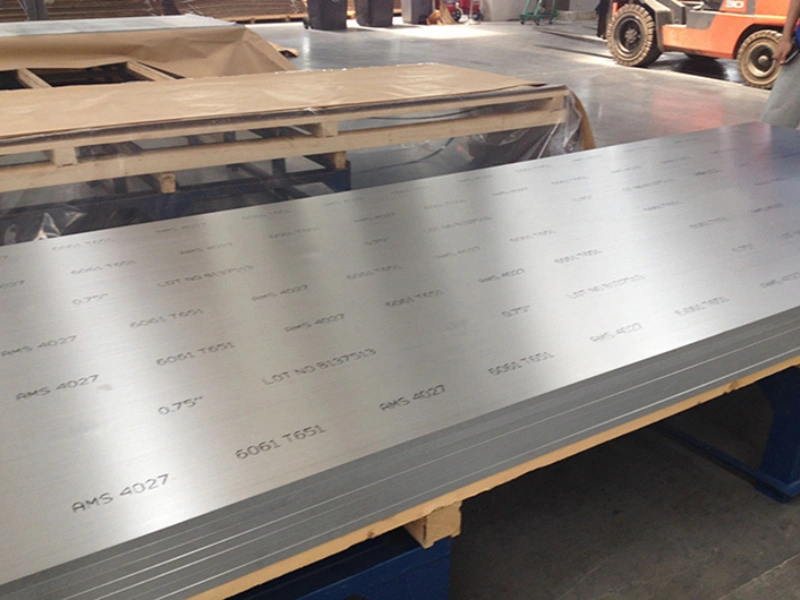
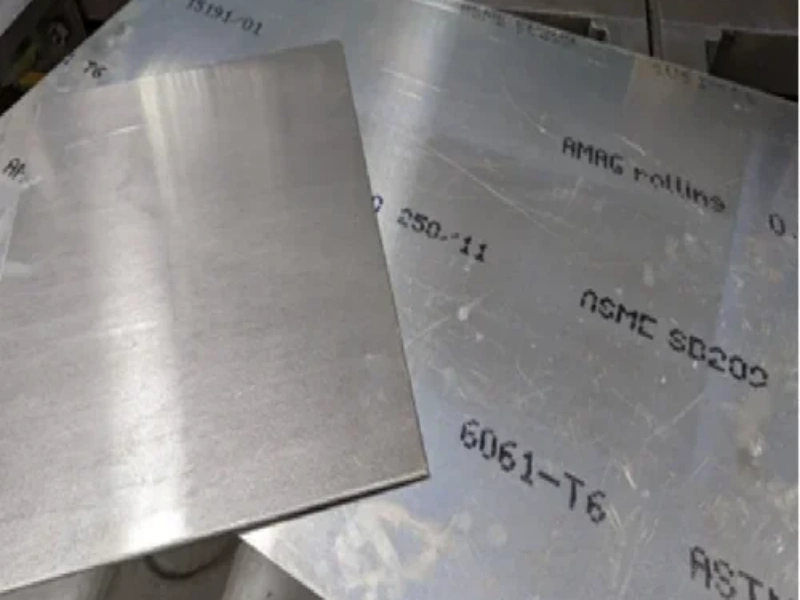
T651 starts as T6, but the mill stretches the plate by 1 to 3 percent after quenching. That stretching relieves internal stresses caused by rapid cooling.
If you plan to machine the plate heavily, choose T651. Without stress relief, a T6 plate can warp as you remove material. The extra cost of T651 pays for itself in tighter tolerances and less scrap.
H32 and H14 for Non-Heat-Treatable Alloys
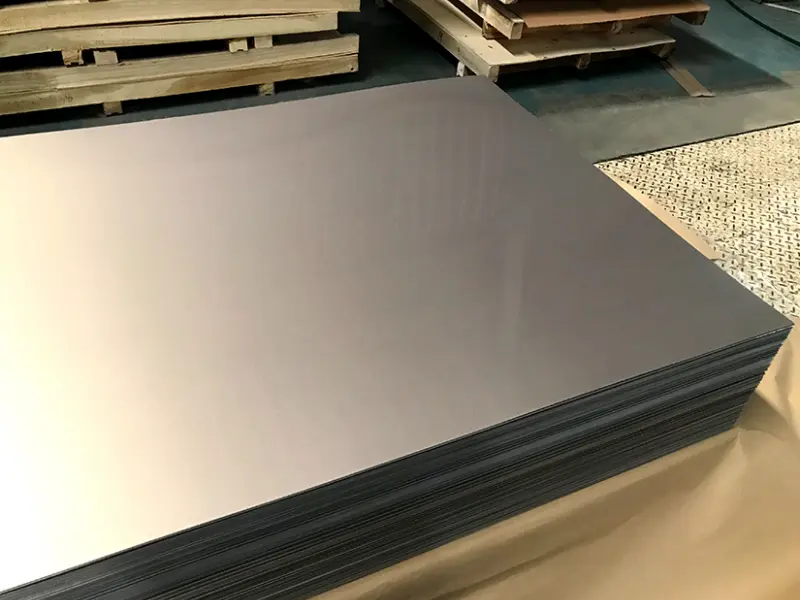
Non-heat-treatable alloys like 5052 and 3003 use H tempers. The H stands for strain-hardened.
H32 means the metal was cold-worked to one-quarter hard and then stabilized with a low-temperature heat treatment. H14 is half-hard. H32 offers a good balance between strength and bendability. H14 is stiffer but less forgiving in tight bends.
Temper Selection Guide
| Temper | Alloy Series | Strength | Formability | Best Use |
|---|---|---|---|---|
| O (Annealed) | All | Lowest | Highest | Deep forming |
| H14 | 3xxx, 5xxx | Medium | Good | Light forming, panels |
| H32 | 5xxx | Medium-High | Moderate | Marine, tanks, bends |
| T6 | 6xxx, 7xxx | High | Low | Structural, machined parts |
| T651 | 6xxx, 7xxx | High | Low | Precision machining |
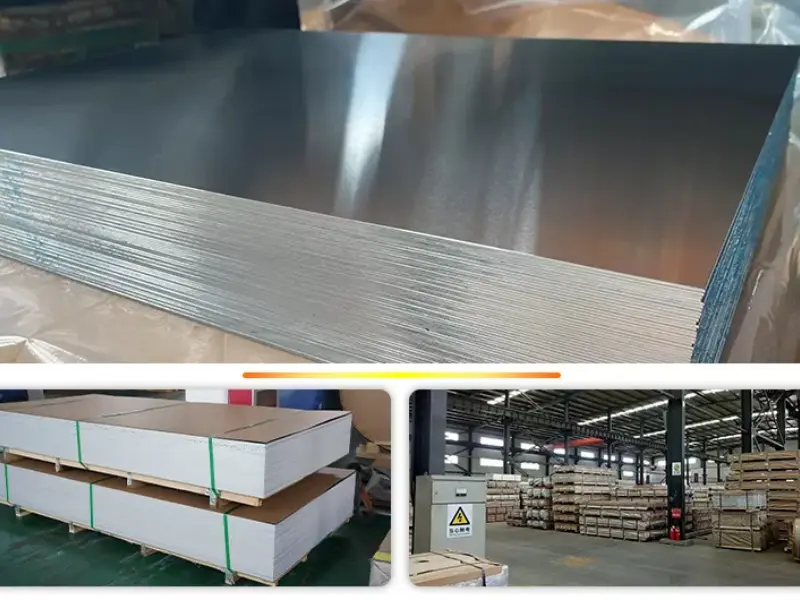
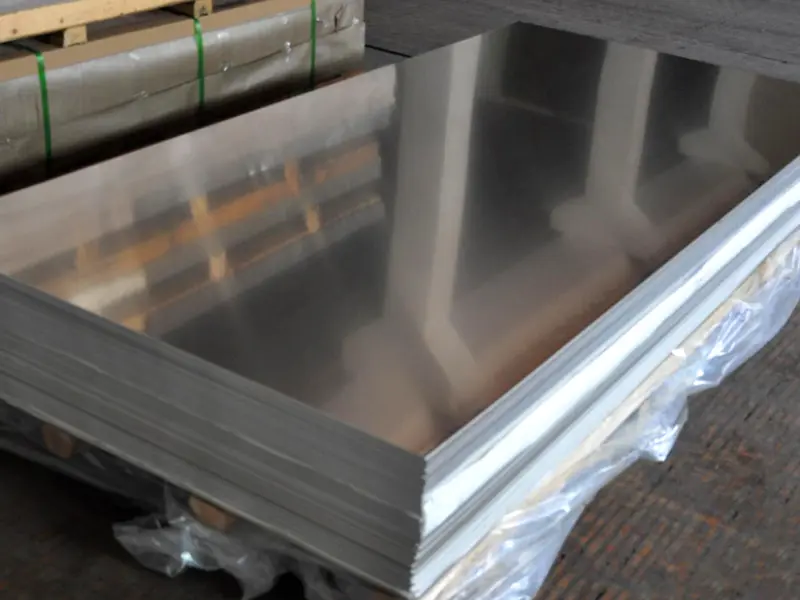
Product Types: Flat, Diamond, and Checker
Not all 1/4 aluminum plate looks the same. The surface pattern changes how you use it.
Flat 1/4 Aluminum Plate
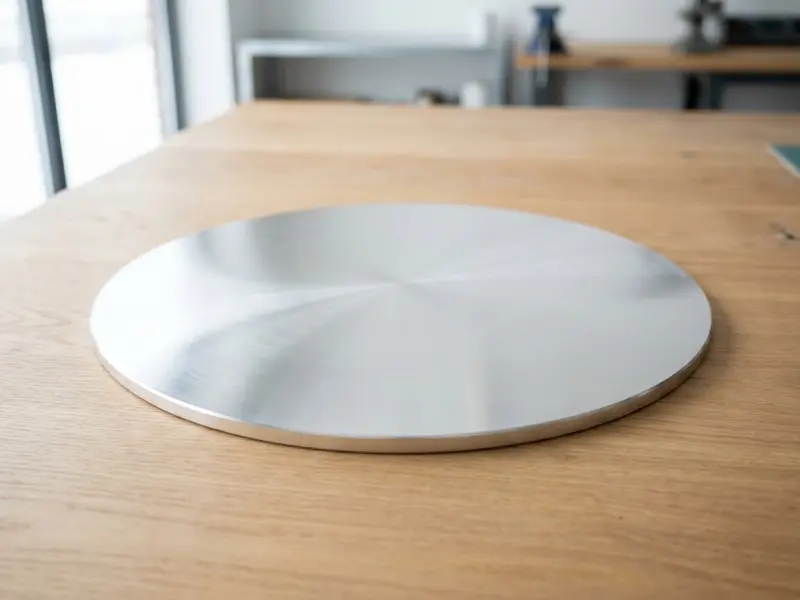
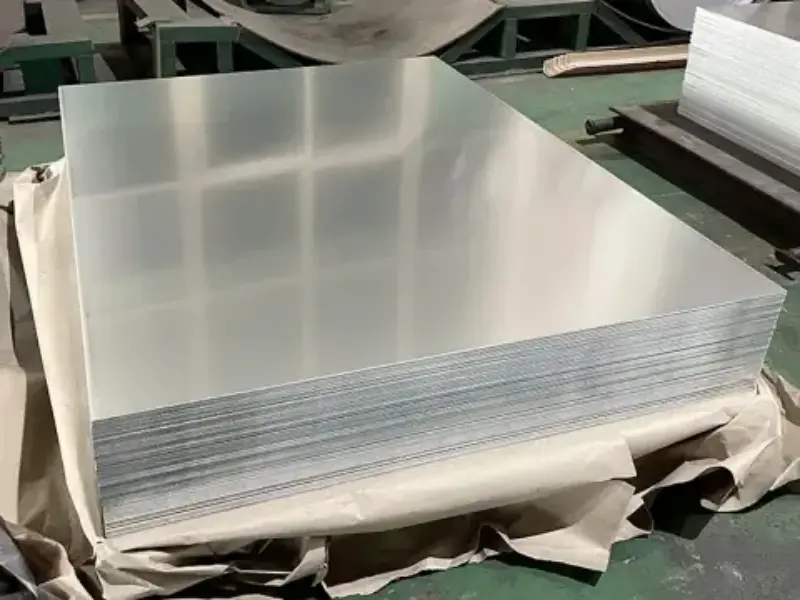
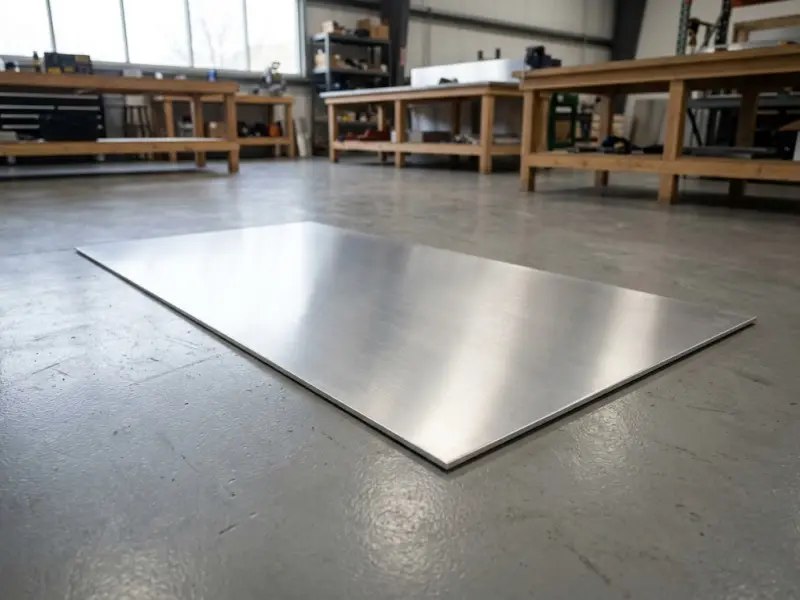
Flat plate has a smooth, uniform surface on both sides. This is the standard form. It machines well, welds cleanly, and stacks flat. Most structural work, fixture plates, and brackets start with flat plate.
In real projects, a 1/2 aluminum plate often replaces 1/4 steel when weight matters more than absolute stiffness. You get similar load capacity at roughly one-third the weight. But if deflection must stay minimal, steel still holds an edge.
Thickness Comparison: 1/4 Inch vs Other Sizes
Choosing the right thickness saves money and prevents over-engineering. Here is how 1/4 inch stacks up against common alternatives.
1/8 Inch Aluminum Plate
At 0.125 inches, 1/8 inch aluminum plate weighs about 1.76 pounds per square foot. That is half the weight of 1/4 plate but far less rigid. Use 1/8 inch for panels, covers, and decorative work where loads stay light.
Strength Showdown: Aluminum vs Steel
Is 1/2 Aluminum Stronger Than 1/4 Steel?
The answer depends on which strength number you care about. A 1/2 inch aluminum plate of 6061-T6 yields around 40,000 psi. A 1/4 inch plate of A36 steel yields around 36,000 psi.
By that measure, the aluminum carries a higher yield strength. However, steel wins on stiffness. The elastic modulus of steel sits near 29,000,000 psi while aluminum sits near 10,000,000 psi. That means steel deflects less under the same load.
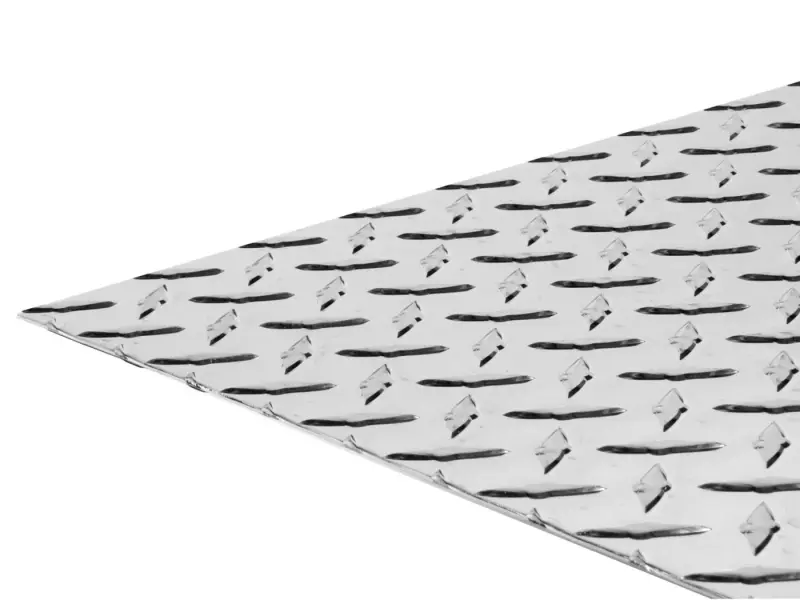
1/4 Aluminum Diamond Plate
Diamond plate carries a raised pattern of small diamonds on one face. The pattern adds slip resistance and hides scratches. You will see it on trailer ramps, truck bed liners, and workshop flooring. The raised texture adds a small amount of extra weight compared to flat plate of the same nominal thickness. Common alloys for diamond plate include 3003 and 6061.
1/4 Aluminum Checker Plate
Checker plate is similar to diamond plate but uses a five-bar or linear rib pattern instead of diamonds. It serves the same purpose: grip underfoot and protection against abrasion. Five-bar checker plate is popular in Europe and Asia. In North America, diamond plate is more common.
Surface Finish Options
| Finish Type | Appearance | Common Use |
|---|---|---|
| Mill finish | Smooth, slightly dull | General fabrication |
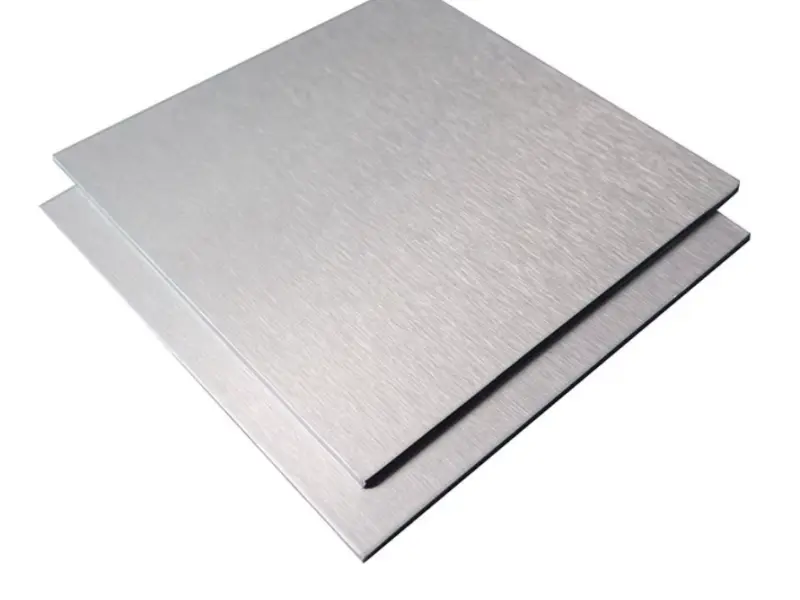
| Brushed | Satin lines | Decorative panels, appliances |
| Anodized | Colored or clear hard coat | Architectural, corrosion protection |
| Diamond plate | Raised diamond pattern | Flooring, ramps, truck beds |
| Checker plate | Five-bar or rib pattern | Industrial walkways, stair treads |
3/16 Inch Aluminum Plate
3/16 inch sits at 0.188 inches and weighs roughly 2.65 pounds per square foot. It works for medium-duty brackets and signs. If your 1/8 inch piece flexes too much but 1/4 inch feels like overkill, 3/16 inch might be the answer.
1/2 Inch Aluminum Plate
1/2 inch aluminum plate doubles the thickness and weight of 1/4 inch. It hits 7.06 pounds per square foot. Use it for heavy machine bases, structural columns, or armor plate. It machines beautifully in 6061-T651 but costs more and requires heavier equipment to move.
14 Gauge Aluminum Plate
14 gauge aluminum measures only 0.0641 inches. That is about 1.63 mm. It weighs under one pound per square foot. Many buyers search for 14 gauge aluminum diamond plate or 14 gauge aluminum checker plate for lightweight trailer skins and decorative trim. Do not confuse 14 gauge with 1/4 inch. They serve completely different load ranges.
Thickness and Weight Side-by-Side
| Thickness | Inches | mm | lb/sq ft | Typical Use |
|---|---|---|---|---|
| 14 gauge | 0.064 | 1.63 | 0.90 | Trim, light panels |
| 1/8 inch | 0.125 | 3.18 | 1.76 | Covers, signs |
| 3/16 inch | 0.188 | 4.76 | 2.65 | Medium brackets |
| 1/4 inch | 0.250 | 6.35 | 3.53 | Structural, machining |
| 3/8 inch | 0.375 | 9.53 | 5.29 | Heavy brackets |
| 1/2 inch | 0.500 | 12.70 | 7.06 | Machine bases |
Yield Strength vs Tensile Strength
Yield strength marks the point where metal permanently bends. Tensile strength marks the point where it breaks. For design work, yield strength is the number that matters. You want your part to stay elastic under normal loads.
| Material | Thickness | Yield Strength (psi) | Tensile Strength (psi) | Weight per sq ft |
|---|---|---|---|---|
| 6061-T6 aluminum | 1/2 inch | 40,000 | 45,000 | 7.06 lbs |
| A36 steel | 1/4 inch | 36,000 | 58,000 | 10.2 lbs |
| 5052-H32 aluminum | 1/4 inch | 28,000 | 33,000 | 3.53 lbs |
Weight Savings with Aluminum
A 4×8 sheet of 1/4 inch steel weighs roughly 326 pounds. The same size in 1/4 aluminum weighs about 113 pounds. That is a 65 percent weight reduction. On trailers, boats, and aircraft, that savings translates directly into fuel efficiency and payload capacity.
What Is an Aluminum Plate Used For?
Aluminum plate shows up in almost every industry. Here are the most common places you will find 1/4 inch aluminum plate in action.
Industrial Applications
- Machine base plates and fixture tables
- Robotic arm brackets and end-effector mounts
- Conveyor system frames
- Hydraulic manifold blanks
- Press brake tooling inserts
Marine and Transportation
- Boat transoms and hull stiffeners
- Trailer tongue boxes and fenders
- Truck bed liners and ramp gates
- Fuel tank baffles
- Dock walkway panels
Construction and Architecture
- Curtain wall backing plates
- Elevator interior panels
- Stair treads and platform decking
- Decorative column wraps
- Sign backing structures
DIY and Hobby Projects
- Custom Jeep or truck skid plates
- Workbench tops and welding tables
- Router table inserts
- Race car chassis tabs
- Home brewery stands and frames
How to Bend 1/4 Aluminum Plate
Bending quarter-inch plate is not a job for hand tools. You need a press brake and the right setup.
Press Brake Setup
Set your press brake with a V-die opening about eight times the plate thickness. For 1/4 aluminum plate, that means a 2-inch V-die. The punch tip radius should match or slightly exceed your desired inside bend radius.
Die Opening and Tonnage
With a 2-inch V-die, 6061-T6 plate needs roughly 12 to 18 tons of force per foot of bend length. A 24-inch bend therefore requires 24 to 36 tons. Make sure your press brake has enough capacity. If you try to bend in too small a die, the plate cracks or the machine stalls.
Alloy Choice for Bending
5052-H32 bends far more easily than 6061-T6. If your design calls for tight radii or multiple bends, switch to 5052. You will use less tonnage and see fewer cracks along the bend line.
Common Bending Mistakes
- Using a V-die that is too narrow
- Forgetting to account for springback
- Bending 6061-T6 to a radius tighter than the material allows
- Skipping test bends on scrap pieces
Cutting and Machining 1/4 Aluminum Plate
Saw Cutting
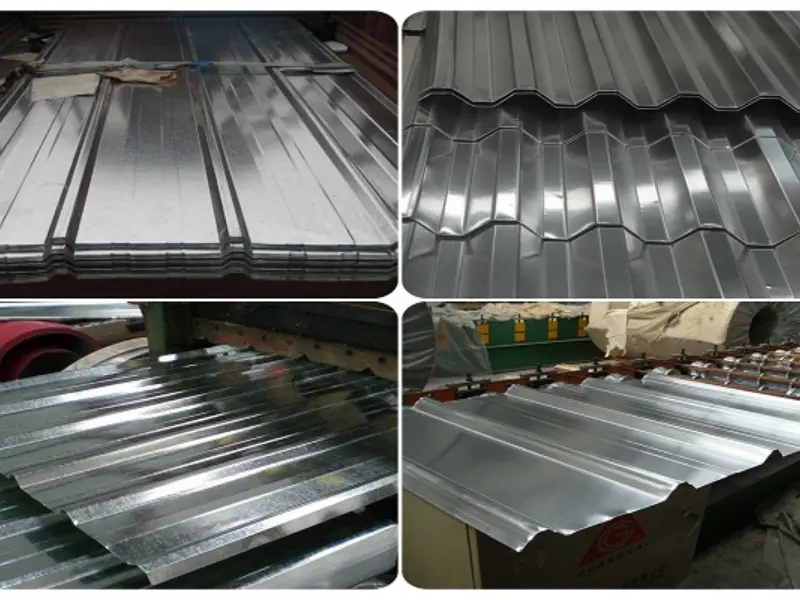
A cold saw or band saw with a carbide-tipped blade cuts 1/4 aluminum plate cleanly. Use a slow feed rate and plenty of cutting fluid. Avoid standard wood blades. They gum up and leave rough edges.
CNC Machining
6061-T651 machines beautifully on vertical mills and CNC routers. Use sharp carbide end mills, high spindle speeds, and aggressive feeds to prevent chip welding. Keep a vacuum or air blast running to clear chips. They pack into pockets and scratch the finish.
Waterjet and Laser
Waterjet cutting produces no heat-affected zone. It is ideal for intricate shapes and tight tolerances. Fiber laser cuts faster but leaves a small heat-affected zone that may soften the edge slightly. For most jobs, either method works well on 1/4 inch plate.
Deburring and Finishing
After cutting, break the sharp edges with a file or deburring tool. Aluminum burrs cut skin easily. If the part will be handled often, consider a light sand or Scotch-Brite finish to remove mill scale and cut marks.
Price Guide and Buying Tips
What Drives the Price
Several factors move the price of 1/4 aluminum plate:
- Alloy: 7075 costs more than 6061. 3003 costs less.
- Temper: T651 adds a small premium over T6.
- Size: Full sheets cost less per pound than cut blanks.
- Quantity: Higher volumes unlock mill-direct pricing.
- Certification: Mill test reports and aerospace certifications add cost.
4×8 Sheet of 1/4 Inch Aluminum Price Range
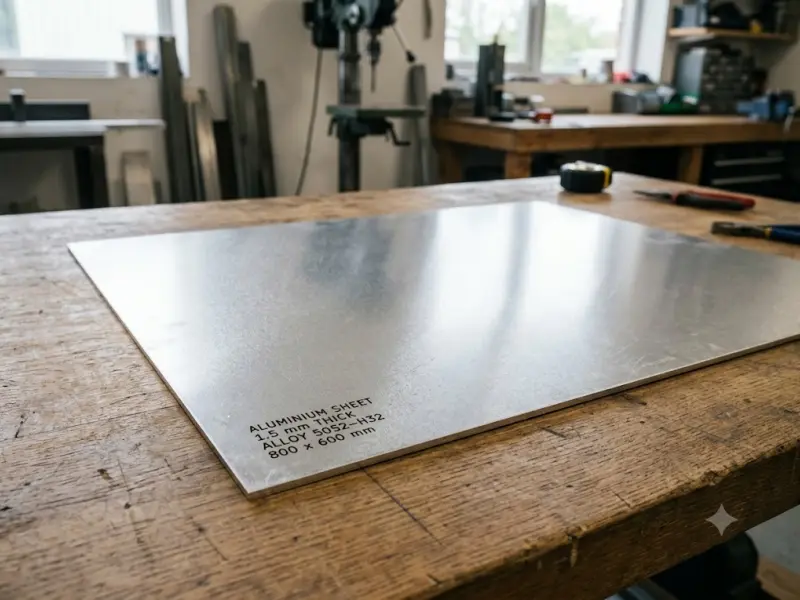
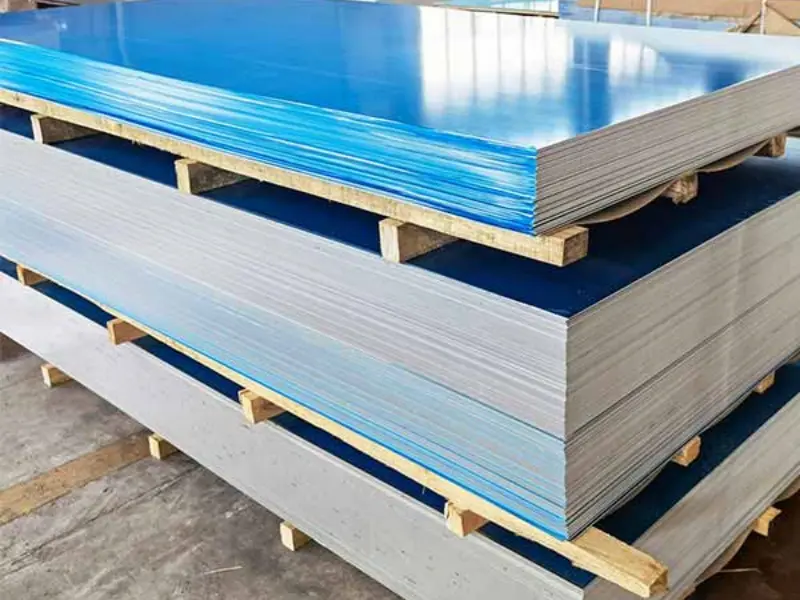
Market prices fluctuate with LME aluminum rates. As of recent quotes, a 4×8 sheet of 1/4 inch aluminum price typically runs between $400 and $700 depending on the supplier, quantity, and regional market. 5052-H32 usually sits in a similar range. 7075-T651 can double that price.
Home Depot vs Metal Suppliers
Stores like Home Depot and Lowe’s stock small aluminum pieces for convenience. A 12 x 24 inch piece of 1/4 aluminum plate Home Depot might cost $80 to $120 there. A metal distributor sells the same alloy for roughly half the per-pound price, but you may need to buy a full sheet or pay a cutting charge.
Buying Online vs Local Pickup
Online metal suppliers offer cut-to-size service with fast shipping. Local distributors let you inspect the sheet before purchase and avoid freight damage. If you need one small bracket, online cut-to-size is hard to beat. If you need ten full sheets, call a local distributor for a volume quote.
Frequently Asked Questions
How much does a 4×8 sheet of 1/4 inch aluminum weigh?
A standard 4×8 sheet of 1/4 inch aluminum weighs approximately 112 to 113 pounds. The exact number depends on the alloy density and manufacturing tolerance. Use 3.53 pounds per square foot as your rule of thumb.
How thick is 14 gauge aluminum diamond plate?
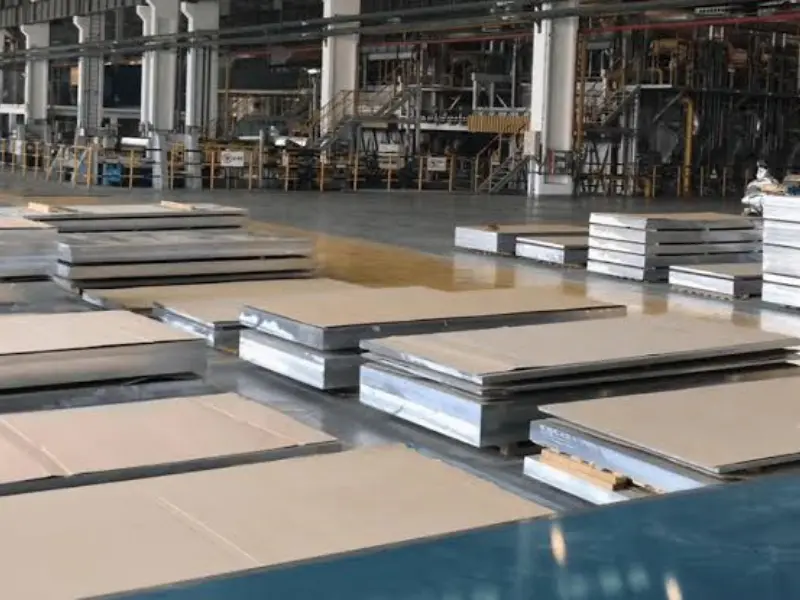
14 gauge aluminum measures 0.0641 inches thick, which equals about 1.63 millimeters. That is roughly one-fourth the thickness of 1/4 inch plate. A 14 gauge aluminum diamond plate carries the same base thickness but adds a raised pattern on one side.
Can I weld 1/4 aluminum plate?
Yes. 6061 and 5052 both weld well with MIG or TIG processes. Use argon shielding gas and aluminum filler wire. 4043 filler works for 6061. 5356 filler works for 5052. Clean the joint with a stainless steel brush before welding. Oil and oxide cause porosity.
What is the difference between 6061 and 5052?
6061 offers higher strength and better machinability. It is heat-treatable and ideal for structural parts. 5052 offers superior corrosion resistance and better formability. It is not heat-treatable and works best in marine or bending applications. Choose 6061 for brackets and machine parts. Choose 5052 for tanks and curved panels.
How to cut 1/4 aluminum plate at home?
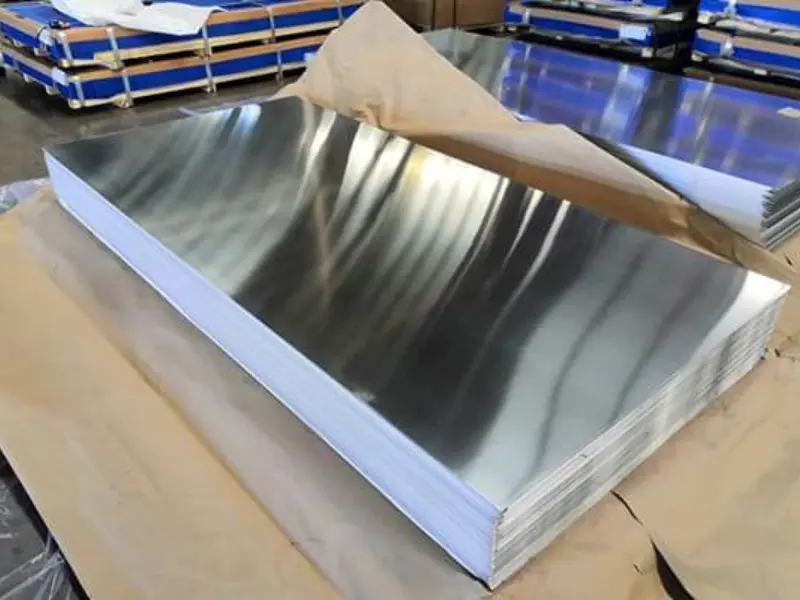
For straight cuts, use a band saw or circular saw with a carbide-tipped non-ferrous blade. Clamp a straightedge as a guide. Wear safety glasses and hearing protection. For small pieces, a jigsaw with a fine-tooth metal blade works but cuts slowly. Avoid abrasive cutoff wheels. They load up and overheat the aluminum.
Is 1/4 aluminum plate strong enough for a trailer floor?
Yes, if you support it properly. A 1/4 aluminum plate of 5052 or 6061 handles foot traffic and light equipment when framed on 16-inch centers. For heavy machinery or forklift traffic, step up to 3/8 inch or add more cross-members underneath. Diamond plate texture improves grip and hides dents.
What does T651 mean on aluminum plate?
T651 means the plate was solution heat-treated, artificially aged to peak strength, and then stretched to relieve internal stress. The stretching step prevents warping during machining. Always specify T651 instead of T6 when your part requires extensive milling or tight flatness tolerances.
How to drill 1/4 aluminum plate without breaking bits?
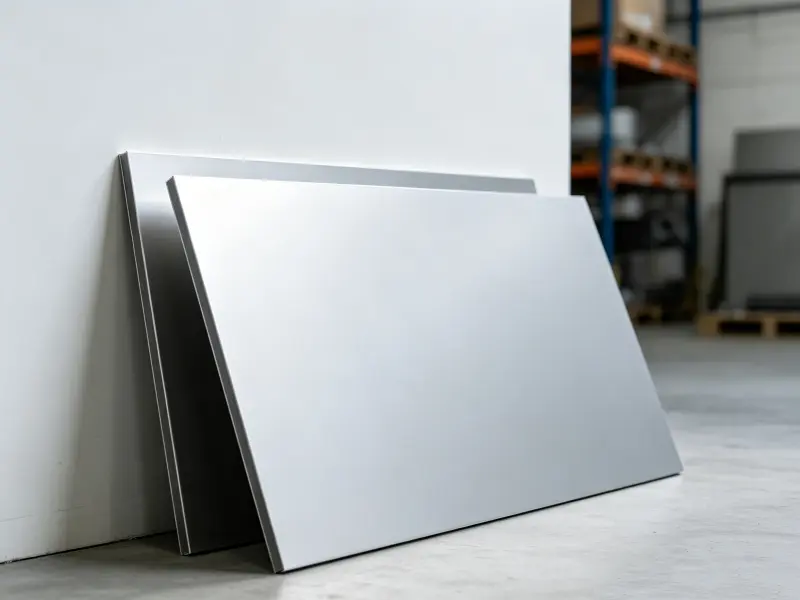
Use sharp carbide or high-speed steel drill bits designed for non-ferrous metals. Run the drill at high RPM with a medium feed rate. Use cutting fluid or WD-40 to keep the bit cool. Peck drilling helps deep holes. Do not let the bit rub. Rubbing work-hardens the aluminum and dulls the bit fast.