
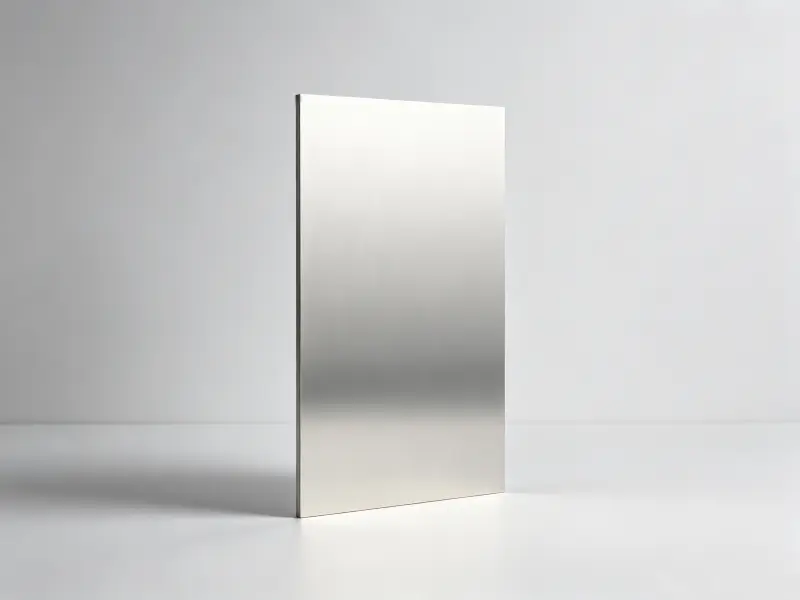
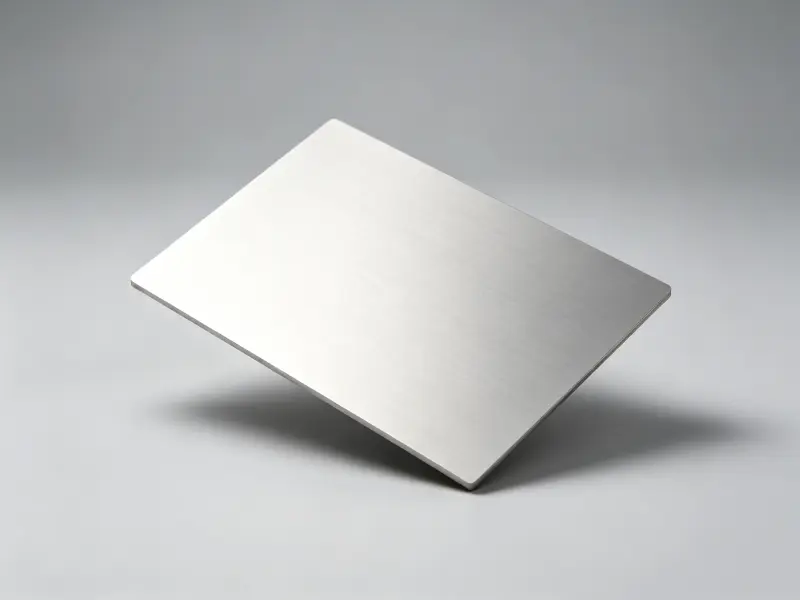
1/8 inch aluminum sheet is a versatile and widely used material suitable for construction, industrial, marine, and DIY projects.
Selecting the right alloy (3003, 5052, or 6061) depends on the strength, corrosion resistance, and workability required.
Whether you need lightweight panels, durable structural components, or decorative sheets, 1/8 inch aluminum sheet offers an ideal solution for a wide range of applications.
Types of Aluminum Sheet – 3003, 5052, 6061
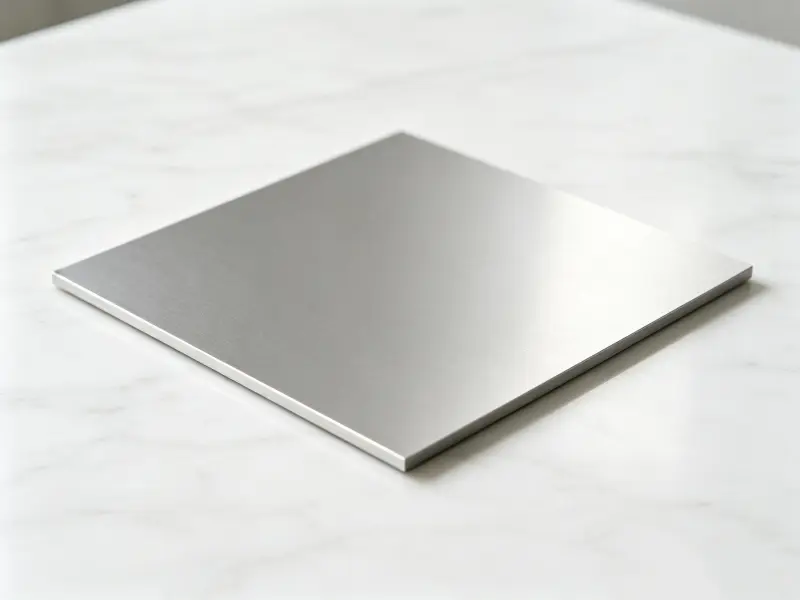
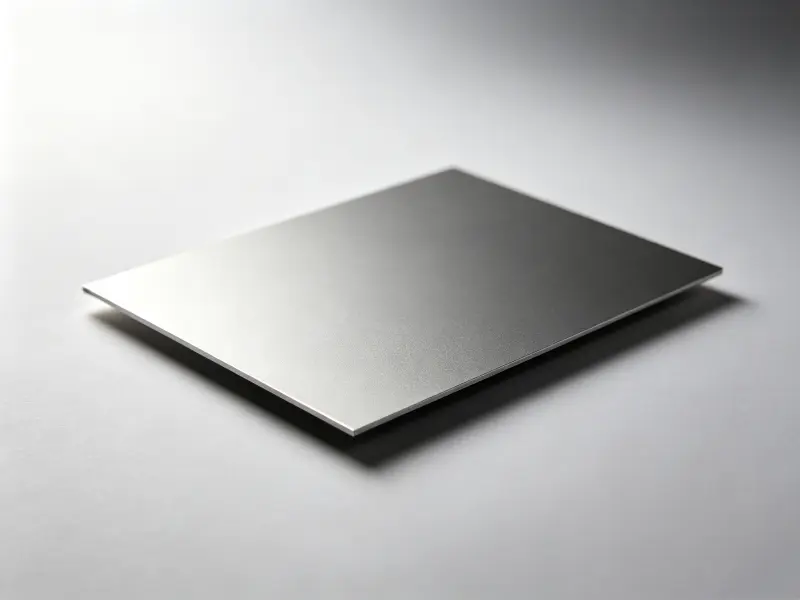
1/8 inch aluminum sheet is a popular thickness for industrial, construction, and DIY applications.
It is available in several alloys, including 3003, 5052, and 6061, each offering different strength, corrosion resistance, and machinability.
| Alloy | Temper | Thickness (in) | Weight (lbs per 4×8 sheet) | Features |
|---|---|---|---|---|
| 3003 | H14 | 0.125 | 20 | Excellent corrosion resistance, easy to form |
| 5052 | H32 | 0.125 | 20.5 | High strength, corrosion-resistant in marine environments |
| 6061 | T6 | 0.125 | 21 | Strong, heat-treatable, excellent mechanical properties |
3003 Aluminum Sheet
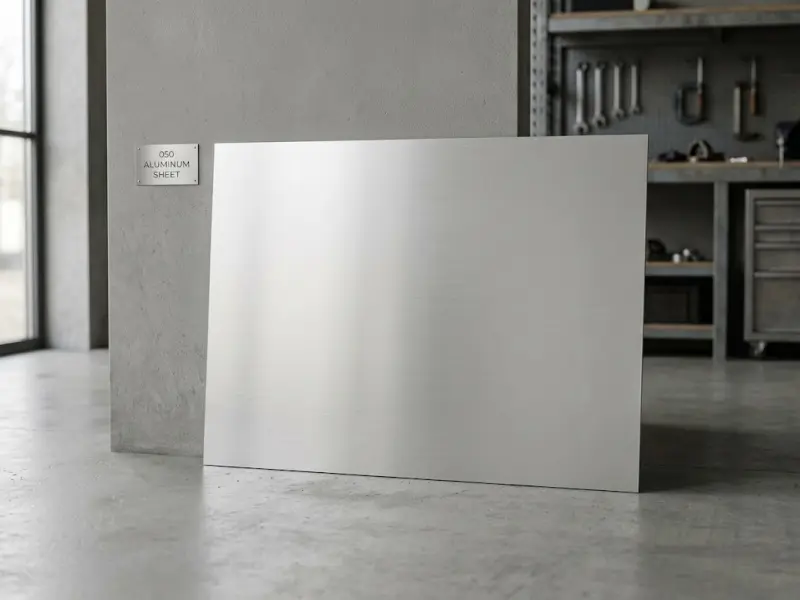
3003 aluminum sheet is one of the most popular non-heat-treatable alloys. It is made primarily of aluminum with a small amount of manganese, which increases strength compared to pure aluminum.
Key Features
- Excellent corrosion resistance
- Good formability and weldability
- Moderate strength suitable for light-duty applications
- Smooth surface and easy to anodize for appearance enhancement
Specifications Table
| Property | Detail |
|---|---|
| Alloy | 3003 |
| Temper | H14 / H24 |
| Density | 2.73 g/cm³ |
| Tensile Strength | 110–150 MPa |
| Yield Strength | 95 MPa |
| Thickness Range | 0.2mm – 6mm |
Common Applications
- Roofing and siding panels
- Food and chemical handling equipment
- Decorative trim and signage
- Kitchen utensils and storage tanks
5052 Aluminum Sheet
Overview
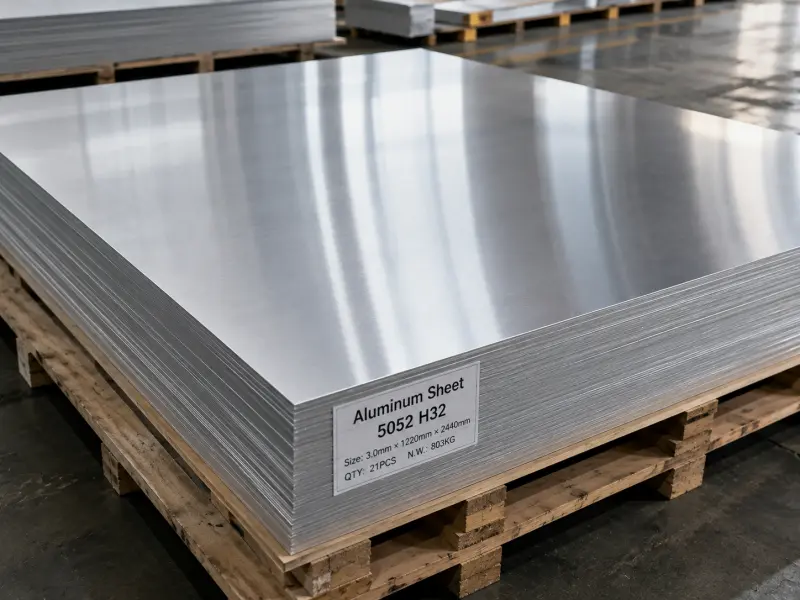
5052 aluminum sheet is known for its excellent corrosion resistance, especially in marine and saltwater environments. It is stronger than 3003 and retains good formability and weldability.
Key Features
- Superior resistance to corrosion and seawater
- High fatigue strength
- Good weldability
- Suitable for anodizing and painting
Specifications Table
| Property | Detail |
|---|---|
| Alloy | 5052 |
| Temper | H32 / H34 |
| Density | 2.68 g/cm³ |
| Tensile Strength | 210–260 MPa |
| Yield Strength | 160–200 MPa |
| Thickness Range | 0.5mm – 10mm |
Common Applications
- Marine and boat panels
- Fuel tanks and truck bodies
- Pressure vessels
- Outdoor architectural structures
6061 Aluminum Sheet
Overview
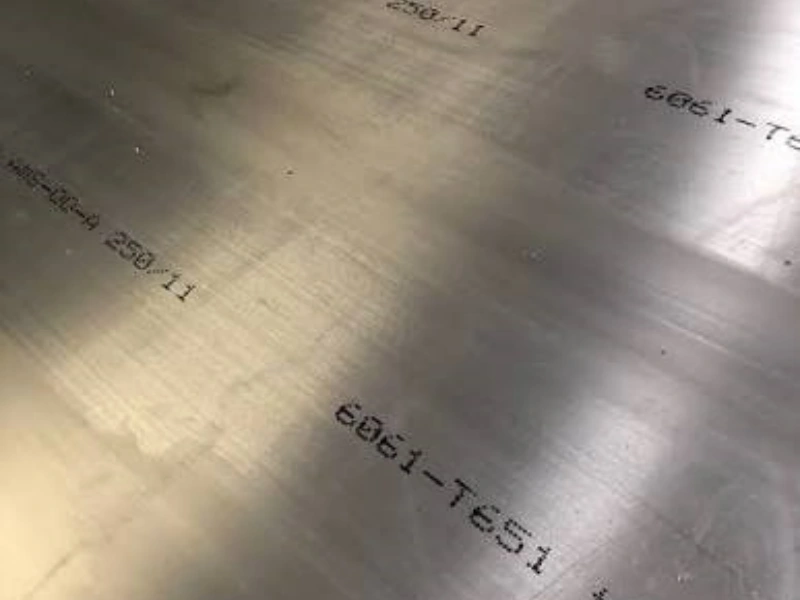
6061 aluminum sheet is a heat-treatable alloy that provides the highest strength among the three. It contains magnesium and silicon, offering excellent mechanical properties and corrosion resistance.
Key Features
- High tensile and yield strength
- Excellent machinability
- Suitable for heat treatment and welding
- Ideal for structural and heavy-duty applications
Specifications Table
| Property | Detail |
|---|---|
| Alloy | 6061 |
| Temper | T6 / T651 |
| Density | 2.70 g/cm³ |
| Tensile Strength | 290–320 MPa |
| Yield Strength | 240 MPa |
| Thickness Range | 1mm – 150mm |
Common Applications
- Aerospace and automotive components
- Frames and brackets
- Machinery and tooling
- Heavy-duty flooring and truck beds
Comparison Summary
| Alloy | Strength | Corrosion Resistance | Formability | Common Use |
|---|---|---|---|---|
| 3003 | Moderate | Excellent | Excellent | Roofing, utensils |
| 5052 | High | Excellent (Marine) | Good | Tanks, boats |
| 6061 | Very High | Good | Moderate | Aerospace, structures |
How Thick is 1/8 Aluminum Sheet?
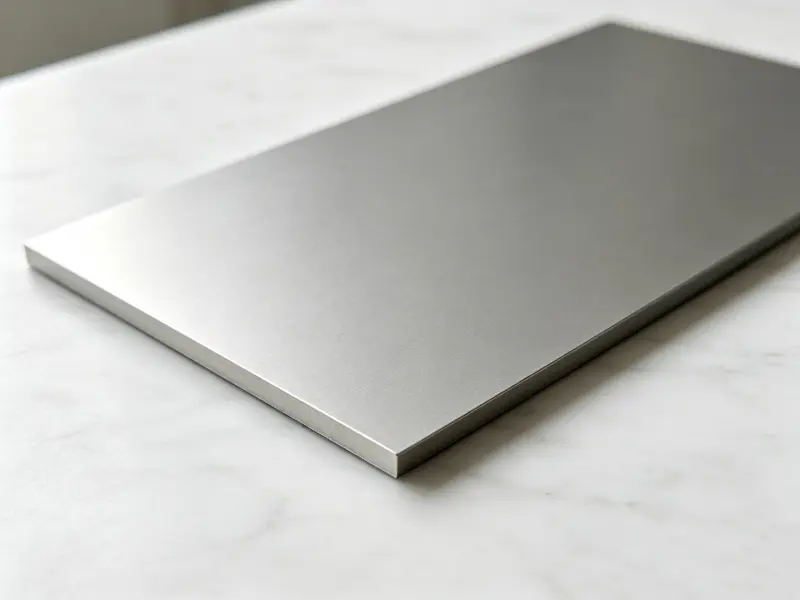
1/8 inch aluminum sheet equals 0.125 inches or 3.175 mm.
It is suitable for sheet metal fabrication, signage, panels, and enclosures.
This thickness provides a balance of strength and flexibility, making it easy to cut, bend, and weld.
How Strong is 0.125 Aluminum?
The strength of 1/8 inch aluminum depends on the alloy:
| Alloy | Yield Strength (psi) | Tensile Strength (psi) | Common Use |
|---|---|---|---|
| 3003 | 17,000 | 28,000 | Roofing, siding, decorative panels |
| 5052 | 28,000 | 38,000 | Marine applications, truck beds, panels |
| 6061 | 40,000 | 45,000 | Aerospace, structural components, heavy-duty panels |
Key Notes:
- 6061 is stronger than 3003 and 5052.
- 5052 has superior corrosion resistance, especially in saltwater.
- 3003 is easy to form and suitable for decorative applications.
Weight of 1/8 Aluminum Sheet (4×8)
A 4×8 foot sheet of 1/8 inch aluminum weighs roughly:
| Alloy | Weight (lbs) |
|---|---|
| 3003 | 20 |
| 5052 | 20.5 |
| 6061 | 21 |
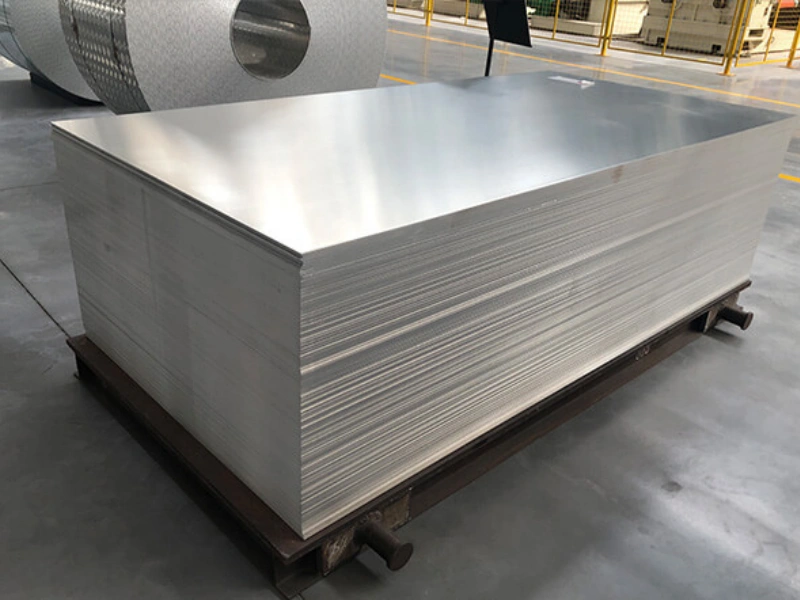
Applications where weight matters:
HVAC ducts and enclosures
Aircraft and marine components
Lightweight furniture panels
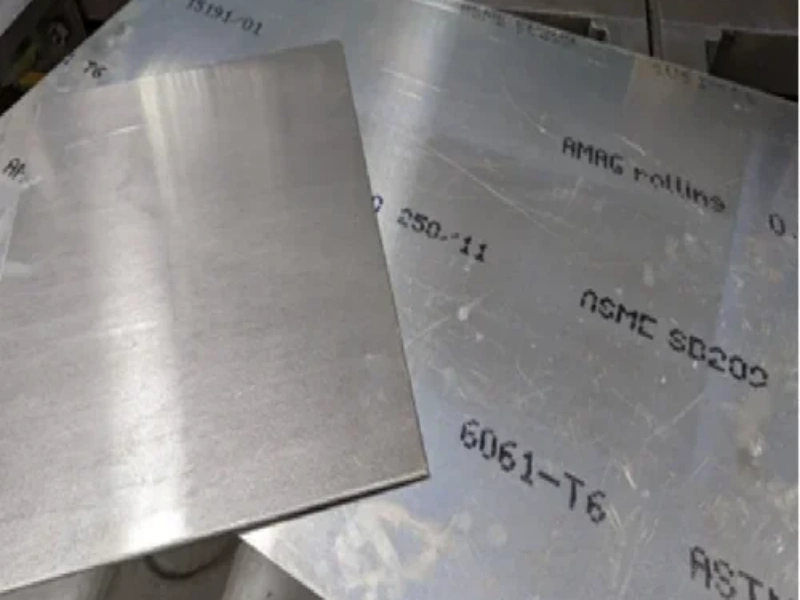
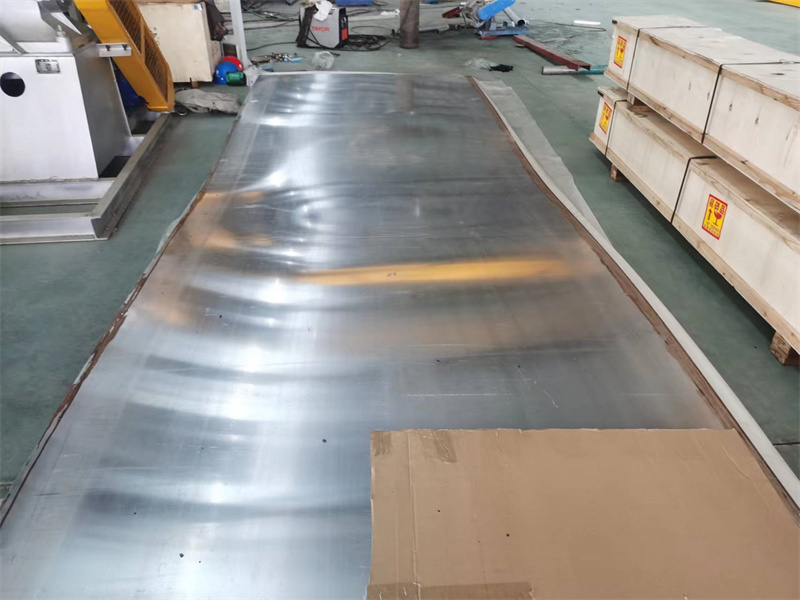
6061 vs 7075 Aluminum: Which is Stronger?
| Alloy | Tensile Strength (psi) | Properties |
|---|---|---|
| 6061-T6 | 45,000 | Good strength, weldable, corrosion-resistant |
| 7075-T6 | 83,000 | Very high strength, not as corrosion-resistant, harder to weld |
Summary:
- For most industrial applications, 6061 is preferred for ease of use and corrosion resistance.
- For extreme strength applications, 7075 is stronger but less corrosion-resistant.
Applications of 1/8 Aluminum Sheet

1/8 inch aluminum sheets are widely used in:
DIY & Craft: Signage, photo frames, and decorative projects
Construction: Roofing panels, siding, and facades
Automotive: Body panels, brackets, and trim
Marine: Boat panels, decks, and accessories
Industrial: Enclosures, machinery parts, ductwork
| Application | Alloy Recommended | Notes |
|---|---|---|
| Roofing Panels | 3003 | Easy to form and install |
| Marine Panels | 5052 | Corrosion-resistant in saltwater |
| Structural Components | 6061 | High strength and durable |
| Signage & Craft | 3003 or 5052 | Lightweight and easy to cut |
Specifications Table
| Property | Value (Typical for 1/8″) |
|---|---|
| Thickness | 0.125 in / 3.175 mm |
| Width | 48 in (standard) |
| Length | 96 in (standard) |
| Weight | 20–21 lbs per 4×8 sheet |
| Common Alloy | 3003, 5052, 6061 |
| Finish | Mill, brushed, painted, anodized |
1/8 Aluminum Sheet For Projects
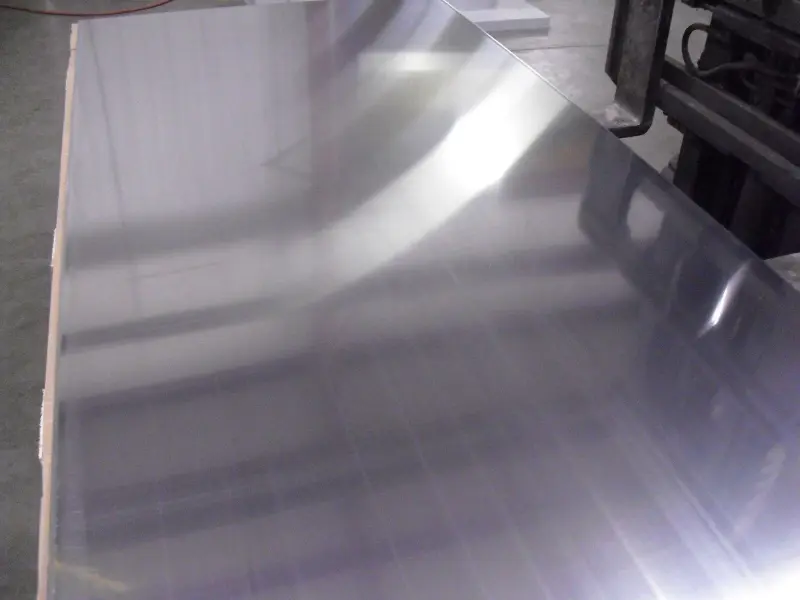
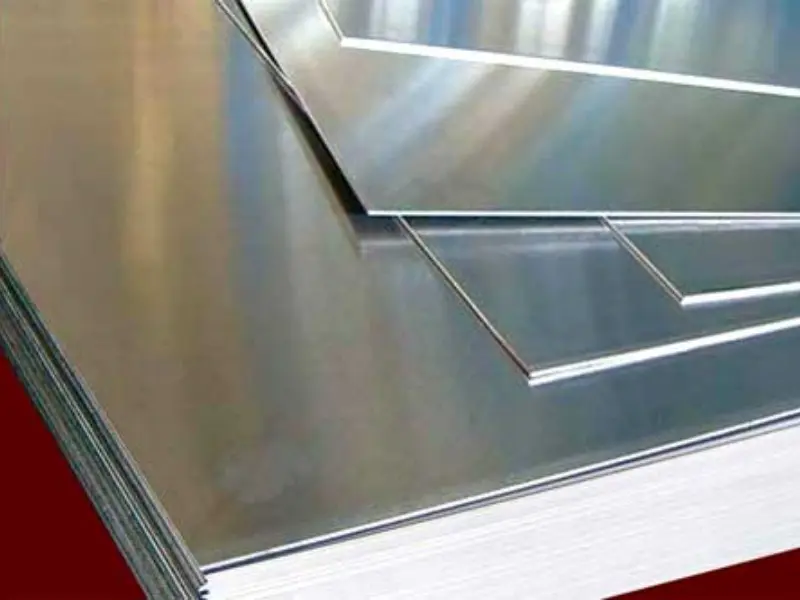
1/8 aluminum sheet marks the point where light-duty fabrication stock starts to feel more like structural plate. At .125 inches thick, it holds up to real handling, resists bending under moderate stress, and still cuts cleanly with standard shop tools.
What Is 1/8 Aluminum Sheet

1/8 inch converts to .125 inches, or roughly 3.18mm, placing it firmly in the mid-to-heavy range of common aluminum sheet stock.
Many fabricators consider this the transition point between sheet metal work and plate work, since it carries enough rigidity for load-bearing brackets and panels without the extra weight of true plate stock.
This thickness sees steady demand across structural fabrication, machine guards, and transportation parts, where a bit of extra stiffness matters but full plate thickness would be overkill.
Why Fabricators Reach for 1/8 Sheet
- Strong enough for light structural brackets and frames
- Still manageable with standard shears and press brakes
- Resists denting and flexing better than thinner gauges
- Common stock size at most metal suppliers
- Works well for both flat panels and welded assemblies
1/8 Aluminum Sheet in Different Units
| Unit | Value |
|---|---|
| Fraction | 1/8 inch |
| Decimal | 0.125 inch |
| Millimeters | 3.18 mm |
| Approximate Gauge | 8 gauge |
Gauge numbers can vary slightly across different industry standards, so decimal or millimeter figures give the most reliable match when comparing suppliers.
Alloy Options at 1/8 Thickness

Alloy selection at this thickness often shifts toward stronger grades, since buyers reaching for 1/8 sheet frequently need structural performance.
| Alloy | Temper | Best For |
|---|---|---|
| 6061 | T6 | Structural brackets, machined parts, frames |
| 5052 | H32 | Marine parts, fuel tanks, moderate strength panels |
| 3003 | H14 | General fabrication, tanks, lighter-duty panels |
| 5083 | H32 | Heavy-duty marine and structural components |
6061-T6 becomes a more common pick at 1/8 thickness compared to thinner gauges, since its higher strength and machinability suit the structural roles this thickness often fills.
Alloy Guide at This Thickness
- 6061: the go-to choice when structural strength and machining both matter
- 5052: solid pick for marine parts and moderate-strength fabrication
- 3003: still useful for general fabrication where full structural strength is not required
- 5083: reserved for the heaviest-duty marine and structural applications
Weight of 1/8 Aluminum Sheet
The weight becomes a bigger factor at this thickness, especially for large panels or parts that need manual handling.
| Alloy | Weight (lb/sq ft) | Weight (kg/m²) |
|---|---|---|
| 3003 | 1.76 | 8.59 |
| 5052 | 1.78 | 8.69 |
| 6061 | 1.76 | 8.59 |
| 5083 | 1.79 | 8.74 |
Weight stays close across alloys at the same thickness, since aluminum density does not vary much between common structural grades.
Standard Sheet and Plate Sizes


| Width (in) | Length (in) |
|---|---|
| 36 | 96 |
| 48 | 96 |
| 48 | 120 |
| 60 | 144 |
Custom cut sizes are widely available at this thickness, since many fabrication shops order 1/8 stock pre-cut to match specific part dimensions.
Product Types
1/8 aluminum sheet comes in several forms suited to different fabrication needs.
Mill Finish 1/8 Sheet

Plain, unpolished stock straight from the mill.
- Standard choice for structural and machined parts
- Lowest-cost option at this thickness
- Common base for painting or powder coating
Tread Plate at 1/8 Thickness

Diamond pattern rolled into the surface for slip resistance.
- Common for trailer flooring and step surfaces
- Adds a small amount of extra rigidity over flat sheet
- Available in the same alloy range as flat stock
Cut-to-Size 1/8 Plate
Pre-cut to exact project dimensions before shipping.
- Reduces on-site cutting time and material waste
- Common for repeat production runs with fixed part sizes
- Cutting method (shear, waterjet, laser) available on request
Painted 1/8 Aluminum Sheet

Finished with a baked-on color coating.
- Used for visible structural trim and equipment panels
- Adds UV protection over bare mill finish
- Less common at this thickness than at lighter gauges, but available
1/8 Aluminum Tooling Plate
A flatter, more dimensionally stable version used for jigs and fixtures.
- Tighter flatness tolerance than standard mill plate
- Common in machine shop tooling and fixture work
- Typically supplied in 6061-T6 for machinability
1/8 vs 3/16 vs 1/4 Aluminum Sheet
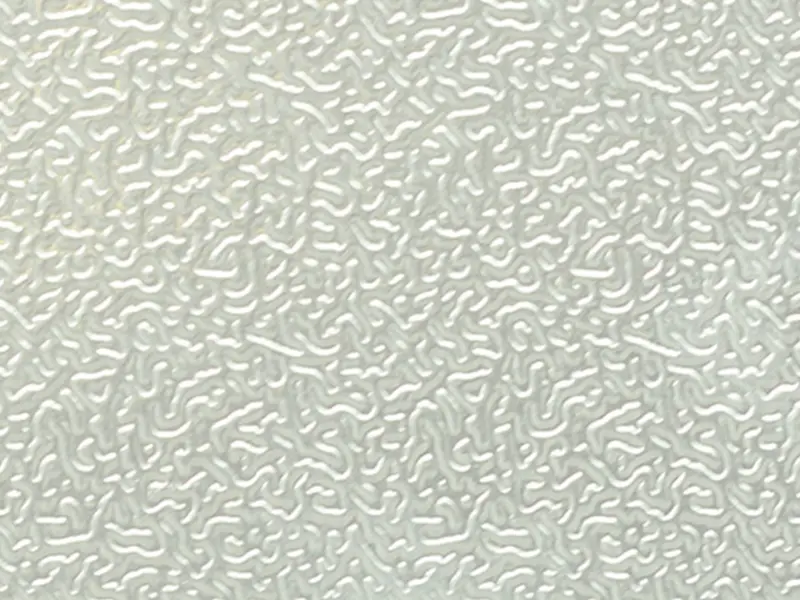
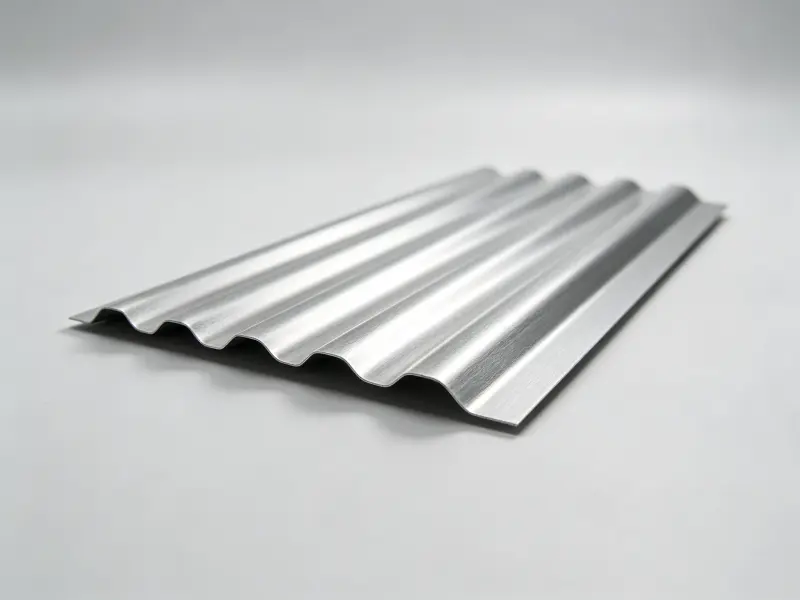
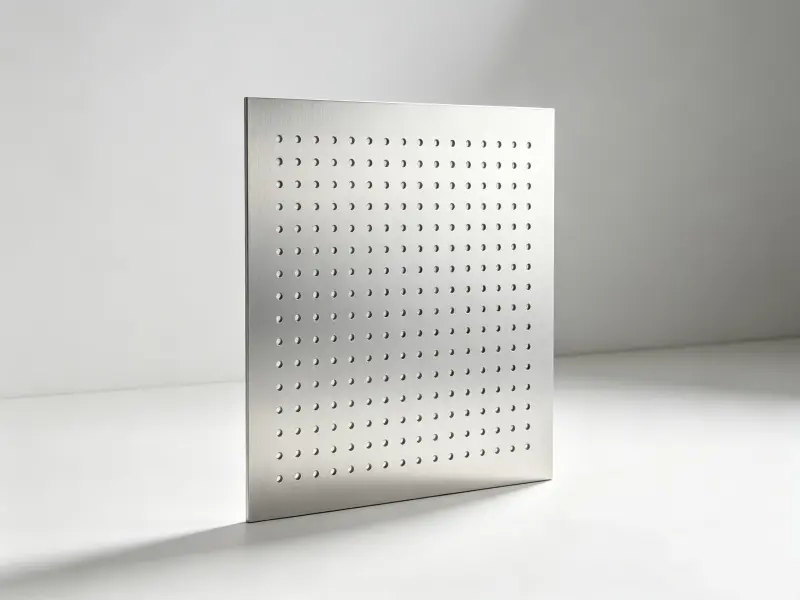
Thickness comparisons help buyers decide how much material is really needed for a given part.
| Thickness | Decimal (in) | Common Use |
|---|---|---|
| 1/8 | .125 | Light structural brackets, panels |
| 3/16 | .187 | Moderate structural parts, heavier brackets |
| 1/4 | .250 | Heavy structural plate, load-bearing frames |
1/8 sheet works well for parts that need more rigidity than standard sheet metal but do not carry heavy structural loads. Moving up to 3/16 or 1/4 makes sense once a part needs to support significant weight or withstand repeated stress.
Choosing the Right Thickness
→ Building a light structural bracket? 1/8 sheet usually provides enough rigidity. → Making a load-bearing frame component? Step up to 3/16 or 1/4 for added strength. → Need a flat, stable surface for tooling? 1/8 tooling plate in 6061-T6 offers good dimensional stability. → Working with saltwater exposure? Choose 5052 or 5083 regardless of thickness.
6061 vs 5052 at 1/8 Thickness
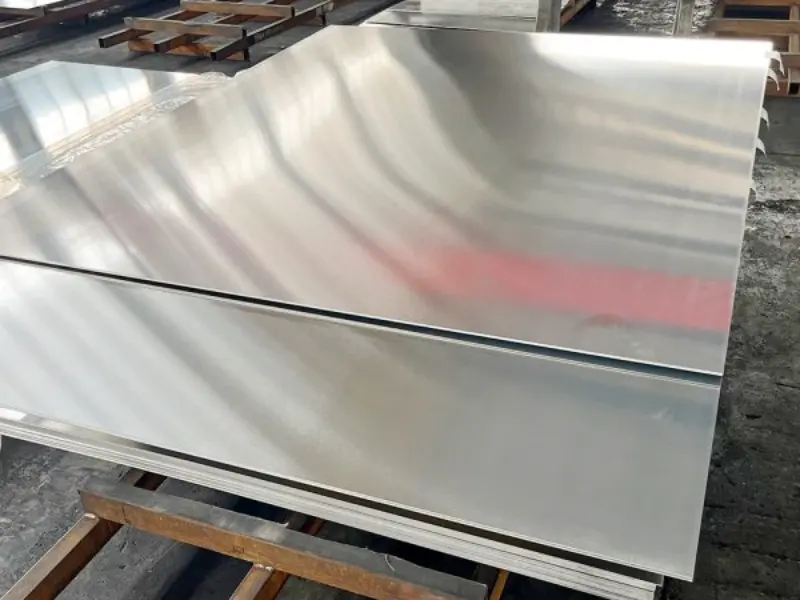
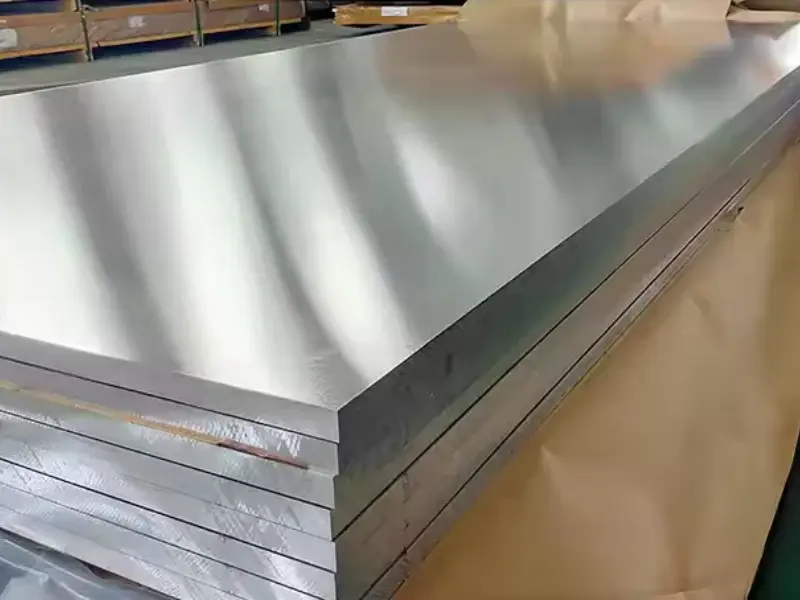
These two alloys are the most common comparison at this gauge, since both see heavy use in structural and marine fabrication.
| Factor | 6061 (1/8) | 5052 (1/8) |
|---|---|---|
| Strength | Higher, especially in T6 temper | Moderate |
| Machinability | Excellent | Fair |
| Weldability | Good | Very good |
| Corrosion resistance | Good | Excellent, including saltwater |
| Common use | Structural brackets, machined parts | Marine panels, fuel tanks |
6061 wins for parts that need machining or maximum structural strength. 5052 remains the better choice for marine applications or projects where welding performance matters more than machinability.
Applications
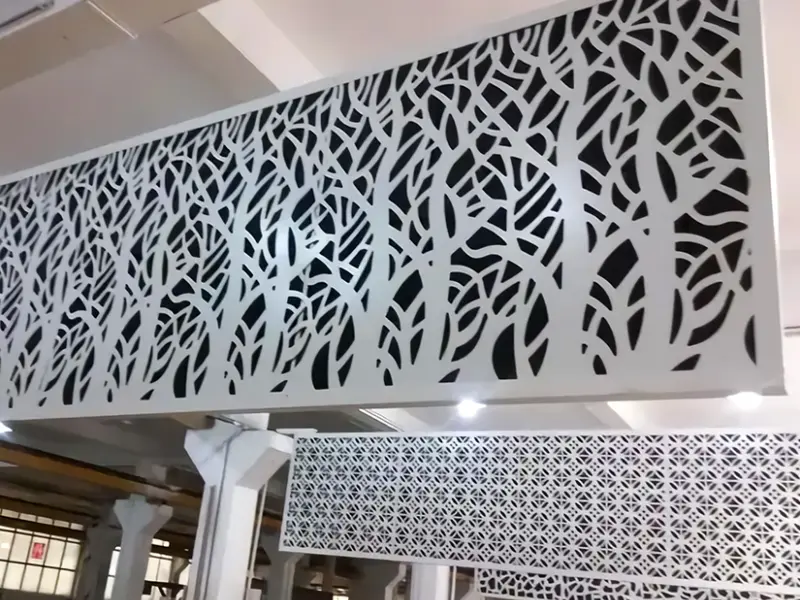
1/8 aluminum sheet is used across industries that need a step up in strength from standard sheet stock.
- Structural brackets and mounting plates
- Machine guards and safety panels
- Trailer flooring and tread plate
- Tooling and fixture plates
- Marine deck panels and trim
- Electrical enclosure panels
- Truck body components
- Light structural framing
Why Fabricators Choose 1/8 Thickness
A Practical Middle Ground
Thick enough for real structural duty, but still light enough to handle without heavy lifting equipment.
Wide Alloy Selection
From 3003 to 6061 to 5083, most common structural alloys are stocked at this thickness, giving fabricators flexibility to match material to the job.
Good Machining Performance
Especially in 6061-T6, 1/8 plate machines cleanly, making it a common choice for CNC-cut brackets and fixtures.
Balanced Cost for Structural Use
Costs more than thin sheet, but far less than heavy plate, making it an efficient choice for parts needing moderate strength.
Packaging and Delivery
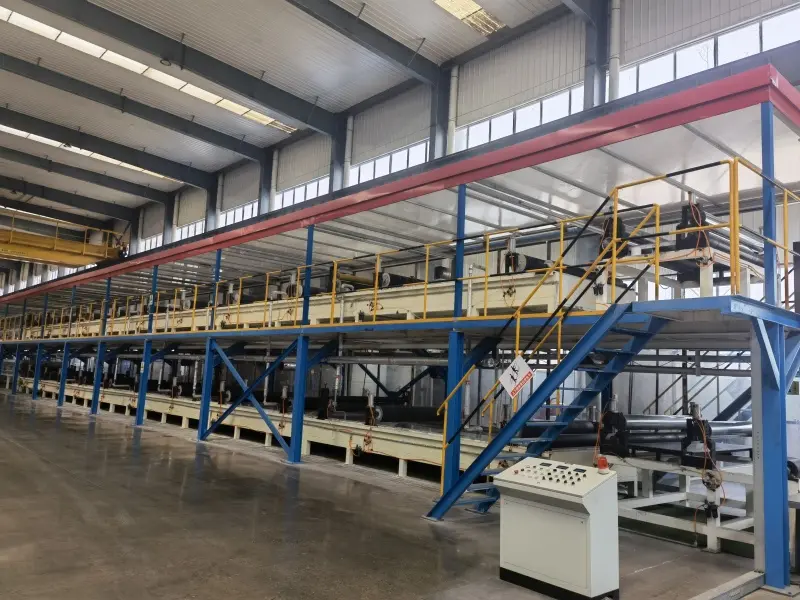
Sheet and plate at this thickness require sturdier packing than lighter gauges to prevent bending during transit.
- Wood pallet or crate packing for most shipments
- Edge protection to prevent corner damage
- Interleaved paper for painted or polished finishes
- MOQ and lead time depend on alloy, temper, and cut size
Frequently Asked Questions
What is 1/8 aluminum sheet used for?
It is used for structural brackets, machine guards, tooling plates, trailer flooring, and marine panels, mainly where more rigidity than standard sheet metal is needed.
How much does 1/8 aluminum sheet weigh?
It weighs approximately 1.76 lb per square foot for most common alloys, or about 8.6 kg per square meter.
What alloy is best for 1/8 aluminum sheet?
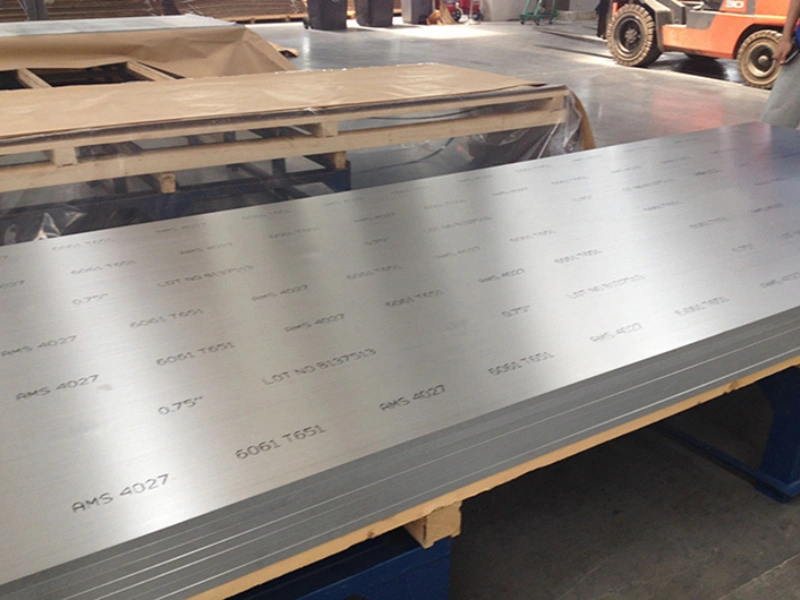
6061-T6 is the top choice for structural or machined parts, while 5052 suits marine applications needing better saltwater resistance.
Is 1/8 aluminum sheet considered plate or sheet?
It sits right at the transition point. Many suppliers still call it sheet, though its thickness and use often overlap with light plate applications.
What is the difference between 1/8 and 1/4 aluminum sheet?
1/4 inch is roughly twice as thick, offering significantly more strength for heavy structural loads, while 1/8 suits lighter structural and fabrication needs.
Does 1/8 aluminum sheet come pre-cut to size?
Yes. Many suppliers offer cut-to-size 1/8 plate for fabrication shops running repeat production with fixed part dimensions.