
Wood grain aluminum is a type of aluminum that has been treated to mimic the look and feel of wood. This is typically achieved by using a process called wood grain transfer printing.
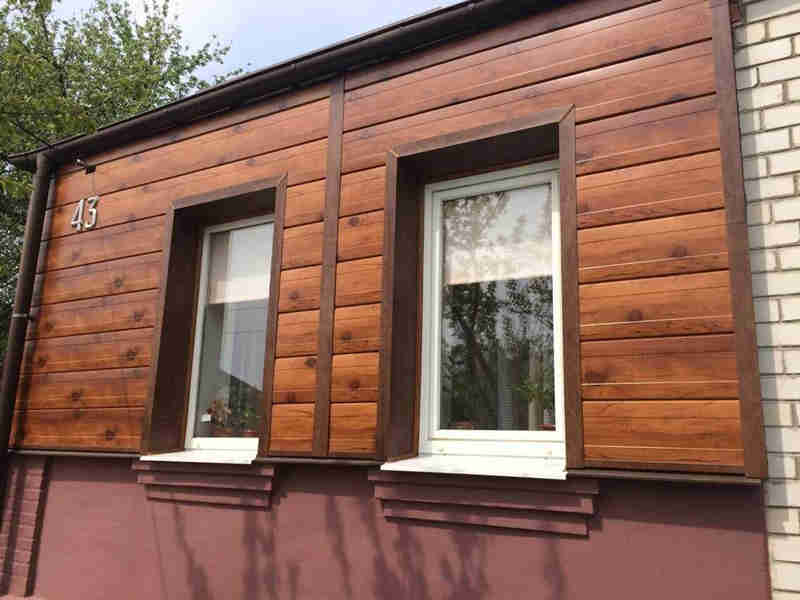
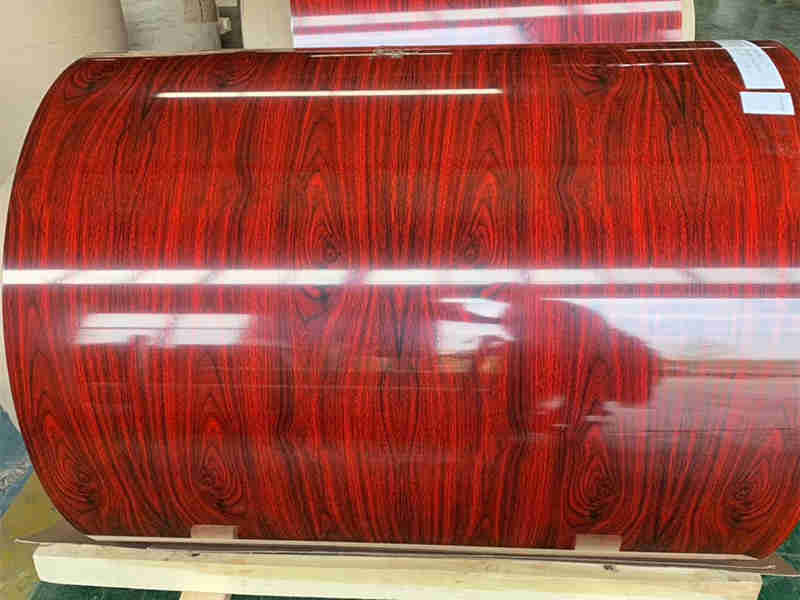
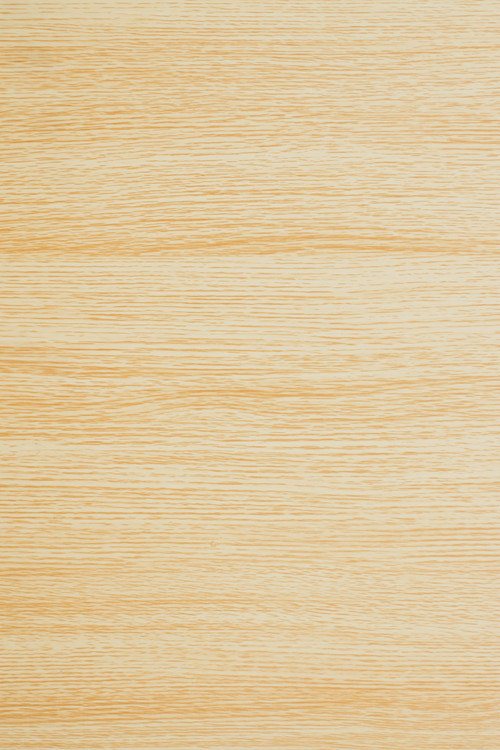
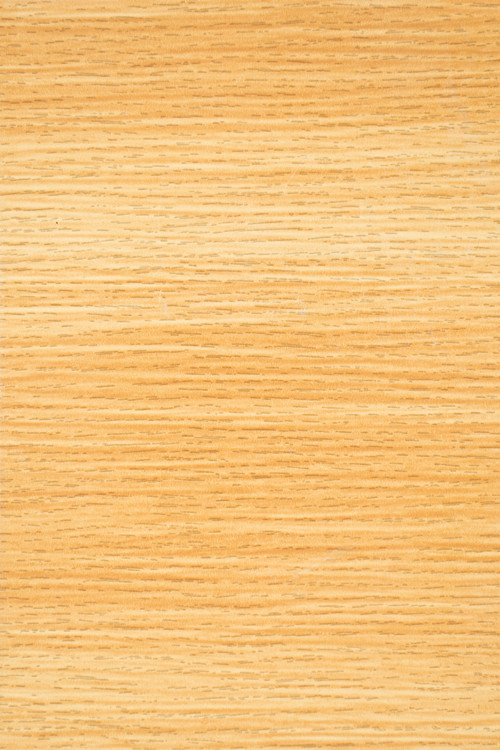
A Wood Grain Pattern
This process involves taking a wood grain pattern and transferring it onto an aluminium surface using heat, pressure and adhesives.
The result is an aluminum surface that looks and feels like wood, but with the added benefits of being more durable, weather resistant, and low-maintenance.
Wood Grain Aluminum Application
The wood grain aluminium is often used in architectural and design applications, such as for window frames, door frames, siding, and furniture.
It has uses in the construction of vehicles, boats, and other transportation equipment.
What Is Aluminum?
The aluminum is lightweight and strong, making it a popular choice for use in these applications. The wood grain finish can be done in various types of wood such as Oak, Teak, Cherry, Maple etc.
It has as a substitute of wood in outdoor applications where wood may not be suitable such as in humid areas, near the sea or where pests are common.
Advantages
Additionally, wood grain aluminium is a more sustainable option as it requires less resources to produce and is recyclable.
What Is Wood Grain Aluminum?
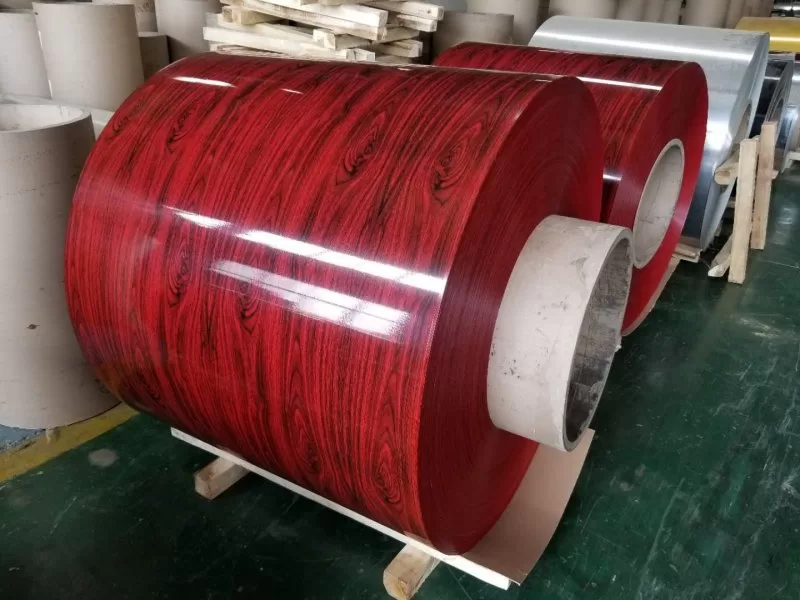
Wood grain aluminum is aluminum sheet, aluminum coil, or aluminum profile with a wood-look surface. It combines the light weight and strength of aluminum with the warm appearance of natural wood.
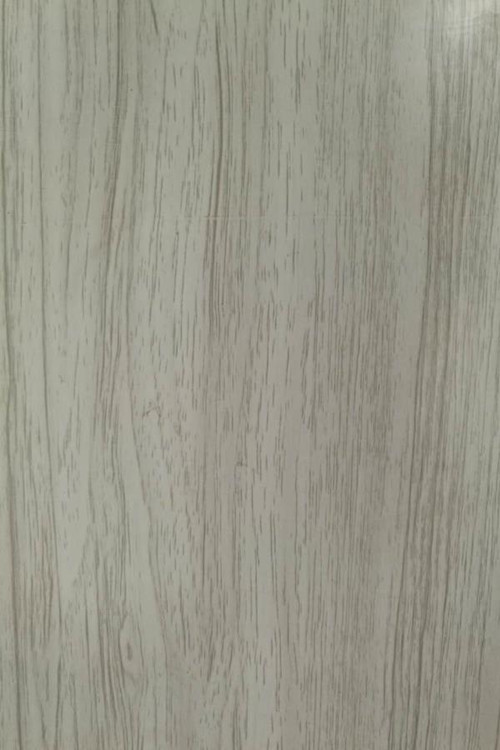
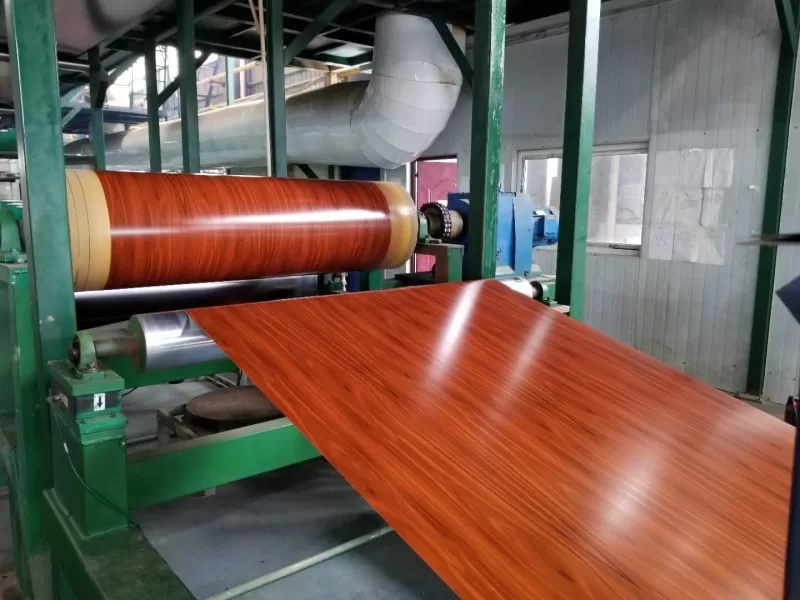
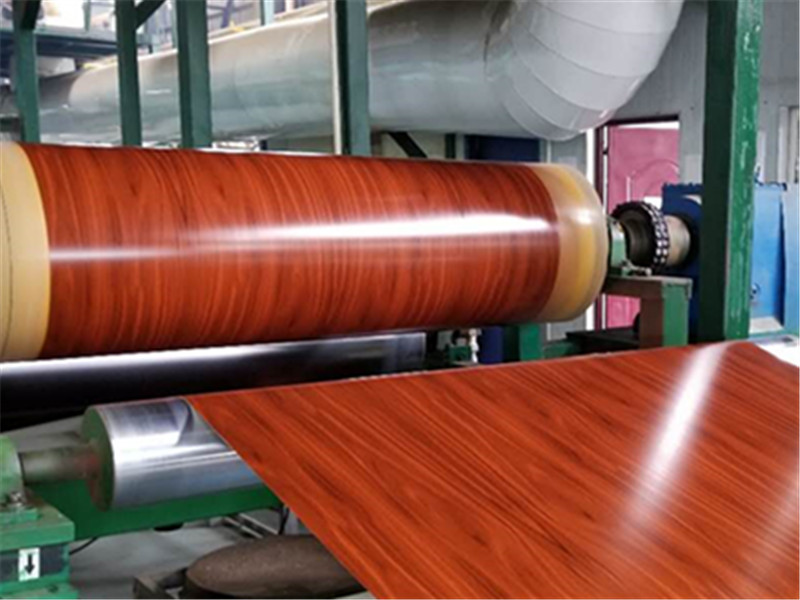
The wood pattern is usually made by a sublimation transfer process, powder coating process, or other decorative coating technology. The surface can imitate oak, walnut, teak, cedar, pine, ash, and many other wood colors.
Unlike real wood, aluminum does not rot, crack, or absorb water in the same way. This makes it useful for exterior walls, ceilings, doors, windows, signs, interior decoration, and architectural projects.
For customers who want a natural wood appearance without using solid timber, wood grain aluminum is a practical material.
Wood Grain Aluminum at a Glance
| Item | Typical Options |
|---|---|
| Product Form | Sheet, Coil, Panel, Profile, Strip |
| Common Alloys | 1050, 1060, 1100, 3003, 5005, 5052, 6061 |
| Temper | O, H12, H14, H16, H18, H24, H26, T5, T6 |
| Thickness | 0.5–3.0 mm for many architectural uses |
| Width | 500–1600 mm, customizable |
| Length | 1000–6000 mm, customizable |
| Surface | Wood grain, matte, textured, smooth |
| Wood Colors | Oak, Walnut, Teak, Cedar, Pine, Ash |
| Production | Coil coating, powder coating, sublimation |
| Indoor Use | Yes |
| Outdoor Use | Yes, with suitable coating |
| Fabrication | Cutting, bending, punching, forming |
How Is Wood Grain Aluminum Made?
The appearance has not produced by changing the aluminum itself. The base metal remains aluminum.
The wood effect comes from the surface treatment.
There are several common production methods.
Sublimation Transfer
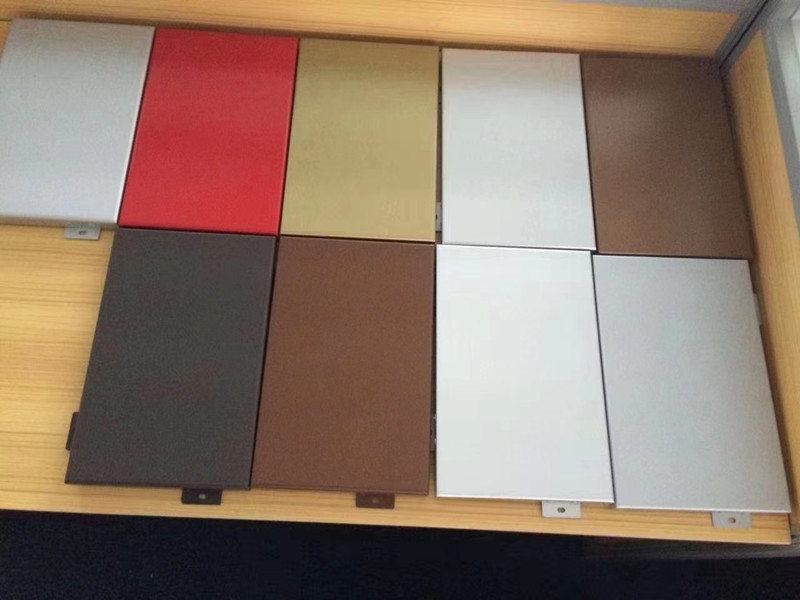
A printed wood pattern has transferred onto a coated aluminum surface under controlled heat and pressure.
This method can create detailed grain lines and realistic color changes.
It is often used for architectural panels, doors, windows, decorative sheets, and custom designs.
Powder Coating
The aluminum has coated with a special powder coating. A wood texture or wood-color finish is then produced on the surface.
Powder coating can provide good surface protection and a wide range of colors.
PVDF Coating
PVDF coating has commonly selected for projects that require stronger weather resistance.
It is suitable for exterior architectural applications where color stability is important.
Quick Production Flow
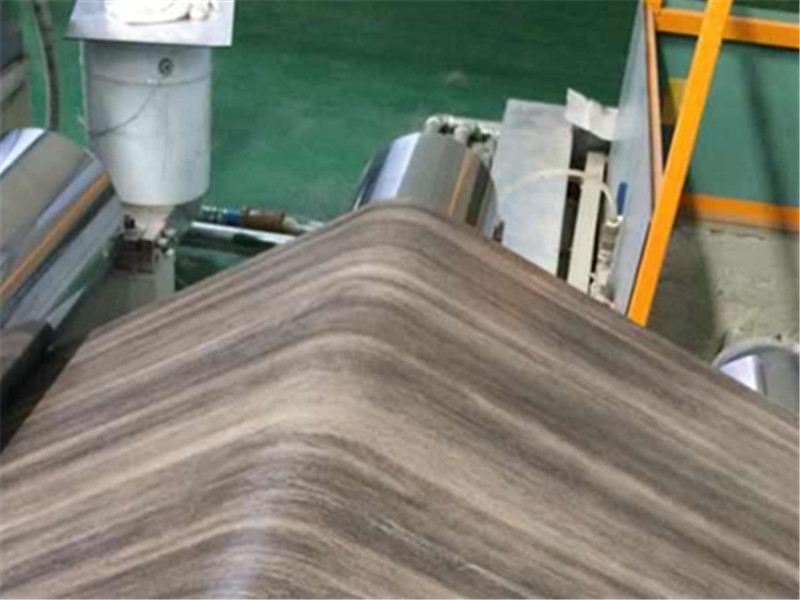
Aluminum Sheet/Coil
↓
Cleaning & Pretreatment
↓
Base Coating
↓
Wood Pattern Transfer or Decorative Coating
↓
Curing
↓
Surface Inspection
↓
Cutting / Forming
↓
Finished Wood-Look Aluminum
What Types of Wood Grain Aluminum Are Available?
The term does not refer to one single product.
It can describe several aluminum products with a wood appearance.
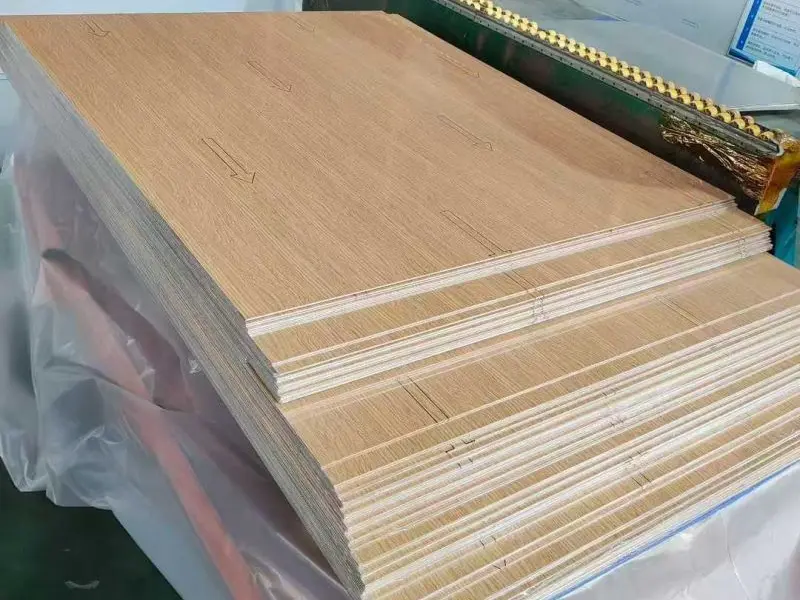
Wood Grain Aluminum Sheet
This is one of the most flexible forms.
Sheets have cut into different dimensions for wall panels, signs, doors, ceilings, partitions, and decorative components.
Typical thicknesses include:
| Thickness | Typical Use |
|---|---|
| 0.5 mm | Light decoration |
| 0.7 mm | Interior panels |
| 1.0 mm | Wall and ceiling panels |
| 1.2 mm | Architectural decoration |
| 1.5 mm | Stronger panels |
| 2.0 mm | Exterior applications |
| 3.0 mm | Heavy-duty panels |
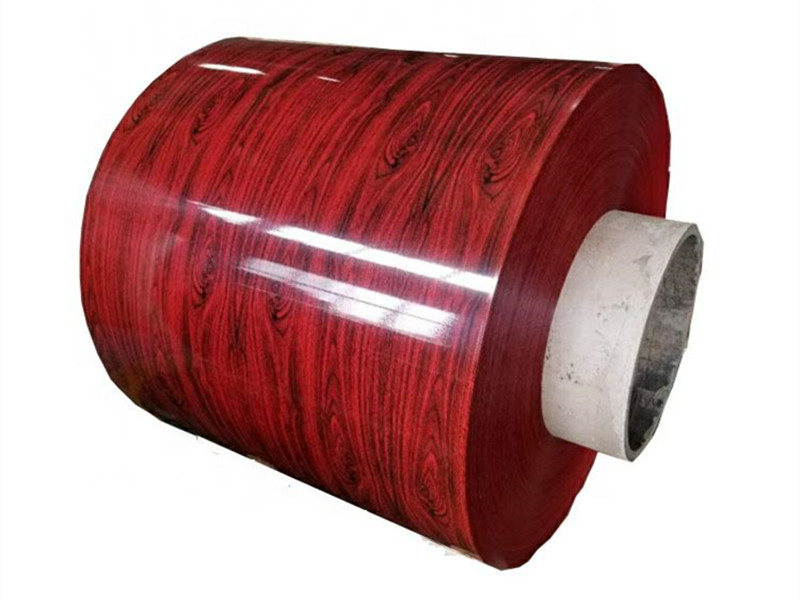
Wood Grain Aluminum Coil
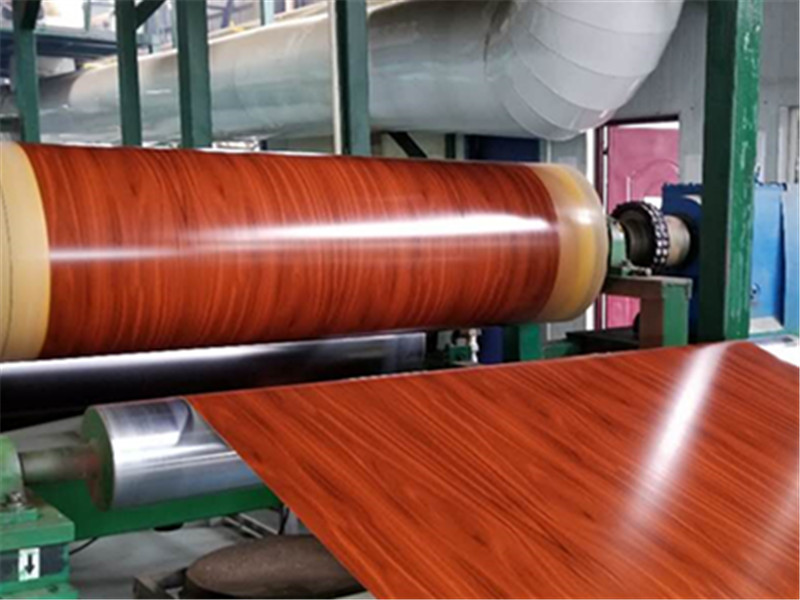
Coil is useful for continuous production.
It has processed into panels, strips, profiles, roofing components, door parts, and other formed products.
The main advantage is production efficiency.
| Coil Feature | Common Range |
|---|---|
| Thickness | 0.5–2.0 mm |
| Width | 600–1600 mm |
| Core | 150 / 300 / 500 mm |
| Surface | Wood grain |
| Edge | Mill edge / slit edge |
| Packing | Export seaworthy packaging |
Wood Grain Aluminum Panel
Panels are normally cut from coated sheet or produced as composite structures.
They have uses on walls, ceilings, façades, partitions, and decorative areas.
Wood Grain Aluminum Profile
Aluminum profiles can also receive wood-look finishes.
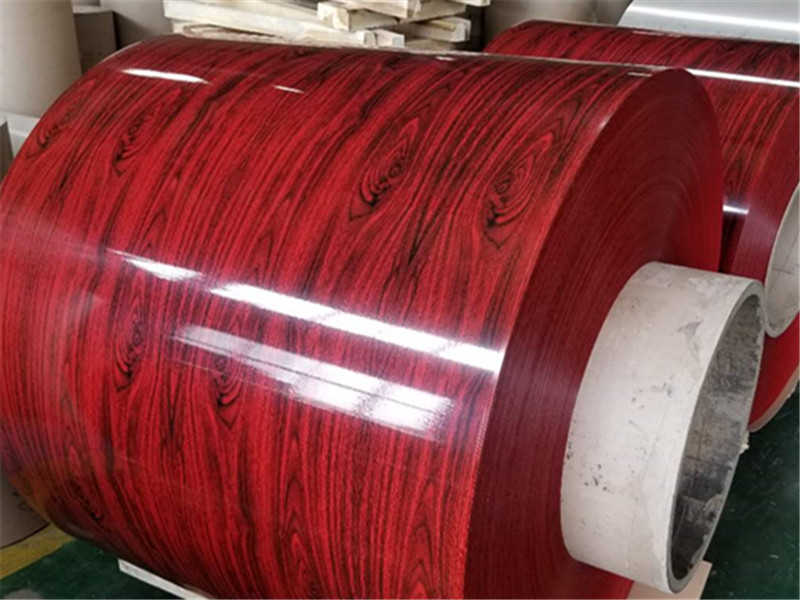
Common examples include:
- Window frames
- Door frames
- Curtain wall profiles
- Handrails
- Decorative strips
- Louvers
- Sunshade components
- Ceiling profiles
This option is useful when a project needs both a wood appearance and the shape flexibility of aluminum extrusion.
Wood Grain Aluminum Strip
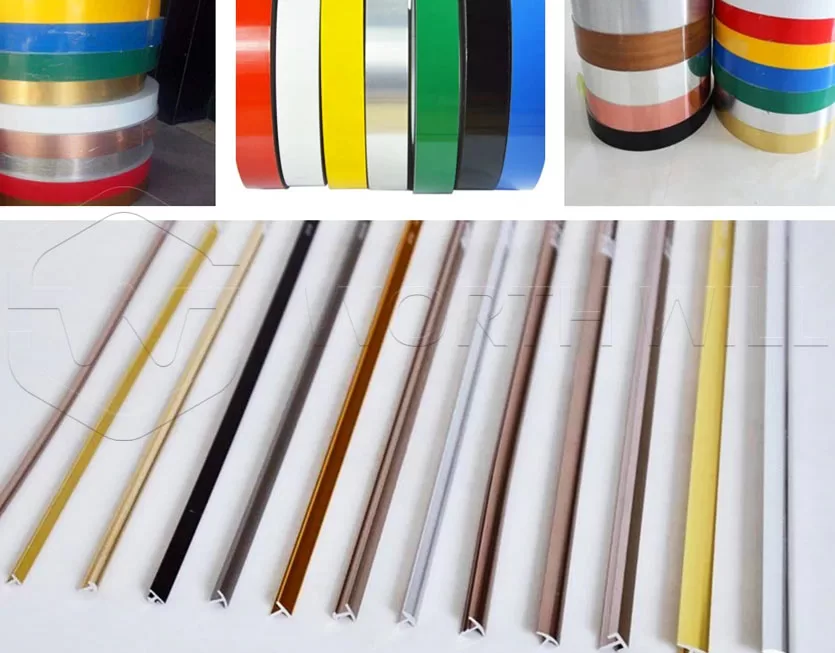
Narrow strips are often used as decorative trims.
They have produced in different widths and thicknesses according to the final application.
Wood-Look Aluminum Composite Panel
This product combines aluminum skins with a lightweight core.
It provides a larger flat surface and can be easier to install on some architectural projects.
Common Wood Grain Colors
Wood appearance is not limited to one color.
Different projects may require light, medium, or dark tones.
| Wood Effect | Appearance | Common Application |
|---|---|---|
| Natural Oak | Light brown | Interior walls |
| Golden Oak | Warm golden brown | Doors and windows |
| Walnut | Dark brown | Premium interiors |
| Teak | Warm medium brown | Exterior decoration |
| Cedar | Reddish brown | Wall cladding |
| Pine | Light yellow-brown | Ceiling panels |
| Ash | Light gray-brown | Modern interiors |
| Dark Wood | Deep brown | Commercial buildings |
| Black Wood | Dark textured | Modern façades |
| Antique Wood | Aged appearance | Decorative projects |
Custom colors can also be developed for larger projects.
Choosing the Right Aluminum Alloy
The aluminum alloy affects formability, strength, corrosion resistance, and fabrication.
There is no single alloy that is best for every wood-look application.
1050 Aluminum
1050 is a commercially pure aluminum alloy.
It has good formability and corrosion resistance.
It has suitable for decorative applications where very high strength is not required.
1060 Aluminum
1060 offers high aluminum content and good forming performance.
It has commonly considered for lightweight decorative panels and interior applications.
1100 Aluminum
1100 is another popular choice for general-purpose aluminum products.
It offers good corrosion resistance and excellent workability.
3003 Aluminum
3003 contains manganese and offers higher strength than many 1xxx series alloys.
It is a useful option for architectural panels and formed products.
5005 Aluminum
5005 has often selected for architectural finishes.
It has good corrosion resistance and can provide a suitable base for decorative surface treatment.
5052 Aluminum
5052 provides higher strength and good corrosion resistance.
It is useful when the finished panel needs more mechanical performance.
6061 Aluminum
6061 is a heat-treatable alloy with relatively high strength.
It is more common for structural components and profiles than thin decorative sheets.
Alloy Comparison for Wood-Look Applications
| Alloy | Formability | Strength | Corrosion Resistance | Typical Use |
|---|---|---|---|---|
| 1050 | Excellent | Low | Good | Interior decoration |
| 1060 | Excellent | Low | Good | Decorative sheet |
| 1100 | Excellent | Low-Medium | Good | General decoration |
| 3003 | Very Good | Medium | Very Good | Architectural panels |
| 5005 | Very Good | Medium | Very Good | Decorative façade |
| 5052 | Very Good | High | Excellent | Exterior panels |
| 6061 | Good | High | Good | Profiles and structural parts |
Simple selection guide:
Easy forming → 1050 / 1060 / 1100
Balanced performance → 3003 / 5005
Higher strength → 5052
Structural profile → 6061
Aluminum Temper Options
The temper describes the mechanical condition of aluminum.
Different tempers are suitable for different fabrication processes.
| Temper | General Character | Suitable Direction |
|---|---|---|
| O | Soft | Deep forming |
| H12 | Quarter hard | Forming and bending |
| H14 | Half hard | General fabrication |
| H16 | Stronger | Panels and formed parts |
| H18 | Hard | Flat decorative parts |
| H24 | Stabilized | General architectural use |
| H26 | Harder stabilized | Higher strength panels |
| T5 | Heat treated | Extruded profiles |
| T6 | Heat treated | Higher-strength profiles |
For products that require bending, a softer temper may be preferred.
For flat panels, a harder temper may provide better stiffness.
Wood Grain Aluminum Thickness Guide
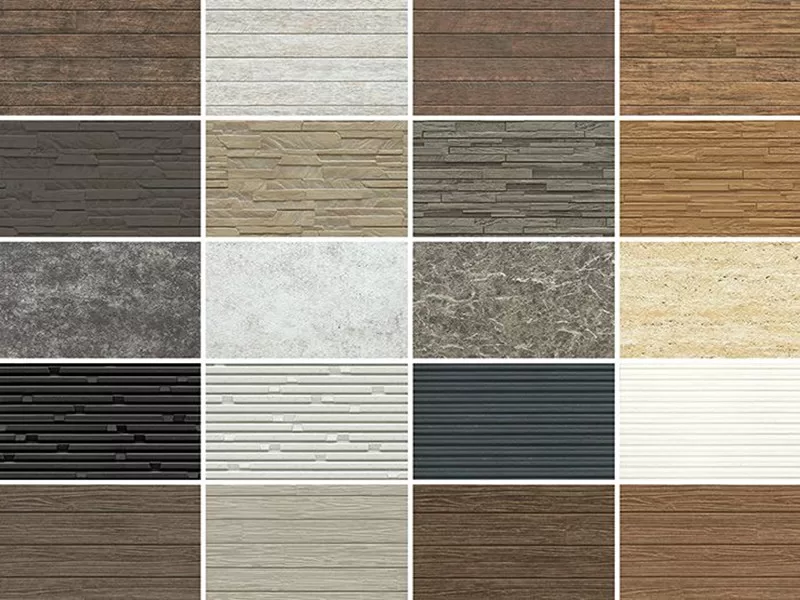
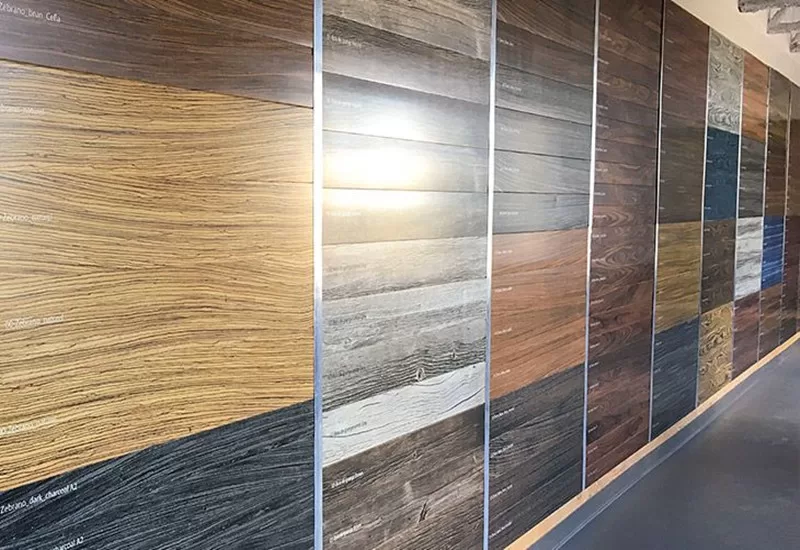
Thickness has selected according to the structure, panel size, installation method, and expected load.
| Thickness | Relative Weight | Typical Application |
|---|---|---|
| 0.5 mm | Very Light | Decorative inserts |
| 0.6 mm | Light | Interior panels |
| 0.8 mm | Light | Ceiling and wall decoration |
| 1.0 mm | Medium | Architectural panels |
| 1.2 mm | Medium | Doors and wall cladding |
| 1.5 mm | Medium-High | Exterior decoration |
| 2.0 mm | High | Strong wall panels |
| 2.5 mm | High | Heavy-duty panels |
| 3.0 mm | Higher | Custom architectural structures |
A thicker sheet is not automatically a better choice.
For a large façade, the support system is also important. Panel thickness should be considered together with panel size, wind load, fixing method, and substructure.
Sheet, Coil, or Panel?
Customers often ask which product form they should purchase.
The answer depends on the production method.
| Product Form | Best For | Main Advantage |
|---|---|---|
| Sheet | Small and medium projects | Easy to cut |
| Coil | Continuous production | High efficiency |
| Panel | Building installation | Ready-to-install format |
| Strip | Trim and decoration | Narrow custom sizes |
| Profile | Doors and windows | Complex shapes |
| Composite Panel | Large flat areas | Lightweight structure |
For a factory producing many components, coil can reduce processing steps.
For a construction project requiring fixed-size pieces, sheet or panel may be more convenient.
Wood Grain Aluminum vs Real Wood
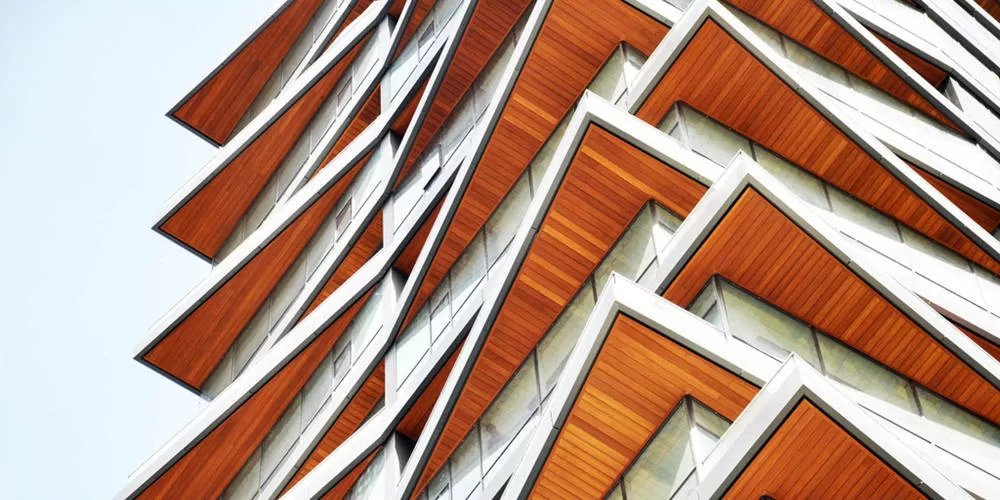
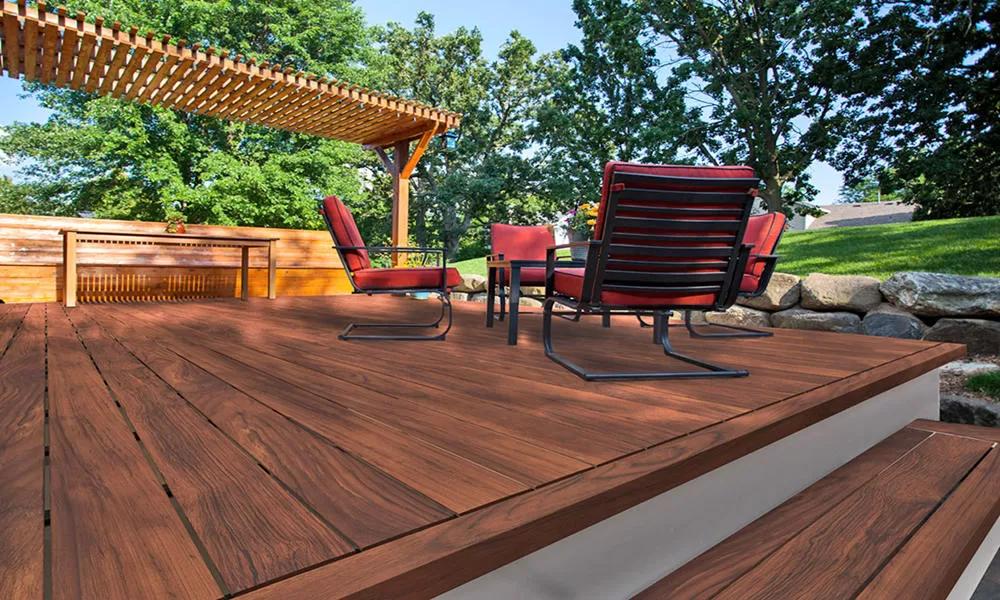
The biggest reason to choose this material is the combination of appearance and performance.
| Feature | Wood Grain Aluminum | Natural Wood |
|---|---|---|
| Weight | Low | Usually higher |
| Water Resistance | Very Good | Depends on wood |
| Rot Resistance | Excellent | Can rot |
| Termites | Resistant | Can be affected |
| Fire Performance | Generally better | Depends on species/treatment |
| Maintenance | Low | Medium to High |
| Color Options | Many | Natural range |
| Shape Options | Flexible | Depends on wood processing |
| Long-Term Outdoor Use | Good with proper coating | Requires protection |
| Wood Appearance | Yes | Natural |
Natural wood still has unique texture and character.
However, aluminum can be a better choice when moisture, maintenance, and consistent appearance are major concerns.
Wood Grain Aluminum vs Painted Aluminum
Both products use aluminum as the base material.
The main difference is the surface appearance.
| Feature | Wood Grain Finish | Standard Painted Finish |
|---|---|---|
| Wood Appearance | Excellent | No |
| Color Choice | Wood tones | Very broad |
| Texture | Can imitate grain | Smooth or textured |
| Design Style | Natural | Modern / industrial |
| Custom Pattern | Available | Available |
| Architectural Use | Excellent | Excellent |
Wood grain finishes are useful when designers want to soften the appearance of a metal building.
Wood Grain Aluminum vs Wood-Plastic Composite
WPC is another material used for wood-look construction.
| Feature | Aluminum | WPC |
|---|---|---|
| Weight | Light | Medium |
| Corrosion | Excellent resistance | No metal corrosion |
| Moisture | Excellent | Good |
| Strength-to-Weight | High | Medium |
| Recyclability | Excellent | Depends on composition |
| Fire Performance | Project dependent | Project dependent |
| Surface Design | Highly customizable | Many wood styles |
| Structural Profiles | Excellent | More limited |
The right material depends on project requirements.
Where Is Wood Grain Aluminum Used?
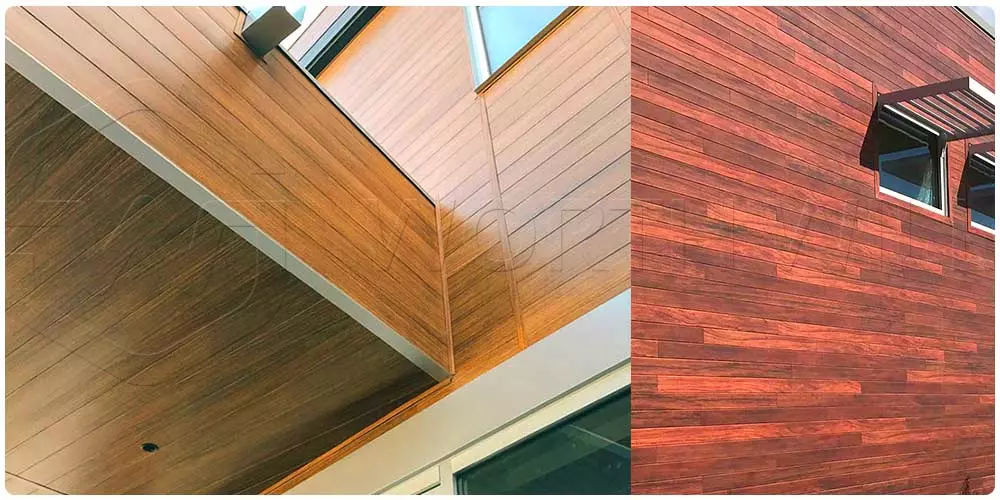
Wood-look aluminum has applications across residential, commercial, transportation, and architectural projects.
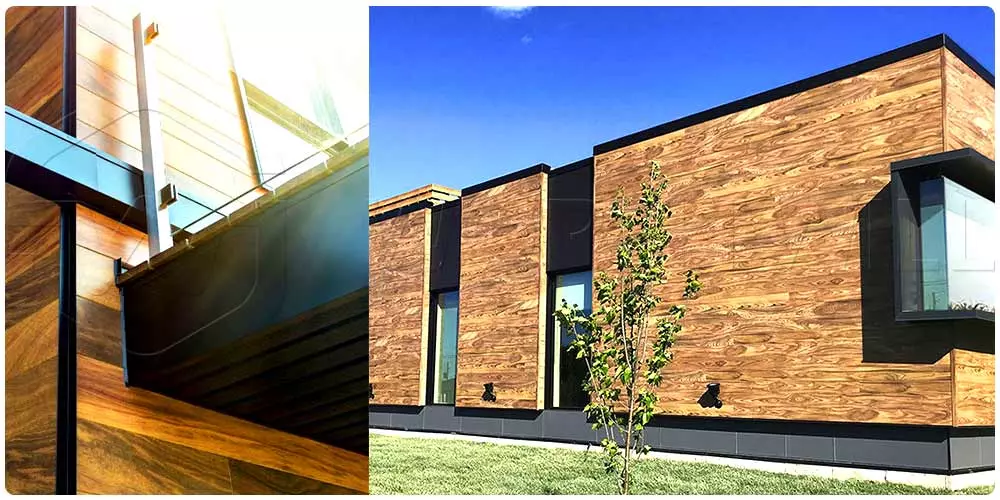
Building Exteriors
- Exterior wall decoration
- Curtain wall components
- Façade panels
- Soffits
- Sunshades
- Louvers
- Balcony decoration
- Entrance structures
The wood appearance can make a modern building feel warmer and more natural.
Doors and Windows
Wood-effect aluminum is widely suitable for:
- Door frames
- Window frames
- Sliding doors
- Entrance doors
- Folding doors
- Decorative window sections
- Patio doors
It provides a wood-style appearance while keeping an aluminum frame structure.
Interior Walls and Ceilings
Interior applications include:
- Wall panels
- Ceiling panels
- Feature walls
- Room partitions
- Decorative columns
- Reception areas
- Hotel interiors
- Retail interiors
Commercial Buildings
- Hotels
- Restaurants
- Shopping centers
- Office buildings
- Exhibition halls
- Airports
- Schools
- Public buildings
It is especially useful when a project wants a natural design without the maintenance requirements of solid wood.
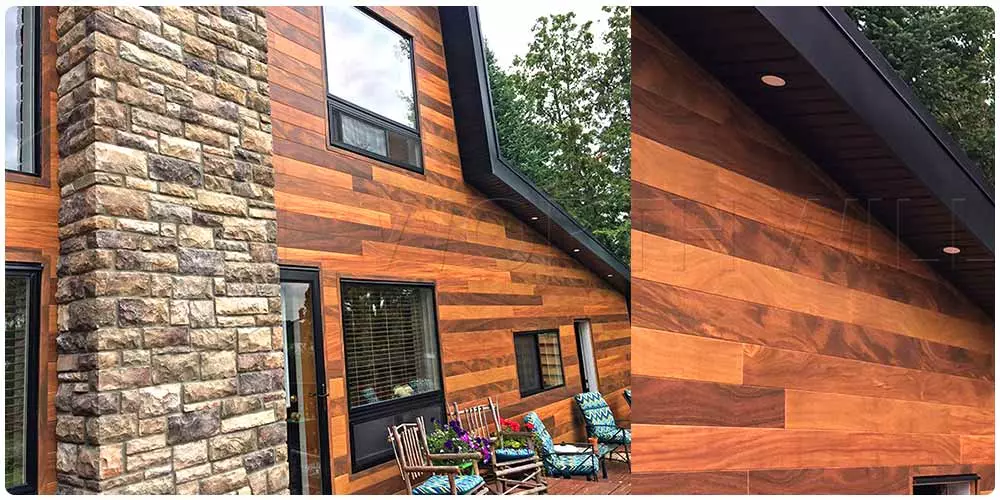
Residential Projects
Common residential uses include:
- Villa façades
- Balcony panels
- Garage doors
- Entrance doors
- Interior walls
- Ceiling decoration
- Garden structures
- Privacy screens
Signage and Advertising
Wood-effect aluminum has uses for decorative signs.
It can provide a warmer visual style than plain metal.
Applications include:
- Restaurant signs
- Hotel signs
- Garden signs
- Storefront signs
- Direction signs
- Decorative logo panels
Why Do Architects Choose Wood-Look Aluminum?
There are several practical reasons.
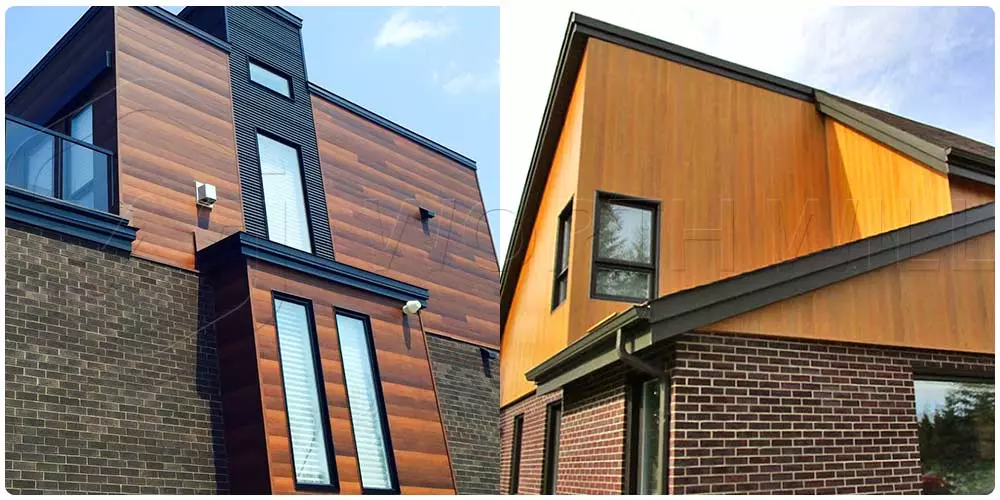
Natural appearance
The surface can imitate different wood species.
Low maintenance
There is no need for regular wood staining in the same way as natural timber.
Light weight
Aluminum is easier to handle than many solid materials.
Good corrosion resistance
A suitable coating can provide additional surface protection.
Design flexibility
Sheets, coils, panels, profiles, and strips can all be produced.
Consistent appearance
Large quantities have produced with controlled color and pattern.
Design Options for Different Projects
Different buildings need different visual effects.
Modern Wood Style
Use:
- Dark walnut
- Black wood
- Gray wood
- Fine grain
- Matte surface
This combination works well with glass and dark metal.
Natural Style
Use:
- Oak
- Cedar
- Pine
- Light teak
This is suitable for residential buildings and hospitality projects.
Premium Style
Use:
- Deep walnut
- Dark teak
- Rich brown
- High-detail grain
These finishes are often selected for entrances, hotels, restaurants, and luxury interiors.
Combining Wood Grain Aluminum With Other Materials
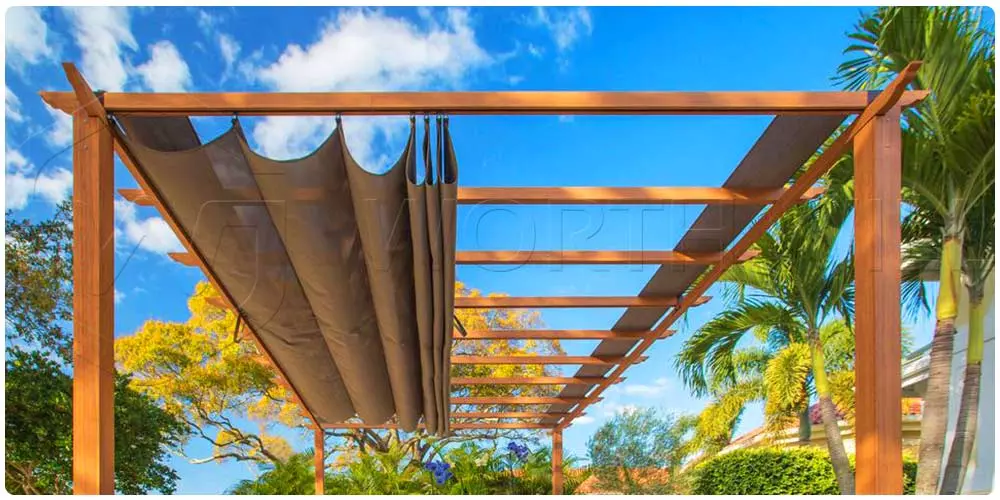
The material does not have to cover an entire building.
It can be combined with other materials.
| Combination | Visual Effect |
|---|---|
| Wood + Glass | Warm and modern |
| Wood + Stone | Natural and premium |
| Wood + Concrete | Industrial and warm |
| Wood + Black Aluminum | Strong contrast |
| Wood + White Wall | Clean and bright |
| Wood + Metal Mesh | Modern architectural style |
Using wood-look aluminum as an accent can reduce material cost while creating a strong visual effect.
Surface Finish Selection
Different surface finishes change the final appearance.
| Finish | Visual Character | Recommended Use |
|---|---|---|
| Matte Wood | Soft | Interior |
| Gloss Wood | Bright | Decorative panels |
| Textured Wood | Natural | Exterior |
| Fine Grain | Subtle | Doors and windows |
| Deep Grain | Strong | Feature walls |
| Brushed Wood Effect | Modern | Commercial interiors |
The surface should be evaluated under the actual lighting conditions of the project.
What Should Buyers Check Before Ordering?
A good product specification should include more than just the word “wood grain.”
Material Information
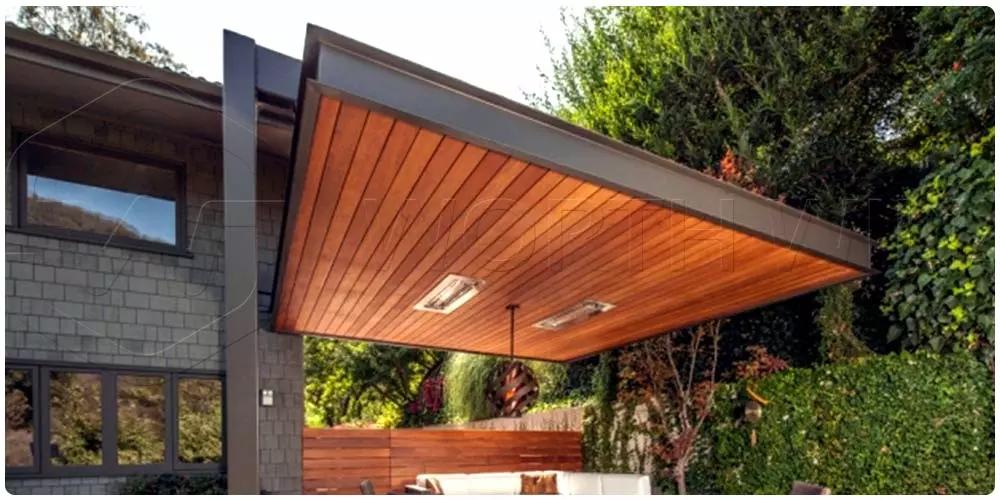
Confirm:
- Aluminum alloy
- Temper
- Thickness
- Width
- Length
- Surface treatment
- Wood pattern
- Color code
- Coating type
Performance Requirements
For exterior projects, also check:
- Weather resistance
- Coating adhesion
- Color stability
- Corrosion resistance
- Surface hardness
- Scratch resistance
Processing Requirements
Tell the supplier if the material needs:
- Bending
- Punching
- Cutting
- Rolling
- Folding
- CNC machining
- Laser cutting
This helps the supplier recommend a suitable alloy and temper.
A Simple Selection Flow
Need a wood appearance?
↓
Choose sheet, coil, panel, strip, or profile
↓
Select alloy according to strength and forming needs
↓
Select temper
↓
Choose thickness
↓
Choose wood color and grain
↓
Select coating method
↓
Confirm size and tolerance
↓
Check sample
↓
Start production
Common Product Combinations
For different applications, buyers can consider the following combinations.
| Application | Suggested Material Direction |
|---|---|
| Interior wall | 1050/1060 + decorative finish |
| Ceiling | 1100/3003 + light thickness |
| Door frame | 6061 profile + wood finish |
| Window frame | 6061 profile + wood finish |
| Exterior wall | 3003/5005/5052 + weather-resistant coating |
| Decorative screen | 3003/5052 + perforation |
| Large façade | Aluminum panel or composite panel |
| Trim | Aluminum strip/profile |
| Sign | Flat aluminum sheet |
| Sunshade | 3003/5052 profile or sheet |
Wood Grain Aluminum for Exterior Projects
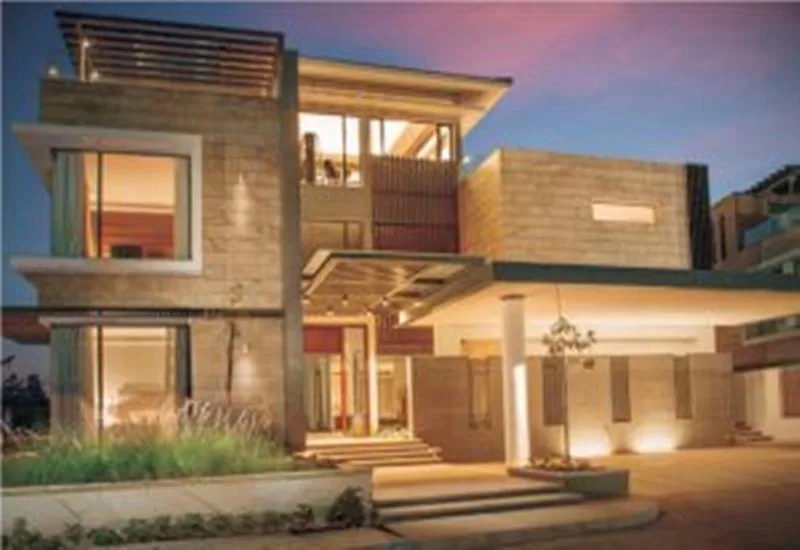
Exterior applications require more attention to coating quality.
Sunlight, rain, humidity, temperature changes, and pollution can affect the surface over time.
For outdoor use, buyers should consider a finish designed for exterior exposure.
The aluminum substrate has selected according to the panel structure.
For example:
Small decorative part → thinner sheet
Large flat panel → thicker sheet or reinforced structure
High-wind area → engineering calculation + suitable panel system
The coating alone cannot replace correct structural design.
Wood Grain Aluminum for Interior Projects
Interior projects usually have different priorities.
Appearance, color consistency, surface feel, easy cleaning, and fabrication are often more important.
Common thicknesses may be lighter than exterior systems.
Wood grain aluminum has uses for accent walls, ceilings, room dividers, reception desks, retail displays, and decorative columns.
Customization Options
A professional aluminum supplier can usually offer several customization options.
| Custom Item | Possible Options |
|---|---|
| Alloy | 1050–6061 depending on product |
| Temper | O / H12 / H14 / H16 / H24 / T6 |
| Thickness | Custom |
| Width | Custom |
| Length | Custom |
| Wood Pattern | Standard / Custom |
| Color | Light / Medium / Dark |
| Surface | Matte / Gloss / Textured |
| Shape | Flat / Bent / Cut |
| Packaging | Export / Pallet / Wooden Case |
Custom samples can be useful before mass production.
How to Reduce Wood Grain Aluminum Cost
Price is affected by several factors.
Material Thickness
Thicker aluminum means more raw material.
For example, a 2.0 mm sheet normally costs more per square meter than a 1.0 mm sheet when other factors are similar.
Alloy
Higher-performance alloys may have different raw material and processing costs.
Coating
Special finishes and custom wood patterns can increase processing costs.
Size
Custom widths and lengths may affect production efficiency.
Order Quantity
Large orders can often achieve better production efficiency.
Packaging
Export packaging, pallets, wooden cases, and special protection can affect the final quotation.
A good quotation should therefore specify the complete product configuration instead of comparing price by alloy alone.
Quality Inspection Checklist
Before shipment, buyers can check:
- Alloy and temper
- Thickness
- Width and length
- Surface appearance
- Wood pattern consistency
- Color consistency
- Coating adhesion
- Scratches and dents
- Edge quality
- Flatness
- Packaging condition
For large projects, a production sample can be approved before mass production.
Storage and Handling
The finished surface should be protected during storage and transportation.
Keep the material:
- Dry
- Clean
- Away from direct water
- Away from chemicals
- Properly supported
- Protected from impact
Avoid dragging sheets across each other.
For finished decorative panels, protective film may be used when suitable.
Frequently Asked Questions About Wood Grain Aluminum
What is wood grain aluminum?
It is an aluminum product with a decorative surface designed to look like natural wood. It has supplied as sheet, coil, panel, strip, or profile.
Is wood grain aluminum real wood?
No. The base material is aluminum. The wood appearance comes from a decorative surface treatment or transfer process.
Is wood grain aluminum suitable for outdoor use?
Yes. It has used outdoors when the alloy, coating, and installation system are selected for exterior exposure.
What alloy is best for wood grain aluminum?
There is no single best alloy. 1050, 1060, 1100, 3003, 5005, 5052, and 6061 can all be considered depending on the product and application.
Is 3003 aluminum good for wood-look panels?
Yes. 3003 provides a useful balance of strength, formability, and corrosion resistance for many architectural applications.
Can 5052 aluminum be used outdoors?
Yes. 5052 has good strength and corrosion resistance and can be considered for exterior panels and decorative structures.
What thickness should I choose?
It depends on the panel size and installation system. Common architectural thicknesses include 0.8 mm, 1.0 mm, 1.2 mm, 1.5 mm, 2.0 mm, and 3.0 mm.
Can wood grain aluminum be bent?
Yes, if the alloy, temper, coating, and bending radius are suitable. Softer tempers are generally easier to form.
Can I order custom wood colors?
Yes. Standard wood colors such as oak, walnut, teak, and cedar are common. Custom colors and patterns can also be developed for suitable quantities.
Can wood grain aluminum be used for doors and windows?
Yes. Wood-effect aluminum profiles are commonly used for doors and window frames where a timber appearance is desired.
Is it easier to maintain than natural wood?
In many applications, yes. Aluminum does not require the same type of regular staining or wood treatment used for natural timber.
Can wood grain aluminum be perforated?
Yes. Suitable sheets can be perforated before or after certain surface treatments depending on the production process.
Can wood grain aluminum be used for ceiling panels?
Yes. Lightweight sheets, strips, and panels can be used for interior ceiling decoration.
Can I buy wood grain aluminum in coil form?
Yes. Wood-finish aluminum coil is useful for manufacturers that need continuous processing or large production quantities.
Can the aluminum be cut to custom sizes?
Yes. Custom width and length can be supplied according to production requirements.
How can I get the right product?
Start with the application. Then confirm the required alloy, temper, thickness, size, wood color, surface finish, and quantity. For exterior projects, also provide the installation and environmental requirements.
Wood Grain Aluminum Buying Guide
For a simple purchasing process, use this checklist:
Application → Product Type → Alloy → Temper → Thickness → Wood Pattern → Finish → Size → Quantity → Packaging
This approach helps avoid choosing a product based only on appearance.
For example:
Exterior wall
→ Aluminum panel
→ 3003 / 5005 / 5052
→ suitable temper
→ 1.2–3.0 mm
→ teak or walnut
→ exterior coating
→ custom panel size
For an interior decorative wall:
Interior wall
→ Aluminum sheet
→ 1050 / 1060 / 1100
→ suitable forming temper
→ 0.6–1.2 mm
→ oak or ash
→ matte finish
→ custom size
The exact specification should be confirmed according to the project.
Why Wood-Look Aluminum Is Becoming a Popular Design Material
Modern architecture often combines natural-looking materials with low-maintenance products.
Wood grain finishes offer this combination.
The surface can create the visual warmth of timber, while the aluminum substrate provides a lightweight and flexible base.
This makes it useful for both small decorative parts and large architectural systems.
The most important point is that wood grain aluminum is not just one product. It has supplied in many alloys, tempers, thicknesses, sizes, colors, and forms.
That gives architects, fabricators, contractors, and distributors more options when developing a project.