Aluminum rods through molds extrude Aluminum profiles. Generally, the alloy composition of aluminum rods is aluminum-magnesium-silicon. Powder coated aluminium is the powder coating of aluminum. Powder equipment sprays powder coatings onto the surface of aluminum profile or workpieces. Under the action of static electricity, it forms a powdery coating. Next, let me tell you the difference between aluminium and powder coated aluminium?
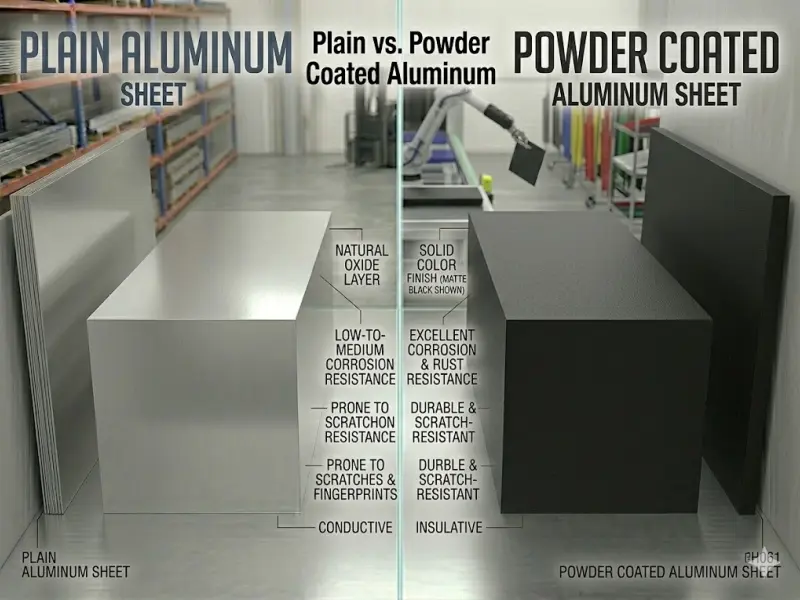
Key Differences at a Glance
To understand the difference between aluminium and powder coated aluminium, we can look at their basic properties side by side.
| Feature | Mill Finish Aluminium | Powder Coated Aluminium |
|---|---|---|
| Appearance | Dull Silver / Grey | Any Color (Matte or Gloss) |
| Surface Texture | Smooth with minor lines | Uniform and hard |
| Corrosion Protection | Basic | Very High |
| Scratch Resistance | Low | High |
| Typical Use | Hidden structures | Visible surfaces |
| Maintenance | Higher (can stain) | Very Low (easy to clean) |
Popular Aluminium Alloys and States
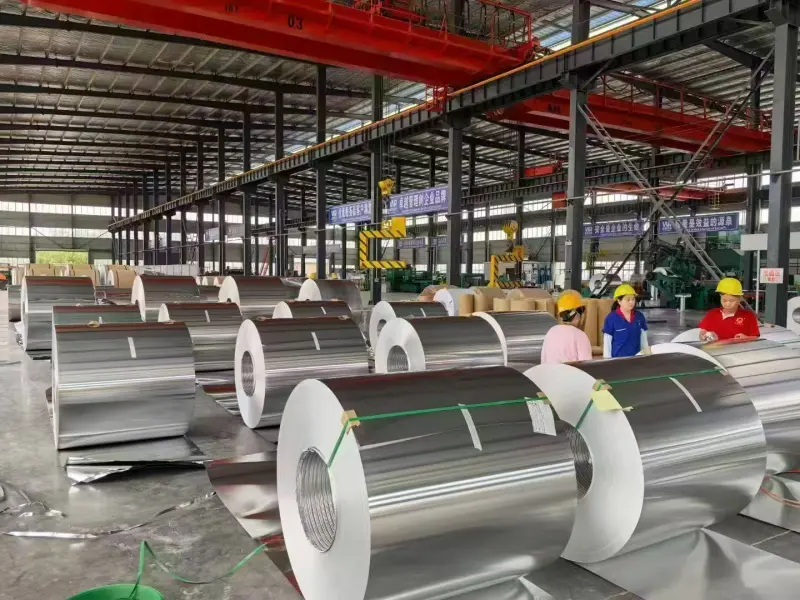
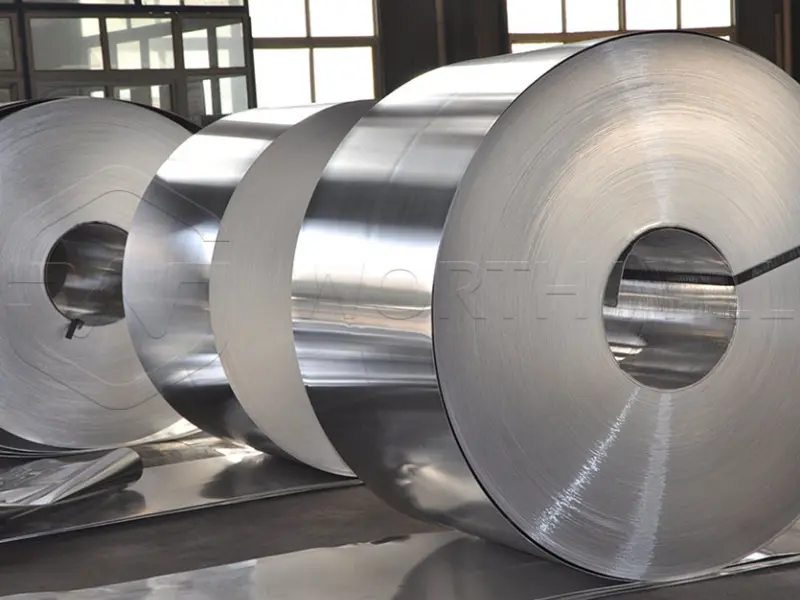
Whether the metal is coated or not, the “recipe” of the metal matters. Manufacturers use different alloys for different products.
Common Extrusion Alloys
- 6063 Alloy: This is the most common for powder coated aluminium windows and doors. it is very smooth, which makes the coating look perfect.
- 6061 Alloy: This is a structural alloy. It is stronger than 6063. It is used for heavy-duty frames and truck parts.
Common Sheet Alloys
- 3003 Alloy: This is used for wall panels and roofing. It is easy to bend and takes powder coating very well.
- 5052 Alloy: This is “marine grade.” It is used for boats or buildings near the sea. Even with powder coating, this alloy provides extra protection against salt.
Temper and State Specifications
The “Temper” tells you how hard the metal is.
| Alloy and State | Hardness Level | Common Application |
|---|---|---|
| 6063-T5 | Medium | Residential Windows |
| 6061-T6 | High | Structural Brackets |
| 3003-H14 | Medium-Low | Decorative Panels |
| 1100-O | Very Soft | Complex shaped parts |
The Powder Coating Process in Simple Steps
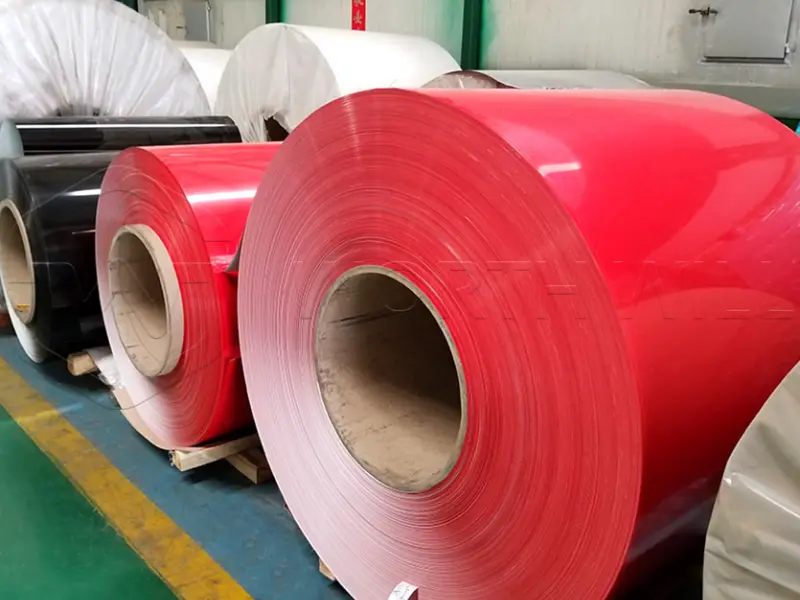
How do we create powder coated aluminium? The process ensures the coating stays on for decades.
Cleaning and Pre-treatment
First, the aluminium is cleaned. Any oil or dust must be removed. Often, a chemical layer (chromating or non-chrome) is applied. This acts like “glue” for the powder.
Electrostatic Spraying
The aluminium is grounded. The spray gun gives the powder a positive charge. The powder flies to the metal and wraps around every corner. This is why even complex shapes get an even coat.
Curing in the Oven
The metal goes into an oven at about 200 degrees Celsius (392 °F). The powder melts, bonds, and hardens. Once it cools, it is ready to be shipped.
Application Fields for Natural and Coated Metal
Where do you see these materials? Their uses are very different.
Areas Using Natural Aluminium
- Internal Machinery: Parts inside a machine where nobody sees them.
- Electrical Parts: Heat sinks for computers (because mill finish conducts heat well).
- Understructure: The hidden frame behind a wall.
- Basic Pipes: Industrial piping in factories.
Areas Using Powder Coated Aluminium
- Architecture: Window frames, door frames, and curtain walls.
- Outdoor Furniture: Tables and chairs that must survive rain and sun.
- Transport: Bicycle frames, car trim, and train interiors.
- Home Decor: Fences, gates, and modern kitchen cabinets.
Different Product Types and Styles
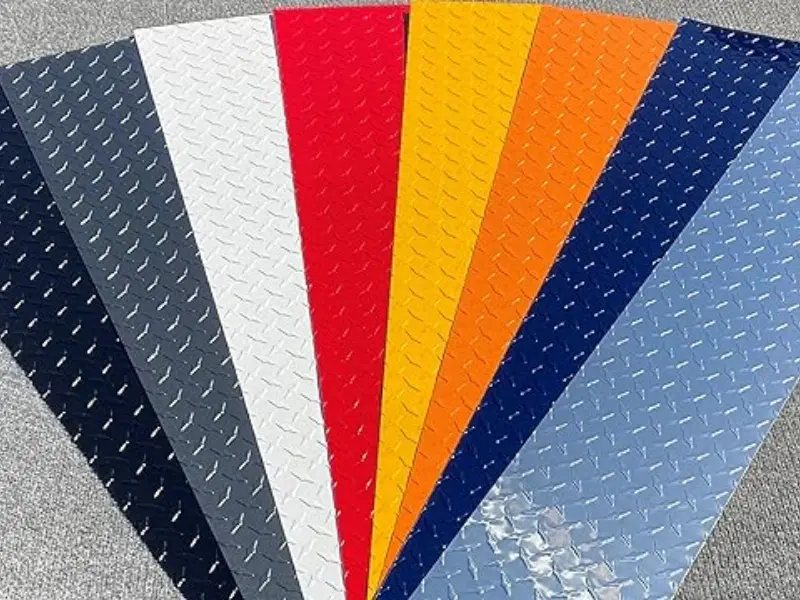
When you order powder coated aluminium, you have many visual choices.
Glossy Finishes
These are very shiny. They reflect a lot of light. They are popular for modern buildings and commercial signs.
Matte and Satin Finishes
These have a soft look. They do not show fingerprints or dust as easily as glossy finishes. Most modern window frames use a matte finish.
Textured or Sand Finishes
The surface feels slightly rough, like very fine sand. This is excellent for heavy-wear areas like railings or door handles because it is very hard to scratch.
Wood Grain Effects
Using a special process called sublimation, we can make powder coated aluminium look like real wood. You get the beauty of wood with the strength of metal.
Comparing Thickness and Durability
The thickness of the metal and the thickness of the coating both play a role in quality.
| Layer Type | Standard Thickness | Purpose |
|---|---|---|
| Aluminium Sheet | 1.5mm−3.0mm | Structural Strength |
| Powder Coat Layer | 60μm−80μm | Color and Protection |
| Heavy Duty Coat | 100μm+ | Marine or Industrial Use |
Introduction to basic product information about aluminium
Aluminium is a silvery-white light metal. It is softer and has a lower density, a high melting point, and a high boiling point. Aluminium and aluminium alloys have many excellent physical properties and have very wide usage. Aluminum has good reflection properties against light. Its ultraviolet rays reflect stronger than silver. The purer the aluminum, the better its reflectivity.
Aluminum is malleable. Often making into rods, sheets, foils, powders, ribbons, and filaments. It forms a film in moist air to prevent metal oxidation. Aluminum has a tough, lightweight, malleable texture and conducts electricity easily. It is a structural material for aircraft, vehicles, ships, and rockets. The usage of pure aluminum is ultra-high voltage cables, and the use of aluminum is household utensils.
Application of aluminium
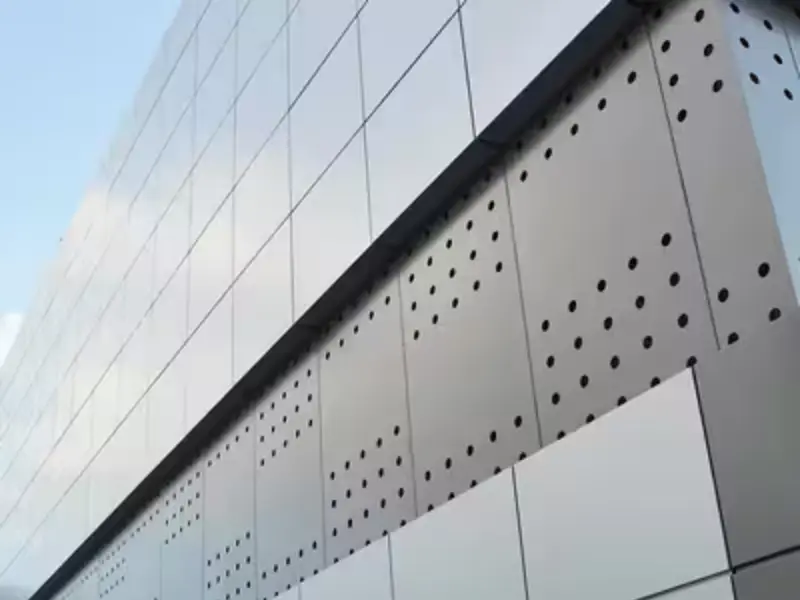
Aluminuim alloy is the most widely use in non-ferrous metal structural material in the industry. At the same time, it has widely use in aerospace, automobile, machinery manufacturing, shipbuilding, and chemical industries. Aluminum products are daily necessities with aluminum alloy as the main raw material. Industrial supplies are collectively aluminum alloys. The elements of aluminum alloy are mainly aluminum. Its main alloying elements are copper, silicon, magnesium, zinc, and manganese. Its minor alloying elements are nickel, iron, titanium, chromium, lithium, etc. Aluminum alloy with low density, but relatively high strength, close to or more than high quality.
What is powder coated aluminium?
Powder coated aluminium is a kind of powder coating. That is, powder equipment (electrostatic spraying machine) sprays powder coatings onto the surface of aluminum profiles or workpieces. Then, under the action of static electricity. The powder is evenly adsorbed on the surface of the aluminum profile to form a powdery coating. Then it is baked at high temperature and leveled and fixed. It becomes a coating with different effects. This process is called powder coating of aluminum profiles.
Applications of powder coated aluminium
Powder coated aluminum is a building material that has wide usage in the construction of many construction projects. Powder coated aluminum helps to enhance the metal’s resistance to corrosion and component damage. This property contributes to the ideal use of outdoor projects. Powder-coated aluminum has a widely use in the exterior of buildings.
Powder coated aluminum can be used on the exterior of buildings. Powder-coated aluminum is usually a chromium-free mixture of various phosphates and mixtures. The exact composition of one manufacturer and another manufacturer may vary slightly.
However, the overall effect is the formation of powder veneer on the aluminum profile. It retards rust and corrosion and often weakens the metal when exposed to a variety of weather conditions.
The coating gives this lightweight but strong metal a wide range of applications. Products such as lawn and patio furniture, swimming pool cleaning accessories, and poles for volleyball are among others. Powder-coated aluminum can also use in permanent construction outdoors.
For example, railings or pickets can be purchased for the construction of decorative fences around the house. Powder-coated aluminum doesn’t stop homeowners from needing paint pickets, so they can still change the color at will.
What is Natural Mill Finish Aluminium?
Natural aluminium is often called “mill finish.” This is the metal as it comes out of the rolling mill or the extrusion press. It has no extra coating or protection. Its color is a dull silver or grey.
While it is naturally resistant to rust, it is not “invincible.” Over time, if exposed to rain or salt, it can develop a white, chalky layer. This is called oxidation. Many industrial projects use mill finish because it is cheaper and the appearance does not matter as much.
What is Powder Coated Aluminium?
Powder coated aluminium is aluminium that has gone through a high-tech “painting” process. Instead of liquid paint, a dry powder is used. This powder is applied using an electrostatic spray gun. The powder sticks to the metal like a magnet.
After the powder is applied, the metal is placed in a large oven. Under high heat, the powder melts and turns into a hard, smooth skin. This layer is much thicker and tougher than regular paint. This is a major factor in the powder coated aluminium vs aluminium debate.
More about aluminium and powder coated aluminium
The production of products in our factory. Our factory offers piles and prefabricated pile fences made of this material in a wide range of colors. In addition to not requiring paint, the guarantee of color finishes lasts for 15 to 20 years before fading. Powder-coated aluminuim can also use in creating long-lasting exterior lighting solutions. This includes fixtures or pole lights installed on the exterior walls of your home. Like the fence, lights made of this material are available in a variety of colors and will remain for many years.
The above is the difference between aluminium and powder coated aluminium? Do you know anything more? Please contact us, we will give you a quick answer.
FAQ: Common Questions About Aluminium Finishes
General Comparison Questions
Is powder coated aluminium more expensive?
Yes. You are paying for the metal plus the extra cleaning, the powder material, and the oven energy. However, it lasts much longer without maintenance.
Can I powder coat aluminium at home?
It is difficult. You need an electrostatic gun and a professional oven. Regular paint from a can is not the same as a factory powder coat.
Does the color fade in the sun?
High-quality powder coated aluminium uses “Architectural Grade” powders. These are designed to resist UV rays and stay bright for 10 to 25 years.
Technical and Durability Questions
Can powder coated aluminium chip?
It is very hard, but a very strong impact can chip it. However, it is much more durable than standard liquid paint.
Which is better for the ocean?
Definitely powder coated aluminium. Natural aluminium will corrode quickly in salt air. A thick powder coat acts as a shield.
Can I weld powder coated aluminium?
No. You must grind off the coating before you weld. After welding, you must touch up the area with paint.
Maintenance and Care Questions
How do I clean powder coated surfaces?
Just use mild soap and warm water. Avoid harsh chemicals or abrasive sponges. This keeps the coating looking new for a long time.
How do I fix a scratch?
You can buy touch-up pens that match the “RAL” color code of your powder coating.
Does the coating make the aluminium heavier?
The weight of the powder is very small. It does not significantly change the weight of the metal.
Summary of Benefits
- Versatility: You can match any design color.
- Protection: The metal stays safe from water and salt.
- Longevity: It can last over 30 years in normal conditions.
- Environment: Powder coating is “green” because it uses no solvents and produces very little waste.
By knowing the difference between aluminium and powder coated aluminium, you can make the right investment. If beauty and durability matter, go with the coated option. If you are building something hidden and budget is tight, mill finish is the way to go.