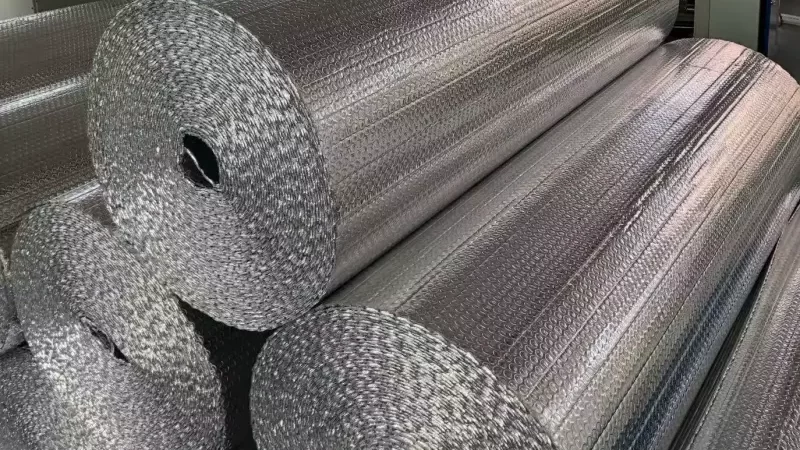
What is Laminated Aluminum?
Laminated aluminum is a versatile composite material made by bonding a thin layer of aluminum foil to one or more other materials, such as plastic films (like PET or PE), paper, or even other metals. This combination creates a material that harnesses the best properties of each layer.

Why is Laminated Aluminum So Beneficial?
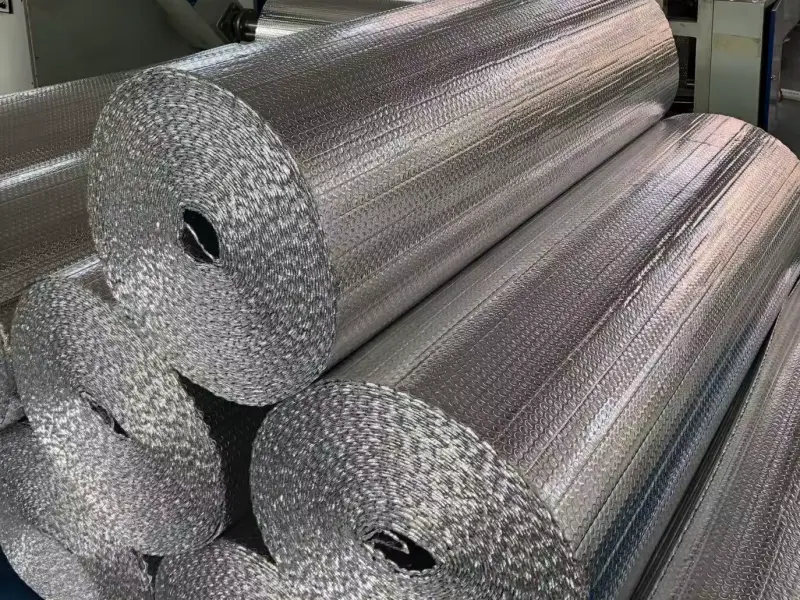
The power of laminated aluminum lies in its synergy. The aluminum layer provides inherent strength, a brilliant metallic look, and excellent barrier properties. The polymer or paper layers add durability, puncture resistance, printability, and heat-sealing capability.
Here are some of its key advantages:
- Excellent Barrier Properties: It effectively blocks out moisture, air, and light, preserving the quality and shelf life of sensitive products.
- Lightweight & Flexible: Despite its strength, it remains easy to handle, shape, and transport, reducing overall costs.
- Durable & Puncture-Resistant: The additional layers protect the delicate aluminum foil from tearing and cracking.
- Aesthetically Pleasing: The surface is perfect for high-quality printing, making products stand out on shelves.
- Heat Sealable: The plastic layers allow the material to be easily sealed with heat, creating secure, airtight packages.
Common Types and Specifications
Laminated aluminum comes in various forms, tailored to specific needs.
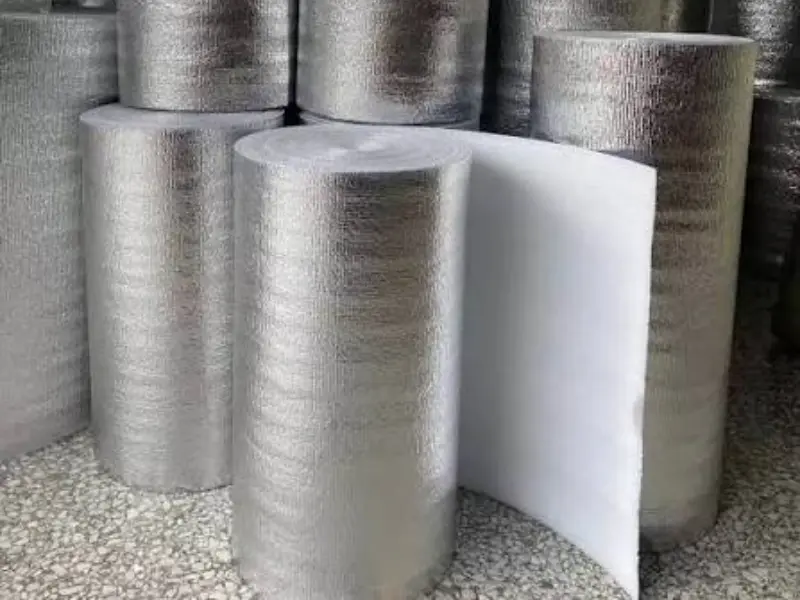
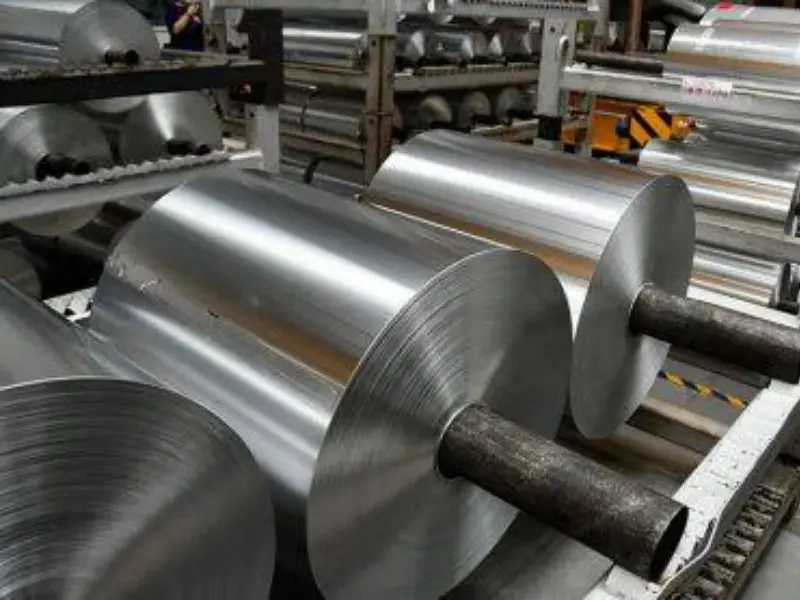
| Type / Structure | Common Overall Thickness | Aluminum Foil Thickness | Common Uses |
|---|---|---|---|
| Aluminum / PET / PE | 80 – 200 microns | 7 – 30 microns | Food pouches, liquid packaging |
| Paper / Aluminum / PE | 60 – 120 microns | 6 – 12 microns | Milk carton lids, pharmaceutical packaging |
| PET / Aluminum / CPP | 70 – 150 microns | 7 – 20 microns | Snack bags, retort packaging (for sterilized foods) |
Another way to categorize it is by the aluminum alloy and its primary function:
| Laminated Aluminum Type | Key Characteristic | Typical Application Area |
|---|---|---|
| Flexible Packaging Grade | High barrier, sealable | Food & Beverage Packaging |
| Insulation Grade | Reflective, thermal resistant | Construction Insulation |
| Decorative Grade | High-quality printable surface | Labels & Branding |
Where is Laminated Aluminum Used? Applications
The uses for laminated aluminum are incredibly diverse. Its unique properties make it a go-to material across many industries.
- Food and Beverage Packaging: This is one of the largest applications.
- Pharmaceutical Packaging: Blister packs and medicine pouches use laminated aluminum to create a sterile, tamper-evident, and moisture-proof barrier for pills and tablets.
- Construction and Insulation: As laminated aluminum foil, it is in insulation materials for buildings. It reflects heat, helping to regulate indoor temperature and improve energy efficiency.
- Consumer Goods: You find it in the packaging of electronics, cosmetics, and even toothpaste tubes, offering durability and an attractive finish.
- Industrial Uses: It’s for laminated aluminum strips and sheets in technical applications like HVAC systems and as a barrier in certain types of equipment.
What Is Laminated Aluminum?
Laminated aluminum is an aluminum material bonded with one or more layers of other materials. These layers may include plastic film, paper, adhesive, insulation, or another metal. The final structure depends on the product’s purpose.
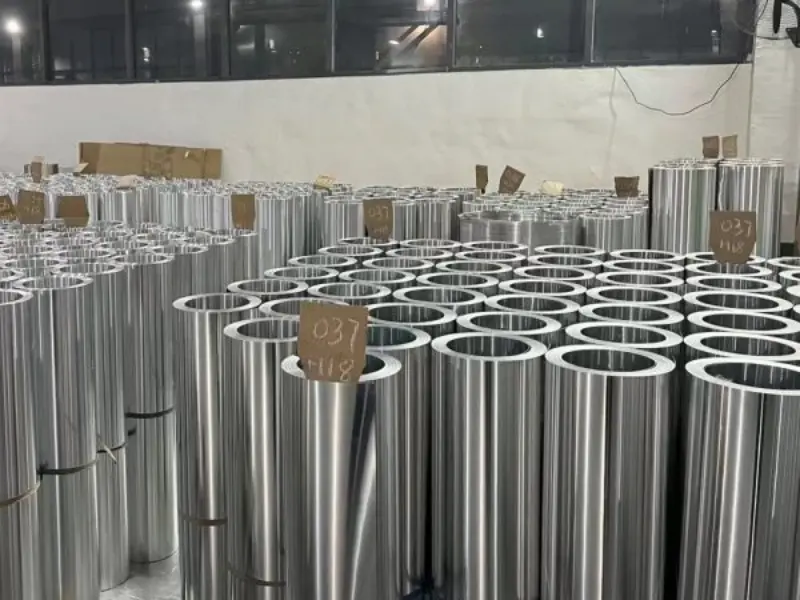
Some laminated aluminum products are designed for packaging. Others are used for building insulation, wall panels, roofing systems, appliances, and industrial equipment. Each type has different properties, thicknesses, and surface finishes.
For buyers, the most important questions are simple. What materials are used in the laminate? How thick is each layer? Does the product need to resist moisture, heat, corrosion, or impact? The answers help determine the right material for a specific project.
What Does Laminated Aluminum Mean?
Laminated aluminum is made by bonding aluminum with another material to create a multi-layer structure. The aluminum provides properties such as low weight, formability, and corrosion resistance. The added layer can improve appearance, insulation, sealing, surface protection, or mechanical performance.
The term does not describe one fixed product. Their materials, production methods, and technical requirements can vary considerably.
How Is Laminated Aluminum Structured?
A laminated aluminum product may contain two, three, or more layers. A simple structure could be:
Protective film → Adhesive layer → Aluminum sheet
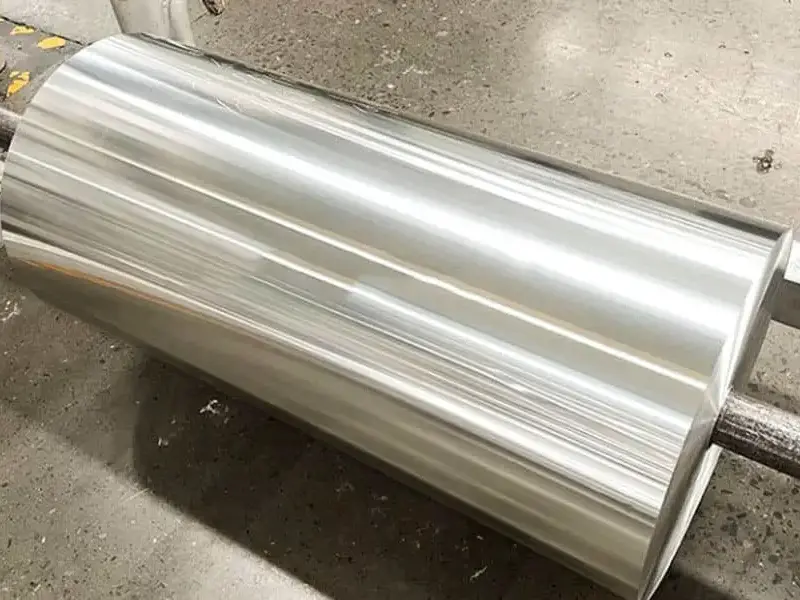
A flexible packaging structure may use:
Plastic film → Adhesive → Aluminum foil → Sealant layer
A building insulation product may use:
Facing film → Aluminum foil → Reinforcement or insulation material
These examples show how the structure changes with the application. Not every laminated aluminum product uses adhesive, plastic, or the same layer order.
Why Combine Aluminum With Other Materials?
Aluminum has useful properties, but a single aluminum sheet may not meet every project requirement. Lamination adds functions without requiring the aluminum itself to provide every performance feature.
Common reasons for using laminated aluminum include:
- Moisture protection: A suitable laminate can help reduce moisture transmission.
- Heat reflection: Aluminum foil facing can reflect radiant heat when installed as part of a suitable system.
- Surface protection: A film can protect the aluminum from scratches during handling.
- Packaging performance: Aluminum foil can provide a barrier against light, oxygen, and moisture when the complete package is properly designed.
- Appearance: Decorative films can create colors, patterns, or a specific surface effect.
- Product flexibility: Thin aluminum foil has combined with flexible films for packaging and insulation products.
- Panel performance: Laminated layers can provide a combination of rigidity, low weight, and decorative finish.
The actual performance depends on the materials, bonding quality, thickness, and final construction.
Main Types of Laminated Aluminum
Laminated aluminum products have classified by the materials bonded to the aluminum, the manufacturing process, or the end use. Understanding these differences helps buyers select the correct product.
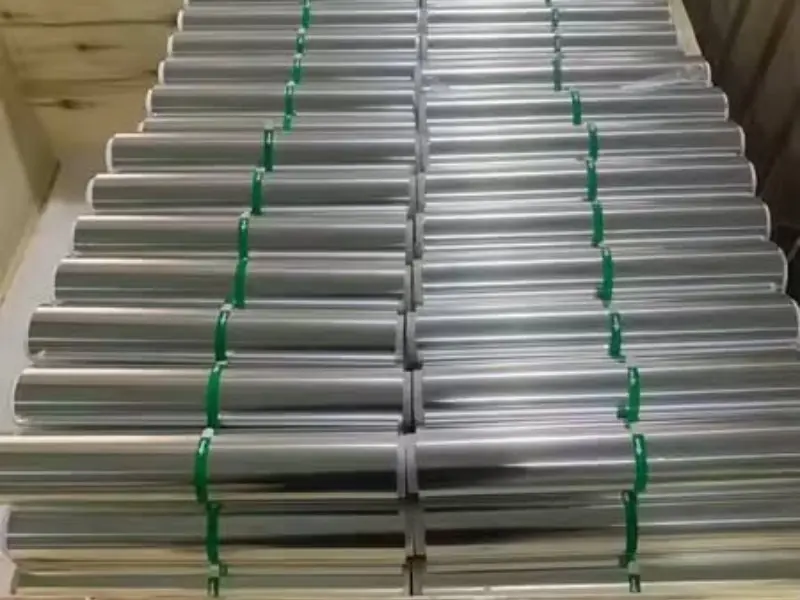
Aluminum Foil Laminated With Plastic Film
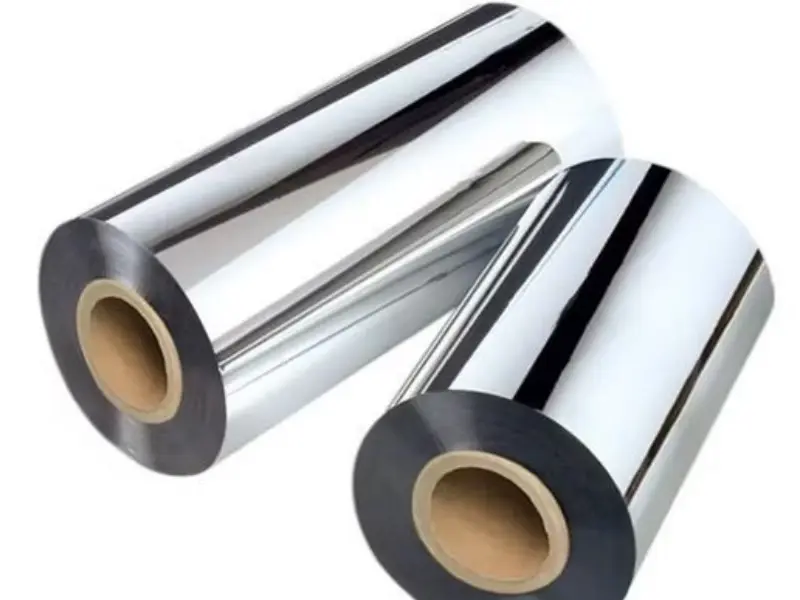
Plastic-laminated aluminum foil has uses in packaging, insulation, and selected industrial applications. Common film materials include polyethylene (PE), polyester (PET), and polypropylene (PP).
PET can provide useful dimensional stability and surface strength. PE is often used as a sealing layer. PP may be selected for specific packaging structures. The appropriate film depends on the required heat resistance, flexibility, sealing performance, and intended contact with the packaged product.
| Product type | Typical structure | Common applications |
|---|---|---|
| PET laminated aluminum foil | PET / adhesive / aluminum foil | Flexible packaging, insulation facing |
| PE laminated aluminum foil | PE / aluminum foil or PE / adhesive / foil | Moisture protection, packaging |
| PP laminated aluminum foil | PP / adhesive / aluminum foil | Selected packaging and industrial uses |
| Multi-layer aluminum laminate | Film / foil / film | Barrier packaging and technical products |
Layer thicknesses and bonding methods vary by supplier. Buyers should specify the complete structure rather than asking only for the total thickness.
Aluminum Foil Laminated With Paper
Paper-laminated aluminum foil combines a metallic barrier layer with a paper surface. The paper can improve printability, handling, or stiffness, while the foil provides barrier properties.
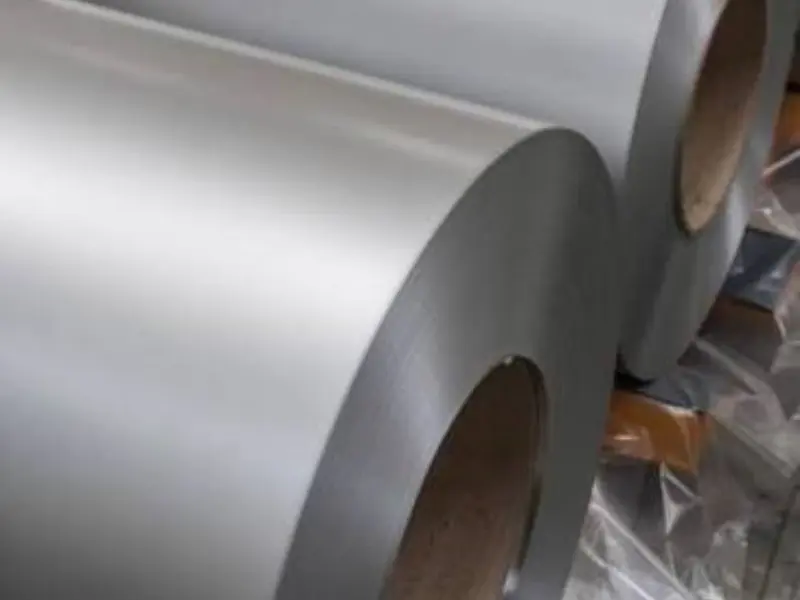
This product has applications in selected food packaging, insulation facing, labels, and industrial wrapping. The exact structure depends on whether the product needs to be flexible, printable, heat-sealable, or suitable for a particular packaging process.
Common options include:
- Aluminum foil laminated with kraft paper
- Aluminum foil laminated with white paper
- Printed paper and aluminum foil laminates
- Reinforced paper-foil insulation facing
- Paper-foil laminates with an additional plastic layer
For packaging applications, the complete material structure must meet the applicable product-contact and processing requirements.
Laminated Aluminum Sheet for Building Panels
Laminated aluminum sheet for building applications may combine an aluminum face with a decorative film, protective film, insulation layer, or core material.
The term can refer to several different products. A decorative laminated sheet is not necessarily the same as an aluminum composite panel. An aluminum composite panel commonly has two aluminum skins bonded to a core, while other laminated panels may use different constructions.
| Product type | Typical construction | Common use |
|---|---|---|
| Decorative laminated aluminum sheet | Aluminum sheet with decorative film | Interior wall finishes, furniture |
| Insulated aluminum panel | Aluminum facing bonded to insulation | Building envelopes and equipment |
| Aluminum composite panel | Two aluminum skins with a core | Facades, signage, interior cladding |
| Protective-film aluminum sheet | Aluminum sheet with removable film | Fabrication and transportation protection |
| Aluminum-faced sandwich panel | Aluminum facing with a lightweight core | Partitions, enclosures, selected building systems |
Thickness, fire performance, weather resistance, and installation requirements has checked for each panel system. A product intended for interior decoration may not be suitable for an exterior facade.
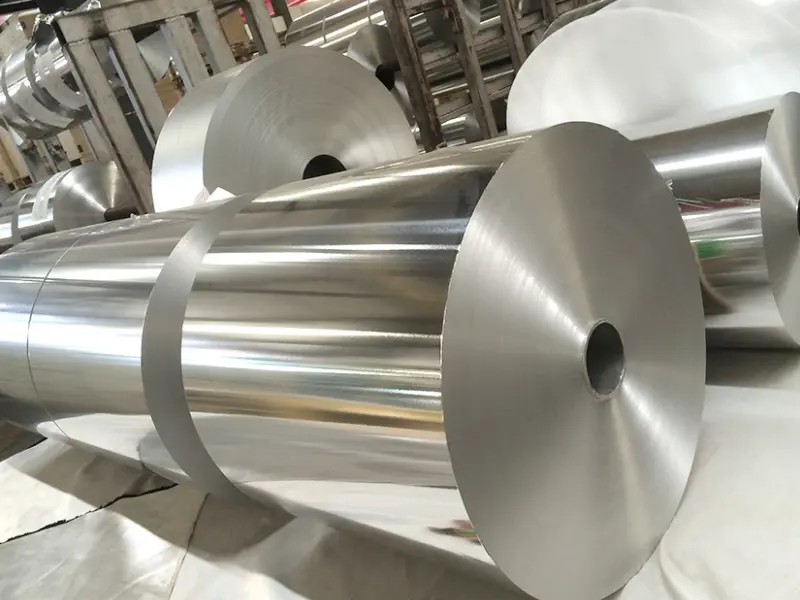
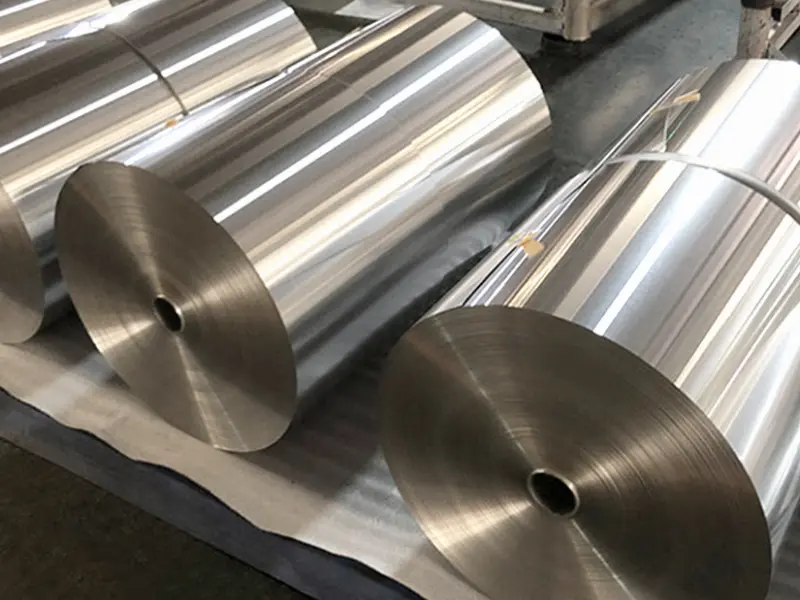
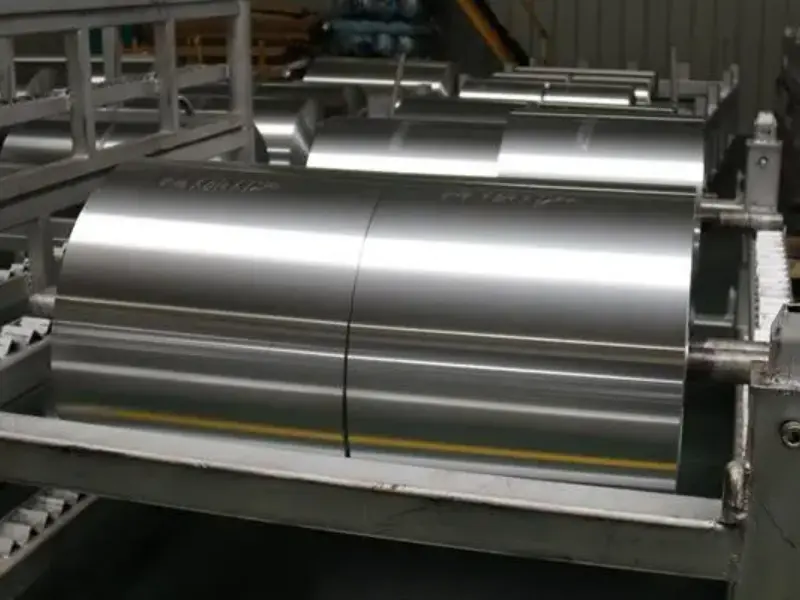
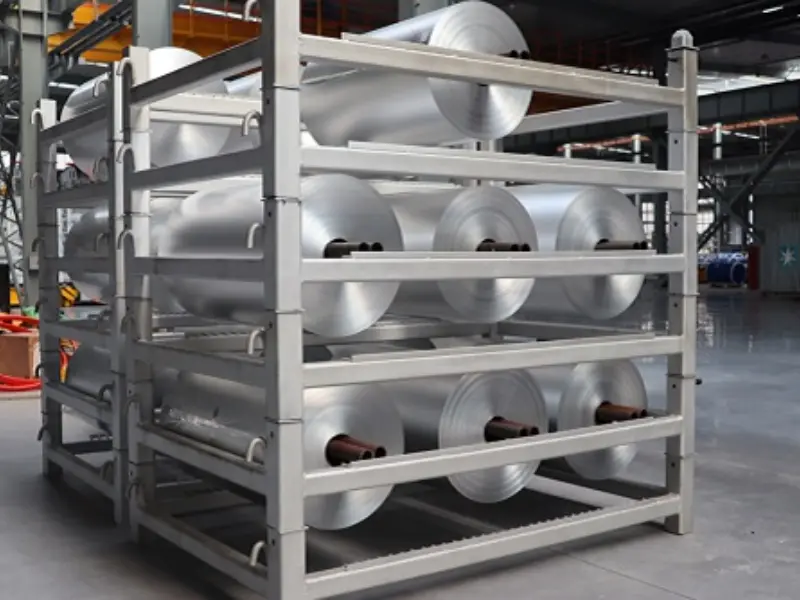
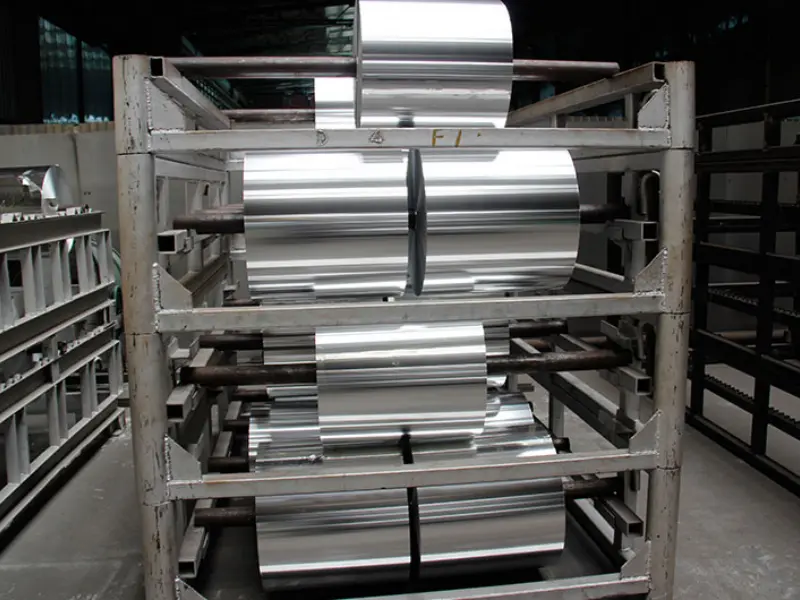
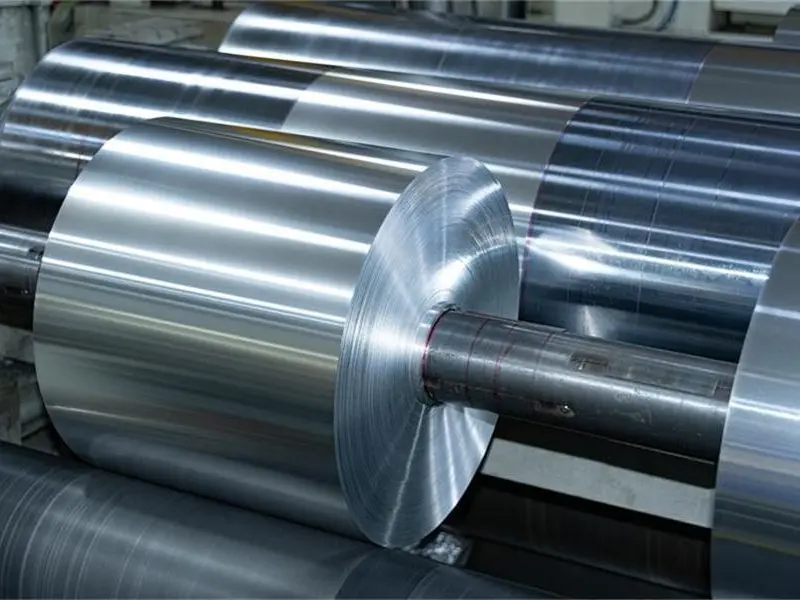
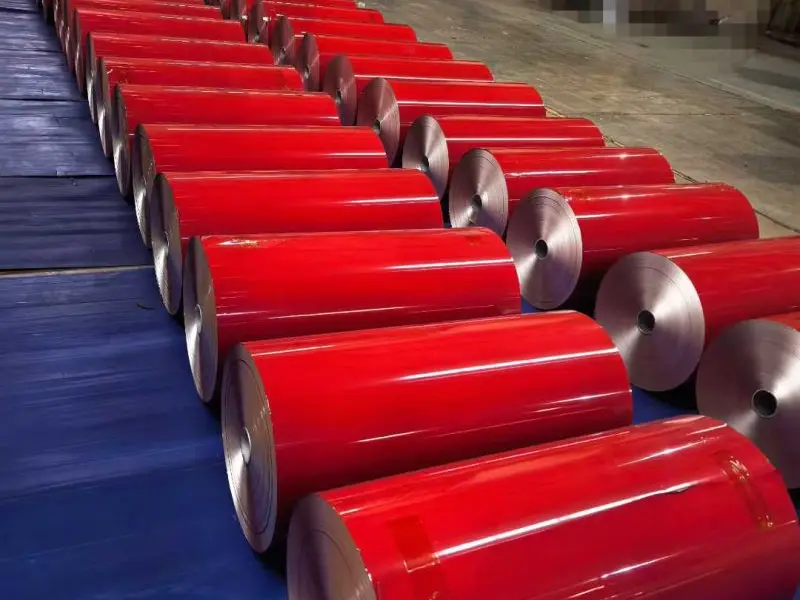
Laminated Aluminum Coil
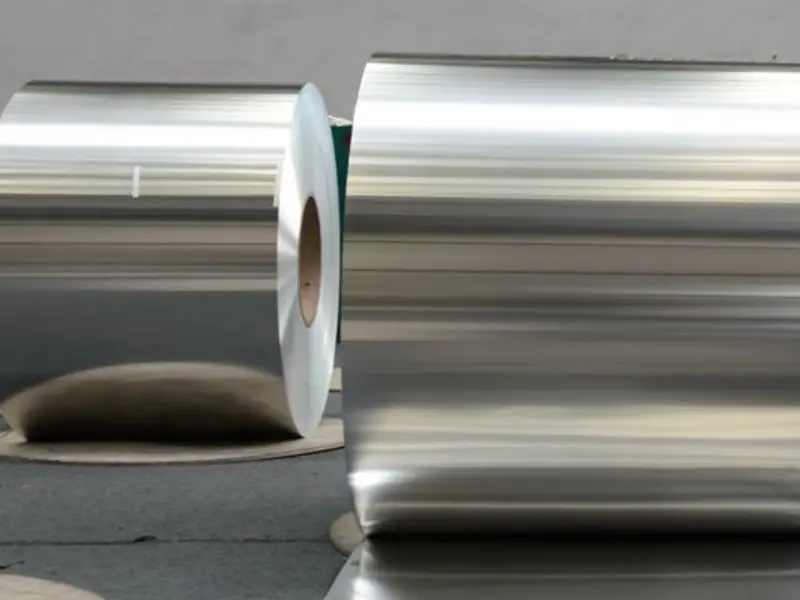
Laminated aluminum coil supplied in a continuous coil format. It is useful for manufacturers that need to cut, roll-form, stamp, or process aluminum in long lengths.
Depending on the product, the coil has laminated with plastic film, paper, or another functional layer. The aluminum alloy, temper, width, thickness, and bonding method all affect processing performance.
Common product options include:
- Plastic-film laminated aluminum coil
- Paper-laminated aluminum foil coil
- Decorative film laminated aluminum coil
- Protective-film aluminum coil
- Insulation-facing aluminum coil
- Laminated coil for selected appliance components
Before ordering, confirm the maximum coil weight, inner diameter, outer diameter, winding direction, and whether the laminate can withstand the intended forming process.
Laminated Aluminum Honeycomb Panels
Aluminum honeycomb panels usually have thin aluminum face sheets bonded to a honeycomb core. This construction can provide high stiffness at a relatively low weight.
These panels are different from simple aluminum foil laminates. Their performance depends on the face-sheet thickness, core geometry, adhesive system, and panel dimensions.
Typical applications include:
- Transport interiors
- Cleanroom partitions
- Commercial interior panels
- Furniture and architectural components
- Lightweight equipment enclosures
- Selected marine and industrial structures
The panel has selected according to its required load capacity, environmental exposure, fire requirements, and mounting method.
Aluminum Foil Laminated With Insulation Materials
Aluminum foil has laminated to foam, fiberglass facing, bubble insulation, or other insulation materials. The aluminum layer may serve as a radiant-facing surface, vapor-control component, or protective layer within the overall system.
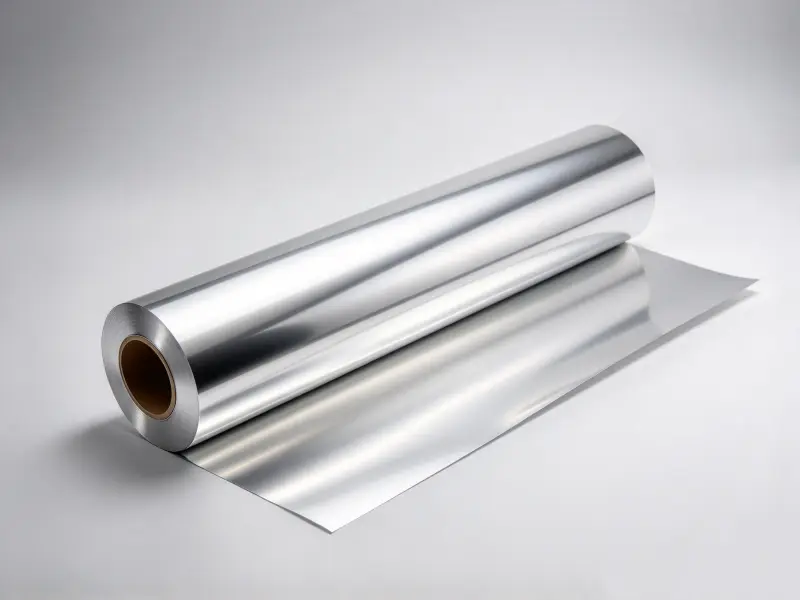
Common product types include foil-faced polyethylene foam, foil-faced fiberglass insulation, reflective bubble insulation, and reinforced foil insulation facing.
The effectiveness of the finished insulation system depends on more than the aluminum layer. Air gaps, installation details, material thickness, and the surrounding construction all matter. Reflective foil does not replace bulk insulation in every situation.
Laminated Aluminum Specifications: Thickness, Alloy, and Structure
There is no single specification for laminated aluminum. The correct dimensions depend on the aluminum substrate, the added layers, and the final use.
For purchasing, separate the aluminum thickness from the total laminated thickness. A product with a 0.05 mm aluminum foil layer and a polymer film may have a very different total thickness from a solid aluminum sheet of the same overall measurement.
Common Thickness Options
The following figures are examples of commonly encountered aluminum substrate or foil thickness ranges. They are not universal standards or a guarantee of stock availability.
| Aluminum product | Example thickness range | Common applications |
|---|---|---|
| Thin aluminum foil | 0.006–0.020 mm | Flexible packaging and selected barrier structures |
| Medium aluminum foil | 0.021–0.050 mm | Industrial wrapping and insulation facing |
| Heavy aluminum foil | 0.051–0.200 mm | Technical laminates and specialized products |
| Thin aluminum sheet | 0.20–0.80 mm | Decorative panels and lightweight components |
| Medium aluminum sheet | 0.81–2.00 mm | Fabricated panels and equipment covers |
| Thick aluminum sheet | 2.01 mm and above | Selected rigid panels and structural components |
The suitable thickness depends on forming, bonding, handling, and load requirements. Very thin foil offers flexibility, while thicker sheet products can provide greater rigidity.
How to Specify Total Thickness
.
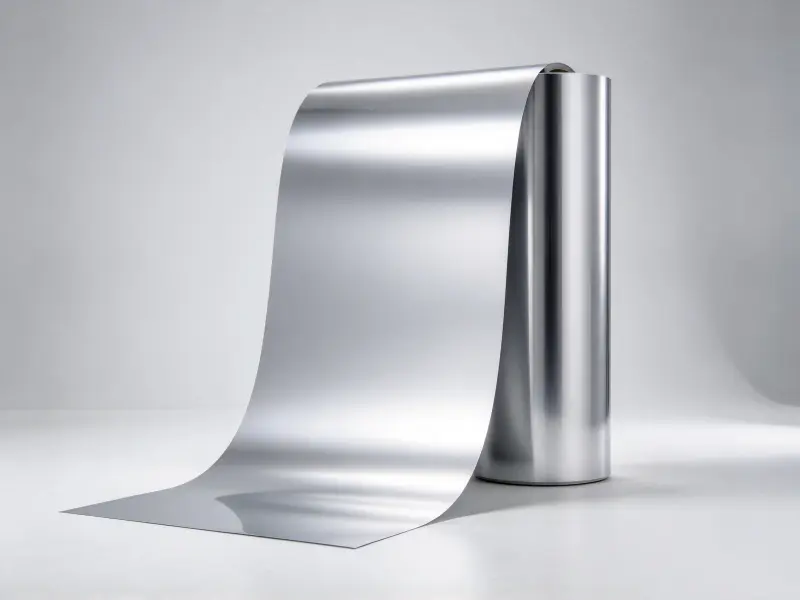
A laminated product may be described in two ways:
- Aluminum substrate thickness: The thickness of the aluminum alone.
- Total laminate thickness: The combined thickness of the aluminum and all added layers.
For example, a structure containing 0.05 mm aluminum foil, 0.02 mm film, and an adhesive layer will have a total thickness greater than 0.05 mm. The exact total depends on the film and adhesive specifications
For accurate quotations, ask the supplier to list each layer separately. This reduces confusion when comparing products from different manufacturers.
Which Aluminum Alloys Are Used for Laminated Aluminum?
The alloy has usually selected according to the aluminum substrate’s forming, strength, corrosion resistance, and processing requirements. The best choice depends on whether the product is foil, sheet, coil, or a panel facing.
1050 and 1060 Aluminum
1050 and 1060 aluminum are commercially pure aluminum grades often selected for applications that need good formability and conductivity. They can be relevant to foil and thin-sheet products.
These grades may suit flexible laminates and insulation-facing materials when the substrate requirements are modest. They are not automatically suitable for every structural panel or demanding forming process.
1100 Aluminum
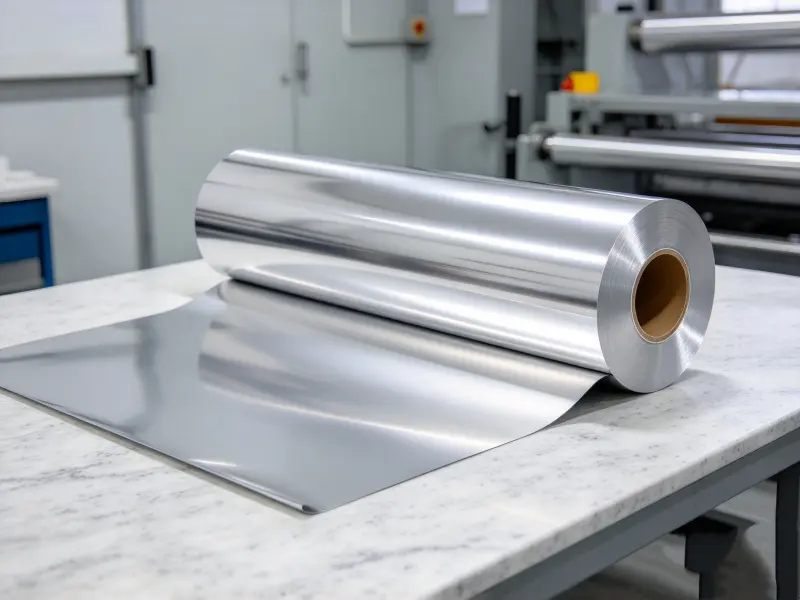
1100 aluminum is another commercially pure grade used in products requiring good workability and corrosion resistance. It has considered for selected sheet, foil, and industrial applications.
Its suitability for lamination depends on the surface condition, required strength, and compatibility with the bonding process.
3003 Aluminum
3003 aluminum contains manganese and has wide uses for general sheet-metal applications.
Possible uses include selected equipment panels, building components, and laminated sheet products. The exact application depends on the temper, thickness, and design requirements.
5052 Aluminum
5052 aluminum is popular for good corrosion resistance and relatively higher strength than many commercially pure grades. It has considered for more demanding sheet applications, including certain equipment panels and marine-related components.
8011 Aluminum Foil
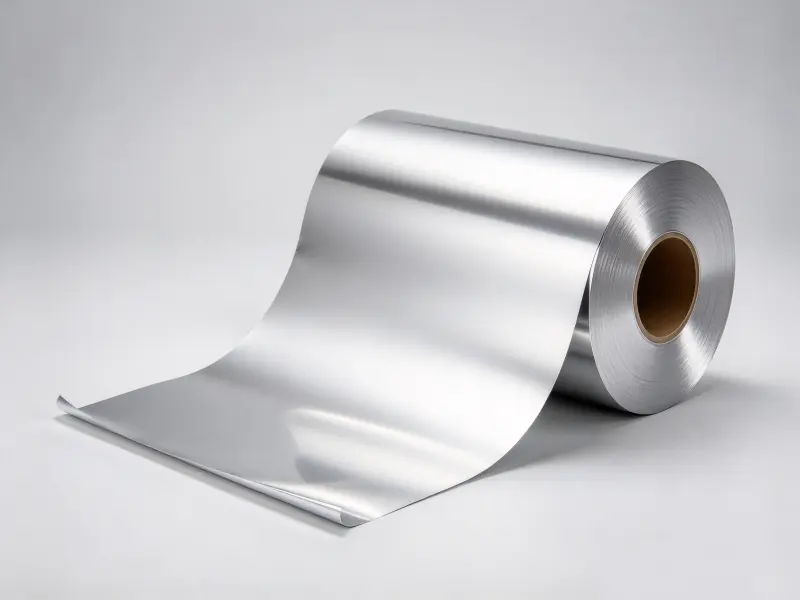
8011 is a common aluminum foil alloy used in packaging and technical foil applications. It has use in flexible laminates where foil performance, processability, and product requirements align.
The final selection depends on the foil thickness, temper, pinhole requirements, and intended packaging or insulation application.
Alloy Selection Comparison
| Alloy | General characteristics | Potential laminated applications |
|---|---|---|
| 1050 | High aluminum content, good formability | Thin foil and selected insulation laminates |
| 1060 | High aluminum content, good conductivity | Foil and technical laminates |
| 1100 | Good workability and corrosion resistance | Sheet and industrial laminate substrates |
| 3003 | Moderate strength and good formability | Selected building and equipment panels |
| 5052 | Higher strength and good corrosion resistance | Selected demanding sheet applications |
| 8011 | Common foil alloy for processing applications | Packaging and technical foil laminates |
These are general guidelines, not a substitute for engineering review. The correct alloy has confirmed with the supplier based on the finished product’s requirements.
Aluminum Temper: O, H14, H18, and Other Conditions
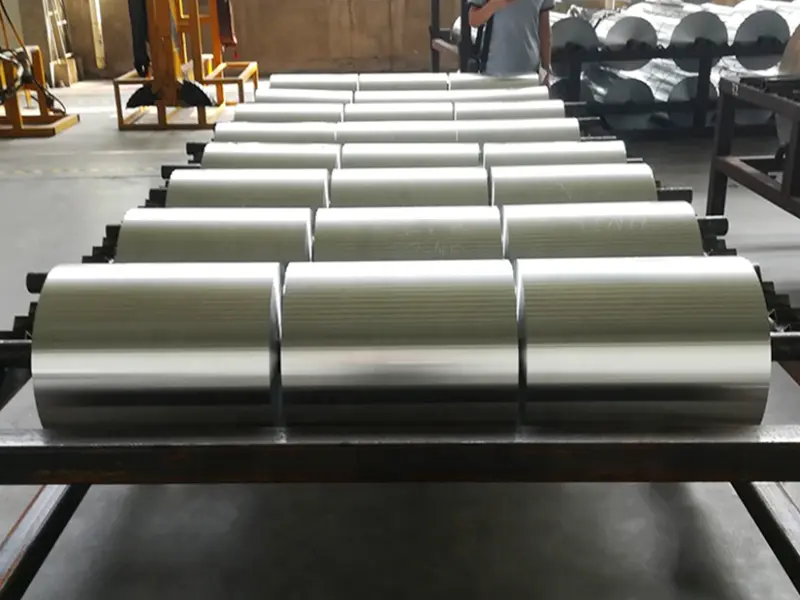
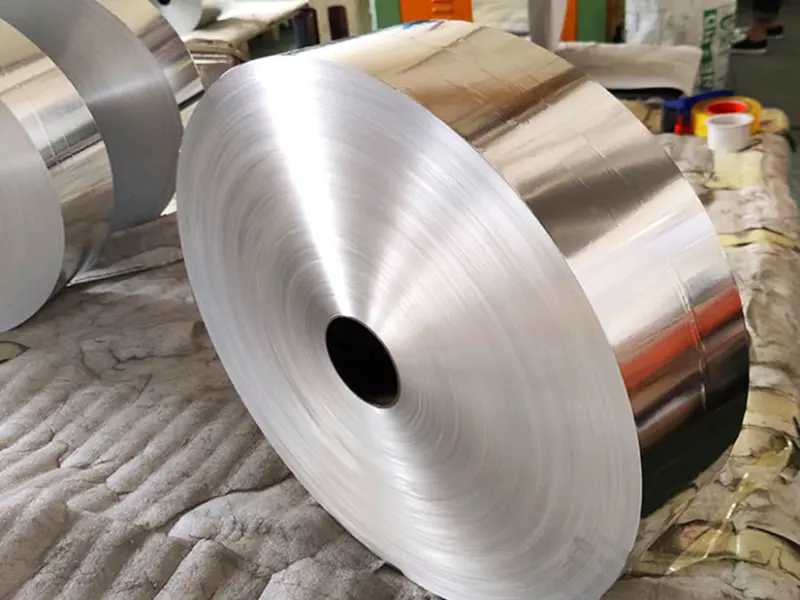
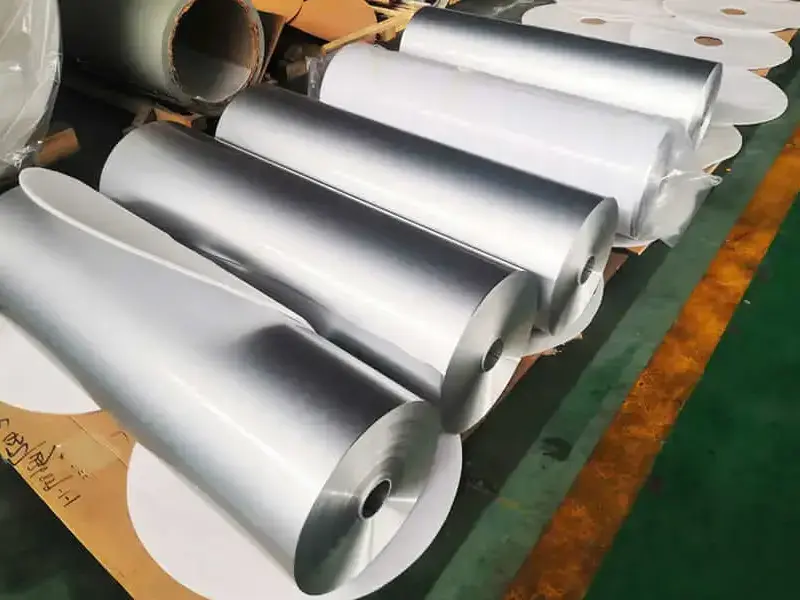
Temper describes the condition of the aluminum material after processing. It can affect hardness, formability, strength, and suitability for the next manufacturing step.
Not every temper is available for every alloy, thickness, or laminate structure.
| Temper | General description | Possible consideration |
|---|---|---|
| O | Annealed and relatively soft | Deep forming and flexible applications |
| H14 | Strain-hardened and partially softened | General sheet applications |
| H18 | Fully hard strain-hardened condition | Applications needing higher hardness and limited forming |
| H24 | Strain-hardened and partially annealed | Selected sheet-metal applications |
| H19 | High-hardness foil condition used in certain specifications | Selected foil applications |
The temper designation must match the alloy and relevant product standard.
For a laminated aluminum sheet that has bent or stamped after lamination, buyers should test the complete structure. A film or adhesive that performs well on a flat surface may crack or separate during forming.
Laminated Aluminum vs. Coated Aluminum
Laminated aluminum and coated aluminum may look similar, but their surface constructions are different.
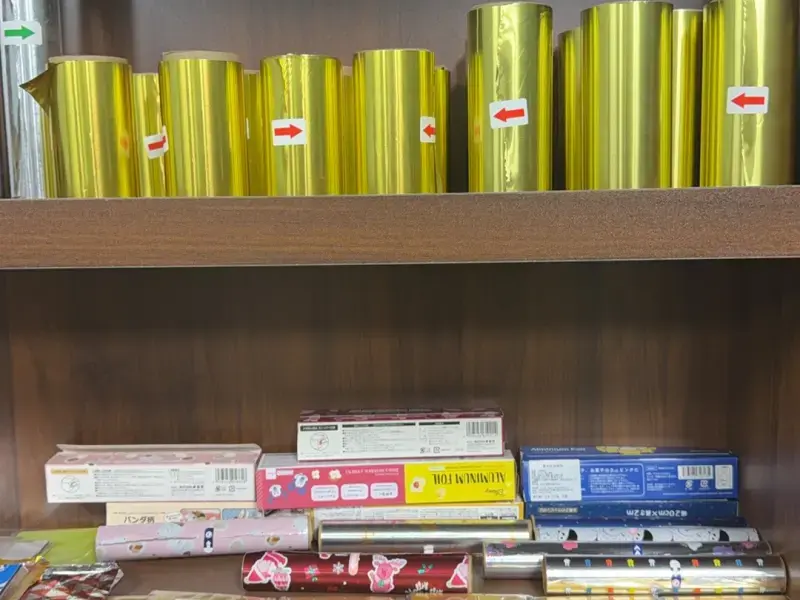
With laminated aluminum generally uses a separately produced layer that has bonded to the substrate. Coated aluminum usually receives a liquid or powder coating that forms a surface layer after application and curing.
Some commercial products may use terminology differently, so the manufacturing process should be confirmed with the supplier.
| Comparison point | Laminated aluminum | Coated aluminum |
|---|---|---|
| Surface construction | Bonded film, foil, paper, or another layer | Applied paint, resin, or powder coating |
| Layer thickness | Depends on the added material and adhesive | Depends on the coating system |
| Surface appearance | Can include printed film, paper, or foil facing | Can provide solid colors, gloss, or textured finishes |
| Repair considerations | Film may peel or delaminate if damaged | Coating may scratch, chip, or wear |
| Forming behavior | Depends on film flexibility and bond strength | Depends on coating flexibility and curing |
| Typical uses | Packaging, insulation, decorative panels | Building sheets, appliance panels, decorative coils |
Neither option is universally better. Laminated aluminum may be suitable when a separate film or functional layer is needed. Coated aluminum has preferable when the required finish can be achieved through a coating system.
Laminated Aluminum vs. Plain Aluminum Sheet
Plain aluminum sheet has no additional bonded film or laminate layer. It has supplied with a mill finish, polished finish, embossed surface, or other surface treatment.
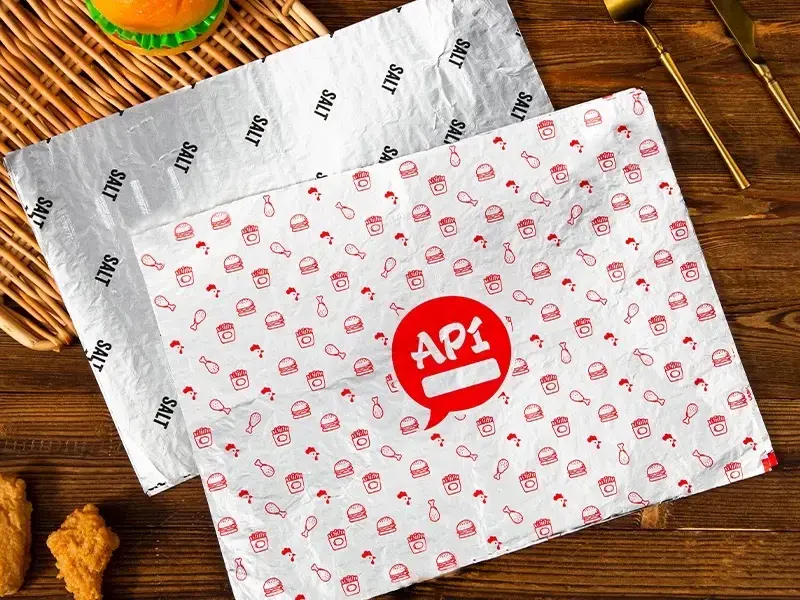
Laminated aluminum adds another material to meet a specific requirement. This can improve barrier performance or appearance, but it also introduces an interface where bonding quality matters.
Choose plain aluminum when the substrate itself meets the requirements. Choose a laminated product when the added layer provides a necessary function.
Laminated Aluminum vs. Aluminum Composite Panel
An aluminum composite panel usually consists of two thin aluminum skins bonded to a core. It has designed as a panel product rather than simply a sheet with a surface film.
A laminated aluminum sheet may contain only one aluminum substrate and one or more surface layers. Its rigidity and load capacity may therefore differ greatly from those of a composite panel.
When purchasing material for a facade, partition, or sign, specify whether you need a laminated sheet or a complete composite panel. Also confirm the core material, fire performance, panel thickness, and installation requirements.
Applications of Laminated Aluminum


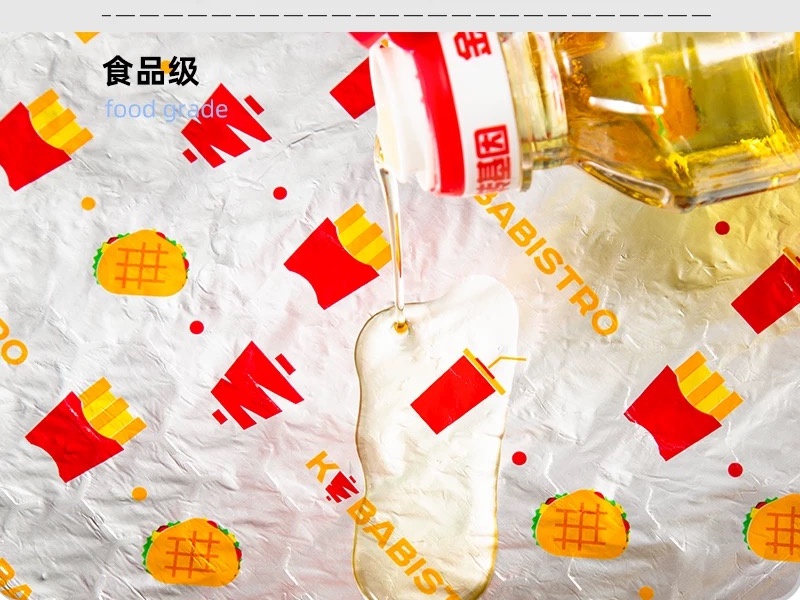
Laminated aluminum has applications in different industries because the layer structure has designed around the final application. Buyers should match the product to the environment and manufacturing process rather than selecting it by name alone.
Packaging and Flexible Wrapping
Aluminum foil laminates have applications in packaging that needs a combination of barrier performance, flexibility, and sealing capability.
Common applications include:
- Flexible food packaging
- Coffee and beverage packaging
- Pharmaceutical packaging, subject to applicable requirements
- Cosmetic and personal-care packaging
- Industrial product pouches
- Selected heat-sealable wrapping materials
The correct laminate depends on the product being packaged, shelf-life requirements, filling temperature, sealing method, and relevant regulatory requirements. Aluminum foil alone does not make a finished package suitable for every product.
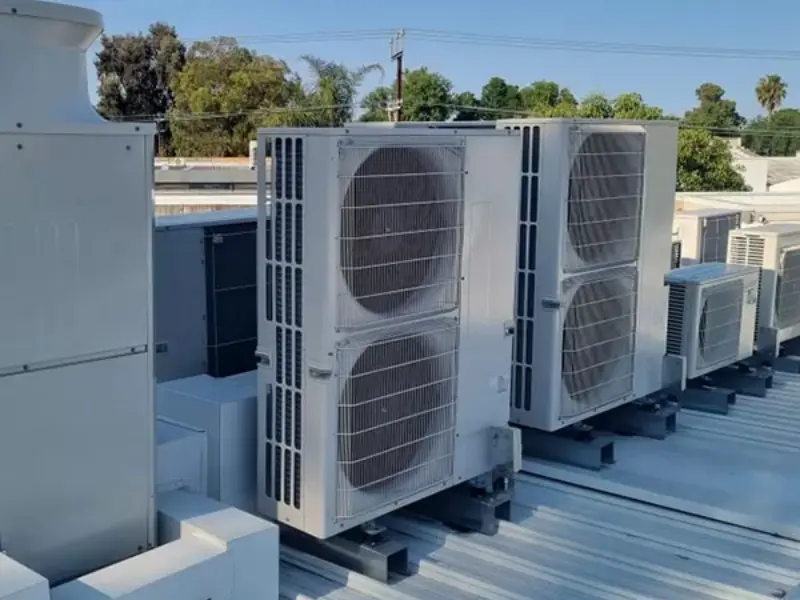
Building Insulation and HVAC Systems
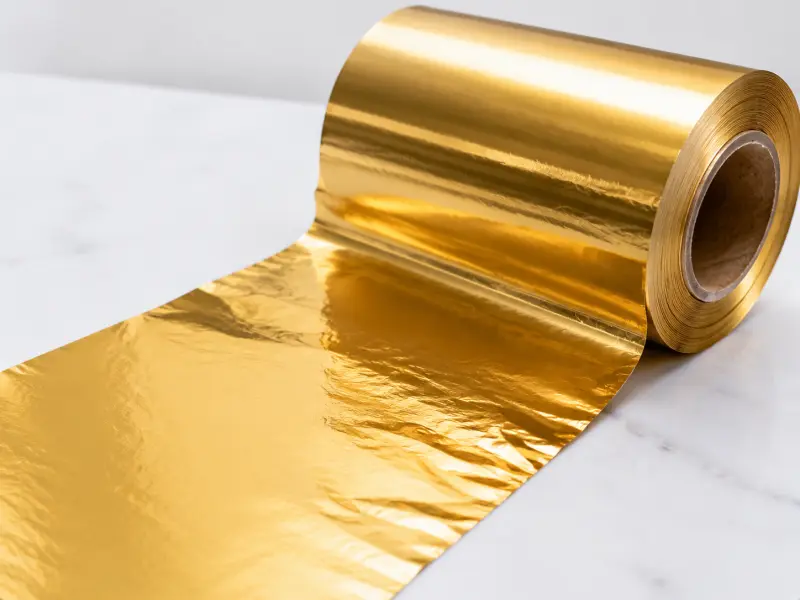
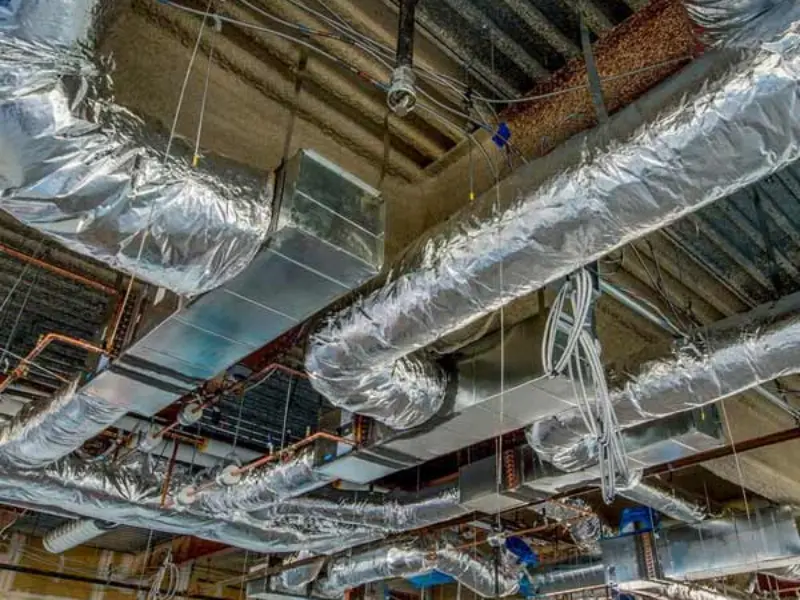
Aluminum foil and film laminates are used as facing materials in selected insulation systems. They may help control vapor movement, protect insulation surfaces, or reflect radiant heat when installed correctly.
Common uses include:
- Duct insulation facing
- Pipe insulation facing
- Roof and attic insulation systems
- Wall insulation systems
- Industrial equipment insulation
- Insulation for selected transport applications
For building products, confirm the vapor-control properties, fire classification, temperature limits, and installation instructions. Reflective performance depends on the surrounding air space and the complete assembly.
Construction and Interior Decoration
Laminated aluminum sheets can provide a decorative surface or a protective layer for interior components. Film finishes can create patterns or colors that may be difficult to achieve with plain metal.
Typical uses include:
- Interior wall panels
- Ceiling components
- Furniture surfaces
- Cabinet and partition panels
- Decorative trims
- Signage and display panels
For exterior use, the laminate must be suitable for ultraviolet exposure, temperature changes, moisture, and the expected service environment.
Appliances and Industrial Equipment
Selected laminated aluminum products have uses for panels, covers, and components where appearance, cleanability, or surface protection matters.
Possible applications include:
- Appliance exterior panels
- Equipment covers
- Control-panel surfaces
- Protective sheet components
- Industrial enclosures
- Selected ventilation components
The required properties depend on the operating temperature, cleaning chemicals, forming method, and mechanical loads. Buyers should confirm whether the laminate has intended to remain on the finished part or be removed after fabrication.
Automotive, Transport, and Marine Uses
Lightweight aluminum products are useful in many transport applications. Laminated structures have considered for interior panels, protective surfaces, or specialized insulation components.
Potential applications include:
- Vehicle interior panels
- Trailer and transport equipment components
- Insulation facing
- Lightweight partitions
- Selected marine interior panels
- Protective covers and enclosures
A laminated product is not automatically suitable for exterior vehicle or marine exposure. Saltwater resistance, fire performance, vibration, impact, and bonding durability may need specific testing.
Electronics and Technical Products
Some aluminum laminates have applications where a thin metallic layer, electrical shielding function, or controlled surface construction is required.
Potential applications include:
- Selected shielding laminates
- Technical packaging
- Equipment insulation
- Reflective components
- Specialized industrial materials
Electrical conductivity, dielectric performance, grounding, and electromagnetic shielding depend on the full structure and installation. A plastic film or adhesive may change the electrical behavior of the finished product.
How Is Laminated Aluminum Manufactured?
The production process depends on the material combination. Foil laminates, decorative sheets, and honeycomb panels do not necessarily use the same equipment or production steps.
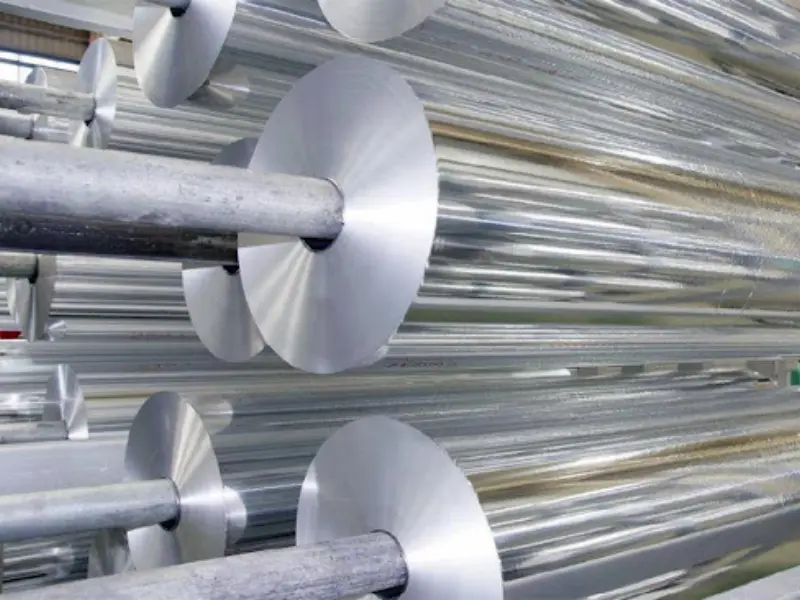
A typical film-lamination process may follow this sequence:
Aluminum preparation → Surface cleaning → Film or adhesive preparation → Lamination → Bonding or curing → Slitting or cutting → Quality inspection → Packaging
Aluminum Surface Preparation
The aluminum surface must be clean and suitable for bonding. Oil, dust, oxidation, or other contamination can reduce adhesion.
The required preparation depends on the alloy, surface finish, adhesive system, and production method.
Film Bonding and Lamination
The manufacturer brings the aluminum and the selected layer together through a suitable bonding process. Depending on the material, this may involve adhesive lamination, heat lamination, or another process designed for the specific structure.
Temperature, pressure, line speed, and adhesive application can influence the finished bond. A process suitable for one film may not work for another.
Curing and Bond-Strength Control
Some adhesive systems need time or controlled conditions to develop their intended bond strength. The manufacturer should follow the adhesive supplier’s processing requirements.
Quality checks may include visual inspection, peel or bond testing, dimensional checks, and examination for bubbles, wrinkles, or delamination.
Cutting, Slitting, and Packaging
After lamination, the material may be slit into coils or cut into sheets. Edge quality, flatness, surface protection, and winding condition matter for downstream processing.
Packaging should protect the laminate from moisture, impact, contamination, and damage during transportation. The packaging method should suit the product thickness and shipping route.
How to Choose the Right Laminated Aluminum Product
Choosing a product by price alone can lead to poor bonding, cracking, or performance problems. Buyers should first identify the required function and then specify the material structure.
Confirm the End Use
Start with the application. A packaging laminate may need barrier and sealing performance. An insulation facing may need suitable temperature and vapor-control properties. A decorative panel may require color consistency and resistance to scratches.
Specify the Aluminum Substrate
Provide the alloy, temper, thickness, and surface condition when these are known. If the product will be bent, stamped, or roll-formed, explain the forming process.
Identify Every Layer
Ask the supplier to state the material and thickness of each layer. Include the adhesive or bonding system when relevant.
For example, a quotation request might specify:
| Item | Example requirement |
|---|---|
| Product | Plastic-film laminated aluminum foil |
| Aluminum alloy | 8011, subject to confirmation |
| Aluminum thickness | 0.05 mm |
| Film | PET, 0.02 mm |
| Surface | Clear or printed film |
| Supply form | Coil |
| Width | 500 mm |
| Application | Industrial wrapping |
| Bonding | Suitable adhesive lamination |
| Inspection | Appearance and bond-strength checks |
These are illustrative values for explaining a specification, not a recommendation for every application.
Check Compatibility With Processing
If the product has cut, bent, stamped, heated, or exposed to chemicals, confirm that the laminate can withstand these conditions.
Ask whether the film may crack, the adhesive may soften, or the layers may separate during processing. Samples have tested under realistic production conditions before placing a large order.
Review Quality Requirements
Depending on the application, buyers may need to specify:
- Total thickness and individual layer thickness
- Width, length, or coil dimensions
- Bond strength and adhesion test method
- Surface appearance and acceptable defects
- Flatness and dimensional tolerances
- Temperature and environmental limits
- Applicable product standards and test reports
- Packaging and shipping protection
Not every product requires every test. The inspection plan should match the risks and performance needs of the final application.
Buying Laminated Aluminum: What Affects the Price?
Laminated aluminum pricing depends on the aluminum substrate and the added layers. Two products with similar overall thickness can have different costs because their alloy, film, adhesive, processing, and inspection requirements differ.
Key cost factors include:
- Aluminum alloy and substrate thickness
- Type and thickness of the film, paper, foam, or core
- Number of layers
- Adhesive system and lamination process
- Product width, length, or coil weight
- Printing, color, and surface requirements
- Special testing and quality controls
- Order quantity and packaging
- Transportation method and delivery destination
For an accurate quotation, provide a drawing, specification sheet, or sample when available. State the application and expected processing conditions. This helps the supplier recommend a suitable construction instead of quoting a product that only looks similar.
What Information Should Be Included in an Inquiry?
A clear inquiry saves time for both the buyer and supplier. Include the following details where possible:
- Product type: laminated foil, sheet, coil, or panel
- Application and working environment
- Aluminum alloy and temper
- Aluminum thickness and total laminate thickness
- Material and thickness of each additional layer
- Required width, length, or coil dimensions
- Surface color, finish, or printing
- Quantity and preferred packaging
- Required inspection documents
- Destination country and delivery requirements
Technical confirmation is especially important for insulation, packaging, and building-panel applications.
Frequently Asked Questions About Laminated Aluminum
Is laminated aluminum waterproof?
Not every laminated aluminum product is waterproof. A suitable laminate can improve moisture resistance, but performance depends on the film, adhesive, seams, edges, and the complete product design. Ask for test data when waterproof performance is essential.
Is laminated aluminum the same as aluminum foil?
No. Aluminum foil is a thin aluminum product. Laminated aluminum contains foil or sheet bonded to another material, such as plastic film or paper. The laminate may offer additional functions, but its performance depends on the complete structure.
What is the difference between laminated and coated aluminum?
Laminated aluminum uses a bonded layer, often a pre-made film or another material. Coated aluminum usually receives paint, resin, or powder that forms a surface coating. The best choice depends on appearance, processing, durability, and environmental requirements.
Which aluminum alloy is best for lamination?
There is no single best alloy. 1050 and 1060 may suit certain thin-foil applications, 8011 is common in foil products, and 3003 or 5052 have considered for selected sheet applications. The final choice depends on the required strength, forming behavior, corrosion resistance, and bonding process.
Can laminated aluminum be bent or stamped?
The aluminum temper, film flexibility, adhesive, bend radius, and forming conditions all matter. Test the finished structure before production.
Can laminated aluminum be used outdoors?
Yes, some products are designed for outdoor use.Confirm weather resistance, ultraviolet stability, bond durability, and the intended service life.
What thicknesses are available?
Thickness depends on the product. Aluminum foil laminates may use very thin foil, while laminated sheets and panels use thicker substrates. Always distinguish the aluminum thickness from the total laminate thickness.
Does laminated aluminum resist heat?
Heat resistance depends on the aluminum substrate, film, adhesive, and other layers. Aluminum itself can withstand conditions that some plastics or adhesives cannot. Confirm the continuous operating temperature and any short-term temperature limits for the complete product.
Is laminated aluminum recyclable?
Recycling depends on the combination of materials and the local recycling system. A laminate containing aluminum, plastic, adhesive, or paper may be harder to separate than a single-material product. Ask the supplier about material composition and available recycling options.
Can laminated aluminum be customized?
Many suppliers can offer customized alloy, thickness, film type, width, coil size, color, or printing. Customization depends on production capability and order quantity. Share the required structure and application when requesting a quotation.
How should laminated aluminum be stored?
Store the material in clean, dry conditions and protect it from water, impact, and contamination. Avoid damaging the edges or surface film. Follow the supplier’s instructions for temperature, humidity, stacking, and storage time.
What information is needed for a laminated aluminum quotation?
Provide the product type, application, alloy, temper, aluminum thickness, total thickness, laminate materials, dimensions, quantity, and delivery destination. If possible, include a drawing or sample. These details help the supplier assess suitability and quote the correct construction.
Find the Right Laminated Aluminum for Your Project
Laminated aluminum is a broad product category that includes foil laminates, plastic-film sheets, paper-foil materials, insulation facings, decorative panels, and aluminum composite structures. Each type serves a different purpose.
The best selection begins with the application. Define the required barrier performance, surface appearance, temperature range, forming method, and environmental conditions. Then confirm the alloy, temper, thickness, layer structure, and inspection requirements.
For a purchasing inquiry, request the aluminum thickness and total laminate thickness separately. Ask for details about the bonding process and test requirements where necessary. These steps make it easier to compare suppliers and reduce the risk of choosing an unsuitable product.