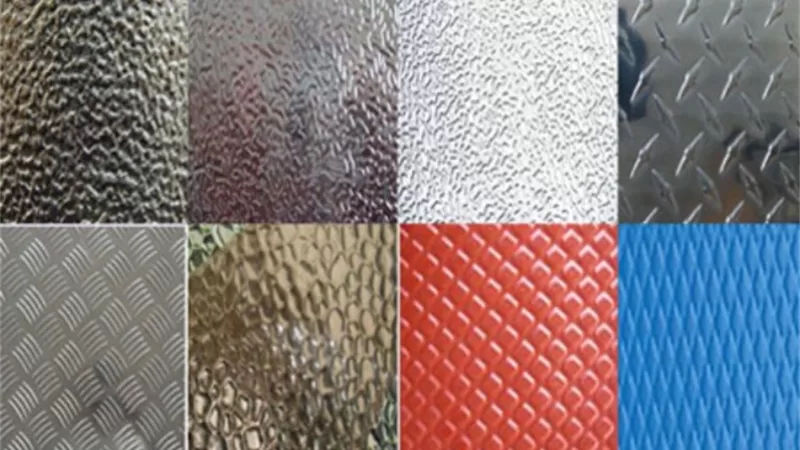
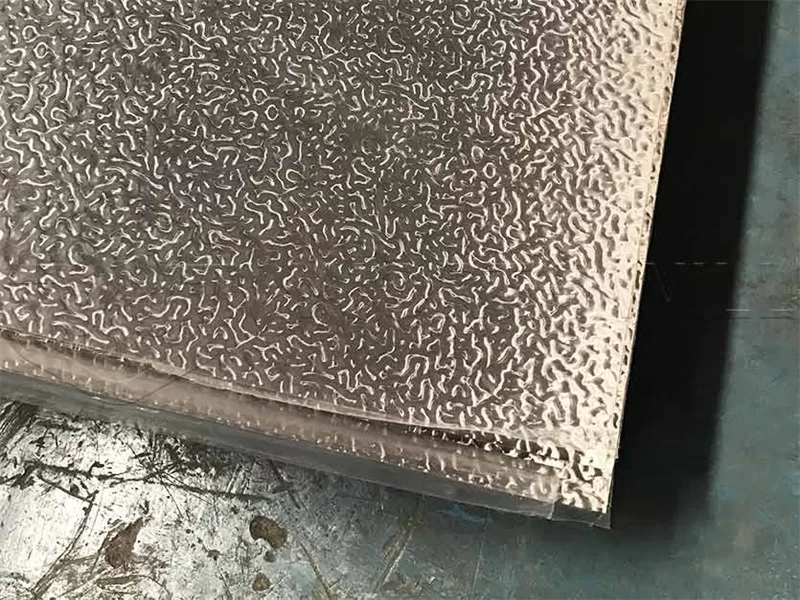
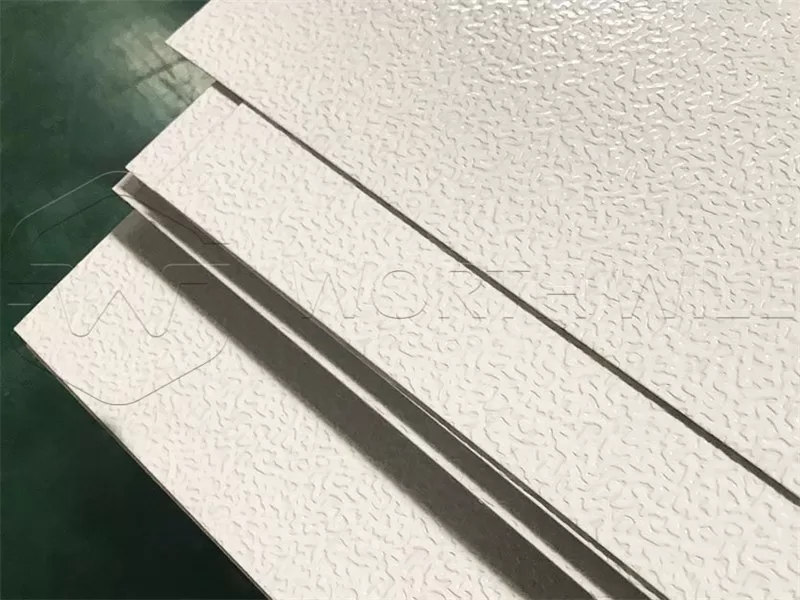
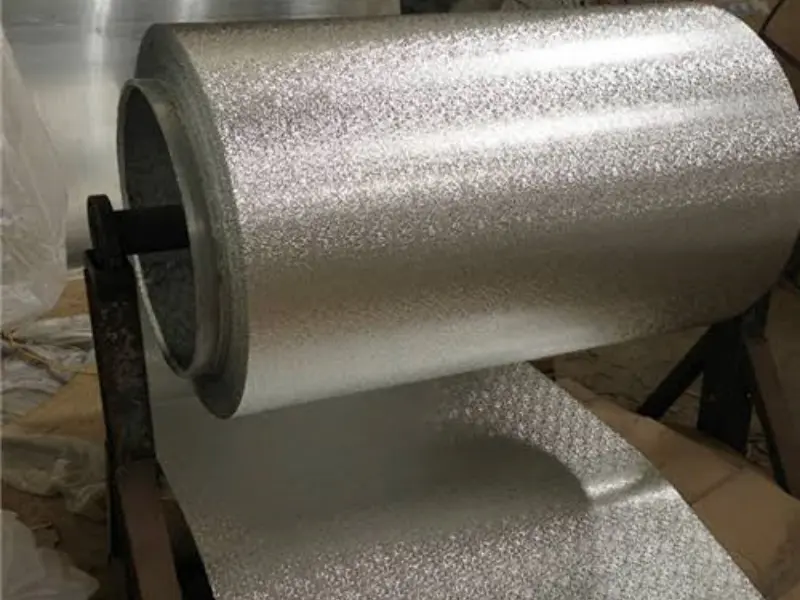
Stucco embossed aluminum sheet is a popular type of aluminum panel known for its unique texture. Imagine the surface of plaster (stucco) – it has a slightly rough, uneven look.
If you’ve heard terms like “embossed aluminum,” “stucco embossed aluminum,” or “stucco aluminum coil,” they all refer to this versatile product.
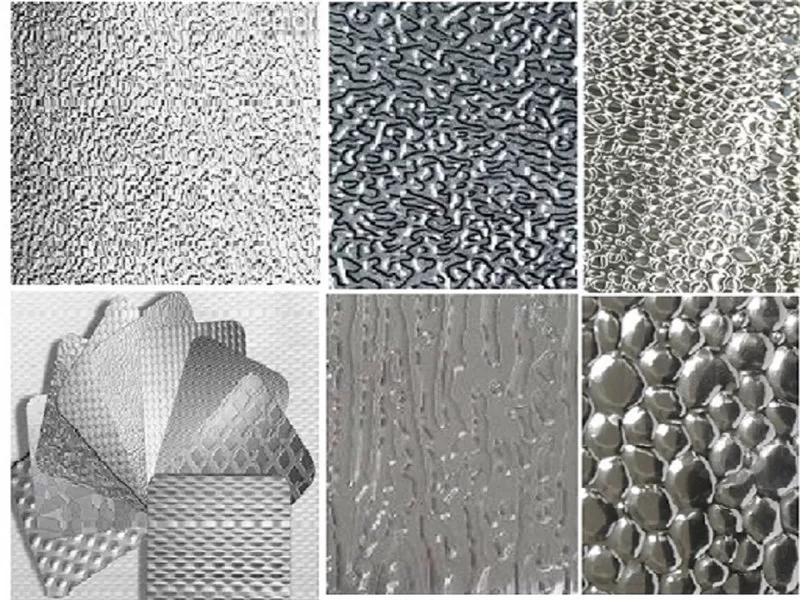
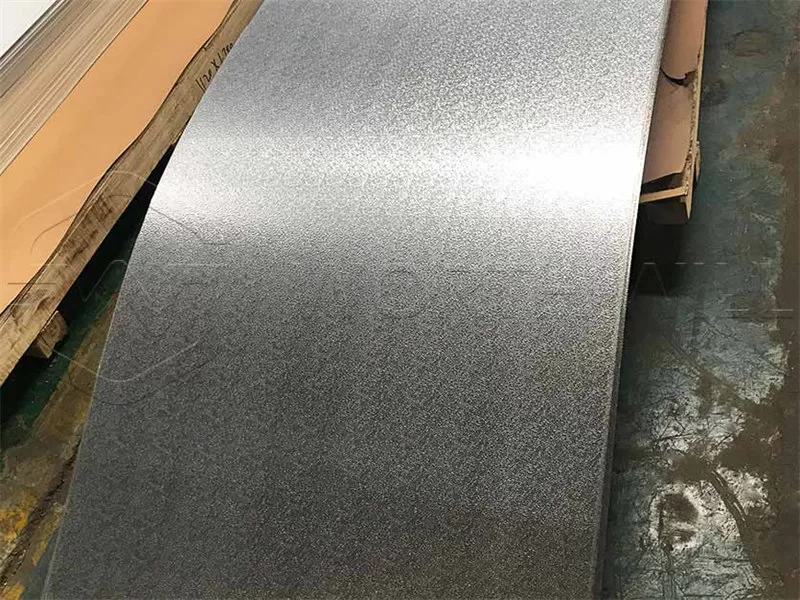
What is Stucco Embossed Aluminum?
Let’s break down the name:
- Aluminum Sheet: This is the basic material – a flat panel made from aluminum.
- Embossed: It’s not just a print; it’s a physical change to the surface.
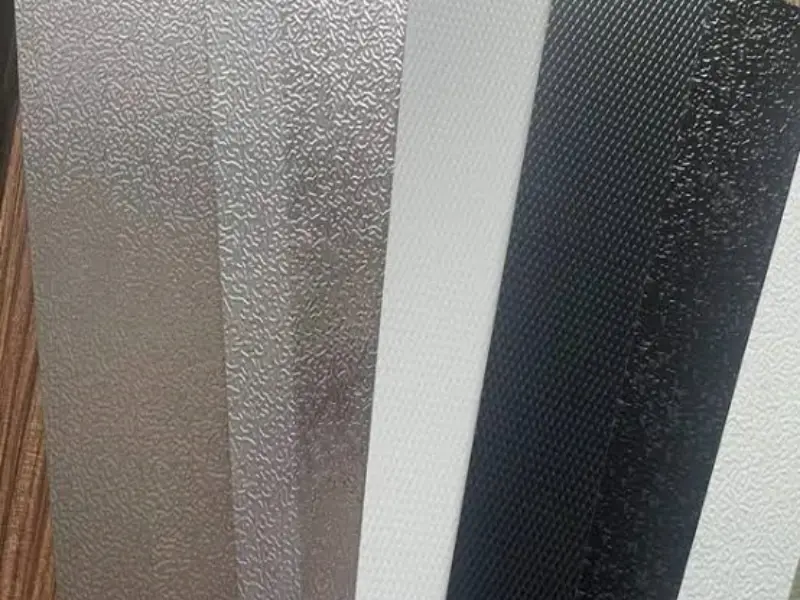
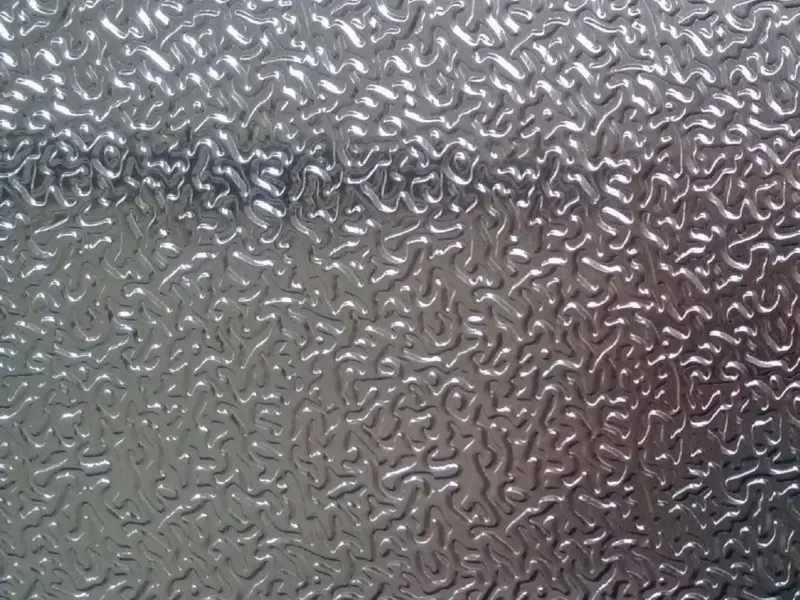
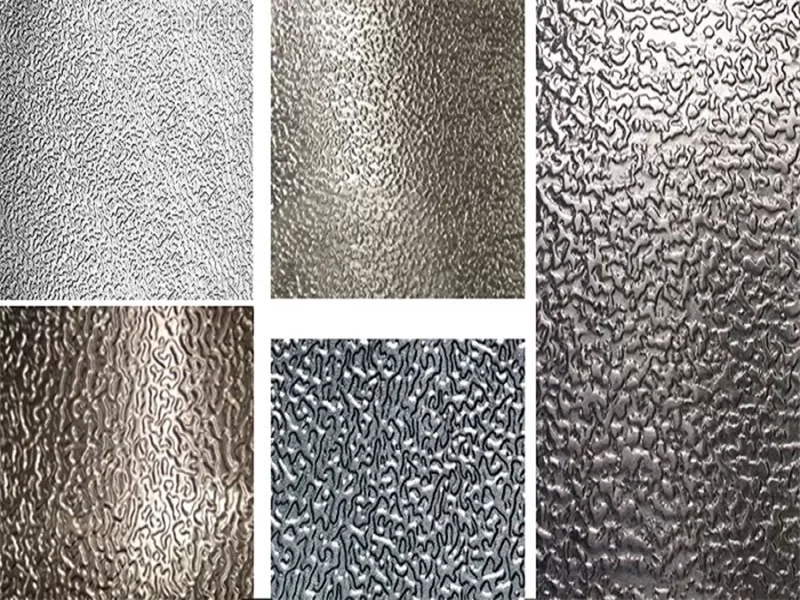
- Stucco: This describes the specific pattern. It’s an irregular, non-directional texture that looks like fine orange peel or plastered wall. This pattern helps to diffuse light, reducing glare, and it also makes the surface more resistant to scratches and fingerprints.
This makes it a decorative aluminum material that is also highly functional. When you see a stucco aluminium sheet, you’re looking at a product designed for both aesthetics and performance.
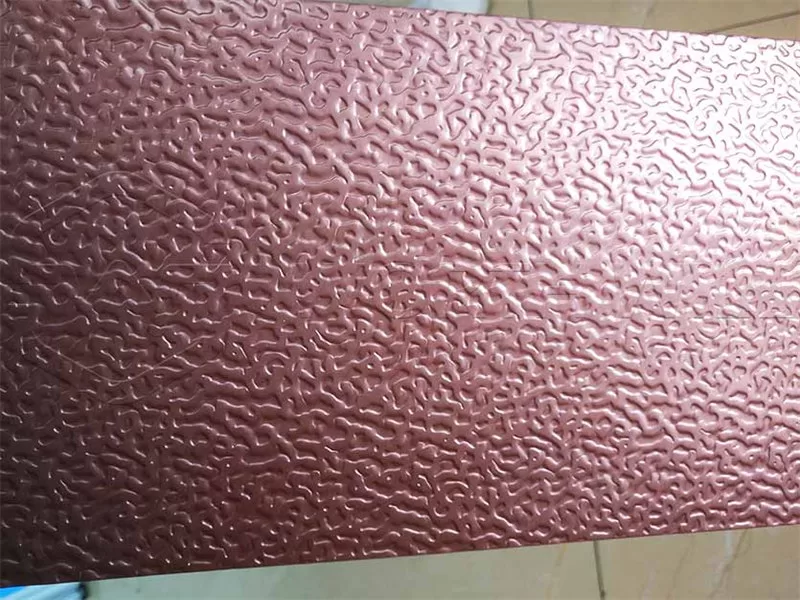
How Stucco Embossed Aluminum Sheet is Made
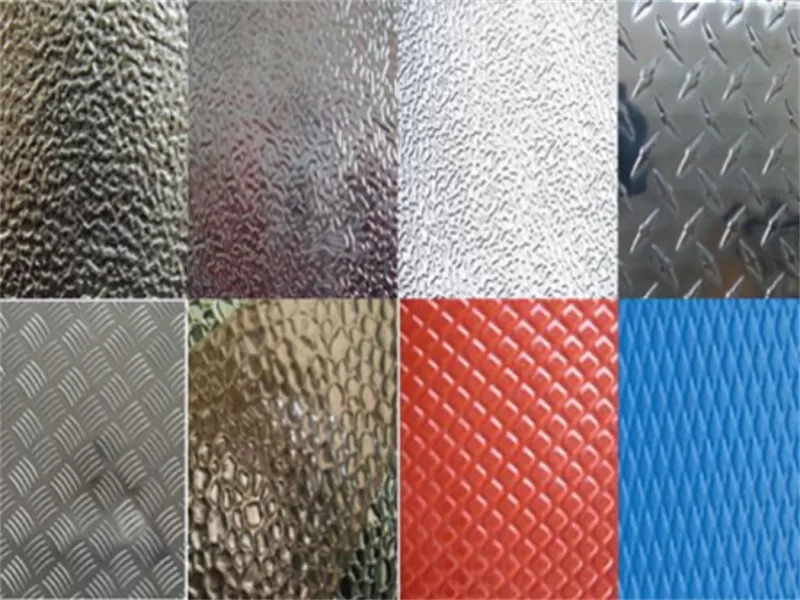
The process of creating stucco embossed aluminum sheet is quite straightforward. It involves a special rolling mill. Flat aluminum sheets or coils pass through a set of rollers. One of these rollers has the inverse of the stucco pattern carved into its surface.
Stucco Embossed Aluminum Sheet Specifications
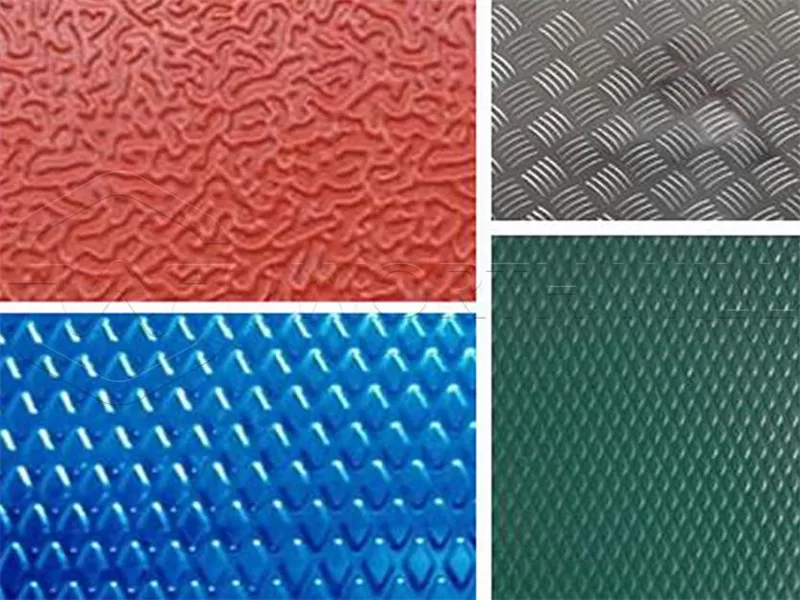
Understanding the specifications of stucco embossed aluminum is important for choosing the right material for your project. Here’s a look at the key details:
| Specification | Description | Common Ranges/Types |
|---|---|---|
| Classification | Stucco embossed aluminum sheets are primarily classified by the aluminum alloy used, the type of stucco pattern, and whether they are in coil or sheet form. | Alloy Series: 1000 series (e.g., 1050, 1060, 1100) for general use; 3000 series (e.g., 3003, 3004) for better strength and corrosion resistance; 5000 series (e.g., 5005, 5052) for marine and high-strength applications. Pattern: Fine stucco, medium stucco. Form: Sheet, Coil. |
| Thickness | This refers to the actual gauge of the aluminum sheet before or after embossing. The embossing process typically has minimal effect on the overall nominal thickness. How thick is a stucco aluminium sheet? Thickness can vary greatly depending on the application. | Commonly ranges from 0.2 mm to 3.0 mm. Thicker sheets are used for structural applications, while thinner ones are used for decorative or insulation purposes. |
| Alloy | The specific aluminum alloy determines the material’s strength, formability, weldability, and corrosion resistance. Popular choices offer a balance of properties. | 1050, 1060, 1100: Good formability, high corrosion resistance, lower strength. Ideal for general-purpose, non-structural applications. 3003, 3004: Medium strength, excellent corrosion resistance, good weldability. Popular for refrigeration and building. 5005, 5052: Higher strength, excellent corrosion resistance, good for marine environments and demanding applications. |
| Packaging | How the stucco embossed aluminum sheet is packed for shipping and storage. Proper packaging prevents damage, scratches, and moisture exposure. | Sheets: Often stacked on wooden pallets, secured with steel straps, and wrapped in waterproof paper or plastic film. Sometimes interleaved with paper to protect the surface. Coils: Wrapped in waterproof paper/plastic, often with wooden or cardboard cores, then strapped and placed on pallets. |
Key Features and Benefits of Stucco Embossed Aluminum Sheet
The unique textured surface of stucco embossed aluminum provides several advantages:
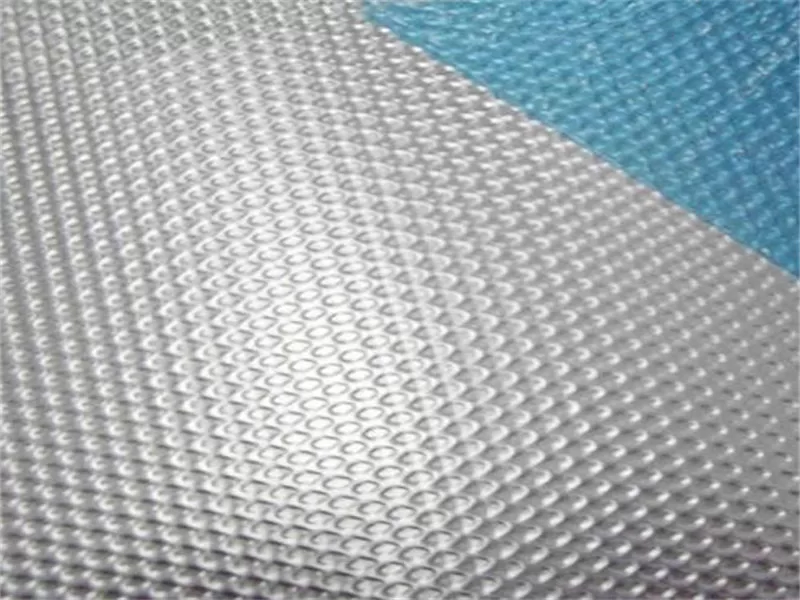
Aesthetics: The stucco pattern creates an attractive, non-directional finish that can hide minor scratches and fingerprints, making it a good choice for visible applications.
Reduced Glare: The textured surface diffuses light, reducing reflection and glare compared to smooth aluminum sheets. This is beneficial in areas with strong lighting.
- Increased Surface Area: The embossing slightly increases the surface area, which can subtly improve heat dissipation in certain applications, like refrigerator panels or insulation materials.
- Enhanced Rigidity and Strength: The embossing process stiffens the sheet, making it more rigid than a smooth sheet of the same thickness. This helps reduce “oil canning” (wavy appearance) in large panels.
- Anti-Slip Properties: While not as aggressive as diamond plate, the texture provides some anti-slip aluminum properties, making it safer for foot traffic or when handling.
- Corrosion Resistance: Like all aluminum, stucco aluminum sheet offers excellent natural resistance to rust and corrosion, especially when made from alloys like 3003 or 5052.
- Lightweight: Aluminum itself is lightweight, contributing to easier handling, lower transportation costs, and reduced structural loads in applications.
- Easy to Clean: The durable surface is relatively easy to clean and maintain.
Applications
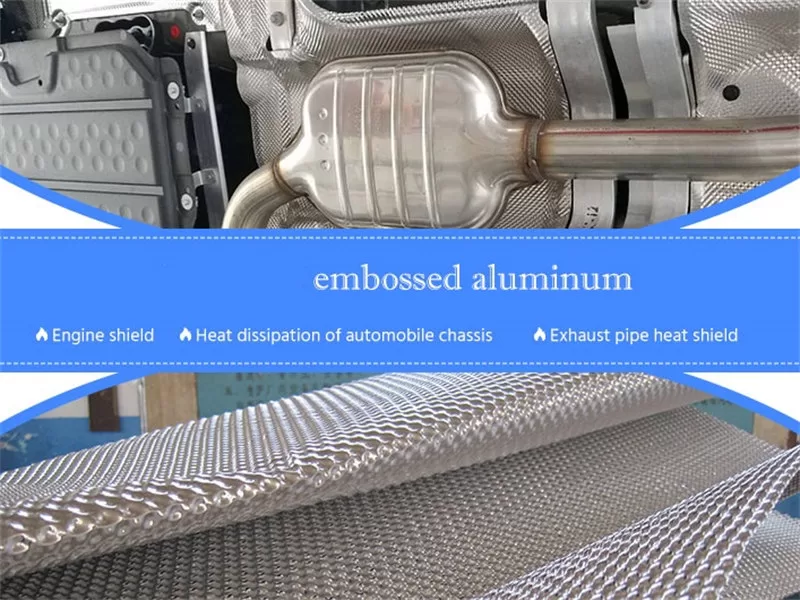
Refrigeration Equipment: Widely used for refrigerator panels, freezer linings, and cold room insulation due to its clean appearance, durability, and ability to help with heat dissipation.
Insulation: Employed in pipe insulation, ductwork, and thermal lagging applications. The increased surface area and textured finish can enhance the efficiency of insulation systems.
- Building and Construction: Used for decorative wall panels, ceiling tiles, column covers, and roofing accents. Its light weight and attractive finish make it ideal for architectural applications.
- Transportation: Found in truck trailers, RVs, and bus interiors as interior liners or exterior cladding due to its durability and lighter weight compared to steel.
- Food Processing Equipment: Applied in parts of food preparation areas, storage units, and display cases because it’s easy to clean and hygienic.
- Elevator Panels: Used for interior decorative panels in elevators due to its scratch resistance and appealing finish.
- Solar Reflectors: In some applications, the diffuse reflection property can be utilized for certain types of solar energy collection.
- Tool Boxes and Storage Containers: The rugged surface helps hide wear and tear and provides a grip.
Technical Comparison
| Parameter | Stucco Aluminum | Plain Aluminum | Fiber Cement |
|---|---|---|---|
| Weight | 3-5 kg/m² | 2.7-8.1 kg/m² | 10-15 kg/m² |
| Installation | Mechanical fixing | Welding/fixing | Special fasteners |
| Maintenance | Wipe clean | Periodic cleaning | Repainting needed |
| Cost | $$ | $-$$ | $$$ |
Frequently Asked Questions
| Question | Professional Answer |
|---|---|
| How thick is standard stucco aluminum? | Most common: 1.2-3.0mm for architectural use |
| Can it be painted? | Pre-coated available, but raw sheets accept paint well |
| Is cutting difficult? | Requires carbide tools for clean edges |
| Minimum bending radius? | 3× thickness for 3003 alloy |
| Lead time for orders? | 2-3 weeks for standard sizes |
Quality Checklist
Verify alloy grade matches environment
Confirm texture depth meets design specs
Check for ISO 9001 certification
Request material test reports
Inspect packaging for transit protection
Why Choose Stucco Embossed Aluminum Sheet?
Choosing stucco embossed aluminum sheet means opting for a material that offers more than just basic performance. It provides an appealing visual texture, enhanced durability, and practical advantages like reduced glare and improved rigidity.
Whether you’re designing a new refrigerator panel, insulating industrial pipes, or creating modern architectural features, this versatile aluminum sheet offers a reliable and aesthetically pleasing solution. Its combination of lightweight properties, corrosion resistance, and unique surface makes it a smart choice for many applications.
Stucco Embossed Aluminum Sheet for Sale
The stucco embossed aluminum sheet is a prime example of how a simple texture can significantly enhance the functionality and appearance of a material.

From its unique stucco pattern to its diverse range of applications, this embossed aluminum product offers a valuable solution for industries seeking durability, aesthetics, and efficiency.
Its continued popularity in fields ranging from refrigeration to construction highlights its versatility and enduring appeal as a superior aluminum sheet product.
Stucco Embossed Aluminum Sheets – Metal Prdocut
Stucco embossed aluminum sheet is a popular metal product. It has a pebble-like textured surface on one side. This special texture looks like traditional stucco plaster.
Many buyers choose stucco embossed aluminum sheet for aesthetic and practical reasons. The textured pattern helps hide scratches. It also reduces light reflection in bright outdoor areas.
What is Stucco Embossed Aluminum?
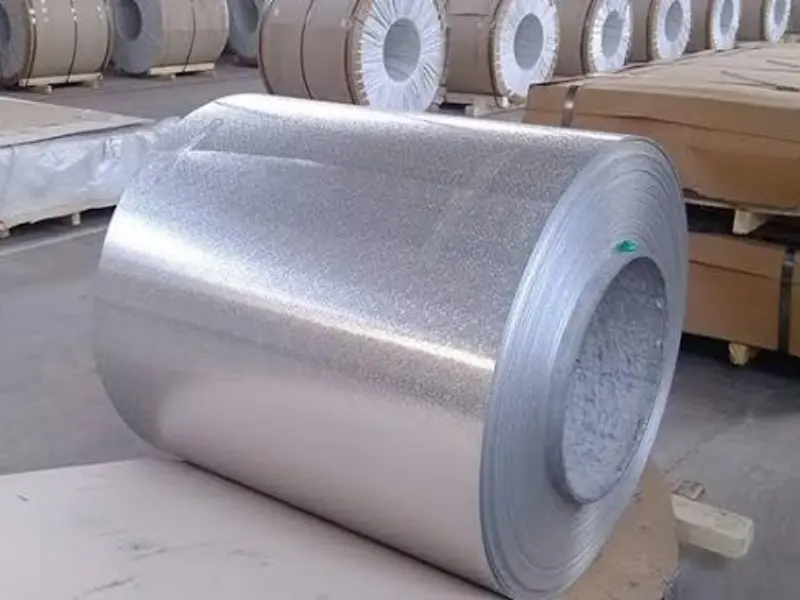
The manufacturing process uses special embossing rollers. Smooth aluminum coils pass through these heavy rollers under high pressure. The rollers press a raised pattern onto the metal surface.
This mechanical process does not weaken the sheet. In fact, the surface texture adds minor stiffness to thin panels. It provides a clean, professional finish for various industrial and commercial projects.
Core Benefits of Embossed Patterns
Using textured aluminum offers unique advantages over plain flat sheets.
- Scratch Resistance: Small surface marks blend easily into the pebble pattern.
- Low Glare: The textured finish diffuses sunlight instead of reflecting it directly.
- Better Durability: It resists minor dents better than smooth mirror-finish panels.
- Enhanced Aesthetics: It gives appliances and vehicle walls a modern, premium look.
Alloy Grades and Material Tempers
Different projects need specific metal properties. Stucco embossed aluminum comes in several alloy series. Understanding alloy types helps you pick the right sheet for your application.
1xxx Series: Pure Commercial Aluminum
Alloy 1060 and 1100 belong to this group. They offer high corrosion resistance and great electrical conductivity.
| Alloy Type | Main Features | Best Used For |
|---|---|---|
| Alloy 1060 | 99.6% pure aluminum, soft, highly ductile | Chemical storage, basic insulation |
| Alloy 1100 | Good workability, high thermal conductivity | Heat exchangers, kitchen utensils |
3xxx Series: Aluminum-Manganese Alloys

Alloy 3003 and 3105 are the most common grades for embossed sheets. Manganese increases mechanical strength while keeping good formability.
| Alloy Type | Main Features | Best Used For |
|---|---|---|
| Alloy 3003 | Moderate strength, great rust resistance | Refrigerator liners, roofing panels |
| Alloy 3105 | Excellent bending properties, high formability | Mobile home siding, wall panels |
5xxx Series: Aluminum-Magnesium Alloys
Alloy 5052 offers high strength, especially in marine environments. It resists saltwater corrosion very well.
| Alloy Type | Main Features | Best Used For |
|---|---|---|
| Alloy 5052 | High tensile strength, fatigue resistant | Marine deck boxes, toolboxes, trucks |
Understanding Material Tempers
Metal temper defines how hard or soft the aluminum sheet is.
H14 / H24 Tempers: Strain-hardened to a medium-hard level. These tempers provide a balance of rigidity and bending ability.
O Temper: Fully annealed. This is the softest and most flexible state.

Detailed Product Specifications and Dimensions
Suppliers offer stucco embossed aluminum in many sizes. You can buy them in flat sheet panels or long continuous coils.
Standard Sheet Dimensions
| Dimension Type | Common Sizes Available |
|---|---|
| Thickness Range | 0.20 mm to 3.0 mm (0.008′′ to 0.12′′) |
| Standard Widths | 1000 mm, 1200 mm, 1219 mm (4 ft), 1500 mm |
| Standard Lengths | 2000 mm, 2438 mm (8 ft), 3000 mm |
| Coil Inner Diameters | 505 mm or 610 mm |
Surface Finishes and Coatings
Buyers can select different surface treatments based on their project environment.
- Mill Finish: Natural aluminum finish directly from the embossing machine.
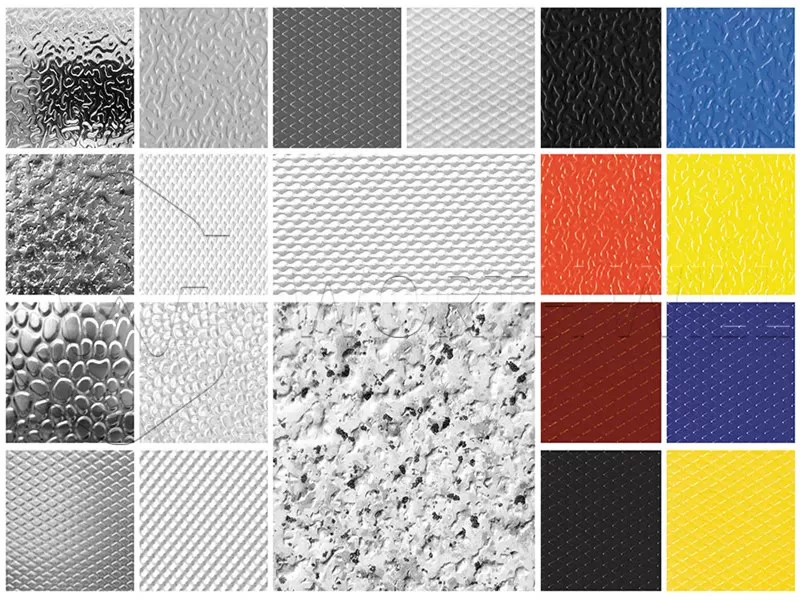
- Color Coated (PE / PVDF): Painted on one or both sides with custom colors like white, silver, or blue.
- Anodized Finish: Electrochemically treated for extra corrosion resistance and a metallic sheen.
Comprehensive Comparison Tables
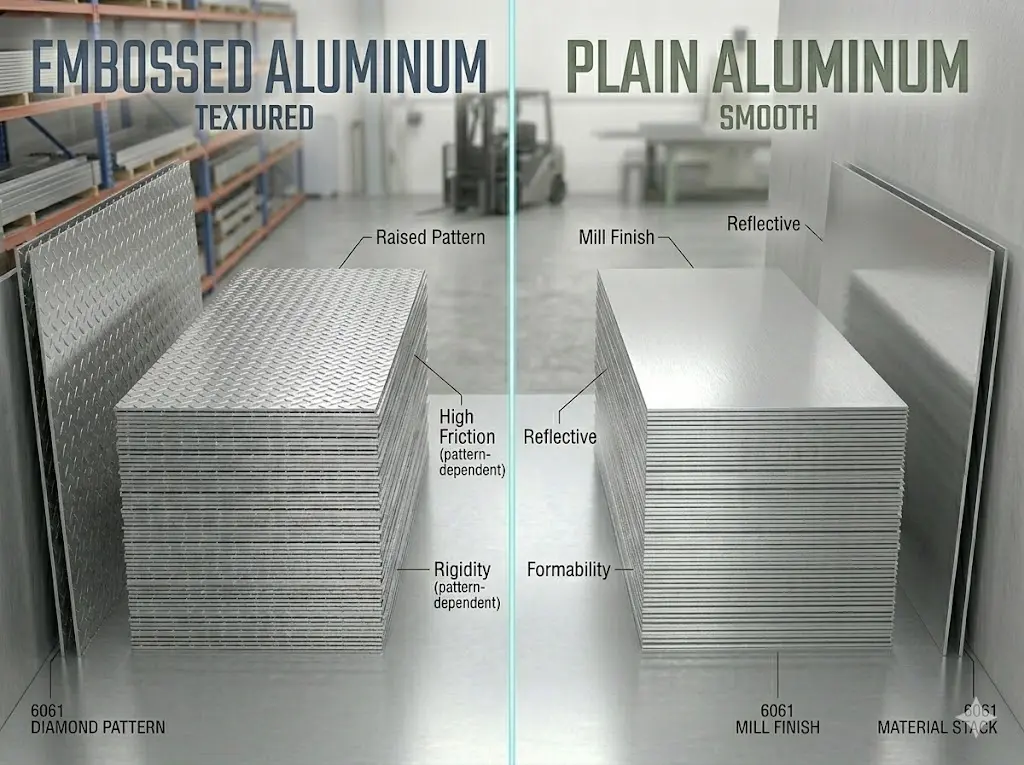
Comparing options helps you make smarter buying decisions. Here are direct comparisons regarding thickness, alloy performance, and pattern types.
Thickness Comparison for Different Uses
| Thickness Bracket | Primary Industry Application | Structural Load Capacity |
|---|---|---|
| Thin (0.2−0.5 mm) | Refrigerator inner walls, lamp reflectors | Very low load, decorative only |
| Medium (0.6−1.2 mm) | HVAC duct lagging, caravan siding | Light duty, protective cladding |
| Thick (1.5−3.0 mm) | Truck flooring, toolboxes, boat decks | High load bearing and impact resistance |
Alloy Comparison Matrix
| Property Measured | Alloy 1060 | Alloy 3003 | Alloy 5052 |
|---|---|---|---|
| Tensile Strength | Low (65−95 MPa) | Medium (130−180 MPa) | High (190−240 MPa) |
| Corrosion Resistance | Outstanding | Very Good | Excellent (Marine grade) |
| Formability | Excellent | Good | Moderate |
| Price Level | Lowest | Moderate | Higher |
Primary Application Areas
Stucco embossed aluminum sheet serves many industries. Its unique look and durability make it a favorite material worldwide.
Industrial Thermal Insulation
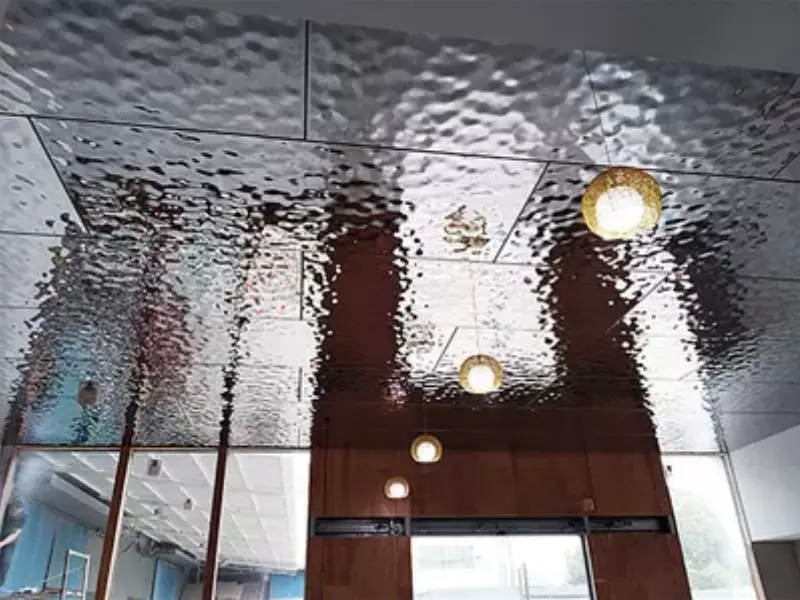
Pipe Lagging: Used to wrap insulated steam pipes in oil refineries.
Tank Jacketing: Protects large chemical storage tanks from rain and UV damage.
HVAC Ducts: Forms the outer protective skin of commercial air conditioning insulation.
Commercial and Residential Construction
- Wall Panels: Adds texture to interior and exterior architectural walls.
- Ceiling Tiles: Creates clean, lightweight drop ceilings in offices and kitchens.
- Roofing Sheets: Reduces blinding sunlight reflection on sloped metal roofs.
Transport and Automotive
- Truck Body Panels: Lightweight exterior walls for dry freight trailers.
- RV and Caravan Siding: Dent-resistant outer walls for recreational vehicles.
- Toolbox Liners: Durable interior lining for pickup truck tool storage boxes.
Appliance Manufacturing
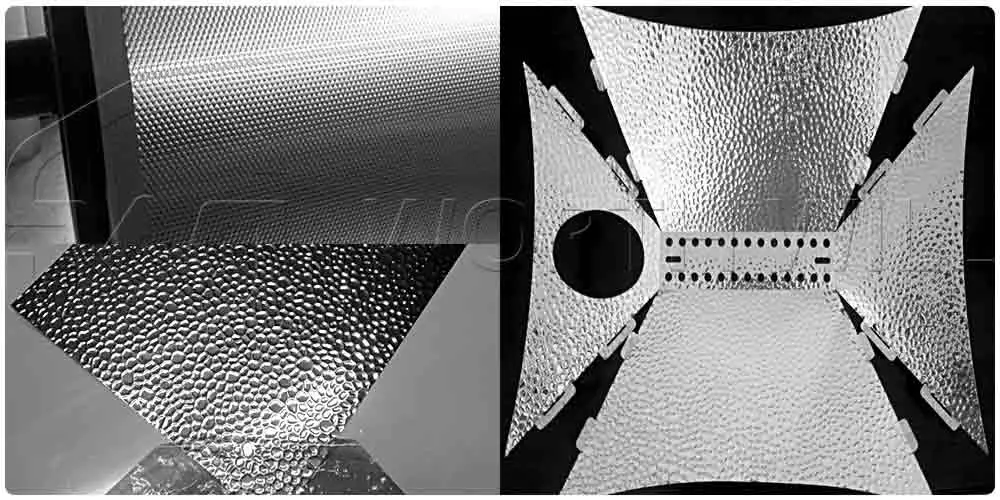
Refrigerator Inner Liners: Provides an easy-to-clean, scratch-hiding surface.
Freezer Outer Casings: Gives commercial chest freezers a durable textured shell.
Frequently Asked Questions
What is the main purpose of the stucco pattern?
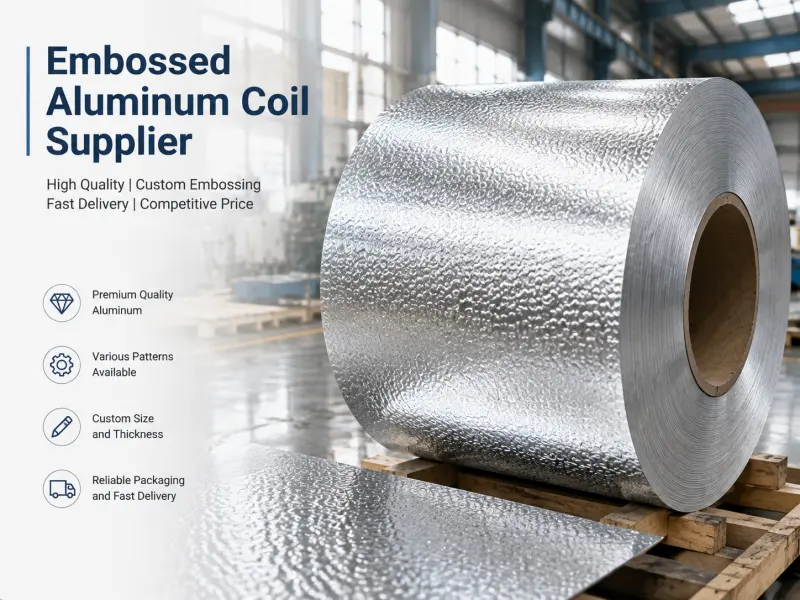
The pebble pattern breaks up light reflections. It also hides minor surface scratches and fingerprints. This keeps the aluminum looking clean for a long time.
Can stucco embossed aluminum be bent easily?
Yes. Alloys like 3003-H14 and 1060 offer great flexibility. You can bend them into custom angles using standard sheet metal brakes without cracking the surface.
Is this aluminum sheet resistant to rust?
Aluminum forms a natural oxide layer that protects it from rusting like steel. For coastal or chemical environments, alloy 5052 provides superior corrosion protection.
How is the metal shipped to prevent scratching?
Suppliers interleave paper between flat sheets. They also cover the metal with a peelable PVC protective film and pack everything securely inside strong wooden crates.