Can We Keep Aluminum Foil in Air Fryer?
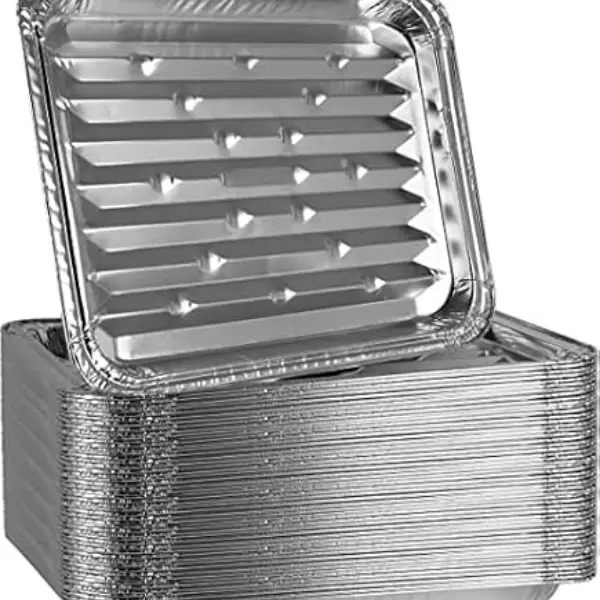
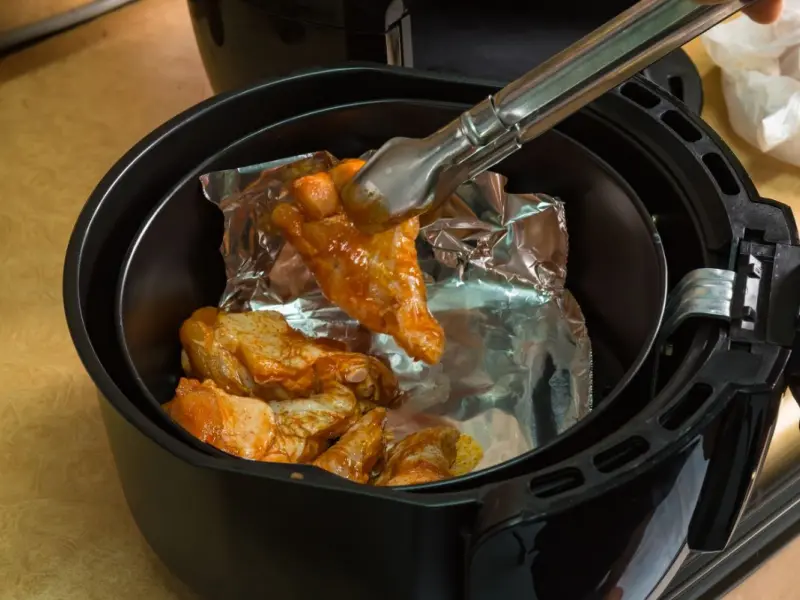
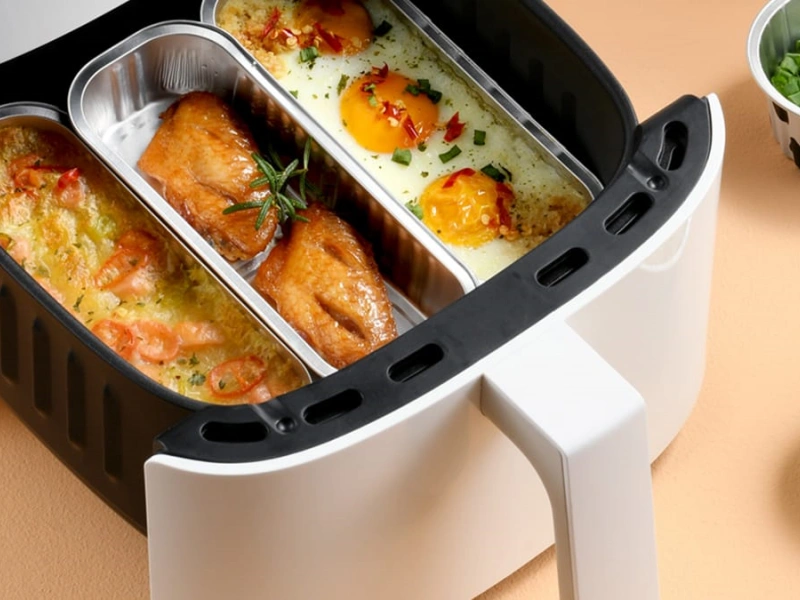
Of course we can keep the aluminum foil in the air fryer. When we put aluminum foil into the air fryer, it’s very safe and not danger. In addition, aluminum foil is good for food and air fryer.
For food, it makes cooking easier. And aluminium foil locks in moisture and makes food fresher. For air fryer, we can easy to clean it. Don’t worry about oil stains or food residues that are difficult to clean.
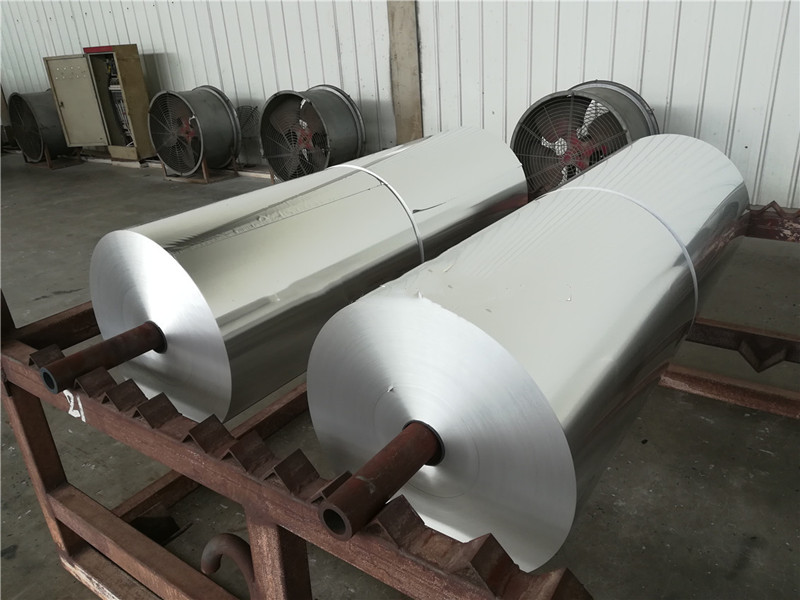
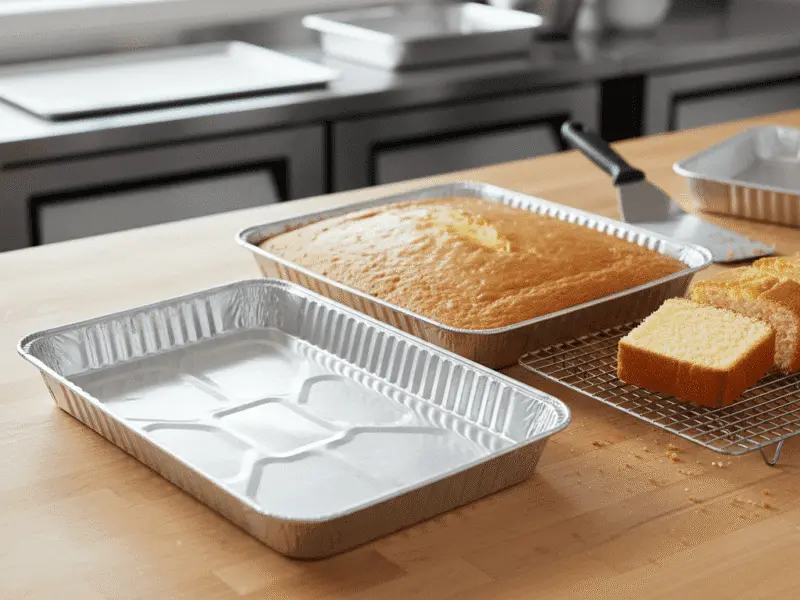
Advantages of aluminum foil as food packaging
- Clean surface and hygienic: The surface of the aluminum foil is extremely clean and hygienic. No bacteria or microorganisms can grow on its surface.
- Non-toxic: Aluminum foil is a non-toxic packaging material. It can contact with food directly, and will not endanger human health.
- Strong sealing: No matter in high temperature or low temperature, aluminum foil will not have the phenomenon of grease penetration.
- Good plasticity: Aluminum foil has good plasticity. Therefore, it can be made into various shapes according to the shape of the food.
How to use aluminum foil in air fryer?
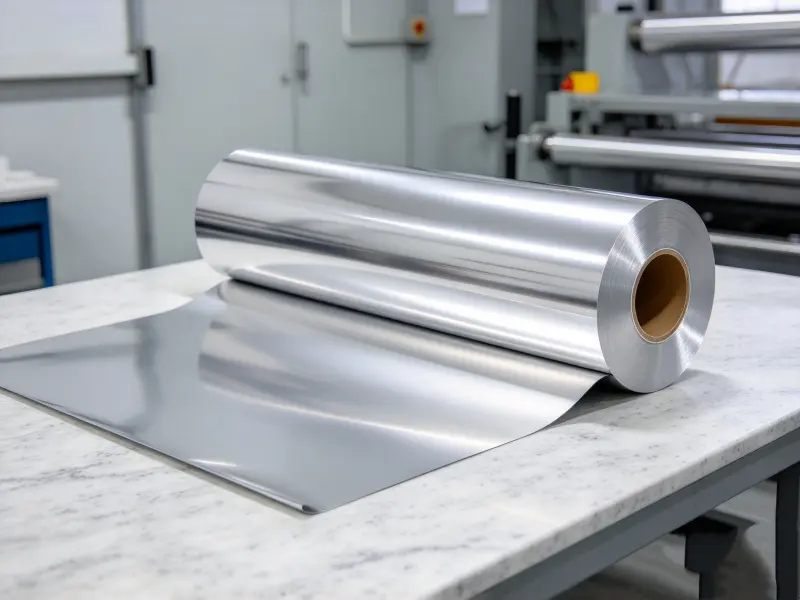
When we use aluminum foil in air fryer, there are some things and methods need to be aware of.
Firstly, please be careful to check your air fryer instruction manual. Maybe, there mentions the precautions for using aluminum foil. Then, check your machine to thoroughly understand the construction of an air fryer.
The step of insert aluminum foil into air fryer
- Fold the sides of the aluminum foil, so it’s smaller than the basket and fits snugly.
- Insert the foil or wrap it around the part you want to cover.
Attention
Don’t place foil on fans or heating elements. This will block airflow and heat, damaging the device. Contact us for more information.
Can We Keep Aluminum Foil in Air Fryer?
Can we keep aluminum foil in an air fryer? In many air fryers, aluminum foil can be used safely when it is used correctly. It can help reduce food residue, catch grease, and make cleanup easier.
However, aluminum foil should not be used in a way that blocks the air circulation system. It should also be kept away from the heating element. The foil should be held down by food so it does not move during cooking.
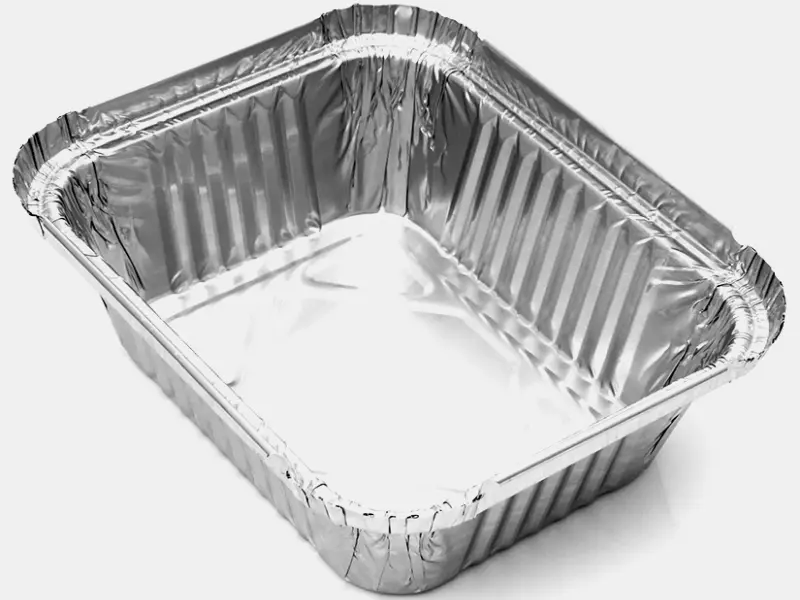
Different air fryers have different designs. Some manufacturers allow foil, while others may give specific restrictions.
Always check the user manual for your air fryer before using aluminum foil. COSORI, for example, states that foil can generally be used in its air fryers, but it should not block airflow or cover the entire basket.
For everyday cooking, the most important rule is simple:
Use aluminum foil only when it does not interfere with airflow, heating elements, or the safe operation of the appliance.
Can You Put Aluminum Foil in an Air Fryer?
Yes, aluminum foil can generally be used in an air fryer, but it should be used carefully.
An air fryer cooks food by moving hot air around the food. The basket and vents are designed to help this air move.
If a large piece of foil completely covers the basket, the airflow can be reduced. This can affect cooking results and may cause uneven heating.
A safer approach is to use a small piece of foil when it is useful for the recipe.
Basic rules for using foil
→ Check the air fryer manual first.
→ Use food-grade aluminum foil.
→ Keep foil away from the heating element.
→ Do not cover air vents.
→ Do not block the entire basket.
→ Keep the foil secured under food.
→ Avoid loose foil.
→ Do not use foil as a replacement for the basket.
→ Do not place foil directly against the heating element.
Why Do People Use Aluminum Foil in an Air Fryer?
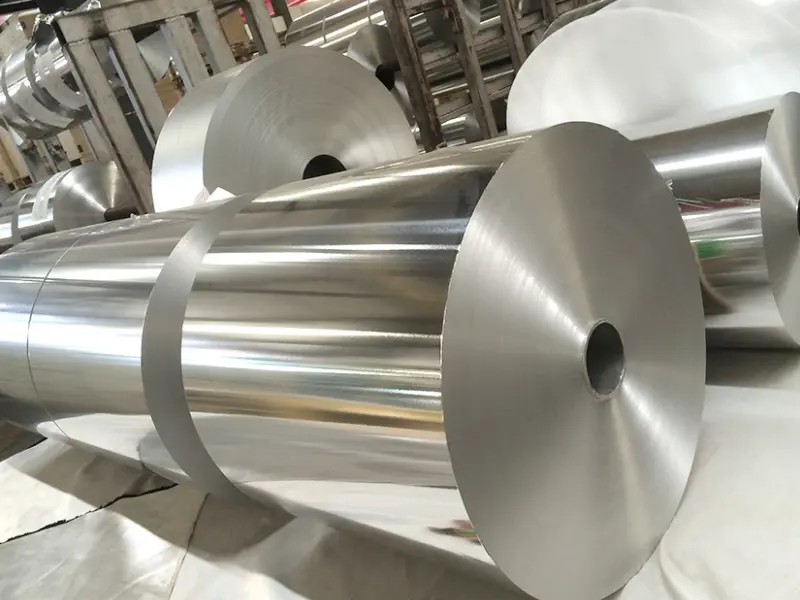
There are several practical reasons.
Aluminum foil can help collect oil, sauce, and small food pieces. It can also make cleaning easier.
Some foods can release a lot of grease during cooking. A suitable piece of foil can catch part of the residue.
Common reasons to use foil
- Easier cleanup
- Less grease on the basket
- Useful for messy foods
- Helps wrap certain foods
- Can protect delicate food
- Can help keep sauces around food
- Useful for small cooking portions
- Convenient for reheating some foods
However, using foil is not always necessary.
An air fryer basket is designed to work with hot air. Covering too much of the basket can reduce the advantage of air frying.
Does Aluminum Foil Block Airflow?
It can.
This is one of the most important points when using foil in an air fryer.
Hot air needs to move around the food. If foil covers large areas of the basket or blocks vents, circulation can be reduced.
This may result in:
- Uneven cooking
- Longer cooking time
- Less crisp food
- Poor browning
- Hot and cold spots
COSORI specifically advises that foil should not block airflow or cover the entire basket.
Can Aluminum Foil Touch the Air Fryer Basket?
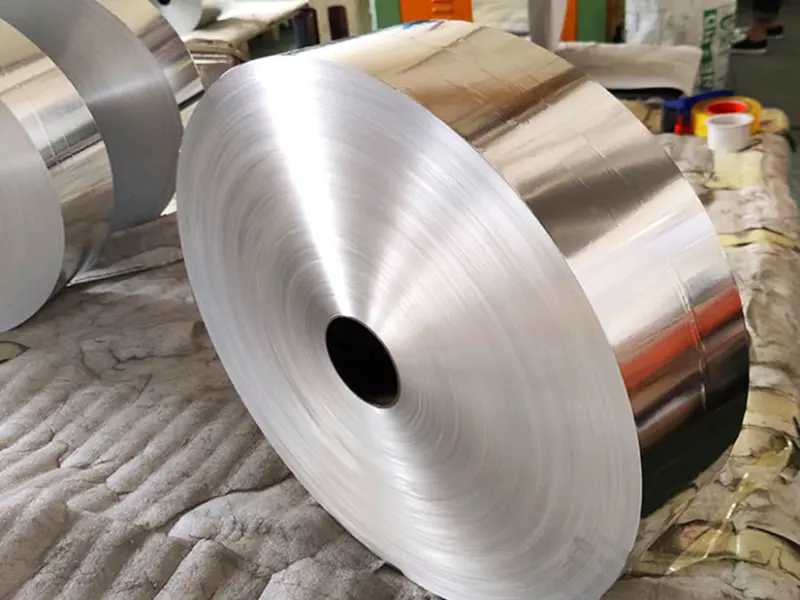
In many air fryers, foil can sit in the basket when used correctly.
The important issue is not simply whether foil touches the basket. The key concerns are airflow, movement, and distance from the heating element.
The foil should be positioned securely.
A simple setup
Basket → Aluminum foil → Food
The food should help hold the foil in place.
Avoid putting a loose sheet of foil into an empty basket while the air fryer is running.
A loose sheet can move because of the strong airflow.
Why Should Loose Foil Be Avoided?
Air fryers use moving hot air.
A light piece of aluminum foil can move if it is not secured.
If it moves upward, it may get closer to the heating element.
This is why it is better to place food on top of the foil.
Better method
Use a piece of foil that is slightly smaller than the required area.
Place the food on top.
Make sure the foil does not extend into areas where it can move toward the heating element.
Can Aluminum Foil Touch the Heating Element?
It should not.
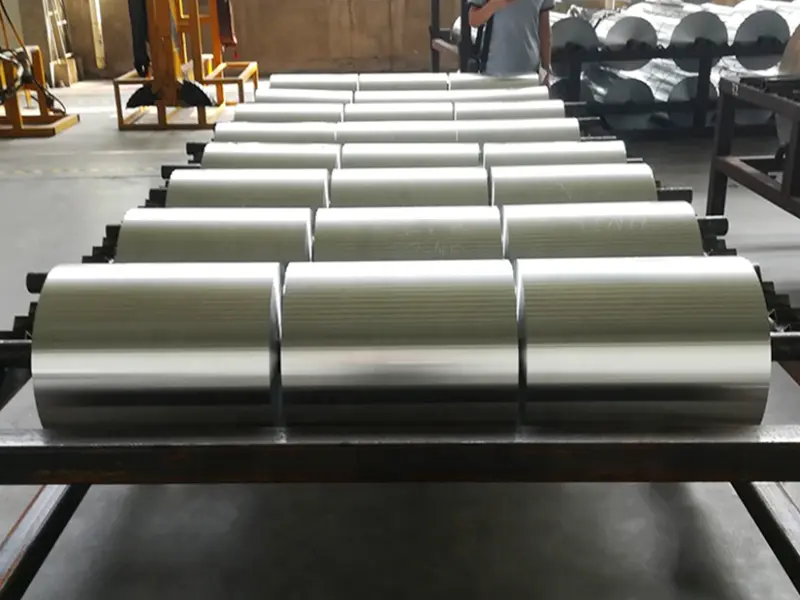
The heating element is extremely hot.
Loose foil should never be allowed to contact it.
This is one of the most important safety points when using aluminum foil in an air fryer.
Keep foil inside the cooking area and away from the top heating assembly.
Should You Cover the Whole Air Fryer Basket with Foil?
Generally, no.
A full layer of foil can reduce air circulation.
It can also change how the food cooks.
Instead of covering the whole basket, use only enough foil for the food and recipe.
Better option
Too much foil
Basket → Full foil covering → Food
↓
Reduced airflow
Better use
Basket → Small secured foil area → Food
↓
More open airflow
Aluminum Foil for Different Air Fryer Foods
Not every food needs foil.
Some foods work better directly on the basket because they need maximum air circulation.
Vegetables
Vegetables such as:
- Potatoes
- Carrots
- Broccoli
- Cauliflower
- Bell peppers
- Zucchini
- Asparagus
can usually be cooked directly in the basket.
Foil may be useful when the food has sauce or when you want easier cleanup.
Chicken
Foil can be useful for certain chicken recipes.
It may help collect juices or sauce.
However, the chicken should still have enough exposure to hot air for proper cooking.
Fish
Foil is often useful for fish because it can hold moisture and sauce around the food.
A foil packet can be used for some recipes.
Make sure the packet does not completely block the basket’s airflow.
Meat
For certain meat recipes, foil can catch grease.
However, leaving some airflow around the food can help improve browning.
Bacon
Bacon produces a large amount of grease.
Foil can help collect some of the grease and make cleanup easier.
The foil should still be positioned safely and should not block important airflow paths.
Foods That May React with Aluminum Foil
Aluminum foil can react with some acidic or salty foods.
Examples include:
- Tomatoes
- Tomato sauce
- Vinegar
- Citrus
- Lemon juice
- Very salty foods
- Strong marinades
These foods can cause surface reactions in aluminum foil.
The USDA notes that salt, vinegar, and highly acidic or spicy foods can cause pitting or other reactions in aluminum foil.
This does not mean that every acidic food must never touch aluminum foil. But for long cooking times or highly acidic recipes, another food-contact material may be a better choice.
A practical choice
For short cooking:
→ Use foil when the recipe and appliance allow it.
For highly acidic foods:
→ Consider parchment paper or a suitable air-fryer accessory.
For long contact:
→ Check the cookware and accessory instructions.
What Type of Aluminum Foil Can Be Used?
Standard food-grade aluminum foil is commonly used in cooking.
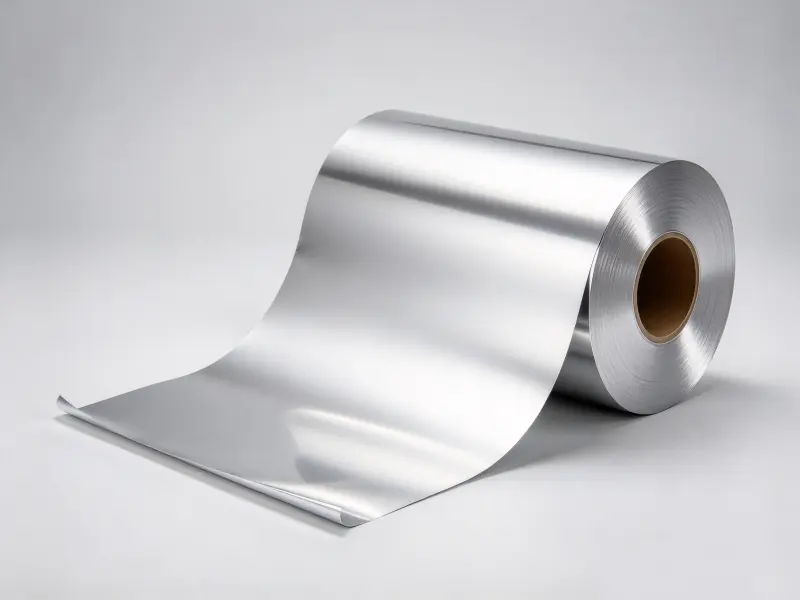
Aluminum foil is made primarily from aluminum. The USDA notes that typical aluminum foil is about 98.5% aluminum, with the remainder mainly iron and silicon used to provide strength and puncture resistance.
Different foil products are available for different kitchen applications.
| Foil Type | Typical Thickness | Common Use |
|---|---|---|
| Household foil | 0.010–0.018 mm | Light cooking |
| Standard foil | 0.012–0.020 mm | General cooking |
| Heavy-duty foil | 0.018–0.025 mm | Stronger wrapping |
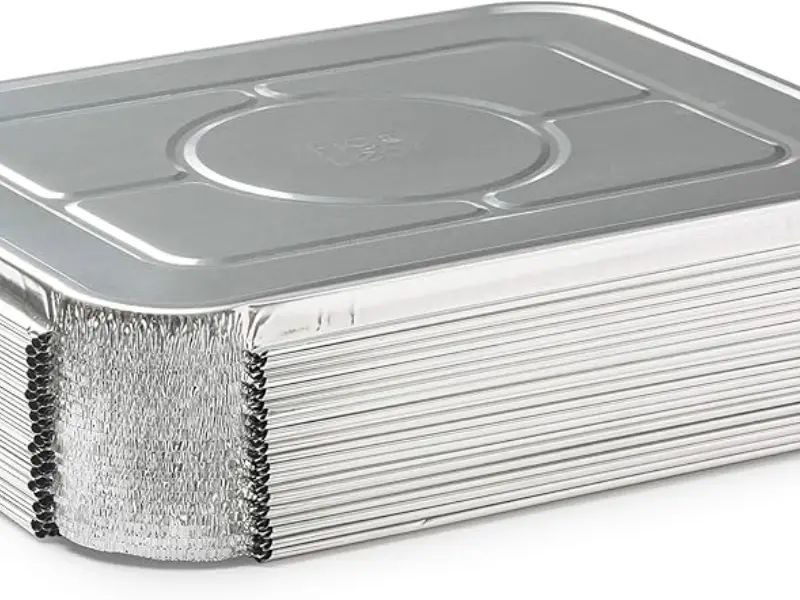
| Extra heavy foil | 0.025 mm+ | Heavy food and commercial use |
The actual thickness varies by market and supplier.
Standard Aluminum Foil vs Heavy-Duty Foil
Heavy-duty foil is thicker and stronger.
It is less likely to tear when handling heavy food.
| Feature | Standard Foil | Heavy-Duty Foil |
|---|---|---|
| Thickness | Lower | Higher |
| Strength | Good | Higher |
| Tear resistance | Moderate | Better |
| Weight | Lower | Higher |
| Cost | Lower | Higher |
| Wrapping food | Good | Excellent |
| Air fryer use | Possible | Possible |
For normal air fryer cooking, standard food-grade foil is often enough.
Heavy-duty foil can be useful for larger food portions or foil packets.
Aluminum Foil Thickness for Air Fryer Use
Thickness is not the main safety factor.
The most important factors are:
- Correct placement
- Airflow
- Distance from the heating element
- Foil stability
- Manufacturer instructions
A thicker foil is not automatically safer.
A thick sheet can still block airflow if it is used incorrectly.
Practical thickness guide
| Thickness | Handling | Typical Use |
|---|---|---|
| 0.010 mm | Very thin | Light wrapping |
| 0.012 mm | Thin | Household use |
| 0.015 mm | Medium | General cooking |
| 0.018 mm | Stronger | Regular cooking |
| 0.020 mm | Heavy | Foil packets |
| 0.025 mm+ | Very strong | Heavy-duty cooking |
For most household air fryer applications, flexibility and proper placement matter more than selecting the thickest foil.
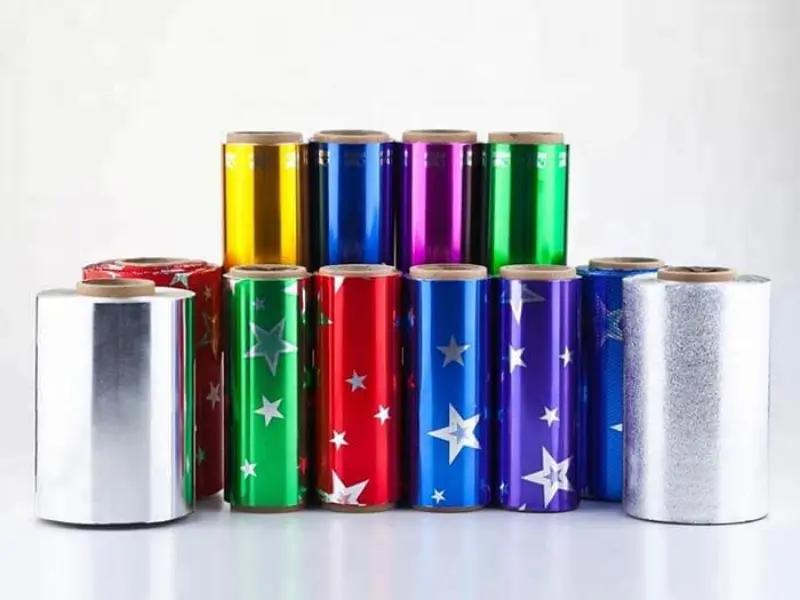
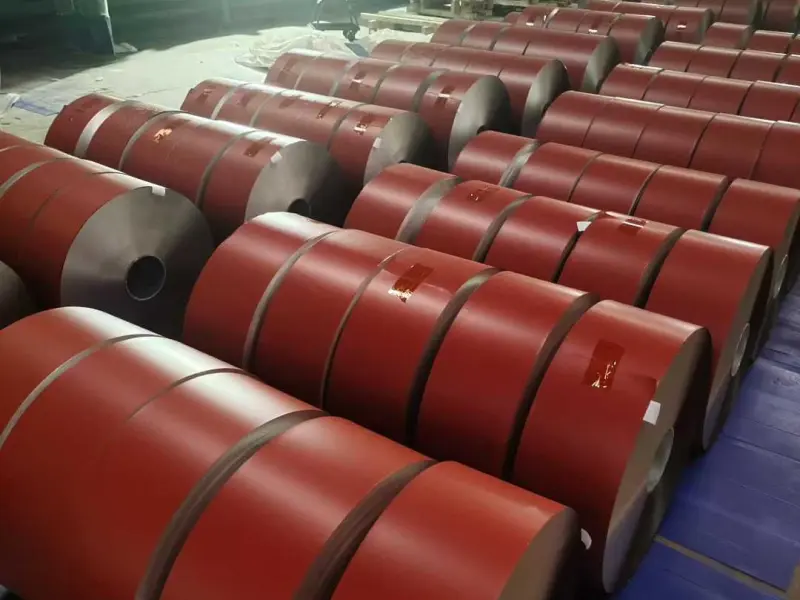
8011 Aluminum Foil for Household Cooking
8011 is a common aluminum foil alloy for food packaging and household foil.
It can provide good strength and flexibility.
Typical foil specifications can include:
| Item | Typical Range |
|---|---|
| Alloy | 8011 |
| Temper | O, H14, H16, H18 |
| Thickness | 0.006–0.200 mm |
| Width | 100–1600 mm |
| Surface | Mill finish |
| Finish | One-side bright or two-side bright |
Household foil is usually much thinner than aluminum sheets used for industrial applications.
For cooking, the product should be suitable for food contact.
O Temper Aluminum Foil
O temper means the aluminum has been annealed to a softer condition.

It is flexible and easy to fold.
It is suitable for:
- Food wrapping
- Cooking foil
- Baking
- Foil packets
- Household use
O temper foil is easier to shape around food.
H14 and H16 Aluminum Foil
H14 and H16 are harder than O temper.
They can provide greater stiffness and strength.
They may be used for:
- Food packaging
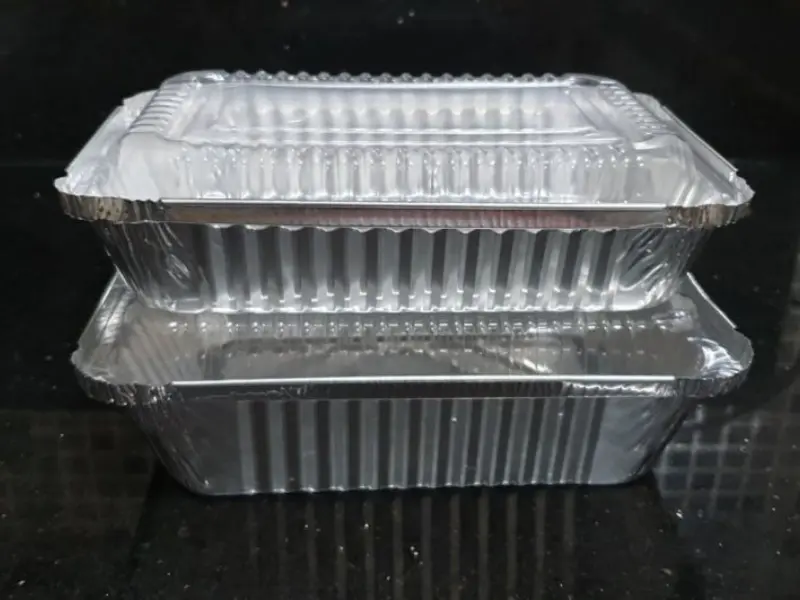
- Container foil
- Household foil
- Commercial food applications
The exact temper should be selected according to the product design and manufacturing requirements.
Household Aluminum Foil vs Parchment Paper


Parchment paper is another common air fryer accessory.
Both materials have advantages.
| Feature | Aluminum Foil | Parchment Paper |
|---|---|---|
| Heat resistance | Good | Good when rated for use |
| Strength | High | Lower |
| Grease barrier | Excellent | Good |
| Shape | Easy to form | Easy to shape |
| Airflow | Can block if oversized | Can block if oversized |
| Acidic food | May react | Often preferable |
| Cleanup | Easy | Easy |
Neither material should be placed carelessly.
Parchment paper also needs to be kept away from the heating element and secured with food. COSORI gives similar guidance for parchment paper because loose paper can move toward the heating element.
Aluminum Foil vs Air Fryer Liners
Air fryer liners are made specifically for air fryer baskets.
Some are perforated.
The holes help hot air move around the food.
| Feature | Foil | Perforated Liner |
|---|---|---|
| Airflow | Depends on placement | Better through holes |
| Shape | Very flexible | Pre-formed options |
| Cleanup | Easy | Easy |
| Reusable | Usually no | Depends on product |
| Custom size | Easy | Limited |
| Food contact | Food-grade foil | Depends on product |
A perforated liner may be more suitable when maintaining airflow is important.
Can Aluminum Foil Go in Every Air Fryer?
No single answer applies to every model.
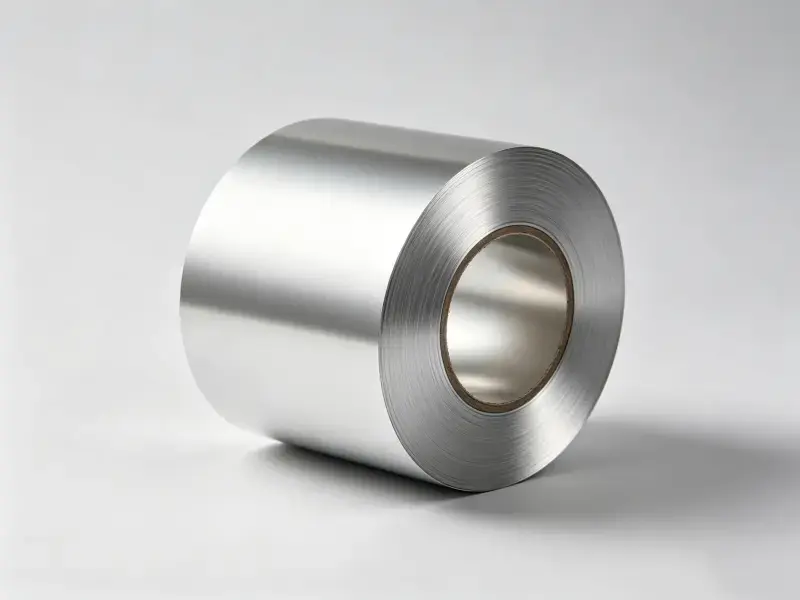
Air fryers have different basket designs, heating elements, vents, and manufacturer instructions.
Some manufacturers provide specific guidance.
Philips product support pages, for example, include questions about whether baking paper or tin foil can be used in its Airfryer models.
Therefore, the safest approach is:
Check the manual for your exact model.
If the manufacturer says not to use foil, do not use it.
Can You Put Foil in an Air Fryer Without Food?
It is better not to.
Food helps keep the foil in place.
A loose sheet can move in the airflow.
If foil is needed, place the food on top of it before starting the air fryer.
Avoid this setup
Empty basket → loose foil → start air fryer
Better setup
Basket → secured foil → food on top → start air fryer
Can You Wrap Food Completely in Aluminum Foil?
Sometimes, yes.
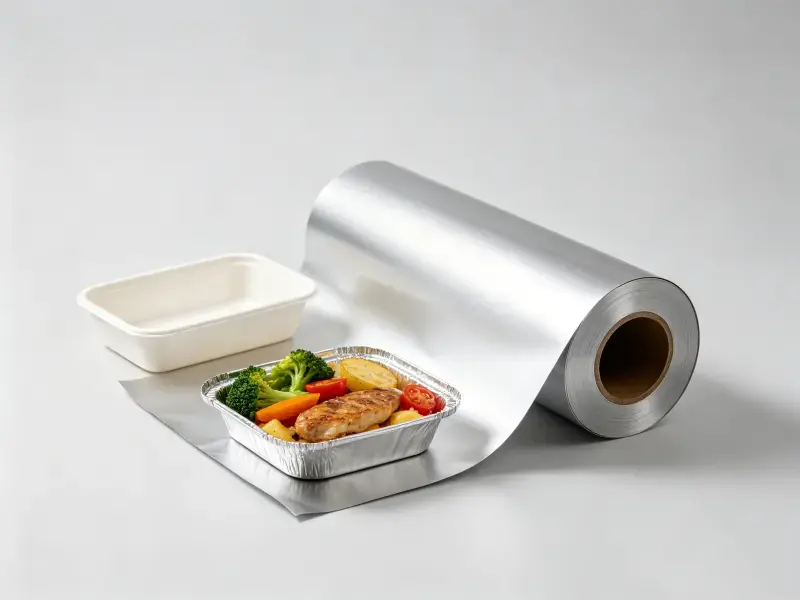
Some recipes use foil packets.
Fish, vegetables, and certain meat recipes can be wrapped in foil.
However, a fully wrapped food item cooks differently from food exposed directly to hot air.
It may:
- Retain more moisture
- Brown less
- Become softer
- Cook more like steamed food
If the goal is crispy food, direct exposure to hot air is often better.
Aluminum Foil for Crispy Food
Air fryers are popular because they can produce a crisp surface with circulating hot air.
A large sheet of foil can reduce this effect.
If crispy food is the goal, avoid covering the entire basket.
For crispy results
→ Keep air moving around the food.
→ Use a small amount of foil when needed.
→ Avoid covering basket holes.
→ Do not wrap food unless the recipe requires it.
→ Leave space between food pieces.
This can help maintain the basic air-frying effect.
Can Aluminum Foil Improve Cleanup?
Yes.
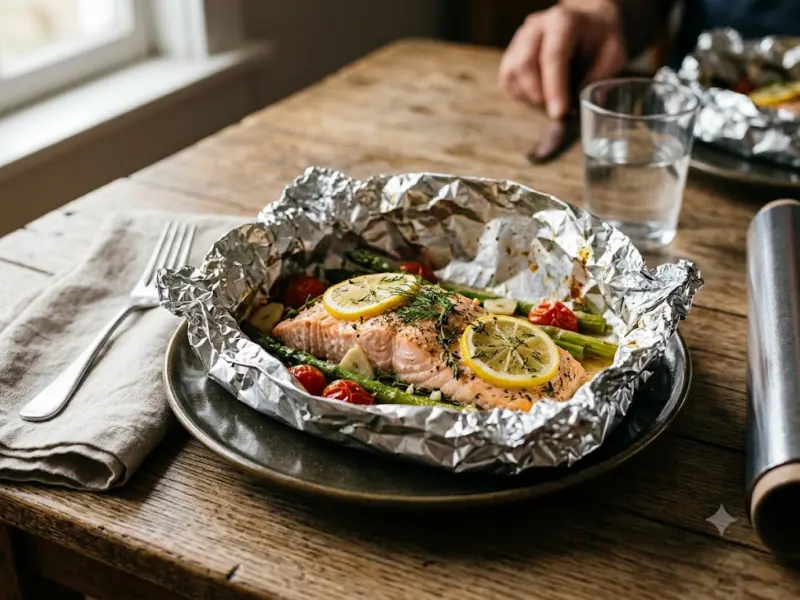
This is one of its main practical advantages.
Grease and small food particles can collect on the foil instead of directly on the basket.
However, the foil should not replace normal cleaning.
The basket and removable parts should still be cleaned regularly.
COSORI recommends cleaning the basket after each use and using mild soap and a non-abrasive sponge.
How to Use Aluminum Foil in an Air Fryer Correctly
A simple process can reduce common mistakes.
Check the manual
Look for instructions about:
- Aluminum foil
- Baking paper
- Liners
- Accessories
- Maximum temperature
- Basket use
Cut the foil
Use only enough foil for the food.
Do not make the sheet unnecessarily large.
Place it in the basket
Keep the foil inside the basket.
Do not allow it to extend toward the heating element.
Add the food
Place enough food on top to keep the foil stable.
Check airflow
Make sure the basket’s air paths are not completely covered.
Start cooking
Use the recipe’s normal temperature and time.
Inspect during cooking
If the food needs shaking or turning, follow the recipe and appliance instructions.
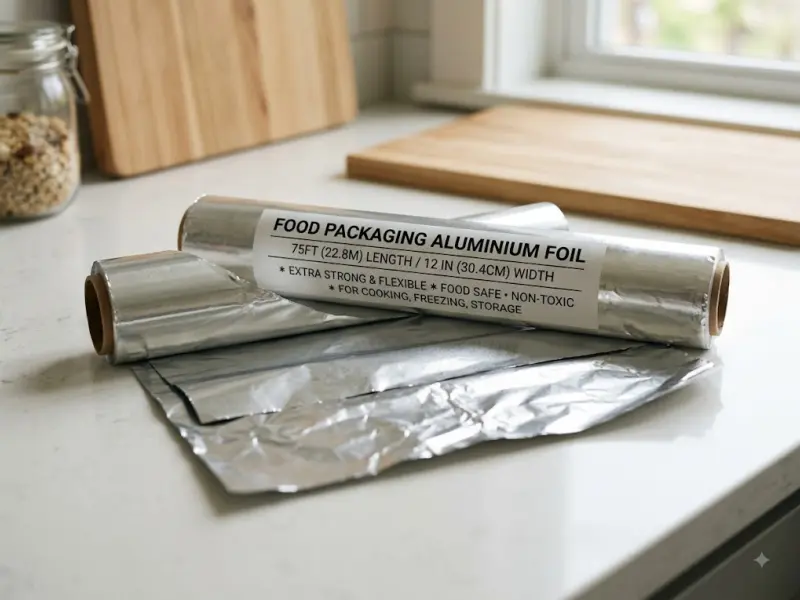
Common Mistakes When Using Aluminum Foil
Many problems come from incorrect placement rather than the foil itself.
Covering the entire basket
This can reduce airflow.
Using loose foil
Loose foil can move.
Putting foil near the heating element
This should be avoided.
Using too much foil
More foil does not mean better cooking.
Blocking basket holes
This can reduce hot-air circulation.
Ignoring the appliance manual
Different air fryers have different designs.
Using foil with very acidic foods for long periods
This can cause foil pitting or surface reactions.
Forgetting to clean the air fryer
Foil does not eliminate the need for cleaning.
Aluminum Foil and Food Safety
The main concern with air fryer foil use is proper appliance operation.
The foil itself is commonly used as a food-contact material. The USDA recognizes food-grade aluminum foil as a suitable material for food applications.
However, cooking safety also depends on the food itself.
Meat, poultry, and leftovers should reach safe internal temperatures.
For example, USDA guidance recommends reheating leftovers to 165°F (73.8°C) throughout.
So using foil correctly does not replace normal food-safety practices.
Aluminum Foil for Different Cooking Temperatures
Most household air fryers operate at temperatures well below the melting point of aluminum.
Aluminum melts at about 1,220°F / 660°C.
Normal air fryer temperatures are much lower.
However, the melting point is not the main issue.
The important concerns are:
- Airflow
- Heating element contact
- Foil movement
- Food contact
- Manufacturer instructions
For this reason, simply saying “aluminum has a high melting point” is not enough to determine whether a particular setup is safe.
Is the Shiny Side or Dull Side Better?
For normal aluminum foil, there is generally no meaningful cooking difference between the shiny side and dull side.
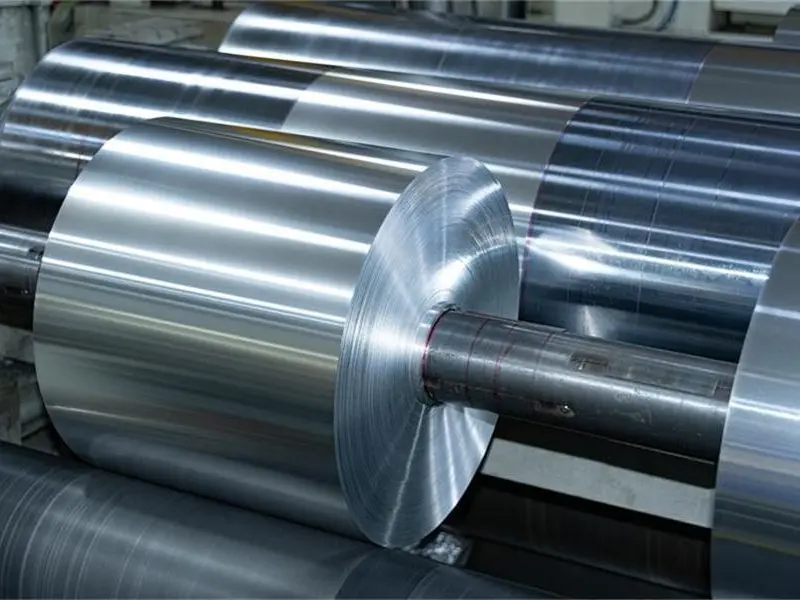
The USDA explains that the difference comes from the foil manufacturing process. One side contacts polished rollers and becomes shiny, while the other side becomes dull. The USDA states that it does not matter which side contacts the food.
So:
Shiny side up or dull side up → both are generally fine for standard aluminum foil.
Can Aluminum Foil Affect Food Taste?
Usually, normal food-grade foil does not noticeably change the taste of most foods.
However, strongly acidic or salty foods may react with aluminum.
For example:
- Tomato sauce
- Lemon
- Vinegar
- Strong salty marinades
may cause surface reactions.
For these foods, parchment paper or a suitable food-safe container may be a better choice.
Can You Reuse Aluminum Foil in an Air Fryer?
It depends on the condition of the foil.
If the foil is:
- Clean
- Undamaged
- Not contaminated
- Not heavily greasy
- Not torn
it may sometimes be reused for another suitable cooking task.
However, disposable foil is generally inexpensive.
For food hygiene and convenience, many users choose fresh foil for each cooking session.
When Should You Avoid Aluminum Foil?
There are situations where foil is not the best choice.
Avoid or reconsider foil when:
- The manual prohibits it.
- It blocks the basket’s airflow.
- It can move toward the heating element.
- The food is very acidic and requires long contact.
- You need maximum crisping across the entire basket.
- You are using too much foil.
- A suitable air fryer liner is available and better suited to the recipe.
Quick Guide: Should You Use Foil?
| Situation | Foil? | Reason |
|---|---|---|
| Small amount of food | Yes, if allowed | Easy cleanup |
| Greasy food | Yes, if allowed | Collects grease |
| Fish packet | Often useful | Holds moisture |
| Crispy fries | Limited use | Need airflow |
| Very acidic food | Consider another option | Possible reaction |
| Empty basket | No | Foil may move |
| Covering all vents | No | Blocks airflow |
| Near heating element | No | Unsafe placement |
| Manufacturer says no | No | Follow manual |
| Food held on top | Better | Keeps foil stable |
Frequently Asked Questions
Can we keep aluminum foil in an air fryer?
Yes, aluminum foil can generally be used in many air fryers, but it must be used correctly. Always follow the instructions for your specific appliance.
Is aluminum foil safe in an air fryer?
It can be safe when the air fryer manufacturer permits it and the foil is properly positioned. It should not block airflow or contact the heating element.
Can aluminum foil catch fire in an air fryer?
Aluminum foil itself does not normally ignite at ordinary air fryer temperatures. The greater concern is loose foil moving toward the heating element or improper use that interferes with the appliance.
Can I put foil directly in the air fryer basket?
In many models, yes. However, check the manual first. The foil should stay inside the basket and should not block airflow.
Can aluminum foil touch the basket?
It can often sit on the basket when the appliance permits foil use. The foil should be stable and should not cover important airflow openings.
Can I cover the whole air fryer basket with foil?
It is generally better not to. Covering the entire basket can restrict airflow and may affect cooking performance.
Can I use aluminum foil without food on top?
It is better to avoid this. Food can help hold the foil in place and prevent it from moving in the airflow.
Which side of aluminum foil goes up?

For standard aluminum foil, either side can face up. The USDA says the shiny and dull sides result from manufacturing and do not change which side should contact food.
Can I cook chicken on aluminum foil in an air fryer?
You can often use foil with chicken if the appliance permits it. Keep enough open airflow around the food and make sure the foil is secure.
Can I cook fish in foil in an air fryer?
Yes, foil packets are commonly used for fish. They can help keep moisture and sauce around the fish. Make sure the foil is properly positioned and does not interfere with the heating element or airflow.
Can I put bacon on aluminum foil in an air fryer?
Foil can help collect bacon grease. However, it should not block airflow, and the appliance manual should allow foil use.
Can I cook vegetables on aluminum foil?
Yes, when the appliance permits it. However, vegetables may become less crisp if too much of the basket is covered.
Can I use foil for frozen food?
It depends on the food and appliance instructions. Avoid covering large parts of the basket because frozen foods often benefit from good hot-air circulation.
Can I use aluminum foil with tomato sauce?
It is better to be cautious. Acidic foods such as tomato sauce can react with aluminum foil. For longer cooking times, consider parchment paper or another suitable food-contact option.
Can aluminum foil change the taste of food?
Usually not. However, acidic or salty foods can react with aluminum and may cause changes to the foil or the food’s surface.
Is heavy-duty aluminum foil better for air fryers?
Not necessarily. Heavy-duty foil is stronger, but thickness does not solve problems caused by blocked airflow or incorrect placement.
What thickness of aluminum foil is best for an air fryer?
There is no single required thickness. Standard food-grade household foil can work when the appliance allows it. The correct placement is more important than simply choosing thicker foil.
Is 8011 aluminum foil suitable for cooking?
8011 is commonly used for household and food packaging foil. The actual product should be manufactured and supplied as suitable for food-contact use.
Can I use parchment paper instead of aluminum foil?
Yes, parchment paper can be an alternative for many recipes. It must also be used correctly and secured so that it does not move toward the heating element.
Which is better for an air fryer, foil or parchment paper?
It depends on the recipe. Foil is strong and useful for collecting grease or wrapping food. Parchment can be useful when working with acidic foods or when a non-metal liner is preferred.
Does aluminum foil stop food from getting crispy?
It can reduce crisping if it covers too much of the basket. Leave enough open space for hot air to circulate around the food.
Can I reuse aluminum foil?
You can sometimes reuse clean, undamaged foil, but fresh foil is usually easier and more hygienic for repeated cooking.
Should I clean the air fryer after using aluminum foil?
Yes. Foil can reduce mess, but it does not replace normal cleaning. Removable parts should be cleaned regularly according to the appliance manufacturer’s instructions.
Final Guide: Using Aluminum Foil in an Air Fryer
So, can we keep aluminum foil in an air fryer?
In many models, yes.
But the correct answer is not simply “yes” or “no.” It depends on the air fryer design and the manufacturer’s instructions.
The safest basic method is:
Check the manual → use food-grade foil → use a small piece → keep it stable → keep airflow open → keep it away from the heating element.
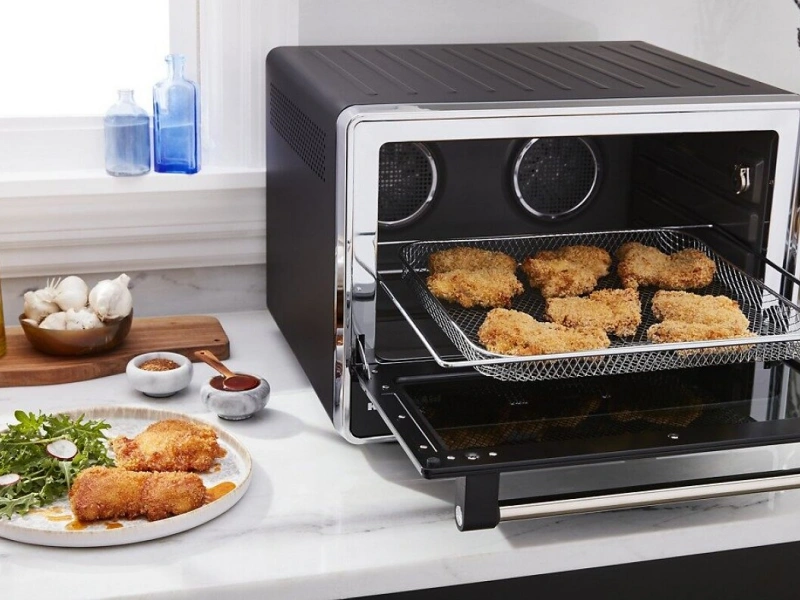
For everyday cooking, aluminum foil can be useful for:
→ Catching grease
→ Reducing cleanup
→ Wrapping fish
→ Cooking certain vegetables
→ Holding sauces
→ Protecting delicate foods
For crispy foods, use less foil and keep more of the basket open.
For highly acidic foods, consider parchment paper or another suitable food-contact material.
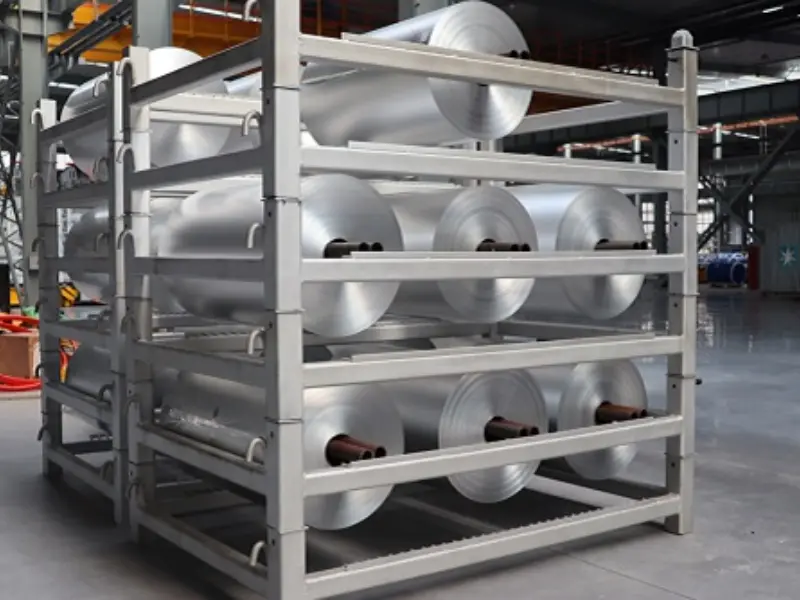
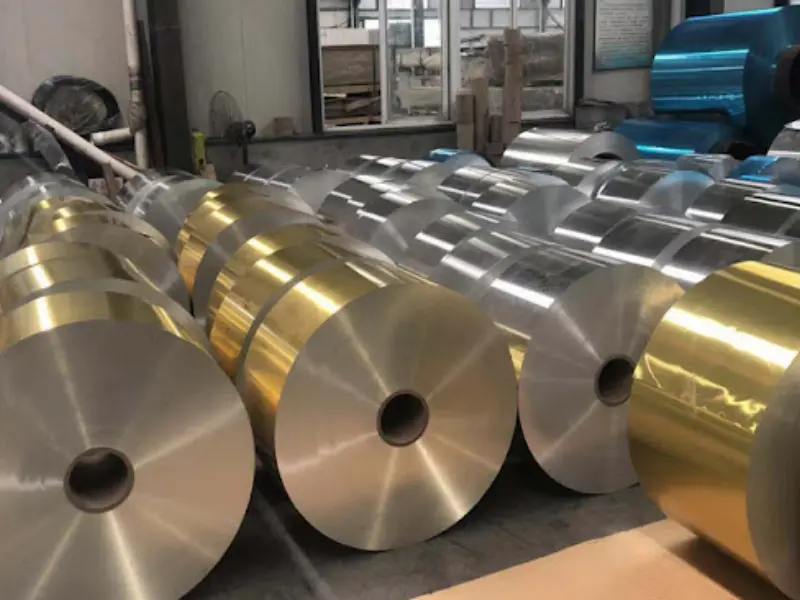
By commercial aluminum foil production, common specifications can include 8011 alloy, O/H14/H16/H18 tempers, and different thicknesses from thin household foil to heavy-duty products. The correct specification depends on the intended cooking and packaging application.
The most important point is simple:
Do not let aluminum foil interfere with the air fryer’s airflow or heating element.
Error: Contact form not found.