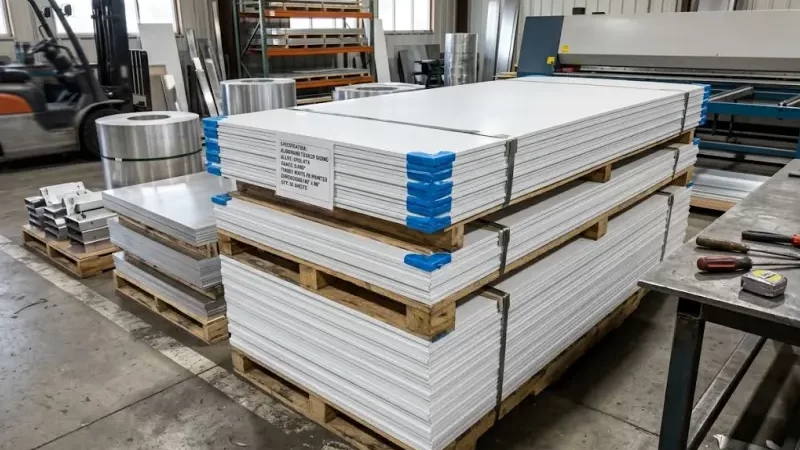
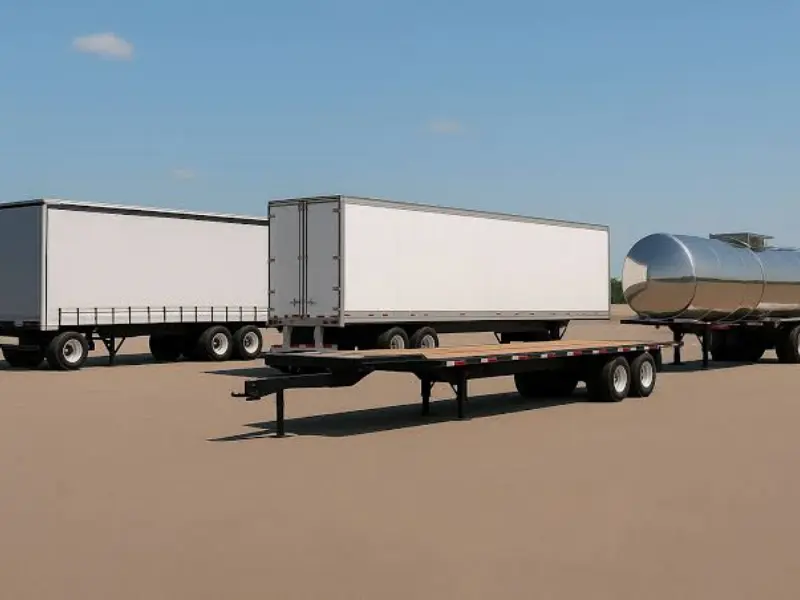
Aluminum trailer siding sheets are widely used for trailer walls, side panels, doors, roofs, and interior surfaces. They offer a good balance of low weight, strength, corrosion resistance, and easy fabrication.
For trailer builders, the right sheet is not only about thickness. Alloy, temper, surface finish, sheet size, and forming method can all affect the final result.
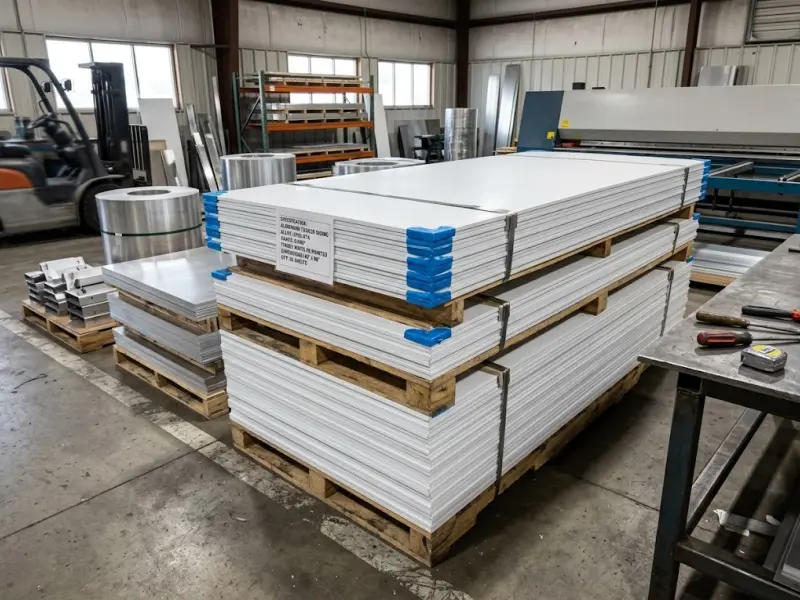
A trailer may need a smooth painted panel for a clean appearance.
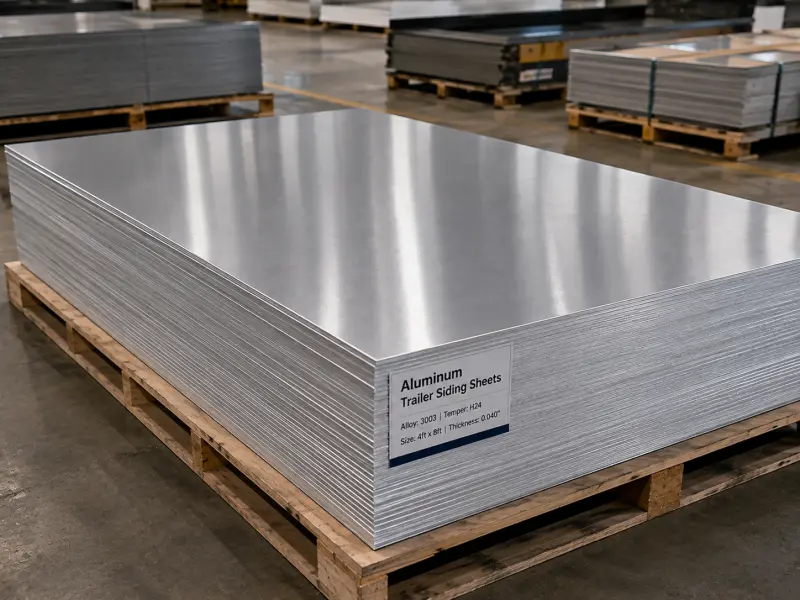
Another trailer may need a stronger sheet for heavy-duty service. Some projects also require a textured or stucco finish to reduce visible scratches.
What Are Aluminum Trailer Siding Sheets?
Trailer siding sheets are flat aluminum panels used to cover the outside or inside of a trailer.
They can be cut, drilled, bent, rolled, or formed to match different trailer structures. The sheets can also be supplied in different finishes, including mill finish, painted, anodized, and stucco embossed surfaces.
A typical trailer panel may look simple, but its specifications can vary considerably.
| Item | Common Options |
|---|---|
| Material | Aluminum |
| Common alloys | 3003, 5052, 5005, 6061 |
| Temper | H14, H16, H24, H32, H34 |
| Thickness | 0.025″–0.125″+ |
| Width | Custom |
| Length | Custom or standard |
| Surface | Mill, painted, anodized, stucco |
| Finish | Smooth, matte, gloss, textured |
| Form | Flat sheet or coil |
For many trailer projects, a thin sheet is enough. For areas exposed to impact or repeated forming, a heavier grade may be preferred.
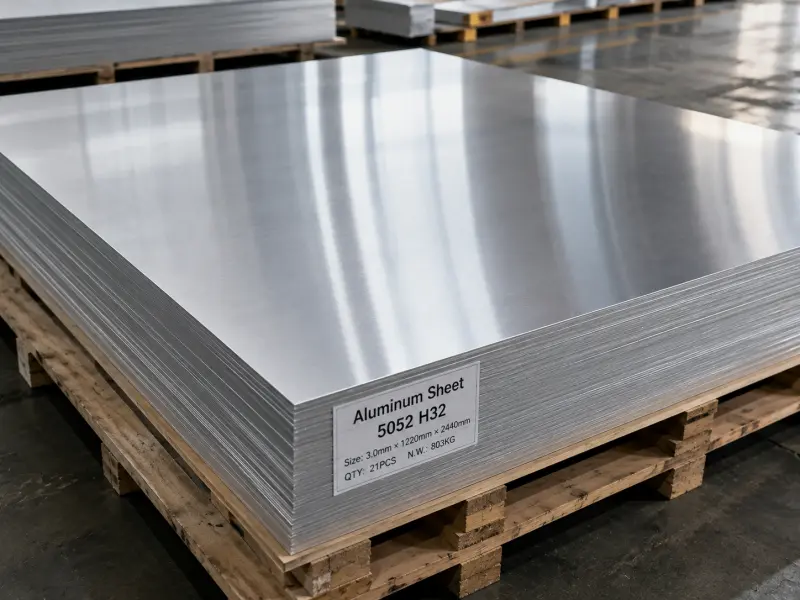
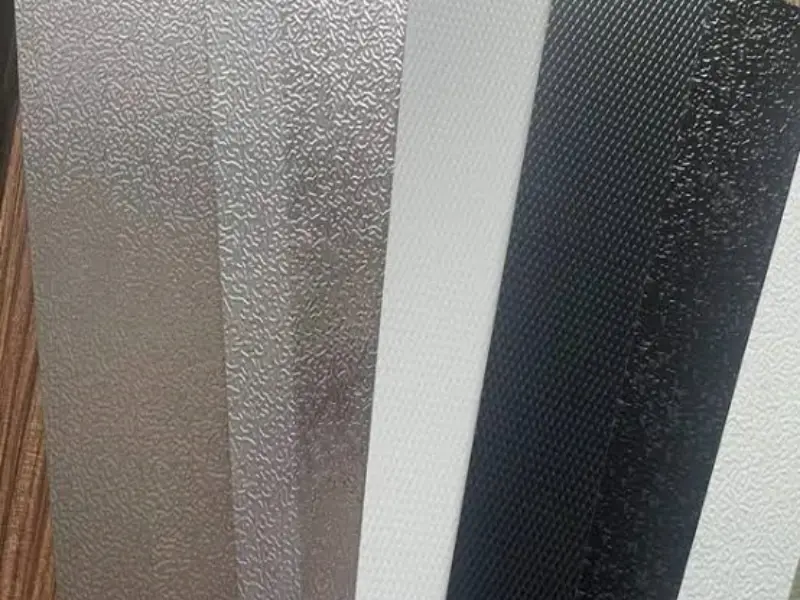
Stucco Embossed Aluminum Trailer Sheets
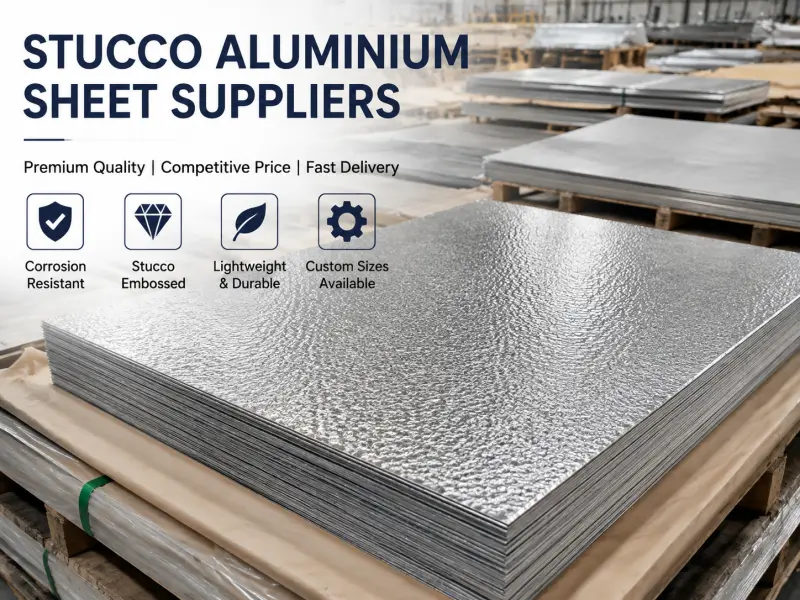
Stucco embossed aluminum has a textured surface.
The pattern can help reduce the visibility of small scratches, dents, and surface marks that may occur during transportation or daily use.
| Surface | Appearance | Typical Use |
|---|---|---|
| Smooth | Clean and flat | Cargo trailers |
| Stucco | Textured | Utility and service trailers |
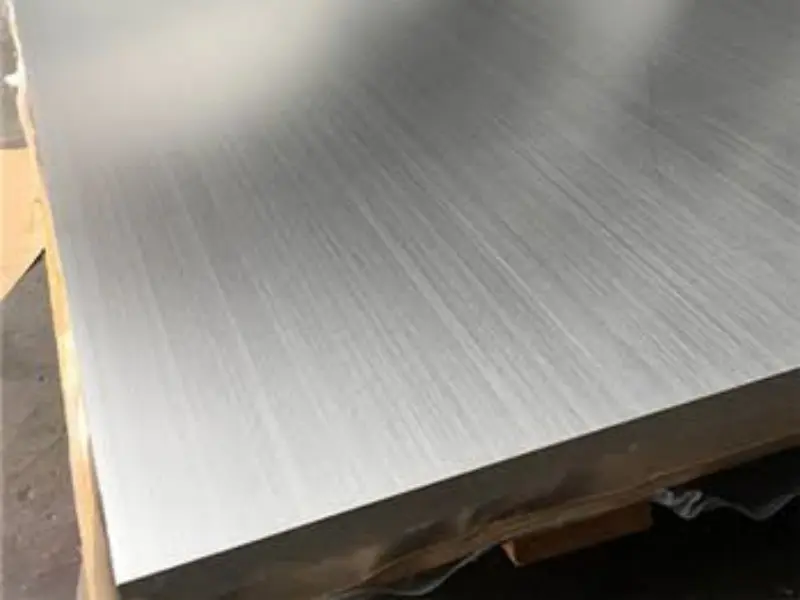
| Brushed | Directional texture | Decorative panels |
| Painted | Uniform color | Trailer exterior |
| Anodized | Metallic finish | Premium designs |
The choice usually depends on appearance, forming requirements, and the working environment.
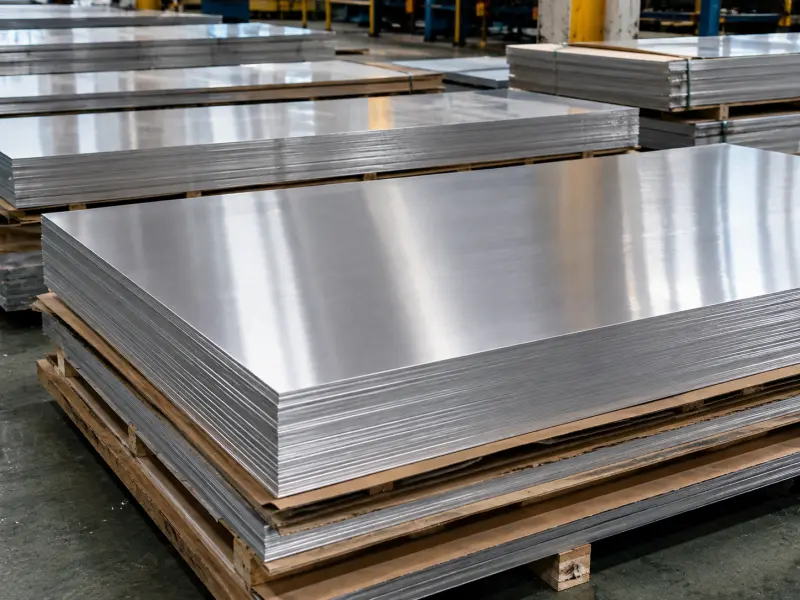
Smooth Aluminum Trailer Siding
Smooth aluminum sheets create a clean and simple exterior.
They are commonly considered for enclosed trailers, cargo trailers, utility trailers, and custom trailer bodies.
A smooth surface also makes it easier to apply certain coatings or decorative finishes.
Typical choices include:
- Mill finish aluminum
- Painted aluminum
- White aluminum sheet
- Black aluminum sheet
- Anodized aluminum
- Brushed aluminum
A white coated panel is especially popular for enclosed trailers because it gives the trailer a clean commercial appearance.
Why Aluminum Is Used for Trailer Siding
The weight of a trailer affects fuel use, payload, towing, and handling. Aluminum provides a lighter alternative to many steel panels.
→ Lower weight → easier towing and better payload capacity
→ Corrosion resistance → useful for trailers exposed to rain, road moisture, and outdoor conditions
The→ Easy fabrication → suitable for cutting, drilling, bending, and forming
→ Clean appearance → smooth aluminum can provide a modern exterior finish
→ Good recyclability → aluminum can be recovered and reused at the end of its service life
The exact performance depends on the alloy, temper, thickness, design, and installation method.
Aluminum Temper and What H Means
The alloy number does not tell the whole story.
The temper indicates how the aluminum has been processed and can affect hardness, strength, and formability.
| Temper | General Character |
|---|---|
| H14 | Half hard |
| H16 | Harder than H14 |
| H24 | Strain hardened and partially annealed |
| H32 | Strain hardened and stabilized |
| H34 | Higher strength than H32 |
For trailer siding, H14, H24, H32, and H34 are common specifications to discuss with a supplier.
If the panel must be formed around corners, a softer or more formable temper may be preferred.
If the panel needs greater resistance to dents, a stronger temper may make more sense.
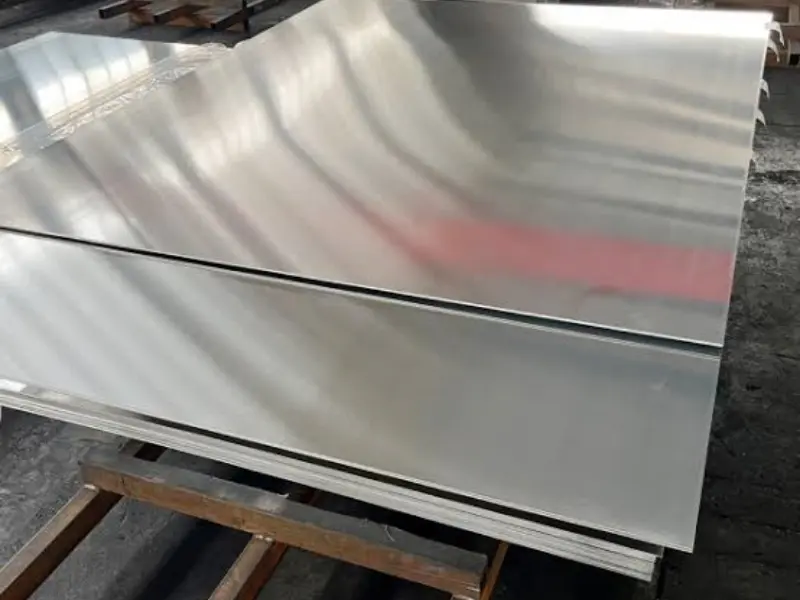
Popular Aluminum Alloys for Trailer Panels
Not every aluminum alloy has the same characteristics. Choosing an alloy based on the trailer structure can make fabrication easier and improve service performance.
3003 Aluminum Sheet
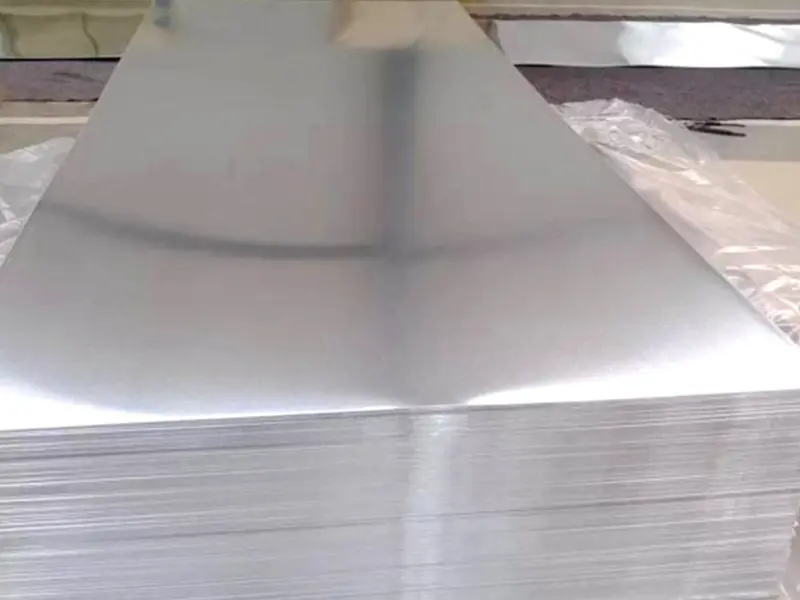
3003 aluminum is a popular choice for general fabrication.
It has good formability and corrosion resistance. It is also relatively easy to cut and bend.
| Specification | Typical Choice |
|---|---|
| Alloy | 3003 |
| Temper | H14 / H24 |
| Formability | Very good |
| Corrosion resistance | Good |
| Typical use | General trailer panels |
3003 can be a practical choice when the panel needs to follow curves or other formed sections.
5052 Aluminum Sheet
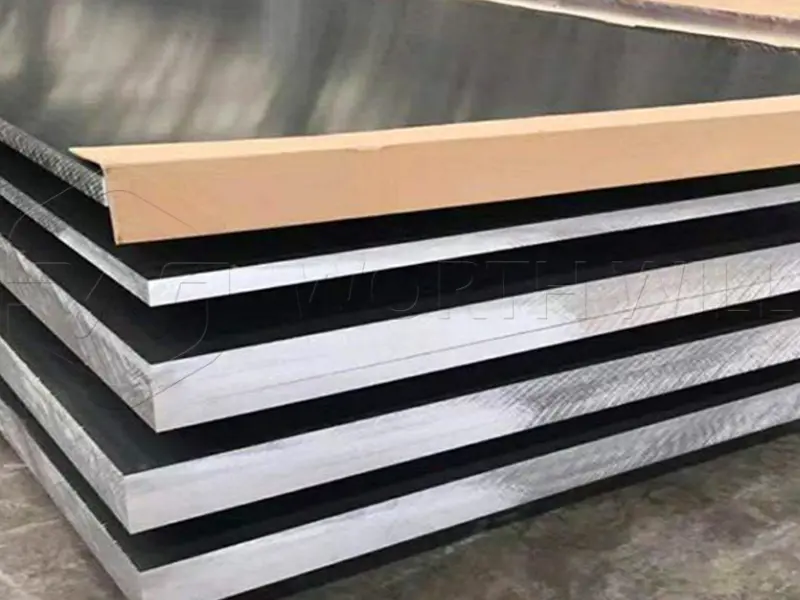
5052 aluminum is often selected when higher strength is required.
It also has good corrosion resistance and performs well in many outdoor environments.
| Specification | Typical Choice |
|---|---|
| Alloy | 5052 |
| Temper | H32 / H34 |
| Strength | Higher |
| Formability | Good |
| Typical use | Heavy-duty trailer panels |
5052 H32 aluminum sheet can be considered for side panels, equipment trailers, marine-related trailers, and other areas where additional strength is useful.
5005 Aluminum Sheet
5005 aluminum is often used when surface appearance is important.
It can provide a clean appearance after anodizing and is sometimes used for decorative or architectural-style trailer panels.
6061 Aluminum Sheet
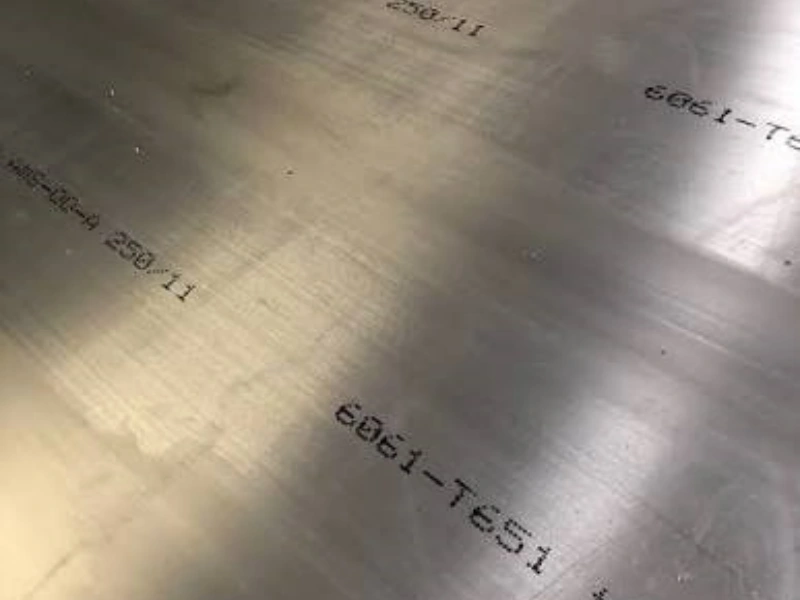
6061 is a stronger aluminum alloy with good machinability.
It is generally less formable than 3003 or 5052, so it is not always the first choice for deeply formed siding. It can be useful for structural or fabricated components where strength is more important.
Common Thickness Options
Thickness is one of the first specifications a trailer manufacturer should define.
A lightweight trailer may use a thinner panel, while a heavy-duty trailer may require a thicker sheet.
| Thickness | Approx. Metric | General Direction |
|---|---|---|
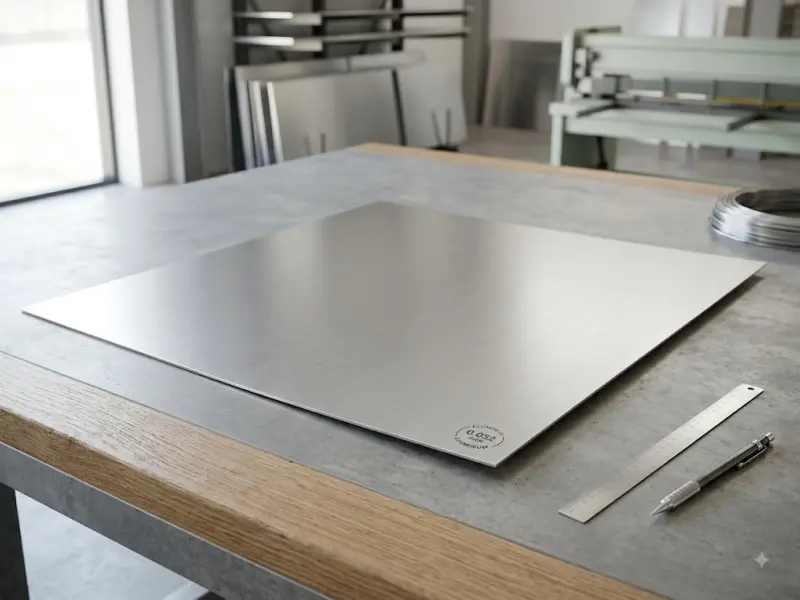
| 0.025″ | 0.64 mm | Lightweight panels |
| 0.032″ | 0.81 mm | Light trailer siding |
| 0.040″ | 1.02 mm | General exterior use |
| 0.050″ | 1.27 mm | Stronger siding |
| 0.063″ | 1.60 mm | Heavy-duty panels |
| 0.080″ | 2.03 mm | Higher impact resistance |
| 0.100″ | 2.54 mm | Heavy panels |
| 0.125″ | 3.18 mm | Heavy-duty fabrication |
These are general material ranges rather than fixed rules. The correct thickness depends on panel size, support spacing, forming, fastening, and trailer design.
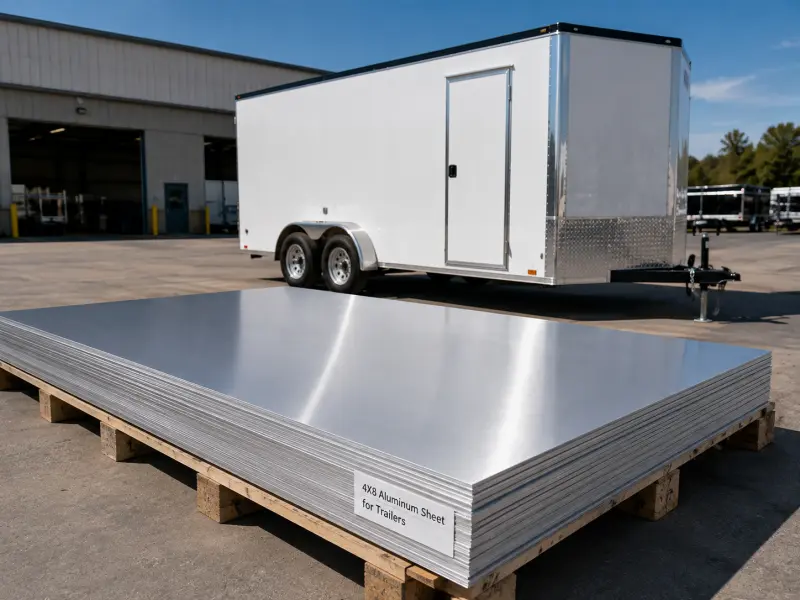
4×8 Aluminum Sheets for Trailers
The 4×8 format is one of the most convenient sizes for trailer fabrication.
A standard 4×8 aluminum sheet measures approximately:
4 ft × 8 ft
or
48 in × 96 in
It can be useful for larger flat sections where the trailer design matches the sheet dimensions.
4×8 Aluminum Sheet Options
| Product | Alloy | Temper | Thickness |
|---|---|---|---|
| 4×8 Smooth Sheet | 3003 | H14 | 0.032″ |
| 4×8 Trailer Sheet | 5052 | H32 | 0.040″ |
| 4×8 Aluminum Panel | 3003 | H24 | 0.050″ |
| 4×8 Heavy-Duty Sheet | 5052 | H32 | 0.063″ |
| 4×8 Textured Sheet | 3003 | H14 | 0.063″ |
Custom sizes can also reduce cutting waste when the trailer dimensions do not match standard sheets.
Coil or Flat Sheet: Which Is Better?
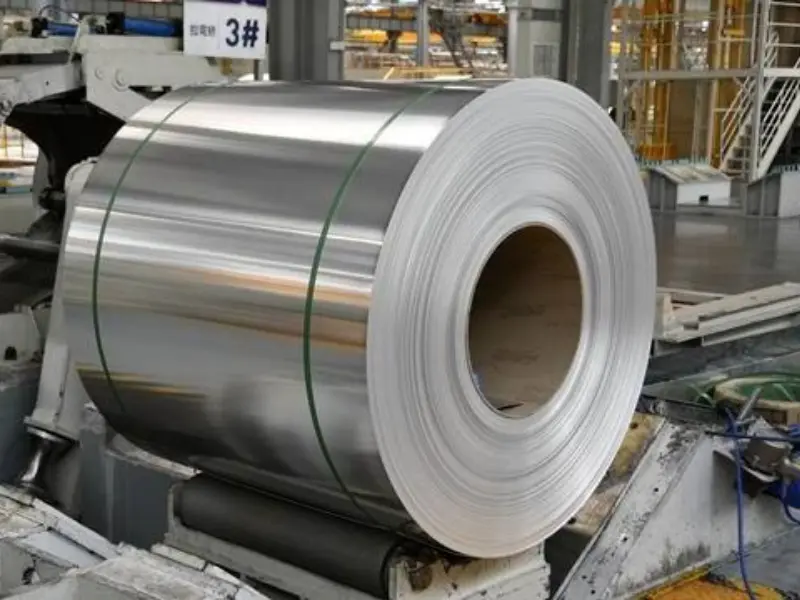
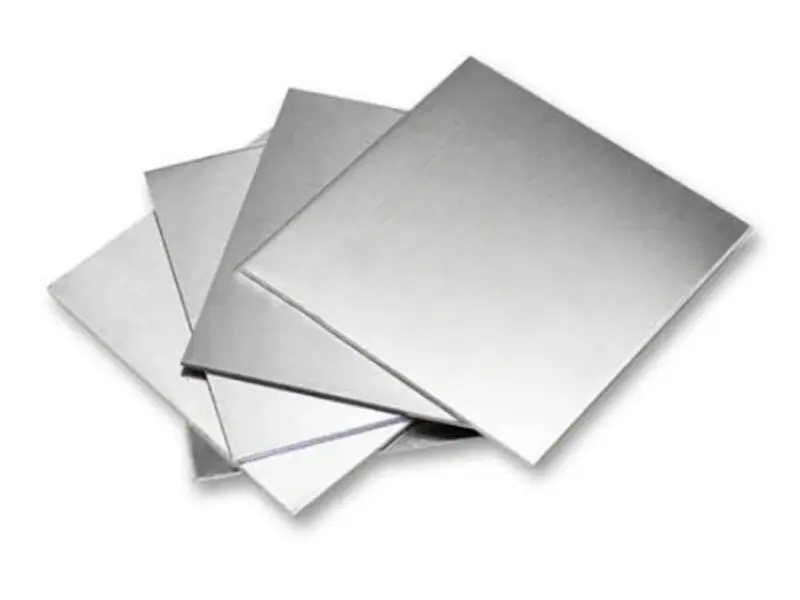
Trailer manufacturers may purchase aluminum in either coil or flat sheet form.
The better option depends on the production method.
| Flat Sheet | Aluminum Coil |
|---|---|
| Easy to handle | Suitable for continuous production |
| Simple for small orders | Efficient for high-volume production |
| Convenient for manual fabrication | Suitable for roll forming |
| Good for standard panel sizes | Can reduce cutting waste |
| Easy to inspect | Flexible slitting widths |
→ Small production → flat sheets may be easier
For→ Large production → coil can improve production efficiency
→ Custom panel sizes → coil slitting can provide more flexibility
Painted Aluminum for Trailer Siding
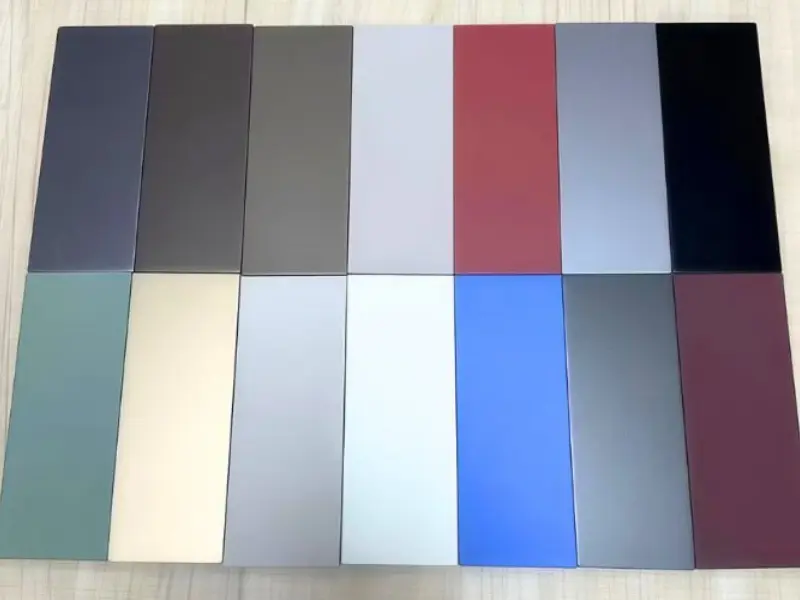
Painted aluminum combines the metal substrate with a protective coating.
Common colors include white, black, gray, silver, blue, and custom colors.
Painted panels can be supplied as:
- PE coated aluminum
- PVDF coated aluminum
- Powder-coated aluminum
- Custom color aluminum
For trailer exteriors, coating selection should consider sunlight, weather exposure, cleaning, scratching, and expected service life.
Aluminum Sheets for Different Trailer Types
Different trailers place different demands on the siding material.
Enclosed Cargo Trailers
A smooth white aluminum panel is a common choice for enclosed cargo trailer bodies.
The focus is often on:
- Low weight
- Clean appearance
- Easy fabrication
- Weather resistance
- Easy maintenance
Utility Trailers
Utility trailers may use thicker or textured aluminum depending on the expected load and working conditions.
A stucco surface can be useful where frequent handling may cause minor surface marks.
Food and Catering Trailers
Food trailers often require cleanable exterior and interior surfaces.
Smooth coated aluminum can provide a neat appearance and can be combined with other materials for walls, counters, and equipment areas.
Horse and Livestock Trailers
These trailers can experience impact, moisture, and frequent cleaning.
Alloy and thickness should therefore be selected based on the trailer structure and expected operating conditions.
Boat and Marine Trailers
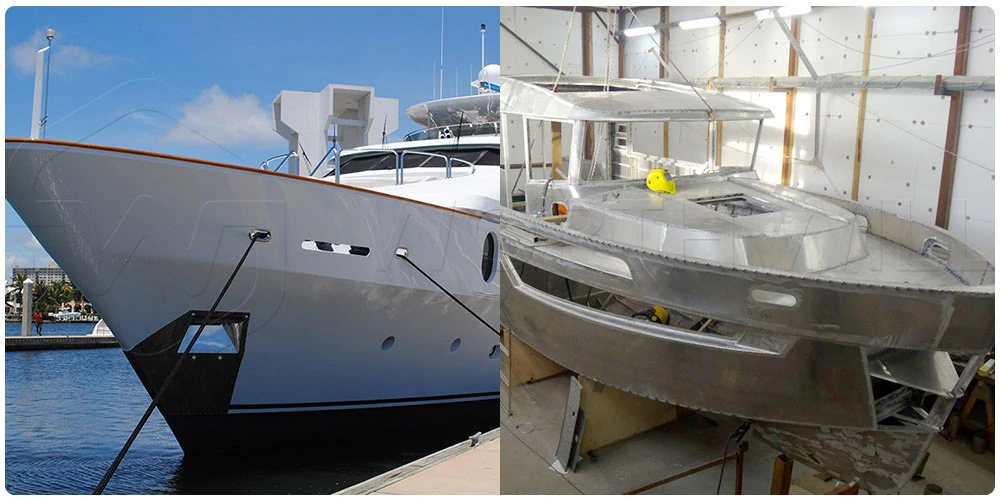
Marine environments expose materials to moisture and salt.
5052 aluminum is often considered where corrosion resistance and strength are important. The complete trailer design should also account for fasteners, joints, coatings, and galvanic corrosion.
Choosing Between 3003 and 5052
The 3003 versus 5052 decision is common when purchasing trailer sheet metal.
| Feature | 3003 | 5052 |
|---|---|---|
| Formability | Excellent | Good |
| Strength | Moderate | Higher |
| Corrosion resistance | Good | Very good |
| Bending | Easier | Good |
| Heavy-duty use | Moderate | Better suited |
| General panels | Excellent choice | Excellent choice |
| Marine-related use | Possible | Often preferred |
In simple terms:
3003 → easier forming
5052 → higher strength
If the project needs both good forming and higher strength, the final choice should be based on the exact forming radius, panel thickness, and trailer structure.
Surface Finish Options
The surface can change both appearance and service performance.
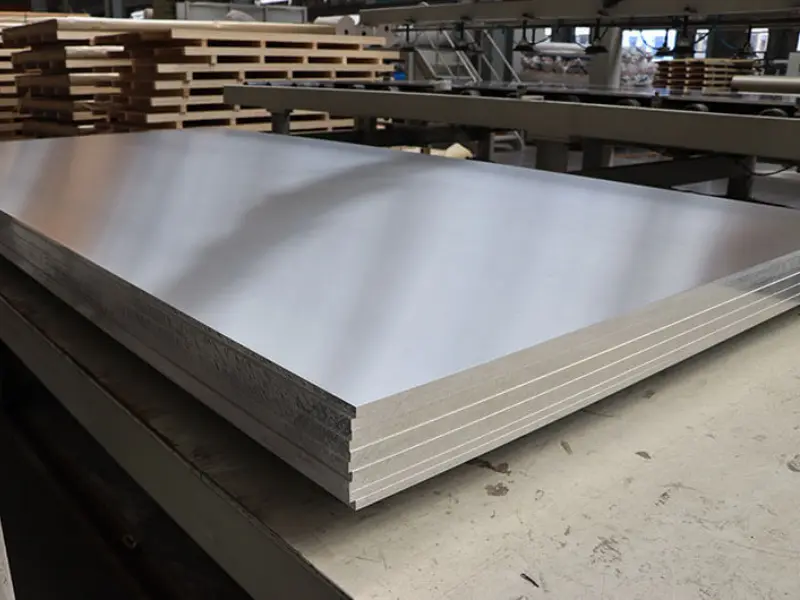
Mill Finish
This is the standard unfinished aluminum surface.
It is a practical choice for customers who plan to paint, laminate, or fabricate the material later.
Anodized Finish
Anodizing creates a controlled oxide layer on the aluminum surface.
It can provide a durable metallic appearance for selected trailer designs.
Painted Finish

Painted aluminum is available in many colors.
It is useful when the trailer needs a specific brand color or finished appearance.
Stucco Finish
The embossed surface gives the panel a textured appearance and can make small marks less noticeable.
Common Trailer Panel Configurations
A trailer manufacturer may not need the same aluminum specification for every section.
For example:
Side wall
→ 3003 H14
→ 0.032–0.050 in
→ Smooth or painted finish
Lower side panel
→ 5052 H32
→ 0.050–0.063 in
→ Smooth or textured finish
Interior wall
→ 3003 or 5052
→ 0.032–0.050 in
→ Mill or coated finish
High-impact area
→ 5052 H32/H34
→ 0.063 in or thicker
→ Smooth or embossed surface
This approach allows manufacturers to balance weight, strength, appearance, and material cost.
Cutting and Fabrication Options
Aluminum trailer siding can be processed in several ways.
- CNC cutting
- Shearing
- Laser cutting
- Saw cutting
- Roll forming
- Press braking
- Bending
- Drilling
- Punching
- Riveting
The fabrication method should be considered before selecting the alloy and temper.
For example, a panel with many bends may require better formability than a flat panel that only needs cutting and drilling.
The panel is commonly attached to the trailer frame with mechanical fasteners, adhesives, or a combination of methods.
Rivets and screws are widely used in trailer construction.
Special attention should be paid to contact between aluminum and other metals. In wet or salty environments, unsuitable metal combinations can increase the risk of galvanic corrosion.
A suitable joint design, sealant, coating, and fastener system can help protect the finished structure.
Fastening Aluminum Trailer Siding
Nature, in the common sense, refers to essences unchanged by man; space, the air, the river, the leaf. Art is applied to the mixture of his will with the same things, as in a house, a canal, a statue, a picture.
But his operations taken together are so insignificant, a little chipping, baking, patching, and washing, that in an impression so grand as that of the world on the human mind, they do not vary the result.
Aluminum Trailer Siding vs Steel
The Aluminum and steel are both widely used in transportation equipment.
| Point | Aluminum | Steel |
|---|---|---|
| Weight | Lower | Higher |
| Corrosion resistance | Generally high | Usually needs protection |
| Forming | Good with suitable alloy | Good |
| Strength | Alloy dependent | Generally high |
| Maintenance | Often easier | Coating maintenance may be needed |
| Appearance | Metallic finish | Usually coated or painted |
| Recyclability | High | High |
Aluminum can be attractive when reducing trailer weight is an important design goal.
Steel may still be preferred for certain structural components where very high strength and lower material cost are priorities.
Choosing Aluminum Trailer Siding by Trailer Type
Not every trailer needs the same aluminum siding. The right sheet depends on the trailer structure, size, weight target, and use conditions.
| Trailer type | Key requirement | Suggested direction |
|---|---|---|
| Cargo trailer | Light weight and easy forming | Thin aluminum sheet |
| Utility trailer | Strength and easy maintenance | Medium-thickness sheet |
| Travel trailer | Appearance and weather resistance | Painted aluminum |
| Camper trailer | Light weight and clean finish | Smooth aluminum |
| Enclosed trailer | Impact and surface protection | Medium or heavy gauge |
| Food trailer | Easy cleaning | Coated or smooth surface |
| Horse trailer | Higher strength | Suitable stronger alloy |
| RV trailer | Low weight and appearance | Painted or smooth aluminum |
The final specification should be matched with the trailer frame and installation method.
Why Coil Width Matters for Trailer Manufacturing
Width is important when aluminum is processed on a roll-forming or panel-forming line.
A suitable width can reduce material waste.
Master Coil
↓
Slitting
↓
Specified Width
↓
Forming
↓
Trailer Siding Panel
Custom slitting can help manufacturers match the width of their existing equipment.
Aluminum Thickness for Trailer Siding
Thickness affects weight, rigidity, forming, and impact resistance.
| Thickness | General characteristic | Possible use |
|---|---|---|
| 0.40 mm | Very lightweight | Light trailer panels |
| 0.50 mm | Lightweight | RV and camper siding |
| 0.60 mm | Balanced | General trailer siding |
| 0.70 mm | Higher rigidity | Enclosed trailers |
| 0.80 mm | Stronger | Utility and heavy-duty use |
| 1.00 mm+ | Heavy | Special trailer structures |
These are general references. The correct gauge should be selected according to the trailer design and local manufacturing requirements.
Using a thicker sheet is not always the best solution. A suitable alloy and temper can provide a good balance between strength and formability.
Smooth vs Ribbed Aluminum Trailer Siding
Surface design can affect both appearance and rigidity.
| Feature | Smooth Sheet | Ribbed Sheet |
|---|---|---|
| Appearance | Clean and simple | Textured |
| Cleaning | Easy | Slightly more difficult |
| Visual style | Modern | Traditional/industrial |
| Forming | Easy | Depends on profile |
| Surface reflection | More visible | Lower |
| Typical use | RV and camper | Trailer body and utility use |
Smooth aluminum is often selected when appearance is important.
Ribbed or corrugated aluminum can be considered when additional surface texture is desired.
Aluminum Trailer Siding Coil vs Sheets
Manufacturers can use aluminum in coil or pre-cut sheet form.
| Point | Aluminum Coil | Aluminum Sheets |
|---|---|---|
| Production | Continuous | Pre-cut |
| Roll forming | Excellent | Limited |
| Custom length | Easy | Fixed or cut size |
| High-volume production | Suitable | Suitable |
| Storage | Compact | Easy to stack |
| Processing | Requires equipment | Simple handling |
For large trailer factories, coil can improve production efficiency.
For repair shops and small manufacturers, pre-cut sheets may be more convenient.
Aluminum Alloy Selection for Trailer Siding
Different alloys provide different combinations of strength and formability.
| Alloy | Main characteristic | Possible direction |
|---|---|---|
| 1050 | High formability | Decorative/light panels |
| 1060 | Good formability | General light-duty panels |
| 1100 | Easy fabrication | General trailer work |
| 3003 | Good strength and formability | Trailer siding |
| 3105 | Good outdoor performance | Painted trailer panels |
| 5052 | Higher strength | More demanding applications |
For trailer siding, 3003 and 3105 can be practical choices when a balance between forming and strength is required.
The alloy should be selected according to the panel shape and manufacturing process.
Temper Selection for Trailer Aluminum
Temper is another important factor.
A softer temper can be easier to bend and form. A harder temper can provide higher strength but may require more forming force.
| Temper | General characteristic |
|---|---|
| O | Very soft and highly formable |
| H12 | Soft to medium |
| H14 | Medium strength and good formability |
| H16 | Higher strength |
| H18 | Hard temper |
| H24 | Medium strength after heat treatment process |
The correct temper depends on whether the siding is flat, corrugated, roll formed, or bent during installation.
Painted Aluminum Trailer Siding
Painted aluminum is useful when the trailer needs a finished color directly from the factory.
Common colors include:
- White
- Black
- Silver
- Gray
- Blue
- Red
- Brown
- Green
- Custom colors
Pre-painted material can reduce the need for additional painting after installation.
It also gives trailer manufacturers more control over the final appearance.
White Aluminum Trailer Siding
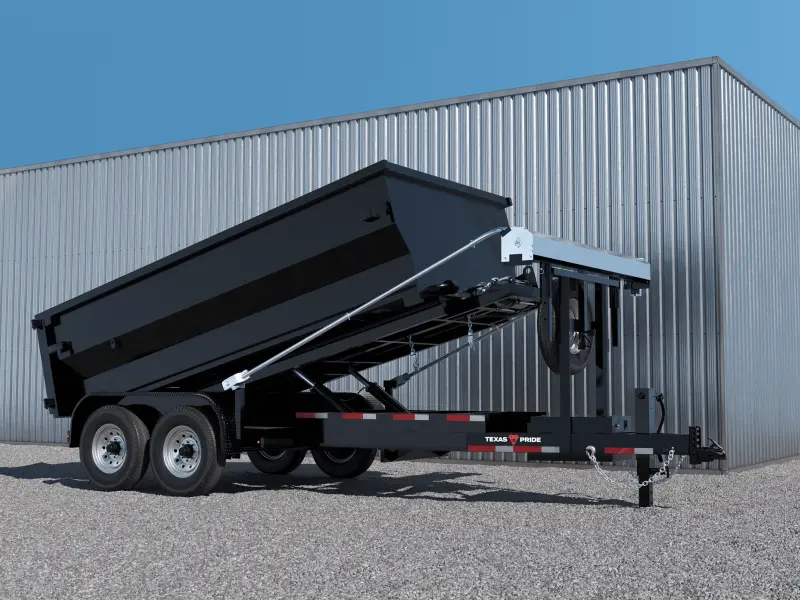
White is one of the most practical choices for trailer exteriors.
It provides a clean appearance and can work well with many trailer designs.
White aluminum siding can be used for:
→ RVs
→ Camper trailers
→ Cargo trailers
→ Mobile units
→ Food trailers
→ Utility trailers
For large production orders, color consistency between different coils is important.
Aluminum Trailer Siding for RV and Camper Repair
Replacement work has different requirements from new trailer production.
The new panel may need to match:
- Existing thickness
- Existing color
- Panel width
- Surface pattern
- Panel length
- Original profile
For older RVs and campers, finding the exact original material can be difficult. Custom aluminum siding can help when standard sizes are not suitable.
How to Match Replacement Aluminum Siding
Before ordering replacement material, measure the existing panel.
A simple process is:
Measure thickness
↓
Measure width
↓
Check surface
↓
Check color
↓
Check profile
↓
Confirm required length
↓
Select replacement material
Taking accurate measurements can reduce the risk of ordering the wrong material.
Aluminum Siding Weight and Trailer Payload
Weight matters in trailer manufacturing.
Reducing exterior panel weight can help manufacturers manage the total trailer weight.
| Material | General weight direction |
|---|---|
| Thin aluminum | Very light |
| Medium aluminum | Light |
| Steel sheet | Heavier |
| Stainless steel | Much heavier |
Aluminum is attractive when manufacturers want to balance exterior durability with lower vehicle weight.
The final trailer weight still depends on the frame, floor, insulation, equipment, doors, windows, and other components.
Aluminum Trailer Siding vs Steel Siding
Aluminum and steel are both used in trailer construction.
| Feature | Aluminum | Steel |
|---|---|---|
| Weight | Lower | Higher |
| Corrosion resistance | Good | Requires coating |
| Handling | Easy | More difficult |
| Cutting | Easy | More demanding |
| Forming | Good | Good |
| Maintenance | Low | Depends on coating |
| Transportation | Easier | Heavier |
For lightweight trailer construction, aluminum is often a practical option.
Aluminum Trailer Siding vs Fiberglass
Fiberglass is another material used for trailer exteriors.
| Feature | Aluminum | Fiberglass |
|---|---|---|
| Weight | Light | Light to medium |
| Repair | Easy to replace | Repair can require special work |
| Cutting | Easy | Requires suitable tools |
| Recycling | High material value | More difficult |
| Surface | Metallic | Composite appearance |
| Custom forming | Good | Different production process |
Aluminum is especially useful when manufacturers prefer a metal exterior that is easy to cut, bend, replace, and recycle.
Cutting and Forming Aluminum Trailer Siding
Aluminum siding can be processed using common fabrication methods.
Depending on the alloy and thickness, manufacturers may use:
- Shearing
- Saw cutting
- Slitting
- Roll forming
- Bending
- Punching
- Drilling
- Folding
Sharp and clean cutting is important because damaged edges can make installation more difficult.
For visible trailer panels, the surface should also be protected during fabrication.
Surface Protection During Trailer Production
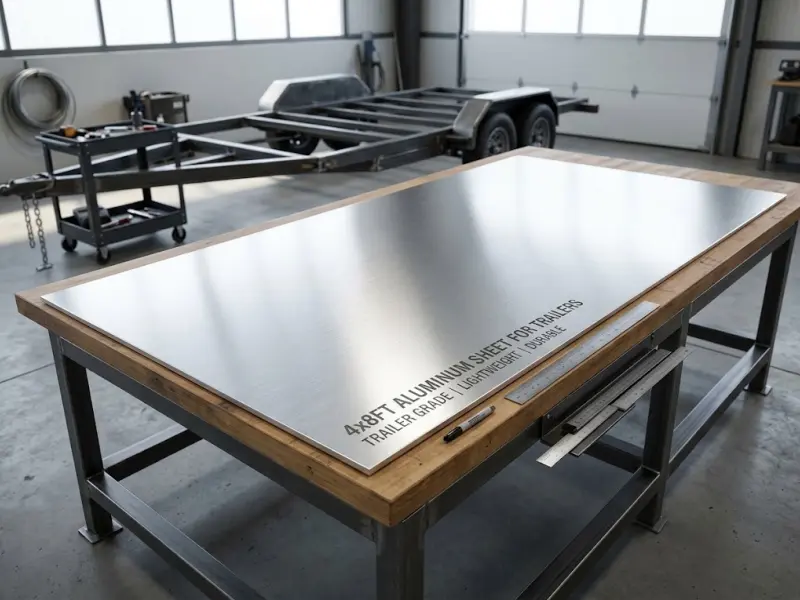
Aluminum siding can be exposed to scratches during cutting, forming, transportation, and installation.
Protective film can help reduce surface damage.
A typical production flow is:
Coated Aluminum
→ Protective Film
→ Slitting
The→ Forming
The→ Cutting
→ Trailer Assembly
→ Film Removal
The film type should match the processing method. It should also be easy to remove after installation.
How to Reduce Aluminum Trailer Siding Waste
Material planning is important for trailer manufacturers.
Waste can come from:
- Incorrect sheet width
- Incorrect cutting length
- Edge trimming
- Poor nesting
- Damaged surfaces
- Incorrect panel measurements
Using custom widths and lengths can reduce unnecessary trimming.
For high-volume production, coil supply and optimized slitting may offer better material utilization.
What Affects Aluminum Trailer Siding Price?
The final price depends on several factors.
| Cost factor | Why it matters |
|---|---|
| Alloy | Different grades have different costs |
| Thickness | Thicker material weighs more |
| Width | Custom sizes require processing |
| Length | Cutting affects production |
| Surface | Painted or special finish costs more |
| Color | Custom colors may require special production |
| Temper | Different processing conditions |
| Quantity | Larger orders can improve efficiency |
| Packaging | Export protection adds cost |
| Freight | Weight and volume affect shipping |
For this reason, buyers should request a quotation based on a complete specification.
How to Compare Aluminum Trailer Siding Suppliers
When comparing suppliers, do not look only at the price.
Check:
Material
→ Alloy
→ Temper
→ Thickness
→ Width
Surface
→ Smooth or ribbed
→ Mill finish or painted
→ Color
→ Protective film
Production
→ Slitting
→ Cutting
→ Custom length
→ Custom width
Quality
→ Thickness tolerance
→ Width tolerance
→ Surface inspection
→ Color consistency
Shipping
→ Coil or sheet packaging
→ Pallet protection
→ Export packing
→ Loading method
A supplier that can provide complete specifications makes purchasing easier.
Quality Inspection Before Shipment
Trailer siding should be inspected before delivery.
| Inspection | Main purpose |
|---|---|
| Alloy | Confirm material grade |
| Temper | Confirm mechanical condition |
| Thickness | Check tolerance |
| Width | Check cutting or slitting |
| Length | Confirm order size |
| Surface | Check scratches and defects |
| Color | Check coating consistency |
| Flatness | Support easy installation |
| Packaging | Prevent transportation damage |
For larger orders, inspection requirements can be agreed before production.
Custom Aluminum Trailer Siding from the Factory
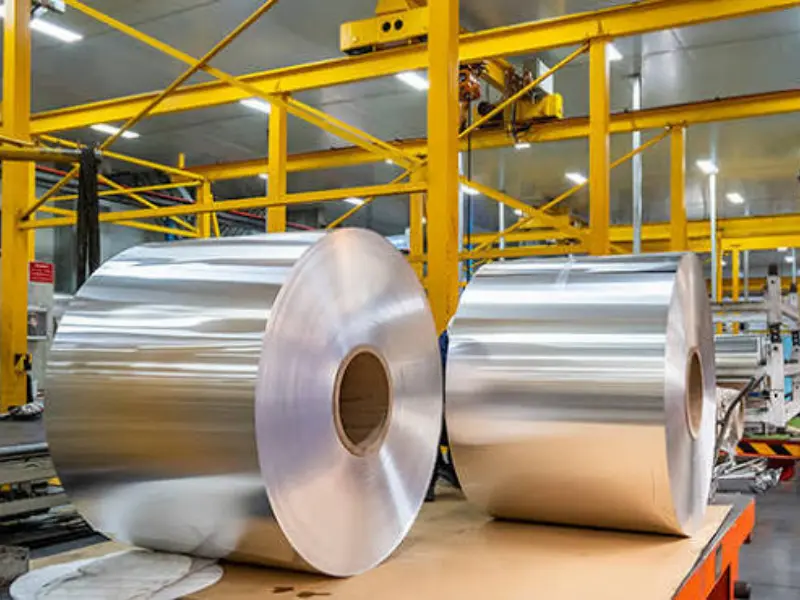

We can supply aluminum siding for different trailer manufacturing and replacement requirements.
Available options can include:
- 1050 aluminum sheet
- 1060 aluminum sheet
- 1100 aluminum sheet
- 3003 aluminum sheet
- 3105 aluminum sheet
- 5052 aluminum sheet
- Smooth aluminum siding
- Ribbed aluminum siding
- Painted aluminum siding
- White aluminum siding
- Custom colors
- Coil supply
- Pre-cut sheets
- Custom widths
- Custom lengths
- Protective film
Customers can provide the trailer model, required panel size, alloy, thickness, surface, color, quantity, and packaging requirements.
A Simple Buyer Checklist
Before ordering aluminum trailer siding sheets, confirm:
Trailer type
Cargo, RV, camper, utility, food trailer, or another type?
Panel size
What width and length are required?
Thickness
What level of rigidity and weight is needed?
Alloy
Which alloy is suitable for the forming process?
Temper
Does the temper match bending or roll forming?
Surface
Smooth, ribbed, painted, or another finish?
Color
Standard white or custom color?
Quantity
Sheets or continuous coil?
Packaging
Does the material need protective film and export packaging?
How to Order Aluminum Trailer Siding
Before requesting a quotation, prepare the basic material information.
Alloy: 3003, 5052, or another grade
Temper: H14, H24, H32, H34, etc.
Thickness: for example 0.032″, 0.040″, or 0.063″
Width: required sheet width
Length: required sheet length
Surface: smooth, stucco, painted, anodized, or other finish
Color: if coated
Quantity: sheets, tons, or coils
Packaging: export packing, pallet, or custom packing
A clear specification makes quotation and production much easier.
Example Material Specifications
Here are several practical combinations that can be used as starting points for different trailer projects.
| Product Type | Alloy | Temper | Thickness | Finish |
|---|---|---|---|---|
| Lightweight Siding | 3003 | H14 | 0.032″ | Smooth |
| Standard Trailer Panel | 3003 | H24 | 0.040″ | Smooth |
| Strong Trailer Siding | 5052 | H32 | 0.050″ | Smooth |
| Heavy-Duty Panel | 5052 | H32 | 0.063″ | Stucco |
| Decorative Panel | 5005 | H34 | 0.040″ | Anodized |
| Custom Exterior Panel | 5052 | H32 | 0.080″ | Painted |
The actual specification should be confirmed according to the trailer structure and manufacturing process.
Custom Aluminum Sheets for Trailer Manufacturers
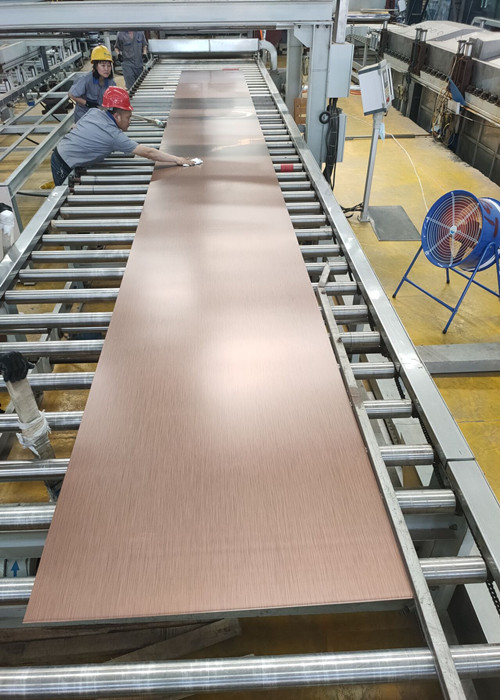
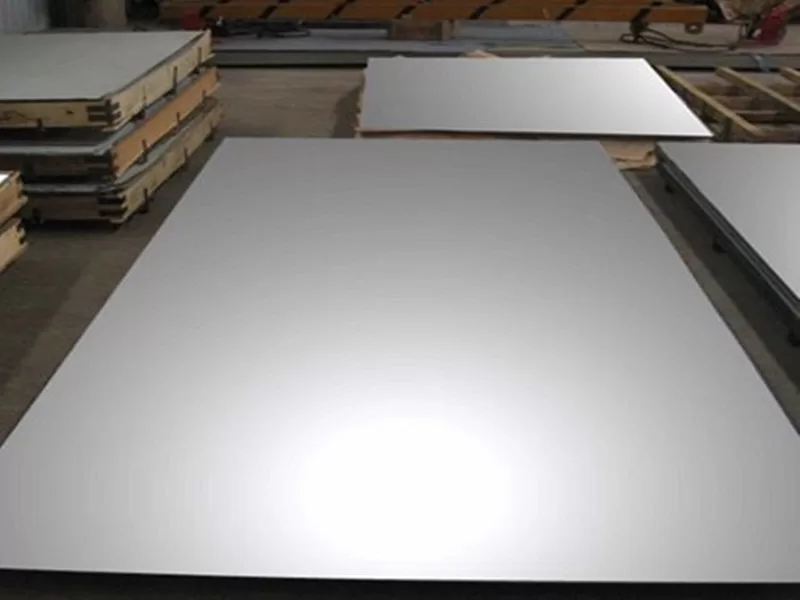
Not every trailer uses standard 4×8 panels.
Custom sheet sizes can help reduce offcuts and simplify installation. A manufacturer may request a specific width and length based on the trailer body.
Custom options can include:
- Custom thickness
- Custom width
- Custom length
- Custom alloy
- Custom temper
- Custom coating
- Custom color
- Protective film
- Slit coil
- Special packaging
For large-volume production, matching the aluminum dimensions to the trailer design can help reduce material waste.
From Material Selection to Finished Trailer
A simple purchasing process can follow this path:
Trailer design
↓
Panel dimensions
↓
Alloy and temper selection
↓
Thickness selection
↓
Surface and coating selection
↓
Cutting or forming
↓
Fastening and assembly
↓
Finished trailer body
This approach helps connect the aluminum specification with the actual manufacturing process instead of choosing material by thickness alone.
Final Selection Guide
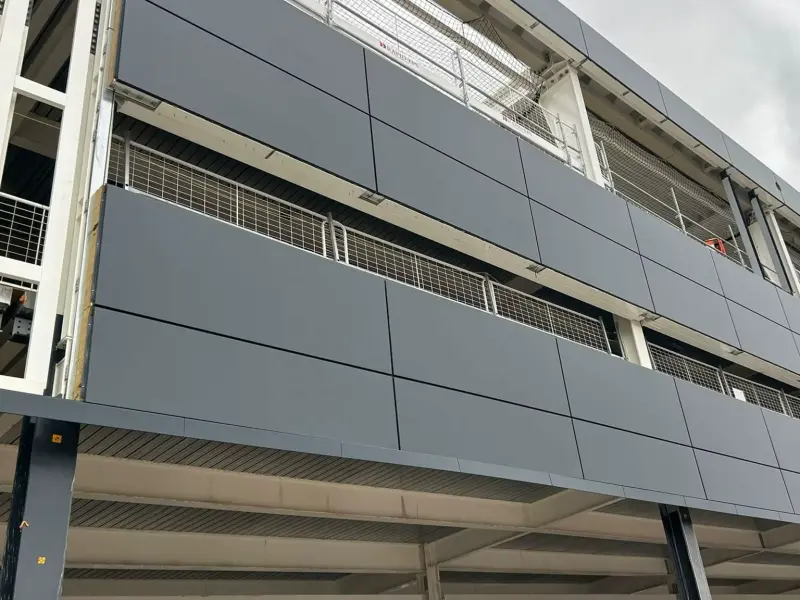
The best aluminum trailer siding sheet depends on the trailer type, panel position, fabrication method, and required appearance.
For general formed panels, 3003 aluminum is worth considering because of its good formability.
For stronger exterior panels, 5052 H32 aluminum can be a better fit.
By a textured surface, stucco embossed aluminum is an option.
By a branded trailer body, painted aluminum sheet provides more color choices.
For high-volume production, aluminum coil may be more efficient than individual sheets.
For standard fabrication, 4×8 aluminum sheets remain a convenient format.
A supplier can also provide custom sizes, alloys, tempers, coatings, and packaging for different trailer production requirements.
Durable and Lightweight Exterior Solutions for Modern Trailers
When you build or repair an enclosed trailer, you need materials that resist weather, reduce towing weight, and look clean. Aluminum trailer siding sheets are the leading industry standard for cargo trailers, RVs, toy haulers, and commercial fleet bodies.
Trailer builders and fleet owners prefer aluminum trailer siding sheets because they do not rot like wood, crack like fiberglass, or rust like plain steel. With flexible alloy choices, custom colors, and pre-painted finishes, these siding sheets offer long service life on the road.
Why Choose Aluminum Trailer Siding Sheets?
Core Advantages for Fleet Builders
- Fuel Efficiency: The lightweight nature of aluminum lowers total vehicle weight, saving fuel on every trip.
- Corrosion Resistance: Naturally forms a protective oxide layer that blocks rain, salt air, and road debris.
- Easy Maintenance: Smooth and pre-coated surfaces wash clean with standard water and mild soap.
- High Workability: Easy to bend, shear, punch, and rivet without cracking the outer paint coat.
- Long Lifespan: Resists ultraviolet rays, temperature swings, and vibration fatigue over thousands of road miles.
Material Comparison: Aluminum vs. Steel vs. Fiberglass (FRP)
| Performance Factor | Aluminum Trailer Siding Sheets | Galvanized Steel Siding | Fiberglass (FRP) Panels |
|---|---|---|---|
| Material Weight | Light (≈2.7 g/cm3) | Heavy (≈7.85 g/cm3) | Medium (≈1.8 g/cm3) |
| Rust / Rot Risk | None (Rust-free) | High when scratched | None (Can delaminate) |
| Impact Recovery | Good (Easy to replace panel) | Dents easily | Cracks / fractures |
| UV Resistance | Excellent (With baked paint) | Good (If painted) | Can fade and yellow |
| Installation Ease | High (Light, easy to drill) | Moderate (Heavy to handle) | Moderate (Requires adhesive) |
Aluminum Alloy Grades and Temper Designations
Selecting the right alloy and temper ensures your siding stays flat, avoids oil-canning, and handles outdoor road strain.
Popular Alloy Series
Alloy 3003
- Composition: Aluminum-manganese alloy.
- Characteristics: Excellent formability, smooth surface finish, and good strength.
- Best Use: Standard enclosed cargo trailers, utility boxes, and camper side skins.
For Alloy 3105
- Composition: Aluminum-manganese-magnesium alloy.
- Characteristics: Made often with recycled content, high corrosion resistance, takes paint exceptionally well.
- Best Use: Pre-painted exterior trailer panels, mobile homes, and RV exterior walls.
Alloy 5052
- Composition: Aluminum-magnesium alloy.
- Characteristics: Higher tensile strength, superior marine-grade corrosion resistance.
- Best Use: Heavy-duty commercial freight trailers, livestock trailers, and coastal hauling rigs.
Siding Temper Grades
| Temper Grade | Hardness Level | Formability | Typical Siding Application |
|---|---|---|---|
| H14 | Half Hard | High | Standard bending, corner wrapping, and side skinning |
| H16 | 3/4 Hard | Medium-High | Flat exterior panels requiring extra stiffness |
| H24 | Half Hard (Annealed) | High | Formed corrugated profiles and interlocking seams |
| H26 | 3/4 Hard (Annealed) | Medium | Rigid side sheets with high wind-load resistance |
Diverse Product Types and Surface Finishes
Trailer manufacturers require different visual finishes depending on branding and functional needs.
Smooth Pre-Painted Siding Sheets
These sheets come with a factory-applied baked polyester or PVDF enamel coat. They provide a sleek, high-gloss surface ideal for company logos, vinyl decals, and modern trailer designs. Common colors include polar white, gloss black, charcoal grey, vibrant red, and metallic silver.
Stucco Embossed Trailer Siding
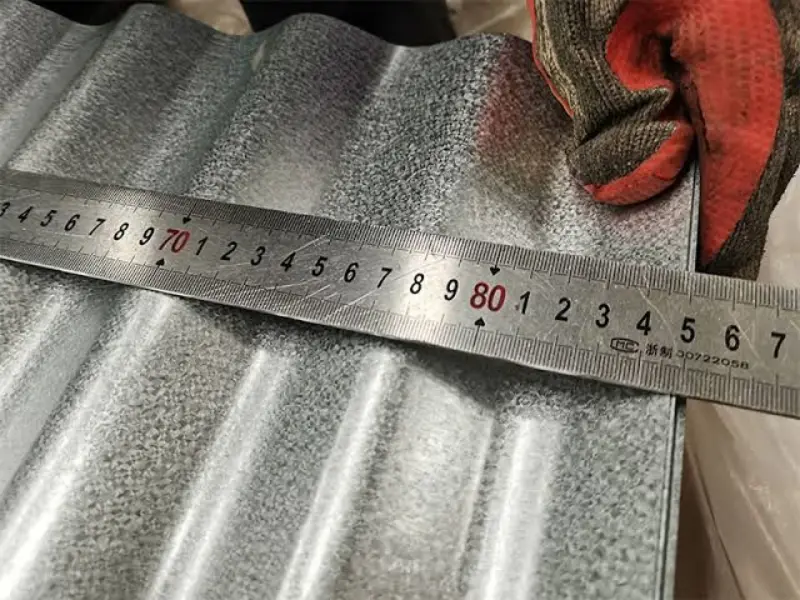
Stucco embossed sheets feature a textured pebble-grain pattern. This texture diffuses light, hides minor scratches or road dents, and minimizes glare. It is widely used in concession trailers, work utility trailers, and interior cargo liners.
Corrugated and Interlocking Siding Panels
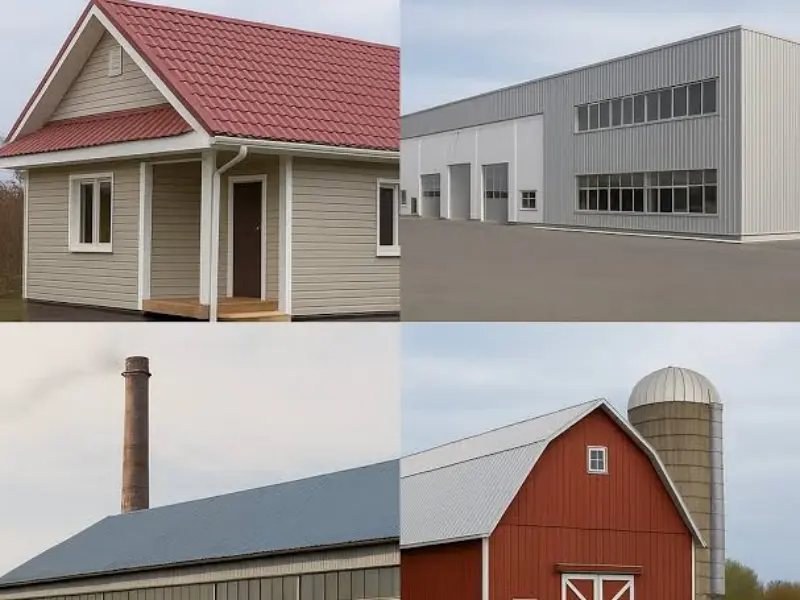
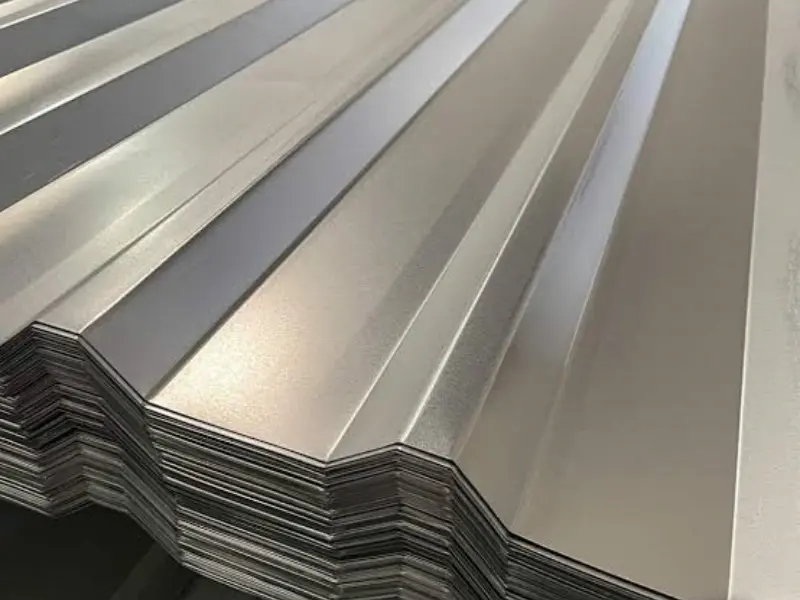
Corrugated profiles feature roll-formed ribs that add structural rigidity across wide spans. Interlocking panels hide fasteners behind seamless joints, keeping out rainwater and offering a clean exterior profile.
Diamond Tread Plate Siding
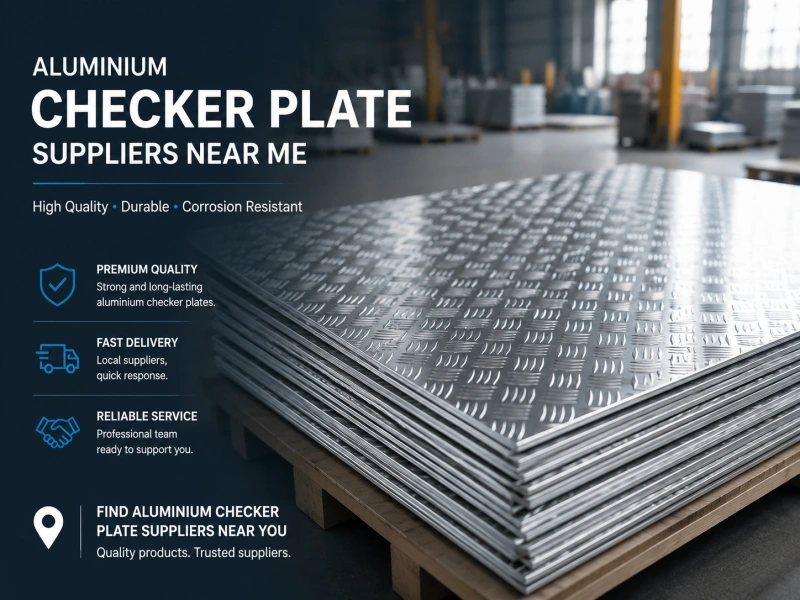
Also known as aluminum checker plate, this type features raised diamond patterns. It is mainly used as stone guards, bottom kick-plates, wheel wells, and front tongue wraps to protect against flying rocks.
Surface Type Comparison
| Siding Style | Surface Texture | Visual Appearance | Primary Function |
|---|---|---|---|
| Smooth Pre-Painted | Flat & Smooth | Modern, Glossy / Matte | Exterior branding, enclosed cargo sides |
| Stucco Embossed | Pebble Pattern | Low-glare, Textured | Scratch masking, camper siding, interiors |
| Corrugated Ribbed | Formed Ridges | Industrial, Structured | Structural rigidity, heavy equipment haulers |
| Diamond Tread | Raised Lugs | Rugged, Polished / Mill | Rock guards, corner armor, bottom trims |
Digital Specifications and Standard Dimensions
To meet global trailer manufacturing standards, aluminum trailer siding sheets are manufactured in precise imperial and metric sizes.
Gauge and Thickness Options
Light Gauge Siding
- Thickness Range: 0.024 in to 0.030 in (0.60 mm to 0.76 mm)
- Applications: Small teardrop campers, lightweight pop-up trailers, interior ceiling liners.
Standard Commercial Gauge
- Thickness Range: 0.040 in to 0.050 in (1.00 mm to 1.27 mm)
- Applications: Standard 6 ft to 8.5 ft wide enclosed cargo trailers, horse trailers, food trucks.
Heavy-Duty Commercial Gauge
- Thickness Range: 0.063 in to 0.080 in (1.60 mm to 2.00 mm)
- Applications: Semi-truck dry van trailers, heavy equipment haulers, emergency response vehicles.
Standard Dimensions Matrix
| Width (Imperial) | Width (Metric) | Length (Imperial) | Length (Metric) | Common Gauge |
|---|---|---|---|---|
| 48 in | 1219 mm | 96 in | 2438 mm | 0.030 in/0.040 in |
| 49 in | 1245 mm | 110 in | 2794 mm | 0.030 in/0.040 in |
| 49 in | 1245 mm | 120 in | 3048 mm | 0.040 in/0.050 in |
| 60 in | 1524 mm | 120 in | 3048 mm | 0.040 in/0.050 in |
| 102 in (Seamless Coil) | 2590 mm | Cut to Length | Continuous Coil | 0.030 in−0.063 in |
Application Fields for Aluminum Trailer Siding
Wide Range of Vehicle and Enclosure Uses
- Enclosed Cargo Trailers: Full side walls, front caps, and rear ramp doors.
- Recreational Vehicles (RVs) and Campers: Outer protective wall skins and roof wraps.
- Food Trucks and Concession Trailers: Easy-to-clean exterior bodies and hygienic internal lining.
- Livestock and Horse Trailers: Corrugated side slats and upper wall panels.
- Dry Freight Van Bodies: Commercial fleet delivery box truck walls.
- Motorcycle and Toy Haulers: Smooth aerodynamic side skins and protective base trims.
Application Matching Table
| Vehicle Category | Recommended Alloy | Thickness (in/mm) | Recommended Finish | Key Benefit |
|---|---|---|---|---|
| Cargo Trailer | 3003-H14 | 0.030 in/0.76 mm | Pre-Painted White | Clean look, light towing |
| Horse Trailer | 5052-H32 | 0.050 in/1.27 mm | Mill Finish / Painted | Resists animal wear & moisture |
| Concession Trailer | 3105-H14 | 0.040 in/1.00 mm | Bright Gloss Paint | Food safe, easy wipe-down |
| Toy Hauler | 3003-H16 | 0.040 in/1.00 mm | Charcoal / Black | Stylish look, resists dents |
| Commercial Box Van | 5052-H34 | 0.063 in/1.60 mm | PVDF High-Gloss White | High tensile, heavy road use |
Technical Comparisons: Choosing the Right Configuration
Alloy 3003 vs. Alloy 5052 for Trailer Siding
- Alloy 3003: More affordable and easier to shape around tight radius corners. Perfect for standard cargo bodies and light camper builds.
- Alloy 5052: Higher magnesium content delivers roughly 50% higher yield strength. Ideal for large fleets exposed to heavy winds and salty winter roads.
Thickness Comparison: 0.030 in vs. 0.040 in Siding Sheets
- 0.030 in (0.76 mm): Lighter and lower cost. Best suited for smaller trailers where weight savings are critical. Can show minor waves (oil-canning) if fastened too tightly on hot days.
- 0.040 in (1.00 mm): Industry preference for semi-screwless and flat-panel installations. Stiffer surface resists buckling under heat expansion and highway wind pressure.
Paint Coating Types: Baked Polyester vs. PVDF (Kynar)
| Coating Feature | Polyester (PE) Coating | PVDF (Fluorocarbon) Coating |
|---|---|---|
| Outdoor Weathering | 5−8 Years | 15−20 Years |
| Color Retention | Good | Superior |
| Scratch Resistance | High | High |
| Cost Level | Economical | Premium |
| Best Environment | Standard highway & inland routes | High-UV, coastal, and chemical exposure |
Fabrication, Fastening, and Maintenance Guidelines
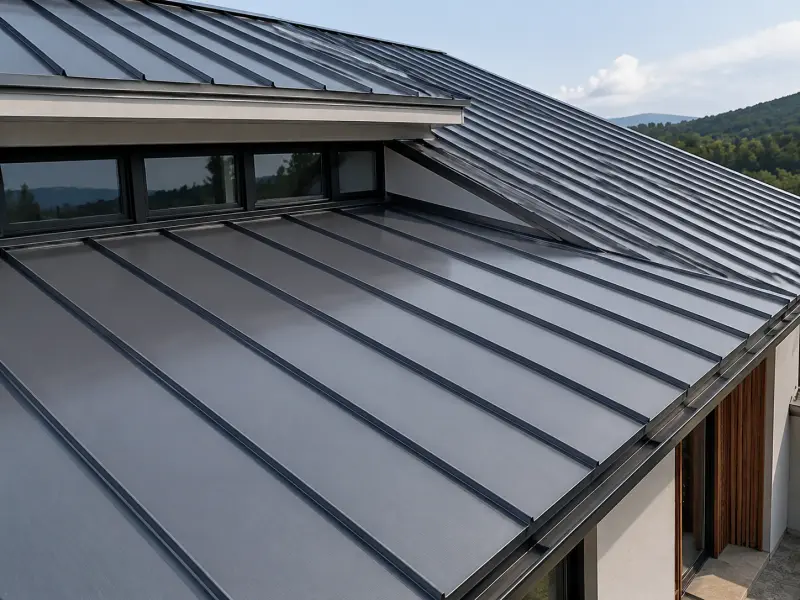
Safe Fastening Practices
Thermal Expansion Space: Allow 1.0 mm−2.0 mm of expansion room around panel seams to accommodate temperature swings between summer and winter.
Screws and Rivets: Use color-matched stainless steel or coated aluminum fasteners to prevent galvanic reaction.
VHB Tape Bonding: For smooth, screwless trailer sides, use high-strength acrylic foam tape (VHB). This allows thermal expansion without dimpling the metal.
Maintenance and Care Routine
- Washing: Rinse off road salts and grime every month using clean water and a non-abrasive wash mitt.
- Detergent Selection: Use neutral pH cleaners. Avoid harsh acids or alkaline wheel cleaners on painted aluminum surfaces.
- Protective Waxing: Apply a coat of automotive wax twice a year to keep the painted gloss shiny and block road grime.
Frequently Asked Questions (FAQ)
Material Selection and Quality
What makes aluminum trailer siding sheets better than fiberglass?
Aluminum will not rot, crack, or suffer water delamination over time. If damaged, a single aluminum sheet can be removed and replaced quickly, saving repair costs.
Which thickness should I choose for an enclosed cargo trailer?
For general utility trailers, 0.030 in is common and cost-effective. For a flatter, premium look with fewer fasteners (screwless construction), 0.040 in is recommended.
Customization and Processing
Can aluminum trailer siding sheets be custom-cut and painted?
Yes. Siding sheets can be custom sheared to your exact frame height and width. You can also order custom RAL colors with protective PE peel-off films applied to the painted surface.
How do I prevent galvanic corrosion during installation?
Galvanic corrosion happens when aluminum touches bare steel in the presence of water. Always use rubber gaskets, plastic isolation washers, or acrylic tape between aluminum siding and steel frame studs.
Ordering and Global Packaging
What is the typical minimum order quantity for siding sheets?
Standard sizes and stock colors usually have low minimums, often starting at 500 kg to 1 ton. Custom color runs or specialized widths typically require 2 to 3 tons.
How are trailer siding sheets packed for international shipping?
Sheets are stacked on fumigated solid wood pallets with waterproof kraft paper and plastic film wrapping. Edge protectors and heavy steel or plastic strapping keep the sheets flat and scratch-free during sea transit.