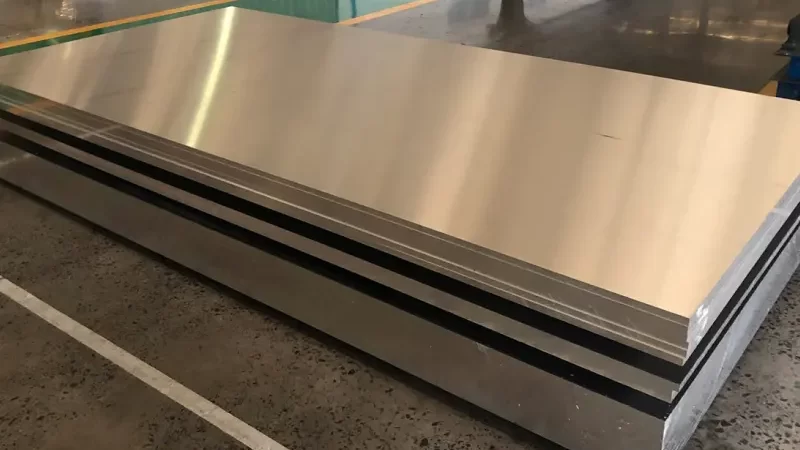
Aluminum Thick Plate Price Per Kg
The price of aluminum thick plate per kg depends on many factors. These include alloy grade, thickness, temper, production process, order quantity, and global aluminum market conditions.
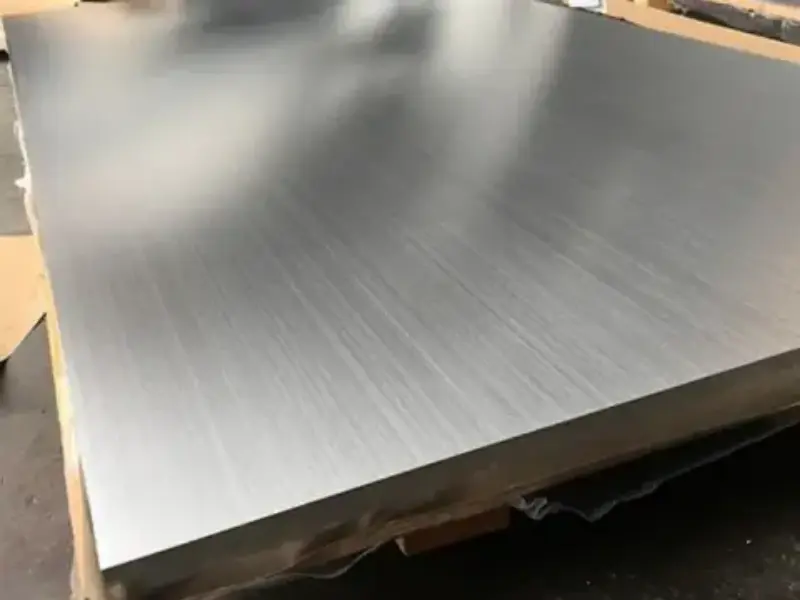
Thick aluminum plates are widely used in shipbuilding, aerospace, mold manufacturing, heavy equipment, railway transportation, and structural engineering. Because these industries require different mechanical properties, prices vary significantly between alloys.
When buyers search for aluminum thick plate prices, they often compare products based on strength, corrosion resistance, machinability, and service life rather than price alone.
What Is Considered an Aluminum Thick Plate?
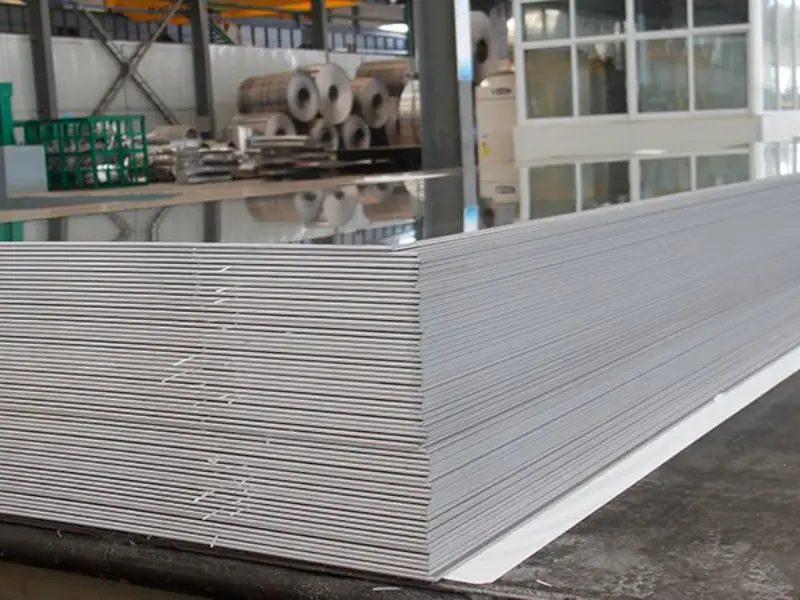
Generally, aluminum plates above 6 mm thickness are classified as thick plates. Some industrial projects use plates over 100 mm thick.
Common Thickness Range
| Thickness | Category |
|---|---|
| 6-12 mm | Standard Thick Plate |
| 15-25 mm | Medium Thick Plate |
| 30-60 mm | Heavy Plate |
| 80-150 mm | Extra Thick Plate |
| 150-300 mm | Ultra Thick Plate |
Different thicknesses affect production cost and final aluminum thick plate price per kg.
Popular Aluminum Alloys for Thick Plates
Different alloys are designed for different applications.
5083 Aluminum Thick Plate
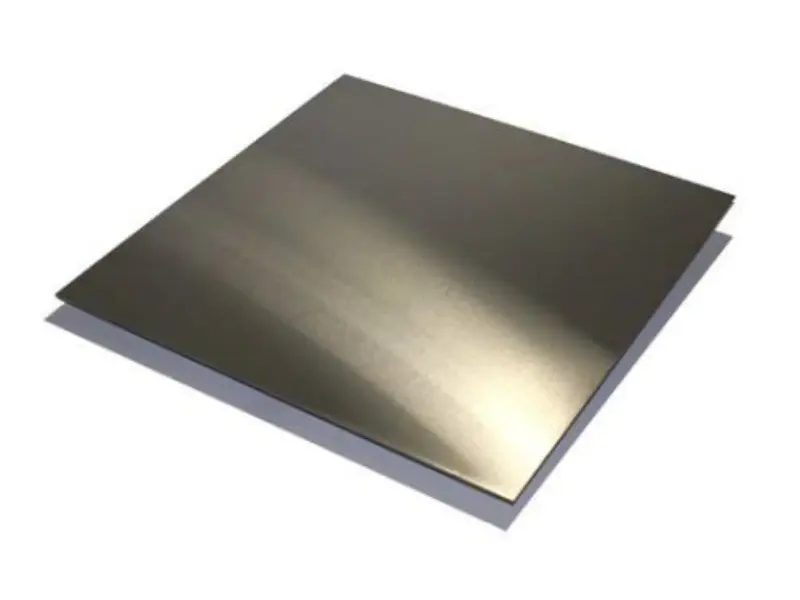
5083 is widely used in marine environments.
Features:
- Excellent corrosion resistance
- High strength
- Good welding performance
- Suitable for seawater conditions
Applications:
LNG tanks
Shipbuilding
Offshore platforms
Marine structures
6061 Aluminum Thick Plate
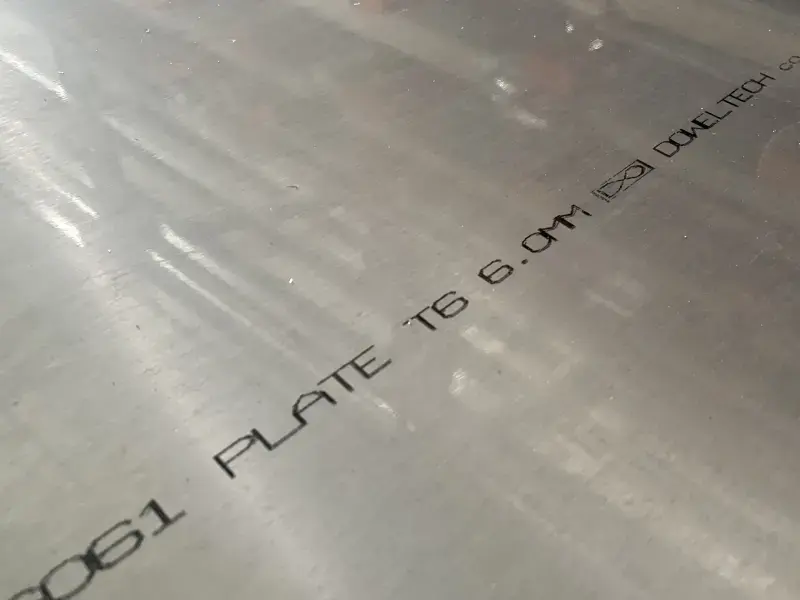
6061 is one of the most versatile aluminum alloys.
Advantages:
- Good machinability
- Medium strength
- Easy fabrication
- Heat treatable
Applications:
- Machinery parts
- Industrial equipment
- Automation systems
- Structural components
7075 Aluminum Thick Plate
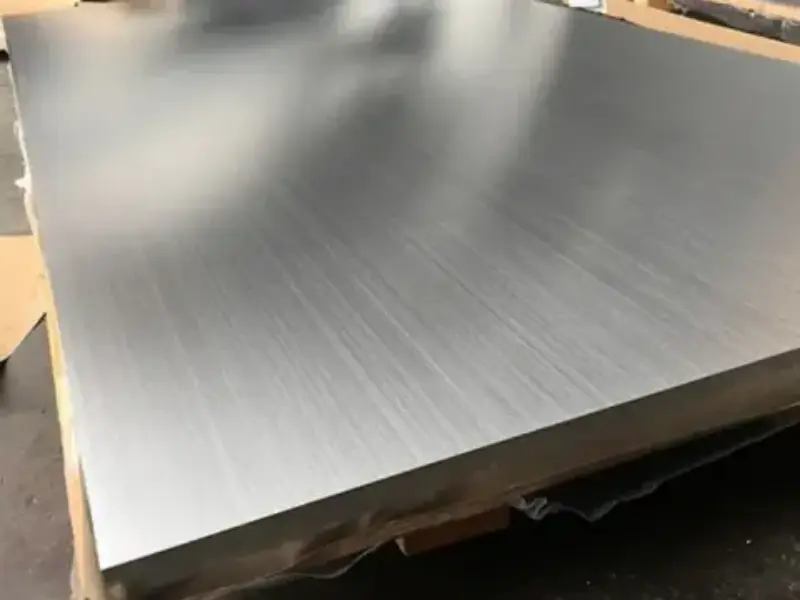
7075 offers extremely high strength.
Benefits:
- Aerospace grade material
- Excellent fatigue resistance
- High load capacity
Applications:
High-performance engineering
Aircraft structures
Defense equipment
Mold tooling
2024 Aluminum Thick Plate
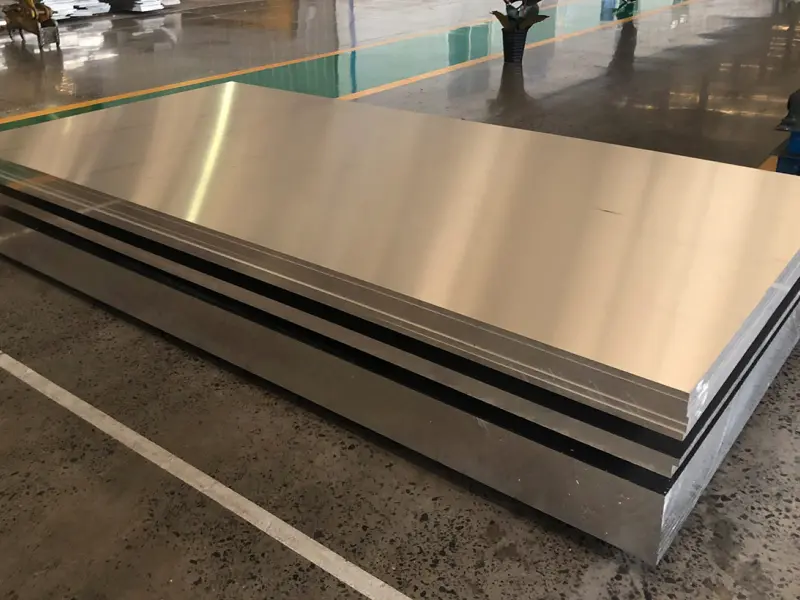
2024 provides excellent mechanical performance.
Common uses:
High-strength applications
Aircraft components
Aerospace structures
Aluminum Thick Plate Price Comparison by Alloy
| Alloy | Relative Price Level | Main Feature |
|---|---|---|
| 1050 | Low | High purity |
| 3003 | Low-Medium | Corrosion resistance |
| 5052 | Medium | Marine use |
| 5083 | Medium-High | Shipbuilding |
| 6061 | Medium-High | General engineering |
| 2024 | High | Aerospace |
| 7075 | Highest | Ultra-high strength |
As alloy performance increases, production costs usually increase as well.
Temper Options and Their Impact on Price
The temper condition affects hardness and strength.
Common Tempers
| Temper | Characteristics |
|---|---|
| O | Soft condition |
| H112 | Industrial plate |
| T4 | Solution treated |
| T6 | High strength |
| T651 | Stress relieved |
T651 plates usually command a higher price because of additional processing requirements.
Standard Aluminum Thick Plate Sizes
Common Sheet Dimensions
| Width (mm) | Length (mm) |
|---|---|
| 1000 | 2000 |
| 1220 | 2440 |
| 1500 | 3000 |
| 2000 | 6000 |
| 2500 | 8000 |
Custom sizes are available for special projects.
Thickness vs Application
Different industries require different thicknesses.
| Thickness | Typical Use |
|---|---|
| 10 mm | Equipment panels |
| 20 mm | Machinery structures |
| 30 mm | Mold base plates |
| 50 mm | Heavy equipment |
| 80 mm | Marine engineering |
| 100 mm+ | Aerospace and defense |
Factors Affecting Aluminum Thick Plate Price Per Kg
Alloy Grade
Higher alloy content generally increases production cost.
Thickness
Ultra-thick plates require more rolling and heat treatment processes.
Temper
T6 and T651 tempers involve additional processing.
Surface Finish
Additional treatments may increase pricing.
Examples:
- Mill finish
- Precision milled surface
- Anodized surface
- Protective film coating
Quantity Ordered
Large volume orders typically reduce the cost per kg.
Aluminum Thick Plate for Aerospace Applications
Aerospace manufacturers often select:
- 2024-T351
- 7075-T651
- 7050-T7451
Reasons include:
- High strength-to-weight ratio
- Excellent fatigue resistance
- Reliable performance
These grades are among the highest-priced aluminum thick plates.
Aluminum Thick Plate for Marine Projects
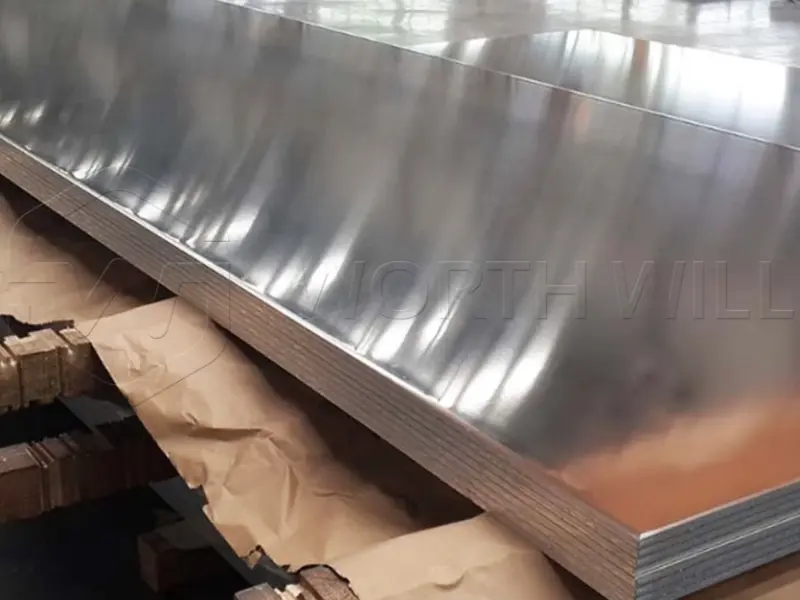
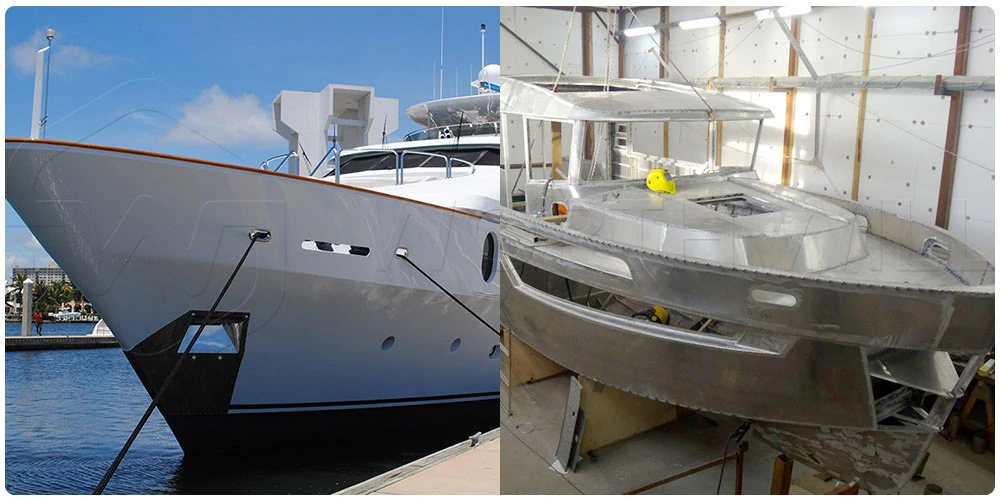
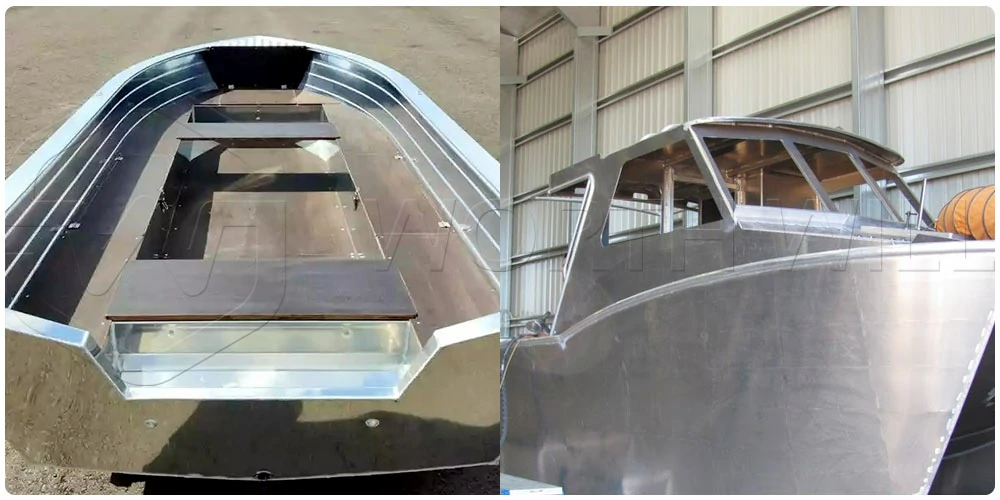
Marine environments require strong corrosion resistance.
Recommended grades:
| Alloy | Marine Performance |
|---|---|
| 5052 | Good |
| 5083 | Excellent |
| 5086 | Excellent |
Common marine products include:
- Hull structures
- Ferry components
- Offshore platforms
- Ship decks
Aluminum Thick Plate for Mold Manufacturing
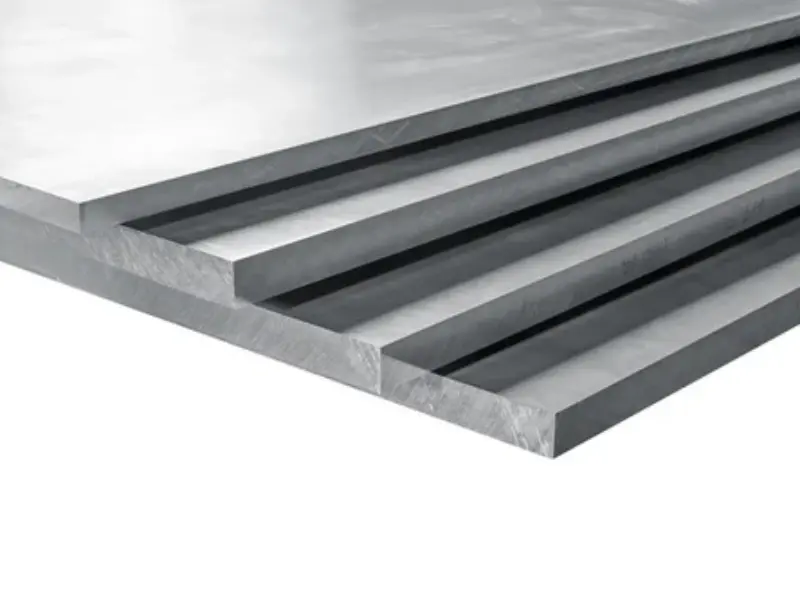
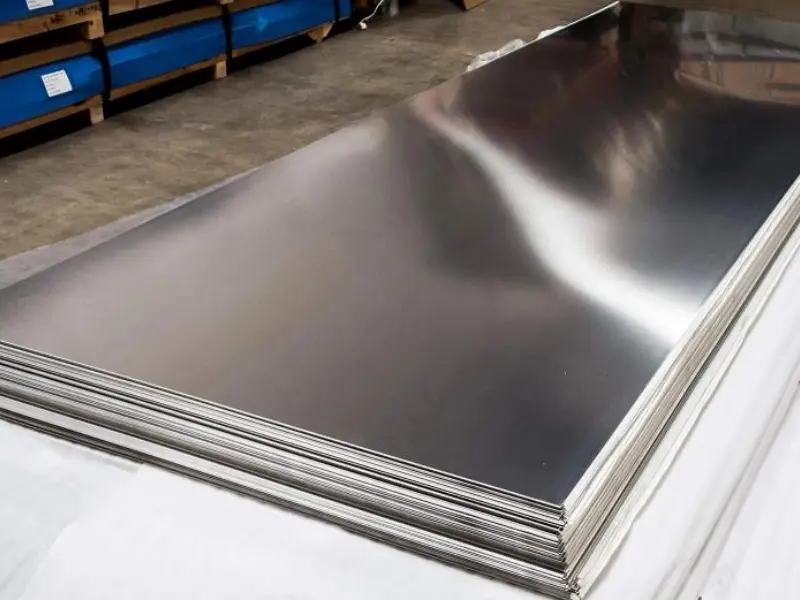
Mold manufacturers often choose:
6061-T651
Advantages:
- Easy machining
- Good stability
- Lower cost
7075-T651
Advantages:
- High hardness
- Better wear resistance
- Longer mold life
Compare Aluminum Alloys: Finding the Best Value
Choosing the right alloy prevents overpaying. The table below compares the main characteristics of these three major aluminum plate series.
| Alloy Series | Strength Level | Corrosion Resistance | Machinability | Welding Capability | Price Level |
|---|---|---|---|---|---|
| 5000 Series | Medium | Excellent (especially in sea water) | Fair | Excellent | Budget-Friendly |
| 6000 Series | Medium to High | Good (standard environments) | Excellent | Good | Moderate |
| 7000 Series | Very High | Fair | Very Good | Poor | Premium |
Standard Sizes and Thickness Classifications
Aluminum plates are produced in standard mill sizes. Standard dimensions are easier to manufacture, keep stock of, and transport. This makes them more affordable.
- Medium Plates (6 mm to 25 mm): These are easy to handle and cut. They have the lowest processing surcharges.
- Thick Plates (25 mm to 100 mm): These require heavier rolling mills. They are often used as machine beds and heavy structural blocks.
- Extra-Thick Plates (Over 100 mm): These plates require specialized forging or hot-rolling processes. They also need ultrasonic testing to guarantee structural integrity.
Standard plate dimensions usually measure 1000 mm×2000 mm, 1250 mm×2500 mm, or 1500 mm×3000 mm. Choosing these standard sizes keeps the price per kg as low as possible.
Aluminum Thick Plate vs Steel Plate
Many buyers compare aluminum and steel before purchasing.
| Property | Aluminum Plate | Steel Plate |
|---|---|---|
| Weight | Light | Heavy |
| Corrosion Resistance | Excellent | Moderate |
| Machinability | Good | Moderate |
| Strength | Medium to High | High |
| Maintenance | Low | Higher |
| Transportation Cost | Lower | Higher |

Surface Processing Options
Different surface finishes meet different project requirements.
Mill Finish
- Natural aluminum appearance
- Most economical option
Precision Milled Plate
- Better flatness
- Higher machining accuracy
Anodized Plate
- Enhanced corrosion resistance
- Decorative appearance
PVC Film Protected Plate
- Surface protection during transportation
Choosing the Right Aluminum Thick Plate
Before purchasing, buyers should evaluate:
- Required strength
- Corrosion environment
- Machining requirements
- Welding requirements
- Budget range
- Project lifespan
The best aluminum thick plate is not always the cheapest option. Material performance should match the application.
High-Performance Marine Alloys (5000 Series)
Marine environments demand exceptional resistance to salt water. The 5000 series aluminum alloys contain magnesium as the primary alloying element. This element provides excellent weldability and high corrosion resistance.
The table below shows standard specifications and typical prices for marine grade plates:
| Alloy Grade | Common Tempers | Thickness Range | Estimated Price (USD/kg) |
|---|---|---|---|
| 5052 | H32, O | 6 mm−120 mm | 3.10 USD−3.65 USD |
| 5083 | H112, H321 | 8 mm−200 mm | 3.40 USD−4.10 USD |
| 5086 | H116, H112 | 6 mm−150 mm | 3.50 USD−4.25 USD |
These alloys are widely used in specialized marine and industrial projects:
- Building boat hulls, decks, and marine superstructures.
- Manufacturing fuel tanks, oil tankers, and chemical transport containers.
- Fabricating pressure vessels and cryogenic storage units.
- Constructing offshore drilling platforms and coastal infrastructure.
Heavy-Duty Structural Alloys (6000 Series)
The 6000 series alloys are the most popular choices for general structural applications. They contain silicon and magnesium, making them easy to machine and weld.
The 6061 aluminum plate price is often the benchmark for structural metal projects because of its wide availability.
| Alloy Grade | Common Tempers | Thickness Range | Estimated Price (USD/kg) |
|---|---|---|---|
| 6061 | T6, T651 | 6 mm−250 mm | 3.20 USD−3.90 USD |
| 6082 | T6, T651 | 6 mm−200 mm | 3.30 USD−4.00 USD |
These structural plates offer a solid balance of strength and machinability. They are commonly used in:
- Heavy-duty truck bodies, trailers, and railway carriage frames.
- Industrial machinery bases, structural platforms, and support pillars.
- Precision components that require extensive CNC milling.
- Bridges, cranes, and military transport equipment.
Ultra-Strong Aerospace Alloys (7000 Series)
When maximum strength-to-weight ratio is required, the 7000 series is the industry standard. These plates contain zinc as the primary alloying element. They undergo complex heat treatments to reach strengths comparable to steel.
A high-quality 7075 aluminum plate is more expensive to produce due to the demanding manufacturing processes.
| Alloy Grade | Common Tempers | Thickness Range | Estimated Price (USD/kg) |
|---|---|---|---|
| 7075 | T6, T651 | 10 mm−200 mm | 4.80 USD−6.20 USD |
| 7050 | T7451 | 12 mm−150 mm | 5.20 USD−6.80 USD |
These high-end structural plates are perfect for extreme stress environments:
- Aircraft wings, fuselage spars, and structural support ribs.
- Defense machinery, armor plating, and military vehicles.
- High-stress molds for plastic injection and blow molding processes.
- Heavy-duty sporting equipment and specialized climbing gear.
Industry Applications

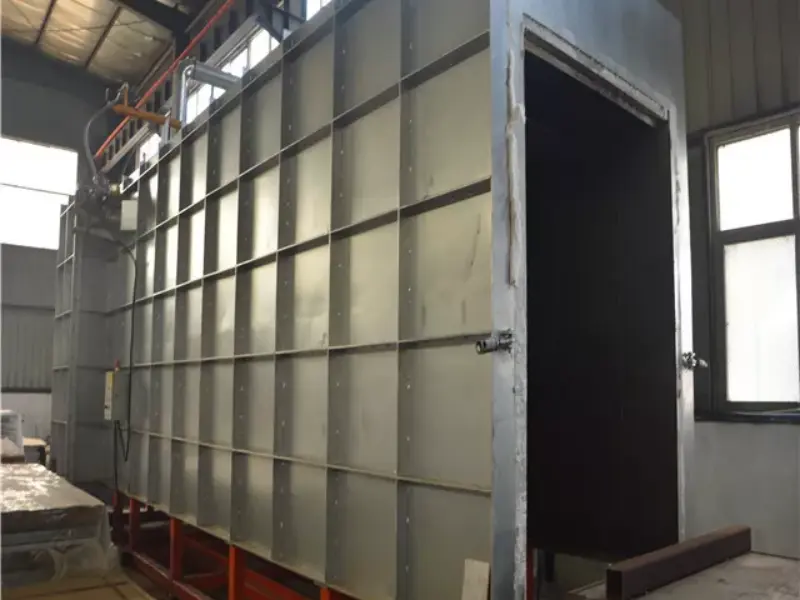
Aluminum thick plates are used in many industries.
Transportation
- Railway vehicles
- Trucks
- Trailers
- Marine vessels
Construction
- Structural supports
- Curtain walls
- Bridge components
Manufacturing
- Mold bases
- Machine frames
- Industrial equipment
Energy Sector
- Wind power systems
- Solar structures
- Offshore engineering
Aerospace
- Aircraft structures
- Defense systems
- Space technology
Specialized Thick Plate Options for Industry Needs
Precision Cast Aluminum Tooling Plates
Precision cast plates are manufactured to minimize internal stress. Unlike rolled plates, cast plates do not warp when machined. They are cast to a rough thickness, heat-treated, and then precision-milled on both faces.
The chemical structure of an aluminum tooling plate ensures excellent dimensional stability. These plates are ideal for high-precision components:
- Optical equipment mounts and laser calibration tables.
- Precision jigs, assembly fixtures, and robot arm weldments.
- Semiconductor manufacturing equipment and vacuum chambers.
- Printing press machinery and electronic packaging templates.
Heavy Industrial Tread and Checker Plates
Thick tread plates have raised patterns on one side. This pattern provides excellent slip resistance in wet, oily, or icy conditions.
These plates combine structural strength with safety features. They are commonly installed in:
- Industrial factory floors, loading docks, and pedestrian ramps.
- Toolboxes, truck tailgates, and emergency vehicle steps.
- Marine docks, ferry walkways, and boat decks.
- Heavy-duty staircases and access platforms in chemical plants.
Pre-cut Aluminum Blocks and Custom Sizes
Many metal distributors offer custom saw-cutting services. Buying pre-cut blocks is an excellent option for machine shops. It eliminates the need for in-house cutting equipment and reduces scrap metal waste.
While the price per kg of a custom-cut block is higher than a full sheet, it saves money on labor and shipping.
Smart Strategies to Lower Your Aluminum Plate Price per Kg
Sourcing raw metals requires smart buying habits. You can reduce your material costs by applying a few simple procurement strategies.
- Select the Correct Temper: Do not buy highly treated tempers like T651 if your design only requires an annealed (O) or strain-hardened (H112) state. Unnecessary processing adds to the cost.
- Buy in Standard Dimensions: Design your parts to fit standard plate sizes. This reduces scrap waste and avoids custom cutting surcharges from the mill.
- Consolidate Your Metal Orders: Combine your metal requirements into a single, large order. Distributors offer significant volume discounts once your order reaches wholesale weight limits.
- Minimize Shipping Distances: Aluminum is heavy. Shipping fees can quickly erase any savings on the raw metal price. Source your plates from a supplier with regional distribution hubs to keep transport costs low.
Global Market Directions and Price Outlook for 2026
The global aluminum industry is focusing heavily on sustainability and energy efficiency. Clean energy policies have led to the growth of low-carbon aluminum, which is produced using renewable hydropower.
These environmental initiatives are changing production costs. Many aerospace and automotive manufacturers now prefer certified green aluminum plates to meet environmental goals. While green aluminum may carry a small price premium, it helps companies comply with modern environmental regulations.
Additionally, supply chain investments have stabilized shipping networks. This stabilization has reduced transit times and made bulk pricing more predictable for international industrial projects.
Crucial Factors Shaping the Aluminum Thick Plate Price
Understanding what determines the aluminum plate price per kg helps you negotiate with suppliers. Several factors influence the final quote on your purchase order.
- Base Aluminum Market Cost: The baseline cost depends on global metal exchanges like the London Metal Exchange (LME). This base price fluctuates daily based on supply and demand.
- Alloy Composition: Pure aluminum is soft. Adding elements like magnesium, silicon, zinc, or copper increases strength but also changes the price. For instance, zinc-rich alloys cost more than magnesium-rich alloys.
- Heat Treatment and Tempering: Metal plates must undergo processes like artificial aging, annealing, or stretching to reach the desired hardness. These steps require specialized machinery and energy, which increases the price per kg.
- Thickness and Dimension Requirements: Plates with non-standard thicknesses require extra rolling or saw-cutting steps. Extremely thick plates also need careful quality inspections to ensure there are no internal defects.
- Order Volume: Ordering a single custom-cut plate will result in a higher price per kg than buying full-size mill bundles.
Why Many Buyers Choose Thick Aluminum Plates
Compared with traditional materials, thick aluminum plates offer:
- Lower weight
- Long service life
- Excellent corrosion resistance
- Easy processing
- High recycling value
- Reduced maintenance costs
These benefits make aluminum one of the most widely used engineering materials.
FAQ
What is the typical aluminum thick plate price per kg?
Prices vary depending on alloy, thickness, temper, and market conditions. High-performance grades such as 7075 generally cost more than standard grades like 1050 or 3003.
Which alloy is best for marine applications?
5083 and 5086 are widely considered the best options for marine environments due to their excellent corrosion resistance.
Is 6061 cheaper than 7075?
Yes. 6061 is usually more economical and easier to machine, while 7075 offers much higher strength.
What thickness qualifies as a thick aluminum plate?
Most industries classify plates above 6 mm as thick plates, although heavy engineering often uses plates over 25 mm.
Can thick aluminum plates be custom cut?
Yes. Most manufacturers provide custom thickness, width, length, machining, and surface treatment services.
Which temper is most commonly used?
T6 and T651 are among the most common tempers for industrial applications because they provide excellent strength and stability.