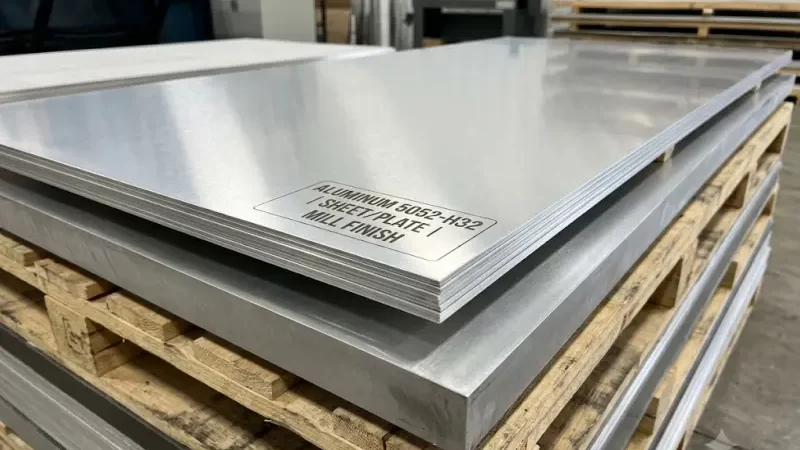
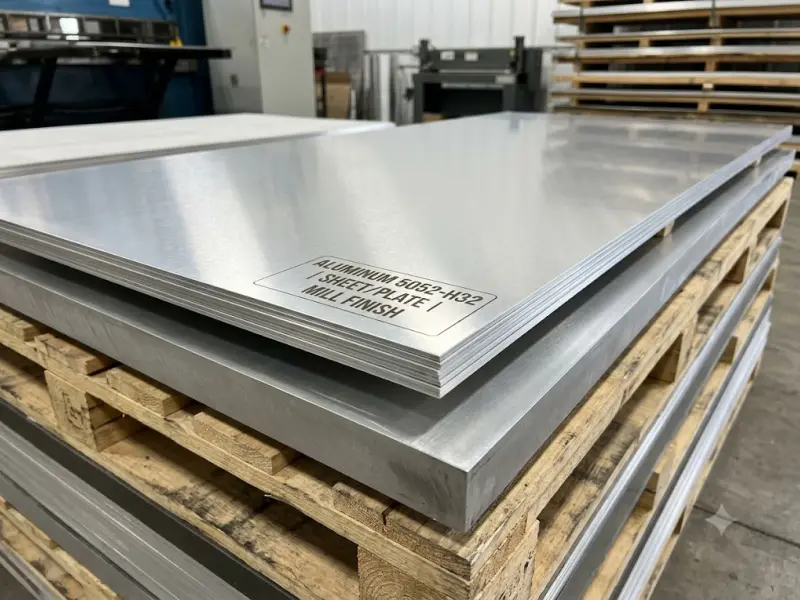
Aluminum Sheet/Plate 5052-H32 has normally application, for fuel, marine, automotive, and machine applications. It is renowned for its unparalleled corrosion resistance and workability.
What is 5052 H32 Aluminum Sheet
Like all the 5052 series of aluminum, the H32 is a good choice for welded construction when thickness demands are not too extreme and a mold or jig is not needed. In addition to its good formability, 5052-H32 will take permanent bends without developing fatigue cracks.
5052 aluminum sheet/plate has high tensile strength, good workability and fair corrosion resistance. It is non-magnetic in thicknesses up to 0.250″ and has a min yield strength of 0.020″.
How much is a sheet of 5052 aluminum?
Our 5052 aluminum sheet/plate is ideal for making air-intake ducts, automotive trim, shutters and doors, lawn furniture and swimming pool liners. Also great for housings, handrails, brackets, sign and display frames, motorboat engine mounts and building channel letters.
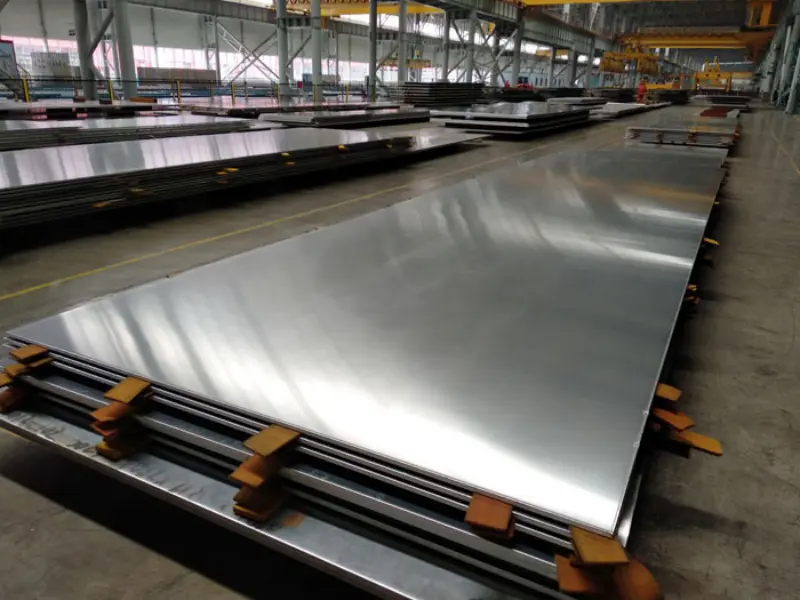
Breaking Down the 5052 Alloy
Chemical Composition
The recipe behind 5052 is precise. Each element plays a role in the final performance.
| Element | Content (%) | Role in the Alloy |
|---|---|---|
| Aluminum | 95.7 – 97.7 | Base metal, provides light weight and corrosion resistance |
| Magnesium | 2.2 – 2.8 | Main strengthening agent, improves corrosion resistance in seawater |
| Chromium | 0.15 – 0.35 | Refines grain structure, enhances stress corrosion cracking resistance |
| Manganese | 0.10 max | Minor grain control, improves workability |
| Iron | 0.40 max | Trace impurity, kept low to avoid strength loss |
| Silicon | 0.25 max | Trace impurity, affects castability but not sheet properties |
| Copper | 0.10 max | Kept very low to prevent galvanic corrosion issues |
| Zinc | 0.10 max | Minimal effect at this level |
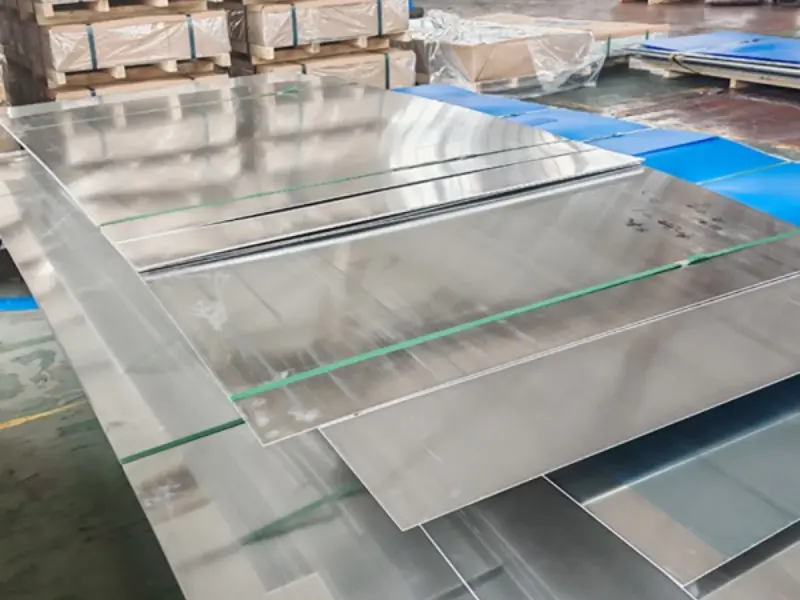
The high magnesium content is the star here. It forms Mg2Al3 intermetallic particles that strengthen the matrix. It also builds a more protective surface oxide film than pure aluminum or 3003 alloy.
Key Physical Properties
| Property | Value | What It Means for You |
|---|---|---|
| Density | 2.68 g/cm³ | Lighter than 6061, easier to handle and ship |
| Melting Range | 607 – 650°C | Standard for aluminum, safe for most processes |
| Thermal Conductivity | 138 W/m·K | Good heat dissipation for heat exchanger uses |
| Electrical Conductivity | 35% IACS | Lower than pure aluminum but acceptable for many electrical apps |
| Coefficient of Thermal Expansion | 23.8 x 10⁻⁶ /°C | Similar to other aluminum alloys, predictable expansion |
| Elastic Modulus | 70.3 GPa | Stiff enough for structural panels, flexible enough to form |
H32 Temper Explained in Depth
Temper designations in aluminum are not random letters and numbers. They describe exactly how the metal was treated after rolling. Understanding H32 helps you avoid costly mistakes in fabrication.
How H32 Is Made
The journey starts with hot rolling. The cast ingot is heated and rolled down to near-final thickness. Then the sheet goes through cold rolling. This cold work hardens the metal. After cold rolling, the sheet is heated briefly to a low temperature. This stabilization step relieves some internal stress. The result is H32.
What H32 Delivers
| Characteristic | H32 Value | Comparison to Other Tempers |
|---|---|---|
| Tensile Strength | 214 – 262 MPa | Higher than H22, lower than H34 |
| Yield Strength | 159 – 193 MPa | Good balance of strength and ductility |
| Elongation | 8 – 12% | Enough for moderate forming operations |
| Hardness (Brinell) | 60 HB | Harder than annealed, softer than full-hard |
| Bend Radius (90°, 1.6 mm thick) | 1.5 x thickness | Tighter than H34, looser than O temper |
H32 vs Other 5052 Tempers
| Temper | Strength Level | Formability | Best Use Case |
|---|---|---|---|
| O (Annealed) | Lowest | Excellent | Deep drawing, complex shapes, maximum formability |
| H22 | Low | Very Good | Moderate forming, better stability than O |
| H24 | Medium | Good | General fabrication, painted panels |
| H32 | Medium-High | Good | Marine panels, exterior cladding, tanks |
| H34 | High | Fair | Structural panels, less forming needed |
| H36 | Very High | Poor | Minimal forming, high strength required |
| H38 | Highest | Very Poor | Flat panels only, maximum strength |
| H112 | As-rolled | Moderate | Plate applications, less critical temper control |
The H32 temper sits in the middle of the pack. It gives you more strength than H22. It gives you more formability than H34. For most marine and outdoor applications, this is exactly where you want to be.
5052 H32 Mechanical Properties in Detail
Numbers matter when you are engineering a structure. Here is the full mechanical profile of aluminum sheet/plate 5052 H32.
Tensile and Yield Strength by Thickness
| Thickness Range | Tensile Strength (MPa) | Yield Strength (MPa) | Elongation (%) |
|---|---|---|---|
| 0.2 – 0.5 mm | 214 – 262 | 159 – 193 | 8 min |
| 0.5 – 1.5 mm | 214 – 262 | 159 – 193 | 10 min |
| 1.5 – 3.0 mm | 214 – 262 | 159 – 193 | 12 min |
| 3.0 – 6.0 mm | 214 – 262 | 159 – 193 | 14 min |
| 6.0 – 12.5 mm | 214 – 262 | 159 – 193 | 14 min |
| 12.5 – 50 mm (plate) | 214 – 262 | 159 – 193 | 12 min |
| 50 – 80 mm (plate) | 214 – 241 | 138 – 186 | 10 min |
Notice how elongation improves in thicker sections. This is because thinner sheet work-hardens more during rolling. Thicker plate retains more ductility.
Fatigue and Impact Behavior
Table
| Property | Value | Notes |
|---|---|---|
| Fatigue Strength (5×10⁸ cycles) | 117 MPa | Excellent for cyclic loading like boat hulls |
| Charpy Impact (V-notch) | 20 – 25 J | Good toughness, resists sudden loads |
| Fracture Toughness (KIC) | 35 – 40 MPa√m | Better than many higher-strength alloys |
The fatigue number is especially important. A boat hull flexes with every wave. A tank wall flexes with every fill and drain. 5052 H32 handles this repeated stress far better than 6061-T6, which is stronger but more brittle under cyclic loads.
Thickness Options: From Foil-Thin Sheet to Heavy Plate
5052 H32 is available across a wide thickness range. The industry draws a line at 6.35 mm (0.25 inch). Below that, we call it sheet. Above that, we call it plate. Both share the same alloy and temper designation.
Sheet Thicknesses and Typical Uses
Table
| Thickness (mm) | Thickness (inch) | Weight (kg/m²) | Typical Application |
|---|---|---|---|
| 0.4 | 0.016 | 1.07 | Nameplates, light reflectors, decorative trim |
| 0.5 | 0.020 | 1.34 | Appliance panels, signage backing |
| 0.6 | 0.024 | 1.61 | Interior cladding, light-duty panels |
| 0.8 | 0.032 | 2.14 | Kitchen equipment, small tanks |
| 1.0 | 0.040 | 2.68 | Fuel tanks, tool boxes, small boats |
| 1.2 | 0.047 | 3.22 | Boat hulls, trailer sides, ductwork |
| 1.5 | 0.059 | 4.02 | Marine decking, larger tanks, vehicle panels |
| 2.0 | 0.079 | 5.36 | Structural panels, gangways, platform flooring |
| 3.0 | 0.118 | 8.04 | Heavy-duty tanks, bulkheads, structural supports |
| 4.0 | 0.157 | 10.72 | Pressure vessels, thick hull plating |
| 5.0 | 0.197 | 13.40 | Armor plating, heavy structural bases |
| 6.0 | 0.236 | 16.08 | Thick plate for machining, heavy marine structures |
Plate Thicknesses and Typical Uses
| Thickness (mm) | Thickness (inch) | Weight (kg/m²) | Typical Application |
|---|---|---|---|
| 6.35 | 0.250 | 17.02 | General plate work, brackets, machine parts |
| 8.0 | 0.315 | 21.44 | Structural brackets, marine hardware |
| 10.0 | 0.394 | 26.80 | Heavy brackets, base plates, mold bases |
| 12.5 | 0.492 | 33.50 | Thick structural members, press plates |
| 16.0 | 0.630 | 42.88 | Heavy-duty base plates, wear strips |
| 20.0 | 0.787 | 53.60 | Very thick plate for machining large parts |
| 25.4 | 1.000 | 68.07 | Custom machined components, heavy tooling |
| 38.1 | 1.500 | 102.11 | Special industrial applications, armor testing |
| 50.8 | 2.000 | 136.14 | Extreme thickness for specialized engineering |
| 76.2 | 3.000 | 204.22 | Maximum thickness, limited availability |
| 101.6 | 4.000 | 272.29 | Custom order only, very specialized use |
Standard Sheet and Plate Dimensions
| Form | Standard Widths | Standard Lengths | Notes |
|---|---|---|---|
| Sheet (0.5-3 mm) | 1000, 1200, 1220, 1250, 1500 mm | 2000, 2400, 2440, 3000, 6000 mm | Also available in coils |
| Sheet (3-6 mm) | 1000, 1200, 1220, 1250, 1500, 2000 mm | 2000, 2400, 2440, 3000, 6000 mm | Cut-to-length available |
| Plate (6-50 mm) | 1000, 1200, 1220, 1250, 1500, 2000, 2500 mm | 2000, 2400, 2440, 3000, 4000, 6000 mm | Custom widths possible |
| Plate (50+ mm) | 1000, 1200, 1250, 1500, 2000 mm | 2000, 3000, 4000, 6000 mm | Made to order, longer lead times |
Surface Finishes Available on 5052 H32
The base metal is only half the story. The surface finish determines how the panel looks and how long it stays that way.
Mill Finish
This is the as-rolled surface. It has a slightly dull, silvery appearance with faint roller marks. Mill finish 5052 H32 is ready for welding, forming, or further finishing. It is the most economical option.
| Aspect | Detail |
|---|---|
| Appearance | Dull silver-gray, slight directional marks |
| Protection | Natural oxide layer only |
| Cost | Lowest |
| Best For | Hidden structural parts, pre-paint applications, welding projects |
Stucco Embossed
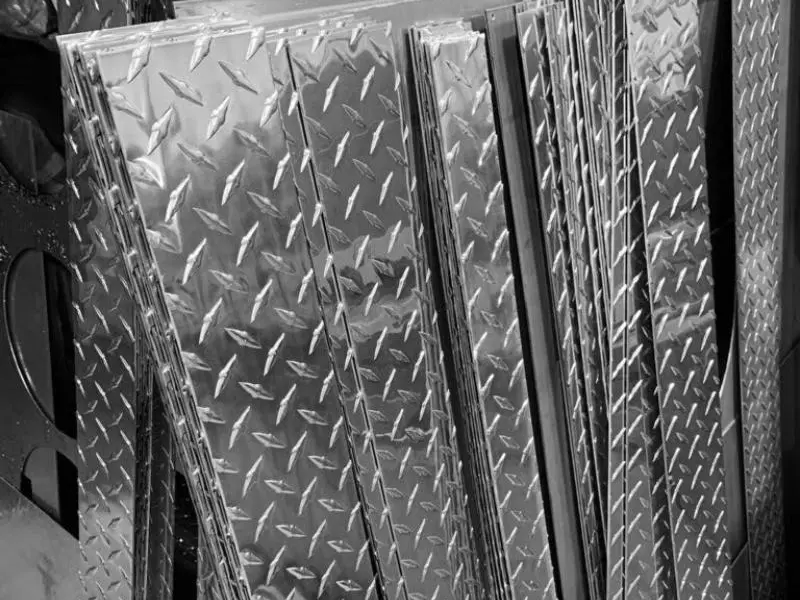
A textured pattern is rolled into the surface. The classic pattern looks like orange peel. This finish hides scratches, reduces glare, and adds stiffness.
| Pattern | Description | Best Application |
|---|---|---|
| Orange Peel | Small dimpled texture | Insulation jacketing, decorative cladding, roofing |
| Diamond | Raised diamond grid | Anti-slip flooring, industrial walkways |
| Cobblestone | Irregular rounded bumps | Feature walls, artistic panels |
| Custom | Client-specific design | Branding, unique architectural elements |
Anodized Finish
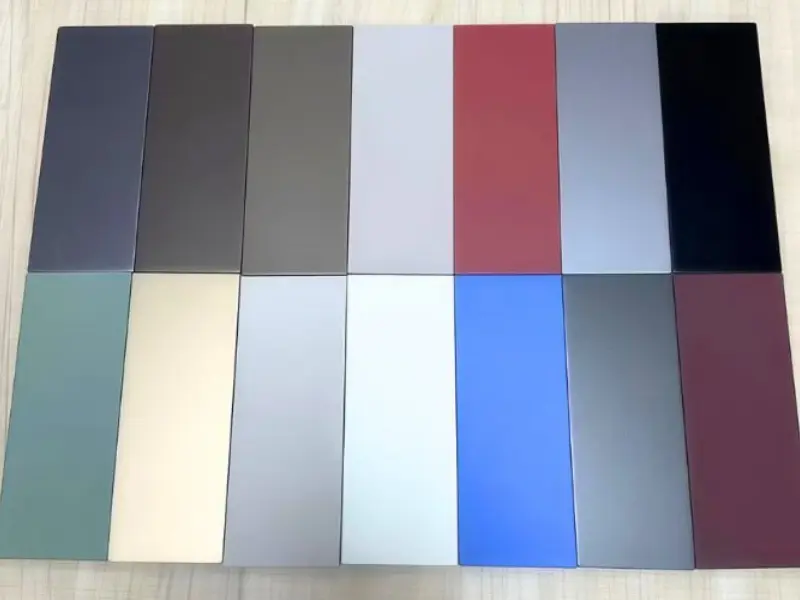
An electrochemical process builds a hard, transparent oxide layer. This layer can be left clear or dyed. Anodizing on 5052 produces excellent results because the alloy responds well to the process.
| Anodizing Type | Layer Thickness | Characteristics | Best For |
|---|---|---|---|
| Type II (Sulfuric) | 5 – 25 microns | Decorative, dyeable colors | Interior panels, trim, consumer goods |
| Type III (Hardcoat) | 25 – 100 microns | Wear-resistant, dense | Industrial parts, heavy marine hardware, pistons |
Popular Anodized Colors for 5052 H32: Clear/natural, black, bronze, champagne, gold, blue, red, green
Painted and Coated Finishes
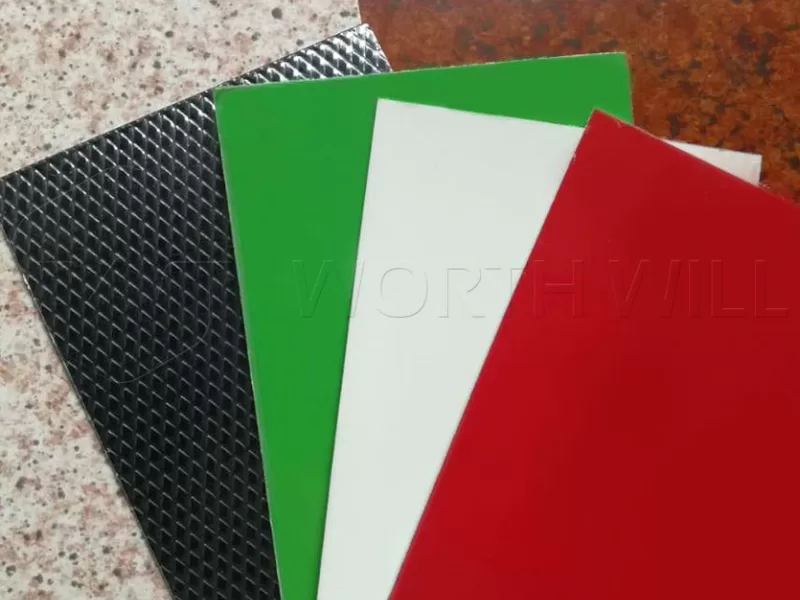
Pre-painted 5052 H32 sheet arrives at your shop ready to install. No field painting needed.
| Coating System | Dry Film Thickness | Expected Life | Cost Level | Best Environment |
|---|---|---|---|---|
| Polyester (PE) | 15 – 25 microns | 10 – 15 years exterior | Low | Indoor, sheltered outdoor |
| Polyurethane | 20 – 30 microns | 15 – 20 years exterior | Medium | Moderate outdoor exposure |
| PVDF (Kynar 500) | 25 – 35 microns | 20 – 30 years exterior | High | Harsh sun, salt spray, industrial |
| Powder Coat | 60 – 120 microns | 15 – 25 years | Medium-High | Complex shapes, high abrasion areas |
| Plastisol (PVC) | 100 – 200 microns | 20+ years | Medium | Roofing, deep-drawn panels |
Brushed and Polished Finishes
| Finish | Process | Appearance | Maintenance | Best Use |
|---|---|---|---|---|
| No. 3 Brush | Single-direction abrasive belts | Satin, fine lines | Low, hides scratches | Elevator panels, appliance fronts |
| No. 4 Brush | Finer abrasive belts | Bright satin, uniform | Low, hides fingerprints | Kitchen equipment, decorative trim |
| No. 6 Brush | Very fine abrasive | Soft satin glow | Very low | High-end interiors, display cases |
| No. 7 Polish | Buffing compounds | Semi-reflective | Medium | Decorative accents, signage |
| No. 8 Mirror | Progressive polishing | Highly reflective | High, shows everything | Luxury interiors, art installations |
5052 H32 vs Other Popular Aluminum Grades
Choosing the right alloy saves money and prevents failures. Here is how 5052 H32 compares to the grades you might be considering.
5052 H32 vs 3003 H14
| Comparison Point | 5052 H32 | 3003 H14 | Winner |
|---|---|---|---|
| Tensile Strength | 214 – 262 MPa | 145 – 195 MPa | 5052 H32 |
| Yield Strength | 159 – 193 MPa | 115 – 145 MPa | 5052 H32 |
| Corrosion Resistance (Marine) | Excellent | Good | 5052 H32 |
| Formability | Good | Excellent | 3003 H14 |
| Weldability | Excellent | Excellent | Tie |
| Cost | Medium | Lower | 3003 H14 |
| Best For | Marine, structural, exterior | Interior, light-duty, cost-sensitive |
Verdict: Pick 3003 H14 for indoor panels and tight budgets. Pick 5052 H32 when salt, rain, or load-bearing matter.
5052 H32 vs 5083 H116
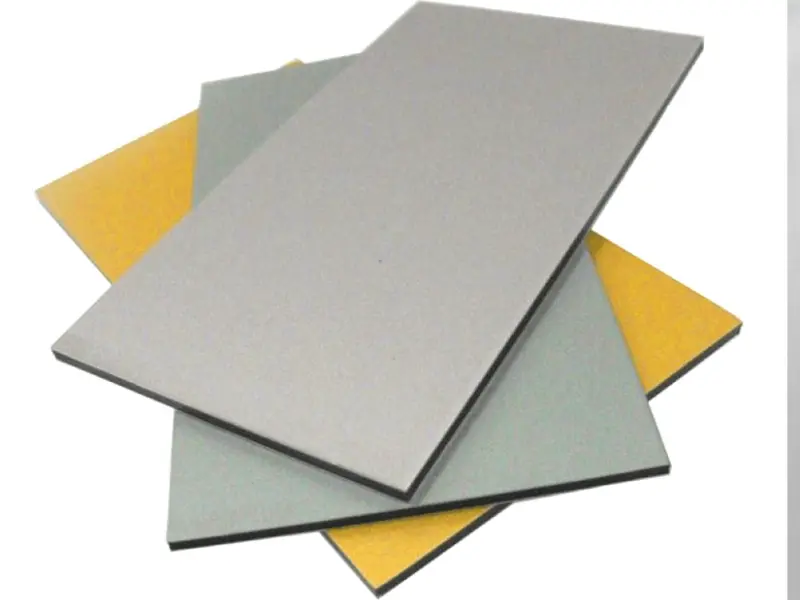
| Comparison Point | 5052 H32 | 5083 H116 | Winner |
|---|---|---|---|
| Tensile Strength | 214 – 262 MPa | 305 – 380 MPa | 5083 H116 |
| Yield Strength | 159 – 193 MPa | 215 – 285 MPa | 5083 H116 |
| Marine Corrosion Resistance | Excellent | Superior | 5083 H116 |
| Formability | Good | Fair | 5052 H32 |
| Availability | Very common | Less common | 5052 H32 |
| Cost | Medium | Higher | 5052 H32 |
| Best For | General marine, tanks, hulls | High-stress marine, military vessels |
Verdict: 5083 H116 is stronger and more corrosion-resistant but harder to find and form. 5052 H32 handles 90% of marine jobs at lower cost.
5052 H32 vs 6061 T6
| Comparison Point | 5052 H32 | 6061 T6 | Winner |
|---|---|---|---|
| Tensile Strength | 214 – 262 MPa | 310 MPa | 6061 T6 |
| Yield Strength | 159 – 193 MPa | 276 MPa | 6061 T6 |
| Fatigue Resistance | Excellent | Good | 5052 H32 |
| Formability in Temper | Good | Poor | 5052 H32 |
| Marine Corrosion Resistance | Excellent | Good | 5052 H32 |
| Machinability | Fair | Excellent | 6061 T6 |
| Weldability | Excellent | Good | 5052 H32 |
| Cost | Medium | Medium-High | 5052 H32 |
| Best For | Marine, formed panels, welded tanks | Structural frames, machined parts, brackets |
Verdict: 6061 T6 wins on raw strength and machinability. 5052 H32 wins on formability, weldability, and saltwater survival. For boat hulls and tanks, 5052 H32 is the smarter choice.
5052 H32 vs 5754 H22
| Comparison Point | 5052 H32 | 5754 H22 | Winner |
|---|---|---|---|
| Tensile Strength | 214 – 262 MPa | 190 – 240 MPa | 5052 H32 |
| Yield Strength | 159 – 193 MPa | 120 – 160 MPa | 5052 H32 |
| Weldability | Excellent | Excellent | Tie |
| Automotive Approval | Limited | Common | 5754 H22 |
| Cost | Medium | Medium | Tie |
| Best For | Marine, general fabrication | Automotive body panels, European structural |
Verdict: These alloys are close cousins. 5754 H22 is favored in European automotive. 5052 H32 dominates marine and North American markets.
Real-World Applications of 5052 H32
This alloy-temper pair earns its keep in some of the toughest environments on Earth.
Marine and Boating
The saltwater environment is brutal on metals. 5052 H32 stands up to it better than almost any other affordable aluminum grade.
- Boat hulls and decks for small to medium craft
- Pontoon tubes and pontoons
- Fuel and water tanks for vessels
- Gangways and boarding ramps
- Hatch covers and deck hardware
- Outboard motor mounting brackets
- Anchor rodes and chocks
- Interior cabinetry and trim on yachts
Transportation
Weight matters in every vehicle. 5052 H32 cuts kilograms without cutting corners on safety.
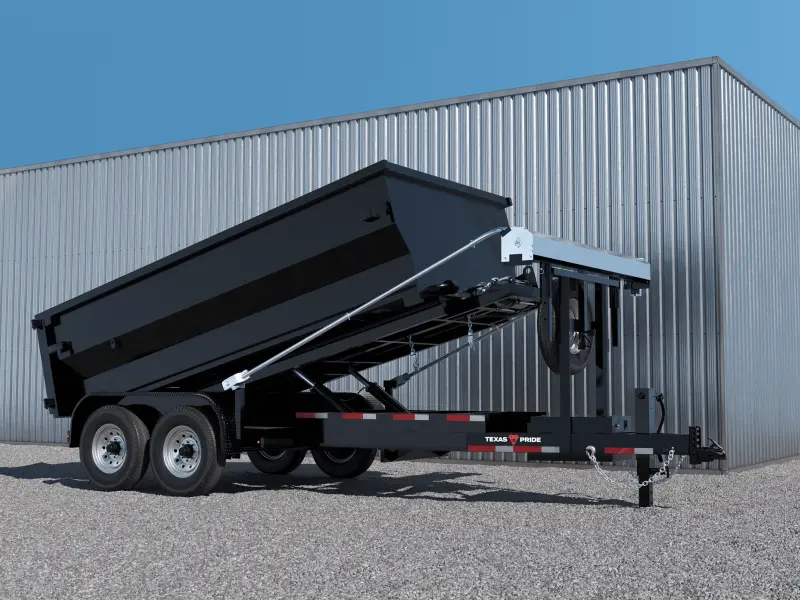
- Trailer side panels and flooring
- Truck bed liners and tool boxes
- Bus interior panels and luggage racks
- Rail car interior trim and structural panels
- Aircraft fuel tanks (in non-pressurized applications)
- Delivery van body panels
- Emergency vehicle compartments
Chemical and Food Processing
Many chemicals attack lesser metals. 5052 H32 resists a wide range of industrial chemicals.
Pharmaceutical clean-room panels
Chemical storage tanks and vessels
Pressure vessels for non-corrosive media
Heat exchanger panels and fins
Processing equipment housings
Dairy equipment panels
Brewery tanks and fermenters
Architecture and Construction
Modern buildings use 5052 H32 where longevity meets aesthetics.
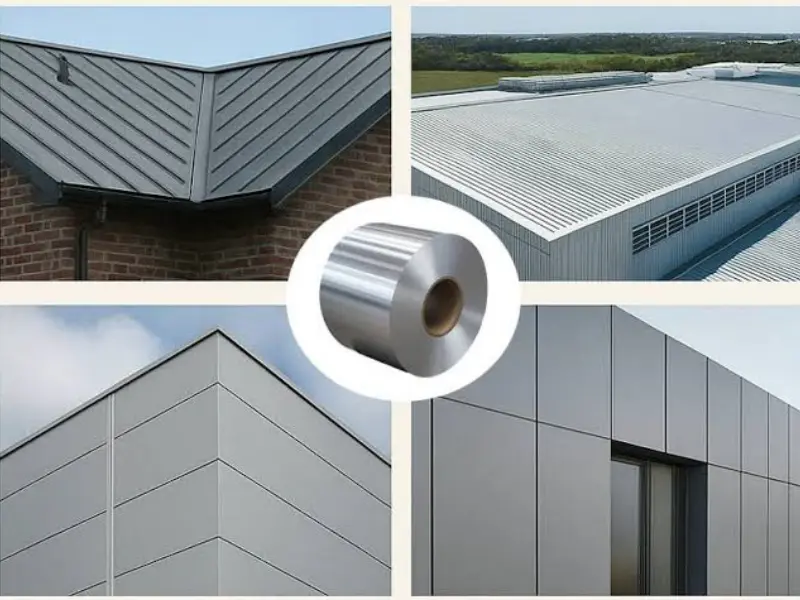
- Exterior wall cladding on coastal buildings
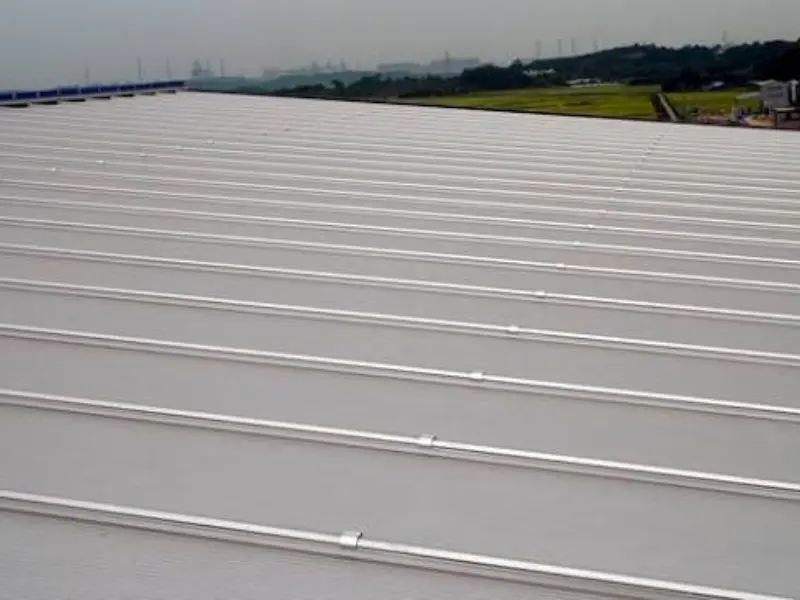
- Roofing panels in high-rainfall regions
- Soffit and fascia panels
- Sunshade louvers and screens
- Balustrade panels and infill
- Canopy and awning panels
- Tunnel lining panels
- Bridge deck drainage components
Industrial Equipment
Factories rely on 5052 H32 for parts that take a beating.
- Machine guards and safety enclosures
- Conveyor system panels
- Hydraulic reservoir tanks
- Oil pans and fluid containers
- Electronic equipment chassis
- Instrument panels and dashboards
- Robotic arm covers and guards
Consumer and Commercial Products
Everyday items benefit from the alloy’s blend of looks and durability.
Solar panel mounting frames
Road and traffic signs
Street light housings
Sound barrier panels along highways
Stadium seating components
Stage and event platform decking
Refrigerated truck lining
Fabrication Guidelines for 5052 H32
Working with this material is straightforward if you follow a few rules.
Bending and Forming
| Thickness | Minimum Bend Radius (90°) | Recommended Tool |
|---|---|---|
| 0.5 – 1.0 mm | 0.5 x thickness | Standard press brake, sharp die |
| 1.0 – 2.0 mm | 1.0 x thickness | Press brake with radius die |
| 2.0 – 3.0 mm | 1.5 x thickness | Press brake, generous radius |
| 3.0 – 6.0 mm | 2.0 x thickness | Heavy press brake, warmed if cold |
| 6.0+ mm (plate) | 2.5 – 3.0 x thickness | Hot forming recommended |
Welding
5052 H32 welds beautifully with both MIG and TIG processes.
| Welding Process | Filler Wire | Shielding Gas | Notes |
|---|---|---|---|
| MIG (GMAW) | ER5356 | 100% Argon | Fast, good for thick sections |
| TIG (GTAW) | ER5356 | 100% Argon | Cleanest welds, best for thin sheet |
| TIG (GTAW) | ER5556 | 100% Argon | Higher strength weld, marine preferred |
Important: The heat-affected zone near welds loses the H32 temper. It reverts toward soft annealed condition. For critical structural welds, post-weld heat treatment or design around the softened zone is needed.
Machining
5052 H32 is not a free-machining alloy. It tends to gum up tools and produce long chips.
| Operation | Recommended Tool | Speed/Feed Tips |
|---|---|---|
| Drilling | High-speed steel or carbide | Slow speed, high feed, plenty of coolant |
| Milling | Carbide inserts with polished faces | Climb milling preferred, sharp edges |
| Turning | Carbide with positive rake angle | Continuous cut, avoid interrupted cuts |
| Tapping | Spiral flute taps, coated | Use tapping fluid, withdraw frequently to clear chips |
Cutting
| Method | Best For | Notes |
|---|---|---|
| Guillotine shear | Thin sheet, straight cuts | Clean edge, fast, no heat |
| Band saw | Plate, thick sections | Use carbide-tipped blade, slow speed |
| Circular saw | Plate, straight cuts | Carbide blade, 3000+ RPM for thin, slower for thick |
| Plasma cutting | Thick plate, complex shapes | Heat-affected zone needs cleanup |
| Waterjet | All thicknesses, intricate shapes | No heat distortion, best edge quality |
| Laser cutting | Thin to medium sheet | Fast, precise, slight HAZ |
Quality Standards and Specifications
Reputable suppliers certify their 5052 H32 to recognized standards.
| Standard | Scope | Relevant Details |
|---|---|---|
| ASTM B209 | Sheet and plate specification | Chemistry, mechanical properties, tolerances |
| ASTM B928 | Marine sheet and plate | Enhanced corrosion testing for marine use |
| EN 485-2 | European mechanical properties | Tensile, yield, elongation requirements |
| EN 573-3 | European alloy designation | Chemical composition limits |
| AMS 4015 | Aerospace sheet | Strict quality for aircraft fuel tanks |
| AMS 4016 | Aerospace plate | Higher thickness aerospace applications |
| QQ-A-250/8 | US government specification | Military and federal project compliance |
| GB/T 3880 | Chinese national standard | Chemistry and properties for Asian markets |
| JIS H4000 | Japanese industrial standard | Properties and tolerances for Japan |
Always request a mill test certificate with your order. This document proves the material meets the claimed standard.
Ordering Checklist
Before you request a quote, gather this information:
| Parameter | Your Specification | Why It Matters |
|---|---|---|
| Alloy and Temper | 5052-H32 | Ensures correct strength and formability |
| Thickness | e.g., 3.0 mm | Determines weight, strength, and cost |
| Width and Length | e.g., 1220 x 2440 mm | Must fit your equipment and design |
| Tolerance | Standard or precision | Tighter tolerance costs more |
| Surface Finish | Mill, stucco, anodized, painted | Affects appearance and protection |
| Edge Condition | Mill edge, slit edge, sheared | Sheared edges cost extra but are cleaner |
| Flatness Requirement | Standard or extra flat | Critical for visible panels |
| Certification Needed | Mill test, third-party inspection | Required for structural or regulated work |
| Quantity | Square meters or pieces | Affects pricing tier and delivery |
Diverse Product Types in 5052 H32
Not every Aluminum Sheet/Plate 5052 H32 looks the same. Depending on your needs, we offer various surface finishes and physical forms.
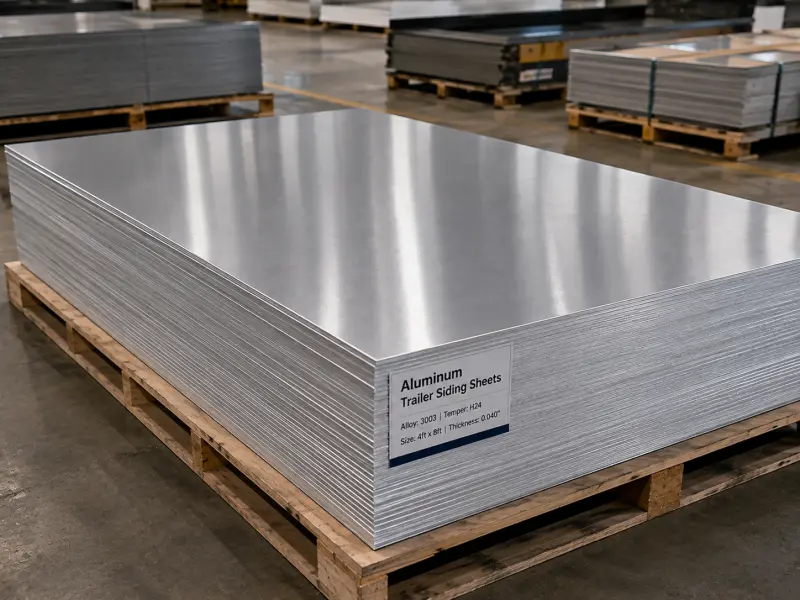
Plain Mill Finish Sheets
This is the raw metal. It has a smooth, slightly dull silver surface. It is the most economical choice. It is perfect for parts that will be hidden or parts that you plan to paint yourself.
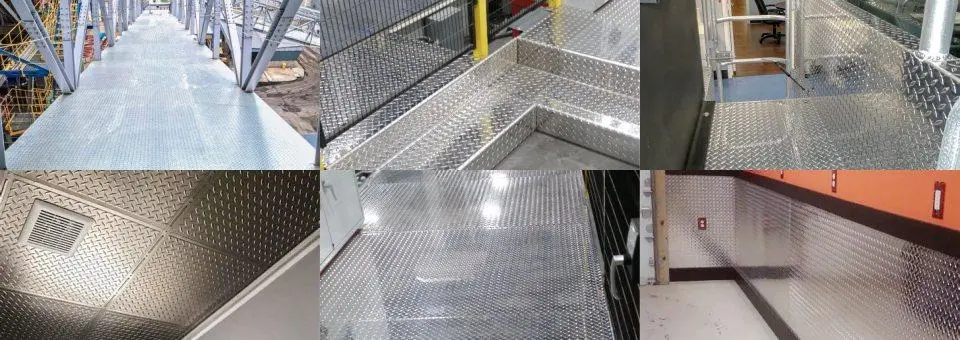
5052 Aluminum Tread Plate (Diamond Plate)
We also produce Aluminum Sheet/Plate 5052 H32 with a raised diamond pattern. This is often called “Checker Plate.” Because 5052 is so resistant to corrosion, these tread plates are commonly used for boat decks and dock ramps.
Anodized 5052 Sheets
Anodizing adds a thick oxide layer to the surface. This increases scratch resistance and allows for different colors. It is very popular for architectural panels and high-end electronic enclosures.
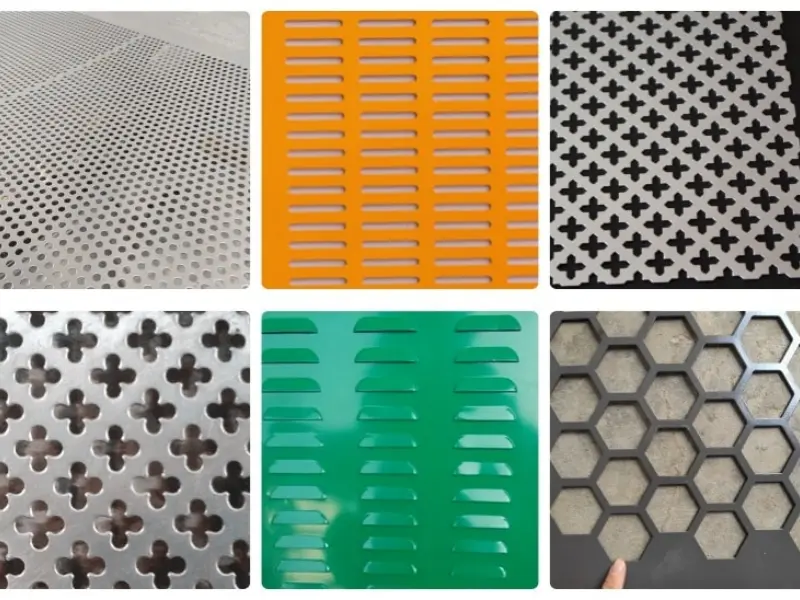
Perforated 5052 Aluminum
These sheets have patterns of holes punched through them. Because 5052 H32 is strong, these sheets maintain their structural integrity even with many holes. They are used for filters, grilles, and soundproofing panels.



What Makes 5052 H32 Different?
5052 is part of the 5000 series of aluminum alloys. The main ingredient added to the aluminum base is magnesium. Small amounts of chromium and manganese join the mix. Together these elements create a metal that laughs at saltwater and shrugs off fatigue.
The H32 temper tells a specific story. The “H” means the metal was strain-hardened. The “3” means it was stabilized after hardening. The “2” means it sits at quarter-hard strength. This temper hits a sweet spot. It is stronger than soft annealed sheet. Yet it still bends and forms without cracking.
In plain terms, 5052 H32 is the grade you pick when you want marine-level durability without giving up the ability to shape the metal by hand or machine.
Critical Comparisons: 5052 vs. Other Alloys
When choosing a metal, it helps to compare it to other popular options. This ensures you are not overspending or choosing a material that is too weak.
Aluminum 5052 H32 vs. 3003 H14
- Strength: 5052 is significantly stronger than 3003.
- Corrosion: 5052 has much better resistance to salt water and chemicals.
- Cost: 3003 is usually cheaper, making it better for simple trim work or food containers.
- Summary: Use 3003 for general use; use 5052 for structural or marine use.
Aluminum 5052 H32 vs. 6061 T6
- Formability: 5052 is much easier to bend without breaking. 6061 is brittle and may crack if bent sharply.
- Welding: Both are weldable, but 5052 is often considered easier to weld for thin sheets.
- Strength: 6061 T6 is stronger and harder, but less flexible.
- Summary: Use 6061 for heavy structural frames; use 5052 for panels, tanks, and enclosures.
Industrial Applications of 5052 H32 Aluminum
The versatility of Aluminum Sheet/Plate 5052 H32 makes it a favorite in many sectors. Here is how our customers use this metal:
Marine Industry
- Boat Casings: Used for hulls and cabins of fishing boats.
- Fuel Tanks: Its resistance to vibration and corrosion makes it ideal for marine fuel storage.
- Docks: Used for gangways and floating platforms in marinas.
Transportation Sector
- Truck Parts: Used for side panels, flooring, and air brake tanks.
- Bus Structures: Helps reduce the weight of public transit vehicles.
- Trailer Lining: Provides a durable interior wall for cargo trailers.
General Manufacturing
Kitchen Equipment: Often used in commercial appliances due to its durability.
Electronic Chassis: Used for computer cases and control boxes.
Chemical Equipment: Resists many corrosive chemicals in laboratory settings.

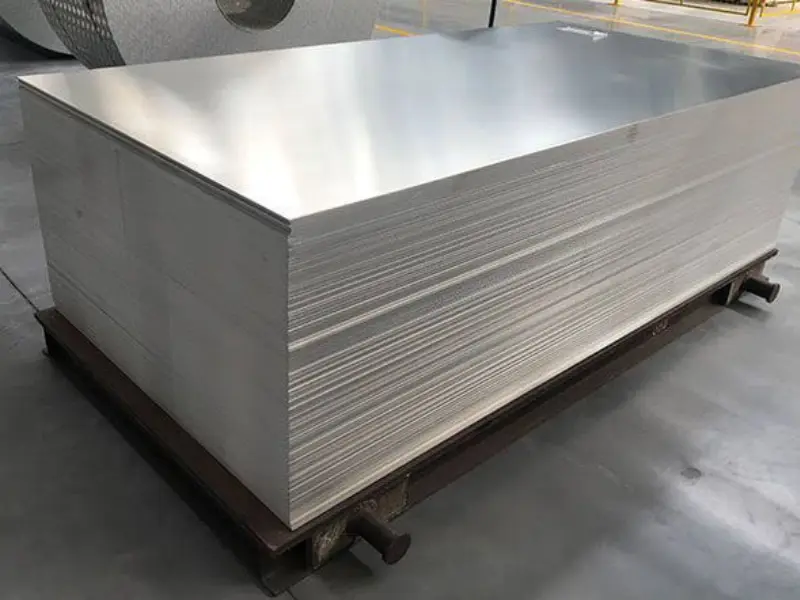
5052 Aluminum Sheet & Plate – Industrial Metal Supply
If you know that your application is that demanding and you need a solution, we are your partner. It has the ability to form decorative open sections and is an excellent choice for use in various outdoor signs. Although we feel that 1005 is the best all-around choice, depending on your needs, 5052 could be the better choice.
If you have any questions regarding 5052 aluminum sheet/plate, please contact us via our toll free line at +8615736973771 and one of our aluminum sheet/plate experts will be happy to help.
You can reach out to us for more information or with any questions that you might have regarding our 5052 sheet/plate. We appreciate your business, and look forward to getting you the material that you need.
Note: Be aware that the Minimum Quantity is 10 Square Feet for 5052 Plate & 4 Square Feet for 5052 Sheet.
Technical Profile of 5052 Aluminum Alloy
The 5052 alloy belongs to the 5xxx series. This means its primary alloying element is Magnesium. Magnesium makes the metal strong and highly resistant to salt water. The “H32” part of the name refers to the temper.
Understanding the H32 Temper
The “H” stands for strain-hardened. The “3” means the metal is stabilized by low-temperature heating. The “2” represents the level of hardness (quarter-hard). This combination makes the Aluminum Sheet/Plate 5052 H32 strong enough to hold its shape but flexible enough to bend without cracking.
| Chemical Element | Percentage (%) |
|---|---|
| Magnesium (Mg) | 2.20−2.80% |
| Chromium (Cr) | 0.15−0.35% |
| Silicon (Si) | 0.25% Max |
| Iron (Fe) | 0.40% Max |
| Copper (Cu) | 0.10% Max |
| Manganese (Mn) | 0.10% Max |
| Aluminum (Al) | Remainder |
Digital Specification and Size Chart
Our factory offers a wide range of sizes for Aluminum Sheet/Plate 5052 H32. Below is a digitized list of the standard specifications we provide. We also offer custom cutting services to meet your exact dimensions.
Thickness and Weight Reference Table
| Gauge Number | Thickness (Inches) | Thickness (mm) | Weight (lbs per sq/ft) |
|---|---|---|---|
| Gauge 8 | 0.1285 in | 3.26 mm | 1.80 lbs |
| Gauge 10 | 0.1019 in | 2.59 mm | 1.43 lbs |
| Gauge 12 | 0.0808 in | 2.05 mm | 1.13 lbs |
| Gauge 14 | 0.0641 in | 1.63 mm | 0.90 lbs |
| Gauge 16 | 0.0508 in | 1.29 mm | 0.71 lbs |
| Gauge 18 | 0.0403 in | 1.02 mm | 0.56 lbs |
| Gauge 20 | 0.0320 in | 0.81 mm | 0.45 lbs |
Standard Sheet Sizes
- Small Sheets: 36×96 inches (3×8 feet)
- Medium Sheets: 48×96 inches (4×8 feet)
- Large Sheets: 48×120 inches (4×10 feet)
- Industrial Sheets: 60×144 inches (5×12 feet)

The Production Process Flow
Our factory follows a high-standard process to create every Aluminum Sheet/Plate 5052 H32.
[Raw Aluminum Melting] --> [Alloying with Magnesium] --> [Continuous Casting]
                                                                  |
[Cold Rolling to Gauge] <-----------------------------------------
        |
[Annealing & Stabilization (H32)] --> [Surface Cleaning] --> [Leveling]
                                                                  |
[Final Inspection] <----------------------------------------------
        |
[Precision Cutting] --> [Protective Film Application] --> [Global Shipping]
Frequently Asked Questions
Is 5052 H32 aluminum marine grade?
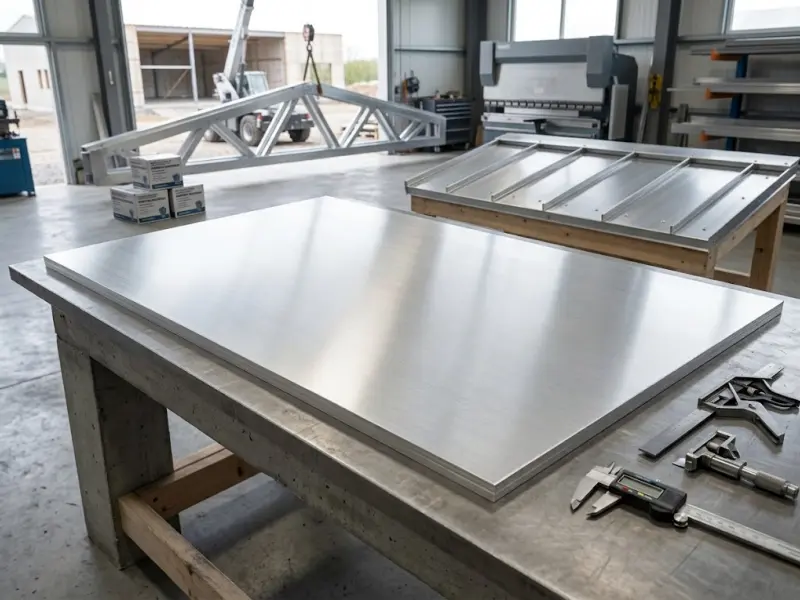
Yes, it is one of the most popular marine-grade alloys. Its high magnesium content protects it from the corrosive effects of salt water and humid sea air.
Can I bend 5052 H32 aluminum?
Yes. The H32 temper is designed for formability. You can bend it to a tight radius without worrying about the metal cracking, which is a major advantage over the 6061 alloy.
Does 5052 aluminum rust?
Aluminum does not rust like steel, but it can oxidize. 5052 forms a very stable protective layer that prevents deep corrosion. It is highly resistant even in wet or chemical environments.
What is the difference between sheet and plate?
In the aluminum industry, anything thinner than 0.250 inches (6.35 mm) is called a sheet. Anything 0.250 inches or thicker is called a plate. We provide both in the 5052 H32 specification.
Is 5052 H32 Suitable for Saltwater Environments?
Yes. This is one of its primary strengths. The high magnesium content forms a protective surface film that resists chloride attack from seawater. It outperforms 3003, 6061, and most other common alloys in marine splash zones. For complete immersion, 5083 or 5086 offer even better resistance, but 5052 H32 handles intermittent wetting and salt spray with ease.
Can I Bend 5052 H32 Sheet by Hand?
Thin sheet up to about 1 mm can be bent by hand with a bending brake or even over a sharp edge with mallet assistance. Thicker sheet requires mechanical assistance. The H32 temper allows reasonable forming, but remember that work-hardening occurs with each bend. If you need to make multiple complex bends, consider ordering O temper sheet and forming it before converting to H32 if needed.
What Is the Difference Between 5052 H32 Sheet and 5052 H32 Plate?
The only difference is thickness. The aluminum industry defines sheet as material from 0.2 mm up to 6.35 mm thick. Plate is 6.35 mm and thicker. Both share the same alloy chemistry and H32 temper. Both offer the same corrosion resistance. Plate is simply thicker and used where more structural depth or machining stock is needed.
Will Welding 5052 H32 Reduce Its Strength?
Yes, locally. The heat from welding destroys the H32 temper in the heat-affected zone. That zone reverts to near-annealed condition with much lower strength. The unaffected material retains full H32 properties. For structural welds, engineers often specify thicker material near welds or use backing structures to compensate for the softened zone.
How Does 5052 H32 Compare to Steel for Marine Use?
| Factor | 5052 H32 Aluminum | Mild Steel | Winner |
|---|---|---|---|
| Weight (same volume) | 2.68 g/cm³ | 7.85 g/cm³ | 5052 H32 |
| Corrosion in saltwater | Excellent (no rust) | Poor (requires painting) | 5052 H32 |
| Raw material cost per kg | Higher | Lower | Steel |
| Total lifecycle cost | Lower (no painting) | Higher (maintenance) | 5052 H32 |
| Strength-to-weight ratio | Good | Lower | 5052 H32 |
| Weldability | Excellent | Good | Tie |
Over a 20-year boat life, aluminum almost always wins on total cost due to eliminated painting and repair.
Can 5052 H32 Be Anodized Successfully?
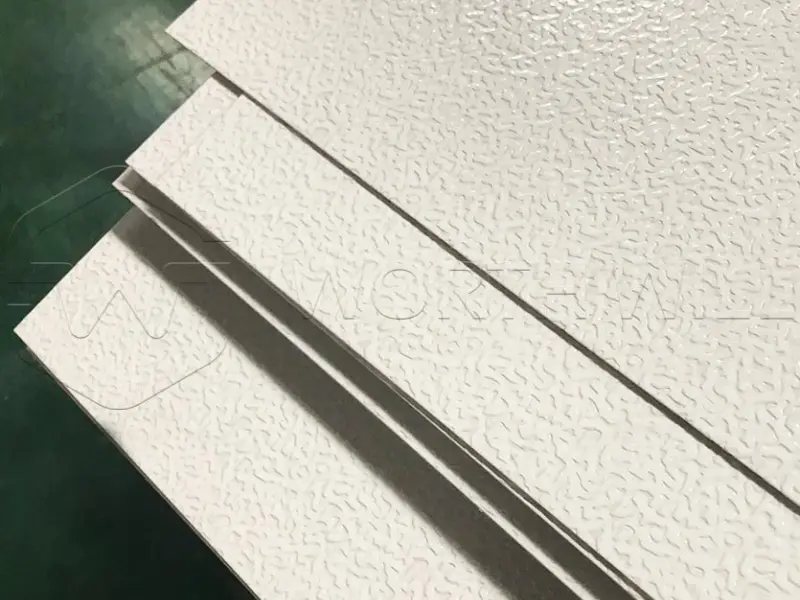
Yes, and it anodizes very well. The alloy produces a clear, uniform anodic coating. The coating accepts dyes consistently. Type II anodizing yields decorative colors. Type III hardcoat anodizing produces a wear-resistant surface ideal for marine hardware. The only caveat is that welded areas may anodize slightly differently due to altered microstructure.
What Thickness Should I Choose for a Boat Hull?
Hull thickness depends on boat size, design, and classification society rules. General guidelines:
Table
| Boat Length | Recommended Bottom Thickness | Recommended Side Thickness |
|---|---|---|
| Under 4 meters | 2.0 – 2.5 mm | 1.5 – 2.0 mm |
| 4 – 6 meters | 2.5 – 3.0 mm | 2.0 – 2.5 mm |
| 6 – 10 meters | 3.0 – 4.0 mm | 2.5 – 3.0 mm |
| 10 – 15 meters | 4.0 – 5.0 mm | 3.0 – 4.0 mm |
| Over 15 meters | 5.0 – 6.0+ mm | 4.0 – 5.0 mm |
Always consult naval architecture standards like ABS, Lloyd’s Register, or DNV for certified vessels.
Is 5052 H32 Magnetic?
No. Aluminum is non-magnetic in all its alloys. This makes 5052 H32 ideal for applications near compasses, MRI machines, or sensitive electronic equipment where magnetic interference must be avoided.
Can I Paint 5052 H32 After Installation?
Yes, but preparation is key. The natural oxide layer must be lightly abraded or chemically etched. Use a primer specifically formulated for aluminum. For marine applications, epoxy primers followed by polyurethane topcoats offer the best protection. However, pre-painted 5052 H32 from the mill often provides better adhesion and longer life than field-applied paint.
What Is the Shelf Life of 5052 H32 Sheet?
Practically unlimited if stored correctly. Keep sheets dry, flat, and away from moisture. Stack on a level surface to prevent distortion. Separate sheets with paper or plastic to avoid abrasion. In proper storage, 5052 H32 will maintain its properties for decades. The natural oxide layer protects the underlying metal from slow degradation.