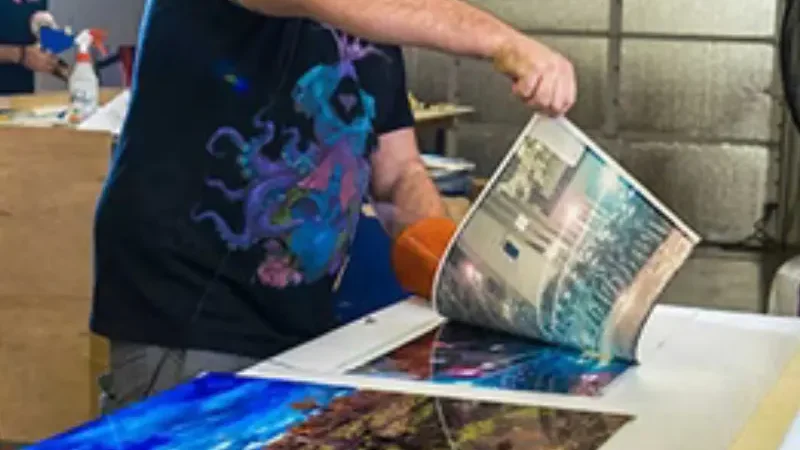
Aluminum photo panels are the go-to choice for creating professional-quality photo prints. They combine durability, vibrant colors, and a sleek finish. Sublimation technology bonds ink directly into the aluminum surface, creating prints that last for decades without fading.
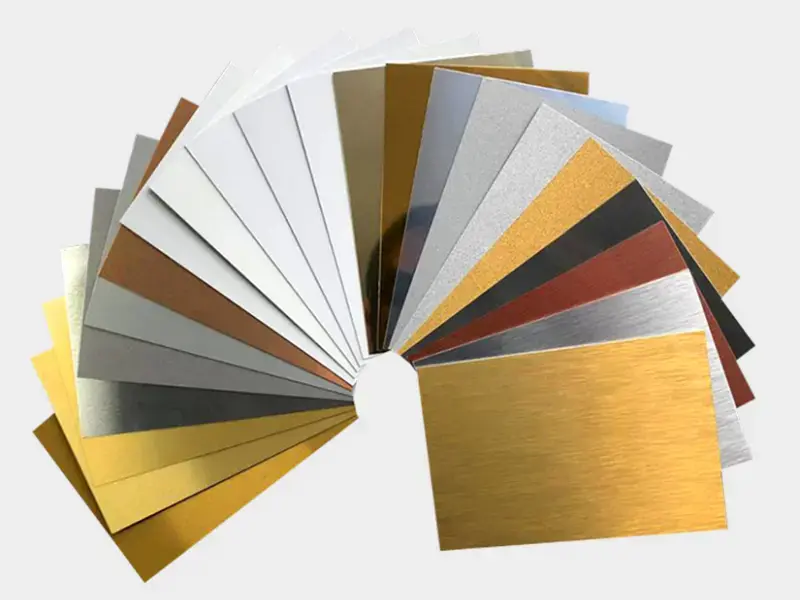
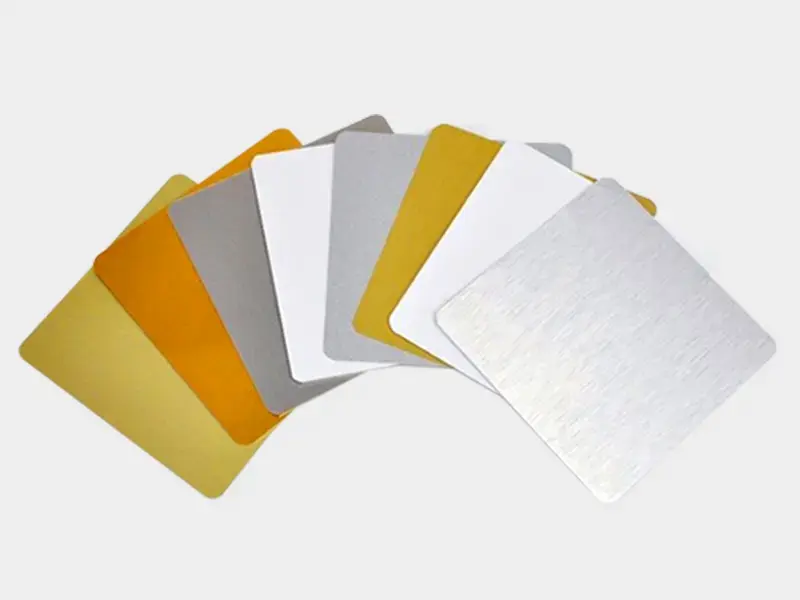
What Are Aluminum Photo Panels?
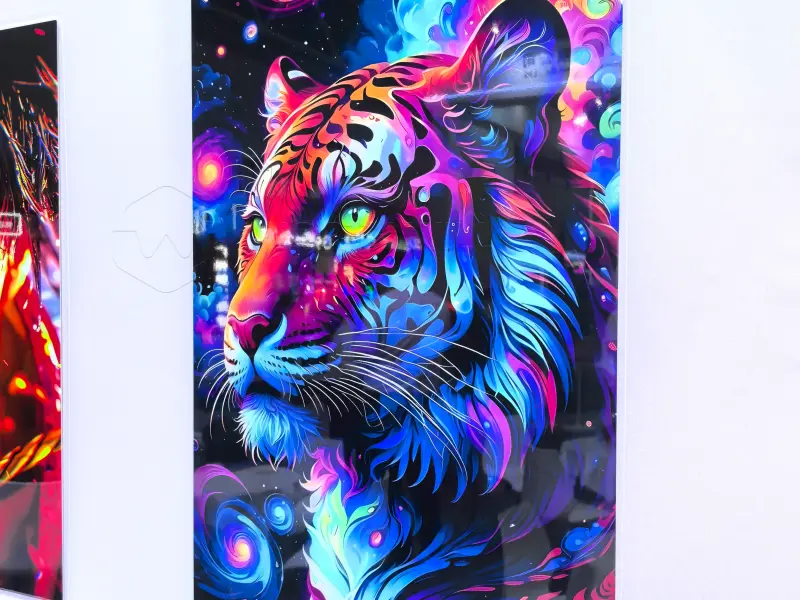
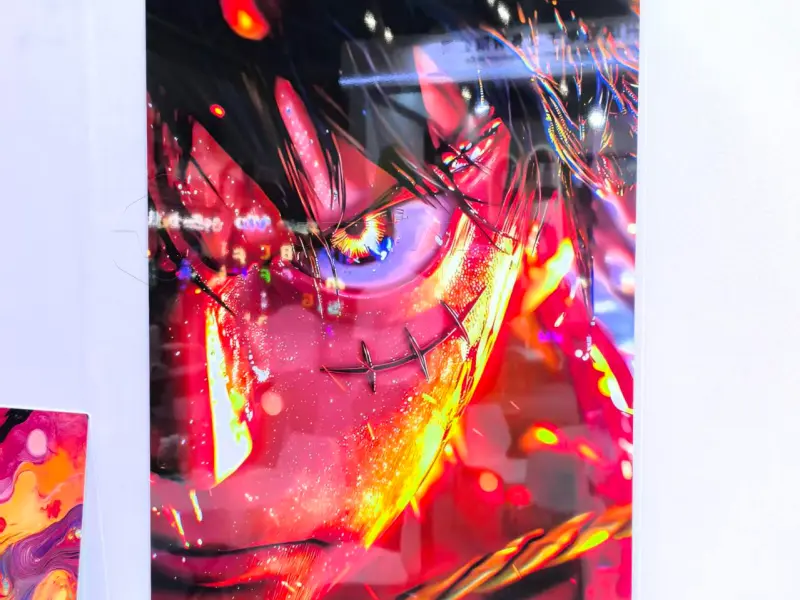
Aluminum photo panels are lightweight metal sheets coated with a special polyester layer. This coating allows sublimation inks to bond at the molecular level. The image becomes part of the panel, not just a surface layer.
The aluminum base gives strength without weight. A 12×16 inch panel weighs just a few pounds. Yet it hangs on any wall without special support.
How Sublimation Works on Aluminum
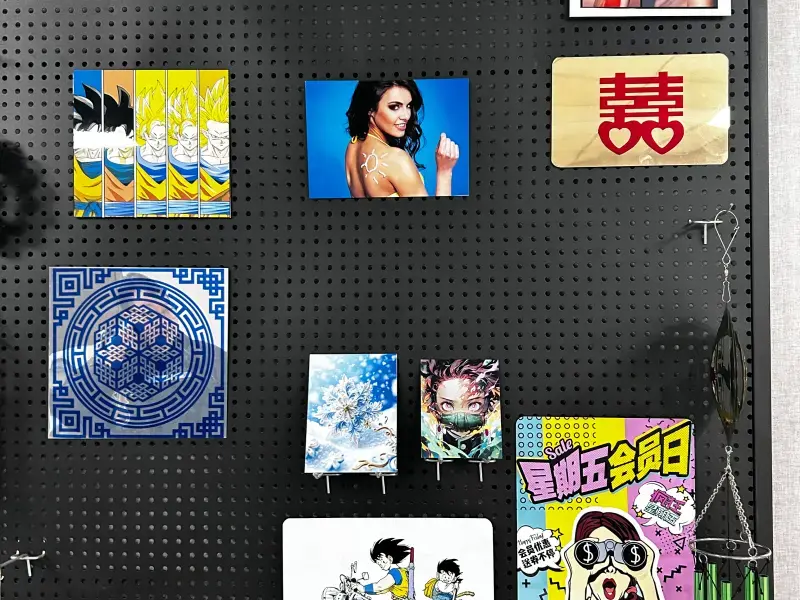
Sublimation is a printing process that uses heat and pressure. The ink vaporizes under heat and sinks into the polyester coating. As the panel cools, the ink solidifies inside the coating.
This means the image is protected. Water cannot damage it. UV rays fade it slowly, but far slower than paper prints. Scratches on the surface do not erase the image below.
Why Choose Sublimation Over Other Methods
Traditional photo printing puts ink on top of paper or fabric. Sublimation puts ink into the material itself. This difference matters.
- No peeling or flaking with sublimation panels
- Colors stay vibrant for 50+ years indoors
- The panel resists moisture and dust
- Outdoor panels with UV coating last 10+ years
- No special framing needed; the panel is the art
Aluminum Panel Types and Specifications
Sublimation panels come in several varieties. Each type serves a different purpose and budget.
Standard White Aluminum Panels
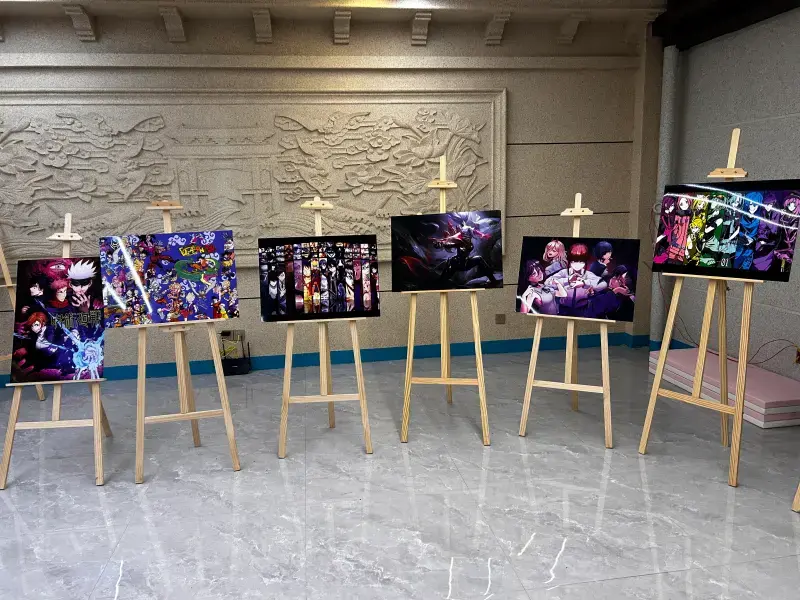
White panels are the most common choice. The white polyester coating creates a bright background. Colors pop against this neutral base.
White aluminum photo panels work for most applications. They are affordable and easy to stock. Professional photographers often choose white for client orders.
| Size | Weight | Typical Use |
|---|---|---|
| 5×7 in | 0.3 lb | Small gifts |
| 8×10 in | 0.5 lb | Desk displays |
| 11×14 in | 0.8 lb | Wall art |
| 12×16 in | 1.0 lb | Medium prints |
| 16×20 in | 1.5 lb | Large wall art |
| 20×24 in | 2.0 lb | Gallery display |
Glossy Finish Panels
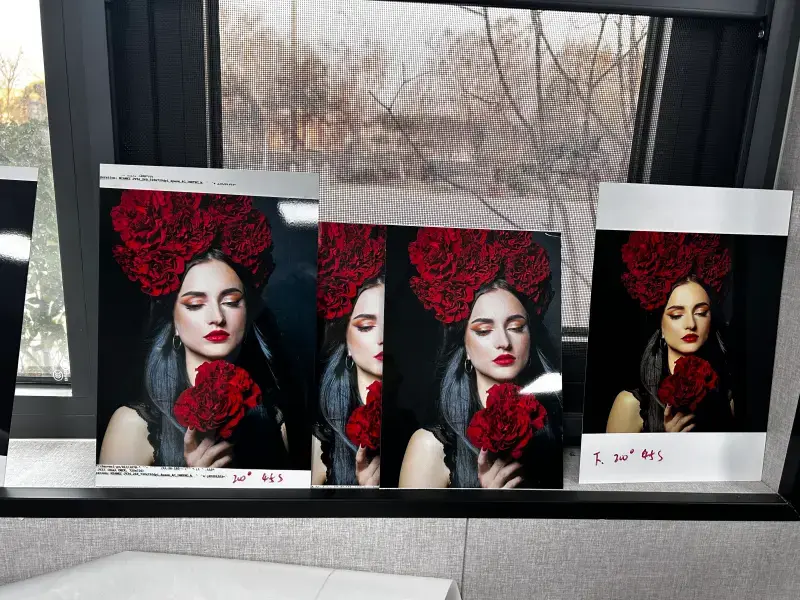
Glossy aluminum panels have a shiny, reflective surface. The gloss amplifies color saturation. Blacks appear darker. Reds look richer.
Glossy panels work best for vibrant images. Portraits, landscapes, and bold graphics shine on glossy. The reflective surface can show fingerprints, so they need care.
Matte Finish Panels
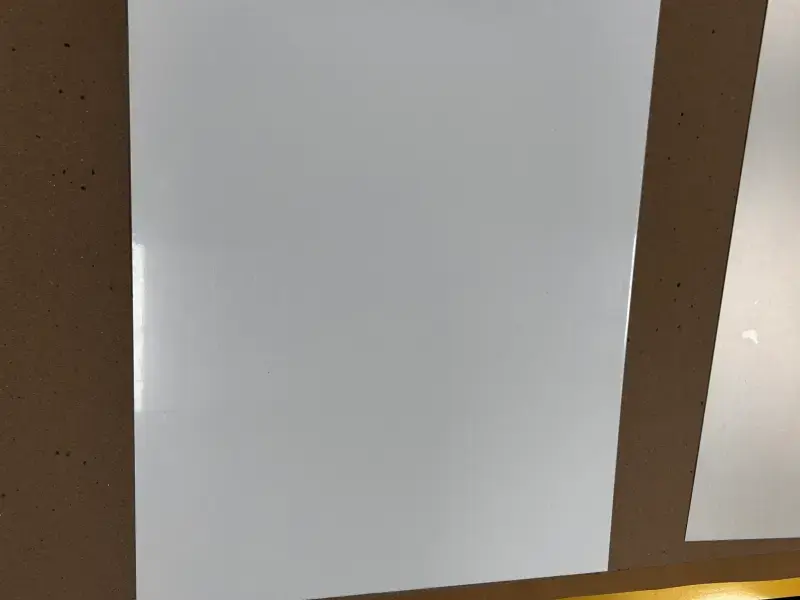
Matte aluminum panels have a flat, non-reflective surface. They reduce glare and work well in bright rooms. The matte look is classic and professional.
Matte panels suit corporate settings, offices, and galleries. The colors appear soft rather than punchy. Logos and text stay sharp and readable.
Semi-Gloss Panels
Semi-gloss offers a middle ground. There is enough shine to boost colors without heavy glare. Fingerprints show less than on full glossy.
Semi-gloss is often the best all-around choice. Many studios default to semi-gloss for general orders.
Chromaluxe Panels
Chromaluxe is a premium finish name used by some manufacturers. It refers to a specially treated aluminum surface. Chromaluxe panels often deliver richer blacks and deeper color saturation.
Chromaluxe is more expensive than standard panels. It appeals to fine art photographers and luxury markets.
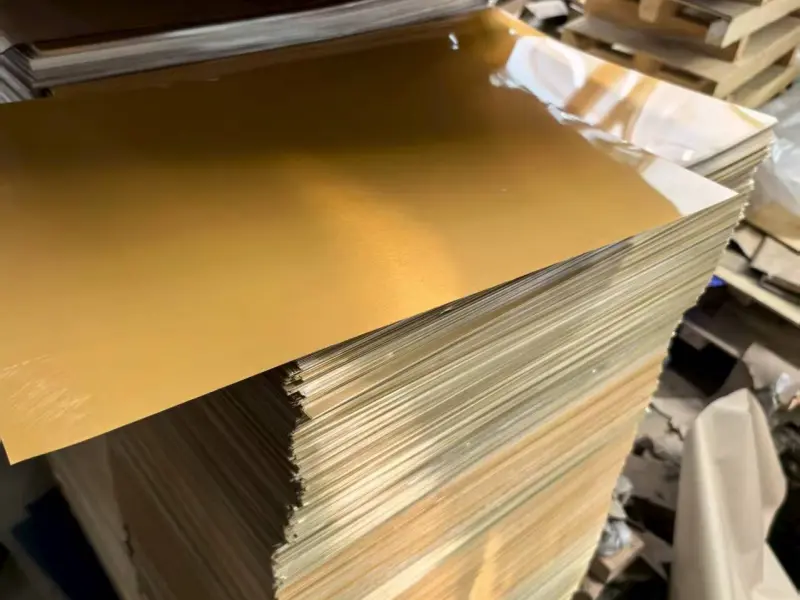
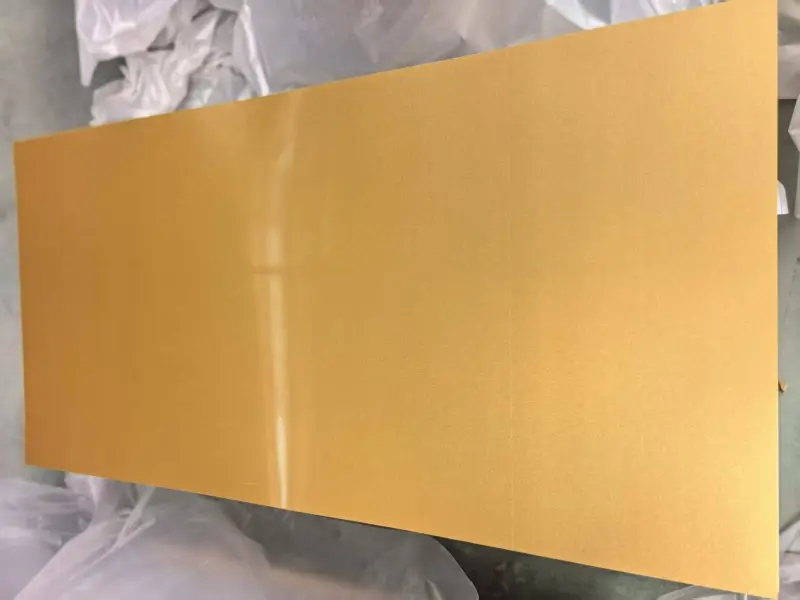
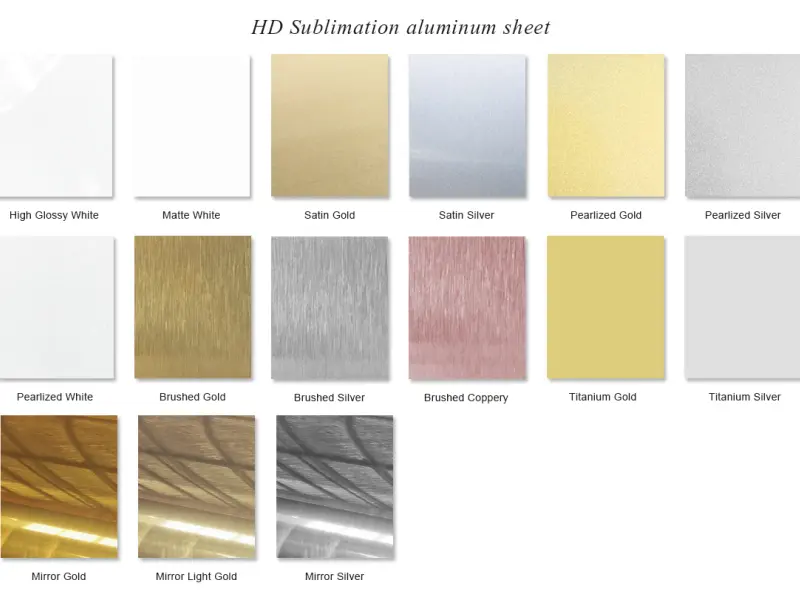
Metallic Finish Panels
Metallic aluminum panels have a sparkle or shimmer built into the surface. The metallic look creates an eye-catching effect.
Metallic panels work for modern art, fashion photography, and contemporary décor. They are less common than white or gloss panels.
Thickness and Weight Considerations
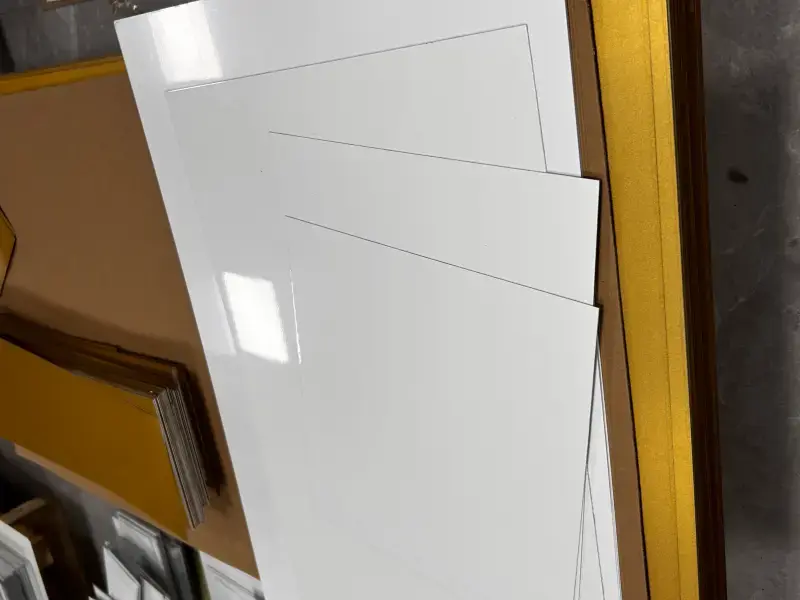
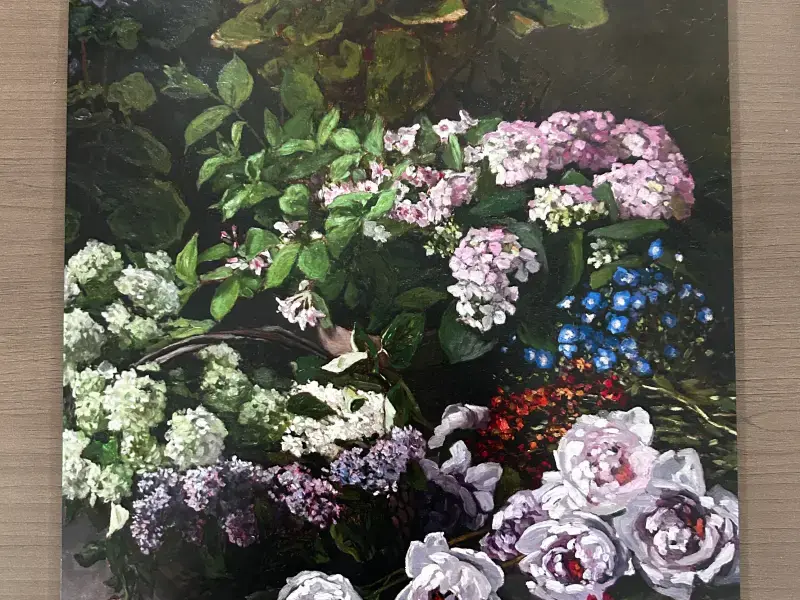
Aluminum panel thickness affects durability, weight, and cost.
Standard Thicknesses
| Thickness | Weight per 12×16″ | Rigidity | Cost | Best For |
|---|---|---|---|---|
| 0.032 in (0.8 mm) | 0.8 lb | Low | Budget | Small sizes, gifts |
| 0.063 in (1.6 mm) | 1.6 lb | Medium | Standard | Most common orders |
| 0.125 in (3.2 mm) | 3.2 lb | High | Premium | Large displays, outdoor |
| 0.190 in (4.8 mm) | 4.8 lb | Very high | Expensive | Professional galleries |
Thinner panels save weight and cost. They work fine for prints up to 11×14 inches. For 16×20 and larger, thicker panels prevent sagging.
Outdoor panels need thickness. The 0.125 inch thickness resists wind and weather better than thin versions.
Choosing the Right Thickness
- Small prints (up to 8×10): Use 0.032 or 0.063 inch
- Medium prints (11×14 to 16×20): Use 0.063 or 0.125 inch
- Large prints (20×24 and up): Use 0.125 or 0.190 inch
- Outdoor display: Always use 0.125 inch minimum
Size Options and Dimensions
Sublimation panels come in standard sizes and custom dimensions.
Common Standard Sizes
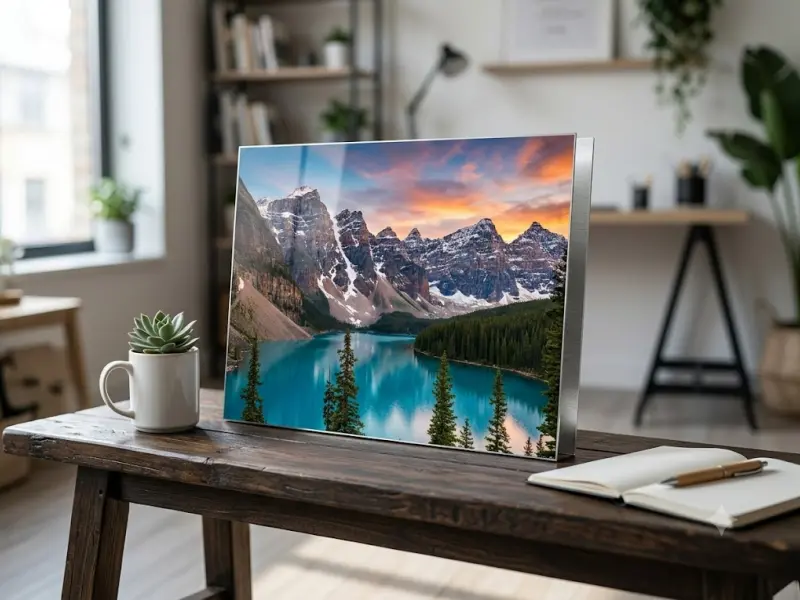
Most suppliers offer these sizes:
- 2×3, 3×4, 4×5, 5×7, 8×10, 11×14, 12×16, 16×20, 18×24, 20×24, 24×30, 24×36
Small sizes suit gift markets. 5×7 and 8×10 are popular for weddings and portraits.
Medium sizes (11×14 to 16×20) work for home décor and office walls.
Large sizes (20×24 and up) appeal to galleries and fine art buyers.
Custom Sizes
Most manufacturers offer custom dimensions. You can order any size the press can handle. Custom sizes cost more per unit than standard sizes.
Custom panels work when you have a specific wall space. They eliminate cropping or borders.
| Standard Size | Common Custom Alternatives |
|---|---|
| 8×10 | 6×8, 7×9, 7×10 |
| 12×16 | 10×15, 12×18, 14×18 |
| 20×24 | 18×24, 20×28, 22×28 |
Aluminum Alloys and Panel Quality
Most sublimation panels use aluminum alloy 3003 or similar. These are standard industrial alloys.
Alloy Selection
Aluminum alloy 3003 is the industry standard. It offers:
- Good corrosion resistance
- Easy to coat and process
- Cost-effective
- Consistent quality across batches
Some premium suppliers use alloy 5052. It has better corrosion resistance for outdoor use. The cost is slightly higher.
Quality Markers to Check
- Surface smoothness: A smooth surface produces sharp images
- Coating uniformity: Uneven coating causes color streaks
- Flatness: Warped panels hang crooked
- Edge finishing: Sharp edges are a safety hazard; they should be rolled or beveled
Coating Types and Durability
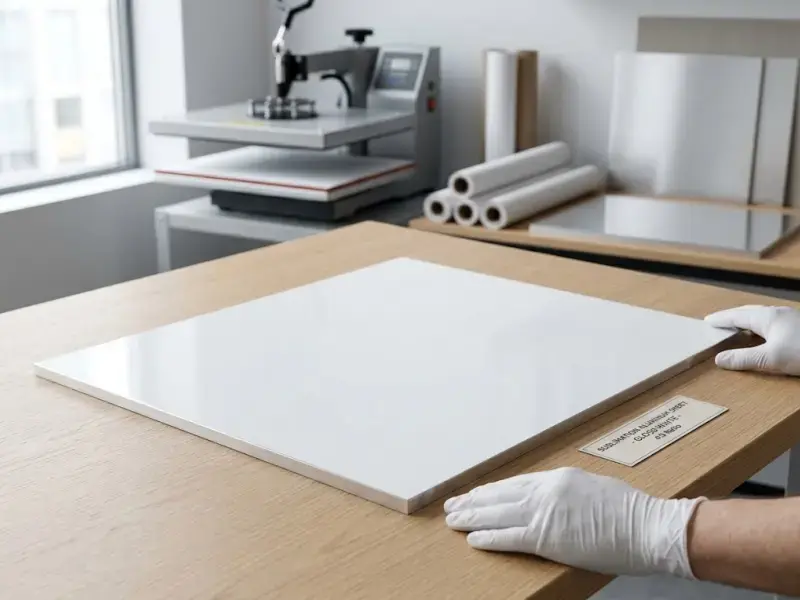

The polyester coating on aluminum is critical. It determines how well sublimation ink adheres and how long prints last.
Standard Polyester Coatings
Most panels use a 0.5 to 1 mil polyester coating. This is thick enough to hold sublimation ink but thin enough to allow heat to pass through.
| Coating Weight | Ink Saturation | Longevity | Cost |
|---|---|---|---|
| 0.5 mil | Medium | 30–40 years | Low |
| 0.75 mil | High | 40–50 years | Standard |
| 1.0 mil | Very high | 50+ years | Higher |
| 1.5 mil | Maximum | 60+ years | Premium |
Thicker coatings hold more ink but need higher temperatures and longer press times.
UV-Protective Coatings
Outdoor panels often have UV-protective additives in the coating. These slow fading from sunlight.
A UV-coated panel lasts 10–15 years outdoors in full sun. Without UV protection, the same panel fades in 3–5 years.
Anti-Glare Coatings
Some matte panels have an anti-glare treatment. This reduces reflection without sacrificing clarity.
Applications for Aluminum Photo Panels
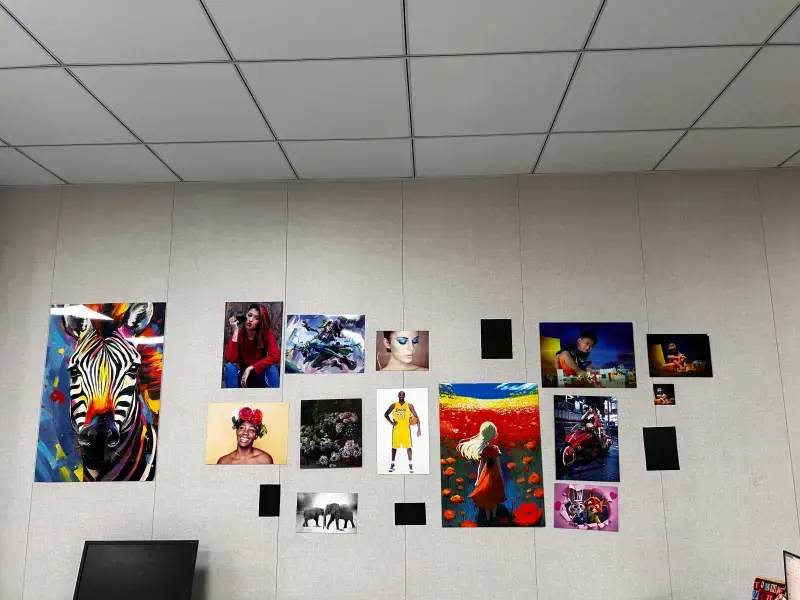
Sublimation panels work across many industries and uses.
Home Décor and Personal Gifts
- Family portraits on living room walls
- Wedding photos as anniversary gifts
- Baby photos for nurseries
- Pet portraits for pet lovers
- Canvas alternatives that are more durable
Professional Photography Studios
Studio wall displays of portfolio work
Client proofs and final prints
Sample portfolios
Promotional display prints
Wedding album alternatives
Corporate and Office Settings
- Company branding on lobby walls
- Employee recognition displays
- Product photography for showrooms
- Event photography for corporate events
- Conference signage and banners
Hospitality and Retail
- Hotel room décor
- Restaurant wall art
- Retail store displays
- Gallery showroom prints
- Museum gift shop items
Events and Trade Shows
- Trade show booth displays
- Conference signage
- Event photography prints
- Awards and recognition plaques
- Promotional giveaways
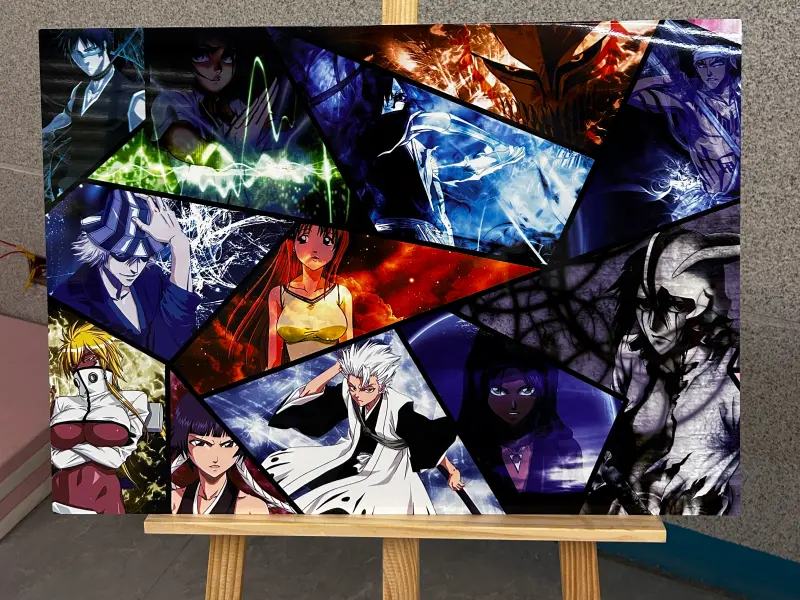
Sports and Recreation
- Team photos in locker rooms
- Coach portraits in offices
- Event photography for teams
- Achievement recognition
- Fan merchandise
Medical and Dental Offices
- Patient before-and-after photos
- Office wall art for calming effect
- Certificates and diplomas
- Staff recognition displays
- Professional branding
Education and Institutions
Fundraising campaigns
School hallway displays of student work
University alumni galleries
Certificate displays
Event photography
Aluminum vs Other Panel Materials
Aluminum panels compete with several other options. Each has strengths and weaknesses.
Aluminum vs Acrylic
| Feature | Aluminum | Acrylic |
|---|---|---|
| Weight | Lighter | Slightly heavier |
| Cost | Lower | Higher |
| Durability | Very high | High |
| Clarity | Excellent | Excellent |
| Scratch resistance | Good | Fair |
| UV fade | 50+ years | 30–40 years |
| Outdoor use | Good with coating | Fair |
The aluminum is the stronger choice for durability and cost.
Aluminum vs Canvas
Aluminum offers a completely different look than canvas. Canvas is soft and traditional. Aluminum is modern and sleek.
- Canvas absorbs dust and moisture
- Aluminum is sealed and protected
- Canvas feels textured
- Aluminum feels smooth
- Canvas fades faster indoors
- Aluminum resists fading for decades
Photographers often offer both. Clients choose based on room décor and style preference.
Aluminum vs Wood
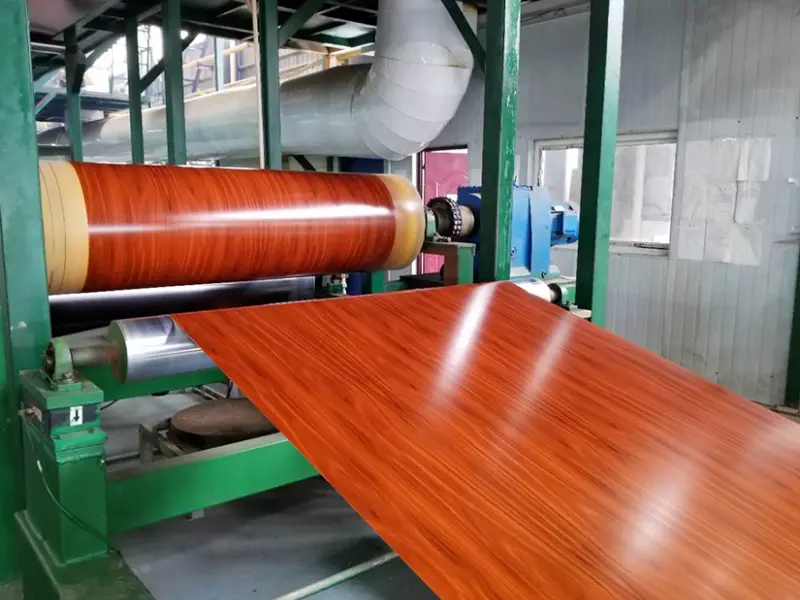
Wood panels add warmth and a rustic feel. Aluminum offers a contemporary look.
- Wood absorbs moisture and warps
- Aluminum stays flat permanently
- Wood needs sealing and maintenance
- Aluminum needs no maintenance
- Wood weighs more
- Aluminum is lighter
Aluminum vs Metal (Dibond)
Dibond is a composite of aluminum and polyethylene. It is lighter than solid aluminum but less rigid.
- Dibond is cheaper than aluminum
- Dibond is thinner and lighter
- Aluminum is stronger and more durable
- Aluminum holds its value better
Comparing Finishes: Gloss vs Matte vs Semi-Gloss

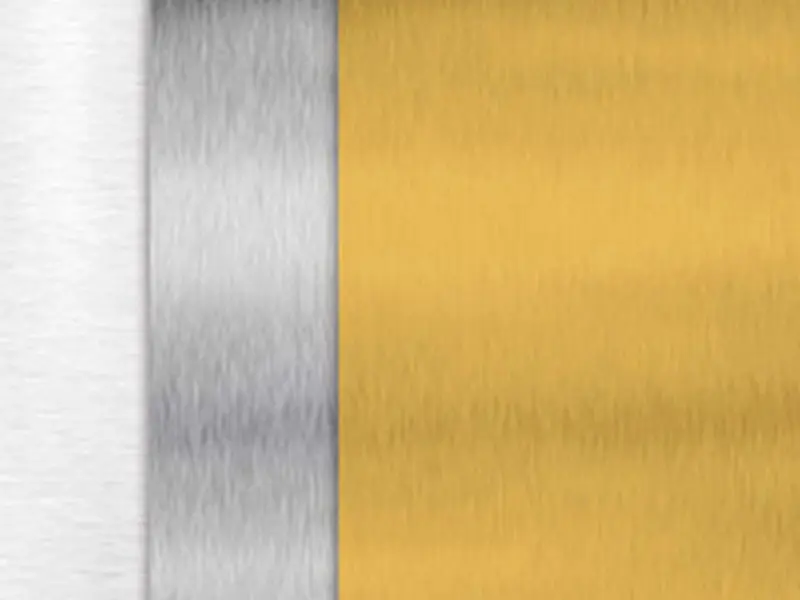
Finish choice is personal and depends on the image and setting.
Gloss Finish
Glossy panels show reflections. The shinier surface amplifies colors and blacks.
When to choose gloss:
- Vibrant photography with bold colors
- Images with deep blacks and shadows
- Modern, contemporary spaces
- Retail displays where impact matters
- Outdoor settings with sufficient lighting
Drawbacks of gloss:
- Fingerprints show easily
- Glare can be an issue in bright rooms
- Reflections may interfere with viewing
Matte Finish
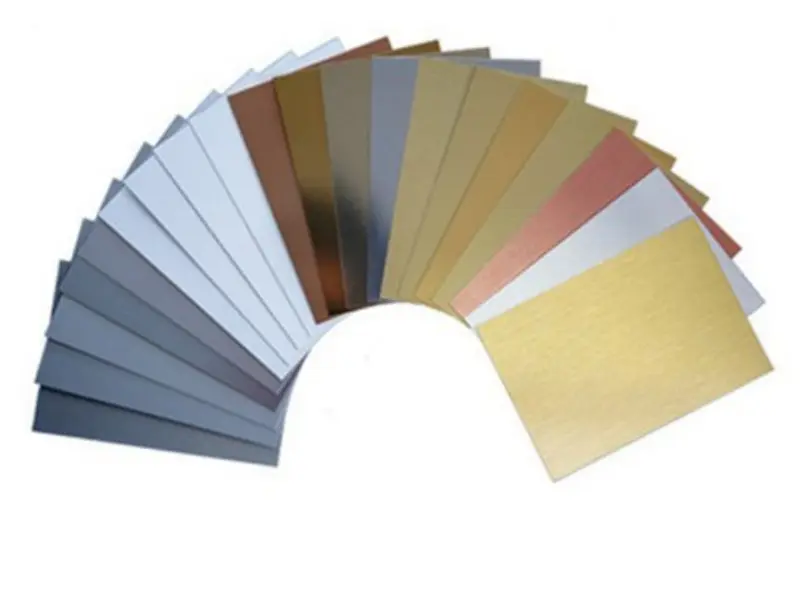
Matte panels have no glare. They look professional and neutral.
When to choose matte:
Text-heavy images or signage
Corporate offices and professional settings
Rooms with bright windows or skylights
Fine art and gallery displays
Photographs with subtle tones
Drawbacks of matte:
- Colors appear less saturated
- Blacks are less deep
- May look duller in dark rooms
Semi-Gloss Finish
Semi-gloss splits the difference. It adds shine without full reflectivity.
When to choose semi-gloss:
- General-purpose use when unsure
- Mixed environments with some lighting
- Studio work and client prints
- A safe default choice
- Balanced color and reduced glare
Side-by-Side Comparison
| Aspect | Gloss | Semi-Gloss | Matte |
|---|---|---|---|
| Color saturation | High | Medium-high | Medium |
| Glare | High | Low | None |
| Fingerprints visible | Yes | Slightly | No |
| Blacks depth | Deep | Medium | Lighter |
| Professional look | Modern | Versatile | Classic |
| Best light | Indirect | Any | Bright rooms |
Heat Press Requirements and Settings
Sublimation panels require specific heat press settings. Temperature, pressure, and time matter.
Recommended Settings
| Panel Type | Temperature | Pressure | Time |
|---|---|---|---|
| Standard 0.063 in | 385–400°F | Medium | 60–90 sec |
| Thick 0.125 in | 390–405°F | Medium-high | 90–120 sec |
| Premium coating | 395–410°F | Medium | 75–90 sec |
| Outdoor UV panel | 390–400°F | Medium | 80–100 sec |
Settings vary by press, coating thickness, and ink type. Always test on sample panels first.
Temperature Control
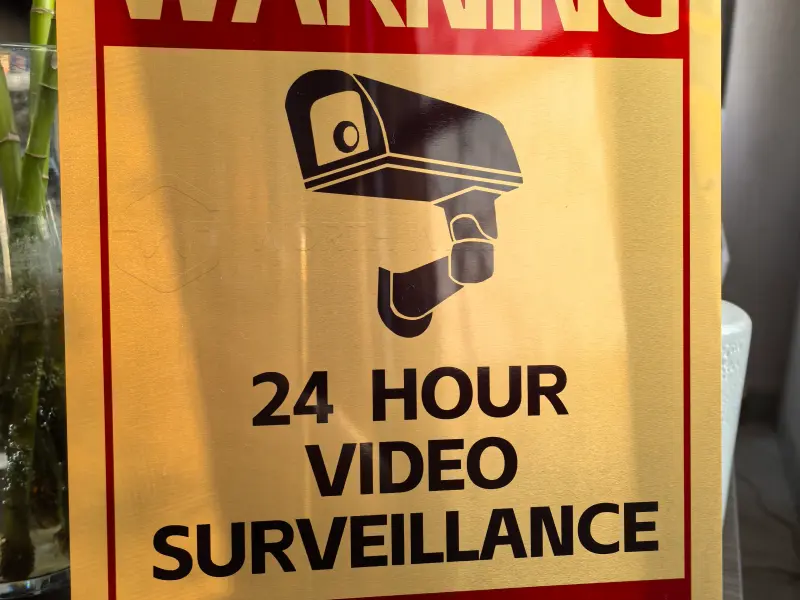
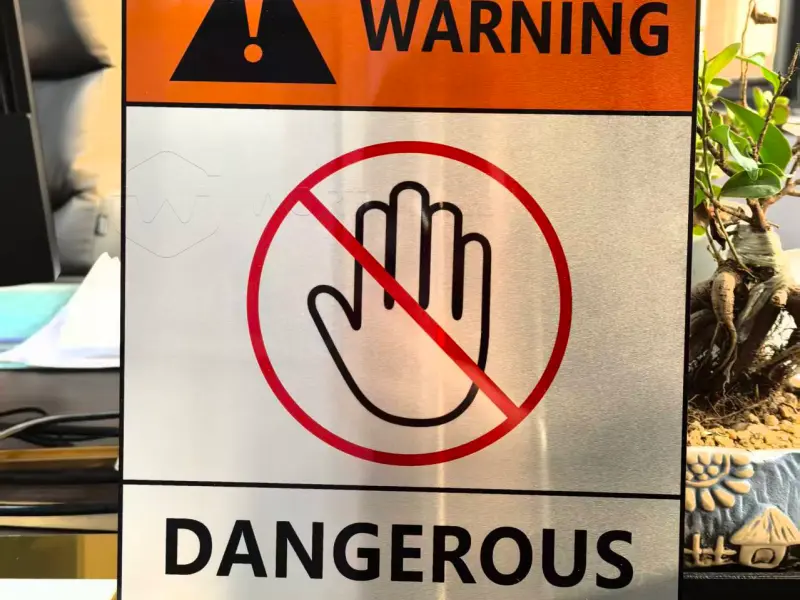
Too low: Ink doesn’t fully sublimate. Colors are pale and dull.
Too high: Coating can burn. Panel may warp. Colors appear muddy.
Most professionals run 10–15 trial presses to dial in the exact setting.
Pressure Adjustment
Pressure affects how much ink transfers. Too little and colors are weak. Too much and the image may blur.
Medium pressure works for most standard panels. Thicker panels need more pressure.
Sourcing and Ordering Aluminum Panels
Finding reliable suppliers is crucial for consistent quality.
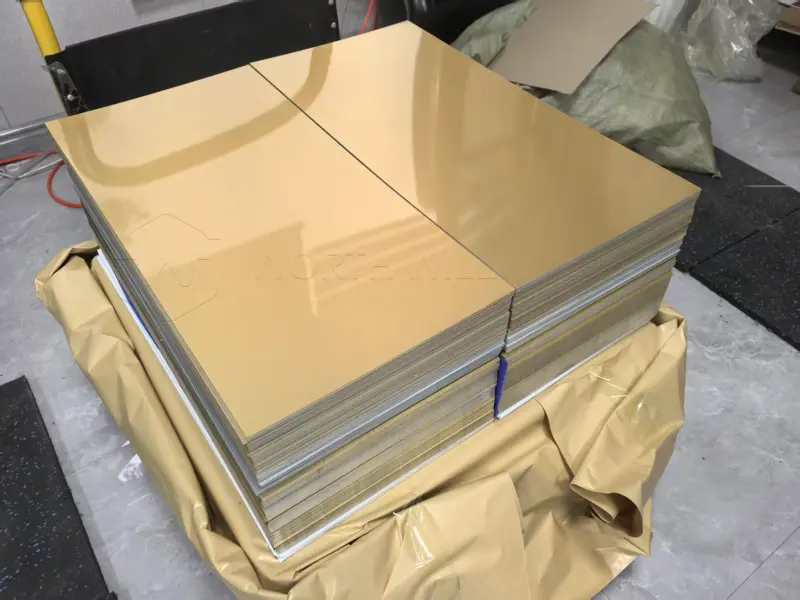
Where to Buy
Online retailers
Specialty sublimation suppliers
Direct manufacturers
Print-on-demand services
Wholesale distributors
Minimum Orders
Most suppliers have minimum order quantities:
- Small quantities: 1–10 panels (higher per-unit cost)
- Medium quantities: 50–100 panels (standard pricing)
- Bulk quantities: 500+ panels (volume discounts)
- Custom coating: Often 1,000+ minimum
Pricing Factors
- Size of panel
- Thickness chosen
- Coating type
- Finish (gloss, matte, etc.)
- Order volume
- Custom options
- Shipping distance
Lead Times
Standard sizes stock items with 1–2 week lead time. Custom sizes take 3–6 weeks. Urgent rush orders cost more.
Storage and Handling Best Practices

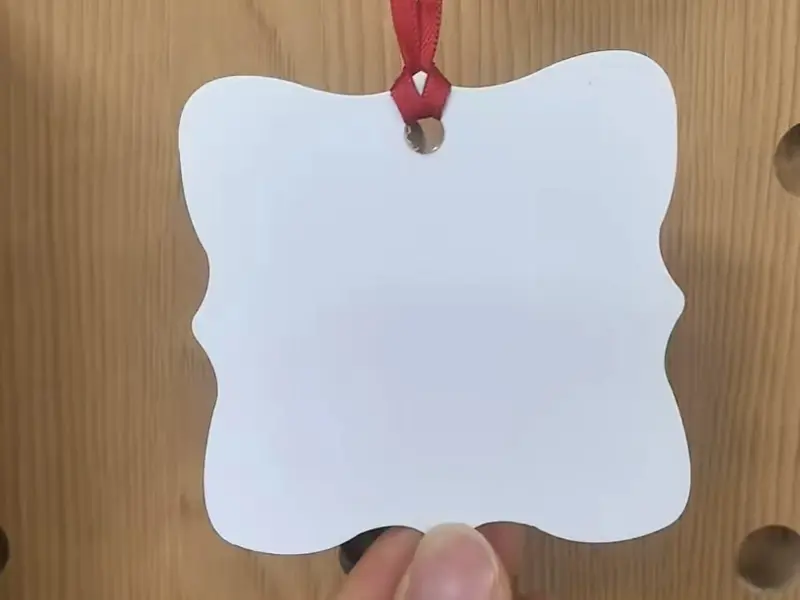
Aluminum panels are durable but need care in storage.
Climate Control
Store in a dry environment. Humidity causes the coating to absorb moisture. This delays sublimation and causes color shifts.
Ideal storage: 40–60% humidity, 60–75°F.
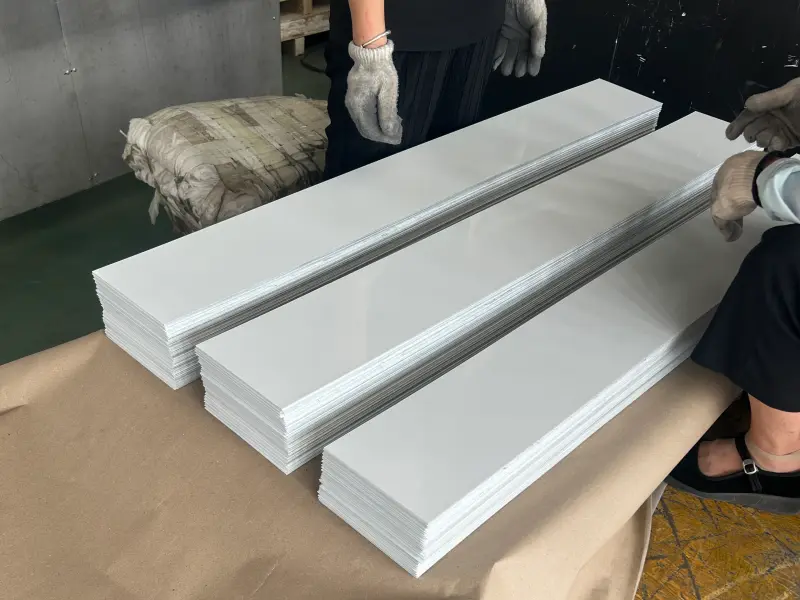
Stacking and Support
- Stack panels flat, not on edge
- Use cardboard or felt between panels
- Keep stacks under 100 lbs
- Support from underneath, not hanging
- Avoid contact with sharp objects
Protection from Damage
- Wrap in cardboard for transport
- Use protective corners for stacking
- Keep away from heavy machinery
- Avoid temperature swings
- Protect from dust and debris
Sublimation Ink and Paper Considerations
Aluminum panels work with sublimation inks. Standard inkjet inks do not work.
Sublimation Ink Types

Sublimation inks are specially formulated to vaporize. They come in CMYK (four-color) sets or extended color sets like Pantone simulators.
Sublimation inks produce vibrant colors on aluminum. The metal surface reflects light and amplifies the hues.
Ink Cartridge Options
| Type | Cost | Color Range | Lifespan |
|---|---|---|---|
| Original brand | High | Standard | Optimized |
| Third-party | Low | Standard | Varies |
| Extended color | High | Pantone match | Better gamut |
Original inks are more reliable. Third-party inks save money but may have issues with certain panels.
Paper for Design Work
Sublimation requires special paper. Regular photo paper does not transfer properly.
Sublimation paper is coated to release ink at heat. When pressed, the image transfers to the aluminum.
Design Software and File Preparation
Preparing files for sublimation requires attention to detail.
File Requirements
- Resolution: 300 DPI minimum for sharp prints
- Color mode: RGB (not CMYK, despite ink set)
- File format: TIFF, PNG, or high-quality JPG
- Bleed: Add 0.25 inch bleed for edge-to-edge images
- Size: Match final panel dimensions
Color Profiles
Using the wrong color profile causes color shifts. Most sublimation providers supply a specific ICC profile for their panels.
Load the profile into design software before exporting. This ensures accurate color preview.
Common Design Mistakes
- Saving in CMYK instead of RGB
- Low resolution (under 300 DPI)
- Ignoring bleed area
- Wrong file dimensions
- Incorrect color space
What Are Sublimation Aluminum Photo Panels?
Are you looking for a way to turn your favorite photos into vibrant, professional-looking art? Sublimation aluminum photo panels are the perfect solution.
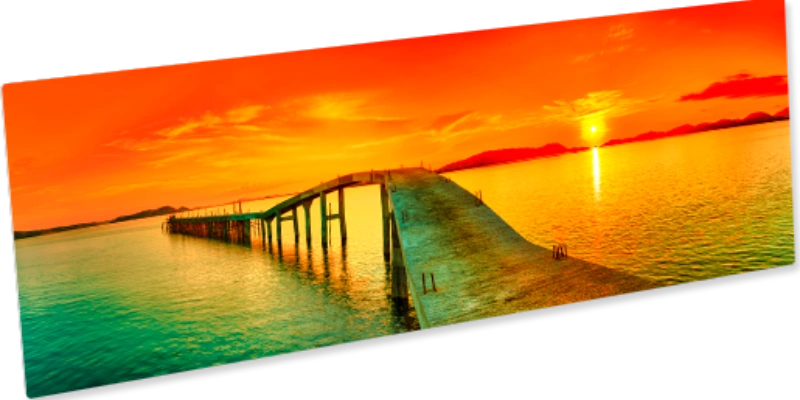
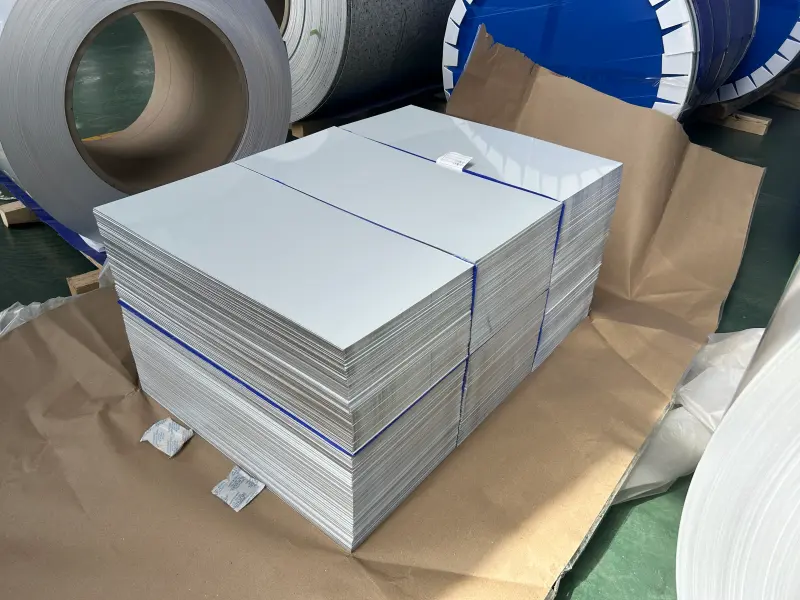
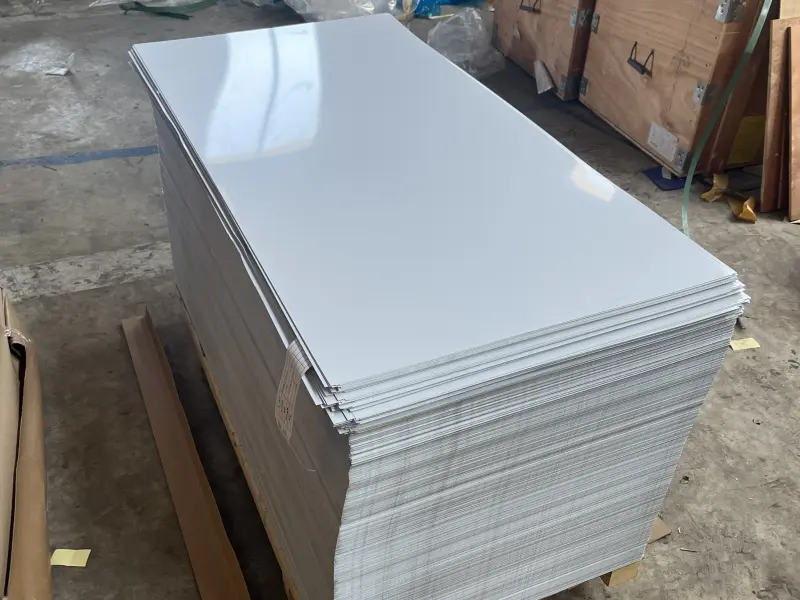
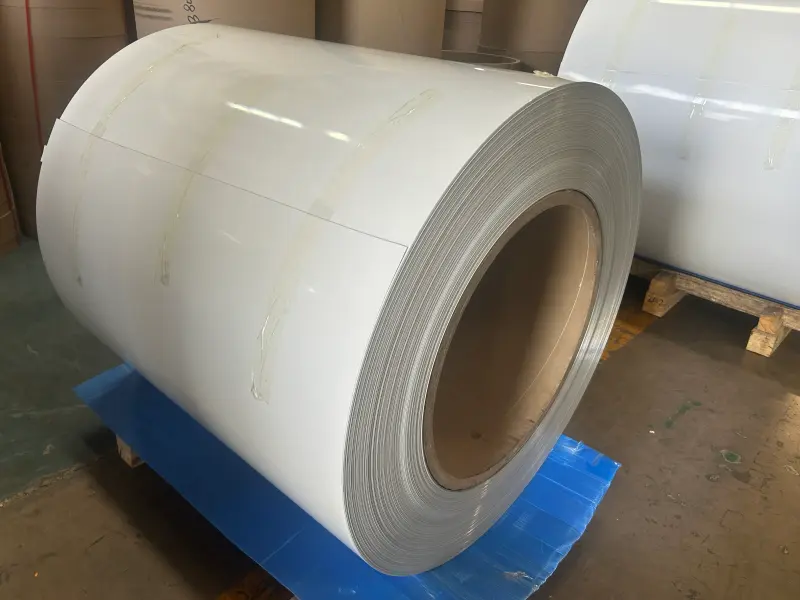
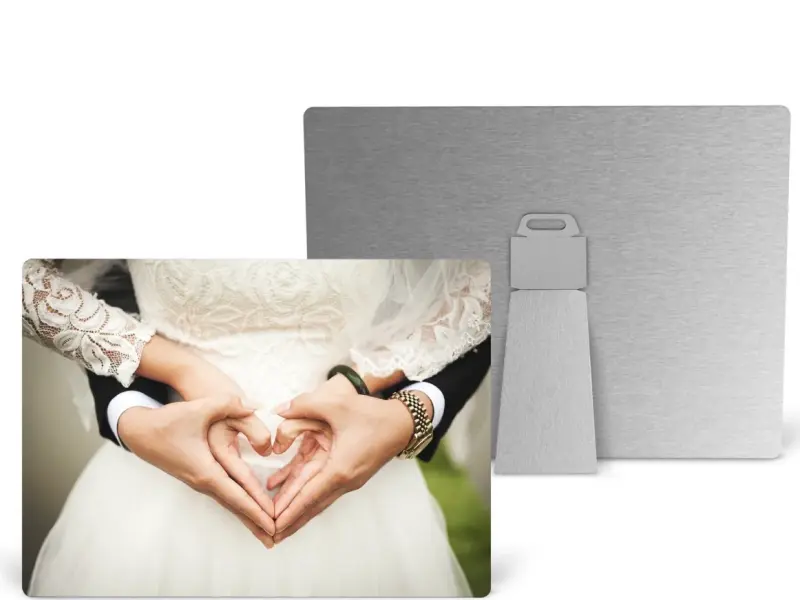
These are special metal sheets coated with a polymer layer. When you use a heat press, you can transfer designs from sublimation paper directly onto the panel. The result is a stunning, high-gloss print with brilliant colors that won’t fade, crack, or peel.

Why Choose Aluminum for Sublimation Printing?
Why are aluminum photo panels so popular? They offer unique benefits that other materials can’t match.
- Vibrant Image Quality: The white, glossy coating makes colors pop with incredible sharpness.
- Durable and Long-Lasting: Your prints will be scratch-resistant, waterproof, and UV protected.
- Lightweight Yet Strong: They are easy to hang and handle but are very sturdy.
- Modern Look: The sleek, glossy finish gives any image a contemporary and professional feel.
- Easy to Clean: Just wipe them with a soft, damp cloth.
How to Sublimate Aluminum Photo Panels
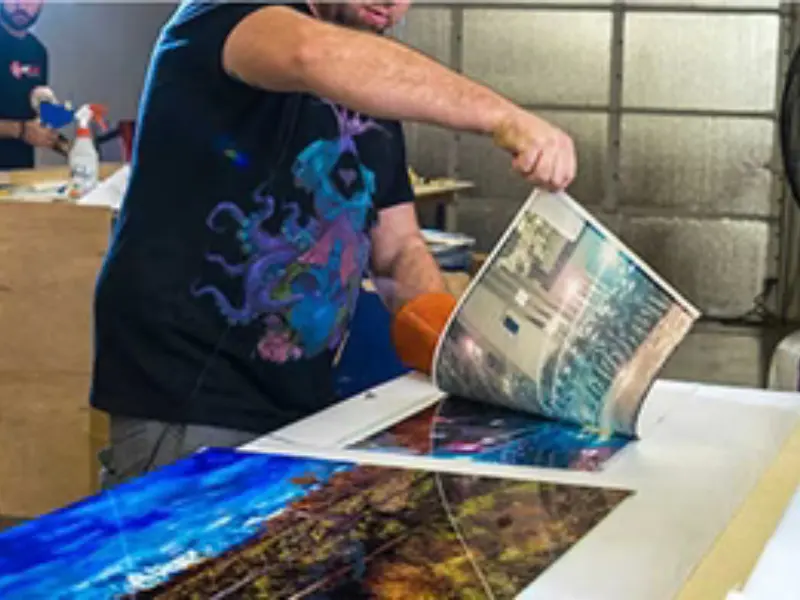
Wondering how to sublimate aluminum photo panels? The process is straightforward. Follow these simple steps for perfect results every time.
- Design and Print: Create your mirror-image design using graphic software. Print it onto sublimation paper using sublimation ink.
- Prepare the Panel: Clean the surface of your sublimation photo panel blank with rubbing alcohol to remove any dust or oils.
- Secure the Design: Use heat-resistant tape to firmly attach your printed design face-down onto the panel.
- Press It! Place the panel in your heat press. Use a Teflon sheet for protection. A typical pressing time is 60-90 seconds at 190°C (375°F). Always check your supplier’s guidelines.
- Cool and Reveal: After pressing, carefully remove the panel and peel off the paper while it’s still warm to reveal your bright, permanent image.
Popular Sizes and Specifications
Sublimation blank aluminum photo panels come in many sizes. A very common and versatile size is the sublimation blank 12″ x 18″ aluminum photo panel. Here are some popular types and sizes you can easily find:
| Type / Finish | Common Sizes (Inches) | Best For |
|---|---|---|
| High-Gloss | 8″x10″, 12″x18″, 16″x20″ | Vibrant photos, modern art |
| Matte | 8″x10″, 11″x14″ | Professional portraits, gallery look |
| Diasec / Frameless | 12″x12″, 12″x18″ | Floating wall art, commercial displays |
Where to Use Your Sublimated Aluminum Panels
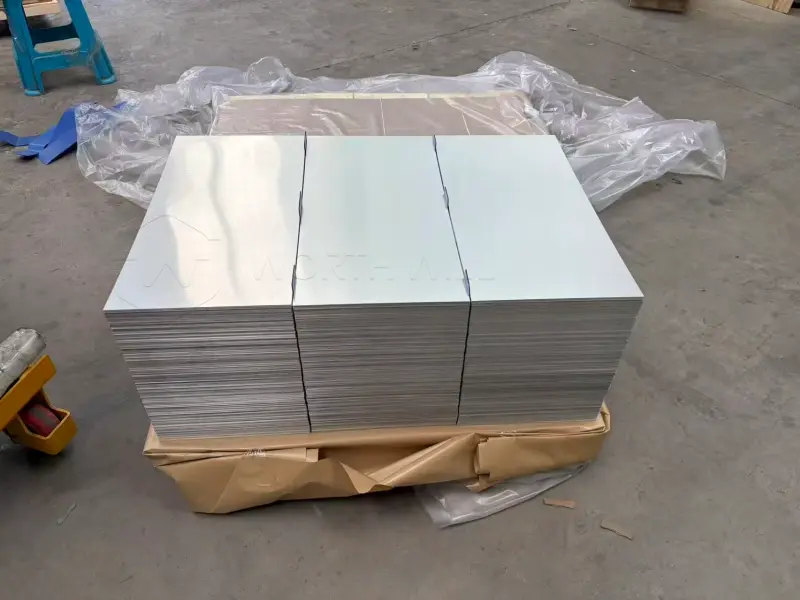
The uses for aluminum photo panels are almost endless. Here are some of the most popular applications:
- Home & Wall Decor: Create beautiful, personalized wall art for your living room, bedroom, or hallway.
- Professional Photography: Showcase your work with high-quality prints that impress clients.
- Personalized Gifts: Make unique gifts for weddings, anniversaries, or birthdays with special photos.
- Business & Signage: Produce eye-catching signs for retail stores, restaurants, and trade shows.
- Corporate Awards: Design durable and elegant awards and recognition plaques.
Mounting and Display Hardware Options
How a panel gets hung affects both the finished look and the perceived value of the piece, which matters for photographers selling finished prints.
| Mounting Style | Look | Best For |
|---|---|---|
| Float Mount Block | Panel appears to float off the wall | Gallery-style presentation, premium pricing |
| Standoff Hardware | Visible metal standoffs at the corners | Modern, industrial aesthetic |
| French Cleat | Hidden hanging strip on the back | Clean look with no visible hardware |
| Sawtooth Hanger | Small hook fixture on the back | Small panels, budget-friendly option |
Float mount hardware remains the most requested option for photographers selling premium wall art, since the shadow gap it creates gives a noticeably higher-end presentation than a flush-mounted panel.
Choosing Mounting Based on Panel Size
- Smaller panels under 12×18 inches work well with sawtooth or French cleat hanging
- Mid-size panels benefit from float mount blocks for a gallery feel
- Larger panels, especially over 24 inches, often need multiple standoff points for secure, even mounting
Archival Rating and Fade Performance
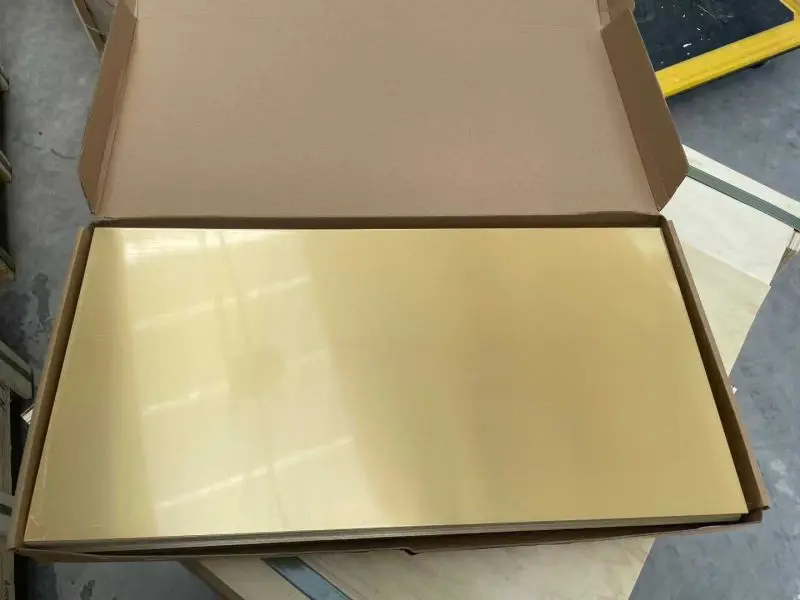
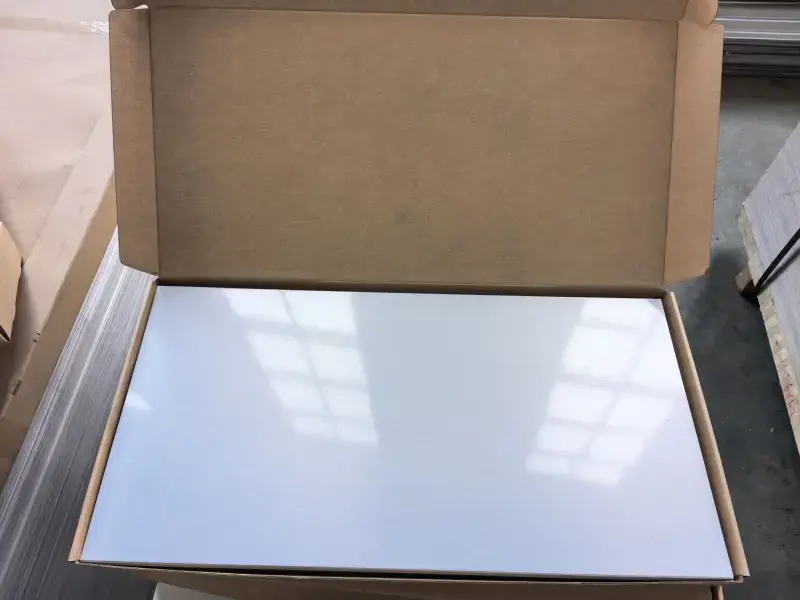
Photographers selling fine art prints often want documented fade resistance to back up longevity claims to clients.
| Coating Grade | Estimated Fade-Free Display Life | Testing Standard Reference |
|---|---|---|
| Standard Coating | 15–20 years | Basic accelerated UV exposure testing |
| Premium Coating | 25+ years | Extended accelerated aging tests |
Indoor display away from direct sunlight extends these figures significantly, since the ratings above generally reflect worst-case continuous light exposure rather than typical home or office lighting conditions.
Sublimation Panels vs. Acrylic Prints
Photographers frequently compare these two premium print formats when advising clients on wall art options.
| Factor | Aluminum Sublimation Panel | Acrylic Print |
|---|---|---|
| Weight | Lighter | Heavier, especially at larger sizes |
| Surface feel | Matte to semi-gloss coating options | Glossy, glass-like surface |
| Fragility | Scratch resistant, not brittle | Can crack or chip at edges |
| Price point | Moderate to premium | Typically higher |
Acrylic prints offer a deeper, glass-like visual pop, while aluminum panels win on durability and weight, making them easier and safer to ship directly to clients.
Sublimation Panels vs. Canvas Prints
| Factor | Aluminum Sublimation Panel | Canvas Print |
|---|---|---|
| Texture | Smooth, metallic sheen options | Visible canvas weave texture |
| Durability | Scratch and moisture resistant | Can sag or warp over time |
| Cleaning | Wipes clean easily | Requires more careful handling |
| Best for | Modern, sleek presentation | Traditional, painterly look |
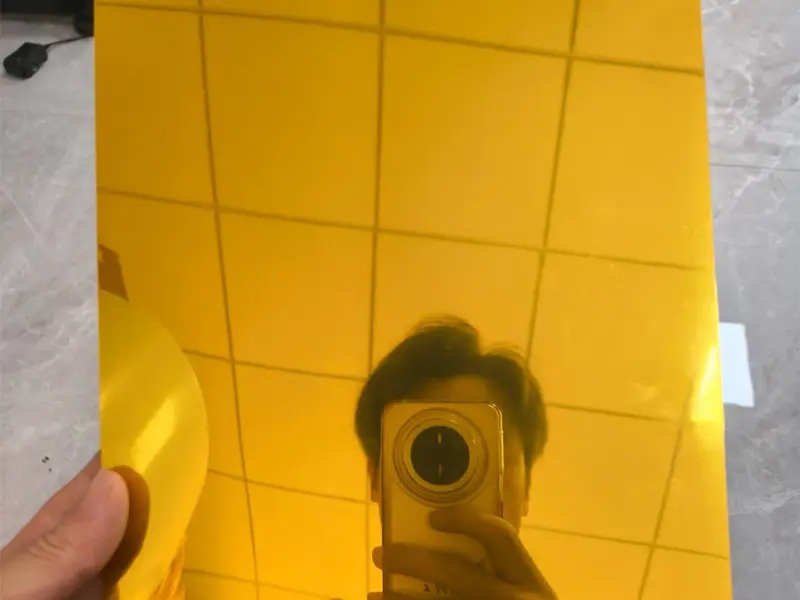
Canvas remains popular for a classic, artistic feel, while metal panels suit clients wanting a cleaner, more contemporary look with less long-term maintenance.
Common Photography Print Size Chart
| Size (in) | Aspect Ratio | Typical Use |
|---|---|---|
| 8 x 10 | 4:5 | Standard portrait print |
| 11 x 14 | 11:14 | Popular gallery wall size |
| 16 x 20 | 4:5 | Feature wall piece |
| 20 x 30 | 2:3 | Large statement print |
| 24 x 36 | 2:3 | Oversized gallery display |
Matching panel size to standard photography aspect ratios avoids awkward cropping decisions when moving a client’s image from screen to final printed panel.
Pricing Considerations for Photographers Reselling Panels
→ Selling as a premium add-on? Price panels at 3 to 5 times material cost to reflect the perceived value of metal wall art. → Offering multiple size tiers? Larger panels typically carry a higher profit margin percentage than small ones due to relatively lower marginal material cost. → Bundling with a photo session? Consider offering one small panel included, with larger sizes as a paid upgrade. → Competing with local print labs? Highlight the durability and finish options as a value difference, not just price.
Client Delivery and Packaging Considerations
Photographers shipping finished panels directly to clients need packaging that protects both the coating and the mounting hardware.
- Corner-protected boxes sized specifically to the panel dimensions
- Foam or bubble wrap layers to prevent surface contact scratches
- Mounting hardware taped separately to avoid marking the printed surface
- Care instructions included for cleaning and display placement
Frequently Asked Questions (FAQ)
Q: Can I use any kind of aluminum sheet for sublimation?
A: No. You must use specially coated sublimation photo panel blanks. Regular aluminum will not hold the ink.
Q: What is the best size for a beginner?
A: The sublimation blank 12″ x 18″ aluminum photo panel is a great start. It’s a standard size that works well for many projects.
Q: How do I hang my finished aluminum panel?
A: Most panels come with a pre-installed sawtooth hanger on the back, making them very easy to hang on any wall.
Q: Is the print on the panel permanent?
A: Yes! The sublimation process dyes the coating itself. The image becomes a permanent part of the aluminum photo panel.