Finding the right Aluminium Coil Suppliers for your project can be a challenge. With so many alloys, tempers, and coatings available, you need a clear guide to make the right choice.
What is an Aluminum Coil?
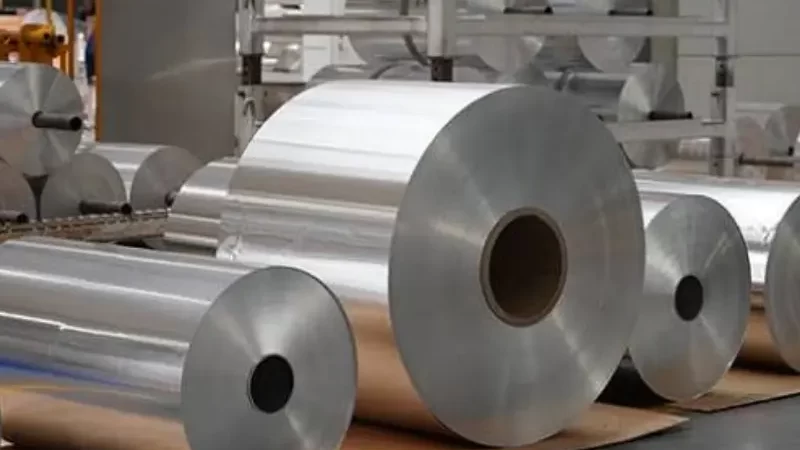
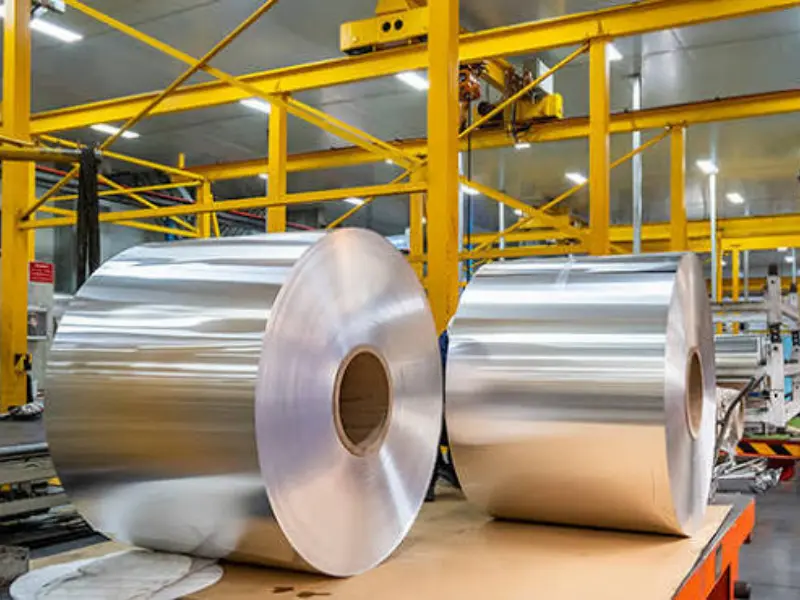
An aluminum coil is a flat sheet of aluminum that has been rolled into a continuous roll. It is widely used in industries because it is lightweight, strong, and highly resistant to rust. Manufacturers produce these coils in various thicknesses, widths, and alloys to meet different industrial needs.
The Aluminum Coil Production Process
To understand the quality of your aluminum, it is helpful to know how it is made. Here is the step-by-step manufacturing process of a premium aluminum coil:
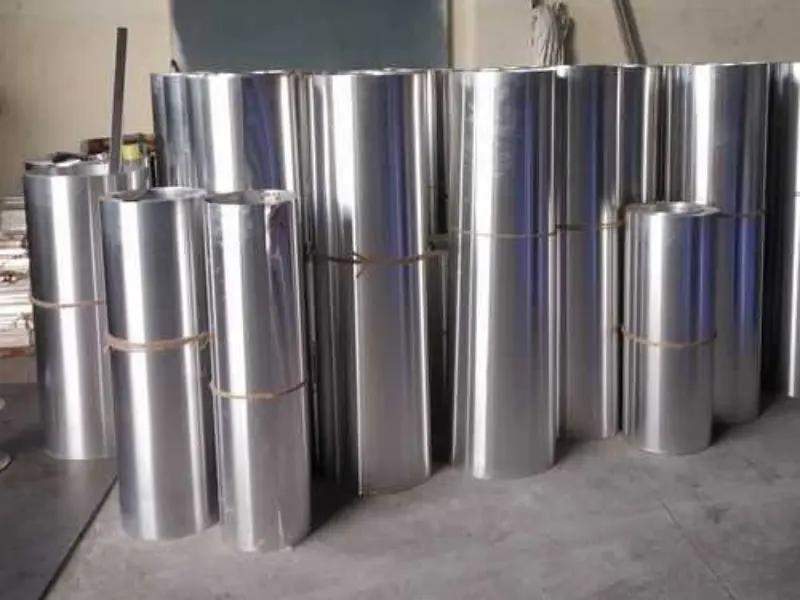
previewcodecopydownloadAluminum Ingot
      ↓
   Casting
      ↓
 Hot Rolling
      ↓
 Cold Rolling
      ↓
  Annealing
      ↓
Surface Treatment
      ↓
   Slitting
      ↓
  Inspection
      ↓
   Packing
      ↓
   Export
Common Aluminum Alloys and Specifications
Aluminum is mixed with other metals to create different alloys. Each alloy has unique features. Here is how you can choose the right one based on your project requirements:
yamlcopydownloadNeed High Purity?
        ↓
   1050 / 1060

Need General Construction?
        ↓
   3003 / 3105

Need Marine Environment?
        ↓
   5052 / 5754

Need Structural Strength?
        ↓
   6061
1000 Series Aluminum Coils
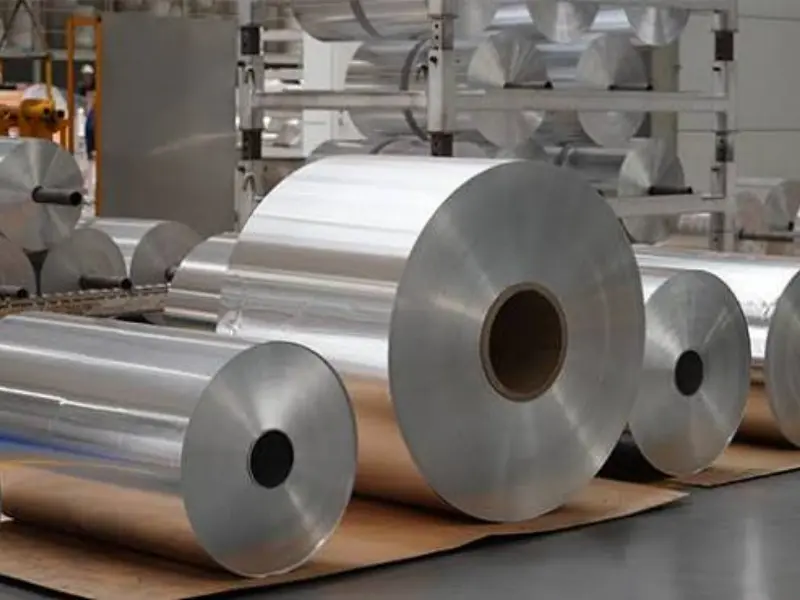
These coils contain 99% or more pure aluminum. They offer excellent electrical conductivity and are very easy to form.
- Key Alloys: 1050, 1060, 1100
- Common Applications:
- Chemical equipment
- Electrical capacitors
- Reflector plates
- Heat exchangers
3000 Series Aluminum Coils
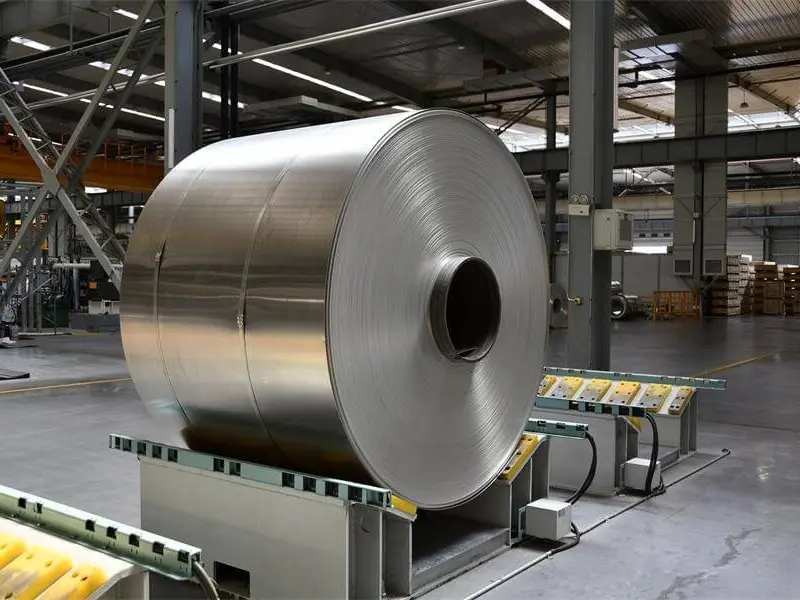
Formulated with manganese, this series is highly resistant to rust and is stronger than the 1000 series.
- Key Alloys: 3003, 3105, 3004
- Common Applications:
- Roofing and siding
- Kitchen utensils
- Beverage cans
- Rain gutters
5000 Series Aluminum Coils
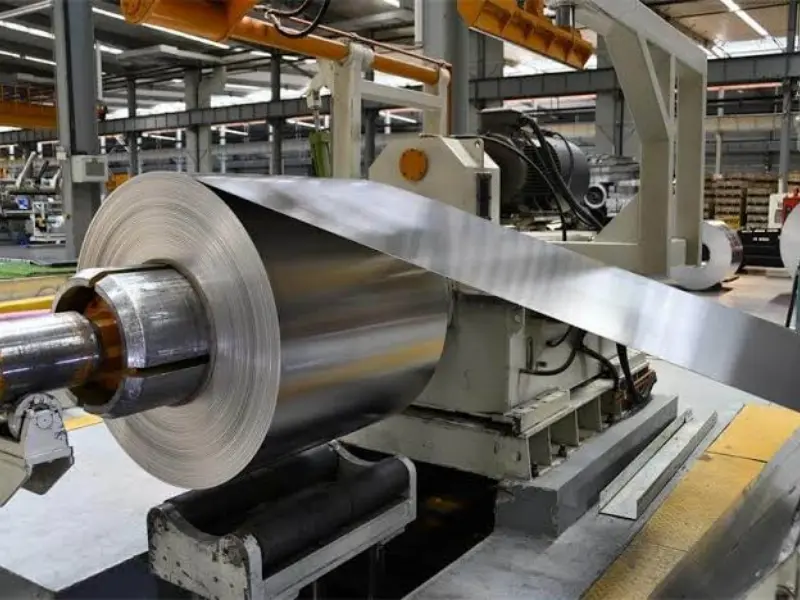
These coils contain magnesium, making them highly resistant to saltwater corrosion and very strong.
- Key Alloys: 5052, 5754, 5083
- Common Applications:
- Marine parts and boat hulls
- Truck bodies and chassis
- Pressure vessels
- Fuel tanks
6000 Series Aluminum Coils
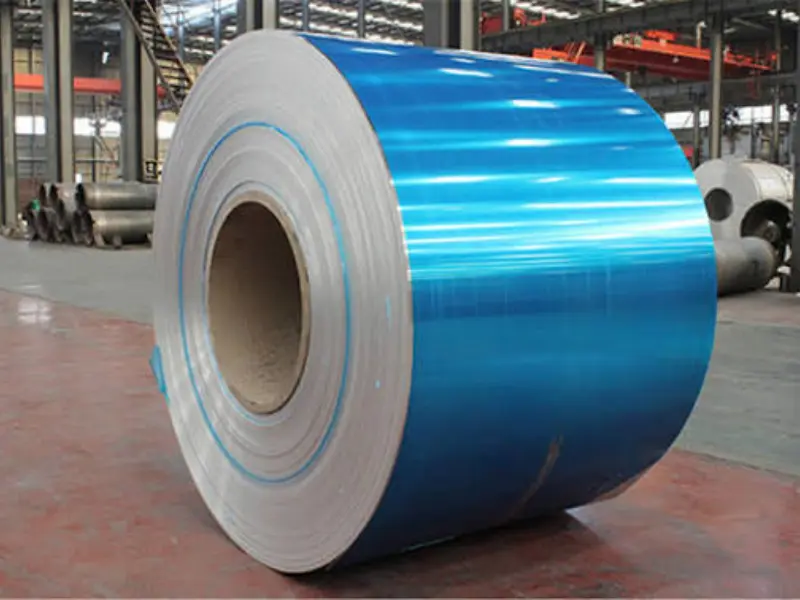
Alloyed with magnesium and silicon, these coils are heat-treatable and offer outstanding structural strength.
- Key Alloys: 6061, 6063, 6082
- Common Applications:
- Aircraft components
- Heavy-duty structures
- Automotive frames
- Machinery parts
Detailed Alloy Comparison
The table below provides a quick comparison of the most popular aluminum alloys to help you select the ideal grade for your application:
| Alloy | Strength | Corrosion Resistance | Formability | Typical Use |
|---|---|---|---|---|
| 1050 | ★★☆☆☆ | ★★★★★ | ★★★★★ | Electrical & Chemical |
| 3003 | ★★★☆☆ | ★★★★☆ | ★★★★☆ | Roofing & Cookware |
| 5052 | ★★★★☆ | ★★★★★ | ★★★☆☆ | Marine & Automotive |
| 6061 | ★★★★★ | ★★★★☆ | ★★★☆☆ | Structural & Aerospace |
Understanding Aluminum Tempers
The “temper” of an aluminum coil describes its hardness and strength, which are achieved through thermal or mechanical treatments.
O Temper (Fully Annealed)
- Description: This is the softest state. It offers maximum ductility and is extremely easy to bend and shape.
- Best For: Deep drawing and complex forming.
H Temper (Strain Hardened)
- Description: This temper is applied to non-heat-treatable alloys (like the 1000, 3000, and 5000 series) to increase strength through cold working.
- Common Sub-types: H14, H24, H32, H38.
- Best For: General construction, roofing, and transport panels.
T Temper (Heat Treated)
- Description: This temper is used for heat-treatable alloys (like the 6000 series) to achieve maximum structural strength.
- Common Sub-types: T4, T6.
- Best For: Structural frames, aerospace parts, and heavy machinery.
Specialized Product Types and Surface Finishes
Aluminum coils come in a variety of specialized types and finishes to suit specific architectural and industrial designs.
Color Coated Aluminum Coil
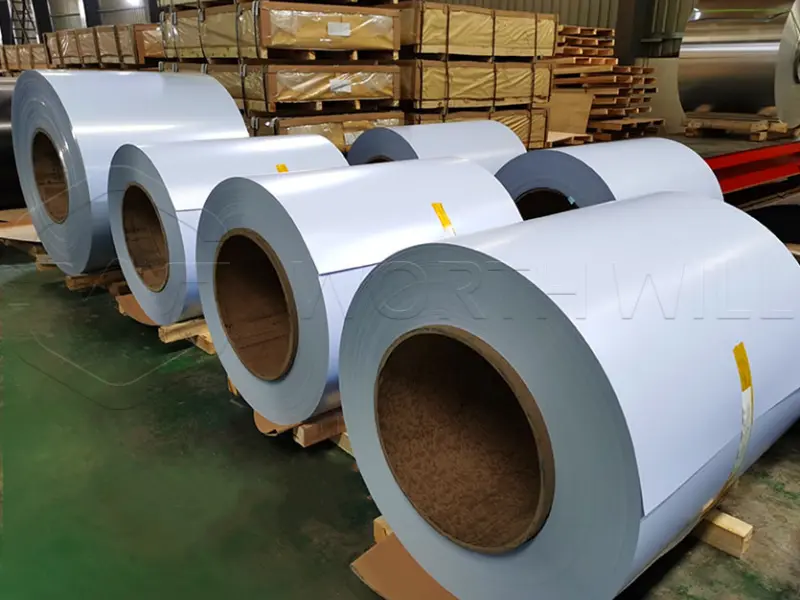
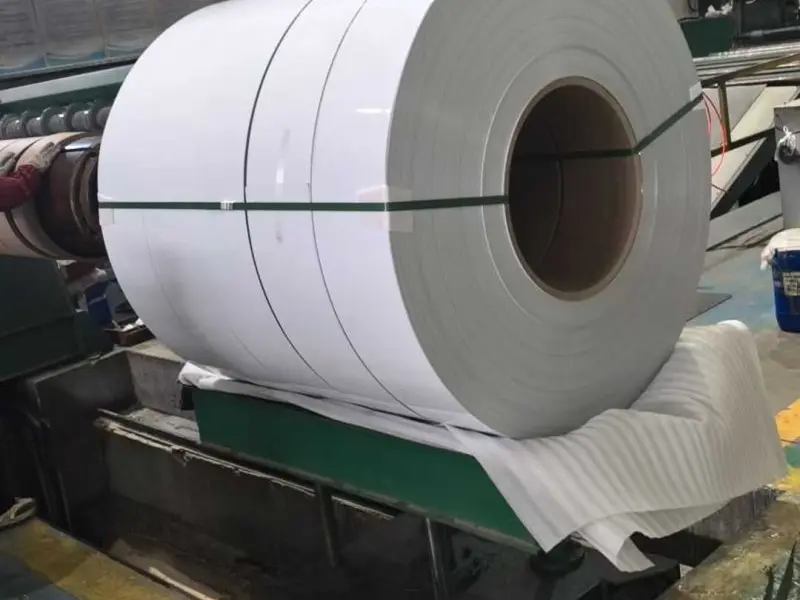
These coils are coated with protective paint. They are ideal for modern building facades, signboards, and decorative panels.
PE vs PVDF Coatings
The type of coating you choose determines how long the color and protection will last.
| Feature | PE (Polyester) | PVDF (Fluorocarbon) |
|---|---|---|
| Outdoor Life | 5–10 Years | 15–25 Years |
| Cost | Lower | Higher |
| UV Resistance | Good | Excellent |
| Building Facade | Good | Best |
Embossed Aluminum Coil
These coils feature a raised pattern on the surface, such as a stucco or diamond design. The pattern adds slip resistance and hides scratches.
- Common Applications:
- Refrigerator linings
- Cold room flooring
- Vehicle toolboxes
- Decorative wall coverings
Mirror Finish Aluminum Coil
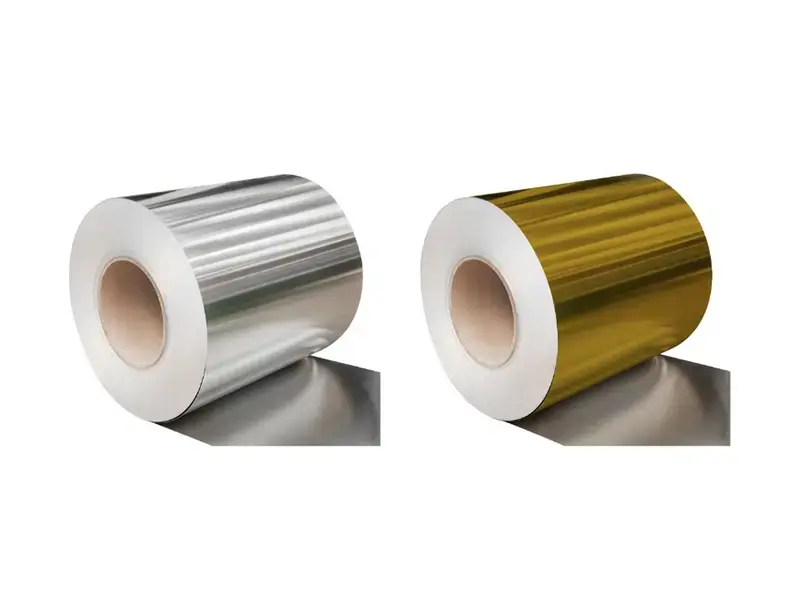
Highly polished to create a reflective surface, this option is lightweight, durable, and highly decorative.
- Common Applications:
- Lighting reflectors
- Solar collectors
- Interior wall panels
- Cosmetic packaging
Specifications and Dimensions Table
To order the correct aluminum coil, you must specify the exact dimensions you need. Use this quick reference guide to see standard industry ranges:
| Specification | Metric Range | Imperial Range |
|---|---|---|
| Thickness | 0.20 mm – 6.00 mm | 0.008 inches – 0.236 inches |
| Width | 20 mm – 2000 mm | 0.78 inches – 78.74 inches |
| Inner Diameter (ID) | 505 mm, 508 mm, 610 mm | 20 inches, 24 inches |
| Outer Diameter (OD) | 1000 mm – 1500 mm | 39.3 inches – 59.0 inches |
| Coil Weight | 1,000 kg – 5,000 kg | 2,204 lbs – 11,023 lbs |
How to Buy Aluminum Coil
Buying aluminum coils requires careful planning to ensure you receive the right product. Follow this step-by-step procurement pathway:
previewcodecopydownload  Send Inquiry
       ↓
 Confirm Alloy
       ↓
 Choose Temper
       ↓
 Confirm Size
       ↓
   Quotation
       ↓
  Production
       ↓
  Inspection
       ↓
   Packing
       ↓
   Shipping
Selecting the Right Supplier
Your choice of partner is just as important as your choice of alloy. Use this guide to find the supplier that best fits your business model:
sqlcopydownloadSmall Order? ─────────► Stock Supplier

Large Project? ───────► Factory Direct

Need OEM? ────────────► Manufacturer

Need Fast Delivery? ──► Factory Inventory
Factory vs. Trader Comparison
Are you debating whether to buy directly from a factory or through a trading company? The comparison table below highlights the key differences:
| Item | Factory | Trader |
|---|---|---|
| Price | ★★★★★ | ★★★☆☆ |
| Delivery Time | ★★★★★ | ★★★☆☆ |
| Quality Control | ★★★★★ | ★★★☆☆ |
| OEM Support | Yes | Limited |
| Direct Production | Yes | No |
Detailed Specifications of Aluminium Coils
Different projects need different metal thicknesses and hardness levels. The tables below show the detailed technical options you can choose from.
Technical Parameters and Dimensions
Here are the general size ranges you can get from aluminium coil suppliers:
| Parameter | Metric Range | Imperial Range |
|---|---|---|
| Metal Thickness | 0.15 mm−6.0 mm | 0.006 inches−0.236 inches |
| Coil Width | 20 mm−2600 mm | 0.78 inches−102.3 inches |
| Inner Diameter (ID) | 150 mm,300 mm,405 mm,505 mm,605 mm | 6″,12″,16″,20″,24″ |
| Outer Diameter (OD) | Up to 2000 mm | Up to 78.7 inches |
| Coil Weight | 500 kg−8000 kg | 1100 lbs−17600 lbs |
Understanding Temper Designations
“Temper” refers to how hard or soft the metal is. It shows if the metal has been heat-treated or cold-worked.
Here is a simple table to explain the common tempers used by aluminium coil suppliers:
| Temper Code | Meaning | Hardness Level | Best Application |
|---|---|---|---|
| O | Fully Annealed | Very Soft | Deep drawing, complex shapes |
| H14 | Strain Hardened (Half Hard) | Medium | General fabrication, signage |
| H24 | Strain Hardened and Partially Annealed | Medium-Hard | Building panels, roofing |
| H32 | Strain Hardened and Stabilized | Medium-Soft | Marine hulls, vehicle bodies |
| T6 | Solution Heat Treated and Artificially Aged | Very Hard | Structural parts, aerospace |
Comparison of Common Aluminium Alloys
Choosing the right alloy can save you money and protect your final product from failure. Let us compare the four most popular alloys side by side.
Mechanical Property Comparison
| Alloy Grade | Tensile Strength (MPa) | Yield Strength (MPa) | Corrosion Resistance | Formability |
|---|---|---|---|---|
| Alloy 1050 | 65−95 | 20−75 | Excellent | Excellent |
| Alloy 3003 | 110−150 | 40−120 | Very Good | Excellent |
| Alloy 5052 | 190−260 | 90−200 | Outstanding (Marine) | Good |
| Alloy 6061 | 180−310 | 110−276 | Good | Medium |
Surface Treatment Options for Aluminium Coils
You can order your metal coils with different surfaces. These finishes change how the metal looks and how well it resists damage.
scsscopydownload                  ┌── Plain Mill Finish (Standard, shiny)
                  ├── Color Coated (Painted with PE or PVDF)
Surface Finishes ─┼── Stucco Embossed (Textured pattern)
                  ├── Anodized (Thick oxide layer for protection)
                  └── Mirror Finish (Highly reflective)
Mill Finish Coils
This is the raw, natural state of the metal after rolling. It is clean, shiny, and ready for further processing.
Color Coated Coils
These coils are painted with Polyester (PE) or Polyvinylidene Fluoride (PVDF) paint. They come in many colors and protect the metal from bad weather.
Stucco Embossed Coils

These coils have a raised, textured pattern on the surface. This pattern hides scratches, reduces light reflection, and makes the metal stiffer.
Mirror Finish Coils
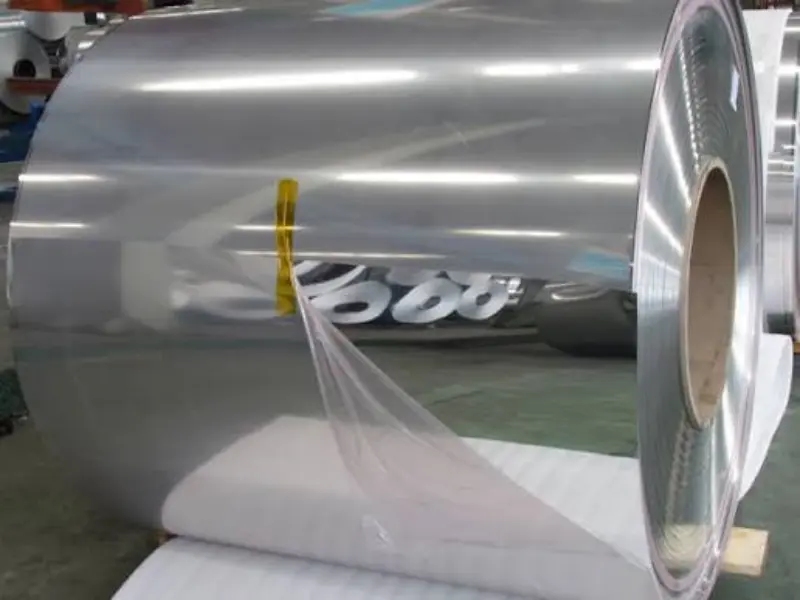
Through a polishing process, the surface becomes highly reflective like a glass mirror. These are perfect for lighting fixtures and solar reflectors.
Industrial Applications of Aluminium Coils
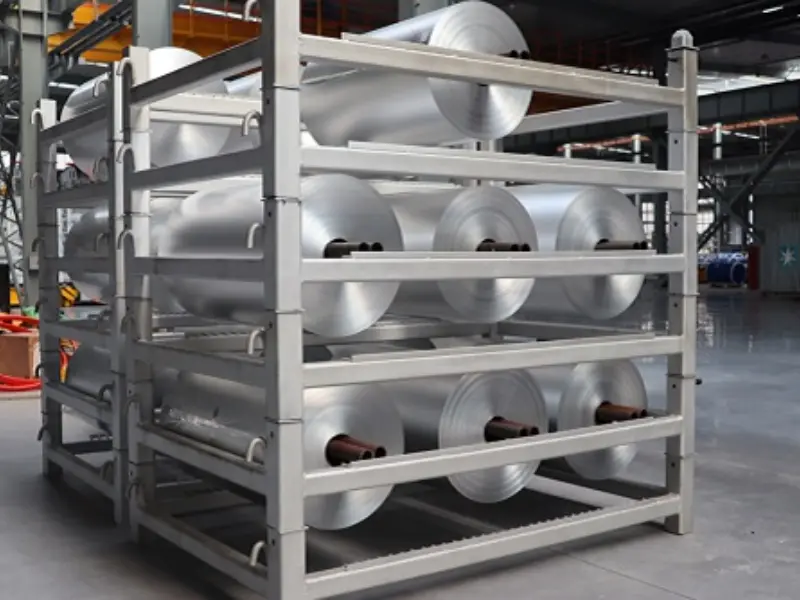
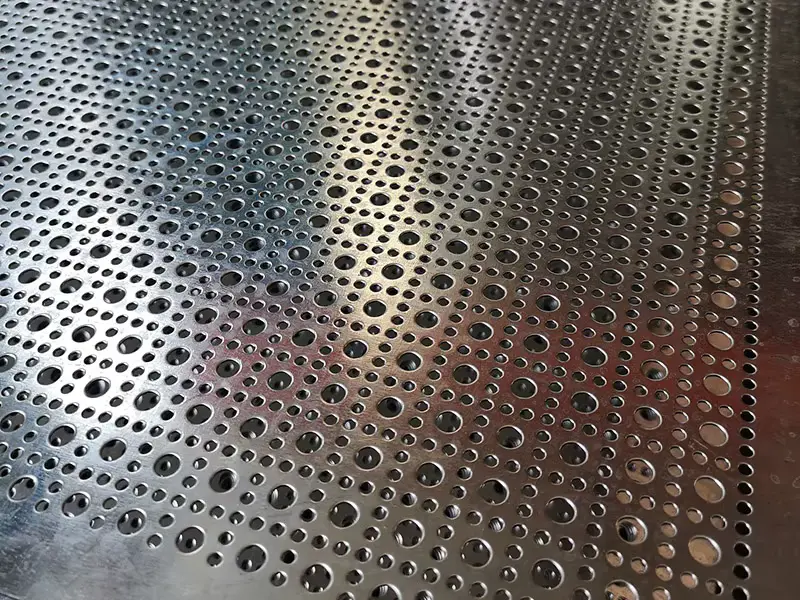
Because these metal sheets are light and strong, they are used in many different industries.
Construction and Architecture
- Metal roofing sheets and wall cladding.
- Gutters and downspouts.
- Ceiling panels and office partitions.
- Roller shutters and window frames.
Transportation and Automotive
- Car body panels, heat shields, and license plates.
- Fuel tanks for trucks.
- Inner walls and floors of train cabins.
- Trailer panels and boat hulls.
Electrical and Appliances
- Refrigerator inner linings (usually stucco embossed).
- Air conditioner evaporator coils.
- Transformer windings for power distribution.
- Light bulb bases and lamp reflectors.
Packaging and Consumer Goods
- Easy-open beverage can tabs and bodies.
- Cosmetic packaging and caps.
- Kitchen utensils and baking trays.
- Food storage containers.
How to Select the Right Supplier
Finding reliable aluminium coil suppliers is critical for your business. Here is a checklist to help you choose the best partner:
Quality Certificates
Make sure the supplier has proper quality certifications. Look for ISO 9001, SGS, or CE certificates. These prove that the factory follows global quality standards.
Packaging Standards
Aluminium is a soft metal and can scratch easily during shipping. Reliable suppliers use strong wooden pallets, plastic wrap, and waterproof paper to protect the metal coils from moisture and physical damage.
Delivery Time and Location
Check where the factory is located and how long shipping takes. Fast delivery helps you keep your inventory levels low and saves you storage costs.
Packing and Shipping Details
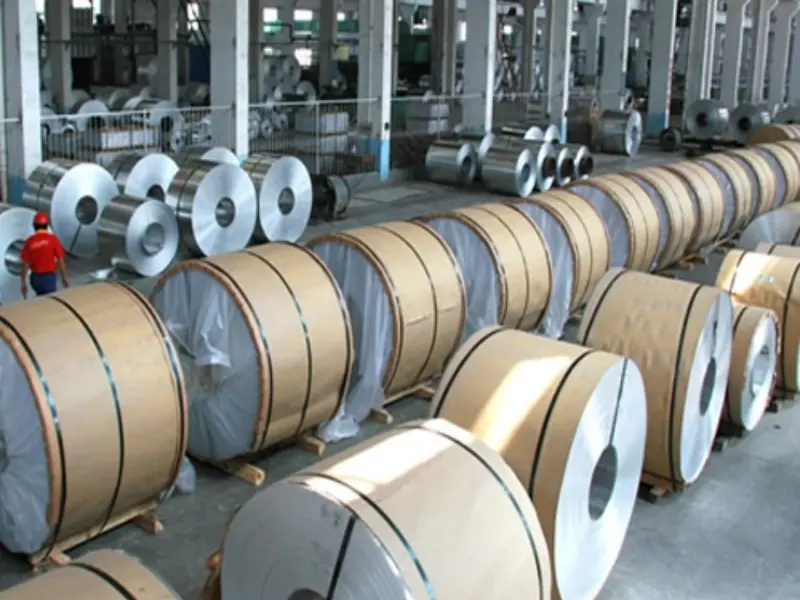
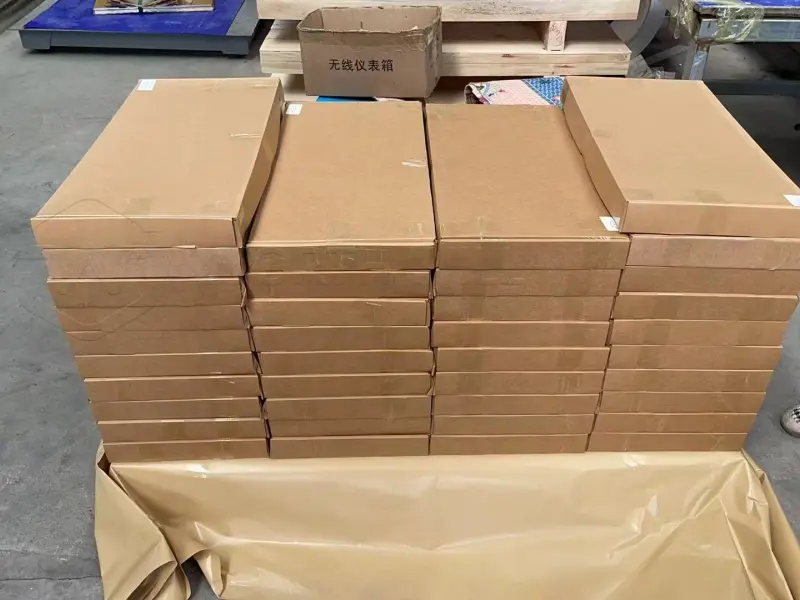
Proper packing ensures that your metal coils arrive in perfect condition. Experienced aluminium coil suppliers offer two main packing styles:
csscopydownload                  ┌── Eye to Sky (Coil opening faces upward)
Packing Styles ───┤
                  └── Eye to Wall (Coil opening faces horizontally)
- Eye to Sky (Vertical Packaging): The coil hole faces up. This is great for small coils and makes unloading with cranes very easy.
- Eye to Wall (Horizontal Packaging): The coil hole faces to the side. This is best for large, heavy coils because it keeps them stable during sea transit.
Frequently Asked Questions
What is the minimum order quantity for aluminum coils?
The minimum order quantity (MOQ) depends on the alloy and size. For standard stock sizes, some suppliers offer low MOQs. For custom sizes or specialized alloys, factories typically require an MOQ of 3 to 5 metric tons.
How are aluminum coils protected during shipping?
To prevent damage and rust from moisture, coils are wrapped in plastic, packed with desiccant, covered with protective paper, and securely strapped to strong wooden pallets. This standard export packaging ensures the material arrives in perfect condition.
Can I get color-coated aluminum coils in custom colors?
Yes. Manufacturers can produce color-coated coils matching any RAL or Pantone color code. You can also request custom gloss levels and textures to suit your design requirements.
What is the difference between hot-rolled and cold-rolled aluminum coils?
Hot-rolled coils are heated during production, making them easier to form into thicker plates. Cold-rolled coils are processed at room temperature, which results in a smoother surface finish, tighter thickness tolerances, and higher strength.
the Best Selection Path
vbnetcopydownloadStep 1: Identify Your Environment (Marine? Indoor? Electrical?)
  │
  ├── Marine/Corrosive ──> Select 5xxx Series (e.g., 5052)
  ├── Electrical/Thermal ──> Select 1xxx Series (e.g., 1050)
  └── General Forming ───> Select 3xxx Series (e.g., 3003)
  │
Step 2: Choose Your Temper (O for soft forming, H14/H24 for structural)
  │
Step 3: Define Dimensions (Thickness, Width, Coil Weight)
  │
Step 4: Contact Certified Aluminium Coil Suppliers for Pricing
If you are ready to start your project, contact certified aluminium coil suppliers today. They will help you find the best material, size, and finish for your specific business needs.