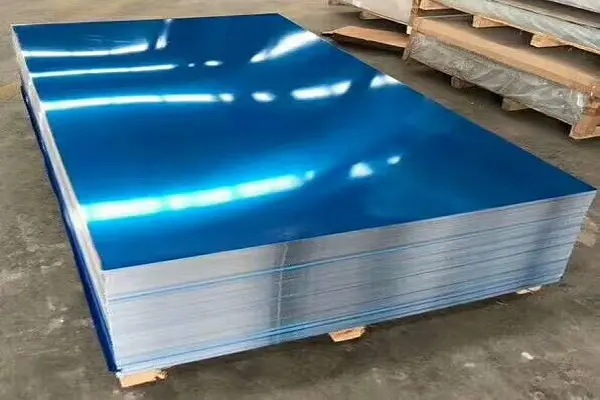
3/16 aluminum plate sits in a sweet spot. It is thick enough for structural and marine work, yet light enough to cut and weld without heavy equipment.
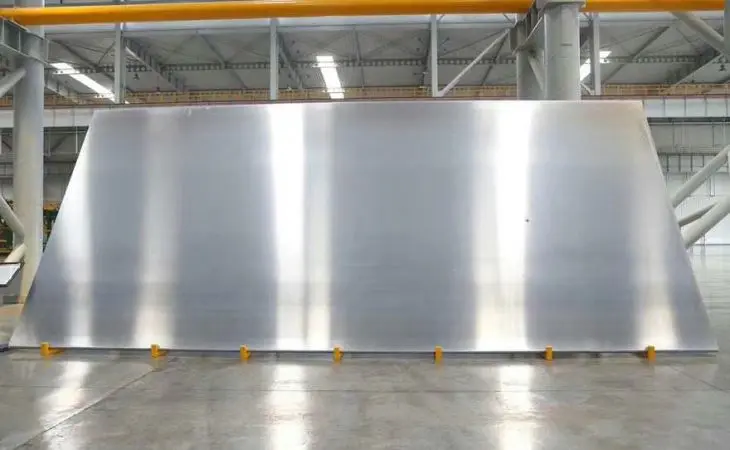
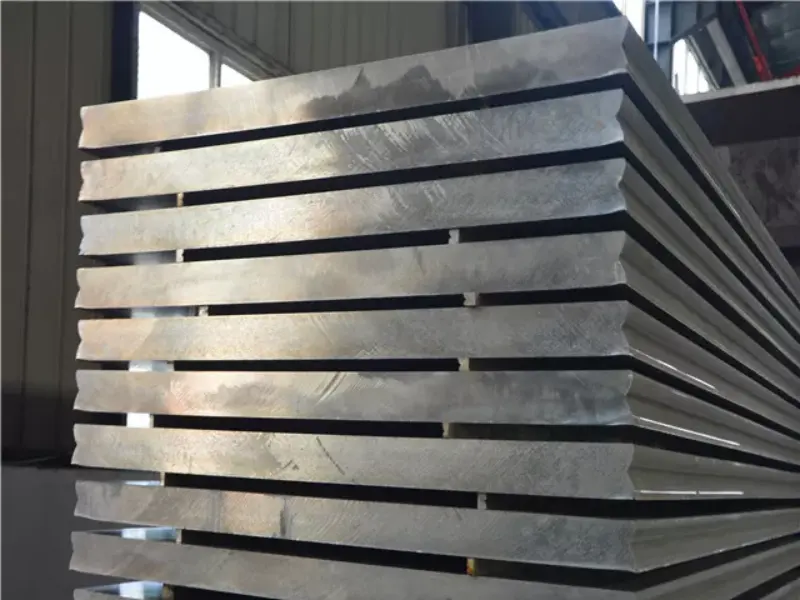
What Is a 3/16 Aluminum Plate
Thickness and Conversion
3/16 inch equals 4.7625 mm, commonly rounded to 4.76 mm on mill spec sheets. In metric markets, this plate is often listed as 4.8 mm or simply 5 mm in product catalogs, though the true imperial value is 4.76 mm.
| Imperial | Decimal (inch) | Metric (mm) |
|---|---|---|
| 1/8 inch | 0.125 | 3.175 mm |
| 3/16 inch | 0.1875 | 4.76 mm |
| 1/4 inch | 0.250 | 6.35 mm |
| 3/8 inch | 0.375 | 9.525 mm |
Sheet vs Plate — What Is the Difference
The industry line between sheet and plate varies by standard, but in most markets:
- Aluminum sheet: under 6.35 mm (1/4 inch) thick
- Aluminum plate: 6.35 mm and above
At 4.76 mm, 3/16 material technically falls in the sheet range by ASTM definition, but fabricators commonly call it plate due to its rigidity and industrial use. Either term gets you the right product — just confirm the thickness.
Why 3/16 Inch Is Widely Used
→ Strong enough for structural panels, frames, and marine decking → Light enough to handle and bend without industrial press equipment → Thicker than 1/8 inch — more load-bearing, less flex under weight → Thinner than 1/4 inch — lower material cost and easier machining → A standard stocking size at most North American metal suppliers
Common Aluminum Alloys for 3/16 Plate
3003 Aluminum Plate
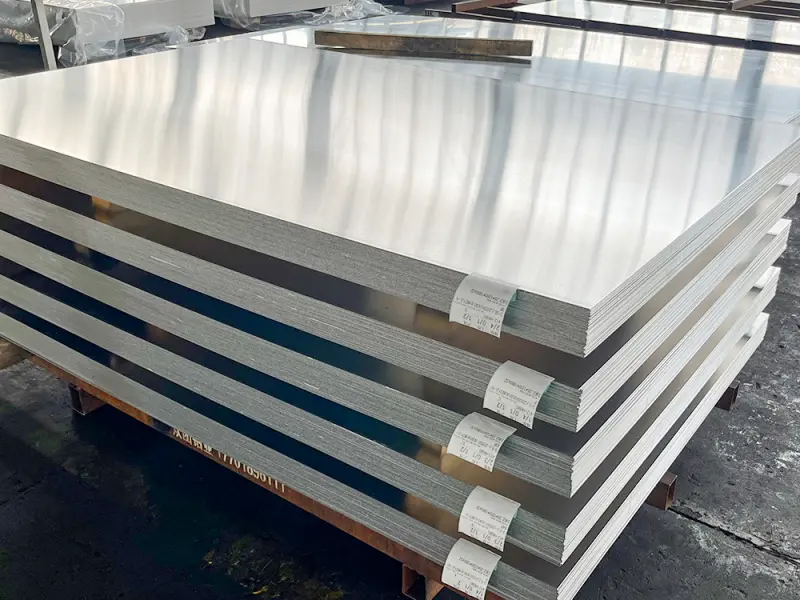
3003 i s the entry-level alloy for general fabrication. It contains manganese for improved strength over pure aluminum. It forms easily and resists corrosion well in standard outdoor environments. Common uses include storage tanks, roofing panels, signage backing, and light structural parts.
It is not heat-treatable, so strength stays moderate. For most non-marine general work, it is the lowest-cost reliable option.
5052 Aluminum Plate
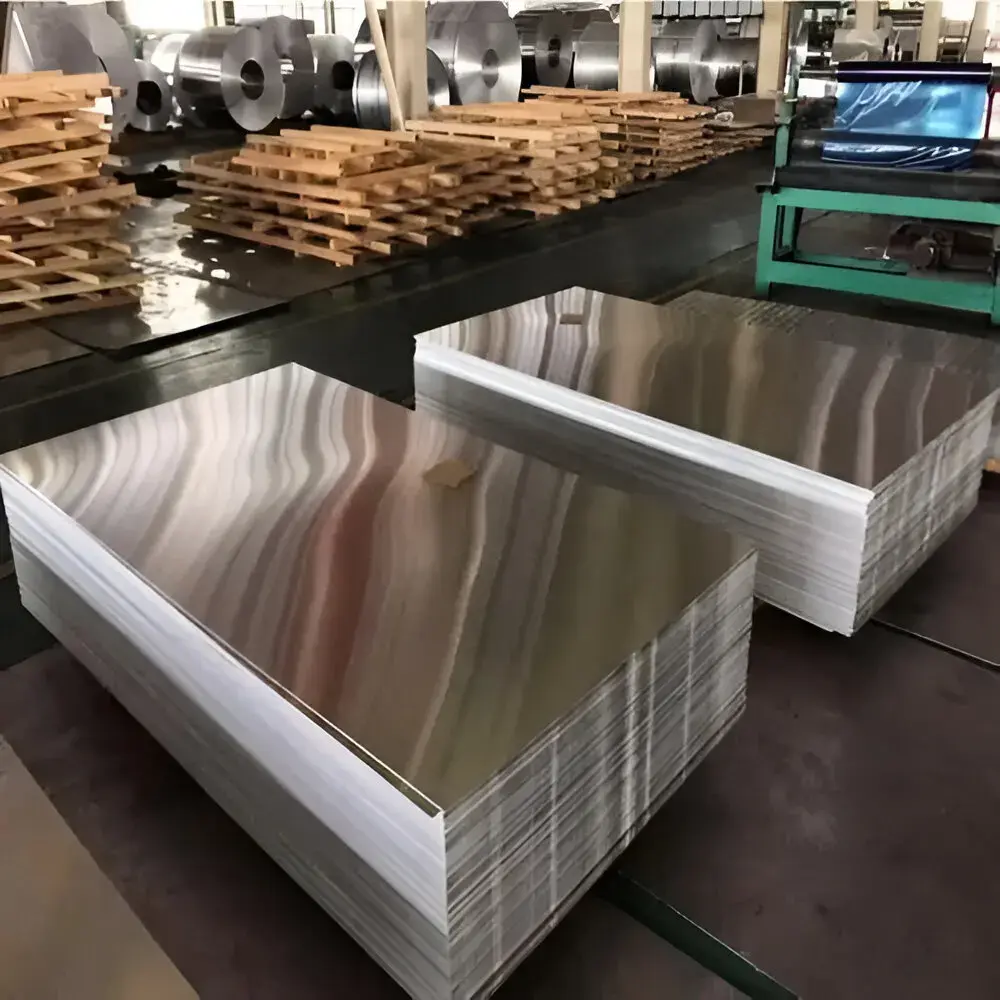
5052 adds magnesium as the main alloying element. It handles saltwater, fuel, and chemical exposure better than 3003. Marine builders, fuel tank fabricators, and pressure vessel makers use it regularly. It welds cleanly with 5356 filler and holds good strength after welding.
5052 costs more than 3003 but is the go-to pick when corrosion resistance matters more than base price.
5083 Aluminum Plate
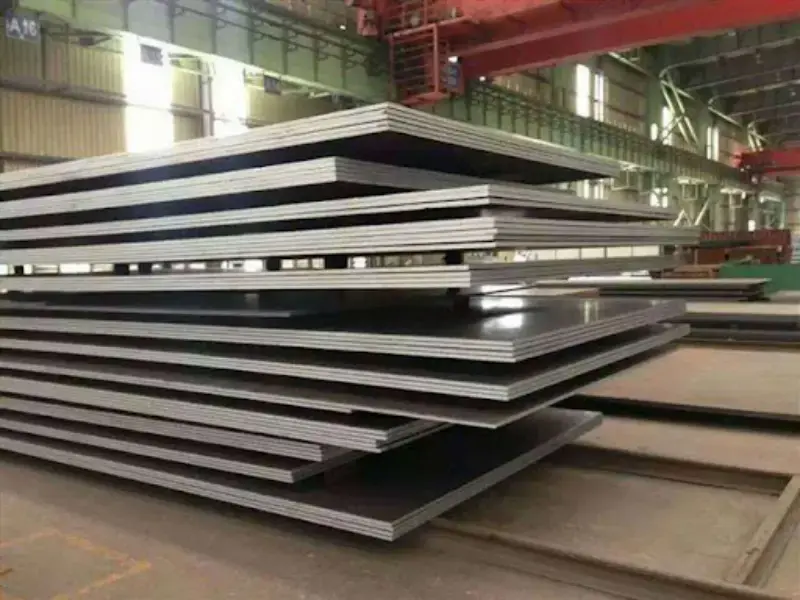
5083 is the high-strength marine alloy. It is used in ship hulls, offshore equipment, and heavy-duty marine structures where 5052 is not strong enough. It has excellent weldability and performs well at low temperatures, which suits cryogenic storage applications.
Fewer suppliers stock 5083 in 3/16 thickness. Lead time may be longer for this grade.
6061 Aluminum Plate
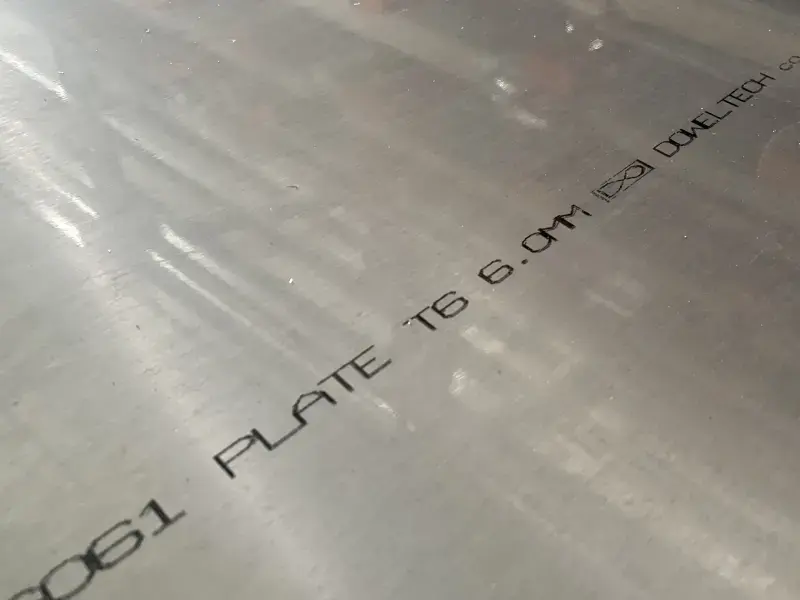
6061-T6 is the structural workhorse. After T6 heat treatment, tensile strength reaches 310 MPa — the highest of any common aluminum plate alloy. It machines cleanly, accepts anodizing well, and suits parts that carry real load.
6061 costs more than 5052 and is slightly harder to weld (requires careful heat management). For frames, brackets, machined components, and aerospace-adjacent parts, it is the correct choice.
Alloy Comparison at a Glance
| Alloy | Temper | Tensile Strength | Corrosion Resistance | Best Use |
|---|---|---|---|---|
| 3003 | H14 | 150 MPa | Good | General fabrication, tanks |
| 5052 | H32 | 230 MPa | Excellent | Marine, fuel tanks, outdoor |
| 5083 | H116 | 290 MPa | Excellent | Ship hulls, heavy marine |
| 6061 | T6 | 310 MPa | Good | Structural, machined parts |
How to Choose
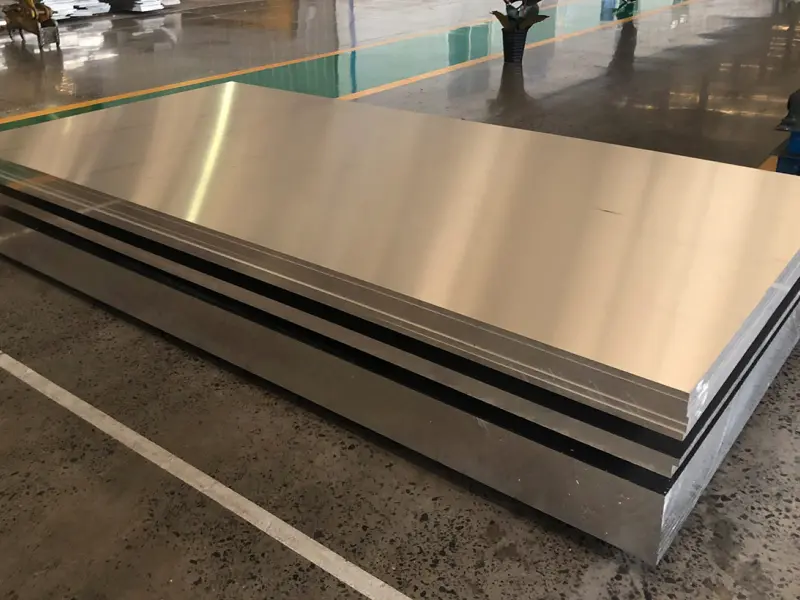
Pick 3003 for low-cost general sheet work with no saltwater or chemical exposure. Pick 5052 for anything near water, fuel, or harsh outdoor environments. For pick 5083 for ship-class marine structures or offshore equipment. Pick 6061 when you need maximum strength and good machinability.
Standard Sizes of 3/16 Aluminum Plate
Common Sizes in Imperial
| Size | Notes |
|---|---|
| 4 × 8 ft | Most common, fits most shop-floor equipment |
| 4 × 10 ft | For longer structural members |
| 5 × 10 ft | Marine and heavy fabrication standard |
| 4 × 12 ft | Available from most mills on order |
| 6 × 12 ft | Large format, mainly for plate distributors |
Metric Size Equivalents
| Metric Size | Imperial Equivalent | Market |
|---|---|---|
| 1000 × 2000 mm | ~39 × 79 in | Asia, Europe |
| 1220 × 2440 mm | 4 × 8 ft | Global standard |
| 1250 × 2500 mm | ~49 × 98 in | Europe |
| 1500 × 3000 mm | ~59 × 118 in | Heavy fabrication |
| Custom | Any | OEM / cut to order |
Custom Cutting Options
Most suppliers offer:
- Shear cutting — straight cuts, fast turnaround, suitable for rectangular pieces
- CNC plasma cutting — curved and complex profiles, good tolerance for structural parts
- Laser cutting — tight tolerances, clean edges, suits thinner plates better
- Waterjet cutting — no heat distortion, suits 6061 and heat-sensitive alloys
Specifications — Temper, Tolerance, and Surface Finish
Temper Options for 3/16 Plate
| Temper | Description | Common Alloy |
|---|---|---|
| H14 | Strain hardened, half hard | 3003 |
| H32 | Strain hardened, quarter hard | 5052 |
| H116 | Marine temper, corrosion tested | 5083 |
| T6 | Solution treated + aged | 6061 |
| T651 | T6 + stress relieved by stretching | 6061 |
T651 is important for 6061 plate used in machining. The stress relieving step reduces distortion when material is removed from the plate during CNC work.
Thickness Tolerance
| Standard | Tolerance on 4.76 mm |
|---|---|
| ASTM B209 | ± 0.15 mm |
| EN 485-4 | ± 0.13 mm |
| Precision rolled | ± 0.05 mm (on request) |
Surface Finishes Available
- Mill finish — natural surface from rolling, no extra process, lowest cost
- Brushed finish — fine parallel lines, hides fingerprints, common in architecture
- Anodized — electrochemical oxide layer, 10–25 micron, harder surface, decorative color options
- Painted / PVDF coated — for cladding and exterior panel applications
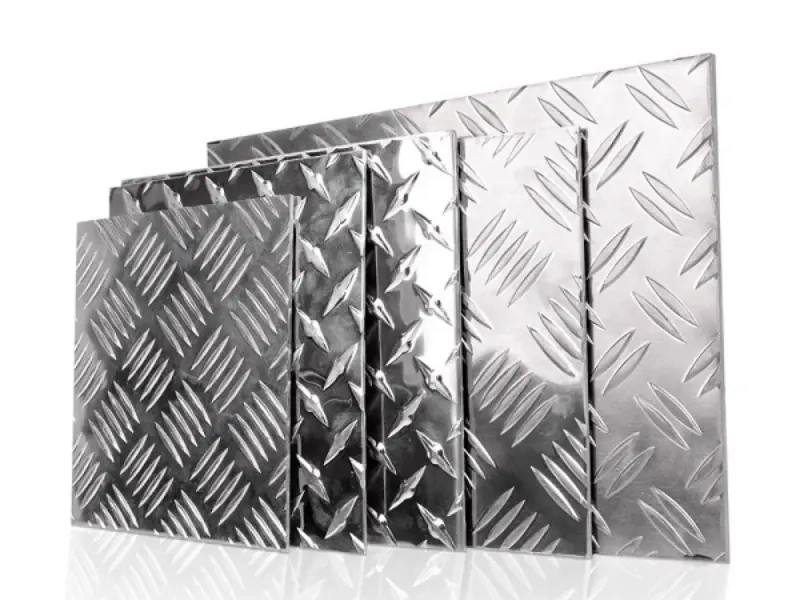
- Tread plate (checker plate) — raised diamond or bar pattern pressed into surface, adds grip for flooring
Weight Calculation of 3/16 Aluminum Plate
Formula
Weight (kg) = Length (m) × Width (m) × Thickness (m) × Density (kg/m³)
Aluminum density = 2,710 kg/m³
Weight Examples
| Plate Size | Thickness | Weight Per Sheet |
|---|---|---|
| 4 × 8 ft (1.22 × 2.44 m) | 4.76 mm | ~38.6 kg (85 lb) |
| 4 × 10 ft (1.22 × 3.05 m) | 4.76 mm | ~48.2 kg (106 lb) |
| 5 × 10 ft (1.52 × 3.05 m) | 4.76 mm | ~60.1 kg (133 lb) |
| 1000 × 2000 mm | 4.76 mm | ~25.9 kg |
| 1220 × 2440 mm | 4.76 mm | ~38.5 kg |
| 1500 × 3000 mm | 4.76 mm | ~58.1 kg |
Applications of 3/16 Aluminum Plate
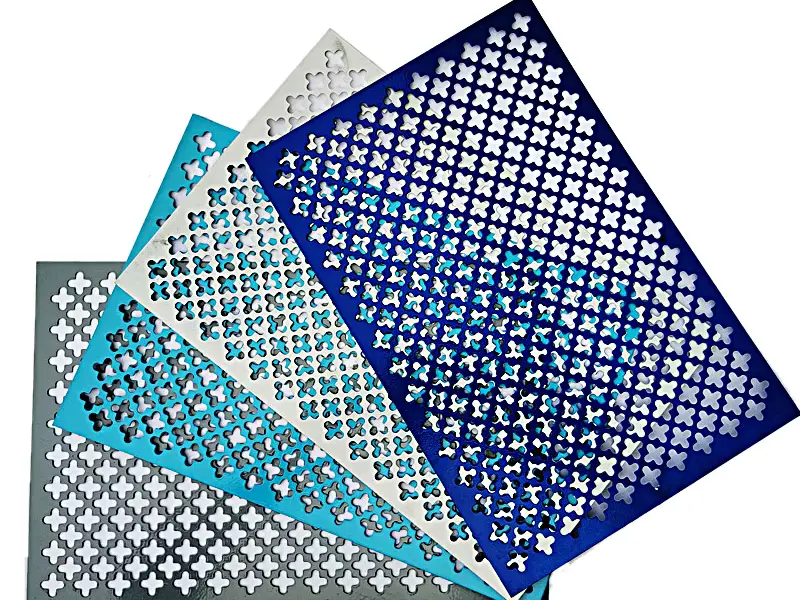
Construction and Architecture
- Exterior wall cladding panels
- Curtain wall subframes
- Roof edge and fascia trim
- Structural support brackets
- Decorative architectural panels
Marine Industry
- Boat hull side panels and bulkheads
- Deck plating and flooring
- Fuel tank walls (5052 or 5083 required)
- Dock equipment and gangway platforms
- Pontoon and barge components
Transportation
- Truck body panels and sidewalls
- Trailer floor and wall lining
- Reefer (refrigerated trailer) interior panels
- RV and camper structural panels
- Utility vehicle body parts
Industrial Manufacturing
- Machine guards and safety covers
- Enclosure panels for electrical equipment
- Conveyor side panels
- Structural frames and jigs
- Pressure vessel components (5052 / 5083)
DIY and Custom Fabrication
- Welding tables and workbench tops
- Garage shelving and wall panels
- Custom brackets, mounts, and support frames
- Protective skid plates for off-road vehicles
- Art installations and signage bases
Advantages Worth Knowing
→ One third the weight of steel at the same size — easier handling, lower freight cost, less load on support structures.
→ No rust — aluminum forms its own oxide layer that self-repairs when scratched. No paint required for most environments.
→ Weldable with standard TIG or MIG — 5052 and 6061 both weld reliably with correct filler rods (5356 for 5052, 4043 for 6061).
The Machines cleanly — 6061-T6 cuts, drills, and mills without the tool chatter common in steel machining.
→ Recyclable — scrap aluminum retains significant value. End-of-life material is not waste.
Factors That Affect Price
Alloy Type
| Alloy | Relative Price (per ton) |
|---|---|
| 3003-H14 | Lowest |
| 5052-H32 | +10–20% vs 3003 |
| 5083-H116 | +20–35% vs 3003 |
| 6061-T6 | +25–40% vs 3003 |
Market Aluminum Price
Aluminum trades on the London Metal Exchange (LME). Mill prices follow LME with a short lag. For large orders, check the current LME price and build in a small buffer for price movement between order and delivery.
Size and Surface Treatment
| Factor | Price Impact |
|---|---|
| Standard 4×8 ft size | Base price |
| Custom cut to size | +5–15% (cutting fee) |
| Mill finish | Base price |
| Anodized (clear) | +USD 300–500/ton |
| PVDF coated | +USD 400–700/ton |
| Tread plate pattern | +USD 150–250/ton |
Order Quantity Impact
| Order Size | Price Level |
|---|---|
| < 1 ton | Retail / distributor price |
| 1–5 tons | Distributor wholesale |
| 5–20 tons | Mill direct pricing |
| 20+ tons | Best negotiated price |
Price Reference for 3/16 Aluminum Plate
Per-Ton Price Range (Mill Direct, 2024–2025)
| Alloy | Price Per Ton (USD) |
|---|---|
| 3003-H14 | USD 2,400–2,900 |
| 5052-H32 | USD 2,700–3,300 |
| 5083-H116 | USD 3,000–3,600 |
| 6061-T6 | USD 3,200–3,900 |
Per-Sheet Price Estimate (4 × 8 ft, mill finish)
| Alloy | Weight Per Sheet | Est. Price Per Sheet |
|---|---|---|
| 3003-H14 | ~38.6 kg | USD 93–112 |
| 5052-H32 | ~38.6 kg | USD 104–127 |
| 6061-T6 | ~38.6 kg | USD 124–150 |
Prices above are factory direct estimates. Local distributor prices are typically 20–40% higher.
How to Reduce Cost
- Order standard 4×8 or 4×10 ft sizes — custom cut adds tooling cost
- Combine different specs into one shipment to reach better freight rates
- Ask for mill finish unless the application requires coating
- Place quarterly or annual frame orders to lock in stable pricing
Manufacturing Process
Step 1 — Melting and Casting
Aluminum ingots are melted with alloy additions (manganese for 3003, magnesium for 5052, magnesium and silicon for 6061). The melt is poured into DC casting molds to form large rolling slabs.
Step 2 — Hot Rolling
Slabs are heated to 400–500°C and passed through a hot rolling mill. Thickness reduces progressively from 500–600 mm down to around 6–8 mm.
Step 3 — Cold Rolling
Further thickness reduction happens at room temperature on a cold rolling mill. This achieves tighter thickness tolerances and work-hardens the material.
Step 4 — Heat Treatment
For 6061-T6: solution heat treatment at 530°C, quench, then artificial aging at 160°C for 8–12 hours. For 5052-H32 and 3003-H14: partial annealing or controlled strain hardening.
Step 5 — Leveling, Inspection, and Cutting
Plates pass through a roller leveler for flatness. Thickness, surface, and mechanical properties are tested. Plates are then shear-cut to standard sizes.
Quality Standards and Certifications
What to Check on a Mill Test Report (MTR)
| Test Item | Standard |
|---|---|
| Chemical composition | ASTM B209 / EN 573 |
| Tensile strength | ASTM E8 |
| Yield strength | ASTM E8 |
| Elongation | ASTM E8 |
| Thickness tolerance | ASTM B209 / EN 485 |
| Flatness | ASTM B209 |
Certifications Worth Requesting
- ISO 9001 quality management system
- SGS or Bureau Veritas (BV) third-party inspection
- EN 10204 Type 3.1 MTR for European buyers
- ABS (American Bureau of Shipping) approval for marine 5083
Buying 3/16 Aluminum Plate from China
Why Chinese Mills Are Competitive
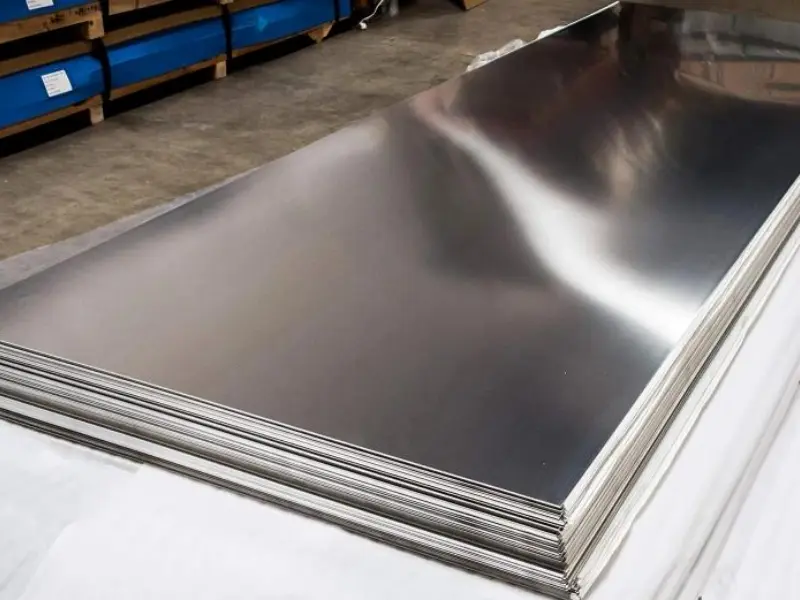
China produces over 55% of global primary aluminum. Raw material and energy costs are lower, and large integrated rolling mills operate at volumes that reduce per-unit cost. For buyers in the Americas, Southeast Asia, and the Middle East, Chinese factory pricing on 3/16 aluminum plate runs 20–40% below comparable European or North American distributor prices.
Factory vs Trading Company
| Feature | Factory Direct | Trading Company |
|---|---|---|
| Price | Lowest | 10–20% higher |
| MOQ | 2–5 tons per spec | 1–2 tons |
| Customization | Full | Limited |
| MTR quality | Original mill | May re-issue |
| Lead time | Reliable | Depends on factory |
Buying Process Step by Step
- Inquiry — send your spec: alloy, temper, size, finish, quantity
- Quotation — receive price, lead time, payment terms
- Sample — request a small sample cut if it is your first order
- Production — confirm order, factory begins rolling or cutting
- Inspection — third-party inspection before loading (SGS recommended for large orders)
- Shipping — sea freight (FCL or LCL) for most orders
Packaging and Shipping
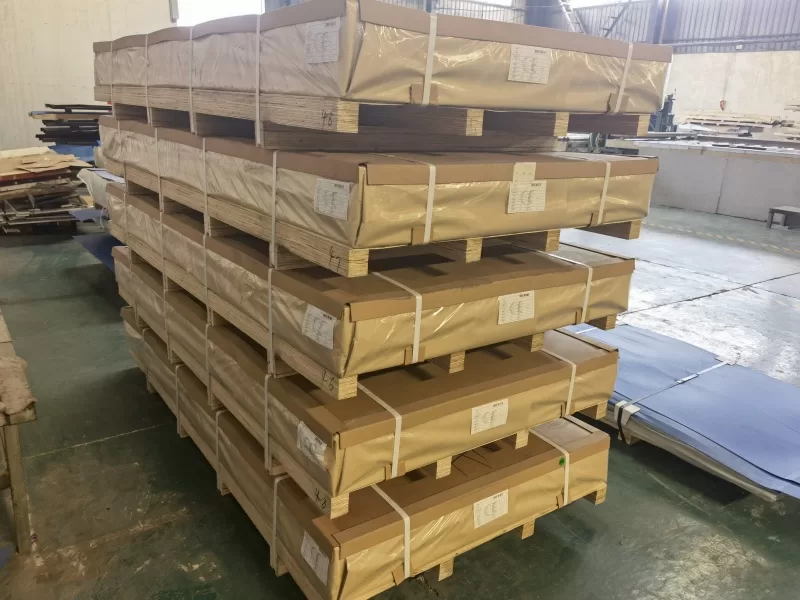
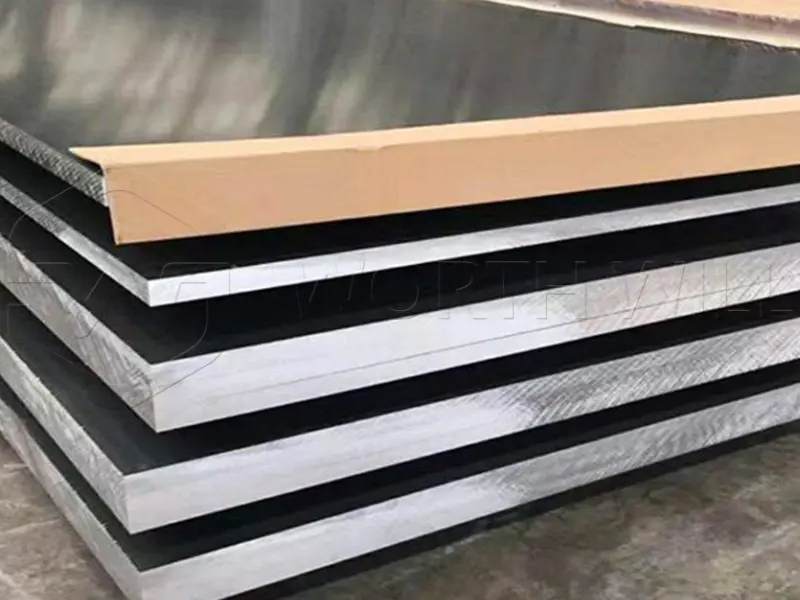
Export Packaging
- PE protective film applied to plate surface
- Interleaved paper between plates to prevent surface contact
- Stack on fumigated wooden export pallet
- Strapping bands and moisture barrier wrap for sea freight
Shipping Options
| Method | Cost | Transit Time | Best For |
|---|---|---|---|
| Sea (FCL) | Lowest | 25–40 days | Orders 5+ tons |
| Sea (LCL) | Low–mid | 30–45 days | Orders 1–5 tons |
| Air freight | High | 5–10 days | Small urgent samples |
3/16 Aluminum Plate vs Other Thicknesses
1/8 inch vs 3/16 inch
| Feature | 1/8 inch (3.175 mm) | 3/16 inch (4.76 mm) |
|---|---|---|
| Weight per 4×8 ft | ~25.7 kg | ~38.6 kg |
| Flex / rigidity | More flexible | Stiffer, more rigid |
| Load capacity | Light–moderate | Moderate–heavy |
| Cost per sheet | Lower | Higher by ~50% |
| Typical use | Sheet metal work, thin panels | Structural panels, marine |
3/16 inch vs 1/4 inch
| Feature | 3/16 inch (4.76 mm) | 1/4 inch (6.35 mm) |
|---|---|---|
| Weight per 4×8 ft | ~38.6 kg | ~51.5 kg |
| Bending ease | Easier | Requires heavier press |
| Structural strength | Good | Better |
| Cost per sheet | Lower | Higher by ~30–35% |
| Best use | Marine panels, truck bodies | Heavy structural, thick-wall tanks |
Which Thickness to Choose
Go 1/4 inch when maximum rigidity or heavy load-bearing is needed
The Go 1/8 inch when weight is a priority and loads are light
Go 3/16 inch for the best balance of strength, workability, and cost in most structural applications
Frequently Asked Questions
What Thickness Is 3/16 Aluminum Plate in Millimeters
3/16 inch equals 4.7625 mm, commonly written as 4.76 mm. Some suppliers list it as 4.8 mm or 5 mm in metric catalogs. If exact thickness matters for your project, confirm the actual dimension with the supplier before ordering.
Is 3/16 Aluminum Plate Strong Enough for Outdoor Use
Yes, in most outdoor applications. 3003-H14 handles standard outdoor exposure well. For coastal or marine environments, choose 5052-H32 for its higher corrosion resistance. Anodizing or PVDF coating adds extra protection for long-term exterior use.
What Alloy Is Best for Marine Applications
5052-H32 covers most marine fabrication needs — fuel tanks, boat panels, and deck hardware. For ship-class hull work or offshore structures, use 5083-H116, which meets ABS and classification society requirements.
How Much Does a 4×8 Sheet of 3/16 Aluminum Weigh
A 4×8 ft sheet of 3/16 inch aluminum (4.76 mm) weighs approximately 38.6 kg (about 85 lb). Weight varies slightly by alloy since density differs slightly between series, but 38–39 kg is accurate for practical purposes.
Can 3/16 Aluminum Plate Be Welded
Yes. 3003 and 5052 weld easily with TIG or MIG. Use 5356 filler for 5052 and 4043 for 6061. 6061-T6 requires careful heat management to avoid heat-affected zone cracking. Post-weld aging is recommended to restore some of the T6 strength.
Where Can I Buy 3/16 Aluminum Plate in Bulk
For bulk orders (2+ tons), buying direct from a Chinese mill or a verified distributor gives the best price. Request a mill test report, sample pieces, and confirm the alloy before the full order. Third-party inspection (SGS or BV) is worth arranging for container-load quantities.
Final Notes for Buyers
3/16 aluminum plate is one of the most practical thicknesses on the market. It handles real structural loads, bends and welds without heavy equipment, and costs less per sheet than 1/4 inch plate.
For most general fabrication, 5052-H32 in standard 4×8 ft is the right starting spec. It handles corrosion, welds cleanly, and is stocked by most mills. Move to 6061-T6 when strength and machining quality matter more than cost.
Order a sample before scaling to container volume. Confirm the MTR matches your spec. And check current LME pricing before locking in a price on large orders — the aluminum market moves, and a 5–10% shift in raw material price changes your landed cost meaningfully.