
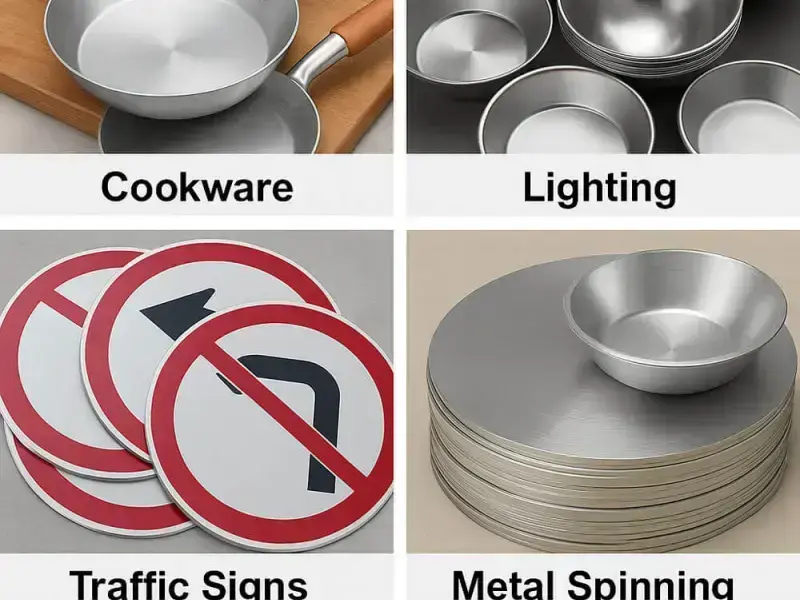
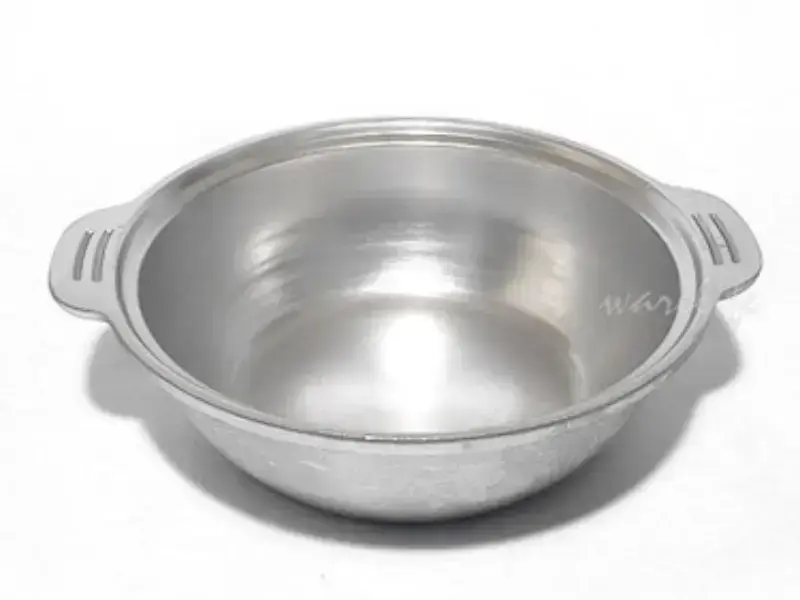
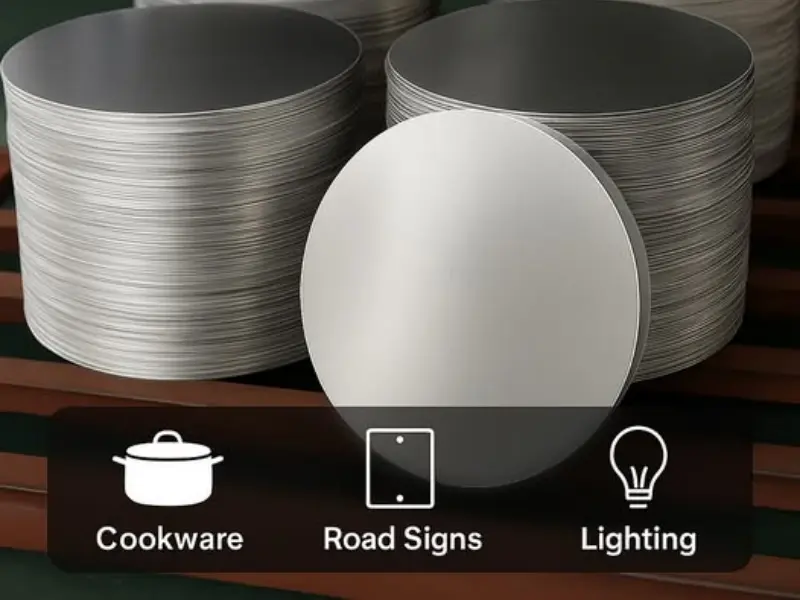
If you’re in the market for 1050 aluminum circle, it’s essential to know what options are available and why this specific aluminum grade is popular for various applications. The 1050 aluminum circle, known for its purity and exceptional workability, is widely used in cookware, lighting, and decorative industries.
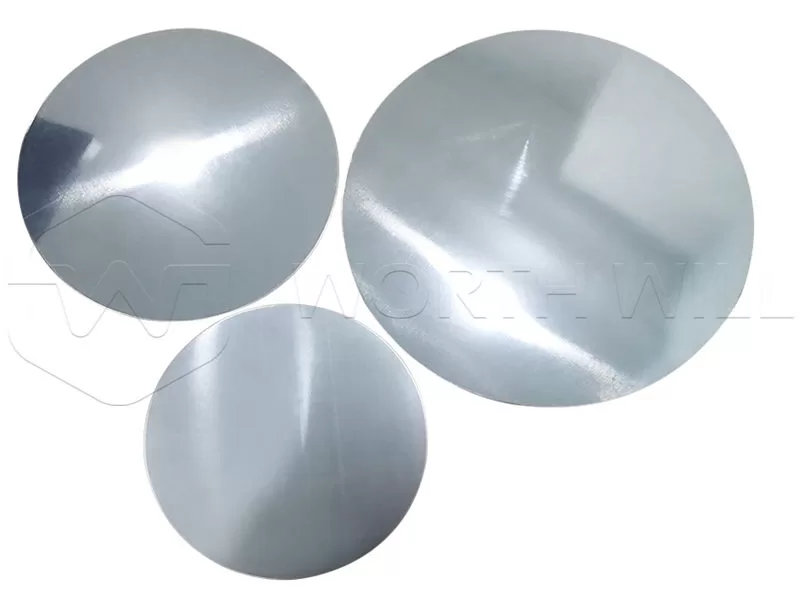

Why Choose 1050 Aluminum Circle?
The 1050 aluminum grade is part of the 1000 series, which is renowned for its high aluminum content (around 99.5%) and excellent corrosion resistance. Its key advantages include:


- High Ductility: This aluminum alloy is easy to shape, making it ideal for deep drawing, spinning, and other forming processes.
- Good Thermal Conductivity: 1050 aluminum has great thermal conductivity, perfect for cookware that requires even heat distribution.
- Cost-Effective: Due to its high purity, 1050 aluminum is cost-effective for manufacturers, especially for high-volume applications.
- Corrosion Resistance: Ideal for products exposed to moisture or weather conditions, such as cooking pans and lighting fixtures.
Key Options When Choosing 1050 Aluminum Circle
When selecting the right 1050 aluminum circle for your needs, consider these important options:

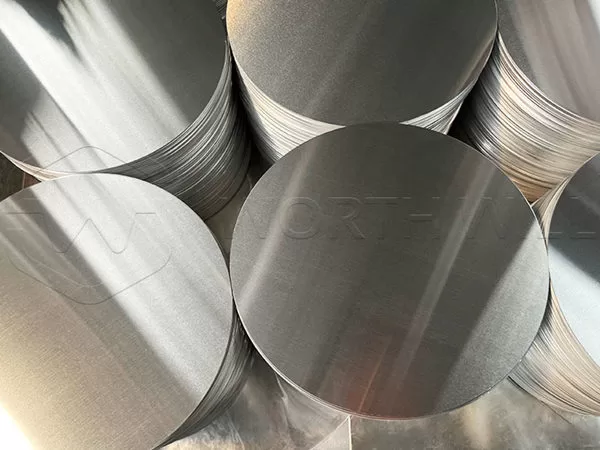
1. Size and Thickness
1050 aluminum circles are available in a range of diameters and thicknesses, which you can choose depending on the specific application. For example:
- Small diameters are suitable for smaller cookware or lighting parts.
- Larger diameters are often used for bigger pots, trays, or industrial components.
The thickness also affects durability and heat distribution, especially for cookware. Choose a thickness that aligns with your product’s requirements for optimal performance.
2. Surface Finish
The surface finish of the aluminum circle can impact both aesthetics and functionality. Common finishes include:
- Mill Finish: This is the most economical and raw finish, often used for products where appearance isn’t the primary concern.
- Polished Finish: Offers a shiny, reflective look, ideal for decorative applications or products that require a smooth finish.
- Anodized Finish: Anodizing enhances corrosion resistance and provides a more durable surface, making it suitable for high-wear applications.
3. Customization Options
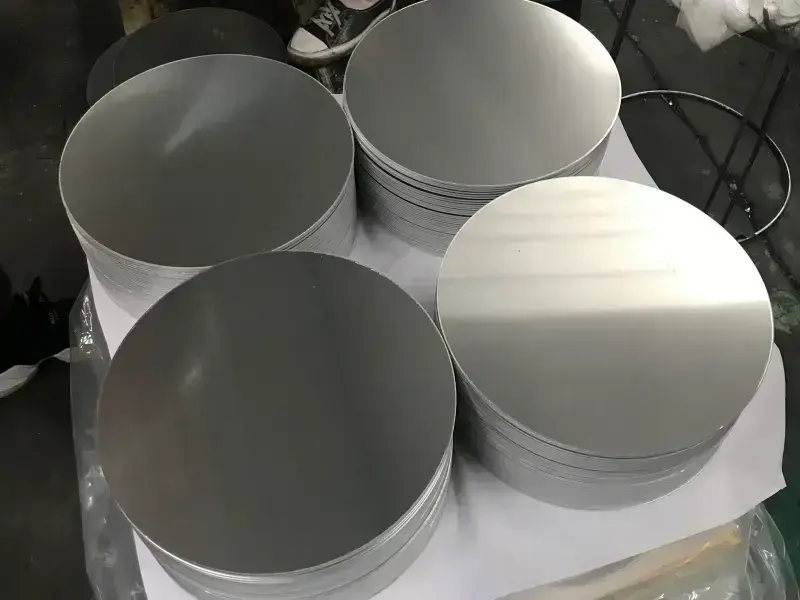
Many suppliers offer customized sizes and finishes for 1050 aluminum circles. If your project requires unique specifications, consider working with a manufacturer that can accommodate custom orders.
This ensures you get the right size, shape, and finish without needing additional modifications.
4. Temper Options
Aluminum circles come in different tempers, which affect their strength and flexibility. Common tempers for 1050 aluminum include:
- O (Annealed): The softest temper, suitable for deep drawing and spinning.
- H12, H14, H18: Harder tempers that offer more strength but may be less malleable, suitable for applications requiring higher structural integrity.
5. Coatings for Specific Applications
Some applications require a protective coating on the aluminum circle for added durability or heat resistance.
Coatings can also add non-stick properties, making them ideal for cookware. Make sure to discuss coating options with your supplier if your application requires specific properties.
Finding a Reliable Supplier
When looking for 1050 aluminum circles for sale, finding a reliable supplier is key to ensuring high quality and fair pricing. Consider suppliers with the following qualities:
- Experience and Expertise: Look for suppliers with expertise in producing aluminum circles, as they can provide valuable advice on the best options for your needs.
- Customization Capabilities: A supplier that can customize sizes, finishes, and other features is advantageous for meeting specific requirements.
- Competitive Pricing: Direct manufacturers often offer the best pricing, especially if you are buying in bulk.
- Consistent Quality: Choose suppliers who follow industry quality standards to ensure you receive high-quality, consistent products.
Final Thoughts
The 1050 aluminum circle is a versatile and cost-effective choice for many industries, especially cookware and decorative products. By considering options like size, finish, temper, and customization, you can find the right aluminum circle for your project.
Work with a reliable supplier who can meet your exact specifications and offer guidance, ensuring a smooth buying experience and a high-quality product.
Ready to purchase? Reach out to an experienced aluminum supplier today to explore options, get a quote, and find the best 1050 aluminum circle for your needs.
Options of 1050 Aluminum Circle for Sale
1050 aluminum circles are widely used in cookware, kitchen utensils, lighting products, road signs, and metal stamping. They are made from 1050 aluminum alloy, which contains at least 99.5% aluminum. This high aluminum content gives the material good corrosion resistance, thermal conductivity, and formability.
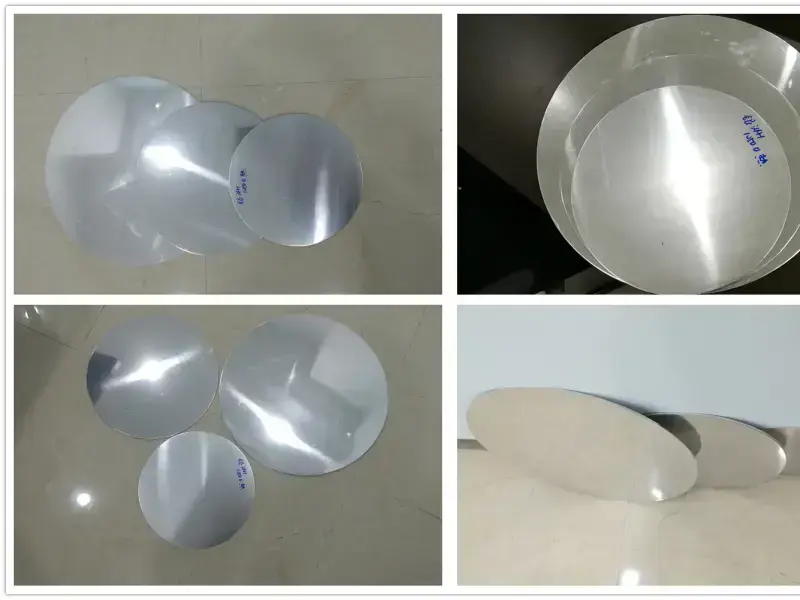
For buyers looking for 1050 aluminum circles for sale, there are many options to consider.
These include diameter, thickness, temper, surface finish, production method, and packaging. The right choice depends on the final product and the forming process.
Some customers need thin aluminum circles for reflectors and shallow stamping. Others need thicker blanks for cookware, industrial parts, or deeper drawing operations. Choosing the correct specification helps reduce waste and improve production efficiency.
What Are 1050 Aluminum Circles?
A 1050 aluminum circle is a round blank cut or punched from aluminum sheet or coil. It is used as the starting material for products that need a circular shape.
The material is known for its high aluminum content and good forming performance. It has pressed, spun, bent, and stamped when the correct temper and thickness are selected.
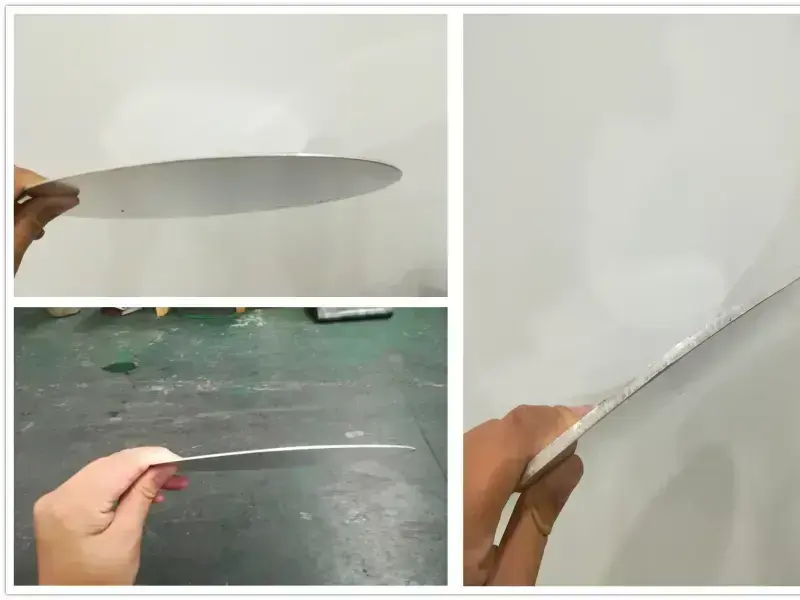
Compared with some aluminum alloys that offer higher strength, 1050 aluminum has often chosen for applications where formability, corrosion resistance, and heat transfer are more important than high structural strength.
Main Characteristics of 1050 Aluminum Circles
- High aluminum content: At least 99.5% aluminum.
- Good formability: Suitable for many stamping and drawing operations.
- Good thermal conductivity: Useful for selected cookware and heat-related products.
- Corrosion resistance: Performs well in many common environments.
- Lightweight: Easier to handle than many heavier metal alternatives.
- Flexible finishing options: Available in mill finish and selected polished or coated finishes.
- Custom dimensions: Diameter and thickness can be selected according to the product design.
Actual performance depends on the material temper, thickness, surface quality, and forming process.
Options of 1050 Aluminum Circle for Sale
Different applications need different specifications. A cookware factory may require soft circles for deep drawing, while a lighting manufacturer may prefer thinner blanks with a smooth surface.
The following options can help buyers compare products before placing an order.
Option 1: 1050 O Temper Aluminum Circles
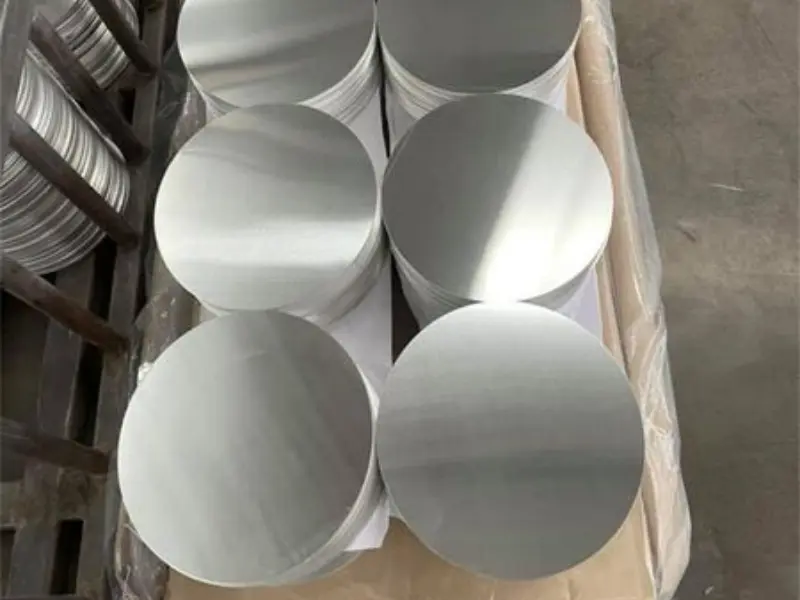
O temper is an annealed, soft condition. It offers high formability and is commonly considered for products that require significant deformation.
Typical applications include cookware, kitchen containers, deep-drawn parts, and spun aluminum products.
| Specification | Common Options |
|---|---|
| Alloy | 1050 |
| Temper | O |
| Thickness | 0.5–4.0 mm |
| Diameter | 80–1200 mm |
| Surface | Mill finish or polished, as specified |
| Main advantage | High formability |
For deep drawing, the circle’s thickness, diameter, material quality, and drawing depth should be reviewed together. A sample forming test can help confirm whether the selected material is suitable.
Option 2: 1050 H12 Aluminum Circles
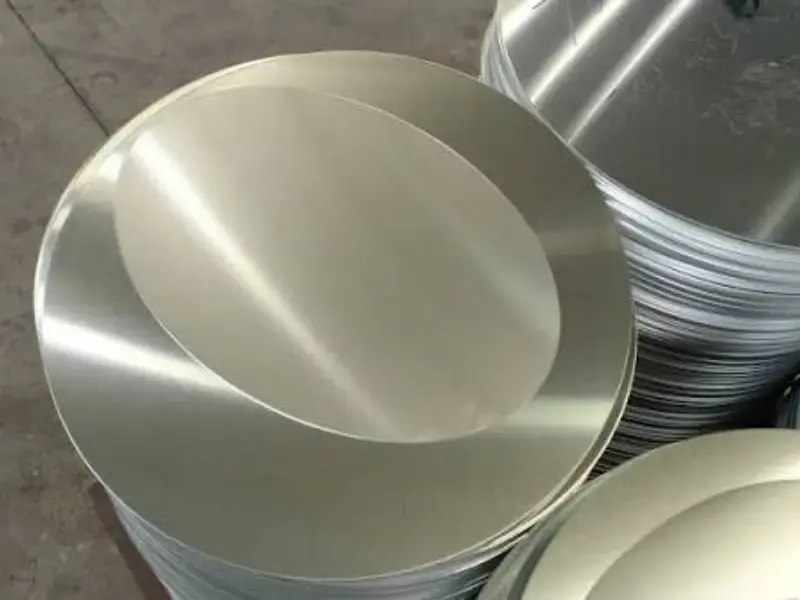
H12 temper is strain-hardened to a quarter-hard condition. It provides more strength than O temper while retaining some formability.
These circles may be suitable for shallow-drawn parts, stamped components, decorative metal products, and applications that do not require extensive deformation.
| Specification | Common Options |
|---|---|
| Alloy | 1050 |
| Temper | H12 |
| Thickness | 0.5–3.0 mm |
| Diameter | 100–1000 mm |
| Production | Punching or blanking |
| Main advantage | Balance of strength and formability |
The suitability of H12 depends on the required shape and forming depth. It is not automatically the best option for deep drawing.
Option 3: 1050 H14 Aluminum Circles
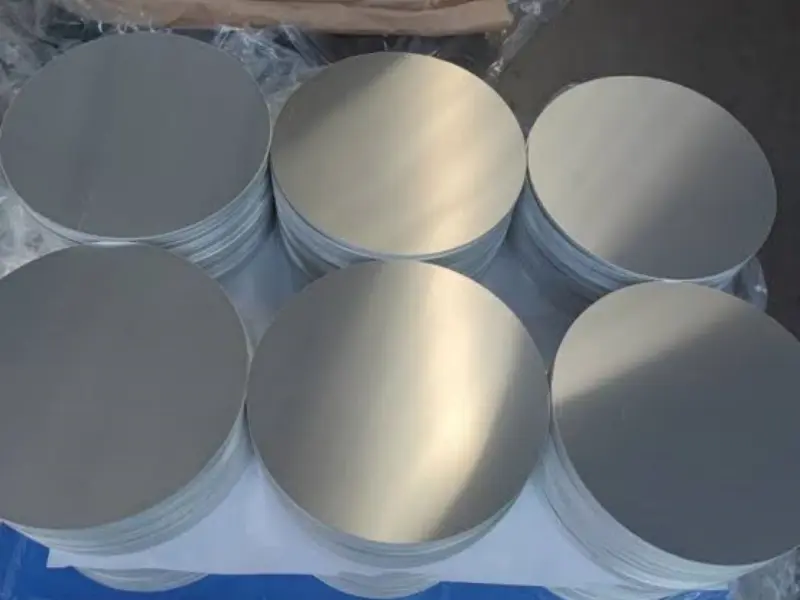
H14 is a half-hard condition. It offers higher strength than O and H12 tempers, but generally has lower formability for demanding drawing operations.
It has considered for relatively simple stamped parts, decorative products, and components that need a firmer material condition.
| Specification | Common Options |
|---|---|
| Alloy | 1050 |
| Temper | H14 |
| Thickness | 0.5–3.0 mm |
| Diameter | 80–1000 mm |
| Surface | Mill finish or selected finishing |
| Main advantage | Higher hardness than O temper |
Before choosing H14, confirm that the material can meet the forming requirements without cracking or excessive springback.
Common Sizes and Specifications
1050 aluminum circles have supplied in a range of diameters and thicknesses. Custom dimensions are also possible, depending on the production equipment and order quantity.
Small-Diameter Aluminum Circles
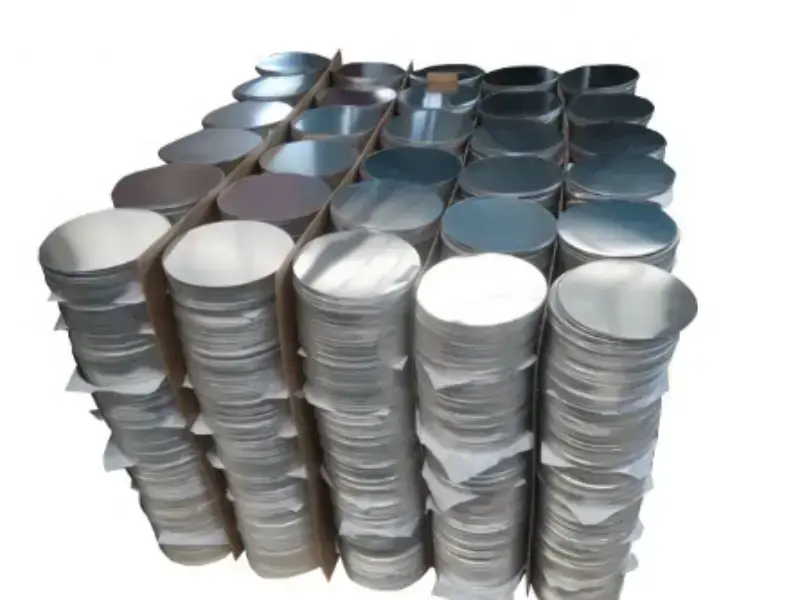
Small circles have commonly used for compact metal components and decorative products. They are useful when the finished part has a limited diameter and requires accurate dimensions.
Typical uses include small reflectors, stamped covers, craft components, and selected electrical or household parts.
| Parameter | Example Options |
|---|---|
| Diameter | 80, 100, 120, 150 mm |
| Thickness | 0.3–1.5 mm |
| Alloy | 1050 |
| Temper | O, H12, H14 |
| Processing | Punching or stamping |
Medium-Diameter 1050 Aluminum Blanks
Medium-sized circles have widely used in household products and general metal fabrication. They offer a practical balance between material use and finished product size.
Typical diameters include 200 mm, 250 mm, 300 mm, 350 mm, and 400 mm.
| Parameter | Example Options |
|---|---|
| Diameter | 200–400 mm |
| Thickness | 0.5–3.0 mm |
| Temper | O, H12, H14 |
| Applications | Cookware, covers, reflectors |
| Finish | Mill finish or polished, as required |
Large 1050 Aluminum Circles
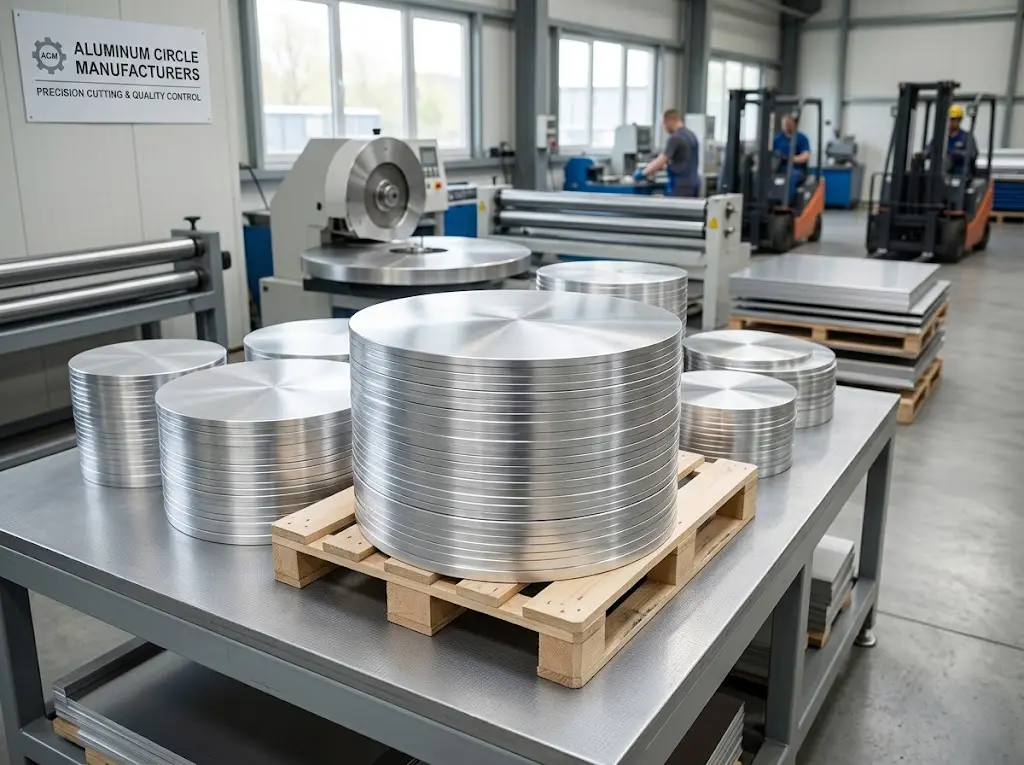
Large circles may be used for wide cookware, industrial components, decorative panels, and other products that require a larger round blank.
Larger diameters need careful control of flatness, thickness, and edge quality. The production method should be selected according to the material thickness and finished dimensions.
| Parameter | Example Options |
|---|---|
| Diameter | 500–1200 mm |
| Thickness | 1.0–4.0 mm |
| Alloy | 1050 |
| Temper | O or another suitable condition |
| Main consideration | Flatness and forming performance |
These ranges are examples, not fixed limits. Confirm available dimensions with the manufacturer before ordering.
How to Choose the Right Thickness
Thickness affects strength, weight, forming behavior, and material cost. The correct thickness depends on the final product rather than diameter alone.
Thin 1050 Aluminum Circles: 0.3–0.8 mm
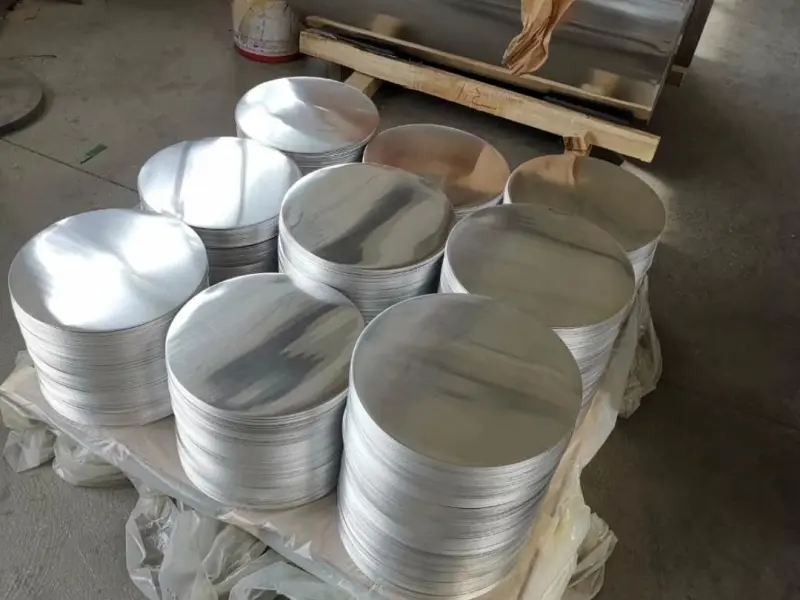
Thin circles are useful for lightweight products and applications that do not require a thick metal wall.
Possible applications include:
- Reflectors and lighting components
- Decorative metal blanks
- Shallow stamped covers
- Lightweight household products
- Selected craft and promotional items
Thin material is easier to handle in some processes, but it may be more likely to wrinkle or deform if the forming process is not suitable.
Medium Thickness: 1.0–2.0 mm
This range has commonly considered for cookware blanks, household products, and general stamping applications.
It provides more material thickness than very thin circles while remaining suitable for many forming processes.
| Thickness | Potential Application |
|---|---|
| 1.0 mm | Lightweight cookware and stamped parts |
| 1.2 mm | Household components and covers |
| 1.5 mm | Selected cookware and formed products |
| 2.0 mm | Thicker stamped parts and industrial blanks |
The final choice should account for drawing depth, product shape, and required finished thickness.
Thick 1050 Aluminum Circles: 2.5–4.0 mm
Thicker circles selected for products that need a heavier blank or a more substantial finished section.
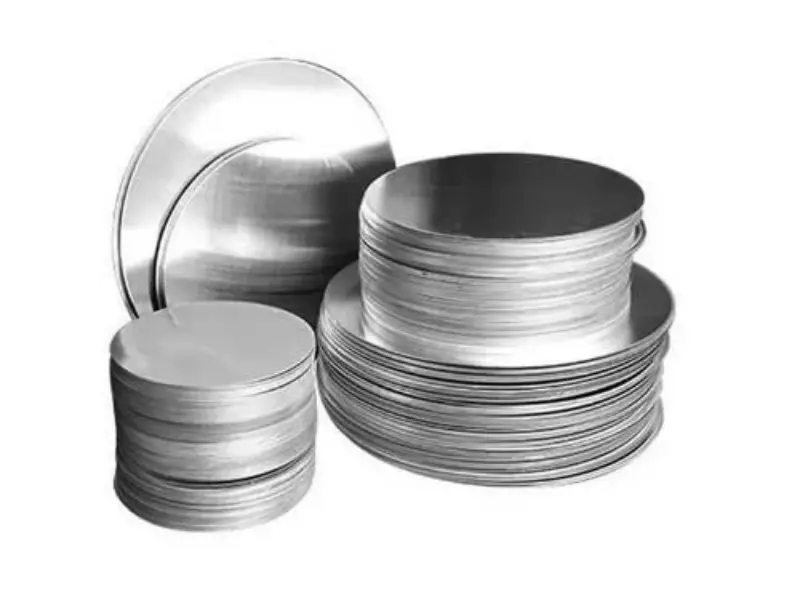
Possible applications include industrial components, thicker formed parts, and certain large cookware products. The material may require greater forming force and suitable tooling.
For demanding applications, confirm the temper and forming method before selecting a thick blank.
Applications of 1050 Aluminum Circles
1050 aluminum circles have applications in many industries because the material combines high aluminum content with good workability.
Cookware and Kitchen Utensils
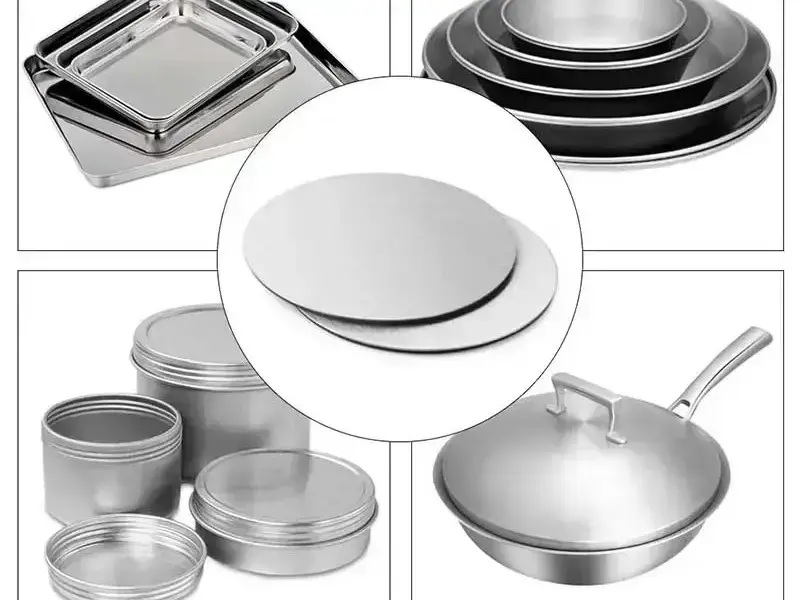
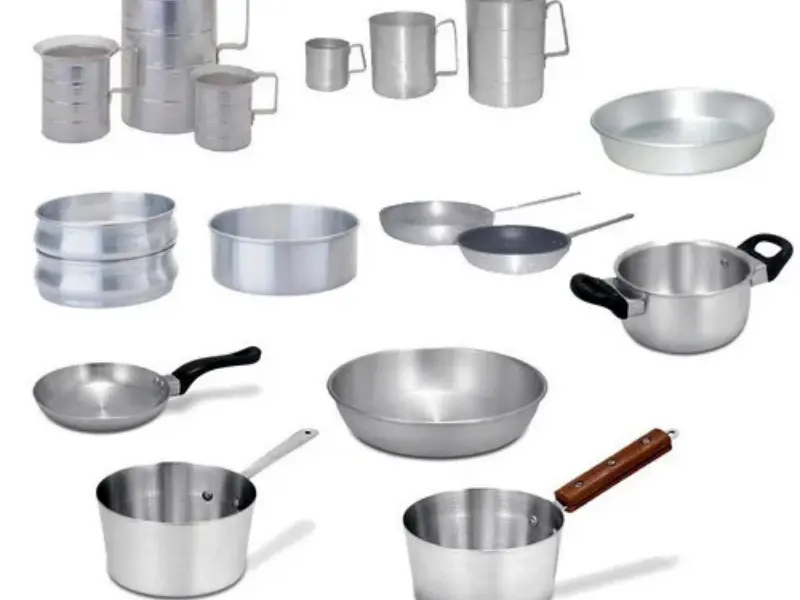
Cookware is one of the main application areas for aluminum circles. The material has formed into different shapes, depending on the temper, thickness, and tooling.
Common products include:
- Cooking pots
- Saucepan bodies
- Frying pan components
- Kitchen containers
- Food preparation utensils
- Selected lids and covers
For deep-drawn cookware, O temper has often considered because of its softness and formability. The finished cookware may require additional surface treatments or coatings depending on the intended use.
Lighting Reflectors
Aluminum circles have formed into reflectors for lighting products. Their lightweight structure and ability to take a shaped surface make them useful for selected lamp components.
Applications may include:
- Industrial lighting reflectors
- Commercial light fixtures
- Decorative lamps
- Selected outdoor lighting components
Surface quality is important for reflective products. Buyers should specify the required finish and check whether polishing, coating, or another treatment is needed.
Road Signs and Traffic Products
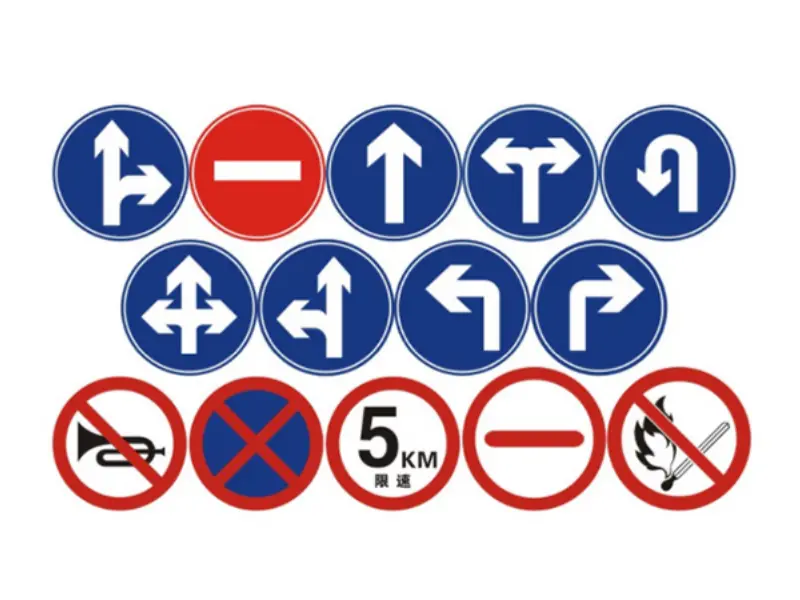
Circular aluminum blanks have applications for selected traffic signs, sign components, and circular warning plates. The material is lightweight and can be formed or processed for further fabrication.
The finished sign may require a reflective film, coating, printing, or other surface treatment. The alloy and thickness should meet the requirements of the sign design and installation environment.
Electrical and Industrial Components
1050 aluminum circles can also be used for certain electrical and industrial products where high conductivity or good formability is useful.
Potential applications include:
- Selected electrical covers
- Stamped metal components
- Equipment covers
- Industrial containers
- General-purpose aluminum parts
The exact suitability depends on the electrical, mechanical, and environmental requirements of the finished product.
Decorative and Household Products
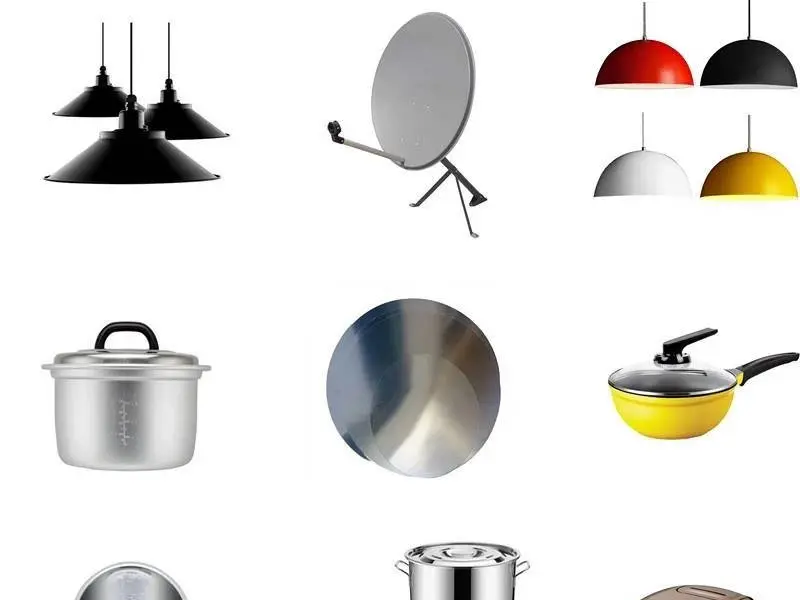
The material can be formed into decorative and household items where a round aluminum blank is required.
Examples include:
- Decorative discs
- Metal trays
- Household covers
- Display components
- Selected craft products
For decorative products, buyers may place greater importance on surface appearance, flatness, and edge quality.
1050 Aluminum Circle vs. Other Aluminum Alloys
1050 is not the only alloy available for aluminum circles. Alloys such as 1060, 1100, and 3003 have also used for different forming and manufacturing requirements.
The best alloy depends on the balance between purity, strength, formability, corrosion resistance, and cost.
| Alloy | Aluminum Content or Type | Main Characteristics | Common Applications |
|---|---|---|---|
| 1050 | At least 99.5% Al | Good formability and thermal conductivity | Cookware, reflectors, general stamping |
| 1060 | At least 99.6% Al | High purity and good workability | Electrical and household products |
| 1100 | Commercially pure aluminum | Good corrosion resistance and formability | Utensils and general fabrication |
| 3003 | Aluminum-manganese alloy | Higher strength than commercially pure grades in comparable conditions | Cookware, containers, formed components |
When Should You Choose 1050?
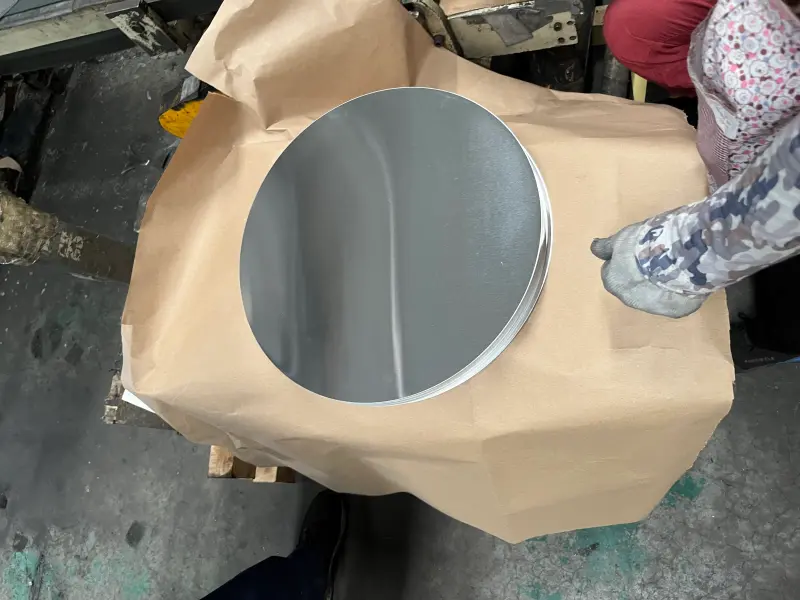
Choose 1050 when high aluminum content, good formability, and thermal conductivity are important to the application.
It is a practical option for many stamped and formed products. However, if the finished part needs higher strength, 3003 or another suitable alloy may be worth comparing.
1050 vs. 1060 Aluminum Circles
Both alloys are commercially pure aluminum grades. Their main difference is the minimum aluminum content and the resulting material characteristics.
1050 is often suitable for general-purpose forming. 1060 has considered when a higher aluminum content is required by the product specification.
For many applications, the forming process, temper, thickness, and surface quality may matter as much as the small difference in nominal purity.
1050 vs. 3003 Aluminum Circles
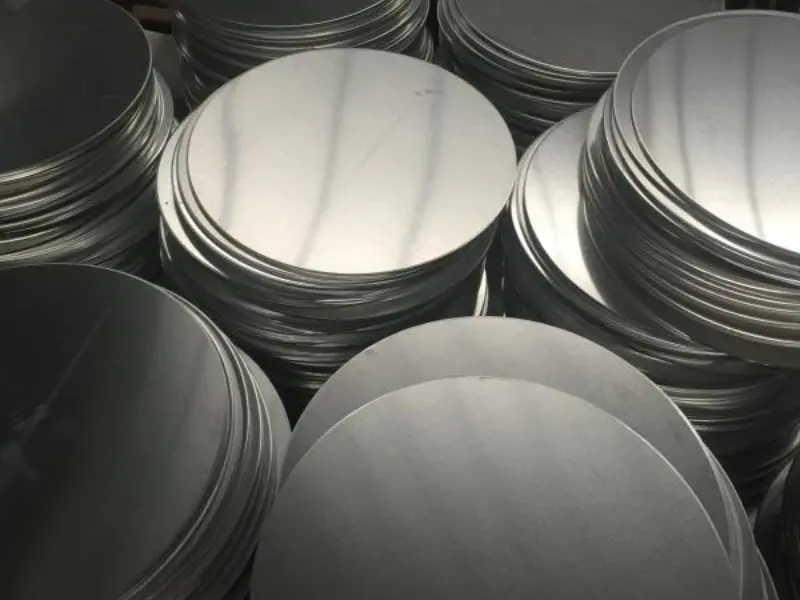
3003 contains manganese and generally provides higher strength than 1050 in comparable tempers. It may be a better option for products that need additional strength while retaining useful formability.
1050 has preferred when high aluminum content and good thermal conductivity are key requirements.
Always compare the required mechanical properties and forming performance instead of selecting an alloy by name alone.
Punching, Cutting, and Surface Finish Options
The production method influences dimensional accuracy, edge quality, and the amount of material waste.
Punching and Blanking
Punching is a common method for producing aluminum circles from sheet or coil. It is suitable for repeat orders and standardized dimensions.
For large quantities, a suitable die can improve production efficiency. The manufacturer should confirm the tooling requirements, tolerances, and available diameter range.
CNC or Custom Cutting
Custom cutting has considered for special dimensions or smaller production runs, depending on the equipment available.
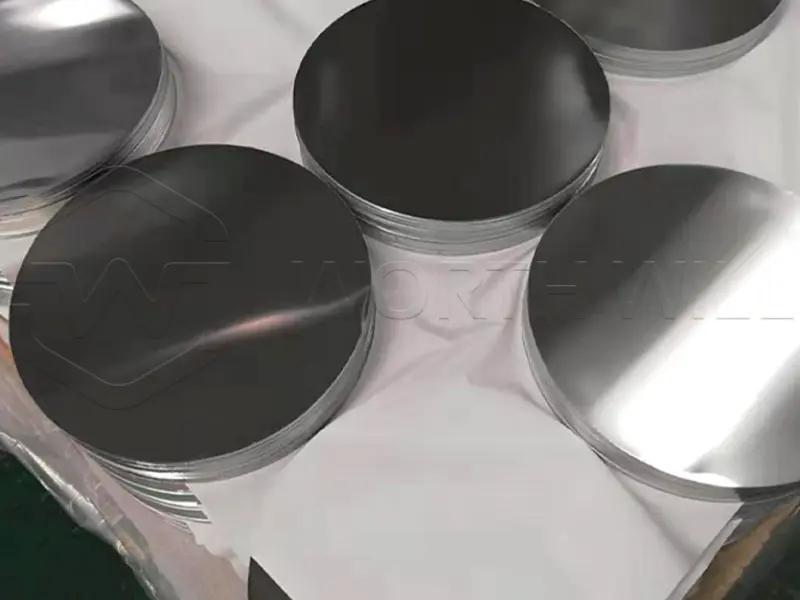
The buyer should confirm the cutting method and the expected edge condition. Secondary finishing has required for some products.
Surface Finish Choices
| Finish | Main Features | Potential Uses |
|---|---|---|
| Mill finish | Natural aluminum surface | General fabrication |
| Polished | Smoother, more reflective appearance | Lighting and decorative products |
| Brushed | Directional surface texture | Selected decorative components |
| Coated | Added color or surface protection | Products requiring a specified finish |
Not every finish is suitable for every forming operation. If the circle has deeply drawn after finishing, confirm that the finish can withstand the process.
Quality Details Buyers Should Check
A suitable 1050 aluminum circle should meet the dimensional and material requirements of the final product.
Before ordering, consider the following points:
- Alloy verification: Confirm that the material meets the 1050 specification.
- Temper: Check whether O, H12, or H14 is suitable for the forming process.
- Thickness tolerance: Confirm the permitted variation.
- Diameter tolerance: Ensure the blank fits the tooling.
- Flatness: Check that the circle is suitable for feeding and forming.
- Edge quality: Look for excessive burrs or damage.
- Surface condition: Confirm that scratches, stains, or marks are within the agreed limits.
- Packaging: Ensure the circles have protected against moisture, impact, and surface damage during transport.
For production orders, the buyer can request a material certificate and agree on inspection criteria before shipment.
How to Calculate the Weight of a 1050 Aluminum Circle
Estimating weight helps buyers plan material use, transport, and purchasing costs.
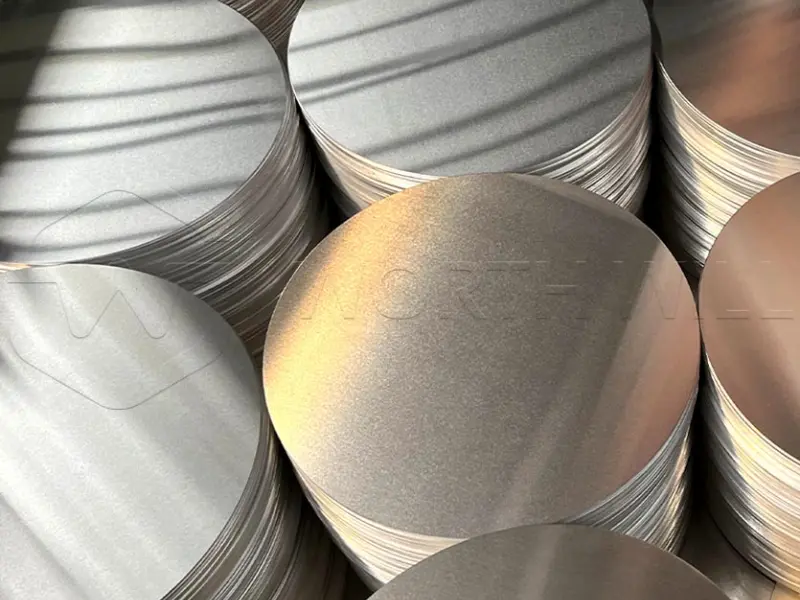
A practical estimate uses the diameter, thickness, and density of aluminum. For a solid circular blank, the approximate formula is:
Weight (kg) = Diameter² (mm) × Thickness (mm) × 0.00000212
This formula uses an approximate aluminum density of 2.70 g/cm³ and assumes a solid circle without additional holes or cutouts.
| Diameter | Thickness | Approximate Weight |
|---|---|---|
| 100 mm | 1.0 mm | 0.021 kg |
| 200 mm | 1.0 mm | 0.085 kg |
| 300 mm | 1.5 mm | 0.286 kg |
| 400 mm | 2.0 mm | 0.678 kg |
| 500 mm | 2.0 mm | 1.060 kg |
| 600 mm | 3.0 mm | 2.290 kg |
These values are estimates. Actual weights can vary slightly because of dimensional tolerances and the actual material density.
What Affects the Price of 1050 Aluminum Circles?
The price of 1050 aluminum circles depends on the material market and the product specification. A quotation should include the main technical details so buyers can compare offers accurately.
| Price Factor | Effect on Cost |
|---|---|
| Aluminum market price | Influences the basic material cost |
| Thickness | Changes material consumption per piece |
| Diameter | Affects blank weight and material utilization |
| Temper | May affect production route and availability |
| Surface finish | Additional finishing can increase cost |
| Tolerances | Tighter requirements may need more control |
| Order quantity | Larger orders may improve production efficiency |
| Packaging | Special protection adds cost |
| Delivery terms | Freight, insurance, and destination affect the final price |
When comparing suppliers, check whether quotations use the same alloy, temper, dimensions, finish, quantity, and delivery terms.
How to Order 1050 Aluminum Circles for Sale
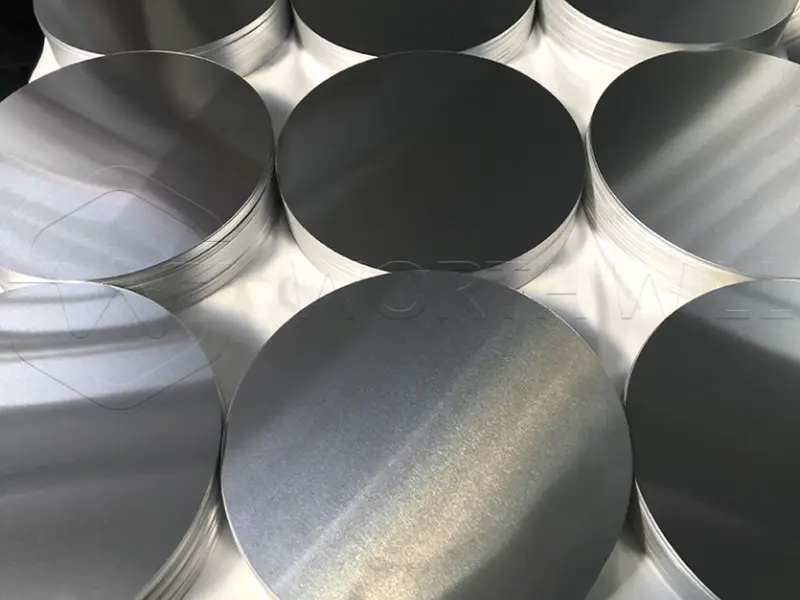
A clear inquiry helps the manufacturer recommend the right product and prepare a useful quotation.
Information to Provide
| Item | Example |
|---|---|
| Product | 1050 aluminum circle |
| Alloy | 1050 |
| Temper | O |
| Thickness | 1.5 mm |
| Diameter | 300 mm |
| Surface | Mill finish |
| Application | Cookware stamping |
| Quantity | 5,000 pieces |
| Quality requirements | Agreed dimensional and surface tolerances |
| Destination | Delivery port or city |
The specifications above are examples only. Replace them with the requirements of your own project.
Before Confirming the Order
- Confirm the alloy and temper.
- Check the diameter and thickness tolerances.
- Explain the forming process and finished product.
- Confirm the surface finish and edge requirements.
- Review the quotation, lead time, and packaging.
- Approve a sample if the application requires strict forming or appearance control.
This process helps reduce the risk of ordering material that does not match the production line.
Frequently Asked Questions

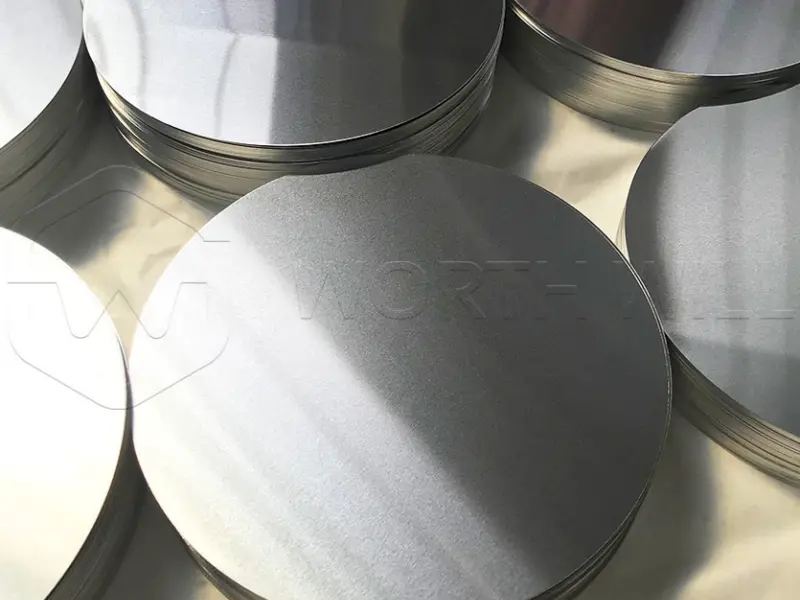
What is 1050 aluminum circle used for?
1050 aluminum circles have applications for cookware, kitchen utensils, lighting reflectors, selected road signs, decorative products, and general stamped components. The exact application depends on thickness, temper, and forming requirements.
What is the aluminum content of 1050 alloy?
1050 aluminum has a minimum aluminum content of 99.5%. It is a commercially pure aluminum grade used where good formability and corrosion resistance are important.
Which temper is best for 1050 aluminum circles?

O temper has often considered for deep drawing because it is soft and highly formable.
H12 and H14 offer greater hardness and may suit less demanding forming operations. The final choice has confirmed through the product design and forming process.
What diameters are available?
Common examples range from about 80 mm to 1200 mm, depending on thickness, equipment, and order requirements. Custom diameters may be available from the manufacturer.
Can 1050 aluminum circles be used for cookware?
Yes. They have used for selected cookware and kitchen products. The appropriate temper and thickness depend on the forming depth, finished shape, and cookware design.
Is 1050 better than 3003 aluminum?
Neither alloy is best for every application. 1050 offers high aluminum content and good formability, while 3003 generally provides higher strength.
Compare the mechanical requirements and forming process before making a decision.
Can I order custom thicknesses and diameters?
Custom sizes may be available. Provide your target diameter, thickness, temper, quantity, and application so the manufacturer can confirm production feasibility.
What surface finishes are available?
Options may include mill finish, polished, brushed, or coated surfaces. Availability depends on the product specification and the required forming process.
How can I estimate the weight of an aluminum circle?

Use the diameter and thickness in the weight formula provided above. For accurate purchasing and freight planning, confirm the dimensions and actual weight with the supplier.
What information is needed for a quotation?
Provide the alloy, temper, thickness, diameter, surface finish, quantity, application, and delivery destination. A drawing or sample can also help confirm the requirements.
Find the Right 1050 Aluminum Circle for Your Project
The right 1050 aluminum circle should match the final product, not just the target price. Diameter, thickness, temper, surface quality, and forming performance all affect production results.

Whether you need small stamping blanks, medium-sized cookware circles, or large custom aluminum discs, confirm the specification before ordering.
For deep drawing, pay particular attention to temper, material quality, and the forming process.
Send your required dimensions, application, quantity, and surface finish to request a quotation. A complete specification makes it easier to compare products and choose the right 1050 aluminum circles for your production needs.
Error: Contact form not found.