- March 16, 2023
- worthwill
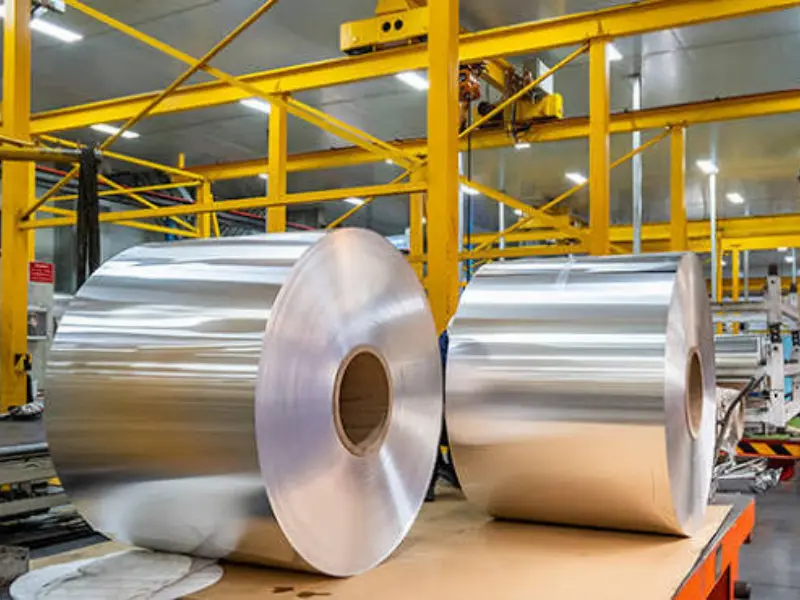
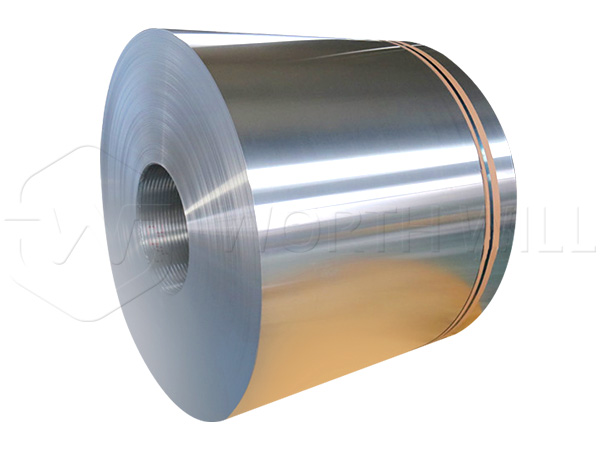
1060 H24 Aluminum Coil Roll is a common grade of aluminum alloy. It is a soft and ductile material with excellent workability, making it suitable for a wide range of applications.
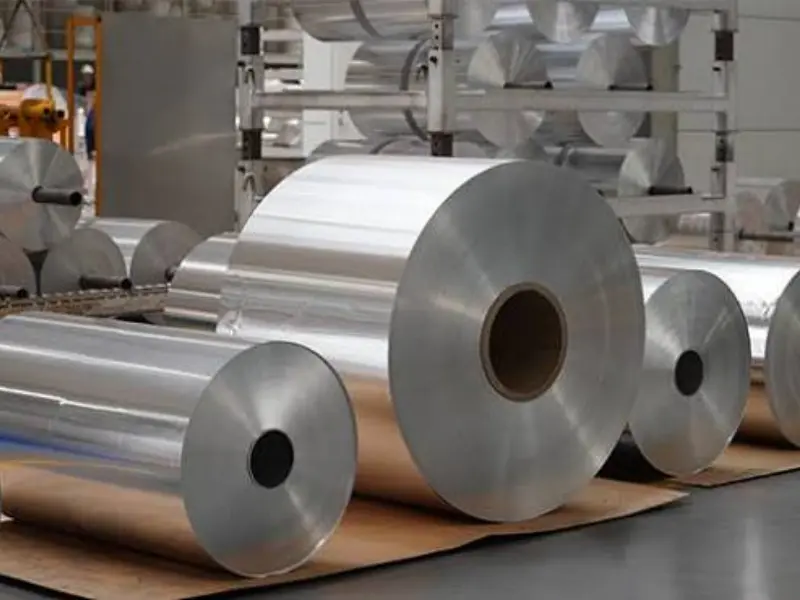
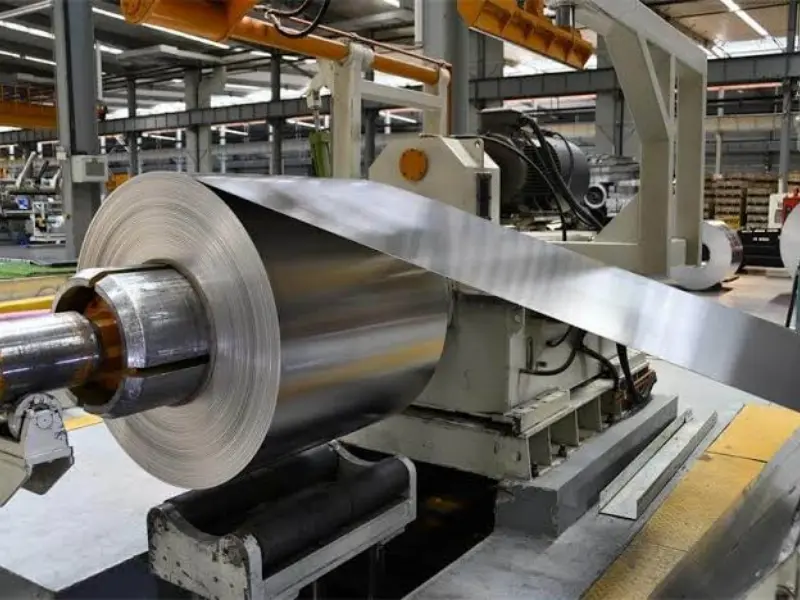
An aluminum coil roll refers to a continuous length of aluminum. This form is convenient for transportation, storage, and further processing.
1060 H24
So, a 1060 H24 aluminum coil roll is a continuous length. Aluminum alloy 1060 that has been strain-hardened and partially annealed for increased strength and workability.
Application
It is typically for applications such as roofing, cladding, and insulation, as well as in the manufacture of various types of equipment and machinery.
1060 Aluminum Products
Not all 1060 H24 aluminum coil rolls are the same. Depending on your needs, you can choose from various surface treatments and formats.
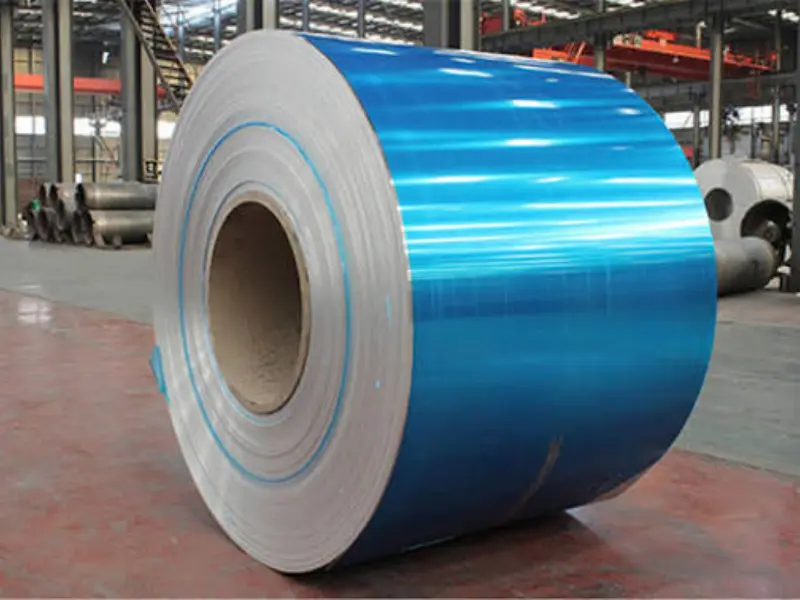
1. Mill Finish Aluminum Coil
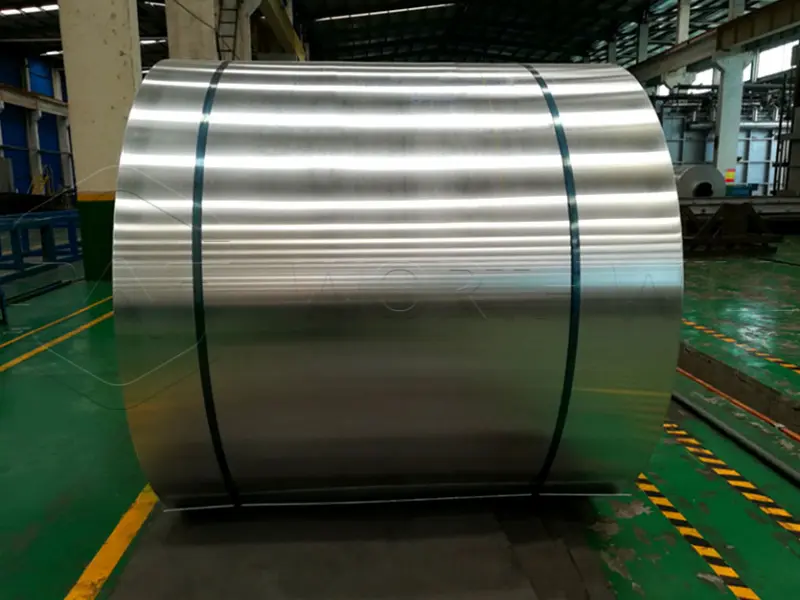
This is the standard, raw version of the coil. It has a natural metallic shine. It is mostly used for parts that will be hidden or further processed later.
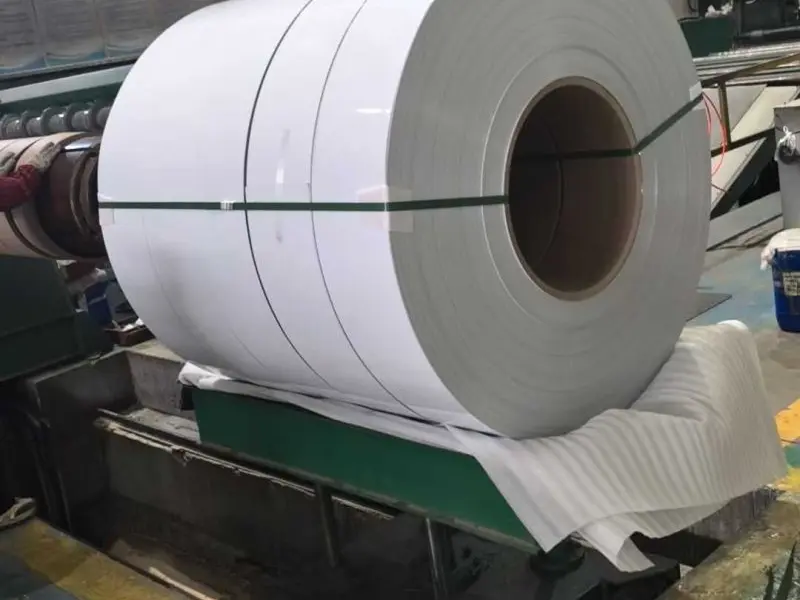
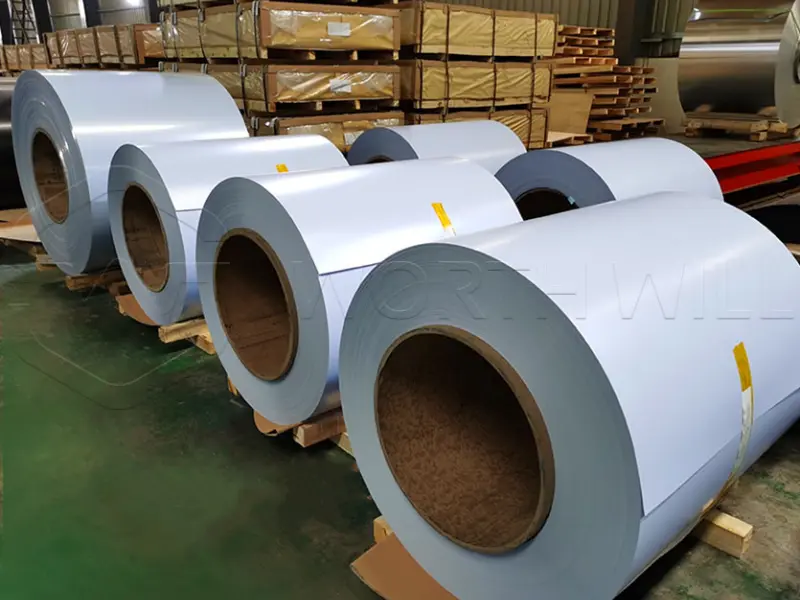
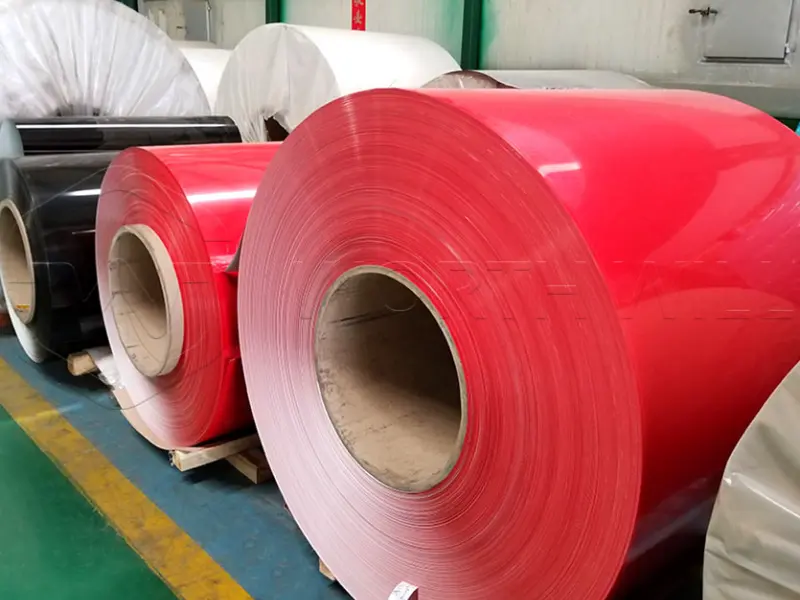
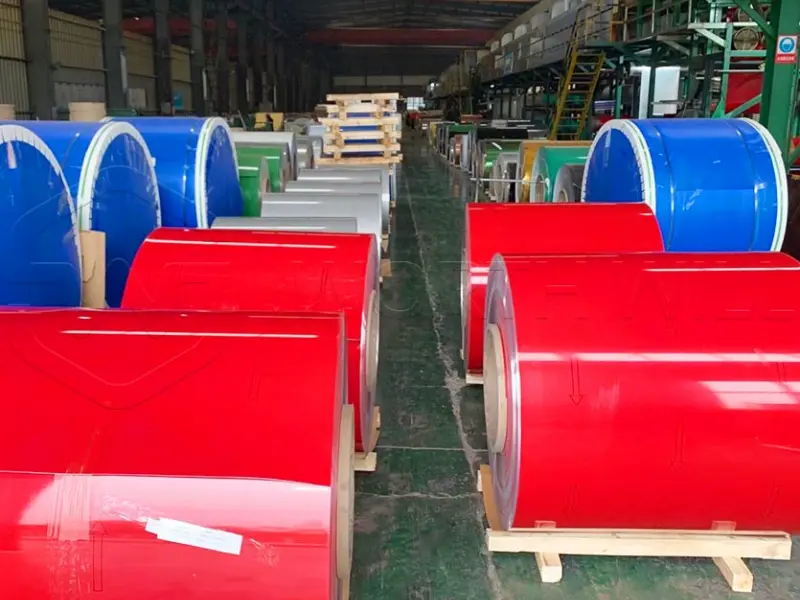
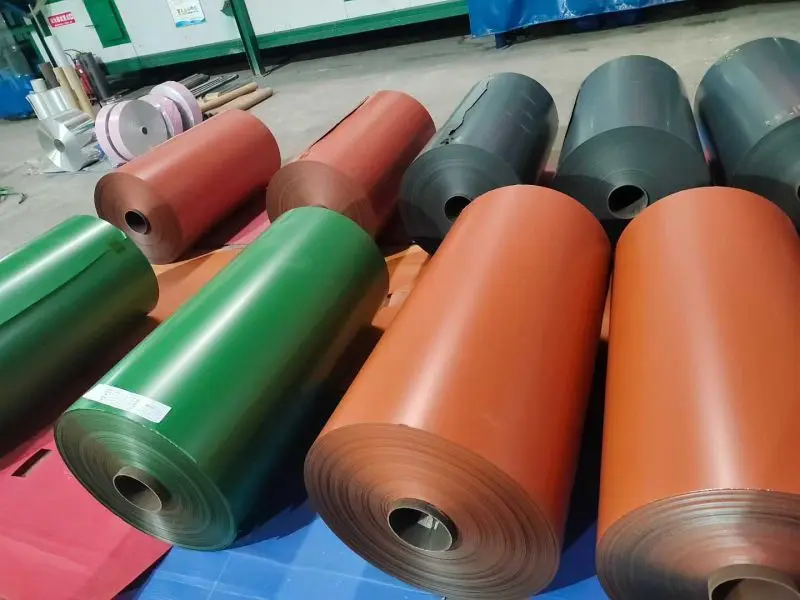
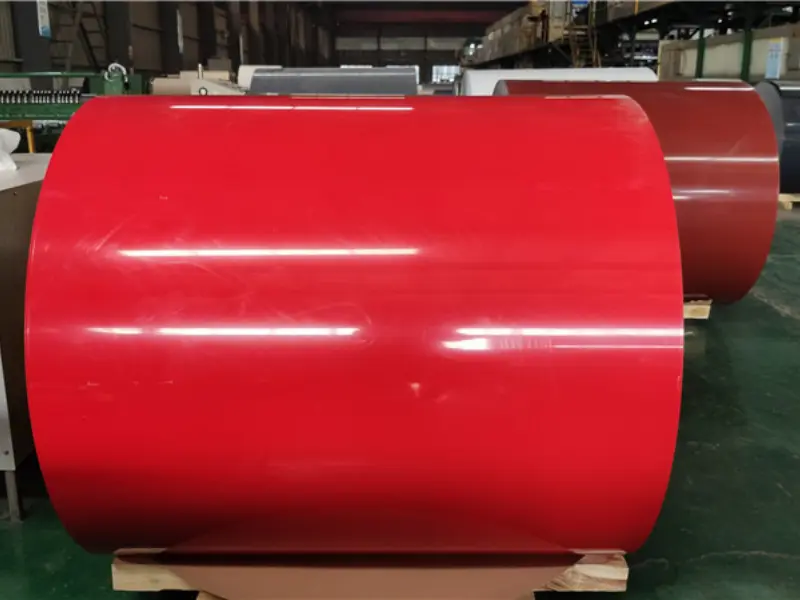
2. Color Coated 1060 Aluminum Coil

The surface is painted with PE (Polyester) or PVDF (Fluorocarbon) coatings. This type is perfect for decorative uses and outdoor building materials. It adds extra protection against the weather.
3. Stucco Embossed Aluminum Coil
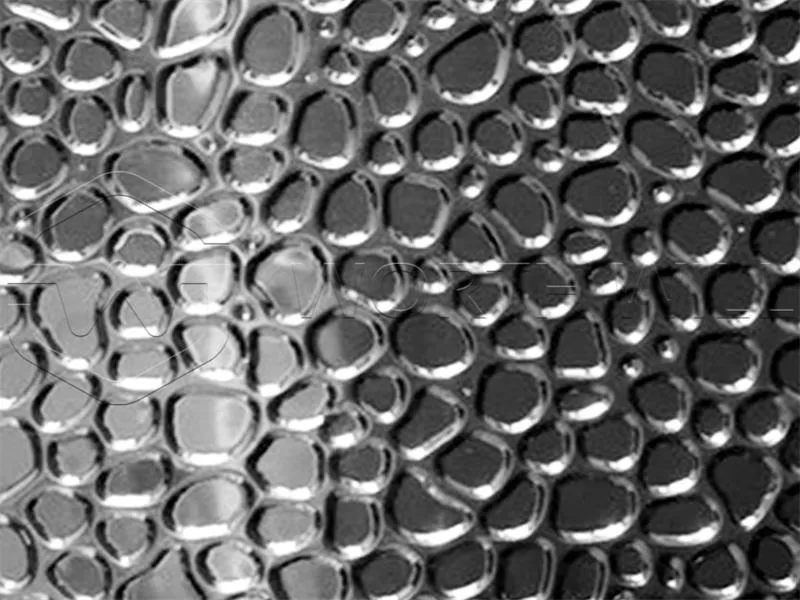
The surface is pressed to create a pattern, often looking like orange peel. This increases the surface area for heat dissipation and makes the metal more durable against scratches.
4. Anodized Aluminum Coil
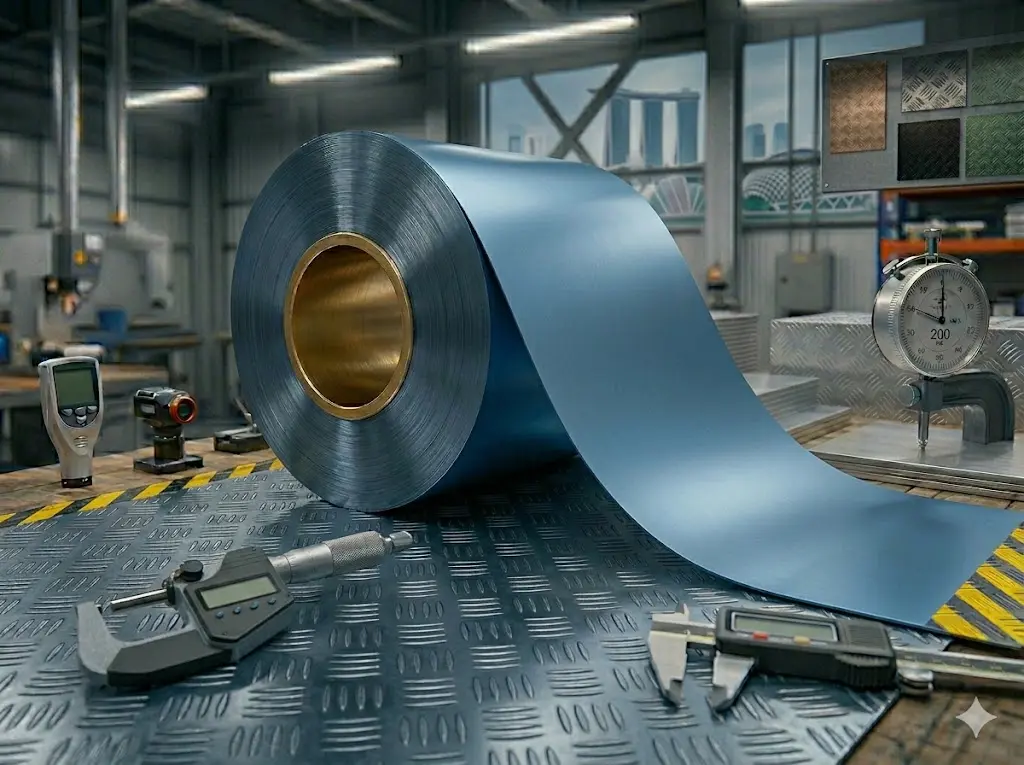
Through an electrochemical process, the surface becomes harder and more resistant to wear. This is popular for high-end electronics and architectural trim.
Technical Specifications of 1060 H24 Aluminum Coil Roll
When buying an aluminum coil roll, you need to know the dimensions and mechanical limits. Below are the standard specifications commonly available in the market.
Standard Sizes and Dimensions
| Property | Typical Range |
|---|---|
| Thickness | 0.2mm to 6.0mm |
| Width | 20mm to 2500mm |
| Coil ID (Inner Diameter) | 505mm, 508mm, 605mm |
| Surface Finish | Mill finish, Bright, Embossed, Coated |
Mechanical Properties
The H24 temper provides a specific balance of strength.
| Property | Value |
|---|---|
| Tensile Strength | 95−125MPa |
| Yield Strength | ≥75MPa |
| Elongation | ≥10%−25% (depending on thickness) |
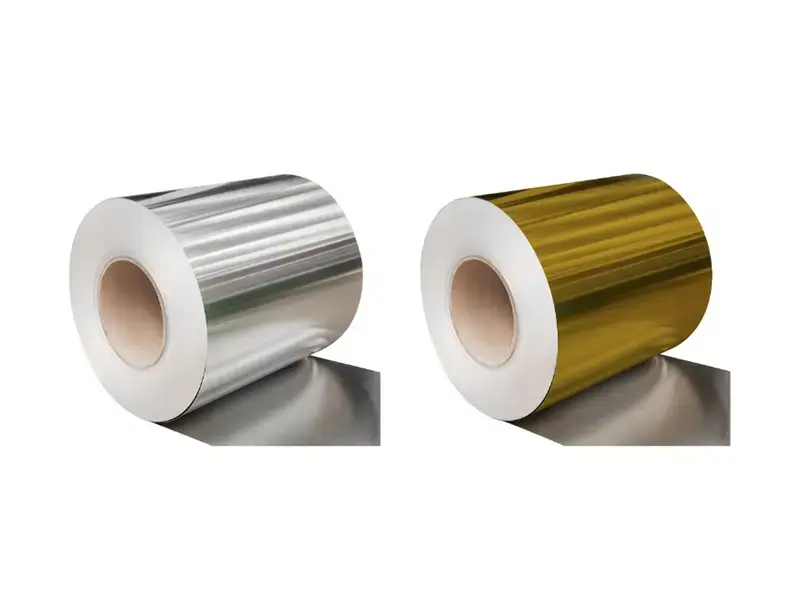
Different Types of
Why Choose 1060 H24? Key Advantages
Why should you choose this specific alloy and temper over others? Here are the main benefits:
High Formability
Because it is “half-hard,” you can bend it at sharp angles. It is excellent for deep drawing and spinning.
Superior Corrosion Resistance
Pure aluminum forms a natural oxide layer. This protects the 1060 H24 aluminum coil roll from rust and chemical damage, even in moist environments.
Great Conductivity
It is one of the best conductors of heat and electricity. This makes it a cheaper alternative to copper for many electrical applications.
Easy Welding
You can weld this material using most standard methods like TIG or MIG. It does not become brittle at the joints.
Top Applications of 1060 H24 Aluminum Coil Roll
This product is used everywhere, from your kitchen to heavy industrial factories.
Industrial and Chemical Use
- Chemical Equipment: Its resistance to corrosion makes it perfect for storage tanks and pressure vessels.
- Heat Exchangers: Used in radiators and HVAC systems due to its high thermal conductivity.
Electrical Industry
- Busbars: Used in power distribution systems.
- Battery Shells: Found in lithium battery components for electric vehicles.
- Capacitor Shells: The purity of 1060 helps in stable electrical performance.
Construction and Decoration
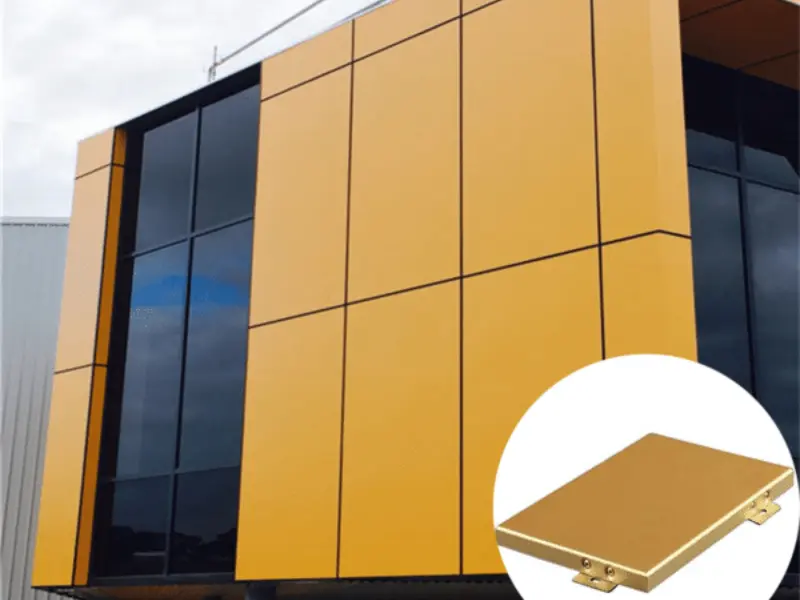
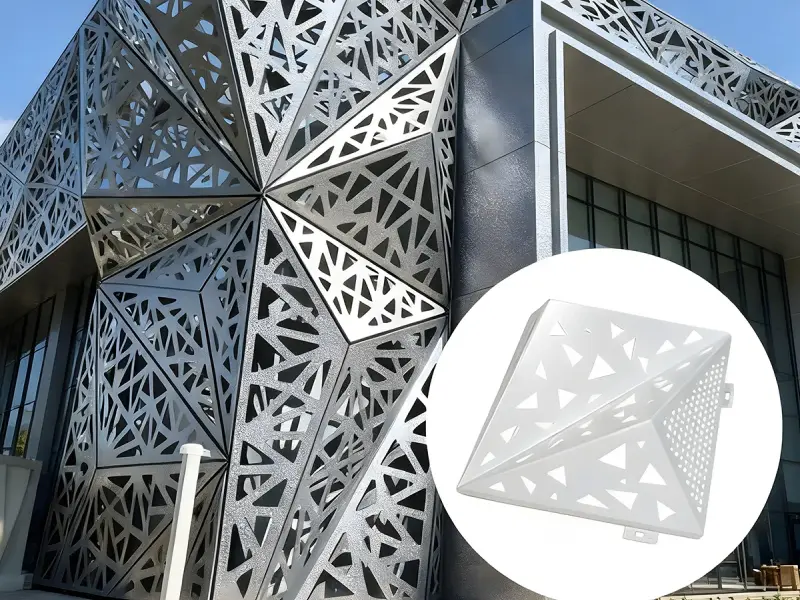
- Roofing and Siding: Especially when color-coated or embossed.
- Signage: Light and easy to print on.
- Insulation Jackets: Used to wrap pipes in oil and gas refineries.
Household Goods
- Kitchenware: Used for pots, pans, and lighting reflectors.
- Nameplates: Durable enough to last for years on machinery.
Comparing 1060 with Other Alloys
It is important to know how the 1060 H24 aluminum coil roll compares to its “cousins” in the 1xxx and 3xxx series.
1060 vs. 1050 Aluminum
| Feature | 1060 | 1050 |
|---|---|---|
| Al Purity | ≥99.6% | ≥99.5% |
| Conductivity | Slightly Higher | High |
| Price | Similar | Similar |
1060 vs. 1100 Aluminum
| Feature | 1060 | 1100 |
|---|---|---|
| Al Purity | Higher | ≥99.0% |
| Strength | Lower | Slightly Higher |
| Best Use | Electrical/Chemical | General Stamping |
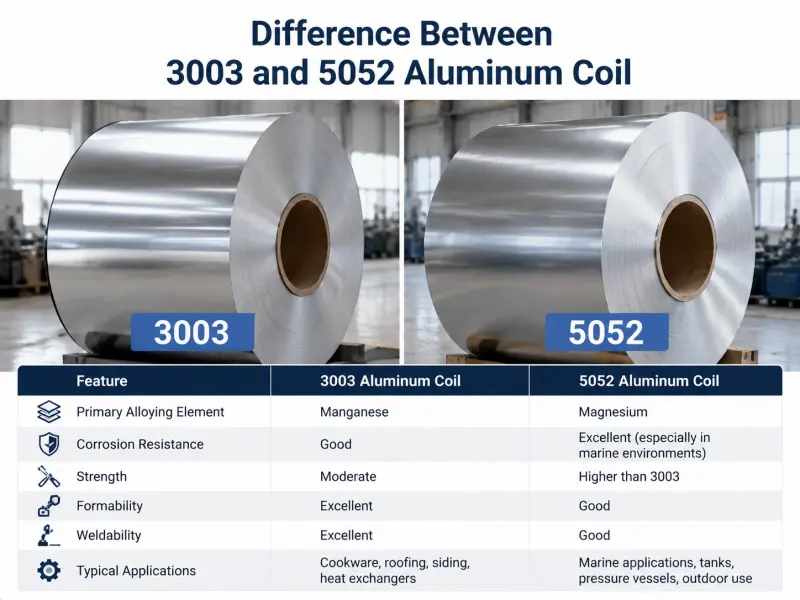
1060 vs. 3003 Aluminum
| Feature | 1060 | 3003 |
|---|---|---|
| Alloy Type | Pure Al | Al-Mn Alloy |
| Strength | Medium | High |
| Corrosion | Excellent | Good |
1060 H24 in One Minute
1060 is a nearly pure aluminum alloy. H24 means the coil is half hard and partly annealed. Together they give a coil that is soft enough to form and firm enough to keep its shape.
| Item | Short Answer |
|---|---|
| Alloy | 1060 (Al 99.6% min) |
| Temper | H24 (strain hardened, partly annealed, half hard) |
| Feel | Easy to bend, easy to cut |
| Strong points | Heat flow, power flow, corrosion resistance |
| Weak point | Lower strength than alloyed grades |
| Common thickness | 0.2–6.0 mm |
→ Good for electrical and thermal parts
→ Good for light forming and spinning
→ Not made for heavy structural loads
Chemical Composition Table
Typical limits for 1060 are shown below. The mill test certificate gives your exact lot values.
| Element | Typical Limit (%) |
|---|---|
| Aluminum (Al) | 99.60 min |
| Iron (Fe) | 0.35 max |
| Silicon (Si) | 0.25 max |
| Copper (Cu) | 0.05 max |
| Manganese (Mn) | 0.03 max |
| Magnesium (Mg) | 0.03 max |
| Zinc (Zn) | 0.05 max |
| Titanium (Ti) | 0.03 max |
| Vanadium (V) | 0.05 max |
| Others, each | 0.03 max |
Check your target standard (ASTM, EN, or GB) for the exact table.
Mechanical Properties of 1060 H24
| Property | Typical Value |
|---|---|
| Tensile strength | about 95–135 MPa |
| Yield strength | about 70 MPa min |
| Elongation | about 4–10%, depends on thickness |
| Hardness | about 30 HB |
| Density | about 2.71 g/cm³ |
| Melting range | about 645–660°C |
| Electrical conductivity | about 61% IACS |
Values are typical ranges. Elongation changes with thickness, so check your standard for your gauge.
What Does H24 Mean? A Simple Explanation
The temper code looks like a puzzle. Here is how to read it.
→ H means strain hardened. The metal was rolled to make it harder.
→ 2 means strain hardened, then partly annealed. Heat softened it a little.
→ 4 means half hard. It sits in the middle of the hardness scale.
Where H24 Sits in the Temper Family
| Temper | Hardness | Forming Ability | Flatness |
|---|---|---|---|
| O | Softest | Excellent | Can wave |
| H12 | Quarter hard | Very good | Good |
| H14 | Half hard | Good | Good |
| H24 | Half hard, stable | Good | Very good |
| H16 / H26 | Three quarter hard | Fair | Good |
| H18 | Full hard | Limited | Good |
H24 vs H14: Why Many Buyers Pick H24
Both are half hard. The difference is the process.
| Point | H14 | H24 |
|---|---|---|
| Process | Rolled, no softening step | Rolled, then partly annealed |
| Strength | Slightly higher | Slightly lower |
| Forming | Good | Better, less cracking |
| Springback | A bit more | A bit less |
| Flatness | Good | Very good |
| Best use | Plain flat parts | Parts that are bent or stamped |
If your part is bent or stamped, H24 is the safer choice. If you only need flat strength, H14 may be enough.
1060 H24 vs Other Coil Options
| Point | 1060 H24 | 1050 H24 | 1100 H24 | 3003 H24 |
|---|---|---|---|---|
| Purity | 99.6% | 99.5% | 99.0% | Alloyed with Mn |
| Strength | Low | Low | Low to medium | Medium |
| Conductivity | Highest | Very high | High | Lower |
| Forming | Very good | Very good | Very good | Good |
| Corrosion resistance | Very good | Very good | Very good | Excellent |
| Cost | Low | Low | Low to medium | Medium |
Which One Should You Pick?
- Need best conductivity and low cost: 1060.
- Need a bit more strength: 3003.
- Need slightly better forming: 1100.
- Supplier already stocks 1050: ask for a price match.
Coil Weight Made Easy
Buyers often ask how heavy a coil is. Here is a simple formula.
Weight (kg) = Thickness (mm) × Width (m) × Length (m) × 2.71
Weight per Meter Table
| Thickness | Width 500 mm | Width 1,000 mm | Width 1,250 mm |
|---|---|---|---|
| 0.3 mm | 0.41 kg | 0.81 kg | 1.02 kg |
| 0.5 mm | 0.68 kg | 1.36 kg | 1.69 kg |
| 1.0 mm | 1.36 kg | 2.71 kg | 3.39 kg |
| 2.0 mm | 2.71 kg | 5.42 kg | 6.78 kg |
| 3.0 mm | 4.07 kg | 8.13 kg | 10.16 kg |
Quick Example
A coil 1.0 mm thick, 1,000 mm wide, and 500 m long weighs about 2.71 × 500 = 1,355 kg.
1060 H24 Color Coated Brushed Aluminum Channel Letter Strips Roll
1060 H24 color coated brushed aluminum channel letter strips roll is a specific type of aluminum coil roll It has application in the signage industry to create channel letters.
The aluminum strip is coating with a layer of color paint to provide a decorative finish and protect the metal from corrosion.
The Brushed Finish
The brushed finish gives the strip a textured appearance, which can help to enhance the aesthetic appeal of the signage.
Channel letters are three-dimensional letters or logos. They are commonly used for business signs, storefronts, and other commercial applications.
Aluminum Strips
The aluminum strips are into shape to form the letters. And finish provides a unique visual effect that can help to make the sign more attractive and eye-catching.
Overall, 1060 H24 color coated brushed aluminum channel letter strips roll is a versatile material that can be in a variety of signage applications. Providing a durable and visually appealing solution for businesses and organizations looking to make an impact with their signage.
Prices 1060 H24 Sheet Metal Roll
The price of this product vary based on factors:
location
supplier
quantity
Market conditions
The Manufacturing Process of Aluminum Coil
Understanding how your 1060 H24 aluminum coil roll is made helps you appreciate its quality.
Step 1: Melting and Casting
High-purity aluminum ingots are melted in a furnace. The molten metal is then cast into large slabs or continuously cast into thin strips.
Step 2: Cold Rolling
The aluminum passes through heavy rollers at room temperature. This reduces the thickness to the desired gauge. This process also hardens the metal.
Step 3: Heat Treatment (Annealing)
To reach the H24 temper, the coil is placed in an annealing furnace. The temperature is carefully controlled to “back-anneal” the metal, bringing it from a fully hard state to a half-hard state.
Step 4: Slitting and Packaging
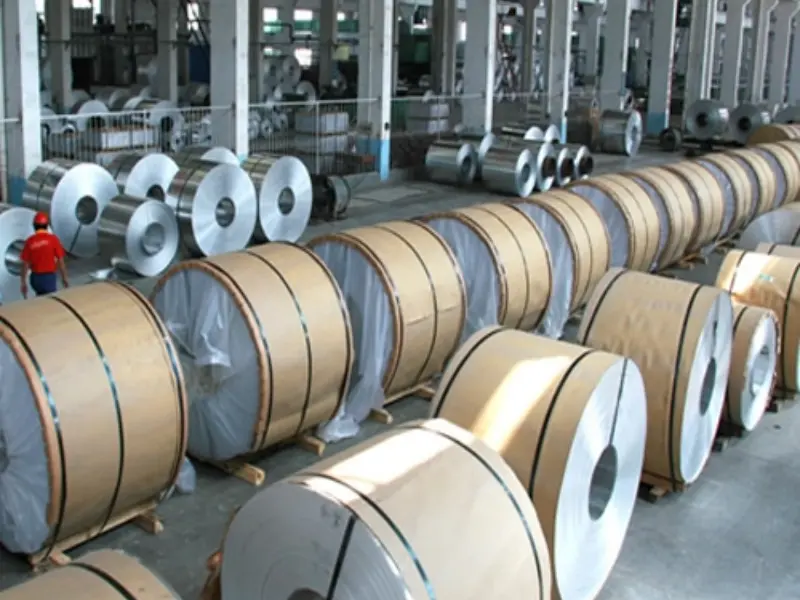
The large “mother coil” is cut (slit) into smaller widths according to the customer’s request. It is then wrapped in plastic and paper to prevent moisture damage during shipping.
How to Ensure Quality When Buying
When you order 1060 H24 aluminum coil rolls, look for these quality markers:
- Surface Quality: The surface should be clean. Look out for oil spots, scratches, or “white rust” (oxidation).
- Flatness: A high-quality coil should not have wavy edges or “oil canning” effects.
- Tolerances: The thickness should be consistent. For example, if you order 1.0mm, it should not vary more than plus or minus 0.02mm.
- Packaging: Since aluminum can react with moisture, the coils should be packed on wooden pallets with moisture-proof barriers.
Standard Coil Dimensions

| Item | Common Range |
|---|---|
| Thickness | 0.2–6.0 mm |
| Width | 20–1,600 mm |
| Coil ID | 76, 152, 200, 300, 405, 505 mm |
| Coil OD | Up to about 1,500 mm |
| Coil weight | 0.5–5 tons |
| Edge | Mill edge or slit edge |
Thickness Tolerance Guide
| Thickness Range | Typical Tolerance |
|---|---|
| 0.2–0.5 mm | ±0.02 to ±0.03 mm |
| 0.5–1.0 mm | ±0.03 to ±0.05 mm |
| 1.0–3.0 mm | ±0.05 to ±0.10 mm |
| 3.0–6.0 mm | ±0.10 to ±0.15 mm |
Tolerances vary with the standard and width. Ask for the exact table.
From Slab to Coil: How 1060 H24 Is Made
→ Melt pure aluminum and cast it into slabs or cast-rolled coil.
→ Hot roll to a medium thickness.
→ Cold roll to the target gauge. This adds hardness.
→ Partly anneal to reach the H24 temper.
→ Level and slit to the required width.
→ Inspect and pack with paper, film, and pallets.
Two Coil Sources
| Type | Process | Notes |
|---|---|---|
| Hot rolled coil (DC) | Cast slab, then hot rolled | Fine surface, wide range of uses |
| Cast-rolled coil (CC) | Continuous casting and rolling | Lower cost, good for many general uses |
For most general jobs, both types work. For deep drawing or very smooth surfaces, ask which route your supplier uses.
Bending Guide for 1060 H24
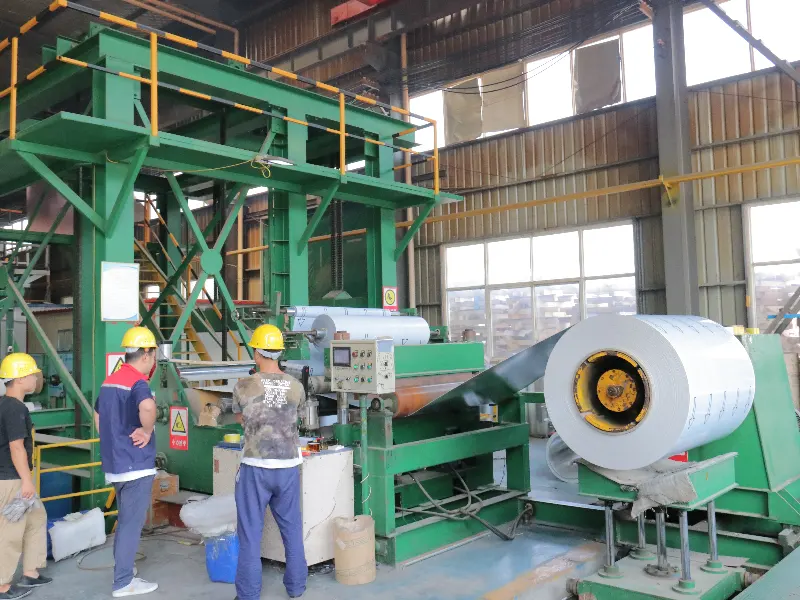
1060 H24 bends well. Bend radius depends on thickness.
| Thickness | Suggested Minimum Bend Radius |
|---|---|
| Up to 1.0 mm | 0 to 1 × thickness |
| 1.0–3.0 mm | 1 × thickness |
| 3.0–6.0 mm | 1.5 × thickness |
These are guide values. Always test a sample. Bend across the grain when you can, and avoid sharp tooling marks.
Forming Tips
- Use smooth dies to avoid scratches.
- Keep the surface clean to stop dust marks.
- Bend slowly on thicker gauges.
- Test a small batch before a full run.
What Else Can You Do With 1060 H24 Coil?
| Process | Suitability | Notes |
|---|---|---|
| Slitting | Excellent | Clean edges, easy to run |
| Cutting to length | Excellent | Flat sheets from coil |
| Stamping | Very good | Light parts and covers |
| Spinning | Good | Bowls and reflectors |
| Deep drawing | Fair | O temper is better |
| Roll forming | Good | Simple shapes |
| Anodizing | Good | Result depends on purity |
| Coating | Very good | Easy to clean and coat |
| Welding | Excellent | Pure aluminum welds well |
For deep drawing, ask for 1060 O instead. The soft temper stretches more.
Surface Quality: What to Expect
| Surface Item | Normal | Not Acceptable |
|---|---|---|
| Rolling lines | Light | Deep or heavy |
| Oil | Light film | Wet patches |
| Color | Uniform silver | Strong dark patches |
| Edges | Clean | Cracks or deep burrs |
| Flatness | Slight wave | Large wave or coil set |
How to Inspect a New Coil
→ Look at the coil under good light.
→ Unroll a short length and check both sides.
→ Measure thickness at three points across the width.
→ Check the edge by touch with gloves.
→ Compare with your sample or standard.
Common Coil Problems and Fixes
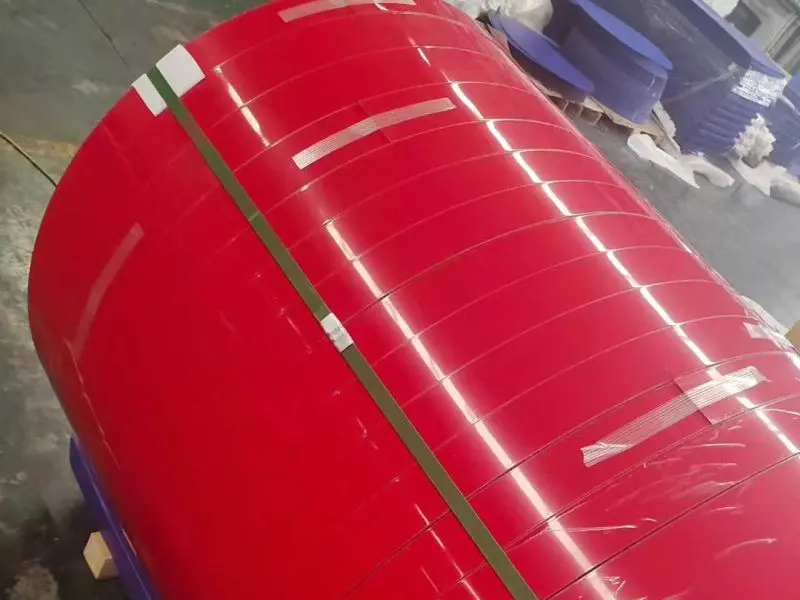
| Problem | Likely Cause | What to Do |
|---|---|---|
| Wavy edges | Uneven rolling | Ask for leveling or a new lot |
| Coil telescoping | Poor winding or handling | Use better support and packing |
| Water stains | Moisture in transit | Dry quickly, improve packing |
| Scratches | Rough handling | Use better interleaf and care |
| Burrs on slit edge | Dull slitter knives | Request edge inspection |
| Oil spots | Residual rolling oil | Ask for low-oil coil or degrease |
Packing and Loading Facts
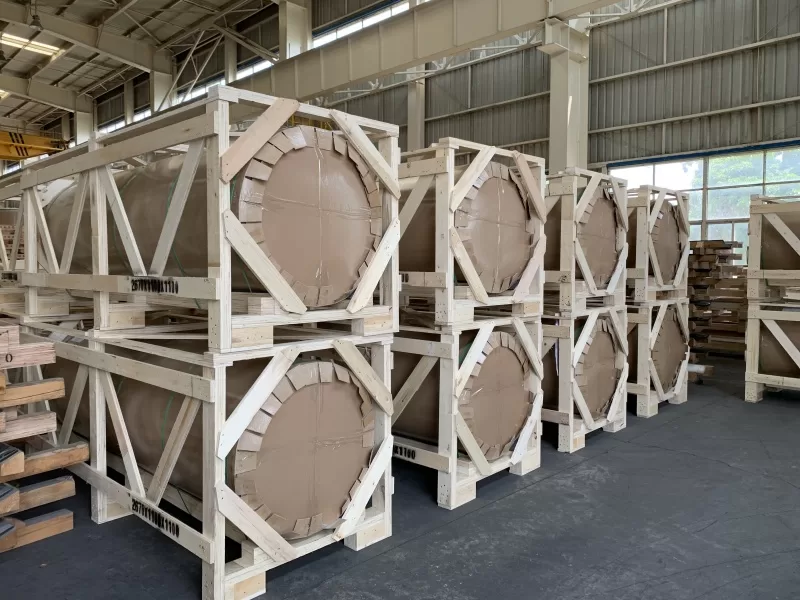
| Item | Common Practice |
|---|---|
| Inner wrap | Paper and plastic film |
| Pallet | Wood, fumigation free or treated |
| Position | Eye to sky or eye to wall |
| Strapping | Steel or PET strap |
| Marking | Alloy, temper, size, weight, lot |
| Moisture control | Desiccant and tight wrap for sea freight |
Container Loading Reference
| Container | Approx. Max Payload |
|---|---|
| 20 ft | about 24–26 tons |
| 40 ft | about 26–28 tons |
Actual limits depend on country and carrier. Plan the weight with your forwarder.
Frequently Asked Questions (FAQ)
Is 1060 aluminum good for outdoor use?
Yes. Because of its high purity, it has excellent natural resistance to the elements. However, for coastal areas with salty air, a coated or anodized version is better.
What does the “H24” feel like?
It feels stiff but pliable. You cannot easily bend thick sheets by hand, but with tools, it curves smoothly without snapping.
Can 1060 H24 be used for food packaging?
Yes, it is non-toxic and often used in food-grade applications, provided it is cleaned and processed correctly.