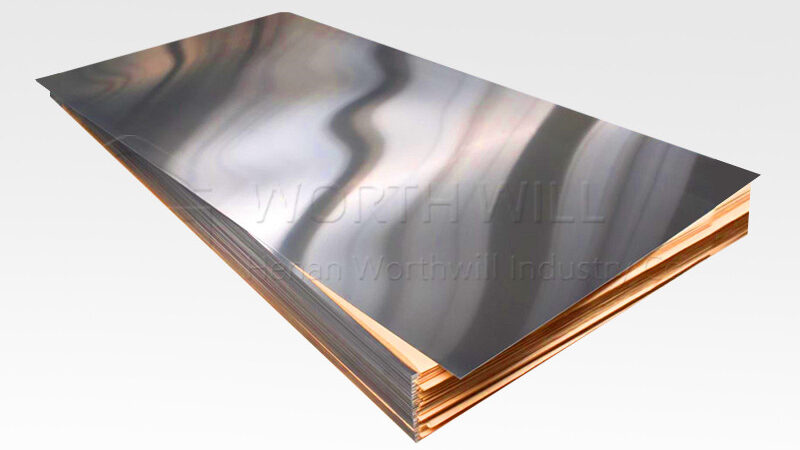
6061 T6 Aluminum Sheet is a high-quality aluminum alloy product that has wide applications in a variety of applications, including aerospace, marine, transportation, and structural engineering.
6061-T6 Aluminum Modulus of elasticity and Technical Specs
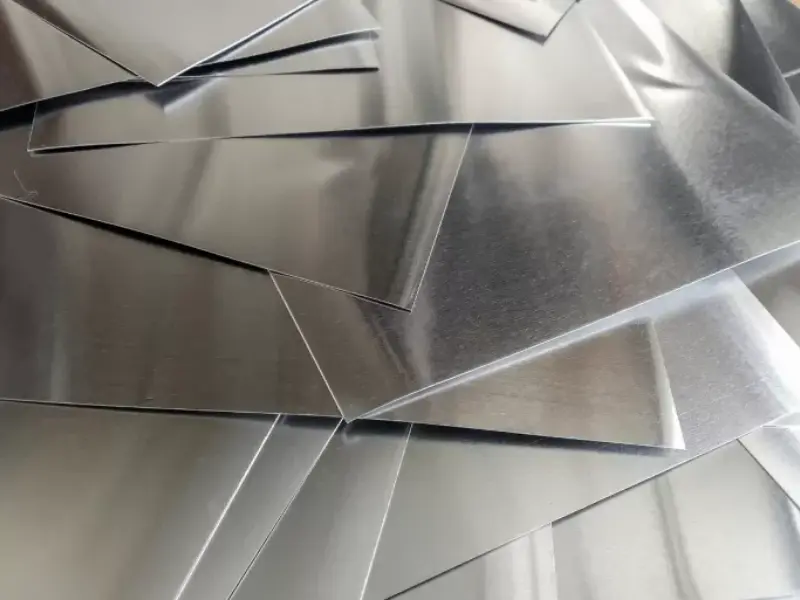
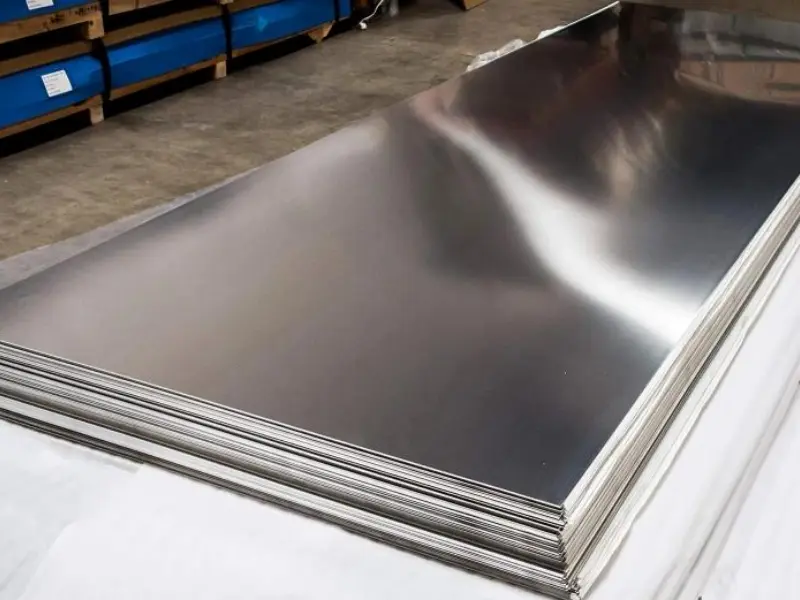
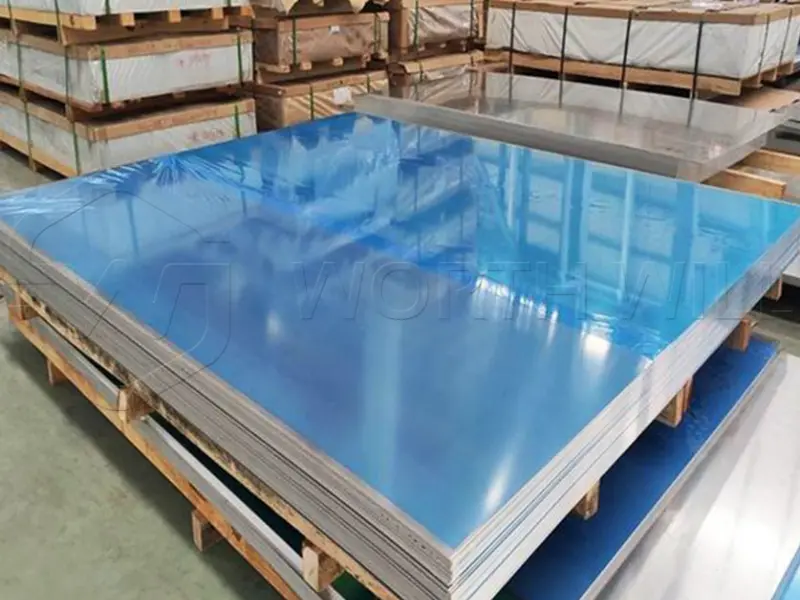
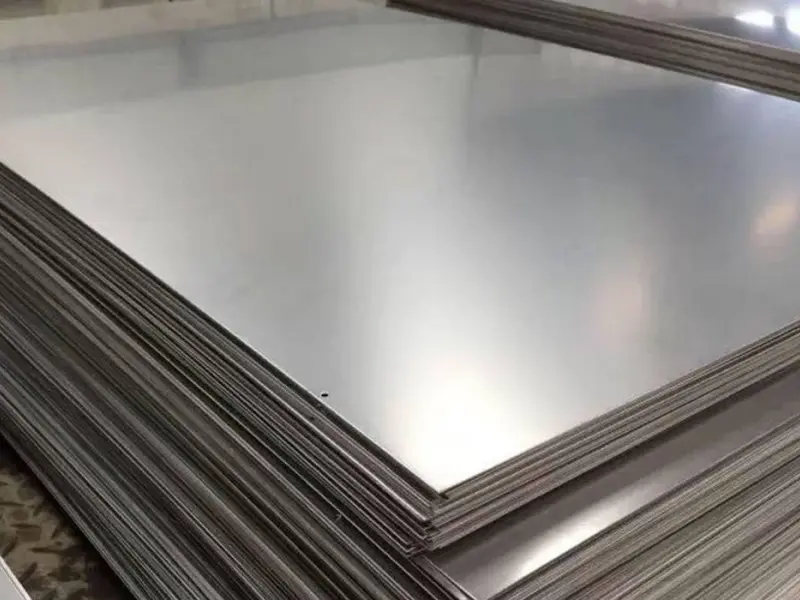
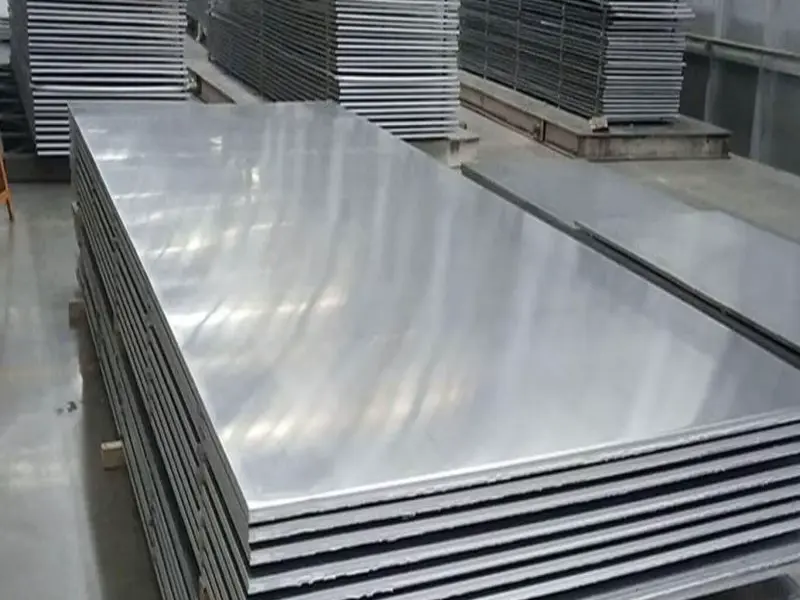
Engineers need to know how much a material will bend under pressure. This is where the 6061-T6 Aluminum Modulus of elasticity comes in. It measures the stiffness of the metal.
| Property | Value (English) | Value (Metric) |
|---|---|---|
| Modulus of Elasticity | 10,000 ksi | 68.9 GPa |
| Density | 0.0975 lb/in³ | 2.70 g/cm³ |
| Yield Strength | 35,000 psi | 240 MPa |
| Ultimate Tensile Strength | 42,000 psi | 290 MPa |
| Melting Point | 1090 °F | 588 °C |
6061 Aluminum Sheet & Plate: What is the difference?
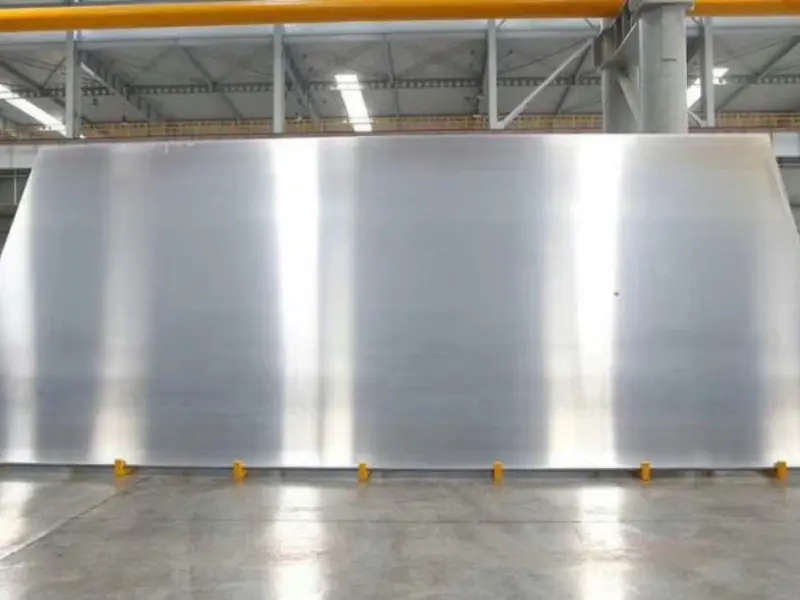
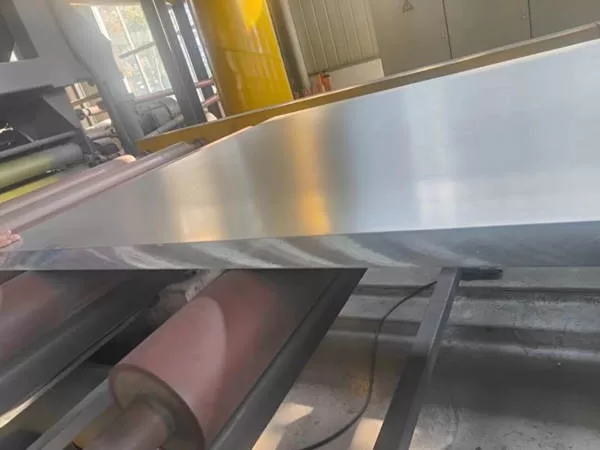
When looking for 6061 Aluminum Sheet & Plate, the main difference is the thickness.
- Aluminum Sheet: This is usually thinner than 0.250 inches (1/4 inch). It has uses in skins, panels, and lightweight parts.
- 6061 T6 Plate: This refers to any material thicker than 0.250 inches (6.35 mm). 6061 T6 Plate is used for heavy-duty structural parts like base plates and machinery frames.
Standard Size Options
| Product Type | Thickness (Inches) | Typical Width (Inches) | Typical Length (Inches) |
|---|---|---|---|
| Thin Sheet | .032″ to .063″ | 48″ | 96″ or 120″ |
| Medium Sheet | .080″ to .190″ | 48″ | 96″ or 144″ |
| 6061 T6 Plate | .250″ to 2.00″ | 48″ | 144″ |
| Heavy Plate | 3.00″ to 6.00″ | 48″ | 96″ |
What is aluminium 6061 T6 used for?
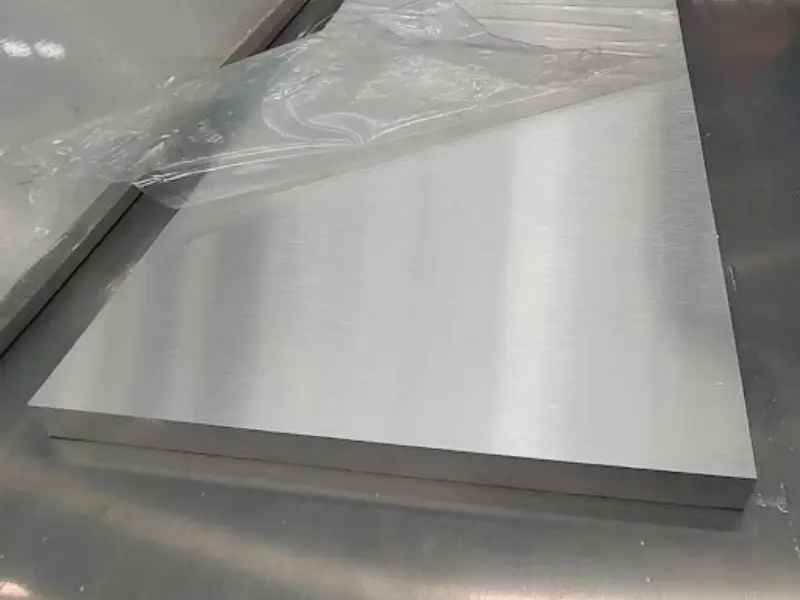
Because it is so balanced, it has ues in almost every industry. If you are wondering what is aluminium 6061 T6 used for, here is a list of common applications:
- Aerospace: Used for airplane wings and fuselages where weight matters.
- Marine: Used for building small boats, docks, and gangways.
- Automotive: Used for chassis parts, wheels, and brake components.
- Bicycles: Most mid-to-high-end aluminum bike frames use 6061-T6.
- Food & Medical: Used for sterile equipment and food processing machinery.
- Structural: Used for bridges, towers, and heavy-duty building frames.
Working with the Metal: Is 6061 aluminum hard to cut?
For DIY builders and machinists, a big concern is workability. Is 6061 aluminum hard to cut?
Actually, 6061-T6 is very “machinist friendly.” It produces clean chips and does not gum up tools as much as softer alloys like 3003 or 5052.
- For Thin Sheets: You can use heavy-duty shears or a jigsaw.
- For Thick Plate: You should use a band saw with a carbide-tipped blade or a CNC milling machine.
- Coolant: Using a little bit of lubricant or wax helps keep the cut clean.
Pricing and Market Value
Is aluminium 6061 T6 cheap?
People often ask: Is aluminium 6061 T6 cheap?
It is not the cheapest aluminum (3003 is usually cheaper).
Because it is so common, mass production keeps the price reasonable. You pay for the strength and the heat-treatment process. For the performance it gives, it is a great value.
6061 T6 Aluminum Sheet price factors
The 6061 T6 Aluminum Sheet price depends on a few things:
- Global Aluminum Market: Prices change daily based on the stock market.
- Thickness: Thicker plates cost more because they are heavier.
- Finish: A “Mill Finish” is standard. If you want a polished or brushed look, it will cost more.
- Quantity: Buying a full pallet is always cheaper than buying one small piece.
Where to Buy: Finding 6061 T6 Aluminum Near Me
If you need metal for a project today, you are likely searching for 6061 T6 Aluminum near me.
Local Suppliers
Check local metal service centers. These shops often have “remnants” (leftover pieces) that they sell at a discount. This is a great way to save money on small projects.
Online Buying
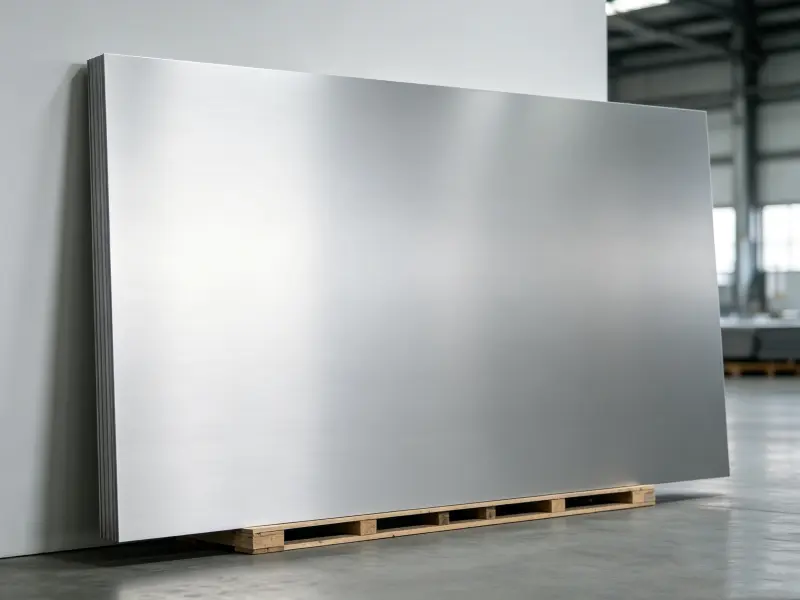
Buying online is often the easiest way to compare the 6061 T6 Aluminum Sheet price. Many online sellers will cut the sheet to your exact size. This saves you the trouble of cutting it at home.
Summary of 6061-T6 Specifications
Here is a quick reference table for different formats of the product.
| Product Category | Specification | Primary Benefit |
|---|---|---|
| Standard Sheet | ASTM B209 | Lightweight and flexible |
| Precision Plate | Mic-6 or Cast | Extremely flat for tooling |
| Extruded Bar | ASTM B221 | High structural integrity |
| Structural Plate | QQ-A-250/11 | Heavy load-bearing capacity |
What is 6061 T6 Aluminum?
To understand this material, we first need to look at the name. 6061 is the alloy series. It contains magnesium and silicon. These elements make the metal strong and resistant to corrosion.
Is there a difference between 6061 and 6061-T6?
Many people ask: Is there a difference between 6061 and 6061-T6?
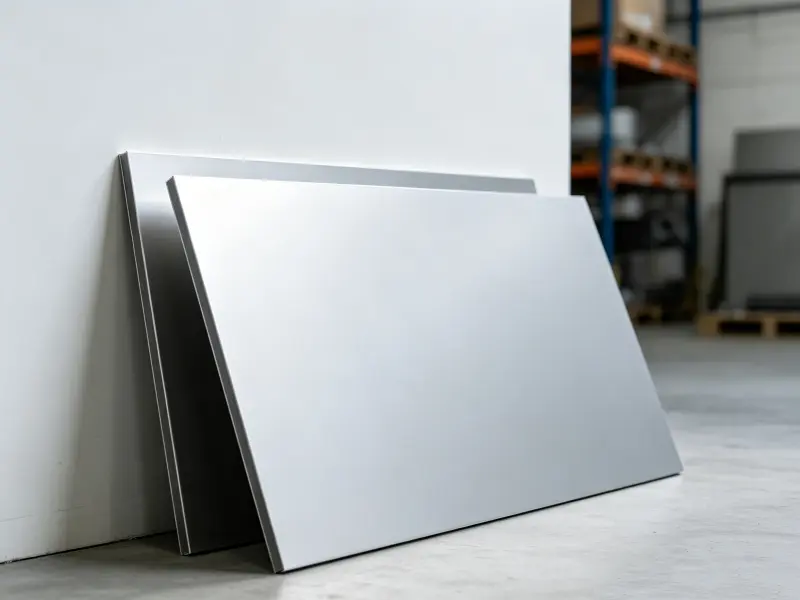
The answer is yes. 6061 refers to the chemical composition of the metal. “T6” refers to the temper or the heat-treatment process. When comparing 6061 T6 vs 6061, the “T6” version has been solution heat-treated and artificially aged. This process significantly increases its strength.
Key Features of 6061-T6
Excellent Machinability: It is easy to drill, mill, and turn.
High Strength: It is much stronger than 3003 aluminum.
Corrosion Resistance: It handles moisture and air well without rusting.
Good Weldability: You can join pieces easily using TIG or MIG welding.
6061 T6 Aluminum Sheet Thickness
6061 T6 Aluminum Sheet is available in a variety of thicknesses and sizes.
It has wide applications in the construction of aircraft and spacecraft components. As well as in the manufacturing of automotive parts, bicycle frames, and structural supports for buildings and bridges.
The Price Of 6061 Aluminum Sheet
The price of 6061 Aluminum Sheet can vary depending on various factors such as the size, thickness, and quantity of the sheet being purchased, as well as the supplier or distributor from which it is being sourced.
It is important to note that prices are subject to change over time.
6061 T6 Aluminum Sheet
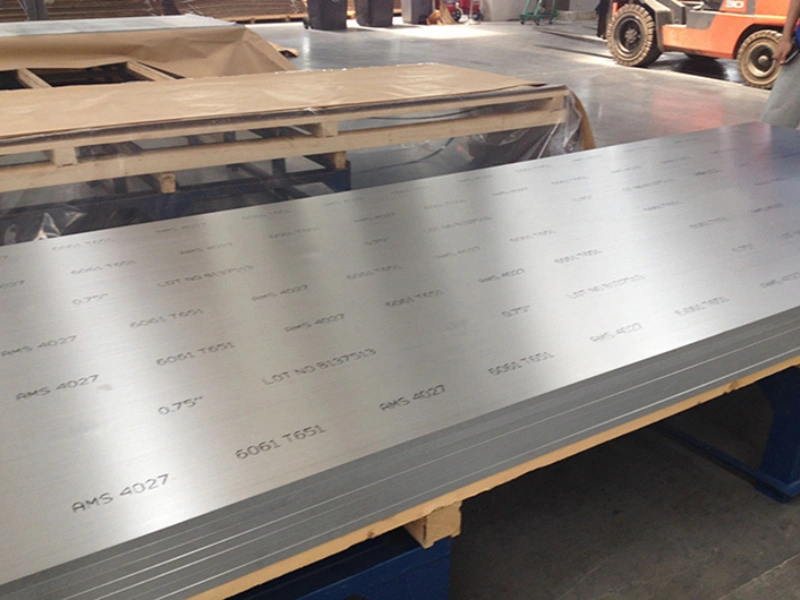
6061 T6 aluminum sheet is the go-to choice when a project needs real structural strength combined with easy machining.
Unlike softer, non-heat-treatable grades, 6061 gains its strength through a heat treatment process, making the T6 temper one of the strongest common aluminum options available.
What Is 6061 T6 Aluminum Sheet
6061 belongs to the 6000 series, built around magnesium and silicon as the main alloying elements. These elements allow the alloy to respond to heat treatment, meaning its strength comes from a controlled heating and cooling process rather than cold rolling alone.
The “T6” designation refers to the specific heat treatment applied: solution heat treated, then artificially aged. This process pushes 6061 to its highest common strength level, which is why T6 remains the most requested temper for structural and machined applications.
Core Traits of 6061 T6 Aluminum
- High strength-to-weight ratio compared to non-heat-treated alloys
- Excellent machinability for CNC and precision parts
- Good corrosion resistance for general environments
- Reliable weldability, though strength drops slightly near the weld
- Widely available in sheet, plate, and bar stock
Chemical Composition
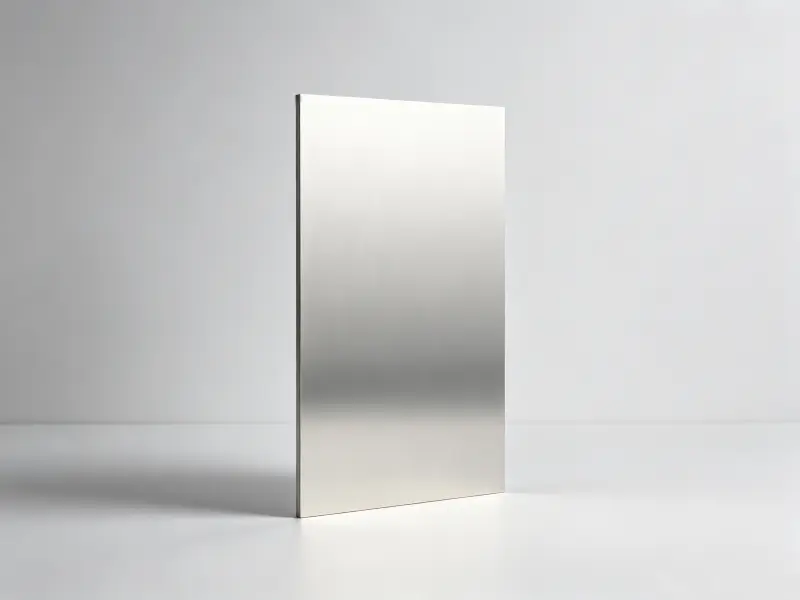
Magnesium and silicon work together to create the strengthening compound that gives 6061 its performance after heat treatment.
| Element | Min % | Max % |
|---|---|---|
| Aluminum (Al) | Remainder | — |
| Magnesium (Mg) | 0.8 | 1.2 |
| Silicon (Si) | 0.4 | 0.8 |
| Copper (Cu) | 0.15 | 0.40 |
| Chromium (Cr) | 0.04 | 0.35 |
| Iron (Fe) | — | 0.70 |
This balance of magnesium and silicon forms magnesium silicide during heat treatment, the compound responsible for the strength gain seen in the T6 temper.
Mechanical Properties of T6 Temper
| Property | 6061 T6 Value |
|---|---|
| Tensile strength | 45,000 psi (approx.) |
| Yield strength | 40,000 psi (approx.) |
| Elongation | 8–12% |
| Hardness (Brinell) | 95 HB (approx.) |
| Density | 0.098 lb/in³ |
What T6 Temper Means in Practice
- Solution heat treatment dissolves alloying elements evenly into the metal
- Artificial aging at controlled temperature triggers precipitation hardening
- The result is significantly higher strength than the same alloy in O or T4 temper
- Machining performance stays excellent even at this higher hardness level
Thickness Reference
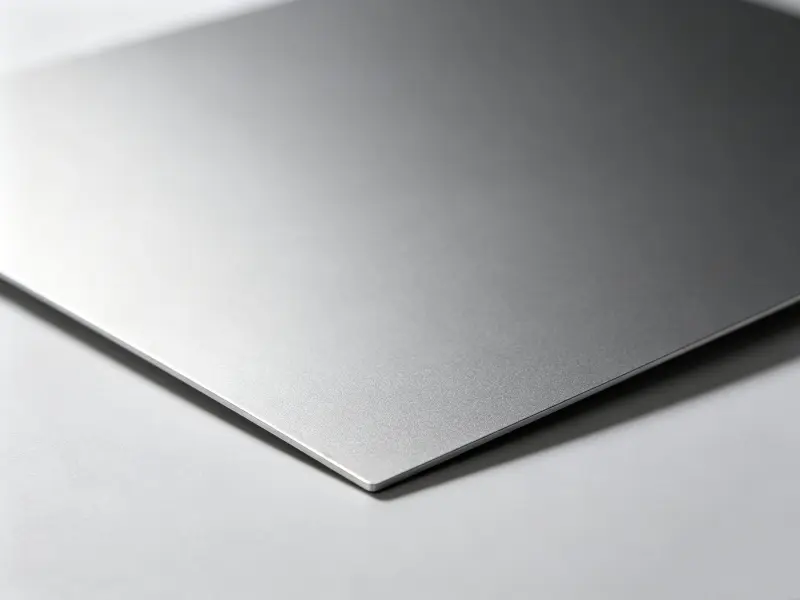
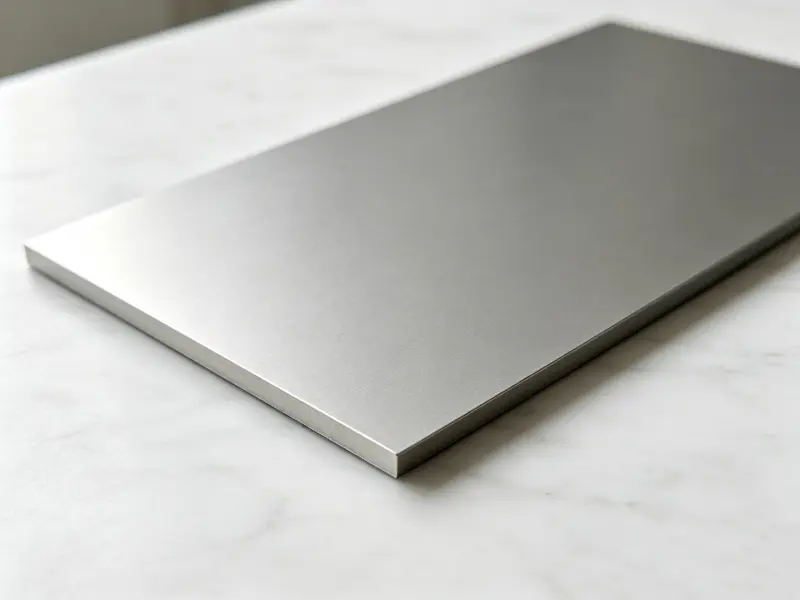
6061 T6 sheet and plate span a wide thickness range, covering both lighter fabrication work and heavier structural needs.
| Thickness (in) | Thickness (mm) | Common Use |
|---|---|---|
| .063 | 1.60 | Light brackets, panels |
| .125 (1/8) | 3.18 | General structural fabrication |
| .250 (1/4) | 6.35 | Heavier brackets, machined parts |
| .500 (1/2) | 12.70 | Structural plate, tooling components |
| 1.000 | 25.40 | Heavy machined parts, thick structural blocks |
.125 and .250 inch remain the most commonly stocked thicknesses for general fabrication and machining work using 6061 T6.
Standard Sheet Sizes
| Width (in) | Length (in) |
|---|---|
| 24 | 48 |
| 36 | 96 |
| 48 | 96 |
| 48 | 144 |
Custom cut sizes are widely available, since many buyers order 6061 T6 pre-cut to match specific machining or fabrication needs.
Product Types
6061 T6 sheet and plate ship in several forms, each suited to different production setups.
Mill Finish 6061 T6 Sheet
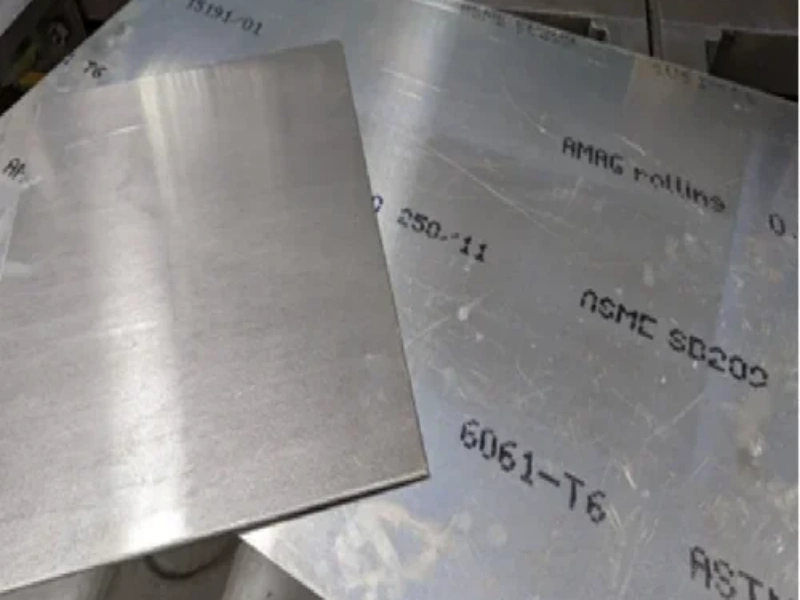
Plain, unpolished stock straight from the mill.
Common base before anodizing or painting
Standard choice for structural and machined parts
Most cost-effective option in this alloy and temper
6061 T6 Tooling Plate
A flatter, more dimensionally stable version used for jigs, fixtures, and molds.
- Tighter flatness tolerance than standard mill plate
- Reduces machining time by starting closer to final dimensions
- Common in mold-making and precision fixture work
Anodized 6061 T6 Sheet
Sheet treated with an anodized surface layer.
- Adds scratch and corrosion resistance
- Common in consumer products and visible structural parts
- Available in natural or colored anodized finishes
Cut-to-Size 6061 T6 Plate
Pre-cut to exact project dimensions before shipping.
- Reduces on-site cutting time and material waste
- Common for repeat production runs with fixed part sizes
- Cutting method (saw, waterjet, laser) available on request
6061 T651 Plate
A stress-relieved variation of T6, stretched slightly after heat treatment to reduce internal stress.
- Preferred for parts requiring extensive machining
- Reduces warping during the machining process
- Common in aerospace and precision tooling applications
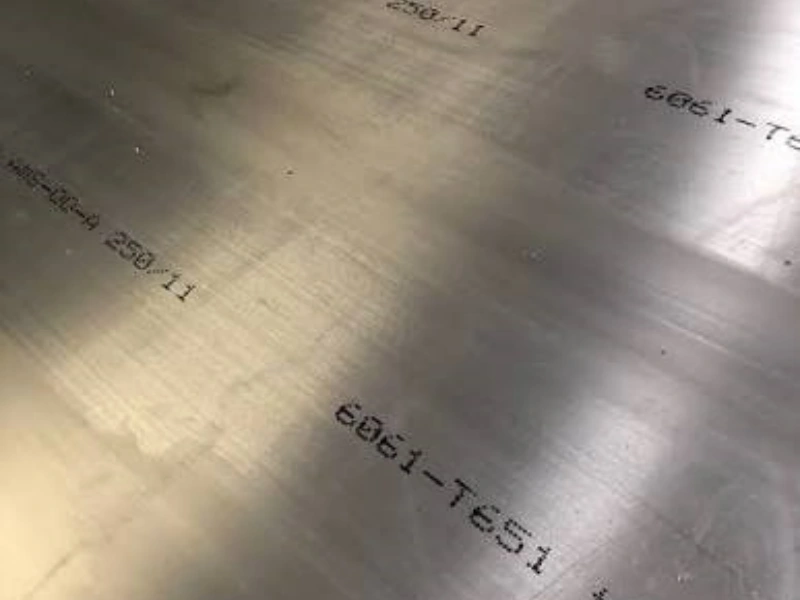
T6 vs. T651 Temper
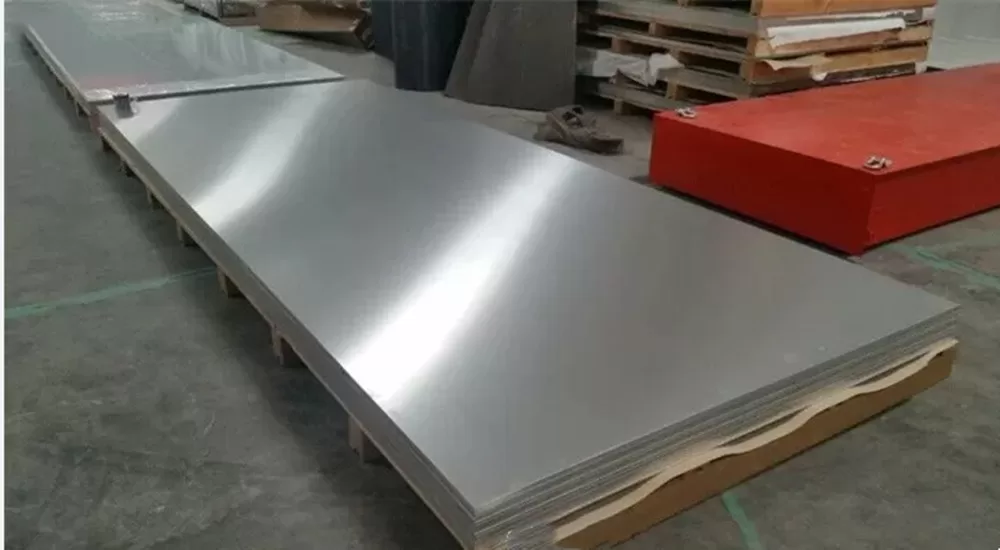
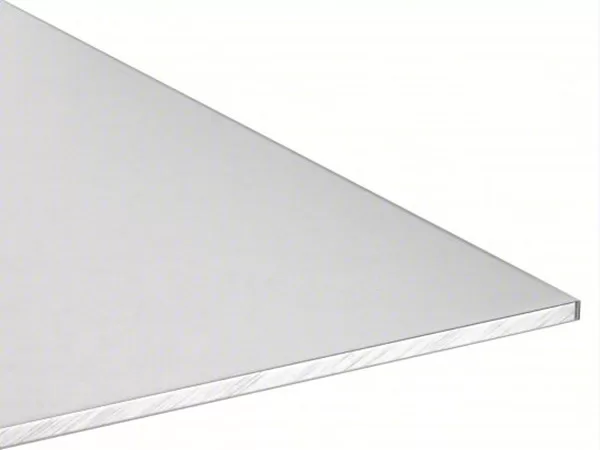
Buyers working with thicker plate often compare these two closely related tempers.
| Factor | T6 | T651 |
|---|---|---|
| Internal stress | Higher | Lower, stress-relieved |
| Machining stability | Good | Better, less warping |
| Common form | Sheet and thin plate | Thicker plate |
| Typical use | General fabrication | Heavy machining, aerospace parts |
T651 becomes the preferred choice once plate thickness increases and machining removes significant material, since the stress-relief process reduces the risk of the part warping after cutting.
6061 T6 vs. 5052 Aluminum Sheet
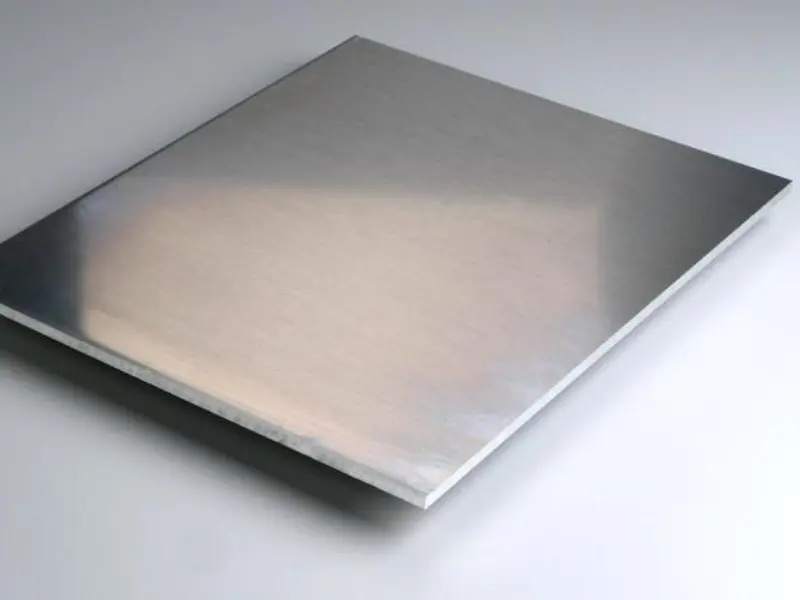
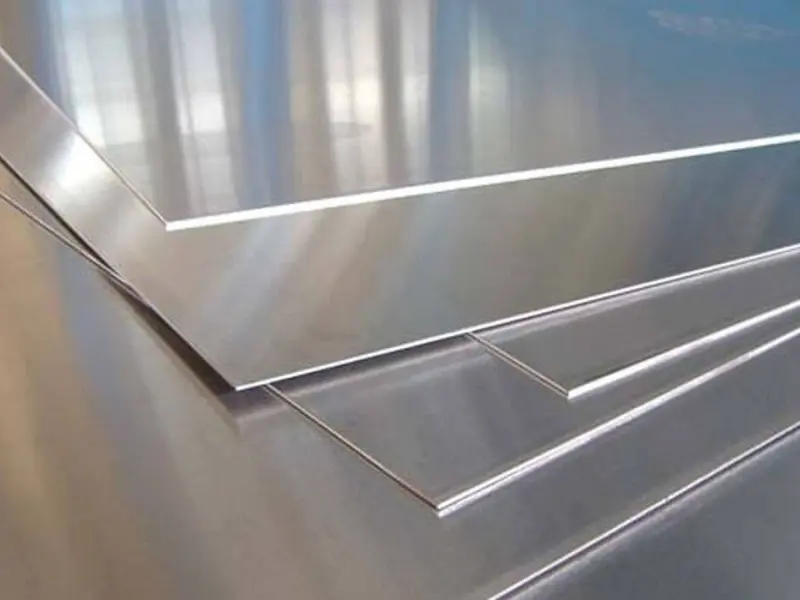
This comparison comes up often when buyers weigh a heat-treatable alloy against a work-hardened one.
| Factor | 6061 T6 | 5052 |
|---|---|---|
| Strength | Higher | Moderate |
| Machinability | Excellent | Fair |
| Weldability | Good, some strength loss near weld | Very good, minimal strength loss |
| Corrosion resistance | Good | Excellent, including saltwater |
| Common use | Structural brackets, machined parts | Marine panels, fuel tanks |
6061 T6 wins for machined and structural parts needing maximum strength. 5052 remains the better choice for welded marine applications where saltwater exposure is a bigger concern than raw strength.
Choosing Between 6061 T6 and 5052
→ Machining a precision bracket or fixture? 6061 T6 offers far better machinability. → Building a welded marine panel? 5052 retains more strength through the weld zone. → Need maximum structural strength? 6061 T6 outperforms 5052 in most load-bearing scenarios. → Working in a saltwater environment? 5052 offers better long-term corrosion resistance.
6061 T6 vs. 7075 T6 Aluminum
Some buyers compare 6061 against the even stronger 7075 alloy when maximum strength is the priority.
| Factor | 6061 T6 | 7075 T6 |
|---|---|---|
| Strength | High | Very high |
| Machinability | Excellent | Good, but harder on tools |
| Weldability | Good | Poor |
| Cost | Lower | Higher |
| Common use | General structural and machined parts | Aerospace, high-stress components |
7075 offers a significant strength advantage over 6061, but at a higher cost and with much poorer weldability. 6061 T6 remains the more practical, versatile choice for most structural and fabrication projects.
Applications
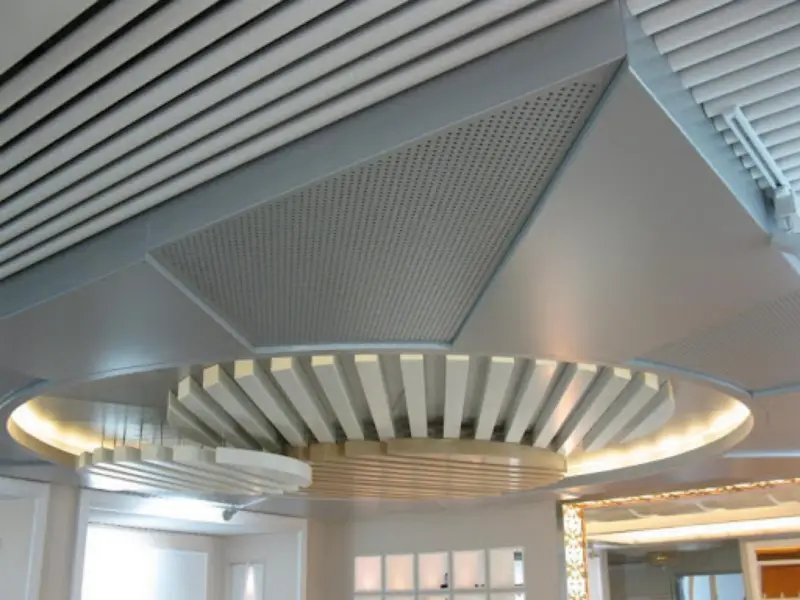
6061 T6 aluminum sheet is used across industries that need a strong, machinable structural material.
- Structural brackets and mounting plates
- CNC machined parts and components
- Aerospace structural components
- Marine hardware and fittings
- Automotive frame and structural parts
- Tooling, jigs, and fixtures
- Bicycle and sporting goods frames
- General industrial equipment parts
Why Fabricators Choose 6061 T6
Best-in-Class Machinability
6061 T6 machines cleanly at high speeds, making it a favorite for CNC shops producing precision parts.
Reliable Structural Strength
The T6 heat treatment gives this alloy enough strength for demanding structural roles without moving to a more expensive, harder-to-work alloy.
Wide Availability
As one of the most common structural aluminum grades, 6061 T6 stays readily available in sheet, plate, bar, and extrusion form.
Good All-Around Performance
Balanced strength, corrosion resistance, and workability make 6061 T6 a practical default for many structural and fabrication projects.
Packaging and Delivery
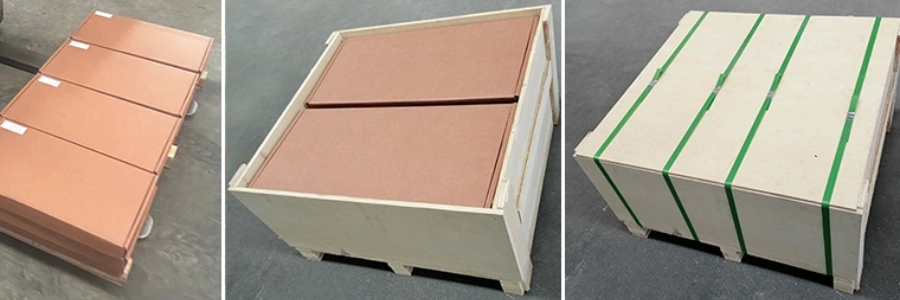
Sheet and plate at this strength level require sturdy packing to prevent bending or surface damage during transit.
- Wood pallet or crate packing for most shipments
- Edge protection to prevent corner damage
- Interleaved paper for anodized or polished finishes
- MOQ and lead time depend on thickness, temper, and cut size
Frequently Asked Questions
What is 6061 T6 aluminum sheet used for?
It is used for structural brackets, CNC machined parts, aerospace components, marine hardware, and automotive frames, mainly where strength and machinability both matter.
What does the T6 temper mean?
T6 means the aluminum has been solution heat treated and then artificially aged, giving it significantly higher strength than the same alloy in a softer temper.
Is 6061 T6 stronger than 5052 aluminum?
Yes. 6061 T6 offers noticeably higher tensile and yield strength than 5052, though 5052 retains an edge in saltwater corrosion resistance and weldability.
Can 6061 T6 aluminum be welded?
Yes, though strength near the weld zone decreases somewhat due to the heat affecting the temper. Post-weld heat treatment can help restore some strength if needed.
What is the difference between T6 and T651 temper?
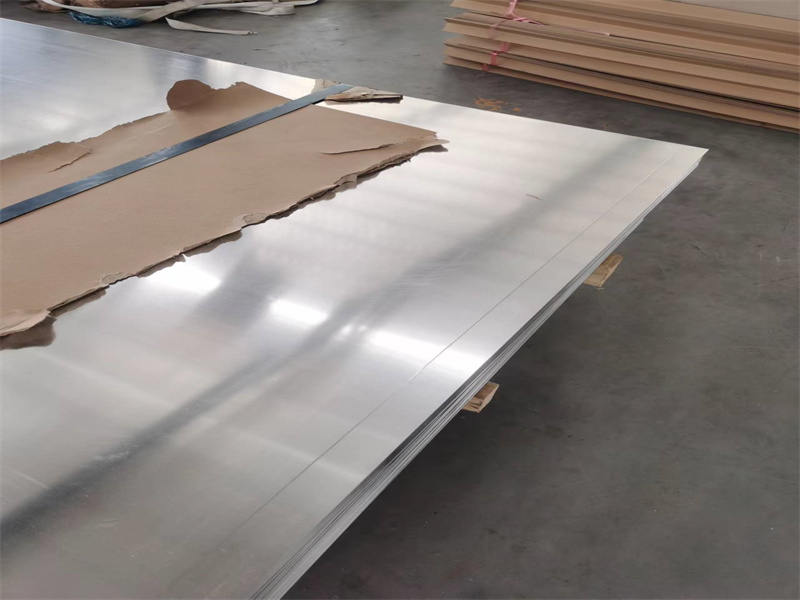
T651 is a stress-relieved version of T6, stretched slightly after heat treatment to reduce warping during machining, and is common in thicker plate.
Is 6061 T6 good for CNC machining?
Yes. It is considered one of the best aluminum alloys for machining, offering clean cuts and good tool life even at higher spindle speeds.
Can 6061-T6 be bent?
Yes, but you must be careful. Because it is heat-treated to be hard, it can crack if you bend it too sharply. Usually, a bend radius of 3 to 5 times the thickness is required to prevent cracking.
Does 6061-T6 rust?
Aluminum does not rust like iron, but it can “oxidize.” It forms a thin white layer of aluminum oxide. This layer actually protects the metal from further damage. In salt water, it may experience some pitting, but it is generally very stable.
Is 6061-T6 magnetic?
No. Like almost all aluminum alloys, 6061-T6 is non-magnetic.
What is the best way to clean it?
Use a mild detergent and warm water. For a shiny finish, you can use a dedicated aluminum polish. Avoid using steel wool, as it can leave tiny bits of steel behind that will cause rust spots.