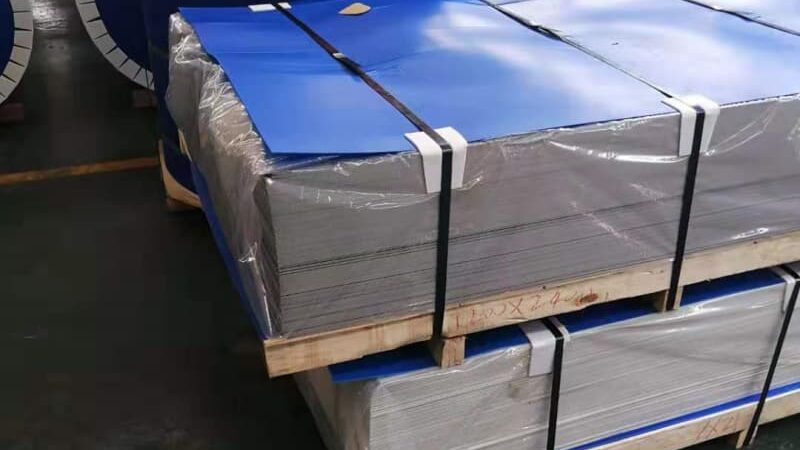
How To Care And Maintain Aluminum Panels? The surface paint of aluminum panels requires regular professional cleaning and protection. This kind of cleaning is not just to keep the built walls clean and beautiful. But to regularly remove the dirt accumulated on the surface of the paint that will damage the paint to ensure the long-term quality of the paint.
The cycle of cleaning operation mainly depends on the environmental conditions of the project site and the actual degree of pollution on the board surface. Please do not use any abrasive items to wipe the painted surface.

The specific cleaning process of the aluminum plate is as follows:
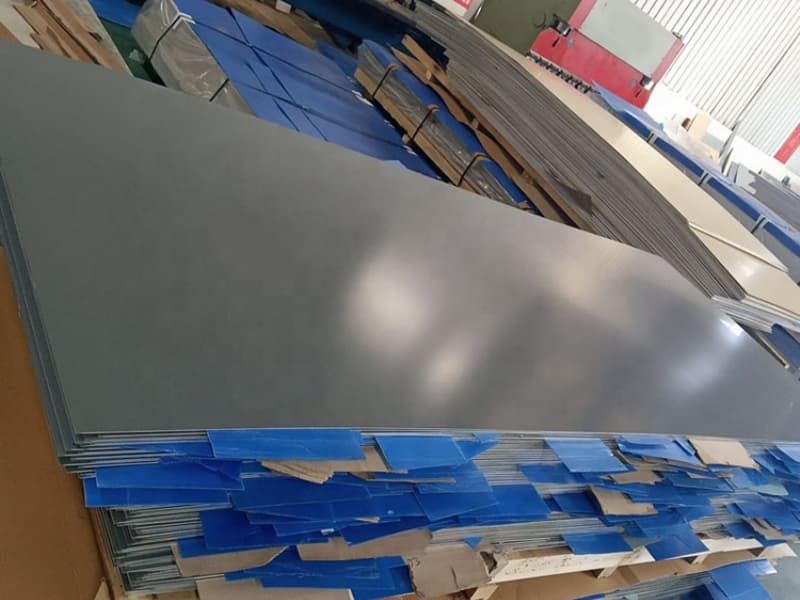
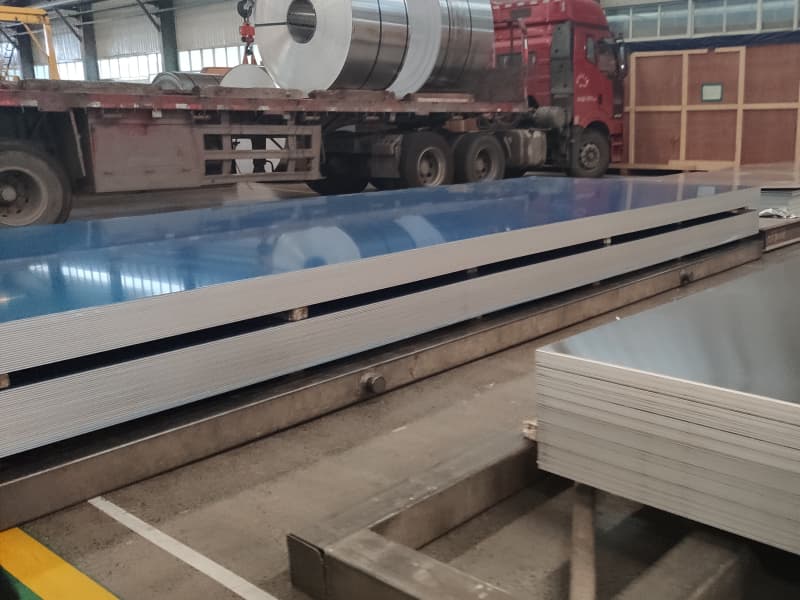
1. Rinse the surface of the board with a lot of water first.
2. Use a soft cloth soaked in a detergent diluted with water to gently wipe the surface of the test board.
3. Rinse the board surface with a lot of clean water to wash away the dirt.
4. Check the board surface and focus on cleaning with local detergents that have not been cleaned.
5. Wash away all the detergent rinse the board surface with clean water.
It should be noted that, please choose the appropriate detergent, a basic principle is: be sure to choose a neutral detergent!.
Choosing the right cleaning agents, cleaners and protective products and techniques to care your panel is must to retain the original look. As a rule of thumb, you are generally better off using only mild cleansing products which ought not to scratch or harm the aluminum surface of the panel.
How To Care And Maintain Aluminum Panels?
Aluminum Panel Care Starts with the Surface Type
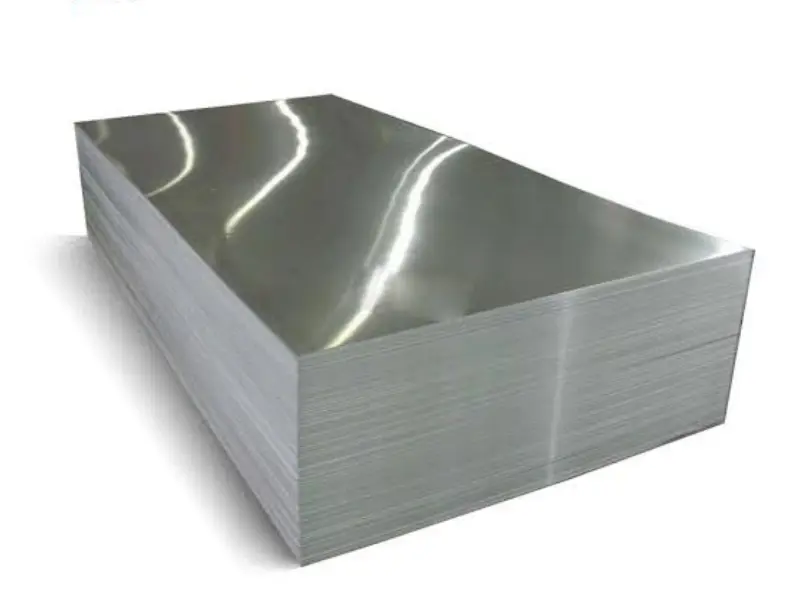
Aluminum panels are used in buildings, vehicles, ceilings, walls, signs, kitchens, equipment covers, and decorative projects. They are lightweight, strong, and resistant to corrosion. However, they still need proper cleaning and maintenance.
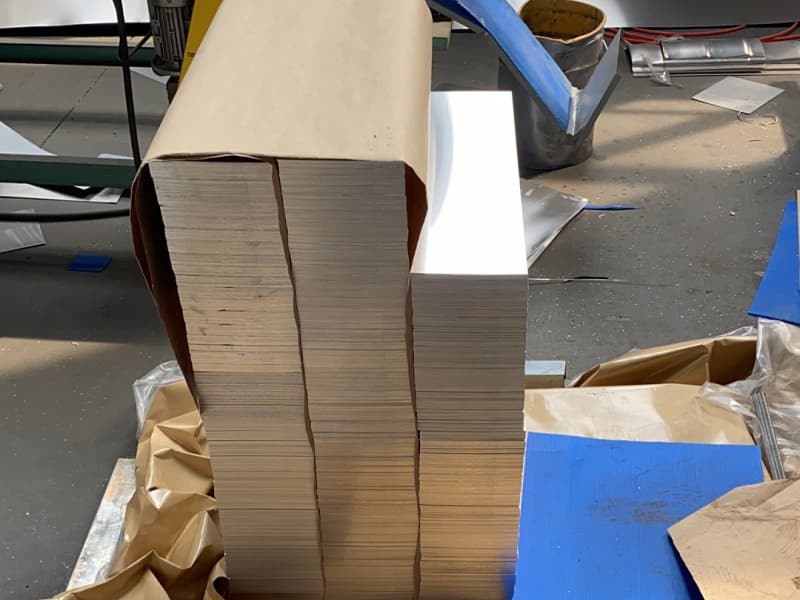
The correct maintenance method depends on the panel type. A painted aluminum panel needs different care from an anodized panel, brushed aluminum panel, aluminum composite panel, or aluminum honeycomb panel.
Regular care helps keep aluminum panels clean, flat, bright, and durable. It can also reduce the risk of stains, coating damage, corrosion, and costly replacement.
Simple maintenance path → Inspect the panel → Remove loose dust → Wash with mild cleaner → Rinse with clean water → Dry the surface → Check joints and edges.
Why Aluminum Panels Need Regular Maintenance
Aluminum naturally forms a thin oxide layer. This layer helps protect the metal. Many panels also have paint, anodizing, powder coating, PVDF coating, laminate film, or another protective finish.
Dust, rainwater, salt, oil, cement residue, pollution, and cleaning chemicals can affect the surface over time. Regular cleaning removes these materials before they become difficult to remove.
Main Reasons to Maintain Aluminum Panels
- Keep the original color and gloss
- Remove dust and surface pollution
- Reduce staining
- Prevent dirt buildup around joints
- Protect paint and coating layers
- Reduce corrosion risk in wet areas
- Find scratches or damage early
- Improve the appearance of the building or product
- Extend the service life of the panel
- Reduce long-term repair costs
What Can Damage Aluminum Panel Surfaces?
| Source of Damage | Possible Result |
|---|---|
| Dust and dirt | Dull surface appearance |
| Salt spray | Surface corrosion in coastal areas |
| Cement or mortar | Permanent marks or coating damage |
| Strong acid cleaner | Stains or coating failure |
| Strong alkaline cleaner | Surface discoloration |
| Abrasive pads | Scratches |
| Oil and grease | Dark marks and dirt buildup |
| Standing water | Edge staining and corrosion risk |
| Poor installation | Loose panels or water entry |
| Metal contact | Galvanic corrosion in some conditions |
Different Aluminum Panel Types Need Different Care
Not all aluminum panels have the same surface. Before cleaning, identify the panel type.
Painted Aluminum Panels

Painted aluminum panels may use PE, PVDF, SMP, HDP, fluorocarbon, or powder coating. These panels are common in roofing, wall cladding, facades, ceilings, doors, gutters, and decorative products.
Use mild soap and clean water for normal cleaning. Avoid strong solvents unless the coating supplier confirms they are safe.
Anodized Aluminum Panels
Anodized aluminum has an electrochemical oxide layer. It has a metallic appearance and good surface hardness.
Anodized panels are often used for windows, doors, facades, ceilings, furniture, elevators, and decorative wall systems.
Clean anodized aluminum with neutral detergent and a soft cloth. Do not use abrasive cleaners, steel wool, or highly acidic products.
Powder-Coated Aluminum Panels
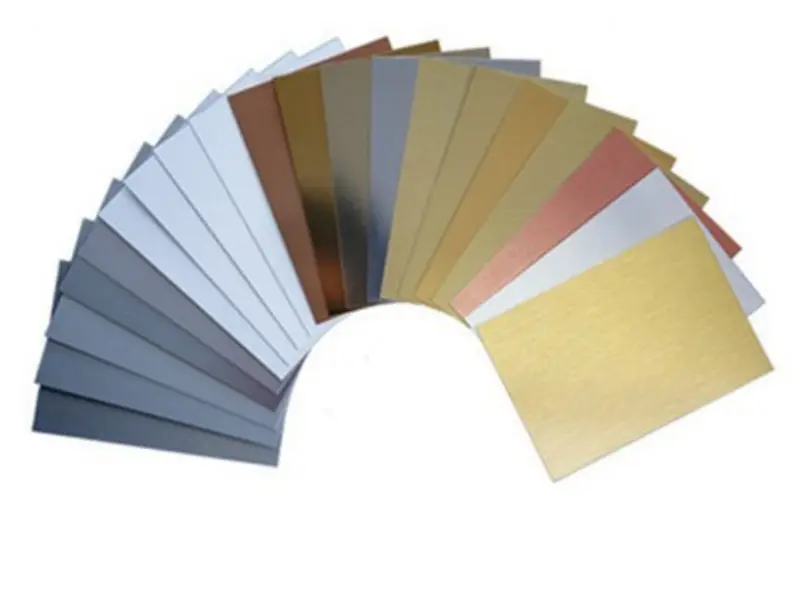
Powder-coated panels have a durable colored surface. They are used for wall systems, fences, equipment covers, window frames, doors, architectural panels, and industrial products.
Powder coating can be durable, but it may scratch if cleaned with rough tools. Use soft brushes, microfiber cloths, and neutral cleaners.
PVDF-Coated Aluminum Panels
PVDF-coated aluminum panels are often used for exterior facade systems. PVDF coatings offer good weather resistance and color stability.
They are common in airports, shopping centers, hospitals, office buildings, hotels, transport stations, and high-rise projects.
PVDF panels should still be cleaned regularly, especially in polluted cities and coastal environments.
Brushed Aluminum Panels

Brushed aluminum has fine directional lines. It is used for decorative walls, elevators, appliances, signs, furniture, and retail interiors.
Clean in the direction of the brushed grain. Cleaning across the grain can make marks more visible.
Mirror Aluminum Panels
Mirror aluminum has a highly reflective surface. It is used in decoration, retail displays, ceilings, signs, event projects, and feature walls.
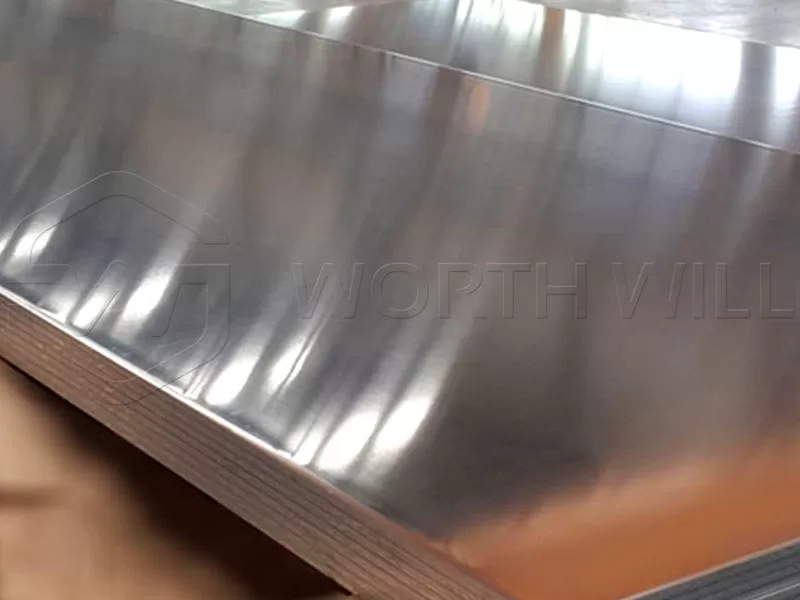
Mirror surfaces show fingerprints and scratches easily. Use a clean microfiber cloth and avoid rough wiping.
Aluminum Composite Panels
Aluminum composite panels contain aluminum skins and a core material. They are often used for wall cladding, signs, storefronts, interiors, and advertising panels.
The surface care method depends on the top coating. Check whether the panel uses PVDF, polyester, nano coating, or another finish.
Aluminum Honeycomb Panels
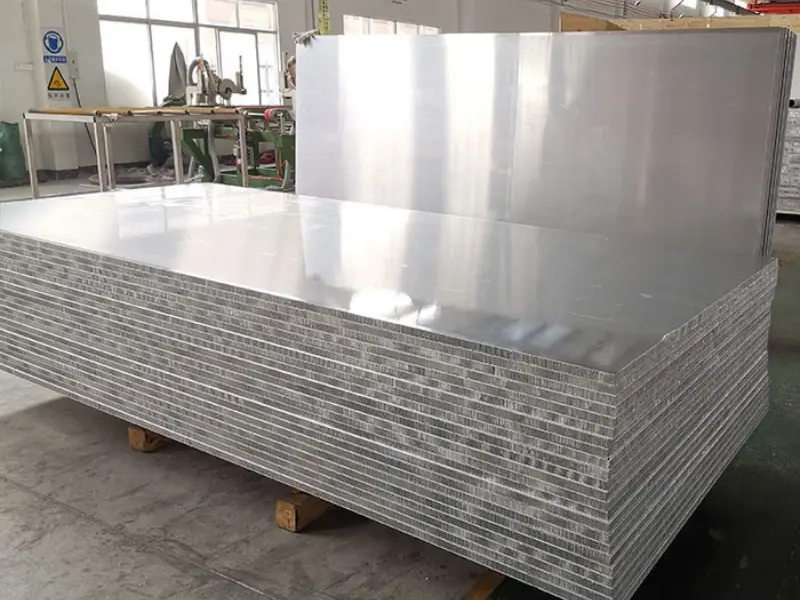
Aluminum honeycomb panels have aluminum skins with a honeycomb core. They are used for facades, ceilings, transport interiors, wall panels, doors, and decorative projects.
The visible surface should be cleaned according to its finish. Also inspect panel edges, joints, fixing points, and sealants.
Aluminum Panel Surface Comparison
| Panel Surface | Common Location | Cleaning Method | Main Care Point |
|---|---|---|---|
| Mill finish aluminum | Industrial equipment | Mild detergent and water | Avoid oxidation stains |
| PE-coated aluminum | Indoor panels and roofing | Soft cloth and neutral cleaner | Avoid strong chemicals |
| PVDF-coated aluminum | Exterior facade | Water and mild detergent | Remove city pollution regularly |
| Powder-coated aluminum | Doors, frames, panels | Soft brush and gentle cleaner | Avoid scratching |
| Anodized aluminum | Windows and decorative walls | Neutral cleaner | Avoid acid and abrasion |
| Brushed aluminum | Elevators and interiors | Wipe along the grain | Prevent cross-grain marks |
| Mirror aluminum | Decoration and signs | Microfiber cloth | Avoid fingerprint marks |
| Aluminum composite panel | Signage and cladding | Mild cleaner | Check coating compatibility |
| Aluminum honeycomb panel | Facade and ceiling | Water and soft cloth | Inspect edges and joints |
Basic Cleaning Tools for Aluminum Panels
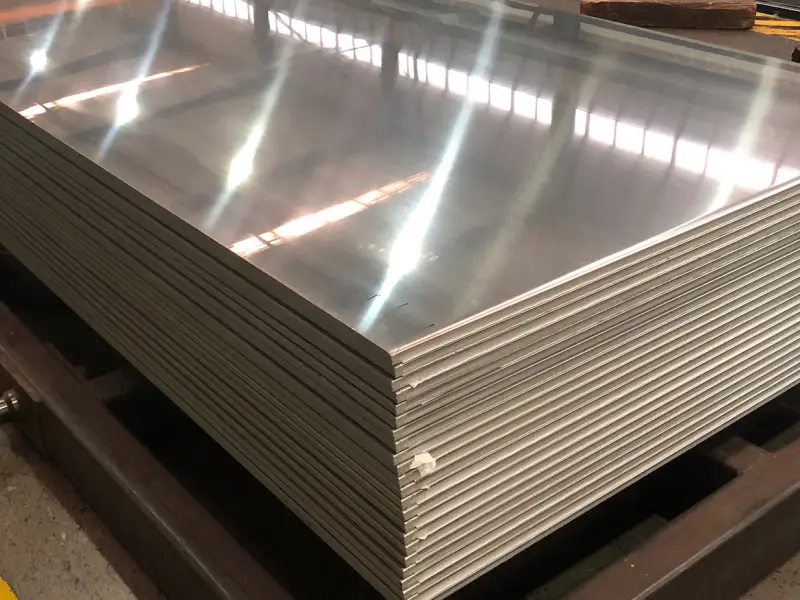
Most aluminum panel cleaning can be done with simple tools. The goal is to remove dirt without scratching or weakening the coating.
Recommended Cleaning Tools
- Clean water
- Mild neutral detergent
- Soft sponge
- Microfiber cloth
- Soft nylon brush
- Low-pressure water hose
- Plastic bucket
- Non-abrasive cleaning pad
- Rubber gloves
- Soft drying towel
Tools and Cleaners to Avoid
| Item | Why It Should Be Avoided |
|---|---|
| Steel wool | Can scratch aluminum and coatings |
| Hard wire brush | Can damage the surface |
| Sandpaper | Removes surface finish |
| Strong acid cleaner | May stain or corrode aluminum |
| Strong alkaline cleaner | May attack coating layers |
| Chlorine bleach | Can cause discoloration |
| Paint thinner | May damage paint or coating |
| Rough scouring pad | Leaves visible scratches |
| High-pressure washer at close range | May damage joints and sealants |
| Sharp scraper | May cut the coating |
Always test a cleaning product on a small hidden area before using it on a large visible panel.
A Simple Routine Cleaning Method
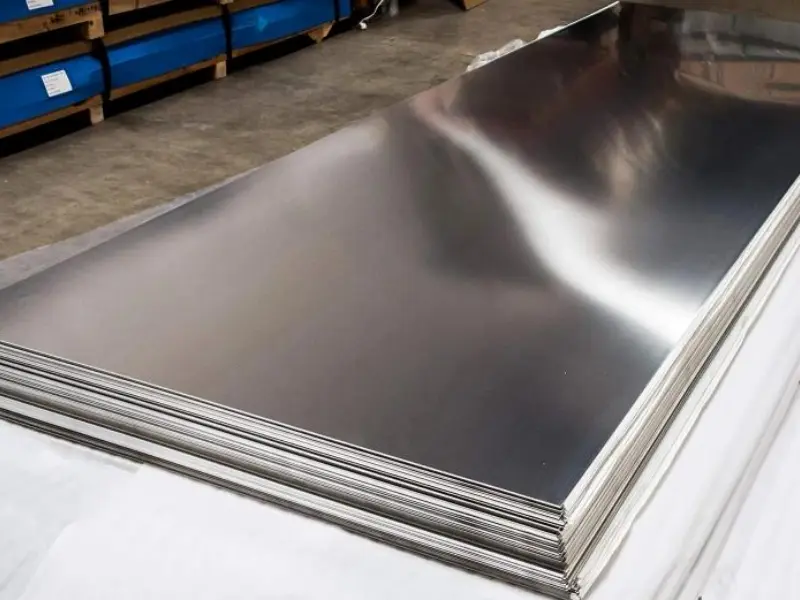
Routine cleaning is usually enough for most aluminum panels. This method is suitable for many painted, anodized, and coated surfaces.
Cleaning Steps for General Aluminum Panels
Remove Loose Dust First
Use clean water, a soft brush, or a microfiber cloth to remove loose dust. Do not rub dry sand or grit across the panel because it can scratch the surface.
Prepare a Mild Cleaning Solution
Mix a small amount of neutral detergent with clean water. Avoid strong cleaners unless they are approved for the panel finish.
Wash from Top to Bottom
Start at the top of the panel and move downward. This helps prevent dirty water from running over an already cleaned area.
Use Gentle Pressure
Use a soft sponge or cloth. Do not scrub hard. If a stain remains, repeat the cleaning process rather than using a rough tool.
Rinse with Clean Water
Rinse away detergent residue. Remaining soap can leave marks after drying.
Dry the Surface
Use a clean microfiber cloth or allow the panel to dry naturally in a clean environment. For mirror or glossy panels, hand drying can reduce water spots.
Basic Cleaning Frequency
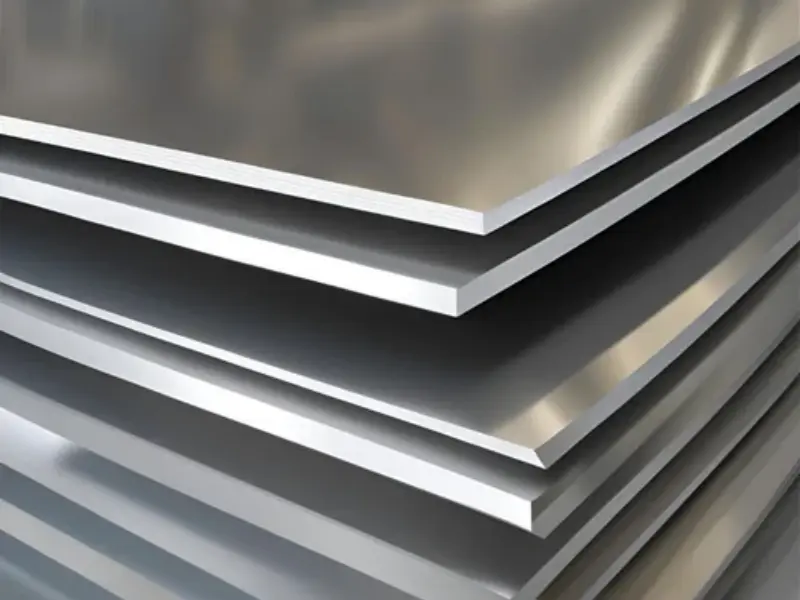
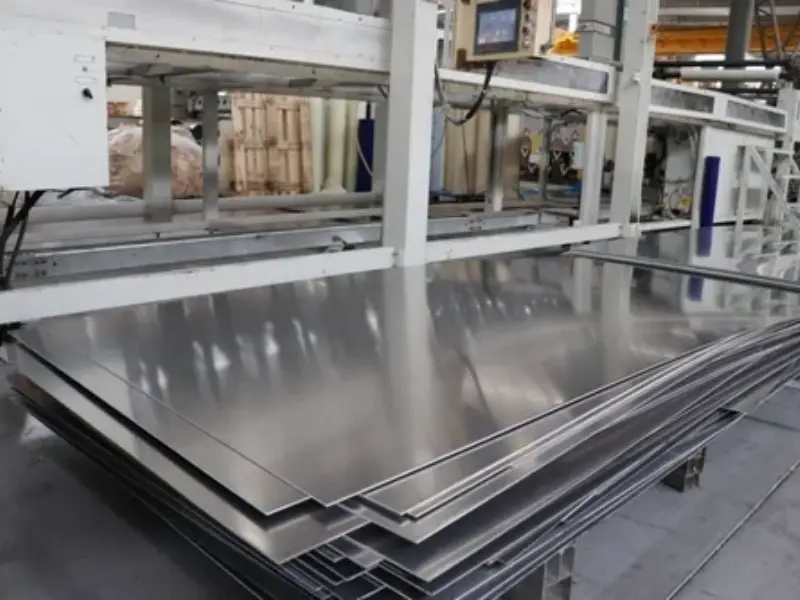
| Environment | Suggested Cleaning Frequency |
|---|---|
| Clean indoor area | Every 6 to 12 months |
| Normal urban area | Every 3 to 6 months |
| Busy city center | Every 2 to 4 months |
| Industrial area | Every 1 to 3 months |
| Coastal area | Every 1 to 3 months |
| Kitchen or food service area | Weekly or as needed |
| HVAC room | Every 3 to 6 months |
| Exterior facade near traffic | Every 2 to 4 months |
The correct schedule depends on dust, rain, salt, grease, pollution, and the panel finish.
Cleaning Aluminum Facade Panels
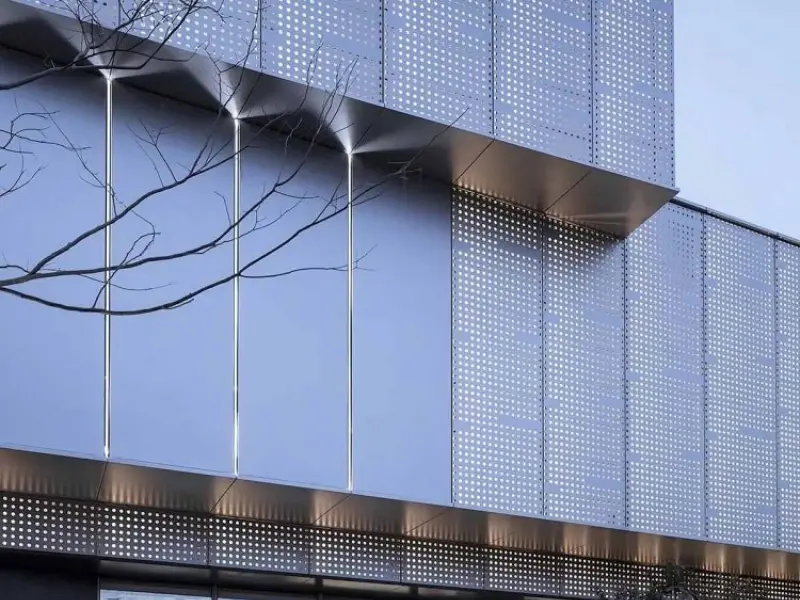
Exterior wall panels face rain, dust, UV light, traffic pollution, and seasonal temperature changes. Facade cleaning should be planned as part of building maintenance.
Points to Check Before Facade Cleaning
- Panel coating type
- Building height
- Access method
- Cleaning product compatibility
- Water pressure
- Weather condition
- Existing scratches or dents
- Sealant condition
- Open joints and drainage paths
- Safety requirements
Facade Cleaning Guide
| Facade Condition | Suggested Action |
|---|---|
| Light dust | Rinse with clean water |
| Urban pollution | Use mild neutral detergent |
| Bird droppings | Clean quickly with soft cloth and water |
| Oil marks | Use approved mild degreaser |
| Cement residue | Contact panel supplier before cleaning |
| Salt deposits | Rinse frequently with fresh water |
| Mold near joints | Use approved cleaner and inspect water entry |
| Deep scratch | Record damage and consider repair coating |
Do not clean facade panels under very strong direct sunlight when possible. Water and detergent may dry too quickly and leave marks.
Caring for Aluminum Panels in Coastal Areas
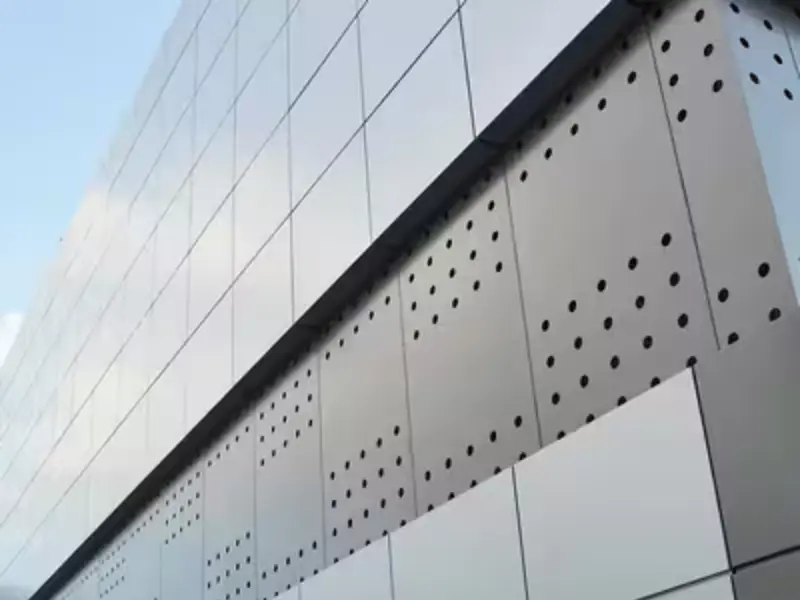
Coastal environments contain salt in the air. Salt can collect on aluminum panels, fasteners, joints, and edges.
Aluminum has good corrosion resistance, but regular washing is important near the sea.
Coastal Maintenance Priorities
- Rinse panels with fresh water regularly
- Clean salt deposits from joints
- Inspect edges and cut areas
- Check dissimilar metal contact points
- Review sealant condition
- Remove standing water
- Inspect fixing brackets
- Use suitable marine-grade alloy where required
- Confirm the correct coating system for the project
Recommended Alloys for Humid and Coastal Projects
| Alloy | General Feature | Common Panel Use |
|---|---|---|
| 3003 | Good corrosion resistance | General coated panels |
| 3105 | Good coating performance | Roofing and wall panels |
| 5005 | Good decorative surface quality | Architectural panels |
| 5052 | Strong corrosion resistance | Coastal and transport panels |
| 5083 | Very good marine resistance | Marine and offshore products |
| 5754 | Good strength and corrosion resistance | Exterior and transport panels |
For coastal cladding, coating quality, sealant design, edge protection, and installation materials are as important as the aluminum alloy.
Caring for Aluminum Panels in Industrial Areas

Industrial areas may expose panels to dust, smoke, chemicals, oil, and airborne particles. These contaminants can build up faster than normal dirt.
Maintenance Tips for Industrial Sites
- Inspect panels more often
- Remove chemical residue quickly
- Use approved cleaning products
- Avoid leaving oil or grease on surfaces
- Check air outlets and exhaust areas
- Clean areas near factory vents more often
- Inspect panel joints for chemical buildup
- Record repeated stains or coating changes
- Repair damaged protective coatings early
| Industrial Condition | Maintenance Concern |
|---|---|
| Factory smoke | Surface staining |
| Oil mist | Sticky dirt buildup |
| Chemical dust | Coating damage risk |
| Metal particles | Surface scratching |
| High humidity | Corrosion around joints |
| Strong heat | Coating aging |
| Steam exposure | Water marks and moisture entry |
Aluminum Panel Care for Kitchens and Food Areas

Aluminum panels are used in commercial kitchens, food counters, restaurant interiors, appliances, storage areas, and ceiling systems.
These areas often have grease, steam, food particles, and cleaning chemicals.
Kitchen Cleaning Tips
- Wipe grease before it becomes hard
- Use warm water and mild degreaser
- Rinse all cleaner residue
- Dry around panel joints
- Avoid chlorine-based cleaners
- Avoid rough scrubbers
- Clean behind equipment where grease collects
- Check wall panels near stoves and ovens
- Inspect for damaged sealant or open joints
Suitable Cleaner Types
| Cleaner Type | General Use |
|---|---|
| Mild neutral detergent | Routine cleaning |
| Food-safe mild degreaser | Grease removal |
| Warm water | Light oil and dust |
| Soft microfiber cloth | Final wipe and drying |
| Approved coating cleaner | Special surface stains |
Always check the cleaning product label. Some kitchen chemicals are too strong for painted aluminum surfaces.
How to Remove Common Aluminum Panel Stains
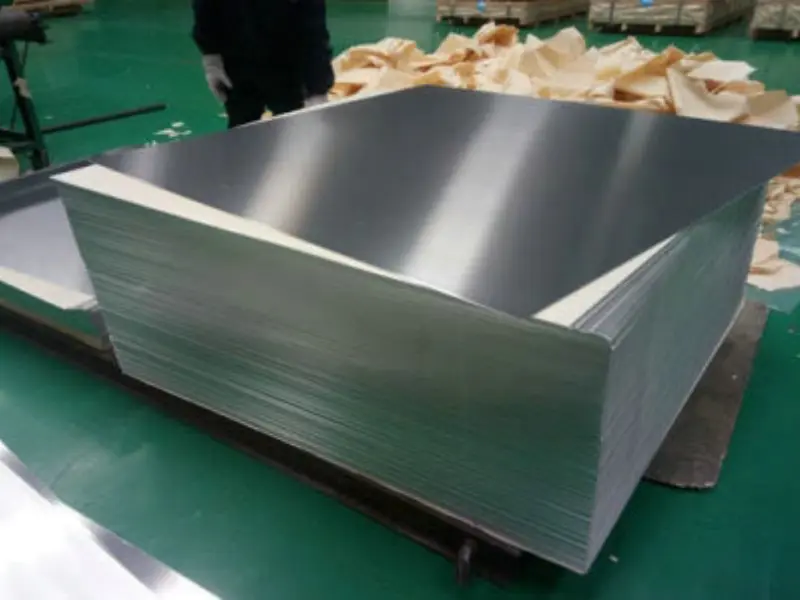
Different stains need different cleaning methods. Start with the mildest option.
Dust and Mud
Use clean water first. If needed, use mild detergent and a soft sponge.
Fingerprints
Fingerprints are common on glossy, mirror, anodized, and brushed panels. Use a microfiber cloth with clean water or a mild neutral cleaner.
Grease and Oil
Use a coating-safe degreaser. Do not use harsh solvent unless it is approved for the panel surface.
Water Spots
Water spots may form after rain or hard water drying. Wipe the panel with clean water and dry it with a microfiber cloth.
Bird Droppings
Remove bird droppings as soon as possible. Organic waste can stain coated surfaces if left for a long time.
Cement, Mortar, and Construction Residue
Cement and mortar can be alkaline. Do not scrape aggressively. Contact the panel supplier or a professional cleaning specialist before using chemicals.
Rust Marks from Other Metals
Rust marks may come from steel fasteners, tools, or nearby materials. Clean gently with an approved aluminum-safe cleaner. Also find and remove the source of the rust.
Adhesive Residue
Use a mild adhesive remover approved for the coating. Test it on a hidden area first. Avoid sharp blades and strong solvents.
Stain Removal Reference Table
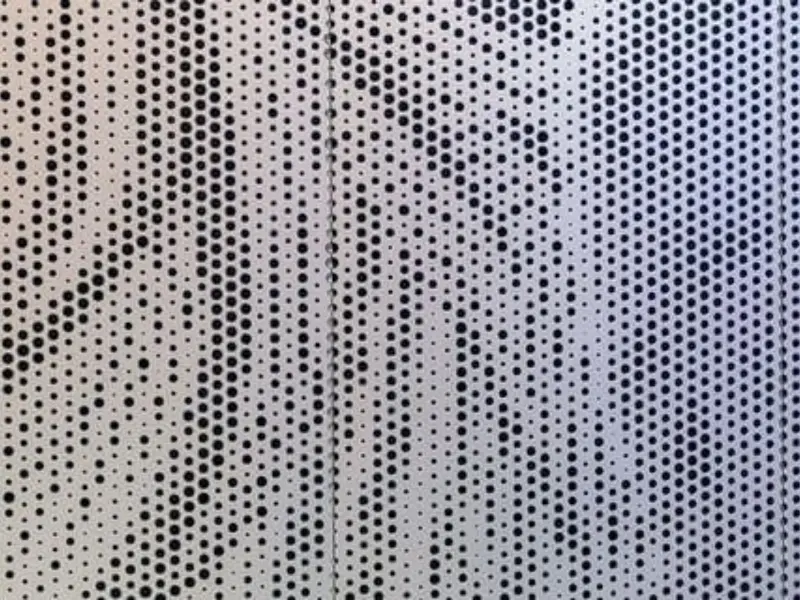
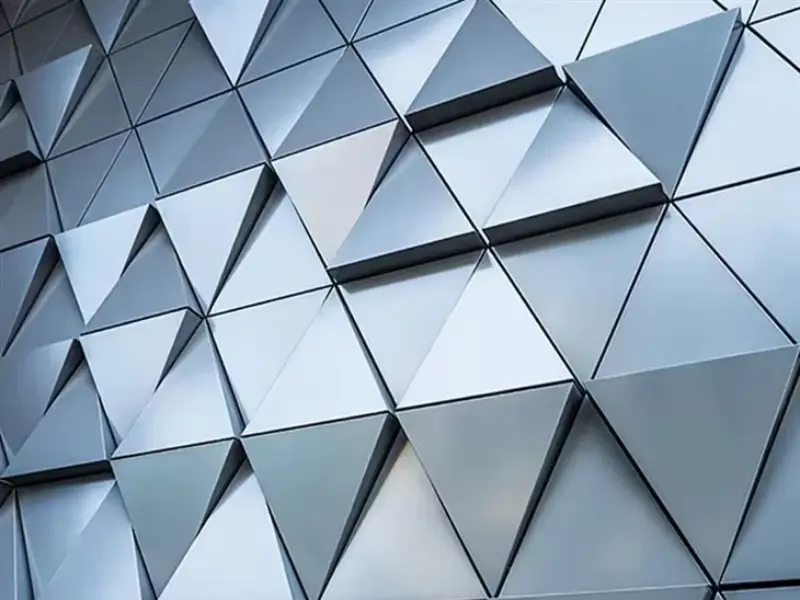
| Stain Type | First Cleaning Choice | What to Avoid |
|---|---|---|
| Dust | Water and soft cloth | Dry rough wiping |
| Grease | Mild approved degreaser | Strong solvent |
| Fingerprints | Microfiber cloth | Rough paper towels |
| Bird droppings | Water and mild detergent | Delayed cleaning |
| Water spots | Clean water and dry cloth | Harsh acidic cleaner |
| Cement marks | Supplier-approved method | Steel scraper |
| Adhesive residue | Coating-safe remover | Paint thinner |
| Salt deposits | Fresh water rinse | Leaving salt on surface |
| Mold or mildew | Approved mild cleaner | High-pressure close spraying |
Caring for Painted and Coated Aluminum Panels
Painted panels need gentle cleaning to protect the coating. The coating may be PE, PVDF, SMP, HDP, polyester, fluorocarbon, or powder coating.
PE-Coated Aluminum Panels

PE-coated panels are often used for indoor products, ceilings, standard wall panels, signs, and general building applications.
Use mild detergent and water. Avoid long exposure to strong sunlight, chemicals, and aggressive cleaning products.
PVDF-Coated Aluminum Panels

PVDF-coated panels are widely used in exterior wall cladding and facade systems. They have good weather resistance.
Routine washing is still useful because pollution can remain on the surface and affect appearance.
Powder-Coated Aluminum Panels
Powder coating can be durable, but sharp objects and abrasive pads can scratch it. Use soft tools and avoid harsh cleaning chemicals.
SMP and HDP Coated Panels
SMP and HDP coatings are commonly used for roofing and wall cladding. Their cleaning needs are similar to other painted panels.
| Coating Type | Best General Care |
|---|---|
| PE | Mild cleaner and indoor protection |
| PVDF | Regular outdoor washing |
| Powder coating | Soft cloth and non-abrasive cleaner |
| SMP | Remove surface dirt and pollution |
| HDP | Clean regularly in outdoor areas |
| Fluorocarbon | Use coating-safe neutral detergent |
Maintaining Anodized Aluminum Panels
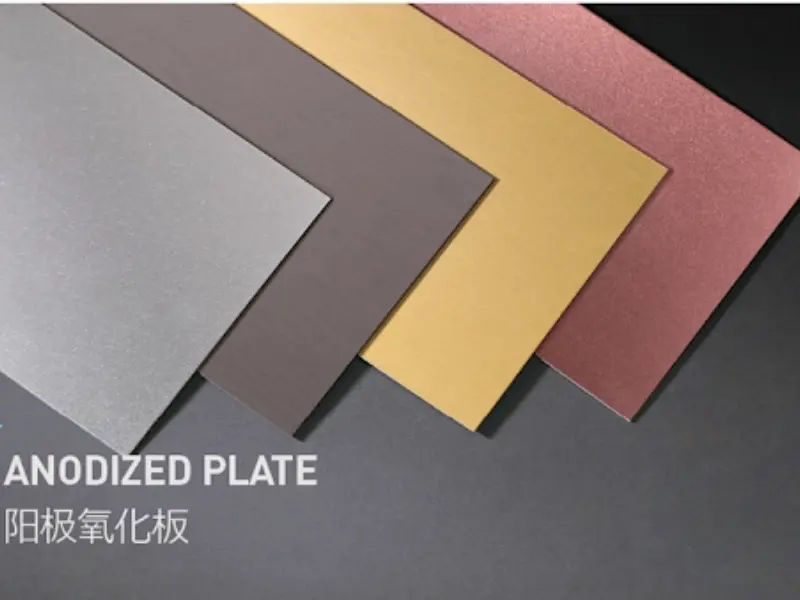
Anodized aluminum has a hard oxide layer, but it can still show stains if it is exposed to dirt, cement, salt, or harsh chemicals.
Best Practices for Anodized Surfaces
- Use clean water for light dust
- Use neutral detergent for normal stains
- Dry the surface after cleaning
- Remove construction residue quickly
- Do not use steel wool
- Do not use highly acidic cleaners
- Do not use highly alkaline products
- Do not scrub against brushed grain
- Protect the surface during renovation work
Anodized Finish Comparison
| Finish Type | Appearance | Maintenance Priority |
|---|---|---|
| Clear anodized | Silver metallic | Remove water marks |
| Champagne anodized | Warm metallic tone | Avoid harsh chemicals |
| Bronze anodized | Dark decorative finish | Prevent scratches |
| Black anodized | Modern dark surface | Remove fingerprints |
| Brushed anodized | Textured metal grain | Clean in grain direction |
Brushed and Mirror Aluminum Panel Care
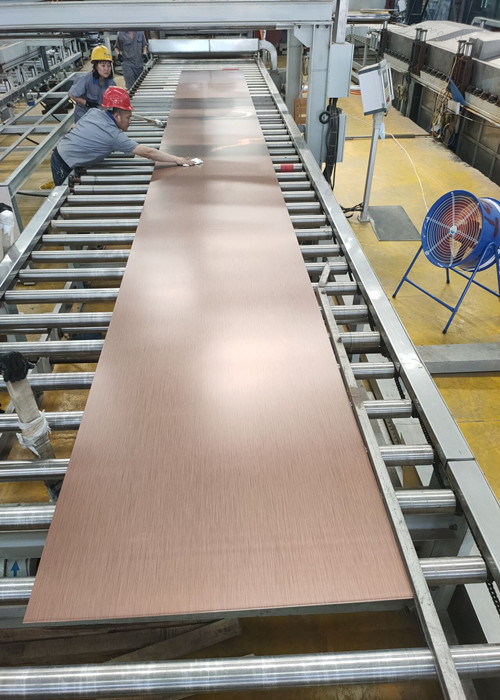
The brushed and mirror surfaces need more careful handling because scratches and marks are easier to see.
Brushed Aluminum Cleaning
Always wipe in the direction of the brushed grain.
| Cleaning Action | Recommended? |
|---|---|
| Wipe along the grain | Yes |
| Use microfiber cloth | Yes |
| Use soft sponge | Yes |
| Rub in circles | No |
| Use steel wool | No |
| Use rough paper towel | No |
| Use abrasive cream cleaner | No |
Mirror Aluminum Cleaning
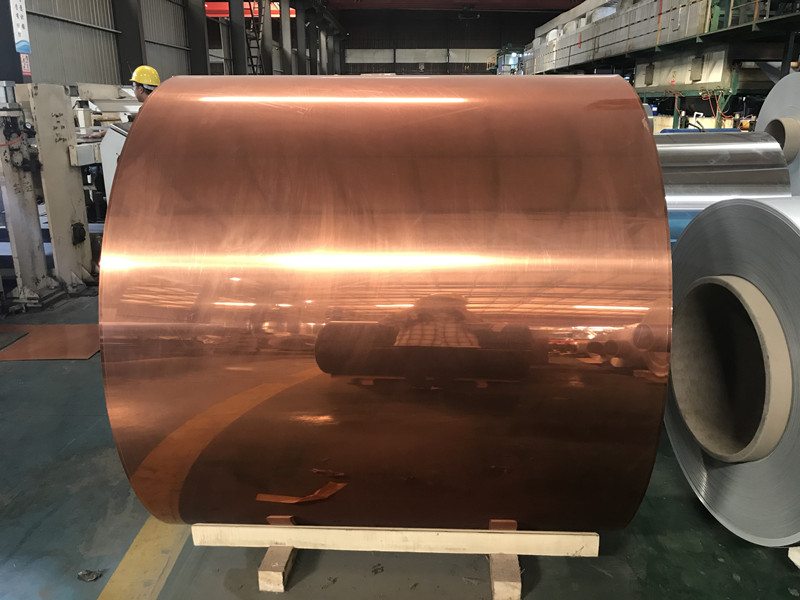
Mirror aluminum should be cleaned with a clean microfiber cloth. Use light pressure.
Do not leave cleaning liquid on the surface. Dry the panel quickly to prevent streaks and water marks.
Panel Joints, Edges, and Sealants Need Attention
Many maintenance problems begin at panel edges, joints, corners, and fixing points. These areas can collect dust and water.
Inspect These Areas Regularly
- Open joints
- Sealed joints
- Panel edges
- Folded edges
- Drilled holes
- Fastener locations
- Rivets
- Screws
- Brackets
- Sealant lines
- Drainage paths
- Corners
- Window and door connections
Common Joint Problems
| Issue | Possible Cause | Suggested Action |
|---|---|---|
| Dirty joint line | Dust and water buildup | Clean and inspect drainage |
| Cracked sealant | Age or building movement | Repair with compatible sealant |
| Water marks below joint | Poor drainage | Check flashing and joints |
| Loose fastener | Vibration or installation issue | Inspect and tighten if appropriate |
| Edge discoloration | Moisture or coating damage | Check edge protection |
| Panel movement | Loose fixing or thermal movement | Contact installer or engineer |
Do not apply random sealant products. Use sealants that are compatible with aluminum, coatings, and the facade system.
Preventing Galvanic Corrosion
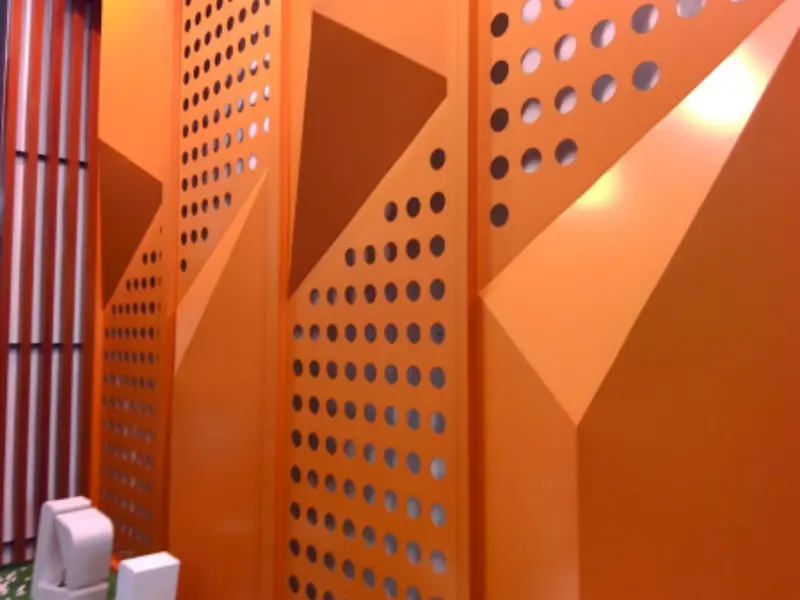
Galvanic corrosion can happen when aluminum touches another metal in the presence of moisture. The risk depends on the metals involved and the environment.
For example, copper and aluminum should not be in direct contact in wet conditions without suitable separation.
Metals to Consider During Installation
| Material in Contact with Aluminum | General Risk | Suggested Protection |
|---|---|---|
| Stainless steel | Usually manageable | Use suitable fasteners and isolation |
| Galvanized steel | Depends on moisture exposure | Use separation layer if needed |
| Carbon steel | Corrosion and rust staining risk | Use coated fasteners or isolation |
| Copper | Higher corrosion risk | Avoid direct contact |
| Brass | Possible corrosion risk | Use isolation materials |
| Aluminum | Compatible | Keep surfaces clean and dry |
Use gaskets, tapes, coatings, washers, or non-conductive separation materials when required.
Aluminum Panel Maintenance by Application
Exterior Wall Panels
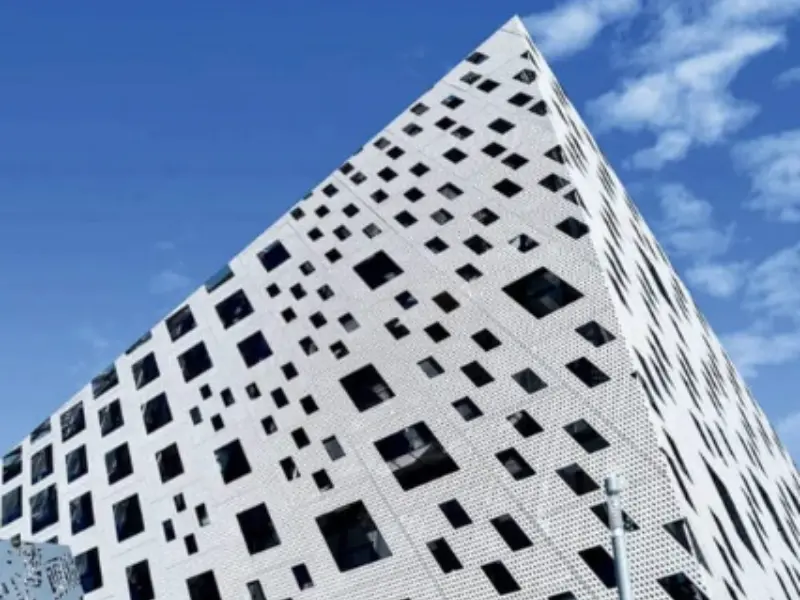
Exterior panels need regular washing, joint inspection, and coating checks. Coastal and industrial areas need more frequent cleaning.
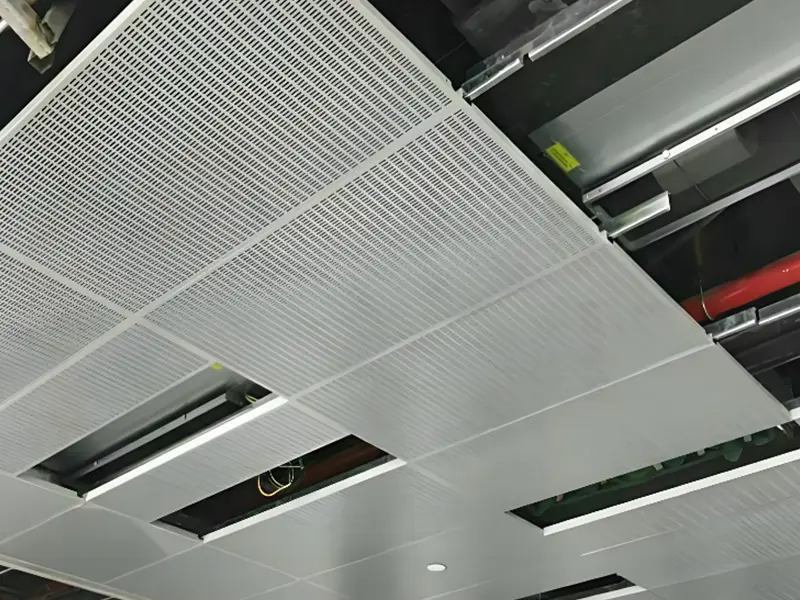
Ceiling Panels
Ceiling panels often collect dust and insect debris. Use a soft brush or microfiber mop. Avoid pushing panels upward or damaging the suspension system.
Roofing Panels
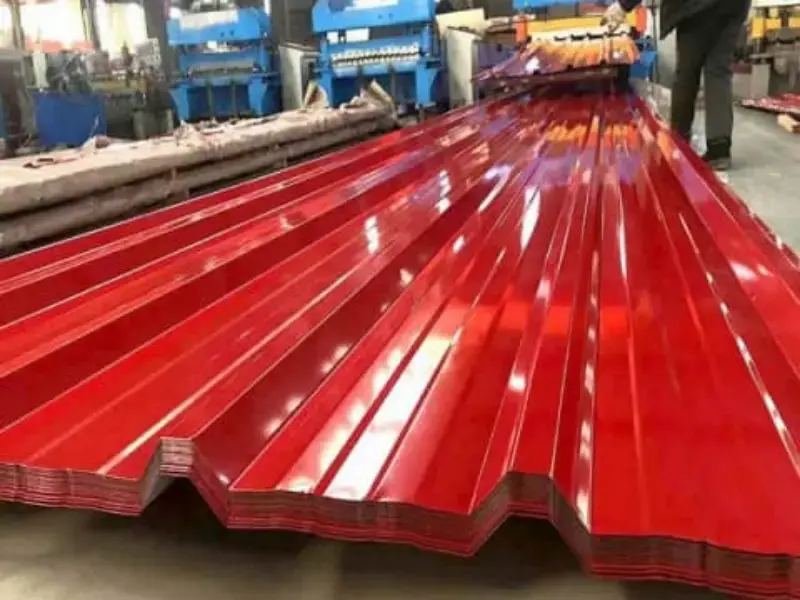
Roof panels should be checked for leaves, standing water, loose screws, damaged coating, and blocked drainage.
Aluminum Sign Panels
Signs may have dust, fingerprints, bird droppings, and UV exposure. Clean them gently and inspect printed graphics or protective film.
Kitchen Wall Panels
Kitchen panels need more frequent grease removal. Use mild food-safe cleaners and rinse well.
Transport Panels
Vehicle and trailer panels may face road salt, mud, fuel residue, and vibration. Wash them regularly and inspect fasteners and edges.
HVAC Aluminum Panels
HVAC panels may collect dust, condensation, and oil near mechanical equipment. Keep drainage areas clear and inspect insulation joints.
Maintenance Schedule by Application
| Application | Cleaning Frequency | Inspection Focus |
|---|---|---|
| Exterior facade | Every 3 to 6 months | Coating, joints, sealants |
| Coastal facade | Every 1 to 3 months | Salt, edges, fasteners |
| Interior wall panel | Every 6 to 12 months | Scratches and stains |
| Ceiling panel | Every 6 months | Dust and suspension system |
| Kitchen panel | Weekly or monthly | Grease and cleaning residue |
| Roof panel | Every 6 to 12 months | Drainage and fasteners |
| Vehicle panel | Monthly or as needed | Salt, impact damage, joints |
| Industrial panel | Every 1 to 3 months | Chemicals and oil deposits |
| Sign panel | Every 3 to 6 months | Printed surface and mounting |
Aluminum Panel Cleaning Compared with Other Materials
| Material | Cleaning Need | Main Risk | Suitable Cleaning Method |
|---|---|---|---|
| Aluminum panel | Moderate | Coating scratches and chemical stains | Mild detergent and soft cloth |
| Stainless steel panel | Moderate | Fingerprints and water spots | Stainless-safe cleaner |
| Glass panel | Frequent | Streaks and breakage | Glass cleaner and soft cloth |
| Wood panel | Careful | Water damage | Low-moisture cleaning |
| PVC panel | Moderate | Chemical discoloration | Mild soap and water |
| Stone panel | Careful | Acid damage | Stone-safe cleaner |
| Steel panel | Moderate | Rust | Coating-safe cleaning |
Aluminum panels are generally easy to maintain, but the surface finish should guide the cleaning method.
How to Protect Aluminum Panels During Construction
New panels can be damaged during construction, renovation, and installation. Cement dust, paint overspray, welding sparks, tools, and adhesive residue can affect the finish.
Construction Protection Checklist
- Keep protective film in place during installation
- Remove film at the recommended time
- Cover panels near cutting or welding work
- Prevent cement and mortar contact
- Protect corners and edges
- Store panels in a dry place
- Use clean gloves during handling
- Do not drag panels across each other
- Keep metal tools away from visible surfaces
- Clean spills immediately
- Check panels before final handover

Protective film should not remain on the panel for too long, especially in strong sunlight. It may become difficult to remove or leave adhesive residue.
Storage Tips for Uninstalled Aluminum Panels
Proper storage prevents scratches, moisture marks, bending, and edge damage.
Basic Storage Rules
- Store panels in a dry and ventilated area
- Keep panels away from direct rain
- Use flat and stable support
- Keep panel edges protected
- Do not stack too much weight on thin panels
- Use separation material between finished panels
- Keep protective film in place
- Avoid contact with cement, steel dust, and chemicals
- Do not store panels directly on wet ground
- Inspect packaging before long-term storage
Storage Risk Table
| Storage Problem | Possible Result |
|---|---|
| Wet warehouse | Water stains and corrosion risk |
| Uneven support | Panel bending |
| Heavy stacking | Denting or deformation |
| Direct sunlight on film | Film adhesive problems |
| Metal dust nearby | Surface scratches |
| Loose packaging | Edge damage |
| Chemical storage nearby | Coating damage |
| Direct ground contact | Moisture transfer |
Repairing Minor Surface Damage
Small scratches and marks may sometimes be repaired. The best repair method depends on the panel finish and the visible location.
Minor Scratch Repair Options
| Panel Type | Possible Repair Method |
|---|---|
| Painted panel | Approved touch-up paint |
| PVDF panel | Supplier-approved repair system |
| Powder-coated panel | Matching repair coating |
| Anodized panel | Professional assessment may be needed |
| Brushed panel | Limited repair; test carefully |
| Mirror panel | Often difficult to repair invisibly |
| Composite panel | Repair coating or panel replacement |
| Honeycomb panel | Surface repair or replacement, depending on damage |
A repair should be tested in an inconspicuous area. For large visible facade areas, replacing the damaged panel may provide a better visual result.
When to Replace an Aluminum Panel
Cleaning and minor repair are useful for light surface damage. However, some problems may require panel replacement.
Signs That Replacement May Be Needed
- Large dents
- Severe coating peeling
- Deep scratches exposing metal
- Loose or damaged fixing points
- Water entering the panel system
- Delaminated composite panel surface
- Deformed honeycomb panel
- Serious corrosion around edges
- Cracked panel near fasteners
- Major color difference after repair
- Fire or impact damage
For facade systems, consult a qualified installer, engineer, or panel supplier before removing or replacing panels.
Frequently Asked Questions

How often should aluminum panels be cleaned?
Indoor panels may be cleaned every 6 to 12 months. Exterior panels often need cleaning every 3 to 6 months. Coastal, industrial, and high-pollution locations may need cleaning every 1 to 3 months.
Can I use vinegar to clean aluminum panels?
It is better to avoid vinegar on painted, anodized, and coated aluminum panels unless the panel supplier confirms it is safe. Mild neutral detergent and clean water are safer choices.
Can I use bleach on aluminum panels?
Bleach is generally not recommended. Chlorine-based cleaners may cause stains, discoloration, or coating damage.
What is the best cleaner for aluminum panels?
For routine cleaning, use clean water and a mild neutral detergent. Use a soft sponge or microfiber cloth. For difficult stains, use a cleaner approved for the specific panel finish.
Can I pressure wash aluminum panels?
Low-pressure washing may be suitable for some exterior panels. Do not use high pressure at close range because it can damage sealants, joints, coatings, and panel edges.
How do I clean PVDF-coated aluminum panels?
Use clean water, a soft cloth, and a mild neutral detergent. Rinse well after cleaning. Avoid strong acids, alkalis, abrasive pads, and unapproved solvents.
How do I clean brushed aluminum panels?
Use a soft microfiber cloth and wipe in the direction of the brushed grain. Avoid circular rubbing and rough tools.
Can aluminum panels rust?

Aluminum does not rust like carbon steel. However, it can corrode under certain conditions, especially near saltwater, chemicals, damaged coatings, or incompatible metals.
What causes white marks on aluminum panels?
White marks may come from water residue, cleaner residue, oxidation, salt deposits, or construction materials. Start with gentle washing. If the mark remains, contact the panel supplier for finish-specific advice.
How can I remove cement stains from aluminum panels?
Do not use a metal scraper or strong acid. Cement can react with aluminum and coatings. Contact the panel manufacturer or a professional cleaning company for a safe method.
Should protective film be removed immediately after installation?
Remove protective film according to the supplier’s recommended timing. Leaving it on too long, especially under sunlight, can make removal difficult.
Can I repaint aluminum panels?

Yes, some aluminum panels can be repainted after correct surface preparation. The old coating condition, panel type, primer, paint system, and intended environment should be reviewed first.
How do I maintain aluminum honeycomb panels?
Clean the visible surface with mild detergent and water. Inspect joints, edges, sealants, and fixing points. For exterior honeycomb panels, check drainage and water management regularly.
Are aluminum panels suitable for coastal buildings?
Yes, but the project should use a suitable alloy, coating, edge design, fasteners, sealants, and maintenance plan. Regular fresh-water cleaning is important in coastal areas.
Keep Aluminum Panels Clean, Protected, and Long-Lasting
Aluminum panels are durable and easy to maintain when the right cleaning method is used. Most routine care only needs clean water, mild detergent, and a soft cloth.
The main rule is simple: clean gently and inspect regularly. Avoid abrasive tools, strong acids, strong alkalis, chlorine bleach, and unknown solvents.

For exterior aluminum panels, focus on dust, pollution, salt, joints, drainage, edges, and sealants. For interior panels, focus on fingerprints, grease, scratches, and cleaning residue.
A regular maintenance plan helps protect the panel surface, preserve the building appearance, and reduce long-term repair work.