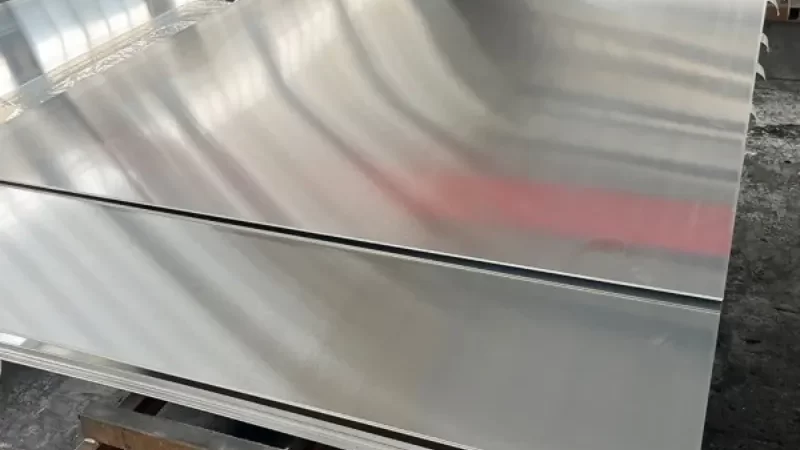
The price of a 3mm aluminium sheet depends on more than the thickness. Alloy, temper, sheet size, surface finish, order quantity, processing, packaging, and delivery all affect the final cost.
A 3mm aluminium sheet is a common choice for fabrication, construction, transportation, signage, machinery, roofing, cladding, and general industrial work. It provides a useful balance between strength, weight, formability, and cost.
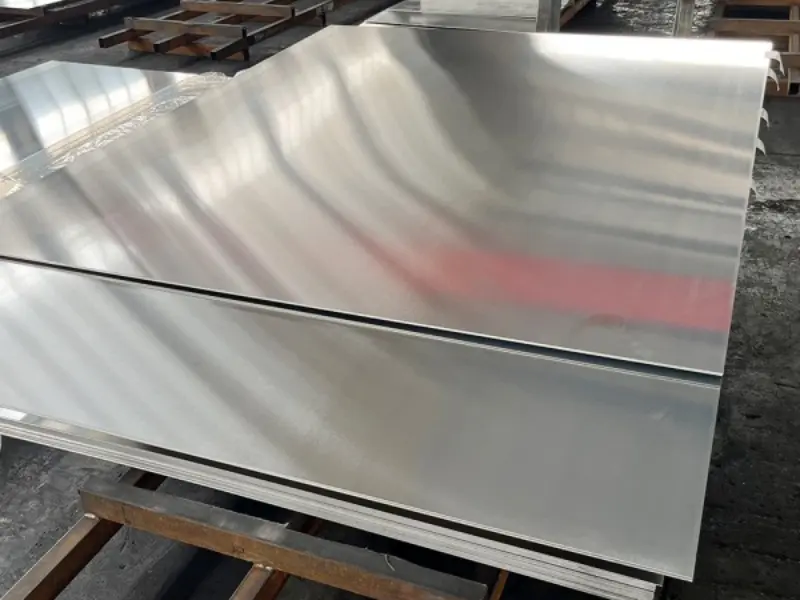
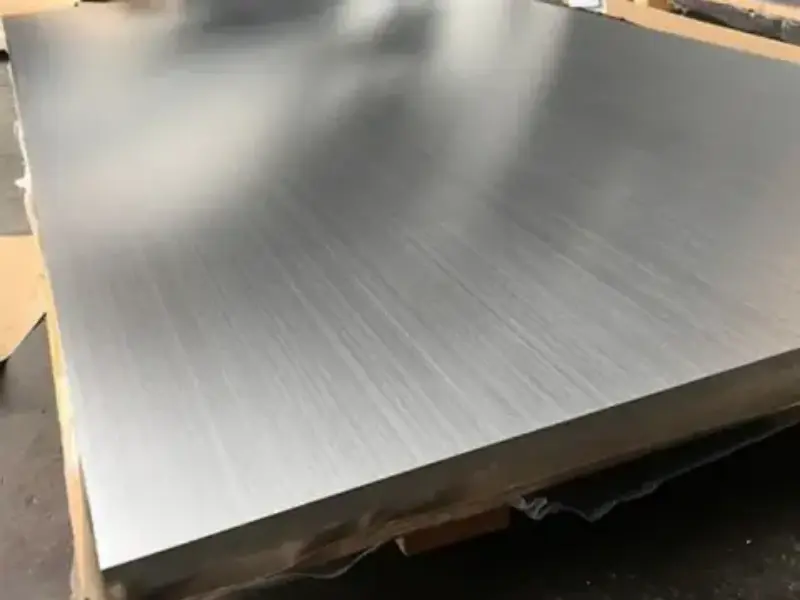
Buyers looking for the best price should compare the complete specification rather than only the price per sheet.
Two sheets with the same thickness can have very different prices because they use different alloys, finishes, dimensions, or processing methods.
What Affects the Price of 3mm Aluminium Sheet?
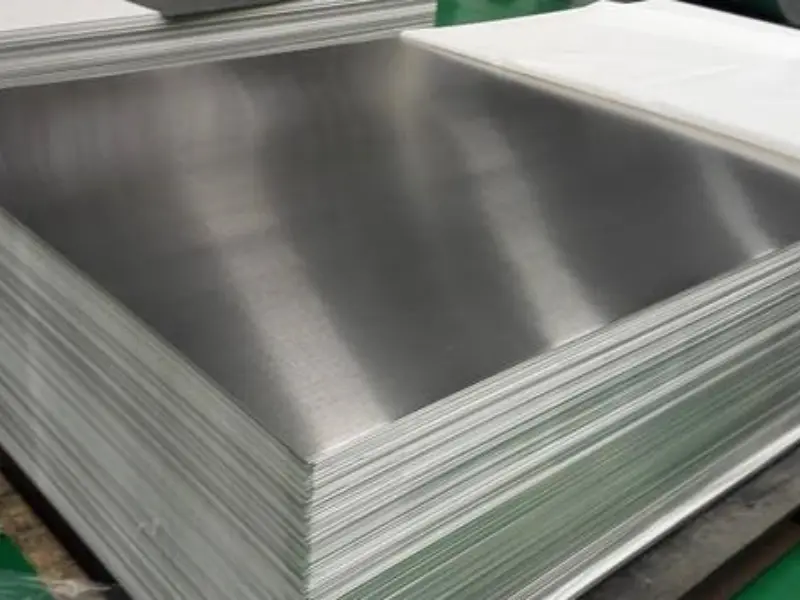
The basic material price is only one part of the quotation.
A simple price structure can be viewed as:
Aluminium material → Alloy → Temper → Thickness → Size → Surface → Processing → Packing → Freight
Each step can change the final quotation.
| Price Factor | Effect on Cost |
|---|---|
| Aluminium alloy | Different alloys have different costs |
| Temper | Processing can affect the price |
| Thickness | More material means higher weight |
| Sheet size | Larger sheets contain more aluminium |
| Surface finish | Special finishes add processing cost |
| Cutting | Custom sizes may increase cost |
| Quantity | Larger orders may receive better pricing |
| Packaging | Export packing adds cost |
| Freight | Depends on destination and shipment size |
For this reason, a supplier normally needs several details before giving an accurate quotation.
3mm Aluminium Sheet Price per Kg
Many industrial buyers compare aluminium by kilogram.
This method is useful because sheet dimensions can vary.
The approximate weight of an aluminium sheet can be calculated from:
Weight = Length × Width × Thickness × Aluminium Density
For aluminium, a commonly used calculation density is about 2.7 g/cm³.
For a 3mm sheet:
3 mm = 0.003 m
For example, a 1m × 2m sheet has an approximate weight of:
1 × 2 × 0.003 × 2700 ≈ 16.2 kg
This is an approximate theoretical weight. Actual weight can vary because of alloy, dimensional tolerance, and production conditions.
| Sheet Size | Thickness | Approx. Weight |
|---|---|---|
| 1000 × 2000 mm | 3 mm | 16.2 kg |
| 1220 × 2440 mm | 3 mm | 24.1 kg |
| 1250 × 2500 mm | 3 mm | 25.3 kg |
| 1500 × 3000 mm | 3 mm | 36.5 kg |
| 1500 × 6000 mm | 3 mm | 72.9 kg |
These figures are useful for estimating material cost and shipping weight.
3mm Aluminium Sheet Price per Sheet
Some customers prefer a sheet-by-sheet quotation.
This is common for construction, fabrication, signage, and distribution.
The price per sheet depends strongly on the dimensions.
For example, a 3mm sheet measuring 1220 × 2440 mm contains more aluminium than a 1000 × 2000 mm sheet.
| Size | Approx. Area | Approx. Weight |
|---|---|---|
| 1000 × 2000 mm | 2.00 m² | 16.2 kg |
| 1220 × 2440 mm | 2.98 m² | 24.1 kg |
| 1250 × 2500 mm | 3.13 m² | 25.3 kg |
| 1500 × 3000 mm | 4.50 m² | 36.5 kg |
When comparing suppliers, make sure the sheet dimensions are the same.
3mm Aluminium Sheet Price per Square Meter
Price per square meter can be useful for construction projects.
A buyer can compare different sheet sizes using the same unit.
For example:
Price per square meter = Price per sheet ÷ Sheet area
This makes it easier to compare quotations from different suppliers.
A supplier offering a lower price per sheet may not actually be cheaper if the sheet is smaller.
For project purchasing, compare:
Price/m² → Weight/m² → Alloy → Surface → Processing
This provides a more useful cost comparison.
Common Alloys for 3mm Aluminium Sheet
The alloy is one of the most important factors in material selection.
Different alloys provide different combinations of strength, corrosion resistance, formability, and machinability.
1050 Aluminium Sheet
1050 is a commercially pure aluminium alloy.
It has high electrical and thermal conductivity and good corrosion resistance.
It is often selected for applications where high strength is not the main requirement.
Typical uses include:
General industrial products
General fabrication
Reflectors
Electrical applications
Heat transfer products
Decorative panels
1060 Aluminium Sheet
1060 has high aluminium content and good formability.
It can be used for products that need easy forming and good conductivity.
It is also common in general industrial applications.
3003 Aluminium Sheet
3003 is an aluminium-manganese alloy.
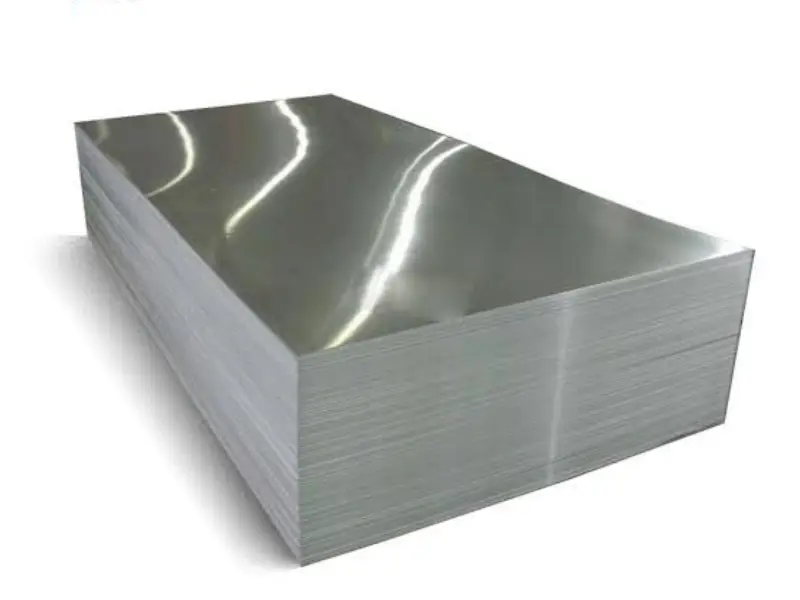
It offers good formability and moderate strength.
It is commonly considered for:
Decorative applications
Roofing
Cladding
Containers
Heat exchangers
General fabrication
5052 Aluminium Sheet
5052 is a popular choice when higher strength and corrosion resistance are needed.
It has good forming characteristics and is often used in transportation and marine-related applications.
Typical uses include:
- Trailer parts
- Vehicle panels
- Marine components
- Tanks
- Machinery
- Enclosures
6061 Aluminium Sheet
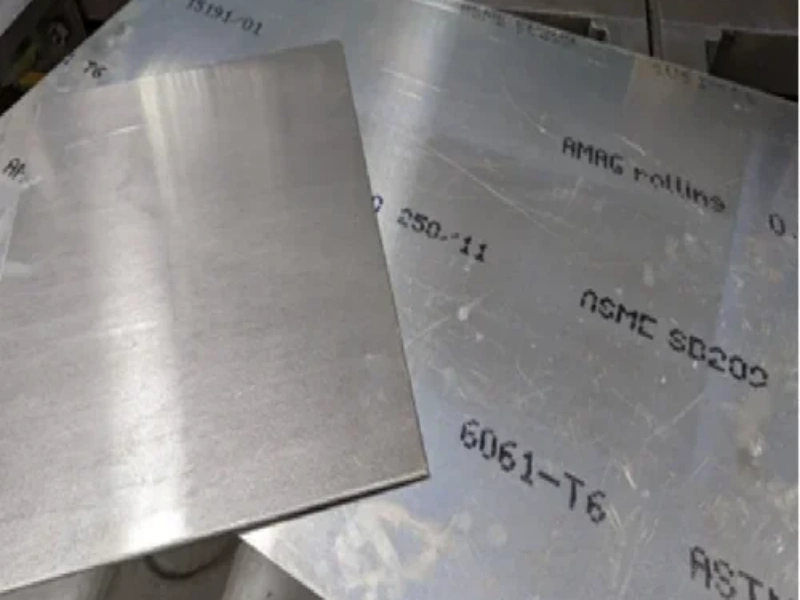
6061 is a heat-treatable alloy with good strength.
It is often selected for structural and engineering applications.
It can be used for:
Structural components
Machine parts
Frames
Platforms
Industrial equipment
| Alloy | General Character | Typical Use |
|---|---|---|
| 1050 | High purity, soft | General applications |
| 1060 | Good conductivity | Electrical and industrial |
| 3003 | Good formability | Roofing and fabrication |
| 5052 | Higher strength | Transportation and marine |
| 6061 | High strength | Engineering and structural |
The cheapest alloy is not always the best choice. The correct material should match the final application.
Temper and Its Effect on Cost
Temper describes the mechanical condition of the aluminium.
Common tempers include:
| Temper | General Description |
|---|---|
| O | Soft, highly formable |
| H12 | Strain hardened |
| H14 | Half hard |
| H18 | Hard |
| H22 | Strain hardened and partially annealed |
| H24 | Partially annealed |
| H32 | Stabilized temper |
For products that require bending or deep forming, a softer temper may be preferred.
For panels that need higher rigidity, a harder temper may be more suitable.
The temper can influence both the material properties and production cost.
Standard 3mm Aluminium Sheet Sizes
Different markets use different standard sizes.
Common dimensions include:
| Metric Size | Approx. Imperial Size |
|---|---|
| 1000 × 2000 mm | 39.4 × 78.7 in |
| 1220 × 2440 mm | 48 × 96 in |
| 1250 × 2500 mm | 49.2 × 98.4 in |
| 1500 × 3000 mm | 59.1 × 118.1 in |
| 1500 × 6000 mm | 59.1 × 236.2 in |
The 1220 × 2440 mm format is especially useful for customers working with the common 4 × 8 ft panel format.
Custom sizes can also be supplied for specific projects.
3mm Aluminium Sheet vs Thinner Sheets
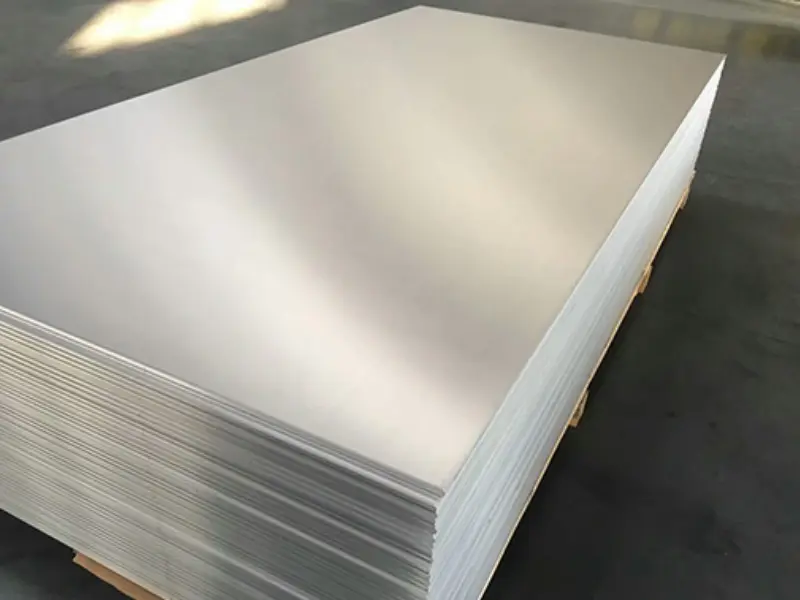
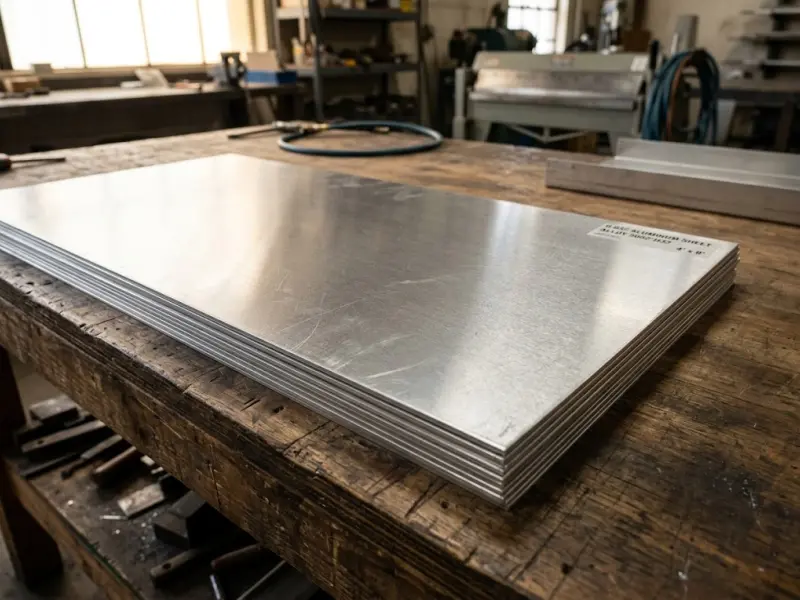
Thickness is directly related to weight and rigidity.
| Thickness | General Character |
|---|---|
| 1 mm | Lightweight |
| 1.5 mm | Light fabrication |
| 2 mm | General panels |
| 3 mm | Medium-duty applications |
| 4 mm | More rigid |
| 5 mm | Heavy-duty panels |
A 3mm sheet is often selected when 1mm or 2mm material is too flexible.
However, using a thicker sheet than necessary can increase material and transportation costs.
The best thickness should therefore be based on the required strength and application.
3mm Aluminium Sheet vs 4mm Aluminium Sheet
| Feature | 3mm | 4mm |
|---|---|---|
| Weight | Lower | Higher |
| Rigidity | Good | Higher |
| Material cost | Lower | Higher |
| Handling | Easier | More demanding |
| Fabrication | Easier | More material |
| Heavy-duty use | Good | Better |
For many general panels and fabrication projects, 3mm can provide a practical balance.
For applications with higher structural requirements, 4mm may be preferred.
3mm Aluminium Sheet vs 2mm Aluminium Sheet
| Feature | 2mm | 3mm |
|---|---|---|
| Weight | Lower | Higher |
| Rigidity | Moderate | Better |
| Cost | Lower | Higher |
| Cutting | Easy | Easy |
| Bending | Easier | Depends on alloy and temper |
| Panel strength | Moderate | Higher |
The decision should be based on the finished product rather than price alone.
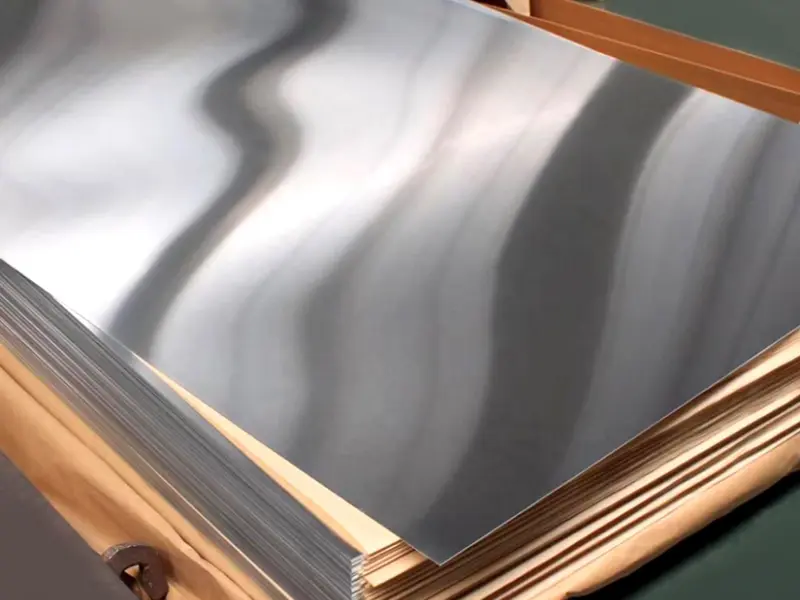
Surface Options
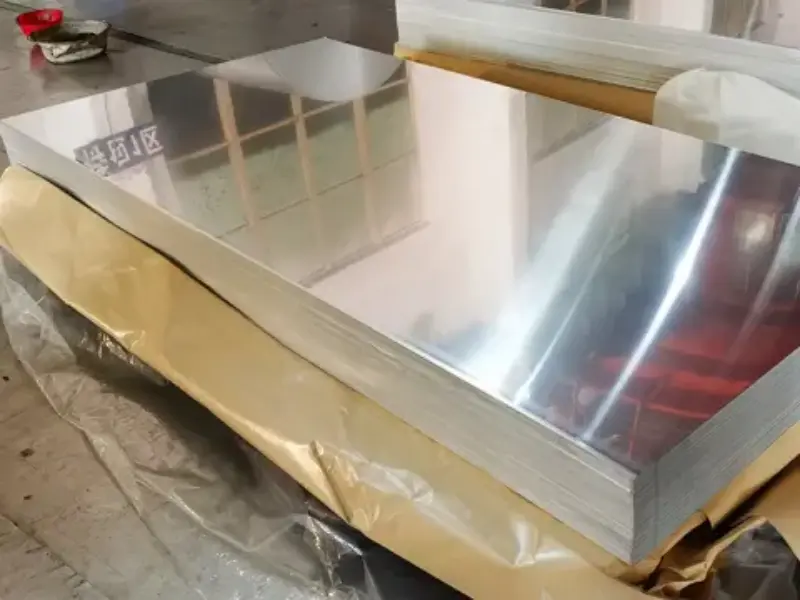
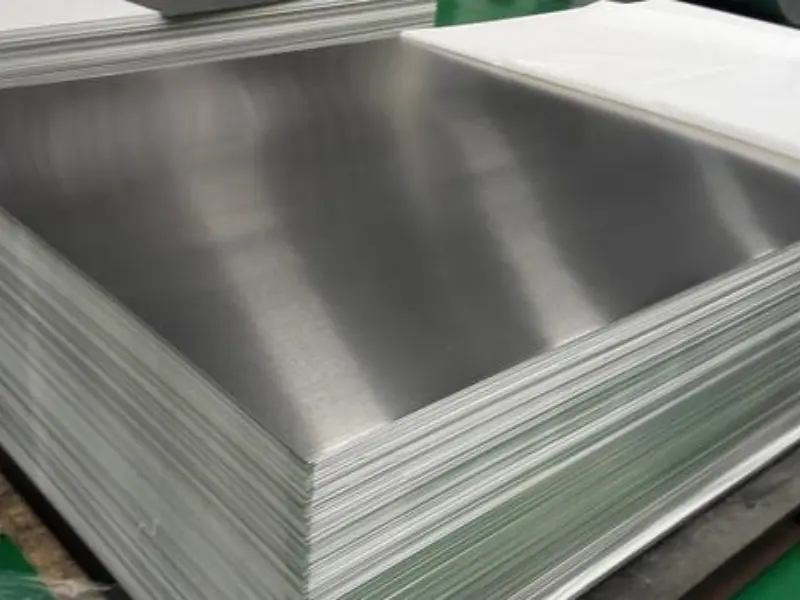
A plain mill finish is often the most economical option.
Other finishes can increase the price.
Mill Finish
The natural aluminium surface is supplied without an additional decorative finish.
It is suitable for many industrial applications.
Brushed Aluminium
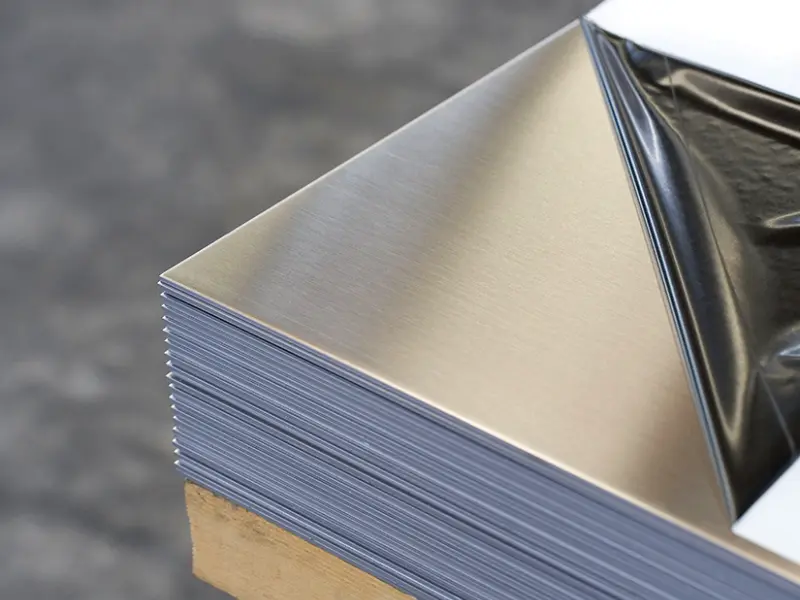
A brushed surface has directional lines.
It is often used for decorative panels, interiors, signs, and equipment covers.
Anodized Aluminium
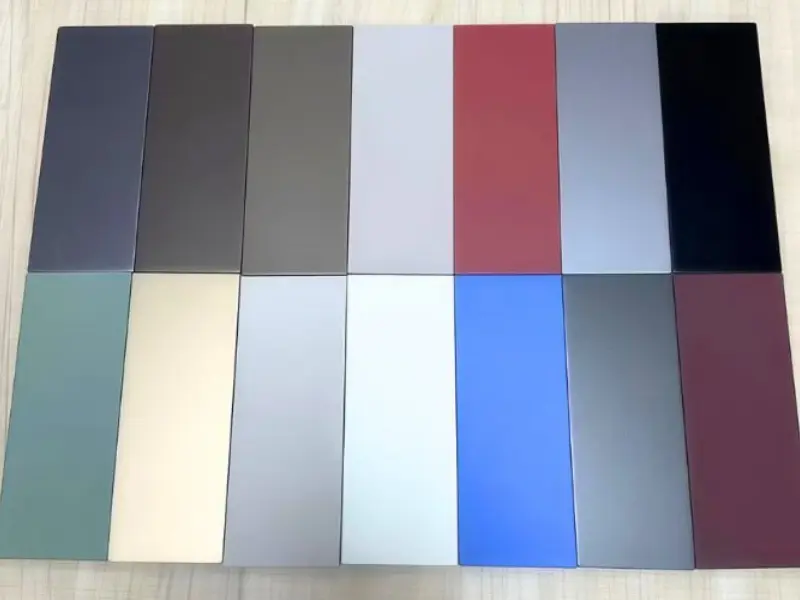
Anodizing creates a controlled oxide layer on the surface.
It can improve surface appearance and resistance to wear.
Painted Aluminium
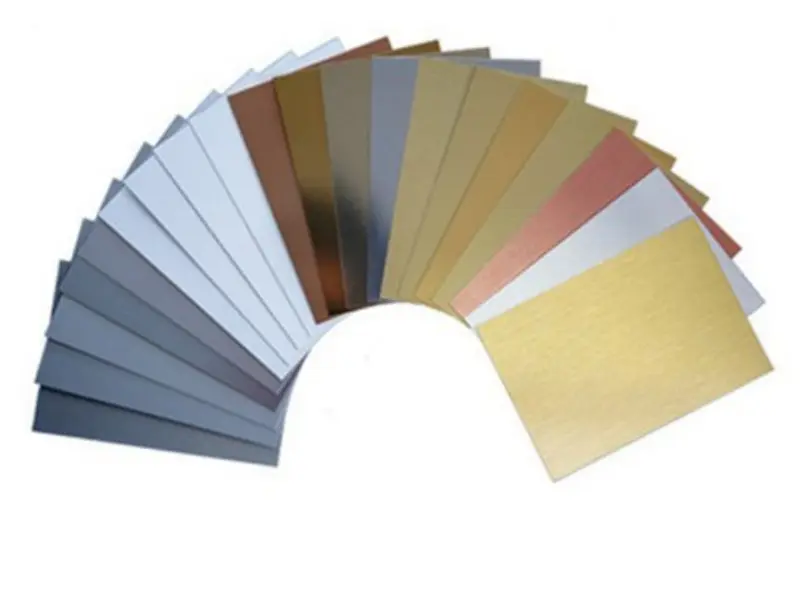
Painted surfaces can be supplied in different colors.
They are commonly used for architectural and decorative applications.
Stucco Embossed Aluminium
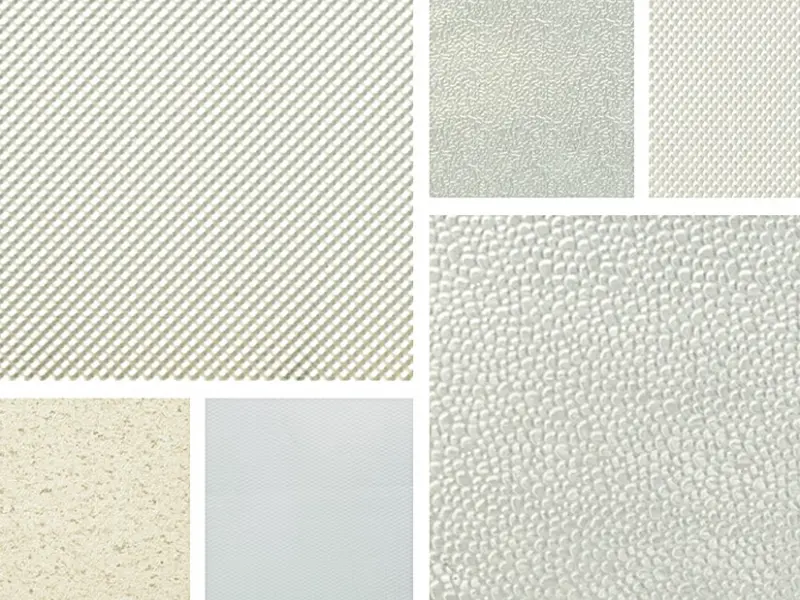
Stucco embossing creates a textured surface.
It is commonly used for insulation jacketing and some architectural applications.
| Finish | Typical Direction |
|---|---|
| Mill | Industrial and fabrication |
| Brushed | Decorative |
| Anodized | Architectural |
| Painted | Exterior and decorative |
| Stucco | Insulation and cladding |
Plain 3mm Aluminium Sheet
Plain aluminium sheet is a popular choice for buyers who need material for further processing.
The sheet can be:
→ Cut
→ Drill
Bend
Punch
Weld
→ Form
→ Machine
This makes it useful for manufacturers that have their own fabrication equipment.
Plain sheet is also easier to customize for different projects.
3mm Aluminium Checker Plate
Checker plate has a raised pattern on the surface.
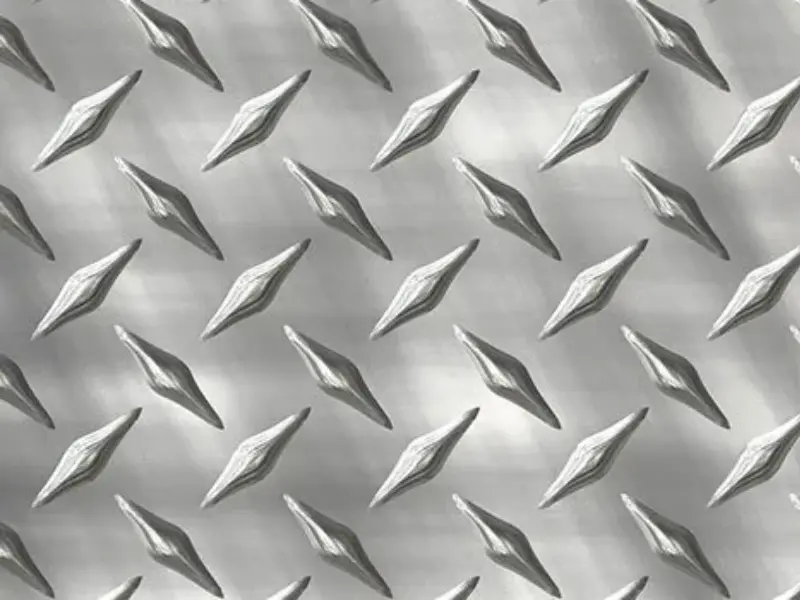
It provides both visual texture and increased surface grip.
Common applications include:
- Trailer floors
- Truck steps
- Vehicle flooring
- Platforms
- Stairs
- Walkways
- Toolboxes
- Industrial flooring
The price can be higher than plain sheet because of the additional rolling process and surface pattern.
3mm Aluminium Plate for Trailers
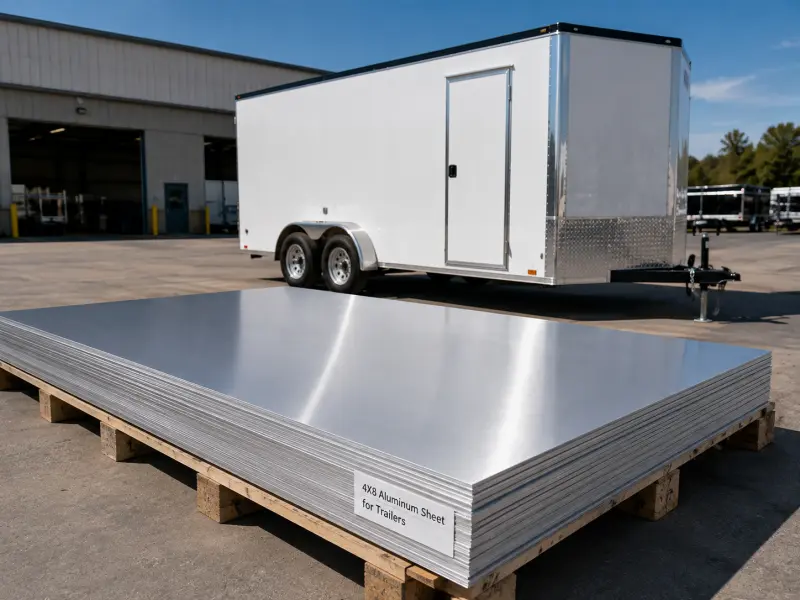
Trailer manufacturers often select aluminium because it combines low weight with useful strength.
A 3mm sheet can be used for selected trailer components such as:
- Side panels
- Interior panels
- Flooring
- Storage areas
- Protective panels
- Custom body sections
The alloy should be selected according to the load, forming method, and installation design.
5052 is often considered for applications that need good corrosion resistance and formability.
3mm Aluminium Sheet for Wall Cladding
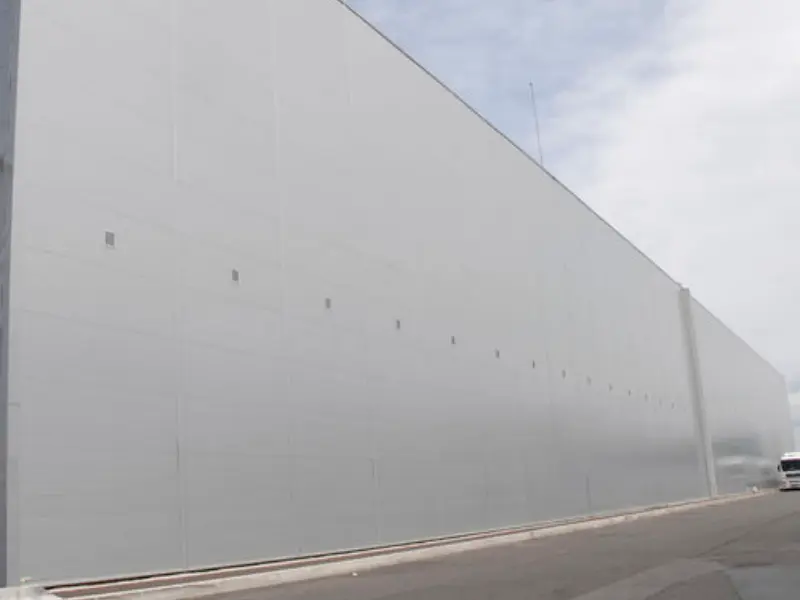
Aluminium panels can be used for interior and exterior wall systems.
Common options include:
- Plain aluminium
- Painted aluminium
- PVDF coated aluminium
- Powder coated aluminium
- Brushed aluminium
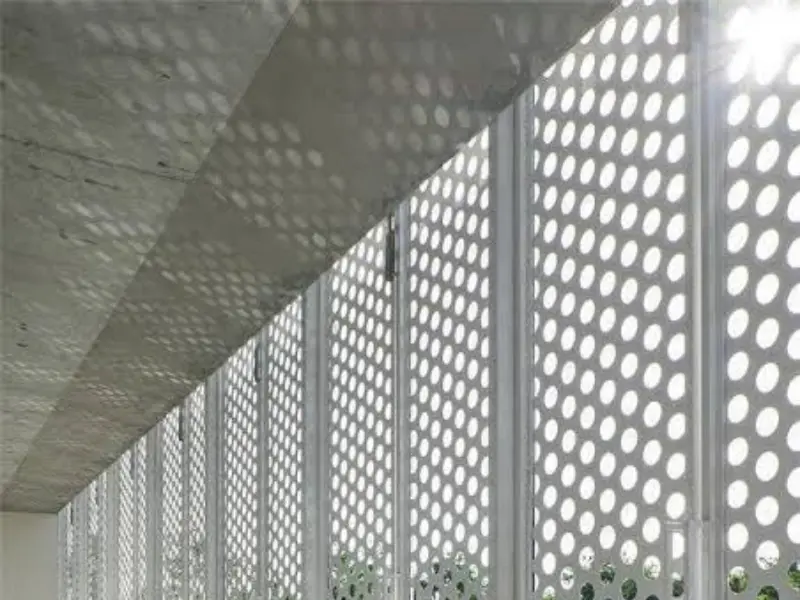
- Perforated aluminium
For outdoor use, coating quality and corrosion resistance become more important.
3mm Aluminium Sheet for Roofing
Aluminium roofing products are valued for their low weight and corrosion resistance.
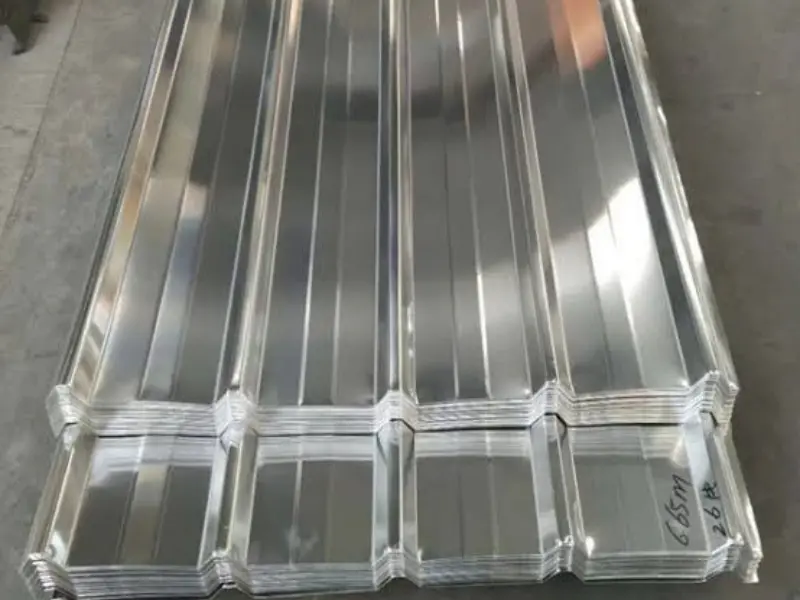
Depending on the design, the sheet may be formed into:
→ Roofing panels
→ Standing seam panels
Roof flashing
→ Gutter components
→ Ridge and edge sections
The final price depends on whether the customer purchases flat sheets or processed roofing products.
3mm Aluminium Sheet for Signage
Aluminium is widely used in signage.
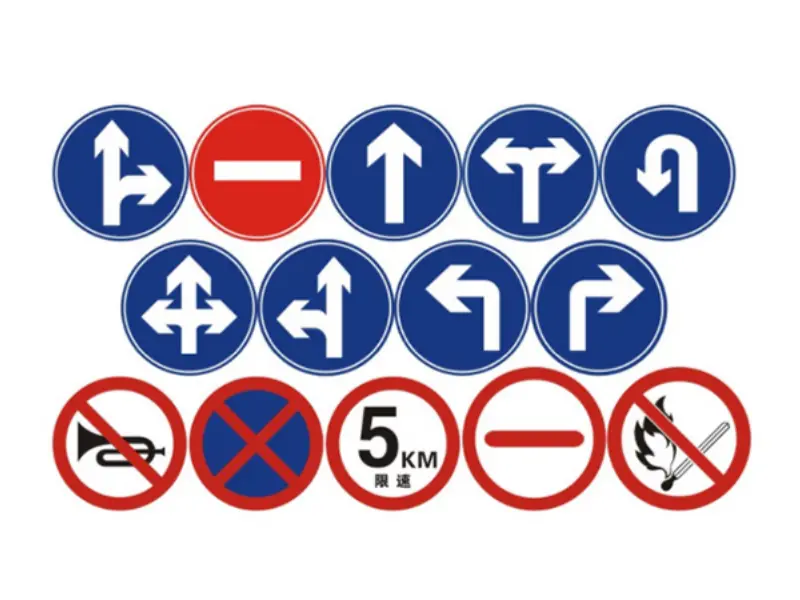
A 3mm sheet provides a solid base for many sign designs.
Possible applications include:
- Commercial signs
- Traffic-related signs
- Building signs
- Direction signs
- Industrial signs
- Advertising panels
- Nameplates
For printed signs, surface preparation and coating can be important.
3mm Aluminium Sheet for Machinery
Machine manufacturers often use aluminium panels because the material is lightweight and easy to fabricate.
It can be used for:
- Machine covers
- Equipment panels
- Enclosures
- Guard panels
- Control cabinets
- Frames
- Access covers
6061 may be considered when higher mechanical strength is required.
How Order Quantity Changes the Price
Quantity can have a major effect on the final quotation.
A small order may include:
Material + cutting + packing + handling
A larger order can spread some production costs across more sheets.
| Order Type | Typical Pricing Direction |
|---|---|
| Sample | Highest unit cost |
| Small order | Standard |
| Medium order | Better |
| Bulk order | More competitive |
| Container order | Often best for wholesale |
The exact price depends on market conditions and supplier capacity.
Wholesale vs Retail Pricing
Retail buyers often purchase a few sheets.
Wholesale buyers may purchase several tons or containers.
Wholesale orders can provide better pricing because the supplier can plan production and packing more efficiently.
However, buyers should also consider:
Unit price + freight + import costs + local handling
The lowest factory price is not always the lowest landed cost.
How to Compare Supplier Quotes
A good comparison should use the same specification.
For example:
| Item | Supplier A | Supplier B |
|---|---|---|
| Alloy | 5052 | 5052 |
| Temper | H32 | H32 |
| Thickness | 3 mm | 3 mm |
| Size | 1220 × 2440 mm | 1220 × 2440 mm |
| Surface | Mill | Mill |
| Quantity | 10 tons | 10 tons |
| Packing | Export packing | Export packing |
| Price basis | FOB | FOB |
If all specifications are equal, the price comparison becomes much more meaningful.
FOB, CIF and Other Price Terms
International buyers should check the price term carefully.
EXW
The buyer normally takes responsibility for transportation from the supplier’s location.
FOB
The supplier handles the goods until they are loaded according to the agreed shipping term. The buyer normally arranges the main ocean freight.
CIF
The quotation includes the cost, insurance, and freight to the agreed destination port.
DDP
Depending on the contract, the supplier may arrange delivery and import-related costs to the final destination.
Because the included costs differ, two quotations should not be compared only by the headline price.
How to Request a 3mm Aluminium Sheet Quote
A clear inquiry can save time.
Send the supplier:
Alloy
→ Temper
→ Thickness
Width
Length
Surface finish
Quantity
Cutting requirements
→ Packaging
→ Destination
For example:
3mm × 1220mm × 2440mm / 5052 H32 / Mill Finish / 500 Sheets
This gives the supplier enough information to prepare a more accurate quotation.
What Is the Best 3mm Aluminium Sheet for the Price?
There is no single best material for every project.
The right choice depends on the application.
For general fabrication:
→ 3003 or 1050
For stronger panels:
→ 5052
For engineering applications:
→ 6061
For decorative surfaces:
→ 5005 or suitable coated aluminium
For lightweight general panels:
→ Select the lowest thickness that meets the design requirement
This approach can help avoid paying for unnecessary material properties.
Main Applications

3mm aluminium sheets can be used across many industries.
- Construction
- Wall cladding
- Roofing
- Transportation
- Trailer manufacturing
- Machinery
- Industrial equipment
- Signage
- Advertising
- Marine products
- Interior decoration
- Electrical equipment
- HVAC systems
- Fabrication
- Automotive components
- General engineering
The alloy and finish should be selected based on the environment and processing method.
Quality Points to Check Before Buying
Price is important, but material quality also affects the total project cost.
Buyers should check:
| Quality Point | What to Check |
|---|---|
| Thickness | Actual thickness and tolerance |
| Width | Dimensional accuracy |
| Length | Cutting accuracy |
| Flatness | Surface condition |
| Alloy | Material grade |
| Temper | Mechanical condition |
| Surface | Scratches and marks |
| Edge | Clean cutting |
| Packing | Protection during transport |
| Certificate | Required material documentation |
A low-cost sheet that needs extra processing or has inconsistent dimensions may become more expensive during production.
Packaging and Shipping
Aluminium sheets are relatively lightweight compared with steel, but a large order can still have significant shipping weight.
Common export packing includes:
- Wooden pallets
- Wooden cases
- Waterproof paper
- Plastic film
- Kraft paper
- Corner protection
- Steel or plastic straps
The packaging method should be suitable for sea freight, truck transport, or container loading.
A sample is useful when the order involves a new alloy, finish, or supplier.
Why Request a Sample?
The buyer can check:
→ Thickness
→ Flatness
Surface quality
→ Cutting quality
→ Alloy documentation
Formability
→ Appearance
For coated or decorative products, a sample can also be tested for color and surface consistency.

Final Thoughts on 3mm Aluminium Sheet Price
The cost of a 3mm aluminium sheet is influenced by many factors. Thickness is only the starting point.
For buyers who want a competitive price, the best approach is to define the specification first and then compare suppliers using the same conditions.
A 3mm sheet can be a practical option for construction, transportation, signage, machinery, roofing, cladding, and general fabrication. The right alloy can improve performance, while the right sheet size can reduce waste.
For wholesale buyers, purchasing larger quantities and using standard sizes can often improve material efficiency. For custom projects, precise cutting may reduce fabrication work even if the initial sheet price is slightly higher.
The most useful question is not simply “What is the price of 3mm aluminium sheet?”
It is:
“What is the best total cost for the required alloy, size, finish, quantity, and delivery?”
A Practical Buying Guide
Before placing an order, follow a simple process:
Application
↓
Select alloy
↓
Select temper
↓
Confirm 3mm thickness
↓
Select sheet size
↓
Choose surface
↓
Confirm quantity
↓
Compare complete quotations
↓
Check sample
↓
Confirm production and packing
↓
Place order
This process helps buyers avoid comparing different materials under the same price label.
That comparison gives buyers a clearer basis for making a purchasing decision.