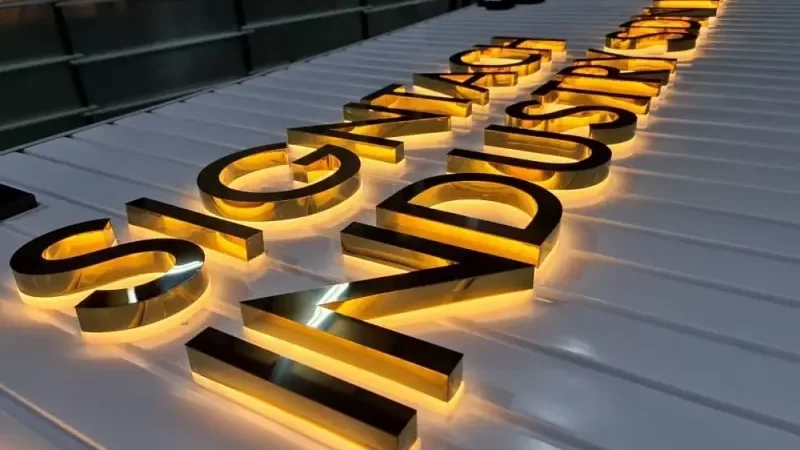
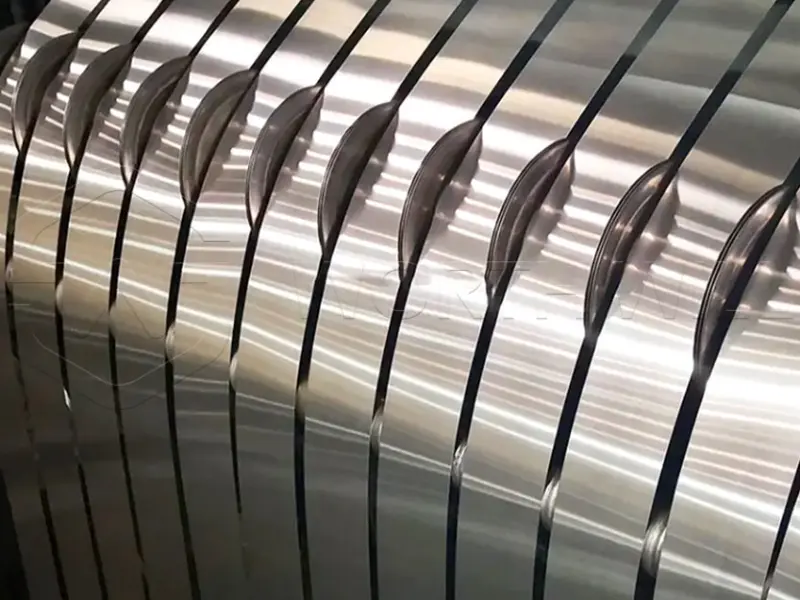
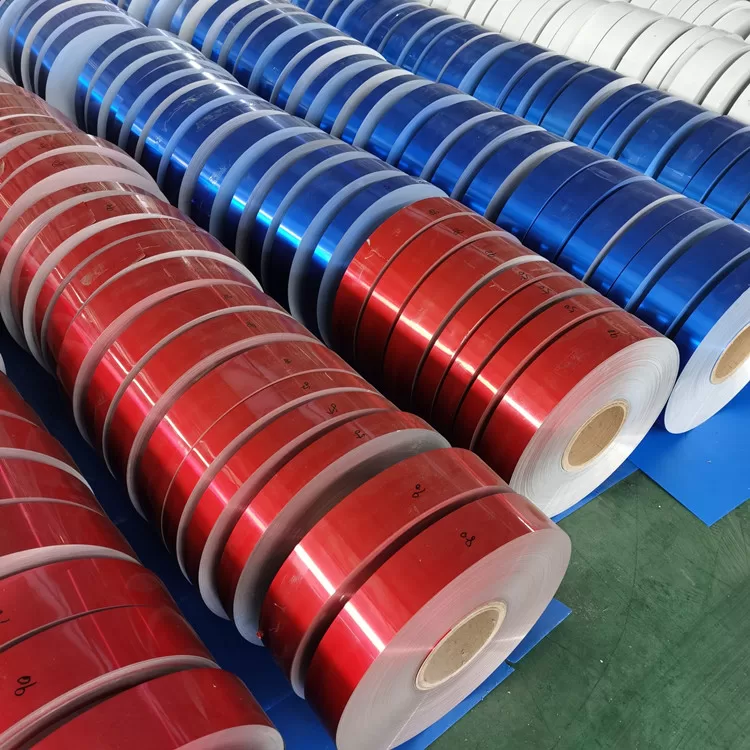
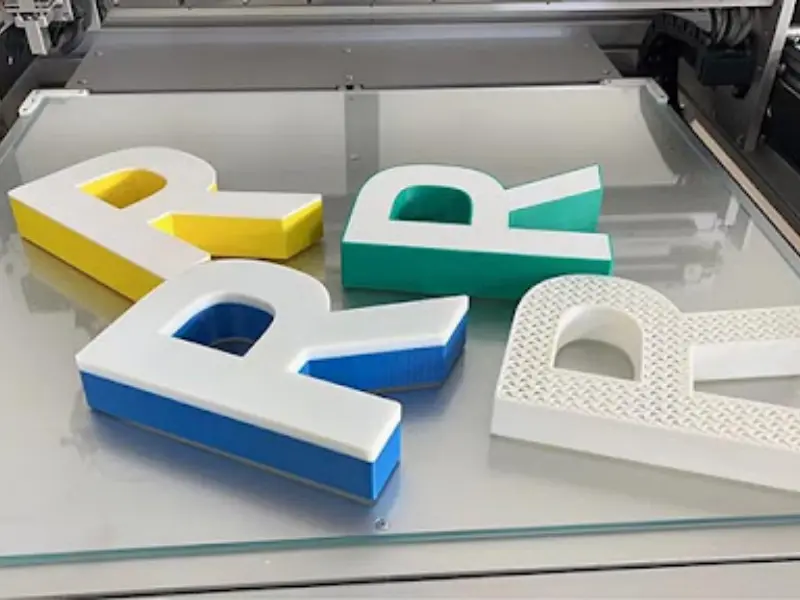
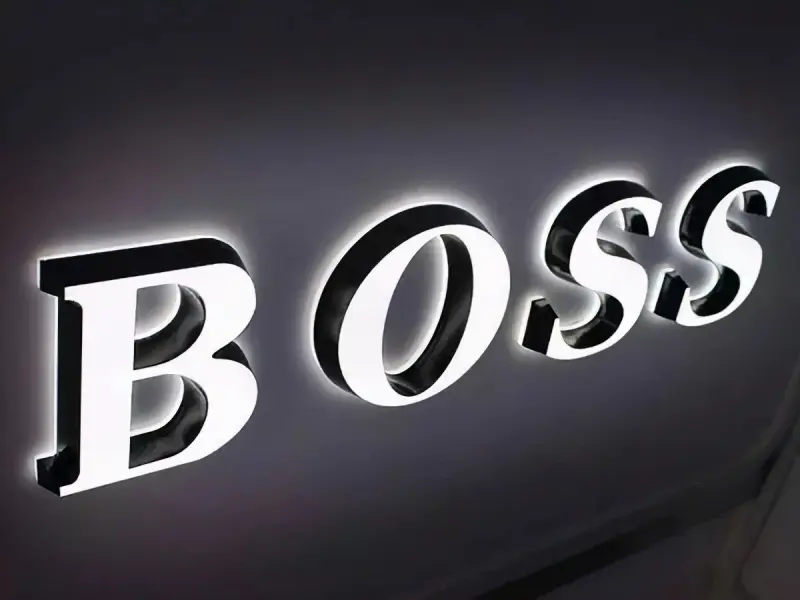
Aluminum Edge Strip for 3D Channel Letters An aluminum edge strip is a narrow coil of aluminum used to build the sides of 3D channel letters. These are the signs you see on storefronts, malls, and buildings. The strip forms the “return” or side wall of each letter. It gives the letter its depth and shape.
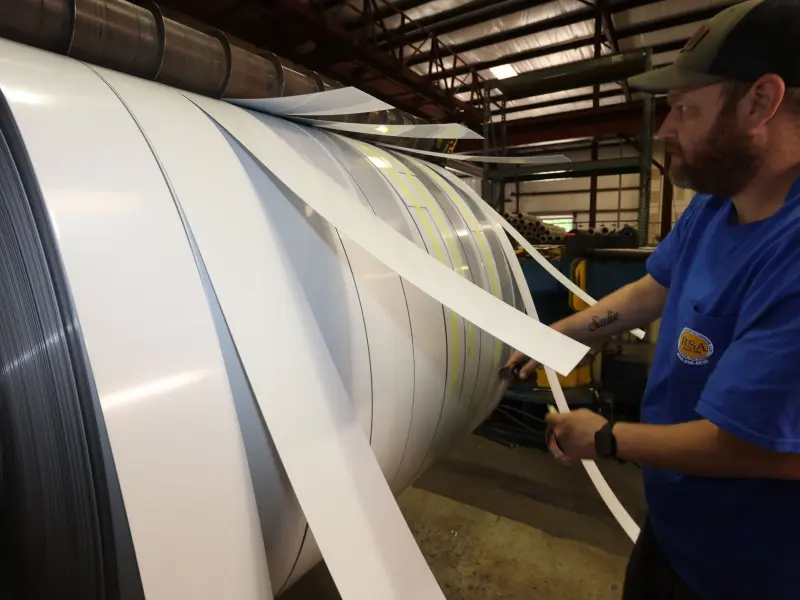
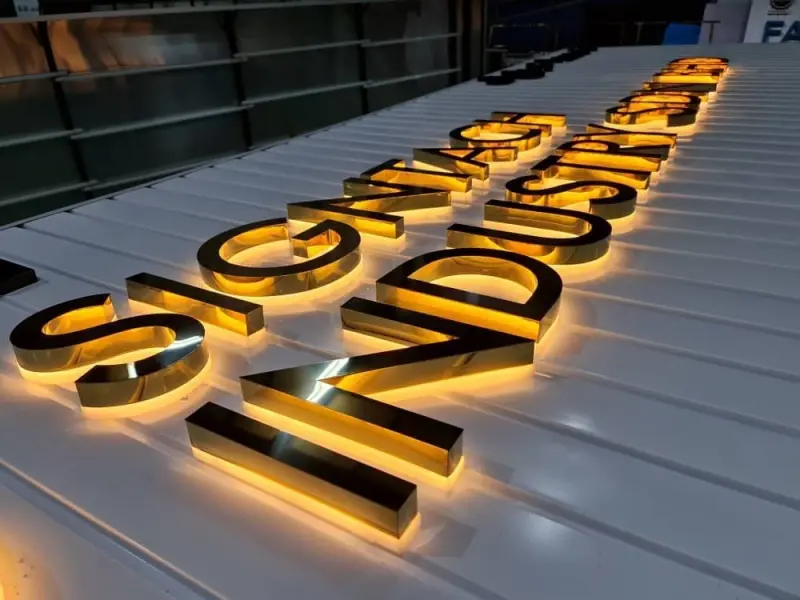
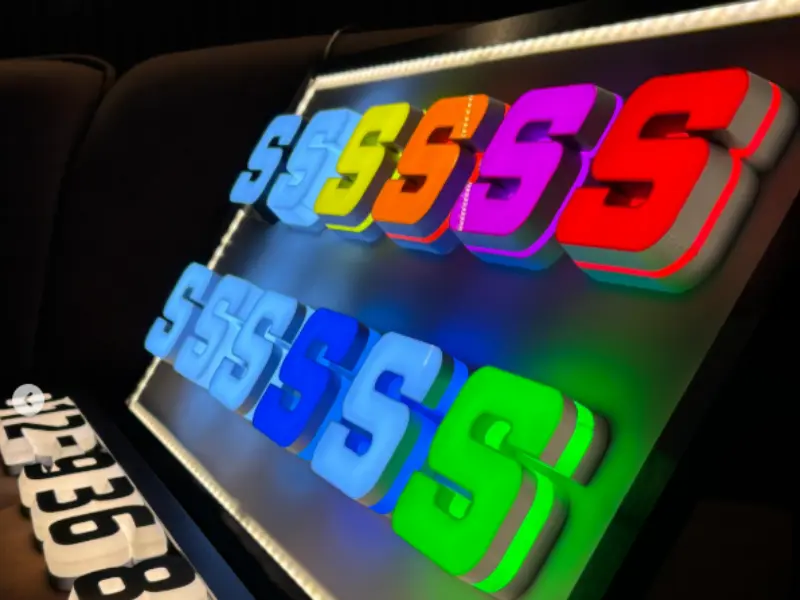
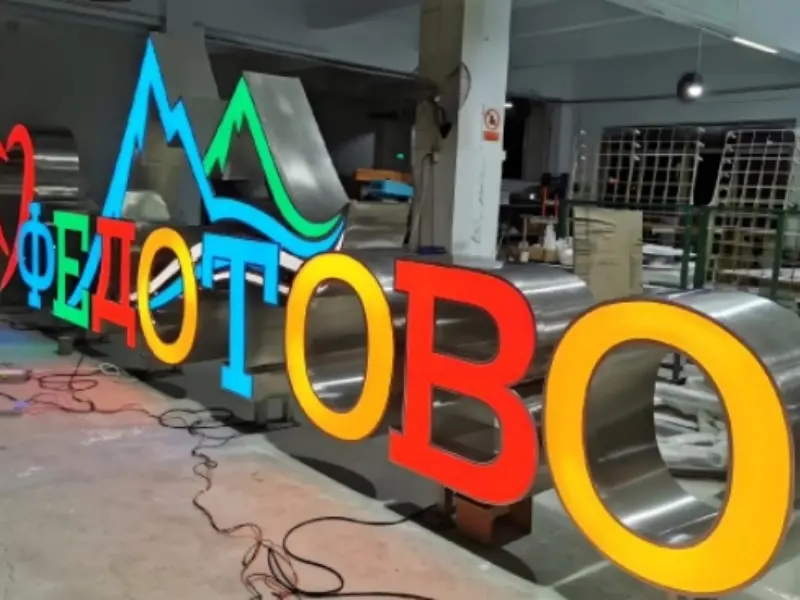
Sign makers feed the strip through a bending machine. The machine notches, flanges, and bends the strip into letter shapes. Then the maker welds the ends and attaches a face panel. The result is a hollow 3D letter that can hold LED lights inside.
Why Aluminum for Channel Letter Edge Strips?
- Light weight: Easy to lift and install on walls.
- No rust: Forms a natural oxide layer. Works outdoors for years.
- Easy to bend: Soft alloys form into tight curves and sharp corners.
- Many colors: Pre-painted coils match any brand or design.
- Welds well: Joins cleanly with TIG or laser welders.
- Holds paint: Coated coils keep color for decades.
Types of Aluminum Edge Strip by Alloy
The alloy affects how easy the strip is to bend and how long it lasts.
1050 / 1060 / 1100 Edge Strips
These are pure aluminum strips. They are very soft and easy to bend.
| Alloy | Aluminum Content | Price Level | Best For |
|---|---|---|---|
| 1050 | 99.5% | Lowest | Budget signs, indoor letters, testing |
| 1060 | 99.6% | Lowest | Reflective finishes, small signs |
| 1100 | 99.0% | Low | General purpose, hand bending |
Use these for indoor signs and budget projects. They bend easily by hand or machine. They are not as strong as alloyed strips for large outdoor letters.
3003 / 3105 Edge Strips
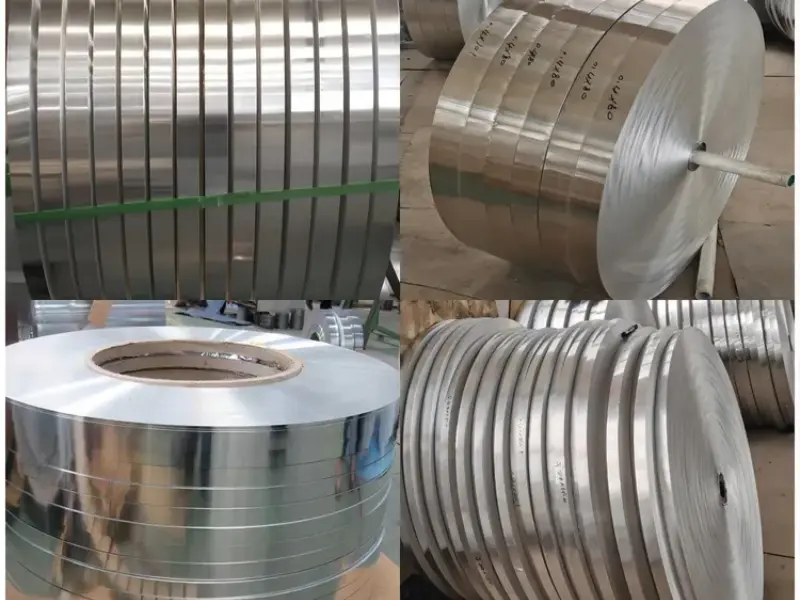
These add manganese. They are stronger than pure aluminum but still bend well.
| Alloy | Added Element | Price Level | Best For |
|---|---|---|---|
| 3003 | Manganese | Low-Mid | Standard channel letters, outdoor signs |
| 3105 | Manganese + Magnesium | Low-Mid | Trim cap letters, painted facades |
3003 H24 is the most popular alloy for channel letter edge strips. It balances strength and flexibility. It resists weathering and works with most bending machines.
5005 / 5052 Edge Strips
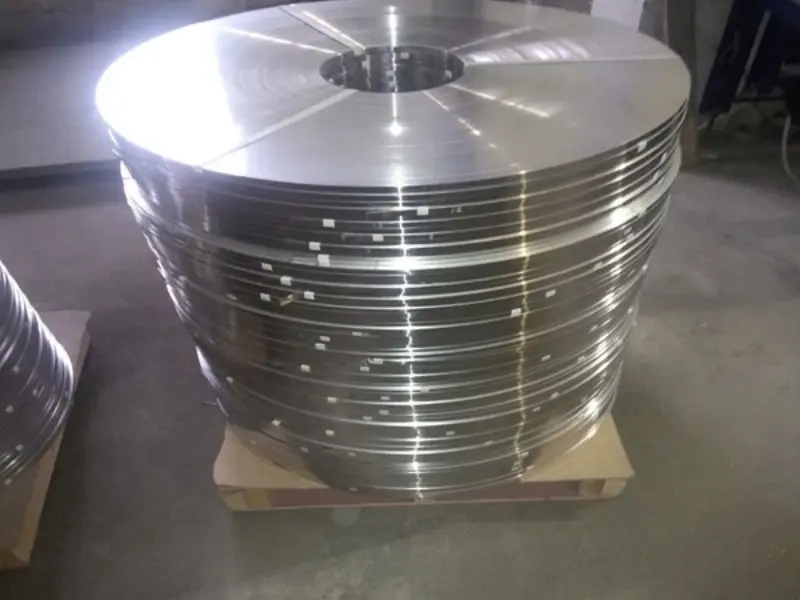
These add magnesium. They are stronger and resist salt water.
| Alloy | Added Element | Price Level | Best For |
|---|---|---|---|
| 5005 | Magnesium | Mid | Coastal signs, high-quality paint adhesion |
| 5052 | Magnesium | Mid-High | Marine signs, heavy-duty outdoor letters |
5005 is often used when paint adhesion is critical. 5052 is for coastal areas where salt air is a problem.
Temper States for Edge Strips
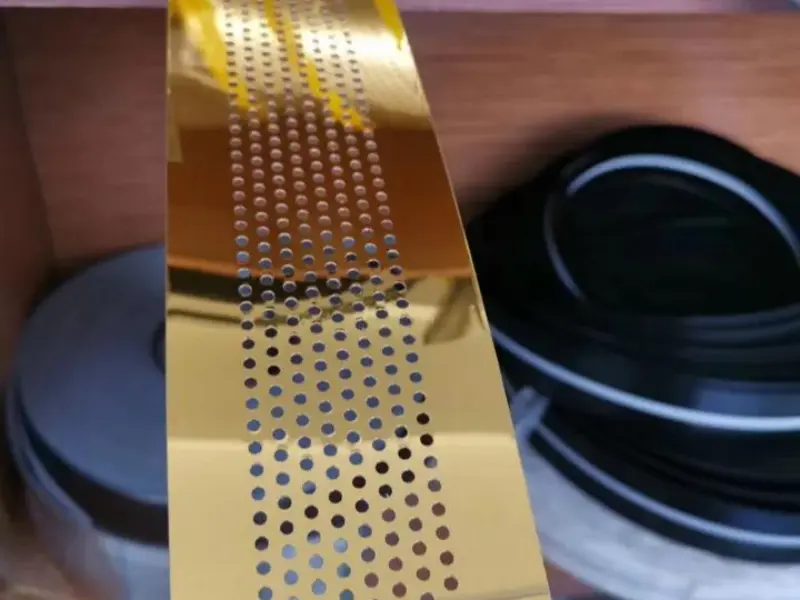
Temper shows how hard the strip is. It affects bending and spring-back.
| Temper | Description | Hardness | Best For |
|---|---|---|---|
| O (Soft) | Fully annealed | Very soft | Hand bending, complex curves, deep draws |
| H12 | Quarter hard | Soft | Light forming, decorative work |
| H14 | Half hard | Medium | Standard channel letters, most popular |
| H16 | Three-quarter hard | Medium-Hard | Stiffer letters, less spring-back |
| H18 | Full hard | Hard | Flat panels, no forming |
| H22 | Quarter hard, stabilized | Soft | Better than H12, stable shape |
| H24 | Half hard, stabilized | Medium | Stable shape, popular for machine bending |
| H26 | Three-quarter hard, stabilized | Medium-Hard | Machine bending, tight tolerances |
| H34 | Half hard, strain hardened | Medium | Good balance for automated machines |
H24 and H26 are the most common tempers for edge strips. They are stiff enough to hold shape but soft enough to bend cleanly in machines.
Thickness Options for Edge Strips
Thickness affects strength, bend radius, and letter depth.
| Thickness | Type | Bend Radius | Best For |
|---|---|---|---|
| 0.4 mm | Ultra-thin | Very tight | Small letters, intricate details |
| 0.5 mm | Thin | Tight | Small to medium letters, hand bending |
| 0.6 mm | Standard thin | Moderate | Most popular, standard channel letters |
| 0.8 mm | Standard | Moderate | Medium to large letters, machine bending |
| 1.0 mm | Medium | Wider | Large letters, structural strength |
| 1.2 mm | Thick | Wide | Very large letters, heavy-duty outdoor |
| 1.5 mm | Heavy | Very wide | Extra large signs, high wind loads |
0.6 mm Aluminum Edge Strip
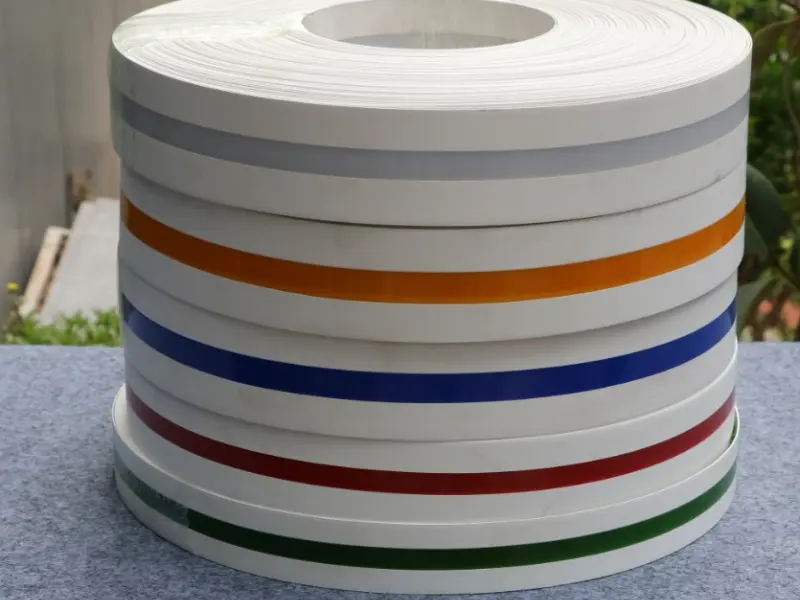
This is the most popular thickness for channel letters. It bends easily in most machines. It is light but strong enough for standard letter depths of 50 to 100 mm and works for both indoor and outdoor signs.
0.8 mm Aluminum Edge Strip
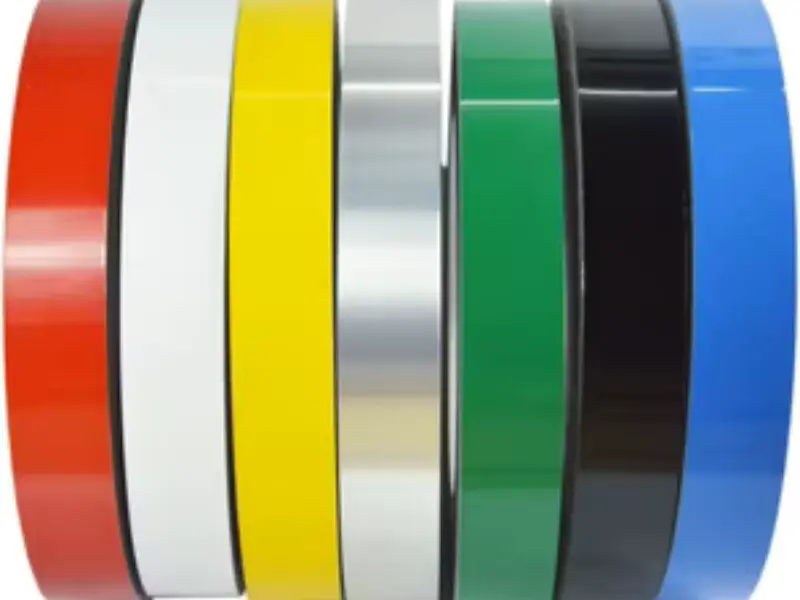
This thickness is for larger letters and deeper returns. It needs more force to bend. It is common for letters over 600 mm tall and resists denting better than 0.6 mm.
1.0 mm Aluminum Edge Strip
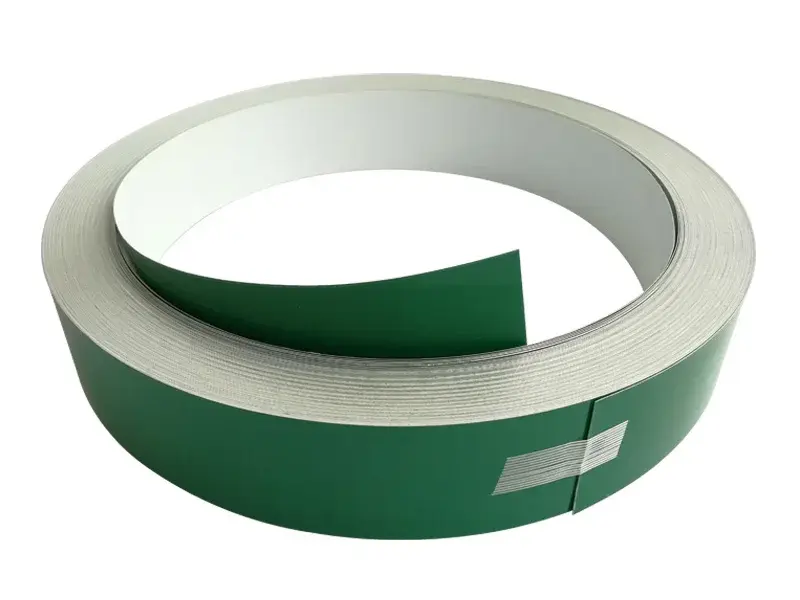
This is for heavy-duty signs. It is used for very large letters, reverse-lit signs, and high-wind areas. It requires a powerful bending machine and holds its shape with minimal spring-back.
Width Options for Edge Strips
Width determines the depth of the channel letter.
| Width | Letter Depth | Best For |
|---|---|---|
| 30 mm | Shallow | Small indoor letters, thin profiles |
| 50 mm | Standard shallow | Small storefront signs, compact letters |
| 60 mm | Standard | Common for small to medium letters |
| 70 mm | Medium | Standard outdoor letters, popular size |
| 80 mm | Medium-Deep | Medium to large letters, good depth |
| 88 mm | Deep | Large letters, good LED housing space |
| 100 mm | Deep | Large outdoor signs, maximum visibility |
| 108 mm | Extra deep | Very large letters, reverse-lit designs |
| 110 mm | Extra deep | Monument signs, large building letters |
| Up to 500 mm | Custom | Special projects, architectural features |
60 mm and 80 mm Edge Strips
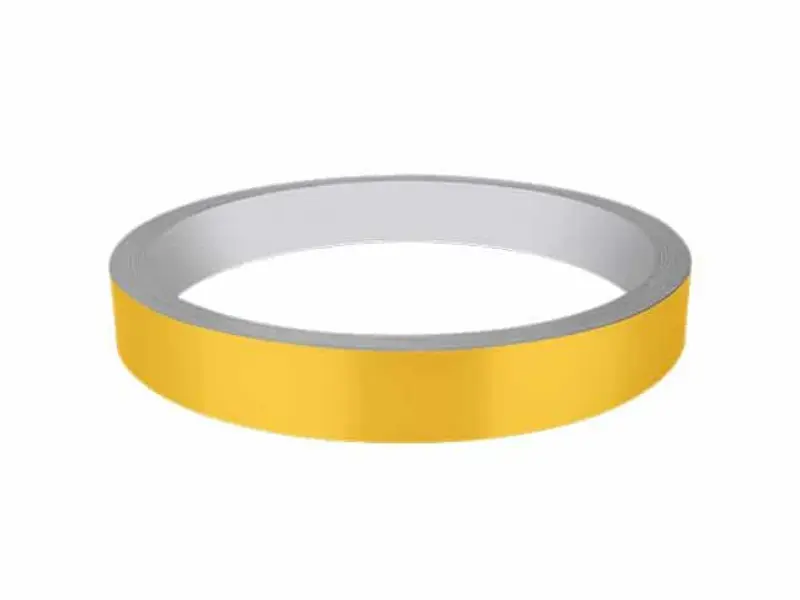
100 mm and 108 mm Edge Strips
These are for large letters on buildings and malls. The extra depth allows more LED modules. This creates brighter, more even illumination. The deeper return also casts a stronger shadow for a bolder 3D effect.
Edge Types: Flat, Folded, and Trim Cap


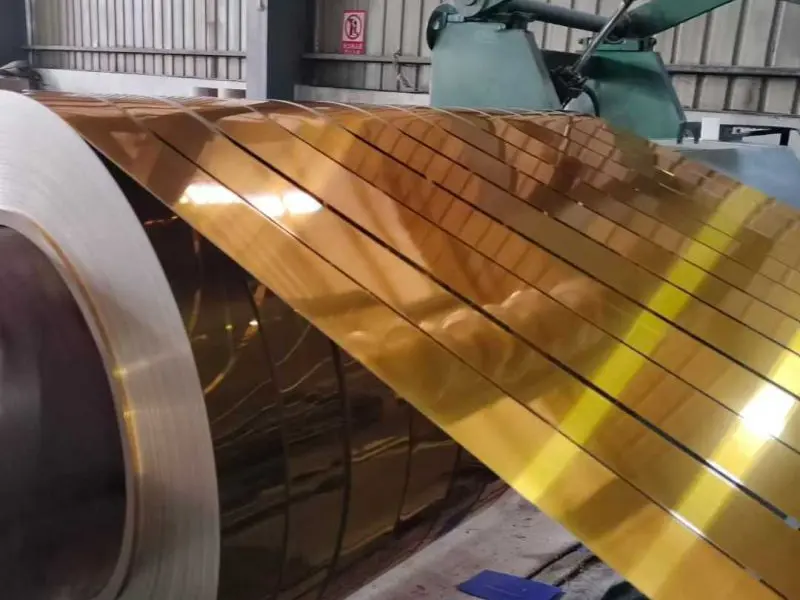
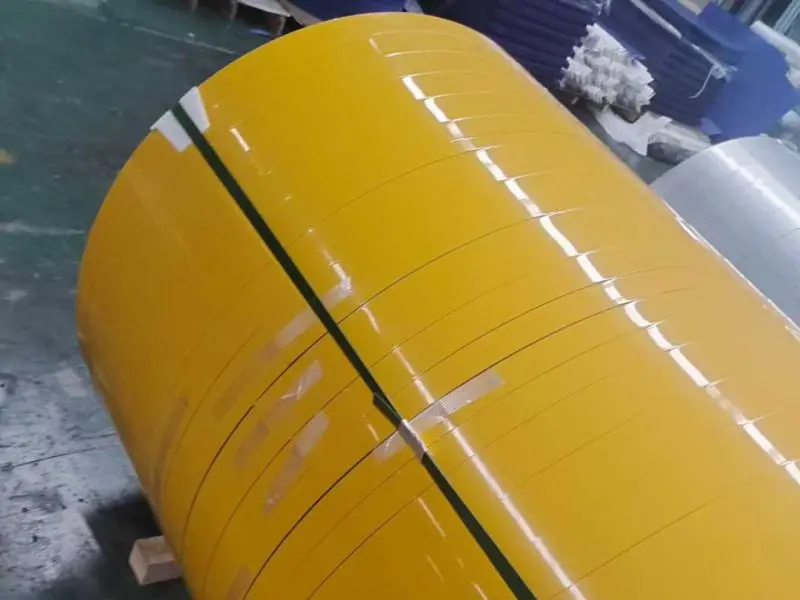
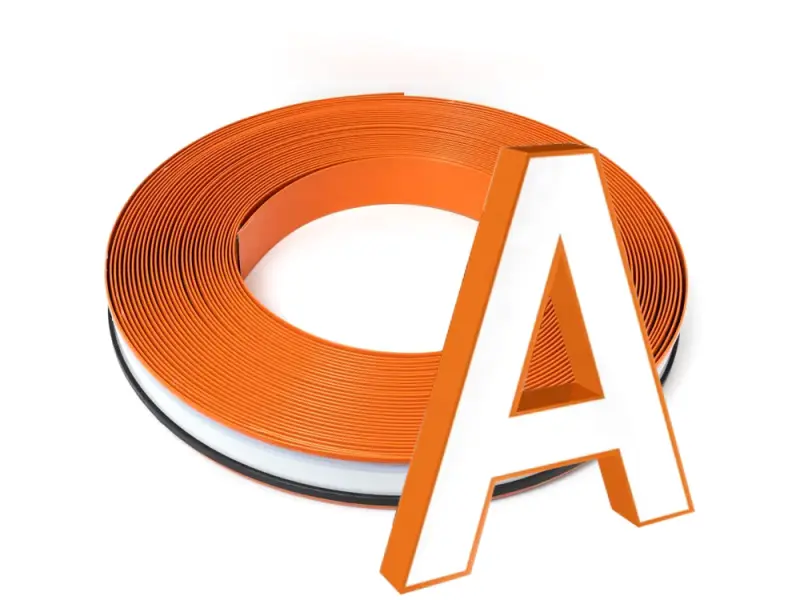
The edge profile changes how the strip attaches to the letter face.
| Edge Type | Description | Best For |
|---|---|---|
| Flat edge | Straight strip, no fold | Trimless letters, welded seams |
| Single fold | One edge folded 90° | Standard channel letters, flange attachment |
| Double fold | Both edges folded | Trim cap letters, snap-on faces |
| Trim cap | Pre-formed lip with rubber or foam | Trim cap channel letters, quick assembly |
Flat Edge Strip
Flat edge strip is the simplest type. It has no pre-formed flange. The sign maker welds or rivets the return to the letter face. This is used for trimless channel letters. It gives a clean, modern look.
Single Fold Edge Strip
Single fold strip has one edge bent at 90 degrees. This flange attaches to the back of the letter face. It adds rigidity. It is the standard for most channel letter machines.
Double Fold Edge Strip
Double fold strip has both edges folded. This creates a channel shape. It is used for trim cap letters. The face panel snaps into the channel. Assembly is faster than welding.
Trim Cap Edge Strip
Trim cap strip has a pre-formed lip with a rubber or plastic insert. The face panel snaps into the trim cap. This is the fastest assembly method. It is popular for high-volume sign shops. Colors match or contrast with the face for design effect.
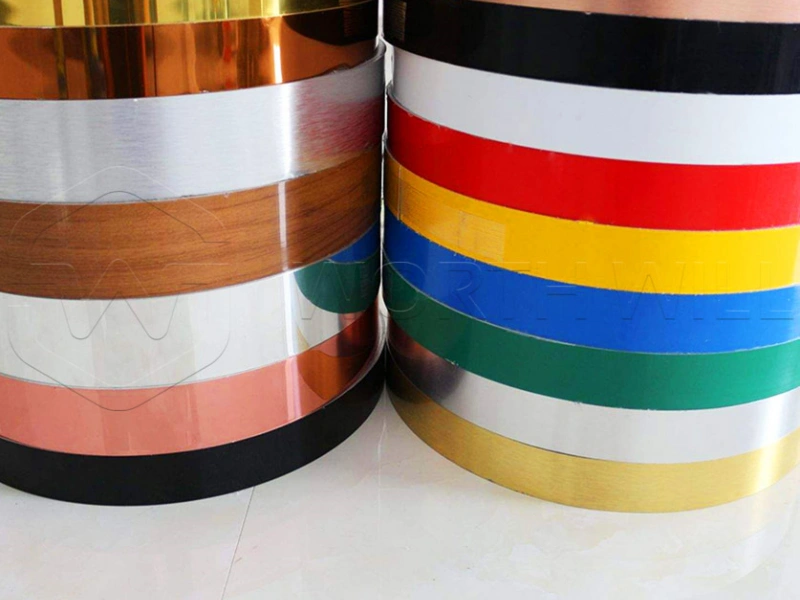
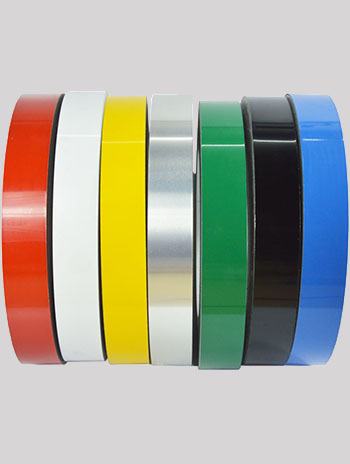
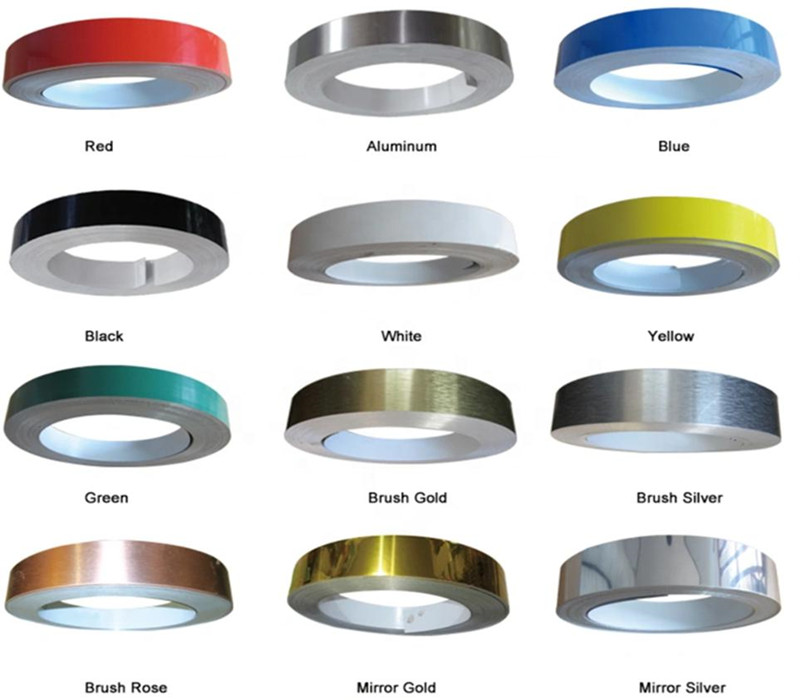
Color and Finish Options
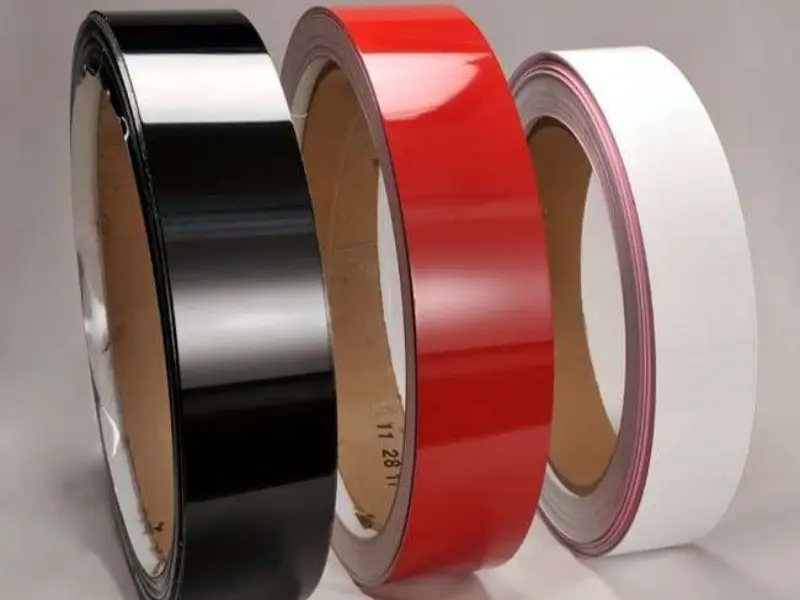
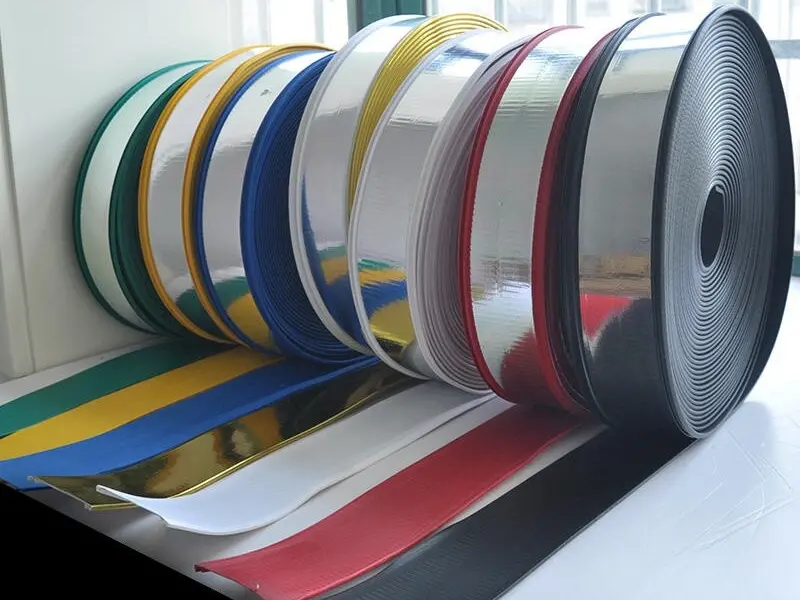
Pre-painted coils save time and give consistent color.
| Color | Use | Notes |
|---|---|---|
| White | Most common, versatile | Matches most faces, reflects light |
| Black | Modern, sleek | Hides seams, contrasts with lit faces |
| Red | Bold, attention-grabbing | Popular for restaurants, sales |
| Blue | Corporate, trustworthy | Common for offices, banks |
| Silver | Metallic, industrial | Matches brushed aluminum faces |
| Gold | Premium, luxury | High-end brands, hotels |
| Green | Natural, eco-friendly | Environmental brands, pharmacies |
| Yellow | Bright, energetic | Fast food, entertainment |
| Brushed | Textured metallic look | Modern design, no paint needed |
| Mirror | Highly reflective | Special effects, premium signs |
Custom colors are available to match any RAL or Pantone code. Minimum order is usually 2,000 meters for custom color production.
Comparison: Aluminum Edge Strip vs Other Channel Letter Materials
| Feature | Aluminum Edge Strip | Stainless Steel | Galvanized Steel | Plastic Trim |
|---|---|---|---|---|
| Weight | Very light | Heavy | Heavy | Very light |
| Corrosion resistance | Excellent | Excellent | Poor | Good |
| Bendability | Excellent | Moderate | Moderate | Good |
| Weldability | Good | Good | Excellent | None |
| Outdoor life | 15-25 years | 20-30 years | 5-10 years | 10-15 years |
| Cost per meter | Low | High | Low | Very low |
| Color options | Many | Few | Few | Many |
| Machine compatibility | All machines | Some machines | Some machines | Special tools |
Aluminum edge strip is the best balance of cost, weight, and durability. Stainless steel lasts longer but costs more and is harder to bend. Galvanized steel is cheap but rusts. Plastic trim is cheap but fades and cracks.
Applications of Aluminum Edge Strip
Retail and Commercial Signs
- Storefront channel letters
- Mall directory signs
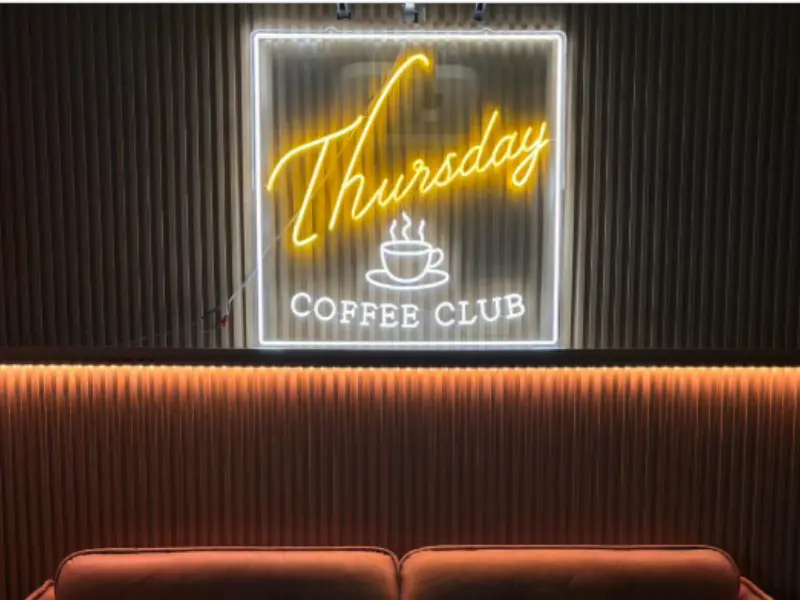
- Restaurant and café signage
- Bank and office building signs
- Gas station price signs
Outdoor Advertising
- Billboard support structures
- Monument signs
- Pylon signs
- Wayfinding and directional signs
- Real estate signs
Architectural and Decorative
- Building identification letters
- Lobby and reception signs
- Wayfinding in hospitals and schools
- Decorative wall lettering
- Branded interior features
Event and Temporary
- Trade show displays
- Exhibition booth lettering
- Temporary promotional signs
- Event backdrops
- Stage and set design
Industrial and Safety
- Factory identification signs
- Warehouse labeling
- Safety warning signs
- Equipment nameplates
- Loading dock markers
How to Choose the Right Edge Strip
Step 1: Match Alloy to Environment
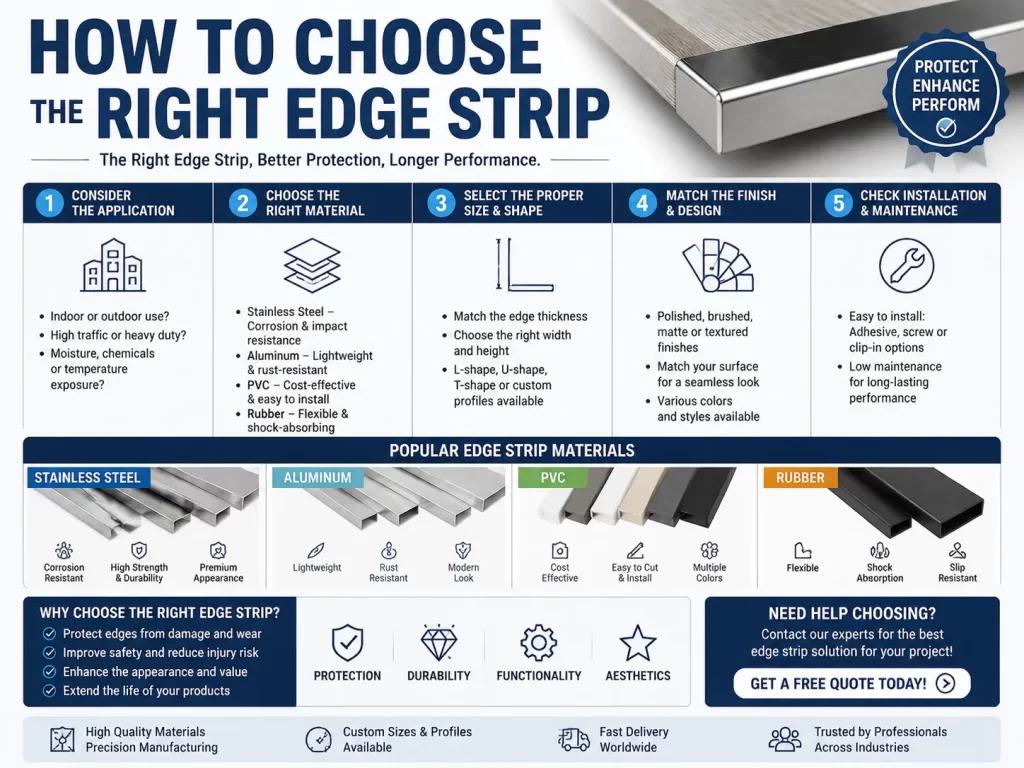
For indoor signs, 1050 or 1100 is fine. For standard outdoor signs, use 3003 H24 and coastal or harsh environments, use 5005 or 5052.
Step 2: Pick the Right Thickness
Small letters under 300 mm tall: 0.5 mm. Standard letters 300-600 mm: 0.6 mm. Large letters 600-1200 mm: 0.8 mm. Very large letters over 1200 mm: 1.0 mm or more.
Step 3: Choose Width by Letter Depth
Shallow letters for indoor use: 50-60 mm. Standard outdoor storefront letters: 70-80 mm. Large building letters: 100-110 mm. Reverse-lit or halo-lit letters need extra depth for LED placement.
Step 4: Select Edge Type
For trimless modern look: flat edge. For standard welded letters: single fold. Aluminum Edge Strip for 3D Channel Letters For fast assembly with trim cap: double fold or trim cap edge.
Step 5: Pick Color
Match the brand color or choose a contrast. White and black are the most versatile. Custom colors need a larger order but give exact brand matching.
Quality Checks When Buying
- Coating is even with no streaks or bubbles
- Strip is flat with no waves or kinks
- Edges are clean cut with no burrs
- Same batch has consistent color
- Bending test shows clean folds without cracking
- Welding test shows strong joints without porosity
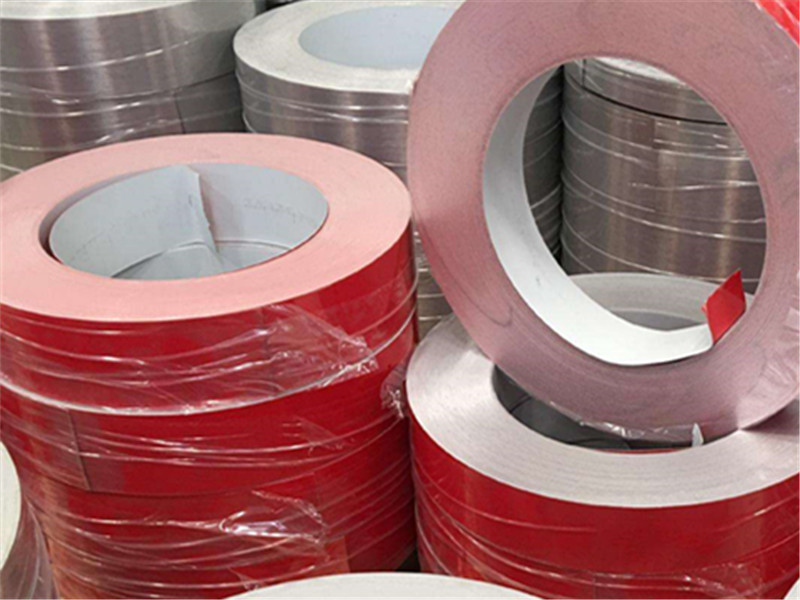
- Packaging protects coils from moisture and damage
FAQ
What alloy is best for channel letter edge strips?
3003 H24 is the best all-around choice. It bends well. It resists weather and works with most bending machines. For coastal areas, use 5005 or 5052.
What thickness should I use for standard channel letters?
0.6 mm is the most popular thickness. It works for letters from 300 mm to 1000 mm tall. It bends easily and is strong enough for most outdoor signs.
What width do I need for my letter depth?
Match the strip width to your desired letter depth. For 80 mm deep letters, use 80 mm wide strip. Common widths are 60 mm, 80 mm, and 100 mm. Custom widths up to 500 mm are available.
What is the difference between flat edge and trim cap edge?
Flat edge has no fold. You weld it to the face. Trim cap edge has a pre-formed lip with a rubber insert. The face snaps into the trim cap. Trim cap is faster to assemble. Flat edge gives a cleaner, trimless look.
How much does aluminum edge strip cost?
Prices vary by alloy, thickness, and color. Standard 3003 H24 pre-painted strip costs around $2,500 to $2,600 per ton from Chinese factories. Per meter prices range from $0.25 to $0.38 for standard sizes. Custom colors and small orders cost more.
Can I bend edge strip by hand?
Yes, for small jobs and soft alloys like 1050 or 1100. For production work, use a channel letter bending machine. Machines give consistent results and save time.
What colors are available?
Standard colors include white, black, red, blue, silver, gold, green, and yellow. Brushed and mirror finishes are also available. Custom RAL colors need a minimum order of 2,000 meters.
How long does painted edge strip last outdoors?
Pre-painted aluminum edge strip lasts 15 to 25 years outdoors. PVDF-coated strip lasts 20 to 30 years. Anodized strip lasts 20 to 25 years. Actual life depends on climate and exposure.
What is the minimum order quantity?
Standard stock colors: 1 roll (usually 50-100 meters). Custom colors: 2,000 meters. Factory direct bulk: 1-2 tons. Some suppliers offer samples for testing.
How do I store aluminum edge strip coils?
Store in a dry place. Keep coils vertical on a rack. Avoid stacking heavy items on top. Keep away from chemicals and solvents. Protect from moisture to prevent coating damage.
Aluminum Edge Strip for 3D Channel Letters
Aluminum edge strip for 3D channel letters is a versatile material. It comes in many alloys, tempers, thicknesses, widths, and colors. The right choice depends on your sign size, location, budget, and assembly method.
Use 3003 H24 for standard work. Pick 0.6 mm for most letters. Choose 80 mm width for common storefront signs. Select single fold for welded letters or trim cap for snap-on faces. Match the color to your brand or choose white for versatility.
With the right edge strip, your channel letters will look professional, last for years, and install with ease. Buy from reliable suppliers. Test samples before bulk orders. Keep stock on hand for rush jobs.