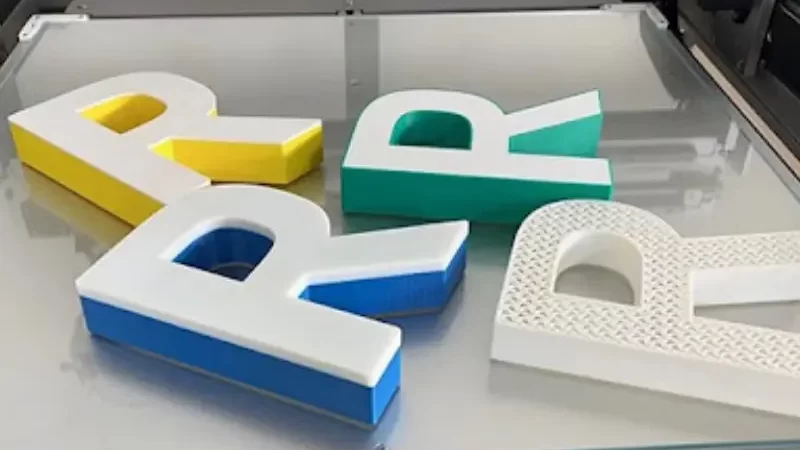
Aluminum coil for light box and signage is widely used in advertising, commercial decoration, outdoor signs, and display systems.
The material is lightweight, corrosion resistant, and easy to process. Many manufacturers choose aluminum coils because they provide a smooth surface and long service life.
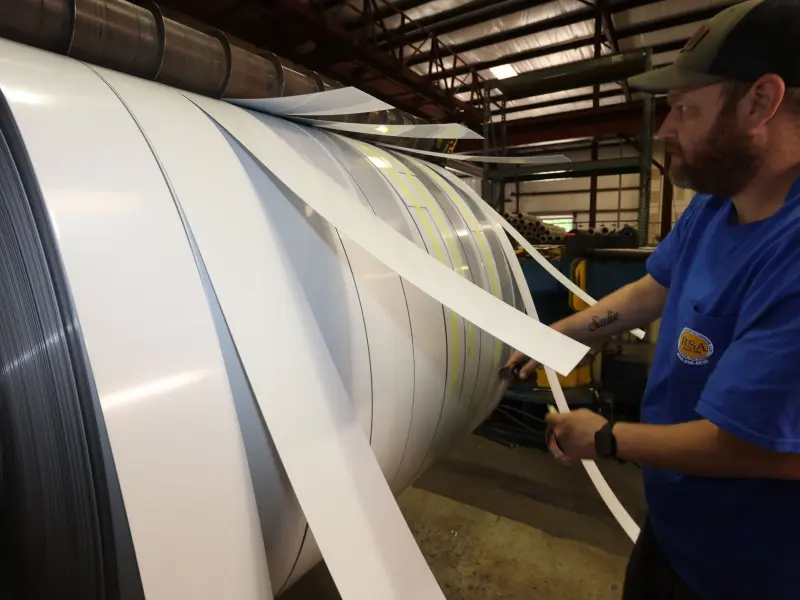
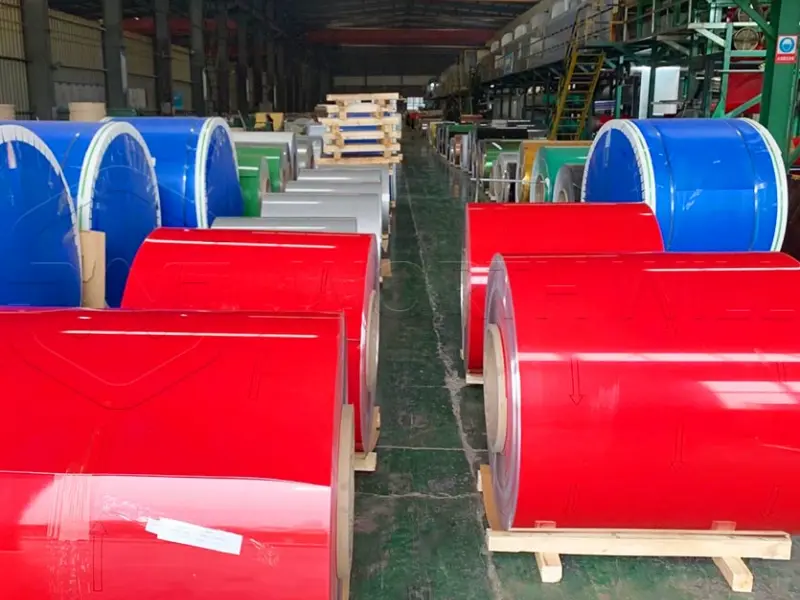
Today, aluminum coils are used for LED light boxes, channel letters, sign boards, billboards, shop signs, and architectural decoration.
Different alloys, thicknesses, coatings, and surface finishes are available for different applications.
What Is Aluminum Coil for Light Box and Signage
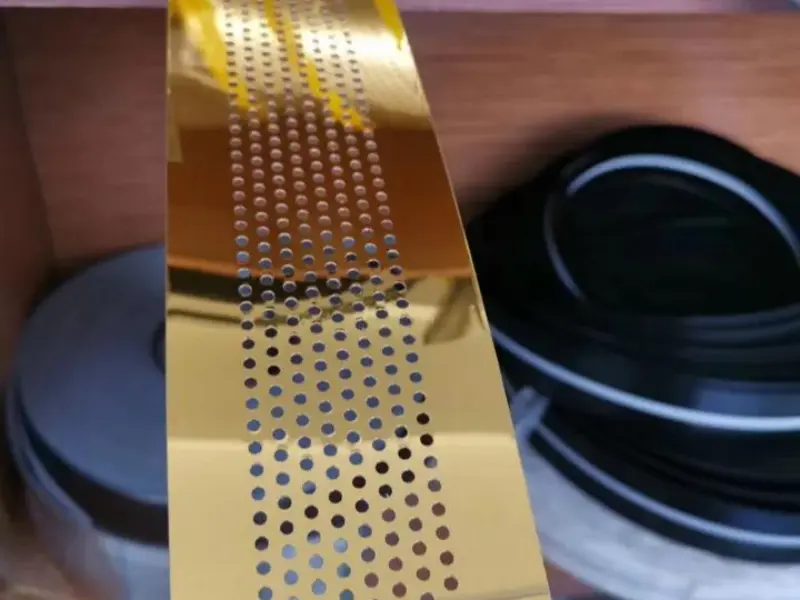
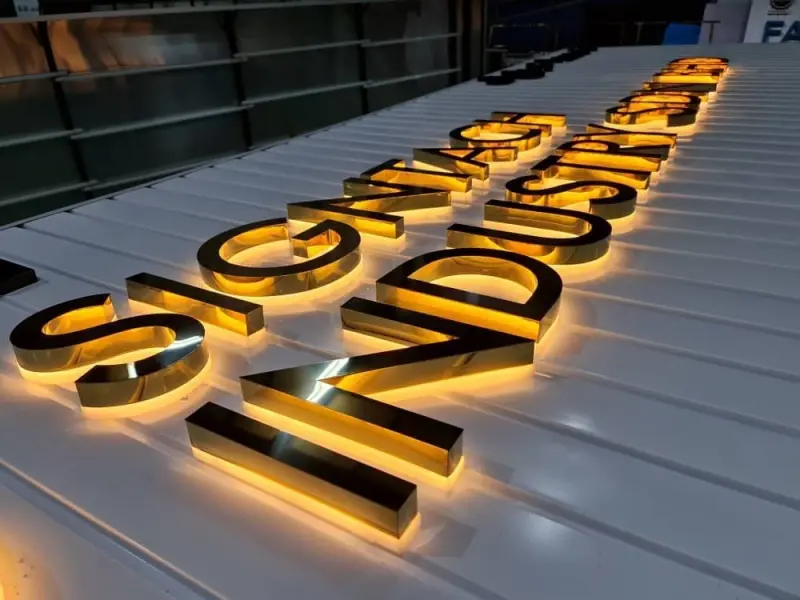
Aluminum coil is a rolled aluminum material supplied in continuous coils. It is commonly coated or painted for advertising and display applications.
Basic Product Structure
| Layer | Function |
|---|---|
| Aluminum base | Strength and flexibility |
| Primer coating | Adhesion support |
| Color coating | Surface decoration |
| Protective film | Surface protection |
The surface coating improves weather resistance and appearance.
Why Aluminum Coil Is Popular for Signage
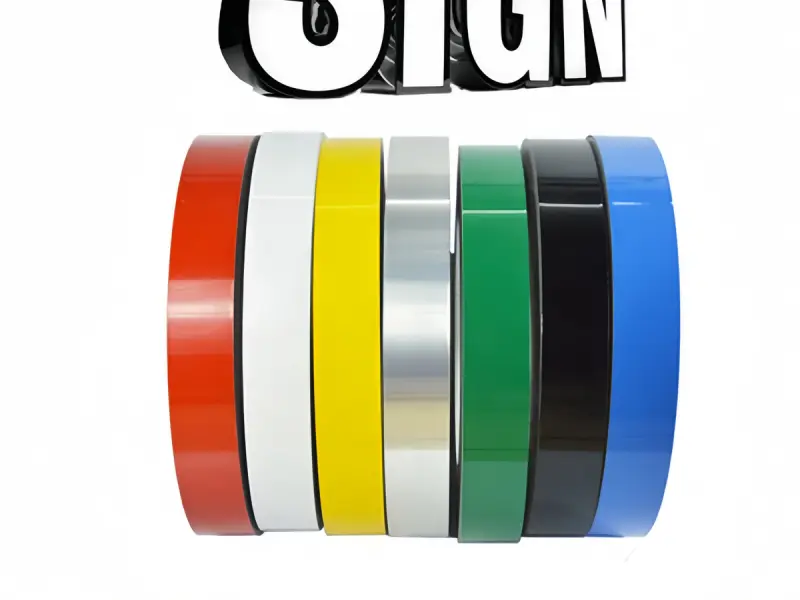
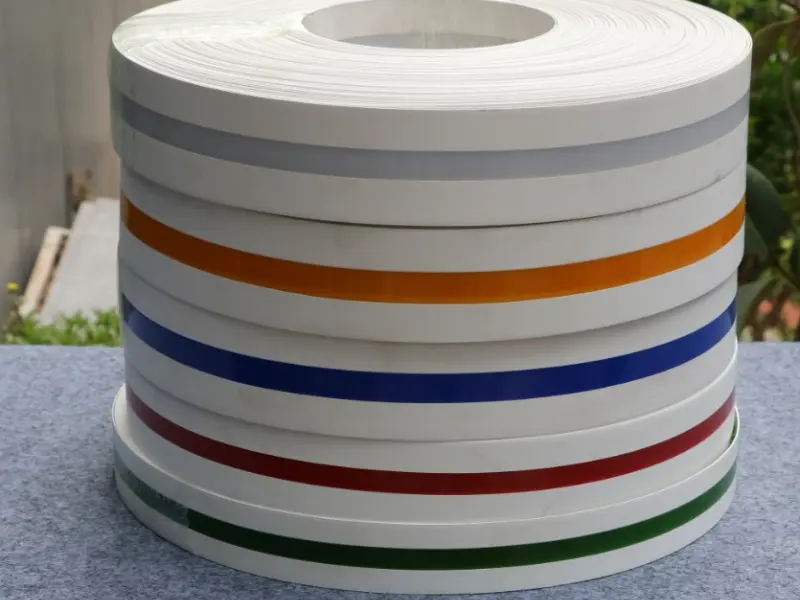
Aluminum coil is one of the most common materials in the signage industry.
Main Advantages
- Lightweight material
- Easy bending and cutting
- Good corrosion resistance
- Smooth painted surface
- Long outdoor lifespan
- Good flatness
- Easy installation
These features make aluminum coil suitable for indoor and outdoor signage systems.
Common Aluminum Alloys for Signage
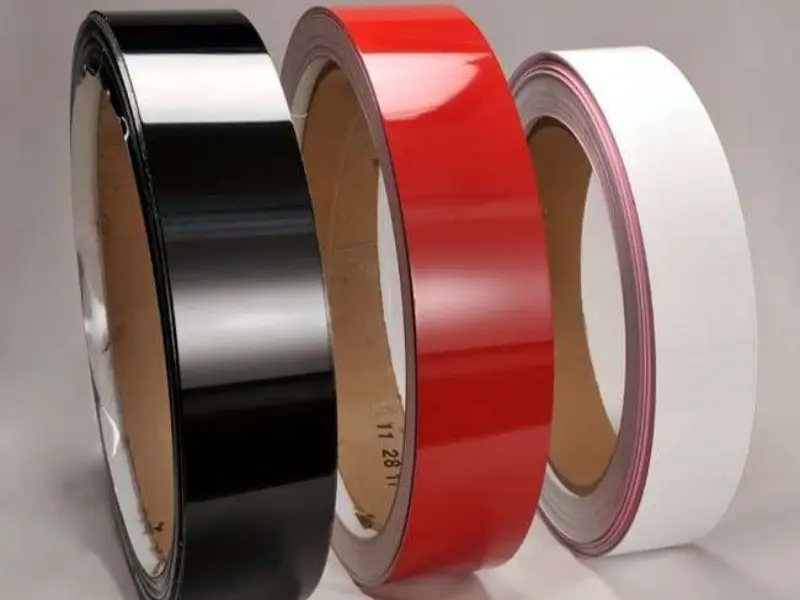
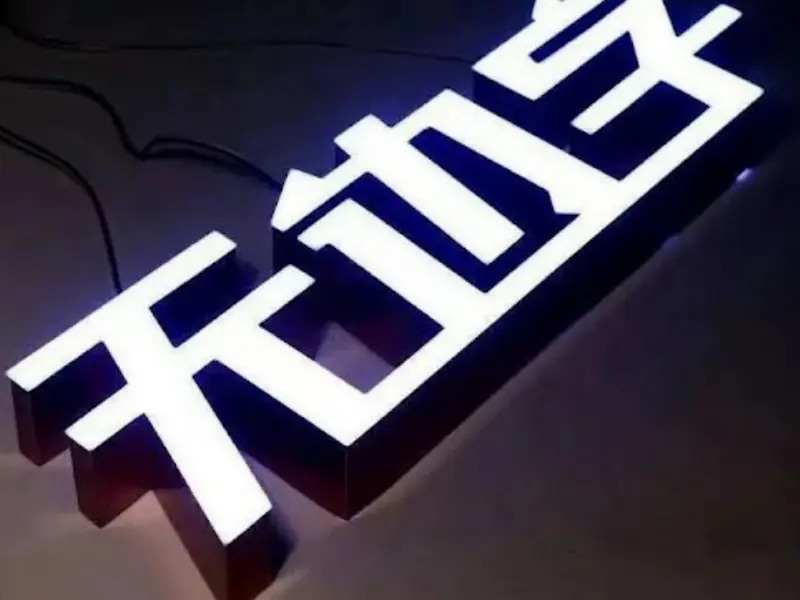
Different aluminum alloys provide different strength and flexibility.
Alloy Comparison Table
| Alloy | Strength | Corrosion Resistance | Common Use |
|---|---|---|---|
| 1050 Aluminum | Medium | Good | Indoor signs |
| 1060 Aluminum | Medium | Good | Light box panels |
| 3003 Aluminum | Higher | Better | Commercial signage |
| 5052 Aluminum | High | Excellent | Outdoor signs |
| 6061 Aluminum | Very high | Excellent | Structural signage |
3003 aluminum coil is widely used because it balances strength and workability.
Common Temper States
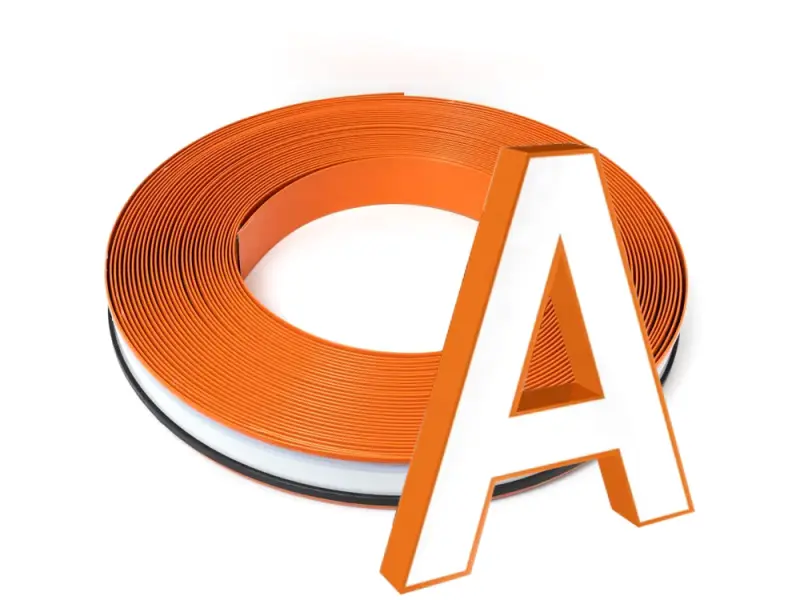
Temper affects hardness and bending performance.
Temper Comparison
| Temper | Features | Application |
|---|---|---|
| O | Soft and flexible | Curved signs |
| H14 | Semi-hard | Standard signage |
| H24 | Higher hardness | Outdoor panels |
| H32 | Better strength | Heavy-duty signs |
H14 and H24 are common for light box production.
Standard Thickness Options
Different projects require different thicknesses.
Thickness Comparison
| Thickness | Common Application |
|---|---|
| 0.3 mm | Small indoor signs |
| 0.5 mm | LED light boxes |
| 0.8 mm | Shop signs |
| 1.0 mm | Outdoor sign boards |
| 1.5 mm | Large billboards |
Thin coils are easier to bend. Thick coils provide better rigidity.
Width and Coil Specifications
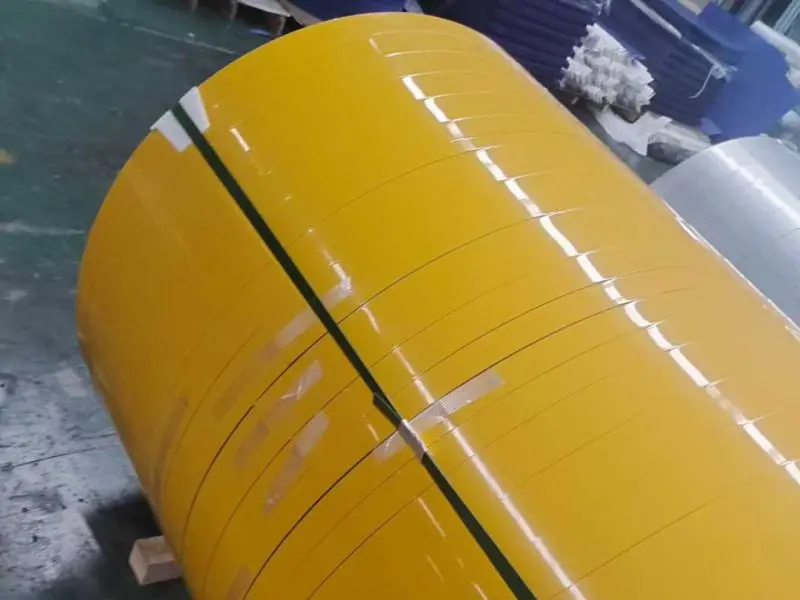
Aluminum coils are available in different sizes.
Common Coil Specifications
| Width | Typical Use |
|---|---|
| 300 mm | Channel letters |
| 600 mm | Small panels |
| 1000 mm | Sign boards |
| 1220 mm | Large display panels |
| Custom width | OEM projects |
Many suppliers provide customized coil widths and colors.
Surface Finish Types
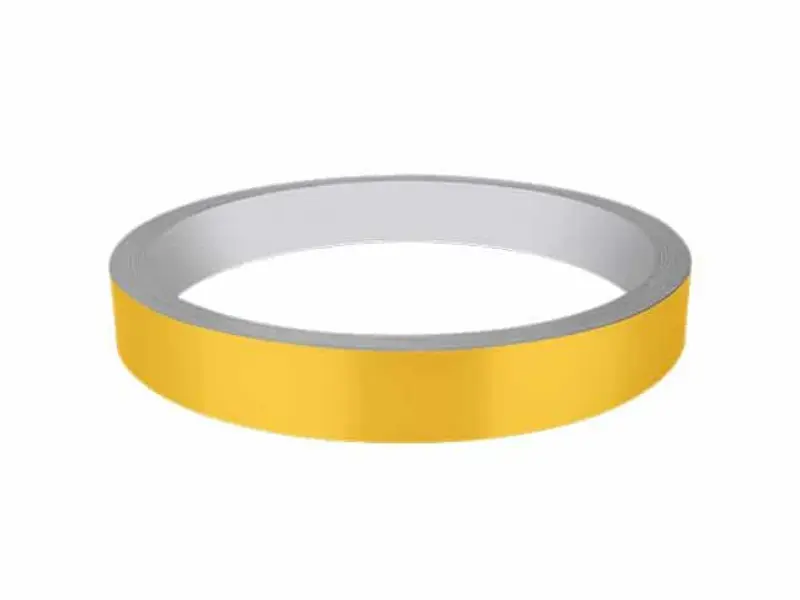
Surface finish affects appearance and durability.
Common Surface Finishes
| Finish | Features |
|---|---|
| Glossy | Bright appearance |
| Matte | Low reflection |
| Brushed | Metallic texture |
| Embossed | Decorative surface |
| Mirror finish | High reflectivity |
Glossy and matte finishes are common in advertising signage.
Painted Aluminum Coil for Light Box
Painted aluminum coil is widely used for illuminated signs.
Common Coating Types
| Coating | Features | Lifespan |
|---|---|---|
| PE Coating | Indoor use | 5–8 years |
| PVDF Coating | Outdoor use | 10–15 years |
PVDF coated aluminum coils offer better UV resistance and weather durability.
Aluminum Coil for LED Light Boxes
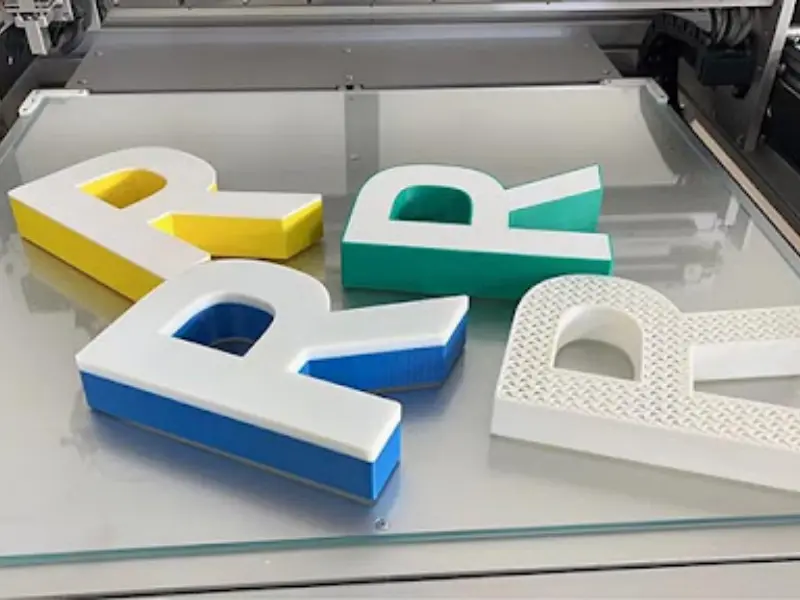
LED light boxes require lightweight and smooth materials.
Why Aluminum Coil Works Well
- Easy to fabricate
- Good reflection performance
- Stable flatness
- Corrosion resistance
- Compatible with LED systems
These properties improve lighting performance and product lifespan.
Aluminum Coil for Channel Letters
Channel letters are popular for storefront signs and brand displays.
Recommended Specifications
| Feature | Recommendation |
|---|---|
| Alloy | 3003 or 5052 |
| Thickness | 0.5–0.8 mm |
| Temper | H14 |
| Surface | Painted or brushed |
Flexible aluminum coil makes channel letter bending easier.
Indoor vs Outdoor Signage Aluminum Coil
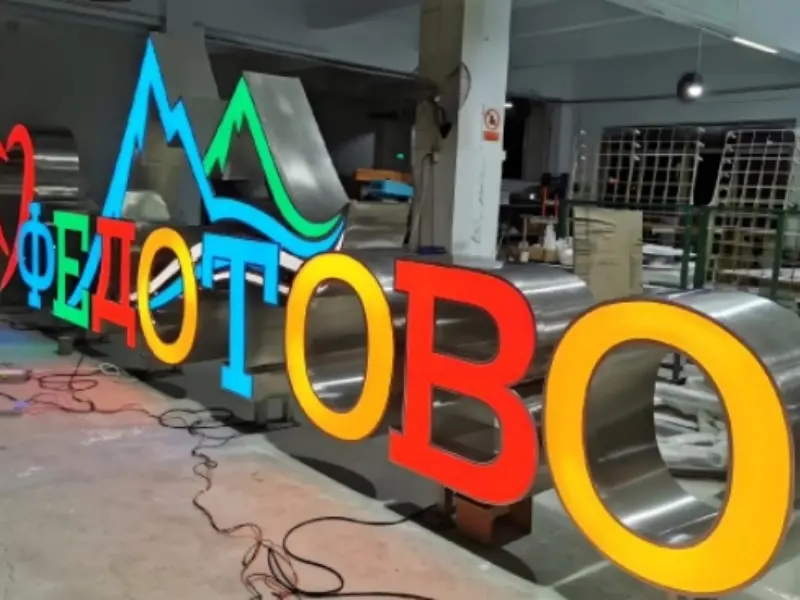
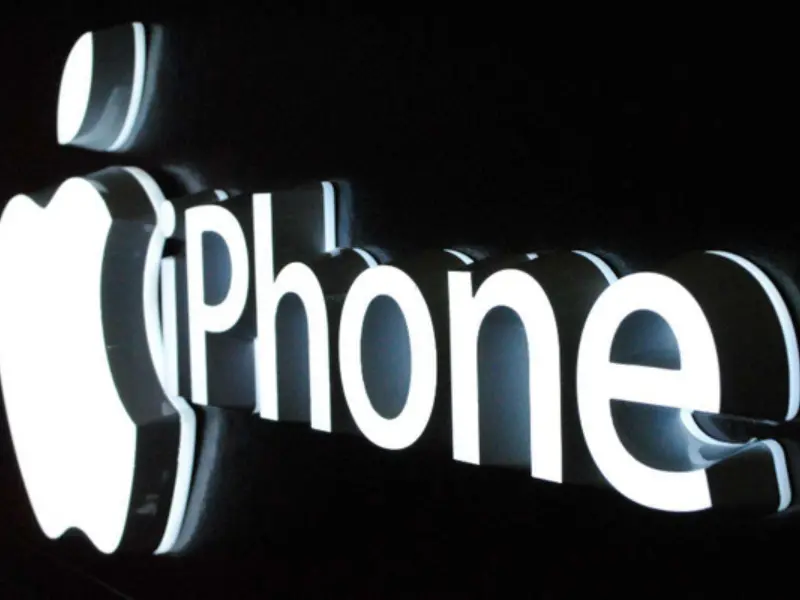
Outdoor applications require stronger weather protection.
Comparison Table
| Feature | Indoor Coil | Outdoor Coil |
|---|---|---|
| UV Resistance | Standard | High |
| Coating Type | PE | PVDF |
| Lifespan | 5–8 years | 10–15 years |
| Corrosion Resistance | Good | Better |
Outdoor signage usually requires PVDF coated aluminum coil.
Embossed Aluminum Coil for Signage
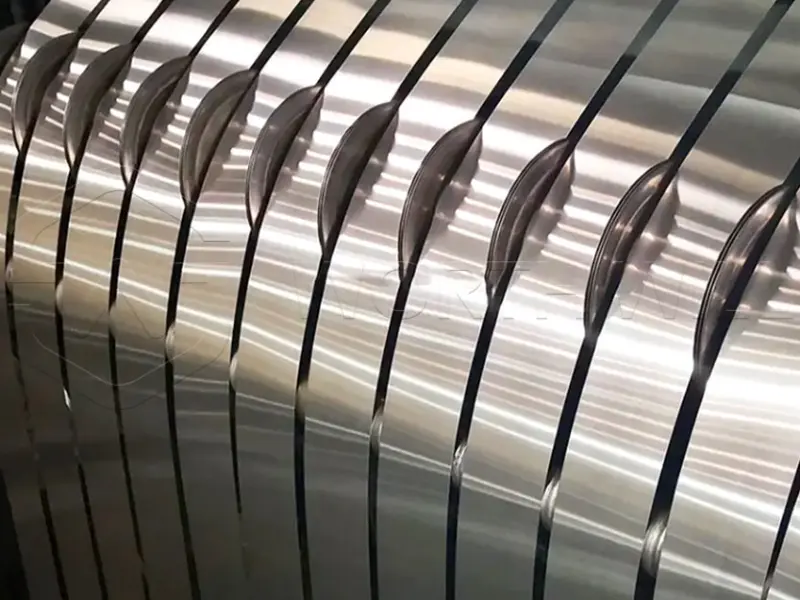
Embossed aluminum coil has textured patterns on the surface.
Benefits of Embossed Surface
- Decorative appearance
- Better scratch resistance
- Reduced glare
- Improved rigidity
Embossed surfaces are common for decorative sign panels.
Brushed Aluminum Coil Applications
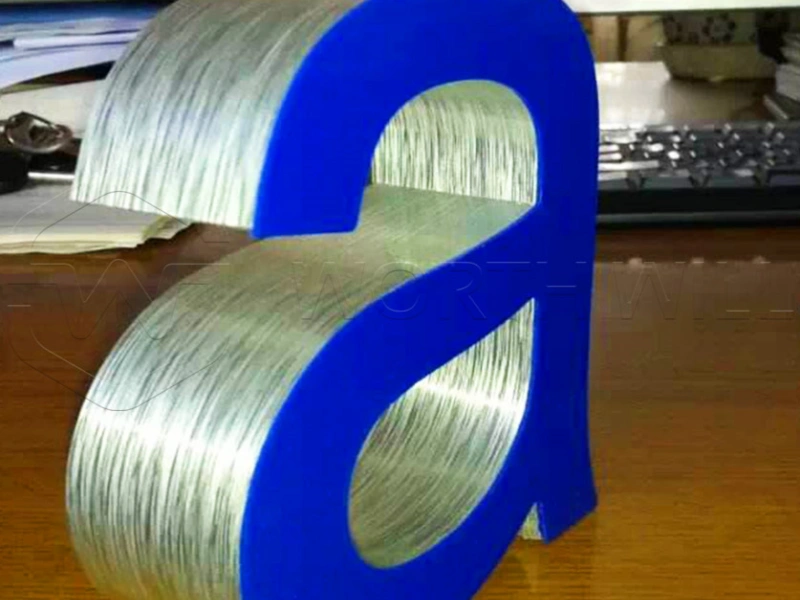
Brushed aluminum provides a premium metallic look.
Common Applications
- Luxury store signs
- Hotel signage
- Interior decoration
- Brand display systems
- Elevator decoration panels
Brushed surfaces are popular in modern commercial decoration.
Mirror Aluminum Coil for Display Systems
Mirror finish aluminum offers high reflectivity.
Main Advantages
| Feature | Benefit |
|---|---|
| Reflective surface | Bright appearance |
| Smooth finish | Modern design |
| Lightweight | Easy installation |
Mirror aluminum is widely used in display panels and decorative signs.
Aluminum Coil Processing Methods
Aluminum coils are easy to process.
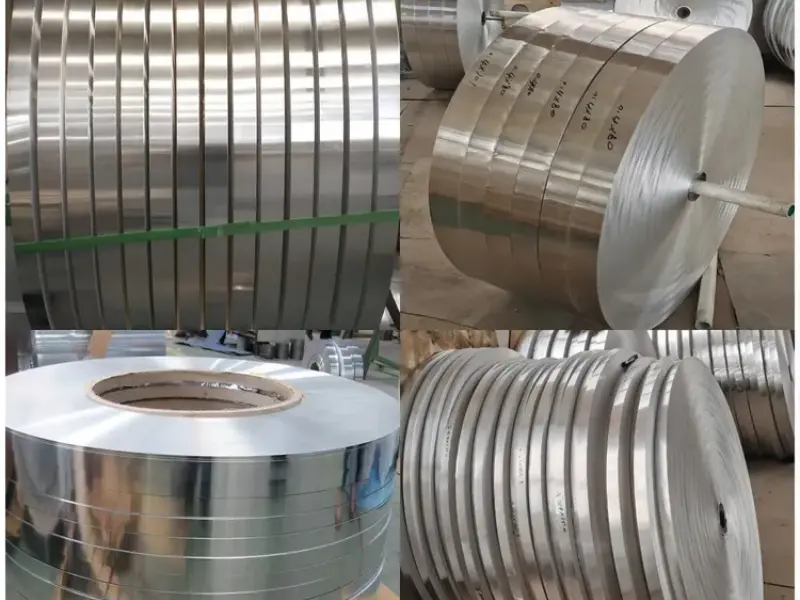
Common Processing Methods
- Cutting
- Bending
- Punching
- CNC machining
- Laser cutting
- Roll forming
Good flexibility improves fabrication efficiency.
Popular Types of Signage Aluminum Coils
Different signs require different looks. Here are the most common surface treatments for an aluminum coil for light box and signage use.
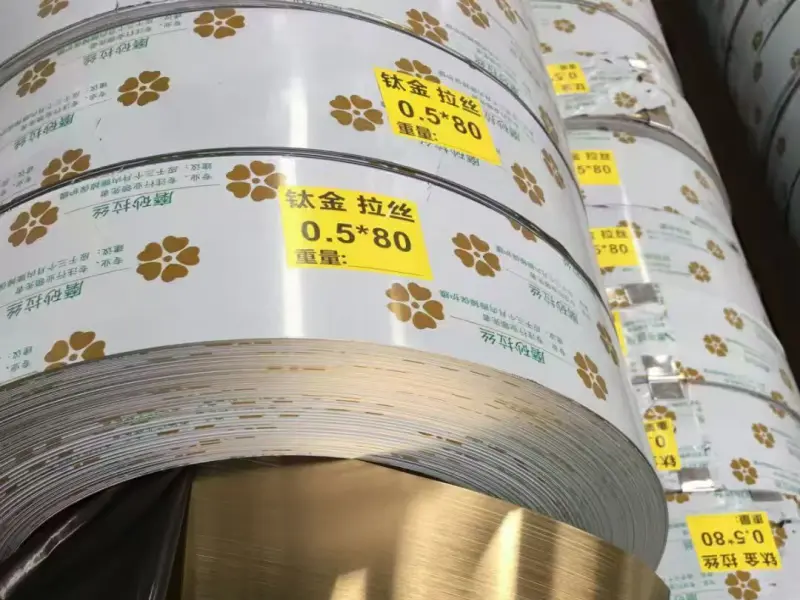
Pre-painted Color Coated Aluminum Coil
This is the most common type. The aluminum is coated with a layer of PE (Polyester) or PVDF paint. It comes in hundreds of colors. You can match the metal exactly to a company’s brand colors.
Mirror Finish Aluminum Coil
This type has a surface as reflective as a glass mirror. It is very popular for the inside of light boxes. The mirror surface reflects the LED light, making the sign appear much brighter without using extra electricity.
Brushed Aluminum Coil
If you want a high-end, modern look, brushed aluminum is the answer. It has a visible texture. It is often used for indoor signs in hotels, banks, and corporate offices.
Embossed Aluminum Coil
Stucco or diamond patterns are embossed onto the surface. This makes the metal stiffer and helps hide scratches or fingerprints. It is often used for large outdoor sign backings.
Applications of Aluminum Coil for Signage
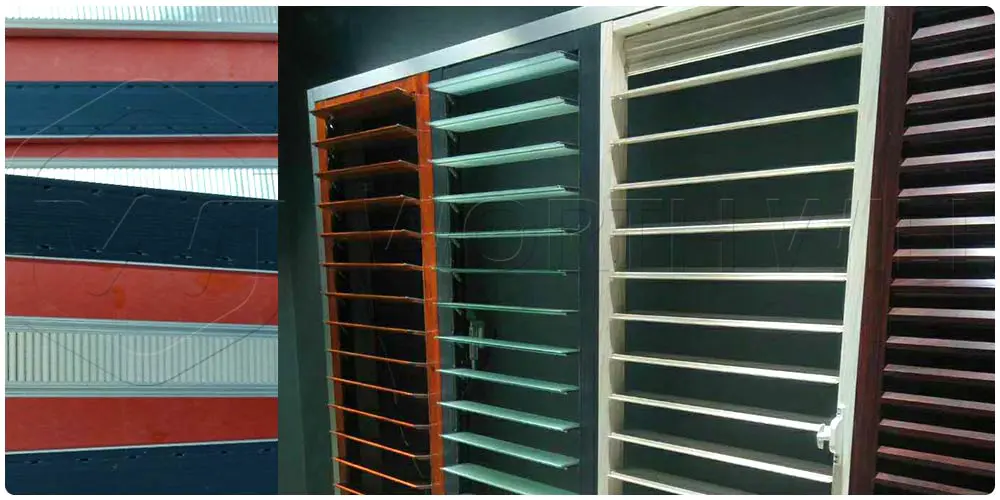
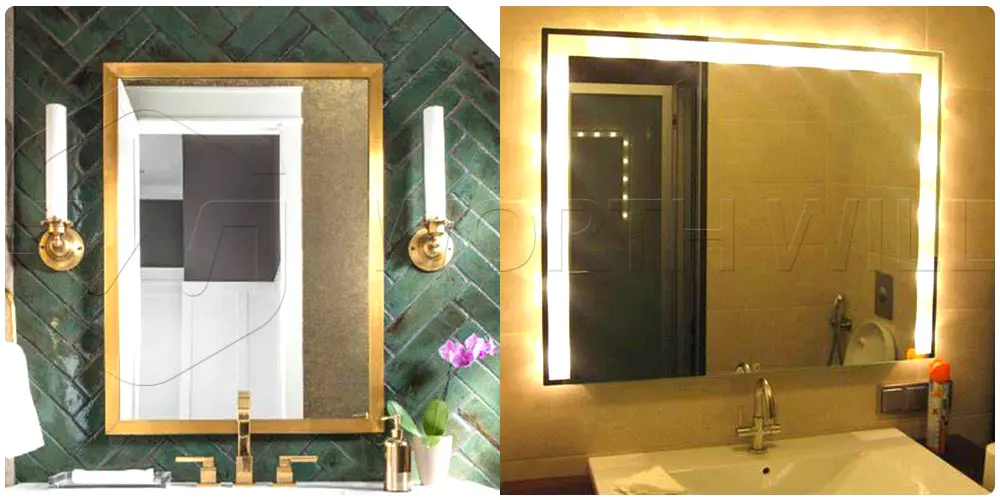
Aluminum coils are used in many advertising and construction projects.
Common Applications
- LED light boxes
- Billboard panels
- Storefront signs
- Airport signage
- Metro station signs
- Exhibition displays
- Advertising panels
- Architectural decoration
- Directional signs
- Channel letters
The material combines durability and decorative performance.
Aluminum Coil vs Galvanized Steel
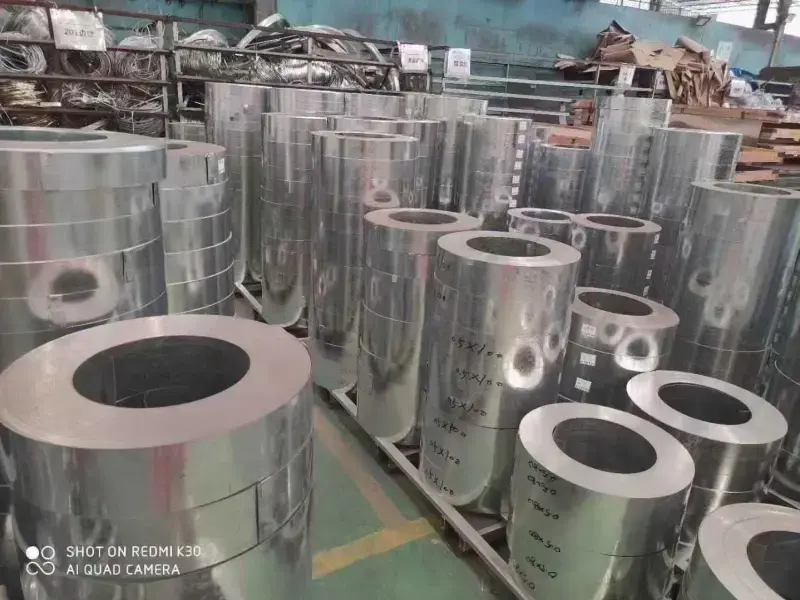
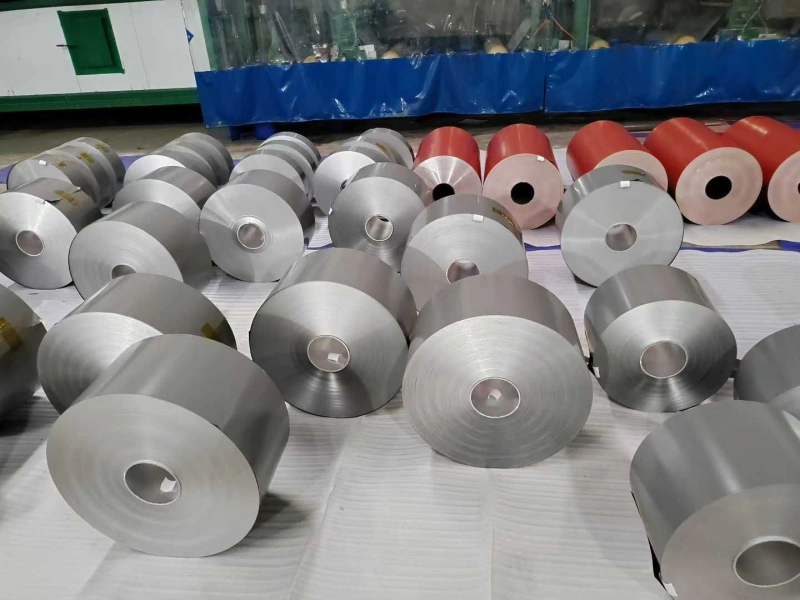
Some buyers compare aluminum with steel materials.
Material Comparison
| Feature | Aluminum Coil | Galvanized Steel |
|---|---|---|
| Weight | Lighter | Heavier |
| Corrosion Resistance | Better | Medium |
| Processing | Easier | Harder |
| Outdoor Durability | High | Medium |
Aluminum is preferred for lightweight signage systems.
Technical Specifications and Alloy Grades
Choosing the right alloy ensures your sign can handle the wind and rain. Most signage products use the 1xxx or 3xxx series alloys.
Common Alloy Comparison for Signage
| Alloy Series | Key Characteristics | Best Application |
|---|---|---|
| Alloy 1100 | 99% Pure Aluminum, very soft | Decorative trims, small signs |
| Alloy 3003 | Added Manganese, stronger | Standard light boxes, channel letters |
| Alloy 3105 | High recycled content, economical | Signage backings, residential signs |
| Alloy 5005 | Excellent for anodizing | Marine signs, high-end architecture |
Digital Dimensions and Specifications
| Property | Standard Range (mm) | Standard Range (in) |
|---|---|---|
| Thickness | 0.2mm−3.0mm | 0.008″−0.118″ |
| Width | 30mm−1600mm | 1.18″−63″ |
| Coating Thickness | 15μm−25μm | 0.6mil−1.0mil |
| Inside Diameter (ID) | 405mm/505mm | 16″/20″ |
Coating Technology: PE vs. PVDF
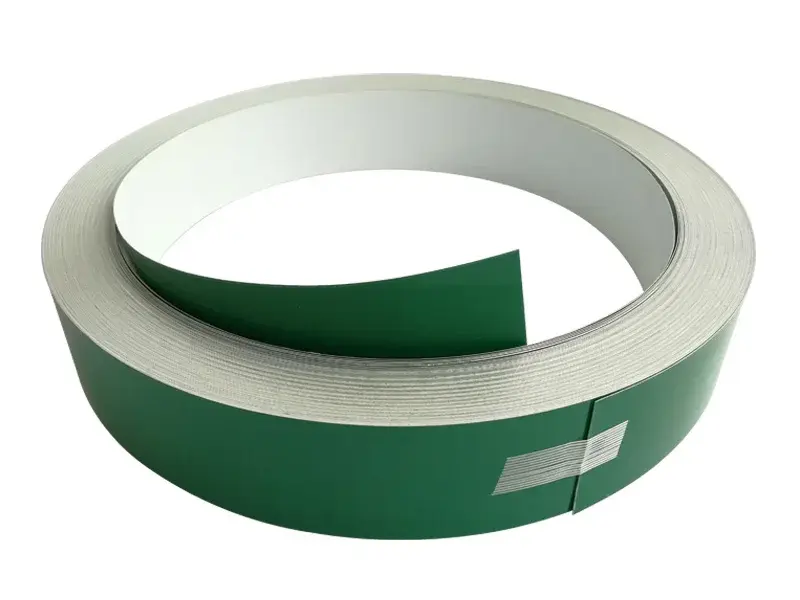
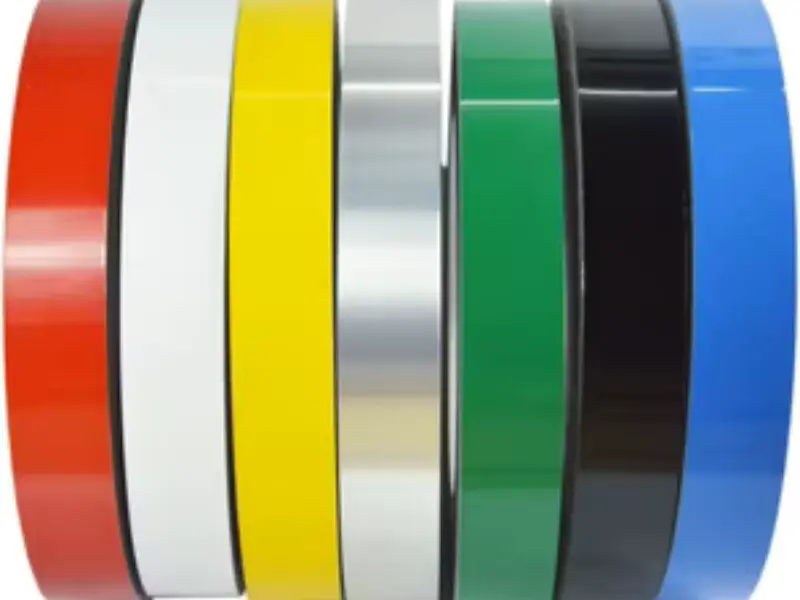
The paint on your aluminum coil for light box and signage determines how long the color stays bright.
PE (Polyester) Coating
This is great for indoor signs or areas with mild weather. It is cost-effective and has a high gloss.
- Lifespan: 5−10 years.
- Best For: Retail store signs, indoor menu boards.
PVDF (Fluorocarbon) Coating
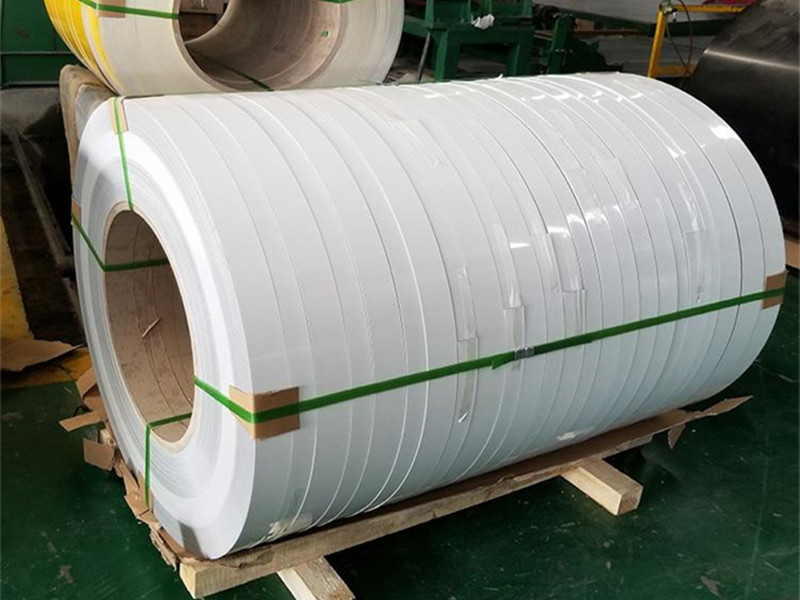
This is a premium coating. It uses a chemical bond that resists UV rays, acid rain, and pollution.
Best For: High-rise building signs, outdoor billboards in hot climates.
Lifespan: 15−20 years.
Application Areas for Signage Aluminum Coils
The versatility of this material allows it to be used in many different ways across the advertising industry.
Billboard Wraps: Using thin, wide coils to cover large advertising structures.
LED Light Boxes: Creating the outer frame and the internal reflective plates.
Channel Letters: Bending the coils to form the “returns” or sides of 3D letters.
Traffic Signage: Using thick, high-strength alloys for road signs.
Gas Station Pylons: Building large, durable brand towers that face constant sun.
Wayfinding Systems: Creating maps and directory signs for hospitals and malls.
Comparison: Aluminum vs. Other Signage Materials
Why do professional sign makers prefer aluminum? Let’s look at the numbers.
| Feature | Aluminum Coil | Galvanized Steel | PVC / Plastic |
|---|---|---|---|
| Weight | Low (2.7g/cm3) | High (7.8g/cm3) | Very Low |
| Rust Proof | Yes (Excellent) | No (Requires zinc) | Yes |
| Bending Ease | Very Easy | Hard | Medium (Needs heat) |
| Fire Rating | Non-combustible | Non-combustible | Flammable |
| Price | Mid-range | Low | Low |
Choosing the Right Aluminum Coil
Different projects require different materials.
Selection Guide
| Application | Recommended Alloy | Coating |
|---|---|---|
| Indoor light box | 1060 | PE |
| Outdoor billboard | 5052 | PVDF |
| Channel letters | 3003 | Painted |
| Decorative signs | 1050 | Brushed |
Correct alloy and coating selection improves product performance.
Common Problems With Low-Quality Aluminum Coil
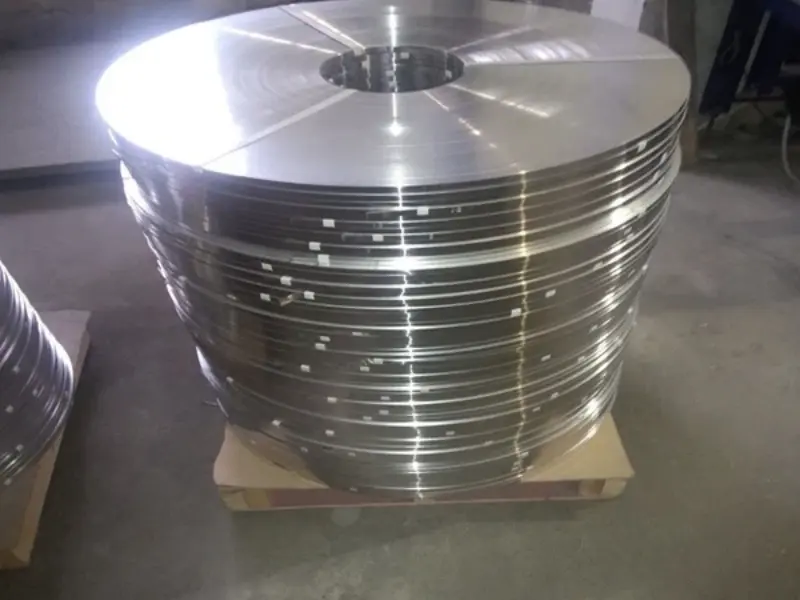
Cheap products may cause installation and durability problems.
Common Issues
- Color fading
- Surface scratches
- Uneven coating
- Poor flatness
- Edge cracking during bending
Reliable suppliers provide stable coating quality and thickness control.
Tips for Better Signage Fabrication
Simple details can improve final results.
Helpful Suggestions
- Use protective film during processing
- Select correct temper
- Avoid excessive bending
- Store coils in dry conditions
- Choose UV-resistant coating for outdoor use
Good handling reduces surface damage.
Key Benefits of Working with a Professional Supplier
Finding a reliable aluminum coil for light box and signage supplier is key to your project’s success. A good supplier offers:
Custom Color Matching
We can match any Pantone or RAL code. This is vital for corporate identity projects where the color must be perfect.
Precise Slitting Services
If you need narrow strips for channel letters, we can slit the wide coil into exact widths (e.g., 60mm or 100mm) with very tight tolerances.
Quality Coating Testing
We perform “Cross-Hatch” tests and “T-Bend” tests on every batch. This ensures that the paint will not crack or peel when you bend the metal into a box shape.
Why Choose Aluminum Coil for Light Box Construction?
When you build a light box, you need a frame that is strong but not too heavy. Steel is strong, but it is heavy and can rust. Plastic is light, but it breaks easily in the sun. An aluminum coil for light box frames offers the perfect balance.
- Weather Resistance: Aluminum naturally creates a protective oxide layer.
- Heat Dissipation: LEDs inside a light box generate heat. Aluminum helps pull that heat away.
- Easy Fabrication: You can bend, cut, and drill aluminum without specialized heavy machinery.
- Eco-Friendly: Aluminum is 100% recyclable, which is great for modern green building standards.
FAQ
What aluminum alloy is best for signage?
3003 aluminum is widely used because it offers good strength and easy processing.
What thickness is suitable for light box aluminum coil?
0.5 mm to 0.8 mm is common for LED light boxes and commercial signs.
What is the difference between PE and PVDF coating?
PE coating is suitable for indoor applications. PVDF coating provides better UV resistance for outdoor signage.
Can aluminum coil be used outdoors?
Yes. PVDF coated aluminum coil has excellent weather resistance and corrosion protection.
Is aluminum coil easy to bend?
Yes. Aluminum coil has good flexibility and is suitable for channel letters and curved signage.
What surface finish is best for advertising signs?
Glossy and matte finishes are common. Brushed and mirror finishes are used for premium decoration.
Why is aluminum better than steel for signage?
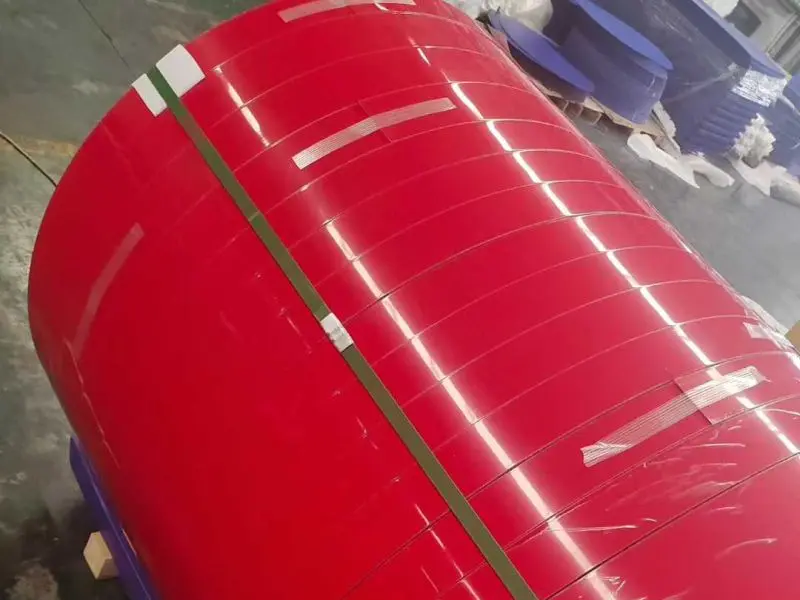
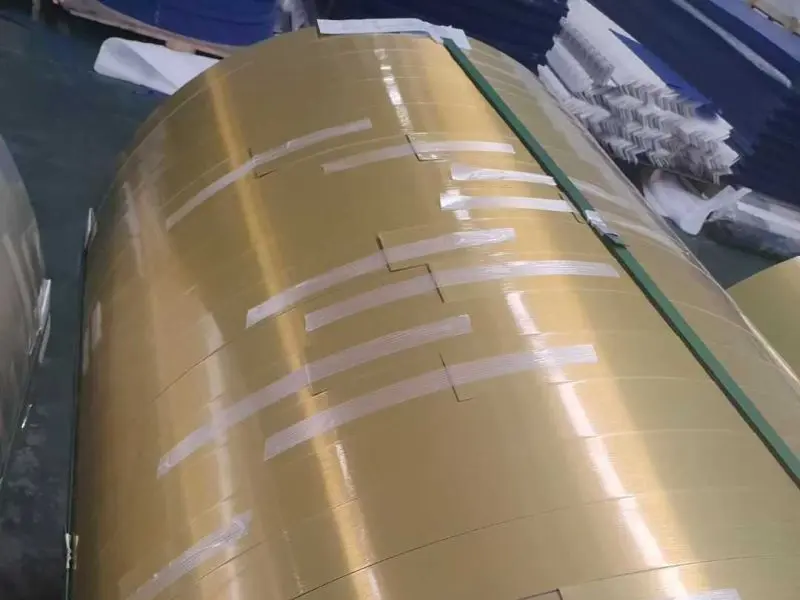
Aluminum is lighter, corrosion resistant, and easier to fabricate.
How do I choose the right thickness for my light box?
For small indoor light boxes, a thickness of 0.5mm to 0.8mm is usually enough. For large outdoor signs that must face wind pressure, you should use 1.5mm to 2.5mm.
Can the aluminum coil be printed on directly?
Yes. Many of our pre-painted coils are compatible with UV flatbed printers. However, it is always best to use a “digital-ready” coating for the best ink adhesion.
Does the aluminum coil come with a protective film?
Yes. Every aluminum coil for light box use should come with a PE protective film. This prevents scratches during the cutting and bending process. You peel it off only after the sign is installed.
Is mirror aluminum better than white aluminum for the inside of a sign?
Mirror aluminum reflects more light (85%−95%), which makes the sign brighter. White aluminum is cheaper but diffuses the light more. Mirror is usually better for thin light boxes where the LEDs are close to the surface.
How do you ship the coils to prevent damage?
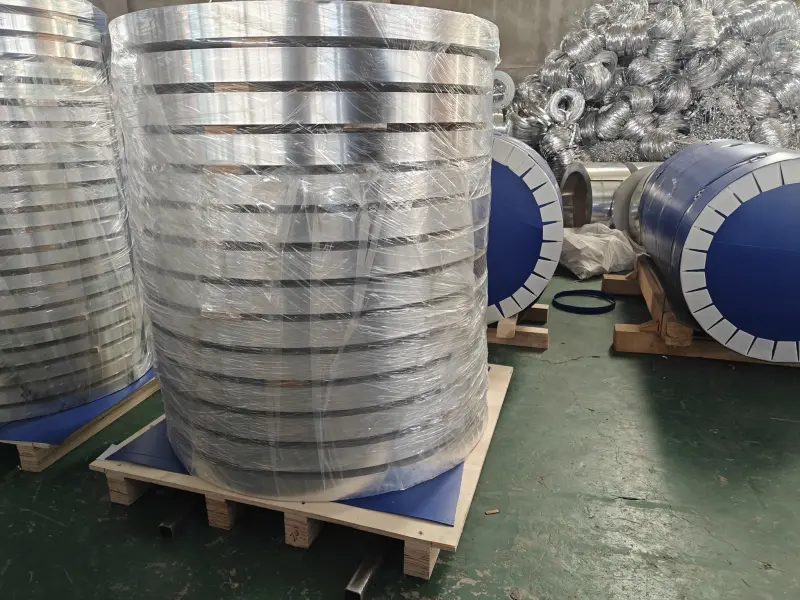
We use eye-to-sky or eye-to-wall packing on wooden pallets. The coils are wrapped in waterproof paper and plastic to prevent “white rust” caused by moisture during sea shipping