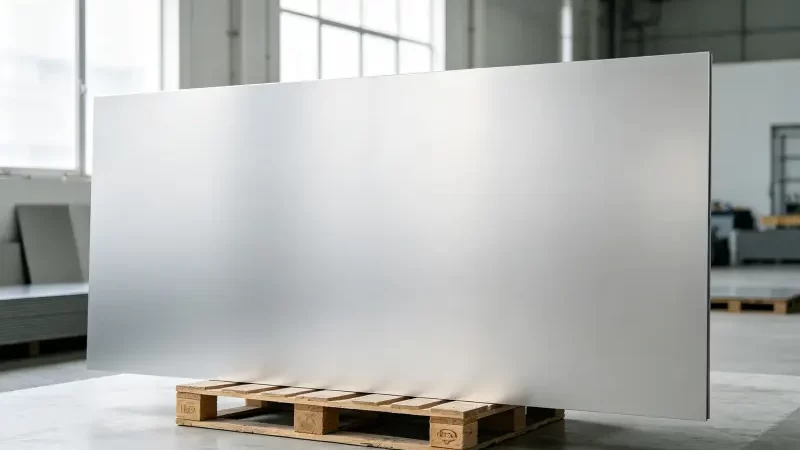
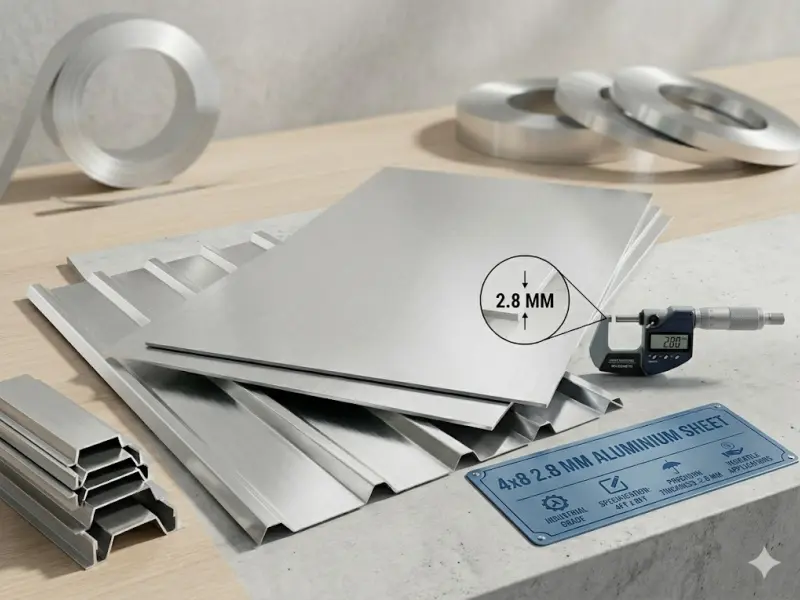
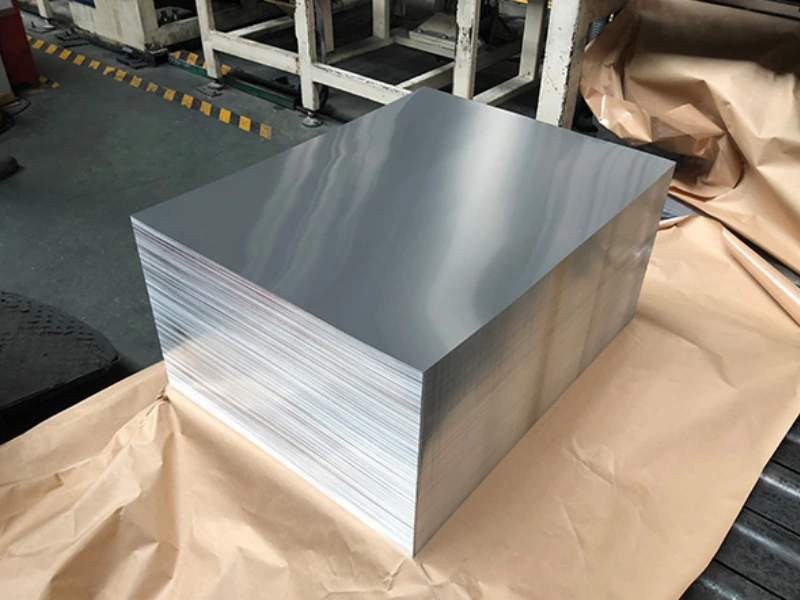
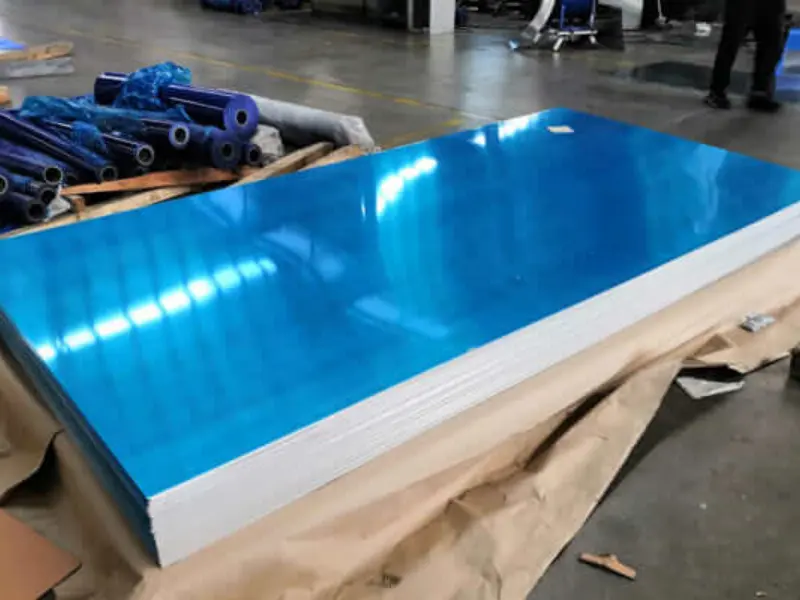
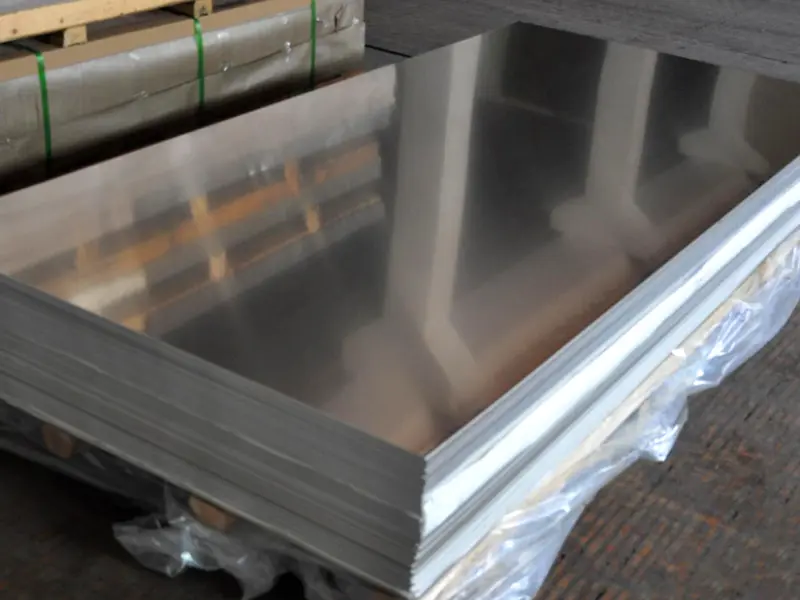
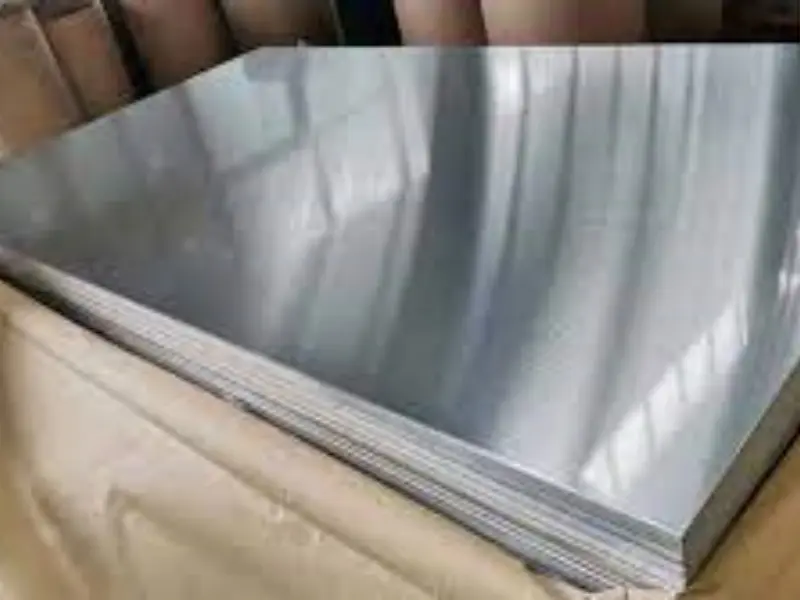
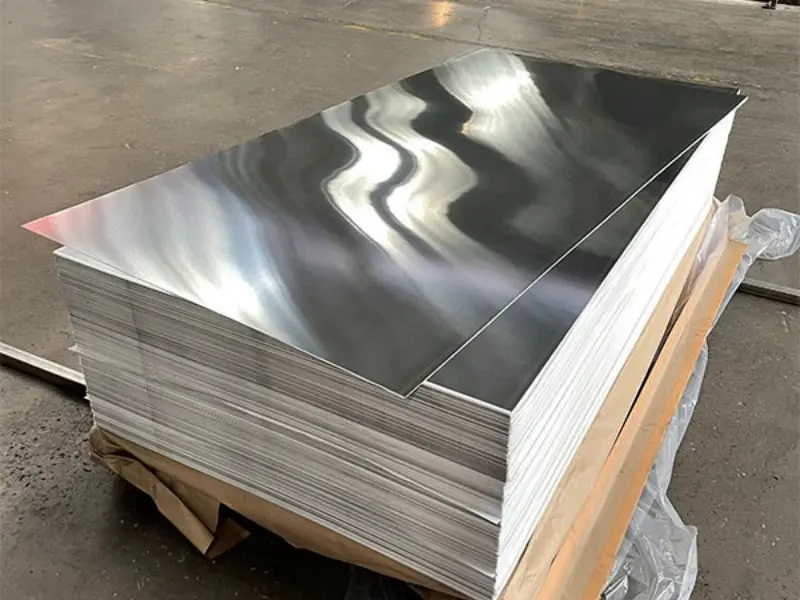
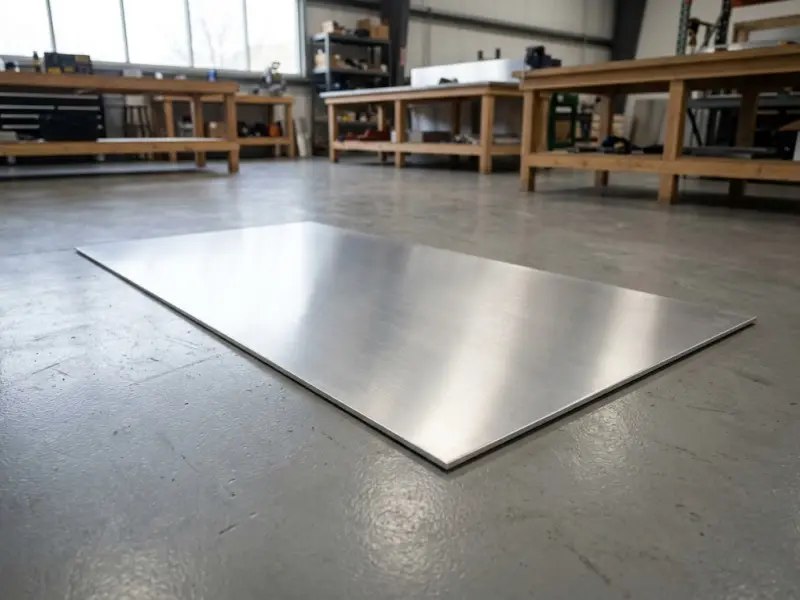
An 8×4 aluminium sheet is a common sheet size for construction, transportation, fabrication, signage, roofing, wall panels, trailers, and industrial projects. The standard size is usually 8 ft × 4 ft, equal to 96 × 48 inches or about 2438 × 1219 mm.
This size is popular because it is easy to handle, cut, transport, and fit into many standard fabrication systems. Buyers can also choose different thicknesses, alloys, tempers, and surface finishes according to the application.
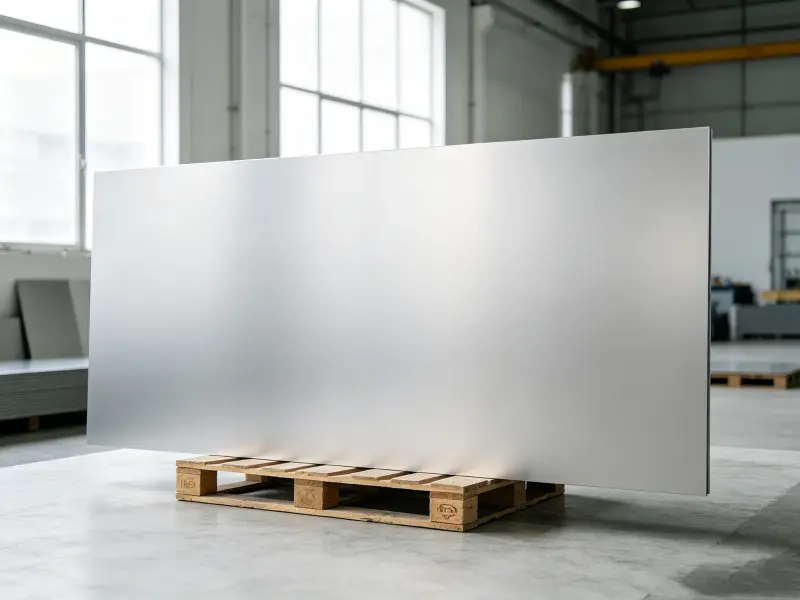
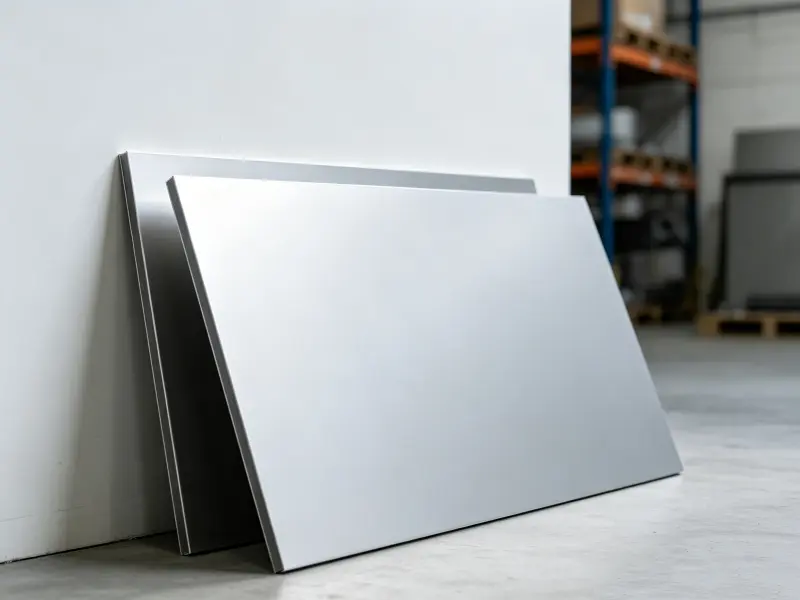
An 8×4 aluminium sheet does not mean only one product. It can be a thin plain sheet, a heavy aluminium plate, a checker plate, a stucco embossed sheet, a coated sheet, or a perforated sheet.
The right specification depends on the project.
Application → Alloy → Temper → Thickness → Surface → Sheet Size → Quantity → Packing → Shipping
What Is an 8×4 Aluminium Sheet?
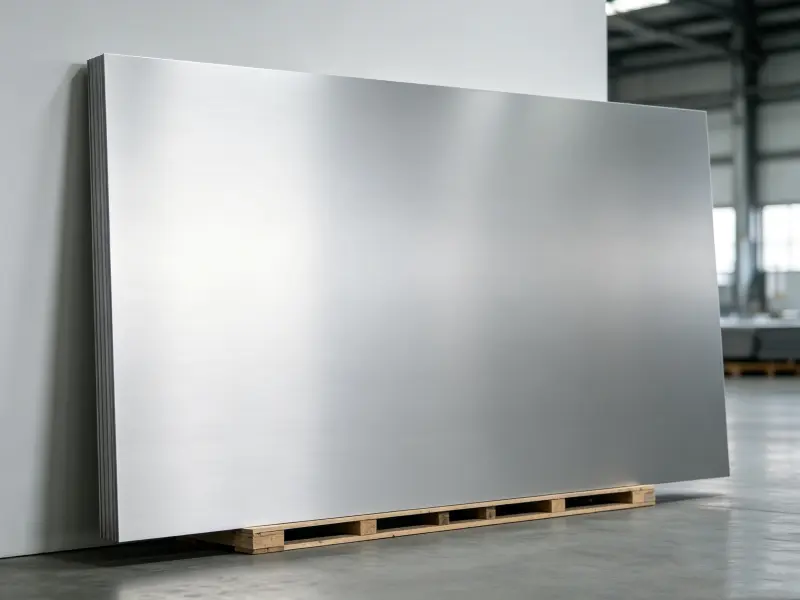
An 8×4 aluminium sheet is a flat aluminium sheet with a nominal size of 8 feet by 4 feet.
It is also commonly searched as:
- 8×4 aluminum sheet
- 8 x 4 aluminium sheet
- 4×8 aluminum sheet
- 4×8 aluminium sheet
- 8ft x 4ft aluminium sheet
- 8 foot by 4 foot aluminum sheet
- aluminium sheet 8×4
- 8×4 aluminium plate
The term “8×4” normally describes the sheet dimensions, not the alloy or thickness.
For example, a buyer may order:
8×4 + 1050 + O + 1 mm + Mill Finish
Or:
8×4 + 5052 + H32 + 2 mm + Plain Surface
These are different products even though the sheet size is the same.
8×4 Aluminium Sheet Size
The standard size is generally:
| Item | Specification |
|---|---|
| Length | 8 ft |
| Width | 4 ft |
| Length in inches | 96 in |
| Width in inches | 48 in |
| Approx. metric size | 2438 × 1219 mm |
| Shape | Rectangular |
| Surface | Plain or customized |
Actual production dimensions and tolerances can vary according to the mill, alloy, thickness, and processing requirements.
Why Is 8×4 a Popular Sheet Size?
The 8×4 format works well for many standard projects.
It provides a relatively large working area without becoming too difficult to move.
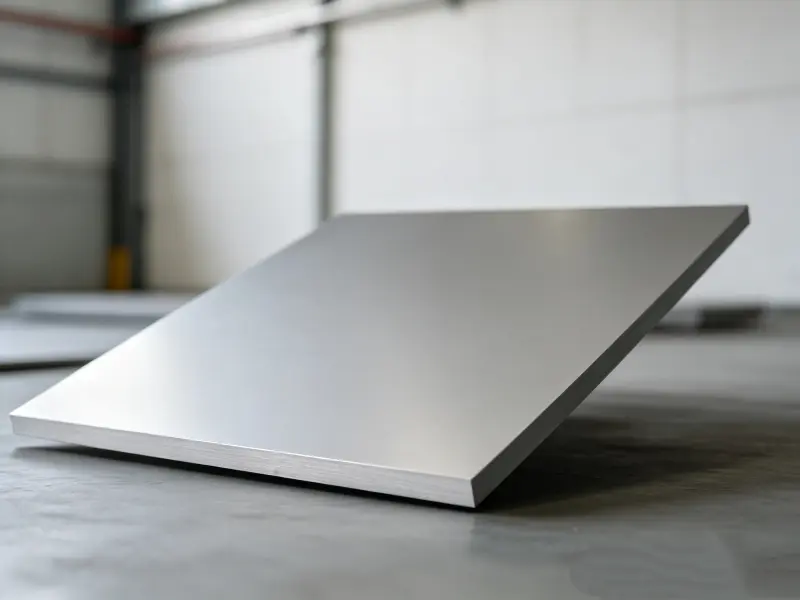
It is often used for wall panels, trailer panels, signs, equipment covers, roofing components, and fabricated parts.
Another benefit is cutting efficiency.
A fabricator can divide one full sheet into smaller panels according to the final design.
For example:
8×4 sheet → Cut → 4 smaller panels → Less handling → Easier installation
The actual cutting layout depends on the required dimensions and the saw or CNC equipment.
Common 8×4 Aluminium Sheet Thicknesses
Thickness is one of the most important purchasing specifications.
Different applications need different levels of strength, weight, flexibility, and forming ability.
| Thickness | Approx. inch size | Typical use |
|---|---|---|
| 0.5 mm | 0.020 in | Light panels |
| 0.8 mm | 0.032 in | Cladding and fabrication |
| 1.0 mm | 0.040 in | Wall panels and signs |
| 1.2 mm | 0.047 in | General fabrication |
| 1.5 mm | 0.059 in | Panels and equipment |
| 2.0 mm | 0.079 in | Transportation and construction |
| 2.5 mm | 0.098 in | Structural panels |
| 3.0 mm | 0.118 in | Heavy-duty fabrication |
| 4.0 mm | 0.157 in | Industrial applications |
| 5.0 mm | 0.197 in | Heavy panels |
| 6.0 mm | 0.236 in | Aluminium plate applications |
Not every alloy is available in every thickness. The final range should be confirmed with the supplier.
0.032 Inch 8×4 Aluminium Sheet
A 0.032 inch sheet is approximately 0.81 mm thick.
This is a useful option when weight is important.
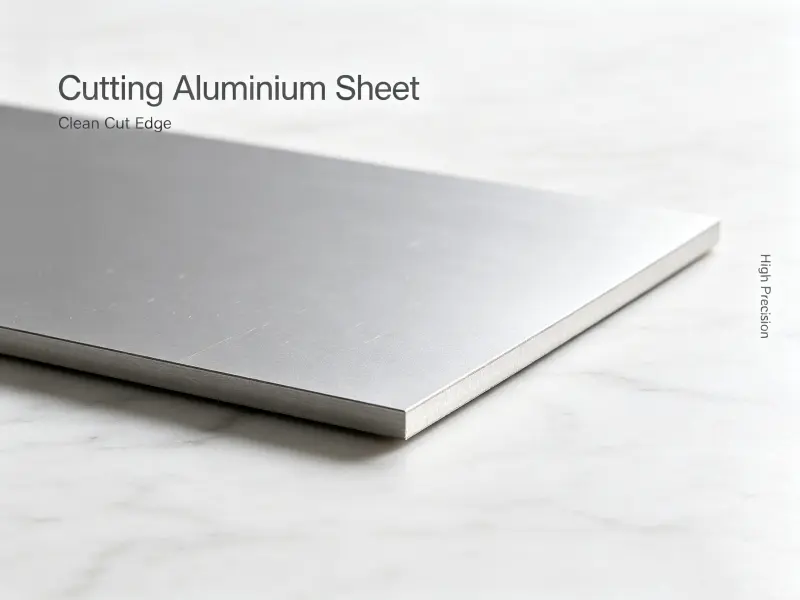
It can be used for:
- Wall cladding
- Sign panels
- Interior panels
- Decorative panels
- Light fabrication
- HVAC covers
- General sheet metal work
It is easier to cut than thicker aluminium plate and can reduce the total weight of a finished product.
0.040 Inch 8×4 Aluminium Sheet
A 0.040 inch aluminium sheet is approximately 1.0 mm thick.
It provides more stiffness than a 0.032 inch sheet while remaining relatively easy to process.
This thickness can be considered for:
- Architectural panels
- Wall covering
- Signage
- Equipment panels
- Trailer components
- General fabrication
0.050 Inch 8×4 Aluminium Sheet
A 0.050 inch sheet is approximately 1.27 mm thick.
It offers a balance between weight and rigidity.
It can be useful for buyers who need a stronger panel but do not want to move directly to a much thicker plate.
0.063 Inch 8×4 Aluminium Sheet
0.063 inch is approximately 1.6 mm.
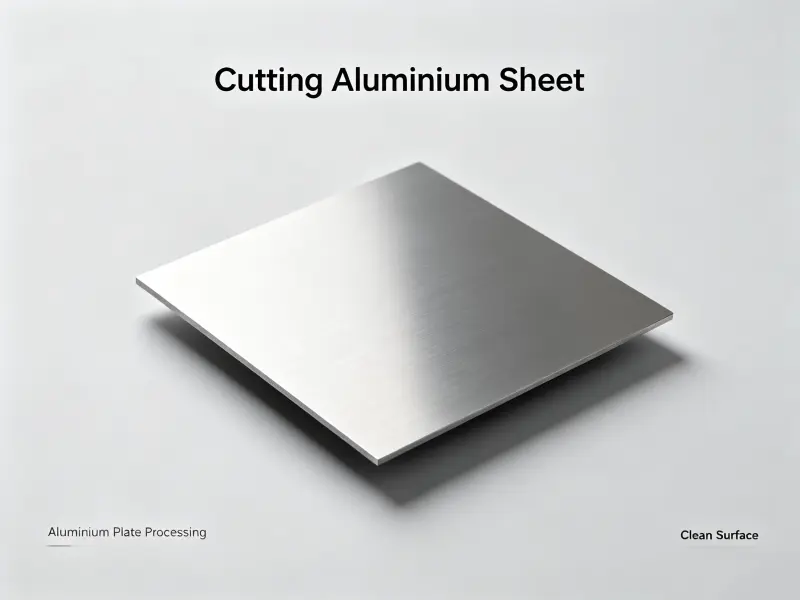
This thickness is commonly considered for medium-duty applications.
It can be used for:
Machine panels
Trailer panels
Transportation parts
Wall panels
Equipment covers
Fabricated structures
1/8 Inch 8×4 Aluminium Sheet
A 1/8 inch sheet is approximately 3.18 mm thick.
This is much more rigid than thin sheet products.
It can be selected for:
- Heavy-duty panels
- Trailer floors
- Industrial equipment
- Platforms
- Machine parts
- Structural fabrication
The alloy and temper become more important as thickness increases.
1/4 Inch 8×4 Aluminium Plate
A 1/4 inch aluminium plate is approximately 6.35 mm thick.
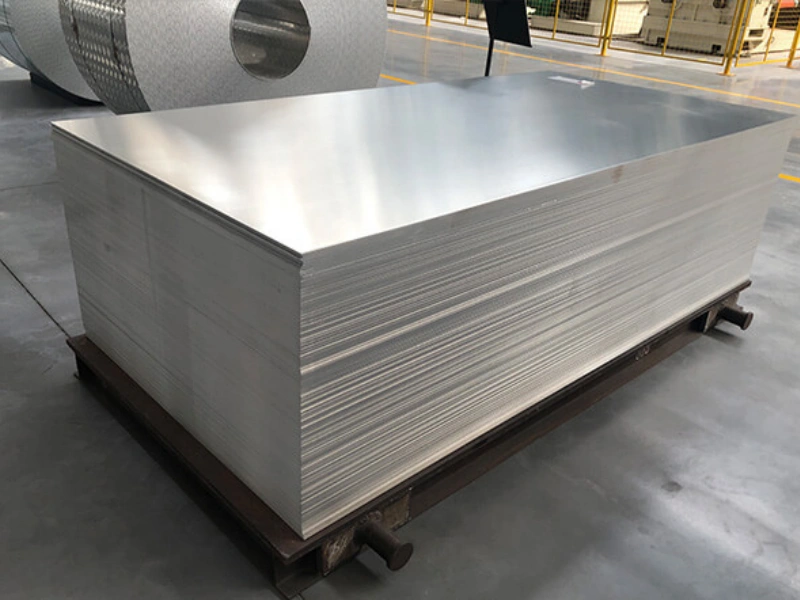
Although many buyers still use the word “sheet,” this thickness is generally treated as aluminium plate in many markets.
It is suitable for heavier fabrication where rigidity and strength are important.
Possible applications include:
- Industrial equipment
- Machine bases
- Heavy-duty platforms
- Transportation structures
- Marine fabrication
- Structural components
Thickness Comparison for 8×4 Sheets
| Thickness | Weight | Rigidity | Forming | Typical direction |
|---|---|---|---|---|
| 0.8 mm | Low | Low | Easy | Light panels |
| 1.0 mm | Low | Medium-low | Easy | Cladding |
| 1.5 mm | Medium | Medium | Good | General fabrication |
| 2.0 mm | Medium | Medium | Good | Transportation |
| 3.0 mm | Higher | High | Moderate | Heavy panels |
| 5.0 mm | High | Very high | Limited | Industrial |
| 6.35 mm | Very high | Very high | Limited | Plate applications |
A thicker sheet is not automatically better. The correct thickness depends on the final use.
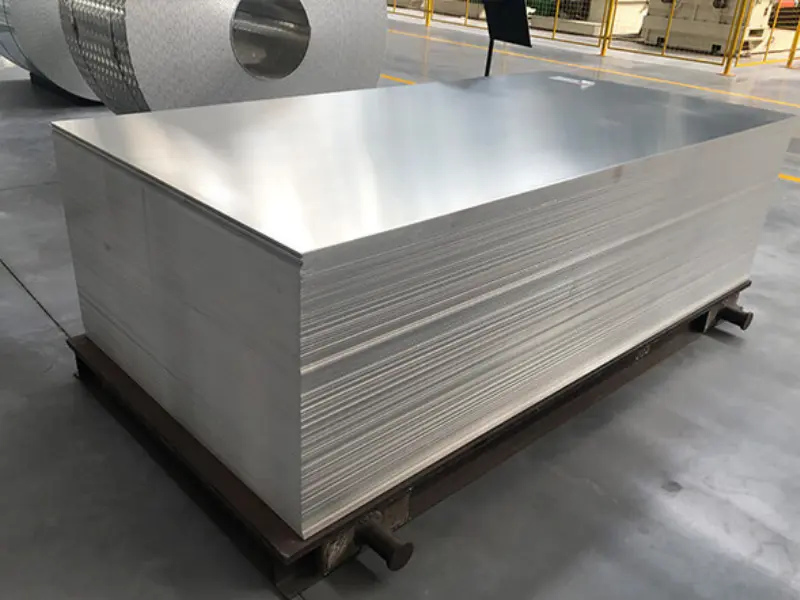
8×4 Aluminium Sheet Alloy Options
The alloy should be selected according to strength, corrosion resistance, forming, welding, and surface requirements.
Common options include:
- 1050
- 1060
- 1100
- 3003
- 3004
- 3105
- 5052
- 5083
- 6061
Each alloy has a different role.
1050 8×4 Aluminium Sheet
1050 is a high-aluminium-content alloy.
It has good electrical and thermal conductivity and good forming ability.
- Decorative panels
- Electrical applications
- Reflective panels
- General fabrication
- Light-duty components
It is more suitable when high strength is not the main requirement.
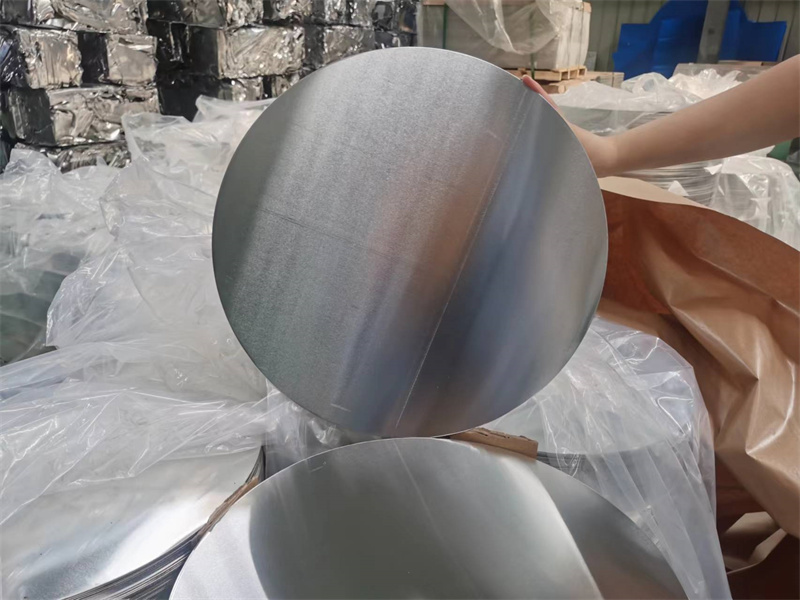
1060 8×4 Aluminium Sheet
1060 is another high-purity aluminium alloy.
It is soft and easy to form.
Typical applications can include:
- General sheet metal
- Electrical applications
- Reflective products
- Decorative panels
- Light fabrication
For stronger structural applications, buyers may need another alloy.
3003 8×4 Aluminium Sheet
3003 contains manganese and provides higher strength than many 1xxx-series alloys.
It also offers good forming ability and corrosion resistance.
It can be used for:
- Roofing
- Wall panels
- HVAC applications
- Equipment covers
- General fabrication
- Transportation components
3105 8×4 Aluminium Sheet
3105 is commonly associated with building and coating applications.
It can be supplied as plain or coated aluminium sheet.
Potential applications include:
- Roofing panels
- Wall cladding
- Building panels
- Interior panels
- Decorative products
5052 8×4 Aluminium Sheet
5052 is a popular choice for applications requiring a combination of strength and corrosion resistance.
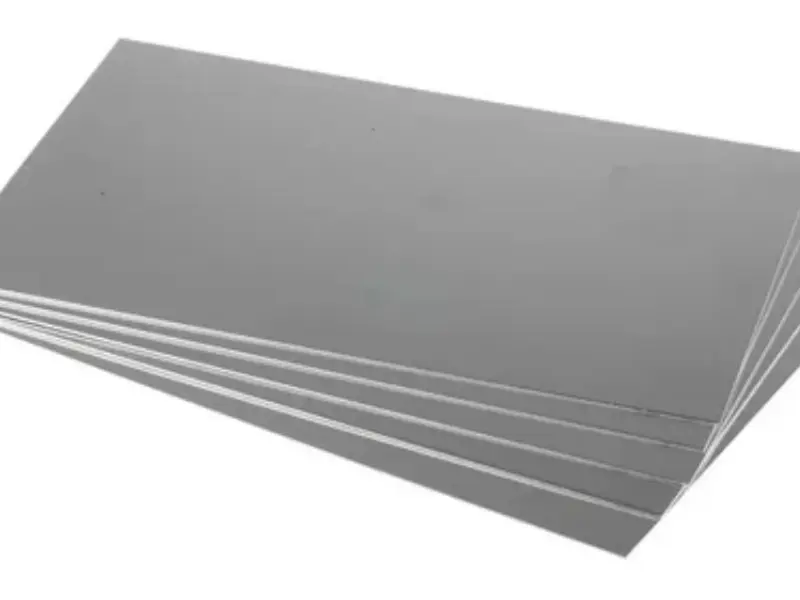
It is especially useful in transportation and marine-related fabrication.
Applications include:
Vehicle panels
Trailers
Truck bodies
Marine components
Equipment panels
Fuel tanks
Industrial parts
5083 8×4 Aluminium Sheet
5083 offers higher strength and good corrosion resistance.
It is often considered for demanding applications.
Typical applications include:
- Marine structures
- Heavy transportation
- Industrial equipment
- Pressure-related fabrication
- Structural components
6061 8×4 Aluminium Sheet
6061 is a heat-treatable aluminium alloy.
It provides good strength and is widely used for structural fabrication.
It can be used for:
- Machine parts
- Frames
- Platforms
- Structural panels
- Transportation equipment
- Industrial fabrication
The temper, such as T6, has a major effect on its mechanical properties.
Alloy Comparison

| Alloy | Strength | Forming | Corrosion resistance | Common applications |
|---|---|---|---|---|
| 1050 | Low | Very good | Good | Electrical and decorative |
| 1060 | Low | Very good | Good | General sheet |
| 3003 | Medium | Good | Good | Construction and equipment |
| 3105 | Medium | Good | Good | Roofing and cladding |
| 5052 | Medium-high | Good | Very good | Trailers and marine |
| 5083 | High | Moderate | Excellent | Marine and heavy fabrication |
| 6061 | High | Moderate | Good | Structural and industrial |
Aluminium Sheet Temper Options
The temper controls the mechanical condition of the aluminium.
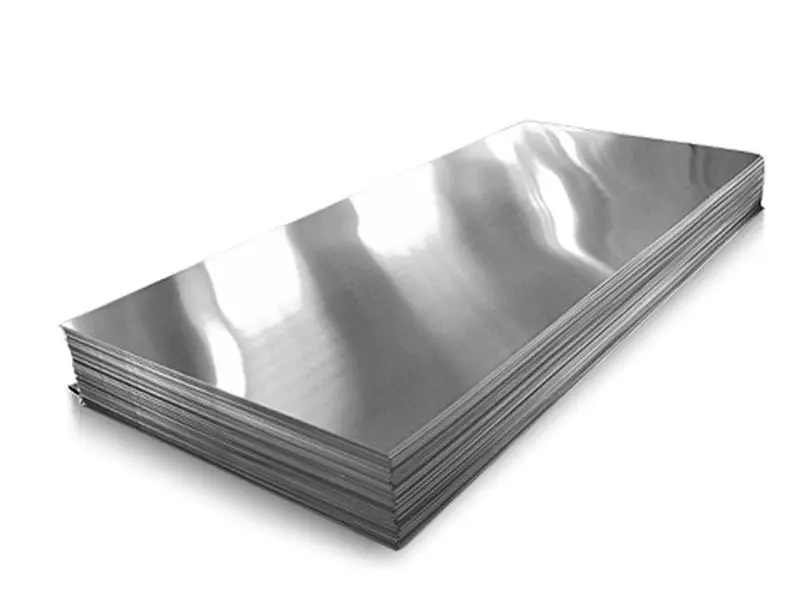
Common conditions include:
- O
- H12
- H14
- H16
- H18
- H22
- H24
- H32
- H34
- T6
The available temper depends on the alloy.
O Temper
O temper is a soft, annealed condition.
It is useful when the sheet needs to be formed, bent, or stamped.
H14 and H16
H14 and H16 provide higher hardness than O temper.
They can be suitable for applications that require more rigidity.
H32
H32 is widely used with 5xxx-series aluminium.
It offers a useful balance between strength and formability.
It is commonly considered for transportation, equipment, and general fabrication.
T6
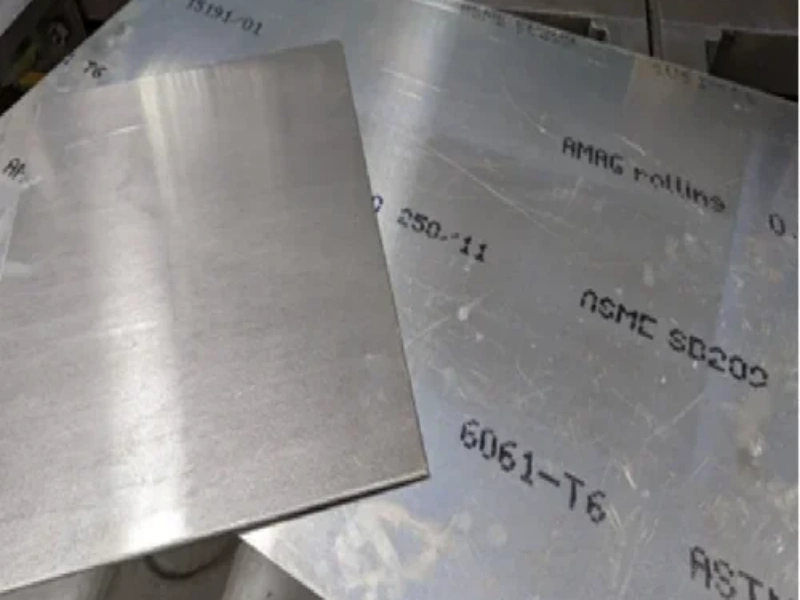
T6 is common with heat-treatable alloys such as 6061.
It provides high strength compared with many non-heat-treated conditions.
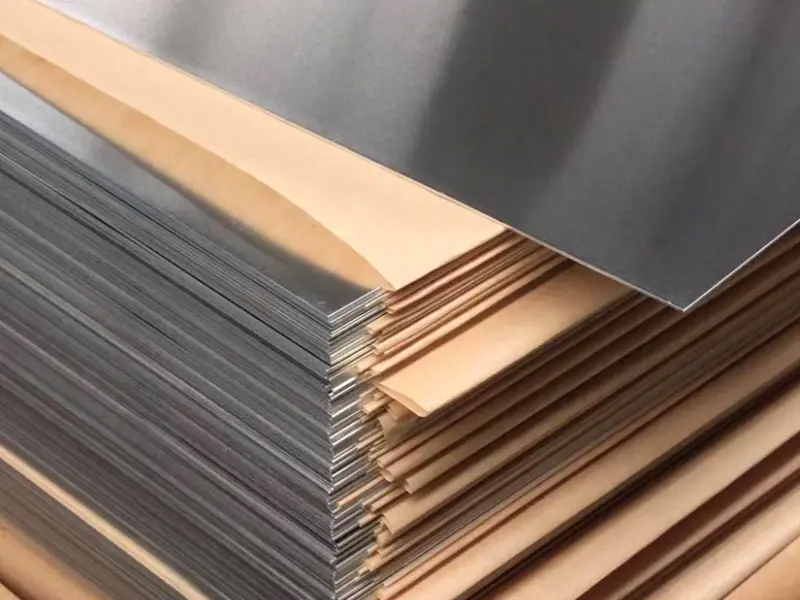
8×4 Plain Aluminium Sheet
Plain aluminium sheet has a smooth mill finish without a raised pattern.
It is one of the most flexible options for fabrication.
It can be:
- Cut
- Bent
- Drilled
- Stamped
- CNC machined
- Painted
- Anodized
- Powder coated
- Laminated
The final surface treatment depends on the project.
8×4 Aluminium Checker Plate
Checker plate has a raised pattern on one side.
The pattern can improve grip and provide a distinctive appearance.

Applications include:
- Trailer floors
- Truck steps
- Workshop floors
- Platforms
- Stair treads
- Vehicle interiors
- Tool boxes
- Industrial walkways
Checker plate is often selected when both appearance and slip resistance are important.
8×4 Stucco Aluminium Sheet
Stucco embossed aluminium sheet has a textured surface.
The pattern can help reduce the visibility of small scratches and surface marks.
It can be used for:
- Wall panels
- Roofing
- Insulation jacketing
- Interior decoration
- Equipment panels
- Refrigeration applications
8×4 Perforated Aluminium Sheet
Perforated aluminium sheet contains regularly arranged holes.
Hole size, spacing, shape, and open area can be customized.
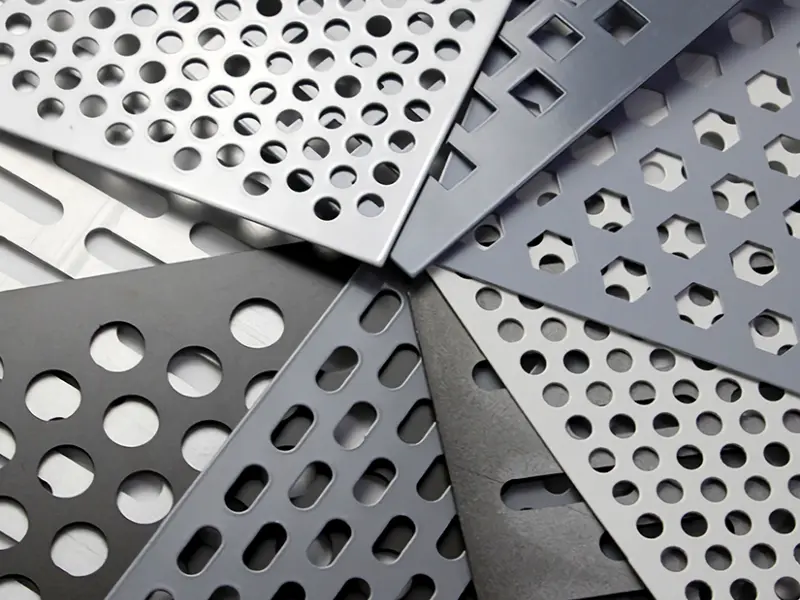
Applications include:
Architectural facades
Ventilation panels
Machine guards
Acoustic panels
Decorative walls
Airflow covers
Industrial screens
8×4 Coated Aluminium Sheet
Coated aluminium can be supplied with a painted or protective surface.
Common coating options include:
- PE coating
- PVDF coating
- Powder coating
- Other customized coatings
Coated products are useful when appearance and additional surface protection are important.
8×4 Aluminium Sheet for Trailers
Trailer manufacturing is one of the important applications for aluminium sheet.
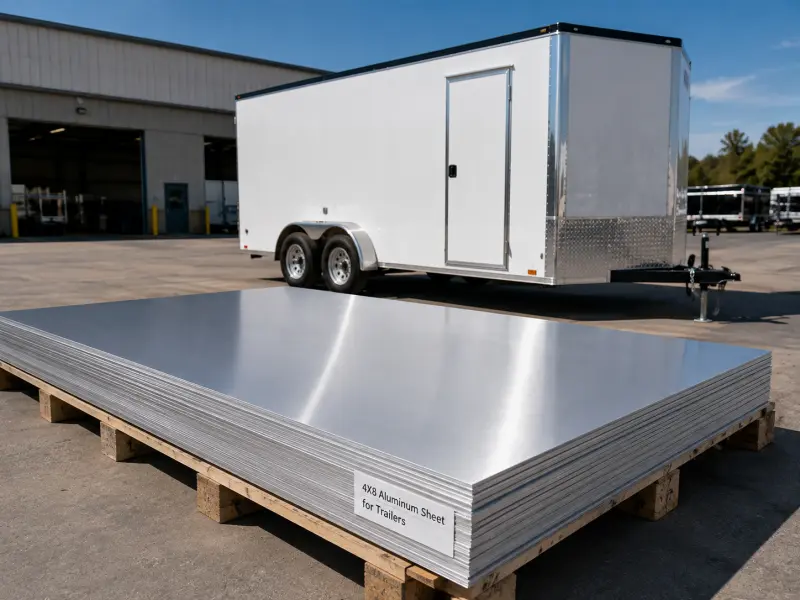
The material can reduce vehicle weight while providing useful corrosion resistance.
Depending on the trailer design, buyers may choose:
5052 + H32 + 1.5–3.0 mm
or other suitable specifications.
Applications include:
- Trailer side panels
- Trailer doors
- Interior walls
- Floor components
- Tool compartments
- Utility trailers
- Food trailers
The required specification depends on the trailer structure and local regulations.
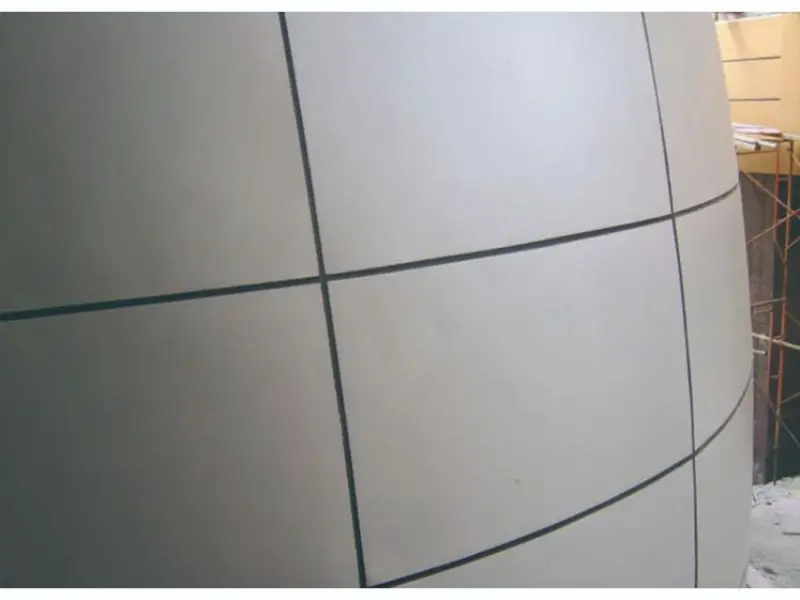
8×4 Aluminium Sheet for Wall Panels
Large sheets are convenient for wall and architectural applications.
An 8×4 panel can cover a relatively large area with fewer joints.
Applications include:
- Interior wall panels
- Exterior cladding
- Commercial buildings
- Workshops
- Warehouses
- Retail interiors
- Decorative walls
Coated aluminium is often considered when color and appearance are important.
8×4 Aluminium Sheet for Roofing
Aluminium has good corrosion resistance and a relatively low weight.
It can be used for roofing systems and roof components.
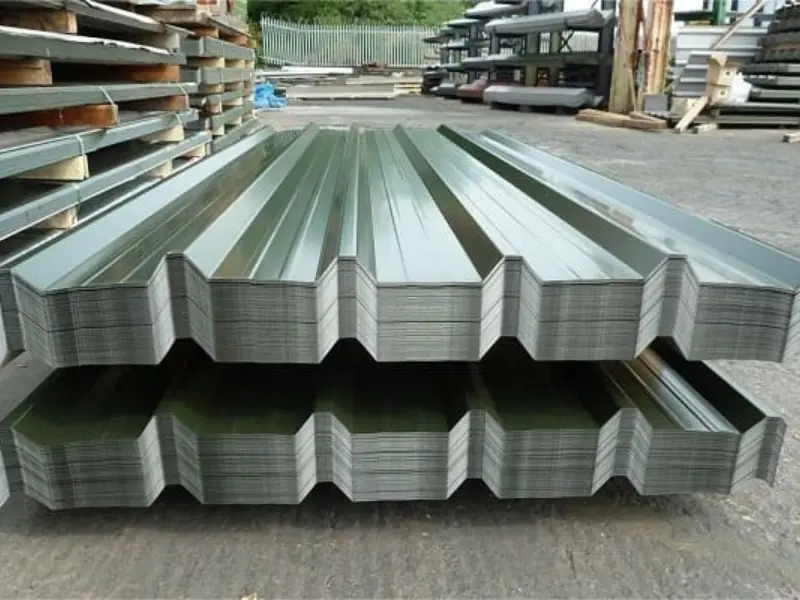
Possible applications include:
- Roof panels
- Roof flashing
- Roof cladding
- Canopies
- Industrial buildings
- Agricultural structures
The exact thickness and coating should be selected according to the roofing design.
8×4 Aluminium Sheet for Signs
Sign manufacturers often need flat sheets that are easy to cut and process.
Aluminium is suitable for many indoor and outdoor signs.
It can be:
- Cut to shape
- Printed
- Painted
- Laminated
- CNC routed
- Drilled
Typical alloys include 1050, 1060, 3003, and other suitable grades.
8×4 Aluminium Sheet for HVAC
Aluminium sheet is also used for heating, ventilation, and air-conditioning components.
Applications can include:
- Duct covers
- Equipment panels
- Ventilation parts
- Air-conditioning components
- Insulation cladding
The alloy and thickness depend on forming and service requirements.
8×4 Aluminium Sheet for Industrial Equipment
Industrial equipment often needs custom-cut panels.
An 8×4 sheet can be used as the starting material for CNC cutting and fabrication.
Applications include:
- Machine covers
- Electrical cabinets
- Equipment guards
- Platforms
- Frames
- Industrial panels
- Fabricated parts
For stronger components, 5052, 5083, or 6061 may be considered depending on the design.
4×8 vs 8×4 Aluminium Sheet
The terms 4×8 and 8×4 usually describe the same basic rectangular sheet size.
| Search term | Common meaning |
|---|---|
| 8×4 aluminium sheet | 8 ft × 4 ft |
| 4×8 aluminium sheet | 4 ft × 8 ft |
| 8 x 4 aluminum sheet | Same basic size |
| 8ft x 4ft aluminium sheet | Same dimensional concept |
| 96 x 48 aluminium sheet | Inch-based description |
The order of the dimensions usually changes with the market or application. Buyers should confirm which dimension is length and which is width before production.
8×4 Aluminium Sheet vs Aluminium Plate
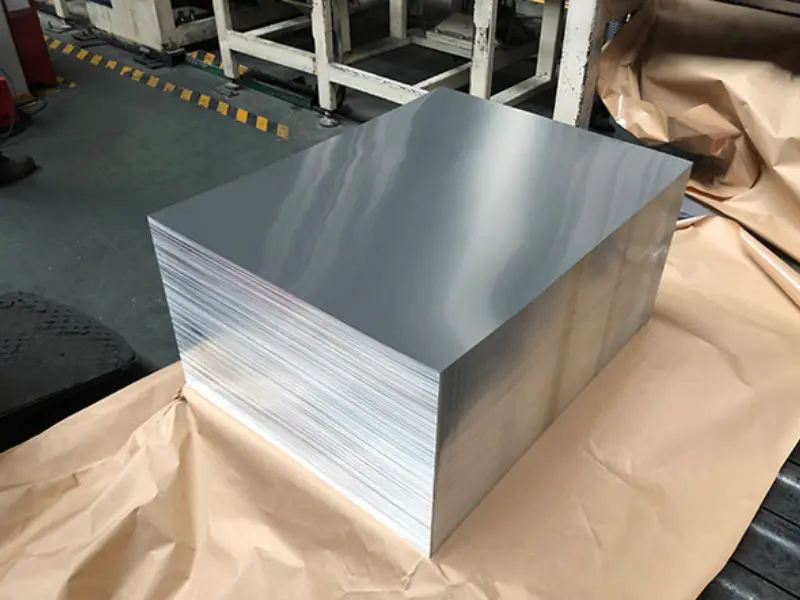

The main difference is usually thickness.
| Product | Typical description | Application |
|---|---|---|
| Thin aluminium sheet | Relatively light | Panels and cladding |
| Medium aluminium sheet | General fabrication | Transportation and equipment |
| Heavy aluminium sheet | Higher rigidity | Industrial fabrication |
| Aluminium plate | Thick material | Structural and heavy-duty parts |
There is no single global thickness boundary that applies to every market. The terminology can vary between suppliers and regions.
8×4 Aluminium Sheet vs Steel Sheet
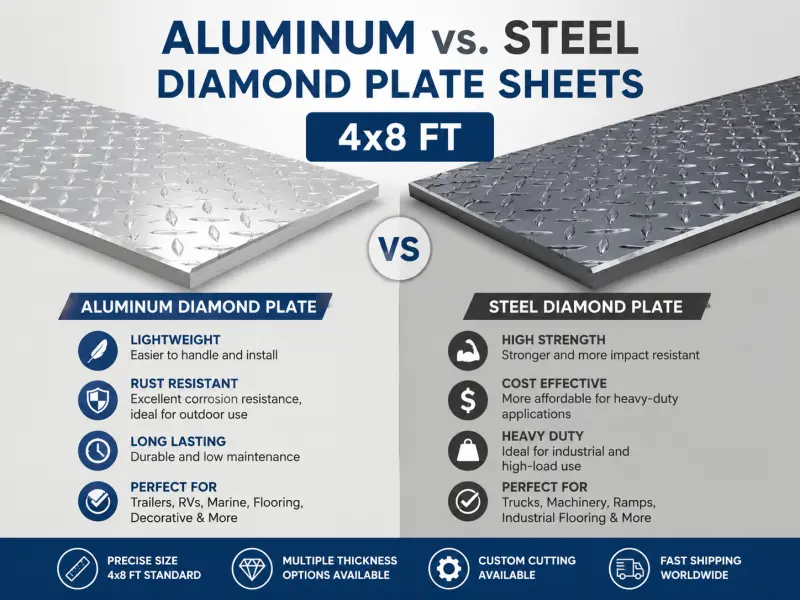
Aluminium and steel have different properties.
| Feature | Aluminium | Steel |
|---|---|---|
| Weight | Lower | Higher |
| Corrosion resistance | Generally good | Often needs protection |
| Cutting | Relatively easy | Depends on grade |
| Forming | Good for many grades | Good for many grades |
| Appearance | Metallic | Metallic |
| Transportation use | Common | Common |
| Structural strength | Depends on alloy | Depends on grade |
The right material depends on the project rather than one material being suitable for every application.
Mill Finish vs Coated Aluminium Sheet
| Surface | Appearance | Typical use |
|---|---|---|
| Mill finish | Natural metallic | Fabrication |
| Brushed | Directional texture | Decoration |
| Anodized | Protective decorative surface | Architecture |
| PE coated | Colored surface | General building |
| PVDF coated | Durable architectural coating | Exterior applications |
| Stucco | Embossed texture | Roofing and insulation |
| Checker | Raised pattern | Floors and steps |
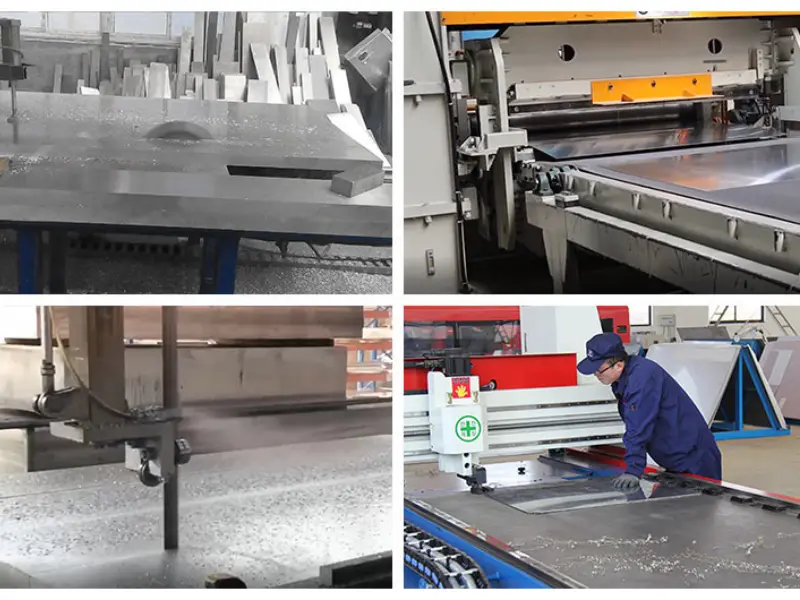
Custom Cutting for 8×4 Aluminium Sheet
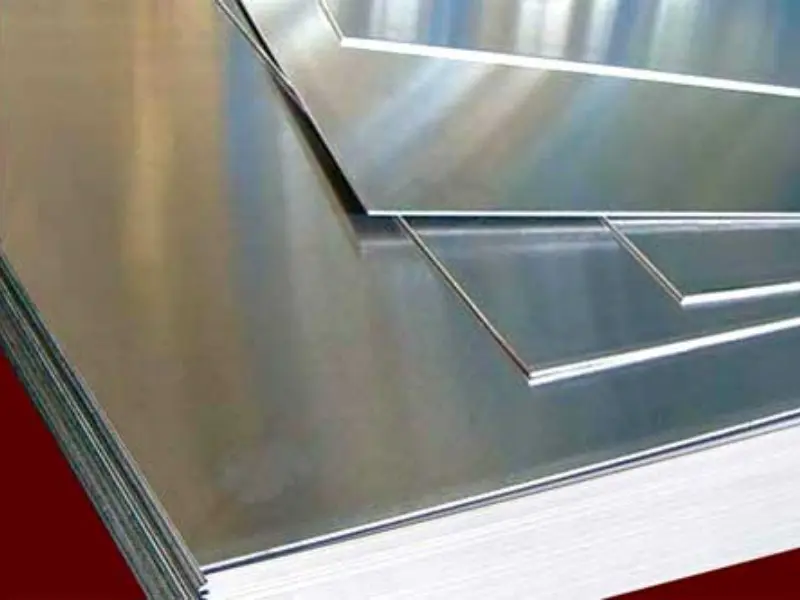
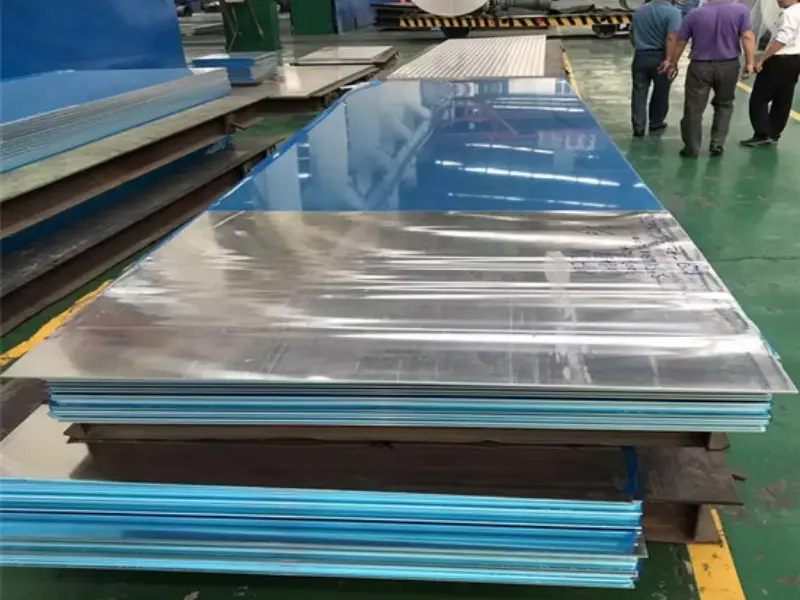
A full 8×4 sheet can be cut into smaller sizes.
For example:
8×4 → 4×4 → 2×4 → 2×2
The cutting plan depends on the final product.
Common cutting methods include:
- Guillotine cutting
- Circular saw cutting
- CNC cutting
- Laser cutting
- Waterjet cutting
For simple straight cuts, mechanical cutting can be efficient.
For complex shapes, CNC or other precision cutting methods may be more suitable.
Weight of an 8×4 Aluminium Sheet
Sheet weight depends mainly on:
Length × Width × Thickness × Density
Because aluminium alloys have slightly different densities, the actual weight can vary.
As a simple reference, a 2438 × 1219 mm sheet will become much heavier as the thickness increases.
| Approx. thickness | Relative weight |
|---|---|
| 0.8 mm | Light |
| 1.0 mm | Light |
| 1.5 mm | Medium |
| 2.0 mm | Medium |
| 3.0 mm | Higher |
| 5.0 mm | Heavy |
| 6.35 mm | Very heavy |
For international shipping, buyers should confirm the actual net weight and packing weight with the supplier.
What Should Buyers Specify?
A clear inquiry makes quotation faster.
Buyers can provide:
- Product name
- Size
- Alloy
- Temper
- Thickness
- Surface
- Quantity
- Application
- Cutting requirements
- Packaging requirements
- Destination port
A simple inquiry can look like this:
8×4 aluminium sheet + 5052 H32 + 2 mm + mill finish + 500 sheets + trailer panels
This gives the supplier enough information to start checking availability and price.
Recommended Specification Flow
For different applications, the purchasing process can follow different paths.
For Construction
Wall / Roof → 3003 or 3105 → Required temper → 1.0–3.0 mm → Plain or Coated → 8×4
For Trailers
Trailer → 5052 → H32 → 1.5–3.0 mm → Plain → 8×4
For Marine Use
Marine structure → 5052 / 5083 → Suitable temper → Required thickness → Mill Finish → 8×4
For Industrial Parts
Equipment → 5052 / 6061 → Required temper → 2–6 mm → Mill Finish → 8×4
These are starting points rather than universal specifications. Final selection should be based on the engineering requirements of the project.
Quality Control
For an aluminium sheet manufacturer, quality control can cover the complete production process.
Raw Material → Casting → Hot Rolling → Cold Rolling → Annealing → Leveling → Cutting → Surface Inspection → Dimension Inspection → Packing
Important inspection items include:
- Alloy composition
- Thickness
- Length
- Width
- Flatness
- Surface quality
- Mechanical properties
- Temper
- Edge condition
- Quantity
- Packing condition
For cut-to-size orders, dimensional tolerance is especially important.
Surface Quality Matters
A clean surface is important for many applications.
Buyers may request limits for:
- Scratches
- Oil marks
- Oxidation
- Black spots
- Dent marks
- Roll marks
- Edge cracks
- Surface contamination
If the sheet will be painted, printed, or coated, surface preparation becomes even more important.
Packaging and Shipping
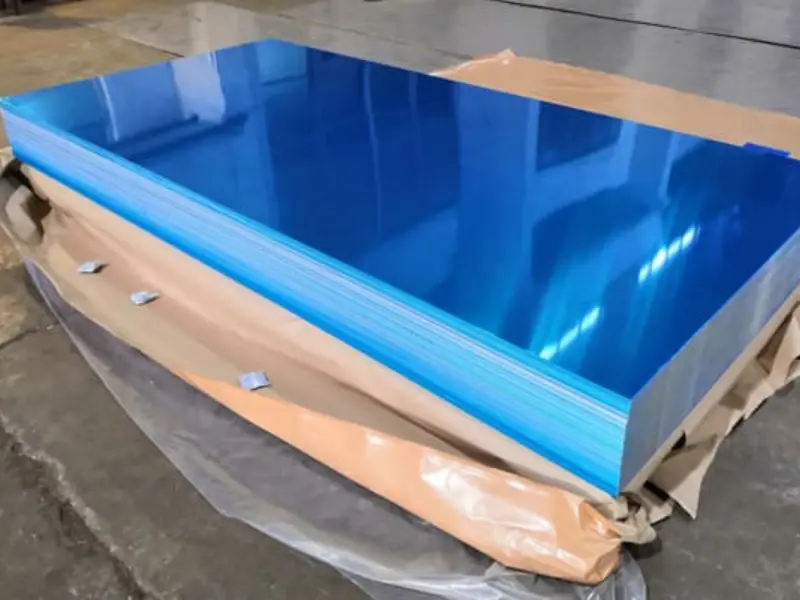
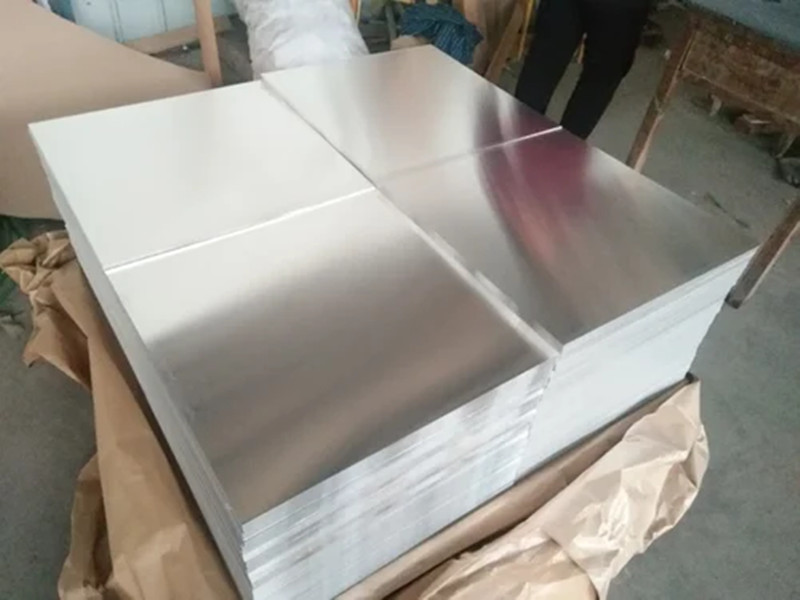
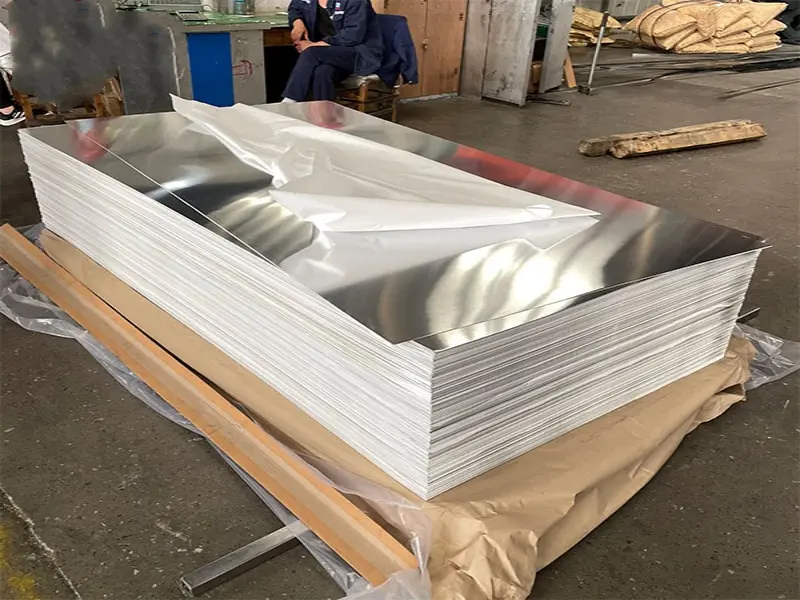
An 8×4 aluminium sheet is relatively large, so packaging needs to protect the edges and surface.
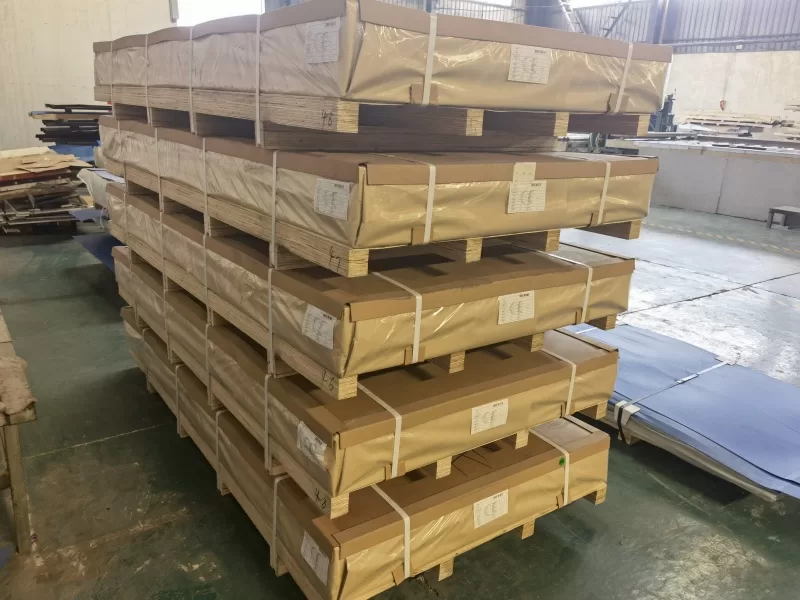
Export packaging may include:
- Waterproof paper
- Plastic film
- Wooden pallets
- Edge protection
- Steel straps
- Wooden cases when required
The packing method should consider the shipping route and destination.
For container shipments, the supplier should also consider the final loading height and weight.
Small Orders and Bulk Orders
Different buyers have different purchasing needs.
Small Quantity
Small orders may be suitable for:
- Product testing
- Sample production
- Fabrication shops
- New projects
- Small construction work
Bulk Quantity
Large orders may be used by:
- Distributors
- Trailer manufacturers
- Building material companies
- Sign manufacturers
- Industrial fabricators
- Construction companies
For bulk orders, buyers can discuss production schedules, standard packing, container loading, and repeat supply.
How Much Does an 8×4 Aluminium Sheet Cost?
The price is not determined by size alone.
Important price factors include:
| Factor | Effect on price |
|---|---|
| Aluminium market price | Major factor |
| Alloy | Different grades have different costs |
| Thickness | More material means higher weight |
| Temper | Processing affects cost |
| Surface | Coating or embossing adds processing |
| Cutting | Custom cutting adds cost |
| Quantity | Bulk orders may change the unit price |
| Packing | Special packing adds cost |
| Freight | Depends on destination |
A buyer should compare quotations using the same alloy, thickness, temper, surface, quantity, and delivery terms.
Why Buy 8×4 Aluminium Sheet from a Manufacturer?
A direct manufacturer can usually provide more control over specifications.
Potential benefits include:
- Alloy customization
- Thickness selection
- Temper selection
- Surface options
- Cut-to-size service
- Custom packing
- Production inspection
- Technical support
- Bulk supply
- Export experience
For B2B buyers, direct communication can also make it easier to discuss technical requirements.
Common 8×4 Aluminium Sheet Combinations
Here are several product combinations that buyers may search for:
| Product type | Example specification | Application |
|---|---|---|
| Thin aluminium sheet | 1050 O, 0.8 mm | Light fabrication |
| General sheet | 1060 O, 1.0 mm | Panels |
| Construction sheet | 3003 H14, 1.5 mm | Building |
| Coated sheet | 3105 H14, 1.0 mm | Roofing |
| Trailer sheet | 5052 H32, 2.0 mm | Trailers |
| Industrial sheet | 5052 H32, 3.0 mm | Equipment |
| Marine sheet | 5083, 4.0 mm | Marine fabrication |
| Structural plate | 6061 T6, 6.35 mm | Heavy fabrication |
| Checker plate | 5052, 2.0–3.0 mm | Floors and steps |
| Stucco sheet | 3003, 1.0–2.0 mm | Insulation and cladding |
These combinations can be adjusted according to the customer’s actual requirements.
FAQ About 8×4 Aluminium Sheet
What size is an 8×4 aluminium sheet?
An 8×4 aluminium sheet normally refers to an 8 ft × 4 ft sheet, or approximately 2438 × 1219 mm.
Is 8×4 the same as 4×8 aluminium sheet?
In most purchasing situations, both terms describe the same basic rectangular size. The buyer should confirm the length and width orientation with the supplier.
What thicknesses are available?
Common options include 0.8 mm, 1.0 mm, 1.5 mm, 2 mm, 3 mm, 4 mm, 5 mm, and 6.35 mm. Other thicknesses can also be available depending on the alloy and production requirements.
What alloy should I choose for trailer panels?
5052 is commonly considered for trailer and transportation applications because of its combination of strength, formability, and corrosion resistance. The final alloy and temper should match the trailer design.
Can I buy 8×4 aluminium checker plate?
Yes. Checker plate can be supplied in an 8×4 format with different thicknesses and alloy options.
Can 8×4 aluminium sheets be coated?
Yes. Aluminium sheets can be supplied with options such as PE, PVDF, powder coating, or other surface treatments, depending on the product.
Can the sheet be cut into smaller sizes?
Yes. Sheets can be cut by shearing, sawing, CNC, or other methods according to the required dimensions.
What is the difference between aluminium sheet and aluminium plate?
The main difference is thickness, although the terminology varies between markets and suppliers. Thick products are often called aluminium plate.
Is 5052 stronger than 1050?
5052 generally provides higher strength than 1050. 1050 is more focused on high aluminium content and good formability. The suitable alloy depends on the application.
Is 6061 available in 8×4 size?
Yes, 6061 can be supplied in flat sheet or plate formats in various dimensions. Availability depends on thickness, temper, and production capacity.
Can I order a custom thickness?
Yes. Custom thicknesses may be available depending on the alloy, temper, quantity, and production line.
Can I order a custom size instead of 8×4?
Yes. Buyers can request other standard or custom dimensions. Cut-to-size service can also be discussed.
What information should I provide for a quotation?
Provide the size + alloy + temper + thickness + surface + quantity + application + destination.
For example:
8×4 + 5052 H32 + 2 mm + Mill Finish + 1,000 Sheets + Trailer Panels
This allows the supplier to prepare a more accurate quotation.
Request a Quote for 8×4 Aluminium Sheet
If you are sourcing 8×4 aluminium sheet for construction, trailers, transportation, signage, roofing, wall panels, or industrial fabrication, send your basic requirements to the supplier.
Size → Alloy → Temper → Thickness → Surface → Quantity → Application → Destination
For example:
8×4 ft → 5052 → H32 → 2 mm → Mill Finish → 500 Sheets → Trailer Panels → USA
The supplier can then confirm available specifications, production time, packing method, and shipping options.