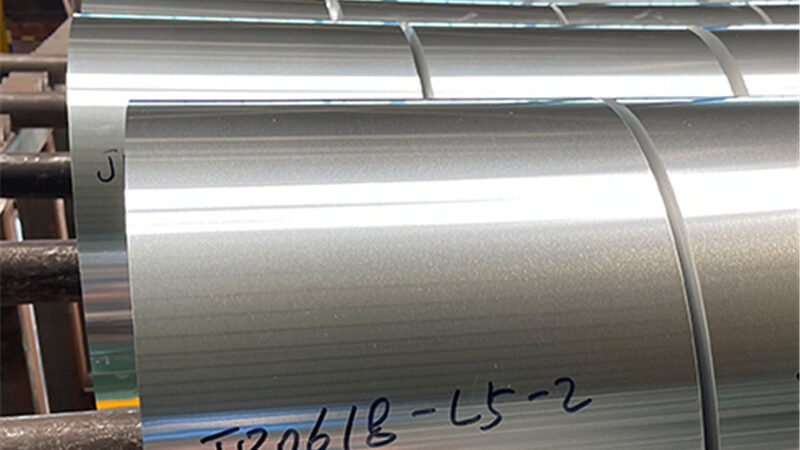
8011 O Temper Aluminum Foil Jumbo Roll
Nowadays, there are many package materials in our daily life. Common packaging includes plastic bags, cartons and so on.
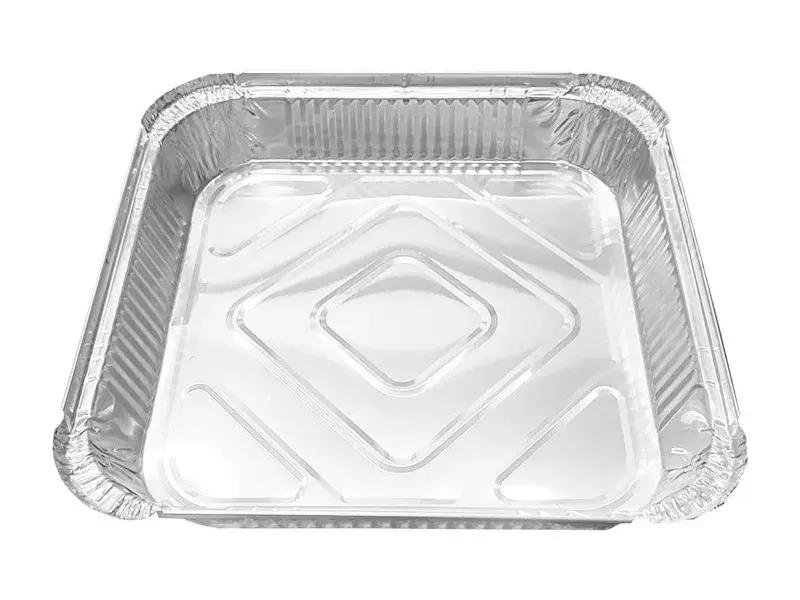
With the development of technology, metal packaging appeared. The most popular metal packaging is aluminum foil packaging. Aluminum foil takes aluminum alloy as material, and it has applications in food and medicine packaging.
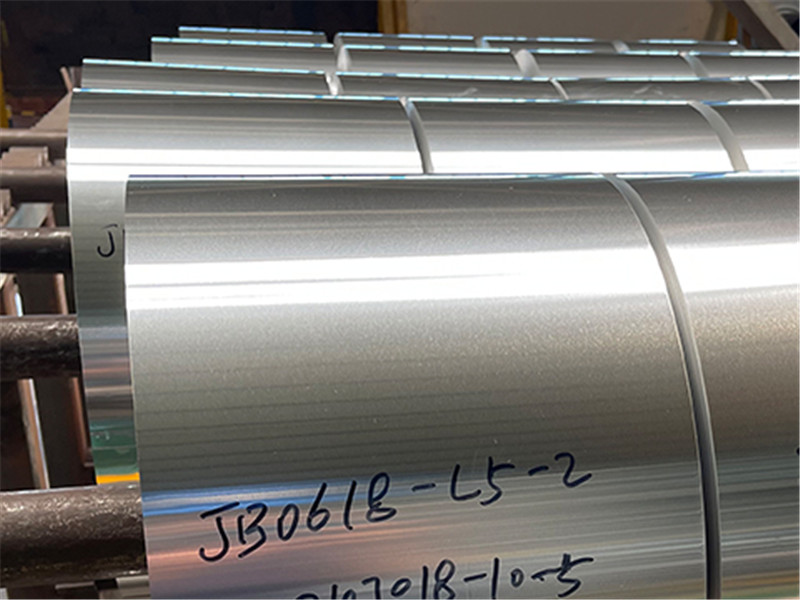
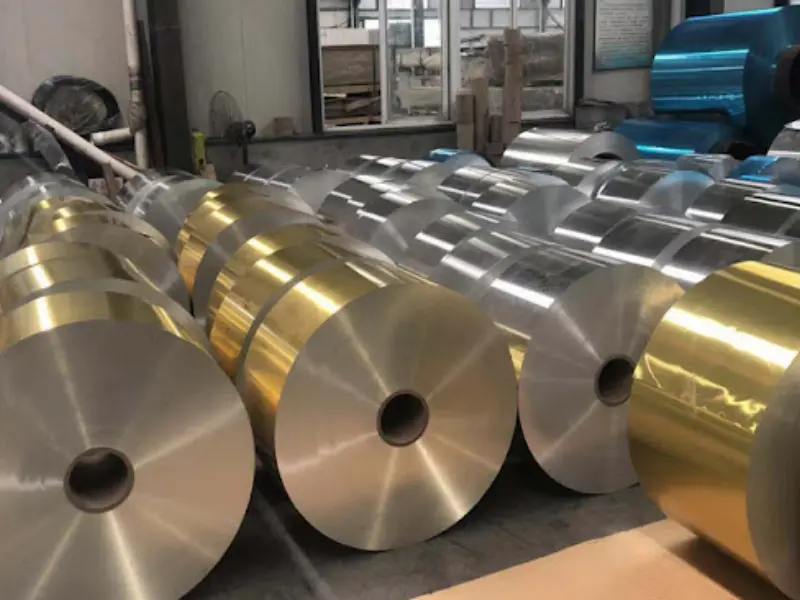
At present, 8011 aluminum foil is the first choice for many people. It adds Al-Fe-Si element.
The alloy properties of more than 1% of the total alloying elements have corresponding advantages. The common material tempers include O, H14, H16, H18 etc.
Different Types of 8011 Aluminum Foil Products
Depending on your industry, the 8011 alloy can be customized into various types. Each type serves a unique purpose based on its thickness and surface treatment.
1. Household Aluminum Foil Jumbo Rolls
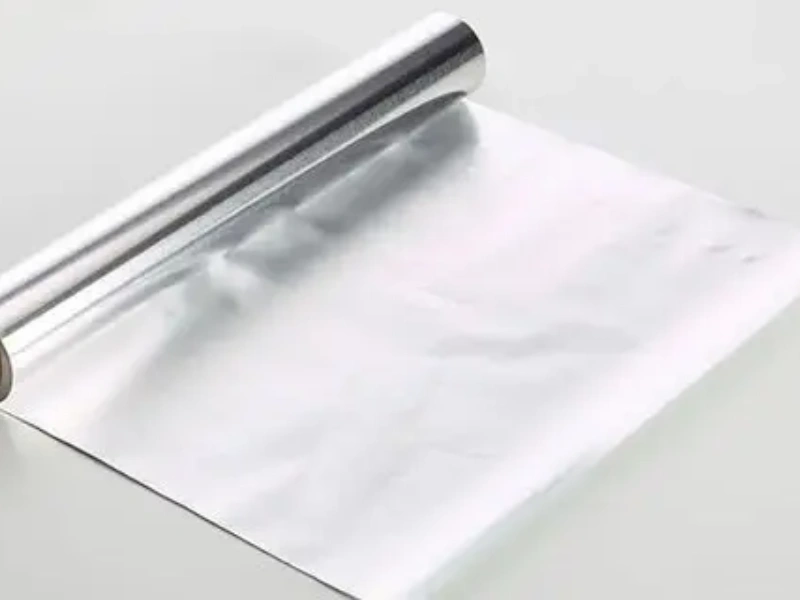
This is the most common type for kitchen foil. It is in thicknesses ranging from 0.008 mm to 0.02 mm. It is safe for food contact and provides an excellent barrier against light and moisture.
2. Pharmaceutical Foil (Blister Foil)
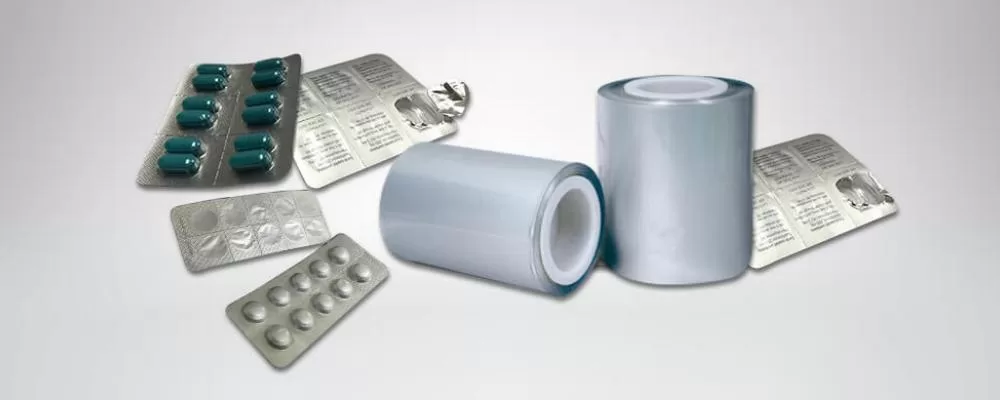
In the medical field, safety is the priority. 8011 O foil has uses for the “push-through” part of pill packs. It is typically laminated with other materials to ensure a sterile environment for medicine.
3. Container Foil
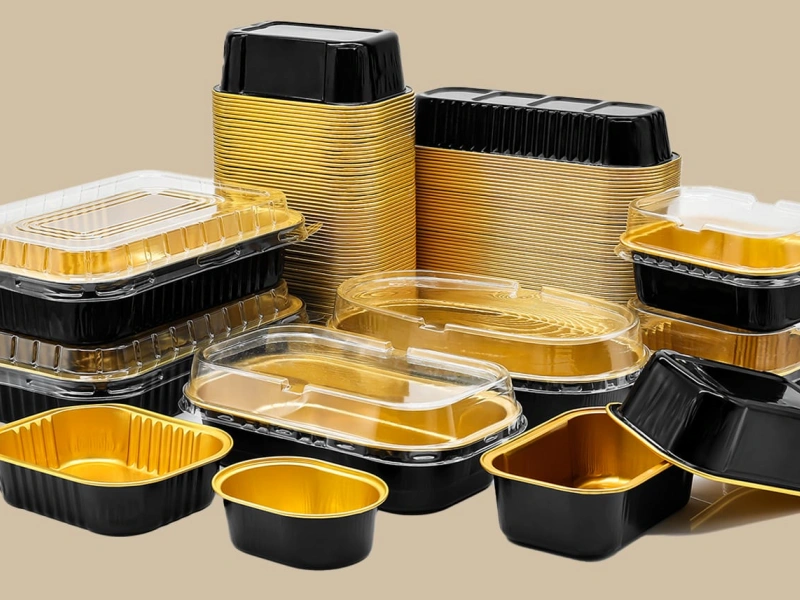
If you manufacture disposable food trays or airline meal boxes, you need a slightly thicker version of the 8011 alloy.
4. Lidding Foil
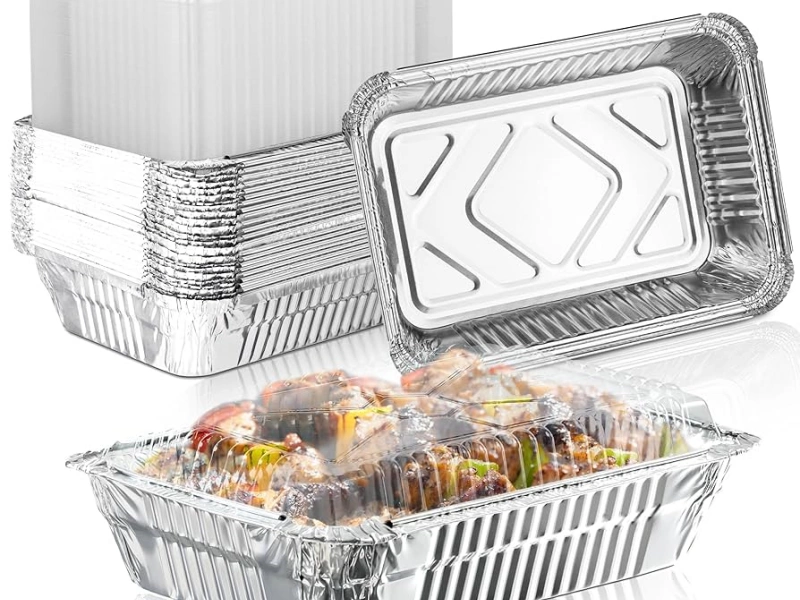
Used for yogurt cups, milk bottles, and coffee pods. It is usually coated with a heat-seal lacquer on one side to ensure a leak-proof seal.
Comparing 8011 with Other Common Alloys
Choosing the right alloy is essential for cost-efficiency and performance. Here is how 8011 compares to other popular options like 1235 and 3003.
| Feature | 8011 Alloy | 1235 Alloy | 3003 Alloy |
|---|---|---|---|
| Strength | High | Low | Very High |
| Flexibility | Excellent | Very High | Medium |
| Common Use | Household & Pharma | Flexible Packaging | Containers & HVAC |
| Cost | Mid-range | Economical | Higher |
| Durability | Good | Fair | Excellent |
Why choose 8011 over 1235?
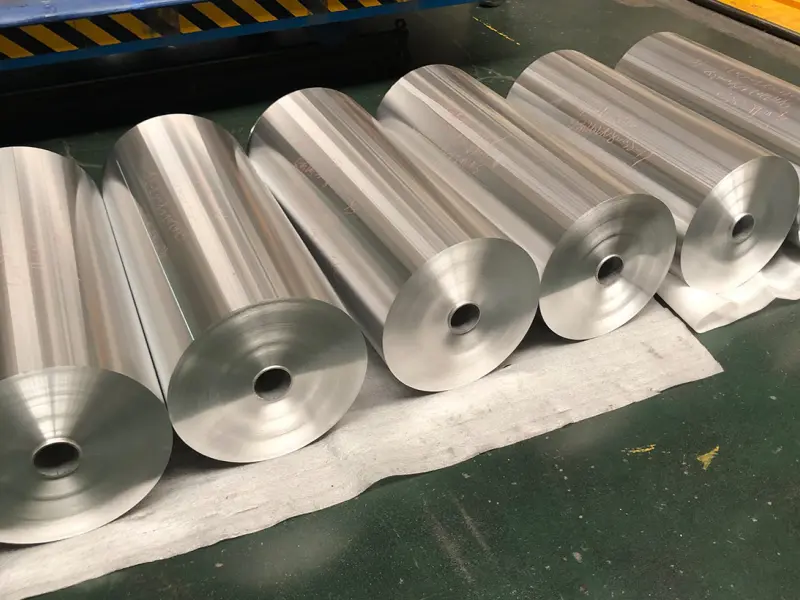
While 1235 has a higher aluminum content (over 99.35%), it is much softer. 8011 contains more iron and silicon, which gives it better mechanical strength. If your packaging needs to resist tearing, 8011 O is the better choice.
Classification by Thickness
We categorize our jumbo rolls into three main thickness grades. Each grade is suited for different manufacturing processes.
Light Gauge Foil (6−9 microns)
- Applications: Lamination with paper or plastic, cigarette packaging, and milk carton linings.
- Key Feature: Extremely thin but provides a complete light barrier.
Medium Gauge Foil (10−25 microns)
- Applications: Household foil rolls, hair salon foil, and chocolate wrapping.
- Key Feature: Versatile and easy to handle for consumer-level products.
Heavy Gauge Foil (>25 microns)
- Applications: Semi-rigid containers, industrial heat shields, and cable wrapping.
- Key Feature: High structural integrity and heat resistance.
Core Application Fields
The versatility of 8011 O Temper Aluminum Foil Jumbo Roll allows it to be in numerous sectors. Here is a detailed look at where this product excels:
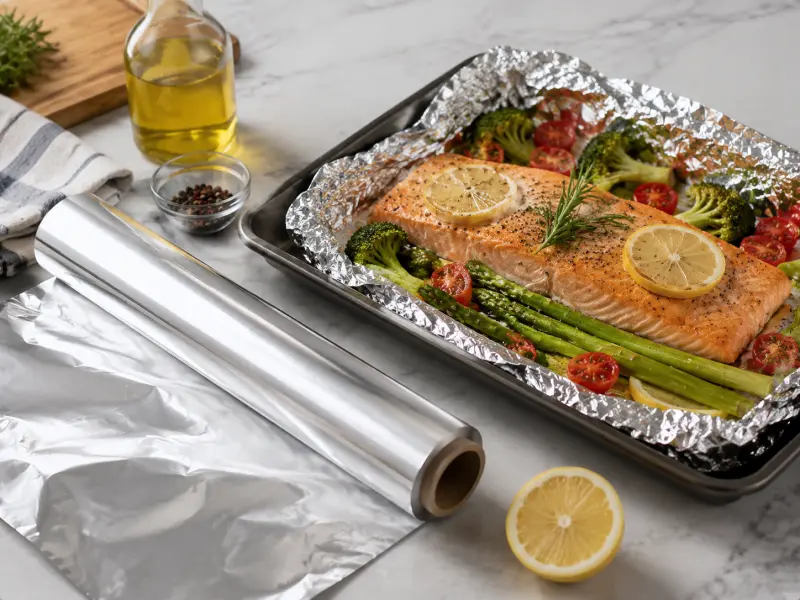
Food Packaging and Service
Snack Packaging: Laminated with plastic to keep chips and nuts crispy.
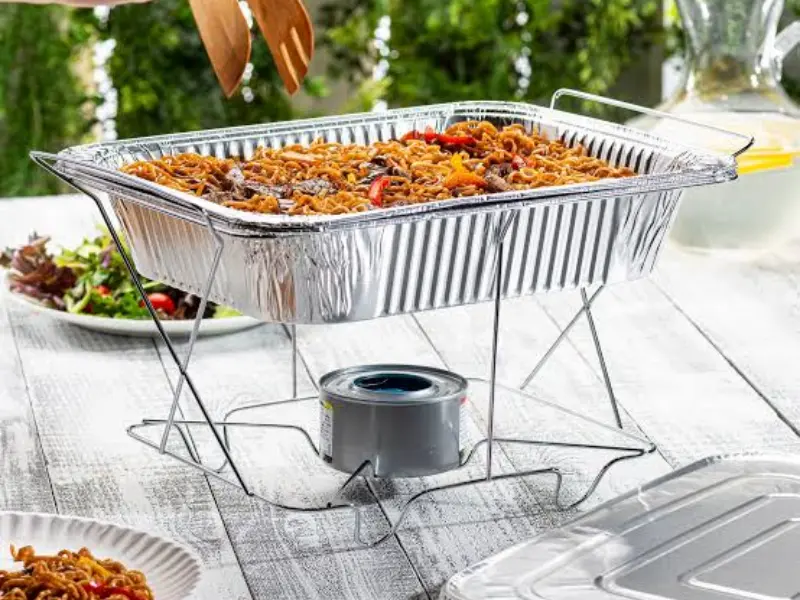
Catering: Used in hotels and restaurants to keep food warm and moist.
Baking: Protects pie crusts and meats from over-browning in the oven.
Medical and Healthcare
- Pill Blisters: Provides a barrier against oxygen and moisture to extend shelf life.
- Surgical Equipment: Used in sterile packaging for sensitive medical tools.
Industrial Applications
- Cable Shielding: Wrapped around power and communication cables to prevent electromagnetic interference.
- HVAC Systems: Used in air conditioning heat exchangers for efficient heat transfer.
- Building Insulation: Reflects radiant heat in roofs and walls to save energy.
The Production Process: From Ingot to Jumbo Roll
To ensure the high quality of our 8011 O foil, we follow a strict manufacturing process:
- Melting and Casting: Aluminum ingots are melted with specific amounts of Iron (Fe) and Silicon (Si).
- Cold Rolling: The aluminum is through heavy rollers to reduce its thickness.
- Intermediate Annealing: The foil is heated to maintain workability.
- Finish Rolling: The foil reaches its final thickness (e.g., 0.01 mm).
- Annealing (O Temper): The final jumbo roll is in an oven for a long period. This “softens” the foil to the O temper state.
- Slitting and Testing: The roll is trimmed to the customer’s required width and tested for pinholes and tensile strength.
Quality Indicators for Jumbo Rolls
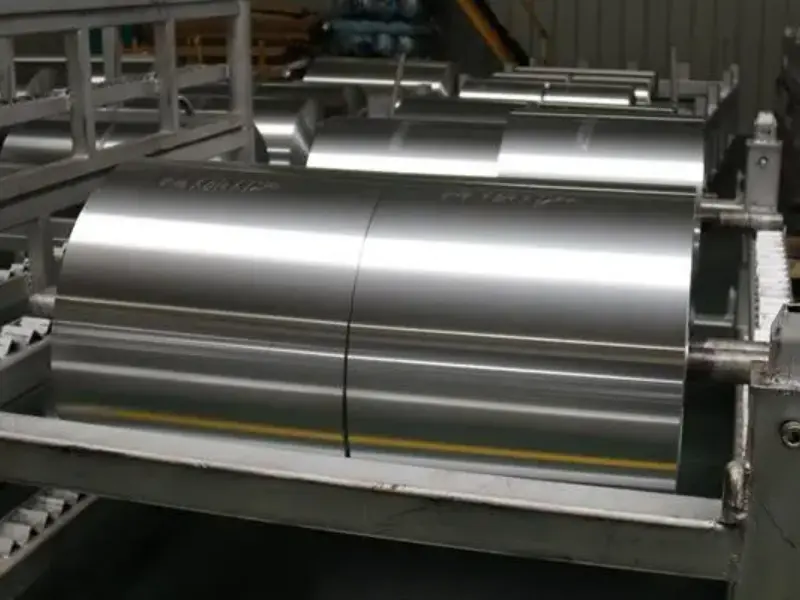
When you receive a jumbo roll, how can you tell it is high quality? Look for these four indicators:
Surface Cleanliness: There should be no residual rolling oil. If there is oil, the foil might smell bad or fail to bond with other materials.
Wetting Tension: High-quality foil should have a high surface tension so that inks and glues can stick to it easily.
Pinhole Count: For food and pharma, the number of tiny holes (pinholes) must be near zero to ensure a perfect barrier.
Flatness: The roll should be wound evenly. If the edges are wavy, it will cause problems during the unwinding process.
What is 8011 O Temper Aluminum Foil?
The term 8011 refers to the alloy series. It is an aluminum-iron-silicon alloy to offer better tensile strength and elongation compared to pure aluminum.
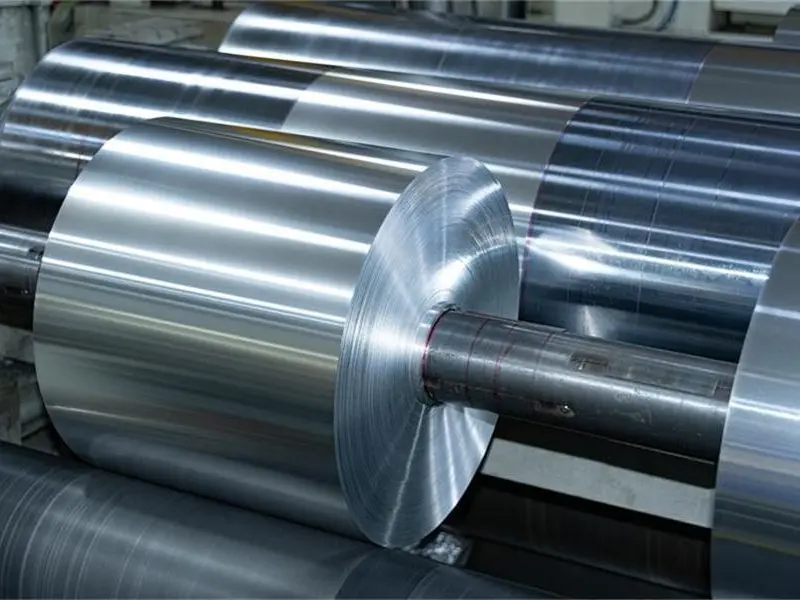
The O temper indicates that the foil has undergone a full annealing process. This makes the foil very soft, flexible, and easy to bend or wrap around products. When you buy a jumbo roll, you are getting a large, continuous roll of foil into smaller rolls or specific packaging shapes.
Key Technical Specifications
To help you understand the physical properties, here is a breakdown of the standard specifications for our jumbo rolls:
| Property | Value / Range |
|---|---|
| Alloy | 8011 |
| Temper | O (Soft/Annealed) |
| Thickness | 0.006 mm to 0.2 mm |
| Width | 100 mm to 1600 mm |
| Core ID | 76 mm, 152 mm |
| Tensile Strength | 70−110 Mpa |
| Elongation | ≥2% |
| Surface Quality | Clean, No pinholes, No oil spots |
Application
Take the application of 8011 aluminum foil in the pharmaceutical packaging industry as an example. In medicine industry, most of pills, tablets and other drugs all adopt aluminum plastic blister packaging method. The packaging has light weight, low cost, and can effectively guarantee the quality of products. Therefore, it’s the ideal choice for pharmaceutical companies.
Due to the advanced technology, pharmaceutical aluminum foil has more mature production technique. Meanwhile, the quality of medicine aluminum foil is also constantly improving.
Among of them, 8011 O temper aluminum foil is a typical and common alloy of medicinal aluminum foil. 8011 medicinal aluminum foil has excellent moisture resistance, shading and high barrier ability, strong mechanical properties, strong puncture and tear resistance.
In addition, it’s compounded, printed and glued, non-toxic and tasteless, healthy and safety.
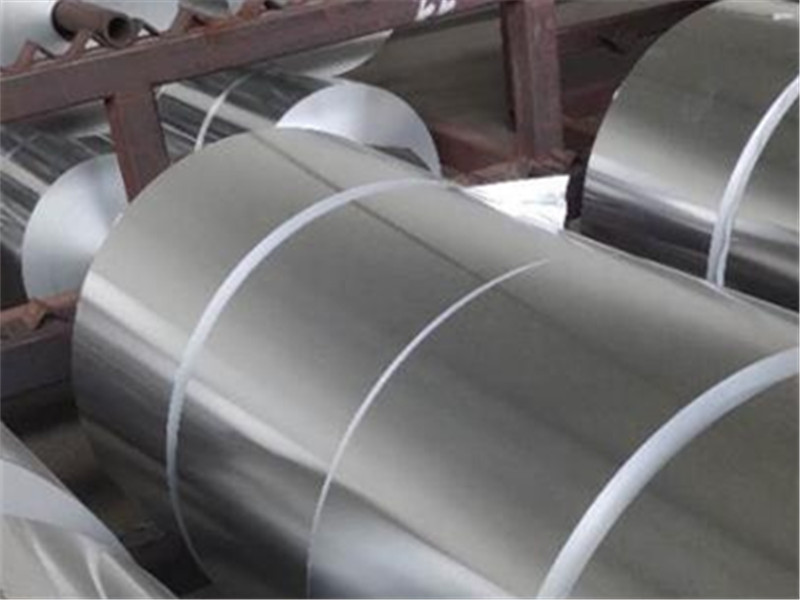
WORTHWILL is one of the aluminum foil manufacturer and supplier in China. We have more than ten years production experiences. Customize are available. Click here to get a free quote.
Why O Temper Is Important for Aluminum Foil Converting
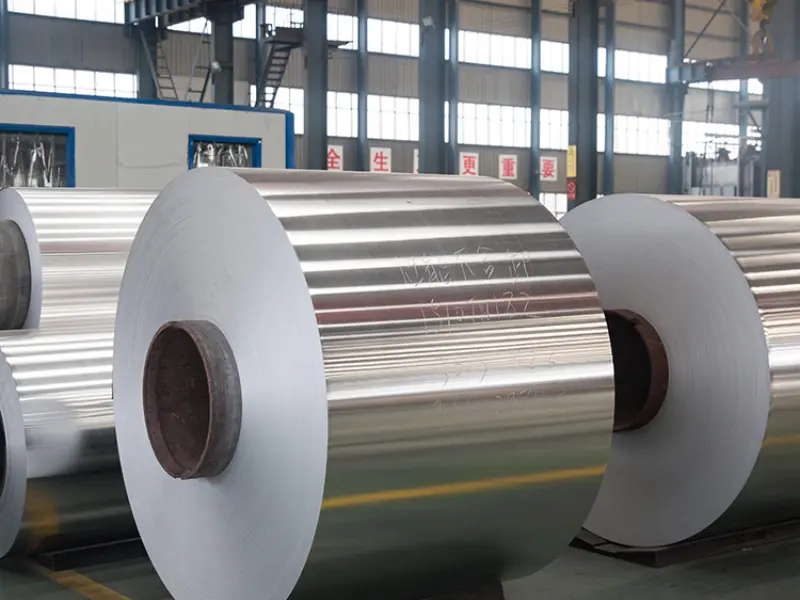
O temper means the aluminum foil is in a soft and annealed condition.
This condition gives the foil good flexibility and formability. It can be processed by cutting, slitting, folding, laminating, coating, and forming.
For buyers, temper is not just a technical term. It affects how the jumbo roll performs during the next production step.
| Requirement | O Temper Performance |
|---|---|
| Flexibility | Excellent |
| Formability | Excellent |
| Folding | Easy |
| Slitting | Suitable |
| Laminating | Suitable |
| Deep forming | Suitable |
| Bending | Easy |
For applications that need soft and flexible foil, 8011 O temper aluminum foil is a practical choice.
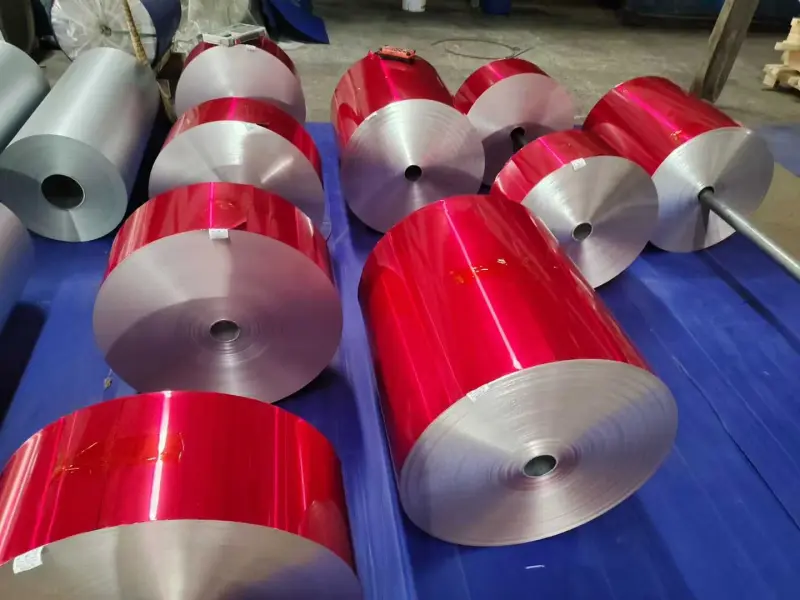
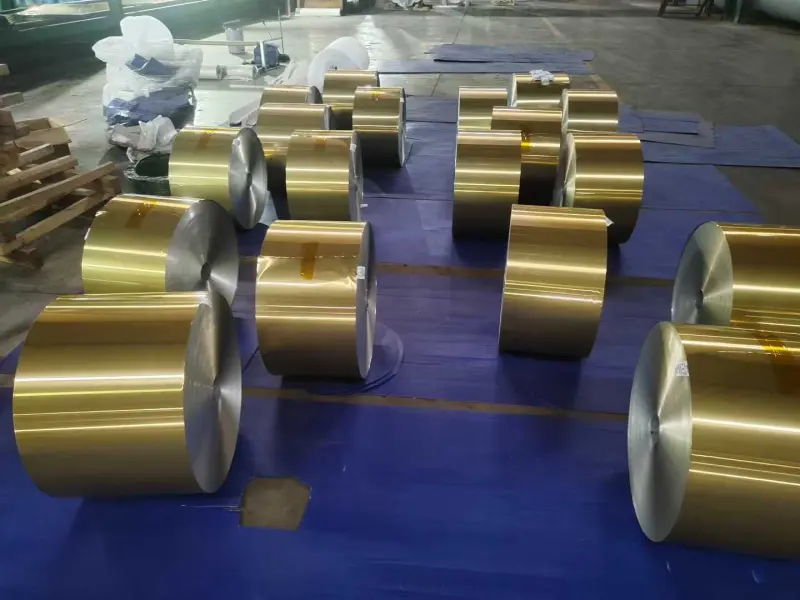
Why Choose a Jumbo Roll Instead of Small Rolls?
A jumbo roll is designed for further processing.
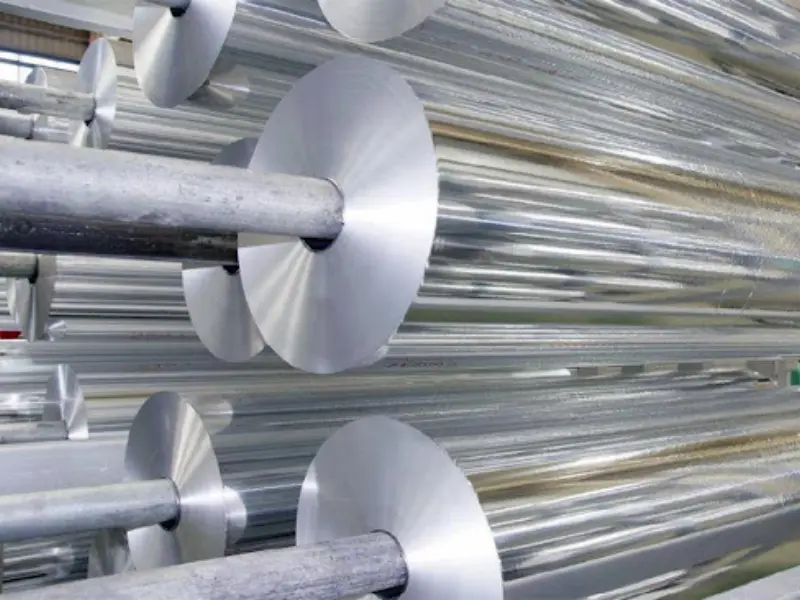
Instead of buying many finished small rolls, converters can purchase a larger parent roll and slit it according to their production needs.
Jumbo roll
↓
Slitting
↓
Rewinding
↓
Laminating / Coating
↓
Finished Roll
This can give manufacturers more control over width, roll length, packaging, and final product size.
Jumbo Roll Width Should Match Your Equipment
Width is an important purchasing factor.
A wider roll gives more room for slitting, but the width should match the customer’s equipment and final products.
| Width Direction | Suitable For |
|---|---|
| Narrow jumbo roll | Small converting lines |
| Medium width | General foil converting |
| Wide jumbo roll | Multiple slit rolls |
| Custom width | Special production lines |
Our factory can supply different widths according to customer requirements.
This helps reduce unnecessary trimming and material waste.
Thickness Selection Changes the Final Product
Different aluminum foil products require different thicknesses.
| Thickness Range | General Direction |
|---|---|
| 0.006–0.010 mm | Lightweight foil |
| 0.011–0.020 mm | Flexible packaging |
| 0.021–0.040 mm | Food and household products |
| 0.041–0.080 mm | Industrial and packaging use |
| 0.081–0.200 mm | Heavier applications |
The best thickness depends on the finished product, forming process, barrier requirement, and equipment.
For a new project, testing a sample thickness before bulk production is recommended.
Plain Aluminum Foil or Coated Foil?
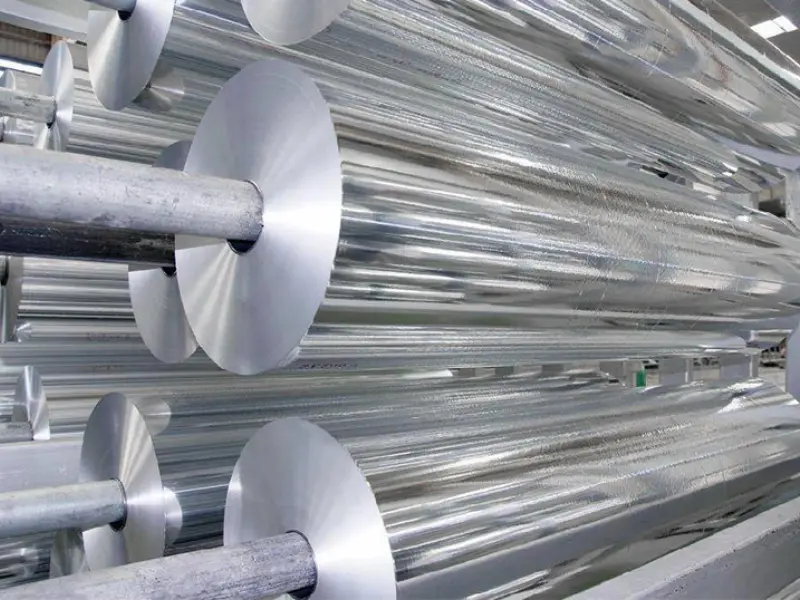
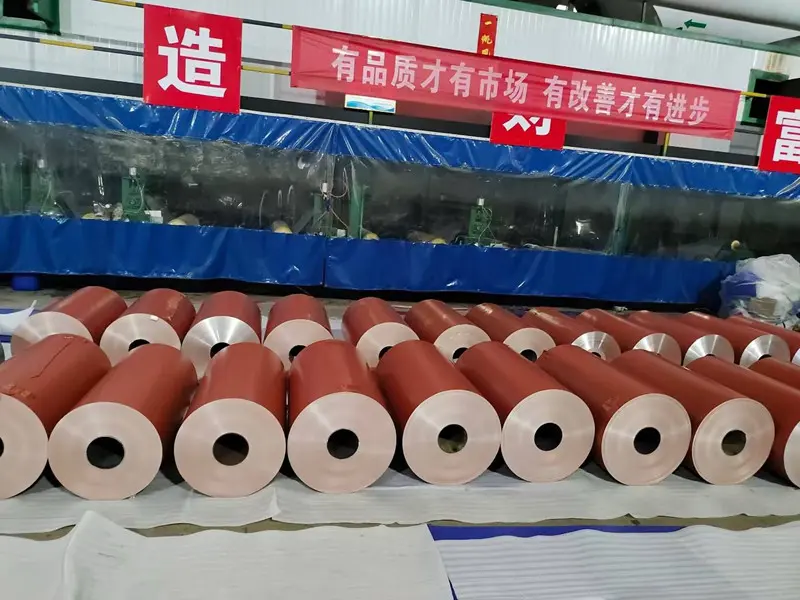
Not every project needs the same surface.
| Surface | Main Feature |
|---|---|
| Plain foil | Simple and versatile |
| One-side bright | Bright appearance |
| Double-side bright | High surface brightness |
| Matte | Soft visual effect |
| Lacquered | Additional surface function |
| Laminated | Combined material structure |
| Embossed | Decorative or functional texture |
Plain 8011 O temper foil is often used as a base material for further processing.
Soft Foil for Forming and Folding
One important feature of O temper is its soft condition.
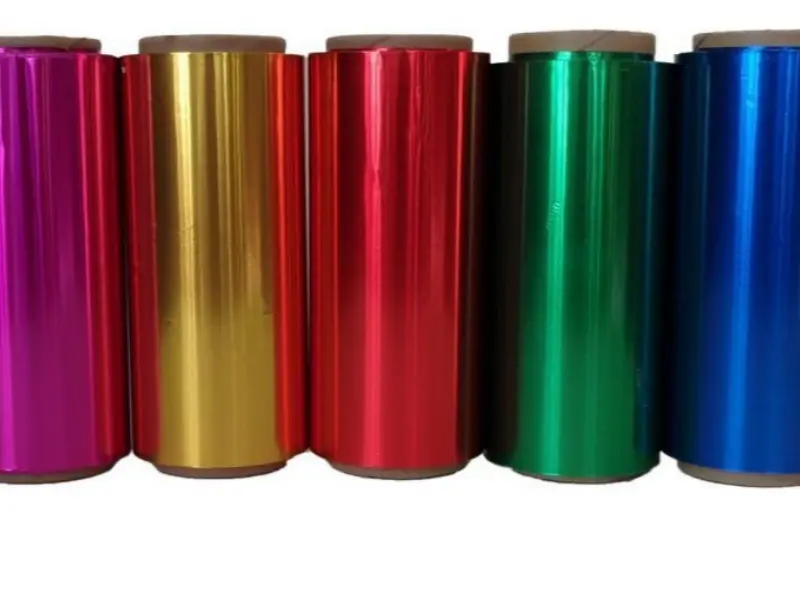
The foil can be formed into different shapes with suitable equipment.
This makes it useful for products that require:
→ Folding
Bending
→ Forming
Wrapping
→ Deep drawing
→ Laminating
The exact forming performance depends on thickness, tooling, speed, and product design.
How to Reduce Material Waste
For a jumbo roll buyer, material utilization matters.
A simple production structure is:
Correct width
→ Less trimming
Correct thickness
→ Less unnecessary material
Correct roll length
→ Fewer roll changes
Correct inner diameter
→ Better equipment compatibility
Stable tension
→ Better slitting performance
Good specification matching can help reduce production waste.
Slitting Width Is a Key Purchasing Point
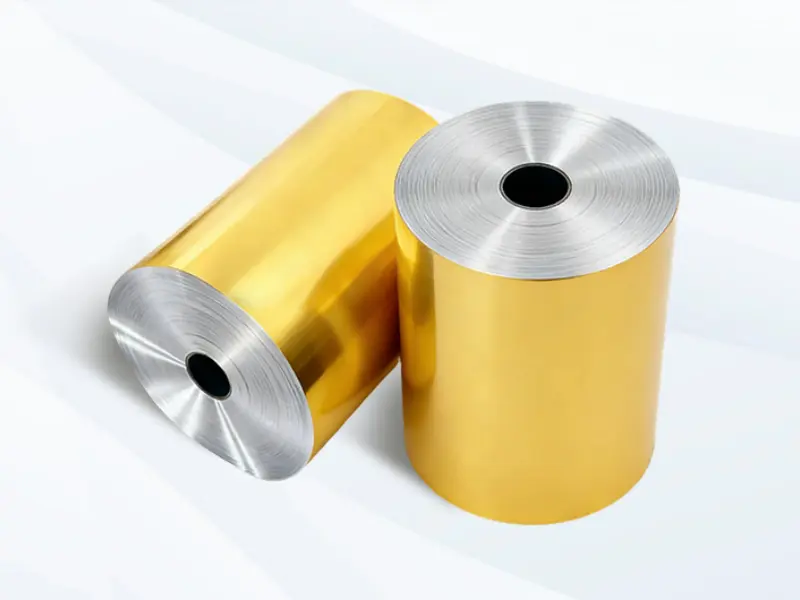
Many customers do not use the original jumbo roll directly.
They need smaller rolls for their own production.
For example:
1,500 mm jumbo roll
↓
500 mm
For 500 mm
500 mm
This is only an example. The actual slitting plan depends on the customer’s equipment and product dimensions.
Before ordering, it is useful to provide the required finished roll widths.
Inner Diameter and Core Options
The core size should match the customer’s unwinding equipment.
Common options can include:
| Item | Common Direction |
|---|---|
| Inner diameter | 75 / 150 / 200 / 300 mm |
| Core material | Paper or other specified core |
| Core length | According to roll width |
| Outer diameter | According to weight and equipment |
| Roll weight | Custom |
Always confirm the core dimensions before placing a large order.
A correct core can make installation and production easier.
Roll Weight Is Not the Only Buying Factor
Two jumbo rolls can have different weights even when they have the same width.
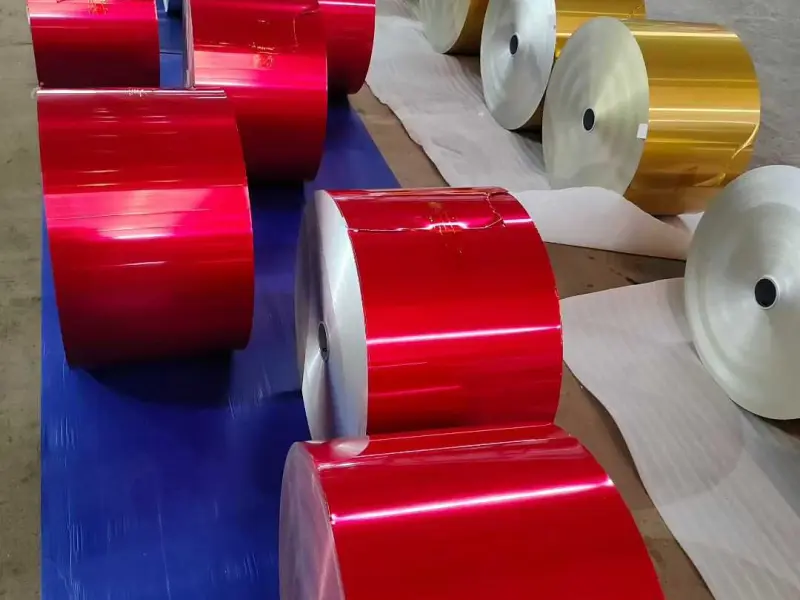
Roll weight can be affected by:
Thickness
Width
Length
Core
Actual density
Therefore, buyers should compare complete specifications instead of looking only at price per kilogram.
Price Per Ton vs Cost Per Finished Roll
For aluminum foil converters, the lowest price per ton does not always mean the lowest production cost.
Consider:
| Cost Factor | Why It Matters |
|---|---|
| Aluminum price | Main material cost |
| Slitting loss | Affects yield |
| Roll length | Affects production efficiency |
| Surface defects | May cause rejection |
| Roll tension | Affects processing |
| Packaging | Protects the material |
| Shipping | Affects landed cost |
A stable jumbo roll can provide better production value even when the initial material price is not the lowest.
Surface Quality Matters for Further Processing
Before purchasing a large quantity, buyers should check the surface.
A good foil roll should have a clean and consistent surface.
Pay attention to:
- Oil stains
- Scratches
- Black spots
- Pinholes
- Wrinkles
- Edge damage
- Surface contamination
Surface requirements can be different for different applications.
Pinholes and Aluminum Foil Quality
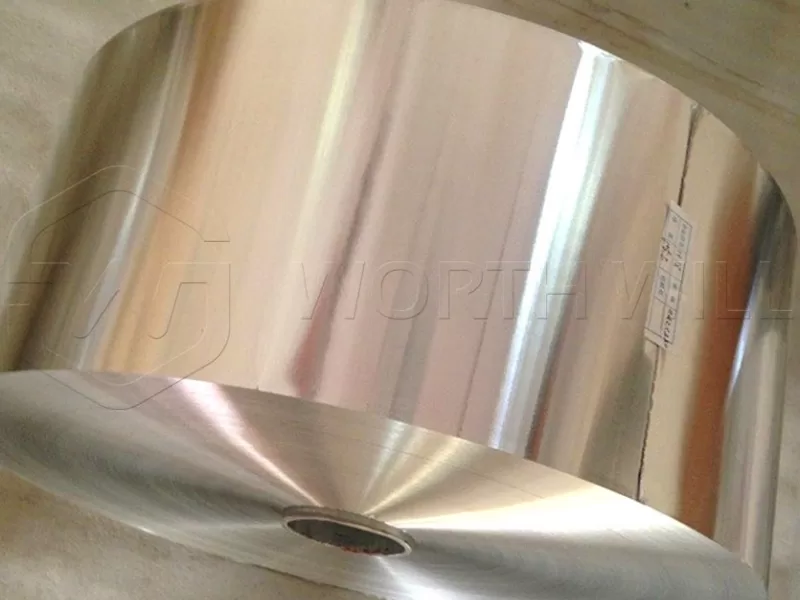
Pinholes are an important quality point for thin aluminum foil.
They can affect the barrier performance of the finished material.
For products requiring strong moisture, light, or gas barrier performance, pinhole control becomes especially important.
For this reason, buyers should discuss the required quality standard before mass production.
Roll Tension and Winding Quality
A good jumbo roll should be wound properly.
Poor winding can cause problems during unwinding and slitting.
Possible problems include:
Loose winding
→ Unstable unwinding
Too tight
→ Difficult processing
Uneven edges
→ Poor slitting
Telescoping
→ Roll movement
Stable winding helps the foil run more smoothly on converting equipment.
Edge Quality Can Affect Slitting
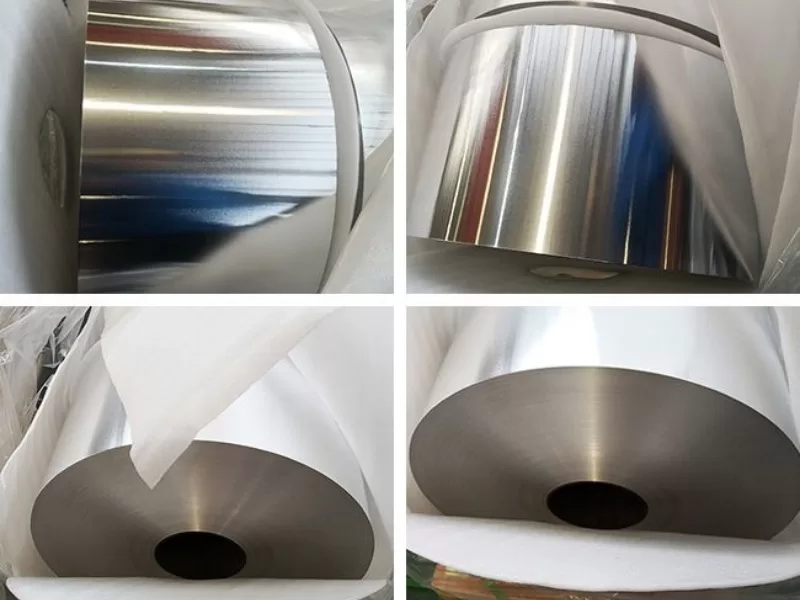
The edges of a jumbo roll should be clean and stable.
Good edge quality helps during:
- Slitting
- Rewinding
- Laminating
- Packaging
- High-speed production
For customers using automatic equipment, edge quality can be especially important.
Different End Products Need Different Foil Specifications
The same 8011 alloy can be used for different products.
| Finished Product | Key Considerations |
|---|---|
| Food packaging | Clean surface and barrier |
| Household foil | Flexibility and handling |
| Container foil | Formability |
| Cable foil | Thickness and converting |
| Insulation foil | Barrier and lamination |
| Pharmaceutical packaging | Surface and barrier requirements |
| Flexible packaging | Thickness and laminating |
| Industrial foil | Mechanical and surface requirements |
The finished product should determine the material specification.
8011 O Temper for Food Packaging Converting
8011 aluminum foil can be processed into different food packaging structures.
It may be used as a base layer or combined with other materials.
Typical structures can include:
Aluminum foil
PE
or
Aluminum foil
Paper
or
Aluminum foil
Plastic film
The exact structure depends on the packaging design.
8011 O Temper for Insulation Products
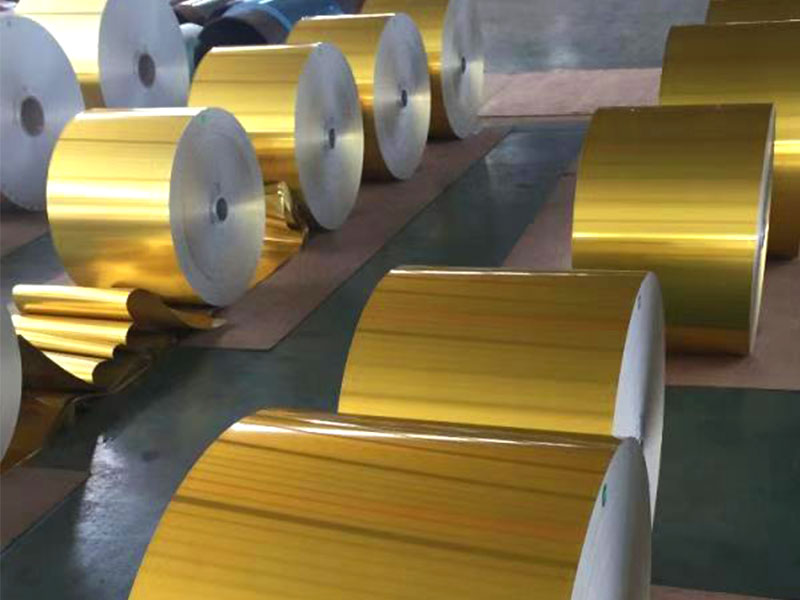
Aluminum foil is also widely used as a reflective and barrier layer.
It can be laminated with insulation materials to create a functional composite.
Typical structures may include:
Foil + PE
The Foil + Kraft Paper
For Foil + Bubble Material
Foil + Insulation Foam
The foil helps provide a reflective surface and barrier against moisture when used as part of a suitable insulation system.
Pharmaceutical Foil Converting
Pharmaceutical packaging has strict material requirements.
8011 aluminum foil can be used in certain pharmaceutical packaging structures when the material, coating, and finished packaging system meet the required standards.
For these projects, buyers should confirm:
→ Alloy
→ Temper
Thickness
→ Surface condition
Coating
→ Cleanliness
→ Applicable standards
A sample and technical specification should be approved before bulk production.
Household Foil vs Industrial Foil
The two products may look similar, but their specifications can be different.
| Feature | Household Foil | Industrial Foil |
|---|---|---|
| Typical thickness | Thin | Wider range |
| Roll size | Consumer roll | Jumbo roll |
| Packaging | Retail | Industrial |
| Processing | Ready to use | Further converting |
| Width | Narrow | Wide/custom |
| Buyer | Retail / distributor | Factory / converter |
A jumbo roll is mainly intended for manufacturers that have their own converting equipment.
Standard Roll or Custom Jumbo Roll?
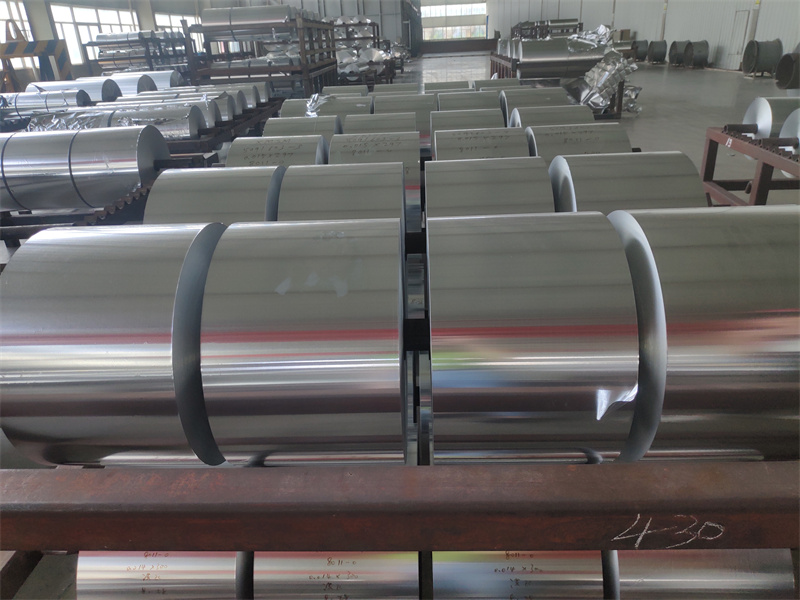
Standard Jumbo Roll
Suitable when:
- The customer uses common equipment
- Regular specifications are acceptable
- Production is repeated
- Fast ordering is important
Custom Jumbo Roll
Better when:
- Width is special
- Core size is special
- Weight must be controlled
- Slitting plans are fixed
- Packaging has special requirements
Custom production can make the material fit the customer’s production line more closely.
A Simple Jumbo Roll Specification Card
You can also place a small specification card inside the article:
| Item | Example |
|---|---|
| Alloy | 8011 |
| Temper | O |
| Thickness | 0.006–0.200 mm |
| Width | 100–1600 mm |
| Surface | Mill finish |
| Inner Diameter | 75 / 150 / 200 / 300 mm |
| Roll Form | Jumbo roll |
| Edge | Slit / mill edge |
| Packing | Export packing |
| MOQ | According to order |
| Customization | Available |
From Jumbo Roll to Finished Product
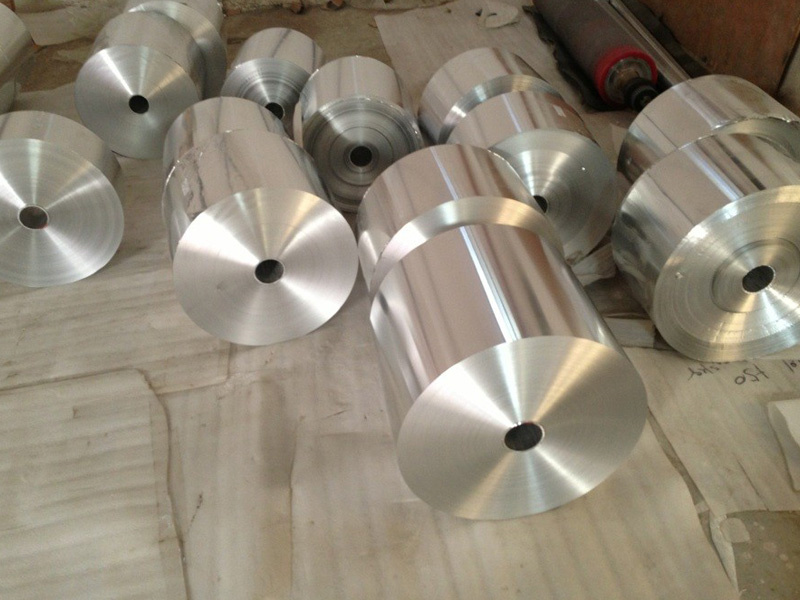
8011 Aluminum Coil
↓
Annealing
↓
Rolling
↓
Surface Inspection
↓
Edge Trimming
↓
Jumbo Roll Winding
↓
Quality Inspection
↓
Slitting
↓
Laminating / Coating
↓
Finished Product
This structure helps customers understand how a large aluminum foil roll becomes a finished packaging or industrial product.
What Should Buyers Send to the Factory?
A clear inquiry can save time.
Customers can provide:
1. Alloy: 8011
2. Temper: O
3. Thickness: for example, 0.02 mm
4. Width: for example, 1,200 mm
5. Roll weight: required weight
6. Inner diameter: equipment requirement
7. Surface: plain / bright / coated
8. Application: packaging / insulation / cable / other
9. Quantity: monthly or one-time requirement
10. Packing: standard or custom
With these details, the factory can prepare a more accurate quotation.
Quality Control From Sheet to Jumbo Roll
Quality should be checked at different stages.
| Stage | Main Check |
|---|---|
| Raw material | Alloy composition |
| Rolling | Thickness |
| Annealing | Temper |
| Surface | Cleanliness |
| Edges | Edge condition |
| Winding | Roll tension |
| Final inspection | Dimensions and appearance |
| Packing | Protection |
This is especially important for customers purchasing full-container or long-term supply quantities.
Why Long-Term Buyers Prefer Stable Specifications
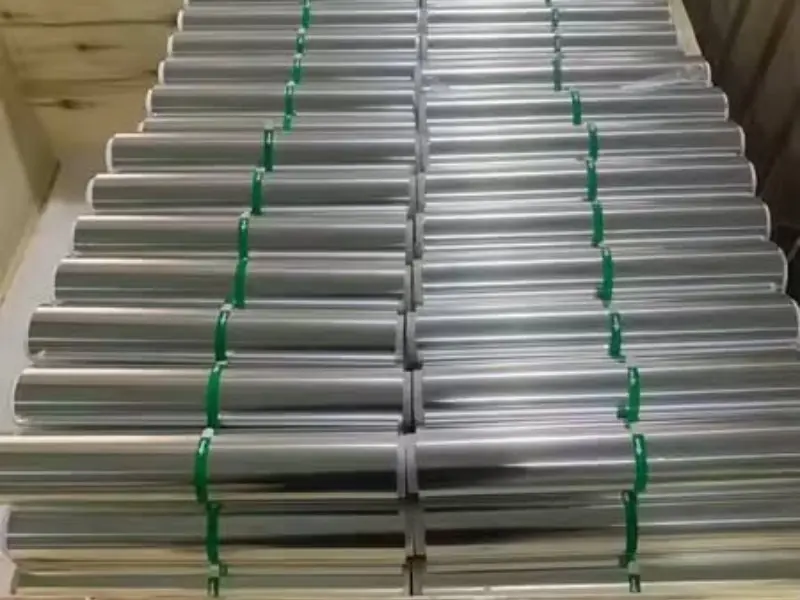
For repeat production, consistency is often more important than a small difference in price.
Stable specifications help customers keep:
→ The same machine settings
The same printing or laminating process
The same finished product quality
→ The same packaging dimensions
→ More predictable production costs
This is why long-term buyers often focus on supplier consistency rather than only the first quotation.
Factory Supply for Different Aluminum Foil Needs
Our factory can provide 8011 O temper aluminum foil jumbo rolls for different converting requirements.
We can discuss different options for:
- Thickness
- Width
- Roll weight
- Inner diameter
- Surface finish
- Slitting
- Coating
- Laminating
- Packaging
- Custom specifications
We can also provide other aluminum foil grades and tempers according to the customer’s final application.
Frequently Asked Questions (FAQ)
What is the advantage of the Jumbo Roll format?
The jumbo roll format is designed for industrial users. It allows for continuous high-speed production without the need to stop the machine frequently to change rolls. It is also more cost-effective for bulk shipping.
Is 8011 Aluminum Foil safe for food?
Yes. Our 8011 aluminum foil is produced under strict hygiene standards. It is non-toxic, odorless, and complies with FDA and European food safety regulations.
Can I get 8011 foil with a different temper?
Yes, we also offer H18 (hard) and H22/H24 (half-hard) tempers. However, for flexible packaging and household use, the O temper is almost always the best choice due to its softness.
What is the typical lead time for a jumbo roll order?
Generally, production takes between 20 to 35 days depending on the specifications and the current order volume.