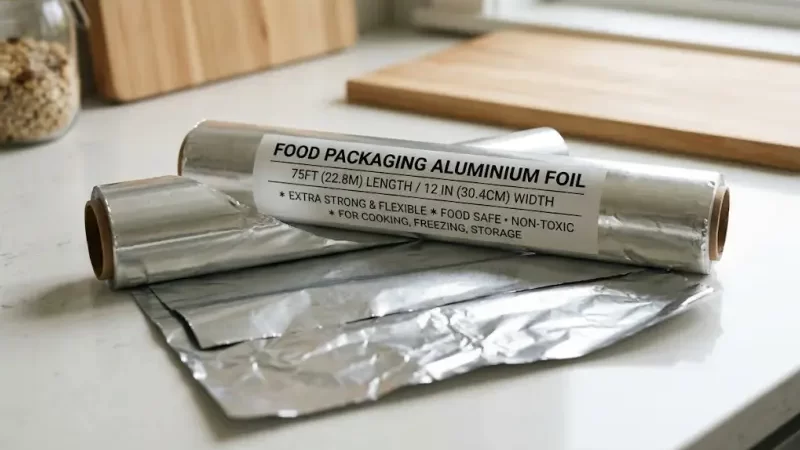
When it comes to keeping food fresh, safe, and perfectly cooked, aluminium foil is an indispensable tool.
Specifically, 75ft food packaging aluminium foil offers a practical and versatile solution for both home kitchens and light commercial food handling.
This widely used product provides an excellent barrier, ensuring your food maintains its quality, flavor, and hygiene.
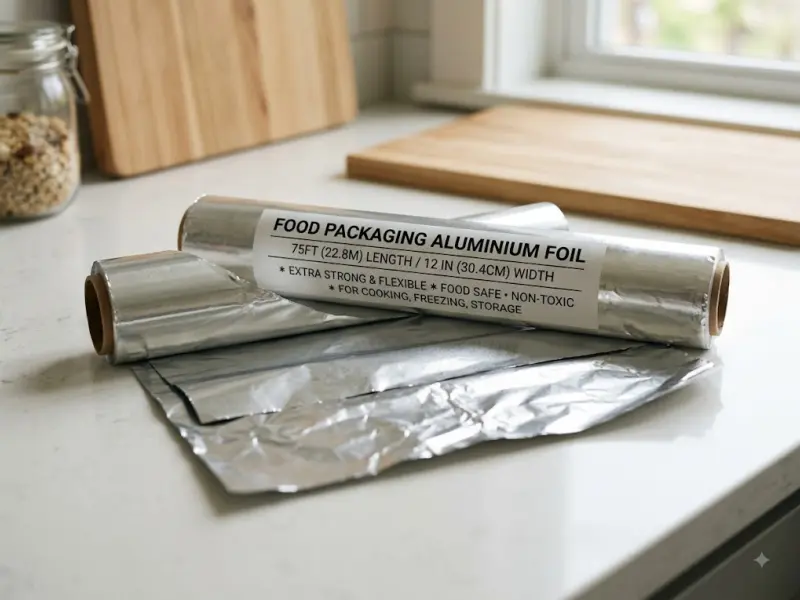
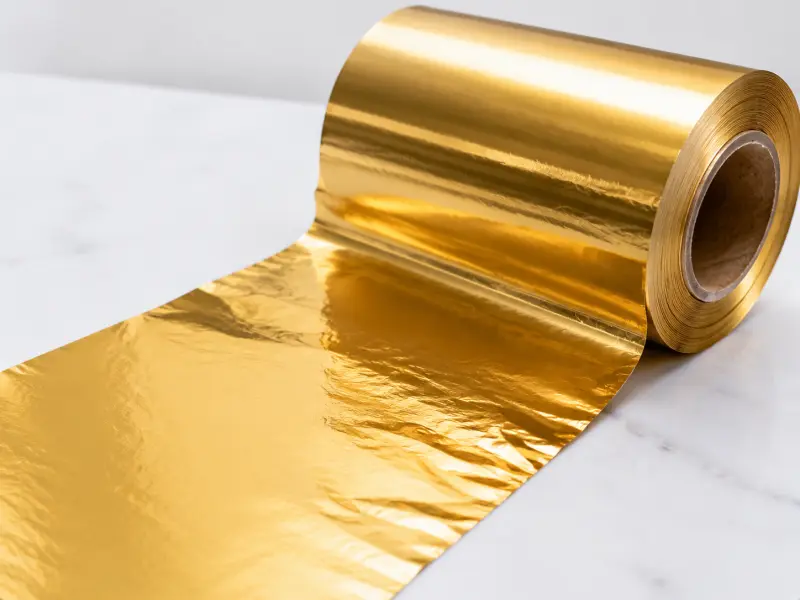
75ft Food Packaging Aluminium Foil for Daily Food Use
75ft food packaging aluminium foil is a practical packaging material for homes, restaurants, bakeries, catering businesses, and food service companies.
A 75 ft roll provides about 22.86 meters of foil, making it suitable for regular food preparation and storage.
Aluminium foil has valued for its light weight, good barrier performance, heat resistance, and easy forming.
It can cover food, wrap ingredients, line trays, and protect products during storage and transportation.
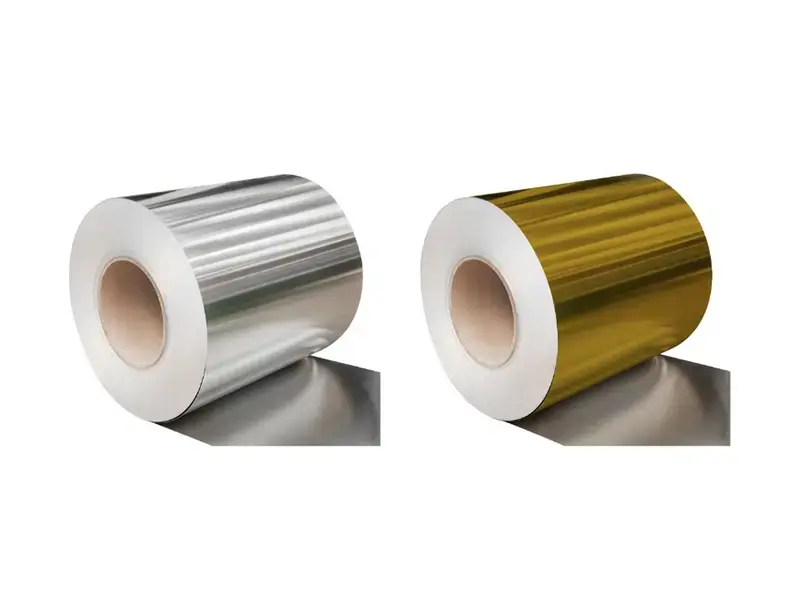

For commercial buyers, the right foil is more than a roll length. Alloy, temper, thickness, width, surface quality, core size, and packaging can all affect the final product.
A simple product structure looks like this:
Aluminium alloy → Rolling → Annealing → Slitting → Surface inspection → Roll forming → Packaging
This makes it possible to produce 75ft rolls for retail use as well as longer rolls for professional food packaging.
What Does 75ft Mean on an Aluminium Foil Roll?
A 75ft roll contains approximately 22.86 meters of aluminium foil.
| Item | Approximate Value |
|---|---|
| Roll length | 75 ft |
| Metric length | 22.86 m |
| Typical use | Household and food service |
| Form | Roll |
| Surface | Plain aluminium |
| Packaging | Retail or customized |
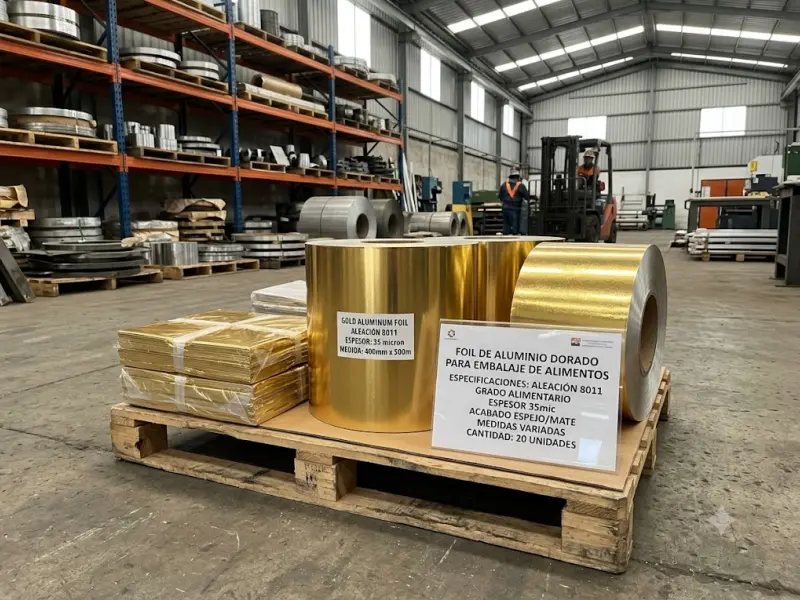
The 75ft length is useful for customers who want a manageable household roll without buying a very large commercial roll.
For restaurants and food manufacturers, longer rolls can be more economical. A factory can also supply jumbo rolls for customers who use slitting and rewinding equipment.
Why Aluminium Foil Is Used for Food Packaging
Aluminium foil has a very effective barrier against light, moisture, and gases. This makes it useful for protecting food from the external environment.
It can also withstand a wide range of temperatures when the product is used correctly.
Main Material Characteristics
| Property | Aluminium Foil Performance |
|---|---|
| Light protection | Excellent |
| Moisture barrier | Excellent |
| Gas barrier | Excellent |
| Heat resistance | Excellent |
| Formability | Excellent |
| Weight | Low |
| Recyclability | High where collection systems exist |
The exact performance depends on foil thickness, alloy, temper, coating, and the final packaging design.
75ft Aluminium Foil for Household Food Storage
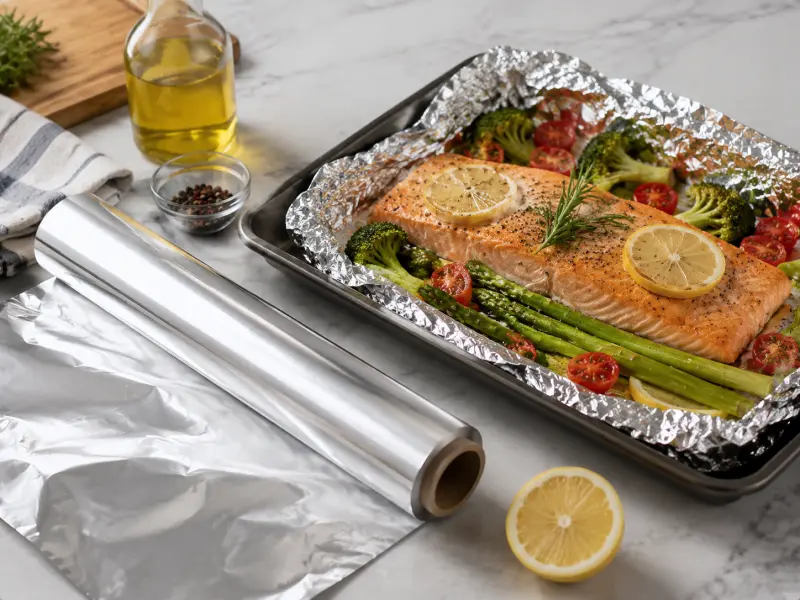
A 75ft roll is a convenient size for regular kitchen use.
- Wrap sandwiches
- Cover prepared food
- Store vegetables
- Wrap meat and fish
- Cover baking dishes
- Separate food portions
- Protect leftovers
- Prepare food for transportation
The foil can be cut into smaller pieces as needed. This reduces unnecessary packaging waste compared with using a large sheet for every food item.
Aluminium Foil for Restaurants and Food Service
Restaurants often need packaging that is quick to use and easy to handle.
A 75ft food packaging aluminium foil roll:
- Takeaway meals
- Catering preparation
- Food wrapping
- Bakery products
- Kitchen storage
- Meal preparation
For high-volume kitchens, wider or longer rolls may be preferred.
| User | Suggested Roll Format |
|---|---|
| Home kitchen | 75ft roll |
| Small restaurant | Medium roll |
| Catering company | Long roll |
| Food factory | Jumbo roll |
| Rewinding factory | Jumbo roll |
Aluminium Foil Thickness and Its Effect on Performance
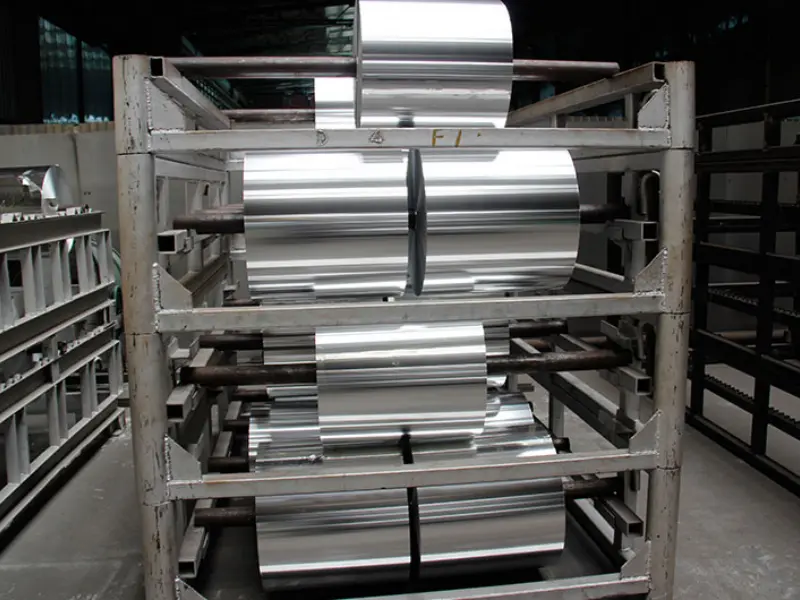
Thickness is one of the most important specifications when choosing aluminium foil.
Thin foil is flexible and economical. Thicker foil provides greater strength and resistance to tearing.
Common Thickness Options
| Thickness | Typical Character |
|---|---|
| 0.009 mm | Very thin and flexible |
| 0.010 mm | Light household use |
| 0.012 mm | General food wrapping |
| 0.015 mm | Stronger food packaging |
| 0.018 mm | Heavy-duty wrapping |
| 0.020 mm | Higher strength |
The actual thickness should be selected according to the application.
For simple food covering, thin foil can be enough. For heavier food, repeated handling, or commercial use, a thicker grade may be better.
Thin Aluminium Foil vs Heavy-Duty Foil
| Feature | Thin Foil | Heavy-Duty Foil |
|---|---|---|
| Material use | Lower | Higher |
| Flexibility | Very high | High |
| Tear resistance | Lower | Higher |
| Cost per meter | Lower | Higher |
| Heavy food | Limited | Better |
| Catering use | Good | Excellent |
The best thickness is not always the thickest one. Choosing the correct grade can provide a better balance between price and performance.
Common Aluminium Alloys for Food Packaging Foil
Different alloys are used for aluminium foil production.
8011 Aluminium Foil
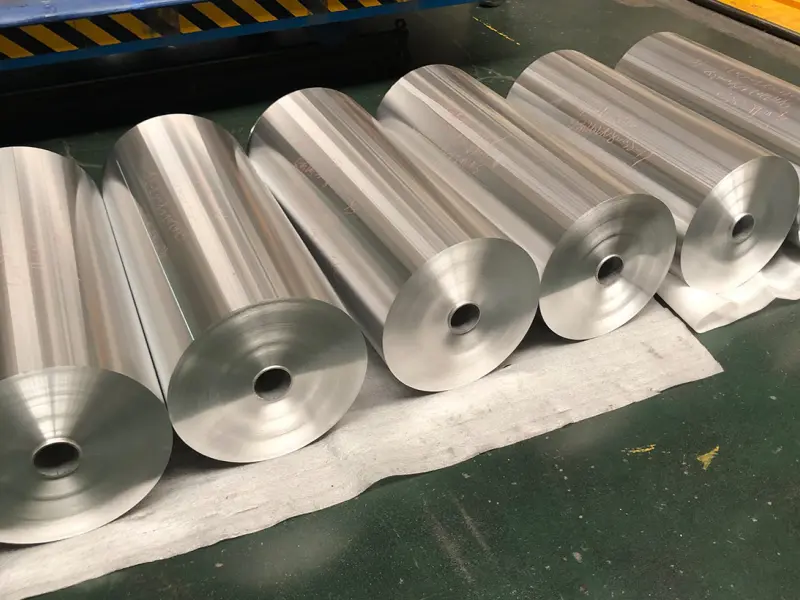
8011 is a widely used alloy for food packaging foil.
It provides a useful balance of strength, formability, and production performance.
Typical options include:
| Item | Typical Range |
|---|---|
| Alloy | 8011 |
| Temper | O / H14 / H16 / H18 |
| Thickness | 0.006–0.20 mm |
| Width | Customized |
| Surface | Plain / Bright / Embossed |
| Form | Roll |
8011 aluminium foil has uses for household foil, food packaging, container foil, and other flexible packaging products.
1235 Aluminium Foil
1235 is a high-purity aluminium alloy used in flexible packaging and foil applications.
Its advantages include good ductility and excellent foil rolling performance.
It can be considered for:
- Household foil
- Flexible packaging
- Food wrapping
- Laminated packaging
3003 Aluminium Foil
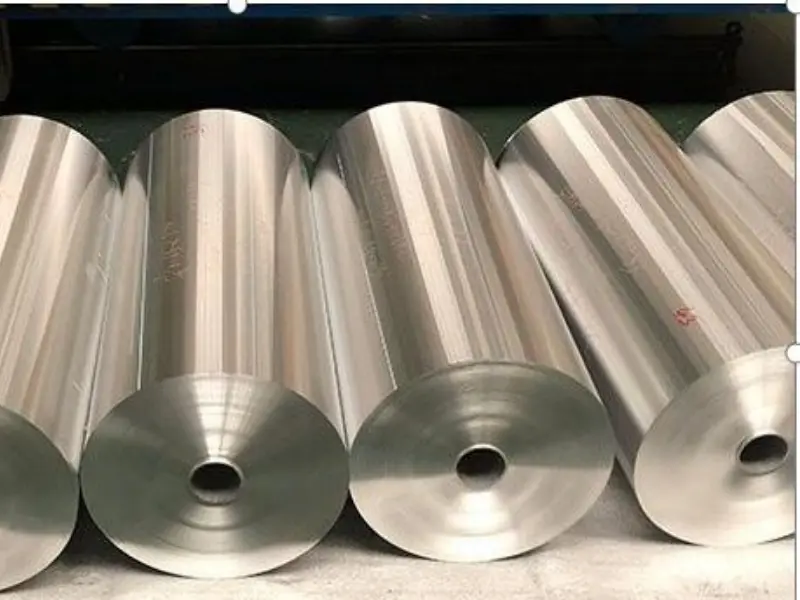
3003 contains manganese and offers higher strength than many 1000 series alloys.
It is often considered when a packaging product needs additional mechanical strength.
8006 Aluminium Foil

8006 is often used for applications requiring good strength and forming performance.
It is particularly relevant to aluminium container and deeper forming applications.

Aluminium Foil Temper and Why It Matters

Temper affects the softness and mechanical performance of aluminium foil.
O Temper
O temper means the foil is annealed and relatively soft.
It is suitable when high flexibility and formability are required.
H14 and H16 Temper
These tempers provide greater strength than fully soft foil.
They can be selected for applications that require a balance between flexibility and handling strength.
| Temper | General Character |
|---|---|
| O | Soft and highly formable |
| H14 | Medium strength |
| H16 | Higher strength |
| H18 | Harder foil |
The best temper depends on the production process and final use.
Plain Aluminium Foil Surface
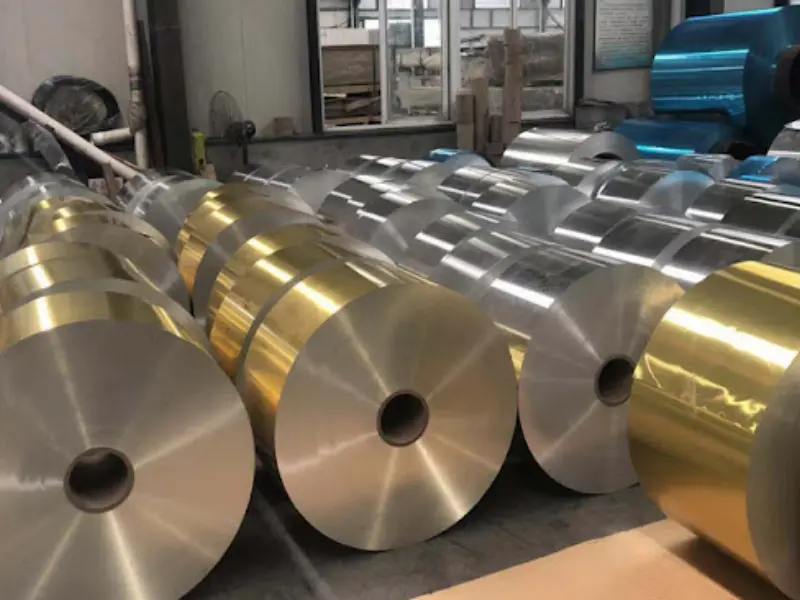
Plain aluminium foil is the standard choice for many food packaging applications.
A good surface should be:
- Clean
- Smooth
- Flat
- Free from visible defects
- Consistent in appearance
A manufacturer should control the rolling and slitting process carefully to maintain stable surface quality.
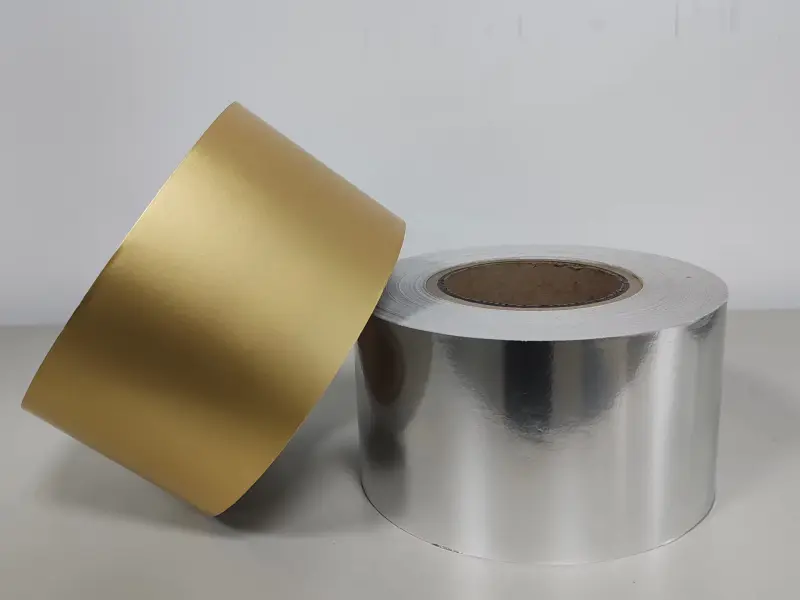
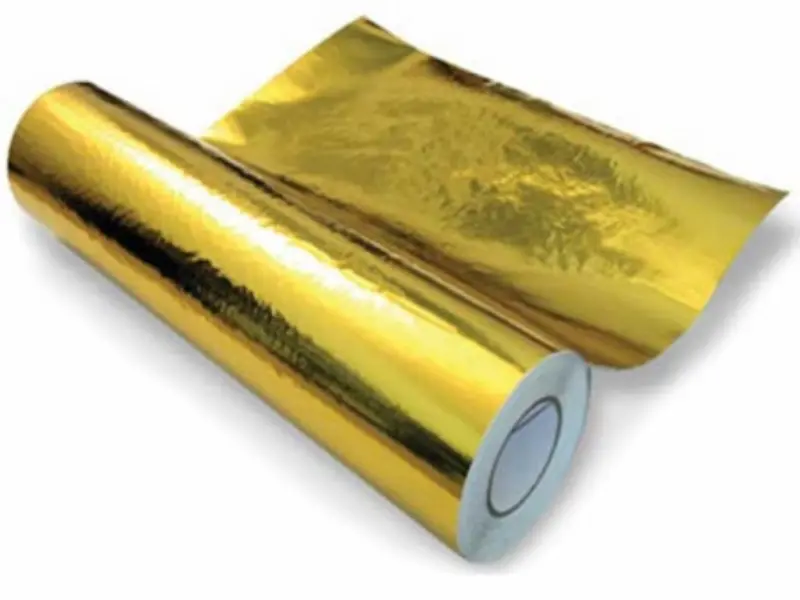
Bright and Matte Aluminium Foil
Aluminium foil can have different visual appearances.
| Surface | Main Character |
|---|---|
| Bright | Shiny metallic appearance |
| Matte | Softer metallic appearance |
| One-side bright | Different appearance on two sides |
| Two-side bright | Bright appearance on both sides |
Surface selection can depend on the customer’s packaging design and production requirements.
Embossed Food Packaging Aluminium Foil
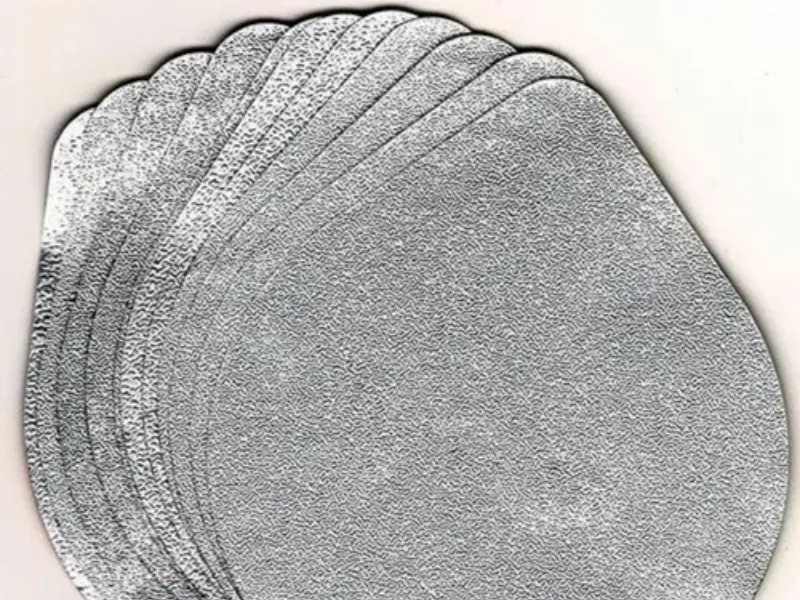
Embossing adds a pattern to the surface of aluminium foil.
It can improve appearance and provide additional texture.
Common uses include:
- Decorative food packaging
- Household foil
- Special wrapping
- Catering products
Embossed foil normally requires additional processing, so the price may differ from plain foil.
75ft Aluminium Foil Width Options
Roll width is another important specification.
| Width | Typical Use |
|---|---|
| 250 mm | Small food wrapping |
| 300 mm | Household use |
| 450 mm | Kitchen and catering |
| 600 mm | Commercial food service |
| 750 mm+ | Industrial use |
For retail 75ft rolls, width is normally selected according to the target market and dispenser design.
Custom widths can also be produced for professional customers.
75ft Roll Packaging Options
The packaging protects the foil and also affects retail presentation.
Retail Box Packaging
A paper box is commonly used for household aluminium foil.
It can include:
- Product name
- Roll length
- Width
- Thickness
- Usage instructions
- Brand information
A cutting edge can also be integrated into the box.
Individual Roll Packaging
Each 75ft aluminium foil roll can be individually packed for retail distribution.
Typical structure:
Aluminium foil roll → Paper core → Protective packaging → Printed retail box → Carton
Bulk Carton Packaging
For commercial buyers, several rolls can be packed into one carton.
| Packaging | Suitable Buyer |
|---|---|
| Individual box | Retail customer |
| Multi-roll carton | Distributor |
| Pallet | Wholesale buyer |
| Jumbo roll | Industrial processor |
75ft Food Packaging Aluminium Foil vs Plastic Wrap
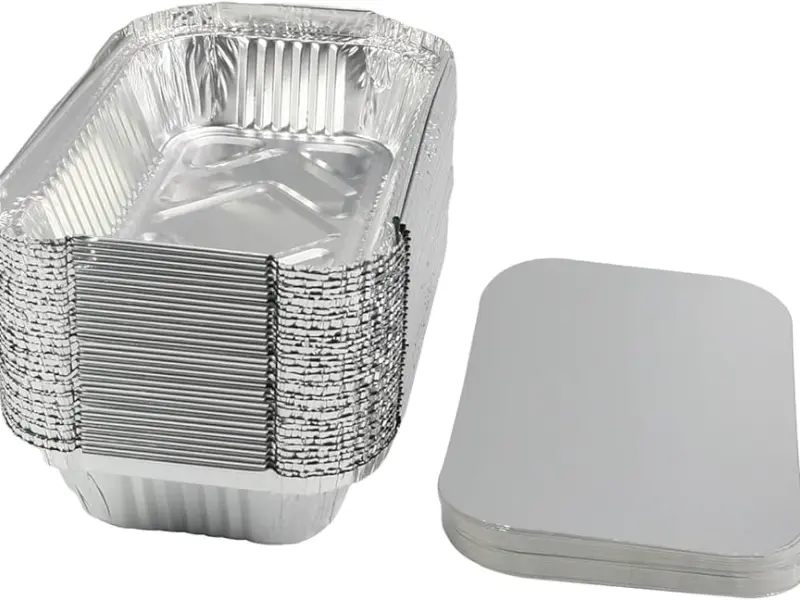
Both materials have applications in food packaging, but they have different characteristics.
| Feature | Aluminium Foil | Plastic Wrap |
|---|---|---|
| Light barrier | Excellent | Usually limited |
| Heat performance | Excellent | Depends on plastic |
| Moisture barrier | Excellent | Good |
| Shape forming | Excellent | Flexible |
| Metal structure | Yes | No |
Aluminium foil is often preferred when stronger barrier performance or heat resistance is needed.
Aluminium Foil vs Paper Food Packaging
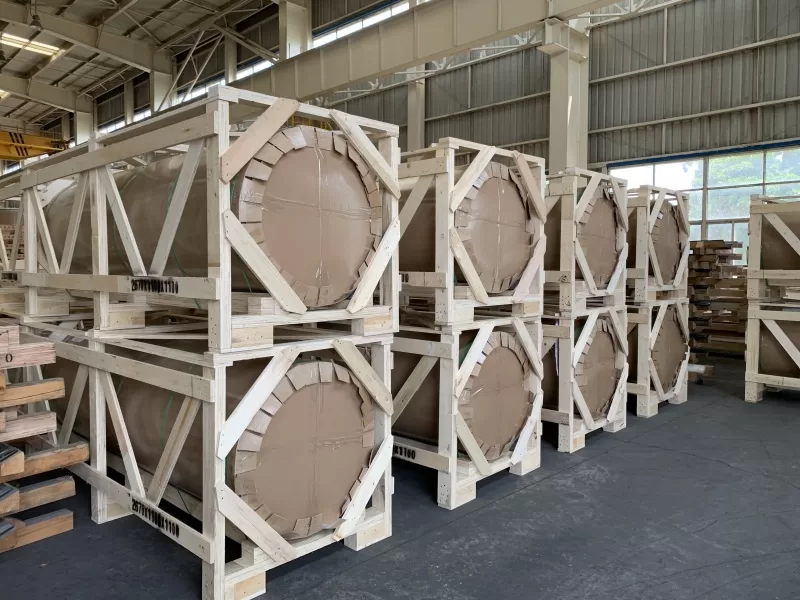
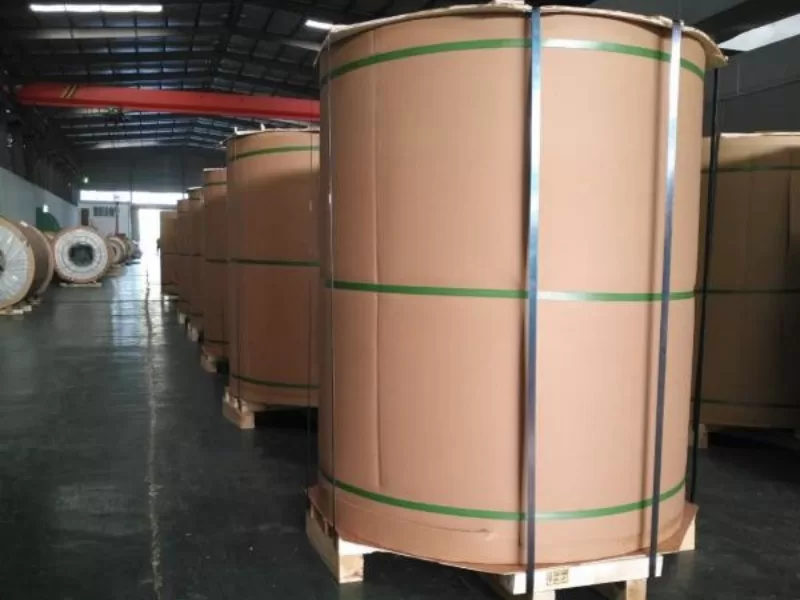
Paper has a natural appearance and is useful for many food products. Aluminium foil provides a much stronger barrier against light and moisture.
| Feature | Aluminium Foil | Paper |
|---|---|---|
| Light barrier | Excellent | Limited |
| Moisture barrier | Excellent | Depends on coating |
| Heat resistance | Excellent | Depends on material |
| Flexibility | Excellent | Medium |
| Metallic barrier | Yes | No |
The best choice depends on the food product and packaging system.
Household Foil vs Commercial Food Packaging Foil
A 75ft roll is generally designed for convenient use.
Commercial food packaging may require:
- Greater roll length
- Larger width
- Higher thickness
- Stronger temper
- Customized core size
- Automatic packaging
| Requirement | Household Roll | Commercial Roll |
|---|---|---|
| Length | Around 75ft | Customized |
| Width | Smaller | Larger |
| Packaging | Retail box | Bulk packaging |
| Usage | Kitchen | Food service |
| Customization | Limited | High |
Food Packaging Aluminium Foil for Different Food Products
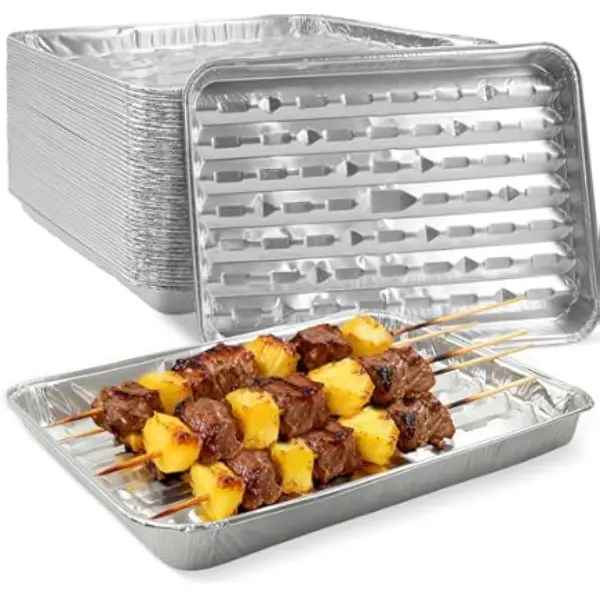

Meat and Seafood
Foil has applications to wrap and protect meat and seafood during storage and food preparation.
Suitable products include:
- Beef
- Chicken
- Fish
- Seafood
- Prepared meat
Bakery Products
Aluminium foil is useful for:
- Bread
- Cake
- Pastry
- Cookies
- Pie
It can help protect the food from moisture and external contamination when used as part of a suitable packaging system.
Vegetables and Prepared Meals
Foil has uses for prepared meals and vegetables.
It is especially useful for food that needs to be covered during cooking or transportation.
Aluminium Foil for Baking and Heating
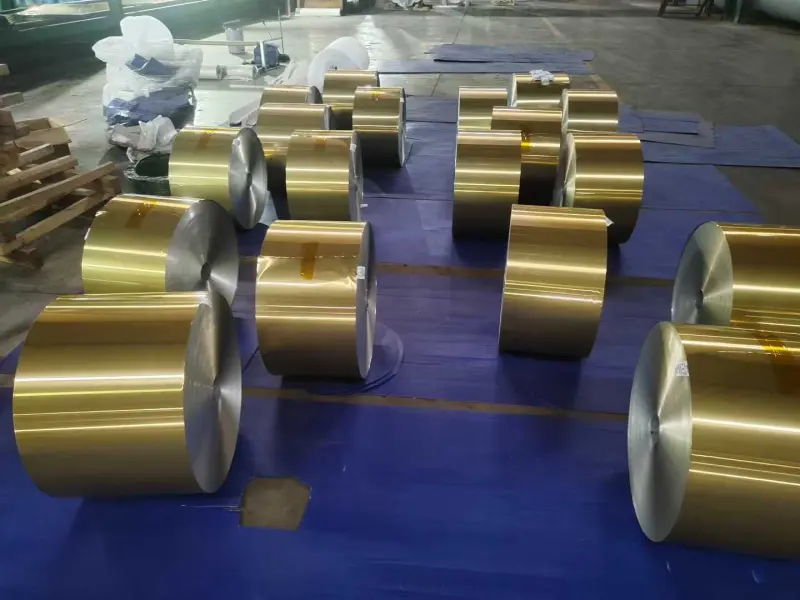
Aluminium foil has applications in baking and food preparation.
Typical uses:
→ Covering baking trays
→ Wrapping food
→ Protecting food surfaces
→ Separating portions
→ Supporting food preparation
Users should always follow the instructions of the appliance and the food manufacturer, especially when using foil with microwaves or highly acidic or salty foods.
Food Contact and Quality Requirements
For food packaging, material quality is important.
A professional supplier should be able to provide relevant material information and documentation when required by the destination market.
Important areas include:
- Alloy composition
- Surface cleanliness
- Production control
- Packaging hygiene
- Food-contact compliance where applicable
Food-contact requirements vary by market, so buyers should confirm the applicable regulations before placing a commercial order.
75ft Food Packaging Aluminium Foil Manufacturing Process
Aluminium Coil Preparation
The production begins with suitable aluminium alloy material.
For:
- Chemical composition
- Thickness
- Surface condition
- Mechanical properties
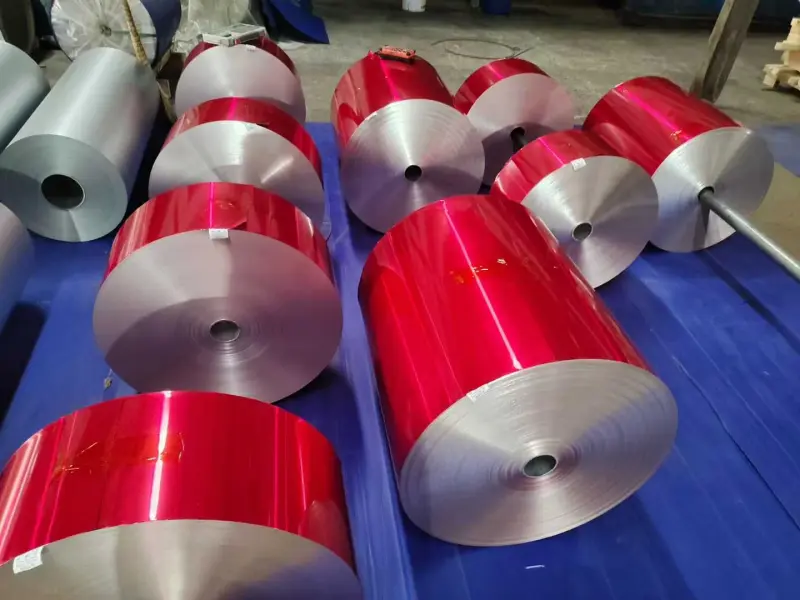
Rolling
The aluminium is rolled to the required foil thickness.
Multiple rolling stages have applciations to achieve very thin foil with controlled thickness.
Annealing
Annealing helps achieve the required softness and forming performance.
The process has controlled according to the selected alloy and temper.
Slitting
Large foil rolls are cut into smaller widths.
This step determines:
- Roll width
- Edge quality
- Roll appearance
- Final roll dimensions
Rewinding and Packaging
The foil is rewound to the required length, such as 75ft.
The final rolls are then packed according to retail or commercial requirements.
Quality Control for 75ft Aluminium Foil Rolls
| Inspection | Purpose |
|---|---|
| Thickness test | Check material accuracy |
| Width test | Confirm roll size |
| Length check | Confirm 75ft quantity |
| Surface inspection | Find visible defects |
| Edge inspection | Check slitting quality |
| Roll inspection | Confirm winding quality |
| Packaging check | Protect final product |
Consistent quality is important because household and commercial customers expect each roll to perform in the same way.
Factory Supply and Custom Aluminium Foil Solutions
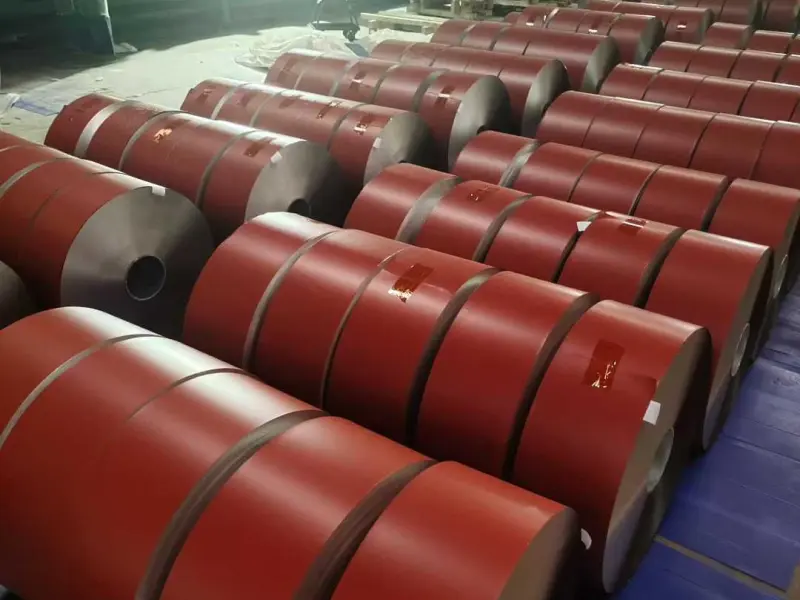
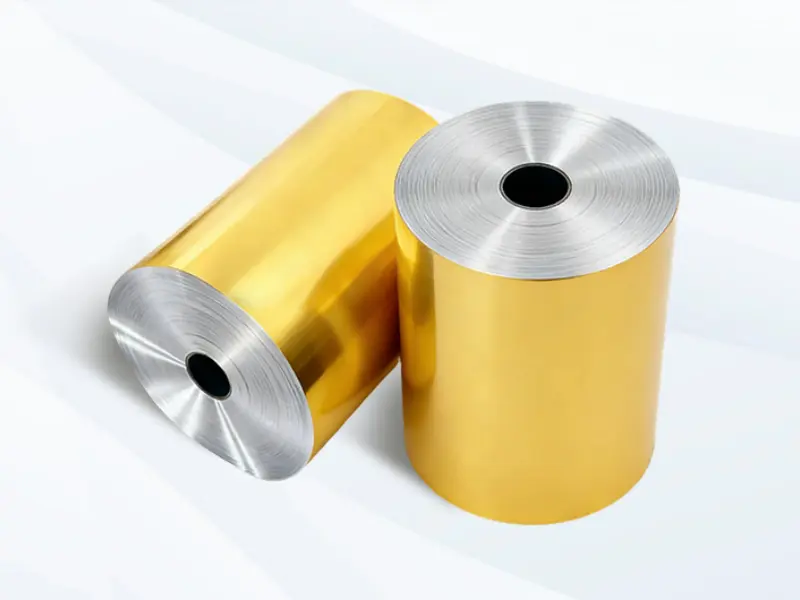
Our factory can provide a range of aluminium foil products for food packaging and related industries.
Available products include:
- Food packaging aluminium foil
- 75ft aluminium foil rolls
- Household aluminium foil
- Food container foil
- Flexible packaging foil
- Aluminium foil for baking
- Aluminium foil for catering
- Embossed aluminium foil
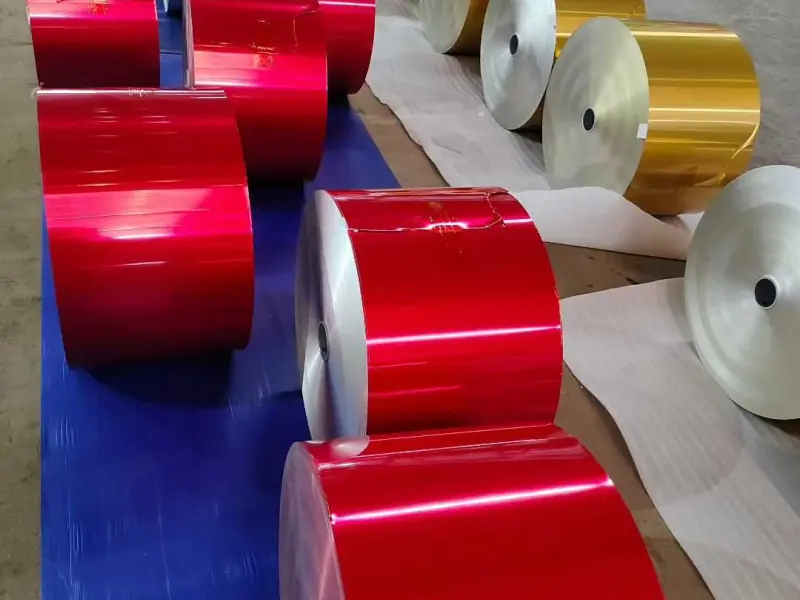
- Lacquered aluminium foil
Different alloys, thicknesses, widths, tempers, and packaging formats can meet demands according to customer requirements.
Customized 75ft Food Packaging Aluminium Foil
For customers who need a private-label product, the roll length can be combined with customized packaging.
Possible options:
| Item | Custom Options |
|---|---|
| Length | 75ft or customized |
| Width | Customized |
| Thickness | Customized |
| Alloy | 8011 / 1235 / 3003 / 8006 |
| Temper | O / H14 / H16 / H18 |
| Surface | Plain / Bright / Embossed |
| Core | Customized |
| Box | Printed |
| Carton | Customized |
This is useful for wholesalers, supermarkets, food-service distributors, and private-label brands.
How to Select the Right 75ft Aluminium Foil
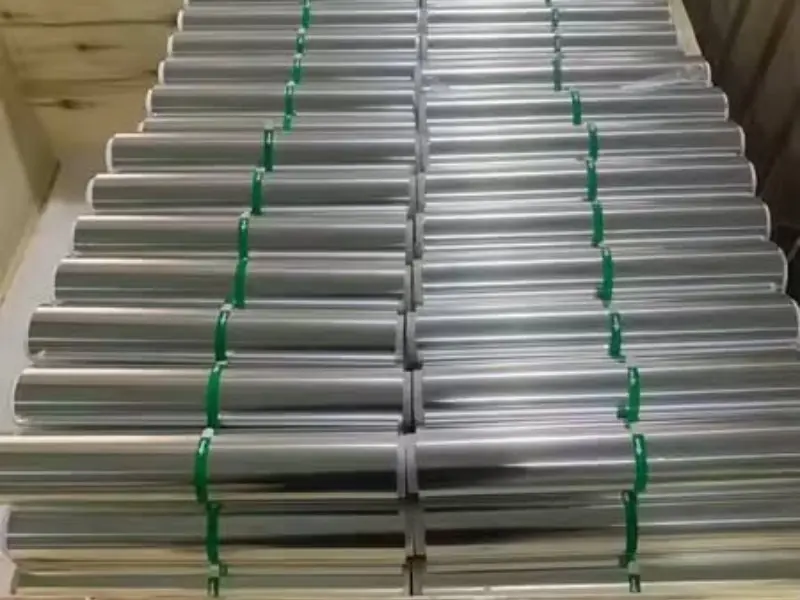
The buying process can be simplified:
Step 1 → Confirm food packaging application
Step 2 → Select alloy
The Step 3 → Choose thickness
Step 4 → Confirm width
Step 5 → Select temper and surface
The Step 6 → Confirm roll length
Step 7 → Confirm box and carton packaging
Step 8 → Request technical specifications and quotation
This approach helps avoid choosing a foil that is too thin, too thick, or unsuitable for the intended production process.
What Affects 75ft Food Packaging Aluminium Foil Price?
The price is not based only on the 75ft length.
Main factors include:
| Factor | Effect on Cost |
|---|---|
| Aluminium alloy | Material cost |
| Thickness | More material means higher cost |
| Width | Changes material quantity |
| Surface treatment | Processing cost |
| Packaging | Printing and packaging cost |
| Order quantity | Bulk orders may reduce unit cost |
| Market aluminium price | Changes raw material cost |
| Delivery destination | Affects logistics |
For accurate pricing, buyers should provide the required width, thickness, alloy, temper, quantity, and packaging style.


Understanding 75ft Food Packaging Aluminium Foil
Food packaging aluminium foil is a thin, flexible sheet of aluminium metal, specifically designed for direct contact with food.
The 75ft length is a popular size, offering a generous supply that lasts through numerous cooking and storage tasks without needing frequent replacement.
Its ability to withstand a wide range of temperatures, from deep freezing to high oven heat, makes it incredibly adaptable for various culinary processes.
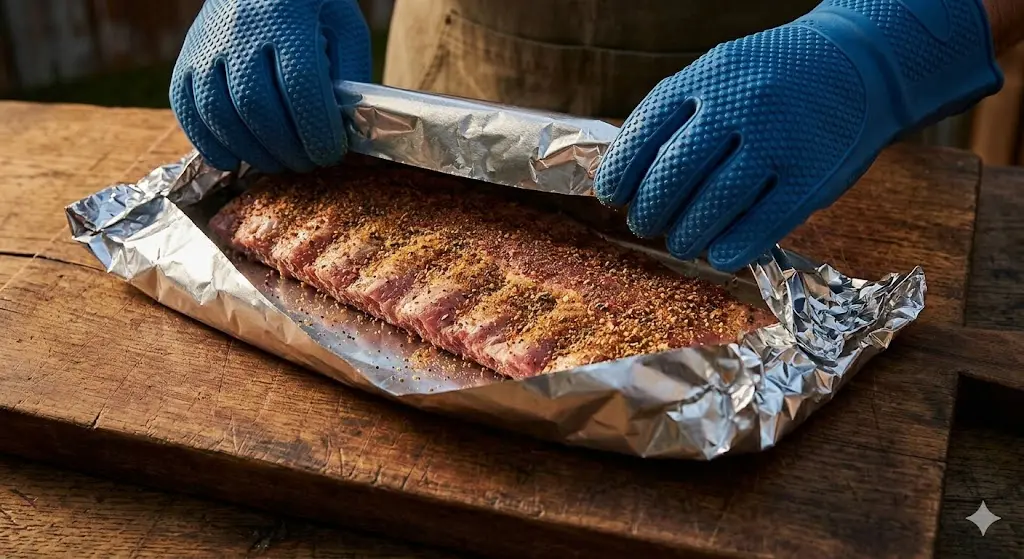
It strikes a balance between a compact roll for home use and sufficient quantity for small businesses, catering events, or meal preparation services.
This foil works by creating an effective barrier against light, oxygen, moisture, and odors.
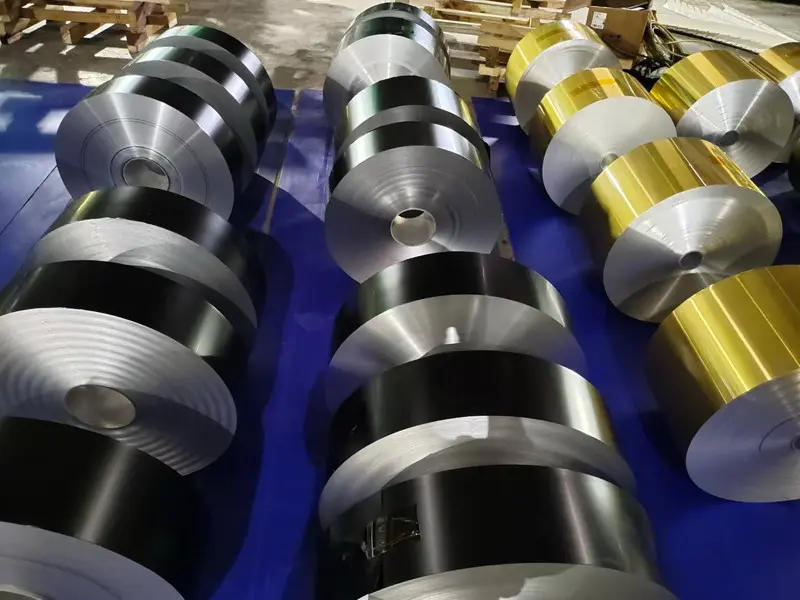
These barrier properties are crucial for extending the shelf life of food, preventing spoilage, and maintaining the original taste and texture.

By Surface Finish
- Bright Finish: Most food packaging aluminium foil has one shiny side and one dull side. The difference is due to the manufacturing process; both sides perform equally well in terms of barrier properties and heat conductivity.
- Non-Stick Food Packaging Foil: Some specialized food packaging aluminium foil comes with a non-stick coating on one side. This is particularly useful for wrapping or cooking sticky foods like cheese, grilled fish, or baked goods, ensuring they don’t adhere to the foil and are easy to remove without tearing. This feature adds convenience to food packaging and meal prep.
Understanding these classifications helps you choose the most appropriate 75ft food packaging aluminium foil for your specific needs, ensuring optimal food preservation and cooking results.

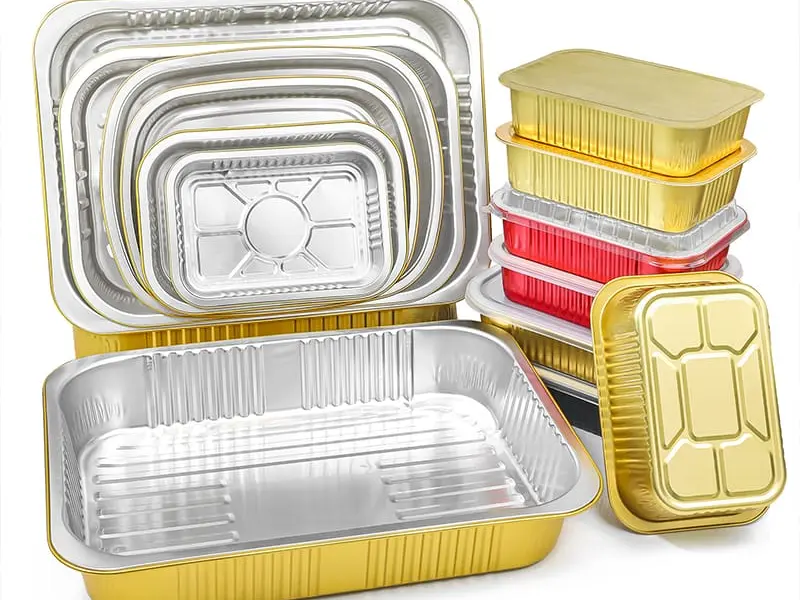
Classification of Food Packaging Aluminium Foil
While the term “aluminium foil” is broad, food packaging aluminium foil can be classified based on its thickness and special features, which are vital for its specific food packaging applications.
By Thickness: Standard vs. Heavy-Duty
- Standard Food Packaging Foil: This is the most common type found in households. It’s generally around 0.012 to 0.018 mm thick. It’s perfect for wrapping sandwiches, covering bowls, and general food storage. Its flexibility allows it to conform tightly to food shapes, providing a good seal.
- Heavy-Duty Food Packaging Foil: Thicker than standard foil, typically ranging from 0.024 mm to 0.04 mm. This extra thickness provides superior strength and durability. For food packaging, heavy-duty foil is ideal when you need to wrap larger, heavier items, cook at high temperatures, or protect food from potential punctures during transport or freezing. Its robustness helps prevent tears and ensures a more secure wrap.
Alloy: The Core of Food Packaging Aluminium Foil Quality
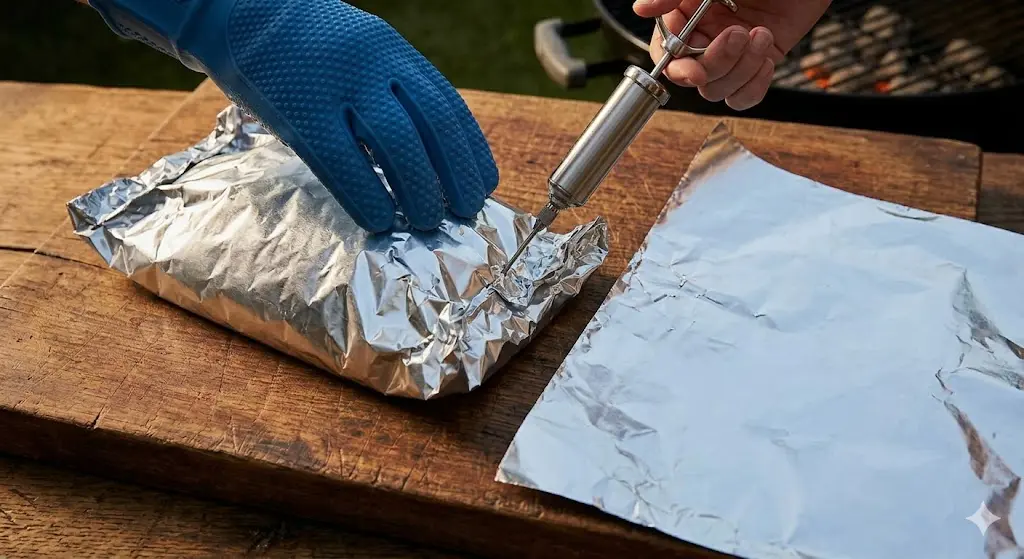
The effectiveness and safety of food packaging aluminium foil largely depend on the specific alloy used in its production.
An alloy is a mixture of aluminium with small amounts of other elements, which have applications to enhance certain properties like strength, flexibility, and formability, all while maintaining food safety.
For food packaging, the aluminium alloys primarily belong to the 1xxx or 8xxx series. The most common alloys used are:
- Alloy 1235: This alloy is very common in the production of thin foils due to its high purity (minimum 99.35% aluminium) and excellent ductility. Its purity ensures that it is highly resistant to corrosion and is perfectly safe for direct food contact. It’s an ideal choice for general-purpose 75ft food packaging aluminium foil.
- Alloy 8011: This alloy contains small additions of iron and silicon, which increase its strength without significantly compromising its flexibility. It has uses for thicker or heavy-duty food packaging aluminium foil where a bit more robustness is required. Like 1235, it is considered food-grade and is non-toxic.
These specific alloys are chosen because they offer:
- Food Safety: They are non-toxic, non-reactive with most foods, and do not impart any taste or odor to the food. This is paramount for any food packaging material.
- High Purity: The high aluminium content ensures excellent barrier properties against light, moisture, and gases.
- Formability and Flexibility: The alloys allow the aluminium to be rolled into extremely thin sheets that can be easily molded around food items, creating a tight seal.
- Temperature Stability: They remain stable and effective across a wide temperature range, from freezer to oven.
The careful selection of these alloys guarantees that your 75ft food packaging aluminium foil is both safe and effective for all its intended food packaging and culinary uses.
Key Properties of Food Packaging Aluminium Foil
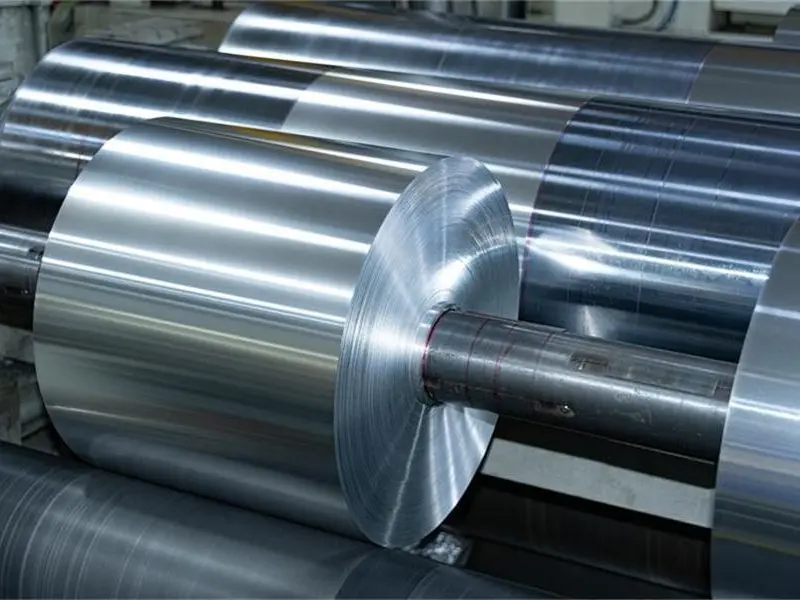
The success of aluminium foil in food packaging stems from its unique combination of properties:
- Exceptional Barrier Protection:
- Light Barrier: Opaque to light, it protects light-sensitive foods (like dairy or some vegetables) from degradation caused by UV rays.
- Oxygen Barrier: Prevents air and oxygen from reaching food, significantly slowing down oxidation and spoilage.
- Moisture Barrier: Keeps food from drying out and prevents moisture from entering, crucial for maintaining freshness.
- Odor Barrier: Locks in food aromas and prevents cross-contamination of smells in refrigerators.
- Temperature Resistance:
- Can withstand extreme cold, making it perfect for freezing food and preventing freezer burn.
- Can endure high oven temperatures, ideal for baking, roasting, and grilling.
- Hygiene and Non-Toxicity: It is sterile and non-toxic, making it safe for direct food contact. It does not harbor bacteria.
- Formability and Dead-Fold Characteristics: It has shaped around food items and stays in place once folded, providing a secure and tight wrap.
- Thermal Conductivity: It conducts heat efficiently, helping food cook evenly and retaining heat when keeping food warm.
Applications of 75ft Food Packaging Aluminium Foil
The versatility of 75ft food packaging aluminium foil makes it invaluable in countless food-related scenarios:
Food Storage & Preservation
- Refrigerator Storage: Tightly wrap leftovers like cooked meats, cheeses, fruits, and vegetables to extend their freshness and prevent odor transfer.
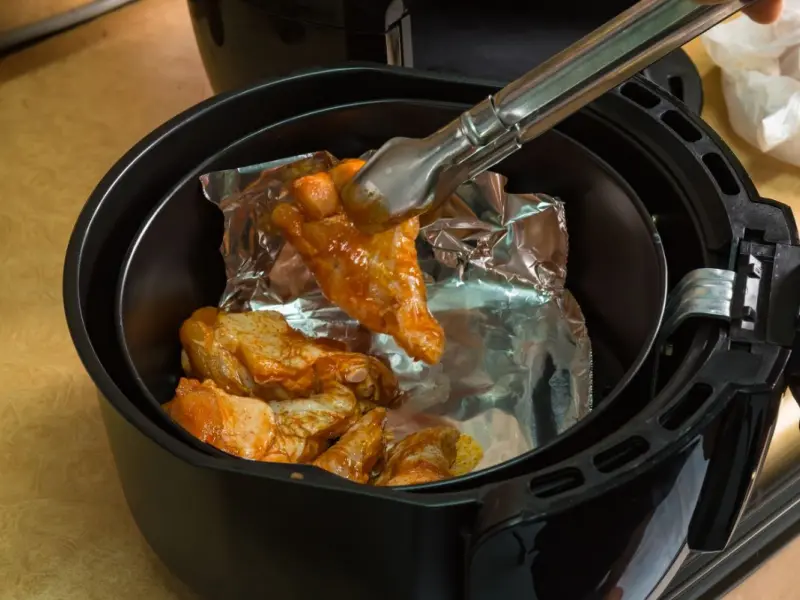
- Freezer Storage: A crucial tool for preventing freezer burn. Double-wrap meats, poultry, fish, baked goods, and prepared meals before freezing to maintain quality.
- Pantry Preservation: Wrap opened packages of crackers, cookies, or cereals to keep them crisp and protected from moisture and pests.
Cooking & Baking
- Covering Dishes: Use to cover casseroles, roasts, or baked dishes to trap moisture, prevent over-browning, and ensure even cooking.
- Lining Pans: Line baking sheets, roasting pans, or grill grates for easy cleanup, especially with sticky or greasy foods.
- Foil Packet Cooking: Create individual foil packets for cooking fish, vegetables, or chicken in the oven or on the grill. This method steams food in its own juices, creating flavorful and moist results with minimal mess, effectively packaging a meal.
- Protecting Crusts: Shield pie crust edges from over-browning while the filling bakes by forming a protective foil ring.
Serving & Transport
- Keeping Food Warm: Wrap cooked dishes like roasted chicken, potatoes, or casseroles in foil to retain heat until serving time.
- Picnics & Potlucks: Securely wrap sandwiches, baked goods, or other prepared foods for transport to maintain freshness and prevent spills. This provides an excellent form of food packaging for events.
- Individual Portions: For catering or meal prep, wrap individual servings of cooked items to make them easy to distribute and reheat.
Other Kitchen & Commercial Uses
- Grill Liner: Line a grill with heavy-duty foil to cook delicate items like fish or vegetables without them falling through the grates.
- Makeshift Funnel: Roll a piece of foil into a cone shape to create a temporary funnel for liquids or dry goods.
Enhanced Food Safety: Provides a hygienic barrier, protecting food from contaminants, bacteria, and cross-contamination.
Unmatched Versatility: Adapts to a wide range of tasks from cooking and baking to freezing and storing.
Convenience and Ease of Use: Simple to tear, fold, and mold, making food wrapping quick and effortless.
Cost-Effectiveness: A relatively inexpensive material that provides high value due to its protective capabilities and diverse applications.
Benefits of Using 75ft Food Packaging Aluminium Foil
Opting for 75ft food packaging aluminium foil offers a myriad of advantages that contribute to efficient and safe food handling:
Recyclability: In many regions, clean aluminium foil has recycled, offering an environmentally friendly option for food packaging.
Superior Freshness Retention: Its excellent barrier properties significantly extend the shelf life of food, reducing waste.
75ft food packaging aluminium foil For Sale
The 75ft food packaging aluminium foil roll is a powerful ally in any kitchen, be it a busy home or a light commercial setting. Its unique combination of barrier protection, temperature resistance, and ease of use makes it indispensable for preserving freshness, ensuring food safety, and simplifying countless cooking tasks.
By understanding its classification, the importance of its alloy, and its wide array of applications, you can fully leverage the benefits of this versatile food packaging solution, making your food management more effective and efficient.
FAQ About 75ft Food Packaging Aluminium Foil

Is 75ft aluminium foil the same as 75 meters?
No. 75ft is approximately 22.86 meters. It is shorter than a 75-meter roll.
What alloy is commonly used for food packaging aluminium foil?
8011 has uses for food packaging and household foil. 1235, 3003, and 8006 have uses for specific applications.
What thickness is suitable for household food wrapping?
Thin foil around 0.009–0.020 mm has uses for household and food-service wrapping. The correct thickness depends on the required strength and application.
Can 75ft aluminium foil be customized?
Yes. A manufacturer can customize the width, thickness, alloy, temper, core, printed box, carton, and other packaging details.
Is aluminium foil recyclable?
Aluminium is a recyclable material. However, recycling availability depends on local collection systems. Food-contaminated foil may need to be cleaned according to local recycling rules.
Can aluminium foil be used for baking?
Aluminium foil has uses in baking and food preparation. Users should follow the instructions for their specific oven and food product.
Can aluminium foil be used in a microwave?
Not in general. Metal foil can cause arcing in microwave ovens. Users should follow the microwave manufacturer’s instructions and food packaging guidance.
What is the difference between 75ft and jumbo aluminium foil rolls?
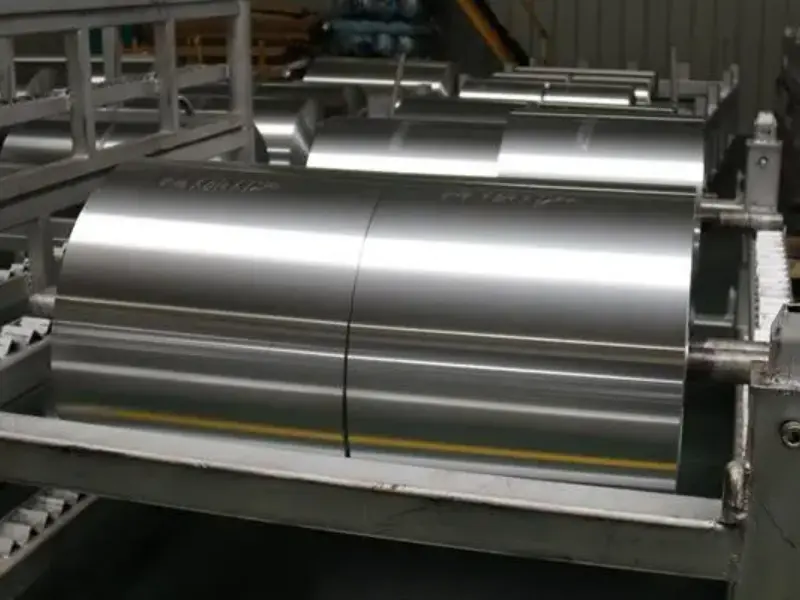
A 75ft roll has design for convenient household or food-service use. Jumbo rolls are much larger and have applicaionts to manufacturers that slit, rewind, laminate, or convert the foil into finished packaging.
Can the aluminium foil box have a private brand?
Yes. Private-label packaging can be produced for suitable order quantities. The box can include a company logo, product specifications, usage information, and other approved artwork.
Why Work With an Aluminium Foil Manufacturer?


A direct manufacturer can provide more than a standard foil roll.
Customers can discuss:
→ Alloy selection
→ Thickness selection
→ Roll dimensions
→ Core requirements
→ Surface quality
→ Private-label packaging
→ Bulk supply
→ Export packaging
This is useful for distributors and brands that need stable specifications across repeated orders.