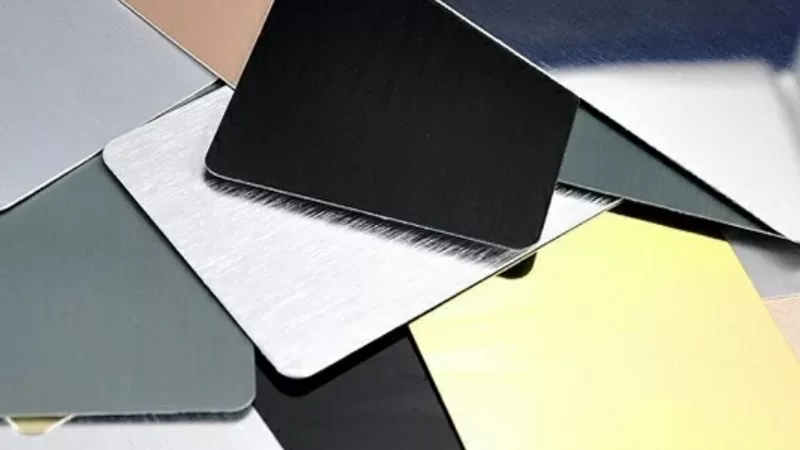
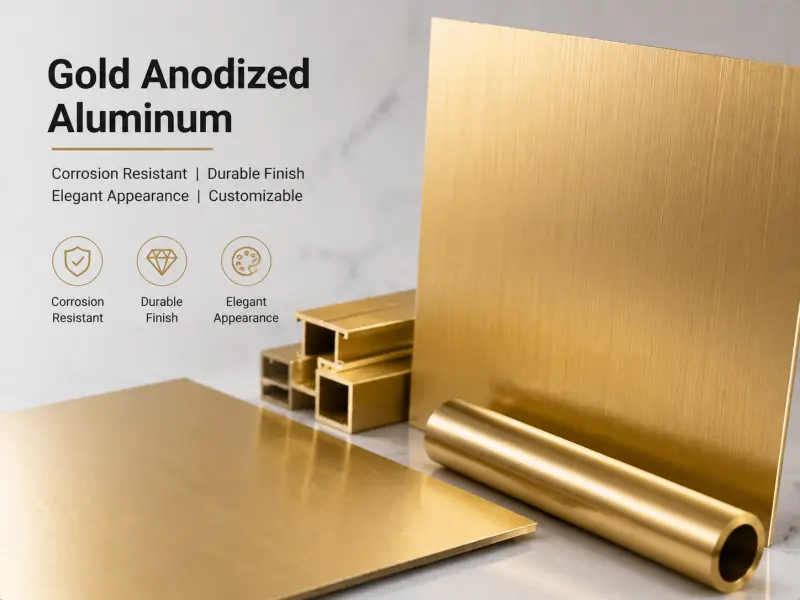
Are you looking for reliable anodised aluminium sheet suppliers? We provide high-quality anodized aluminum sheets in a wide range of sizes, finishes, and colors—ideal for architectural, industrial, and decorative use. Our anodized sheets offer excellent corrosion resistance, surface durability, and a premium metallic finish.
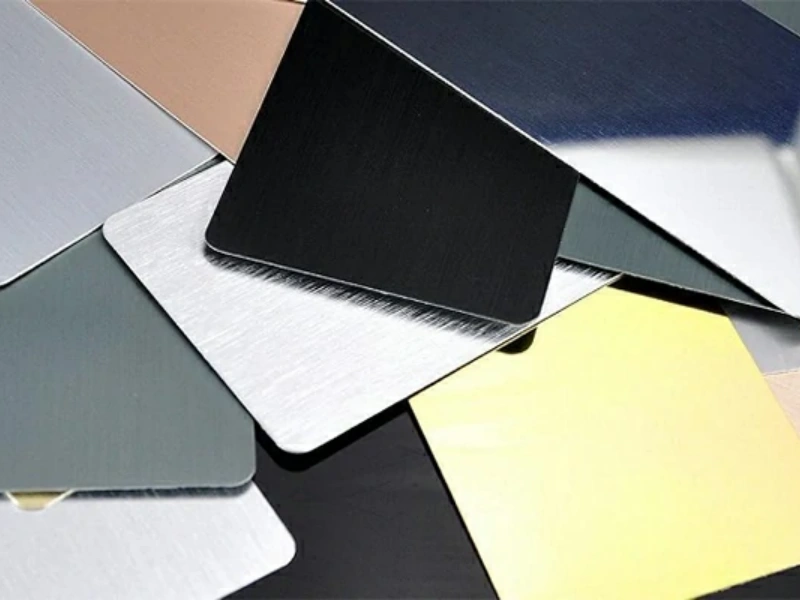
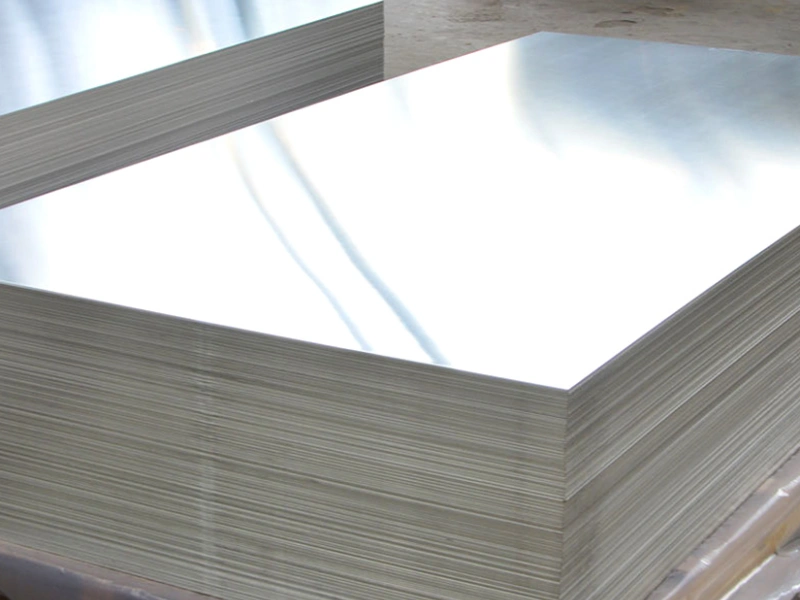
Specifications of Anodised Aluminium Sheets
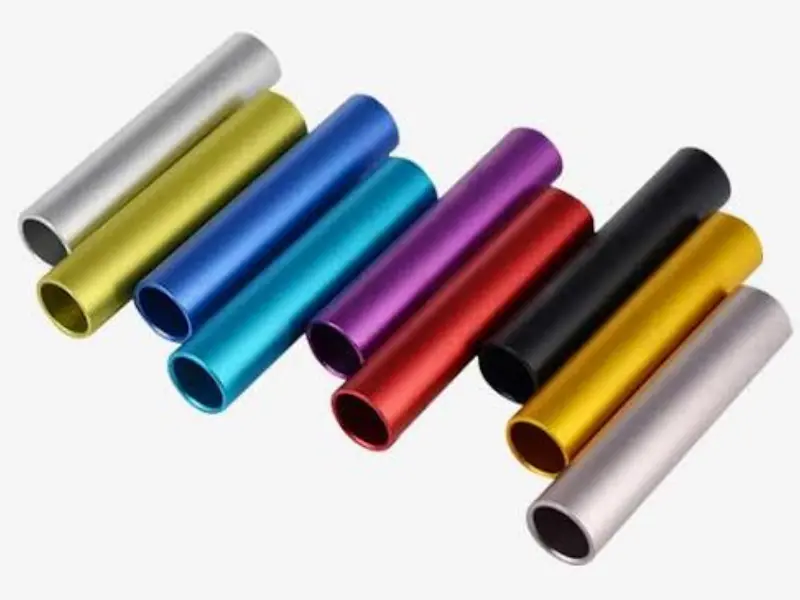
| Property | Details |
|---|---|
| Alloy Grades | 1050, 1060, 1100, 3003, 5005, 5052 |
| Temper | H14, H24, H32, O |
| Thickness | 0.3 mm – 5.0 mm |
| Width | Up to 1500 mm |
| Length | Up to 6000 mm or coil format |
| Finish Types | Bright, brushed, satin, matte, mirror |
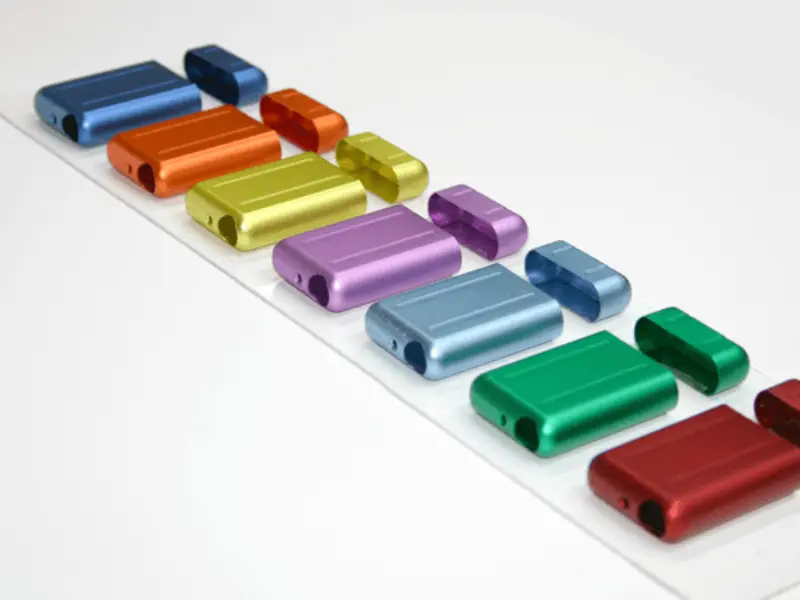
| Colors Available | Silver, black, bronze, gold, blue, red |
| Anodising Thickness | 5μm – 25μm (customizable) |
Custom cutting, drilling, bending, and protective film coating are available upon request.
Types of Anodised Aluminium Sheets We Offer
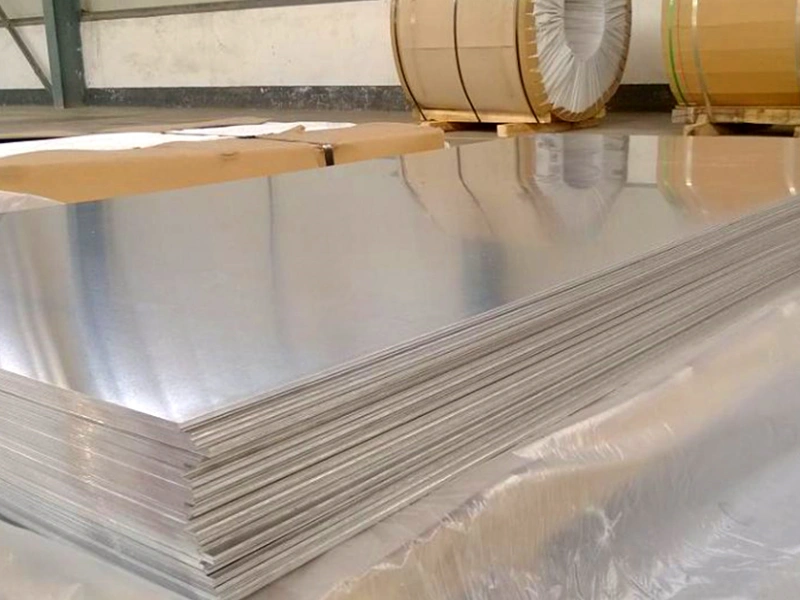
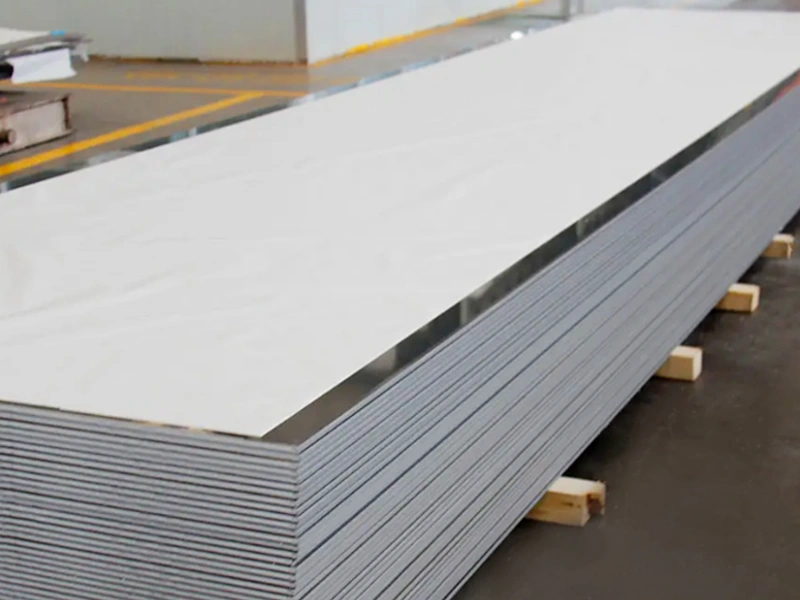
Clear Anodised Sheets
- Natural silver look
- Common in architecture and signage
Colored Anodised Sheets
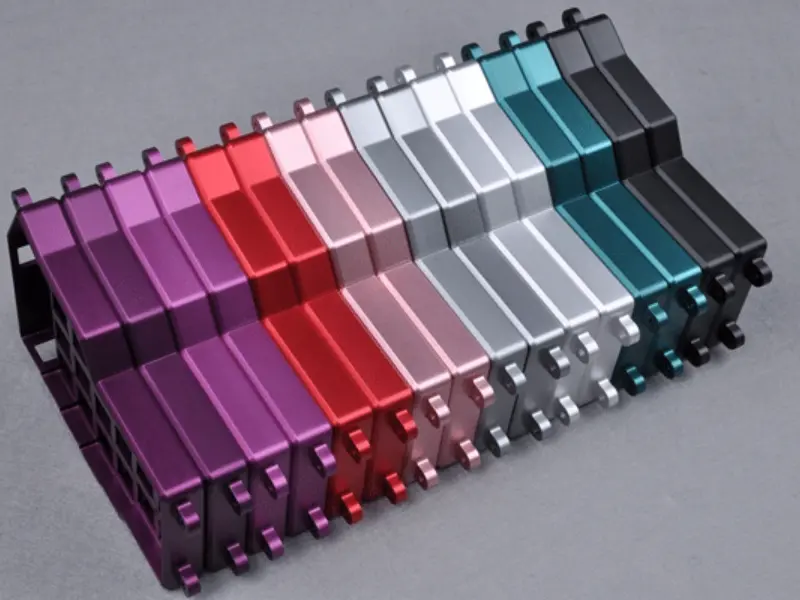
- Available in black, gold, bronze, red, and blue
- Used in interior design, panels, nameplates
Brushed Anodised Aluminium
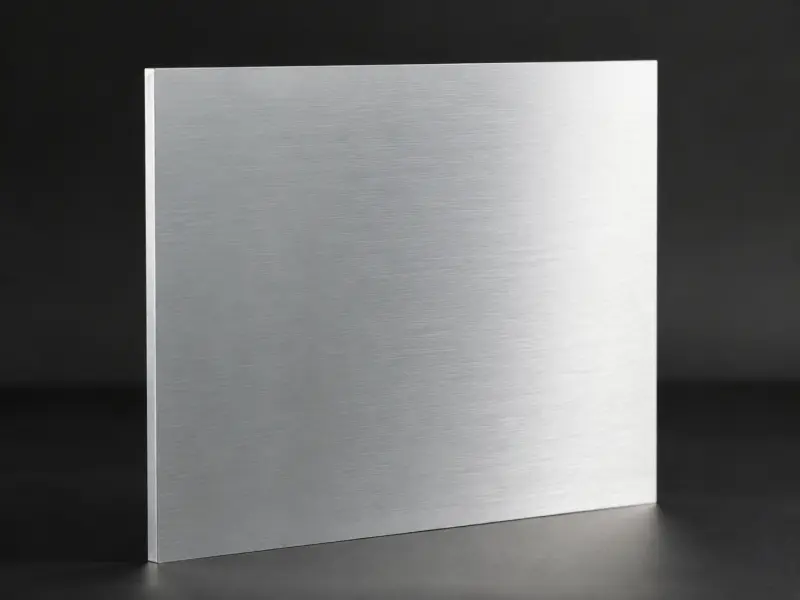
- Textured surface with hairline finish
- Ideal for furniture, appliances, wall cladding
Mirror Anodised Sheets
- High-reflective surface
- Suitable for decoration and display units
Advantages of Anodised Aluminium Sheets
- ✅ Corrosion-resistant – Ideal for outdoor or humid environments
- ✅ Hard surface – Scratch- and wear-resistant
- ✅ Non-peeling surface – The anodised layer won’t flake
- ✅ Color stability – UV-resistant dyed finishes
- ✅ Aesthetic appeal – Premium look for modern design
- ✅ Lightweight and easy to process – Cut, drill, or bend as needed
With these properties, anodised aluminum is one of the most versatile sheet metals available.
Applications of Anodised Aluminium Sheets
Anodised aluminum sheets are used across many industries:
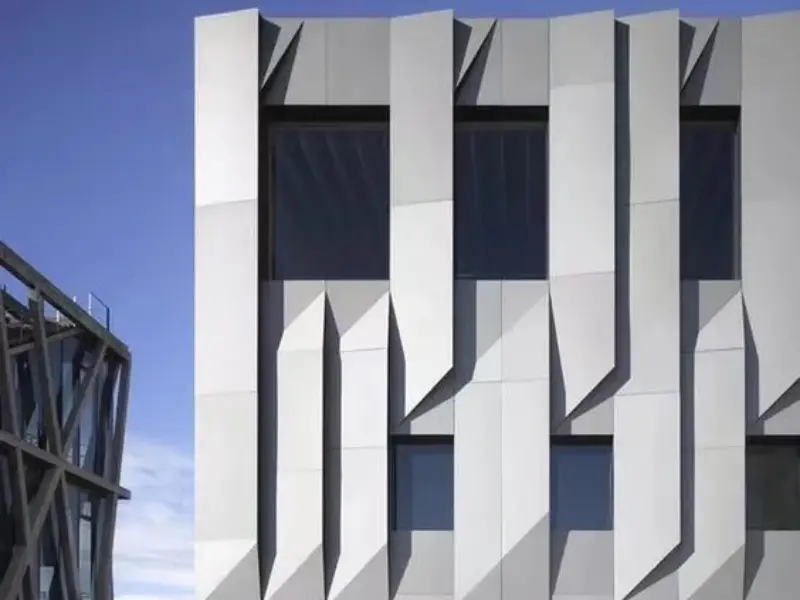
🏗️ Architecture and Construction
- Curtain walls
- Wall cladding panels
- Roof facades
- Window frames
🛋️ Interior Decoration
Decorative trims
Cabinet panels
Room dividers
Elevator panels
🧰 Industrial Use
- Machine covers
- Control panels
- Electrical enclosures
📛 Signage and Labels
- Nameplates
- Direction signs
- Control panel overlays
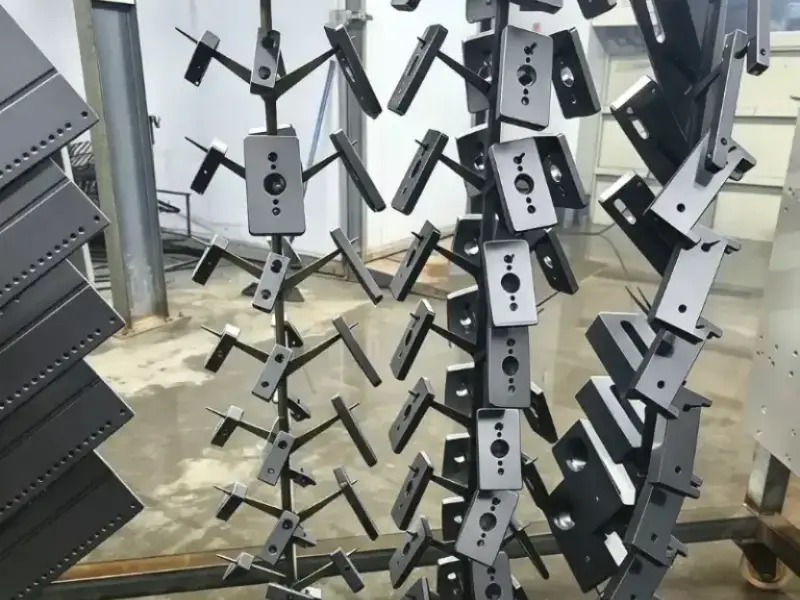
🎁 Consumer Products
- Electronics casings
- Kitchen appliances
- Custom packaging
Our customers include builders, fabricators, designers, and engineers who trust us as experienced anodised aluminium sheet suppliers.
What Is Anodised Aluminium Sheet?
Anodised aluminium sheets are aluminum plates that have gone through an electrochemical process to form a protective oxide layer on the surface. This layer is hard, durable, and corrosion-resistant. It also improves the appearance of the metal, giving it a uniform, glossy, or matte finish.
Anodising not only enhances durability but also allows color dyeing, making the sheets attractive for both functional and decorative applications.
Why Choose Us as Your Aluminium Sheet Supplier
We stand out as trusted anodised aluminium sheet suppliers for several reasons:
- 🏭 In-house anodising line – strict quality control
- 🧪 Certified alloys and surface finish standards
- 🎨 Wide range of colors and finishes
- 📏 Custom cutting and fabrication available
- 📦 Secure packaging and fast delivery
- 🌍 Global shipping with flexible trade terms (FOB, CIF, DDP)
- 📞 Fast response and professional support
We supply aluminum sheets for projects of all sizes—from one-off custom pieces to full container orders.
Packaging and Delivery
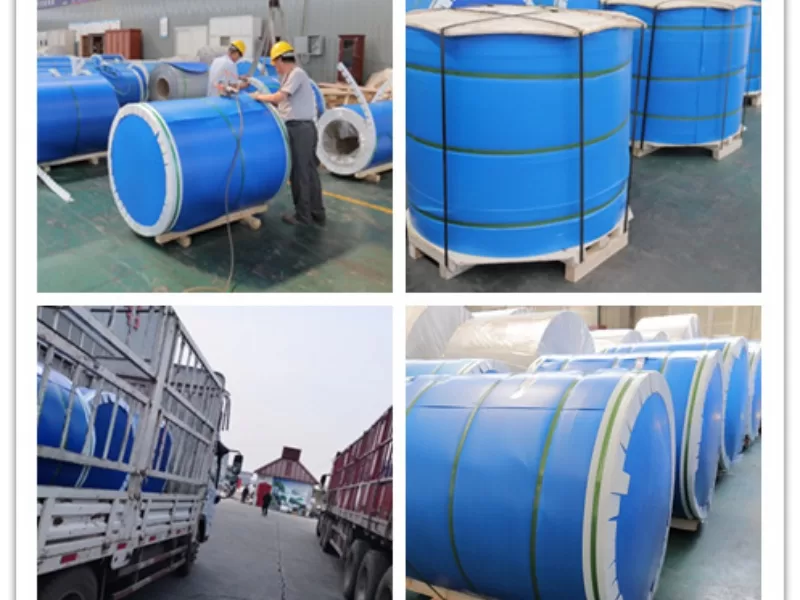
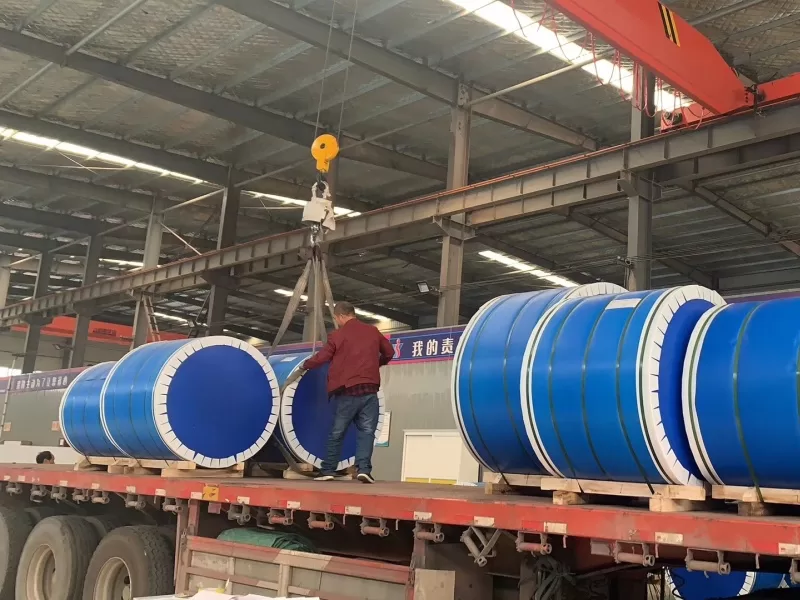
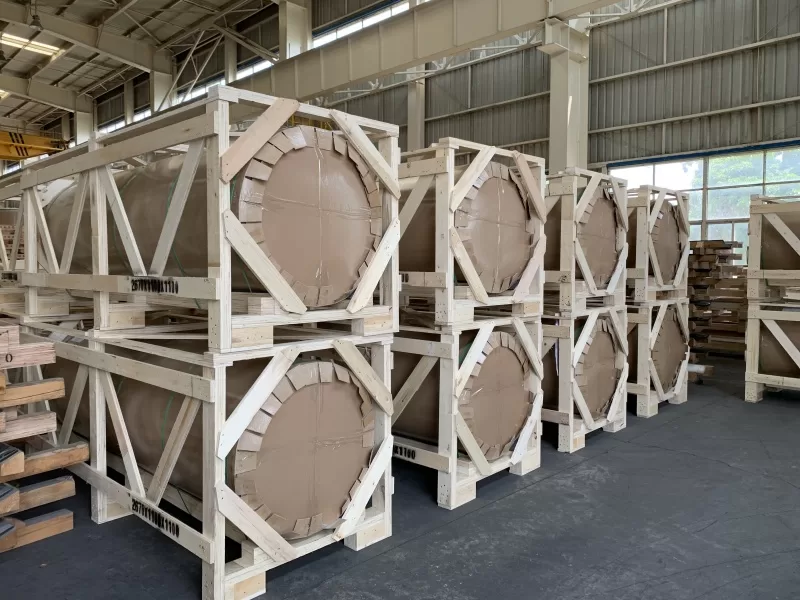
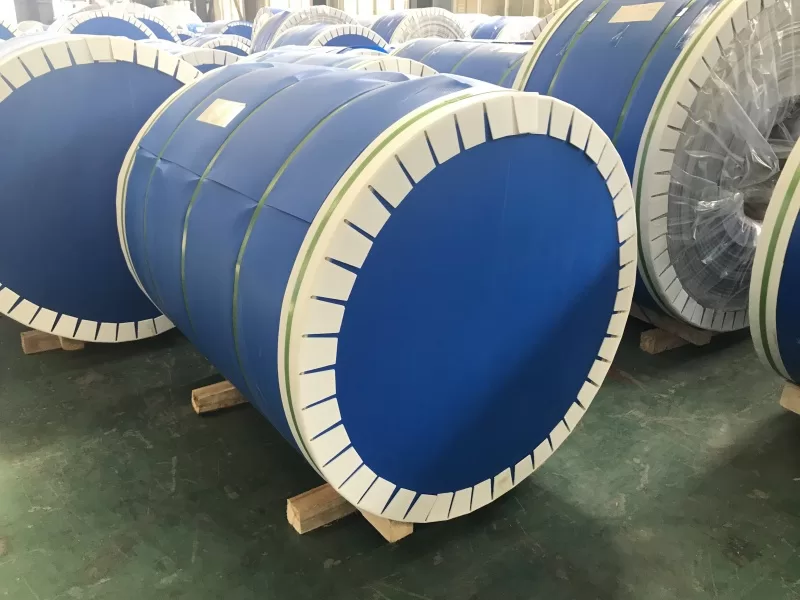
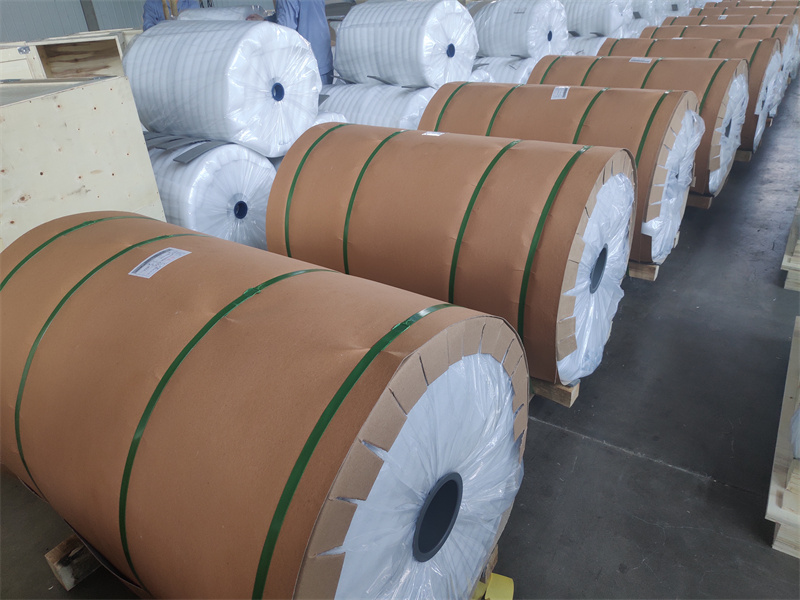
We ensure your anodised aluminium sheets arrive safely:
- 📦 PE film or paper between each sheet
- 🧃 Sheets stacked on wooden or steel pallets
- 🪵 Export packaging with shrink wrap or corner protectors
- 🏷️ Each pallet labeled with alloy, size, finish, and quantity
- 🚛 Fast delivery: 7–15 working days for regular orders
- ✈️ Global delivery via sea freight or air express available
Let us know your packaging and shipping requirements—we support OEM and mixed product loads.
Understanding Manufacturer Capabilities
Production Methods
Leading manufacturers utilize:
- Continuous coil anodising for high-volume orders
- Batch processing for custom colors/thicknesses
- Computer-controlled dipping for consistent quality
- Automated quality inspection systems
Key Manufacturing Equipment
Anodising tanks (sulfuric acid or hardcoat)
Precision leveling machines
Color dye baths with pH monitoring
Sealing ovens with temperature control
Laser measuring for thickness verification
Manufacturer Certifications Matter
Essential Certifications
- ISO 9001: Quality management systems
- ISO 14001: Environmental compliance
- Qualanod: European anodising quality standard
- AAMA 611: North American architectural standard
- ASTM B137: Standard specification for anodised products
Testing Capabilities
Reputable manufacturers conduct:
- Salt spray testing (ASTM B117)
- Adhesion testing (ASTM D3359)
- Colorfastness testing (ASTM D2244)
- Coating thickness measurements
Manufacturing Process Insights
Step-by-Step Production
- Material Preparation:
- Chemical cleaning
- Etching for surface uniformity
- Anodising:
- Electrolytic oxidation
- Current density control (12-18 ASF)
- Coloring (if applicable):
- Electrolytic coloring (bronze/gray)
- Organic dye dipping (vibrant colors)
- Sealing:
- Hot water sealing (96-100°C)
- Nickel acetate sealing (enhanced corrosion)
Quality Control Points
- Pre-treatment surface inspection
- Anodic layer thickness monitoring
- Color consistency checks
- Final hardness testing (for hardcoat)
Manufacturer Selection Criteria
Technical Capabilities
- Maximum sheet width/length capacity
- Available alloy selection
- Color options and custom matching
- Minimum/maximum order quantities
Service Offerings
- Just-in-time inventory programs
- Value-added services (cutting, forming)
- Technical support and engineering assistance
- Sample program availability
Global Manufacturing Landscape
Regional Specializations
Middle East: Specialty high-temperature alloys
Asia: Cost-effective high volume production
Europe: Premium architectural quality
North America: Quick-turn custom orders
Emerging Trends
- Environmentally friendly anodising processes
- Digital color matching technology
- Automated material handling systems
- Energy-efficient anodising plants
Working with Manufacturers Effectively
Ordering Tips
- Provide complete specifications upfront
- Request material certifications
- Clarify packaging requirements
- Discuss lead times realistically
Red Flags to Watch
- Inconsistent sample quality
- Lack of process documentation
- Unwillingness to provide factory tours
- No references from similar clients
Future of Anodised Aluminium Manufacturing
Innovation Areas
- Self-healing anodic coatings
- Antimicrobial surface treatments
- Improved color retention technology
- Thinner yet more durable layers
Sustainability Focus
- Closed-loop water systems
- Acid recovery processes
- Renewable energy powered plants
- Reduced chemical usage formulations
How to Match an Anodised Aluminium Sheet Supplier to Your Project
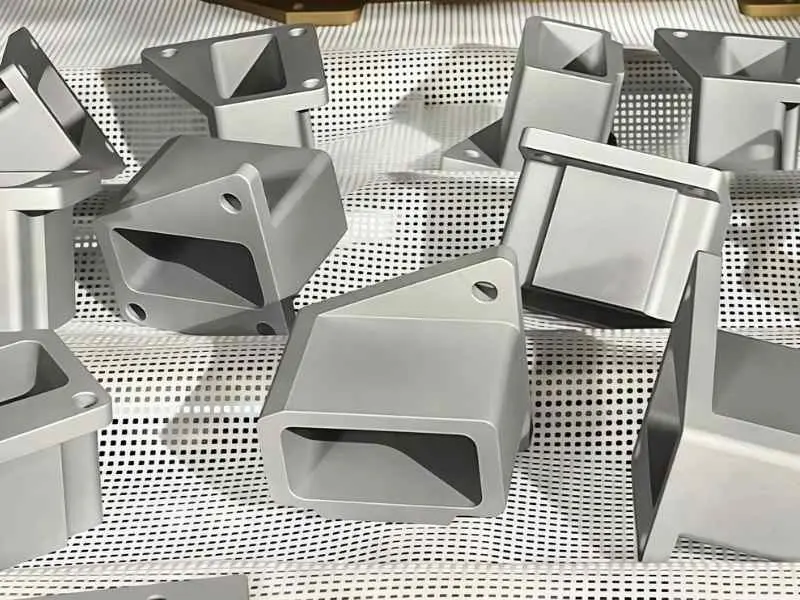
Choosing an anodised aluminium sheet supplier is not only about finding the right price. The supplier should understand the final application, surface requirements, and fabrication process.
A sheet used for decorative panels may need a different finish from one used for machined components or industrial enclosures.
Before requesting a quotation, define the most important requirements. This helps suppliers recommend a suitable material instead of offering a standard sheet that may not meet the project needs.
| Purchasing requirement | What to confirm with the supplier |
|---|---|
| Surface appearance | Matte, satin, brushed, bright, or other specified finish |
| Colour | Natural silver, black, bronze, champagne, or custom colour |
| Anodic film | Required thickness or applicable surface specification |
| Sheet dimensions | Standard sizes or custom cutting dimensions |
| Fabrication | Bending, punching, CNC machining, or laser cutting |
| Surface protection | Protective film, interleaving, or other packing method |
| Quality control | Colour inspection, thickness checks, and surface inspection |
| Order planning | Sample availability, production lead time, and repeat-order consistency |
A reliable supplier should be able to explain which specifications are available and which require special production arrangements. If the sheet will be used in a visible installation, request a sample before confirming a large order.
Anodised Aluminium Sheet Is Not a One-Finish Product
The term anodised aluminium sheet covers several surface appearances. The final look depends on the aluminium alloy, surface preparation, anodising process, and any additional colouring or sealing steps.
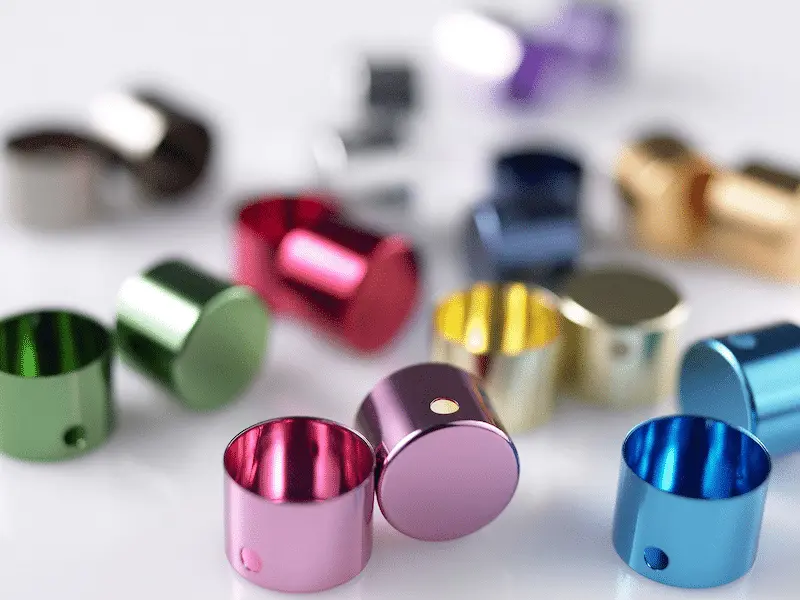
A brushed finish can show directional lines across the surface. A matte finish gives a more subdued appearance. A bright finish provides a more reflective look, while coloured anodised sheets can create a consistent metallic effect when the process is properly controlled.
For buyers, the important point is to specify the finish by its required appearance rather than using the word “anodised” alone.
Common Surface Options
- Natural anodised finish: Retains a metallic aluminium appearance with an anodic oxide layer.
- Brushed anodised sheet: Features directional surface lines that can suit decorative panels and equipment covers.
- Matte anodised sheet: Offers a less reflective appearance for interior and architectural components.
- Bright anodised sheet: Provides a more reflective surface, subject to the substrate and finishing process.
- Black anodised sheet: Commonly selected for equipment panels, trims, signs, and decorative parts.
- Bronze or champagne anodised sheet: Used where a warmer metallic appearance is required.
- Custom-colour anodised sheet: May be available for projects that need a specific visual finish.
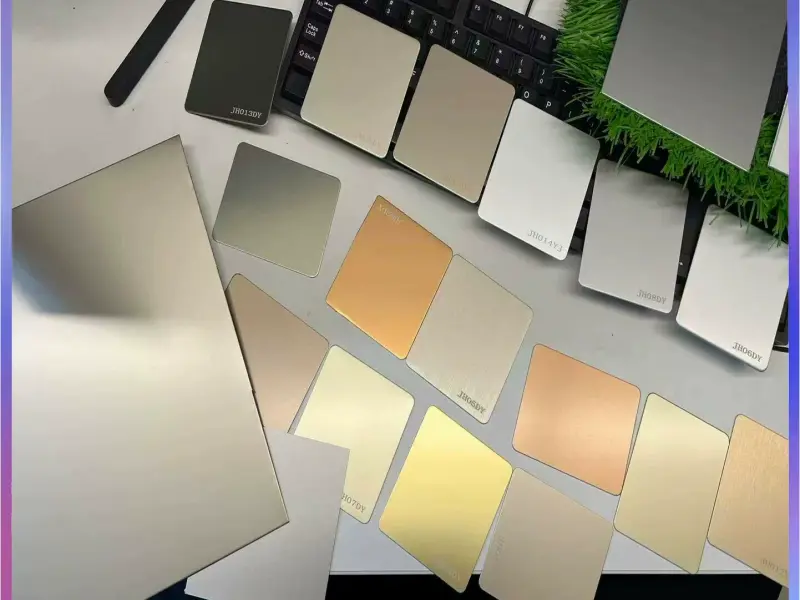
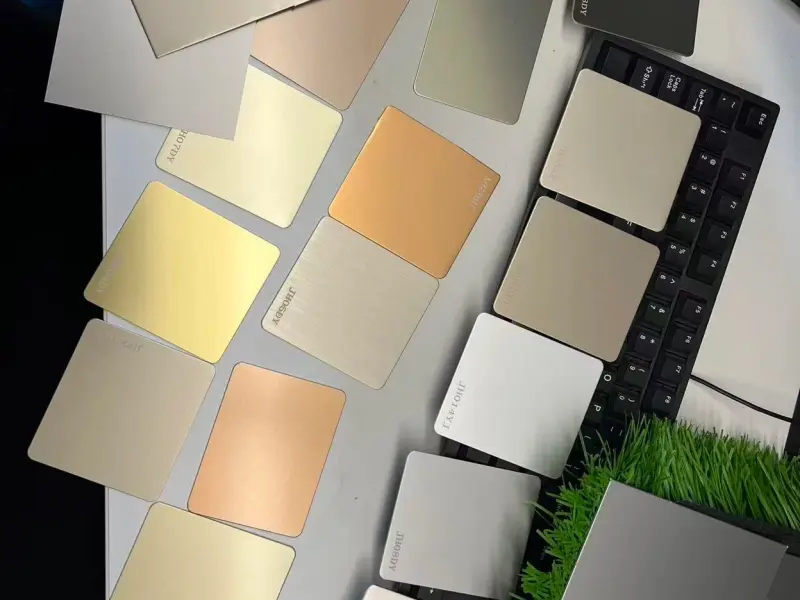
Colour names are not always consistent between suppliers. For large projects, agree on a physical sample or approved colour reference before mass production.
Why Two Anodised Aluminium Sheets May Look Different
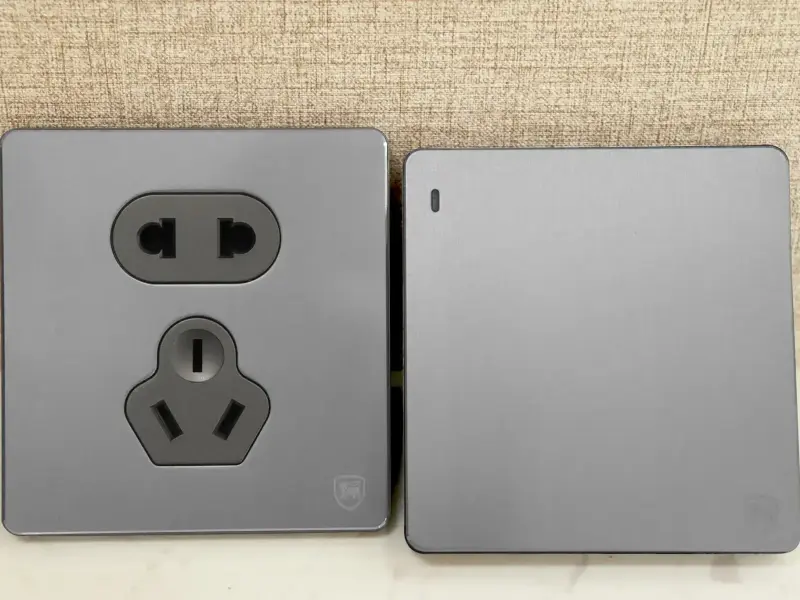
Two sheets can have the same nominal alloy, thickness, and colour name but still show visible differences. The reason may be the surface preparation, alloy composition, grain direction, anodising conditions, or lighting environment.
This matters when multiple sheets are installed next to each other. Small colour or gloss differences can become more noticeable across a large wall, ceiling, sign, or decorative panel.
For projects with strict appearance requirements, buyers should discuss the following points before ordering:
- Whether all sheets should come from the same production batch
- Whether the brushing direction must remain consistent
- Which sample will serve as the approved colour reference
- How much colour or gloss variation is acceptable
- Whether the inspection will use natural light or a specified lighting condition
- How replacement sheets will be matched if additional material is needed later
A practical approach is to order enough material for the planned installation in one batch whenever possible. If a future extension is likely, consider purchasing spare sheets from the same batch and storing them correctly.
Anodised Aluminium Sheet Ordering: Standard Size or Custom Cut?
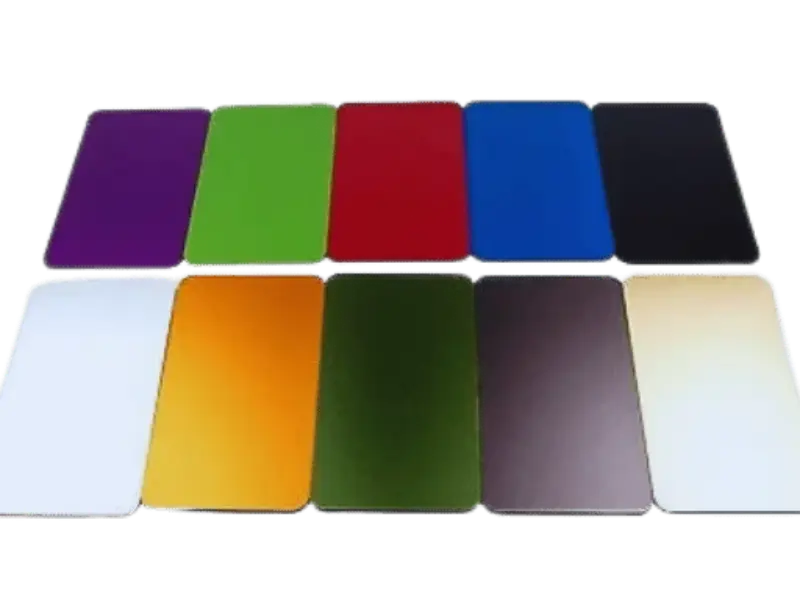
The best purchasing format depends on the fabrication process and the size of the finished parts. Standard sheets can be suitable for workshops with their own cutting equipment.
Custom-cut sheets may reduce handling and cutting work for manufacturers with fixed component dimensions.
| Buying option | Suitable situation | Main consideration |
|---|---|---|
| Full-size sheets | General fabrication and flexible production | Requires cutting equipment and material planning |
| Custom-cut rectangles | Repeated panels or fixed component sizes | Confirm dimensional tolerance and edge quality |
| Narrow strips | Trims, covers, and linear components | Check strip width and edge condition |
| CNC-cut blanks | Complex outlines and repeatable parts | Confirm drawing version and machining requirements |
| Pre-finished panels | Projects with specific surface and appearance needs | Protect the finish during transport and installation |
Custom cutting does not always reduce the total cost. It may lower workshop labour but increase processing charges or material waste at the supplier. Compare the cost of delivered parts with the cost of full sheets, including cutting, handling, scrap, and inspection.
How to Reduce Material Waste When Buying Anodised Aluminium Sheets
Material waste can affect the real cost of an anodised aluminium sheet order. This is especially important for coloured or brushed sheets, where the surface direction and finish may limit how parts can be arranged.
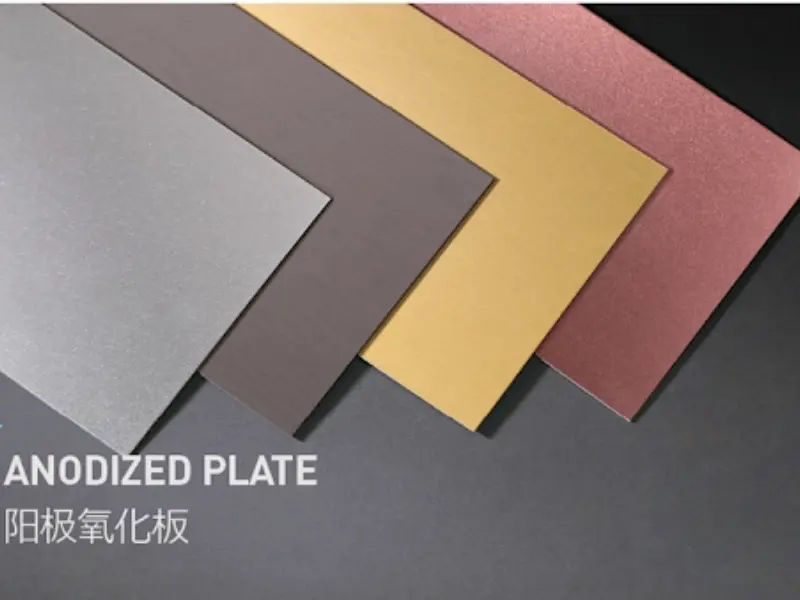
Before placing an order, prepare a cutting plan based on the final component dimensions. Group similar parts together and consider whether smaller offcuts can be reused for other components.
For brushed anodised sheets, the grain direction may need to remain consistent across visible parts. Rotating a component to improve material yield may change its appearance after installation.
A simple purchasing review should include:
- Finished part dimensions and quantity
- Sheet dimensions and cutting layout
- Required grain or brushing direction
- Cutting allowance and edge-trimming needs
- Surface protection during cutting
- Expected scrap and reusable offcuts
If the parts are used for a large decorative project, appearance consistency may be more important than achieving the highest possible cutting yield.
What Should Be Included in an Anodised Aluminium Sheet Quotation?
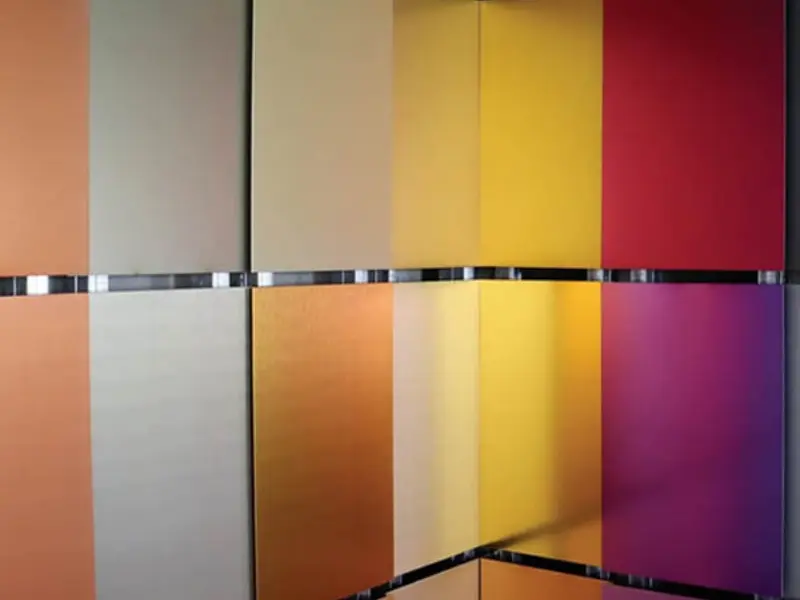
A clear quotation request allows suppliers to compare the same product specification. Without enough detail, different suppliers may quote sheets with different finishes, oxide-layer requirements, tolerances, or packaging standards.
Use the following checklist when contacting an anodised aluminium sheet supplier.
| Specification | Information to provide |
|---|---|
| Alloy and temper | Required grade and temper, if specified |
| Base material thickness | Aluminium thickness before anodising, where applicable |
| Sheet dimensions | Width, length, and dimensional tolerances |
| Surface finish | Brushed, matte, bright, or another defined finish |
| Colour | Natural, black, bronze, champagne, or approved reference |
| Anodic coating | Required thickness or governing specification |
| Quantity | Number of sheets or total area |
| Processing | Cutting, punching, machining, or other services |
| Inspection | Appearance, dimensions, coating, and agreed tests |
| Packaging | Protective film, interleaving, crates, or pallet requirements |
| Delivery | Destination and required delivery schedule |
If the project has a drawing, technical specification, or approved sample, send it with the inquiry. The supplier can then confirm feasibility and identify any details that need clarification before production.
Surface Inspection Before Shipment
Anodised aluminium sheets are often selected for their visible surface, so inspection should cover appearance as well as dimensions. A sheet can meet its nominal thickness requirement and still be unsuitable if it has scratches, handling marks, or an inconsistent finish.
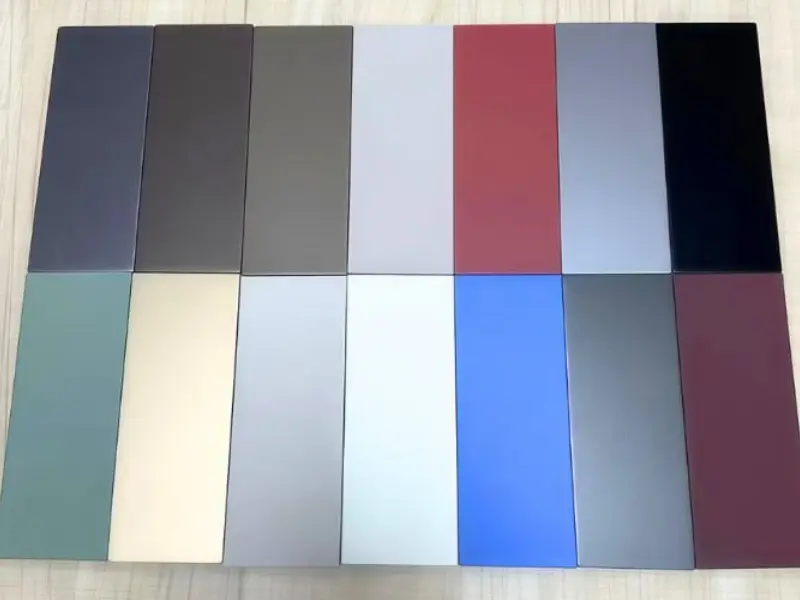
The inspection plan should reflect the product’s intended use. Decorative sheets may need closer visual checks than components whose surfaces will be hidden after assembly.
Typical inspection points include:
- Sheet length, width, and thickness
- Surface scratches, stains, dents, or handling marks
- Colour and gloss consistency against the approved reference
- Brushing direction, where applicable
- Anodic coating thickness, when specified
- Flatness and edge condition
- Protective film condition and packaging quality
The test method and acceptance limits should be agreed before production. Visual inspection alone cannot confirm every property of an anodic coating, so technical projects may require documented measurements or additional testing.
How to Plan Repeat Orders for Anodised Aluminium Sheets
Repeat orders require more than reusing the product name. A future batch may look different if the supplier changes the alloy source, surface preparation, colour process, or production settings.
For projects that require ongoing supply, keep a record of the original approved specification. This should include the alloy, temper, dimensions, surface finish, colour reference, coating requirement, packaging, and inspection criteria.
It is also useful to retain an approved sample when practical. The sample provides a reference for future discussions and helps reduce misunderstandings about colour names or surface appearance.
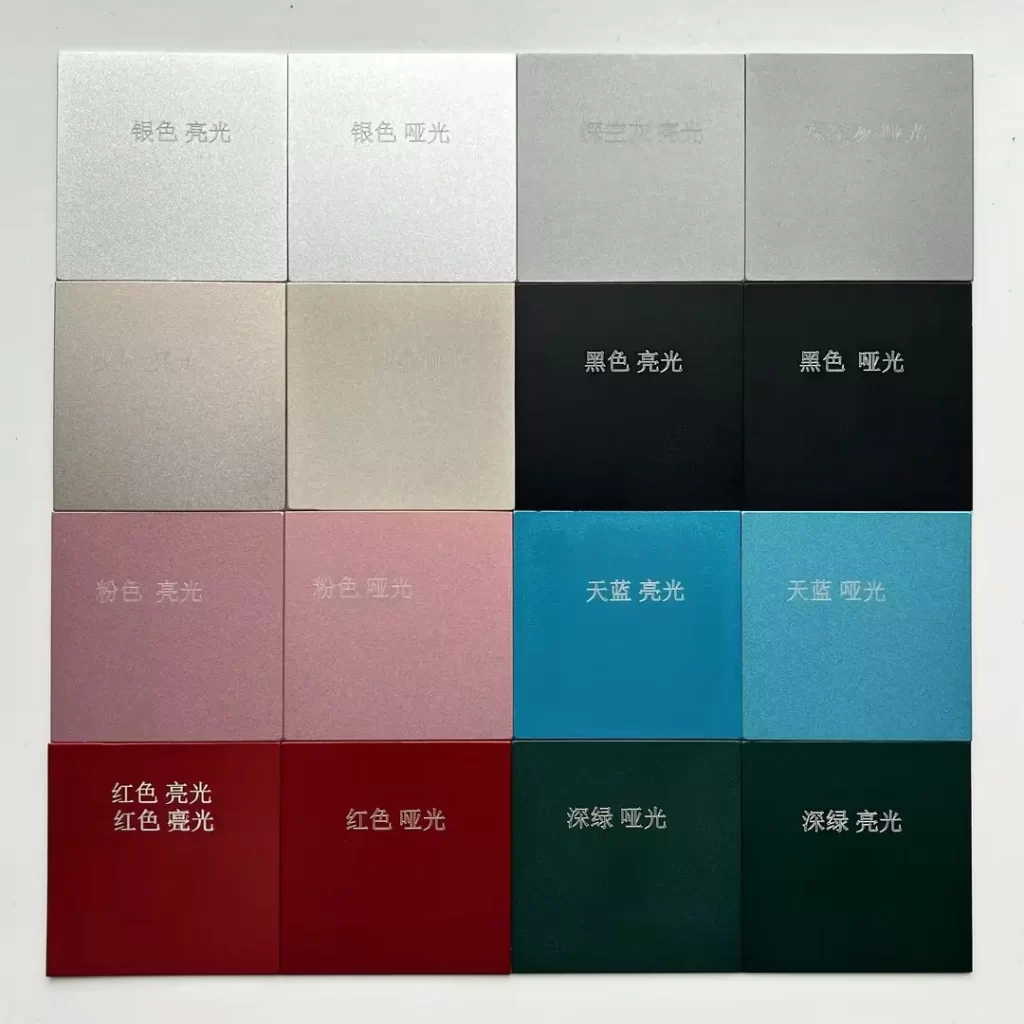
Before placing a repeat order, confirm whether the supplier can reproduce the original finish and whether the new batch will be visually compatible with previously installed material. If exact matching is critical, request a new sample or batch approval before full production.
Common Purchasing Mistakes to Avoid
Buyers can reduce delays and disputes by defining the surface and dimensional requirements before ordering. Several common mistakes are easy to avoid.
Ordering by colour name alone: “Black anodised” or “champagne anodised” may not identify one exact appearance. Use an approved sample or clear colour reference.
Confusing sheet thickness with coating thickness: The aluminium substrate and anodic oxide layer are different specifications. State the required measurement clearly.
Ignoring grain direction: Brushed sheets may look different if adjacent parts are installed in different directions.
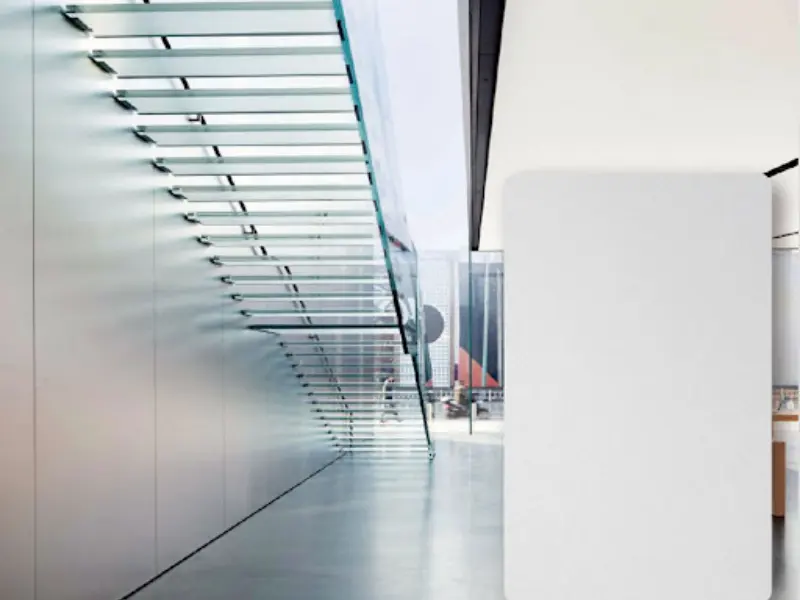
Assuming every alloy gives the same finish: Alloy composition and surface preparation can affect colour and appearance. Confirm the finish on the actual proposed material.
Leaving packaging until the end: Decorative surfaces may be damaged during stacking, transport, or installation. Agree on protection and handling requirements in advance.
Comparing quotations without matching specifications: A lower price may reflect a different finish, coating requirement, tolerance, or service scope. Compare offers on the same technical basis.
Get a Quote from Top Anodised Aluminium Sheet Suppliers
If you’re looking for high-quality anodised aluminium sheets at factory prices, you’re in the right place. We support global clients with customized orders, technical support, and fast service.
📧 Email: jane@wwaluminum.com
📱 WhatsApp: +86 15736973771
🏭 Worthwill Aluminum – Reliable Anodised Aluminium Sheet Supplier
Contact us today for a free quote and sample. Let’s power your next project with premium anodised aluminum!
Frequently Asked Questions (FAQ)

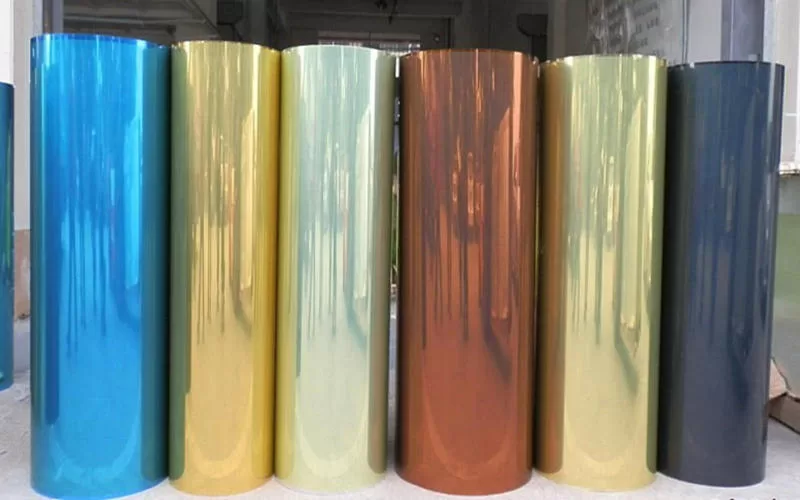
❓ What is the difference between anodised and painted aluminum?
Anodising is a permanent oxide finish, while paint is a surface coating. Anodised aluminum is more durable, won’t peel, and provides better scratch resistance.
❓ Can you supply colored anodised aluminum sheets?
Yes, we offer black, gold, bronze, blue, red, and custom color options using electrolytic dyeing.
❓ Are anodised sheets suitable for outdoor use?
Absolutely. Anodised finishes are UV-stable and corrosion-resistant, ideal for outdoor environments.
❓ Can you cut sheets to custom sizes?
Yes, we offer cut-to-size services as well as drilling and edge finishing.
❓ What is the minimum order quantity?
We can supply small trial orders or bulk container loads, depending on your needs.
Can a supplier provide a sample before bulk production?
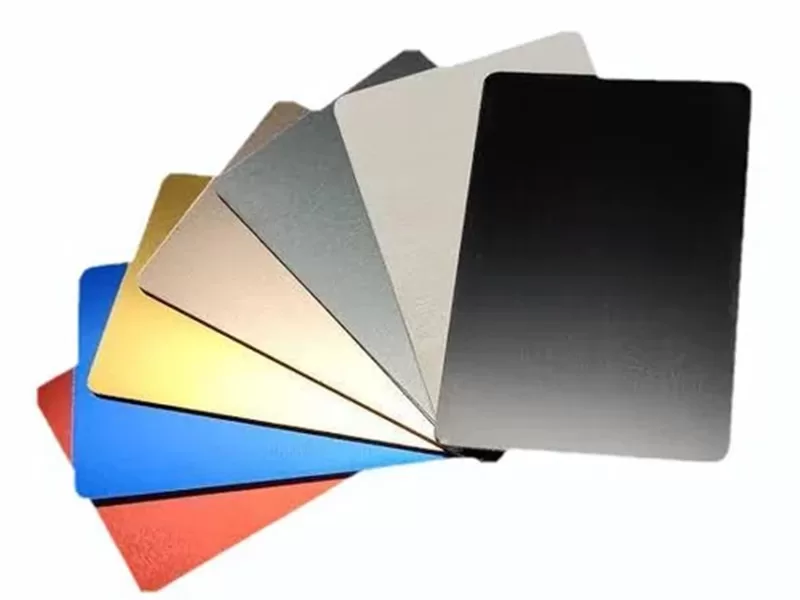
Many suppliers can provide samples, although size, finish, and availability vary. For colour-sensitive projects, request a sample made with the proposed alloy and finish rather than relying only on a catalogue image.
Can anodised aluminium sheets be supplied with a protective film?
Protective film may be available for selected products. Confirm whether it is suitable for the finish, how long it can remain on the surface, and whether it must be removed before installation or further processing.
Should I buy anodised sheets from one production batch?
For visible installations, a single batch can help reduce the risk of noticeable differences in colour and gloss. If several orders are necessary, ask the supplier how batch consistency will be managed.
Can brushed anodised aluminium sheets be cut to size?
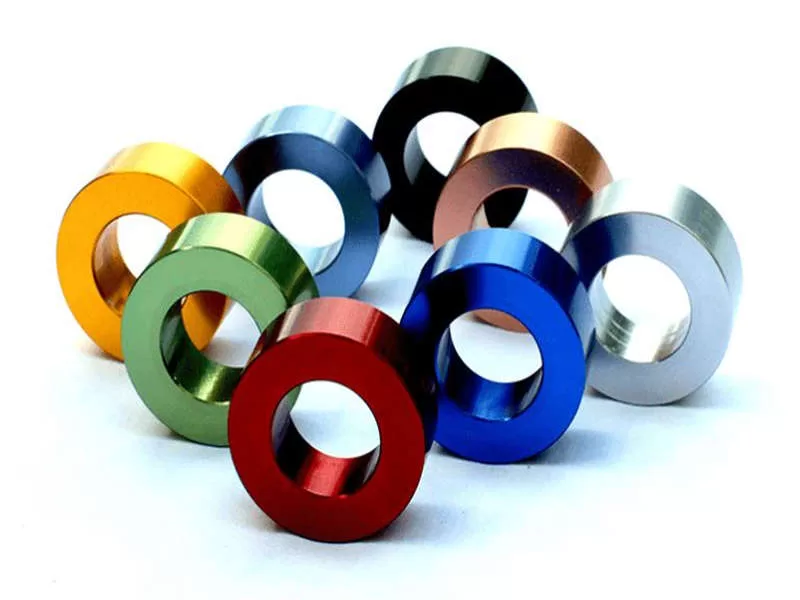
Custom cutting may be available, depending on the supplier’s equipment and production service. Specify the dimensions, edge requirements, and brushing direction so that the finished parts suit the installation.
What information helps a supplier quote more accurately?
Provide the alloy, temper, thickness, dimensions, finish, colour, coating requirement, quantity, processing needs, and delivery destination. Drawings and approved samples are especially useful for custom projects.
How can I compare two anodised aluminium sheet suppliers fairly?
Compare the same substrate, finish, coating specification, tolerances, inspection requirements, packaging, and delivery terms. Ask each supplier to identify any differences or exclusions in the quotation before making a decision.
Error: Contact form not found.