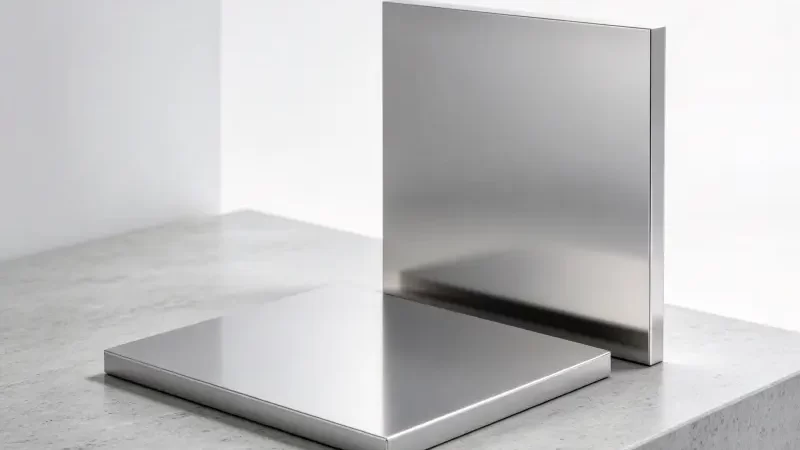
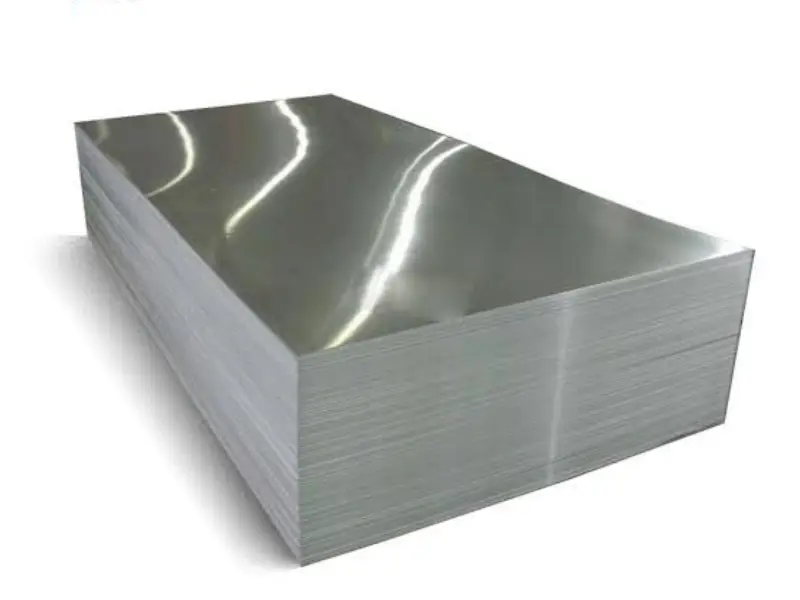
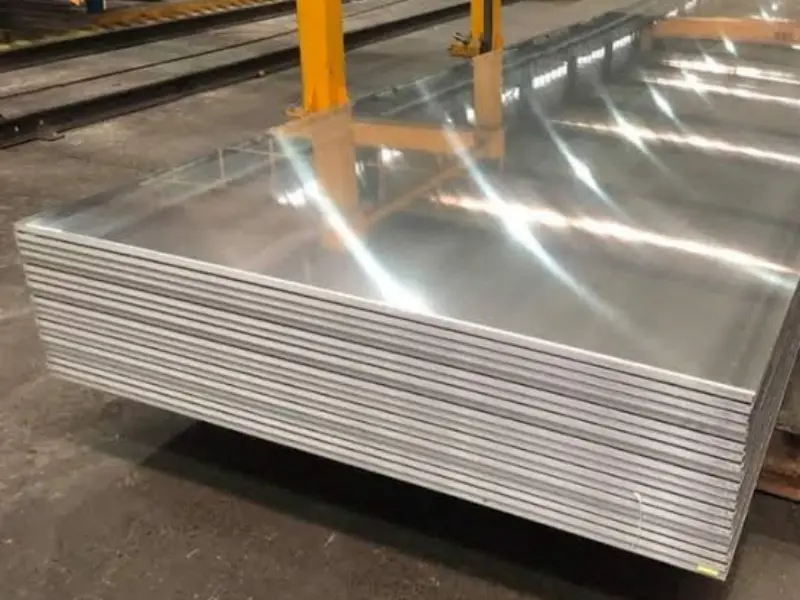
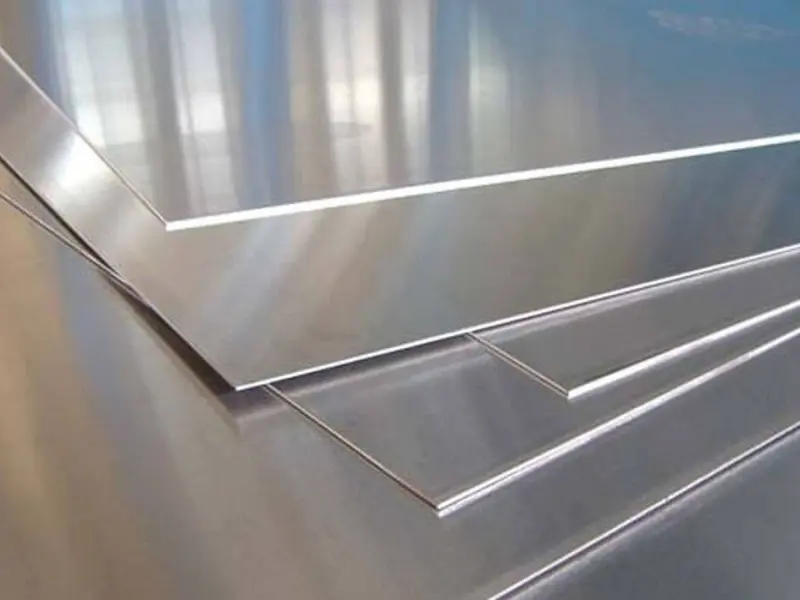
A 6mm aluminium sheet is a medium-to-heavy aluminium plate used when a project needs more thickness, strength, and stability than a standard thin sheet.
It is widely used in construction, machinery, transport, marine parts, industrial equipment, platforms, and general fabrication.
The 6mm thickness offers a useful balance. It is thick enough for many structural and fabrication jobs, but it is still much lighter than a steel plate of similar size.
The final performance depends on more than thickness. Alloy, temper, surface finish, sheet size, and processing method all affect the result. For this reason, buyers should select the material based on the actual application rather than thickness alone.
What Does 6mm Aluminium Sheet Mean?
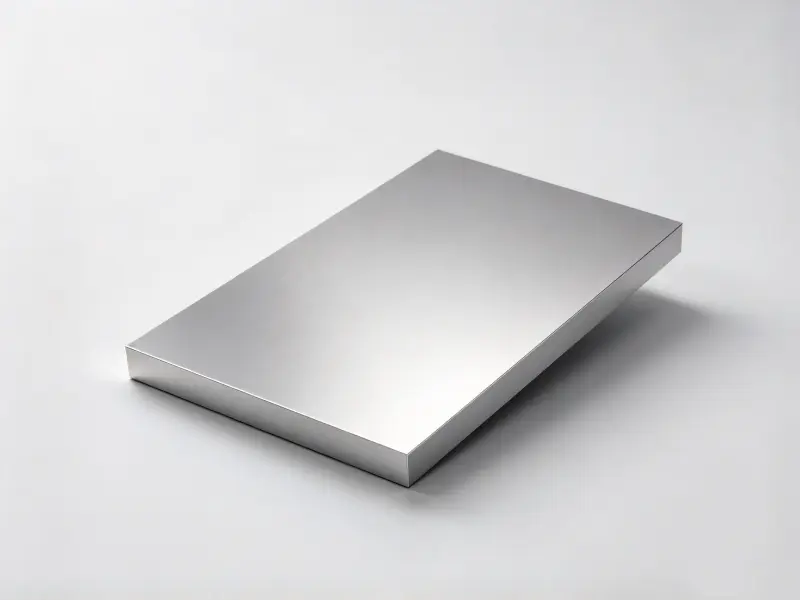
6mm refers to the nominal thickness of the aluminium material.
In simple terms:
6 mm = 0.236 inches approximately
The actual production tolerance can vary according to the applicable standard, alloy, width, and manufacturing process.
| Item | Typical information |
|---|---|
| Product | 6mm aluminium sheet |
| Nominal thickness | 6 mm |
| Approx. inch thickness | 0.236 in |
| Material | Aluminium alloy |
| Form | Flat sheet / plate |
| Width | Customized |
| Length | Customized |
| Surface | Mill finish, anodized, coated, polished, etc. |
| Temper | O, H14, H24, H32, H34, T6 and others |
| Processing | Cutting, bending, drilling, CNC machining |
A 6mm sheet can therefore be supplied in many different versions. Two sheets with the same thickness may have very different mechanical properties because they use different alloys or tempers.
Why Choose a 6mm Aluminium Sheet?
Thickness is one of the first specifications buyers look at, but it is not the only reason to choose this material.
A 6mm aluminium sheet can provide several useful features:
- Good strength-to-weight ratio
- Lower weight than many steel alternatives
- Good corrosion resistance
- Easy cutting and machining
- Good surface appearance
- Suitable for indoor and outdoor use
- Good thermal conductivity
- Available in many aluminium alloys
- Suitable for custom sizes
- Recyclable material
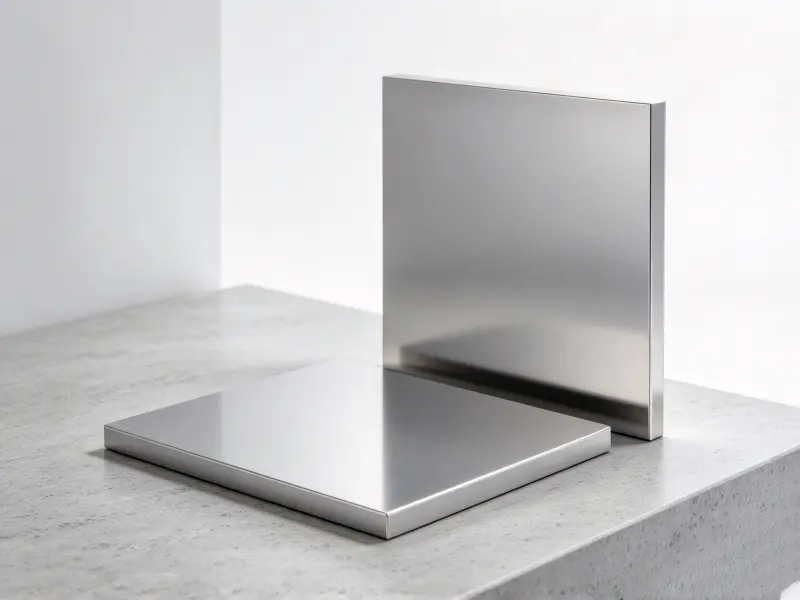
For fabrication work, 6mm is also a practical thickness. It can be cut with saws, CNC machines, waterjet equipment, plasma equipment, and other industrial cutting systems depending on the alloy and project requirements.
Common 6mm Aluminium Sheet Alloys
Different applications require different alloys. Choosing the right alloy can be more important than simply choosing a thickness.
1050 Aluminium Sheet
1050 is a high-purity aluminium alloy. It is known for good corrosion resistance, high electrical and thermal conductivity, and excellent formability.
It is often selected for applications where high strength is not the main requirement.
Typical uses include:
- Electrical components
- Heat transfer parts
- Decorative products
- General fabrication
- Industrial panels
- Reflective applications
1060 Aluminium Sheet
1060 aluminium is another commercially pure aluminium alloy.
It offers good formability and corrosion resistance. It is often used when easy processing and a clean aluminium surface are important.
For heavy structural applications, however, a stronger alloy may be more suitable.
3003 Aluminium Sheet
3003 is an aluminium-manganese alloy with better strength than commercially pure aluminium.
It is commonly used in:
- General fabrication
- Equipment panels
- Roofing components
- Heat exchangers
- Storage tanks
- Industrial products
3003 can be a practical option when a project needs moderate strength and good forming performance.
5052 Aluminium Sheet
5052 is one of the common choices for applications that need higher strength and good corrosion resistance.
It is especially useful in environments where moisture or outdoor exposure is expected.
Typical applications include:
- Marine components
- Vehicle parts
- Fuel tanks
- Equipment housings
- Trailer components
- Industrial fabrication
- Architectural products
6061 Aluminium Sheet
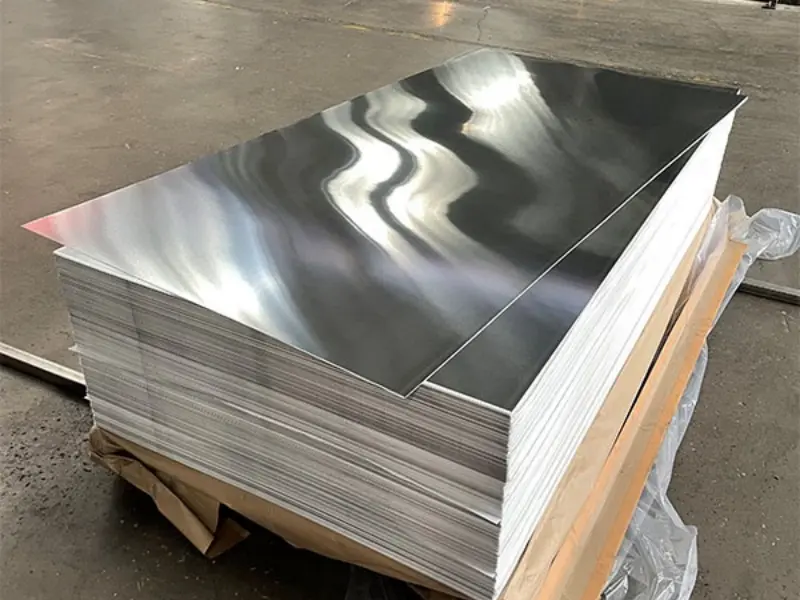
6061 is a heat-treatable alloy with good strength and machinability.
It is often considered when the product will be used for structural or machined components.
Common applications include:
- Machine parts
- Frames
- Platforms
- Structural components
- Transport equipment
- CNC-machined parts
6mm Aluminium Sheet Alloy Comparison
The following table provides a simple way to compare several commonly requested alloys.
| Alloy | Strength level | Formability | Corrosion resistance | Typical use |
|---|---|---|---|---|
| 1050 | Low | Excellent | Excellent | Electrical, decorative |
| 1060 | Low | Excellent | Excellent | General fabrication |
| 3003 | Medium-low | Very good | Very good | Equipment, roofing |
| 5052 | Medium-high | Very good | Excellent | Marine, transport |
| 6061 | High | Good | Good | Structural, machining |
The best alloy depends on the final use. For example, a decorative panel may not need the strength of 6061, while a machine frame may need more strength than 1050 can provide.
6mm Aluminium Sheet Temper Options
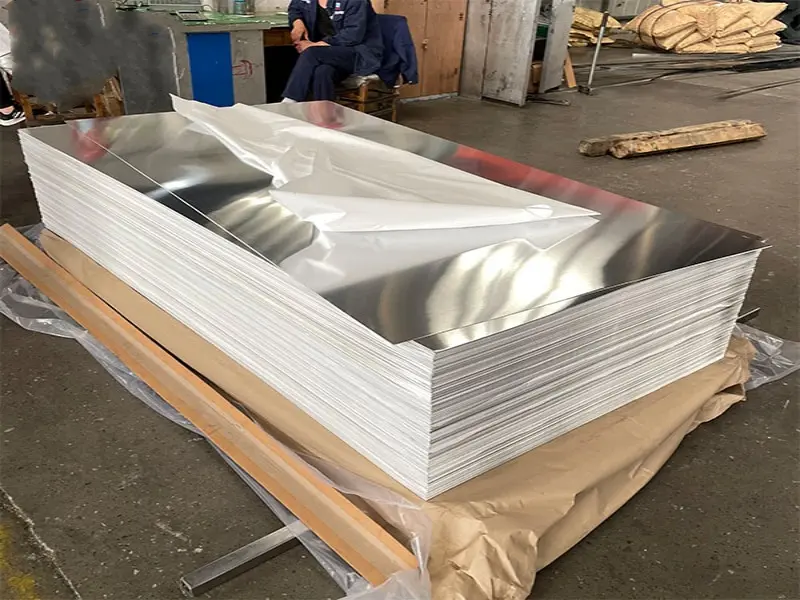
Temper describes the condition of aluminium after processing. It can change hardness, strength, and forming performance.
Common tempers include O, H14, H24, H32, H34, and T6.
6mm Aluminium O Temper
O temper means annealed material.
It is softer and easier to form. This makes it useful for applications that require bending, shaping, or deep forming.
| Feature | O Temper |
|---|---|
| Hardness | Lower |
| Formability | Excellent |
| Bending | Easy |
| Strength | Lower |
| Typical use | Forming and fabrication |
H14 and H24
H tempers are strain-hardened conditions.
H14 and H24 are often used for sheet products where a balance between strength and formability is needed.
H32 and H34
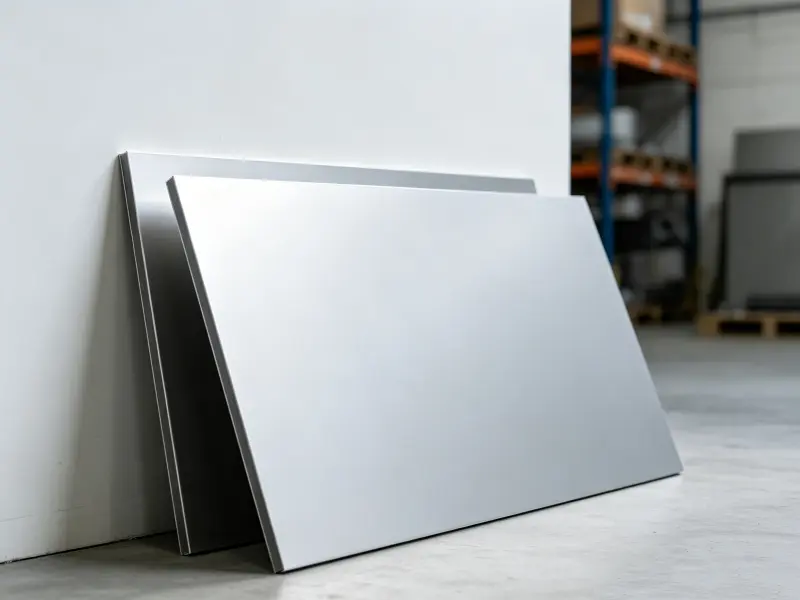
These tempers provide higher strength than softer conditions while maintaining useful fabrication characteristics.
They are commonly considered for 5052 aluminium sheet and similar alloys.
T6 Aluminium
T6 is commonly associated with heat-treated alloys such as 6061.
It provides significantly higher strength than many non-heat-treated aluminium sheet conditions.
However, it may not be the first choice for applications requiring extensive bending.
6mm Aluminium Sheet Sizes
The size of the sheet is another important purchasing factor.
Common sizes can include:
| Size | Approximate application |
|---|---|
| 1000 × 2000 mm | Small fabrication |
| 1220 × 2440 mm | General fabrication |
| 1250 × 2500 mm | Industrial work |
| 1500 × 3000 mm | Large panels |
| 1500 × 4000 mm | Large fabrication |
| Custom size | Project-specific work |
In inch-based markets, 4×8 ft is one of the familiar sheet sizes.
Larger sheets may reduce the number of joints in a project. Smaller sheets can be easier to handle and may reduce cutting waste for certain designs.
6mm Aluminium Sheet Weight
Aluminium is lighter than steel, but a 6mm sheet can still become heavy when the sheet size increases.
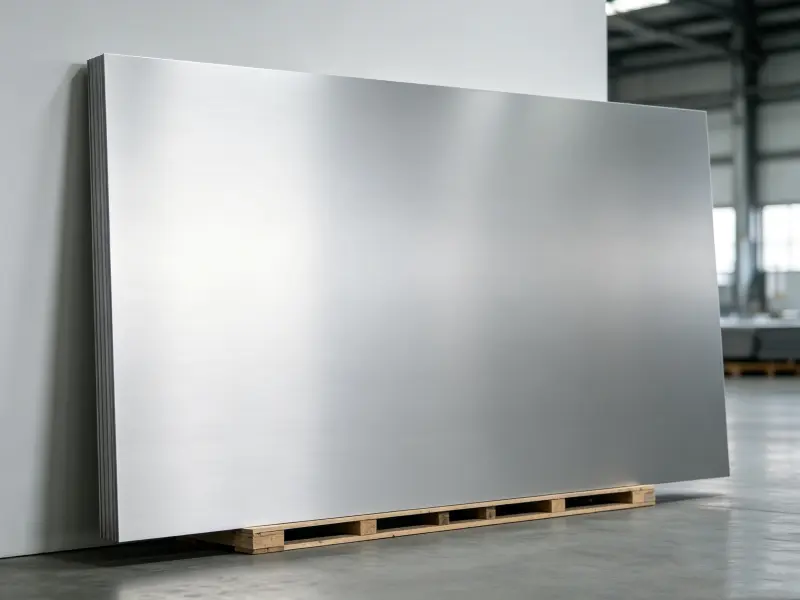
A simple calculation can be used to estimate weight:
Weight = Length × Width × Thickness × Density
The density of aluminium is commonly taken as about 2.70 g/cm³ for estimation.
For example, a 1 × 2 meter sheet with a nominal thickness of 6mm has an approximate theoretical weight of:
1 × 2 × 0.006 × 2700 ≈ 32.4 kg
Actual supplied weight can vary because of alloy density, dimensional tolerance, and manufacturing conditions.
| Sheet size | Approx. theoretical weight at 6mm |
|---|---|
| 1000 × 2000 mm | 32.4 kg |
| 1220 × 2440 mm | 48.2 kg |
| 1250 × 2500 mm | 50.6 kg |
| 1500 × 3000 mm | 72.9 kg |
These figures are useful for transport planning and quotation estimates.
6mm Aluminium Sheet Surface Finishes
The surface can be supplied in different conditions depending on the project.
Mill Finish
Mill finish is the standard aluminium surface produced during rolling.
It has commonly selected for industrial fabrication because it is practical and cost-effective.
Anodized Surface
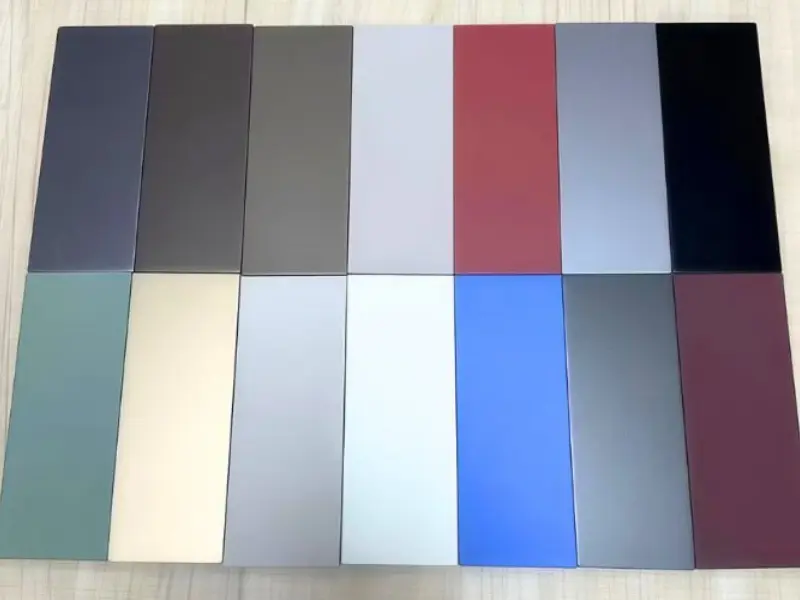
Anodizing creates a controlled oxide layer on the aluminium surface.
It can improve surface durability and provide different appearance options.
Painted Aluminium
Painted sheets can be supplied in different colors.
They are useful for architectural and decorative projects where both surface appearance and material performance are important.
Polished Aluminium
Polishing gives the surface a brighter appearance.
It has applications for decorative components, equipment, and visible surfaces.
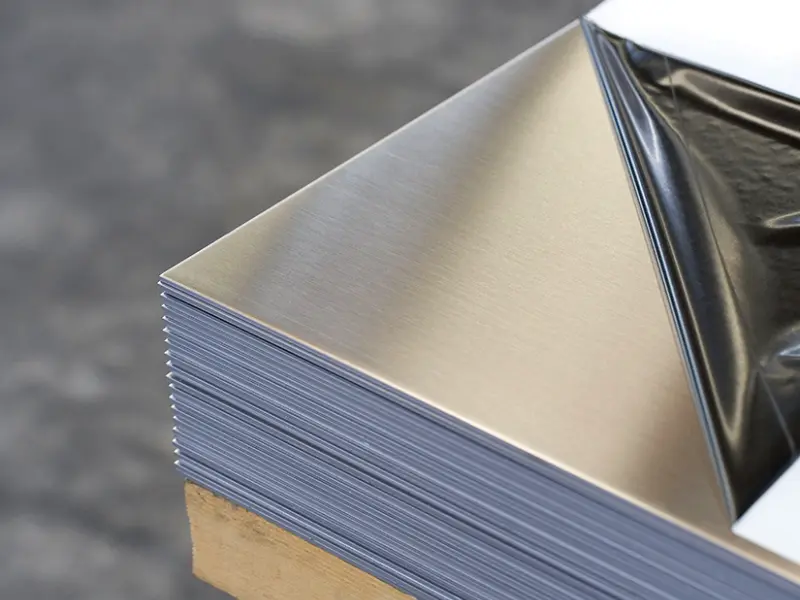
Brushed Aluminium
Brushed finishes create a directional surface texture.
This type has often selected for interior design and architectural products.
Flat Sheet, Checker Plate or Embossed Sheet?
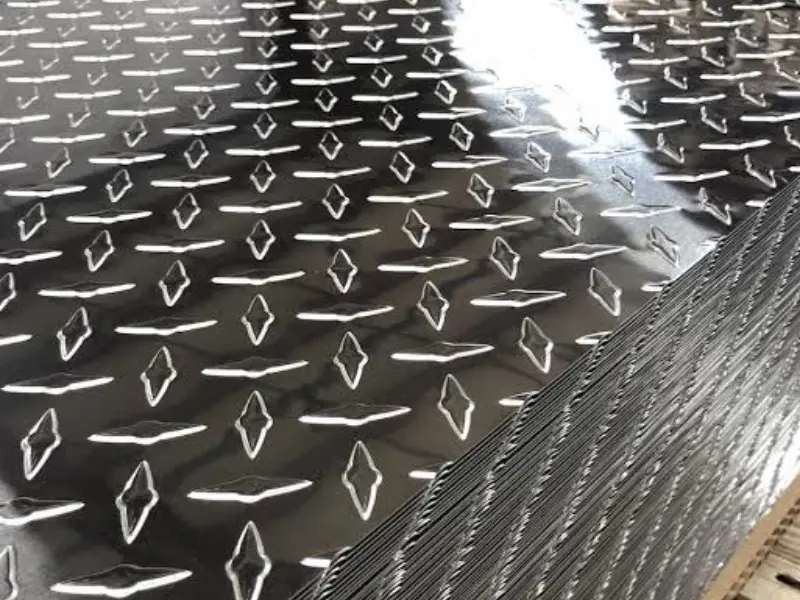
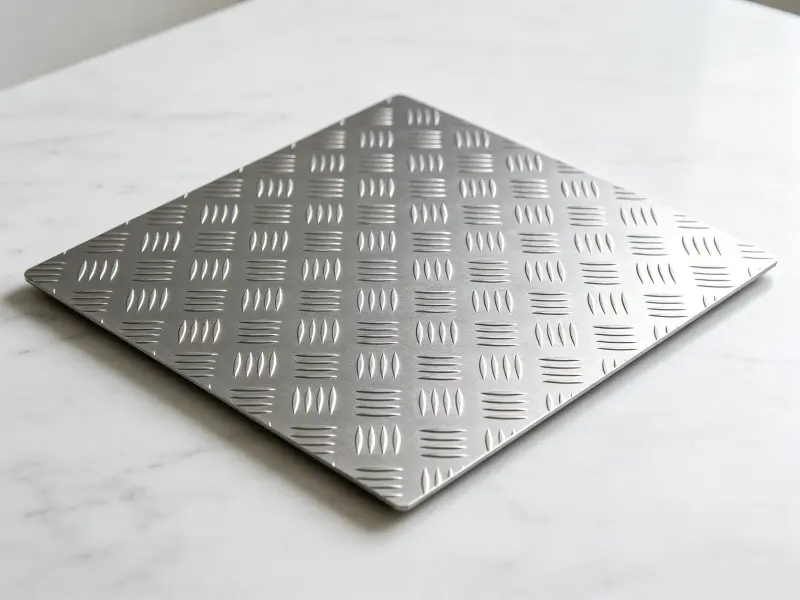
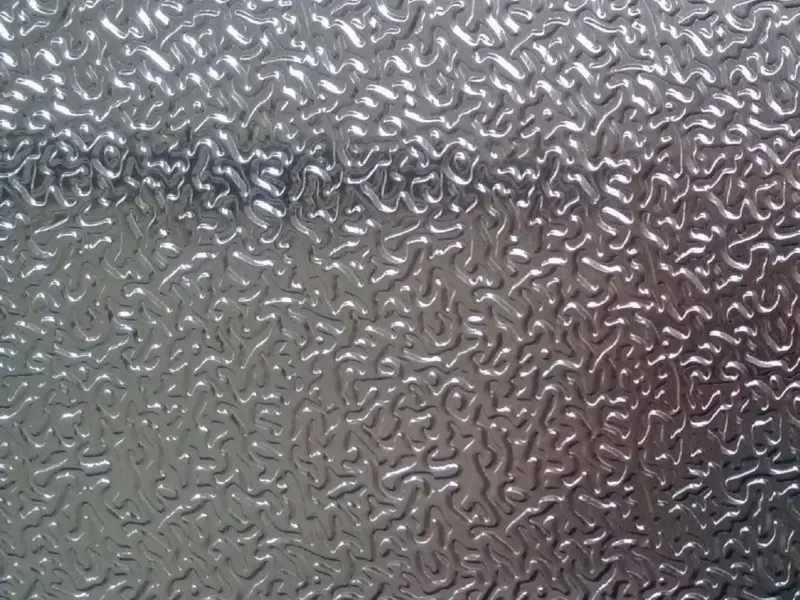
Not every 6mm aluminium product has a completely flat surface.
Several surface patterns are available.
| Product type | Surface | Common use |
|---|---|---|
| Plain sheet | Flat | Fabrication |
| Checker plate | Raised pattern | Floors, steps |
| Embossed sheet | Textured | Decorative and industrial |
| Stucco sheet | Fine embossed pattern | Insulation, cladding |
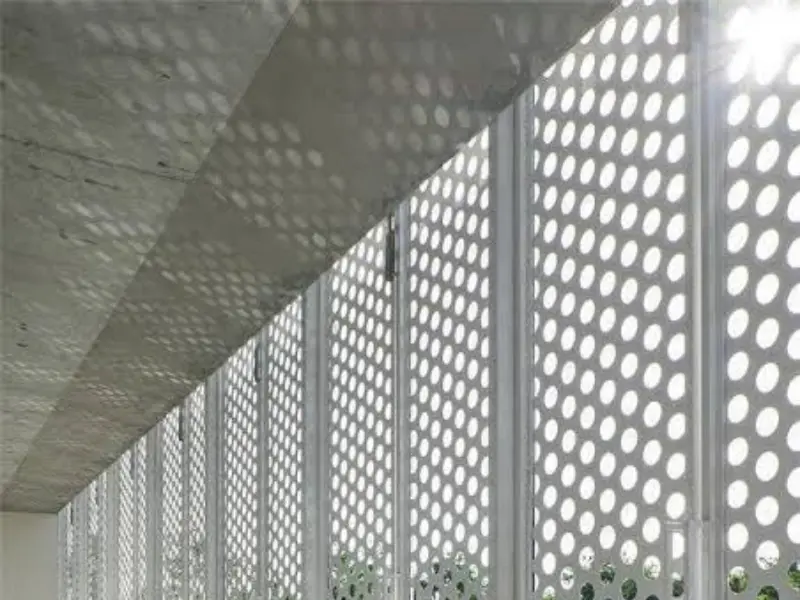
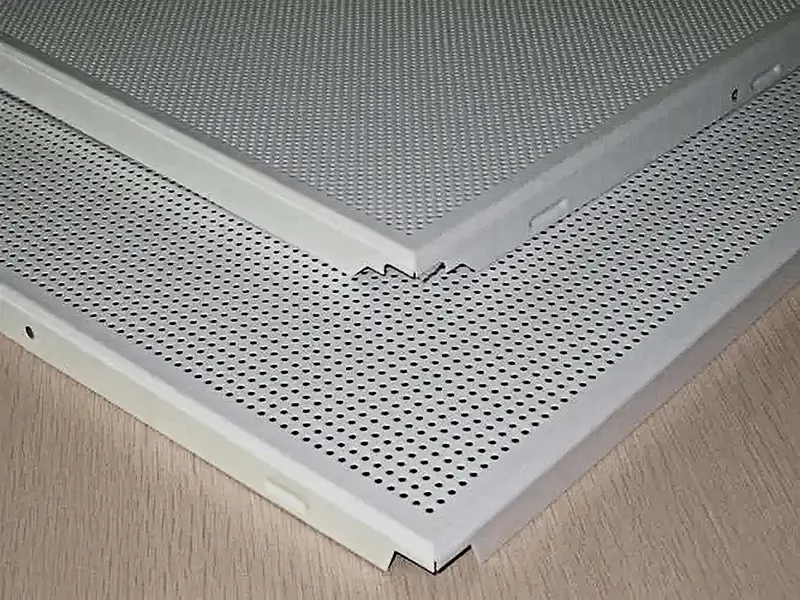
| Perforated sheet | Holes | Screens and ventilation |
The base thickness and finished thickness of patterned products should be confirmed with the supplier. The pattern can add to the overall thickness.
6mm Aluminium Plain Sheet vs Checker Plate
Plain and checker sheets are used for different purposes.
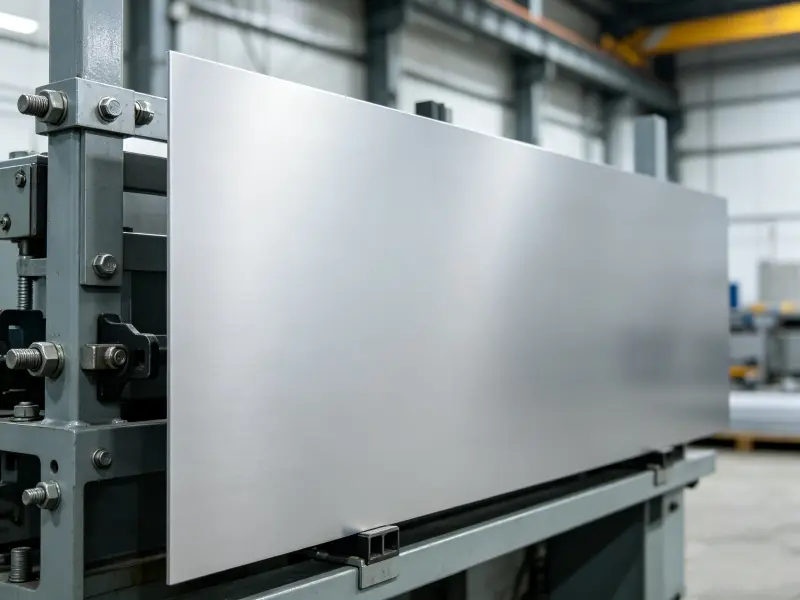
A plain 6mm aluminium sheet is better suited to fabrication, machining, panels, and flat structures.
A checker plate has a raised surface pattern. The pattern can improve surface grip and also creates a different visual appearance.
| Feature | Plain Sheet | Checker Plate |
|---|---|---|
| Surface | Flat | Raised pattern |
| Appearance | Clean and simple | Industrial |
| Floor use | Possible | Common |
| Cutting | Easy | Depends on pattern |
| Decorative use | Common | Common |
| Anti-slip applications | Limited | More suitable |
The right option depends on whether the surface needs to remain flat or provide additional grip.
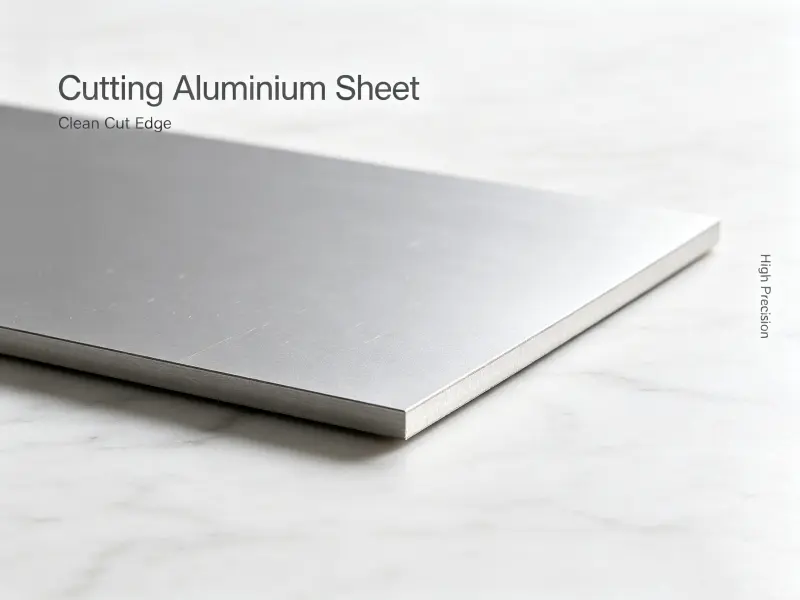
6mm Aluminium Sheet Applications
A 6mm aluminium sheet can be used across many industries.
Construction and Architecture
Construction projects use aluminium because it combines low weight with good corrosion resistance.

Typical applications include:
- Wall panels
- Facade components
- Roof components
- Ceiling structures
- Decorative panels
- Door and window components
- Interior partitions
- Protective covers
The exact alloy and surface finish has selected according to the building environment.
Transportation
The low density of aluminium makes it useful in transportation.
Applications can include:
- Trailer panels
- Truck components
- Vehicle body parts
- Flooring components
- Equipment covers
- Transport frames
- Marine components
5052 and 6061 have often considered when the application needs more strength.
Industrial Equipment
Industrial equipment often requires sheet material has cut, drilled, bent, welded, or machined.
- Machine guards
- Equipment panels
- Enclosures
- Platforms
- Covers
- Brackets
- Support components
- Fabricated frames
Marine Applications
Marine environments require good corrosion resistance.
Aluminium alloys such as 5052 are commonly considered for marine fabrication.
Potential applications include:
- Boat components
- Marine panels
- Deck parts
- Storage compartments
- Covers
- Small structural components
The alloy has selected based on the marine environment and design requirements.
6mm Aluminium Sheet for CNC Cutting
CNC cutting is a common way to process aluminium sheet.
A CNC machine can create accurate shapes and repeat the same design for multiple parts.
Common CNC operations include:
- Cutting
- Drilling
- Slotting
- Routing
- Pocketing
- Edge processing
- Hole patterns
6061 has often selected for machined components because of its strength and machining characteristics. Softer alloys have preferred when forming or cutting behavior is more important.
6mm Aluminium Sheet for Welding
Aluminium can be welded, but welding performance varies by alloy and temper.
5052 has applications in fabricated and welded products. 6061 has welded, but the heat-affected area may have different mechanical properties from the original T6 condition.
For welded structures, the alloy, filler metal, welding method, and post-weld requirements should be considered together.
Cutting Options for 6mm Aluminium
Different projects require different cutting methods.
| Cutting method | Suitable for | Main advantage |
|---|---|---|
| Saw cutting | Straight cuts | Simple and fast |
| CNC cutting | Complex shapes | Good repeatability |
| Waterjet | Detailed shapes | Low heat input |
| Laser cutting | Many sheet designs | Fast processing |
| Plasma cutting | Heavy fabrication | High cutting speed |
The best method depends on alloy, tolerance, quantity, shape, and surface requirements.
How to Choose the Right 6mm Aluminium Sheet
A simple purchasing process can reduce mistakes.
Start With the Application
First define how the sheet will be used.
Is it for a machine part, floor, wall panel, trailer, marine component, or decorative product?
The answer will help narrow down the alloy and temper.
Select the Alloy
A basic selection can look like this:
General forming → 1050 / 1060
General fabrication → 3003
Corrosion resistance + strength → 5052
Structural or machined parts → 6061
This is only a starting point. Final selection should follow the actual engineering requirements.
Confirm the Temper
The temper affects hardness and formability.
If the sheet needs significant bending, a softer condition may be easier to process.
If strength is the main concern, a harder temper may be more suitable.
Confirm the Sheet Size
Provide the required:
- Thickness
- Width
- Length
- Alloy
- Temper
- Quantity
- Surface finish
- Cutting requirements
This allows the supplier to prepare a more accurate quotation.
6mm Aluminium Sheet Compared With Other Thicknesses
Thickness changes weight, rigidity, cost, and processing requirements.
| Thickness | Approx. inch | General characteristics |
|---|---|---|
| 2mm | 0.079″ | Light and easy to form |
| 3mm | 0.118″ | General sheet fabrication |
| 4mm | 0.157″ | More rigidity |
| 5mm | 0.197″ | Medium-heavy fabrication |
| 6mm | 0.236″ | Higher rigidity and durability |
| 8mm | 0.315″ | Heavy fabrication |
| 10mm | 0.394″ | Plate applications |
A 6mm sheet is not automatically stronger than a thinner sheet if the alloy is different. For example, a high-strength 6061 sheet may perform differently from a softer 1050 sheet at the same thickness.
6mm Aluminium vs Steel Plate
Aluminium and steel have different characteristics.
| Feature | Aluminium | Steel |
|---|---|---|
| Density | Lower | Higher |
| Weight | Lower | Higher |
| Corrosion resistance | Generally good | Often needs protection |
| Thermal conductivity | High | Lower |
| Machining | Generally easy | Depends on grade |
| Surface appearance | Metallic | Different finish |
| Strength | Alloy dependent | Alloy dependent |
For weight-sensitive designs, aluminium can be attractive. For applications where very high strength or lower material cost is the main factor, steel may be considered.
The correct material should be based on the complete design rather than material price alone.
6mm Aluminium Sheet for Custom Fabrication
Many industrial buyers do not need standard full sheets.
Custom processing can make the product easier to use.
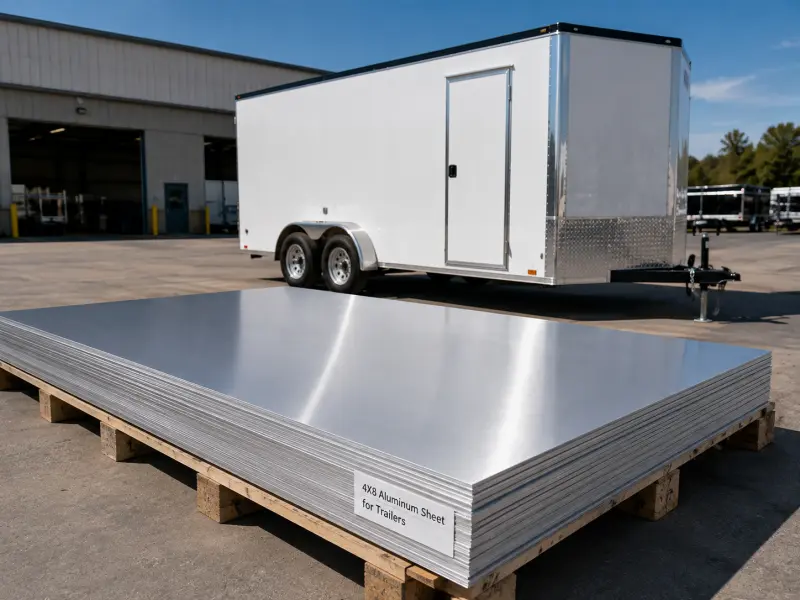
Available services may include:
- Cut-to-size sheets
- CNC cutting
- Hole drilling
- Edge trimming
- Bending
- Surface treatment
- Protective film
- Custom packing
- Bundling by size
For repeat orders, supplying a cutting drawing or CAD file can help reduce communication errors.
Quality Checks Before Shipment
A professional aluminium sheet supplier should check several points before shipment.
Typical inspection items include:
- Thickness
- Width
- Length
- Surface quality
- Flatness
- Alloy
- Temper
- Quantity
- Cutting dimensions
- Packaging condition
For technical projects, buyers can also request relevant material documentation.
A clear inspection process has especially important when the sheet has applications for CNC parts, structural components, or large production runs.
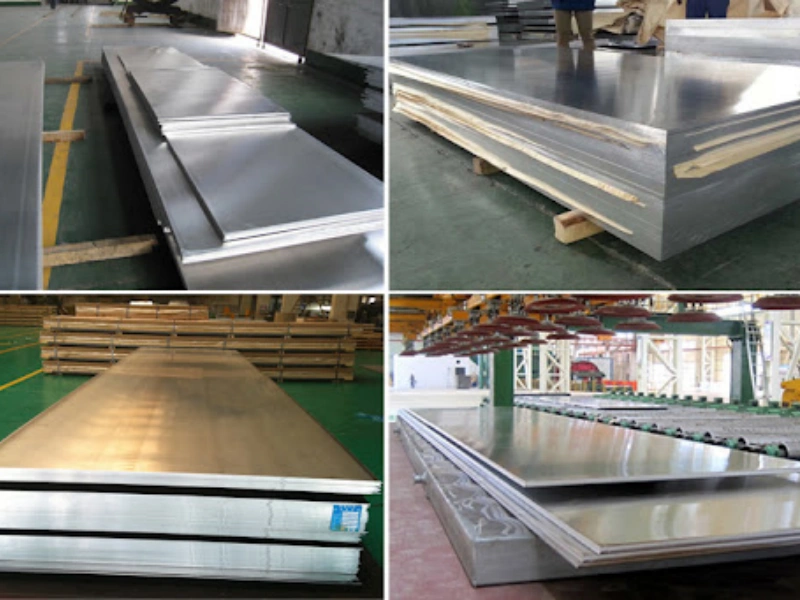
Packaging and Shipping
6mm aluminium sheets have normally packed to protect the surface and edges during transportation.
Typical packaging may include:
- Protective film
- Kraft paper
- Moisture-resistant material
- Wooden pallets
- Wooden cases
- Steel straps
- Corner protection
For export orders, packaging has selected according to the shipping method and destination.
The buyer should also confirm whether the material will be shipped as full sheets or cut pieces.
What Information Should Be Included in a Quotation Request?
A detailed inquiry helps the supplier give a useful price.
You can provide the following information:
| Requirement | Example |
|---|---|
| Product | 6mm aluminium sheet |
| Alloy | 5052 |
| Temper | H32 |
| Thickness | 6mm |
| Width | 1500mm |
| Length | 3000mm |
| Surface | Mill finish |
| Quantity | 20 sheets |
| Processing | Cut to size |
| Packing | Export wooden pallet |
| Destination | Port or country |
A request with these details is much easier to quote than simply asking for the price of aluminium.
6mm Aluminium Sheet Price Factors
The price of a 6mm aluminium sheet can change with market conditions and product specifications.
Important factors include:
- Aluminium raw material price
- Alloy
- Temper
- Sheet dimensions
- Order quantity
- Surface finish
- Cutting service
- Packaging
- Shipping destination
- Production requirements
For example, a standard mill-finish sheet may have a different price from an anodized or coated sheet.
Custom cutting can also change the final price.
For B2B orders, it is useful to compare the complete quotation rather than only the material price per kilogram.
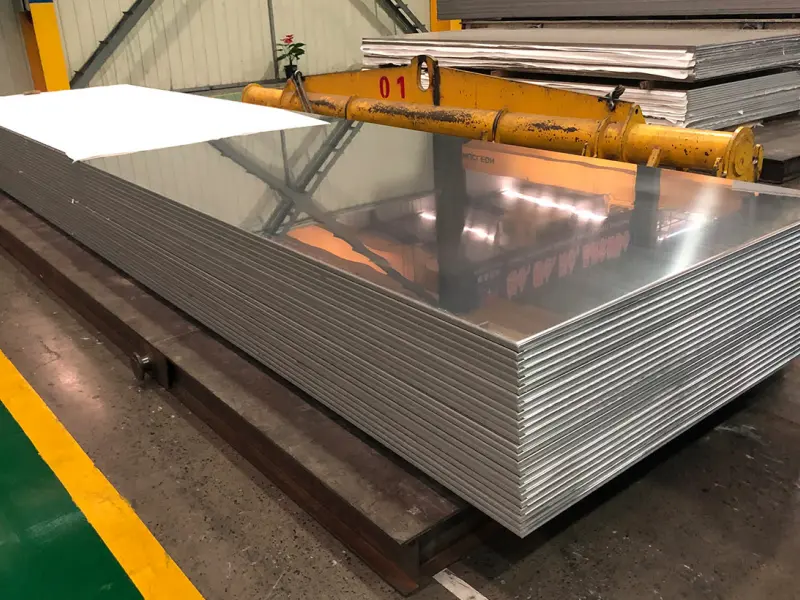
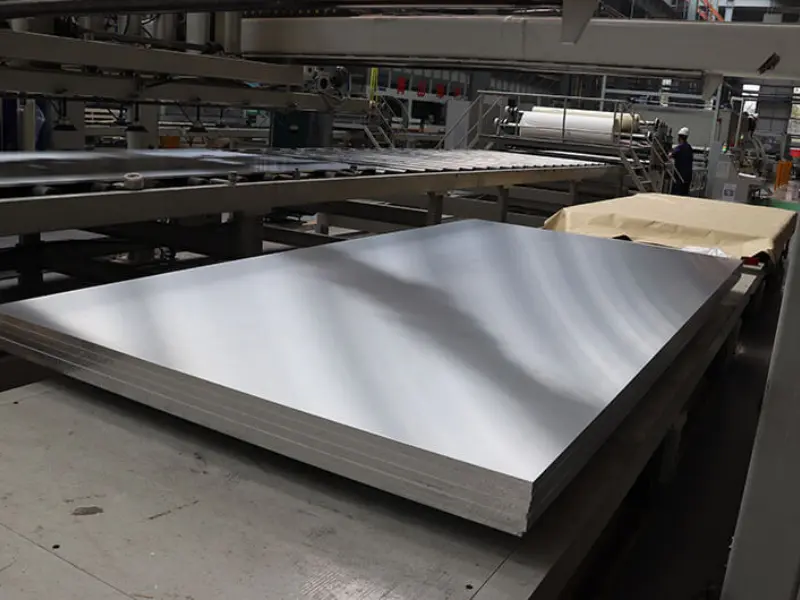
Standard Sheet or Cut-to-Size Aluminium?
Both options have advantages.
Standard Full Sheet
A full sheet may be suitable when:
- You have your own cutting equipment
- You need several different parts
- The project uses most of the sheet
- You want flexible processing
Cut-to-Size Sheet
Cut-to-size material may be more convenient when:
- You have limited cutting equipment
- The dimensions are fixed
- You want to reduce workshop work
- The project requires repeated parts
For large orders, suppliers may also provide nesting and cutting services to reduce material waste.
A Practical Selection Guide
When ordering 6mm aluminium, use this simple flow:
Application → Alloy → Temper → Size → Surface → Processing → Quantity → Packing
For example:
Marine panel → 5052 → H32 → 1500 × 3000mm → Mill finish → Cut to size → 50 sheets → Export packing
This gives the supplier a clear specification and helps avoid unnecessary questions.
FAQ About 6mm Aluminium Sheet
Is 6mm aluminium sheet strong?
Strength depends on the alloy and temper. A 6mm 6061 sheet can have much higher strength than a 6mm 1050 sheet. Thickness alone does not define the mechanical performance.
How thick is 6mm aluminium in inches?
6mm is approximately 0.236 inches.
How much does a 6mm aluminium sheet weigh?
The weight depends on sheet size. A 1000 × 2000mm sheet weighs approximately 32.4kg using a density of 2.70 g/cm³.
Can 6mm aluminium be bent?
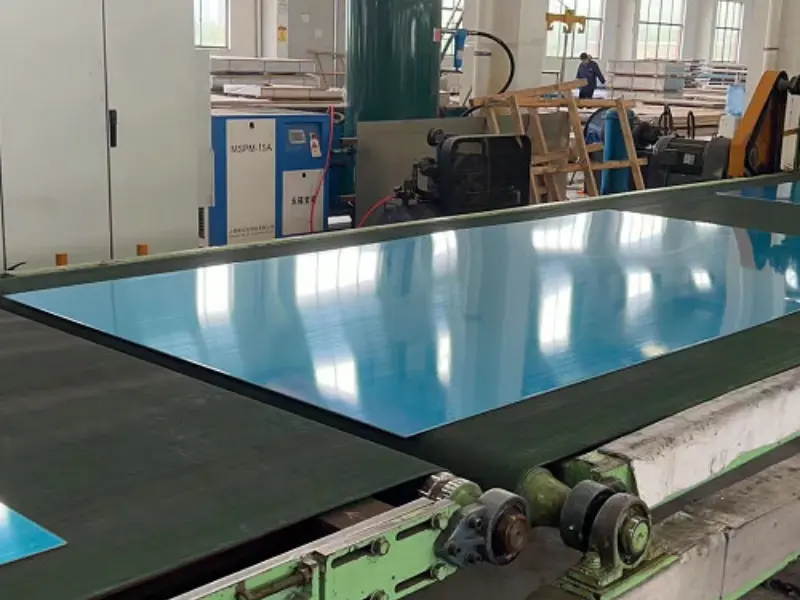
Yes, but the bending result depends on alloy, temper, bend radius, and equipment. Softer tempers are generally easier to bend than hard tempers.
Can 6mm aluminium be welded?
Yes. Many aluminium alloys have welded with suitable equipment and procedures. Alloy and temper have checked before selecting the welding process.
Is 5052 better than 6061 for 6mm sheet?
They serve different purposes. 5052 has commonly selected for corrosion resistance and forming, while 6061 has often selected when higher strength and machining performance are important.
Can 6mm aluminium be used outdoors?
Yes. Aluminium generally has good atmospheric corrosion resistance. The alloy and surface finish have selected according to the local environment.
Can you cut 6mm aluminium to custom sizes?
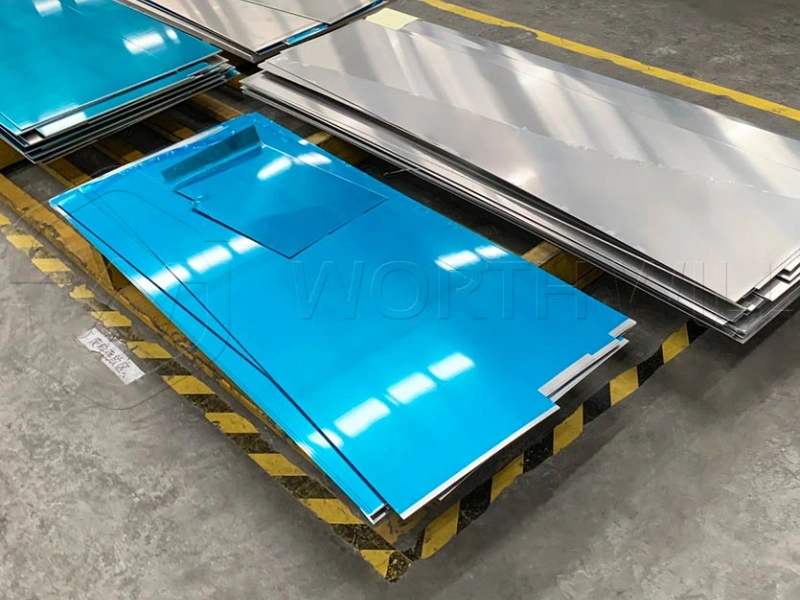
Yes. Custom cutting has supplied for many projects. Buyers should provide the required length, width, quantity, and cutting tolerance.
What is the most common surface finish?
Mill finish has applications for general industrial fabrication. Other options include anodized, painted, polished, and brushed finishes.
Can 6mm aluminium be used for flooring?
Yes, but a plain sheet and a checker plate serve different purposes. Checker plate has commonly considered when additional surface grip is required.
Is 6mm aluminium suitable for CNC machining?
Yes. Certain aluminium alloys, especially 6061, have applications for CNC machining. The correct alloy has selected based on the part design and machining requirements.
What is the difference between aluminium sheet and aluminium plate?
The terminology can vary by market and standard. Thickness ranges are not universally defined in exactly the same way. For purchasing, it is better to specify the exact thickness, alloy, temper, and dimensions.
Request a 6mm Aluminium Sheet Quote
A 6mm aluminium sheet has supplied in different alloys, tempers, sizes, and finishes. The right combination depends on the final application.
For a quotation, provide the basic specification:
6mm thickness + alloy + temper + size + surface + quantity + processing requirement
For example:
6mm 5052 H32 aluminium sheet, 1500 × 3000mm, mill finish, 20 sheets, cut to size.
This information gives the supplier a clear starting point and makes it easier to compare different material options.
Error: Contact form not found.