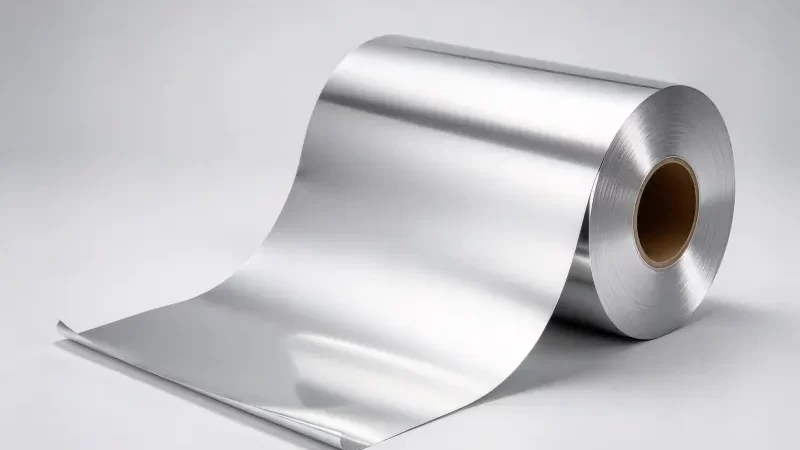
24 inch wide aluminum foil is a common wide-format aluminum foil used for industrial, commercial, packaging, insulation, food service, and converting applications.
A width of 24 inches is equal to 609.6 mm. In actual production, buyers may also request a nearby metric width such as 600 mm, 610 mm, or another custom width.
The material can be supplied in different thicknesses, alloys, tempers, roll lengths, and surface conditions. The right specification depends on how the foil will be used.
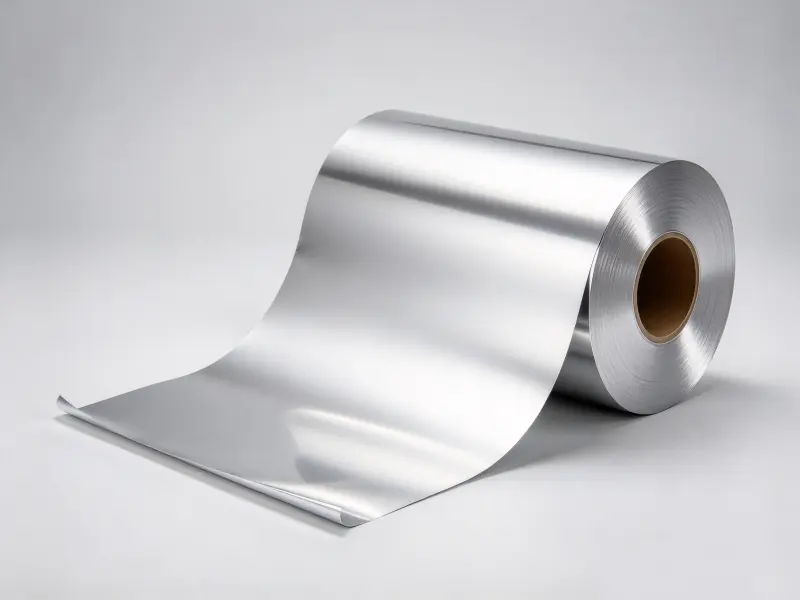
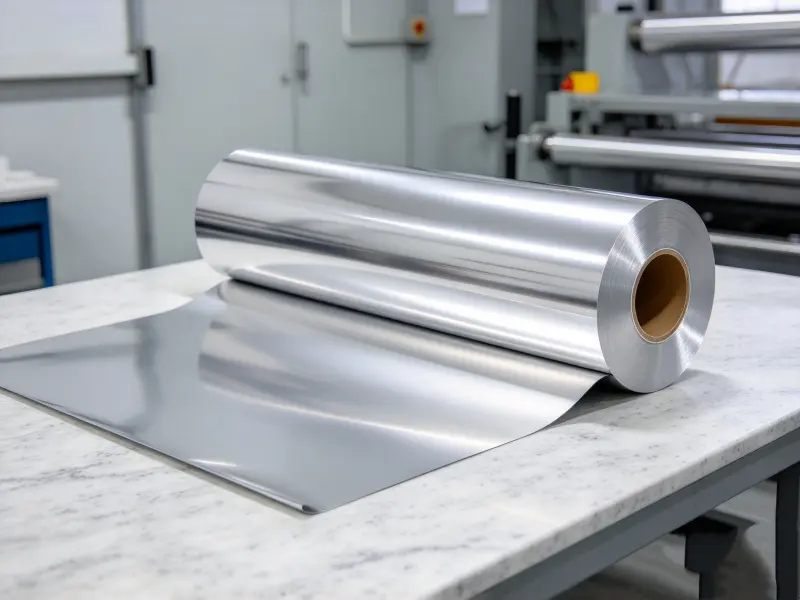
For example, packaging foil needs different properties from insulation foil. A converter may need a specific thickness and roll width, while a food-service buyer may focus more on roll length, surface cleanliness, and easy handling.
A simple purchasing formula is:
Application → Alloy → Temper → Thickness → Width → Roll Length → Core Size → Quantity
What Does 24 Inch Wide Aluminum Foil Mean?

The most direct meaning is the foil width.
24 inches = 609.6 mm
This does not describe the foil thickness.
A 24 inch wide roll can be very thin or relatively heavy depending on the application.
| Item | Typical Information |
|---|---|
| Nominal width | 24 inches |
| Metric equivalent | 609.6 mm |
| Common nearby width | 600–610 mm |
| Product form | Roll |
| Thickness | Application dependent |
| Alloy | 1050, 1060, 1070, 1235, 3003, 8011 |
| Temper | O, H12, H14, H16, H18 |
| Surface | Mill finish |
| Core | Paper or aluminum core |
| Packing | Export roll packing |
The exact available specification depends on the production line and final application.
Why Choose a 24 Inch Width?
Width is one of the most important dimensions when buying aluminum foil.
A wider roll can cover a larger surface in one pass. This can reduce the number of joints in some applications.
For industrial users, width also affects the cutting plan.
For example:
24 inch master roll → Slitting → 12 inch rolls
or:
24 inch master roll → Slitting → 8 inch + 8 inch + 8 inch rolls
The actual cutting plan depends on the customer’s required widths and allowable trim loss.
24 Inch Aluminum Foil in Metric Sizes
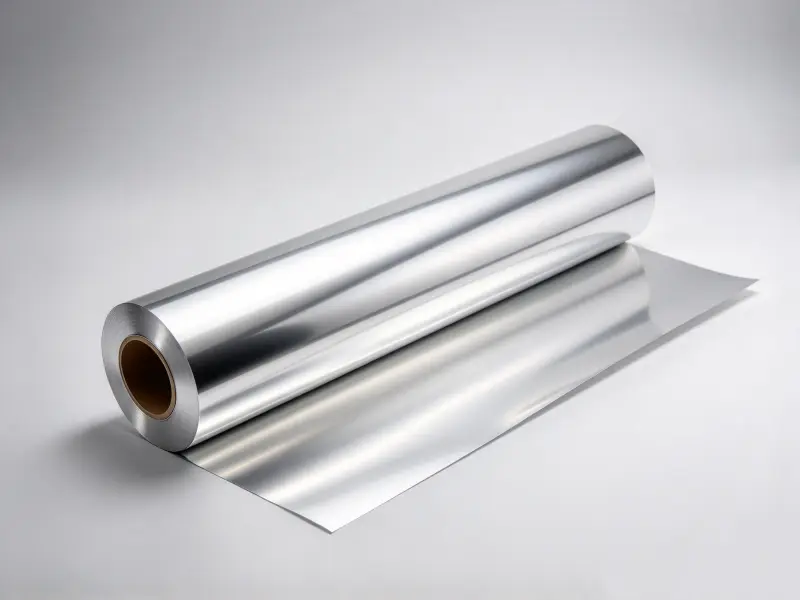
Although 24 inch is an imperial measurement, many factories and converters work in millimeters.
The closest metric value is 609.6 mm.
Buyers may therefore use different search terms for a similar product.
| Search Size | Approximate Relationship |
|---|---|
| 24 inch | 609.6 mm |
| 600 mm | Slightly narrower |
| 610 mm | Very close to 24 inch |
| 620 mm | Slightly wider |
| 650 mm | Wider format |
| 700 mm | Wider industrial roll |
When ordering, it is better to confirm the exact finished width instead of relying only on the product name.
24 Inch Wide Aluminum Foil Thickness Options
Width and thickness should be specified separately.
A 24 inch wide roll may be produced in several thickness ranges.
| Thickness | Approx. Inch | Typical Direction |
|---|---|---|
| 0.009 mm | 0.00035 in | Very light foil |
| 0.012 mm | 0.00047 in | Thin foil |
| 0.016 mm | 0.00063 in | Thin packaging |
| 0.020 mm | 0.00079 in | Packaging and converting |
| 0.025 mm | 0.00098 in | General foil |
| 0.030 mm | 0.00118 in | Packaging / industrial |
| 0.040 mm | 0.00157 in | Medium-duty foil |
| 0.050 mm | 0.00197 in | Industrial applications |
| 0.080 mm | 0.00315 in | Heavier foil |
| 0.100 mm | 0.00394 in | Industrial foil |
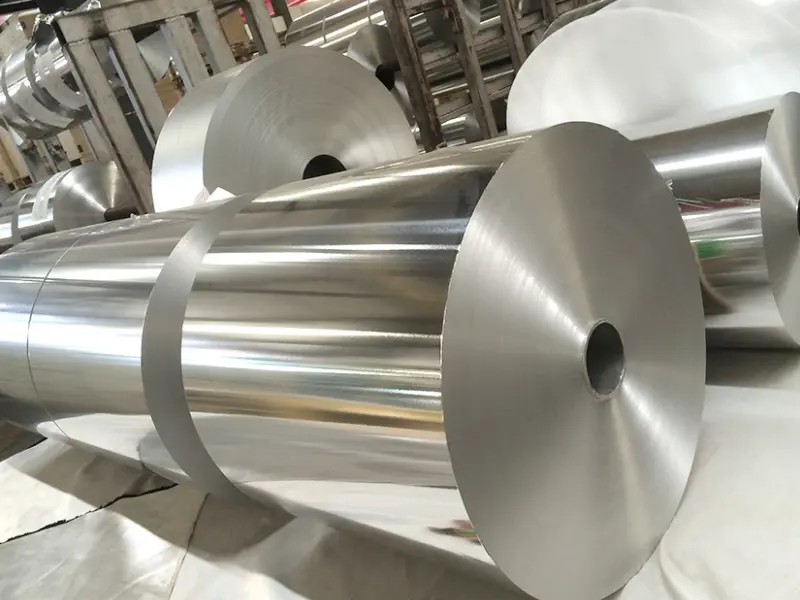
These are example specifications rather than one fixed product range.
The correct thickness should be selected according to the required barrier, strength, forming, wrapping, heat resistance, or converting process.
24 Inch Wide Thin Aluminum Foil
Thin foil is useful when weight and flexibility are important.
- Flexible packaging
- Food wrapping
- Household products
- Lamination
- Cable applications
- Insulation laminates
- Converting
Thin foil requires good control of thickness and pinholes.
For high-speed converting, surface quality and roll consistency are also important.
24 Inch Wide Heavy Gauge Aluminum Foil
A thicker roll provides greater stiffness and mechanical resistance.
Heavy gauge foil can be used for:
- Industrial insulation
- HVAC materials
- Heat shields
- Laminated materials
- Industrial packaging
- Special fabrication
- Protective covers
As thickness increases, roll weight also increases.
This means the buyer should consider both material specification and handling equipment.
Common Aluminum Foil Alloys
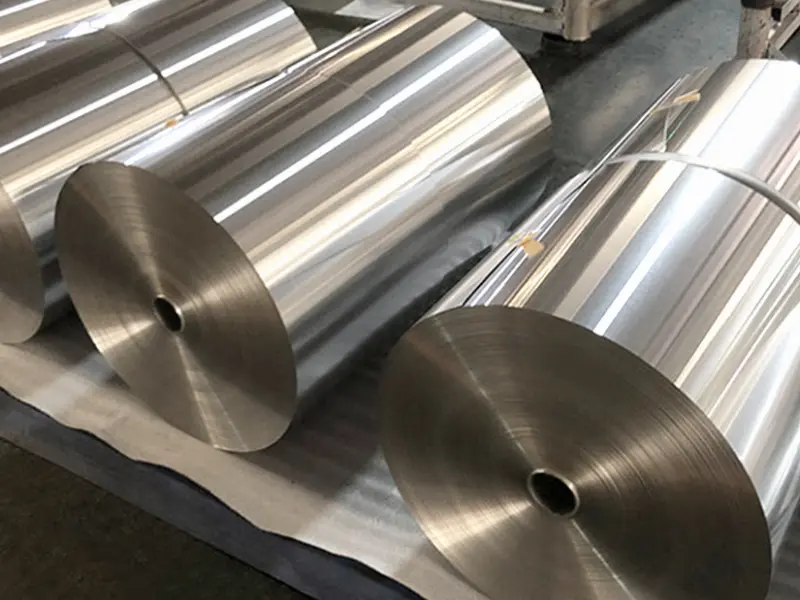
Different alloys can be used for different applications.
The most common options include 1050, 1060, 1070, 1235, 3003, and 8011.
1050 Aluminum Foil
1050 has high aluminum content and good formability.
It can be used for insulation, general foil products, and applications where high purity and easy forming are useful.
1060 Aluminum Foil
1060 is another high-aluminum-content alloy.
It offers good electrical conductivity, thermal conductivity, and formability.
It can be considered for insulation and industrial foil products.
1070 Aluminum Foil
1070 has a very high aluminum content.
It can be selected for applications where high purity and conductivity are important.
1235 Aluminum Foil
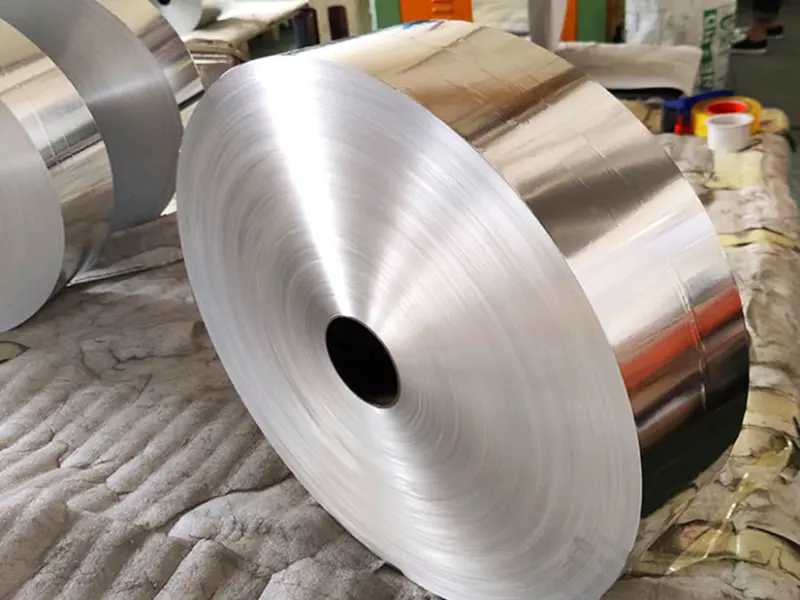
1235 is widely used in foil products.
It is commonly considered for packaging, flexible materials, cable-related applications, and laminated products.
3003 Aluminum Foil
3003 contains manganese.
Compared with high-purity aluminum grades, it provides higher strength while maintaining useful formability.
It can be considered for heat-transfer and industrial applications.
8011 Aluminum Foil
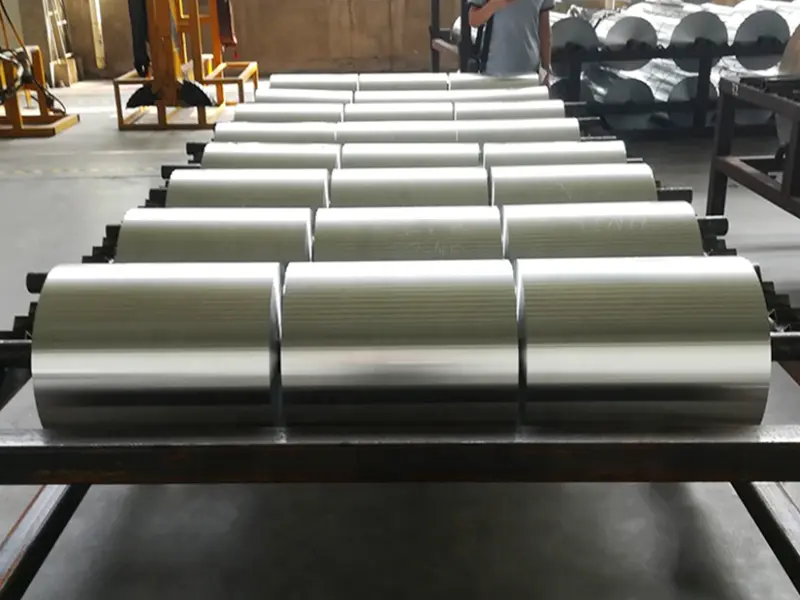
8011 is widely used for many commercial foil products.
It can be found in food packaging, household foil, pharmaceutical packaging, insulation, and other converting applications.
| Alloy | General Feature | Possible Applications |
|---|---|---|
| 1050 | High aluminum content | Insulation, general foil |
| 1060 | High purity and conductivity | Industrial, insulation |
| 1070 | Very high aluminum content | Conductive applications |
| 1235 | Common foil alloy | Packaging, laminates |
| 3003 | Higher strength | Industrial, heat-related |
| 8011 | Versatile foil alloy | Packaging, household, insulation |
The exact alloy should be selected based on the final product requirements.
Aluminum Foil Temper Options
Temper is another important part of the specification.
Common foil conditions include O, H12, H14, H16, and H18.
O Temper Aluminum Foil
O temper is an annealed condition.
It is soft and highly formable.
This makes it useful when the foil needs to bend, wrap, fold, or form easily.
H12 Aluminum Foil
H12 is partially strain hardened.
It provides more strength than O temper while retaining useful formability.
H14 Aluminum Foil
H14 provides a higher strength level.
It can be considered when the foil needs more stiffness.
H16 and H18
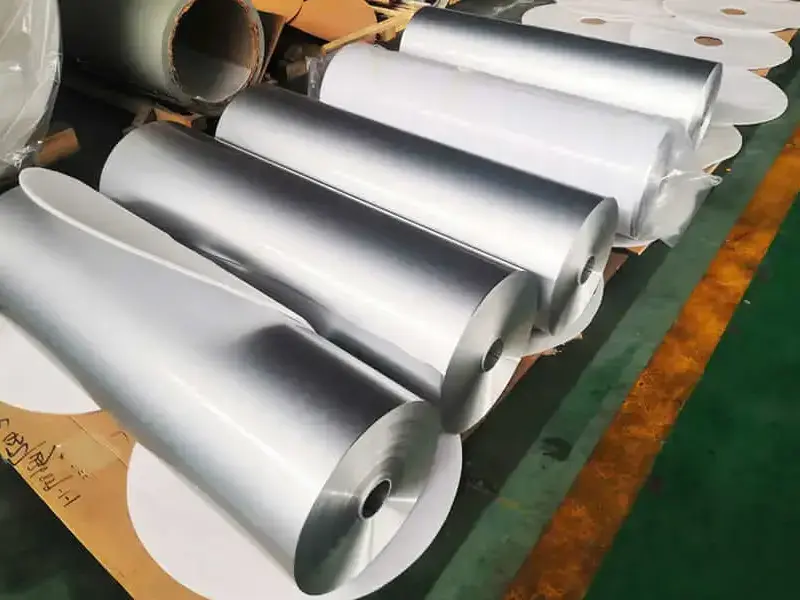
These conditions are harder and stronger.
They can be considered when the application requires greater stiffness and resistance to deformation.
| Temper | General Character |
|---|---|
| O | Soft and highly formable |
| H12 | Partially hardened |
| H14 | Medium strength |
| H16 | Higher strength |
| H18 | Hard condition |
The exact temper availability depends on the alloy and production process.
24 Inch Foil for Insulation
Wide aluminum foil is commonly used as part of insulation systems.
It can be laminated with insulation materials or used as a reflective outer layer.
A typical structure may look like:
Aluminum Foil → Adhesive → Insulation Material → Protective Layer
Applications include:
- Building insulation
- HVAC insulation
- Pipe insulation
- Duct insulation
- Roof insulation
- Wall insulation
- Industrial thermal insulation
- Cold storage insulation
For insulation applications, buyers often focus on width, thickness, surface quality, pinholes, and lamination performance.
24 Inch Wide Foil for Food Packaging

Food packaging is another major application.
Aluminum foil provides a strong barrier against light, moisture, oxygen, and external contamination when used appropriately in packaging structures.
Possible applications include:
- Food containers
- Flexible packaging
- Foil lids
- Bakery packaging
- Dairy packaging
- Chocolate packaging
- Kitchen foil
- Takeaway packaging
For food-contact applications, the material and coating system should meet the relevant food-contact requirements for the target market.
24 Inch Foil for Household and Food Service Use
A wide roll can also be converted into smaller rolls.
For example:
24 inch jumbo roll → Slitting → 18 inch roll → 12 inch roll → 9 inch roll
This makes the master roll useful for converters and distributors.
Household foil commonly focuses on:
- Easy unwinding
- Tear resistance
- Clean surface
- Uniform thickness
- Suitable roll length
- Good packaging
Aluminum Foil for Lamination
24 inch wide foil can be used as a component in laminated materials.
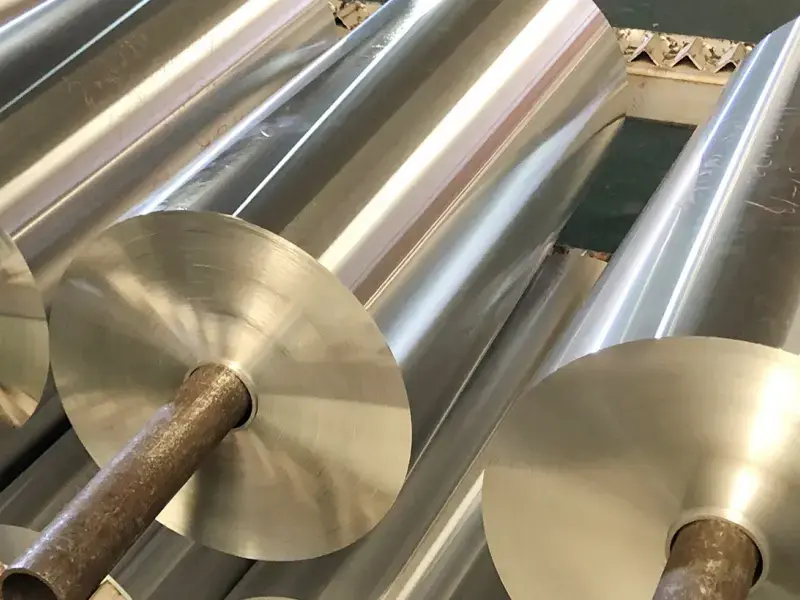
The foil may be laminated with:
- PE
- Paper
- PET
- PP
- Insulation materials
- Other barrier films
A typical structure may be:
Aluminum Foil + Polymer Film
or:
Paper + Aluminum Foil + Polymer Film
The final structure depends on the required barrier, flexibility, heat resistance, and sealing performance.
24 Inch Foil for Cable and Electrical Applications


Aluminum foil can also be used in cable and electrical-related products.
Depending on the construction, the foil can provide shielding or a conductive layer.
Common requirements may include:
- Stable thickness
- Clean surface
- Good conductivity
- Consistent width
- Low defect rate
- Suitable mechanical properties
For cable applications, the foil specification should be matched to the cable structure and production equipment.
24 Inch Aluminum Foil for Heat Transfer
Aluminum has good thermal conductivity.
For this reason, aluminum foil has applications in some heat-transfer and thermal management products.
Possible applications include:
- Heat exchangers
- HVAC components
- Thermal insulation
- Heat shields
- Cooling systems
- Industrial thermal products
3003 has often considered for certain heat-transfer applications because it combines useful strength with thermal conductivity.
The final alloy has selected according to the design requirements.
Jumbo Roll vs Small Roll
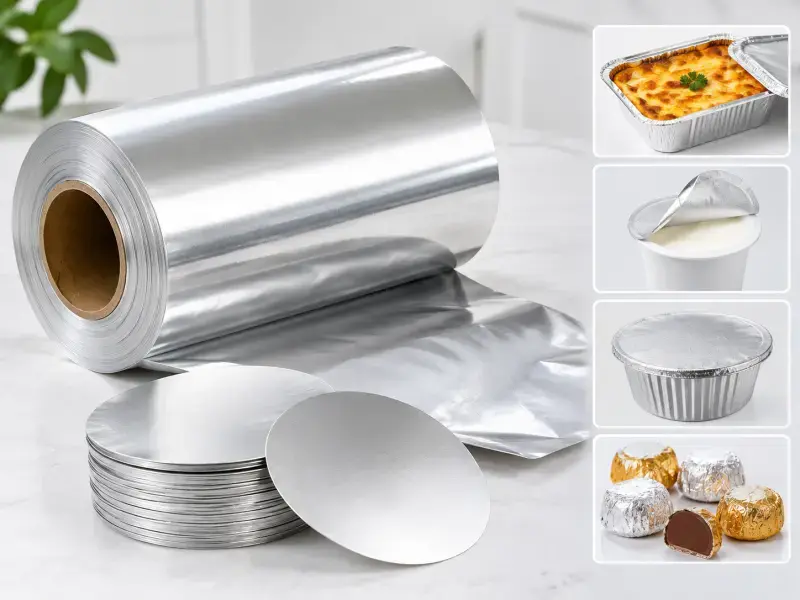

The same foil can be supplied in different roll formats.
| Roll Type | Suitable Buyer |
|---|---|
| Jumbo roll | Converter |
| Master roll | Slitting factory |
| Medium roll | Distributor |
| Small roll | Retail / food service |
| Custom roll | Industrial user |
A converter may prefer a large roll because it has slit into several finished widths.
A smaller buyer may prefer ready-to-use rolls.
24 Inch Wide Foil Slitting
Slitting is an important service for wide aluminum foil.
For example:
609.6 mm Master Roll
can potentially be converted into:
300 mm + 300 mm
or:
200 mm + 200 mm + 200 mm
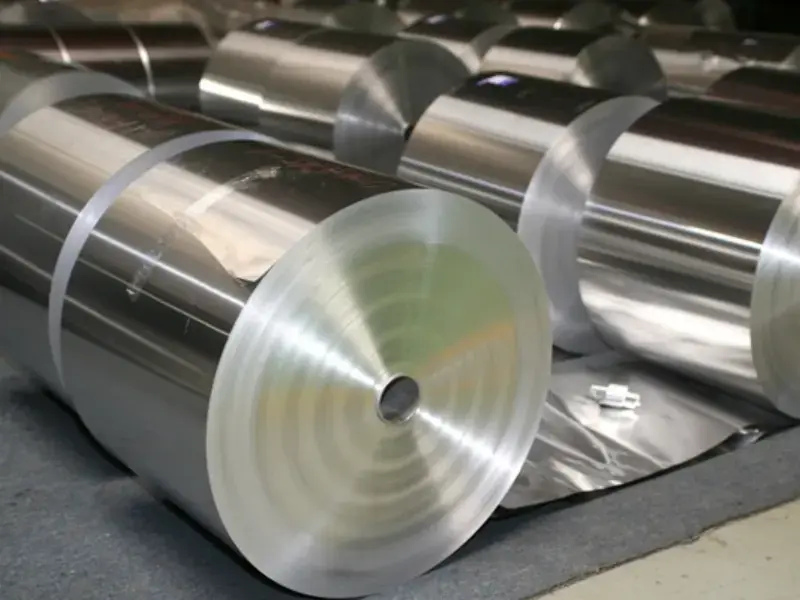
The actual layout must consider trim loss, edge requirements, and the customer’s final width.
For regular production, stable slitting accuracy can help improve material utilization.
How to Reduce Aluminum Foil Cutting Waste
Width planning is important for converters.
Suppose a customer needs several narrow rolls.
Instead of ordering each width separately, the buyer can start with a wider master roll and develop a cutting plan.
Master Width → Cutting Layout → Slitting → Finished Rolls
A good layout should consider:
- Finished width
- Number of rolls
- Trim loss
- Edge quality
- Core width
- Roll diameter
- Maximum roll weight
This can be particularly useful for regular B2B orders.
24 Inch vs 12 Inch Aluminum Foil
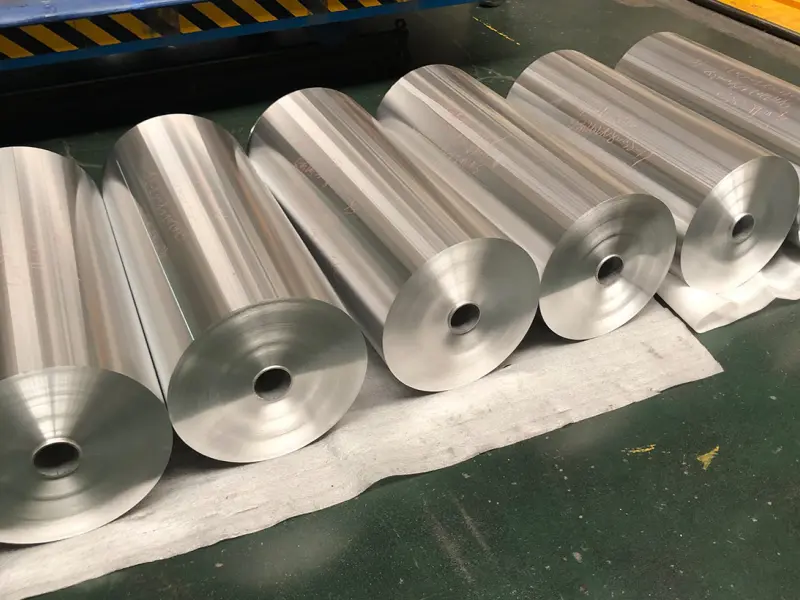
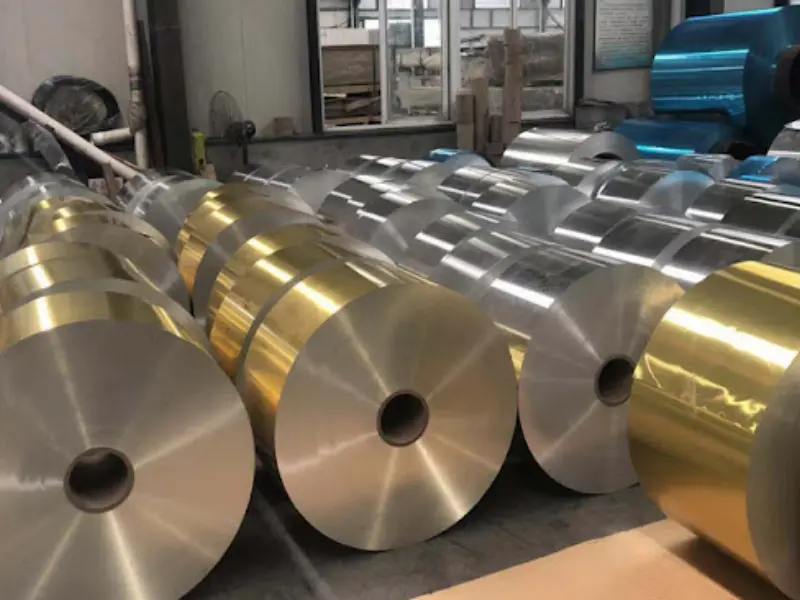
The two widths are used for different purposes.
| Feature | 12 Inch | 24 Inch |
|---|---|---|
| Width | 304.8 mm | 609.6 mm |
| Surface coverage | Smaller | Larger |
| Handling | Easier | More demanding |
| Converting | Limited | More flexible |
| Large surfaces | Less efficient | Better suited |
| Slitting | Limited master width | More options |
A 24 inch roll can be useful as a master width when the customer needs several narrower finished products.
24 Inch vs 18 Inch Aluminum Foil
18 inches is approximately 457.2 mm.
24 inches is approximately 609.6 mm.
The wider roll can cover a larger surface and may offer more slitting options.
| Width | Metric Equivalent | General Use |
|---|---|---|
| 12 in | 304.8 mm | Small rolls |
| 18 in | 457.2 mm | Food service / medium width |
| 24 in | 609.6 mm | Wide roll / converting |
| 36 in | 914.4 mm | Large industrial applications |
| 48 in | 1219.2 mm | Very wide applications |
The right width depends on the finished product and production equipment.
Roll Length and Roll Weight
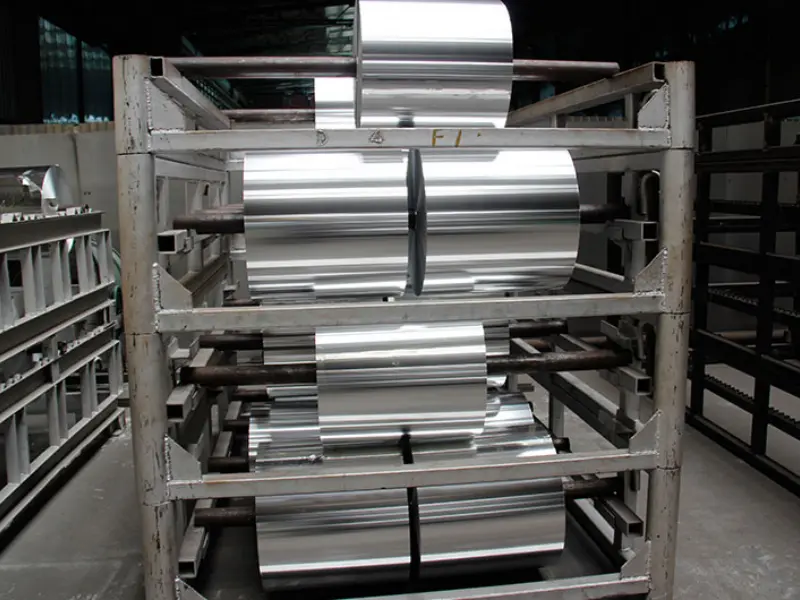
Width and thickness are not enough to define a roll.
Roll length also affects the total weight.
A buyer may request:
24 inch × 500 ft
or:
24 inch × 1,000 ft
or:
609.6 mm × 500 m
The exact available length depends on thickness, roll diameter, core size, and maximum handling weight.
For industrial orders, it is often better to specify both roll length and maximum roll weight.
Aluminum Foil Core Options
The core supports the foil during transportation and unwinding.
Common core materials include:
- Paper core
- Aluminum core
- Steel core for certain industrial applications
Core dimensions should match the customer’s equipment.
Important specifications can include:
| Core Item | Example |
|---|---|
| Core material | Paper |
| Core diameter | Custom |
| Core width | Roll dependent |
| Inner diameter | Machine dependent |
| Maximum outer diameter | Equipment dependent |
For automated converting lines, core size has confirmed before production.
Surface Quality of Wide Aluminum Foil
Wide foil needs consistent surface quality.
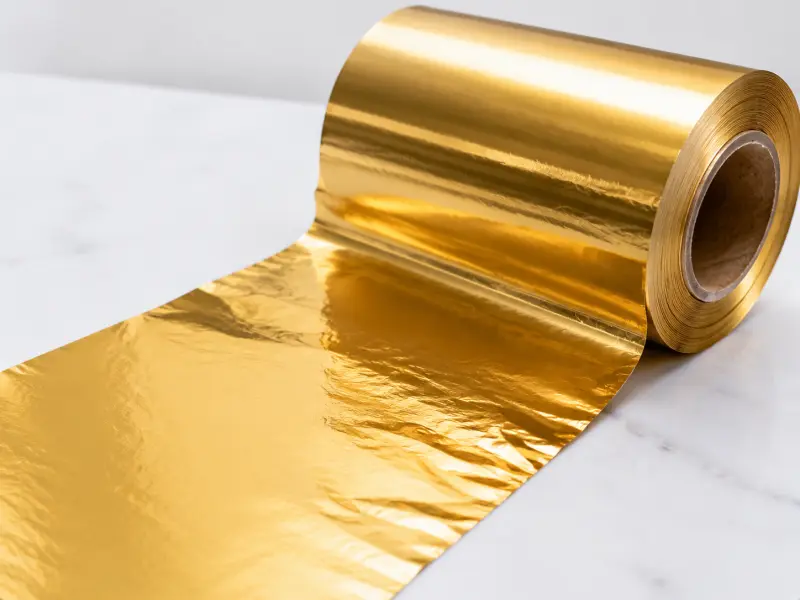
Common quality checks include:
- Pinholes
- Oil stains
- Scratches
- Edge cracks
- Wrinkles
- Surface marks
- Thickness variation
- Width tolerance
For laminated products, surface cleanliness can be especially important because contamination may affect bonding.
One Side vs Both Side Surface Requirements
Most aluminum foil has two usable sides, but the surface appearance can differ slightly depending on the rolling process.
Some applications have specific requirements for:
- Bright surface
- Matte surface
- Clean surface
- Controlled roughness
- Coating adhesion
For products that has laminated or coated, the surface requirement should be confirmed before production.
24 Inch Wide Aluminum Foil Ordering Guide
A complete inquiry can follow this structure:
Application
↓
Alloy
↓
Temper
↓
Thickness
↓
Width
↓
Roll Length
↓
Core Size
↓
Quantity
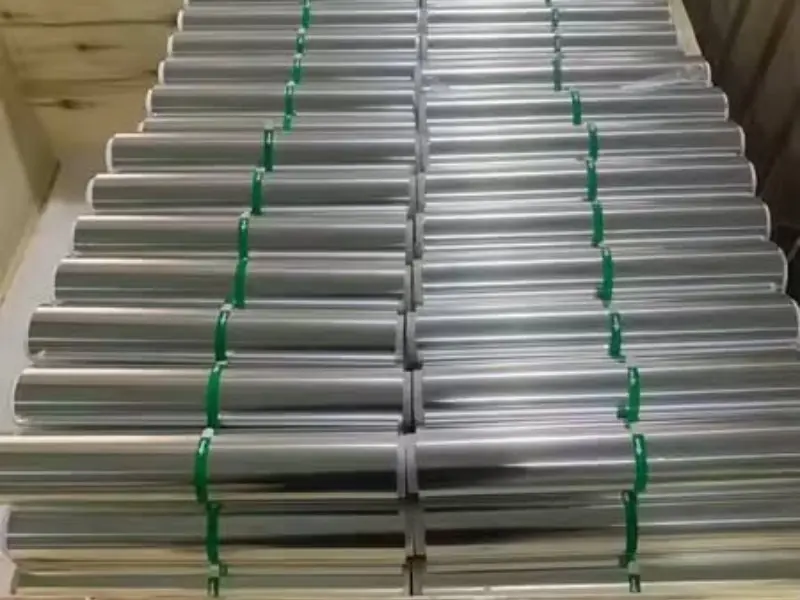
For example:
Insulation → 1060 → O → 0.03 mm → 24 inch → 500 m/roll → Paper Core → 5 Tons
Another example:
Packaging → 8011 → O → 0.02 mm → 609.6 mm → Custom Length → Paper Core → 10 Tons
This format helps the supplier understand the actual requirement.
What Affects the Price of 24 Inch Aluminum Foil?
The price depends on more than width.
| Cost Factor | Why It Matters |
|---|---|
| Aluminum alloy | Different alloys have different costs |
| Thickness | More aluminum increases weight |
| Width | Affects material usage |
| Roll length | Changes roll weight and production |
| Temper | Affects processing |
| Surface requirement | Higher quality may require tighter control |
| Slitting | Adds processing |
| Core | Different core requirements affect cost |
| Packing | Export packaging adds cost |
| Order quantity | Larger orders may improve production efficiency |
| Freight | Weight and volume affect shipping |
For a useful quotation, the buyer should provide the complete specification.
Export Packaging for 24 Inch Aluminum Foil
Aluminum foil has protected from moisture, dust, impact, and deformation during transportation.
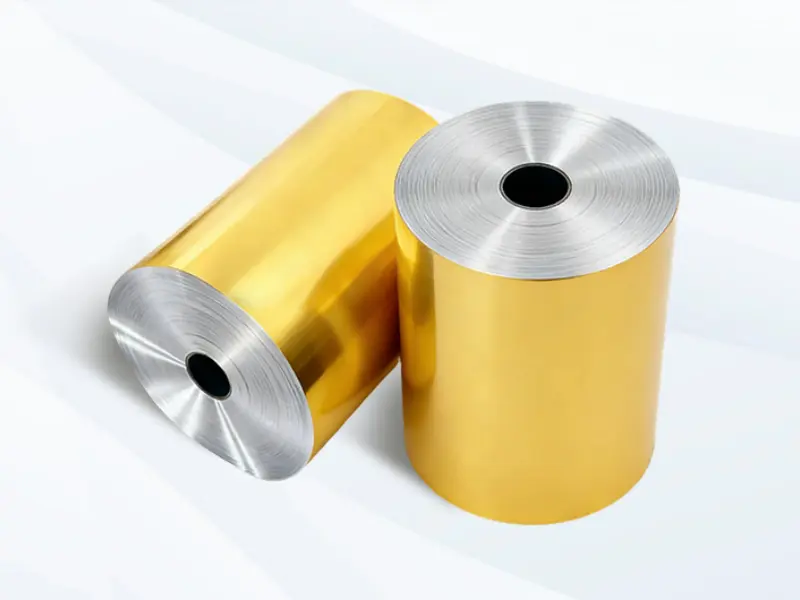
A typical export package may include:
Foil Roll → Inner Protection → End Protection → Moisture Barrier → Carton or Wooden Box → Pallet
For ocean shipments, moisture protection is particularly important.
The package should also prevent the roll from moving during transportation.
Quality Control Before Shipment
For B2B orders, inspection can cover several points.
| Inspection | Purpose |
|---|---|
| Width | Confirm roll dimension |
| Thickness | Check material gauge |
| Alloy | Confirm material grade |
| Temper | Confirm condition |
| Surface | Check visible defects |
| Pinholes | Important for barrier applications |
| Edge | Check slitting quality |
| Roll weight | Confirm shipping and production data |
| Core | Match customer equipment |
| Packing | Protect product during transport |
For larger orders, material certificates and inspection reports may be available according to the order requirements.
Who Buys 24 Inch Wide Aluminum Foil?
The product can be supplied to different types of B2B customers.
Converters
Converters may purchase master rolls and slit them into smaller widths.
Insulation Manufacturers
Insulation producers may laminate aluminum foil with foam, fiberglass, paper, or other materials.
Packaging Companies
Packaging manufacturers can use foil as part of flexible packaging and barrier structures.
Food Service Suppliers
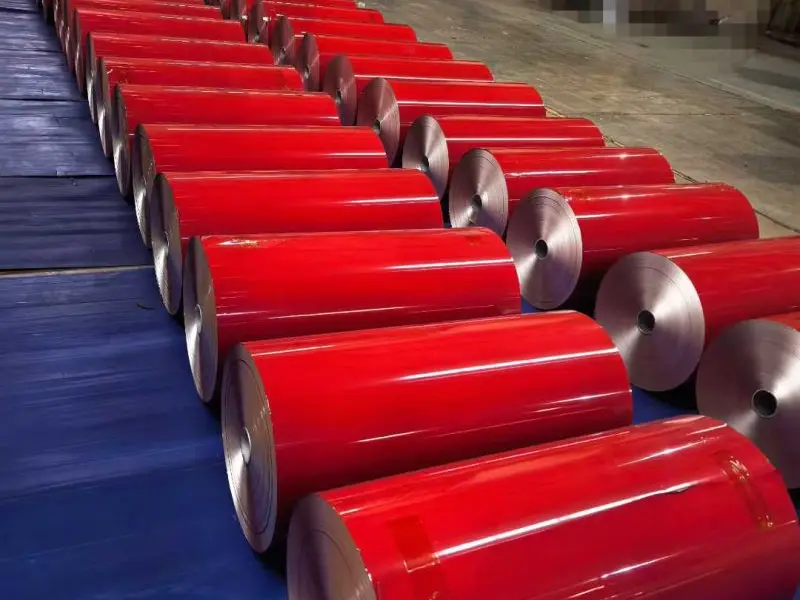
Food-service companies may convert wide foil into finished rolls or sheets.
Industrial Manufacturers
Industrial users may need specific widths, thicknesses, and roll weights for production lines.
Custom 24 Inch Aluminum Foil
Not every buyer needs exactly the same specification.
Custom options can include:
- Width
- Thickness
- Alloy
- Temper
- Roll length
- Core diameter
- Roll diameter
- Slitting width
- Surface requirement
- Packing method
- Protective film or paper
- Labeling
A custom product can be specified as:
609.6 mm Width + 0.03 mm Thickness + 8011 O + Custom Roll Length
This is more precise than simply asking for “24 inch foil.”
24 Inch Wide Aluminum Foil Specification Example
| Specification | Example |
|---|---|
| Product | Aluminum Foil |
| Width | 24 inch / 609.6 mm |
| Alloy | 8011 |
| Temper | O |
| Thickness | 0.025 mm |
| Roll Form | Jumbo / Master Roll |
| Roll Length | Custom |
| Core | Paper |
| Surface | Mill Finish |
| Edge | Slit Edge |
| Application | Packaging |
| Packing | Export Standard |
The specification has changed according to the final application.
FAQ

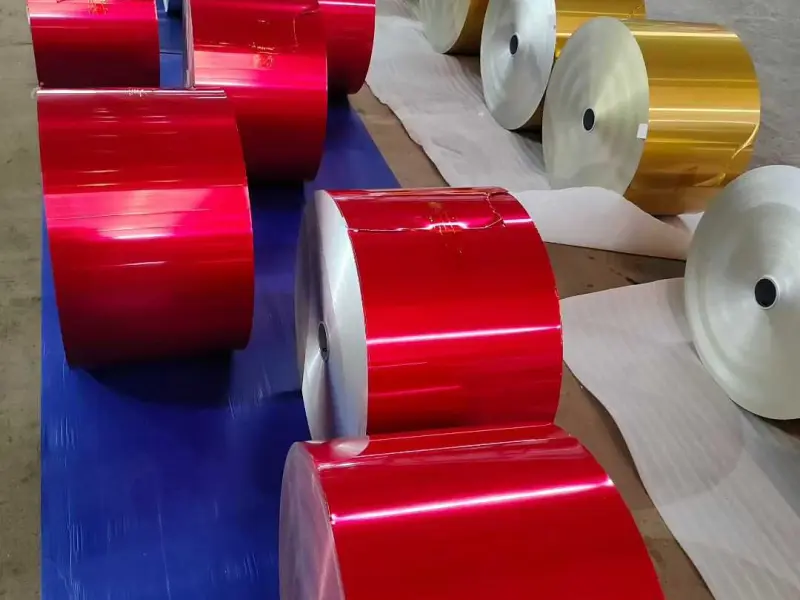
Is 24 inch aluminum foil exactly 24 inches wide?
The nominal width is 24 inches, equal to 609.6 mm. Actual production width has confirmed according to the agreed tolerance.
What is 24 inch aluminum foil in millimeters?
24 inches equals 609.6 mm. Buyers may also request 610 mm as a practical metric specification.
What thicknesses are available in 24 inch foil?
Different thicknesses have produced depending on the application. Common industrial and packaging ranges may include approximately 0.012 mm to 0.100 mm.
What alloy is commonly used for aluminum foil?
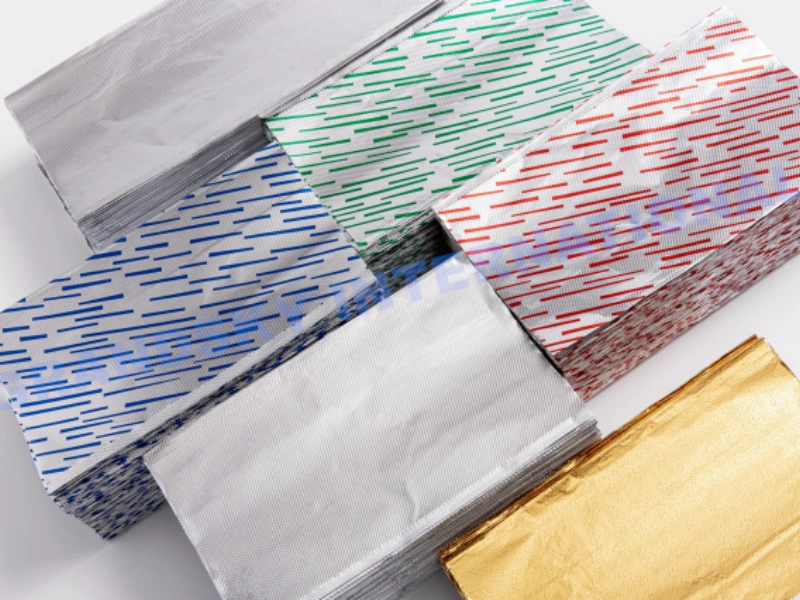
Common alloys include 1050, 1060, 1070, 1235, 3003, and 8011. The suitable alloy depends on the application.
Can 24 inch aluminum foil be slit into smaller widths?
Yes. A wide master roll has slit into narrower rolls according to the customer’s requirements and the available production equipment.
Can I order 24 inch aluminum foil in jumbo rolls?
Yes. Jumbo or master rolls have applications by converters and industrial manufacturers.
Is 24 inch foil suitable for insulation?
Yes. Aluminum foil has applications in insulation systems. The required thickness, alloy, surface quality, and lamination structure have selected according to the insulation product.
Is 8011 aluminum foil suitable for packaging?
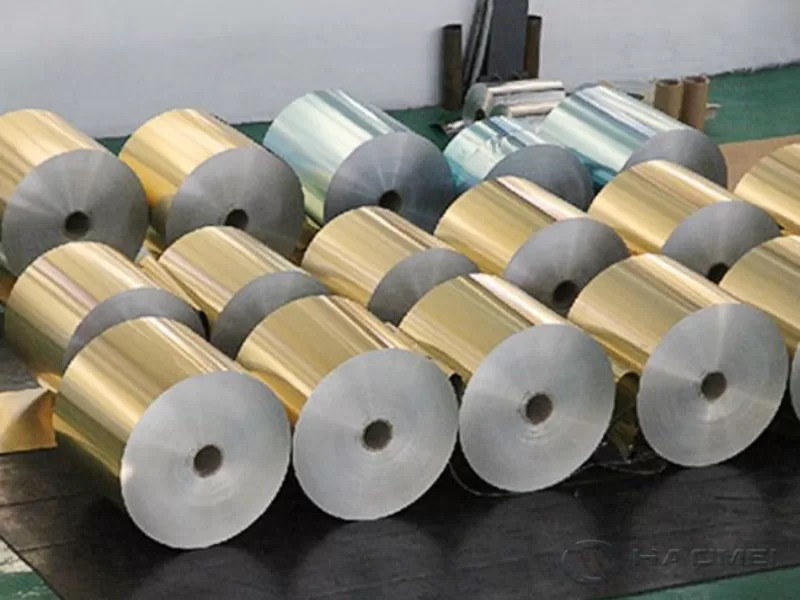
8011 has applications in many packaging-related foil products. The exact suitability depends on the packaging structure and applicable food or product-contact requirements.
What is the difference between 1050 and 8011 aluminum foil?
1050 has high aluminum content and good formability. 8011 has applications foil alloy with a broad range of packaging and industrial applications.
What is the difference between O and H18 foil?
O temper is soft and highly formable. H18 is a harder condition with higher strength and stiffness. The correct choice depends on the forming and mechanical requirements.
Can the roll length be customized?
Yes. Roll length has adjusted according to thickness, core size, roll diameter, equipment, and maximum roll weight.
Can the aluminum foil be supplied with a paper core?
Yes. Paper cores have applications for many foil rolls. The core diameter and width should be confirmed before production.
Can you provide 24 inch aluminum foil for converting?
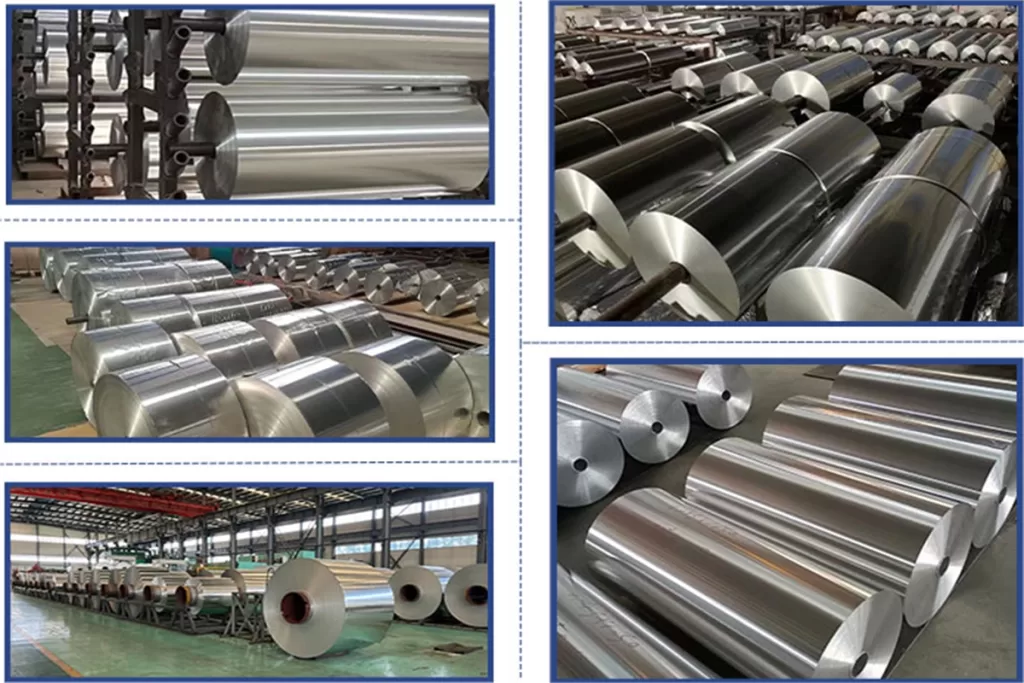
Yes. Converters can order master rolls with specific thickness, alloy, temper, width, roll length, and core requirements.
What information should I provide when requesting a quotation?
Provide the alloy, temper, thickness, width, roll length, core size, quantity, application, and packing requirements.
Quick Product Selection
For a simple purchasing decision:
Packaging → 1235 / 8011 → O → Thin Foil
Insulation → 1050 / 1060 → O → Medium Foil
Heat Transfer → 3003 → Suitable Temper → Application-Based Thickness
Converting → Master Roll → 24 inch → Custom Slitting
Food Service → Suitable Food-Contact Grade → O → Custom Roll Length
The final specification should always be based on the actual production process.
Final Buying Checklist
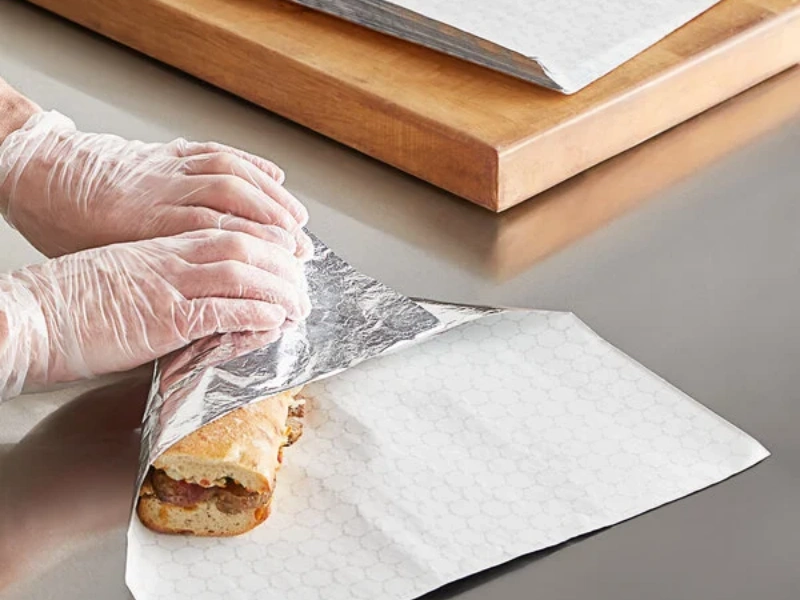

Before ordering 24 inch wide aluminum foil, confirm these details:
| Requirement | Confirm |
|---|---|
| Width | 24 inch / 609.6 mm |
| Alloy | 1050 / 1060 / 1070 / 1235 / 3003 / 8011 |
| Temper | O / H12 / H14 / H16 / H18 |
| Thickness | Required gauge |
| Roll length | Required length |
| Core | Diameter and material |
| Edge | Mill edge or slit edge |
| Surface | Required condition |
| Quantity | Rolls or tons |
| Application | Packaging / insulation / industrial |
| Packing | Export requirement |
A clear specification reduces mistakes and makes it easier to compare supplier quotations.

The key point is simple:
24 inch wide aluminum foil is a width specification, not a complete product specification.
The final product should be defined by:
Width + Thickness + Alloy + Temper + Roll Length + Core + Application
With the right combination, a 24 inch wide roll has converted into many different finished products for packaging, insulation, food service, industrial manufacturing, and other applications.
Error: Contact form not found.