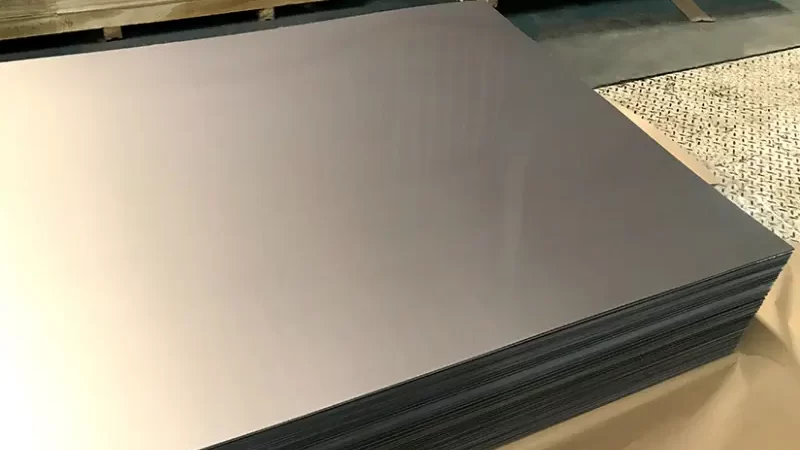
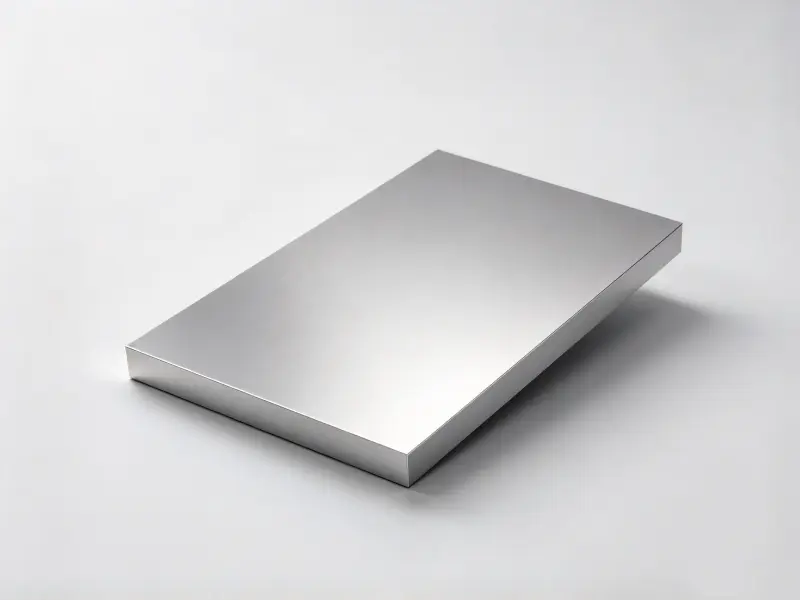
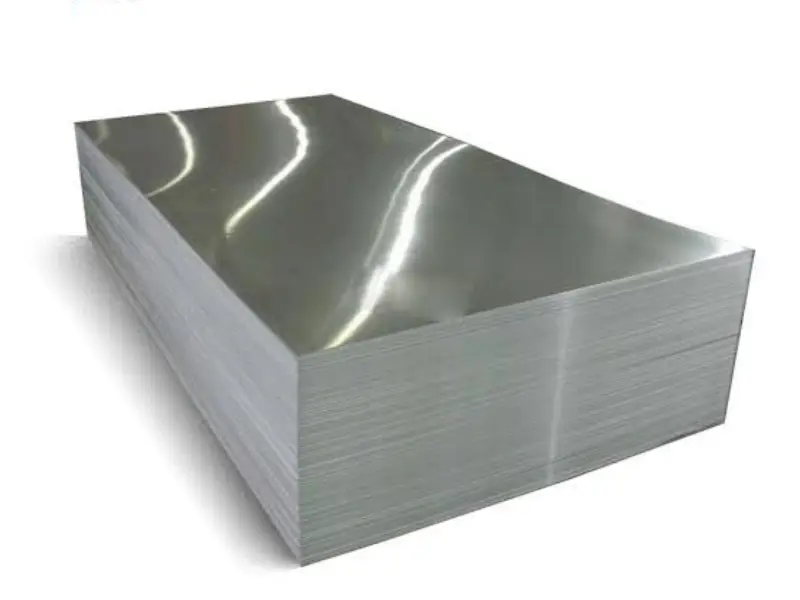
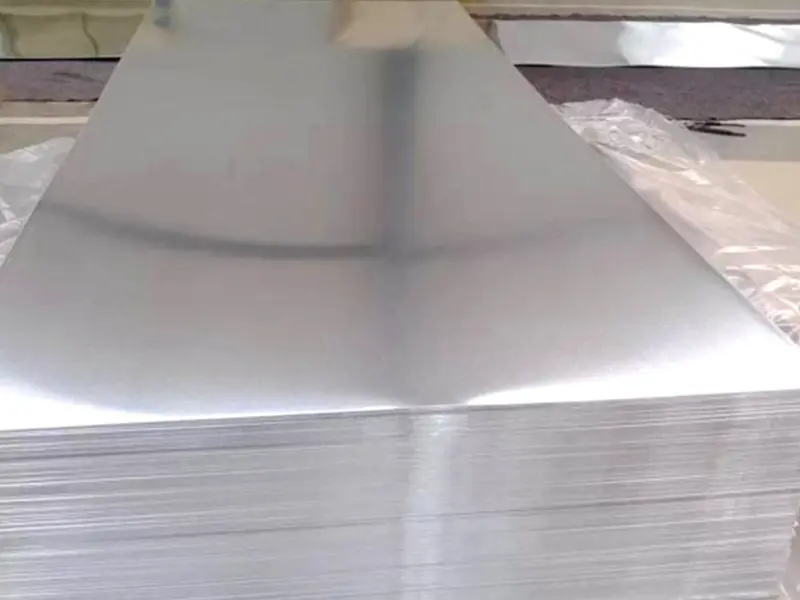
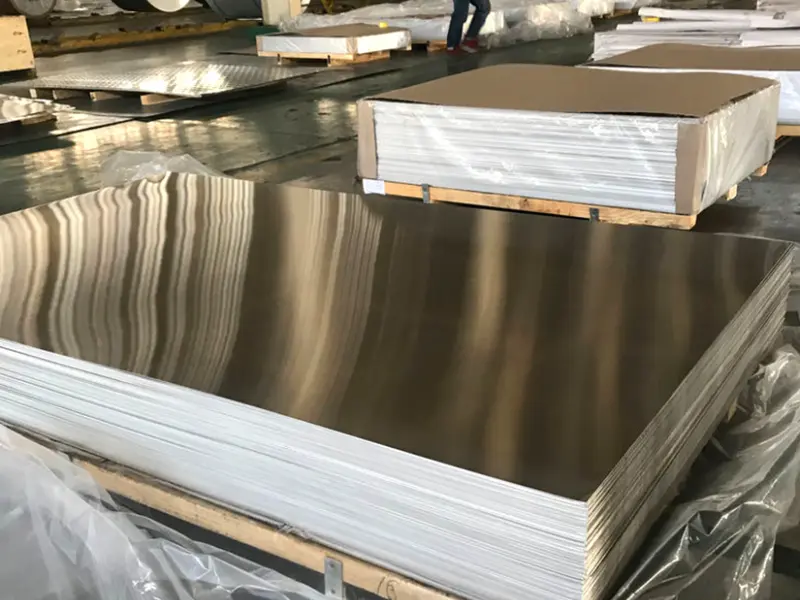
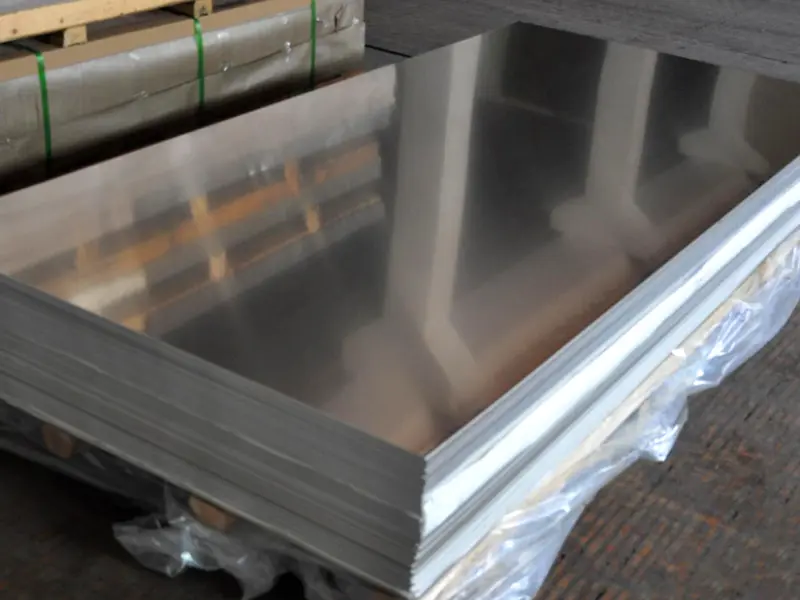
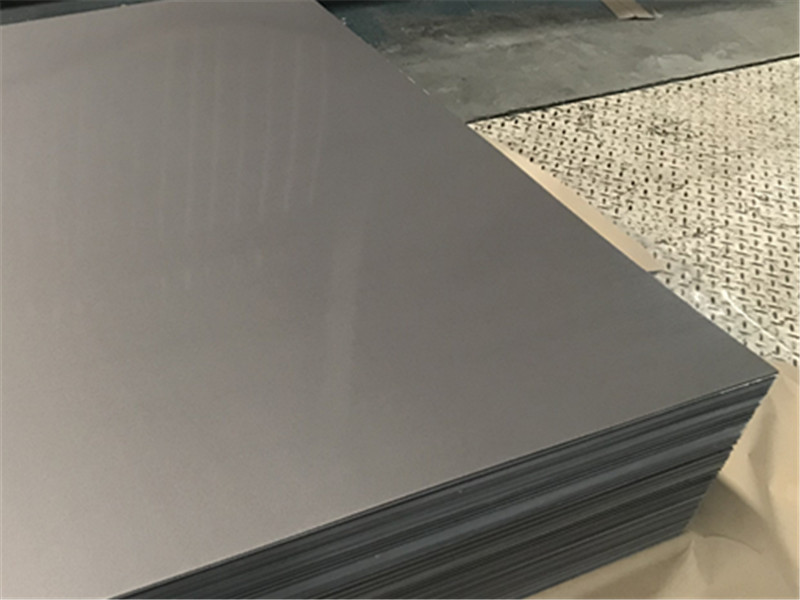
A 3mm aluminium sheet is a flat aluminum sheet with a nominal thickness of 3 mm. It is a common thickness for industrial fabrication, construction, transportation, signage, roofing, machinery, and general manufacturing.
3mm aluminum offers a useful balance between weight, strength, stiffness, and ease of processing. It is thicker than many light-gauge sheets but still easy to cut, drill, bend, and fabricate.
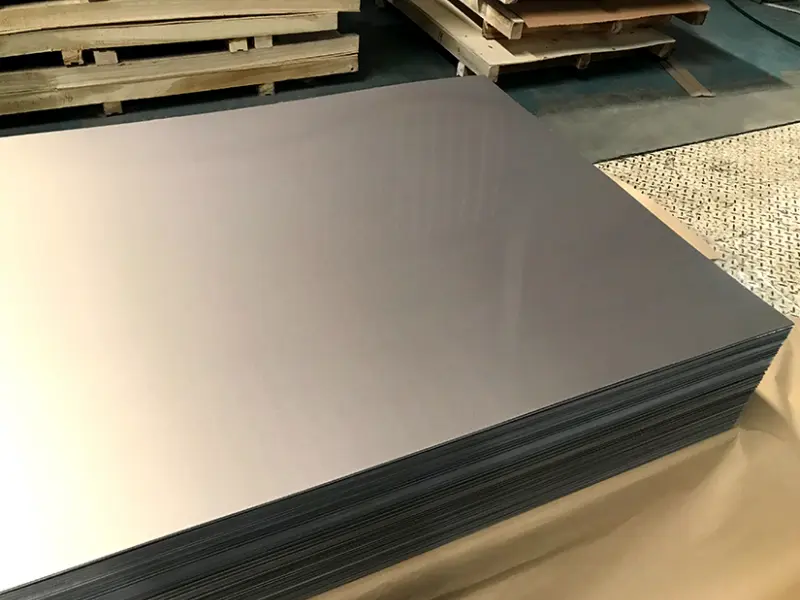
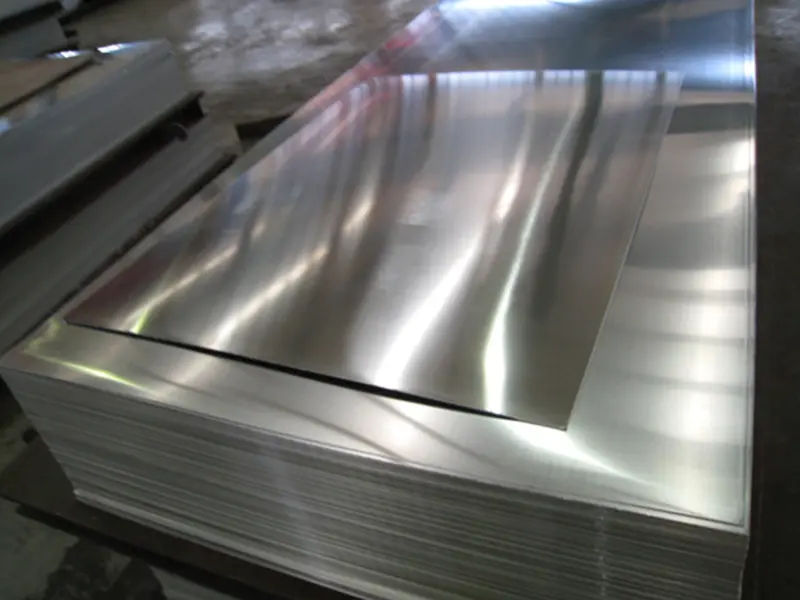
Different alloys can be used for this thickness. 1050, 1060, 3003, 3105, 5052, 5083, and 6061 are common choices for different applications.
The right product depends on the final use.
Application → Alloy → Temper → Thickness → Size → Surface → Quantity
What Is a 3mm Aluminium Sheet?
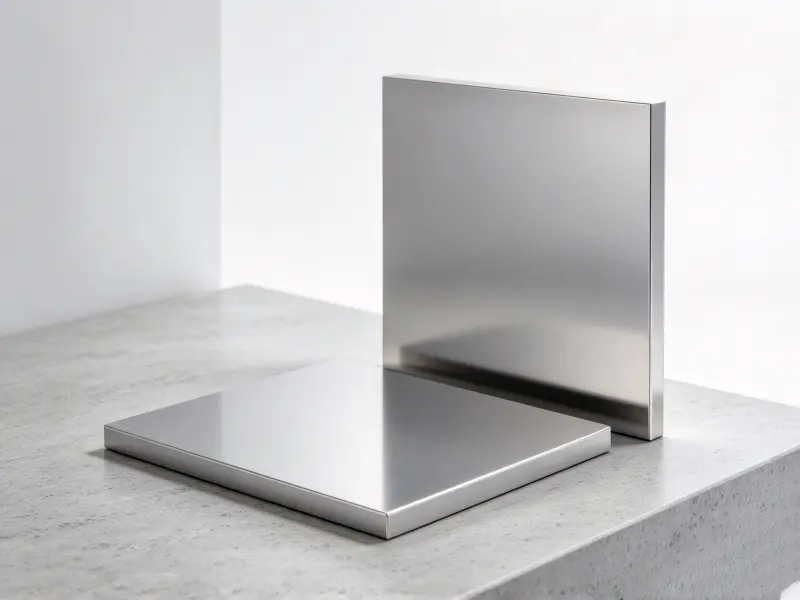
A 3mm aluminium sheet has a nominal thickness of 3 millimeters, which is approximately 0.118 inches.
It is often used when a thinner sheet does not provide enough rigidity, while a thicker plate would add unnecessary weight and cost.
| Specification | Typical Information |
|---|---|
| Product | 3mm Aluminium Sheet |
| Metric thickness | 3 mm |
| Approx. inch thickness | 0.118 inch |
| Form | Flat sheet |
| Common alloys | 1050, 1060, 3003, 3105, 5052, 5083, 6061 |
| Common tempers | O, H12, H14, H16, H18, H32, T6 |
| Surface | Mill finish, polished, anodized, painted, embossed |
| Width | Custom |
| Length | Custom |
The actual thickness tolerance depends on the alloy, manufacturing standard, sheet size, and production requirements.
Why 3mm Is a Popular Aluminum Thickness
Three millimeters is a practical middle range for many projects.
It provides more rigidity than 1 mm or 1.5 mm sheet. At the same time, it is much easier to handle than very thick aluminum plate.
It can be used for both flat panels and fabricated parts.
Typical advantages include:
- Moderate weight
- Good rigidity
- Good corrosion resistance
- Easy cutting
- Good drilling performance
- Suitable for CNC machining
- Suitable for welding with the correct alloy
- Good surface appearance
- Available in many alloys
- Available in standard and custom sizes
For many buyers, 3 mm is a useful starting point when choosing an aluminum sheet for general fabrication.
3mm Aluminium Sheet Sizes
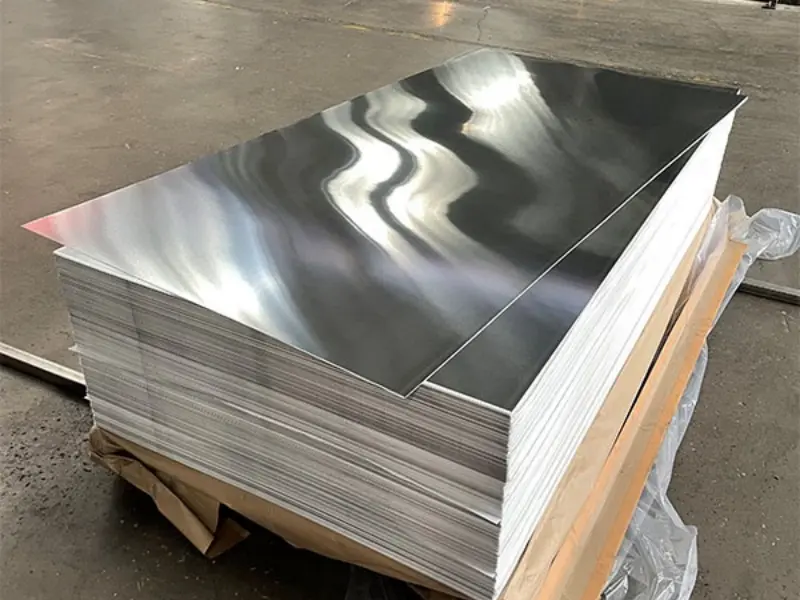
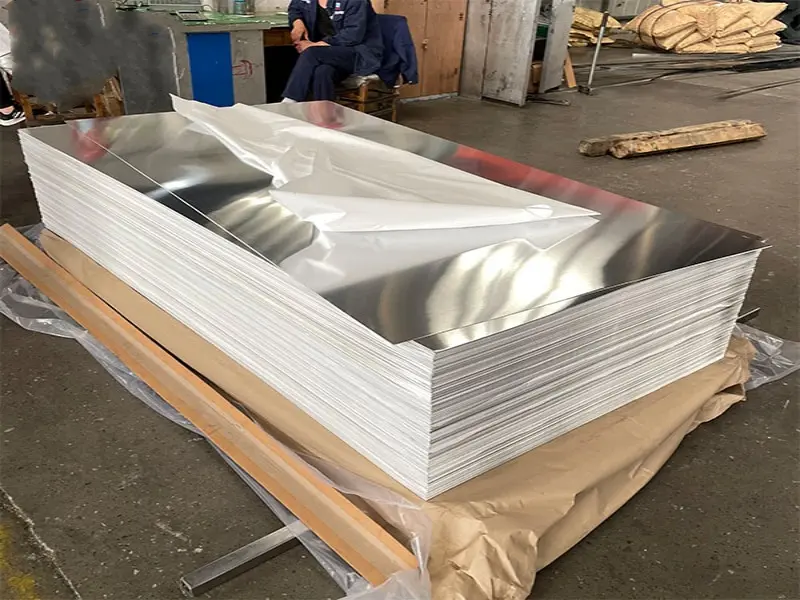
The sheet size depends on the application and available equipment.
Common sizes include:
| Size | Typical Use |
|---|---|
| 1000 × 2000 mm | Small fabrication |
| 1220 × 2440 mm | General manufacturing |
| 1250 × 2500 mm | Industrial panels |
| 1500 × 3000 mm | Large panels |
| 1500 × 4000 mm | Industrial applications |
| 4 × 8 ft | Construction and fabrication |
| 4 × 10 ft | Larger panels |
| Custom size | CNC and special projects |
3mm Aluminium Sheet 4×8
The 3mm aluminium sheet 4×8 format is approximately 1220 × 2440 mm.
It is widely used because the size is practical for transportation, cutting, and fabrication.
Typical applications include:
- Trailer panels
- Machine covers
- Signage
- Wall panels
- Interior panels
- General fabrication
3mm Aluminium Sheet 4×10
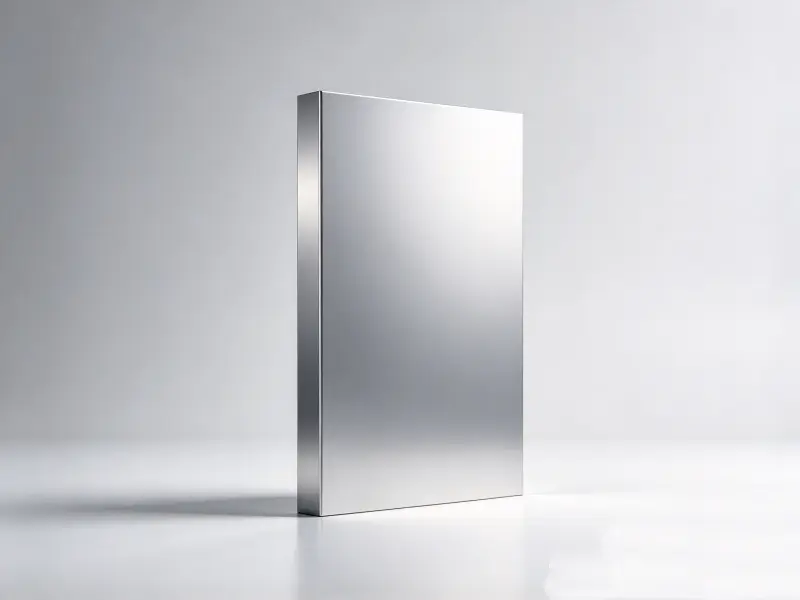
A 4 × 10 ft sheet provides more surface area.
It can reduce the number of joints when a larger panel is needed.
It is useful for:
- Long panels
- Architectural projects
- Vehicle components
- Equipment covers
- Industrial fabrication
3mm Aluminium Sheet by Alloy
The alloy has a major effect on strength, formability, corrosion resistance, and machining performance.
3mm 1050 Aluminium Sheet
1050 is a high-aluminum-content alloy.
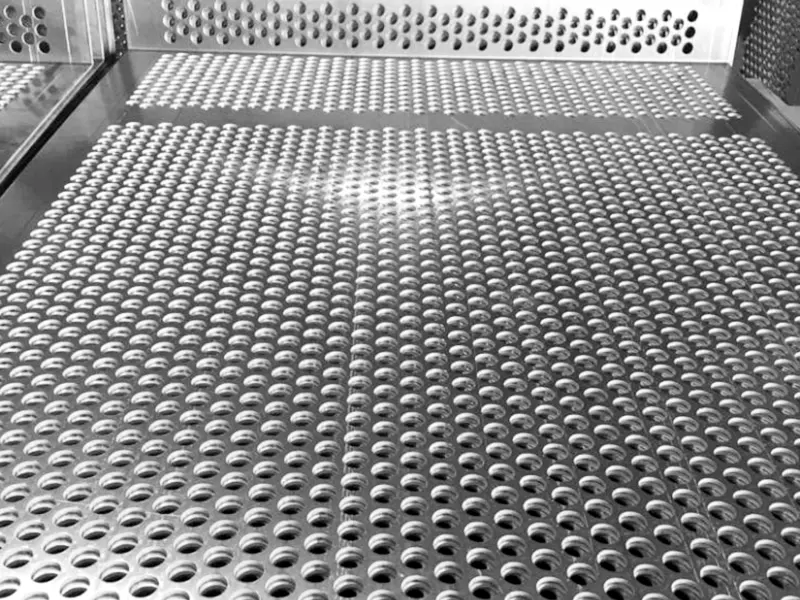
It offers good:
- Formability
- Corrosion resistance
- Electrical conductivity
- Surface appearance
It is suitable for applications where extreme strength is not required.
Common uses include:
- General fabrication
- Reflectors
- Decorative panels
- Electrical applications
- Chemical equipment
- Heat-related applications
3mm 1060 Aluminium Sheet
1060 is another high-purity aluminum alloy.
It has good formability and corrosion resistance.
A 3mm 1060 sheet can be considered for:
- General panels
- Industrial parts
- Decorative products
- Equipment
- Signage
- Fabrication
It is often selected when easy forming and a clean aluminum surface are more important than high strength.
3mm 3003 Aluminium Sheet
3003 contains manganese and generally provides higher strength than 1050 and 1060.
It also has good formability and corrosion resistance.
It can be used for:
- Roofing
- Wall panels
- HVAC components
- Equipment
- Containers
- General fabrication
3mm 3105 Aluminium Sheet
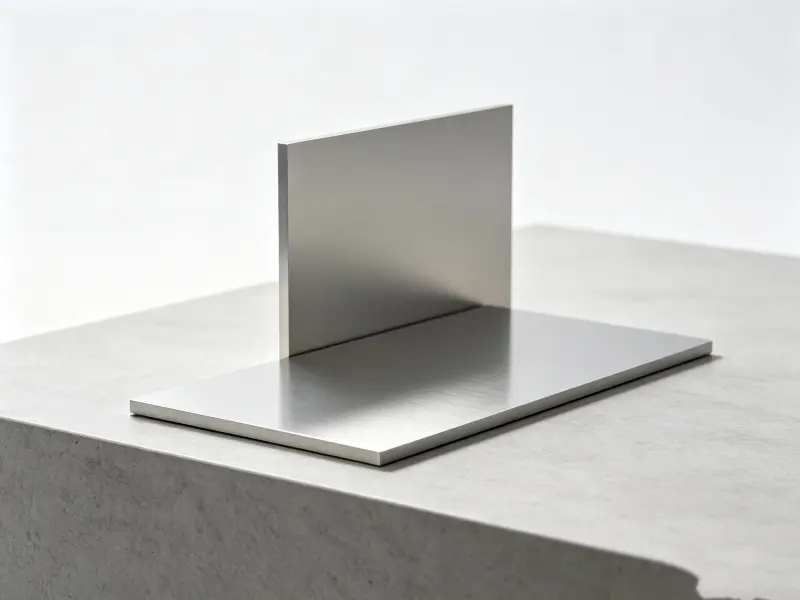
3105 is commonly used for building and architectural products.
It offers a balance of strength, formability, and corrosion resistance.
Applications include:
- Roofing
- Wall cladding
- Building panels
- Gutters
- Decorative panels
- Painted aluminum products
3mm 5052 Aluminium Sheet
5052 is a popular choice when higher strength and corrosion resistance are needed.
It performs well in many outdoor and marine-related environments.
Typical uses include:
- Marine equipment
- Trailer components
- Fuel tanks
- Industrial panels
- Vehicle parts
- Machine components
3mm 5083 Aluminium Sheet
5083 is known for its high strength and good corrosion resistance.
It is widely associated with marine and heavy-duty fabrication.
Applications may include:
- Boat structures
- Marine panels
- Tanks
- Heavy equipment
- Industrial structures
- Offshore-related components
3mm 6061 Aluminium Sheet
6061 is a heat-treatable aluminum alloy.
It is often selected for structural and machined components.
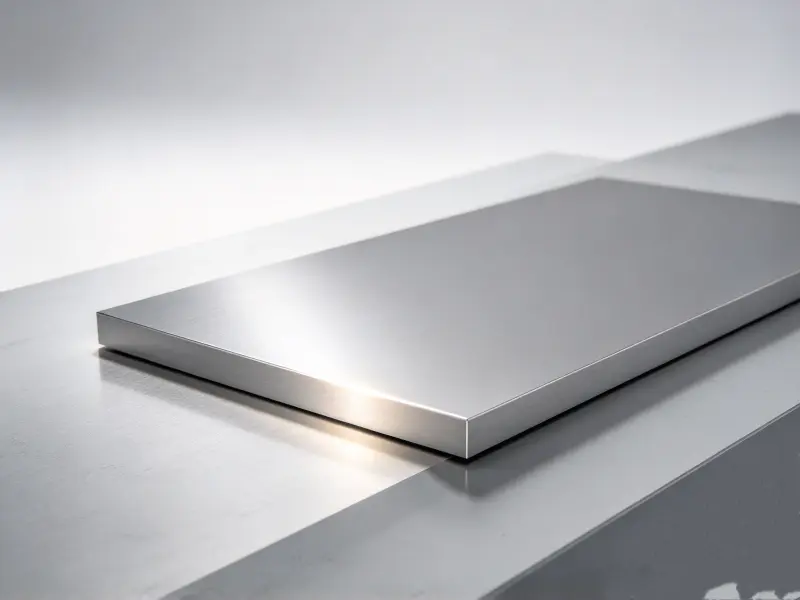
Typical applications include:
- CNC parts
- Machine components
- Structural parts
- Frames
- Platforms
- Industrial equipment
For applications requiring higher mechanical performance, 6061-T6 may be considered.
3mm Aluminium Sheet Temper Options
The temper describes the condition of the aluminum.
Different tempers provide different combinations of hardness, strength, and formability.
| Temper | General Character |
|---|---|
| O | Soft and highly formable |
| H12 | Partially hardened |
| H14 | Medium hardness |
| H16 | Higher hardness |
| H18 | Hard condition |
| H32 | Stabilized strain-hardened condition |
| T6 | Heat-treated condition for suitable alloys |
Not every alloy is available in every temper.
For example, 6061-T6 and 5052-H32 are common specifications, while 1050 and 1060 are often supplied in O or H tempers.
3mm Aluminium Sheet for Different Applications

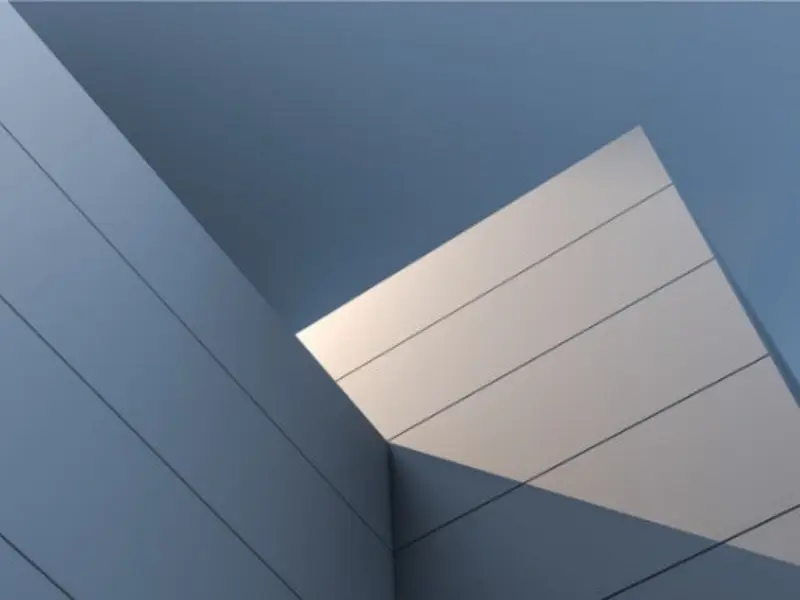
The same thickness can be used in very different industries.
The alloy and surface finish should be selected according to the application.
Construction
3mm aluminum can be used for:
- Wall panels
- Cladding
- Roof components
- Decorative panels
- Interior panels
- Building trims
- Covers
For architectural applications, coated, anodized, or textured surfaces can be considered.
Transportation
The material is useful when weight reduction is important.
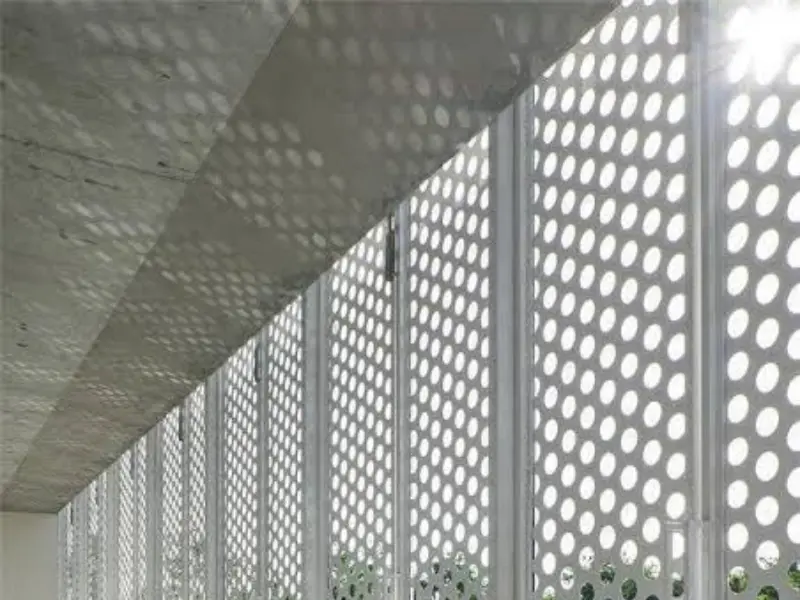
Applications include:
- Trailer panels
- Vehicle panels
- Truck components
- Bus interiors
- RV components
- Transportation equipment
5052 and 6061 may be selected when additional strength is required.
Marine Applications
Aluminum is widely used in marine fabrication because of its corrosion resistance and relatively low weight.
Possible applications include:
- Boat panels
- Deck components
- Marine structures
- Tanks
- Equipment covers
- Brackets
5083 and 5052 are commonly considered for marine-related fabrication.
Machinery
3mm sheet can be processed into machine components and protective covers.
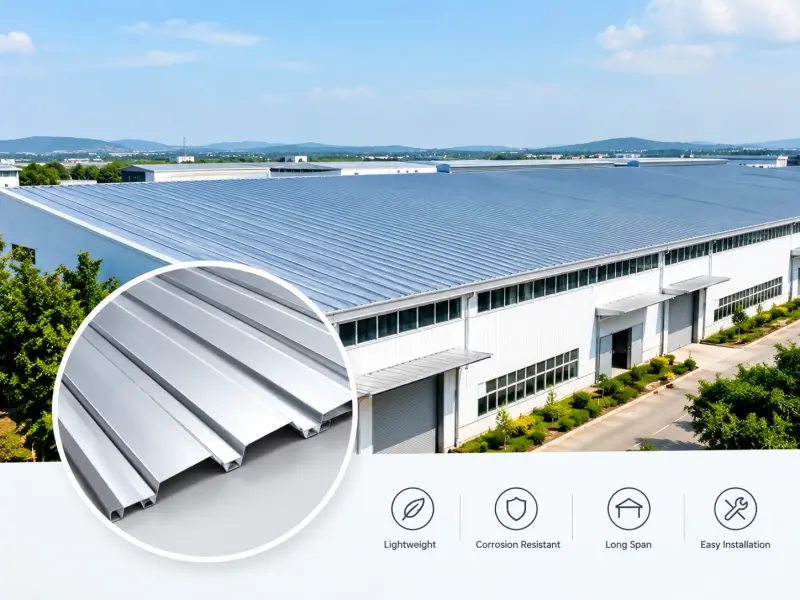
Typical products include:
- Machine guards
- Covers
- Panels
- Brackets
- Enclosures
- Equipment housings
For machined parts, alloy selection should be based on the required mechanical and machining properties.
Signage
A flat 3mm aluminum sheet provides a rigid base for many signs.
It can be:
- Painted
- Anodized
- Printed
- Laminated
- Cut into custom shapes
It can be used for:
- Business signs
- Direction signs
- Safety signs
- Advertising boards
- Industrial signs
HVAC and Ventilation
3003 aluminum is often considered for HVAC-related products because of its formability and corrosion resistance.
Possible uses include:
- Duct components
- Air-conditioning parts
- Covers
- Panels
- Heat-related equipment
3mm Plain Aluminium Sheet
A plain aluminum sheet normally has a mill finish without a decorative pattern.
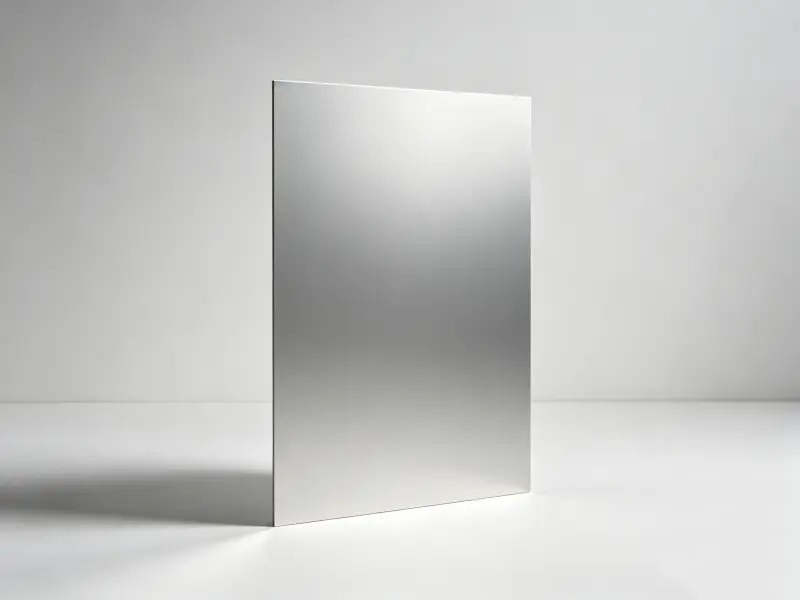
It is suitable when the sheet will later be:
- Cut
- Bent
- Welded
- Painted
- Machined
- Coated
Plain sheets are often the starting material for fabrication.
3mm Aluminium Checker Plate
A 3mm aluminium checker plate has a raised pattern on one side.
The pattern can provide additional grip and a different visual appearance.
Common applications include:
- Flooring
- Steps
- Platforms
- Toolboxes
- Trailers
- Truck floors
- Vehicle interiors
The total thickness and base thickness have confirmed because embossed patterns can affect the overall dimension.
3mm Stucco Embossed Aluminium Sheet
Stucco embossed aluminum has a textured surface.
The pattern can hide small scratches and provide a decorative industrial appearance.

Applications include:
- Insulation jacketing
- Wall panels
- HVAC
- Refrigeration equipment
- Interior decoration
- Equipment covers
For insulation applications, the alloy, temper, embossing depth, and surface treatment should be confirmed.
3mm Polished Aluminium Sheet
Polished aluminum has a smoother and more reflective surface.
It may be used for:
- Decorative panels
- Interior design
- Display products
- Equipment covers
- Reflective applications
Polishing quality can vary, so buyers should request samples when appearance is important.
3mm Anodized Aluminium Sheet
Anodized aluminum has an electrochemically treated surface.
It can provide:
- Improved surface durability
- Decorative appearance
- Better surface consistency
- Different color options
Anodized sheets have applications in architectural and interior applications.
3mm Painted Aluminium Sheet
Painted aluminum can be supplied in different colors.
Common coating systems include PE and PVDF for suitable applications.
| Coating | Common Direction |
|---|---|
| PE | General decorative use |
| PVDF | More demanding exterior applications |
| Powder coating | Fabricated parts and panels |
The coating system should match the required environment and expected service conditions.
3mm Aluminium Sheet vs 2mm
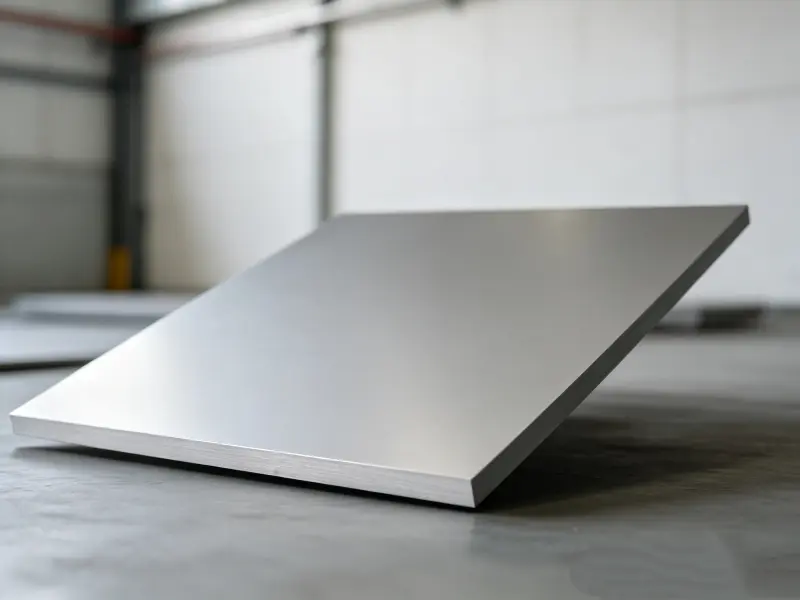
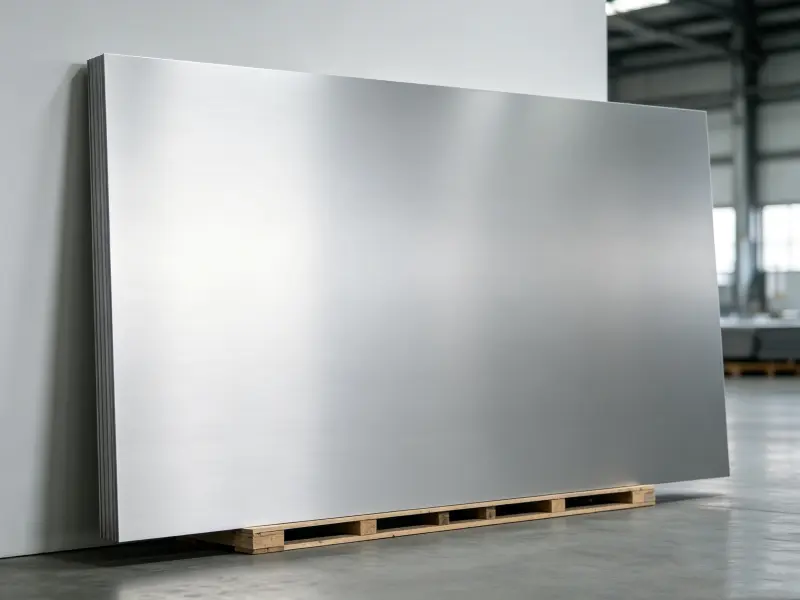
Thickness affects rigidity and weight.
| Feature | 2mm | 3mm |
|---|---|---|
| Thickness | 2 mm | 3 mm |
| Weight | Lower | Higher |
| Rigidity | Lower | Higher |
| Cutting | Easy | Easy |
| Typical use | Light panels | More rigid panels |
If a 2mm sheet bends too easily, moving to 3mm can provide additional rigidity.
3mm Aluminium Sheet vs 4mm
A 4mm sheet provides greater thickness but also adds weight.
| Feature | 3mm | 4mm |
|---|---|---|
| Weight | Moderate | Higher |
| Rigidity | Good | Higher |
| Handling | Easier | Heavier |
| Cost | Usually lower | Usually higher |
| Applications | General fabrication | Heavy-duty panels |
The correct thickness should be based on load, span, fixing method, and fabrication requirements.
3mm Aluminium vs 3mm Steel
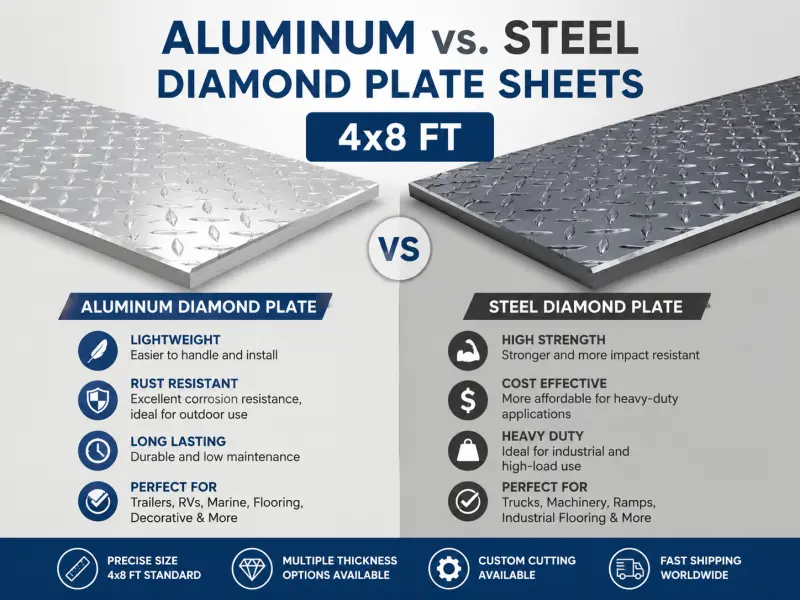
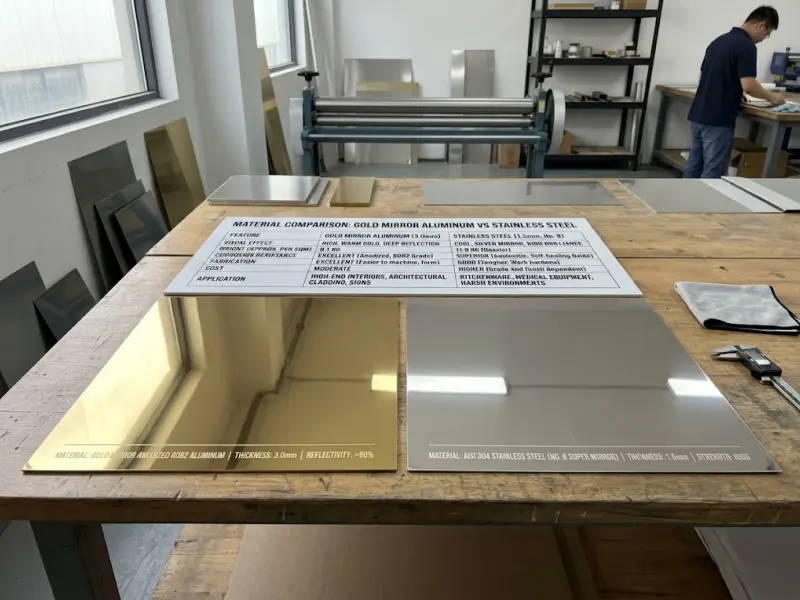
Both materials have applications for fabrication, but their properties are different.
| Feature | 3mm Aluminium | 3mm Steel |
|---|---|---|
| Weight | Lower | Higher |
| Corrosion resistance | Generally good | Depends on steel and coating |
| Strength | Depends on alloy | Depends on grade |
| Handling | Easier | Heavier |
| Marine use | Common in suitable alloys | Requires corrosion protection |
| Machining | Good for many alloys | Depends on grade |
Aluminum has often chosen when low weight and corrosion resistance are important.
Steel has selected when higher absolute strength or lower material cost is the main consideration.
3mm Aluminium Sheet Cutting
The material can be cut using different methods.

Common options include:
- Shearing
- Saw cutting
- Laser cutting
- Waterjet cutting
- CNC cutting
- Plasma cutting
The best method depends on alloy, quantity, shape, edge requirements, and tolerance.
For simple rectangular sheets, standard shearing may be enough.
For complex shapes, CNC or waterjet cutting can be considered.
3mm Aluminium Sheet for CNC Machining
Some 3mm sheets can be used as raw material for CNC machining.
6061 commonly considered for machined components because of its balance of strength and machinability.
Possible products include:
- Brackets
- Mounting plates
- Covers
- Panels
- Mechanical parts
- Custom components
For precision machining, the material specification should include the alloy, temper, thickness tolerance, and surface condition.
Welding 3mm Aluminium Sheet
Many aluminum alloys have welded, but the welding process and filler selection depend on the alloy.
Common processes include:
- TIG welding
- MIG welding
5052 and 5083 have applications in welded fabrication. 6061 has welded, but the heat-affected area may have different mechanical properties from the original T6 condition.
For structural applications, welding procedures should be selected by qualified fabricators.
Surface Finish Options
The final surface can be selected according to the project.
| Finish | Main Purpose |
|---|---|
| Mill finish | General fabrication |
| Polished | Decorative appearance |
| Brushed | Architectural appearance |
| Anodized | Surface treatment |
| Painted | Color and protection |
| Embossed | Texture and decoration |
| Checker | Grip and appearance |
A sample is useful when the surface appearance is important.
Quality Requirements
When buying 3mm aluminum sheet, thickness is only one quality factor.
Buyers should also check:
- Thickness tolerance
- Width tolerance
- Length tolerance
- Flatness
- Surface quality
- Edge condition
- Alloy
- Temper
- Mechanical properties
For large projects, material certificates and inspection reports can be requested.
Flatness of 3mm Aluminum Sheet
Flatness matters when the material will be used as a visible panel or cut into precise parts.
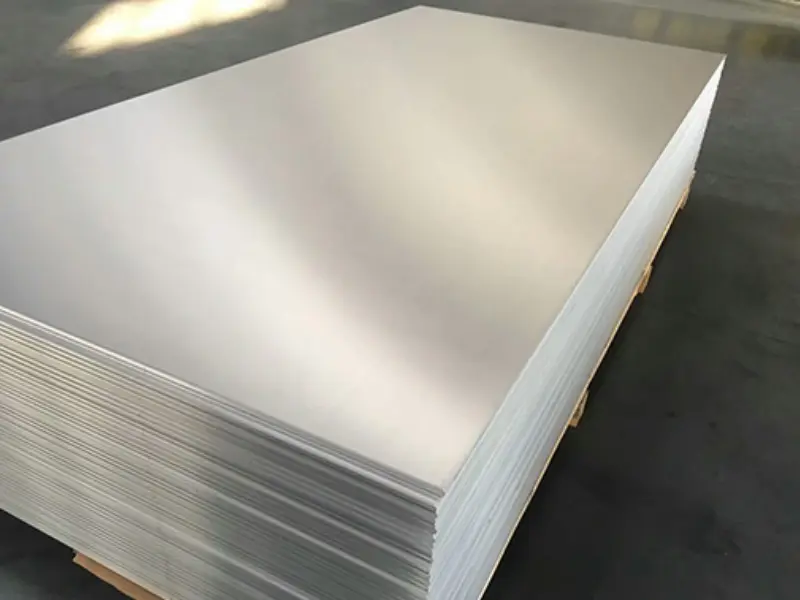
Poor flatness can make fabrication more difficult.
Important factors include:
- Rolling process
- Leveling
- Internal stress
- Sheet size
- Alloy
- Temper
- Handling
For CNC and precision fabrication, buyers should specify the required flatness tolerance.
How 3mm Aluminium Sheet Is Made
A typical production process is:
Aluminum Ingot → Casting → Hot Rolling → Cold Rolling → Annealing → Leveling → Cutting → Inspection → Packing
The actual process varies according to alloy and final specifications.
During production, manufacturers can control:
- Chemical composition
- Thickness
- Width
- Length
- Flatness
- Surface condition
- Mechanical properties
Packaging and Shipping
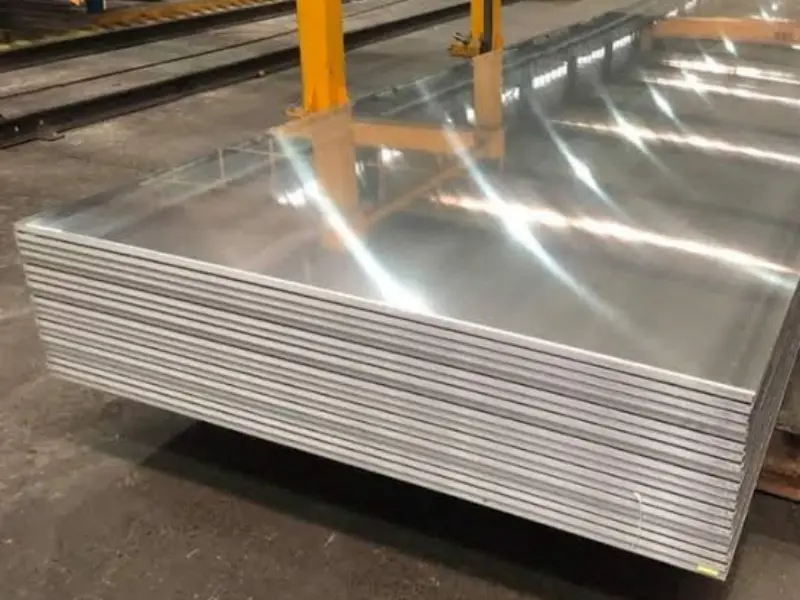
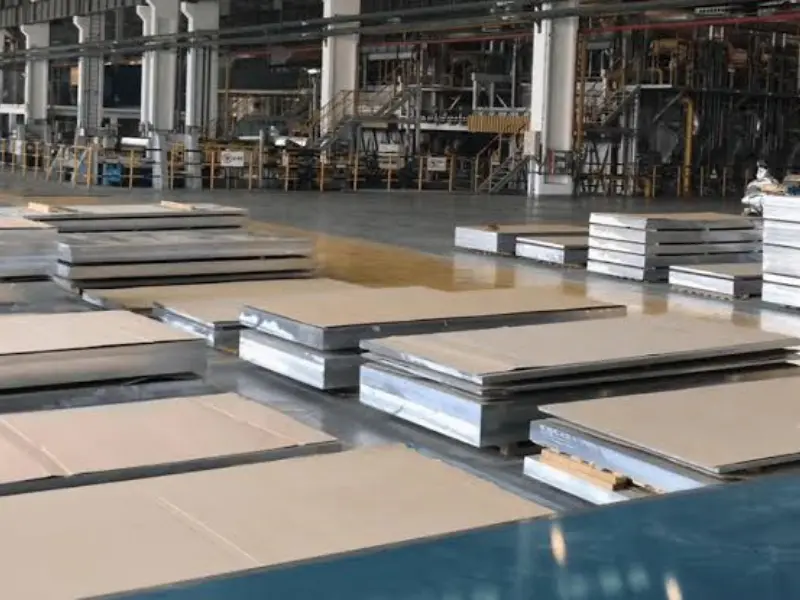
Aluminum sheets need protection during transport.
Typical export packaging includes:
- Waterproof paper
- Kraft paper
- Protective film
- Wooden pallets
- Wooden cases
- Corner protection
- Metal straps
Large 3mm sheets can be heavy, so suitable pallets and lifting methods are important.
What Determines the Price of 3mm Aluminium Sheet?
Price depends on more than thickness.
The main factors include:
| Factor | Effect |
|---|---|
| Alloy | Different material costs |
| Temper | Processing requirements |
| Thickness | Material weight |
| Sheet size | Total material used |
| Surface | Extra processing |
| Coating | Additional finishing |
| Cutting | Processing cost |
| Quantity | Order volume |
| Packaging | Export requirements |
| Freight | Destination and weight |
For a useful quotation, provide complete specifications.
How to Order 3mm Aluminium Sheet
A simple purchasing process is:
Application → Alloy → Temper → 3mm → Size → Surface → Quantity → Packaging
For example:
Trailer Panel → 5052 → H32 → 3mm → 4 × 8 ft → Mill Finish → 2 Tons
Another example:
CNC Parts → 6061 → T6 → 3mm → Custom Size → Mill Finish → 500 kg
This information allows the supplier to check material availability and prepare a more accurate quotation.
Custom 3mm Aluminium Sheet
Custom production can include different dimensions and processing options.
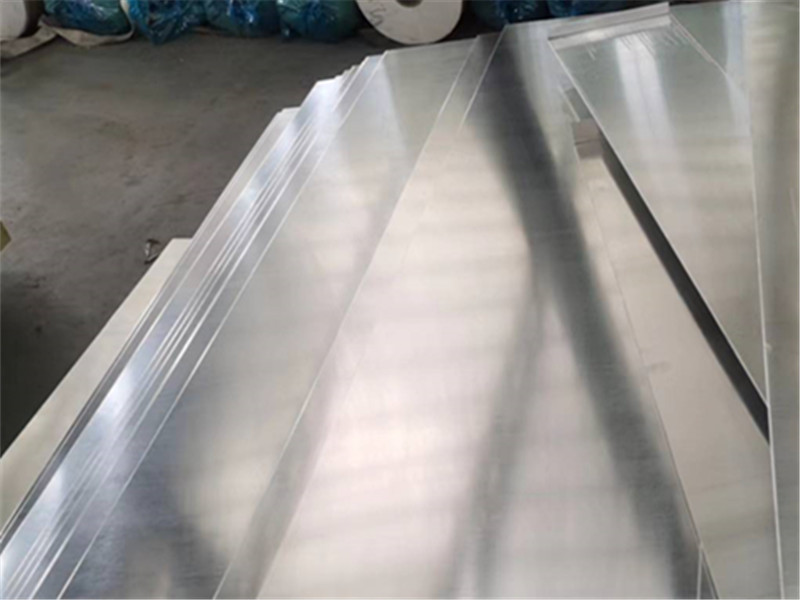
Possible services include:
- Custom width
- Custom length
- Cut-to-size
- CNC cutting
- Drilling
- Punching
- Polishing
- Anodizing
- Painting
- Embossing
For custom fabrication, drawings or samples can be provided.
Drawing → Material Confirmation → Sample → Production → Inspection → Packing
Frequently Asked Questions
What is a 3mm aluminium sheet?
A 3mm aluminium sheet is a flat aluminum sheet with a nominal thickness of 3 millimeters, or approximately 0.118 inch.
Is 3mm aluminum strong?
Strength depends on the alloy and temper. 5052, 5083, and 6061 can provide higher strength than 1050 or 1060 in suitable tempers.
What is the weight of a 3mm aluminium sheet?
The weight depends on the sheet dimensions and alloy.
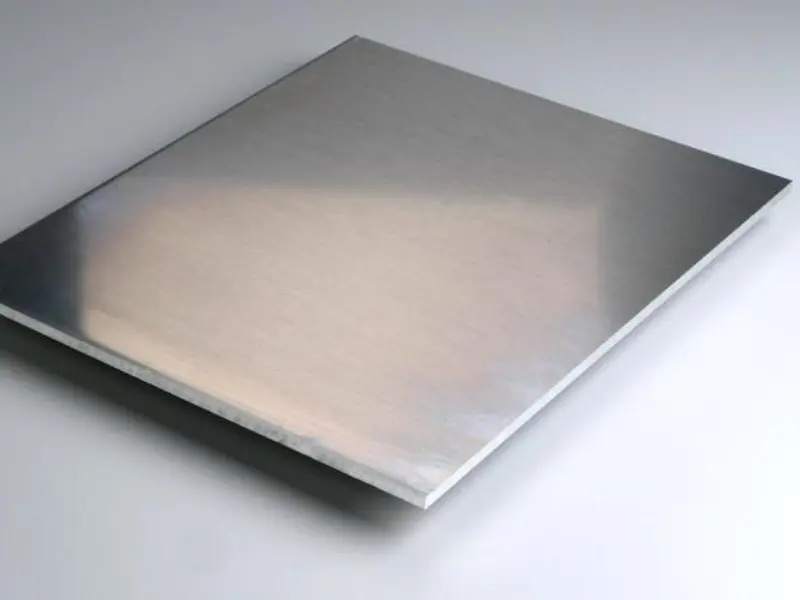
For example, a 1000 × 2000 mm sheet with a nominal thickness of 3 mm has a theoretical volume of 0.006 m³. Using an aluminum density of about 2.7 g/cm³, the theoretical weight is approximately 16.2 kg.
Actual weight can vary because of alloy density and thickness tolerance.
Is 3mm aluminum suitable for outdoor use?
Yes, suitable aluminum alloys can be used outdoors. 5052, 3003, 3105, and coated aluminum products have commonly considered for outdoor applications. The final choice depends on the environment and surface treatment.
What is the best alloy for 3mm aluminum sheet?
There is no single alloy for every application. 1050 and 1060 are useful for general forming. 3003 is often used for general fabrication and HVAC.
5052 is suitable when strength and corrosion resistance are important. 6061 has applications for structural and machined parts.
Can 3mm aluminum be welded?
Yes, many aluminum alloys can be welded. The welding method and filler material depend on the alloy and application.
Can 3mm aluminum be bent?
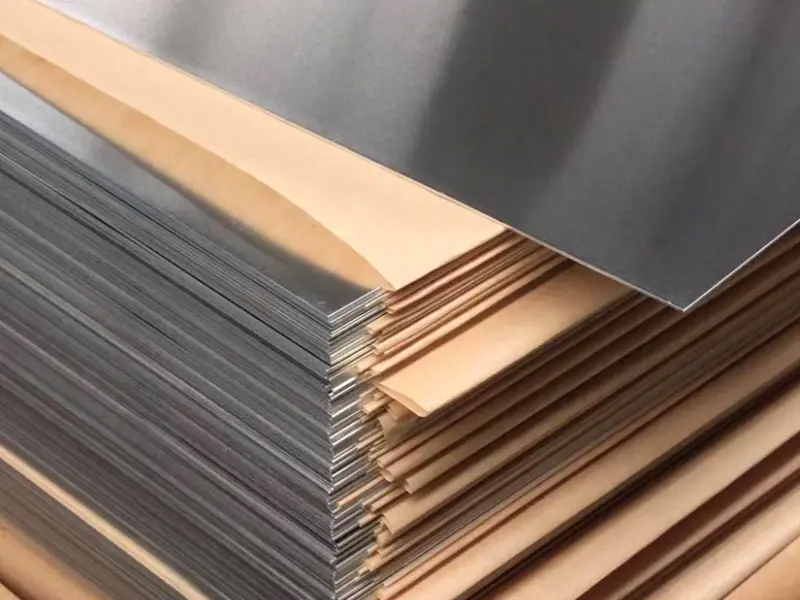
Yes. Formability depends strongly on alloy and temper. Softer O-temper material is generally easier to form than harder tempers.
Can 3mm aluminum be used for trailers?
Yes. 5052 and 6061 have considered for different trailer components. The correct alloy depends on whether the sheet has uses as a panel, structural part, floor, or fabricated component.
Can I get a 3mm aluminium sheet in 4×8 size?
Yes. 4 × 8 ft is a common size for aluminum sheet and is approximately 1220 × 2440 mm.
Can 3mm aluminum be cut to size?
Yes. Suppliers can provide standard sheets or cut-to-size material. Cutting methods include shearing, sawing, CNC cutting, laser cutting, and waterjet cutting.
Is 3mm aluminum the same as 1/8 inch?
Not exactly. 3 mm is approximately 0.118 inch, while 1/8 inch is approximately 3.175 mm. They are close, but they are not exactly the same thickness.
What surface finishes are available?
Common options include mill finish, polished, brushed, anodized, painted, stucco embossed, and checker plate.
Quick 3mm Aluminium Sheet Specification
| Item | Available Options |
|---|---|
| Thickness | 3 mm |
| Inch equivalent | Approx. 0.118 in |
| Alloys | 1050 / 1060 / 3003 / 3105 / 5052 / 5083 / 6061 |
| Tempers | O / H12 / H14 / H16 / H18 / H32 / T6 |
| Width | Standard or custom |
| Length | Standard or custom |
| Surface | Mill / Polished / Brushed / Anodized / Painted |
| Pattern | Plain / Checker / Embossed |
| Cutting | Sheet / Cut-to-size / CNC |
| Applications | Construction / Marine / Trailer / CNC / Machinery / Signage |
Request a Quote for 3mm Aluminium Sheet
For a quotation, send the following information:
Alloy + Temper + 3mm Thickness + Width + Length + Surface + Quantity + Cutting Requirements
For example:
5052-H32 + 3mm + 1220 × 2440 mm + Mill Finish + 2 Tons
Or:
6061-T6 + 3mm + Custom Size + CNC Cutting + 500 kg
Providing complete specifications helps the supplier confirm the correct material, production method, packaging, lead time, and shipping cost.
A 3mm aluminium sheet can serve many different markets. The key is to match the alloy, temper, surface, size, and processing method with the final application. This allows buyers to control weight, strength, appearance, processing performance, and total project cost.
Error: Contact form not found.