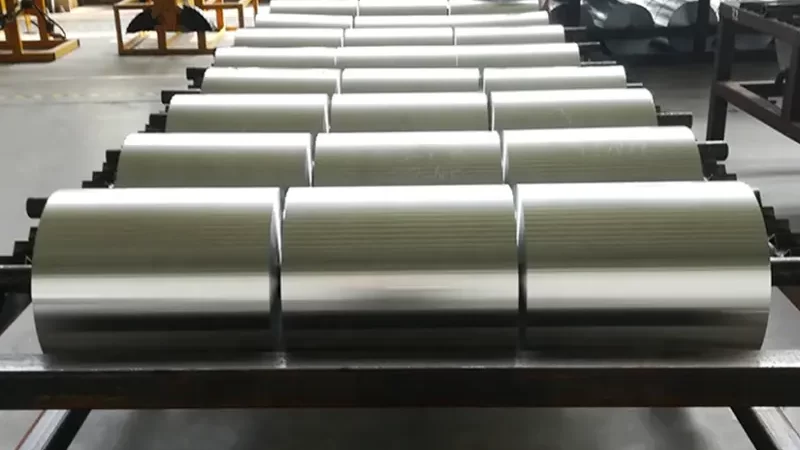
What is 3003 Aluminium Alloy Foil?
3003 aluminium alloy foil is a manganese-enriched variant of commercial-grade aluminum, known for its balanced strength, formability, and corrosion resistance.
With 1.2% manganese content, it outperforms 1100 aluminum in durability while retaining excellent workability. This foil is widely used in packaging, heat exchangers, and construction due to its cost-effectiveness and adaptability.
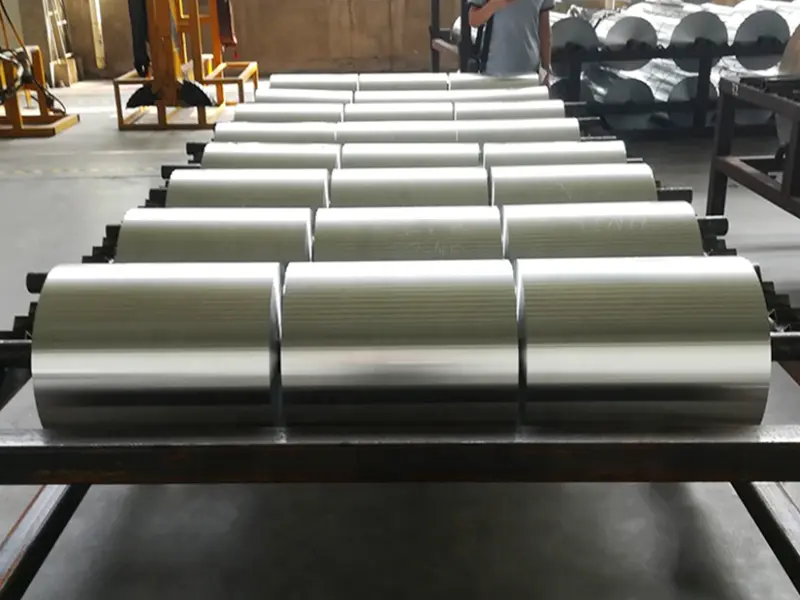
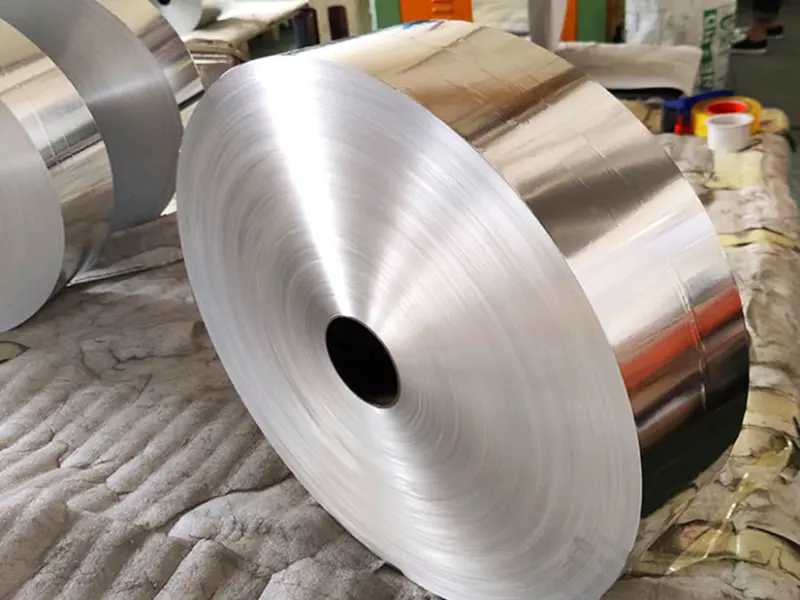
About 3003 Aluminium Foil
Google prioritizes content that answers user intent clearly. By addressing common queries like:
- “What are the specs of 3003 aluminum?”
- “How does 3003 compare to 8011 aluminum?”
- “Best uses for 3003 aluminum foil,”
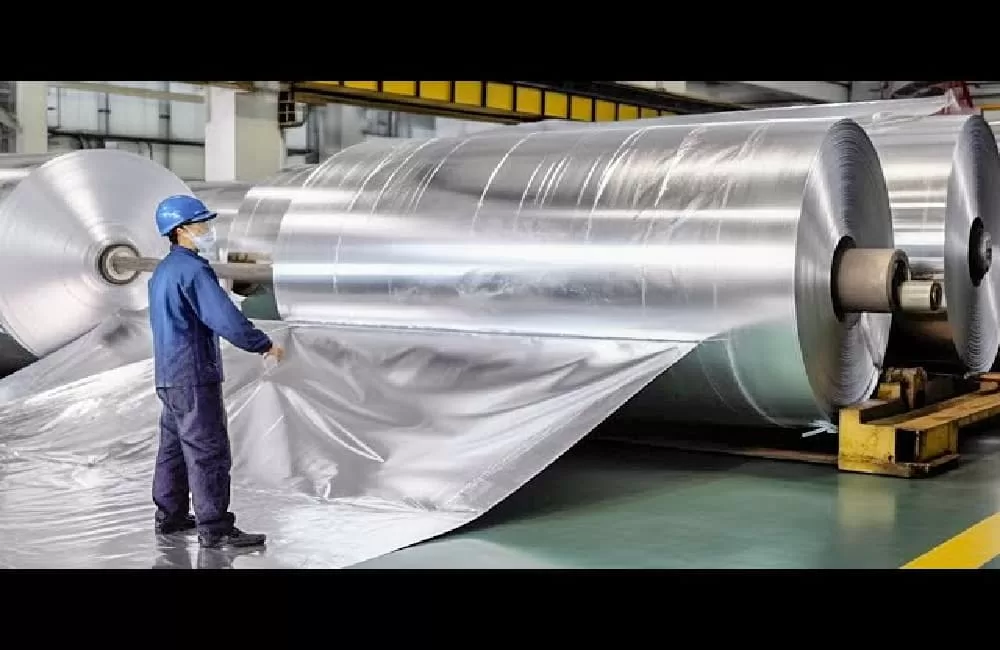
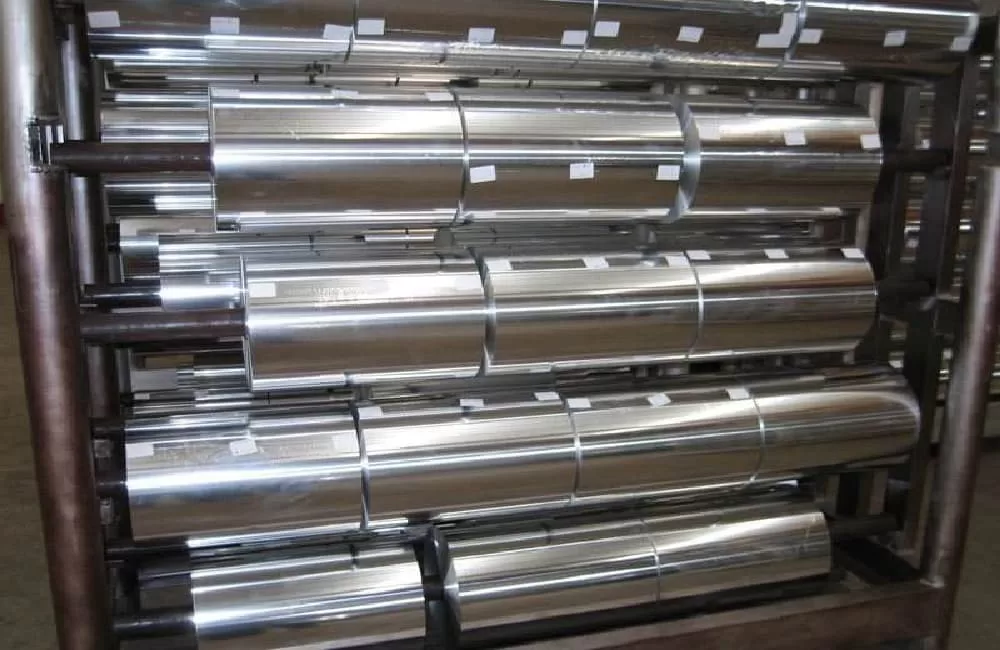
3003 Aluminium Alloy Foil Specifications
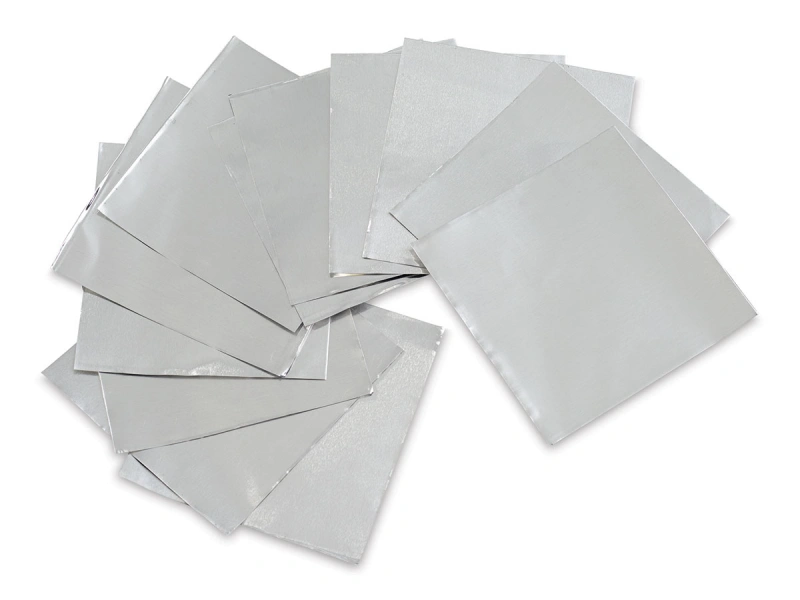
- Alloy Composition: 98.4% aluminum, 1.2% manganese, trace iron
- Temper Options: H14, H16, H18, H22 (affects hardness)
- Thickness Range: 0.006mm–0.2mm
- Standards: ASTM B209, GB/T 3880.1
This alloy’s enhanced tensile strength (150–250 MPa) makes it ideal for moderate-stress applications like bottle stoppers and flexible ducting.
Key Properties That Define 3003 Aluminium Foil
- Corrosion Resistance: Oxidation-resistant in humid/wet environments
- Formability: Easy to bend, fold, or emboss
- Thermal Conductivity: Efficient heat distribution (205 W/m·K)
- Non-Magnetic & Non-Toxic: Safe for food packaging
Unlike 5052 aluminum (used in marine settings), 3003 aluminum foil lacks saltwater resistance but excels in cost-efficient, indoor applications.
Manufacturing Process of 3003 Aluminum Foil

Production involves:
- Melting: Aluminum ingots mixed with manganese.
- Rolling: Hot-rolled into sheets, then cold-rolled to thin gauges.
- Annealing: Softens metal for flexibility.
- Cutting: Precision slitting to customer specifications.
This process ensures consistent thickness and zero defects, critical for industries like pharmaceuticals requiring sterile packaging.
Benefits of Choosing 3003 Aluminum Alloy Foil
Cost-Effective: Lower price than high-alloy foils
Easy to Print: Matte finish accepts ink well
Eco-Friendly: 100% recyclable
Durable: Resists tearing and fatigue
Businesses saving on materials without sacrificing performance often opt for 3003 aluminum foil over premium grades.
3003 Aluminum Foil Applications
Common industries leveraging 3003 aluminum alloy foil include:
- Packaging:
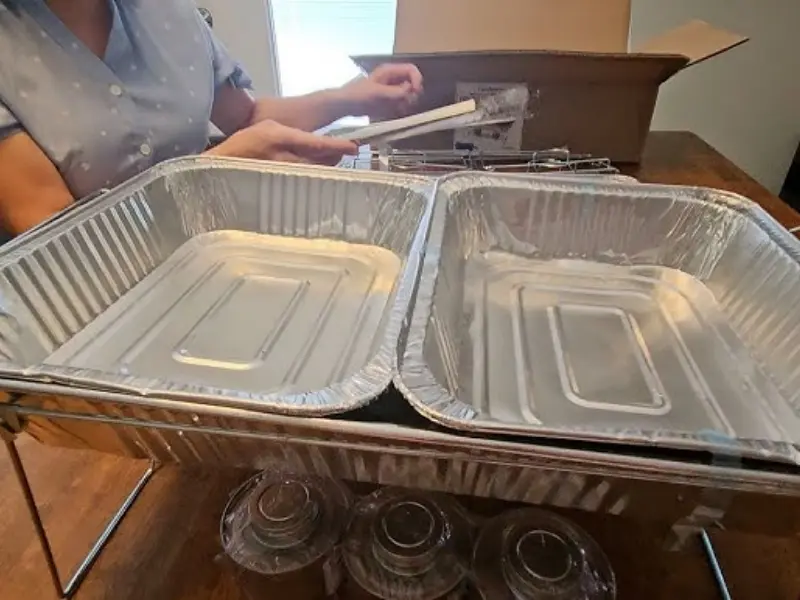
- Food containers, candy wraps, and medical blister packs
- Construction:
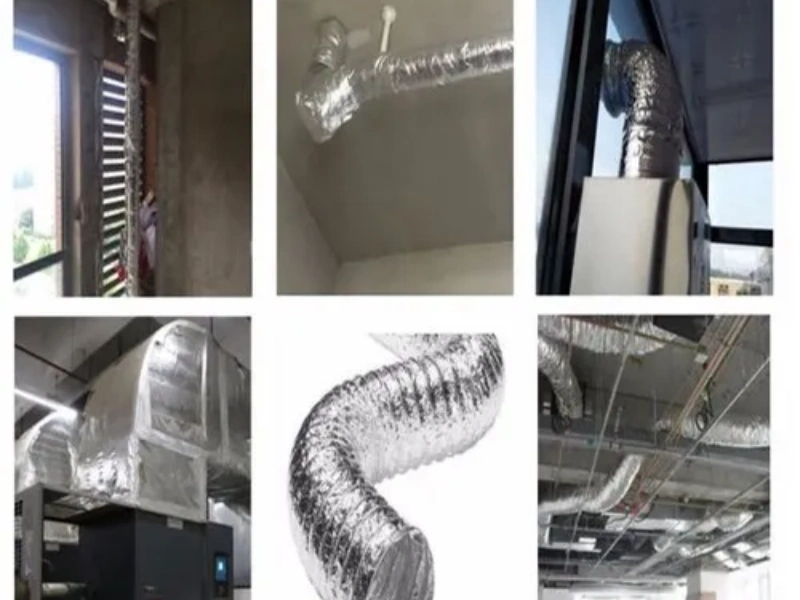
- Roof insulation, HVAC ducts, and wall cladding
- Electronics:
- Capacitor foil for radios and smartphones
- Automotive:
- Radiator fins and under-hood components
- Household:
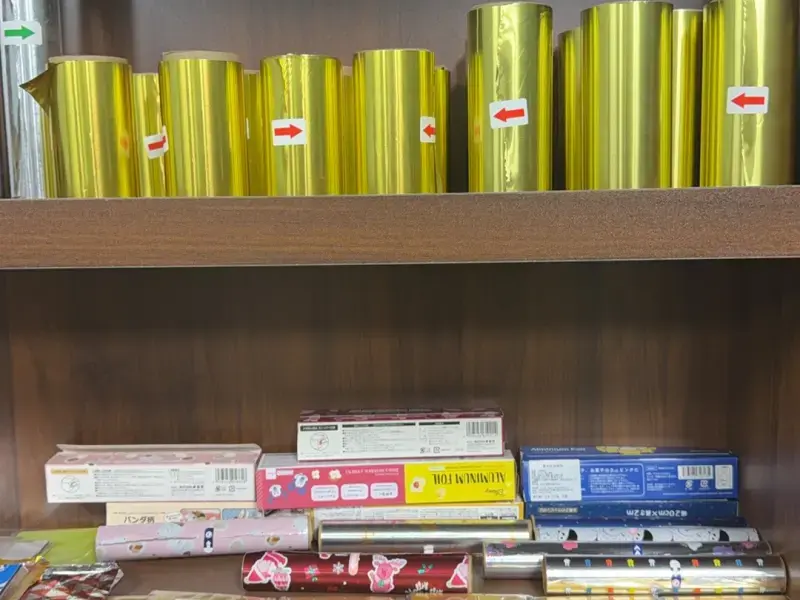
- Cooking foil and insulation wraps
Bullet points improve scannability, helping Google index key terms like “aluminum foil packaging uses.”
Why 3003 Aluminum Foil Beats Competitors
- Versus 8011 Aluminum Foil: 3003 offers better tear resistance for heavy-duty packaging.
- Versus 1235 Aluminum Foil: Enhanced deep-drawing capacity for complex shapes.
- Versus Steel: Lighter weight reduces shipping costs.
Highlighting comparisons answers user questions like “What is 3003 aluminum used for vs. other alloys?”
Choosing the Right Thickness for Your Needs
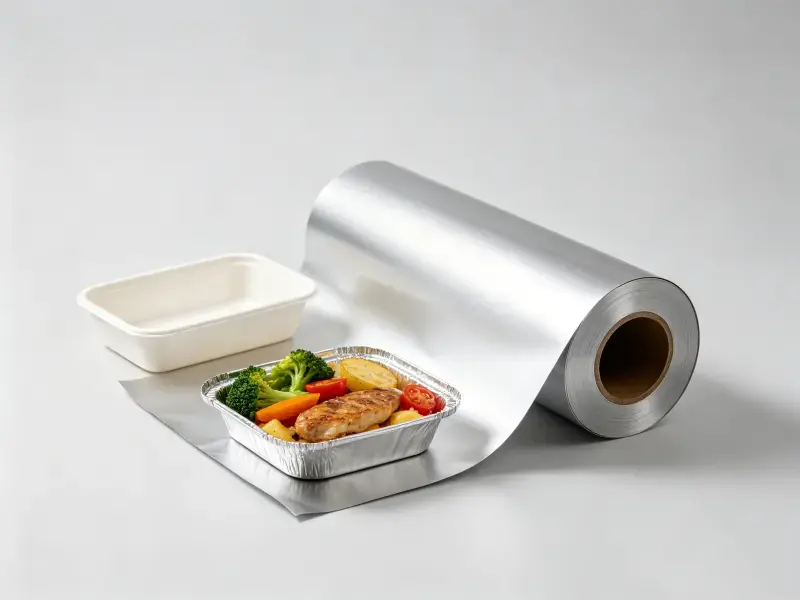
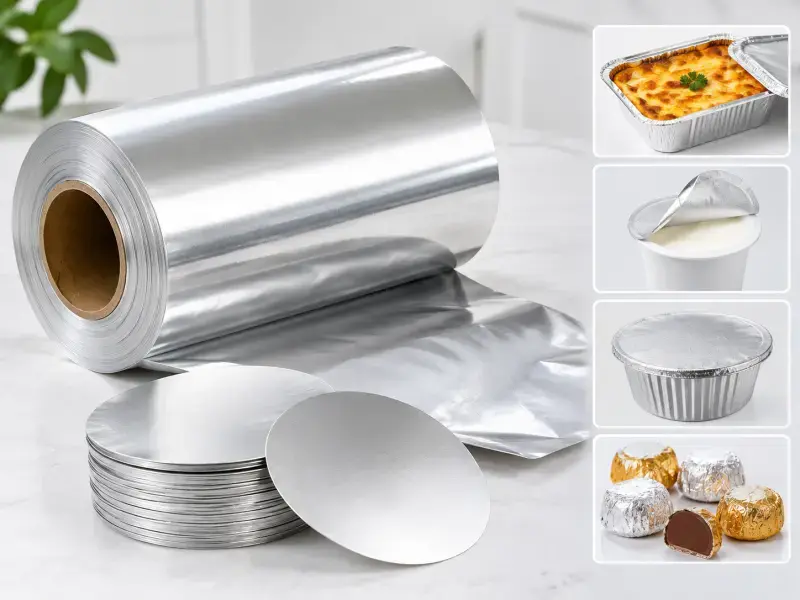
Thickness impacts application suitability:
- 0.006–0.02mm: Flexible for wrapping and laminating
- 0.02–0.1mm: Rigid enough for bottle caps and gaskets
- 0.1–0.2mm: Industrial uses like heat sinks
Consult suppliers to match your 3003 aluminum alloy foil thickness to project demands.
The Go-To Material for Everyday and Industrial Use
3003 aluminum alloy foil combines affordability, versatility, and reliability. Whether for packaging chocolates or insulating buildings, this alloy delivers value across sectors. Prioritize this material when seeking durable, lightweight, and budget-friendly solutions.
3003 Aluminium Alloy Foil: A Complete Guide for Buyers and Manufacturers
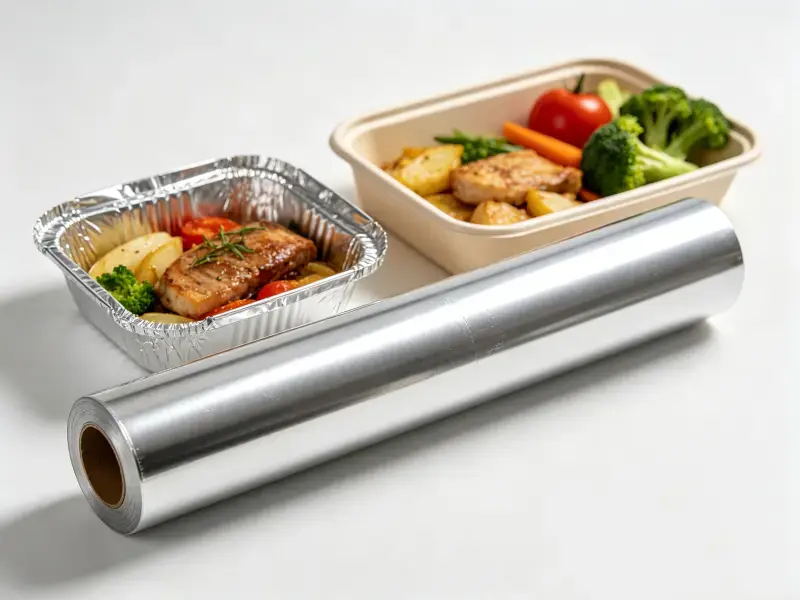
3003 aluminium alloy foil is one of the most widely used foils in the world. It mixes aluminium with a small amount of manganese.
That single addition changes a lot. The foil becomes stronger than pure aluminium. It also keeps excellent corrosion resistance.
What Is 3003 Aluminium Alloy Foil?
3003 is an aluminium-manganese alloy. Manganese is the main alloying element. Its content sits around 1.0% to 1.5%. Copper and magnesium stay very low. This keeps the foil soft, workable, and stable.
The alloy is not heat-treatable. That means you cannot harden it with heat. Instead, you harden it with cold rolling. This is why temper matters so much when you buy 3003 foil.
Why Manganese Matters
Manganese does three useful things:
- It raises strength by roughly 20% over pure aluminium.
- It improves resistance to corrosion in most environments.
- It keeps the foil easy to bend and form.
Where 3003 Sits in the Alloy Family
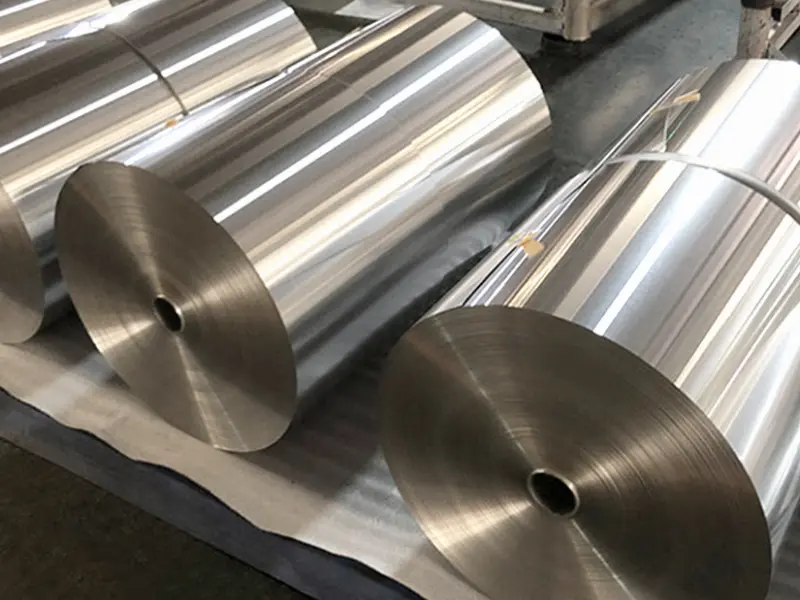
Not all foils behave the same way. The table below shows how 3003 compares with its closest relatives.
| Alloy | Main Addition | Relative Strength | Corrosion Resistance | Typical Use |
|---|---|---|---|---|
| 1050 | None (99.5% pure) | Low | Excellent | Decorative foil |
| 1100 | Copper | Low | Good | Food packaging |
| 3003 | Manganese | Medium | Very good | Heat exchangers, ducting |
| 8011 | Iron + Silicon | Medium | Good | Pharma blister packs |
| 5052 | Magnesium | High | Excellent | Marine parts |
3003 often wins when you need a balance. It is stronger than 1100. For it is cheaper than 5052. It forms easily. That mix explains its popularity.
Tempers of 3003 Aluminium Foil
Temper describes how hard the foil is. It comes from cold rolling and any final annealing step. Choosing the right temper is often more important than choosing thickness.
Common Tempers Explained
- O (Annealed): The softest state. Best for deep drawing and complex shapes.
- H14 (Half Hard): A middle state. Good stiffness with some formability left.
- H16 (Three-Quarter Hard): Stiffer. Used where the foil must hold its shape.
- H18 (Full Hard): The hardest standard temper. Very strong, low elongation.
- H22, H24, H26: These are partially annealed versions of H18, H16, and H14. They are softer and easier to bend.
Temper Comparison at a Glance
| Temper | Hardness | Elongation | Formability | Best For |
|---|---|---|---|---|
| O | Lowest | Highest | Excellent | Deep drawn parts |
| H22 | Low | High | Very good | Bent profiles |
| H24 | Medium | Medium | Good | General fabrication |
| H16 | High | Low | Fair | Panels, fins |
| H18 | Highest | Lowest | Low | Structural skins |
Which Temper Should You Choose?
The answer depends on the process, not the product. If the foil will be bent sharply, choose O or H22. If it must stay flat and rigid, choose H18. For if you are unsure, H24 is a safe middle ground.
Thickness, Width, and Tolerance
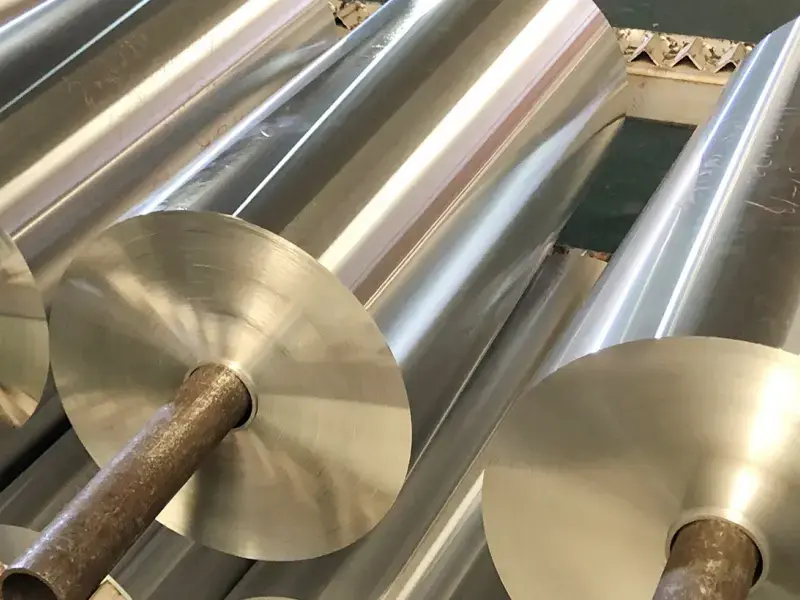
Foil is officially any aluminium sheet under 0.2 mm. In practice, 3003 foil is sold from about 0.005 mm up to 0.2 mm. Width and tolerance matter just as much as thickness.
Standard Thickness Ranges
| Thickness Range | Category | Typical Application |
|---|---|---|
| 0.005 – 0.02 mm | Ultra-thin | Capacitors, laminates |
| 0.02 – 0.05 mm | Thin | Cable wrap, insulation |
| 0.05 – 0.10 mm | Medium | Flexible ducting |
| 0.10 – 0.20 mm | Heavy foil | Heat exchangers, containers |
Width and Coil Data
| Parameter | Common Range |
|---|---|
| Width | 100 – 1,500 mm |
| Inner core diameter | 76 mm or 150 mm |
| Coil weight | 500 – 3,000 kg |
| Thickness tolerance | ± 3% to ± 8% |
Why Tolerance Matters
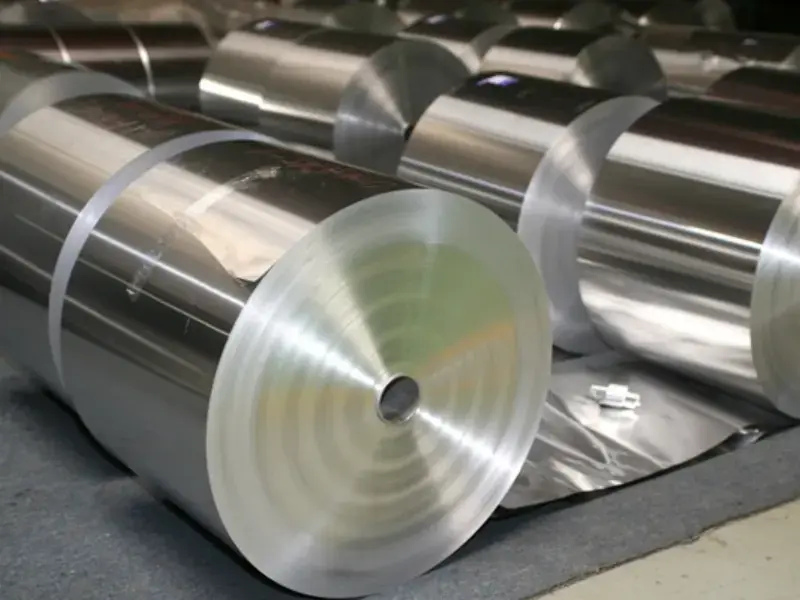
Loose tolerance looks cheap on paper. It costs more in production. A foil that runs 5% thick wastes material.
A foil that runs thin may tear during forming. Ask for measured tolerance, not nominal tolerance. Always request a mill test certificate with each lot.
Surface Finishes and Treatments
The base alloy is only half the story. Surface finish decides how the foil performs in the next step.
Available Finishes
- Mill Finish: Standard rolled surface. Suitable for most industrial uses.
- Bright Finish: Polished for reflectivity. Used in lighting and decoration.
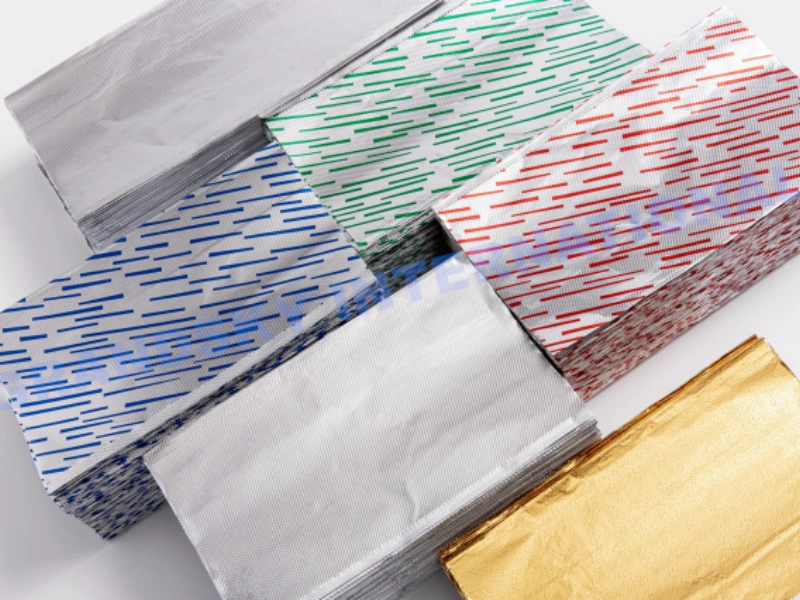
- Coated Finish: Lacquer or paint applied for protection or colour.
- Embossed Finish: A raised pattern pressed into the surface.
- Laminated Finish: Bonded to paper, film, or fibre for insulation work.
Coating Options for 3003 Foil
| Coating Type | Thickness | Purpose |
|---|---|---|
| Epoxy lacquer | 3 – 8 µm | Corrosion barrier |
| Polyester paint | 15 – 25 µm | Colour and weather resistance |
| Hydrophilic film | 1 – 3 µm | Heat exchanger fins |
| Hydrophobic film | 1 – 3 µm | Anti-frost fins |
| Adhesive backing | 20 – 50 µm | Bonding to other layers |
Coated 3003 foil is common in air conditioning coils. The coating stops water from pooling on the fins. That keeps airflow high and efficiency steady.
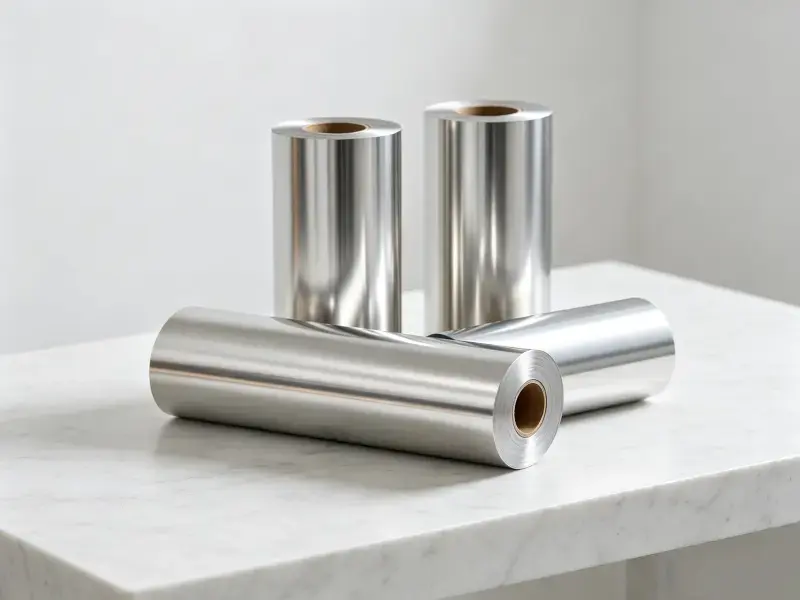

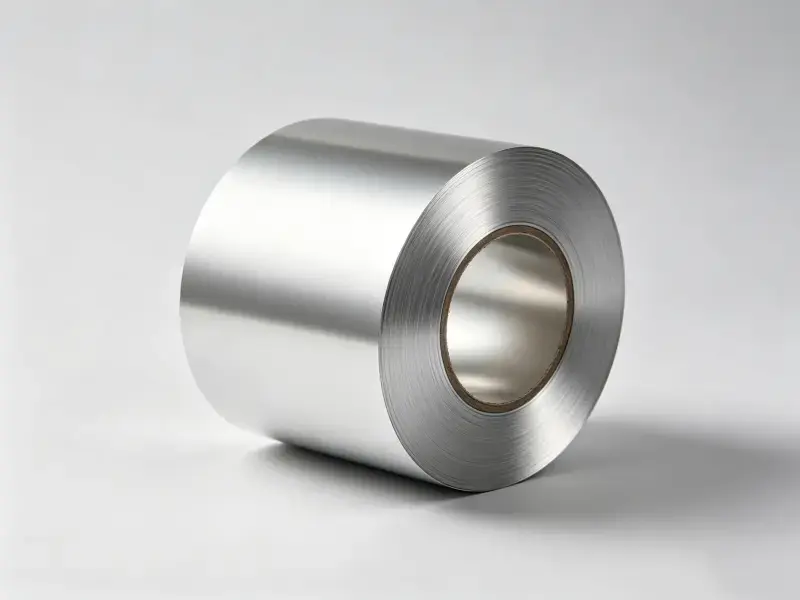
Main Applications of 3003 Aluminium Alloy Foil
This is where 3003 truly earns its place. The alloy shows up in places most people never notice. It sits inside machines, behind walls, and under floors.
Heat Transfer and HVAC
3003 foil is the standard choice for fin stock. For it conducts heat well. It resists corrosion from condensation. It also holds its shape after fin pressing.
Refrigeration panels
Air conditioner fins
Radiator cores
Evaporator coils
Building and Construction
The foil works as a vapour barrier and a thermal reflector. It is light, strong, and easy to install.
- Duct insulation facing
- Roofing sarking
- Wall cavity lining
- Underfloor thermal barriers
Packaging and Food Contact
Food-grade 3003 foil meets strict cleanliness rules. It does not react with most foods. It blocks light, moisture, and oxygen.
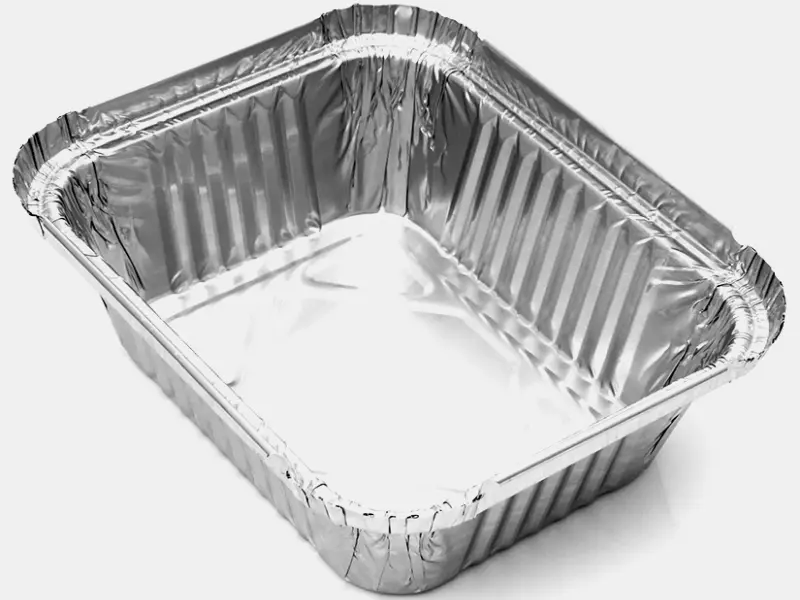
- Trays and containers
- Lidding stock
- Frozen food wrap
- Bakery liners
Electrical and Electronics
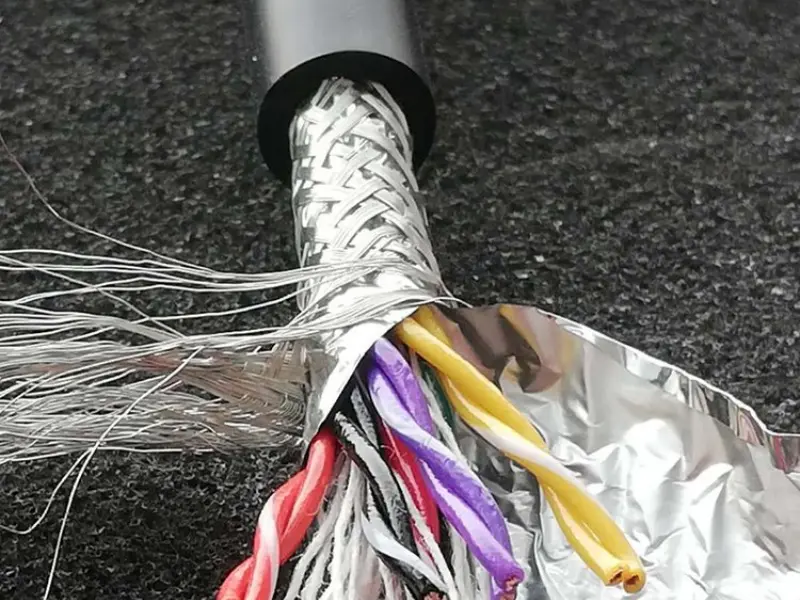
The alloy conducts electricity reasonably well. It is cheaper and lighter than copper. That makes it attractive in large-volume parts.
Battery tab material
Capacitor foil
Cable shielding
Transformer windings
Automotive and Transport
Weight reduction drives demand here. Every kilogram saved improves fuel economy or range.
- Heat shields
- Battery cooling plates
- Cabin insulation
- Trim backing
Industrial and Marine
Corrosion resistance keeps 3003 useful in damp or salty settings.
- Marine insulation panels
- Chemical ducting
- Pipe cladding
- Tank jacketing
Summary of Applications by Sector
| Sector | Key Property Needed | Typical Thickness |
|---|---|---|
| HVAC | Thermal conductivity | 0.08 – 0.15 mm |
| Construction | Vapour barrier | 0.02 – 0.09 mm |
| Packaging | Food safety | 0.03 – 0.10 mm |
| Electrical | Conductivity | 0.005 – 0.05 mm |
| Automotive | Light weight | 0.05 – 0.20 mm |
| Marine | Corrosion resistance | 0.05 – 0.15 mm |
3003 vs Other Common Foil Alloys
Buyers often ask which alloy is best. There is no single answer. Each alloy solves a different problem.
3003 vs 1100

1100 is nearly pure aluminium. It is softer and more conductive. It is also weaker. For flat, low-stress parts, 1100 is fine. For anything that must hold shape, 3003 is better.
| Feature | 3003 | 1100 |
|---|---|---|
| Strength | Higher | Lower |
| Conductivity | Slightly lower | Higher |
| Cost | Slightly higher | Lower |
| Formability | Very good | Excellent |
| Corrosion | Very good | Excellent |
3003 vs 8011
8011 is common in pharmaceutical blister packs. It has better strength after annealing in some gauges. But 3003 offers more consistent corrosion performance in wet service.
3003 vs 5052
5052 contains magnesium. It is much stronger and far better in salt water. It also costs more and forms less easily. Use 5052 for marine structures. Use 3003 for everything that needs a middle ground.
Choosing Between Them
Ask three questions:
- Will the part be bent hard? Choose O or H22 temper.
- Will it face salt or chemicals? Move up to 5052.
- Is cost the main driver? Stay with 1100 or 3003.
Mechanical and Physical Properties
These numbers help engineers specify the material correctly. Values vary slightly by temper and thickness.
| Property | Unit | O Temper | H18 Temper |
|---|---|---|---|
| Tensile strength | MPa | 95 – 130 | 190 – 230 |
| Yield strength | MPa | 40 – 60 | 170 – 200 |
| Elongation | % | 25 – 35 | 2 – 5 |
| Density | g/cm³ | 2.73 | 2.73 |
| Melting point | °C | 643 – 654 | 643 – 654 |
| Thermal conductivity | W/m·K | 190 | 190 |
| Electrical resistivity | µΩ·cm | 3.4 | 3.4 |
Density stays the same across tempers. Only strength and elongation change. That is the key point of cold working.
How 3003 Aluminium Alloy Foil Is Made
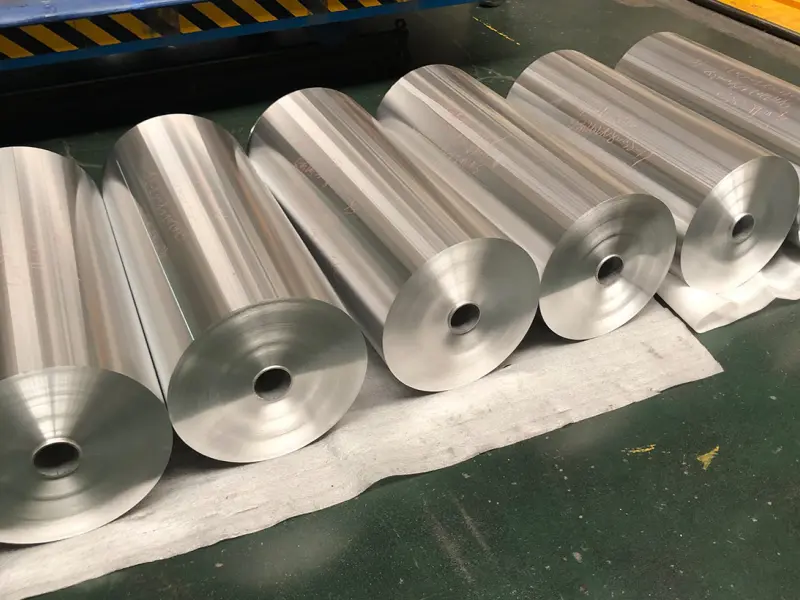
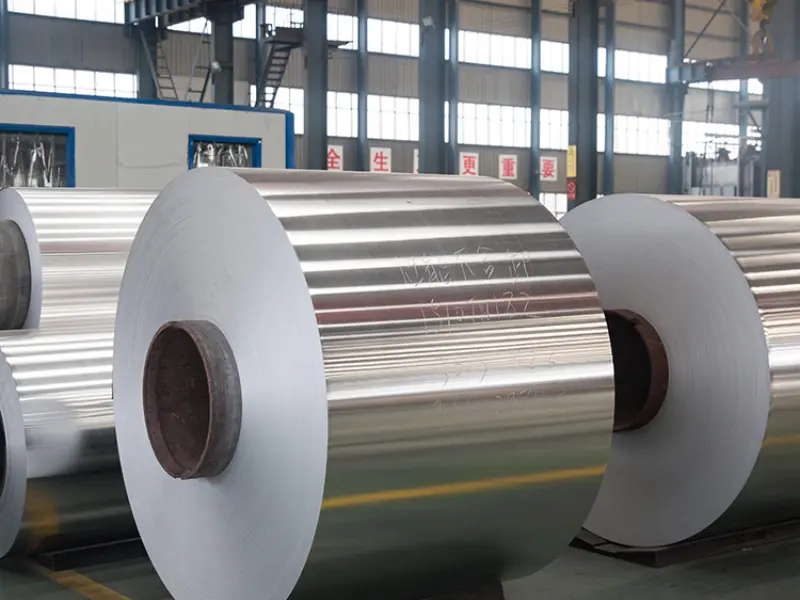
The process has several stages. Each one affects the final quality.
Step by Step
- Casting: Aluminium and manganese are melted and cast into ingots.
- Homogenising: The ingot is heated so the manganese spreads evenly.
- Hot rolling: The ingot is rolled into a thick strip.
- Cold rolling: The strip is rolled thinner and thinner, pass by pass.
- Annealing: Heat softens the metal and removes internal stress.
- Slitting: The coil is cut to the customer’s width.
- Finishing: Coating, embossing, or laminating is applied if needed.
- Inspection: Thickness, width, and surface are checked.
- Packing: Coils are wrapped for transport.
Quality Checks Along the Way
- Chemical composition test
- Mechanical property test
- Surface defect inspection
- Thickness and width measurement
- Coating adhesion test
Buying Tips for 3003 Aluminium Alloy Foil
A good supplier saves money over years. A poor one costs money every month.
What to Confirm Before Ordering
- Exact alloy and temper
- Thickness with tolerance
- Width and core diameter
- Coil weight range
- Surface finish or coating
- Packaging standard
- Delivery lead time
- Mill test certificate
Red Flags to Watch
- No mill test certificate offered
- Vague tolerance statements
- No temper specified
- Large price gaps versus market
- No sample before full order
Questions Worth Asking
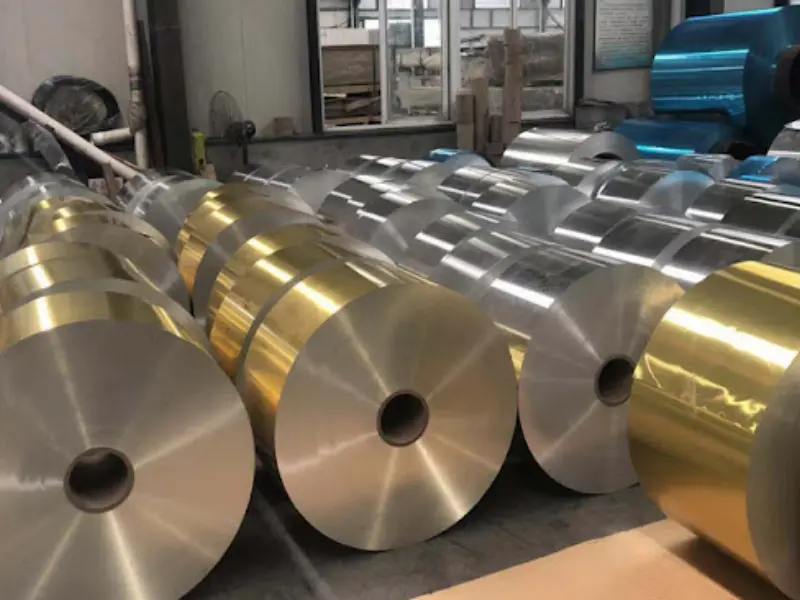
Ask how the supplier stores coils. Ask how they handle edge damage. For Ask what happens if a lot fails inspection. These answers show real experience.
Storage and Handling
3003 foil resists corrosion well. It is not immune. Poor storage can still cause white rust or stains.
Good Practice
- Store indoors, dry, and ventilated
- Keep coils off the floor on pallets
- Avoid temperature swings that cause condensation
- Do not stack heavy coils on thin ones
- Use the foil within the recommended period
Common Storage Problems
| Problem | Cause | Prevention |
|---|---|---|
| White rust | Moisture between layers | Dry storage |
| Edge damage | Rough handling | Proper lifting gear |
| Surface stains | Contact with acids | Clean environment |
| Coil collapse | Wrong stacking | Correct pallets |
FAQ
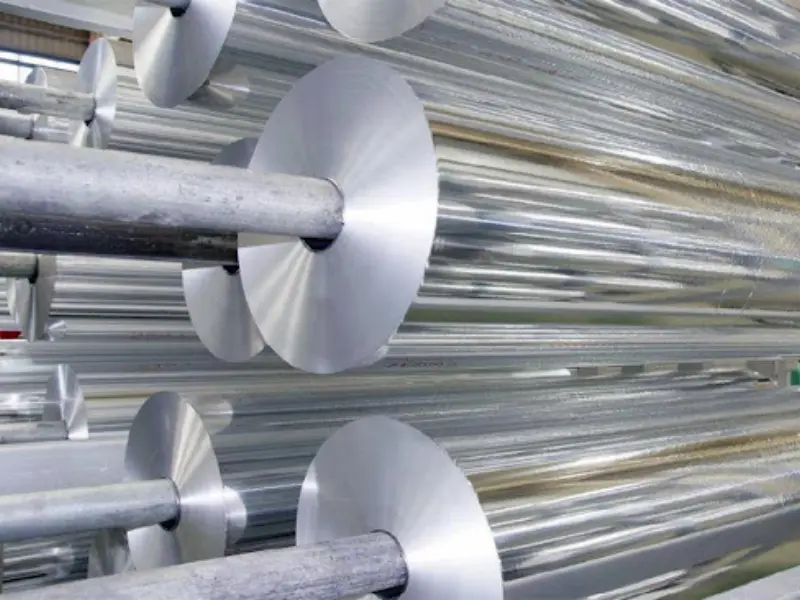
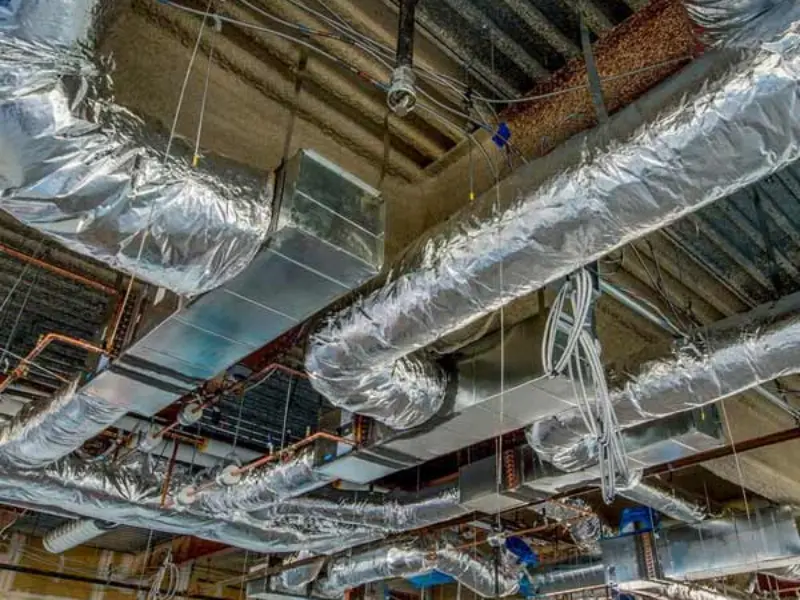
Is 3003 aluminium foil food safe?
Yes, in food-grade production. The alloy does not react with most foods. It must be clean and free of harmful residues. Always ask for a food-contact certificate.
What is the difference between 3003 and 3003 H14?
3003 is the alloy name. H14 is the temper. The alloy tells you the chemistry. The temper tells you the hardness.
Can 3003 foil be welded?
Yes, but with care. It welds well with gas and resistance methods. Filler wire is usually 4043. The oxide layer must be removed first.
Is 3003 foil magnetic?
No. Aluminium is not magnetic. This makes it useful near sensitive electronics.
Which thickness is best for duct insulation?
Most duct work uses 0.02 mm to 0.05 mm. Thicker foil lasts longer but costs more and weighs more.
How long does 3003 foil last outdoors?
With a mill finish, several years in mild climates. With a good coating, much longer. Salt air shortens life in both cases.
Can 3003 foil be anodised?
Yes. 3003 anodises reasonably well. The finish is slightly darker than on pure aluminium. The manganese content causes that shade.
What is the price of 3003 aluminium alloy foil?
Price moves with the London Metal Exchange. It also depends on thickness, temper, coating, and order size. Ask for a quote against current market levels.
Does 3003 foil come in small rolls?
Yes. Suppliers offer slit coils and small rolls for testing and for retail packing.
What is 3003 foil used for in cars?
Mainly heat shields, battery cooling plates, and insulation layers. Its light weight is the main advantage.
Top Questions About 3003 Aluminum Foil
Q: Is 3003 aluminum foil food-safe?
A: Yes! It meets FDA standards for direct contact with edibles.
Q: Can 3003 withstand high temperatures?
A: Operates safely up to 400°C (752°F) without warping.
Q: How to store 3003 aluminum coils?
A: Keep in a dry, ventilated warehouse to prevent moisture damage.
Final Thoughts
3003 aluminium alloy foil is a workhorse material. It is stronger than pure aluminium. It forms easily and is available in many tempers, thicknesses, and finishes.
Choose the temper for your process. Choose the thickness for your strength need. The choose the finish for your environment. Do these three things and 3003 foil will perform for years.
Error: Contact form not found.