What Is 20 Gauge Aluminum Sheet?
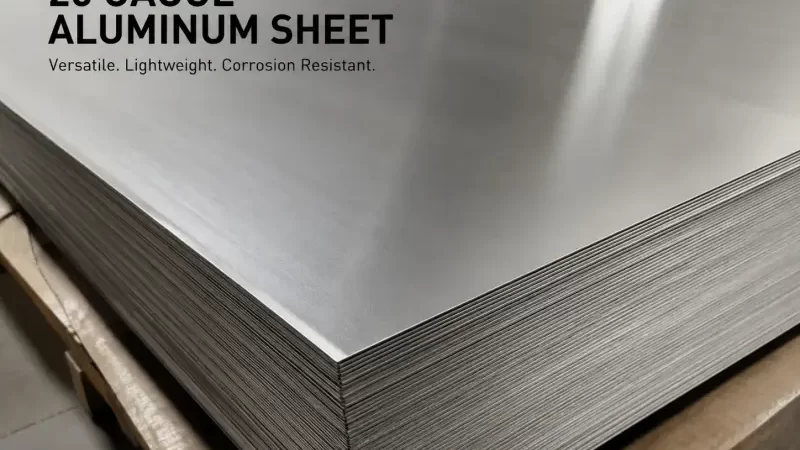
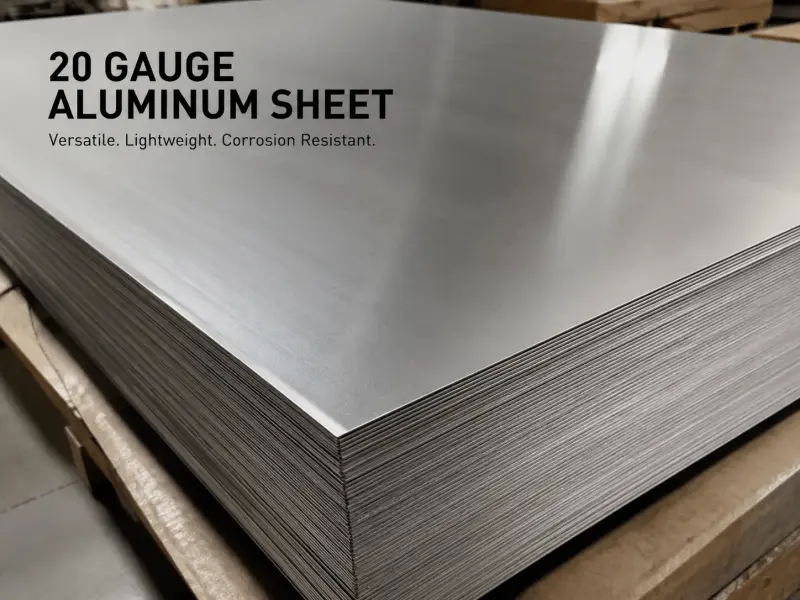
A 20 gauge aluminum sheet is a thin, flat piece of aluminium metal. It is light, easy to cut, and simple to bend. Builders, fabricators, and hobbyists use it for everything from trailer skins to kitchen backsplashes.
The sheet strikes a balance between strength and weight. It is thick enough to hold its shape but thin enough to work with hand tools.
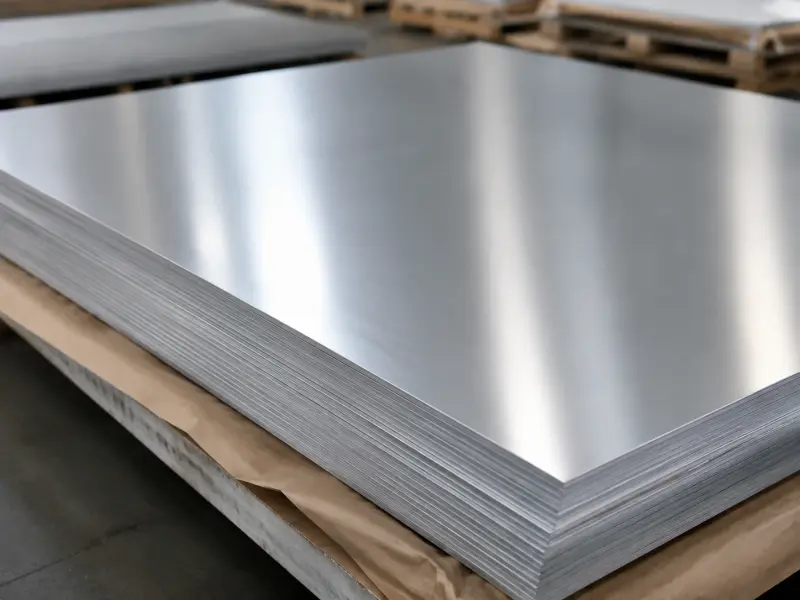
You will often see this material sold in 4×8 foot panels. That size covers large areas without too many seams. It also ships flat on a standard pallet.
Whether you need a single sheet for a repair job or a full truckload for a manufacturing run, 20 gauge is a popular starting point.
How Thick Is 20 Gauge Aluminum Sheet?
This is the first question most buyers ask. The answer depends on the gauge system you use.
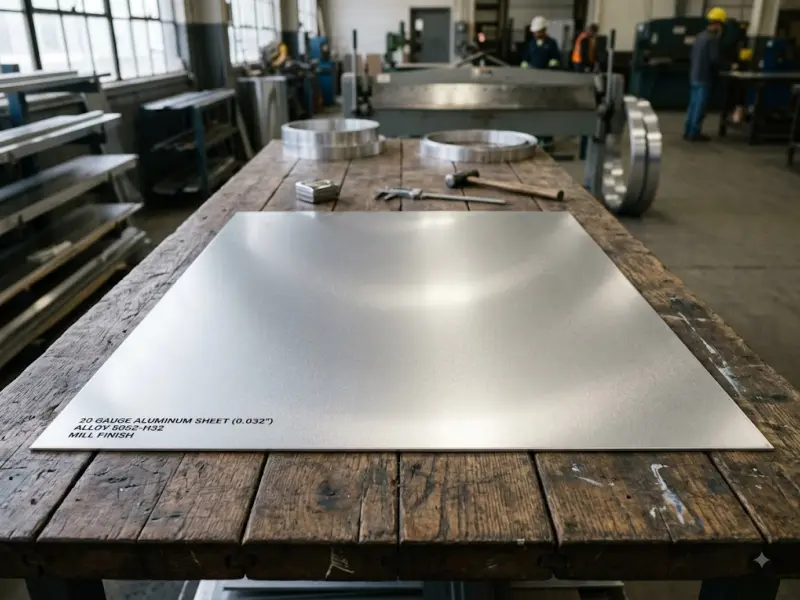
Aluminum follows the Brown and Sharpe (B&S) gauge standard. Under that system, a 20 gauge aluminium sheet measures 0.032 inches thick. In metric units, that equals 0.813 millimetres.
To put that in perspective, the sheet is slightly thinner than a standard credit card.
It is about one-third the thickness of a penny. That slim profile keeps the weight down while still giving you enough metal to fasten with screws or rivets.
| Gauge | Thickness (inches) | Thickness (mm) | Typical Use |
|---|---|---|---|
| 16 | 0.0508 | 1.290 | Heavy roofing, structural panels |
| 18 | 0.0403 | 1.024 | Chimney caps, trim work |
| 20 | 0.0320 | 0.813 | General fabrication, light roofing |
| 22 | 0.0253 | 0.643 | Flashings, gutters, light covers |
| 24 | 0.0201 | 0.511 | Decorative trim, signage |
| 26 | 0.0159 | 0.404 | Very light panels, backing sheets |
Aluminum Gauge vs. Steel Gauge: Do Not Mix Them Up
Many people assume a 20 gauge aluminum sheet is the same thickness as 20 gauge steel. It is not. Steel uses a different gauge scale.
A 20 gauge steel sheet is 0.0359 inches thick. That is about 12 percent thicker than the aluminum version. If you are replacing a steel panel with aluminum, always check the actual decimal thickness rather than the gauge number.
| Material | 20 Gauge Thickness (inches) | 20 Gauge Thickness (mm) |
|---|---|---|
| Aluminum | 0.0320 | 0.813 |
| Steel | 0.0359 | 0.912 |
| Stainless steel | 0.0375 | 0.953 |
20 Gauge vs. 22 Gauge vs. 26 Gauge Aluminum
If 20 gauge is too thick or too thin for your job, nearby gauges offer good alternatives. Each step up or down changes the weight, stiffness, and price.
20 Gauge Aluminum Sheet
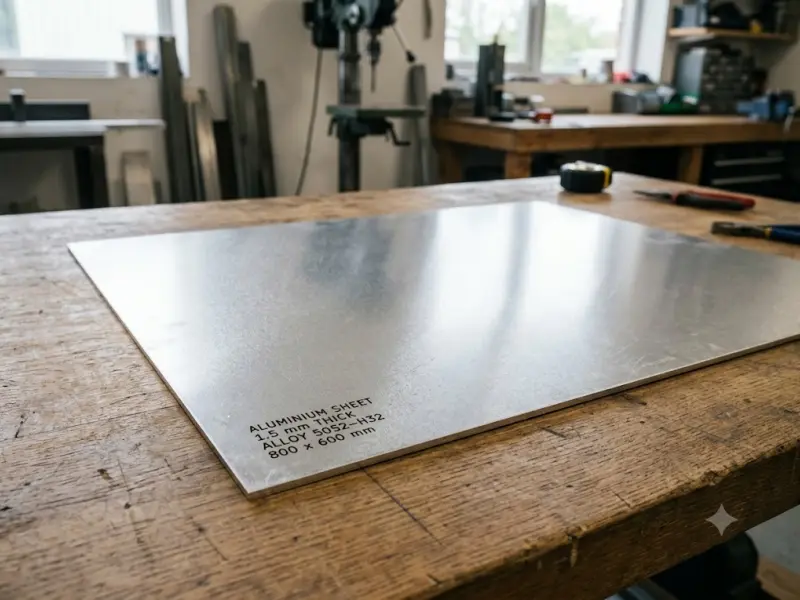
At 0.032 inches, this is the sweet spot for many projects. It resists dents better than 22 gauge.
It is still light enough for one person to carry a 4×8 sheet without strain. Roofers, trailer builders, and sign shops order this gauge more than any other in the light-sheet range.
22 Gauge Aluminum Sheet
A 22 gauge aluminum sheet is 0.0253 inches thick. That is roughly 20 percent thinner than 20 gauge.
It costs less per square foot and weighs less. However, it wrinkles more easily during handling. It works well for flashings, soffits, and decorative panels where high strength is not the main goal.
26 Gauge Aluminum Sheet
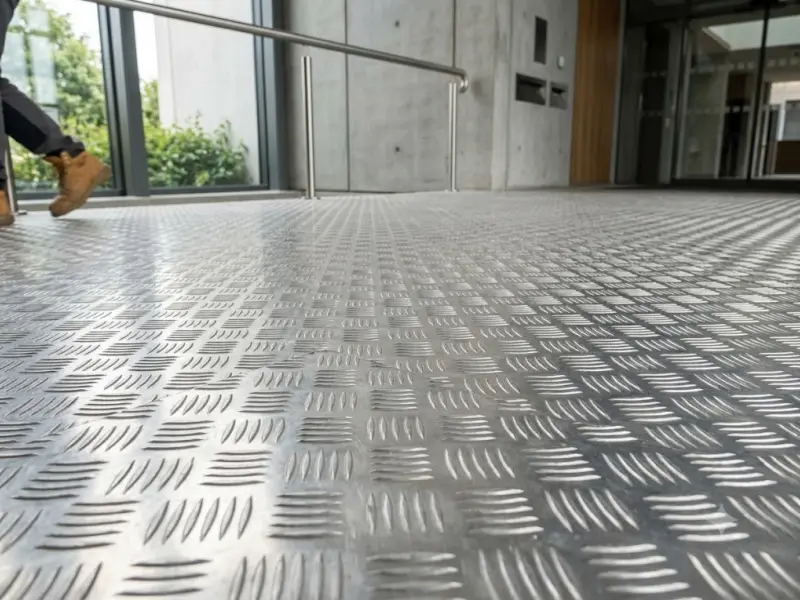
A 26 gauge aluminum sheet is 0.0159 inches thick. That is about half the thickness of 20 gauge.
It is common for roofing trim, drip edges, and interior liners. You would not use it for walls or floors that take impact. But it is perfect for areas that only need a thin skin.
| Gauge | Thickness | Weight per 4×8 Sheet | Best For |
|---|---|---|---|
| 20 | 0.032″ / 0.81 mm | ~14.4 lbs / 6.5 kg | Trailer sides, roofing, wall panels |
| 22 | 0.025″ / 0.64 mm | ~11.4 lbs / 5.2 kg | Gutters, flashings, light covers |
| 26 | 0.016″ / 0.40 mm | ~7.2 lbs / 3.3 kg | Trim, backing, decorative work |
Alloy Choices for 20 Gauge Aluminum Sheet
The alloy changes how the sheet behaves. Not all 20 gauge aluminum sheet metal is the same.
3003 Alloy 20 Gauge Aluminum Sheet: The All-Rounder
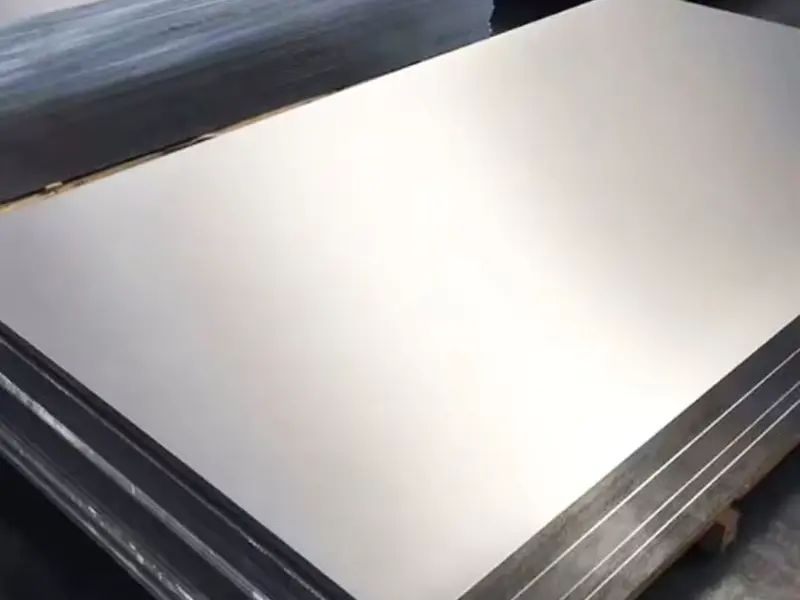
Alloy 3003 contains manganese. It is the most common grade for general sheet work. It bends easily, resists corrosion, and costs less than marine grades.
You will find 3003 in roofing panels, wall cladding, and food-processing equipment. For a standard 4×8 aluminum sheet used on a trailer or shed, 3003 is often the default choice.
5052 Alloy 20 Gauge Aluminum Sheet: Marine Grade Strength
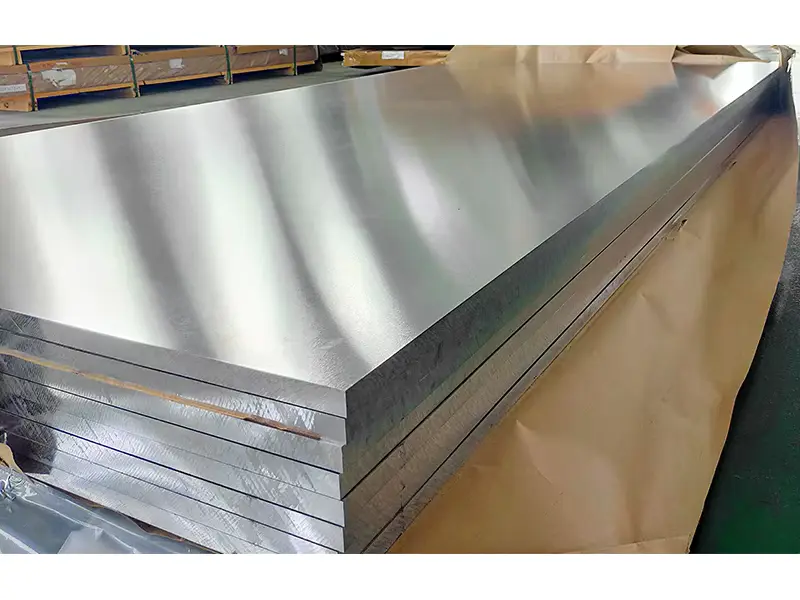
Alloy 5052 adds magnesium and chromium. It is stronger and harder than 3003. It also fights salt spray better.
If your project lives near the ocean or faces harsh winters, 5052 is worth the extra cost. Many 4×8 aluminum sheets for trailers use 5052-H32 because it handles road vibration and weather without cracking.
6061 Alloy 20 Gauge Aluminum Sheet: Structural Grade
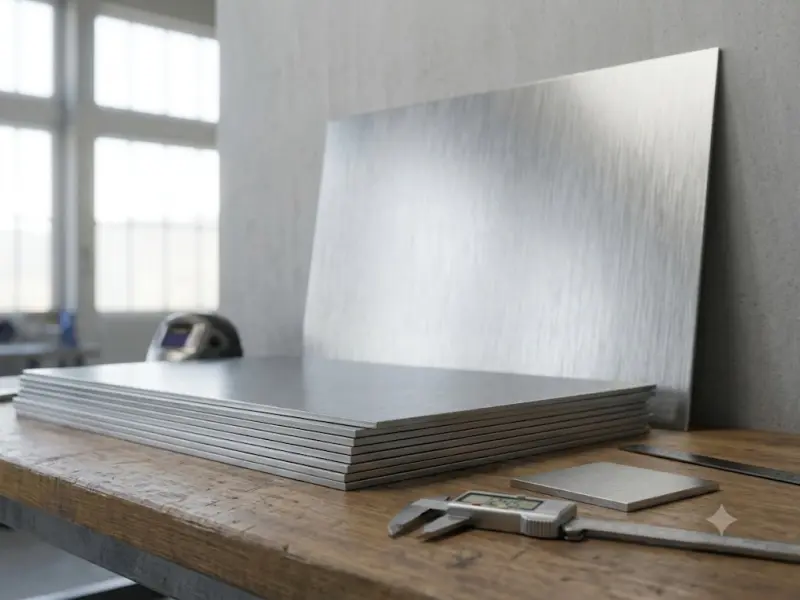
Alloy 6061 is stronger still. In T6 temper, it rivals some steels in stiffness.
However, it is harder to bend and form. Most 20 gauge work does not need 6061. It shows up more often in thicker plates and structural brackets.
| Alloy | Strength | Corrosion Resistance | Best Use |
|---|---|---|---|
| 3003 | Medium | Good | General fabrication, roofing, signs |
| 5052 | High | Excellent | Trailers, marine, fuel tanks |
| 6061 | Very High | Good | Structural parts, brackets |
Temper and Hardness: H14, H32, and O
The temper code tells you how the sheet was treated after rolling. This affects bendability and stiffness.
H14 Temper
H14 is half-hard. It holds shape well but still bends around a radius. You will see 3003-H14 at hardware stores. It is a good general-purpose temper for panels that need some rigidity.
H32 Temper
H32 is a stabilized half-hard temper. It is common with 5052 alloy. A 5052-H32 sheet springs back more than 3003-H14 when bent. That means you need a slightly larger bend radius. The trade-off is higher strength.
O Temper
O temper is fully annealed and very soft. It bends with ease. You might order 20 gauge aluminum in O temper if you plan to do a lot of hand-forming or deep drawing.
| Temper | Hardness | Bend Radius Needed | Typical Alloy |
|---|---|---|---|
| O | Very soft | Very small | 3003, 1100 |
| H14 | Half-hard | Small | 3003 |
| H32 | Half-hard | Medium | 5052 |
| H34 | Three-quarter hard | Large | 5052 |
Common Sizes: 4×8 Sheets and Custom Cuts
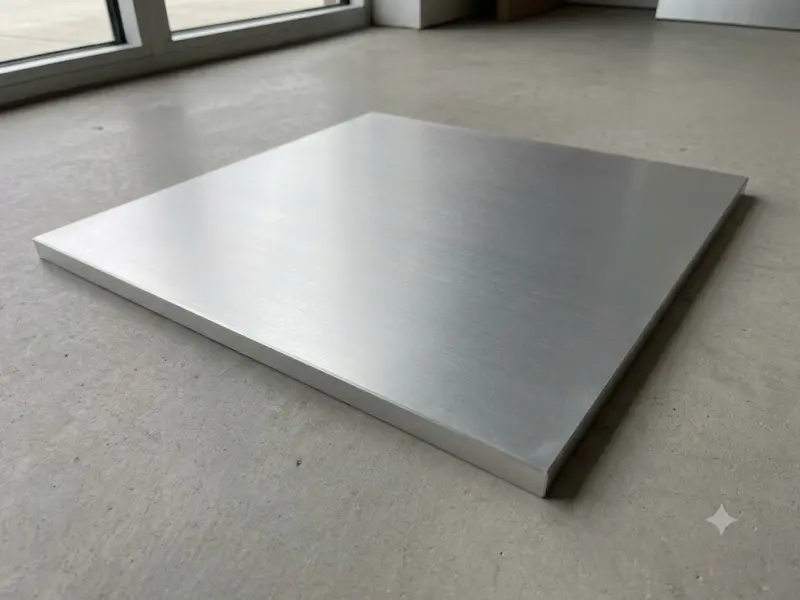
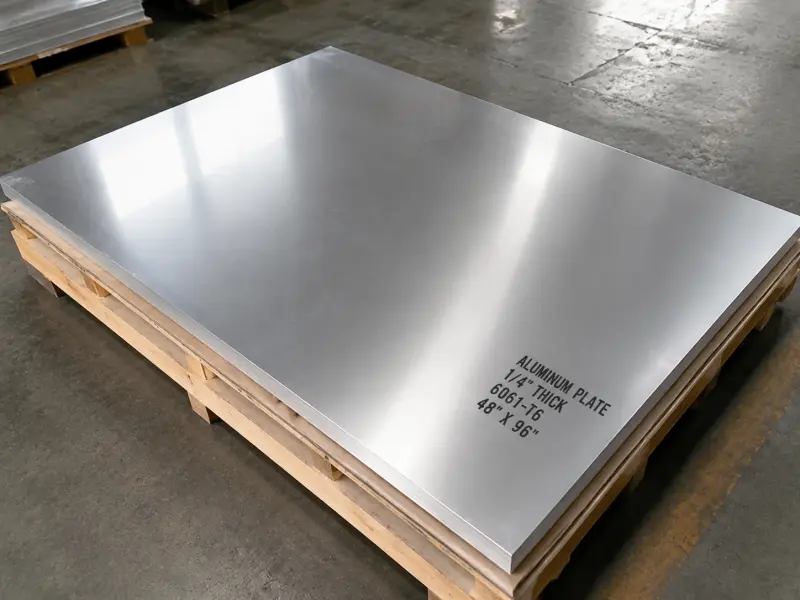
The standard size for most jobs is 4 feet by 8 feet. A 4×8 aluminum sheet covers 32 square feet.
That size fits in most pickup trucks and stores easily on racks. Suppliers also stock 4×10 and 5×10 sheets for larger roofs or trailer sides.
If you only need a small piece, many metal yards will shear a 20 gauge aluminum sheet to your exact length.
Custom cuts save waste and handling time. Some shops also offer coil stock in 20 gauge. Coils let you run long sections through a brake or roll former without seams.
ECOSYSTEM
Weight of 20 Gauge Aluminum Sheet
Weight matters for shipping, handling, and structural load. Aluminum has a density of roughly 0.098 pounds per cubic inch. A full 4×8 sheet at 20 gauge weighs about 14.4 pounds. That is light enough for one worker to lift and position.
| Sheet Size | 20 Gauge Weight | 22 Gauge Weight | 26 Gauge Weight |
|---|---|---|---|
| 4×8 ft | ~14.4 lbs | ~11.4 lbs | ~7.2 lbs |
| 4×10 ft | ~18.0 lbs | ~14.3 lbs | ~9.0 lbs |
| 5×10 ft | ~22.5 lbs | ~17.9 lbs | ~11.3 lbs |
Where People Use 20 Gauge Aluminum Sheet
This material shows up in many places. Here are the main areas where it adds value.
- Trailer skins: Side walls and roofs on enclosed trailers and utility beds.
- RV repairs: Patch panels for motorhome siding and underbelly wraps.
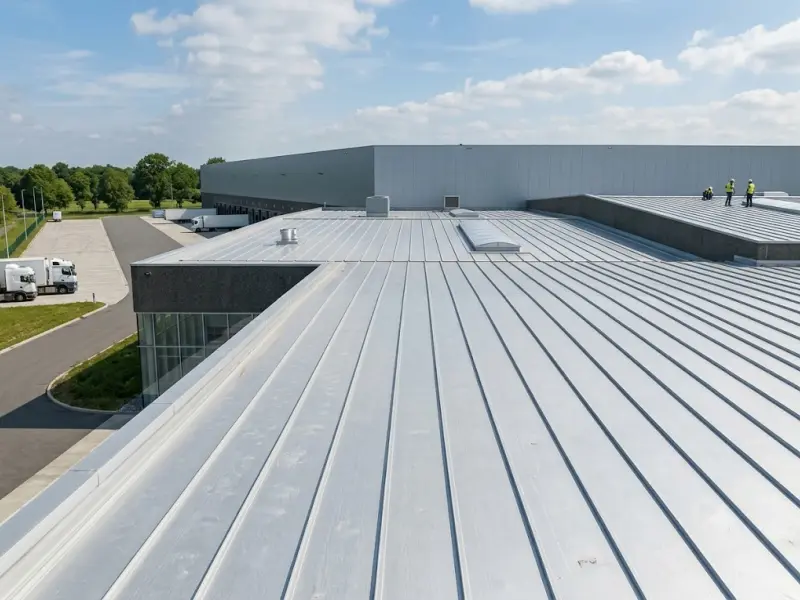
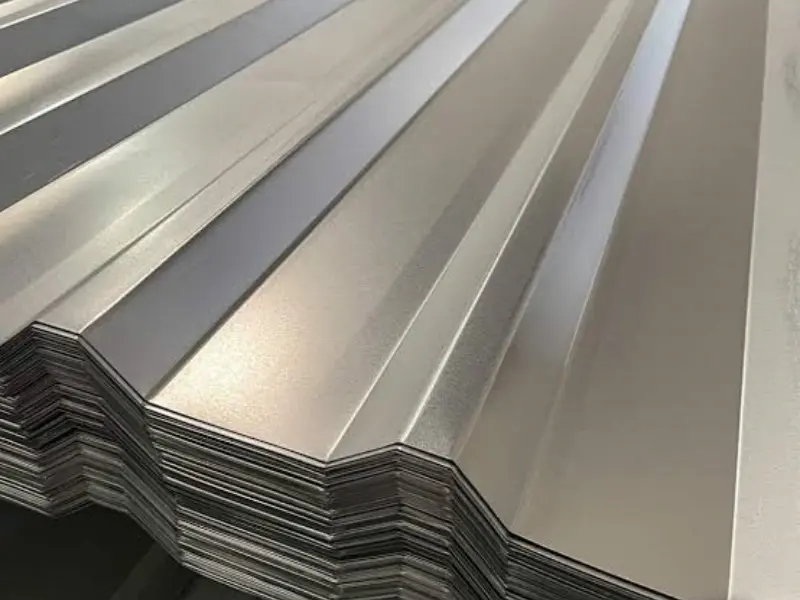
- Roofing: Standing seam and corrugated panels for sheds, barns, and porches.
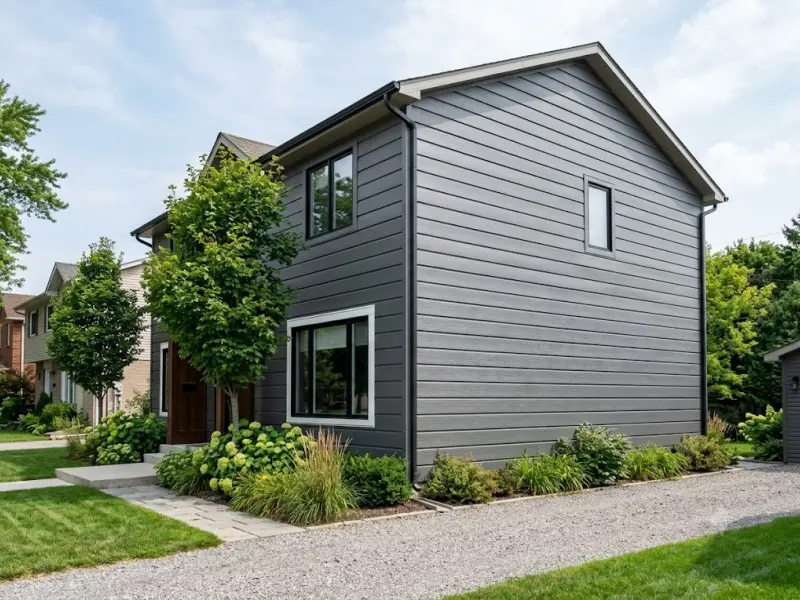
- Wall cladding: Interior and exterior panels for commercial kitchens and food trucks.
- Sign blanks: Flat sheets for routed and painted business signs.
- Automotive: Floor pans, firewall patches, and custom dash panels.
- HVAC: Ductwork, plenums, and equipment housings.
- Agriculture: Grain bin patches, barn siding, and equipment guards.
- Marine: Interior bulkheads, cabinet faces, and hatch covers on boats.
- DIY projects: Tool boxes, workbench tops, and decorative backsplashes.
20 Gauge Aluminum Sheet for Trailers
Trailers need panels that are light, rust-proof, and easy to replace. A 4×8 aluminum sheet for trailers in 20 gauge hits all three marks. The 0.032-inch thickness resists denting from road debris. It is thick enough to rivet or screw to studs without tearing.
Most trailer manufacturers choose 3003-H14 or 5052-H32. The 3003 option saves money on cargo trailers that stay on paved roads. The 5052 option adds strength for boat trailers, livestock haulers, and units that see salt spray.
When you install it, use aluminum or stainless steel fasteners. Steel screws will corrode when they touch the aluminum sheet. Seal the seams with a compatible caulk or tape to keep water out.
Thicker Options: How 20 Gauge Compares to 1/8, 3/16, and 1/4 Inch
Sometimes a job calls for more muscle. It helps to know where 20 gauge sits on the full thickness scale.
| Thickness | Inch Decimal | Approximate Gauge | Common Use |
|---|---|---|---|
| 20 gauge | 0.032″ | 20 | Light panels, trailer skins |
| 1/8 inch | 0.125″ | 8 | Structural plates, heavy brackets |
| 3/16 inch | 0.188″ | 5-6 | Truck beds, thick panels |
| 1/4 inch | 0.250″ | 3-4 | Heavy structural, base plates |
A 4×8 sheet of 1/8 inch aluminum weighs about 57 pounds. That is four times heavier than 20 gauge. For jobs that do not need that heft, 20 gauge keeps the load down and the cost low.
Surface Finishes and Coatings
Raw aluminum has a dull silver look. That works for hidden areas. For visible work, you have options.
Mill Finish
This is the bare metal as it comes from the factory. It will oxidise to a matte grey over time. Mill finish is the cheapest option. It is fine for backing plates or areas that will be painted later.
Stucco Embossed
A textured pattern is rolled onto the surface. The dimples hide small scratches and add stiffness. Stucco embossed 20 gauge aluminum sheet is common for trailer interiors, tool boxes, and wall liners.
Color Coated
Suppliers apply a paint or powder coat at the mill. White, black, and beige are standard stock colours. Custom colours cost more and need longer lead times. A coated sheet saves you from painting in the field.
Anodized
Anodising thickens the natural oxide layer. The result is a hard, scratch-resistant surface. Anodized finishes come in clear, bronze, and black. They last decades but cost more than painted sheets.
Bending and Fabrication Tips
Working with 20 gauge aluminum sheet metal is straightforward. You do not need heavy presses for simple bends.
Use the Right Tools
A standard sheet-metal brake can bend 20 gauge with ease. For hand work, use a bending brake or a vice with hardwood jaws. Avoid steel jaws without padding. They will mar the surface.
Watch the Bend Radius
Aluminum cracks if you bend it too tightly. For 3003-H14, keep the inside bend radius at least equal to the sheet thickness. For 5052-H32, use twice the thickness. At 20 gauge, that means a minimum radius of about 1/16 to 1/8 inch.
Cut Cleanly
Tin snips work for short cuts and curves. For straight cuts on a full 4×8 sheet, use a circular saw with a fine-tooth blade or a shear. Wear gloves. The cut edges are sharp.
Drill with Care
Use a sharp drill bit and light pressure. A dull bit will grab and distort the sheet. Back up the panel with a scrap board to prevent burrs on the exit side.
Price Factors
The cost of a 20 gauge aluminium sheet depends on several variables.
- Alloy: 5052 costs more than 3003.
- Finish: Mill finish is cheapest. Anodized is most expensive.
- Quantity: Buying a full bundle of 4×8 sheets drops the per-sheet price.
- Location: Shipping metal is costly. A 20 gauge aluminium sheet nearby will almost always cost less than one shipped across the country.
- Market price: Aluminum trades on commodity markets. Prices move with supply and demand.
As a rough guide, mill finish 3003-H14 in 4×8 size often falls in the mid-range per sheet for light-gauge aluminum. Coated or anodized versions can cost 30 to 50 percent more.
FAQ: Common Questions About 20 Gauge Aluminum Sheet
How thick is 20 gauge aluminium sheet in millimetres?
A 20 gauge aluminium sheet is 0.813 millimetres thick. That equals 0.032 inches.
How thick is 20 gauge aluminium sheet compared to steel?
A 20 gauge aluminium sheet is 0.032 inches thick. A 20 gauge steel sheet is 0.0359 inches thick. The steel sheet is slightly thicker even though both carry the same gauge number.
What does a 20 gauge aluminum sheet weigh?
A 4×8 sheet of 20 gauge aluminium weighs roughly 14.4 pounds. A 4×10 sheet weighs about 18 pounds.
Can I use 20 gauge aluminium sheet for a trailer?
Yes. A 4×8 aluminium sheet for trailers in 20 gauge is a common choice. It is light, rust-proof, and thick enough to handle road debris. Many builders prefer 5052-H32 for extra strength.
Is 20 gauge or 22 gauge aluminum better for roofing?
20 gauge is stronger and resists hail better. 22 gauge costs less and is easier to form. For roofs in mild climates, 22 gauge works. For roofs that face high winds or heavy snow, 20 gauge is safer.
What alloy should I choose for general fabrication?
3003-H14 is the best all-rounder. It bends well, resists corrosion, and costs less. If you need more strength or live near salt water, upgrade to 5052-H32.
Can I weld 20 gauge aluminum sheet?
Yes. Both 3003 and 5052 weld easily with MIG or TIG equipment. Use the correct filler rod. 4043 filler works for 3003. 5356 filler works for 5052. Keep heat low to avoid burn-through on thin metal.
How do I find a 20 gauge aluminum sheet nearby?
Search for local metal suppliers, steel service centers, or sheet-metal distributors. Many list inventory online. Call ahead to confirm they stock 20 gauge in the alloy and size you need.
Is a 20 gauge aluminum sheet pan the same as a fabrication sheet?
A 20 gauge aluminum sheet pan usually refers to a baking pan or tray. The gauge is the same, but the alloy may differ. Food-grade pans often use 3003 or 1100 with a smooth finish. Fabrication sheets may have a mill or stucco finish.
What is the difference between 20 gauge and 26 gauge aluminum sheets?
20 gauge is 0.032 inches thick. 26 gauge is 0.016 inches thick. That means 20 gauge is twice as thick and roughly twice as heavy. It is far more dent-resistant.