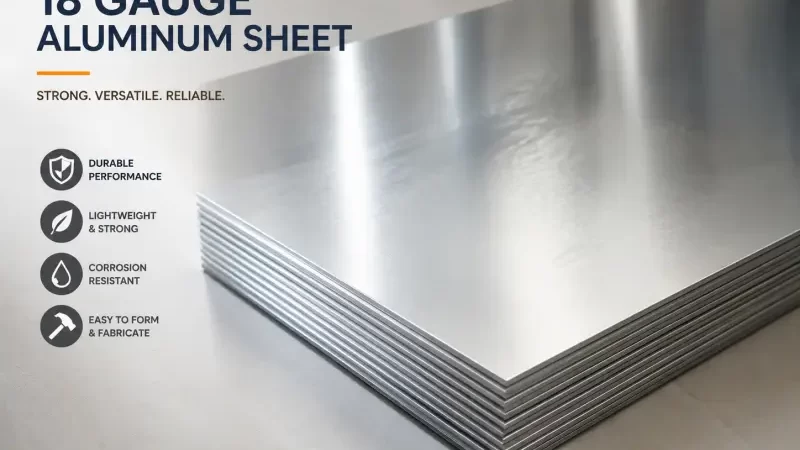
An 18 gauge aluminum sheet sits right in the sweet spot for general-purpose metalwork.
It is thick enough to hold its shape under moderate stress, yet thin enough to bend, cut, and form without heavy-duty equipment. Fabricators, contractors, and DIY builders all reach for this gauge when they need a light, rust-proof material that still offers real structural value.
The term “gauge” refers to a traditional thickness scale. In aluminum, a higher gauge number means a thinner sheet.
So 18 gauge is thinner than 16 gauge but thicker than 20 gauge. This middle position makes it one of the most commonly stocked sizes at metal suppliers and hardware stores across the country.
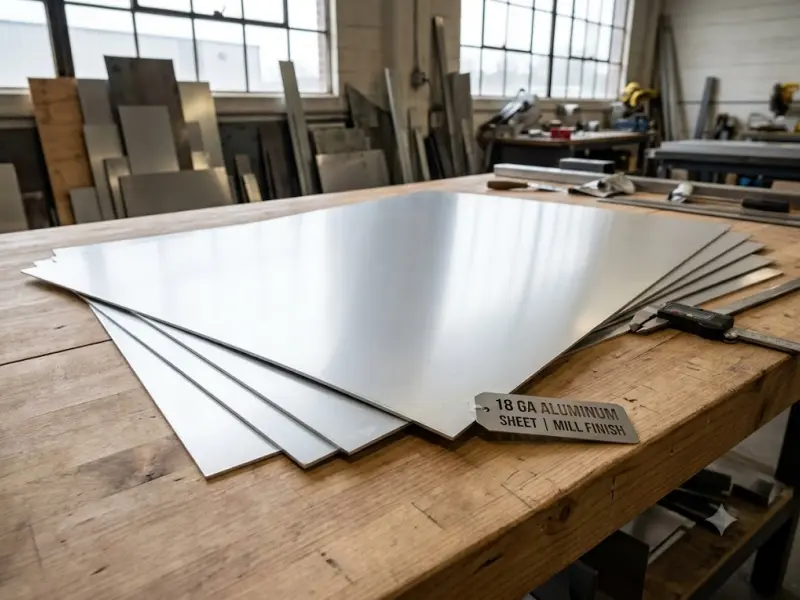
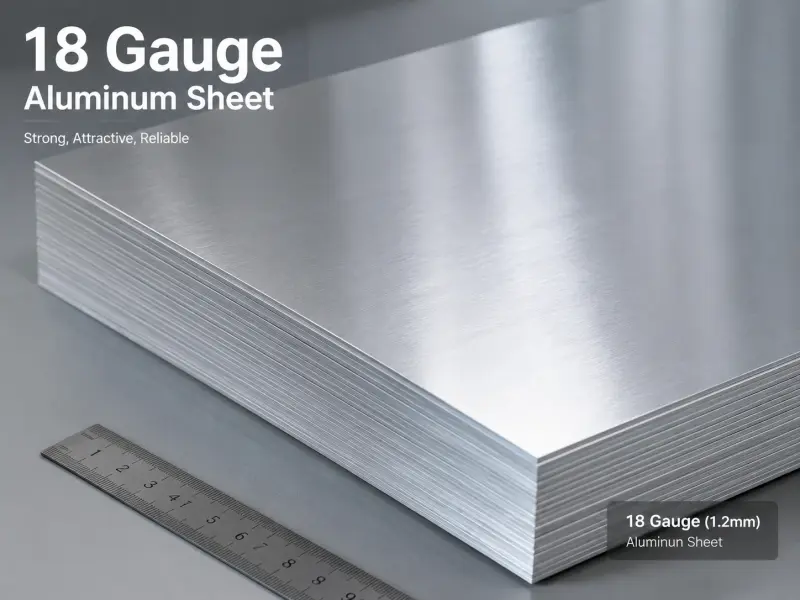
How Thick Is 18 Gauge Aluminum Sheet?
The thickness of 18 gauge aluminum sheet is 0.0403 inches, which equals about 1.024 millimeters. This measurement is specific to aluminum. If you compare it to steel, 18 gauge mild steel is 0.0478 inches thick, and 18 gauge stainless steel is 0.0500 inches thick. That is why you should always check a material-specific gauge chart instead of assuming all metals share the same thickness at the same gauge number.
Quick Thickness Reference Table
| Material | 18 Gauge Thickness (inches) | 18 Gauge Thickness (mm) |
|---|---|---|
| Aluminum | 0.0403 | 1.024 |
| Mild Steel | 0.0478 | 1.214 |
| Stainless Steel | 0.0500 | 1.270 |
| Galvanized Steel | 0.0516 | 1.311 |
As the table shows, 18 gauge aluminum is the lightest and thinnest of the common metals at this gauge. That difference matters when you are trying to cut weight in a vehicle, aircraft, or portable enclosure.
18 Gauge Aluminum Sheet Weight and Dimensions
Weight is often the deciding factor when builders choose aluminum over steel. A 4 ft by 8 ft sheet of 18 gauge aluminum weighs roughly 18.1 pounds. That same size in cold-rolled steel would weigh about 73 pounds. The weight savings are massive.
Common Sheet Sizes and Weights
| Sheet Size | Approximate Weight (lbs) | Approximate Weight (kg) |
|---|---|---|
| 48″ x 96″ (4×8) | 18.1 | 8.2 |
| 48″ x 120″ (4×10) | 22.6 | 10.3 |
| 60″ x 120″ (5×10) | 28.3 | 12.8 |
The density of aluminum is about 0.0975 lbs per cubic inch. Because the sheet is just over one millimeter thick, you get a large surface area without adding much load to your structure. That is why aerospace and automotive engineers favor this gauge for panels and covers.
Alloy Types and Temper Designations
Not all 18 gauge aluminum sheets are the same. The alloy and temper change how the metal behaves when you cut, bend, or weld it. Choosing the wrong alloy can lead to cracks, poor corrosion resistance, or wasted money.
Popular Alloys for 18 Gauge Sheet
| Alloy Series | Common Grades | Key Traits | Best For |
|---|---|---|---|
| 1000 Series | 1060, 1100 | Very soft, excellent corrosion resistance, easy to form | Decorative panels, chemical equipment, signage |
| 3000 Series | 3003, 3004, 3005 | Good workability, moderate strength, weldable | Roofing, gutters, HVAC ducts, cooking utensils |
| 5000 Series | 5052, 5083 | High corrosion resistance, especially in saltwater, stronger than 3003 | Marine parts, fuel tanks, truck bodies, architectural facades |
| 6000 Series | 6061, 6063 | Heat-treatable, strong, good machinability | Structural frames, brackets, aerospace components |
3003-H14: The All-Rounder
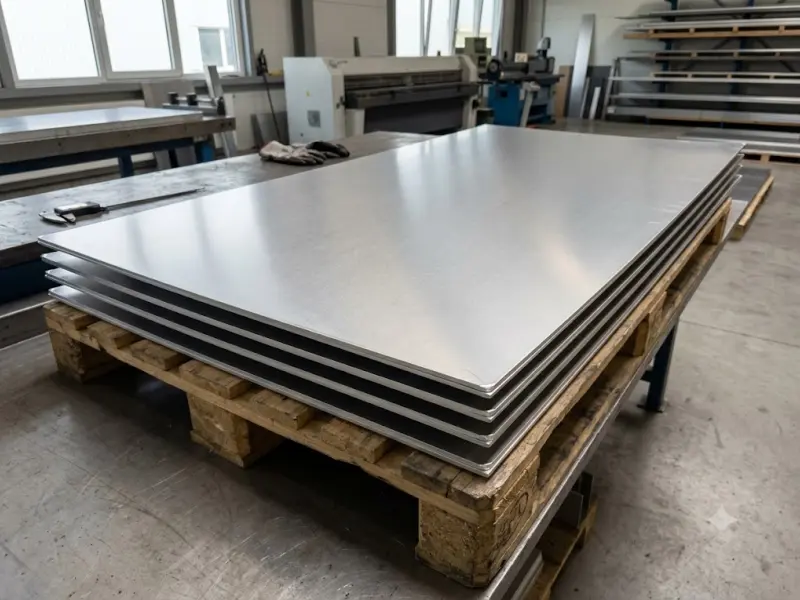
3003 is the most widely used alloy for general sheet metal work. It contains manganese, which boosts strength without making the metal hard to form. In the H14 temper, it is strain-hardened to a half-hard condition. You can bend it, punch it, and weld it with standard tools. It is also the cheapest option, making it ideal for large projects where budget matters.
5052-H32: The Marine Champion
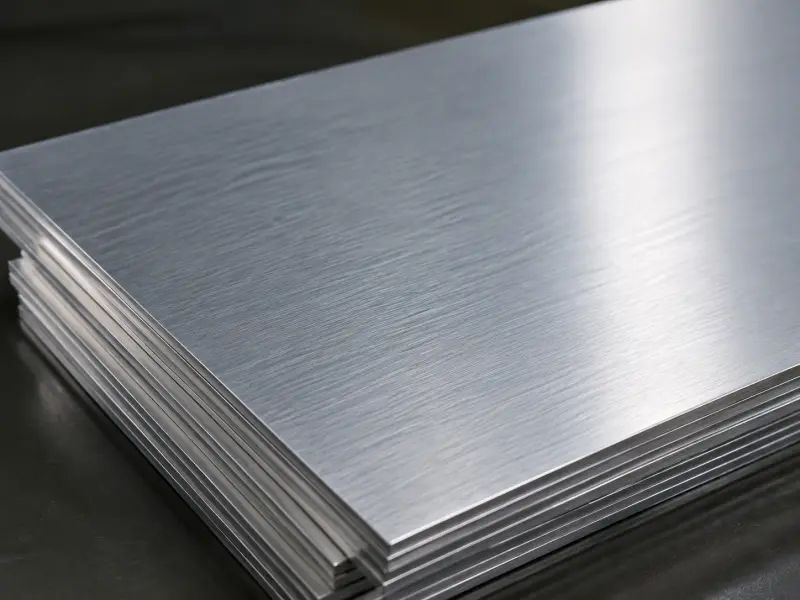
5052 adds magnesium for better strength and outstanding resistance to saltwater corrosion. In the H32 temper, it is partially strain-hardened and stabilized. If your project sits near the ocean or faces harsh weather, 5052 is worth the small price premium over 3003.
6061-T6: The Structural Powerhouse
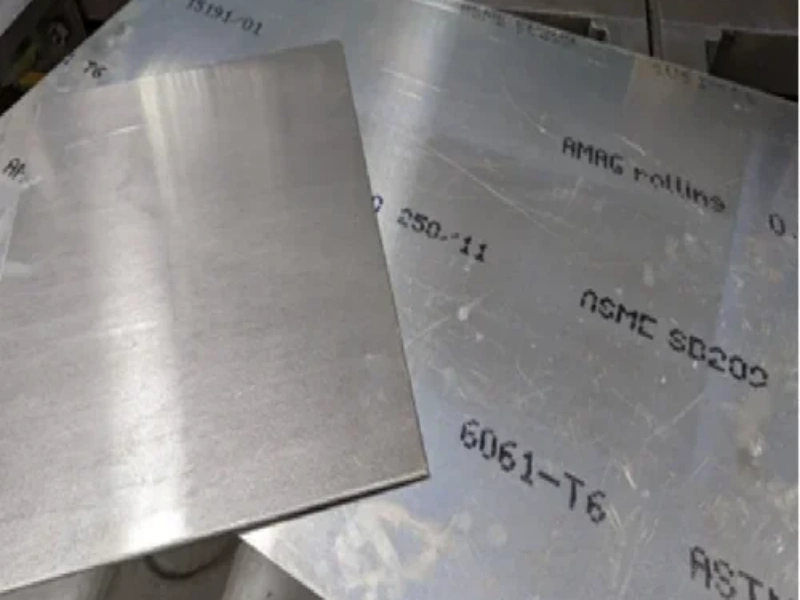
6061 is a heat-treatable alloy that reaches high strength in the T6 temper. It offers a tensile strength of about 310 MPa and a yield strength of 276 MPa. However, it is stiffer and less forgiving when bent. For complex shapes, you may need to buy it in the annealed O temper, form it, and then heat-treat it back to T6.
Temper Codes Explained
| Temper | Meaning | Typical Use |
|---|---|---|
| O | Annealed (soft) | Deep drawing, complex forming |
| H12 | Quarter-hard | Light bending, general fabrication |
| H14 | Half-hard | Most common for sheet metal, balanced strength and formability |
| H16 | Three-quarter-hard | Higher strength, less formability |
| H18 | Full-hard | Maximum strength, minimal bending |
| H24 | Half-hard, partially annealed | Better formability than H14, used in cooking equipment |
| H32 | Quarter-hard, stabilized | Marine and automotive panels |
| T6 | Solution heat-treated and aged | Structural parts, machined components |
| T651 | Stress-relieved by stretching | Precision machined plates |
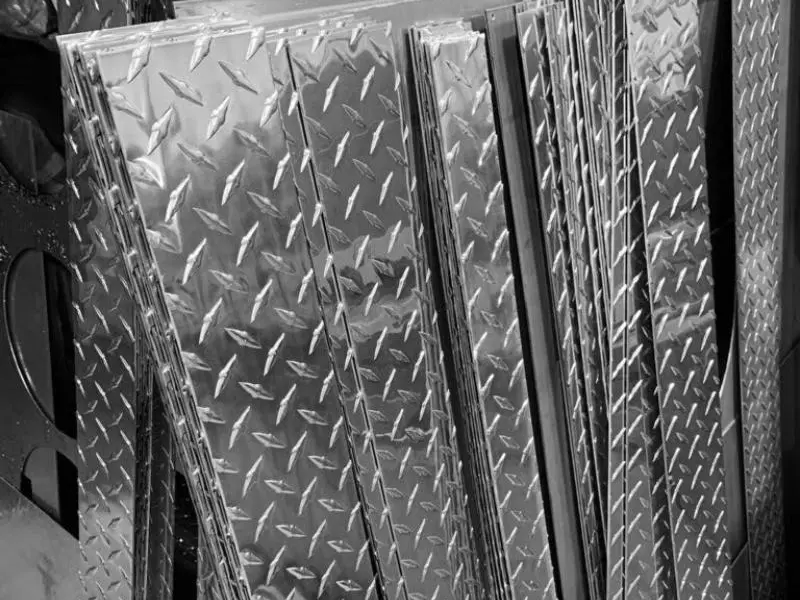
The raw metal that comes straight from the rolling mill is called “mill finish.” It works fine for hidden parts, but visible projects usually need a surface treatment. Here are the main options.
Surface Finishes for 18 Gauge Aluminum Sheet
Mill Finish
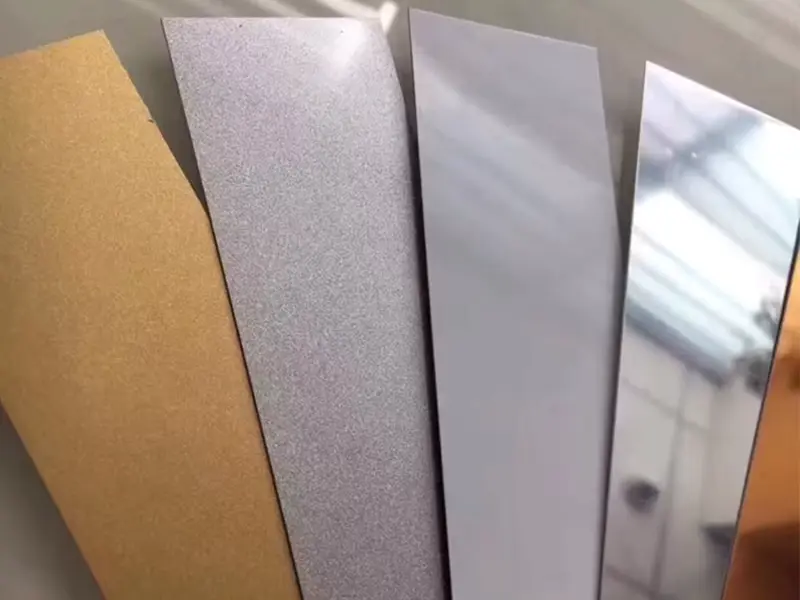
Mill finish is the untreated, natural surface of the aluminum. It is the cheapest option and retains the metal’s full electrical conductivity. The downside is that it shows scratches, die marks, and can develop uneven oxidation over time. It is best for industrial frames, internal brackets, or parts that will be painted later.
Brushed Finish
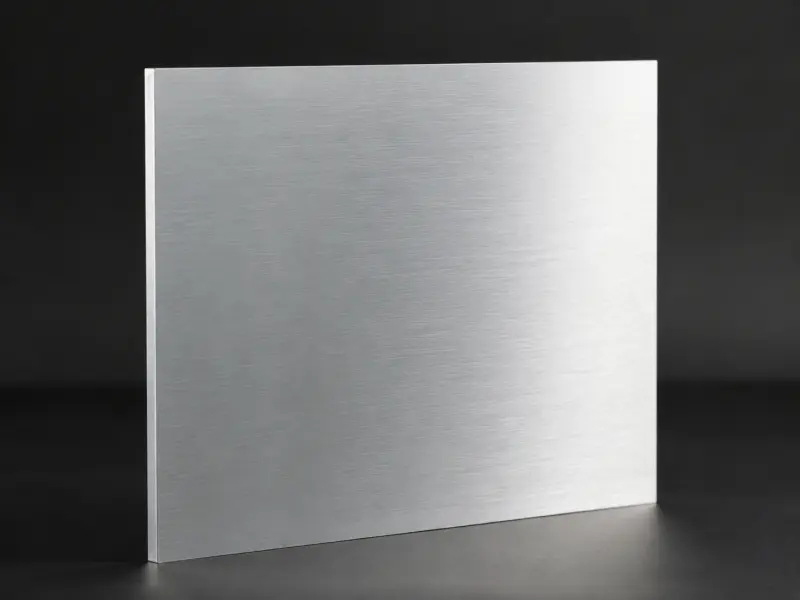
A brushed finish creates fine, directional lines on the surface. This satin look hides fingerprints and minor scratches. You will see it on kitchen appliances, elevator panels, and decorative trim. It adds a touch of class without the high cost of polishing.
Anodized Finish
Anodizing uses an electrochemical process to grow a thick, hard oxide layer on the surface. This layer becomes part of the metal itself, so it will not peel or chip like paint. Clear anodizing keeps the silver look while boosting corrosion resistance. Color anodizing adds dyes for architectural projects. The surface hardness can reach 300 to 600 HV, close to stainless steel.
Painted and Powder-Coated Finish
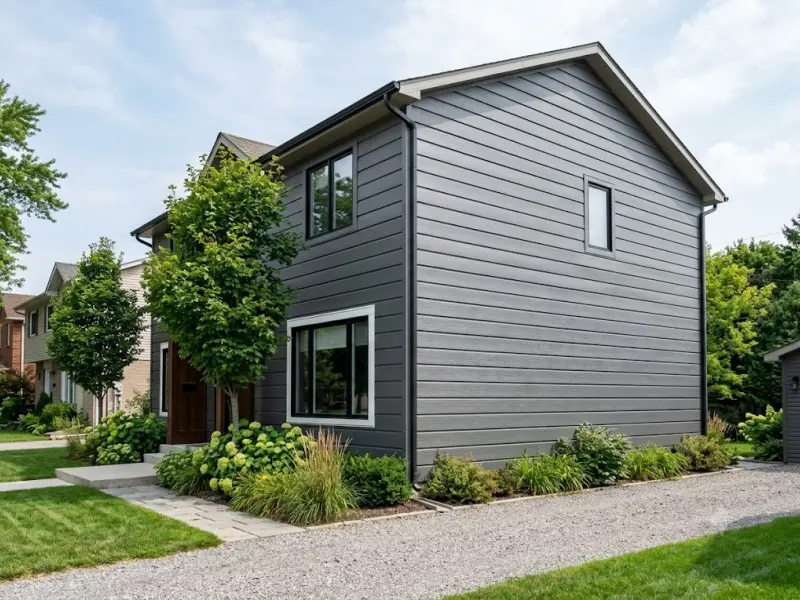
Painted aluminum gives you unlimited color choices. Common paint systems include polyester for general use and PVDF for harsh outdoor environments. Powder coating is another popular option that creates a thick, durable skin. A painted 4×8 sheet of 18 gauge aluminum typically runs between $135 and $275 depending on color and quantity.
Finish Comparison at a Glance
| Finish | Appearance | Corrosion Resistance | Cost | Best For |
|---|---|---|---|---|
| Mill | Dull, raw metal | Basic (natural oxide) | Lowest | Hidden parts, post-fabrication painting |
| Brushed | Satin, directional lines | Good | Low-Medium | Decorative panels, appliances |
| Anodized | Metallic, clear or colored | Excellent | Medium-High | Architectural trim, outdoor signage, marine |
| Painted | Any color, matte or gloss | Very good | Medium-High | Roofing, cladding, branding, custom colors |
Applications Across Industries
The mix of light weight, decent strength, and easy fabrication makes 18 gauge aluminum sheet useful in almost every sector.
Building and Construction
Builders use this gauge for flashing, soffits, gutters, and downspouts. It is thick enough to resist denting from hail or foot traffic but light enough for one worker to handle a full sheet alone. Architectural panels and curtain wall skins also use 18 gauge, especially in the 5052 alloy with a painted or anodized finish.
Automotive and Transportation
Car manufacturers use 18 gauge aluminum for body panels, hoods, and heat shields. The weight reduction compared to steel improves fuel economy. Truck beds, trailer sides, and fuel tanks also benefit from the corrosion resistance of 5000-series alloys.
Marine and Boating
Boat builders favor 5052-H32 in this gauge for hulls, decks, and fuel tanks. The high magnesium content resists saltwater corrosion far better than standard steel. Pontoons and fishing boat components also rely on this material.
Aerospace and Aviation
Aircraft skins, interior panels, and cargo liners often use thin aluminum sheets. The strength-to-weight ratio is critical for fuel efficiency and payload capacity. While some aerospace parts use thinner gauges, 18 gauge still appears in secondary structures and interior trim.
Electronics and Electrical
Equipment enclosures, chassis, and heat sinks use 18 gauge aluminum because it conducts heat well and shields against electromagnetic interference. The natural oxide layer provides basic insulation, while the light weight keeps portable devices easy to carry.
Food Service and Baking
Commercial kitchens rely on 18 gauge aluminum sheet pans. A full-size pan measures 18 inches by 26 inches by 1 inch deep and is made from tempered aluminum alloy. The gauge provides even heat distribution for cookies, pastries, and breads. These pans withstand temperatures from -15°F to 450°F and resist warping thanks to reinforced rolled rims.
Signs and Displays
Sign makers love 18 gauge aluminum because it is rigid enough for large outdoor signs but easy enough to cut into custom shapes on a CNC router. Painted finishes allow full-color graphics, while brushed or anodized finishes give a premium look for lobby directories and architectural signage.
Industrial Fabrication
Machine guards, conveyor covers, and custom brackets all use this gauge. It welds cleanly with TIG or MIG equipment, and it can be punched or laser-cut without excessive heat buildup. The lower density means less wear on cutting tools compared to steel.
18 Gauge vs Other Gauges: A Side-by-Side Look
Choosing the right gauge means balancing strength, weight, and cost. Here is how 18 gauge stacks up against its neighbors.
Thickness and Weight Comparison
| Gauge | Aluminum Thickness (in) | Aluminum Thickness (mm) | Typical Use |
|---|---|---|---|
| 14 | 0.0641 | 1.628 | Heavy-duty panels, structural skins |
| 16 | 0.0508 | 1.290 | Medium structural work, cabinets |
| 18 | 0.0403 | 1.024 | General fabrication, pans, enclosures |
| 20 | 0.0320 | 0.813 | Light covers, decorative work |
| 22 | 0.0253 | 0.643 | Ductwork, very light trim |
When to Choose 18 Gauge Over 16 Gauge
Pick 18 gauge when weight savings matter more than maximum stiffness. A 4×8 sheet of 18 gauge aluminum weighs about 18 pounds, while 16 gauge weighs roughly 23 pounds. That five-pound difference adds up across a fleet of vehicles or a large roof installation. However, if your panel spans a wide gap and must resist oil-canning (visible waviness), 16 gauge or thicker will perform better.
When to Choose 18 Gauge Over 20 Gauge
20 gauge is easier to bend and costs less per square foot, but it dents more easily. For outdoor panels that might face hail, wind-borne debris, or accidental impacts, 18 gauge offers a safer margin. It also feels more solid in hand, which matters for consumer products like electronics enclosures.
Buying Guide: Price, Suppliers, and What to Look For
Typical Pricing
Prices fluctuate with the global aluminum market, but here are rough ranges for 18 gauge aluminum sheet in a 4×8 size:
| Alloy and Finish | Price Range (per 4×8 sheet) |
|---|---|
| 3003-H14 Mill Finish | $80 – $140 |
| 5052-H32 Mill Finish | $100 – $170 |
| 3003 Painted (Standard Colors) | $135 – $220 |
| 5052 Painted (PVDF) | $180 – $275 |
| 6061-T6 Mill Finish | $120 – $190 |
Bulk orders and repeat customers often receive discounts. Custom cutting, shearing, or bending services may add to the total cost but save time in your shop.
Finding a Local Supplier
Searching for “18 gauge aluminum sheet near me” or “18 gauge aluminum sheet nearby” will return metal service centers, hardware stores, and specialized aluminum distributors. Local suppliers let you inspect the material before buying and avoid shipping damage. Many offer same-day or next-day pickup for common sizes.
What to Check Before You Buy
Check whether the supplier offers cut-to-size services to reduce waste.
Confirm the alloy and temper match your project needs.
Verify the thickness with a micrometer if precision matters.
Inspect the surface for scratches, oil stains, or edge damage.
Ask about mill certifications if your project requires traceability.
Fabrication Tips for 18 Gauge Aluminum
Cutting
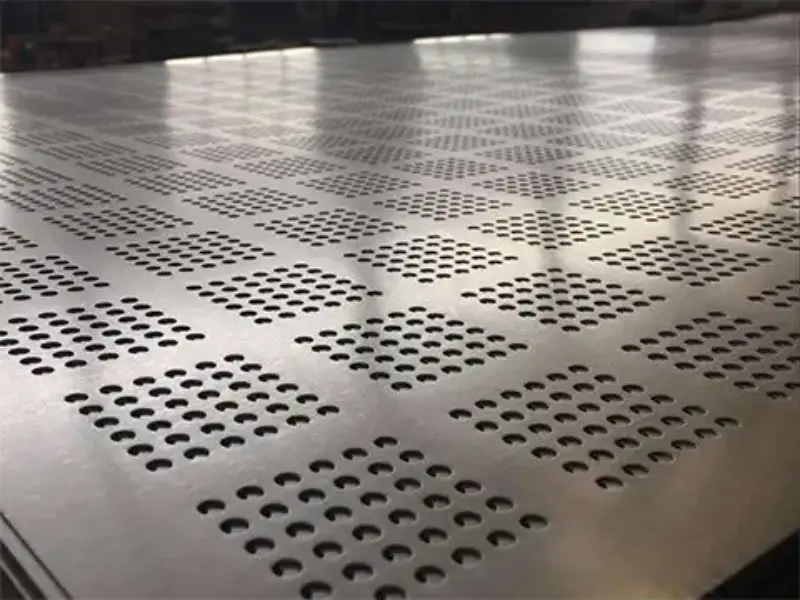
You can cut 18 gauge aluminum with hand shears, a jigsaw with a metal blade, a bandsaw, or a CNC laser. Because it is thin, laser cutting produces clean edges with minimal heat distortion. When using a saw, choose a blade with fine teeth to prevent tearing.
Bending
This gauge bends easily on a standard press brake. For 3003-H14, you can use a bend radius as small as zero times the thickness for very light bends. For 5052-H32, use a radius of about one times the thickness to avoid cracks. 6061-T6 needs a much larger radius, often 1.5 to 3.5 times the thickness, or you risk snapping the outer edge.
Welding
TIG welding with 4043 or 5356 filler rod works well for 3003 and 5052. Keep heat input low to prevent warping. With 6061-T6, remember that the heat-affected zone will lose strength after welding unless you perform a full post-weld heat treatment.
Drilling and Punching
Use sharp drill bits and moderate pressure. Aluminum is softer than steel, so it can gum up standard bits. A lubricant or wax helps chips evacuate cleanly. For punching, standard sheet metal punches handle this gauge without issue.
Frequently Asked Questions
What is the exact thickness of 18 gauge aluminum sheet?
An 18 gauge aluminum sheet is 0.0403 inches thick, or about 1.024 millimeters. This is thinner than 18 gauge steel, which is why you must always use a material-specific gauge chart.
How much does a 4×8 sheet of 18 gauge aluminum weigh?
A standard 4 ft by 8 ft sheet weighs approximately 18.1 pounds (8.2 kg). The exact weight varies slightly by alloy because different alloys have slightly different densities.
Which alloy should I choose for outdoor use?
For general outdoor use, 3003-H14 works well and saves money. For coastal or marine environments, choose 5052-H32 for its superior saltwater resistance.
Can I bend 18 gauge aluminum by hand?
Yes, 18 gauge aluminum is thin enough to bend by hand with the help of a bending brake or even a sturdy table edge. Softer alloys like 1100-O or 3003-O bend the easiest. Harder tempers like H18 or T6 require more force and larger bend radii.
Is 18 gauge aluminum good for welding?
Yes. 18 gauge is a popular thickness for TIG and MIG welding. The thin material heats quickly, so use a lower amperage and move fast to avoid burn-through. 4043 filler rod is a safe choice for most 3000-series alloys, while 5356 works better for 5000-series.
What is the difference between 18 gauge aluminum and 18 gauge steel?
They have different thicknesses. Eighteen gauge aluminum is 0.0403 inches thick, while 18 gauge mild steel is 0.0478 inches thick. Aluminum is also about one-third the weight of steel and will not rust.
How do I clean and maintain anodized 18 gauge aluminum?
Wash anodized aluminum with mild soap and water. Avoid abrasive pads or strong alkaline cleaners, which can damage the anodized layer. Rinse thoroughly and dry with a soft cloth to prevent water spots.
Can 18 gauge aluminum be used for roofing?
Yes. Many standing-seam and corrugated roofing systems use 18 gauge aluminum, often in 3003 or 5052 with a painted finish. The light weight reduces load on the building structure, and the material reflects heat to improve energy efficiency.
What sheet sizes are available besides 4×8?
Common stock sizes include 4×10, 5×10, and custom cut-to-length pieces. Some suppliers also offer coils for continuous roll-forming operations. Always check with your local distributor for available dimensions.
Is 18 gauge aluminum food-safe?
Yes. Aluminum is non-toxic and widely used in food processing and cooking equipment. Commercial baking pans are often made from 18 gauge tempered aluminum alloy. Just avoid storing acidic foods in bare aluminum for long periods.