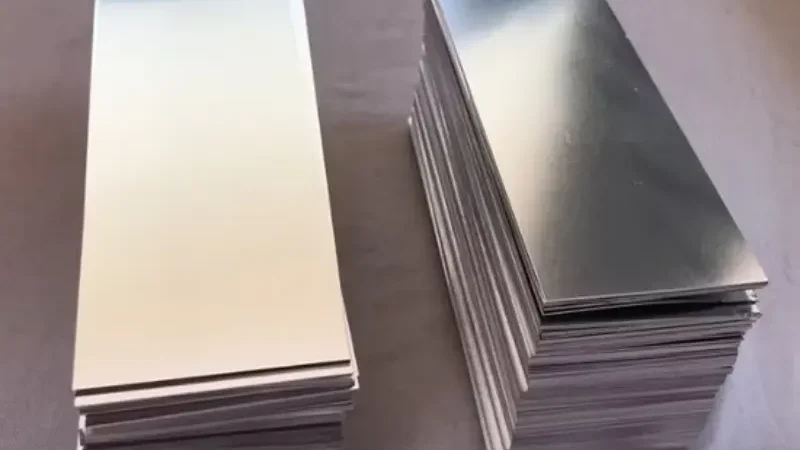
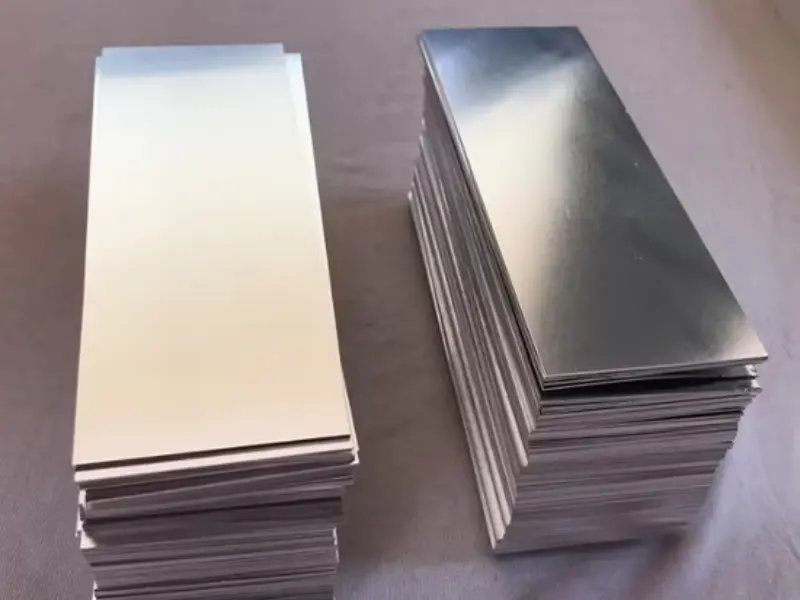
Aluminium sheet price per kg varies based on market conditions, alloy type, and purchase quantity. Current market prices range from $3-8 per kg, with bulk purchases offering significant discounts. Understanding the factors affecting aluminium sheet price per kg helps businesses and individuals make cost-effective purchasing decisions.
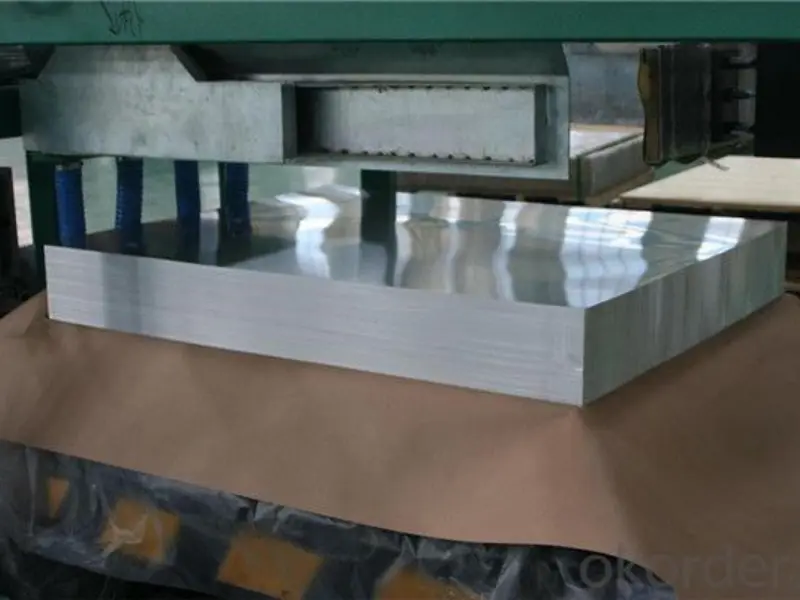
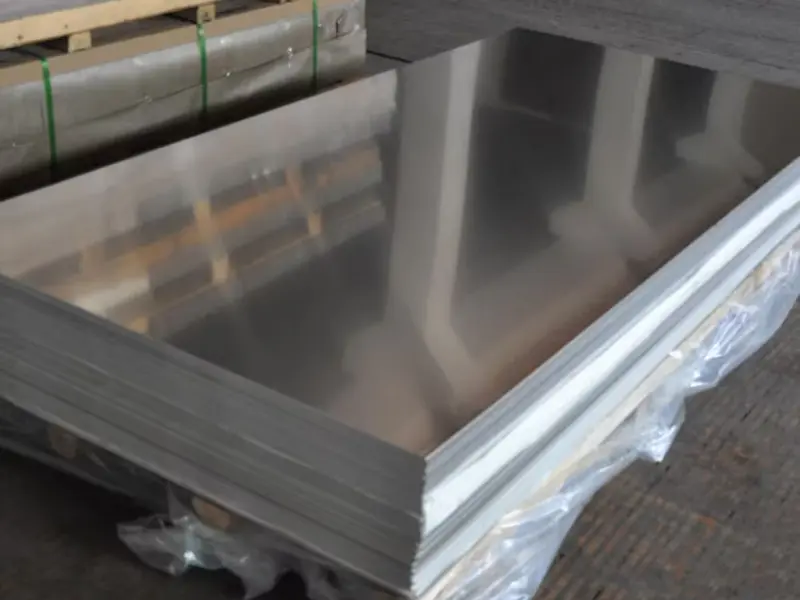
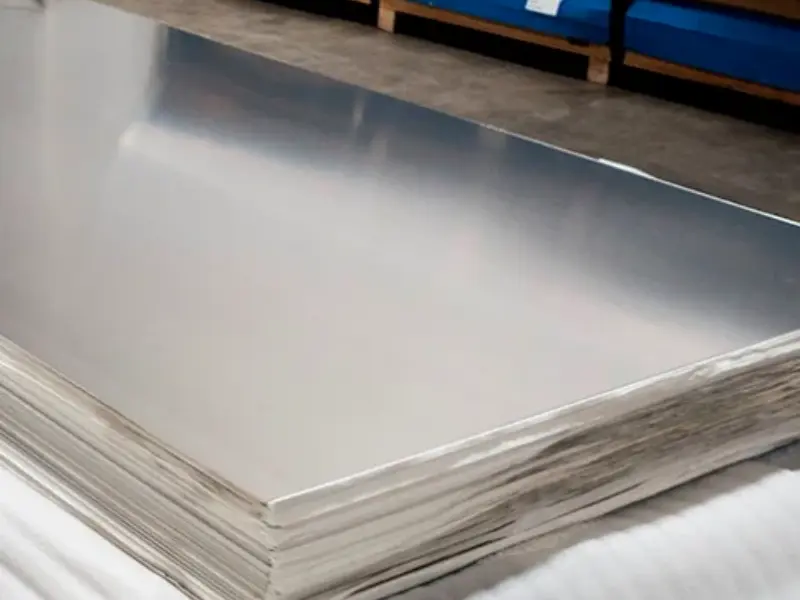
Does Thicker Aluminium Always Cost More?
Usually, the material cost per square meter increases as thickness increases.
But the price per kg may not increase by the same amount.
For example, a manufacturer may offer similar base prices per kilogram for two standard thicknesses, while processing costs differ.
This is why buyers should compare the correct unit.
Price Per kg
Best for:
- Bulk aluminium
- Large orders
- Metal trading
- Raw material purchasing
Price Per m²
Best for:
- Roofing
- Cladding
- Wall panels
- Construction
- Insulation
Price Per Sheet
Best for:
- Cut-to-size products
- Small projects
- Fabrication
- Retail orders
Aluminium Sheet Price Per kg vs Per Ton
One metric ton equals 1,000 kg.
Therefore:
US$3.00/kg = US$3,000/ton
| Unit | Example Price |
|---|---|
| Per kg | US$3.00 |
| Per 100 kg | US$300 |
| Per 1,000 kg | US$3,000 |
| Per 10 tons | US$30,000 |
These are examples only and do not represent a current market quotation.
For large wholesale orders, asking for a price per metric ton can make supplier comparisons easier.
Aluminium Sheet Price Per m²
Buyers sometimes need to convert the kilogram price into a square-meter price.
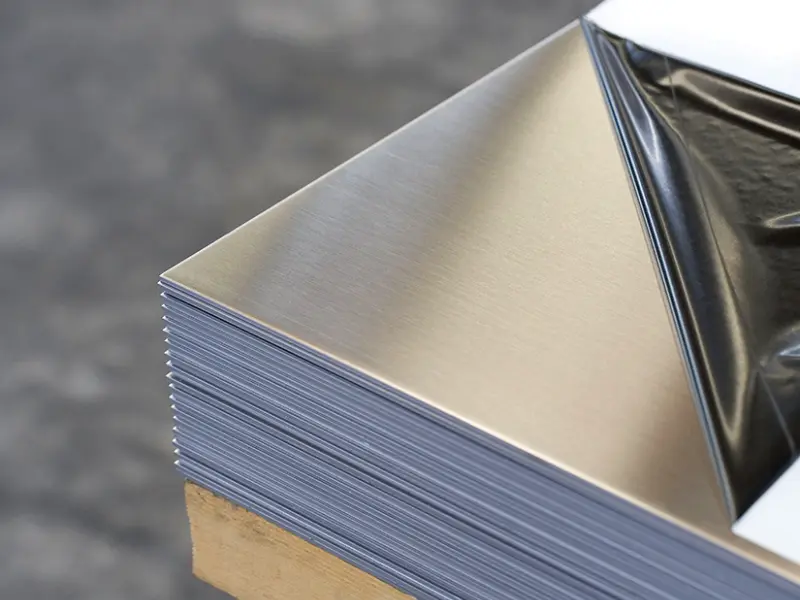
The approximate weight can be calculated using:
Weight = Length × Width × Thickness × Aluminium Density
For aluminium, a commonly used density for estimating weight is about 2.70 g/cm³.
For a 1 m² sheet with a thickness of 1 mm:
1 × 1 × 0.001 × 2,700 kg/m³ ≈ 2.70 kg
So, if the aluminium price were US$3.00/kg:
2.70 kg × US$3.00 ≈ US$8.10/m²
This is a simple material calculation. The actual product price may be higher because of processing and other costs.
Example: Comparing Different Thicknesses
| Thickness | Approx. Weight per m² |
|---|---|
| 0.5 mm | 1.35 kg |
| 0.8 mm | 2.16 kg |
| 1.0 mm | 2.70 kg |
| 1.5 mm | 4.05 kg |
| 2.0 mm | 5.40 kg |
| 3.0 mm | 8.10 kg |
| 5.0 mm | 13.50 kg |
These values are approximate and based on a density of 2.70 g/cm³.
The actual weight can vary slightly according to alloy and production tolerance.
Aluminium Sheet Price Comparison by Alloy
A simple comparison can help buyers understand the general market position.
| Alloy | Strength | Formability | Typical Cost Level |
|---|---|---|---|
| 1050 | Low | Excellent | $ |
| 1060 | Low | Excellent | $ |
| 1100 | Low-medium | Excellent | $ |
| 3003 | Medium | Very good | $$ |
| 3105 | Medium | Very good | $$ |
| 5052 | Medium-high | Good | $$$ |
| 5083 | High | Good | $$$ |
| 6061 | High | Good | $$$ |
The symbols are only a general guide.
Actual prices depend on market conditions, production requirements, quantity, and supplier location.
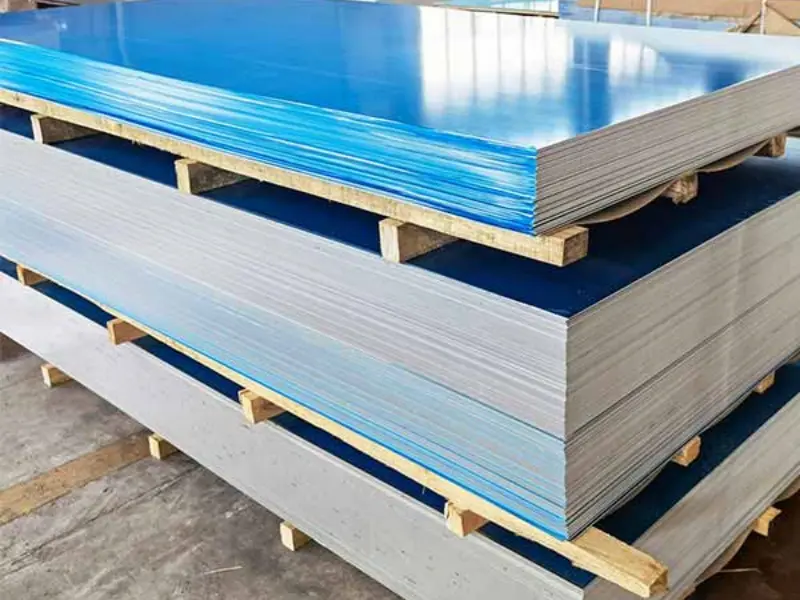
Mill Finish Aluminium Sheet
Mill finish is the standard surface produced during aluminium rolling.
It does not have an additional decorative coating.
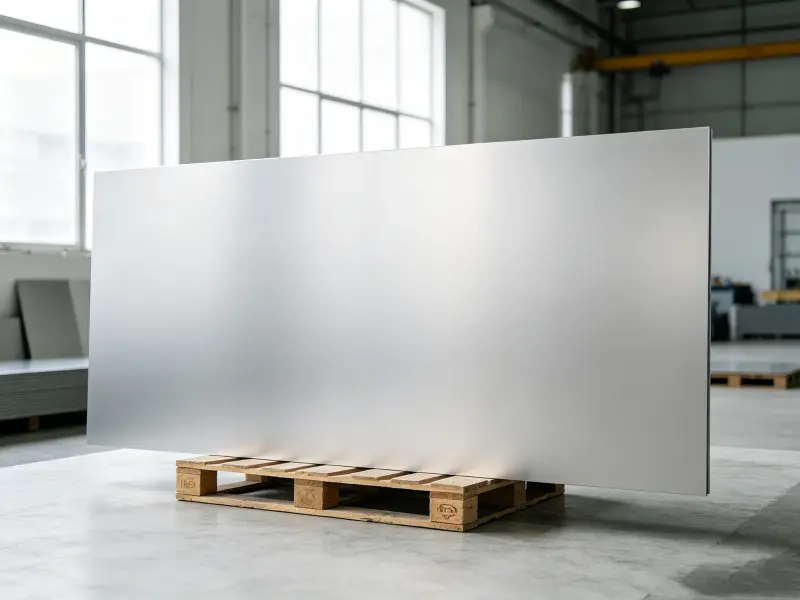
This is often a good option when price is important.
Applications include:
- Industrial fabrication
- Insulation
- Roofing
- General panels
- Machine parts
- Signage
- Construction
A mill finish product usually has a simpler production process than a coated or anodized sheet.
Anodized Aluminium Sheet Price
Anodizing creates a protective oxide layer on the aluminium surface.
It can also provide a decorative appearance.
Common applications include:
- Architecture
- Interior decoration
- Wall panels
- Signs
- Doors
- Furniture
- Commercial buildings
Anodized products may cost more than standard mill finish sheets because of the additional surface treatment.
Painted Aluminium Sheet Price
Painted aluminium sheets can be produced in different colors.
They are often used for:
- Roofing
- Siding
- Wall panels
- Building facades
- Signage
- Decorative panels
The final price depends on:
- Alloy
- Thickness
- Paint system
- Coating thickness
- Color
- Quantity
Embossed Aluminium Sheet Price
Embossing creates a raised pattern on the surface.
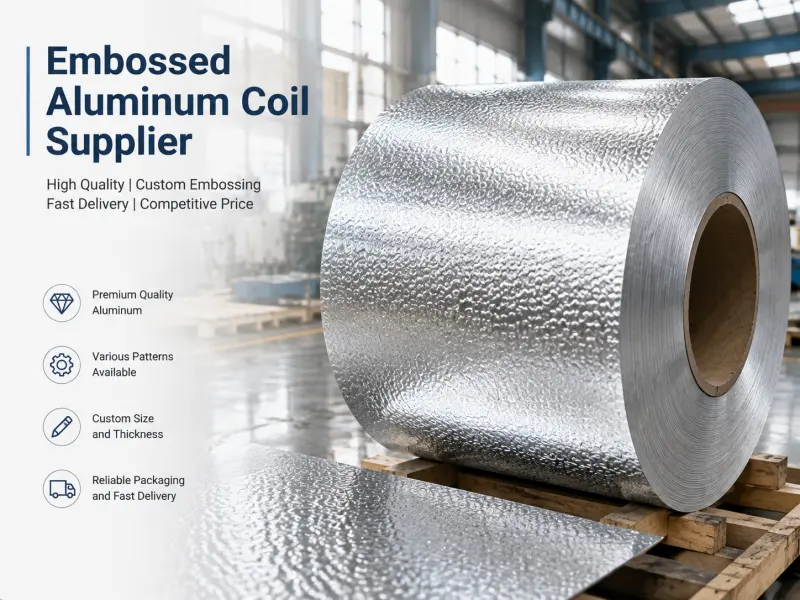
Popular patterns include:
- Stucco
- Orange peel
- Diamond
- Five bar
- Corrugated patterns
Embossed aluminium can be used for:
- Insulation jacketing
- Refrigeration
- Roofing
- Decorative panels
- Industrial equipment
The embossing process adds processing cost, but it can also improve surface appearance and certain performance characteristics.
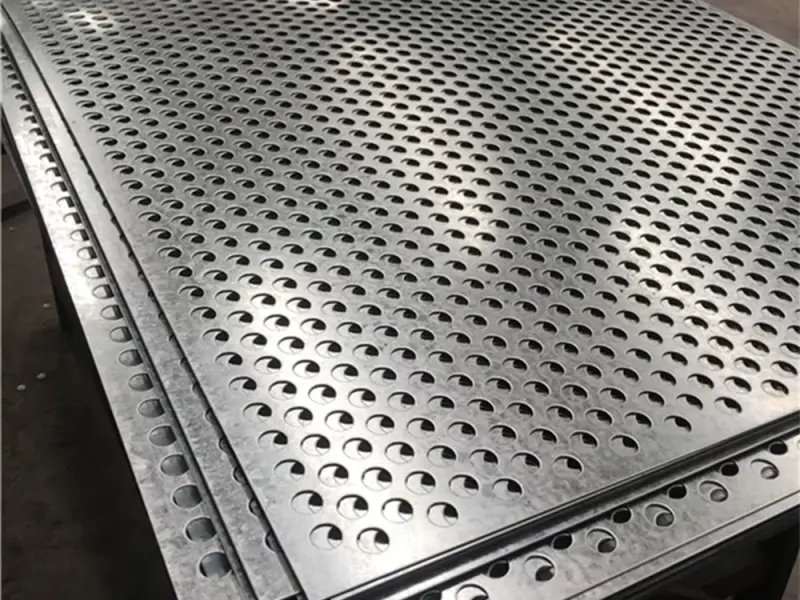
Perforated Aluminium Sheet Price
Perforated sheets contain regular holes.
The price depends on more than the sheet itself.
Important factors include:
- Hole diameter
- Hole shape
- Hole spacing
- Open area
- Sheet thickness
- Alloy
- Cutting pattern
Applications include:
- Ventilation
- Acoustic panels
- Screens
- Machine guards
- Decorative walls
- Building facades
Aluminium Checker Plate Price Per kg
Checker plate has a raised pattern on one side.
Common alloys include:
- 1050
- 3003
- 5052
- 6061
Typical applications include:
- Truck floors
- Stairways
- Platforms
- Walkways
- Toolboxes
- Industrial flooring
The raised pattern adds material and requires additional processing.
Therefore, its price cannot always be compared directly with a plain aluminium sheet of the same thickness.
Aluminium Roofing Sheet Price
Roofing products can be made from different alloys and finishes.
Common options include:
| Product | Typical Alloy | Common Thickness |
|---|---|---|
| Corrugated sheet | 3003 / 3105 | 0.5–1.2 mm |
| Plain roofing sheet | 3003 / 3105 | 0.6–1.5 mm |
| Painted roofing sheet | 3003 / 3105 | 0.5–1.2 mm |
| Aluminum standing seam | 3003 / 3105 | 0.7–1.2 mm |
For roofing, buyers should compare price per square meter as well as price per kg.
Aluminium Sheet for Signage
Aluminium is widely used for signs because it is lightweight and corrosion resistant.

Common alloys include:
- 1050
- 1060
- 3003
Common finishes include:
- Mill finish
- Anodized
- Painted
- Reflective
- Brushed
The best material depends on whether the sign is used indoors or outdoors.
Aluminium Sheet for Construction
Construction is a major application.
Aluminium sheets can be used for:
- Wall cladding
- Roofing
- Fascia
- Siding
- Ceiling panels
- Decorative panels
- Insulation jacketing
- Architectural components
For construction projects, buyers should consider long-term performance instead of only initial material cost.
Aluminium Sheet for Industrial Applications
Industrial users often require specific alloys and tempers.
Applications include:
- Machine covers
- Heat exchangers
- Tanks
- Equipment panels
- Electrical components
- Transportation parts
- Industrial insulation
The material specification should be based on the working environment.
How Order Quantity Affects Aluminium Sheet Price
Quantity can have a strong effect on the quotation.
| Order Size | Typical Buying Situation |
|---|---|
| 100 kg | Small order |
| 500 kg | Small wholesale |
| 1 ton | Standard wholesale |
| 5 tons | Medium order |
| 10 tons | Large order |
| 20+ tons | Large industrial order |
Larger orders can reduce some fixed costs.
They may also provide better production efficiency and shipping arrangements.
However, the minimum order quantity depends on the manufacturer and product type.
Standard Size vs Custom Size
Standard sizes are often easier to produce.
Custom sizes may require additional:
- Slitting
- Cutting
- Leveling
- Edge trimming
- Packaging
For example, a standard 1220 mm wide sheet may be easier to source than a special 1,137 mm width.
When possible, choosing a standard size can help reduce processing costs.
How to Get a Better Aluminium Sheet Price

Buyers can use several simple methods.
Compare the Same Specification
Do not compare a 1050 sheet with a 5052 sheet only because both are aluminium.
Compare:
Same alloy + same temper + same thickness + same size + same finish
This provides a more useful price comparison.
Ask for Bulk Pricing
If the total requirement is several tons, tell the supplier the complete quantity.
A supplier may provide a different price for a larger order.
Use Standard Dimensions
Standard widths and lengths can reduce processing.
Avoid Unnecessary Surface Treatment
If a mill finish is suitable, an additional coating may not be necessary.
Confirm the Final Destination
Freight and import costs can change the total landed price.
What Should Be Included in an Aluminium Sheet Quotation?
A professional quotation should clearly show the product specification.
| Item | Example |
|---|---|
| Alloy | 3003 |
| Temper | H14 |
| Thickness | 1.0 mm |
| Width | 1220 mm |
| Length | 2440 mm |
| Surface | Mill Finish |
| Quantity | 10 MT |
| Unit Price | USD/kg |
| Packing | Export Standard |
| Loading Port | China |
| Delivery Term | FOB / CIF |
| Lead Time | To be confirmed |
This makes it easier to compare different suppliers.
FOB vs CIF Aluminium Sheet Price
The delivery term can change the final purchasing cost.
FOB
The supplier normally handles the product until it is loaded according to the agreed shipping terms.
The buyer usually arranges the main ocean freight.
CIF
The quotation includes the cost of goods, insurance, and freight to the named destination port under the agreed Incoterms.
For international buyers, comparing both product price and landed cost is important.
How to Choose an Aluminium Sheet Supplier
A low price is not enough.
A good supplier should provide stable specifications and clear communication.
Check:
- Alloy certificate
- Thickness tolerance
- Width tolerance
- Surface quality
- Mechanical properties
- Packaging
- Production capacity
- Sample availability
- Lead time
- Export experience
For repeat orders, consistent quality between batches is especially important.
Aluminium Sheet Buying Checklist

Before placing an order, confirm:
→ Alloy
→ Temper
→ Thickness
→ Width
→ Length
→ Surface finish
→ Quantity
→ Tolerance
→ Packaging
→ Inspection requirements
→ Delivery term
→ Destination port
→ Payment terms
This simple checklist can prevent many quotation problems.
Frequently Asked Questions
What is the aluminium sheet price per kg?
There is no fixed price for all aluminium sheets. The price depends on alloy, temper, thickness, surface finish, quantity, market conditions, and delivery terms.
Is aluminium sheet sold by kg or ton?
Both are common. Small and medium orders may use a price per kg, while large industrial orders are often quoted per metric ton.
How much is one ton of aluminium sheet?
One metric ton equals 1,000 kg. If the quotation is US$3.00/kg, the material value would be US$3,000 per ton. This is only a calculation example, not a current market quotation.
What is the cheapest aluminium sheet alloy?
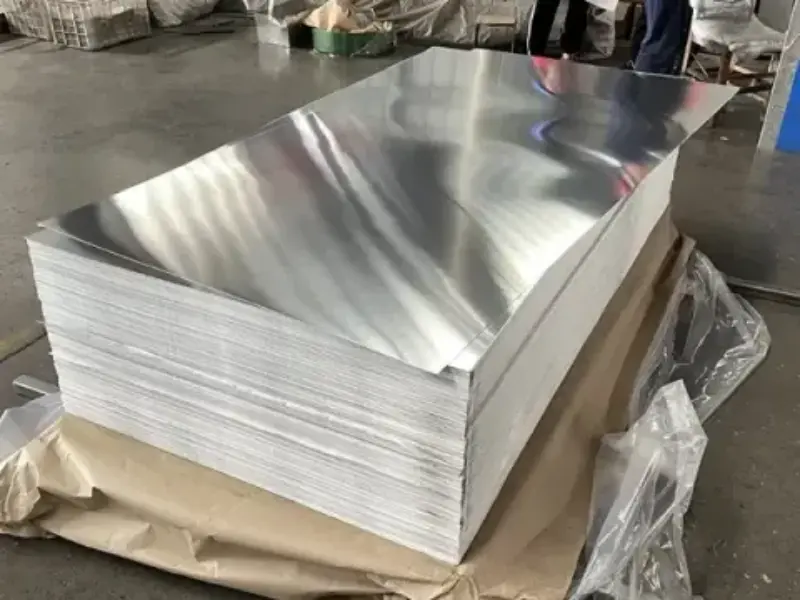
1050, 1060, and 1100 can be economical choices for general applications. The actual price depends on market conditions and product specifications.
Is 5052 aluminium more expensive than 1050?
It can be. 5052 offers higher strength and different performance characteristics. The additional material cost may be justified for demanding applications.
What is the difference between aluminium sheet price per kg and per m²?
Price per kg measures the cost by weight. Price per m² measures the cost of covering a certain area. Thickness must be considered when converting between the two.
How do I calculate aluminium sheet weight?
A simple calculation is:
Weight = Length × Width × Thickness × Density
For general estimates, aluminium density is often taken as about 2,700 kg/m³.
Does thickness affect the price per kg?
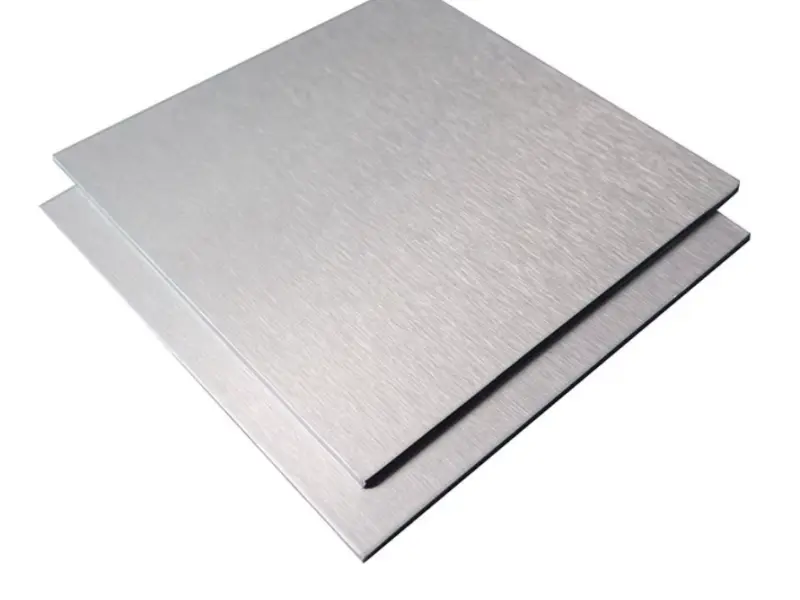
Thickness has a stronger effect on the total weight and price per square meter. The kilogram price is influenced more by alloy, market conditions, processing, and order size.
What is the most common aluminium sheet thickness?
There is no single standard. 0.5, 0.8, 1.0, 1.5, 2.0, and 3.0 mm are common choices for different applications.
Which aluminium is best for roofing?
3003 and 3105 are common choices for aluminium roofing products. The final choice depends on the roof design, climate, thickness, and required strength.
Which aluminium is best for signage?
1050, 1060, and 3003 are commonly used. The best choice depends on whether the sign is indoor or outdoor and whether it needs forming or higher strength.
Which aluminium alloy is best for marine applications?
5052 and 5083 are commonly considered for marine applications because of their corrosion resistance and strength.
Is anodized aluminium more expensive?
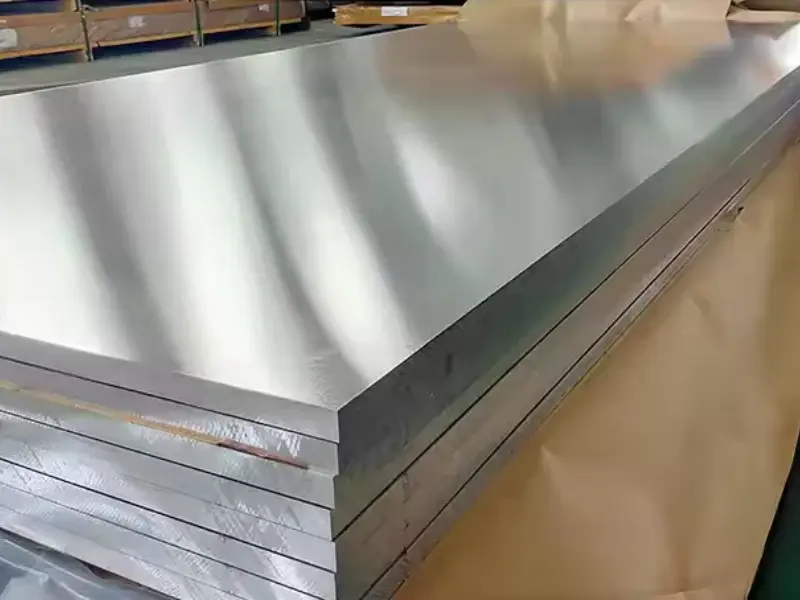
Usually, additional anodizing creates extra processing costs. The actual price depends on alloy, thickness, color, surface quality, and order quantity.
Is painted aluminium sheet more expensive than mill finish?
Usually, yes. Painting adds coating and processing costs. However, it can provide color, surface protection, and a different appearance.
Does buying aluminium sheets in bulk reduce the price?
Often it can. Larger orders can improve production and logistics efficiency. The actual discount depends on the supplier and order specification.
What information should I send when asking for a quotation?
Provide alloy, temper, thickness, width, length, surface finish, quantity, packaging requirements, and destination.
Can aluminium sheets be cut to custom sizes?
Yes. Many manufacturers can provide cut-to-size sheets, strips, or other dimensions. Custom processing may add cost.
Why are two suppliers offering different aluminium prices?
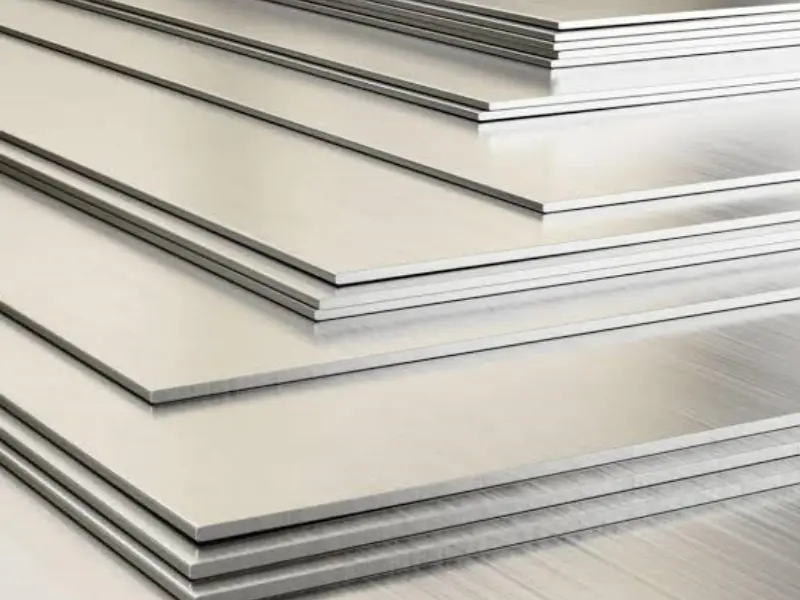
They may have different raw material costs, production costs, specifications, order quantities, freight terms, or quality requirements.
Should I choose the lowest aluminium sheet price?
Not always. A lower price may come with a different alloy, tolerance, surface quality, packaging method, or delivery condition. Compare the complete specification.
Quick Aluminium Sheet Price Comparison
| Product | Typical Alloy | Typical Temper | Main Application |
|---|---|---|---|
| General sheet | 1050 / 1060 | O / H14 | General fabrication |
| Roofing sheet | 3003 / 3105 | H14 / H24 | Roofing |
| Signage sheet | 1050 / 3003 | H14 / H18 | Signs |
| Marine sheet | 5052 / 5083 | H32 / H116 | Marine |
| Industrial sheet | 3003 / 5052 | H14 / H32 | Equipment |
| Structural sheet | 6061 | T6 | Fabrication |
| Embossed sheet | 1050 / 3003 | H14 / H24 | Insulation |
| Checker plate | 3003 / 5052 / 6061 | H14 / H24 / T6 | Flooring |
A Simple Way to Compare Aluminium Quotations
When receiving several offers, create a comparison table.
| Item | Supplier A | Supplier B | Supplier C |
|---|---|---|---|
| Alloy | 3003 | 3003 | 3003 |
| Temper | H14 | H14 | H14 |
| Thickness | 1.0 mm | 1.0 mm | 1.0 mm |
| Width | 1220 mm | 1220 mm | 1220 mm |
| Finish | Mill | Mill | Mill |
| Quantity | 10 MT | 10 MT | 10 MT |
| Price/kg | — | — | — |
| Delivery | — | — | — |
Only after the specifications are matched should the unit prices be compared.